

shutterstock

100 Best Rated
Dishes with Seafood

Last updated on June 17, 2026
01

Conchitas a la parmesana

4.6 ·

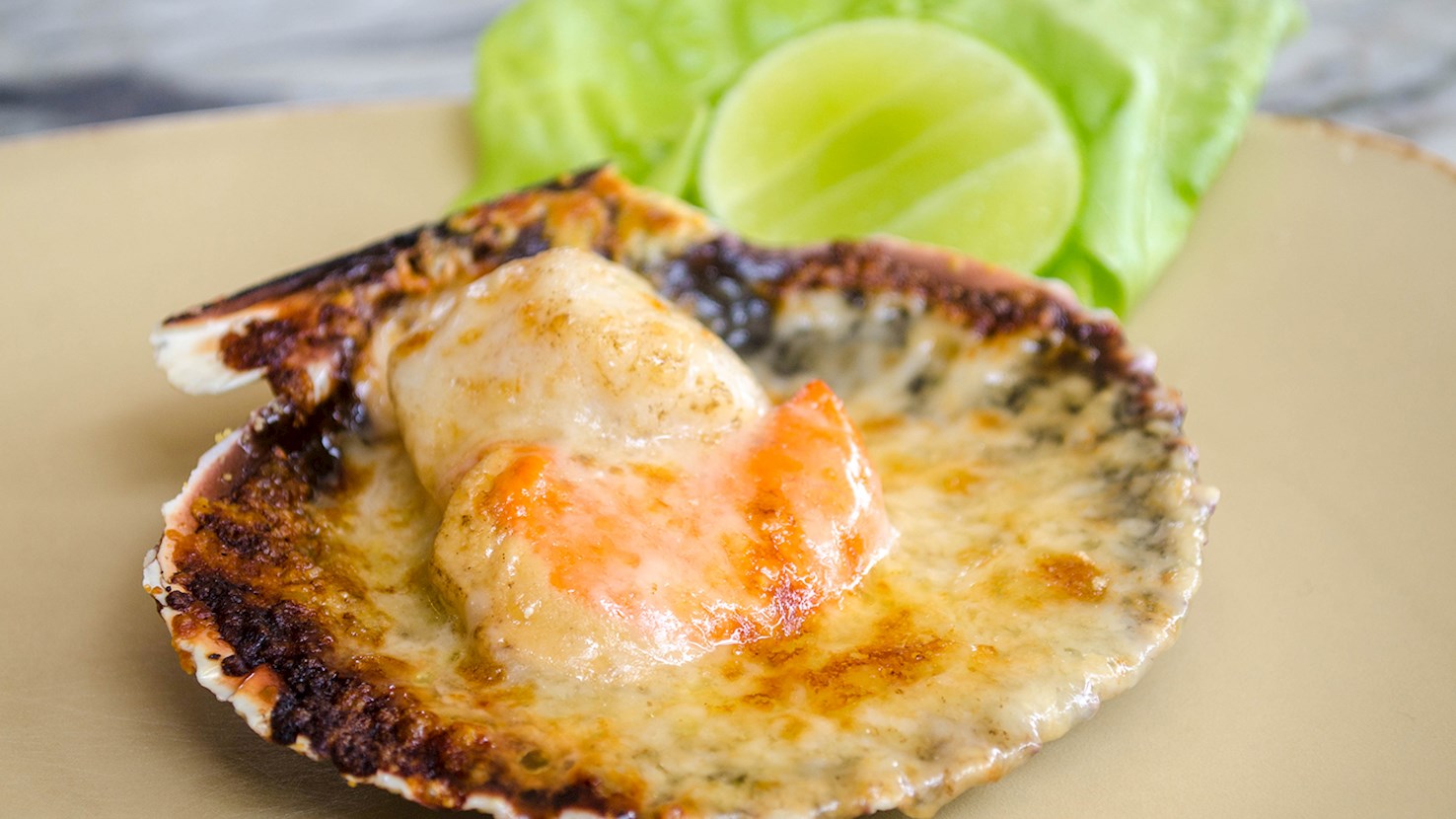
Conchitas a la parmesana is a traditional dish that's served as an appetizer. It consists of scallops that are topped with grated parmesan, then placed under the broiler for a few minutes. When served, the cheese should be bubbling, but the scallops will remain almost raw. The ingredients used for the dish include scallops, Worcestershire sauce, lime juice, butter, salt, pepper, and grated parmesan cheese. The dish is served immediately, while still piping hot, ideally with lime wedges on the side.

02

Otoro nigiri sushi

4.6 ·

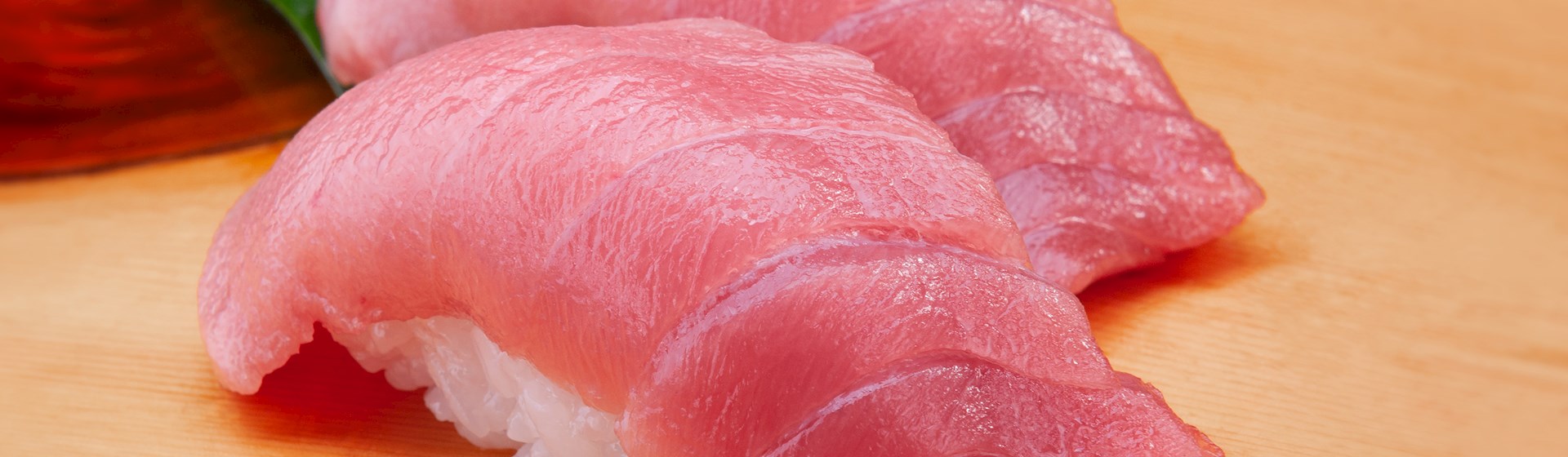
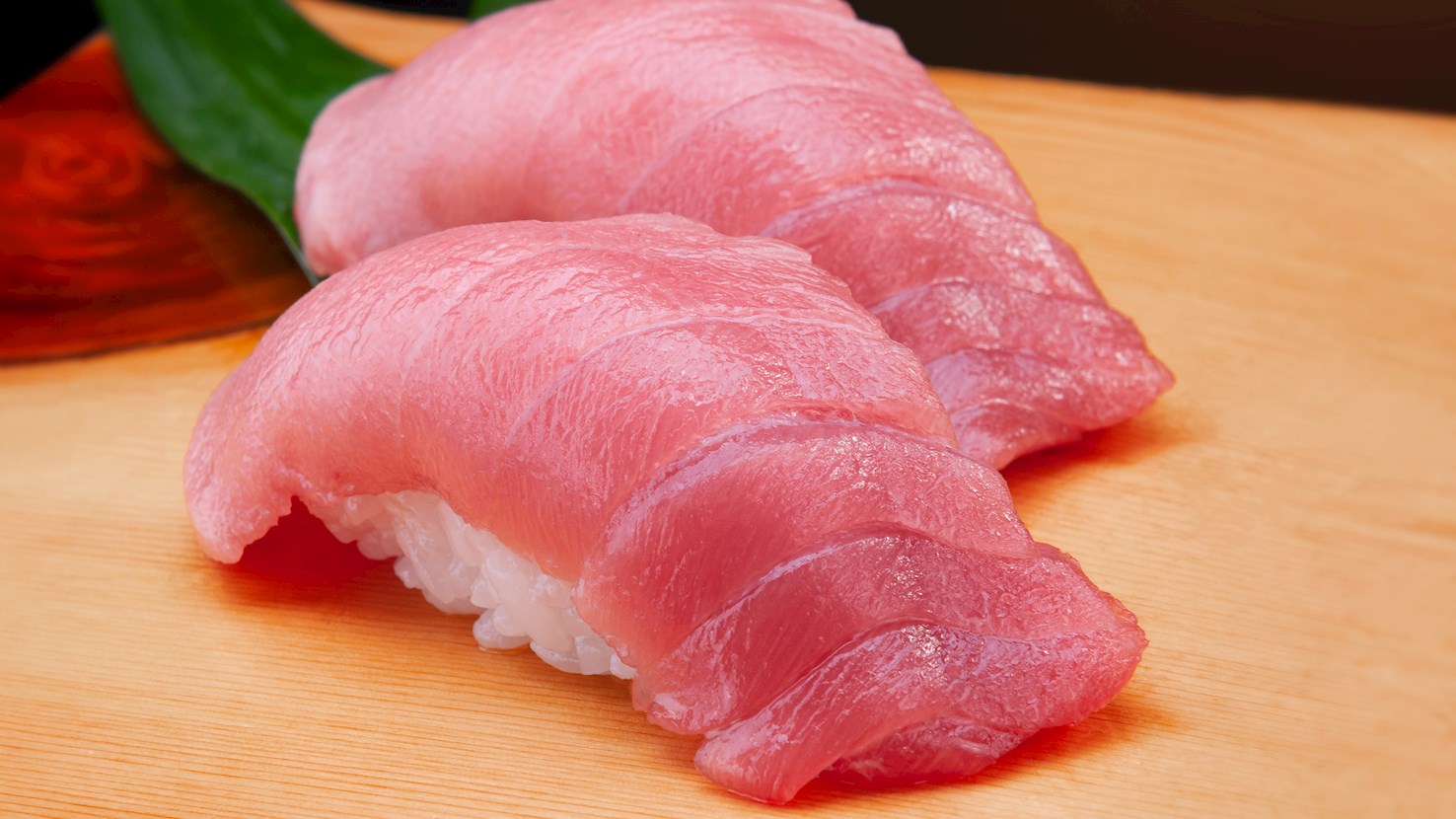
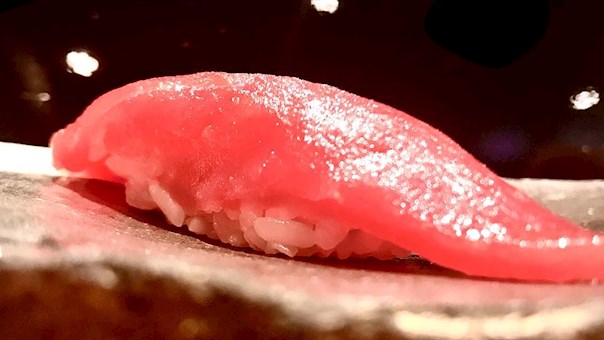
Otoro nigiri sushi is a traditional type of nigiri sushi. It consists of hand-pressed sushi rice that's topped with slices of fatty cuts of tuna. Different cuts of tuna are classified as otoro (fatty), chutoro (medium-fatty), and akami (red meat). The dish has a rich flavor and a melt-in-the-mouth texture that makes it quite expensive. Traditionally, this type of sushi is eaten by hand in a single bite. It's usually accompanied by soy sauce, wasabi, or pickled ginger (gari) on the side.

03

Chutoro nigiri sushi

4.6 ·

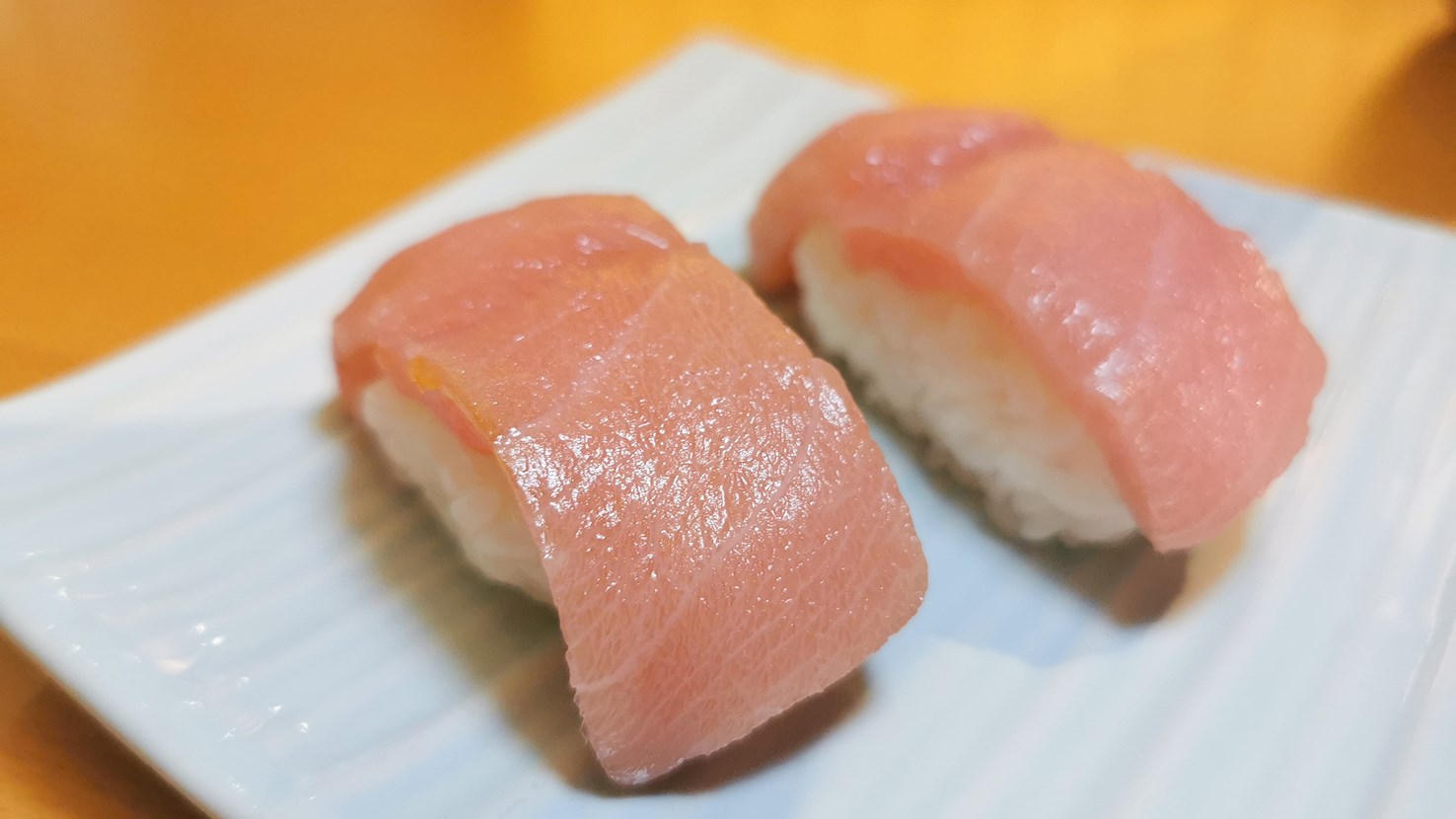
Chutoro nigiri sushi is a traditional type of nigiri sushi. It consists of hand-pressed sushi rice that's topped with slices of medium-fatty cuts of tuna. Different cuts of tuna are classified as otoro (fatty), chutoro (medium-fatty), and akami (red meat). The dish has a rich and deep flavor and a soft texture. Traditionally, this type of sushi is eaten by hand in a single bite. It's usually accompanied by soy sauce, wasabi, or pickled ginger (gari) on the side.

04

Loimulohi

4.6 ·

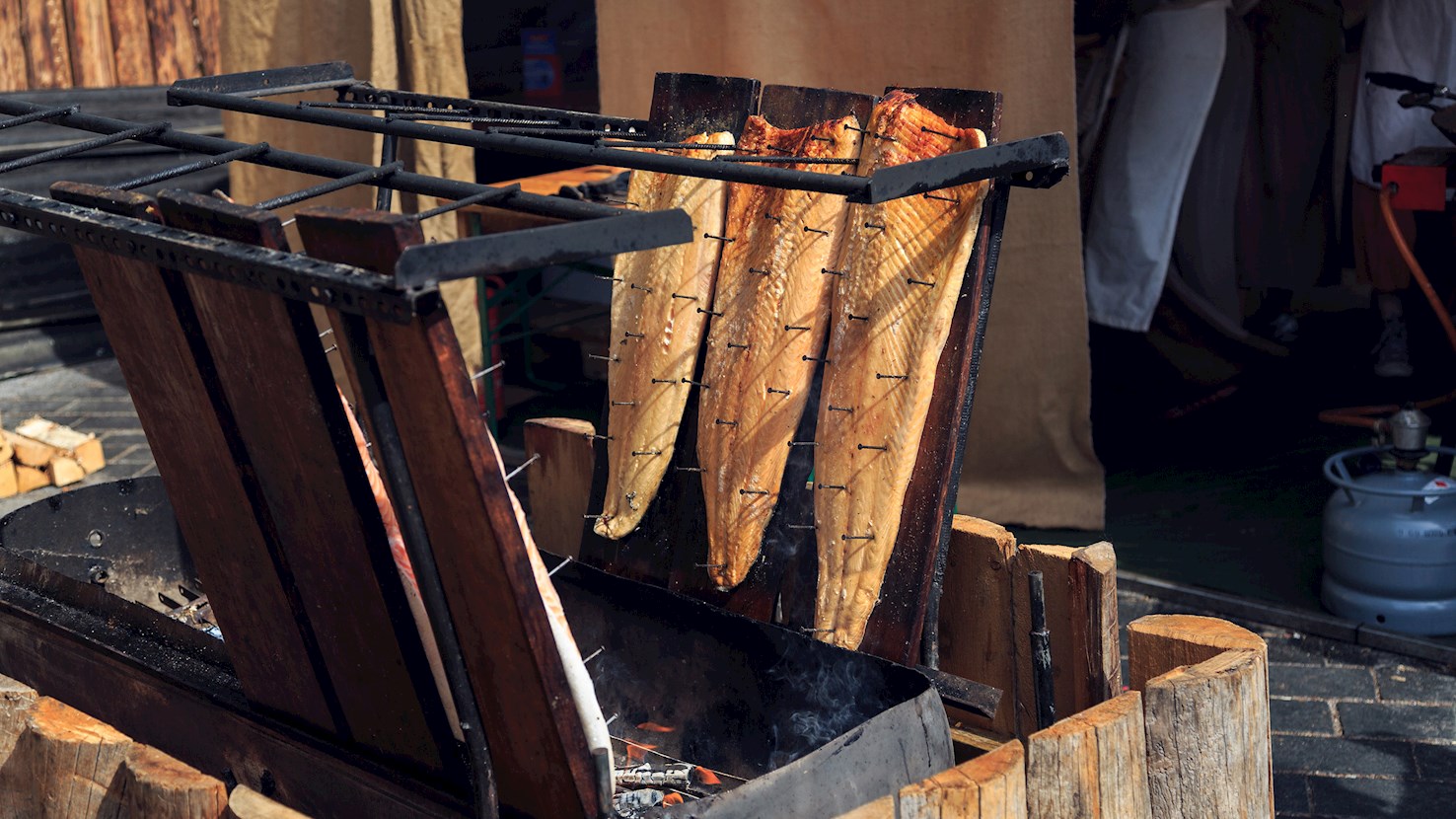
Loimulohi is a traditional method of preparing salmon or rainbow trout. The fish is smoked on a wooden plank that's placed vertically over an open fire. Before the process, the salmon is usually seasoned with sea salt and drizzled or brushed with lemon juice, honey, or juniper berries. The cooking time depends on the distance from the coals. Once done, the smoky fish can be eaten straight off the plank.

05

Kalamar tava

4.5 ·

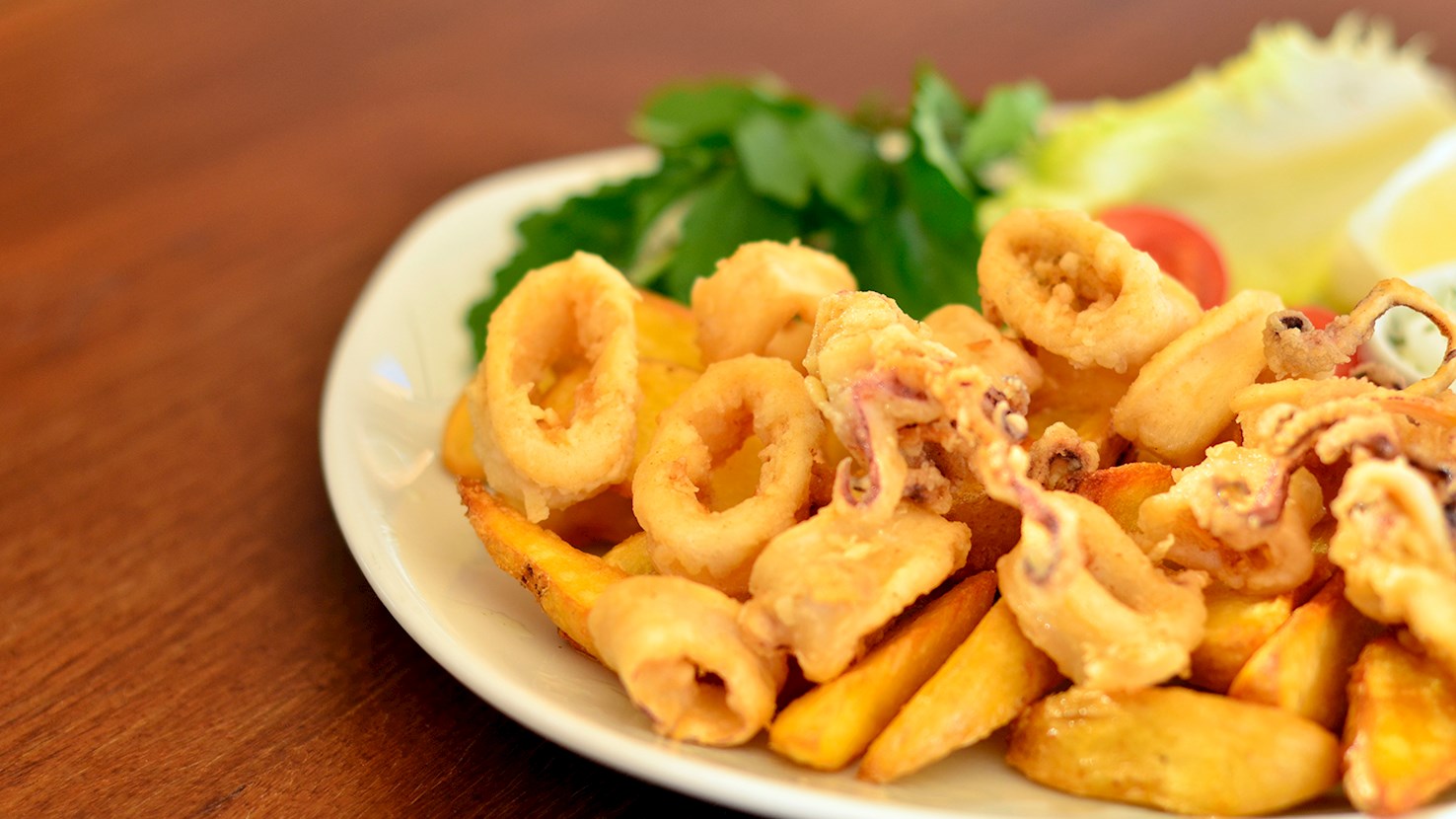
Kalamar tava is a traditional dish that's usually served as a meze. The dish consists of cleaned squid that's cut into thick rings, soaked in milk, then dipped in a batter of flour, baking soda, and salt before it's fried in hot oil. The squid rings can be flavored with herbs or pepper flakes, if desired. Once fried, the rings are typically served with a Turkish tartar-like sauce on the side for dipping, along with a few lemon wedges.

06

Vieiras en su concha

4.5 ·

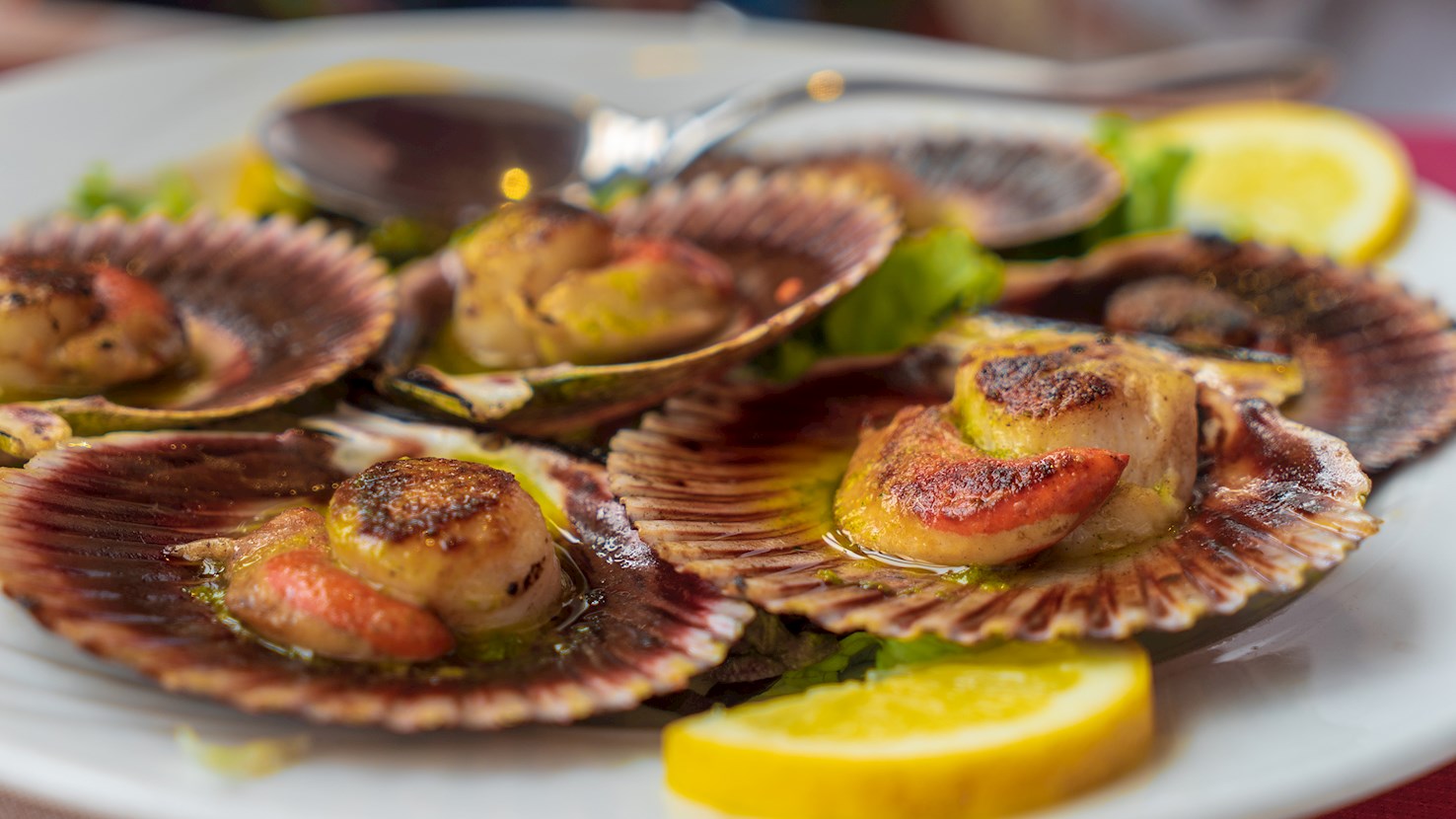
Vieiras en su concha is a traditional dish originating from Galicia, consisting of scallops served in their shells. The dish is usually made with a combination of scallops, olive oil, onions, garlic, pimentón, white wine, tomato sauce, salt, pepper, breadcrumbs, and parsley. The garlic, onions, and pimentón are sautéed in olive oil, then covered with wine, tomato sauce, and seasonings in order to create a sauce. The scallops are boiled and arranged on a baking sheet in their shells, then topped with the tomato mixture, breadcrumbs, and parsley. They're cooked under the broiler until the top becomes golden, and the scallops are then served immediately.

07

Tangbao (Soup buns)

4.5 ·

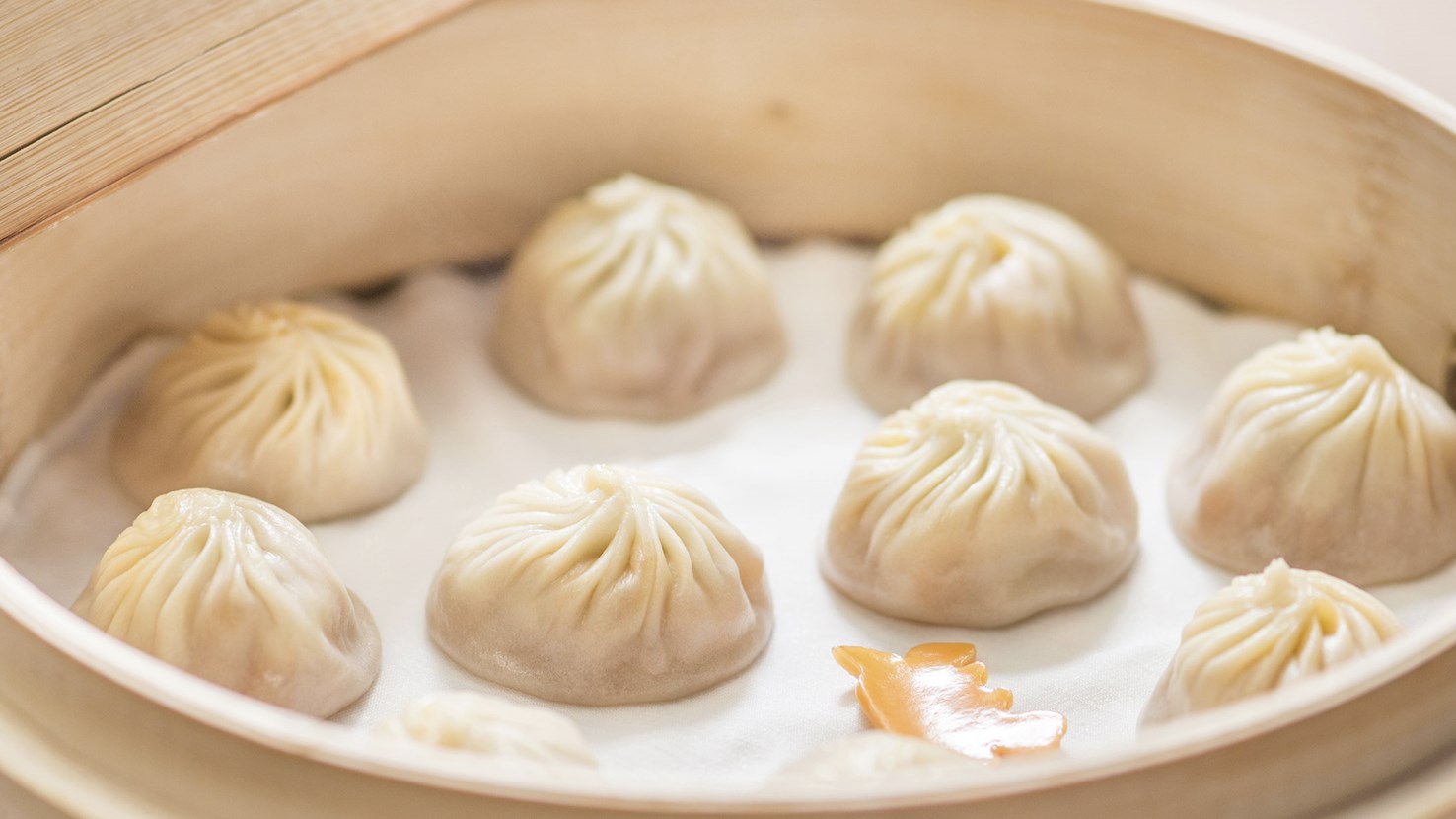
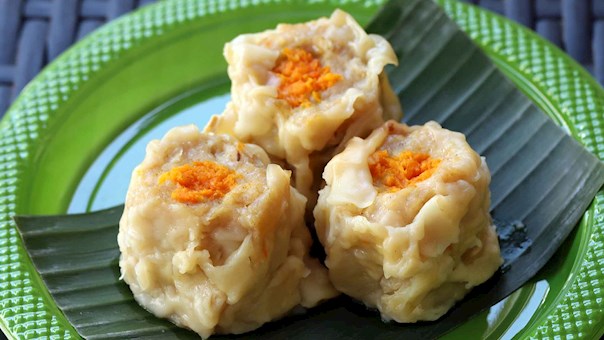
The name tangbao or tangbaozi refers to a broad group of steamed Chinese soup-filled dumplings. Depending on the origin, dumplings can be made with leavened or plain dumpling dough which is usually wrapped around a gelatinous filling, twisted and sealed at the top, and then steamed. While they steam, the firm filling (usually made with minced pork or crab meat) transforms into a flavorful soup, which stays safely secured inside the bun. Due to the nature of this Chinese delicacy, they are always served immediately after steaming, so the soup stays liquid and hot. Because of the sizzling filling, tangbao buns should be consumed with precaution and usually employ a unique eating technique. Chopsticks are used to hold the bun at the top, and a small bit is taken from the side, allowing the soup to pour into the wide spoon held underneath. The soup and the dumpling are usually eaten alternatively, but can also be enjoyed one at the time. One of the most common varieties of the dish includes the tangbao dumplings originating from the Jiangsu province, which are usually large in form and often come with a straw tucked inside the bun, which is used to slurp the delicious soup. Xiaolongbao, the authentic Shanghai version, is famous for its small size and slightly thinner dough. All the varieties found in China and in Chinese restaurants around the world are typically served as a snack, as a part of dim sum meals, or as a satisfying appetizer.

08

Guotie

4.5 ·

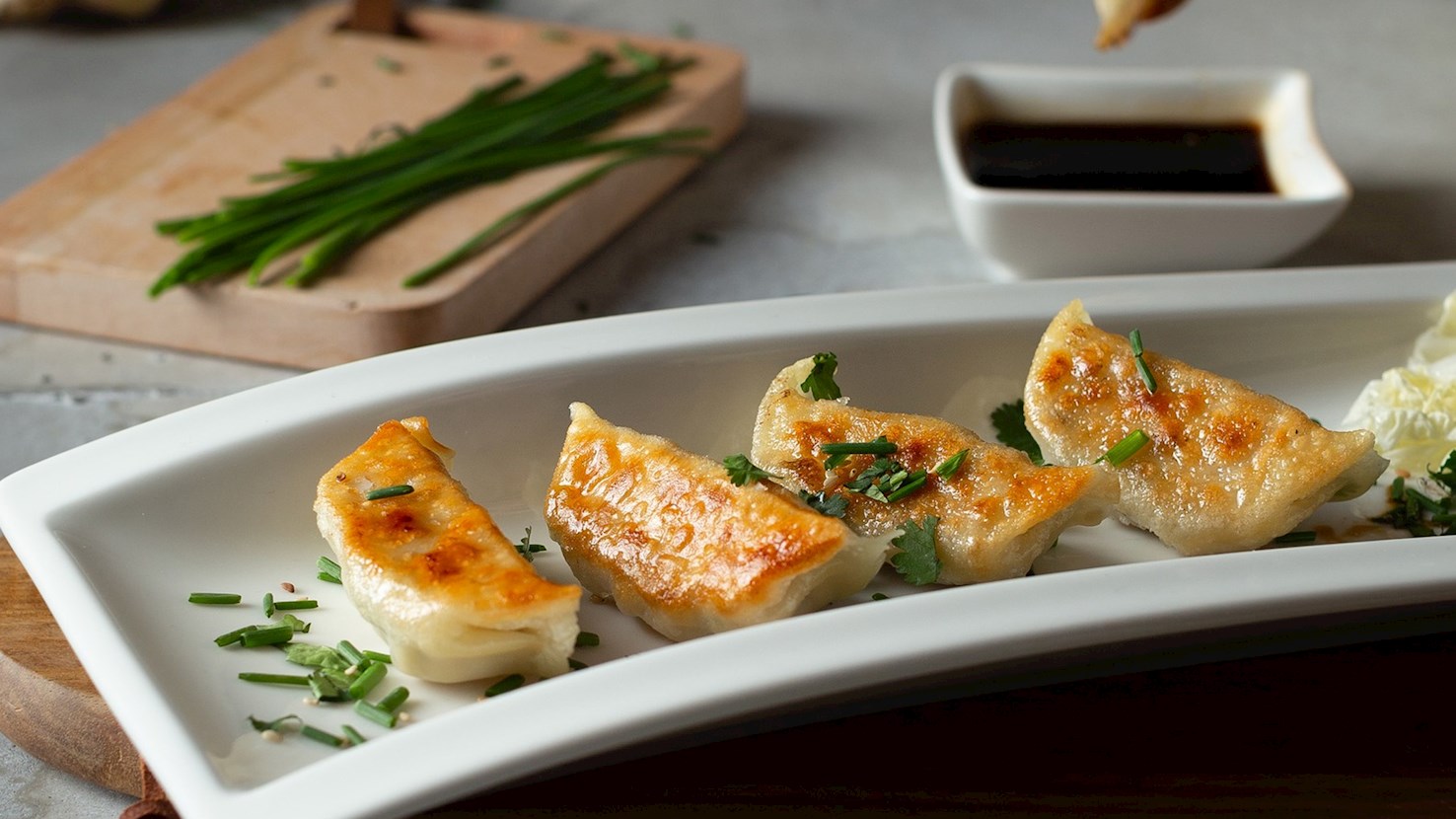
The pan-fried variety of the Chinese jiaozi dumpling, known as guotie, is a Northern Chinese dumpling typically filled with minced pork, Chinese cabbage, scallions, ginger, rice wine, and sesame seed oil. Crunchy and soft textures are achieved by a special method of preparing; while the bottom of the dumpling is frying, a small amount of liquid is added to the pan which is then covered, thus allowing the rest of the dumpling and the filling to steam. When it comes to the shape, guotie should always be long and straight as it can stand more easily and it does not fall over during cooking. Goutie can be literally translated as pot sticks, so these dumplings are often nicknamed potstickers, especially in North America. Although the first-known mention of goutie dates back to the Song Dynasty, today they are a popular street food, often eaten as a snack or an appetizer, typically accompanied by a dipping sauce.

09

Kaisendon

4.5 ·

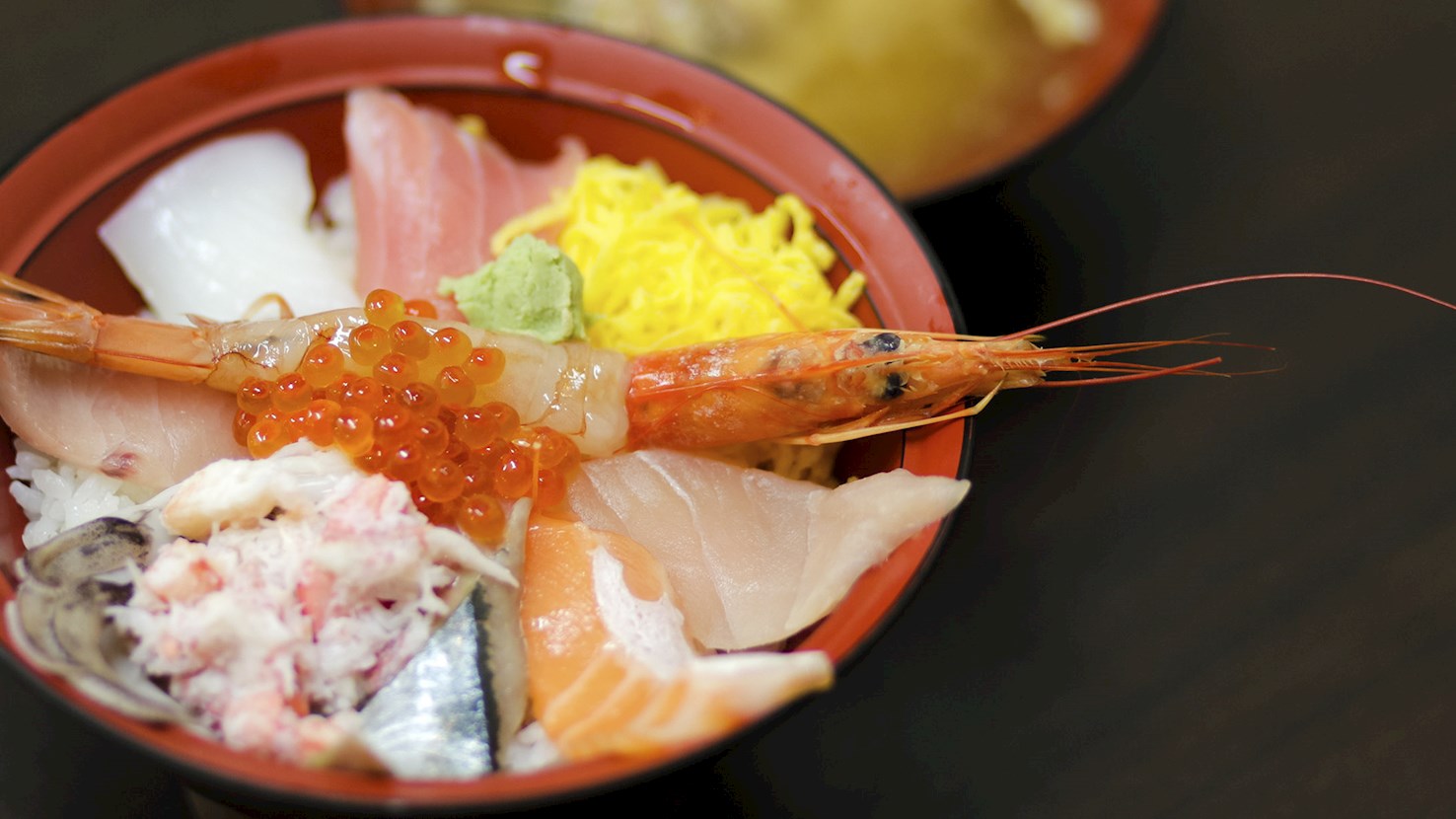
One of the most popular fresh seafood one-bowl donburi dishes, kaisendon consists of thinly sliced, assorted raw seafood called sashimi laid over freshly steamed rice. What kind of sashimi will be used in a kaisendon dish is not fixed, but the seafood selection depends on both location and season, and most often includes maguro (tuna), tai (sea bream), ama ebi (deep-water shrimps), hotate (scallops), uni (sea urchin), kani (crab), and sometimes even marinated ikura (salmon roe). Apart from sashimi, kaisendon is typically topped with toasted nori seaweed, myoga ginger, shiso or Japanese basil, cucumber, onions, and either fresh or pickled ginger. Before being placed on a bed of steamy rice, all of the ingredients are drizzled with wasabi-laced soy sauce, and the kaisendon bowl is lastly garnished with some white sesame seeds, white radish sprouts, and wasabi paste. In Japan, fresh seafood donburi dishes have a huge following; light yet nutritious, they make for a great lunch option and can be found at any sushi restaurant.

10

Sushi

4.4 ·

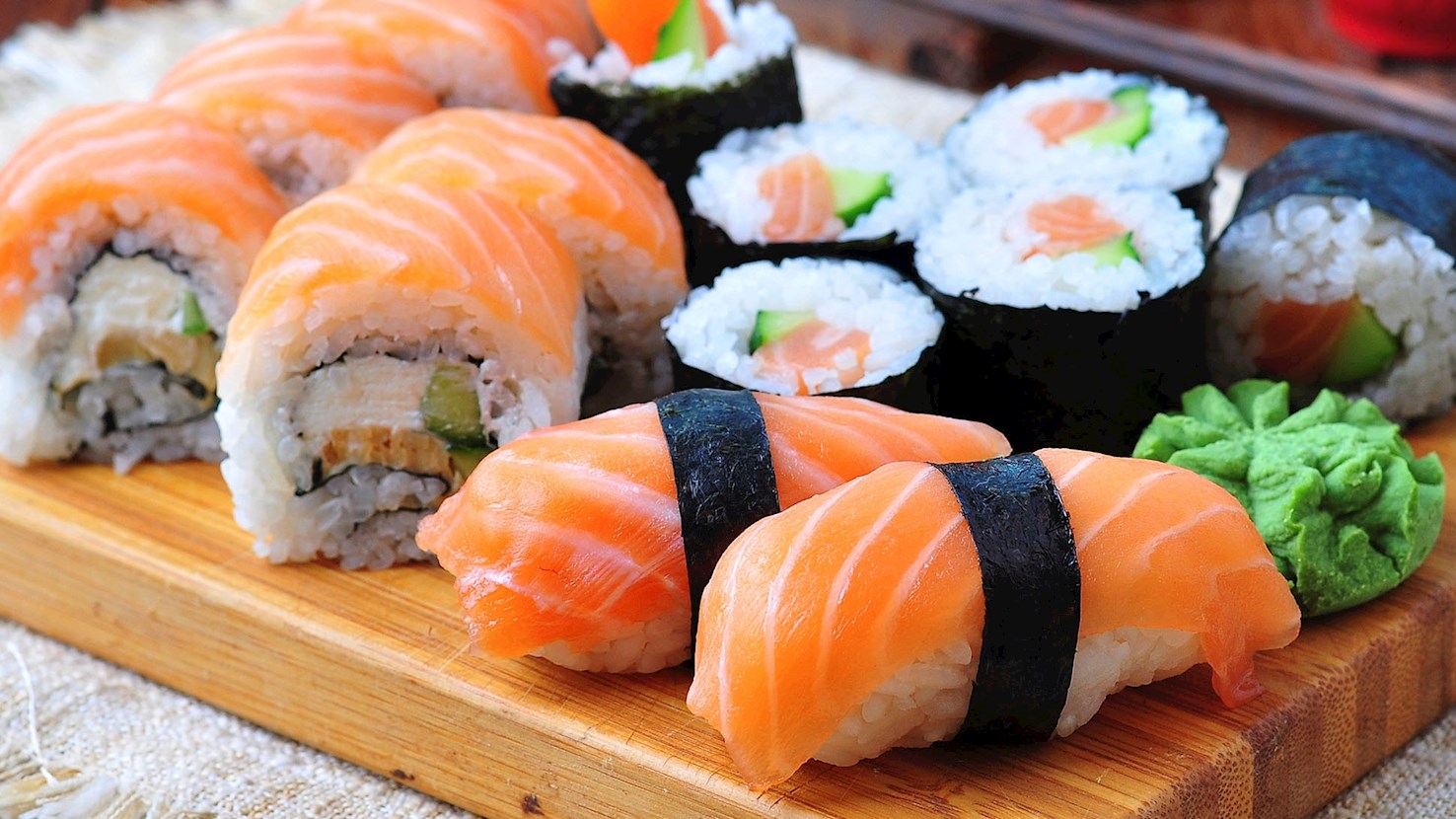
Sushi is Japan's most famous culinary representative, typically made with rice and fillings which have been rolled inside a sheet of dry seaweed. However, the term sushi is actually an umbrella term covering a wide range of subvarieties which can be made with a myriad of different ingredients and in as many forms and presentations. Although the dish has become wrongly synonymous with raw fish, the primary ingredient of every type of sushi is only vinegared rice. Originally, sushi was only a method of preserving fish - first developed in Southeast Asia, but it reached Japan in the 8th century. Over time, the dish slowly transformed. Rice was no longer fermented but vinegared and eaten together with fish, and by the 19th century, sushi as we know it today was invented. Besides rice, which can be white or brown, other ingredients include seafood, meat, and vegetables that can be either raw or cooked. Termed as the original type of sushi, nigirizushi is prepared by draping a mound of rice with a sliced topping, frequently with some wasabi in between or on the side, while probably the most popular type of sushi known worldwide is makizushi; small, usually bite-sized cylindrical pieces most commonly wrapped in nori — a sheet of dry seaweed. Other best-known types of sushi include chirashizushi, served as a bowl of rice topped with a selection of raw ingredients; the pressed variety called oshizushi; inarizushi - deep-fried tofu sacs containing a filling; the traditional narezushi made with fermented rice; and temaki, cone-shaped pieces of seaweed filled with ingredients. Sushi can be eaten with chopsticks or fingers, and it is typically served on a platter or in a bento box with a compartment for dips (usually soy sauce). Due to the worldwide popularity of sushi, many variations of the dish developed outside of Japan.

About this ranking

TasteAtlas food rankings are based on the ratings of the TasteAtlas audience, with a series of mechanisms that recognize real users and that ignore bot, nationalist or local patriotic ratings, and give additional value to the ratings of users that the system recognizes as knowledgeable. For the “100 Best Rated Dishes with Seafood” list until June 17, 2026, 1,000,987 ratings were recorded, of which 657,348 were recognized by the system as legitimate. TasteAtlas Rankings should not be seen as the final global conclusion about food. Their purpose is to promote excellent local foods, instill pride in traditional dishes, and arouse curiosity about dishes you haven’t tried.

Similar lists