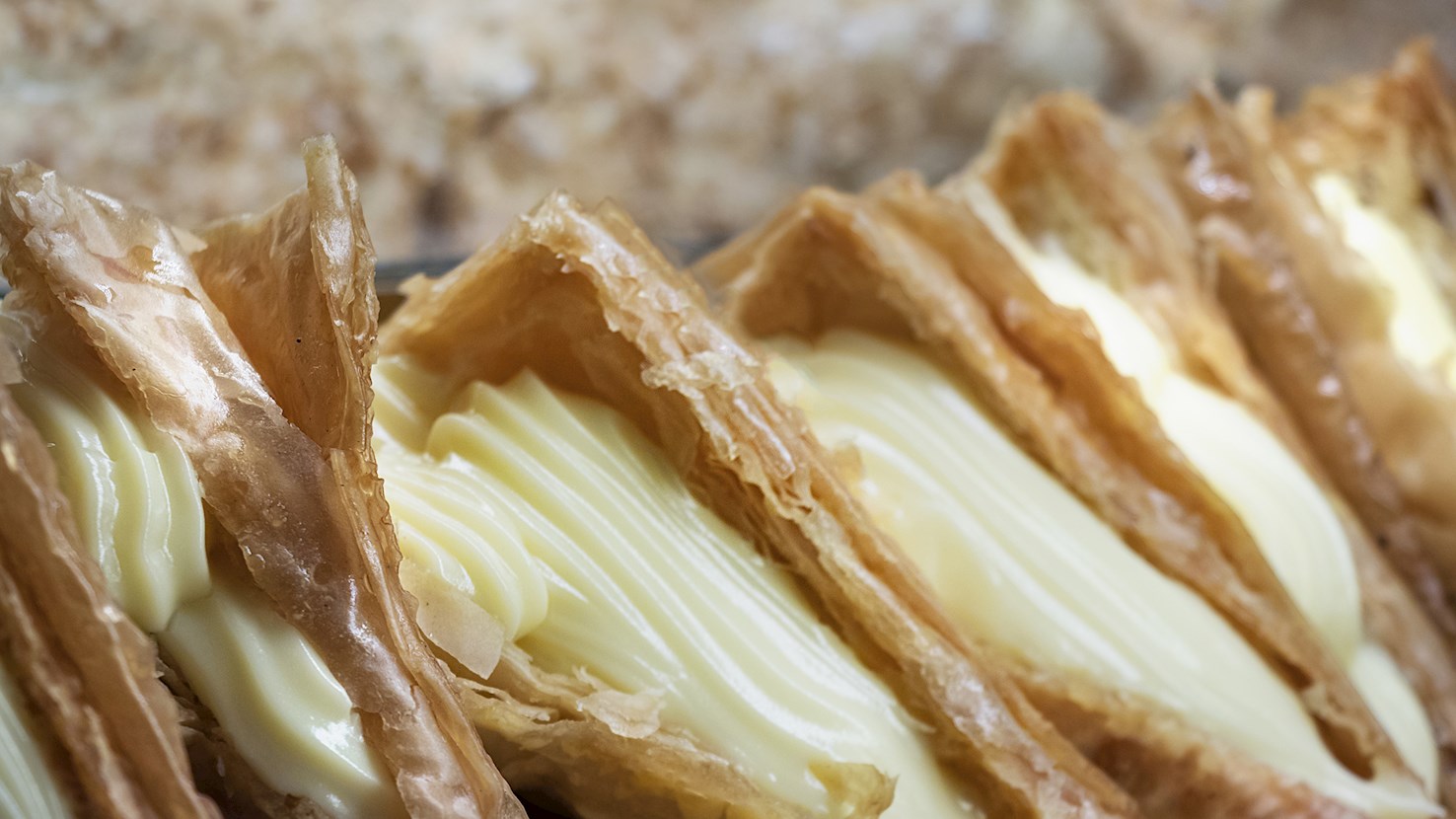
Trigona panoramatos is a traditional sweet pastry originating from the outskirts of Thessaloniki. These crispy and buttery triangular (cone-shaped) phyllo pastries are typically soaked in syrup and filled with creamy custard. The custard is usually made with a combination of egg yolks, flour, butter, milk, sugar, vanilla, and heavy cream. The phyllo triangles are baked until golden brown, dipped in cold syrup consisting of sugar and water, and then filled with the chilled custard. Trigona is often garnished with chopped nuts before consumption.
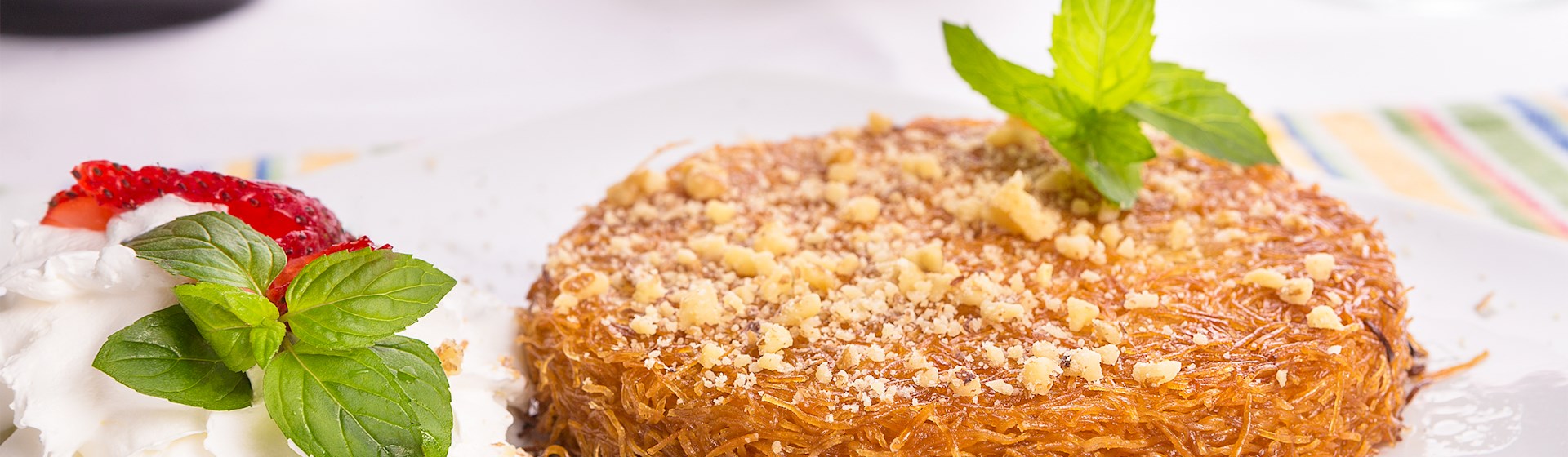
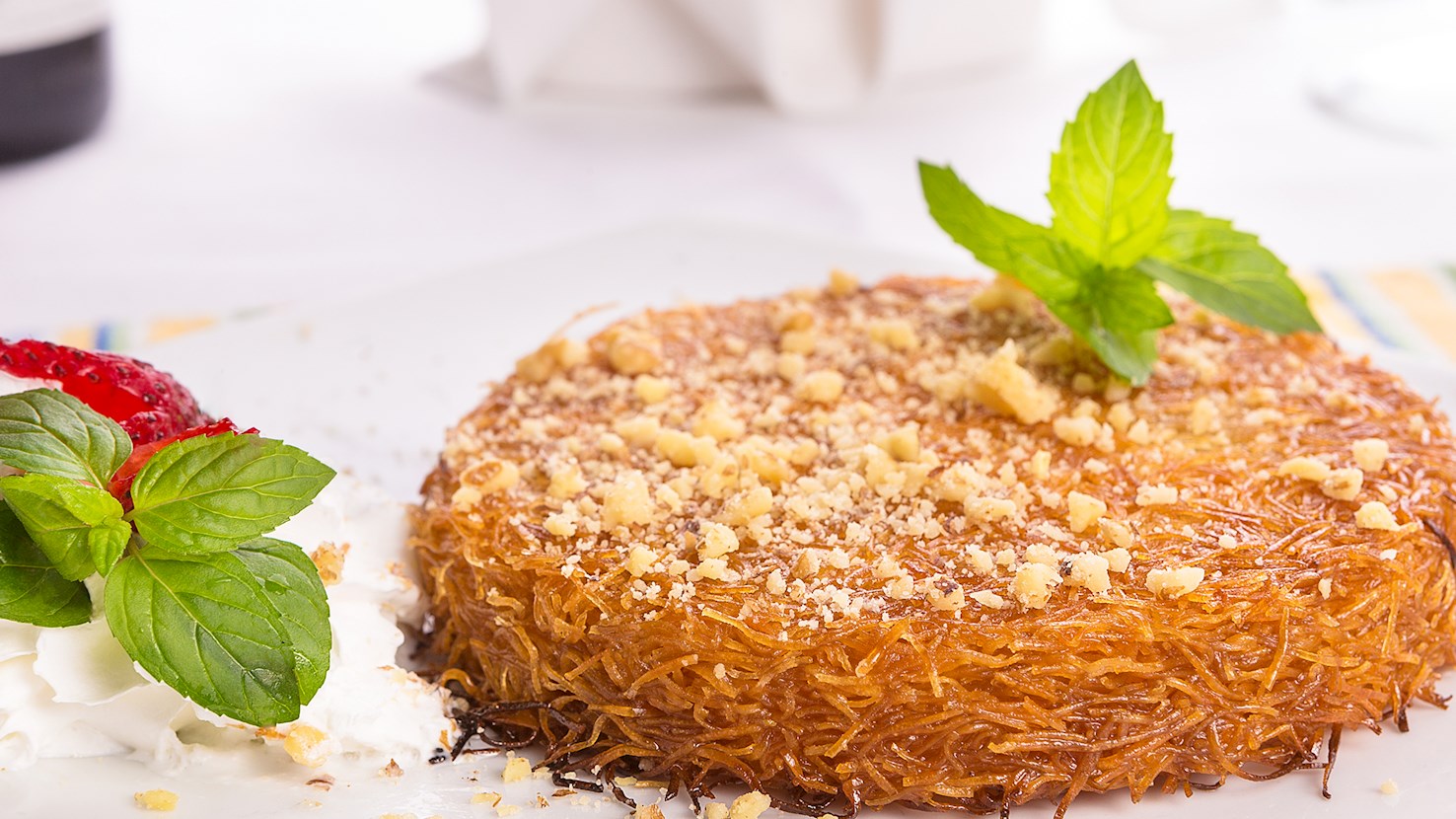
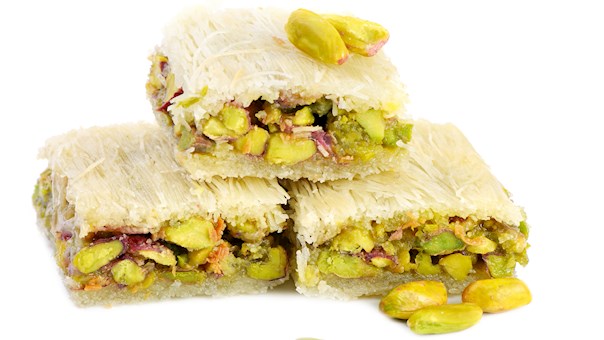
Kunāfah consists of two crunchy layers of shredded and buttered kataifi or knefe dough, filled with a luscious cheese cream that's often flavored with orange zest and cardamom, then drenched in a sugar syrup infused with lemon juice and orange blossom water. Turkish künefe is traditionally made with Hatay, Urfa, or Antep cheese. It is usually topped with pistachios and is best served warm. Elegant and amazingly simple to make, this dessert is nothing short of what cheese-filled pastry dreams are made of. Some authors speculate that it originated from the Fatimid Egypt or pre-Islamic Syria, while others claim that the Palestinian city of Nablus is its birthplace - hence the name kanafeh nabulsieh. Nevertheless, this decadent dessert has been a part of a long culinary tradition in Türkiye and Egypt, and it is listed as one of Egypt's national dishes.
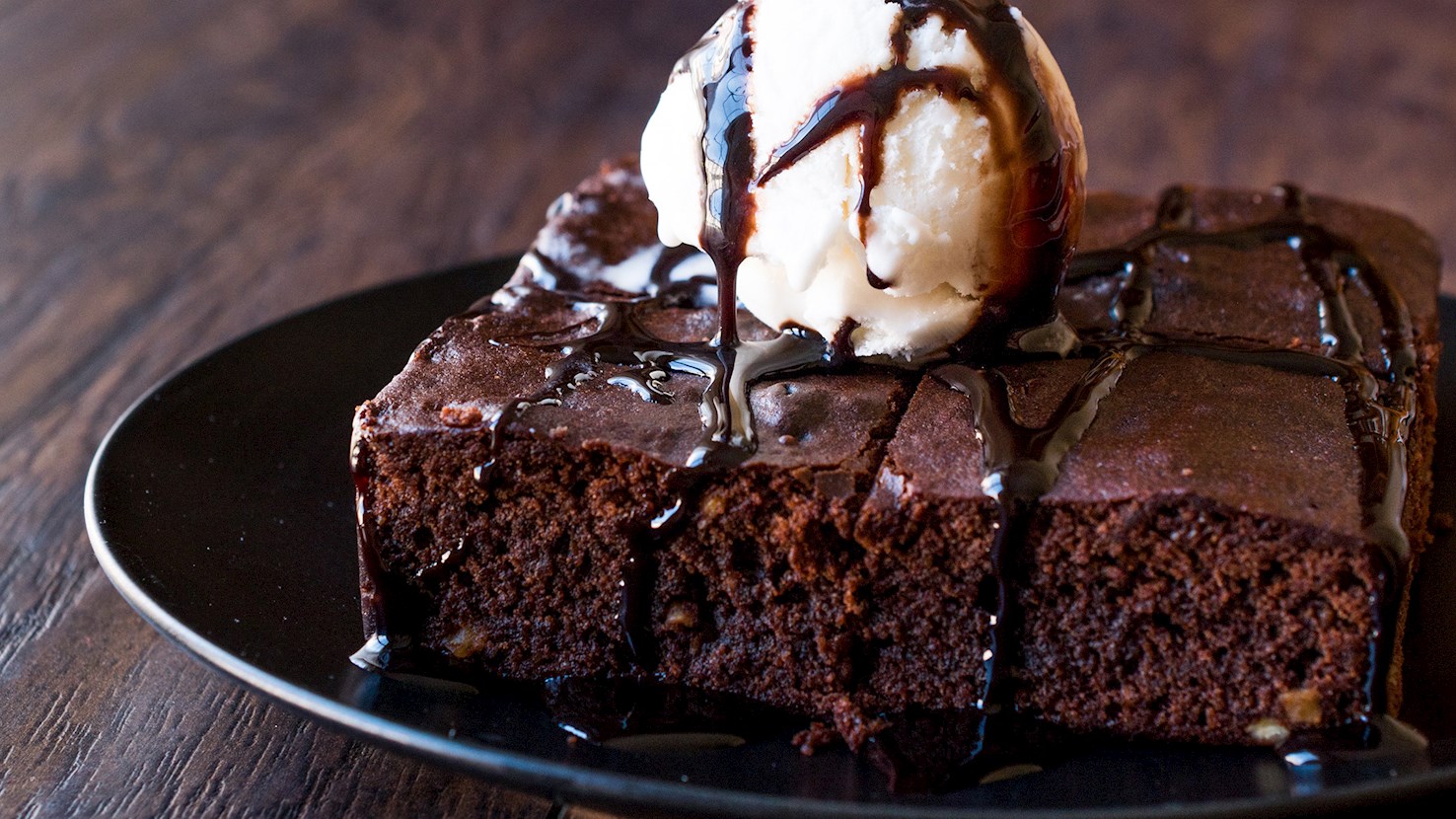
As the name suggests, brownie sundae is a type of ice cream sundae with added brownies. Squares or pieces of rich, warm, and moist chocolate brownies are typically layered in a serving bowl with a few scoops of ice cream on top, and the whole thing is then finished with a drizzle of sweet sauces or syrups such as hot chocolate fudge, caramel sauce, or strawberry sauce. Any ice cream flavor can be used for this dessert, and some of the most common flavors include vanilla, chocolate, strawberry, caramel, coffee, and cheesecake. Whipped cream, nuts, diced fruit, sprinkles, and chocolate chips are just a few common additions to this sweet treat.
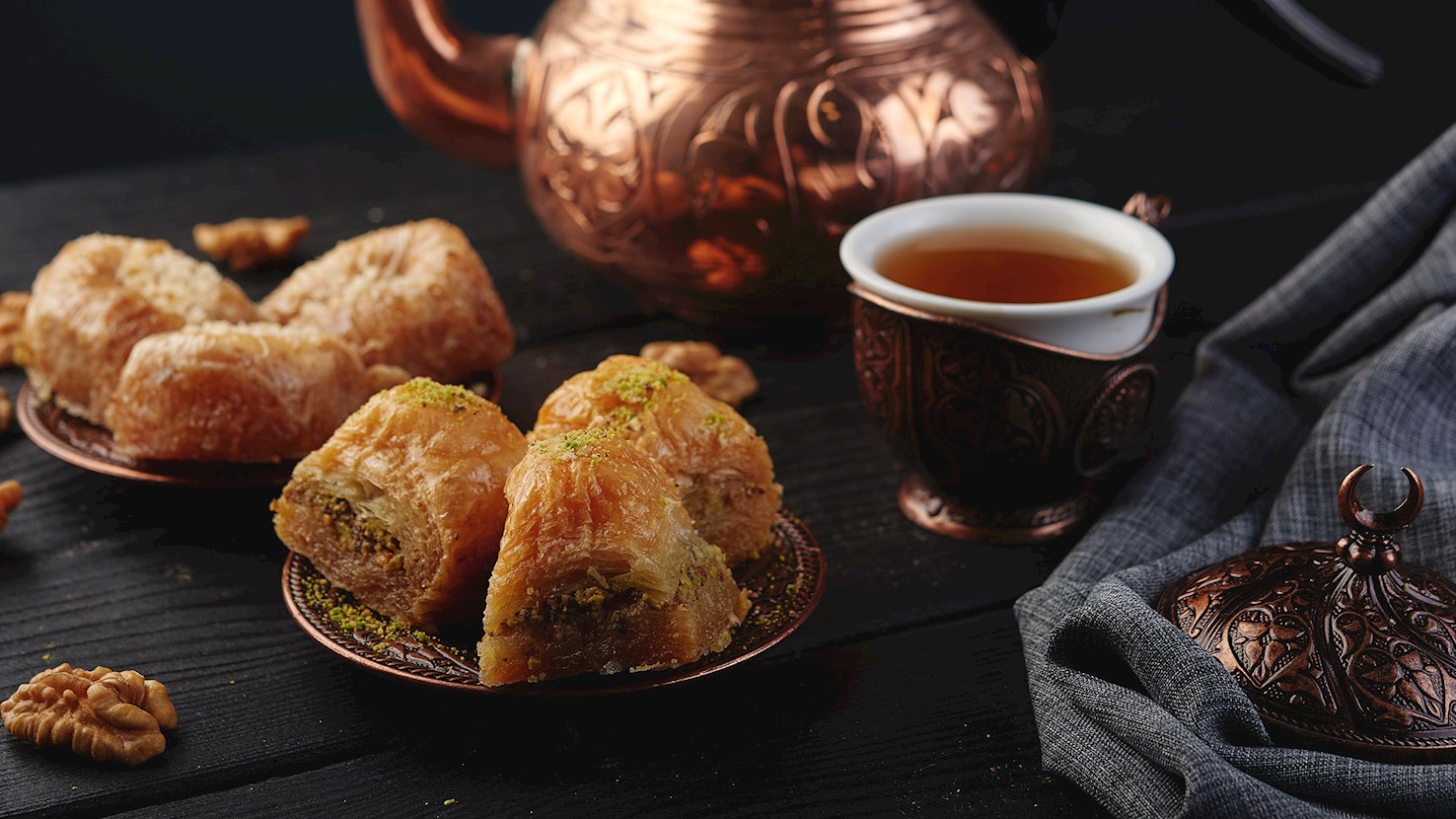
The remarkable baklava is a luscious dessert created with layers of thin phyllo dough intertwined with chopped nuts, all doused in a sweet, viscous syrup. The popularity of baklava has long surpassed borders, regions, and ethnic groups to become a dessert whose origin and invention is claimed by numerous countries. It is probable that it has an Assyrian origin, dating back to the 8th century, from where it spread out throughout the region all the way to Greece. The Greeks altered the recipe and created the thin sheets, known today as phyllo dough, but modern-day baklava is believed to be an original Turkish creation. However, it is almost impossible to pinpoint baklava's exact place of origin, and the debate about its authenticity is still going on between Türkiye and Greece. Traditionally, baklava is made with sheets of paper-thin pastry at the bottom, followed by chopped nuts which are then topped with additional pastry layers. The other traditional way suggests alternating layers of phyllo dough with layers of chopped nuts. The original and authentic baklava should always have a nut-based filling, most commonly walnuts, hazelnuts, or pistachios, but modern versions have introduced unusual fillings such as apricots, chocolate, and even ground cookies. The dessert is typically prepared in large trays, and it is then sliced into squares, triangles, or diamond shapes before being doused in a luscious syrup made with water and sugar or honey. Very often, the syrup is flavored with sliced lemon, rose water, cinnamon, or cardamom. It is supposed to cover the entire tray and keep the delicate pastry succulent, creating a sweet and juicy cover around it. Iranian or Persian baklava differentiates itself because it is drier and lighter than other regional varieties, and it is often flavored with rose water. Even though it was once regarded as a decadent treat that was mostly enjoyed by the aristocracy, the famous baklava is now a traditional pastry and a dessert offered in numerous Oriental, Turkish, or Greek restaurants. It is also often found in pastry shops across the Balkan region all the way to the Middle East.
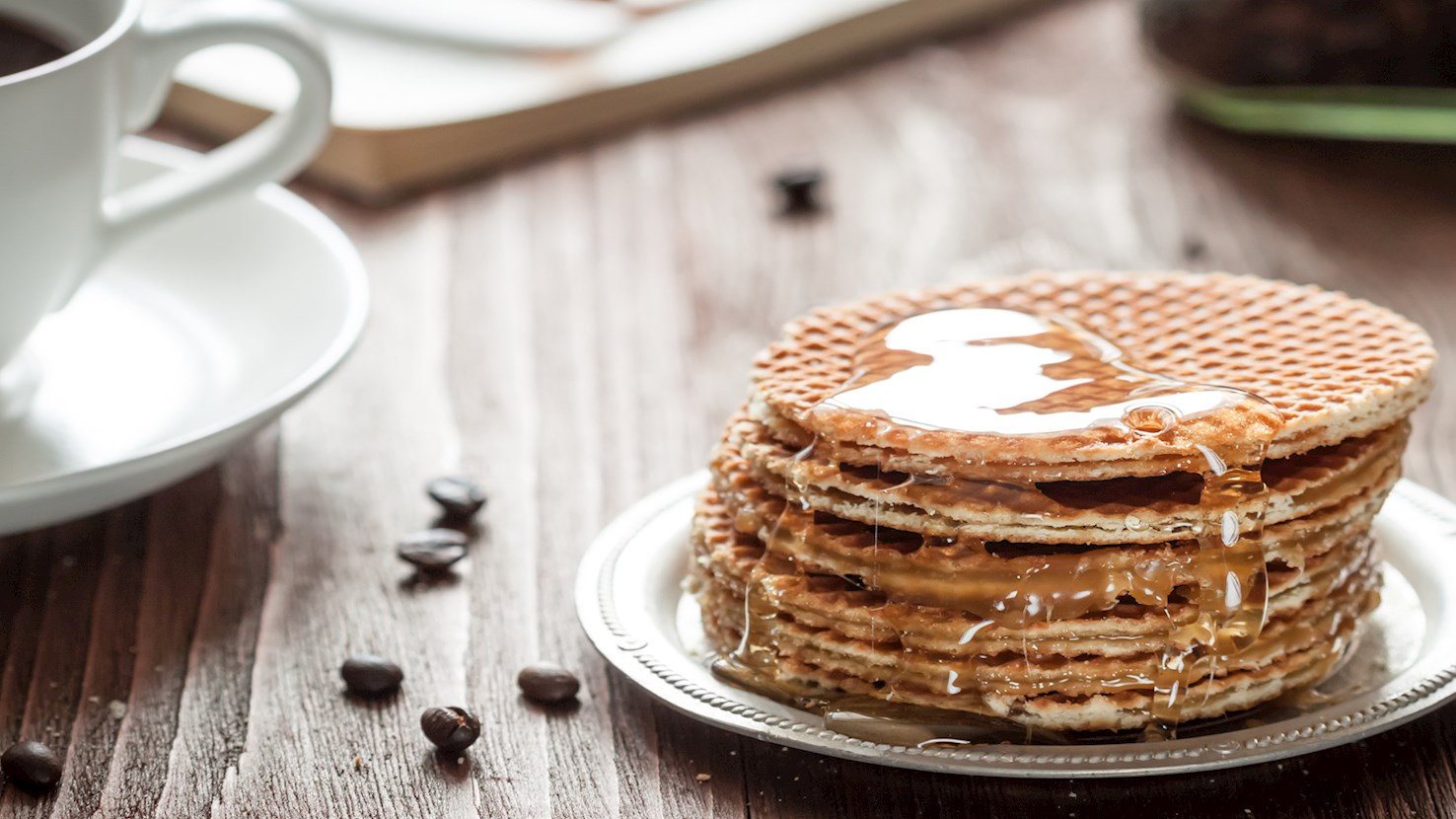
These delicious Dutch cookies consist of a very thin layer of syrup, sugar, butter, and cinnamon that is sandwiched between two thin wafers. Stroopwafels were invented in the late 18th century in the city of Gouda, and many sources give credit to a baker named Gerard Kamphuisen as their inventor. In the Netherlands, stroopwafels are traditionally consumed with tea or coffee, and it is a custom to place a cookie on top of the cup and let it steam for a few minutes, so that the cookie is heated and the syrupy layer softens.
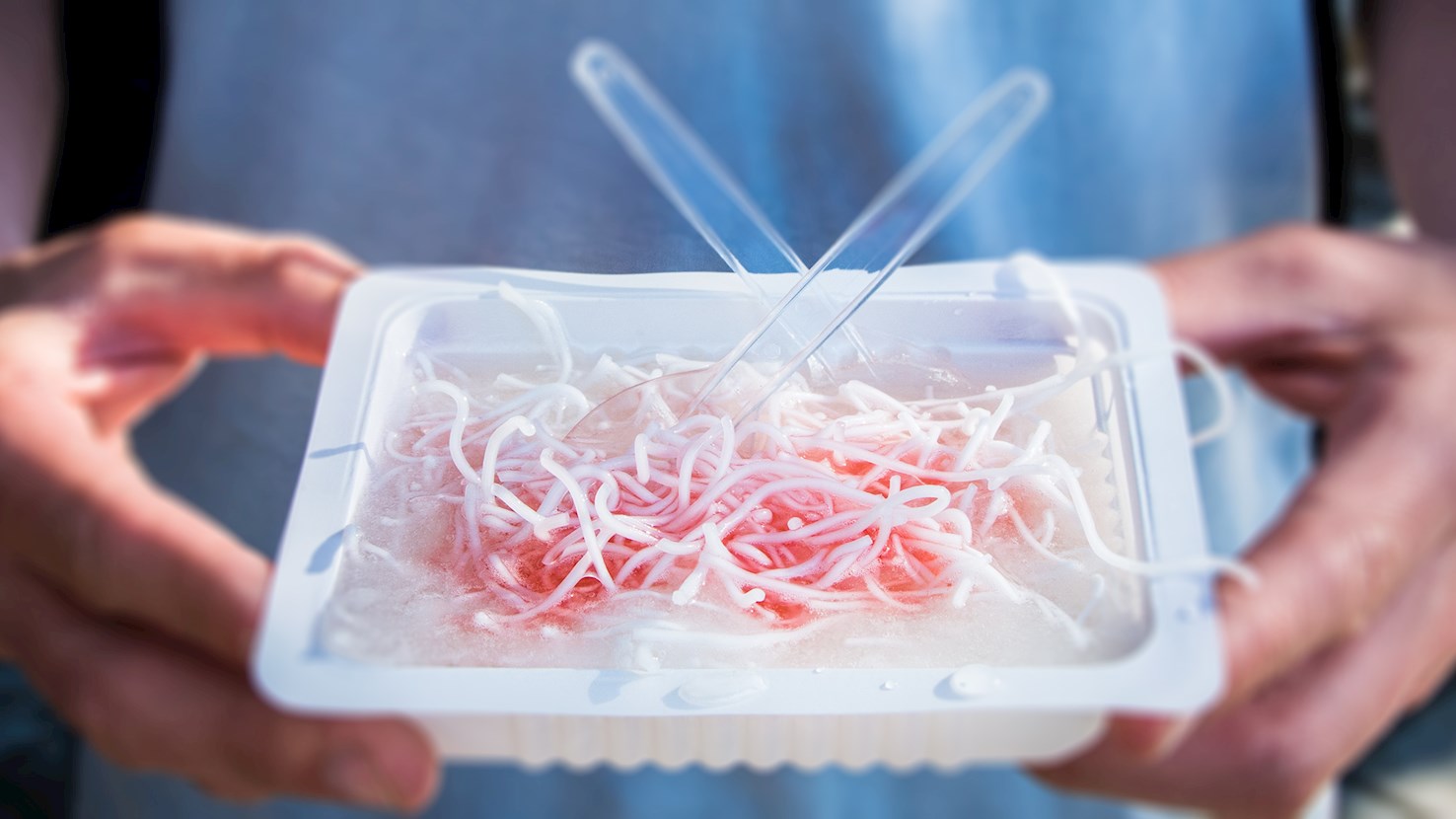
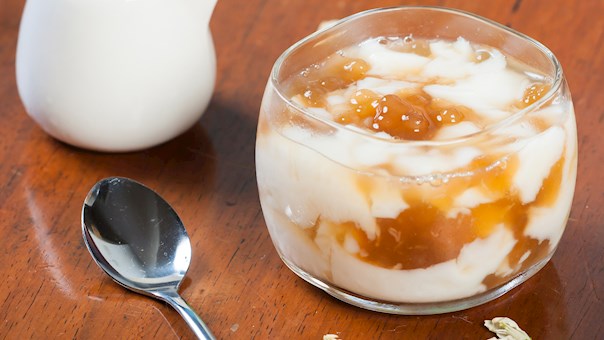
Faloodeh is an Iranian frozen dessert originating mainly from Shiraz, recognized for its combination of thin vermicelli noodles mixed into a lightly sweetened, semi-frozen syrup flavored with rosewater and lime juice. This distinctive confection stands out among Persian sweets for its refreshing, icy texture and delicate floral aroma. It has been part of Iran’s culinary identity for centuries and is still a popular way to cool down during hot seasons. The origins of faloodeh are believed to trace back to the ancient Persian Empire, where early forms of chilled desserts were prepared using snow from the mountains stored in yakhchals, the domed ice houses designed to keep ice and food cold. Over time, methods for freezing sweetened liquids evolved into more sophisticated recipes, with faloodeh emerging as a recognizable preparation by the medieval period. The dessert eventually spread along trade routes, influencing and inspiring similar iced dishes in South Asia and beyond. Preparation begins with rice starch, which is cooked into a smooth, thick paste, then pressed through a sieve to create delicate, noodle-like strands. These strands are cooled quickly to firm up their shape. Separately, a light syrup is prepared from water and sugar and infused generously with rosewater. Once the syrup is chilled, the noodles are mixed in and the mixture is partially frozen, stirred regularly to form a granular, slushy consistency rather than a solid block of ice. In some regions, a splash of fresh lime or sour cherry juice is stirred in for a tart edge that balances the sweetness. Faloodeh is served in shallow dishes or glass bowls, often garnished with extra lime juice or a drizzle of sour cherry syrup. Many shops offer it with a scoop of Persian saffron ice cream (bastani sonnati) on top, creating a contrasting blend of textures and flavors. Throughout Shiraz, it is sold in dedicated dessert parlors and from small stands, especially in the warm evenings when people gather outdoors to socialize and cool off.
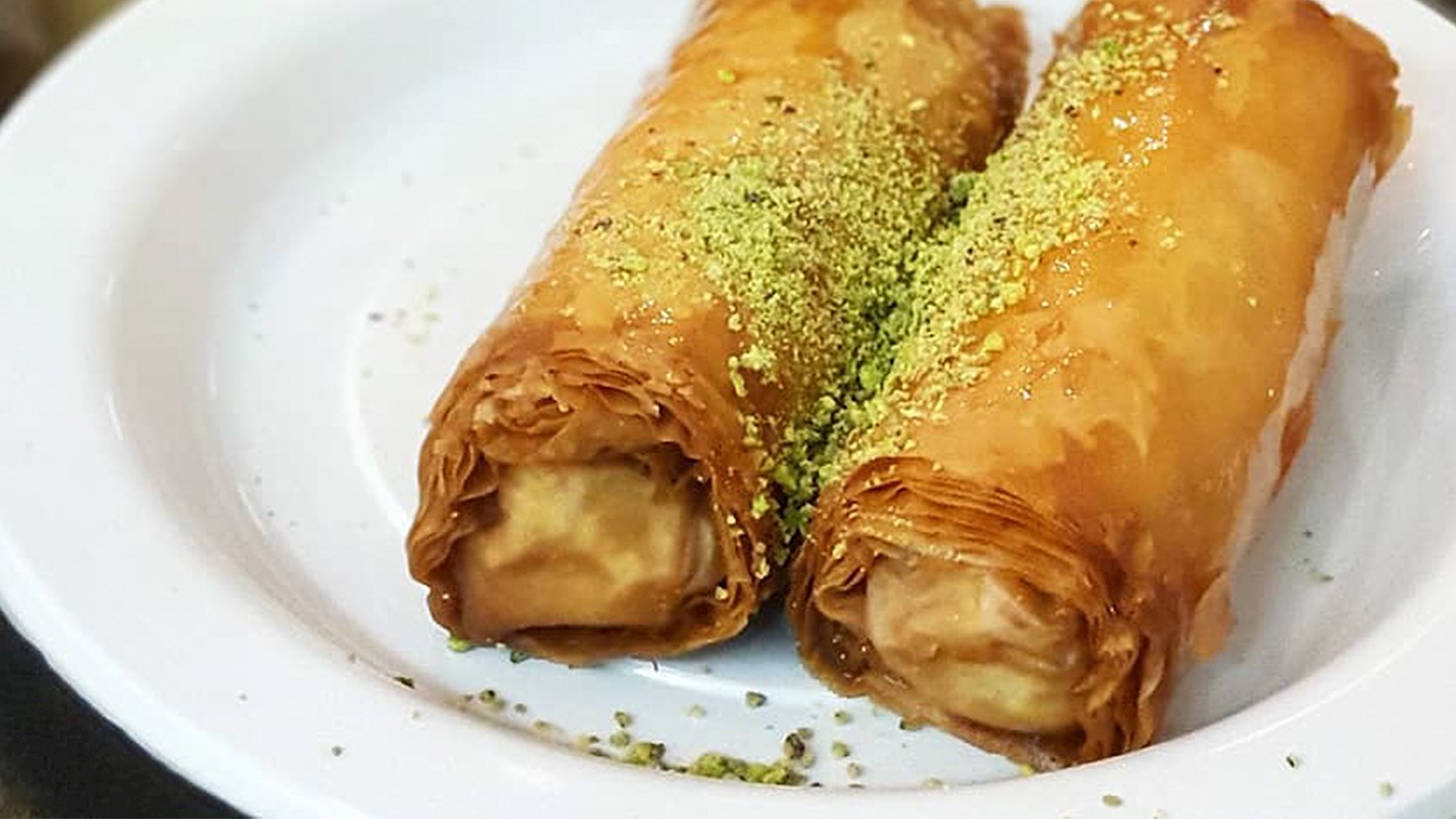
This traditional Middle Eastern dessert is often enjoyed on Iftar (a fast-breaking meal) during the holy month of Ramadan. The dish is made with thin sheets of phyllo dough that are wrapped into small elongated rolls while the center is filled with ashta—Levantine version of clotted cream. The rolls are then fried and doused in a thick sugar syrup that is often flavored with orange blossom and rose water. These crispy rolls are best served freshly prepared and are usually sprinkled with ground pistachios. Znoud el sit, with slightly different names, can be found in numerous countries, including Lebanon, Syria, and Iraq, while its name translates as lady’s upper arms—supposedly because the round, elongated shape of the pastry resembles lady’s arms.
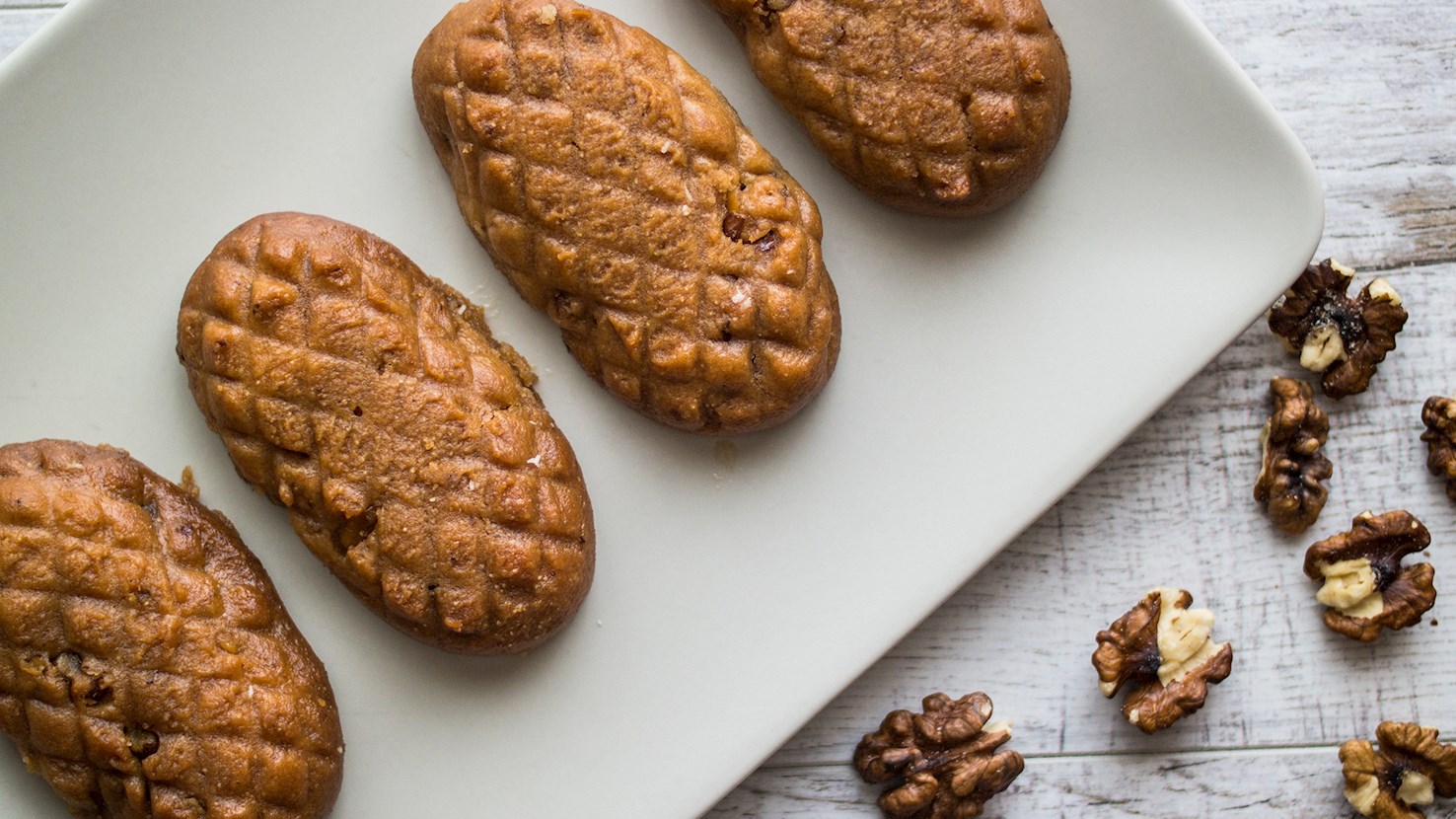
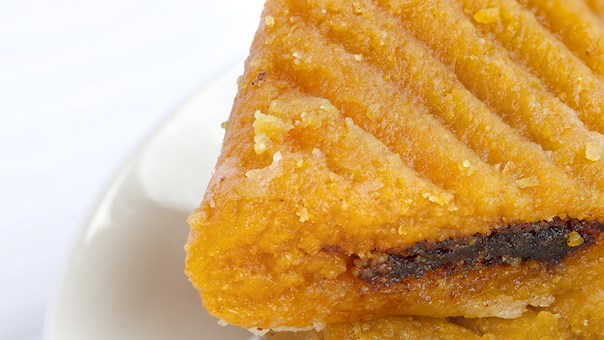
Kalburabastı is a typical Turkish dessert consisting of small pastries drenched in a sweet syrup made with water, sugar, and lemon juice. It is especially popular during the Şeker Bayramı holiday. The pastry is usually made with butter, flour, semolina, walnuts, oil, and baking soda. This dessert is characterized by its riddled visual appearance shown as little markings on top where the dough has been pressed against a sieve. The name kalburabastı is derived from the Turkish words kalbur, meaning sieve, and bas, which means to press. Serve kalburabastı with a cup of Turkish tea or coffee. In Bosnia and Herzegovina, there is a similar variation known as hurme or hurmašice.
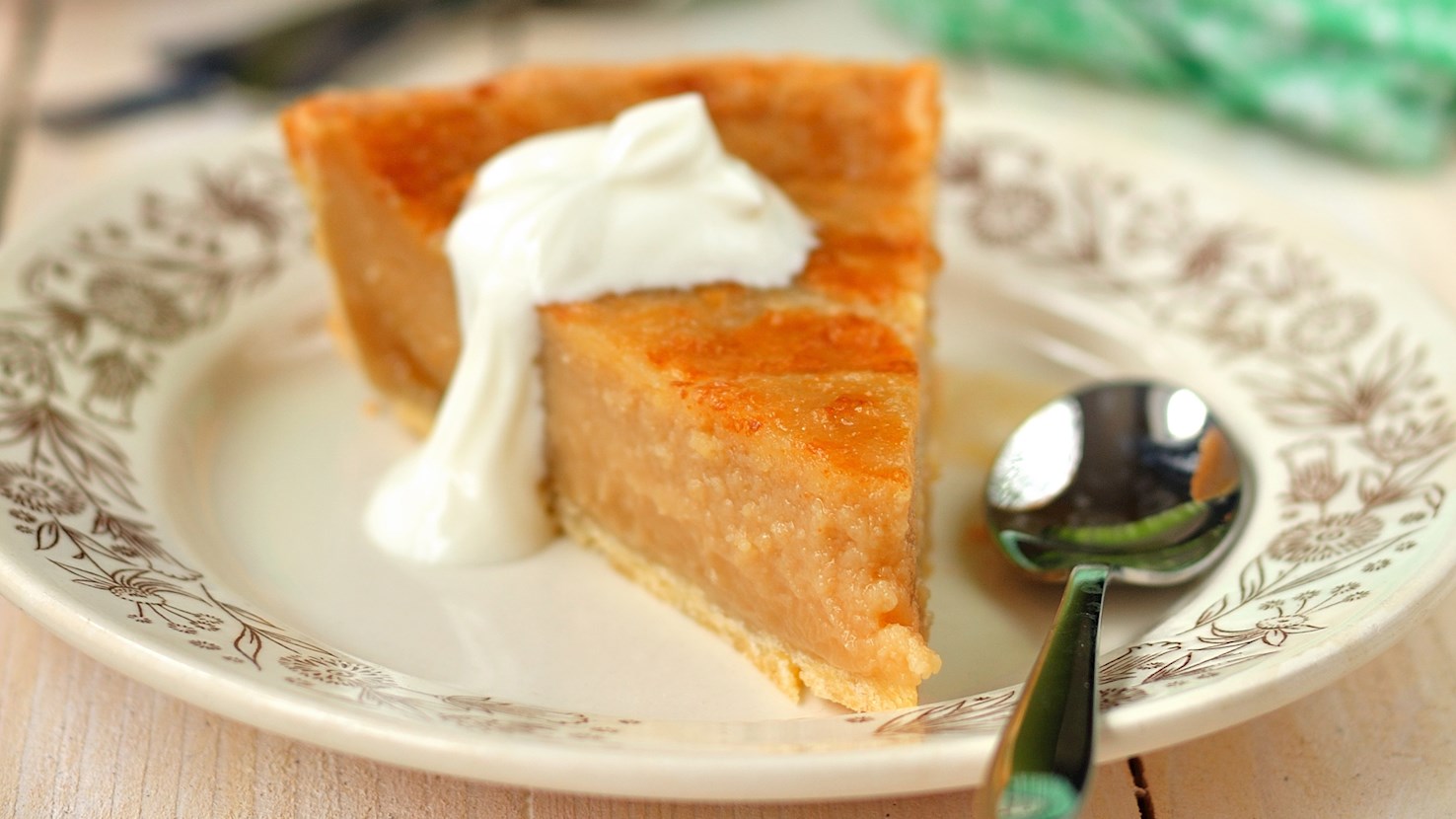
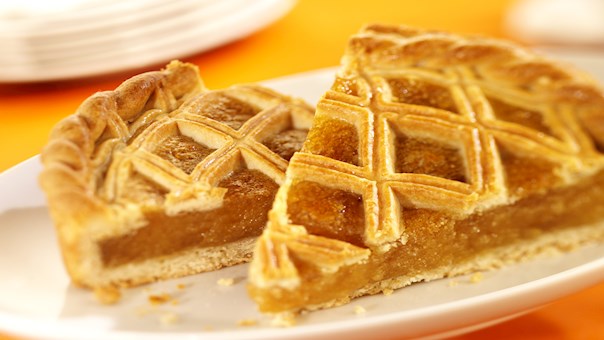
Sugar pie is a popular dessert in France, Belgium, the United States of America, and Quebec, Canada. The dessert consists of an open pie without a top crust, filled with a combination of sugar, maple syrup, cream, butter, and a bit of salt. The pie is usually flavored with vanilla. The popularity of sugar pie throughout the world is due to the fact that many immigrants from Northern France and Belgium went to Canada, discovering maple syrup along the way, which was sometimes the only available sweetener. Today, sugar pie is a holiday favorite in Quebec, when it is usually topped with a dollop of whipped cream. In Indiana, there is a variation on the recipe called sugar cream pie, prepared with somewhat more cream and flour, making for a fluffier filling with a slightly different flavor.
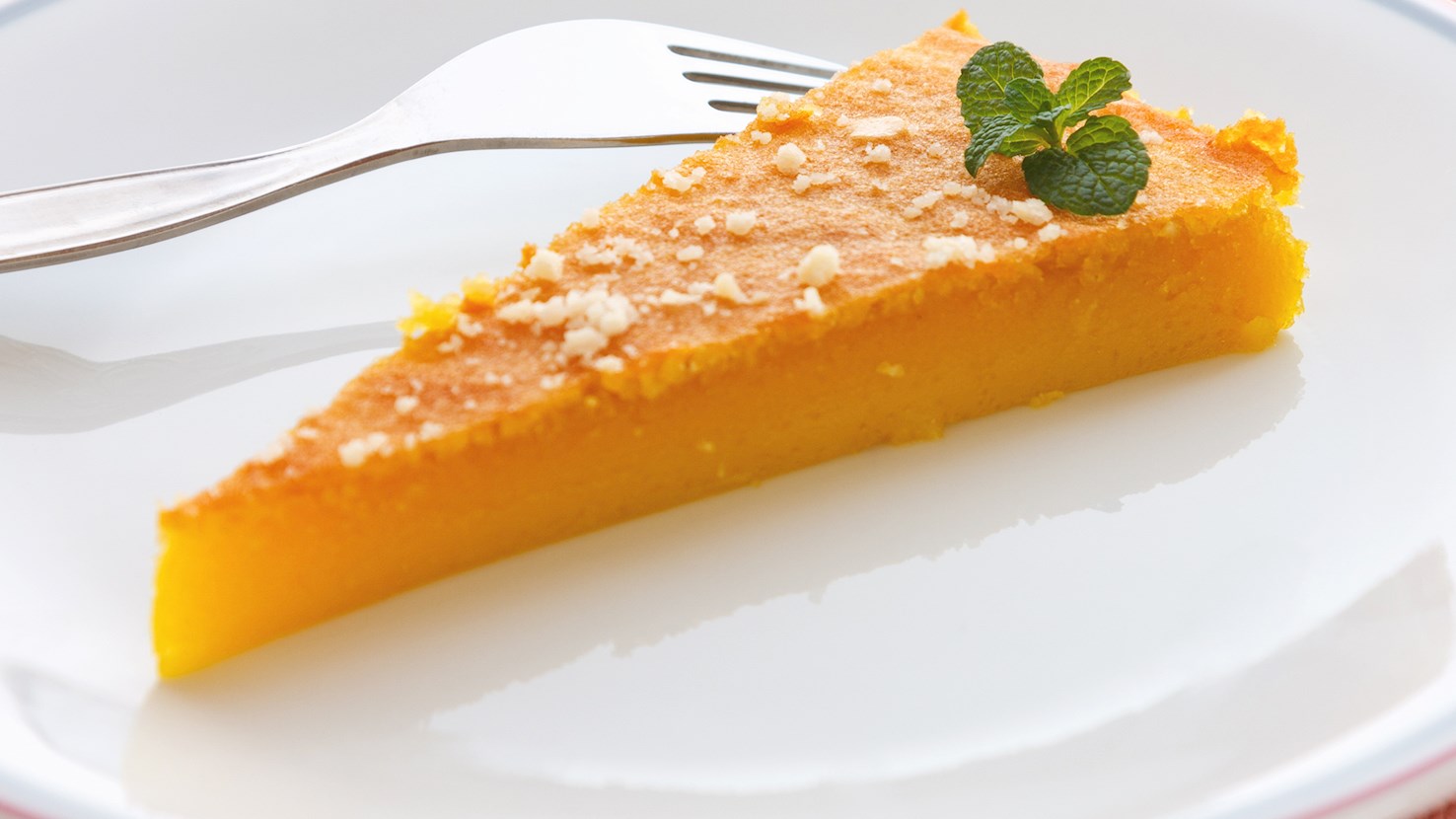
Toucinho do céu is one of many Portuguese sweets that were initially prepared at convents. In its simplest form, this traditional cake combines sugary syrup, lard, ground almonds, and a hefty amount of egg yolks, while the common additions include various spices and chila squash. Although not much is known about its history and the place of origin, the varieties of this Portuguese-style almond cake are found throughout the country, but the most popular local versions hail from Guimarães, Murça, and Trás-os-Montes. Interestingly, the name of the dish translates as pork from heaven, presumably because some of the first recipes included pork lard.
TasteAtlas food rankings are based on the ratings of the TasteAtlas audience, with a series of mechanisms that recognize real users and that ignore bot,
nationalist or local patriotic ratings, and give additional value to the ratings of users that the system recognizes as knowledgeable.
For the “71 Best Rated Dishes with Syrup” list until August 17, 2026, 1,026,063 ratings were recorded, of which 678,656 were recognized by the system as legitimate.
TasteAtlas Rankings should not be seen as the final global conclusion about food. Their purpose is to promote excellent local foods,
instill pride in traditional dishes, and arouse curiosity about dishes you haven’t tried.









What People Say