

shutterstock

17 Best Rated
Dishes with Tapioca Flour

Last updated on June 17, 2026
01

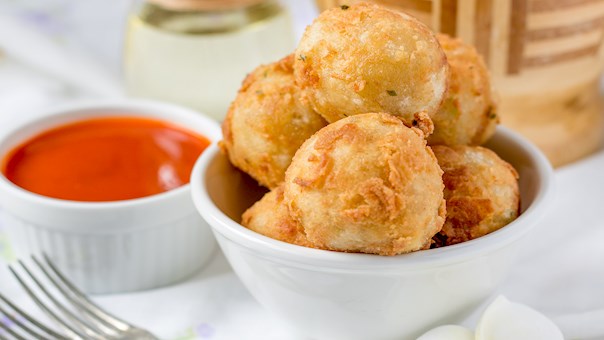
Pão de queijo

4.4 ·

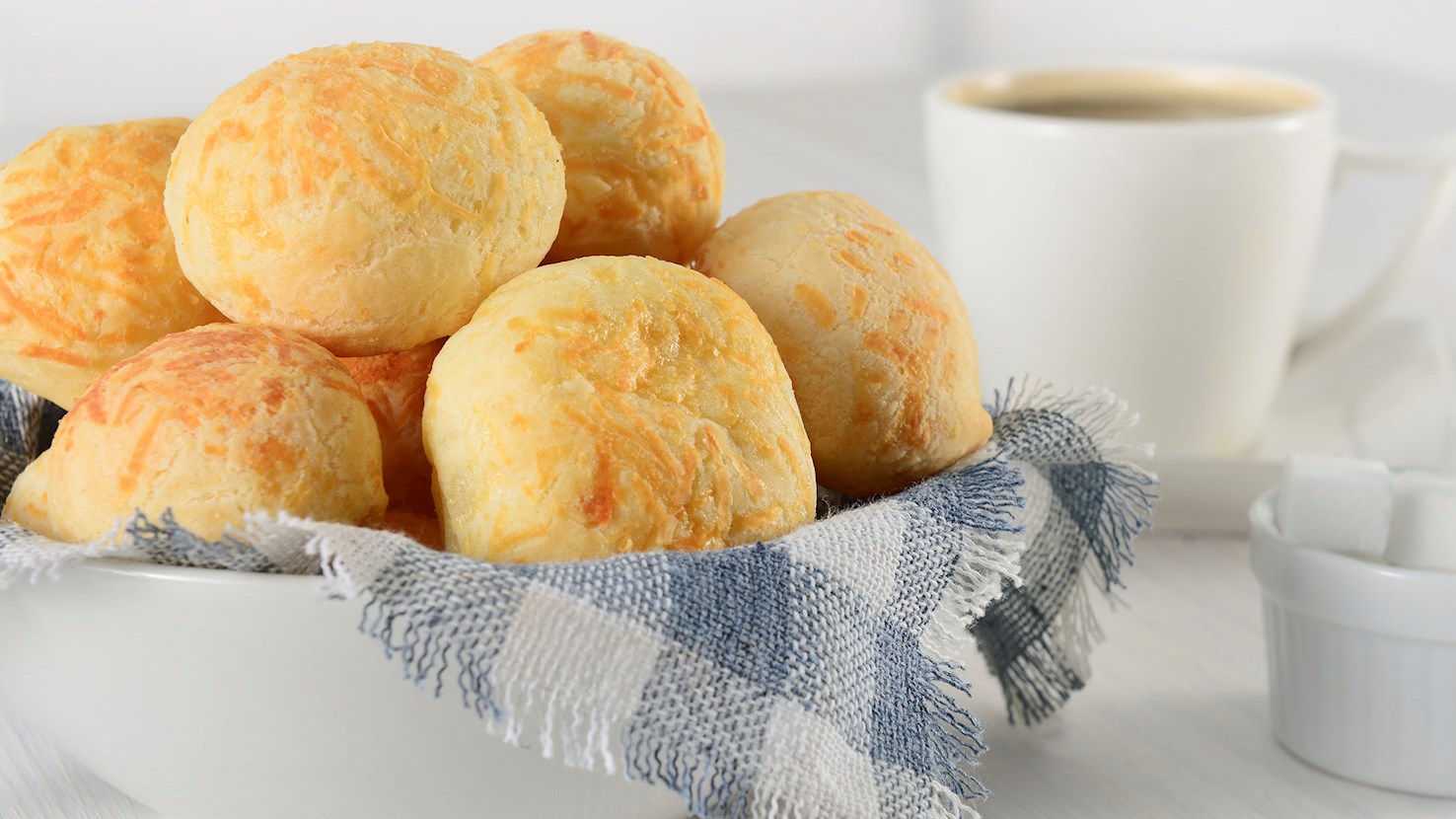
Literally translated to cheese bread, pão de queijo has its origins in the culinary inventions of African slaves, when they started to use the residue of the cassava plant. A fine white powder, or starch, was rolled into balls and baked. At the time, no cheese was added, so it was just baked starch, but at the end of the 19th century, when slavery ended, other foods started to become available to the Afro-Brazilians for the first time. In the state of Minas Gerais, the dairy center of Brazil, cheese and milk started to be added to the starchy balls, and pão de queijo was created. Today, it is a popular Brazilian snack or breakfast food that is also widely consumed in northern Argentina, sold at numerous coffee shops, snack bars, and bakeries.

02

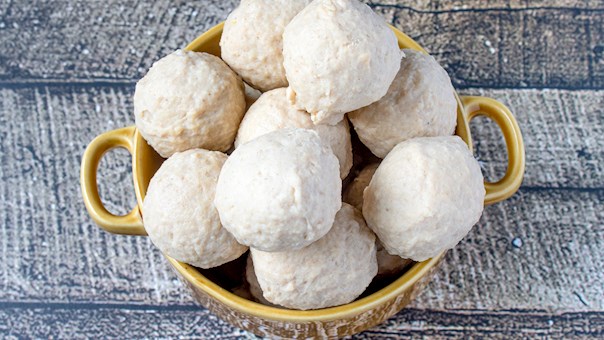
Pempek

4.3 ·

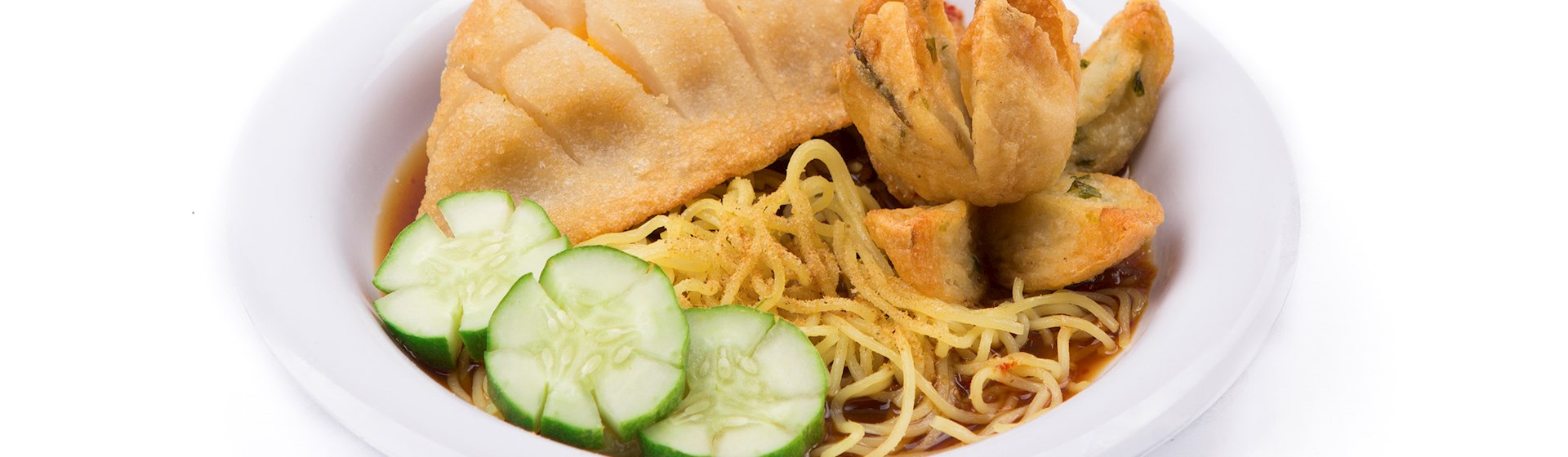
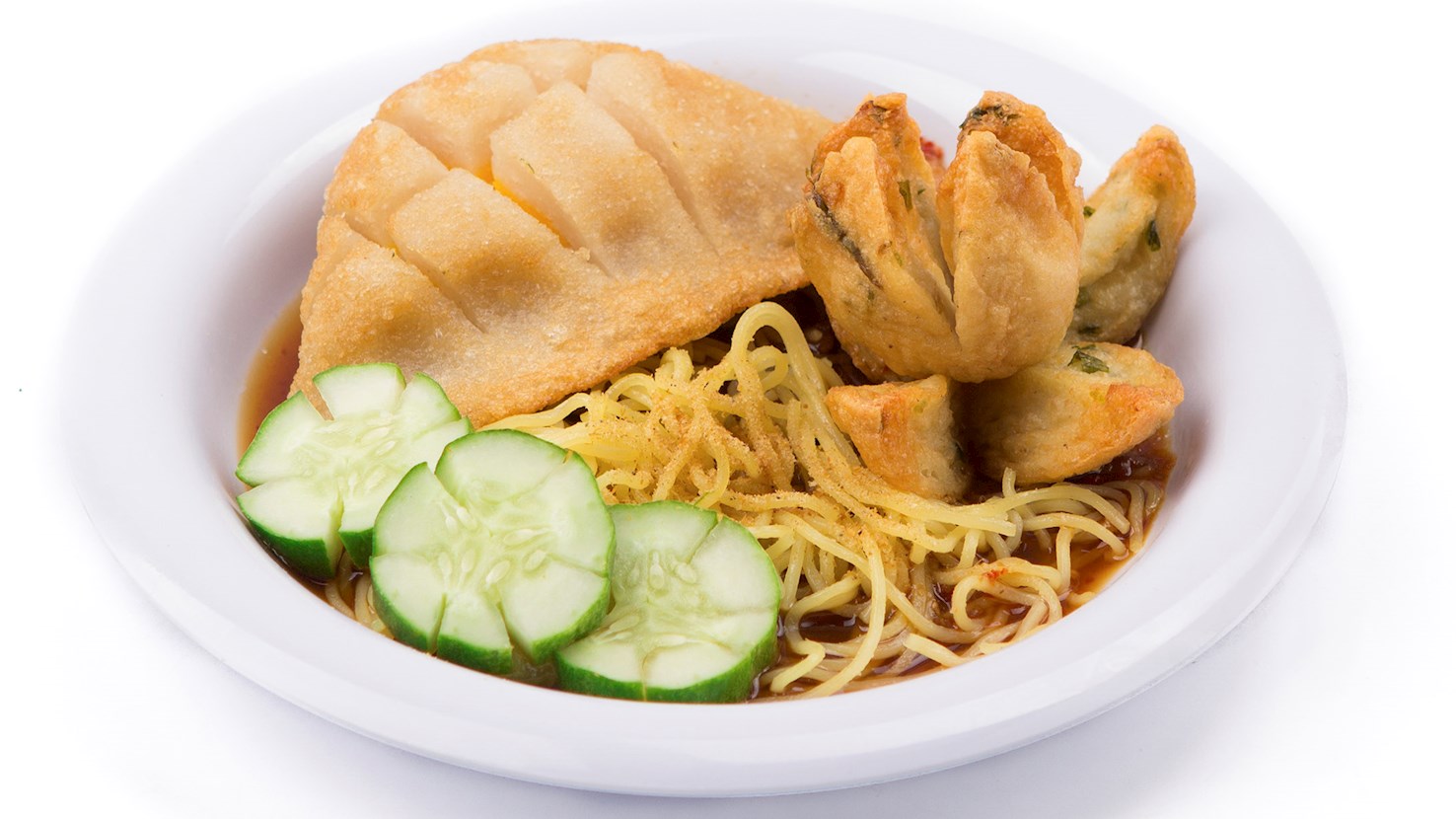
Pempek is a traditional fish cake made with ground fish meat and tapioca. The actual origin of this dish is the city of Palembang, situated in the South Sumatra province. The origin story of pempek says that an old Palembang citizen was tired of the traditional fried or grilled fish, so he thought of an innovative way to ground the meat, mix it with tapioca flour, and deep-fry it to get a crunchy and delicious snack. He then used to cycle through the city and sell the fish cakes to Palembang citizens. Over time, pempek was recognized as a praise-worthy snack, and today it is considered to be a traditional Indonesian delicacy. These round or rectangular cakes are usually steamed, and right before serving they are fried in vegetable oil and cut into bite-sized pieces. Sliced cucumbers, noodles, or rice are typical accompaniments, and the traditional sweet and sour sauce is usually served on the side so the customers can adapt the flavors to their taste.

03

Xiājiǎo (Har gow)

4.2 ·

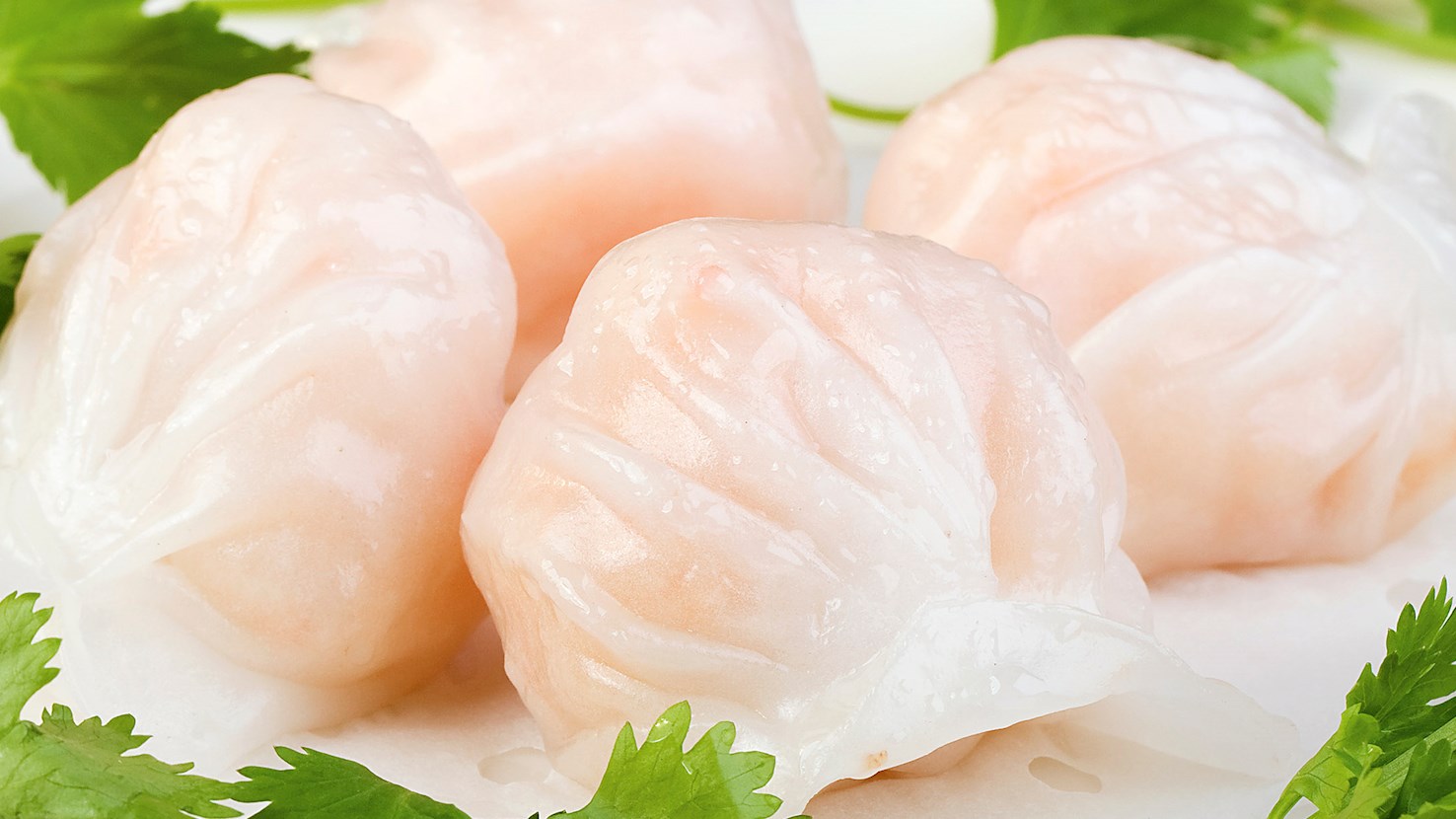
Har gow is a Cantonese dumpling characterized by a delicate, translucent wrapper enveloped around a shrimp filling. The dish was created out of necessity when the owner of a small, family-style teahouse from Guangzhou came up with an idea to buy the shrimp from local fishermen and use it to make dumplings that the locals would love. The idea was a great success, and since the beginning of the 19th century, shrimp dumplings were a staple in many teahouses. Today, har gow dumplings are a part of dim sum where they are commonly paired with sieu mai, a Cantonese dumpling with pork and mushrooms. Due to the particular way in which the wrapper is folded, the main visual feature of har gow is its pleated shape, ideally having even up to 9-13 pleats. The wrappers are made with a combination of wheat starch, corn starch, and lard, filled with a mixture of either minced or whole shrimp and bamboo shoots. Once steamed, the dough should be chewy and almost see-through, but firm enough to be handled with chopsticks, whereas the filling should remain crisp.

04

Egg waffle

4.2 ·

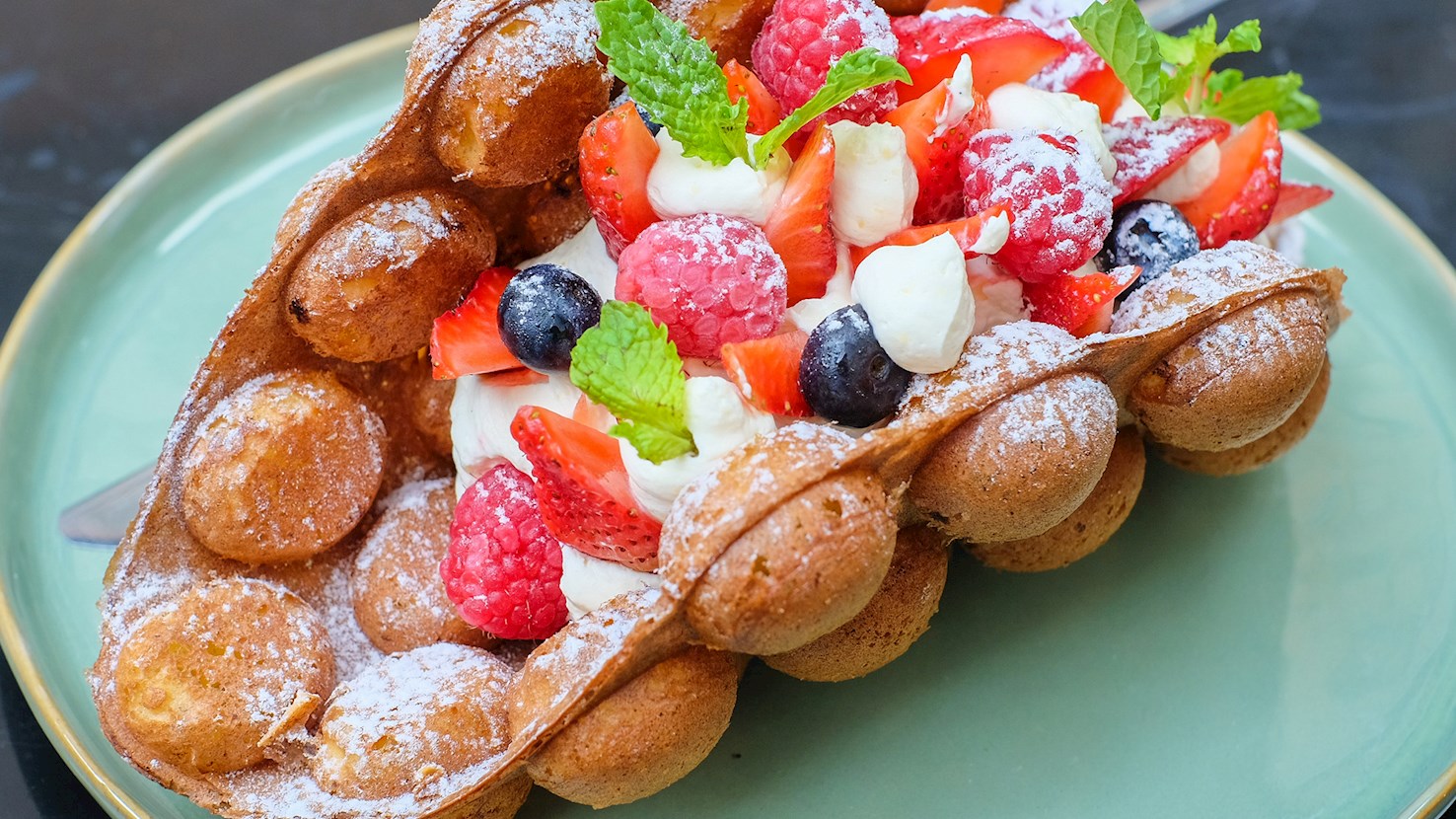
Egg waffle is a popular Hong Kong delicacy consisting of egg whites and yolks, milk, butter, sugar, flour, and salt. It is characterized by its puffy visual appearance and a pull-apart texture. These tiny treats are traditionally sold throughout Hong Kong by street vendors who prepare them in special pans with small, round cells. Egg waffles can be consumed plain or paired with fruit and different spreads.

05

Bakso Solo

3.9 ·

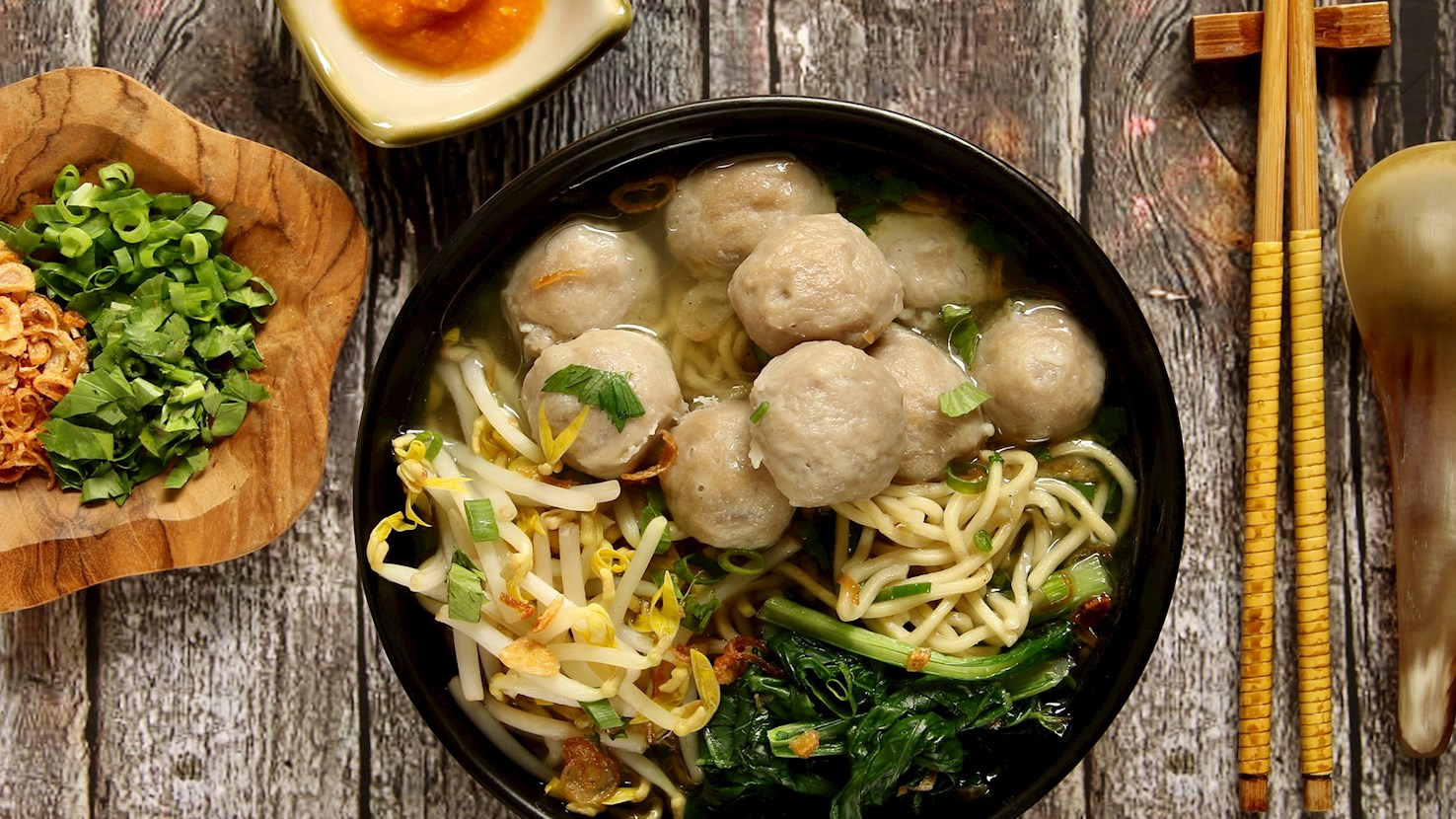
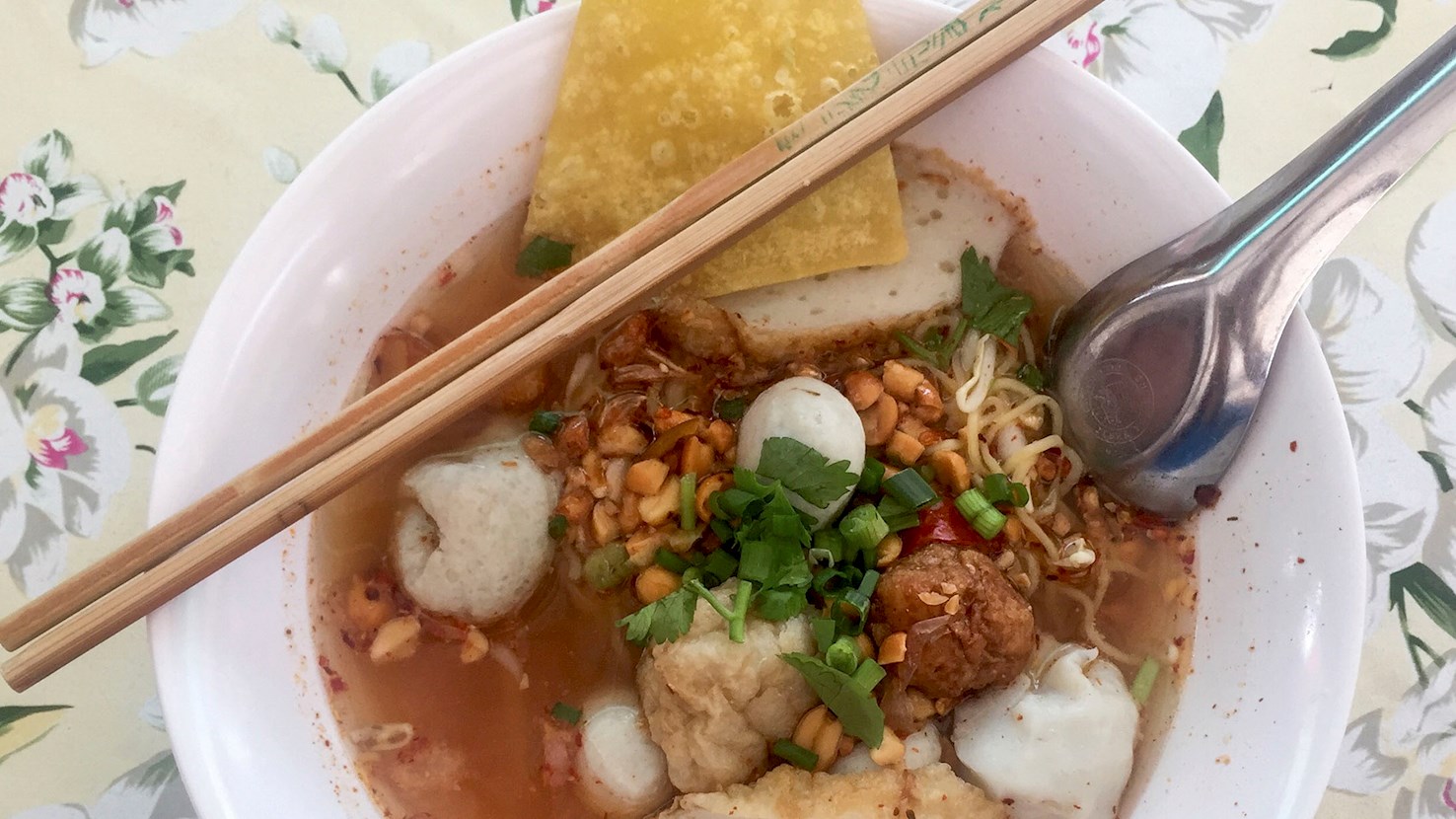
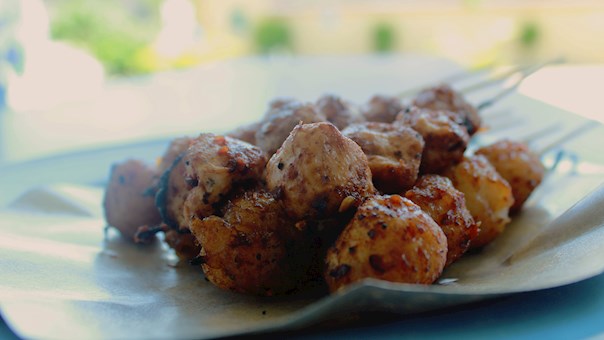
Bakso Solo is an Indonesian meatball dish that originates from Solo (Surakarta). While bakso (Indonesian meatballs made primarily from beef and tapioca flour) is popular across the country, bakso Solo is recognized for its light, clear broth, delicately seasoned, and its smooth, bouncy-textured meatballs. Typically, bakso Solo is served with a combination of vermicelli noodles (bihun) and yellow egg noodles, along with tofu, fried wontons, boiled eggs, or even bakso urat (meatballs with tendon for extra texture). The clear beef broth is made from slow-simmered beef bones, enhanced with garlic, shallots, pepper, and sometimes a hint of nutmeg or celery leaf. Unlike spicier or richer regional bakso variants (like bakso Malang), bakso Solo maintains a more delicate and clean taste, often complemented with sweet soy sauce (kecap manis), chili sauce (sambal), and a squeeze of lime at the table. Street vendors and small warungs in Solo often serve Bakso Solo from pushcarts or small stalls.

06

Bánh bột lọc (Stuffed Tapioca Dumplings)

3.9 ·

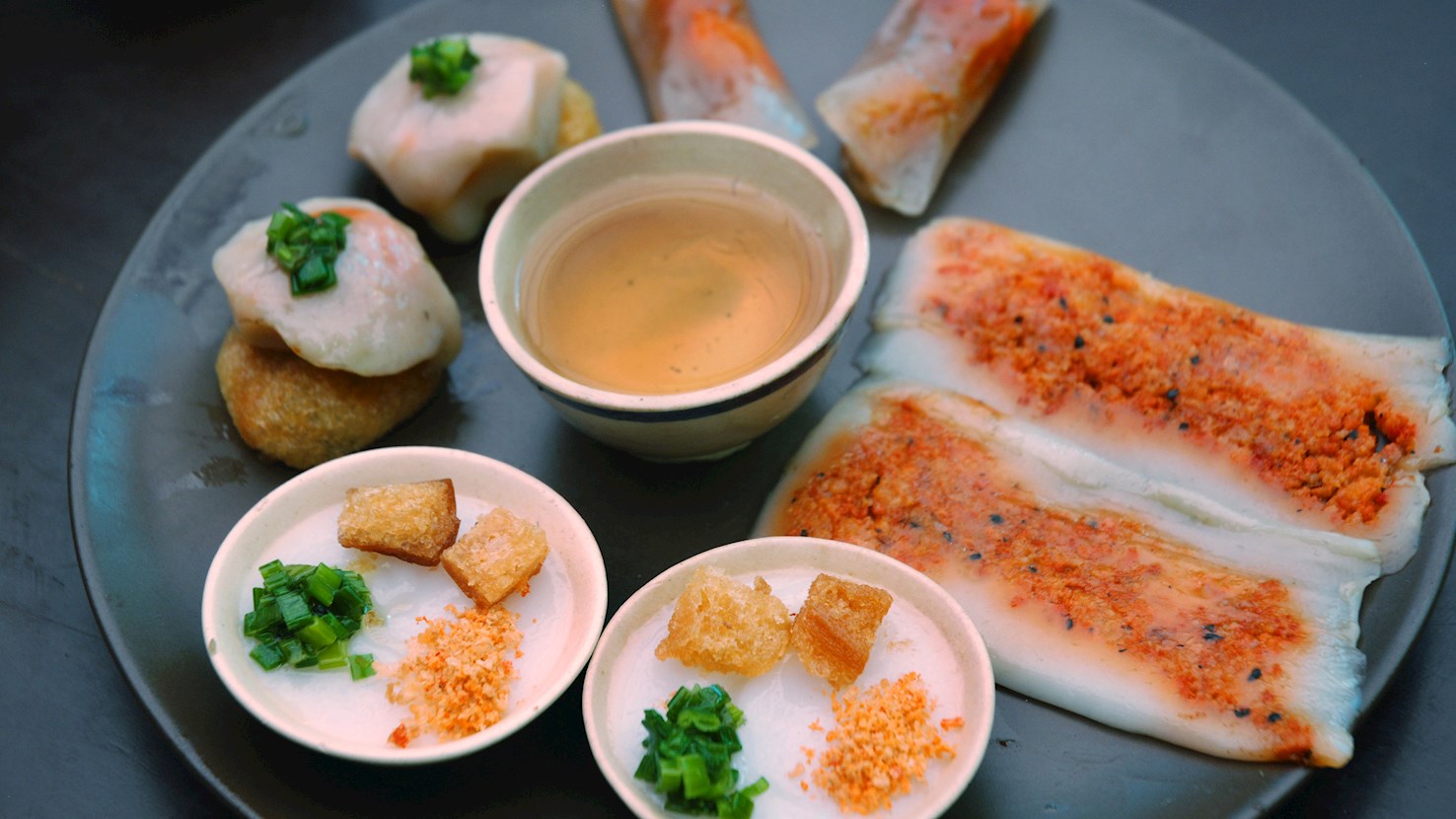
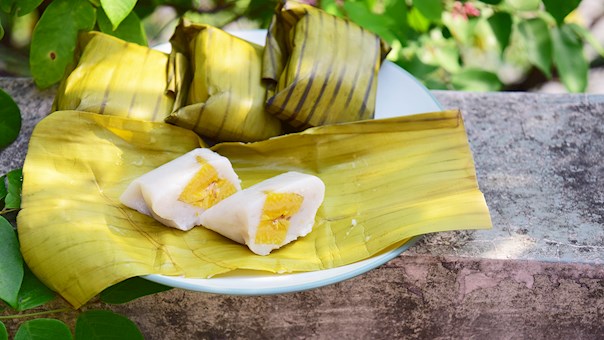
These translucent Vietnamese dumplings are usually prepared with tapioca-based wrappers and a filling which typically combines shrimps and fatty pork. The dumplings can be cooked or wrapped in banana leaves and then steamed. They are traditionally served with a fish-based dipping sauce on the side. It is believed that bánh bột lọc originated in Huế – the ancient imperial city known for its balanced, sophisticated specialties.

07

Yú wán (Fish ball)

3.8 ·

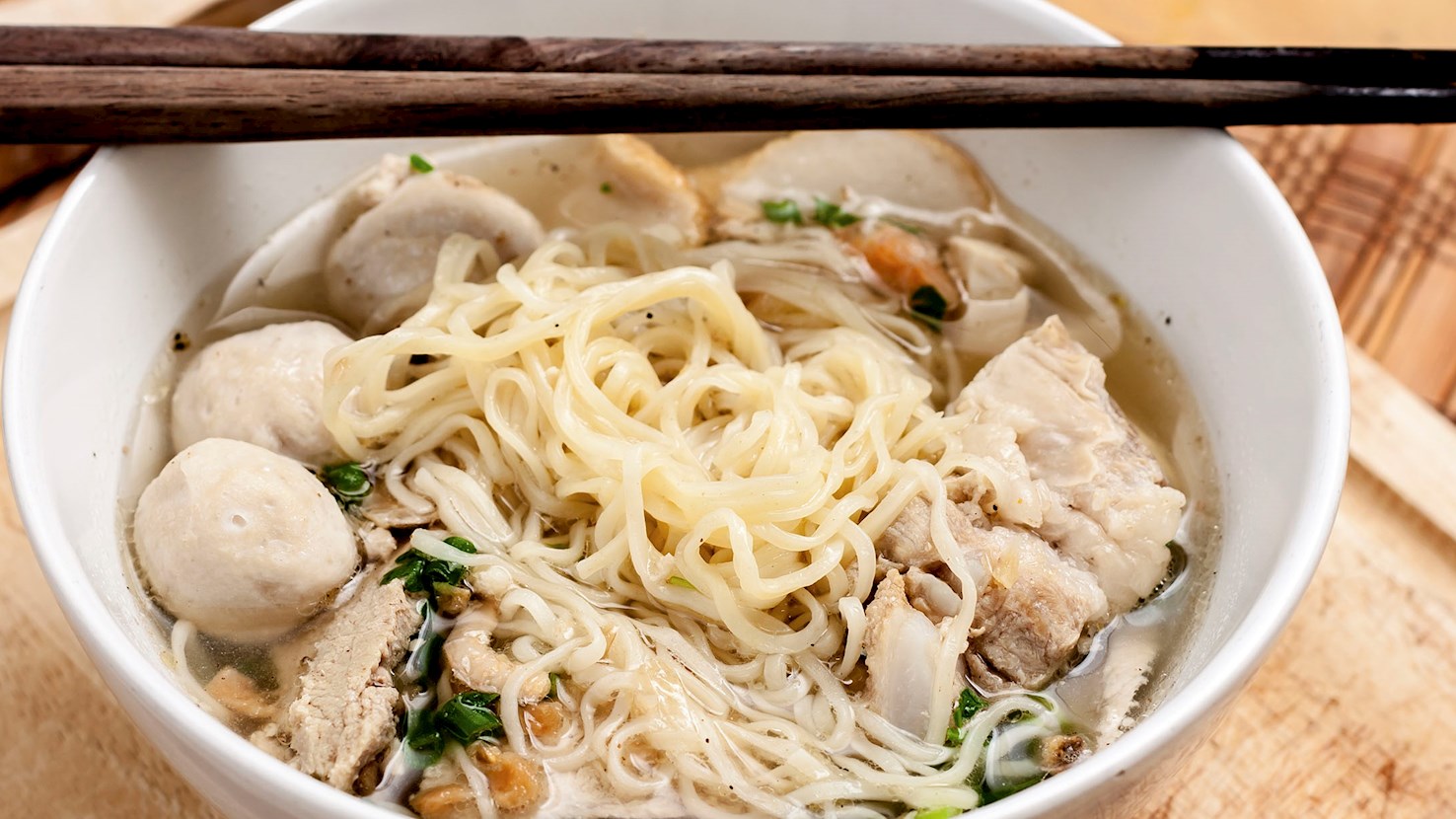
Fish ball is one of the most popular meals that is commonly eaten throughout Southern China, Hong Kong, and Macau. The dish originates from the eastern regions of Guangdong province, and consists of ball-shaped patties made with finely pulverized fish meat, also known as surimi. Fish balls are typically consumed either as an appetizer or the main meal. It was popularized in Hong Kong, where there are two versions of the dish - one is smaller, yellow, made with shark meat, and sold on skewers, while the other one is bigger, white, and made with more expensive fish meat. The second version is usually consumed with noodles. In Singapore and Malaysia, fish balls are often filled with pork, and can be found in soups, noodles, or accompanied by rice.

08

Kue lapis

3.8 ·

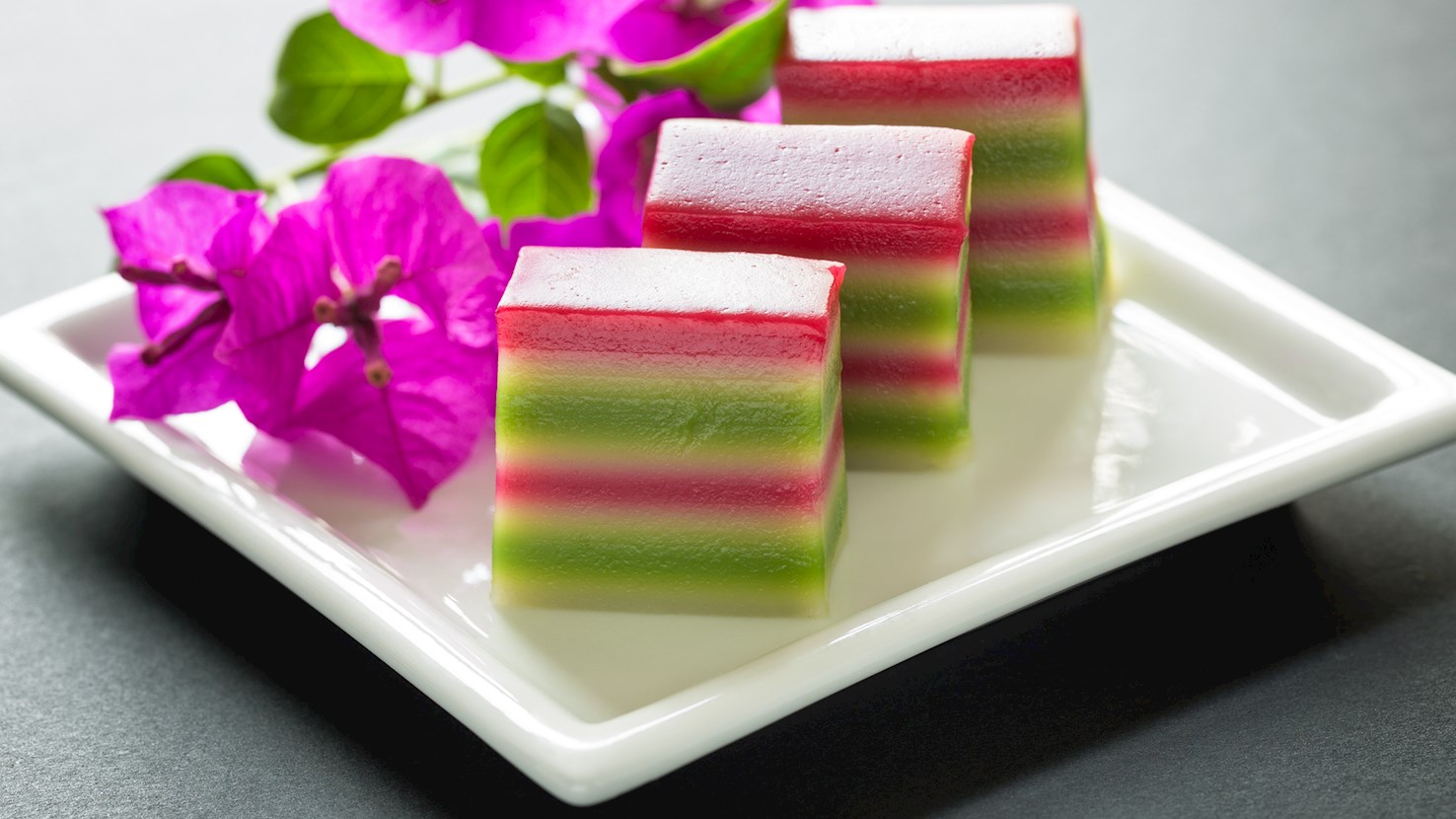
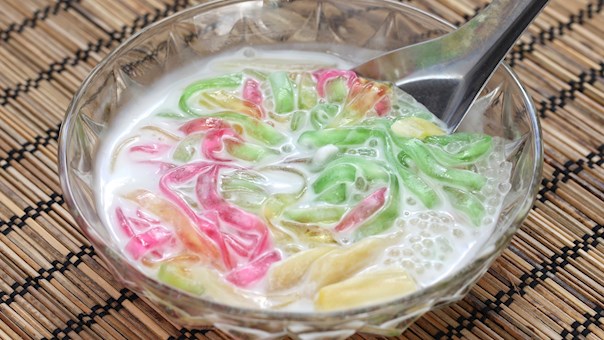
Kue lapis is a layered steamed cake widely enjoyed in Indonesia, Malaysia, Singapore, and Brunei, known for its vibrant colors, soft, chewy texture, and delicate coconut-infused flavor. The name comes from the Malay and Indonesian word kue (or kuih in Malaysa), meaning "cake" or "sweet snack," and lapis, meaning "layers"—a literal reflection of the dessert’s distinctive multi-layered structure. Often made with a combination of rice flour, tapioca flour, coconut milk, sugar, and natural food coloring, kue lapis is steamed layer by layer, resulting in alternating bands of color, typically in shades of pink, green, and white, although many regional and modern versions feature other color combinations. Each layer is steamed individually, giving the cake its characteristic appearance and allowing for a unique peel-apart texture, which is particularly beloved by children and nostalgic adults alike. The cake is lightly sweet and subtly aromatic, with the richness of coconut milk and a smooth, slightly sticky chew. It is usually cut into small squares or diamonds, served at room temperature, and commonly found in street markets, festive gatherings, and traditional kuih platters. Although similar in name to the baked Indonesian-Dutch kue lapis legit (a spiced layered cake), kue lapis is entirely different in preparation and character—soft and steamed, rather than firm and baked.

09

Bakwan Malang

3.8 ·

Bakwan Malang is a savory Indonesian meatball soup that originates from the city of Malang in East Java. It consists of a flavorful broth served with a variety of bakso or meat-based components, such as beef meatballs, tofu stuffed with ground meat, fried wontons, and crispy dumplings, typically accompanied by yellow noodles or vermicelli. The name “bakwan” in this context refers not to vegetable fritters, as it does in some regions, but rather to the ensemble of meatball components, while “Malang” denotes the dish’s geographic origin. The broth is usually made from simmered beef bones and seasoned lightly with garlic and shallots, allowing the richness of the meat and the texture of the accompaniments to stand out. Vendors and street stalls throughout Malang and other parts of Java serve bakwan Malang as a complete, customizable bowl, often allowing customers to choose their preferred items from a display before ladling the hot broth over the selection. Condiments like sweet soy sauce, sambal, fried shallots, and lime are commonly added at the table to adjust flavor and heat to personal taste. While similar to bakso in its core components, bakwan Malang is specifically defined by its East Javanese origin and the variety of toppings that come with it.

10

Bánh nậm (Flat Steamed Rice Dumplings)

3.8 ·

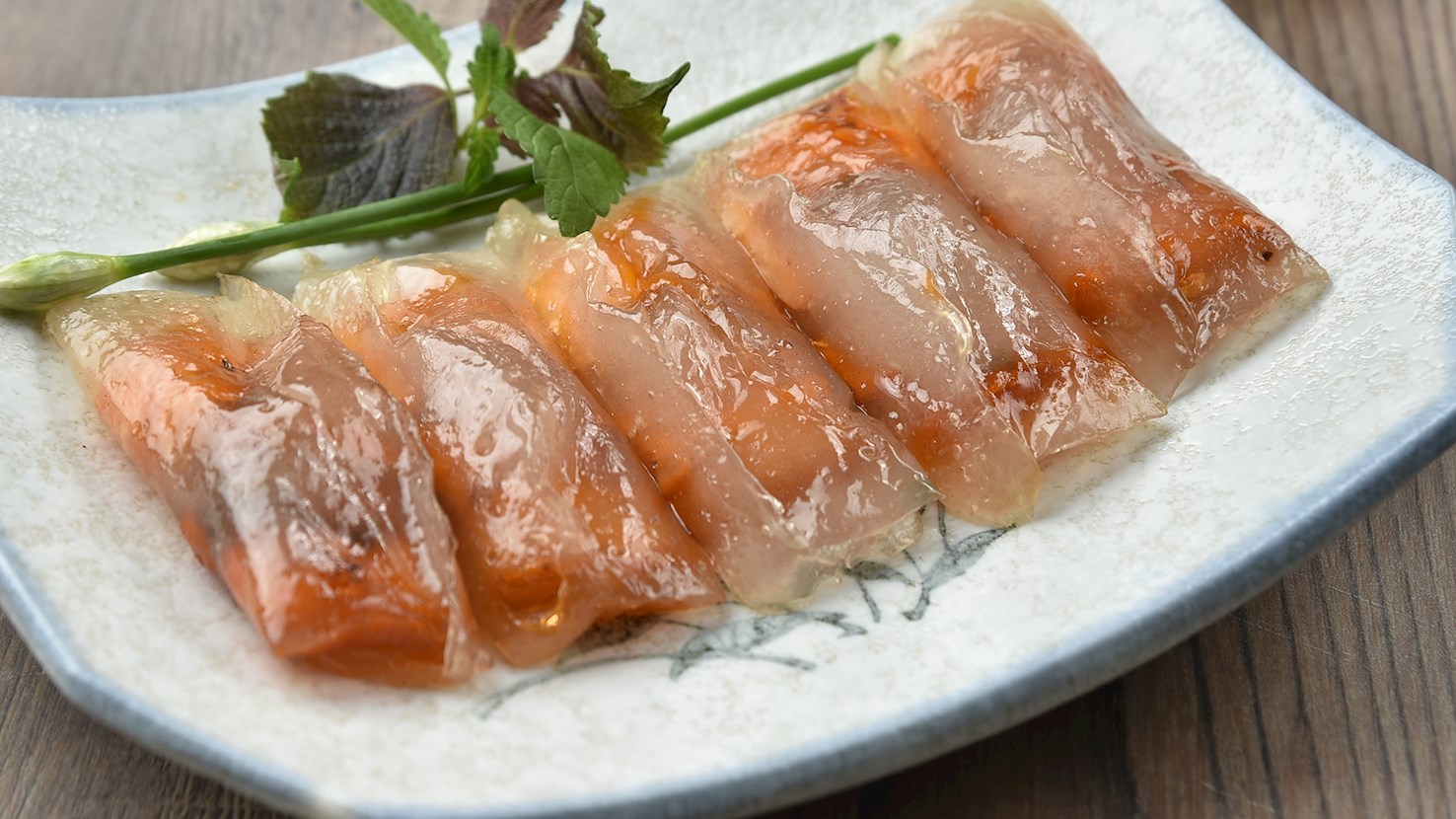
Bánh nậm is a traditional dumpling origianting from Hue. The batter is made with a combination of rice and tapioca flour, sugar, and salt, while the filling consists of shrimps, minced pork, salt, pepper, sugar, shallots, annatto oil, and green onions. The rectangular and flat dumplings are wrapped in banana leaves, then steamed. When served, bánh nậm is traditionally accompanied by fish sauce for dipping on the side. The dumplings are typically sold at the markets because the banana leaves make them easy to transport and keep the interior supple and soft.

About this ranking

TasteAtlas food rankings are based on the ratings of the TasteAtlas audience, with a series of mechanisms that recognize real users and that ignore bot, nationalist or local patriotic ratings, and give additional value to the ratings of users that the system recognizes as knowledgeable. For the “17 Best Rated Dishes with Tapioca Flour” list until June 17, 2026, 1,000,987 ratings were recorded, of which 657,348 were recognized by the system as legitimate. TasteAtlas Rankings should not be seen as the final global conclusion about food. Their purpose is to promote excellent local foods, instill pride in traditional dishes, and arouse curiosity about dishes you haven’t tried.

Similar lists