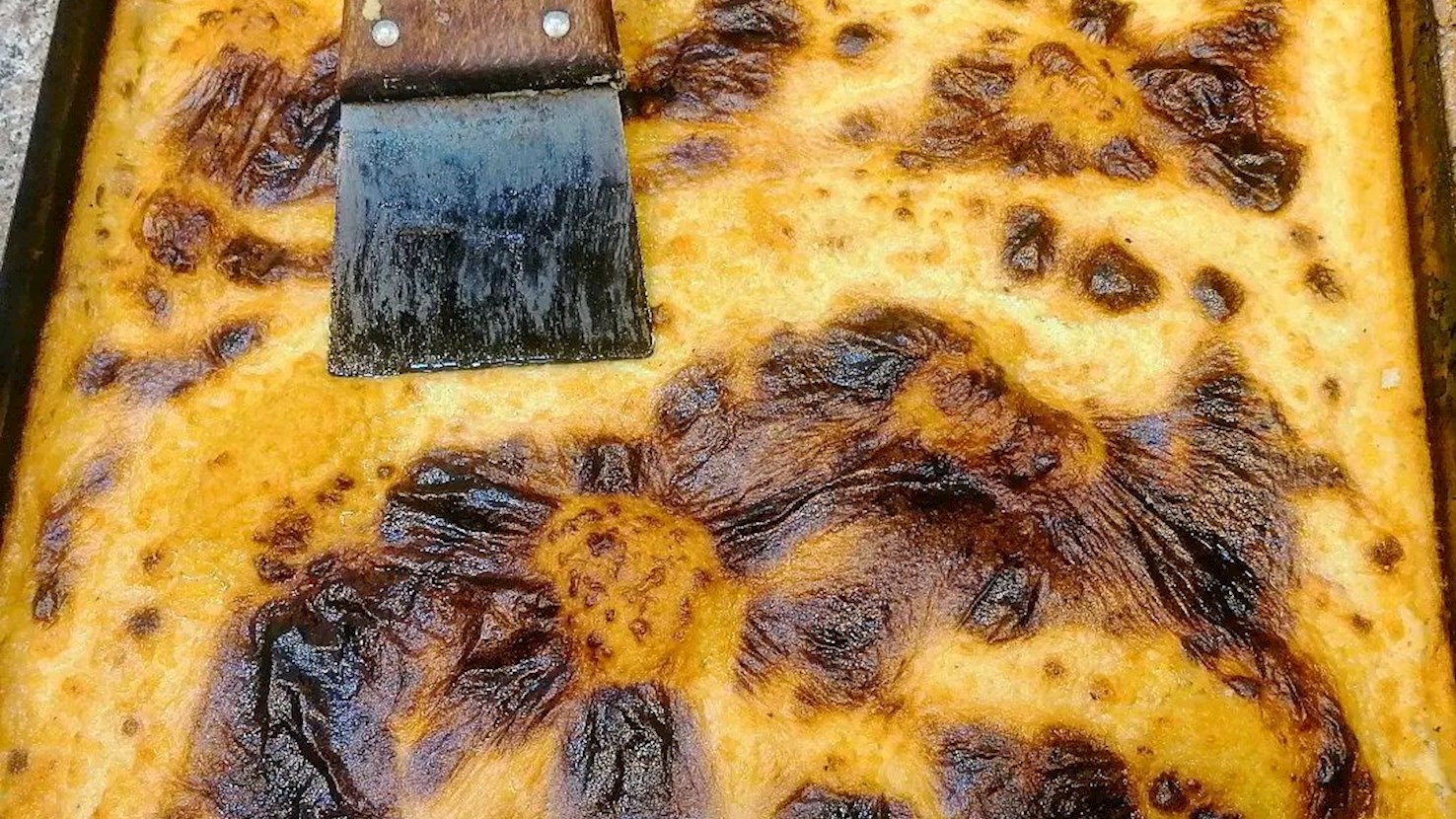
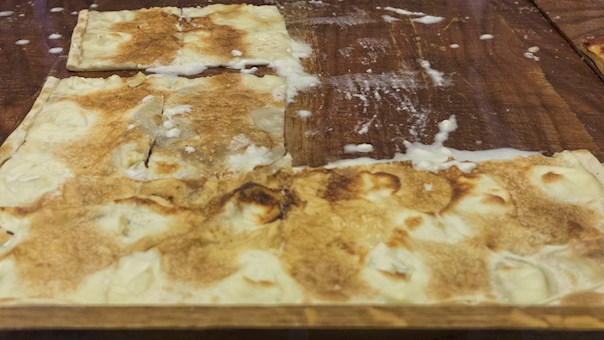
Known as karantika in Algiers and calienté in Morocco, this beloved traditional dish traces its origins back to Spanish influence during the colonial period, as its name is derived from the Spanish word calentita, which means "warm." Over time, what began as a humble, filling meal for the working class evolved into one of Algeria’s and Morocco's most cherished street foods, often enjoyed by people of all ages and backgrounds. The essence of the dish lies in its simplicity and rich, comforting flavor. It is made from a smooth batter of chickpea flour, water, oil, salt, pepper, and eggs, which is then baked until it develops a golden, slightly crisp crust on top while remaining creamy and custard-like inside. Some variations of the recipe include a pinch of cumin or a hint of chili to enhance its depth and warmth. When it comes out of the oven, the dish is traditionally cut into generous squares or wedges and often served tucked into a piece of crusty bread, making it perfect for eating on the go. It is common to find street vendors offering it with a dollop of harissa or a smear of mustard to add a spicy or tangy kick that beautifully complements its mild, nutty flavor. Part of what makes karantika or calienté so beloved is its versatility: it can be enjoyed as a snack, a light lunch, or even a comforting dinner.
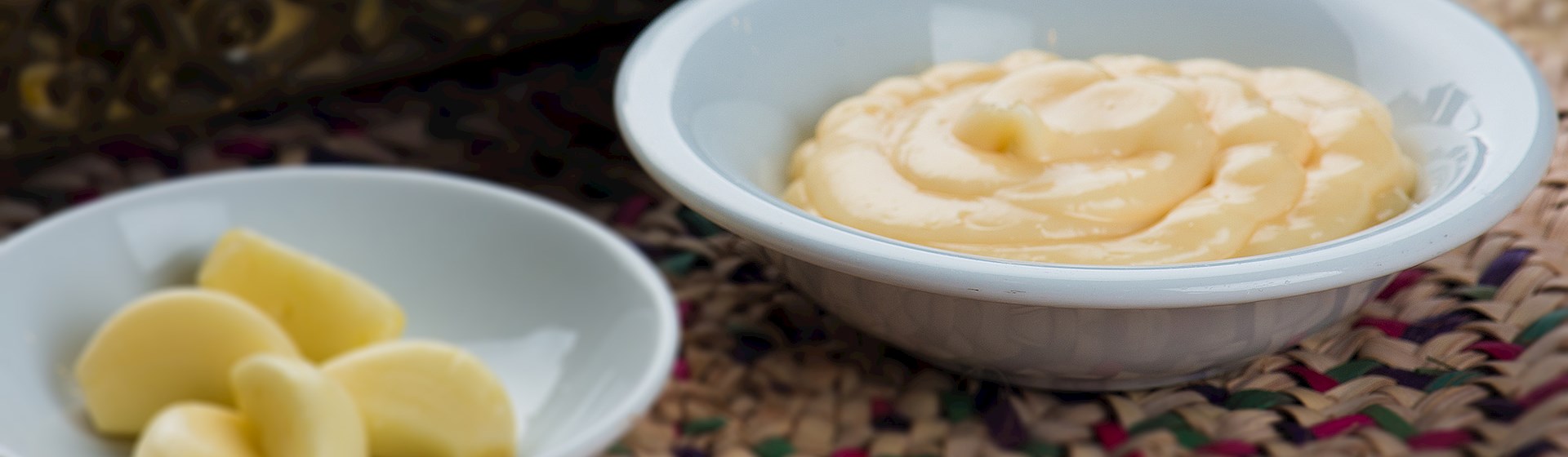
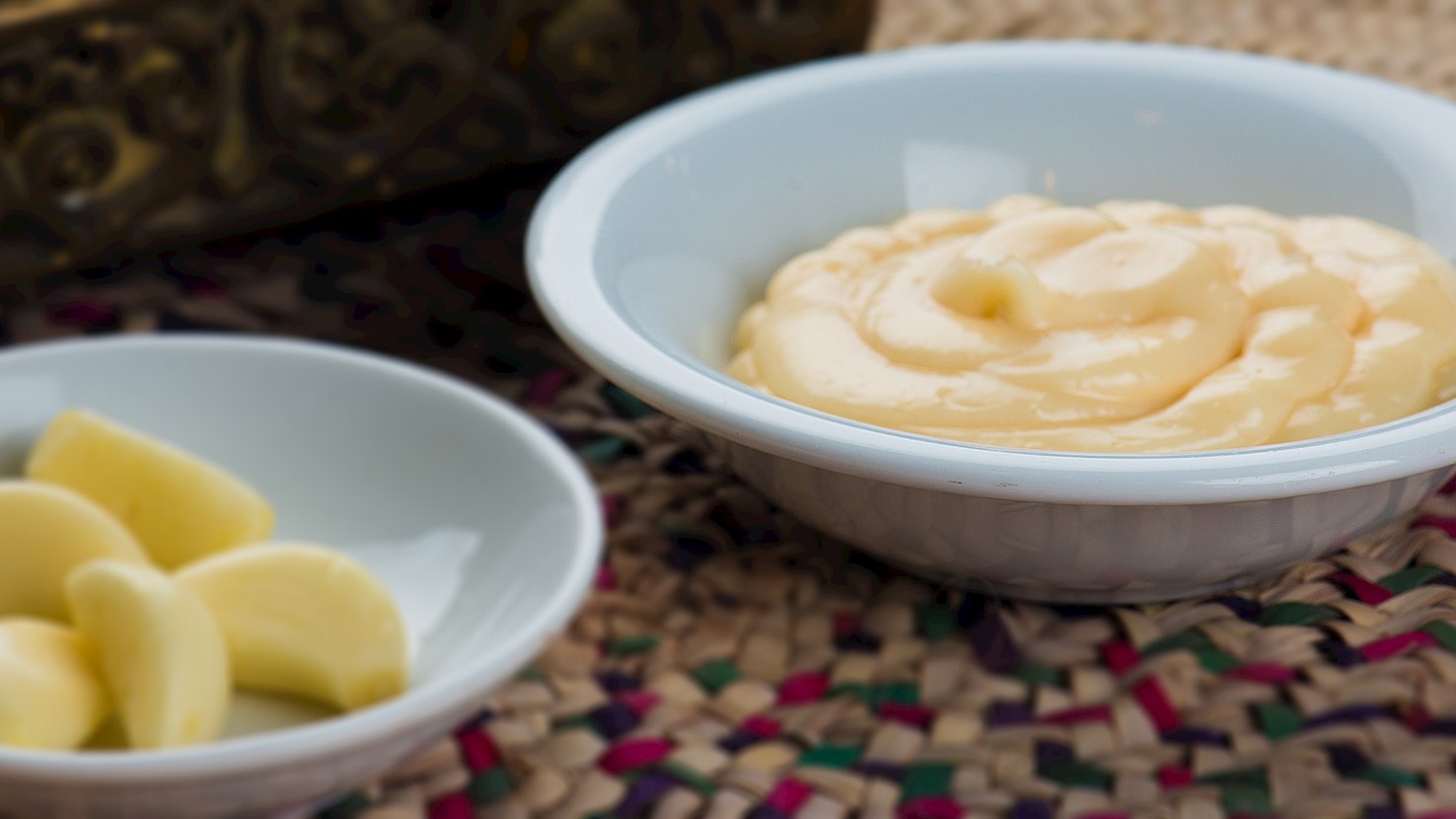
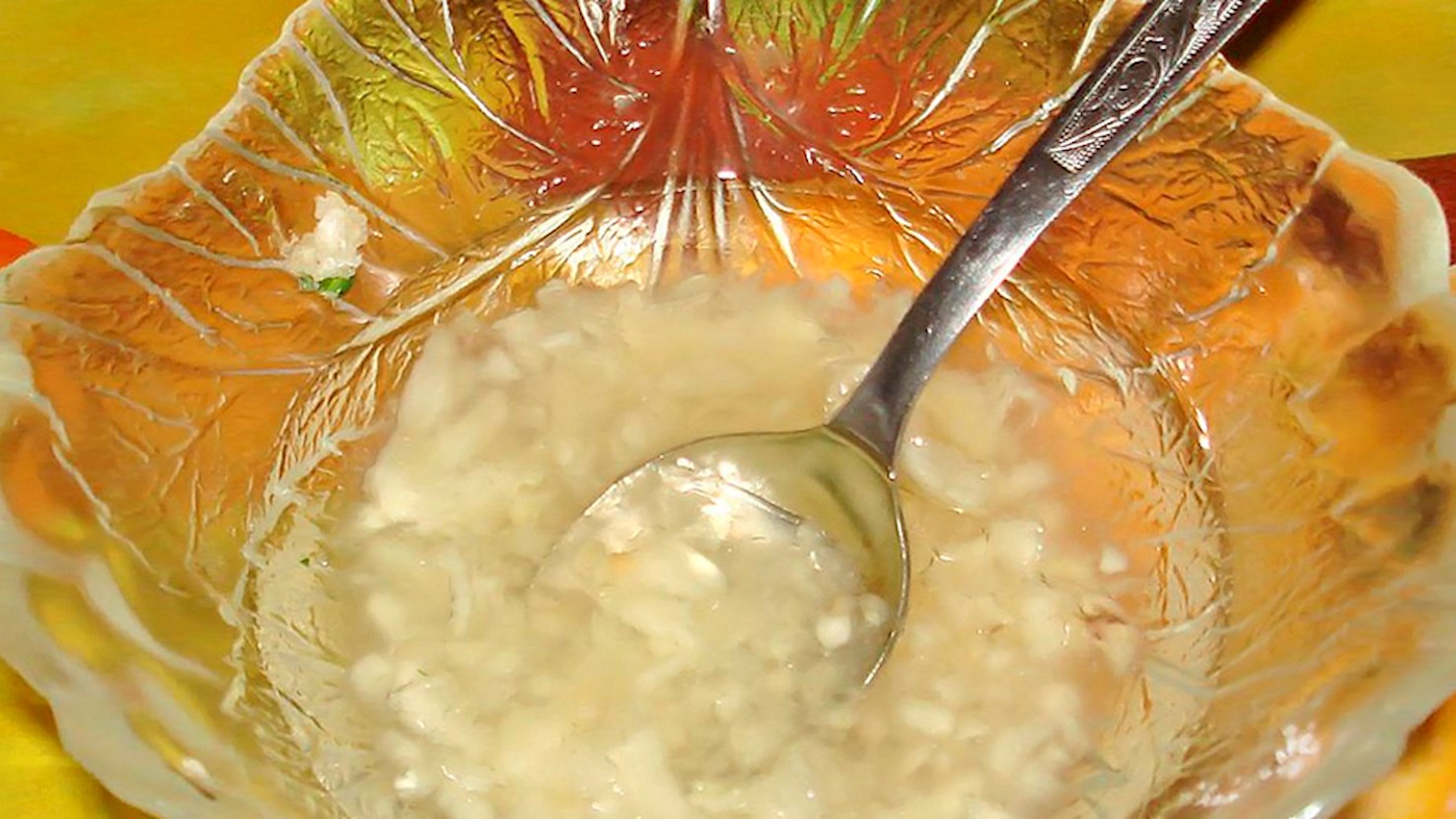
Toum is an authentic Lebanese and Syrian garlic paste. It is made with whole garlic cloves, which are slowly crushed using a mortar and pestle, or nowadays simply ground in a food processor. During this process, oil (preferably neutral oil such as canola, or the flavorful olive oil) is gently added to create a homogeneous garlic paste with an unusual, fluffy texture. Finally, salt and lemon juice are added to the mix, giving the paste a salty flavor and ivory color. Toum is used for marinades, sauces, and dips, and can enrich any meal. It is usually combined with chicken in traditional dishes such as roast chicken, chicken skewers or chicken shawarma, but is also commonly combined with beef, lamb, or goat meat. It is often used as a spread in the famous Lebanese pita sandwiches and wraps, or as a simple spread over bread, which is served as a starter or a snack. Toum can be made in advance and can keep up as long as three weeks. Since it is highly versatile, numerous ingredients, such as mint, can be added to diversify its flavor and texture. This delightful, pungent garlic spread and its adaptations can also be found in eastern Mediterranean countries, Egypt, and Iraq.
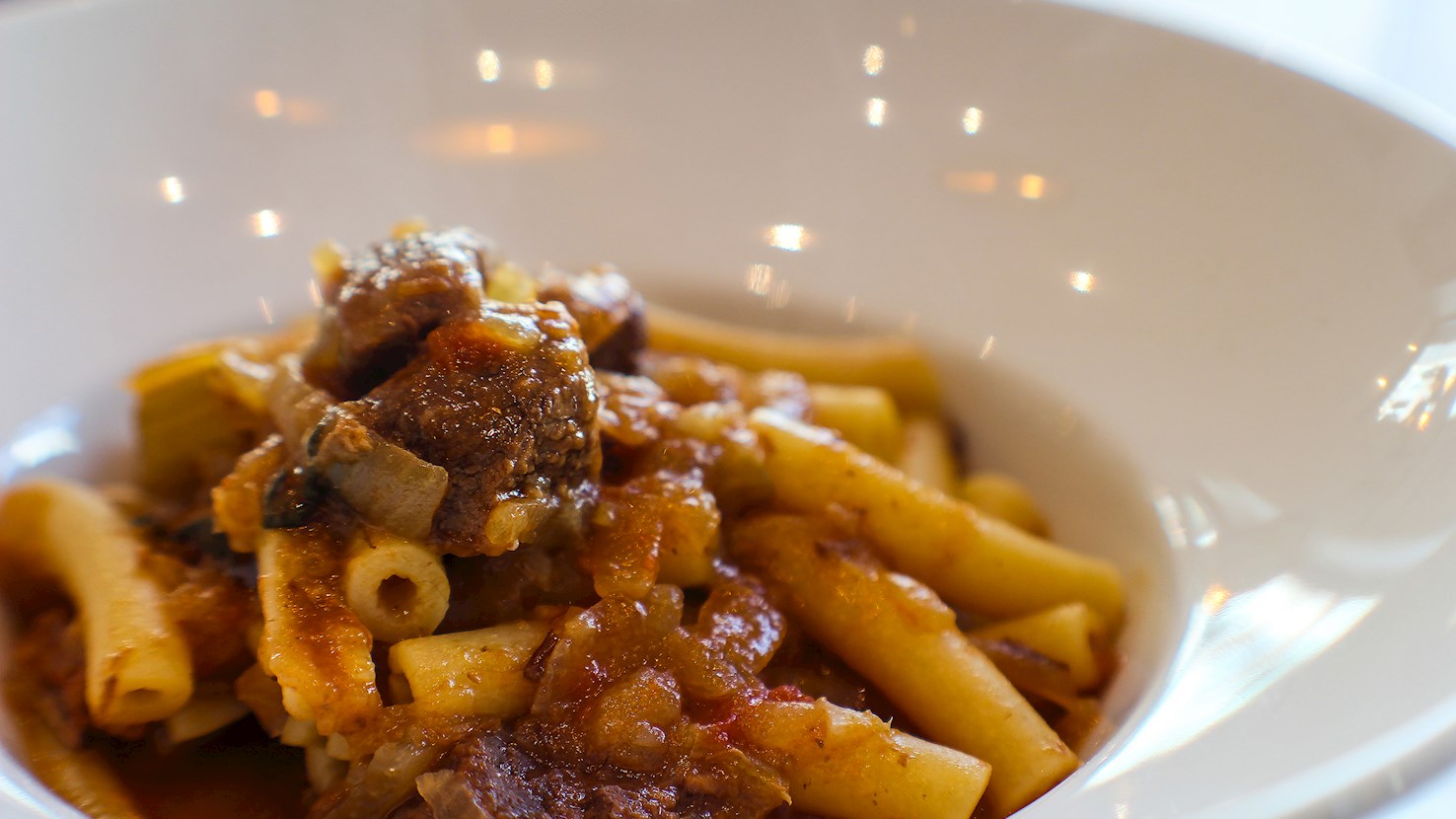
Sugo alla Genovese is a traditional sauce that, despite its name, originates from Naples, but it was likely brought over to the city from Genoa by Genovese immigrants during the Renaissance period. The sauce is prepared by sautéeing veal or beef in olive oil with large amounts of onions, carrots, and celery for a long time, usually from 2 to 10 hours. White wine or stock are often added to the sauce to enrich its flavors. Once done, sugo alla Genovese is served either as it is or the meat is served separately from the sauce. It's traditionally paired with pasta types such as ziti or rigatoni, and the dish is then garnished with tomatoes and topped with grated pecorino.
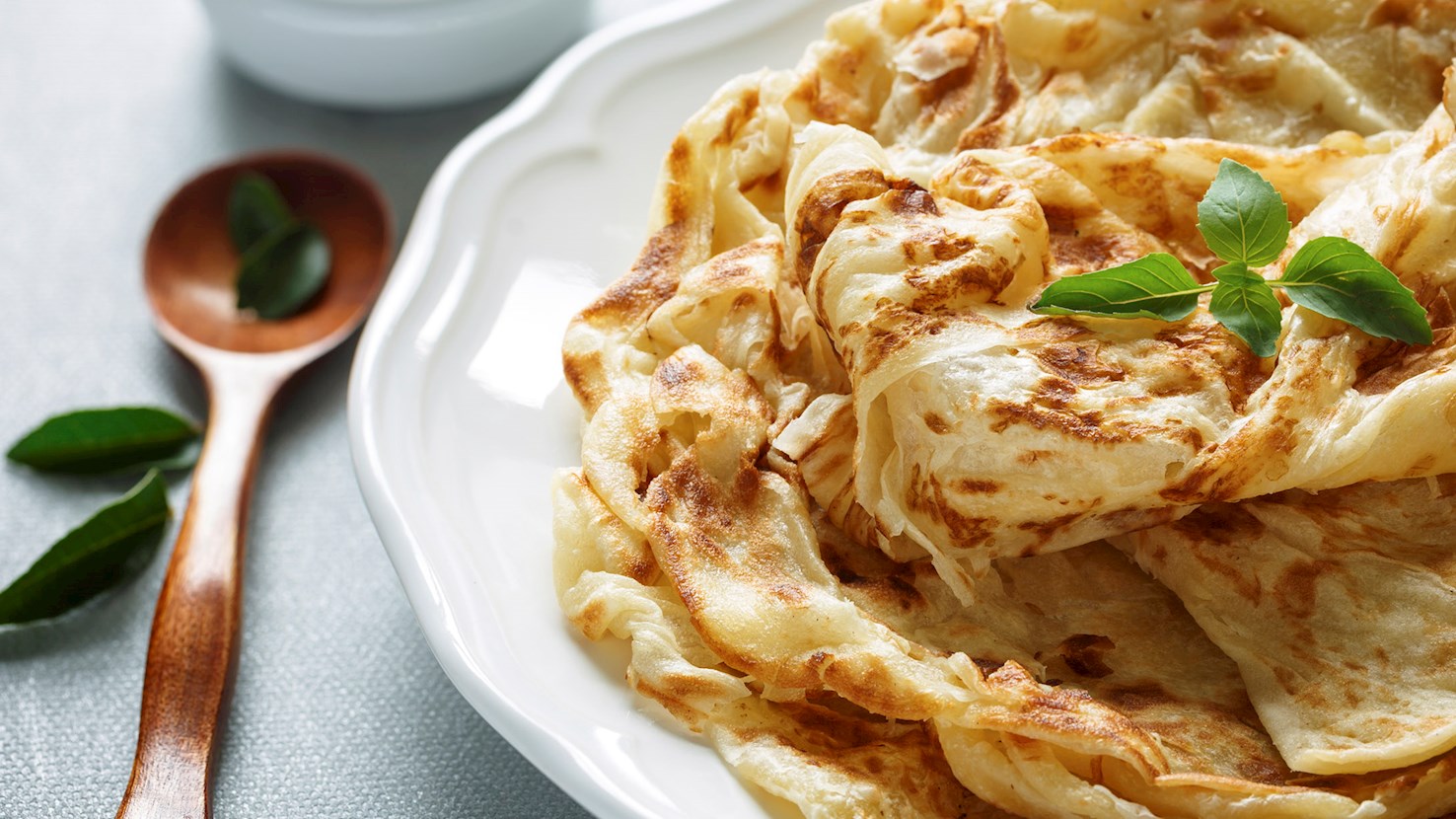
Roti canai is a traditional pan-fried flatbread made with flour, water, eggs, and fat of Indian origin, but mainly associated with Malaysia, and surrounding countries like Indonesia, Brunei, and Thailand. The dough for roti canai is repeatedly folded, so the final product has a layered texture, a soft interior, and a crispy outer layer. The most common fat used in roti canai is ghee, the traditional Indian clarified butter. It is believed that the dish originated in India when the Indian laborers who migrated to Malaysia brought the recipe and the tradition of preparing this crispy pastry to the foreign country. Usually, it is served plain in its traditional round form, as an accompaniment to curries. It can be served on the side or torn into pieces and mixed with the curry. However, roti canai is often served as the star dish, accompanied by different savory and sweet fillings and ingredients. If additional fillings are added, roti canai is usually shaped into rectangles. For example, in Malaysia, one can find various roti canai types, which are differentiated by the type of filling — egg, onion, egg and onion, banana, sardines, margarine and sugar, Maggi instant noodles, cheese, vegetable, and pork filling are some of the many available. However, roti canai doesn't have to have a filling but only a topping, such as fried eggs, curry, beans, lentils, and coffee beans. But martabak, a thick roti filled with meats, eggs, onions, and spices, is probably the best-known type of roti canai. Apart from Malaysia, it can also be found in Saudi Arabia, Yemen, and a few other countries. Other than Malaysia, a very similar type of flatbread can be found in Singapore, where it's called roti prata. This crispy bread is usually sold by street vendors called mamaks.
Mujdei is the Romanian version of garlic sauce. It consists of garlic cloves, sunflower oil, pepper, and water. The cloves are mashed with other ingredients, and the sauce is then typically served with fish or fried potatoes. Mujdei can vary in texture from runny to thick. The name of this sauce is derived from must de ai, meaning must of garlic.
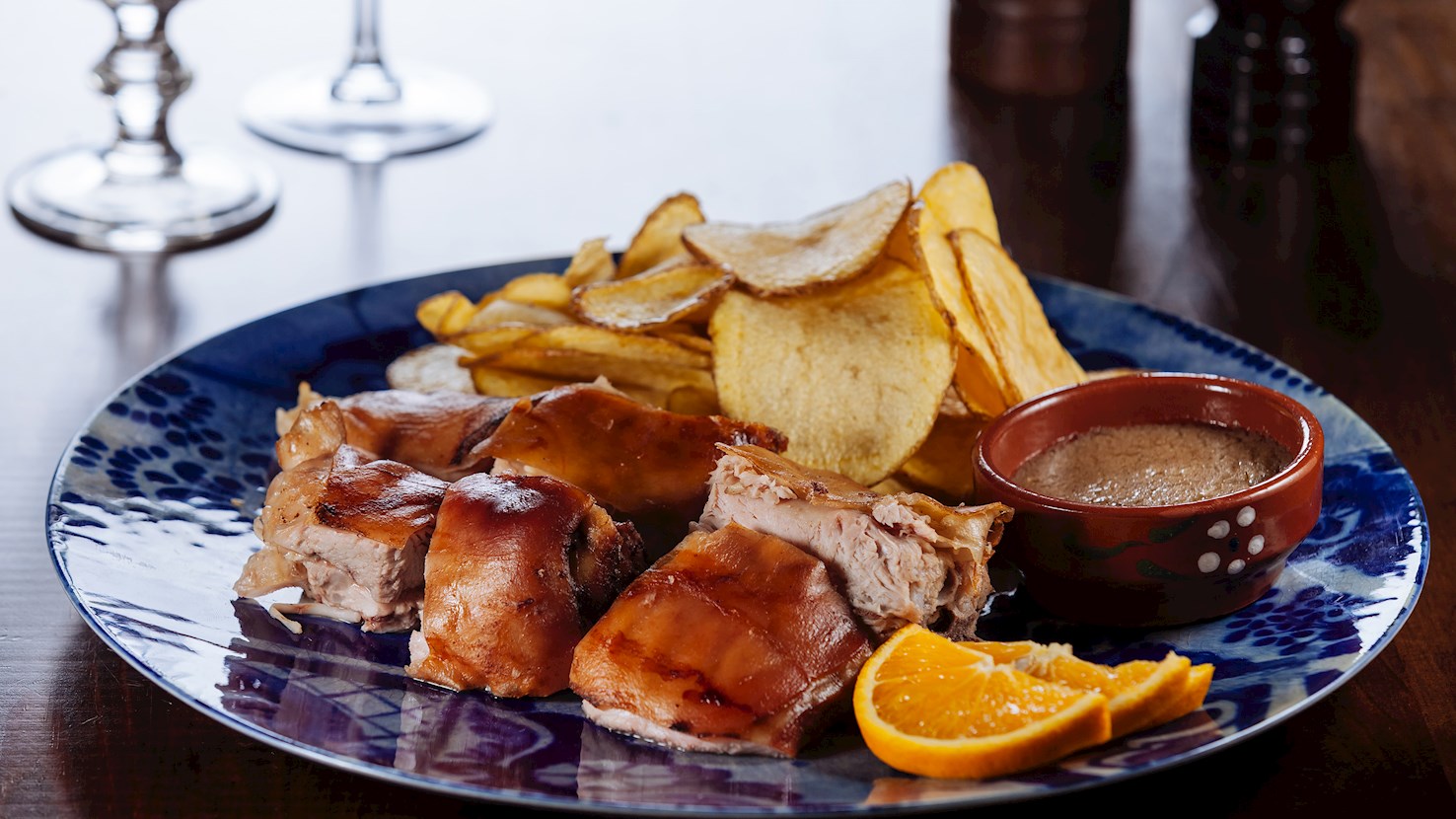
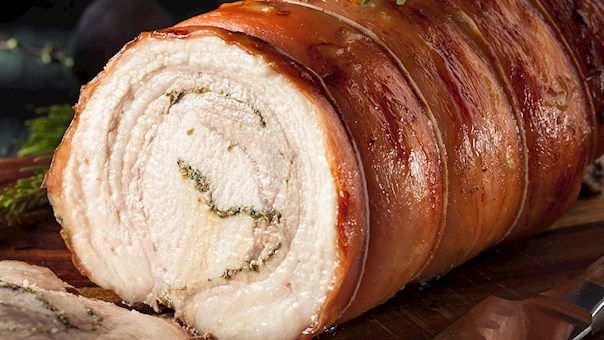
Leitão a Bairrada is a Portuguese dish of suckling pig that's roasted and basted until the flesh becomes creamy and the skin develops its typical crunchiness. It is said that the best place to try this delicacy is the Bairrada wine region, particularly the city of Mealhada. Pigs from this region are considered the best in Portugal, and they feed mostly on acorns. Their meat is rubbed with fat, coarse salt, pepper, and garlic, and it's then skewered on a pole before being cooked in eucalyptus-and-vine-fueled ovens. Once prepared, the suckling pig is traditionally served with batatas fritas, orange slices, and a fresh salad on the side. The dish is so popular in Portugal that there is even a brotherhood of Leitão da Bairrada.
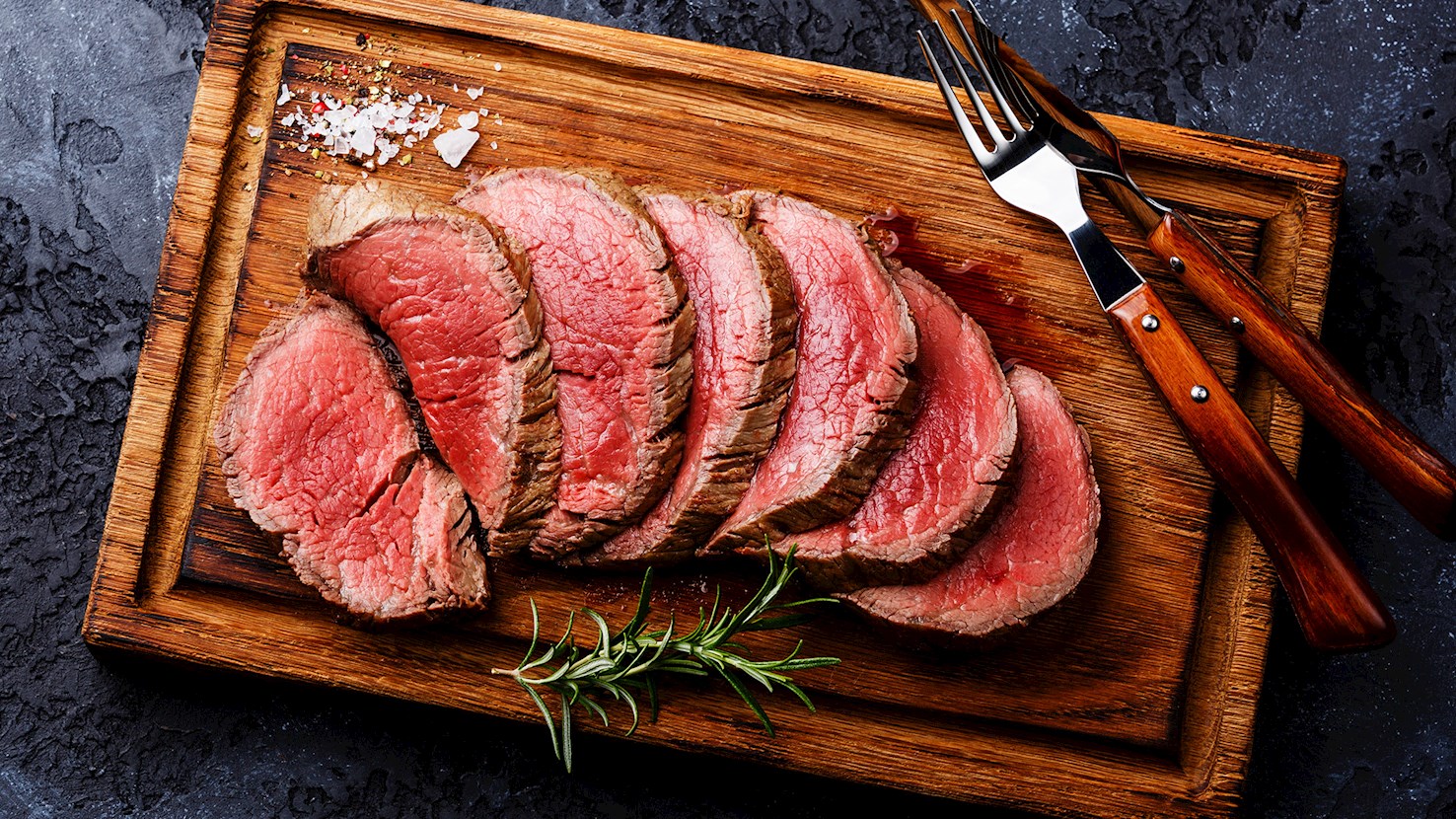
Contrary to popular belief, the word Châteaubriand does not refer only to a cut of beef, but to a method used to grill or roast a thick cut of beef tenderloin. The steak was originally prepared by a chef named Montmireil in 1822 for a French author, diplomat, and statesman Francois René Vicomte de Chateaubriand. When served in France, Châteaubriand will always be accompanied by a sauce – most often either a traditional red wine sauce or Béarnaise sauce. The steak is usually served with a side of roasted new potatoes or tiny chateau potatoes.
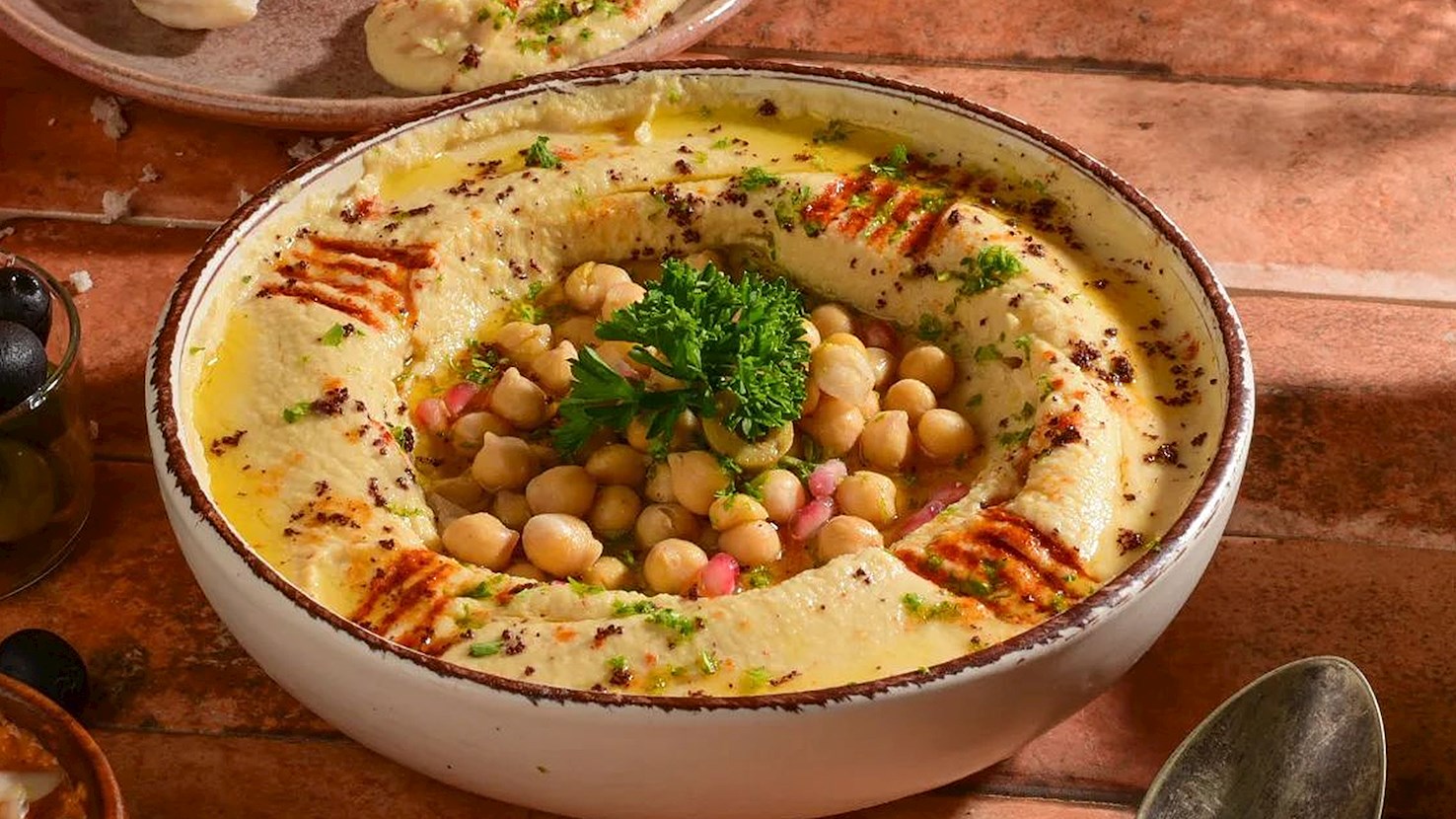
Hummus Beiruti is a Lebanese version of hummus, the famous chickpea-based dip. This version adds a large amount of garlic and spices to it. It’s usually made with a combination of chickpeas, olive oil, garlic, yogurt, tahini, cold water, cumin, lemon juice, chili peppers, chopped parsley, and paprika. Once prepared, this hummus version is plated and garnished with a drizzle of olive oil, chopped parsley, and mint leaves. Hummus Beiruti is served with freshly baked pita or lavash flatbread.
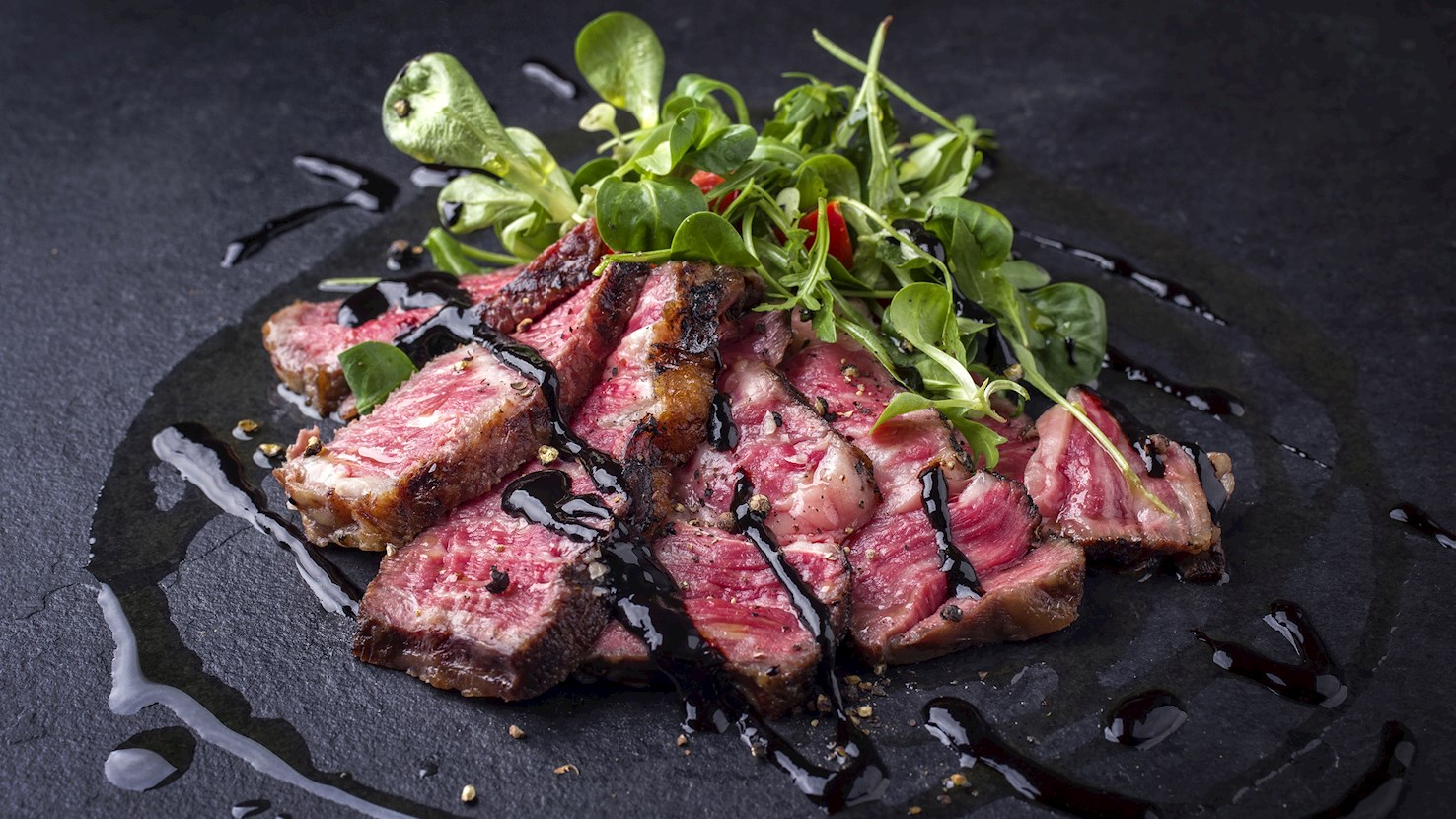
Tagliata is a traditional meat dish that's most commonly made with beef. The dish is usually made with a combination of sirloin steak, rocket (arugula), extra-virgin olive oil, salt, black pepper, and cherry tomatoes, if desired. The meat should be about 1'' (2.5cm) thick and seared on both sides on a hot griddle pan or on a barbecue. The inside of the meat is usually medium-rare and juicy, while the outside is nicely seared. Once done, it's sprinkled with salt and pepper and cut into thin slices. The slices are most commonly served over a mound of rocket, and each serving is drizzled with olive oil. If desired, add some cherry tomatoes, a drizzle of balsamic vinegar, or Parmigiano-Reggiano shavings as well. Tagliata di manzo is served immediately.
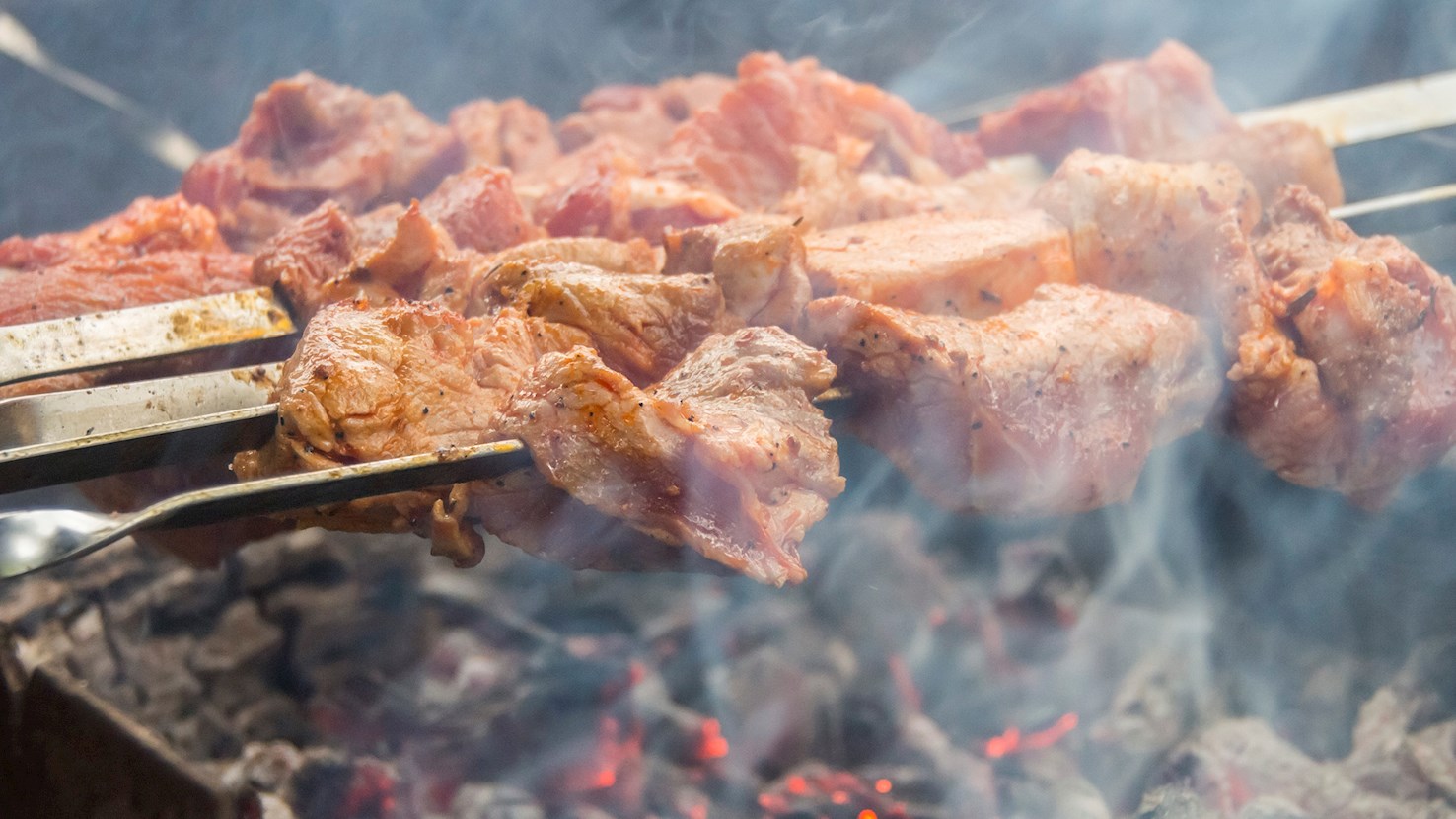
Khorovats is a unique Armenian barbecue method where the meat is first placed on a set of high-quality skewers called shish and shampoors, then grilled on mangal, a grill often shared among neighbors, or less commonly, baking it in tonir, a built-in clay oven. Although any quality meat is suitable for khorovats, most often it is prepared with pork chops and pork ribs that are typically only seasoned with salt and pepper, and marinated for a short time in a marinade that should not contain any vinegar, as it affects the meat's flavors. One popular version of Armenian barbecue is Gharsi khorovats, named after the city of Kars, where meat is cooked on a revolving vertical spit, then served wrapped in lavash flatbread. Typical side dishes include roasted vegetables, onions, flatbreads, cheese, tomato-cucumber salad, and pickled green chili peppers.
TasteAtlas food rankings are based on the ratings of the TasteAtlas audience, with a series of mechanisms that recognize real users and that ignore bot,
nationalist or local patriotic ratings, and give additional value to the ratings of users that the system recognizes as knowledgeable.
For the “100 Best Rated Dishes with Vegetable Oil” list until September 17, 2026, 1,037,815 ratings were recorded, of which 688,105 were recognized by the system as legitimate.
TasteAtlas Rankings should not be seen as the final global conclusion about food. Their purpose is to promote excellent local foods,
instill pride in traditional dishes, and arouse curiosity about dishes you haven’t tried.








What People Say