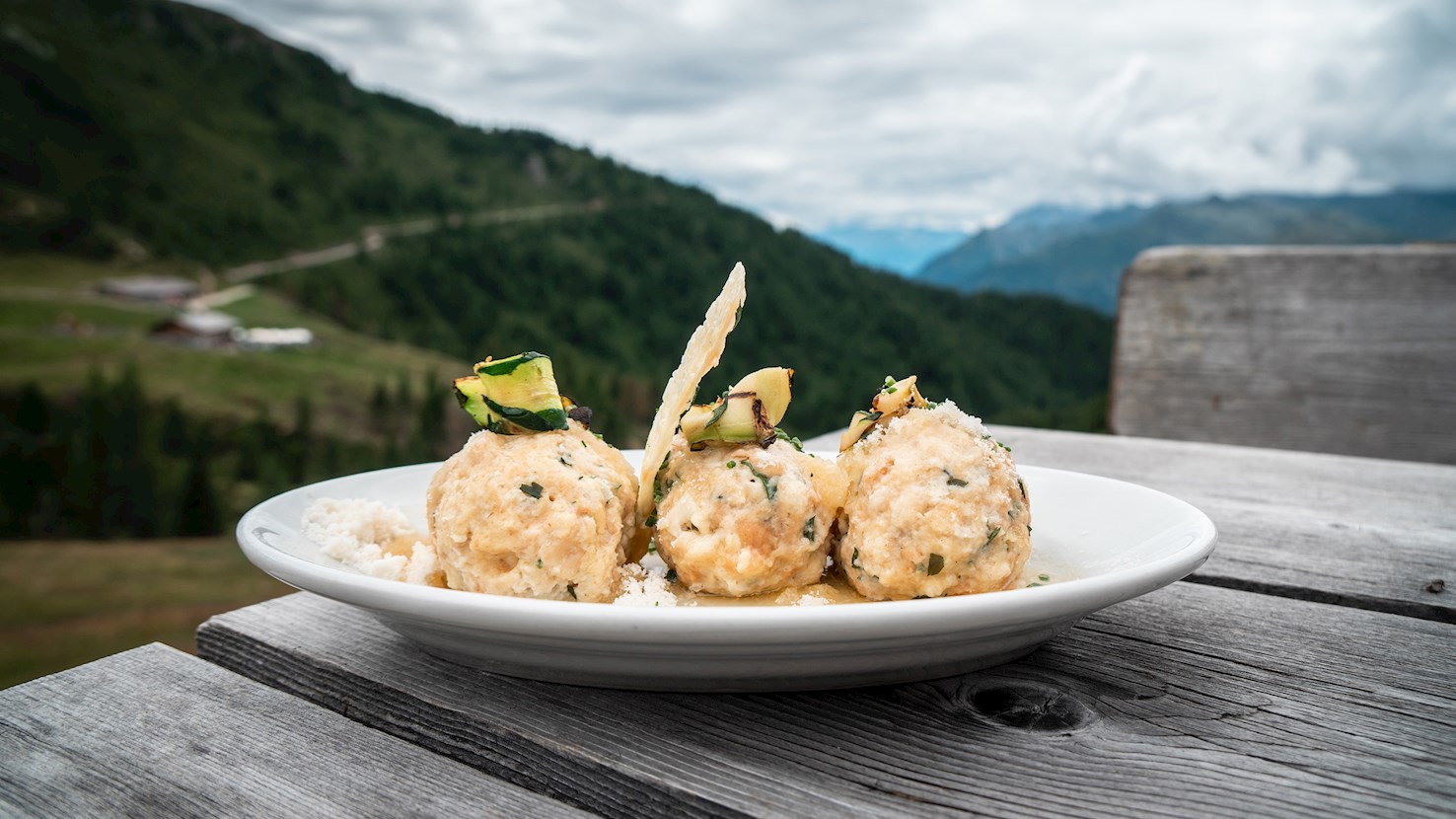
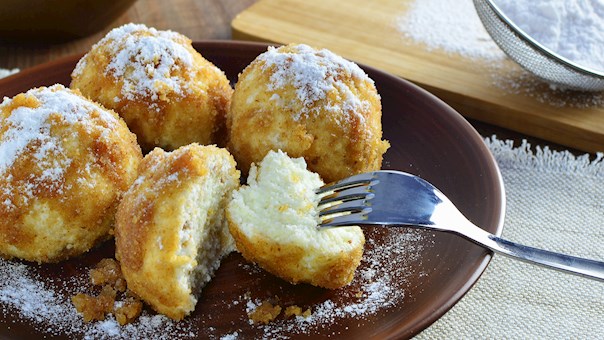
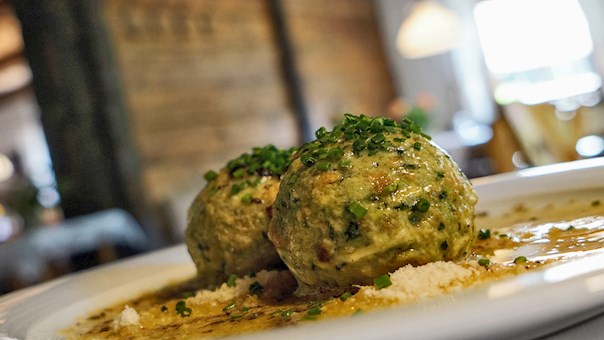
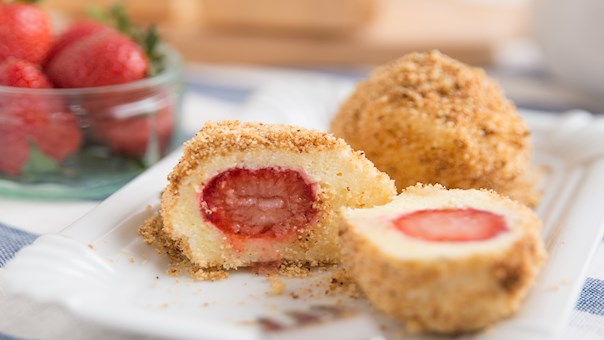
Käseknödel is a traditional dumpling enriched with cheese originating from Tyrol and South Tyrol. These cheese dumplings are typically served as a side dish that shows an inventive way of using leftover stale bread. The stale bread is mixed with cheese, eggs, butter, milk, onions, parsley, salt, and pepper. Käseknödeln are usually boiled in water or fried in butter on both sides until golden brown and then served in a broth or with various salads and stews.
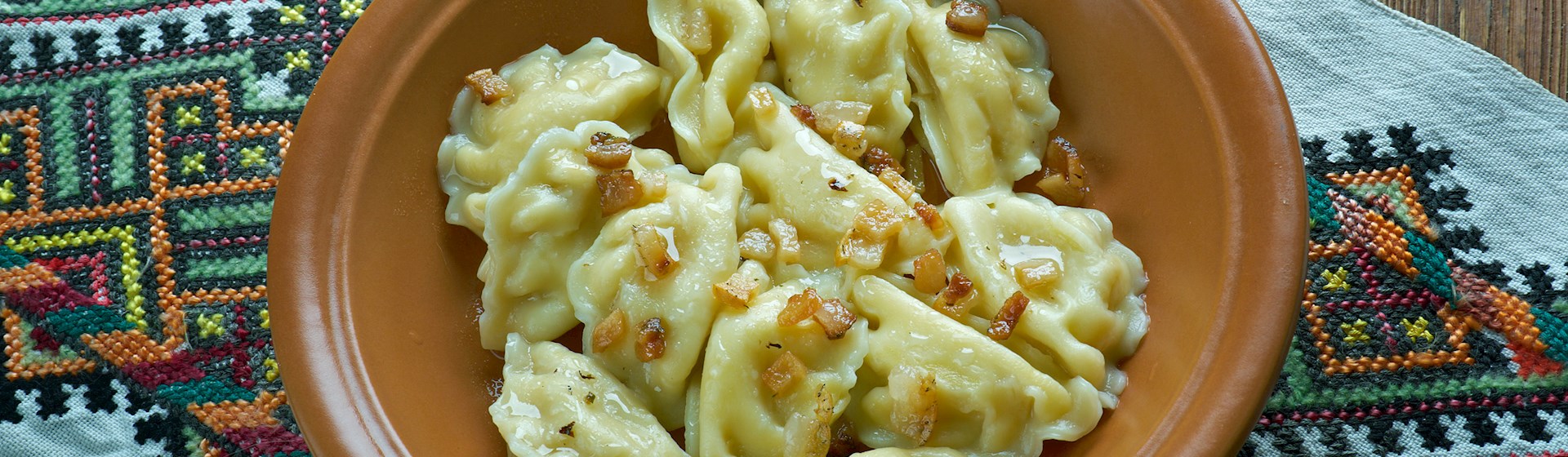
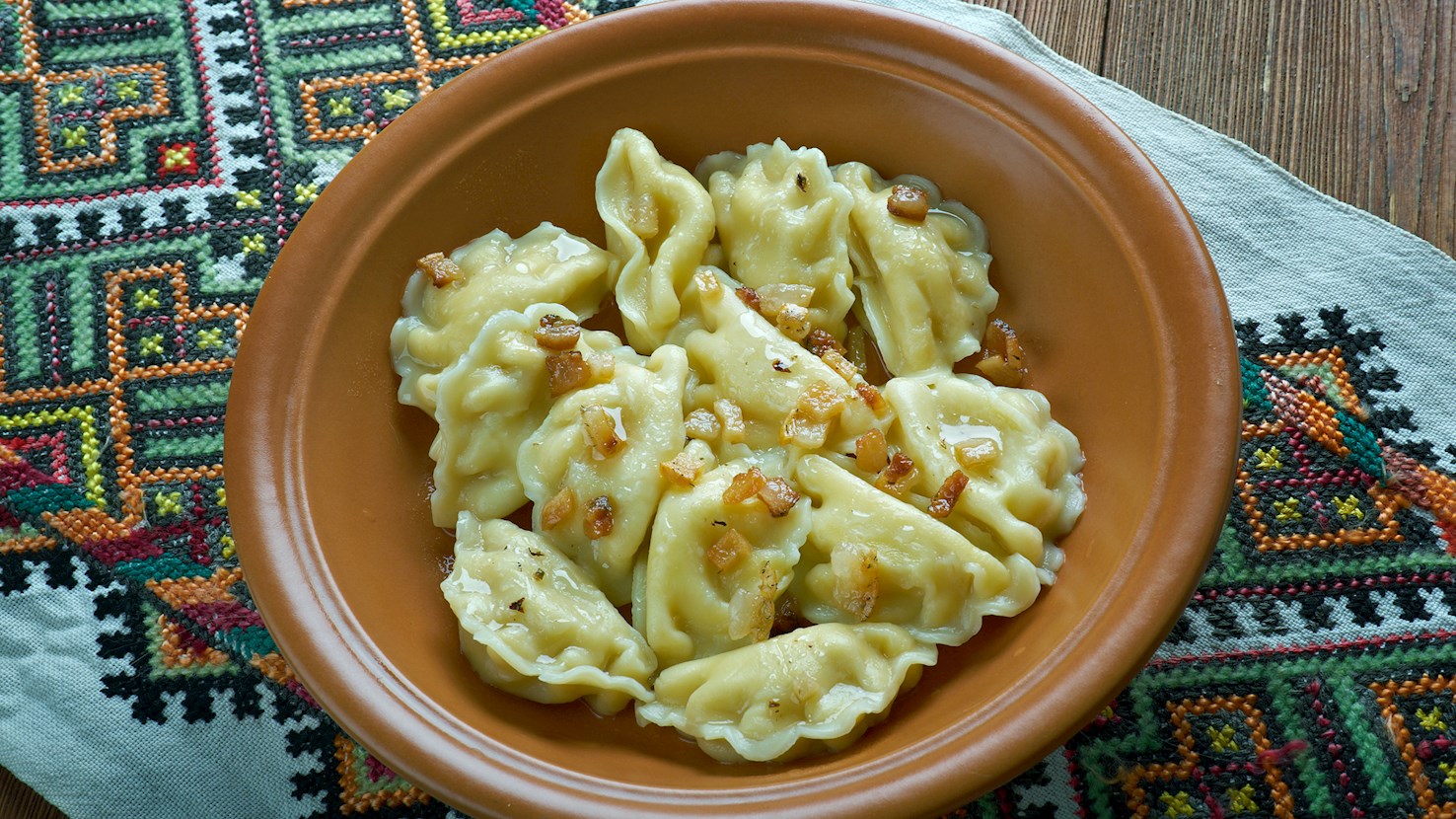
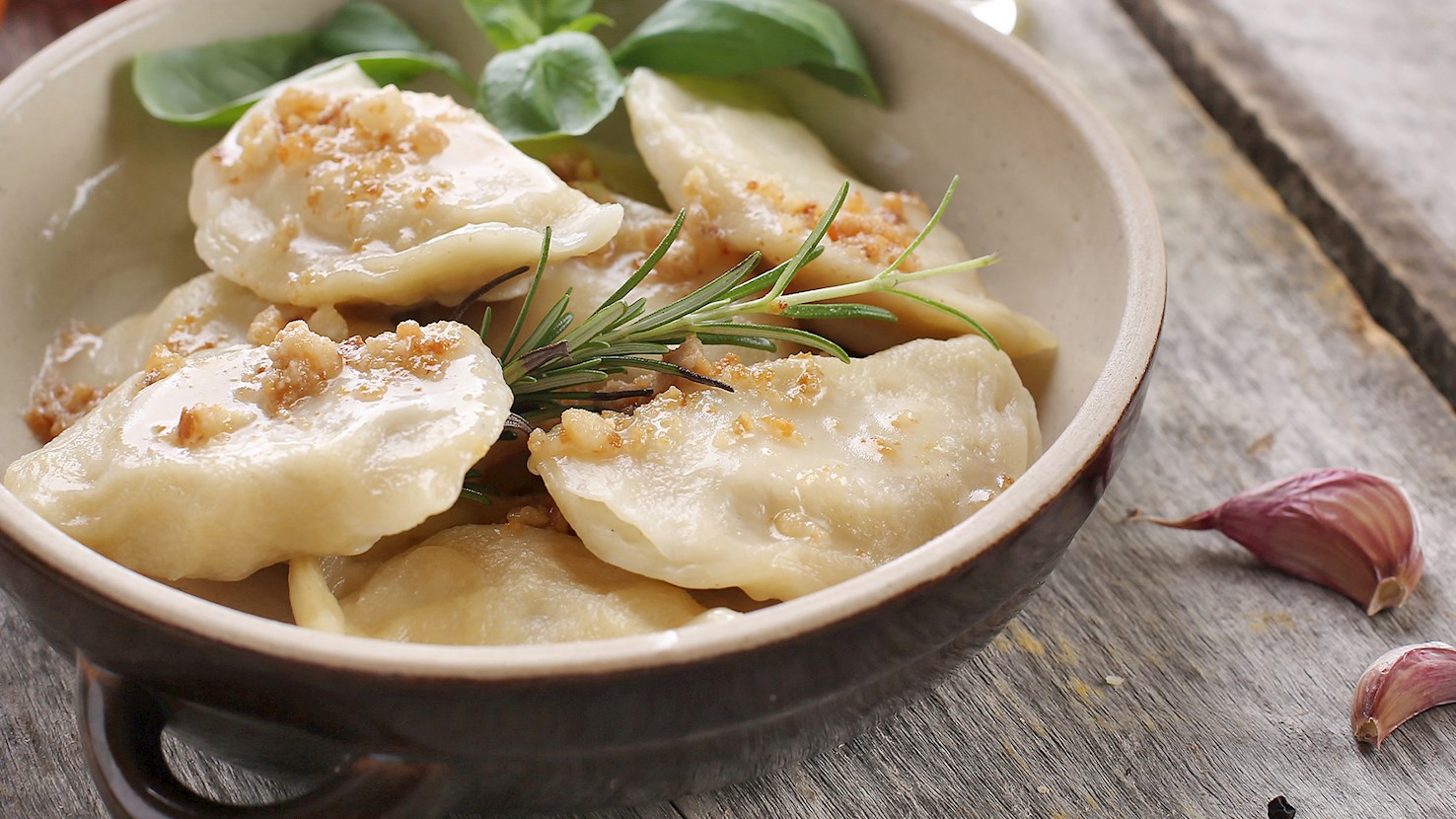
Originating from the historical region of Red Ruthenia, these soft, crescent-shaped dumplings are filled with a combination of potatoes and cheese, which is occasionally modified with various seasonings or fried onions. Pierogi ruskie are usually boiled and shortly fried until they develop a crispy texture. The dumplings are often served sprinkled with cracklings, crispy fried onions, or bacon, and can be enjoyed as a hearty appetizer or as a main course. In Ukraine, the pierogis are called varenyky, and they are so popular that there is even a monument celebrating varenyky in the city of Cherkasy. The sweet, fruit-filled version of varenyky is typically served with sugar and sour cream.
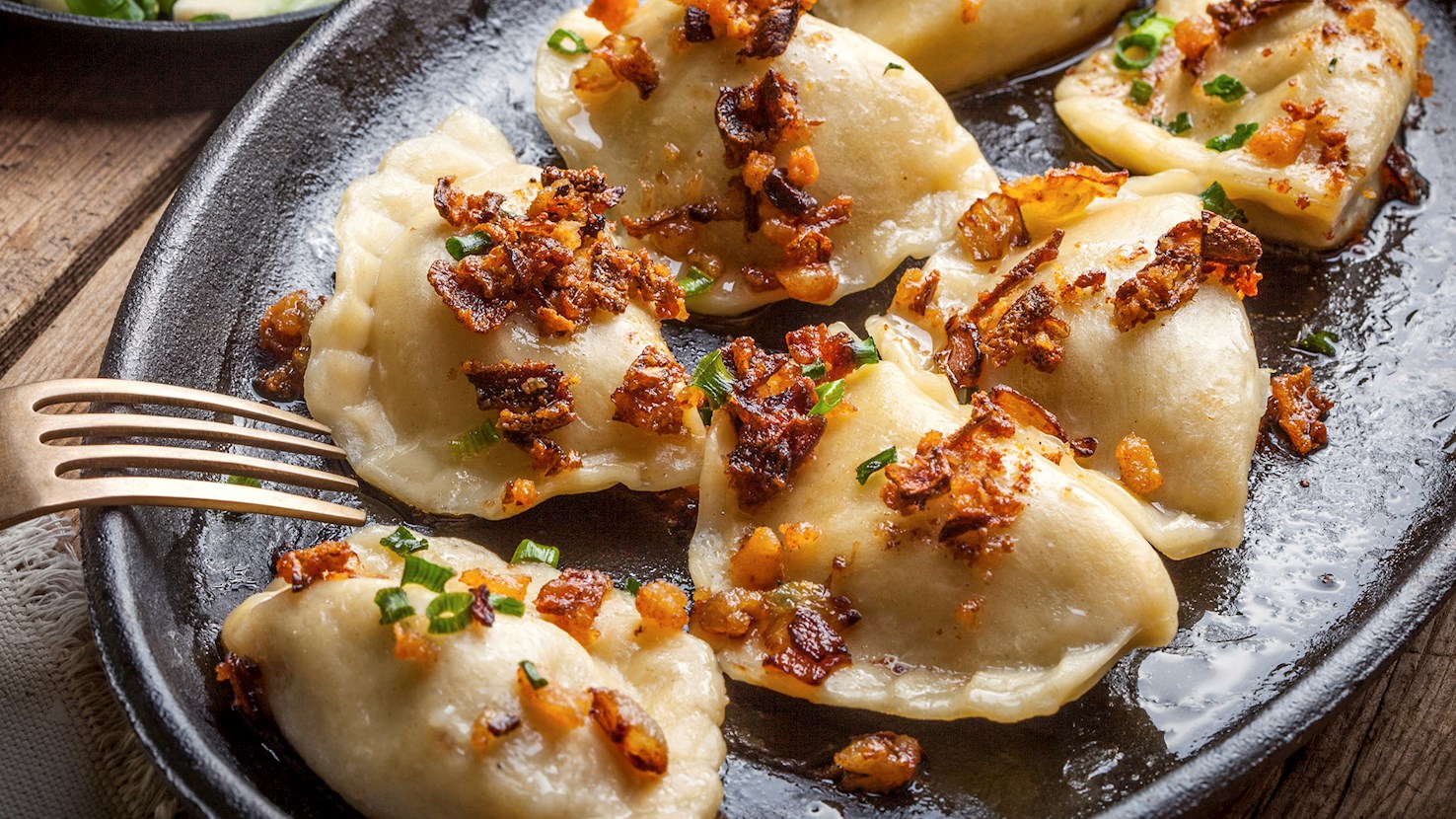
These stuffed dumplings derived their name from the Polish word for filled dumpling: pieróg. This former peasant food evolved into one of Poland's favorite dishes. Every family has their own version of pierogi filling, and the ingredients that can be used are limited only by the imagination of the chef. Pierogi can be sweet, savory, or spicy, and the most common fillings include cheese, onions, ground meat, mushrooms, potatoes, and sauerkraut. The sweet versions commonly include various berries, such as strawberries or blueberries. Traditionally, these dumplings are served as the 12th course of a traditional Polish Christmas Eve dinner. As the entire meal must be meatless, the filling usually consists of mushrooms, cabbage, and sauerkraut. Although pierogi have been made since the 13th century, it is not known where they were originally created—the Poles, Romanians, Russians, Ukrainians, Lithuanians, and Slovaks all claim they should be credited as the inventors of the pierogi. Others claim that it was brought to the West by the Tatars, and some say that the original pierogi traveled from China and reached Europe through Italy. Despite all this uncertainty, one fact is indisputable—the word pierogi first appeared in print in the second half of the 17th century. Today, pierogi are extremely popular throughout the country, and can be found in numerous pierogarnia eateries on Polish street corners. Poland also celebrates National Pierogi Day every year on October 8th, while the city of Kraków boasts its own annual Pierogi Festival held on August 17th.
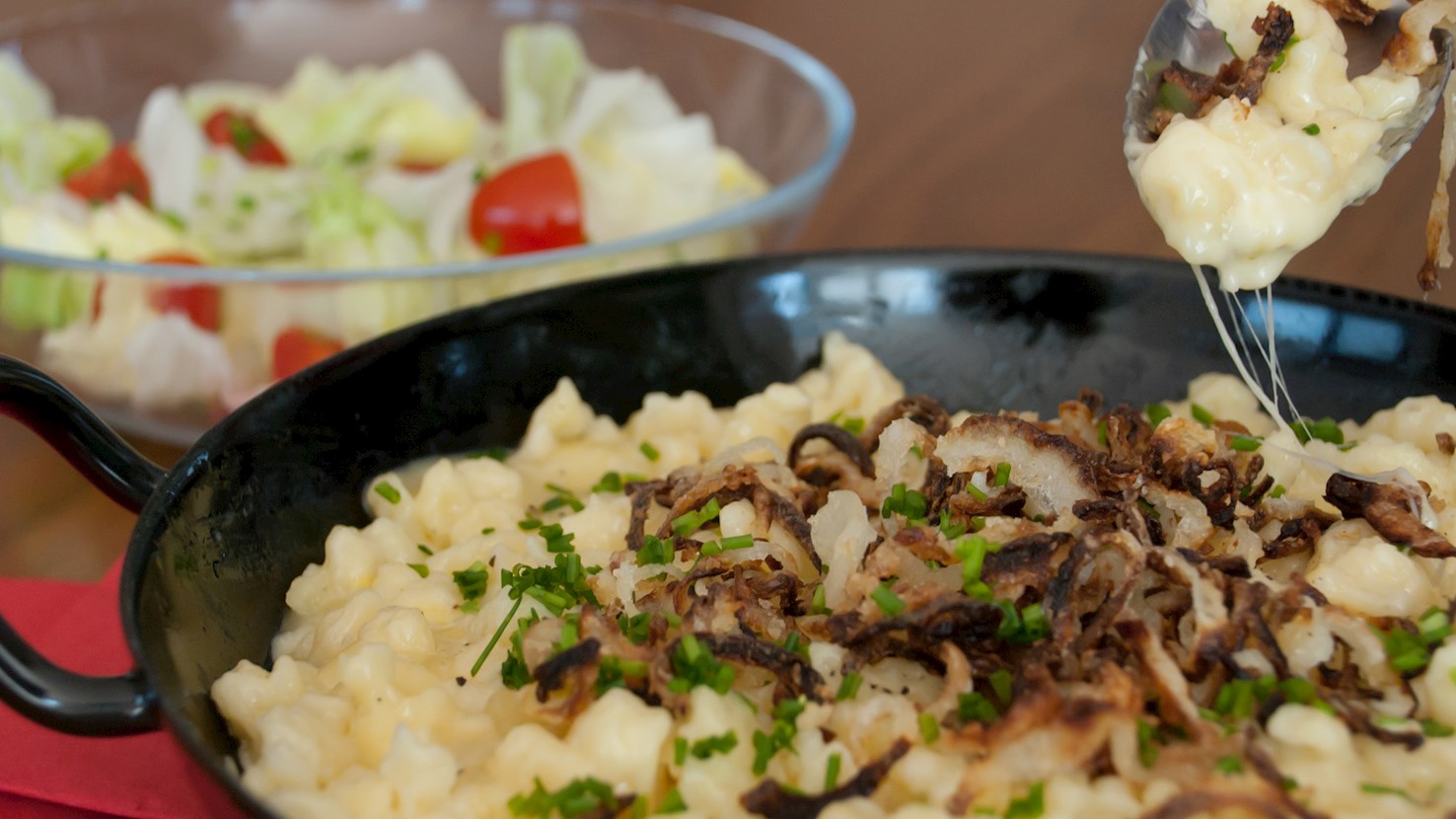
Kasnocken is a savory dish made by coating small dumplings with melted cheese and caramelized onions. The dish is said to originate from Austria’s Pinzgau region (congruent with the Zell am See district), and in line with the place of origin, the cheese used when preparing the dish is the Pinzgauer Bierkäse, characterized by its strong odor and mild flavors. Since this is one hearty meal, a shot of schnapps is traditionally taken afterwards for improving digestion.
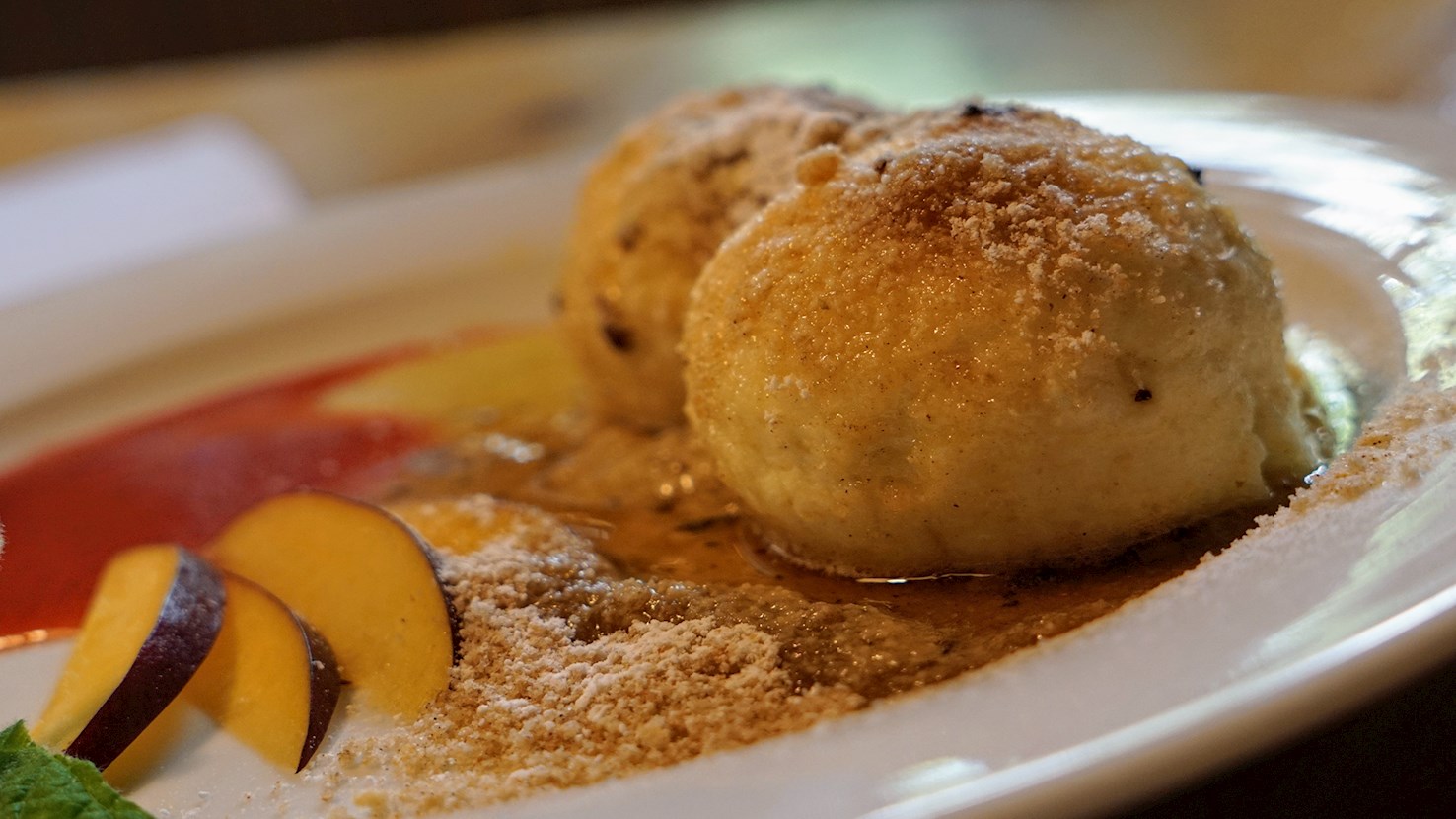
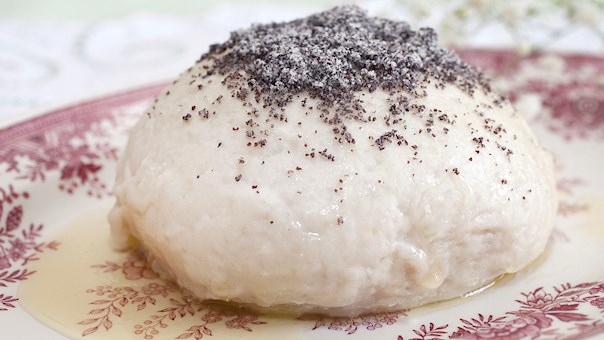
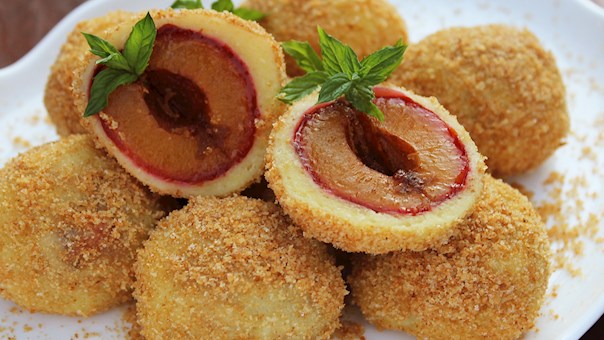
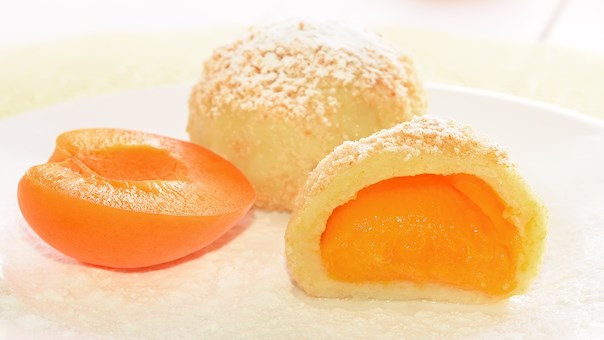
Wachauer marillenknödel is a classic Austrian dish consisting of a depitted Wachau apricot that is encased in a light dough which is then shaped into a dumpling, cooked, and rolled in breadcrumbs that have been fried in butter. The dough can be made either with soft cheese or potatoes, while the breadcrumbs are often seasoned with powdered cinnamon. Although the delectable Wachau apricot dumplings are served generously dusted with icing sugar, some might think that they are served as a dessert, but the dumplings are traditionally consumed as a main dish.
Known as koldūnai in Lithuania, kalduny in Belarus and kołduny in Poland, these stuffed dumplings boiled in salted water are a staple of regional cuisine. Traditionally filled with minced pork, beef, chicken, curd cheese, or mushrooms, they make for an excellent lunch choice and can be enjoyed with a variety of garnishes, from butter and black pepper to mayonnaise, sour cream, crispy bacon, or spirgučiais (a type of pork rind).
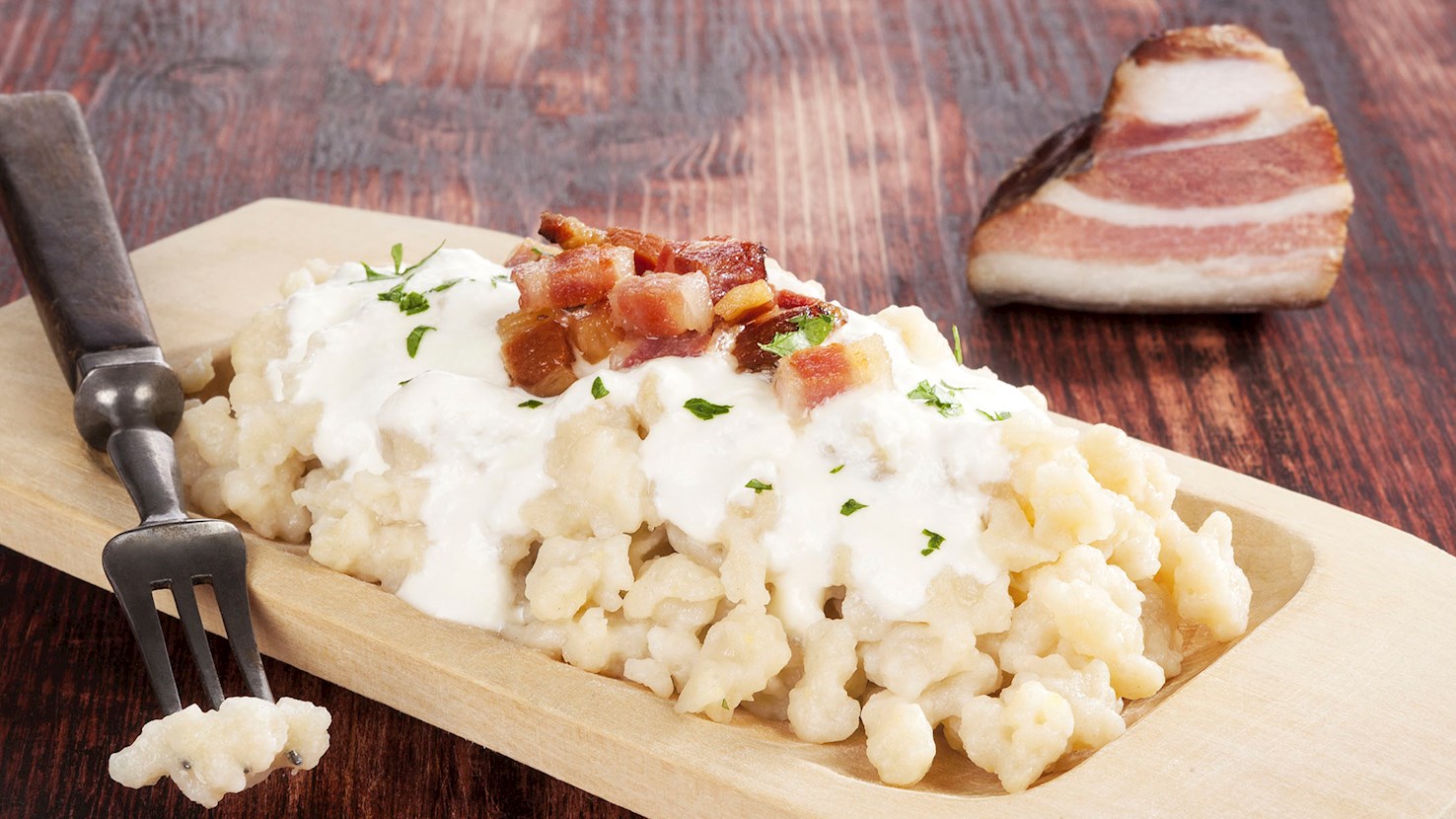
Bryndzové halušky is a modest and simple meal consisting of three elements: halušky, bryndza, and bacon. Halušky is a traditional name for a type of dumpling made with grated raw potatoes and flour. The second essential ingredient in this dish is bryndza, a flavorful cheese made from sheep's milk, authentic to the Liptov area. The original Slovak bryndza is salty, strong, crumbly, and light gray, while the mass-produced varieties are usually milder, lighter, and typically have a certain percentage of cow's cheese. Bryndza is added directly to halušky and mixed thoroughly until it melts. The third and the final part of this dish is bacon, typically cut into pieces, fried in a pan, and sprinkled on top of the dish. This hearty meal is a symbol of pride for Slovaks, and it symbolizes Slovak cuisine as it is: simple, straightforward, and traditional.
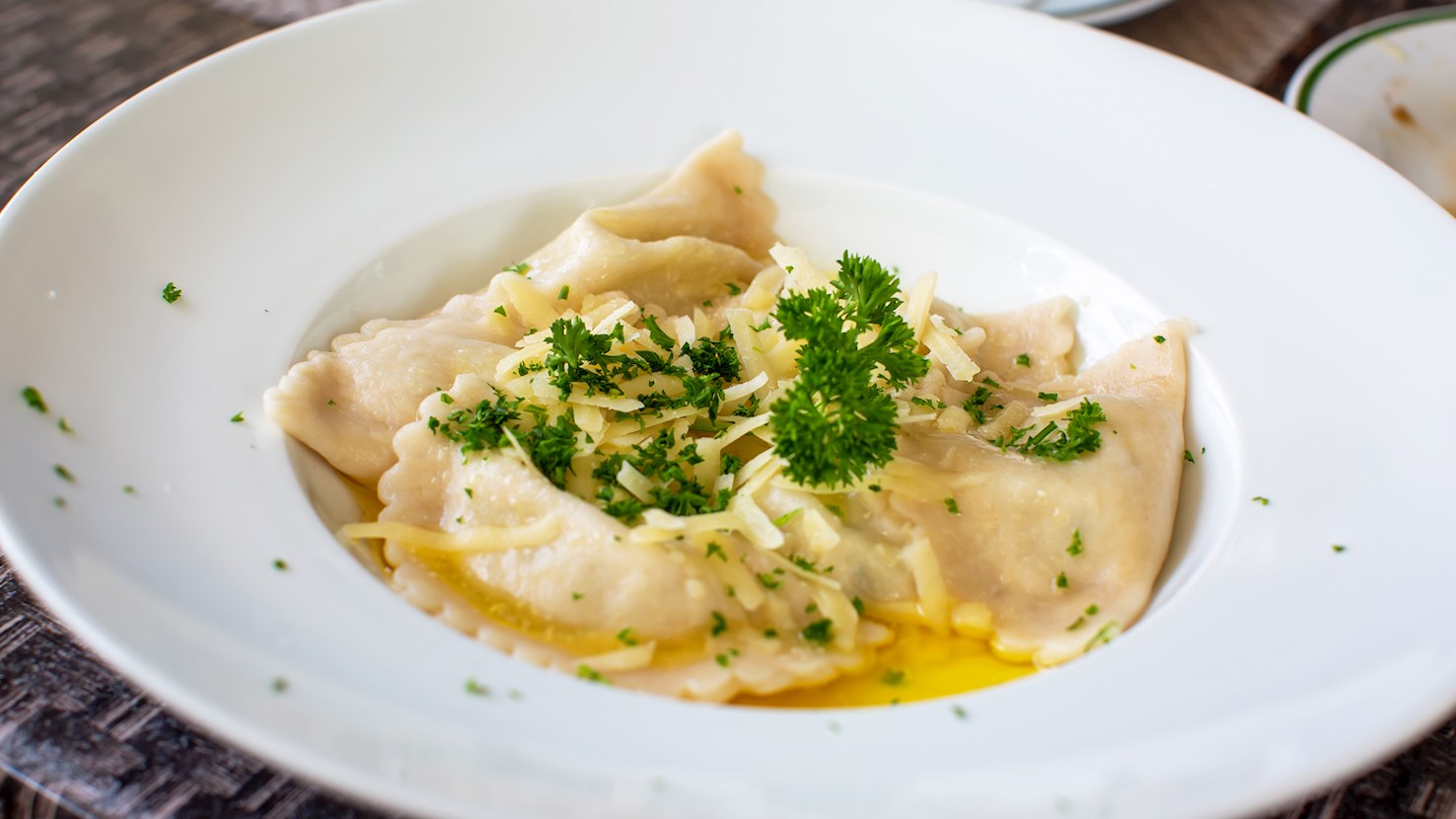
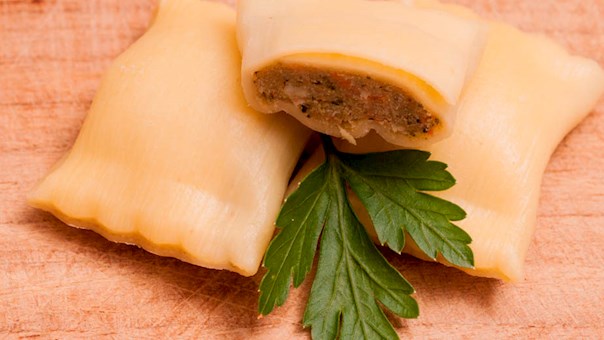
Mezzelune or schlutzkrapfen is a unique pasta variety that is popular both in Italy and Austria, especially in the area of South Tyrol. The pasta has a semicircular shape, which is the reason why it is called mezzelune (half moons in Italian). The dough is typically made from wheat and buckwheat flour, semolina, eggs, and olive oil. The pasta is stuffed with various ingredients, just like ravioli. Common fillings include ingredients such as cheese, mushrooms, potatoes, meat, or spinach. Mezzelune are often served with sauces such as pesto and paired with seafood, sausages (salsiccia), or fresh vegetables such as cherry tomatoes.
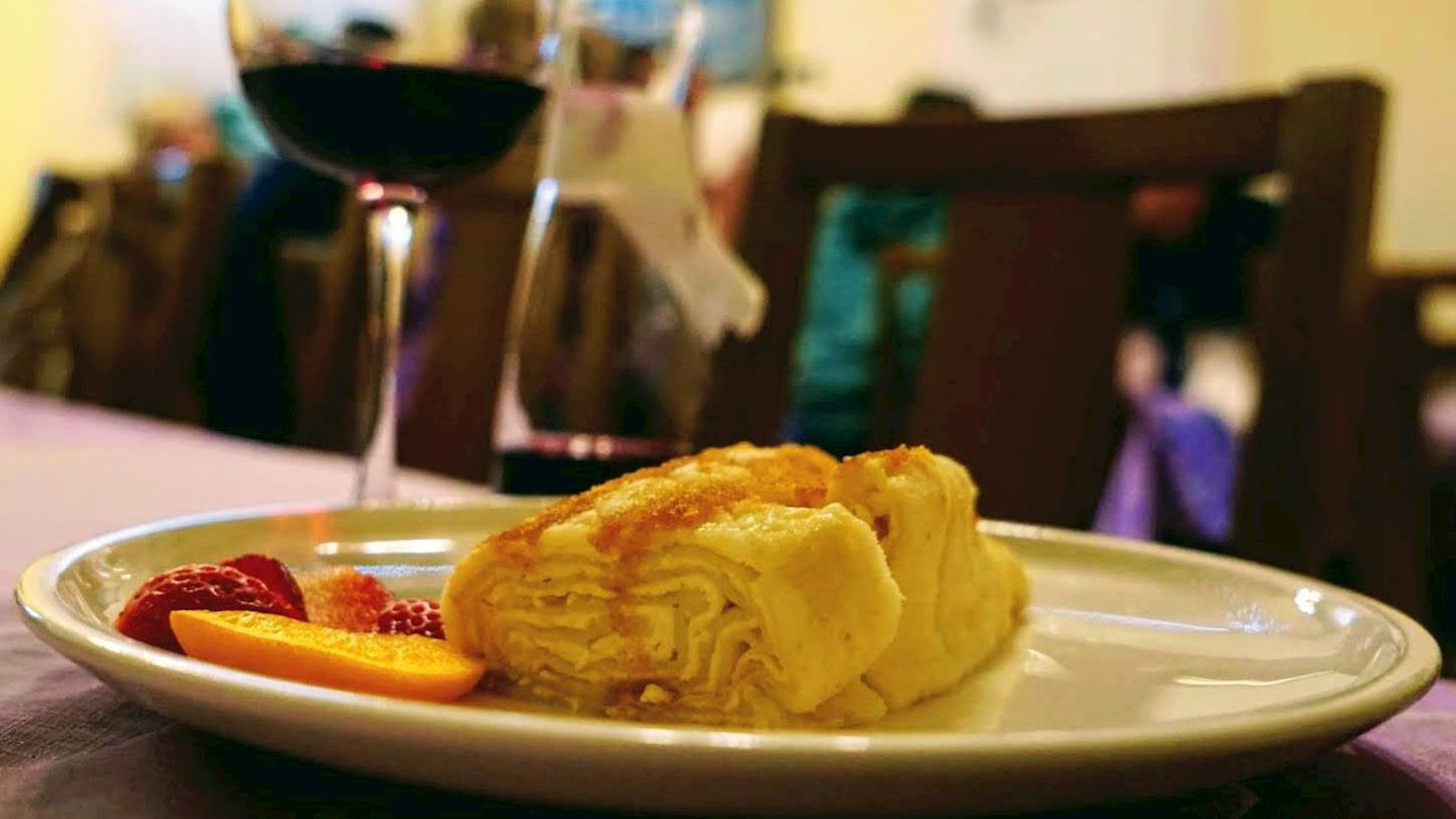
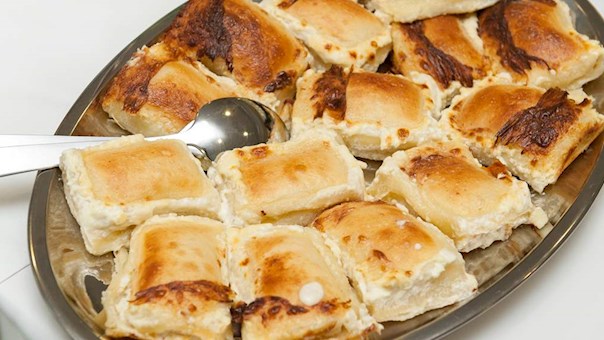
Štruklji is one of the most typical Slovenian dishes, consisting of different varieties of rolled dough that is filled with either savory or sweet ingredients such as cottage cheese, walnuts, apples, and poppy seeds. They can be found throughout Slovenia–in home kitchens, restaurants, and numerous mountain huts. Štruklji can be baked or cooked, and one unique variety of the dish is especially popular during spring and summer, when štruklji are filled with fresh tarragon. Originally, the dish was prepared at celebrations and festivities in order to celebrate the end of hard labor at the farms, and the practice was present until the 1930s, when people started making štruklji throughout the year.
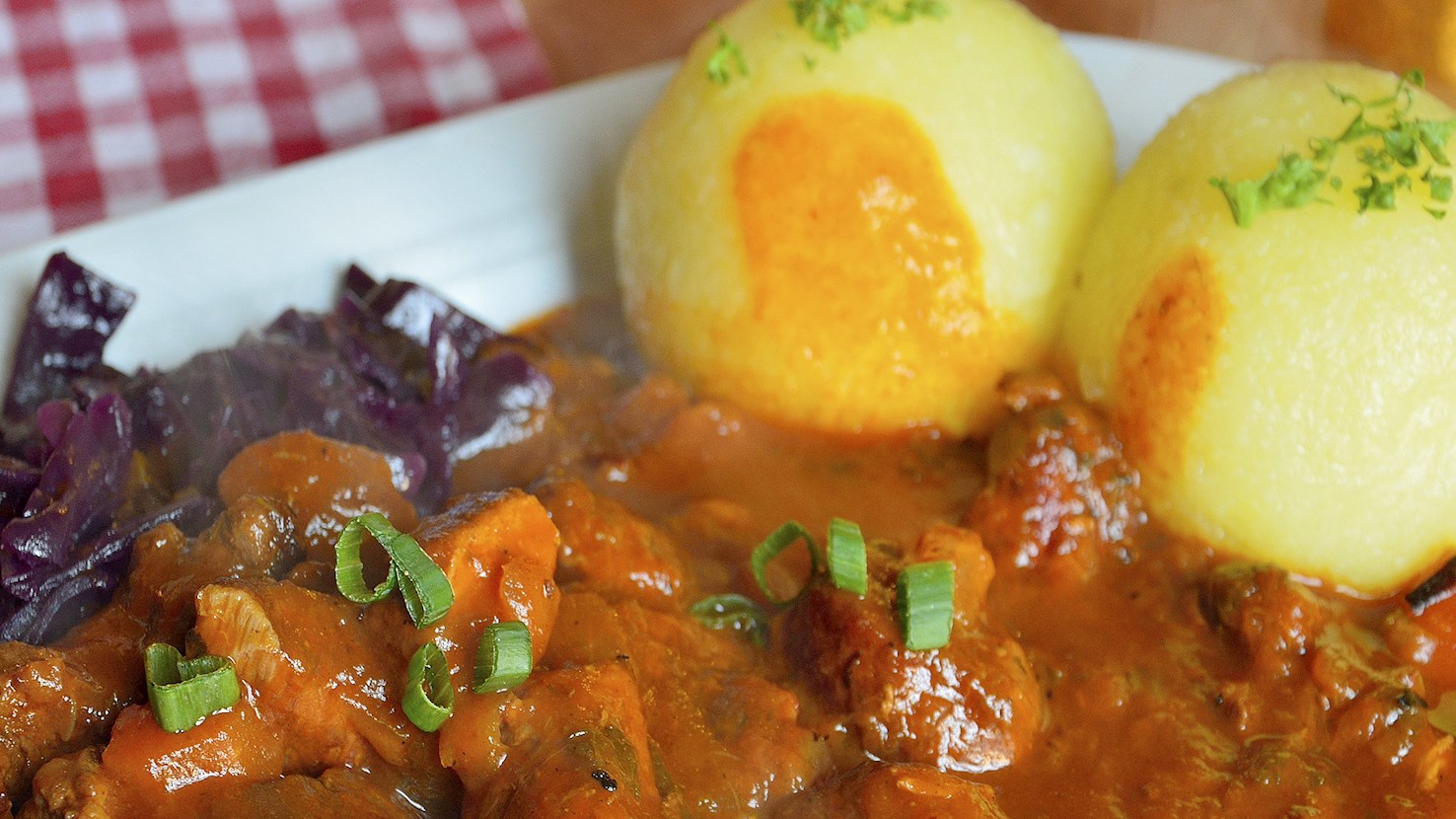
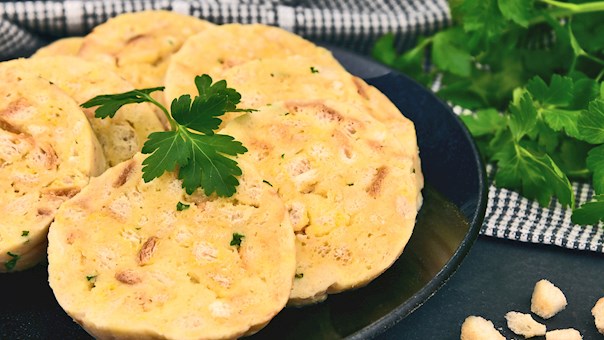
A quintessential specialty hailing from Thuringia, Thüringer klöße is a simple potato dumpling that consists of a mixture of grated raw potatoes and mashed cooked potatoes filled with crunchy cubes of bread. The dumplings are typically cooked in simmering water, but they can also be lightly browned in butter for extra flavor. These traditional Thuringian potato dumplings are a great accompaniment to a variety of German meat delicacies, and they are often served with dishes such as meat roulades, roasted meat, stuffed cabbage rolls, red cabbage, or sauerkraut. Large and perfectly rounded, these German potato dumplings used to be prepared on Sundays and were once considered to be food for the poor. In Heichelheim, there is a Thuringian Dumpling Museum (Thüringer Kloßmuseum) that honors these dumplings. Nowadays, Thüringer klöße are a staple of numerous traditional restaurants in the region.
TasteAtlas food rankings are based on the ratings of the TasteAtlas audience, with a series of mechanisms that recognize real users and that ignore bot,
nationalist or local patriotic ratings, and give additional value to the ratings of users that the system recognizes as knowledgeable.
For the “Top 89 Central European Dumplings” list until June 15, 2026, 6,017 ratings were recorded, of which 4,641 were recognized by the system as legitimate.
TasteAtlas Rankings should not be seen as the final global conclusion about food. Their purpose is to promote excellent local foods,
instill pride in traditional dishes, and arouse curiosity about dishes you haven’t tried.