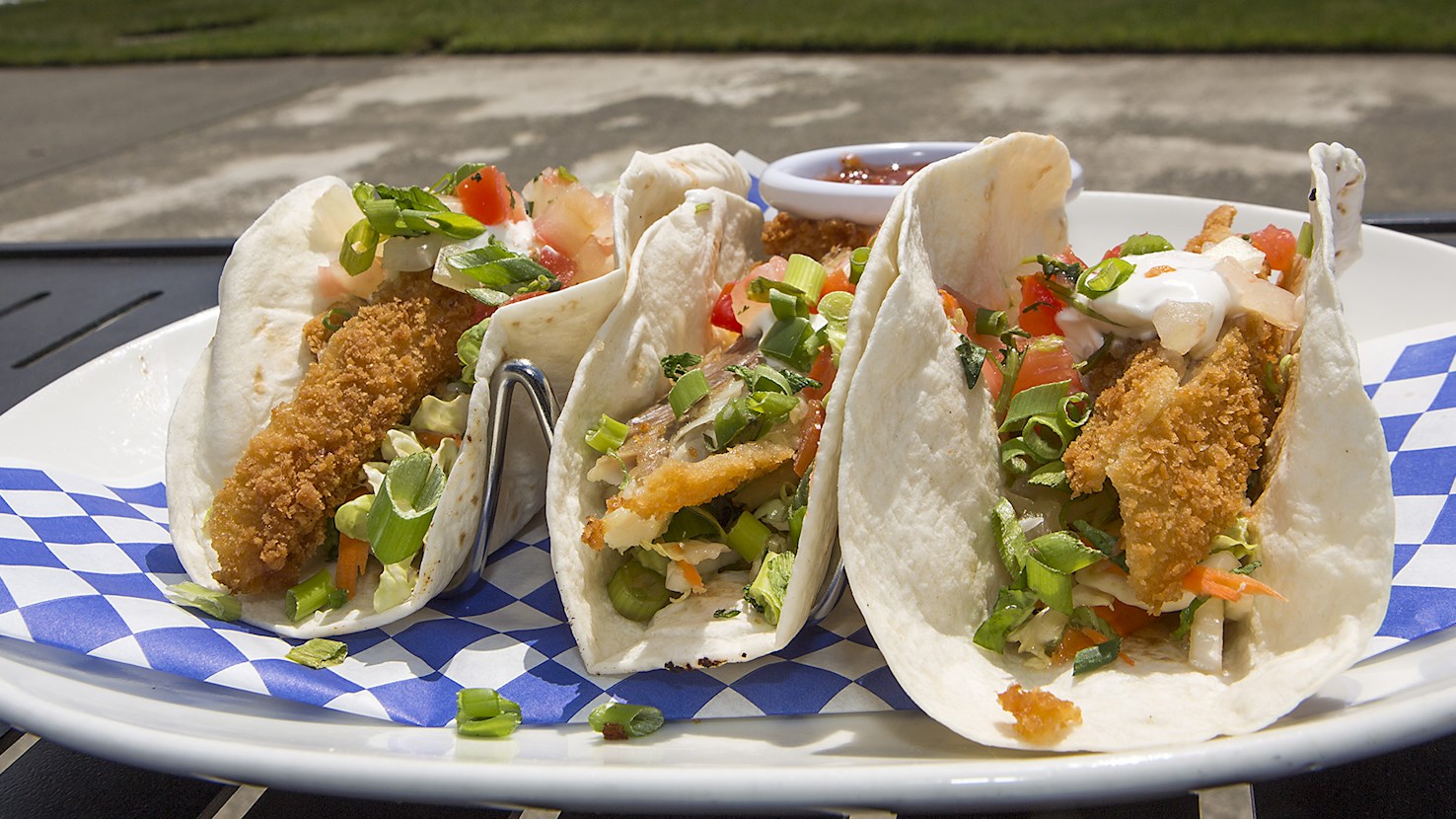
Tacos de pescado or fish tacos have origins in the Mexican region of Baja California. These corn flour tacos are filled with fried or grilled pieces of fish, vegetables such as cabbage or lettuce, and a topping of either sour cream or mayonnaise. The dish is also popular in the United States, especially in California, where it can be found at numerous street carts, served with cabbage and coleslaw.
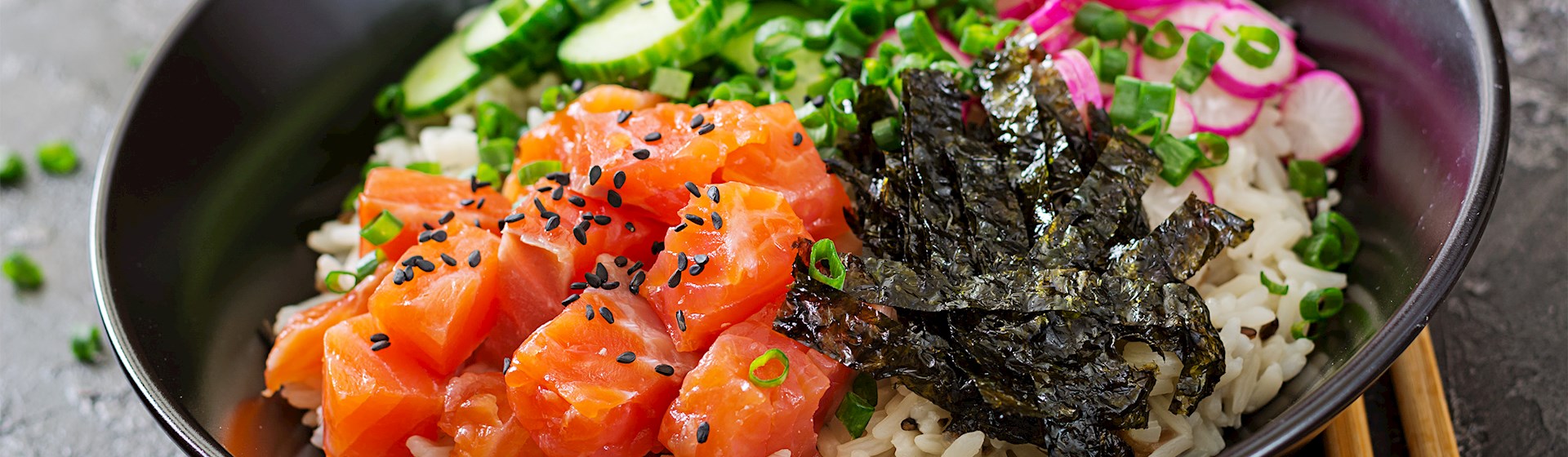
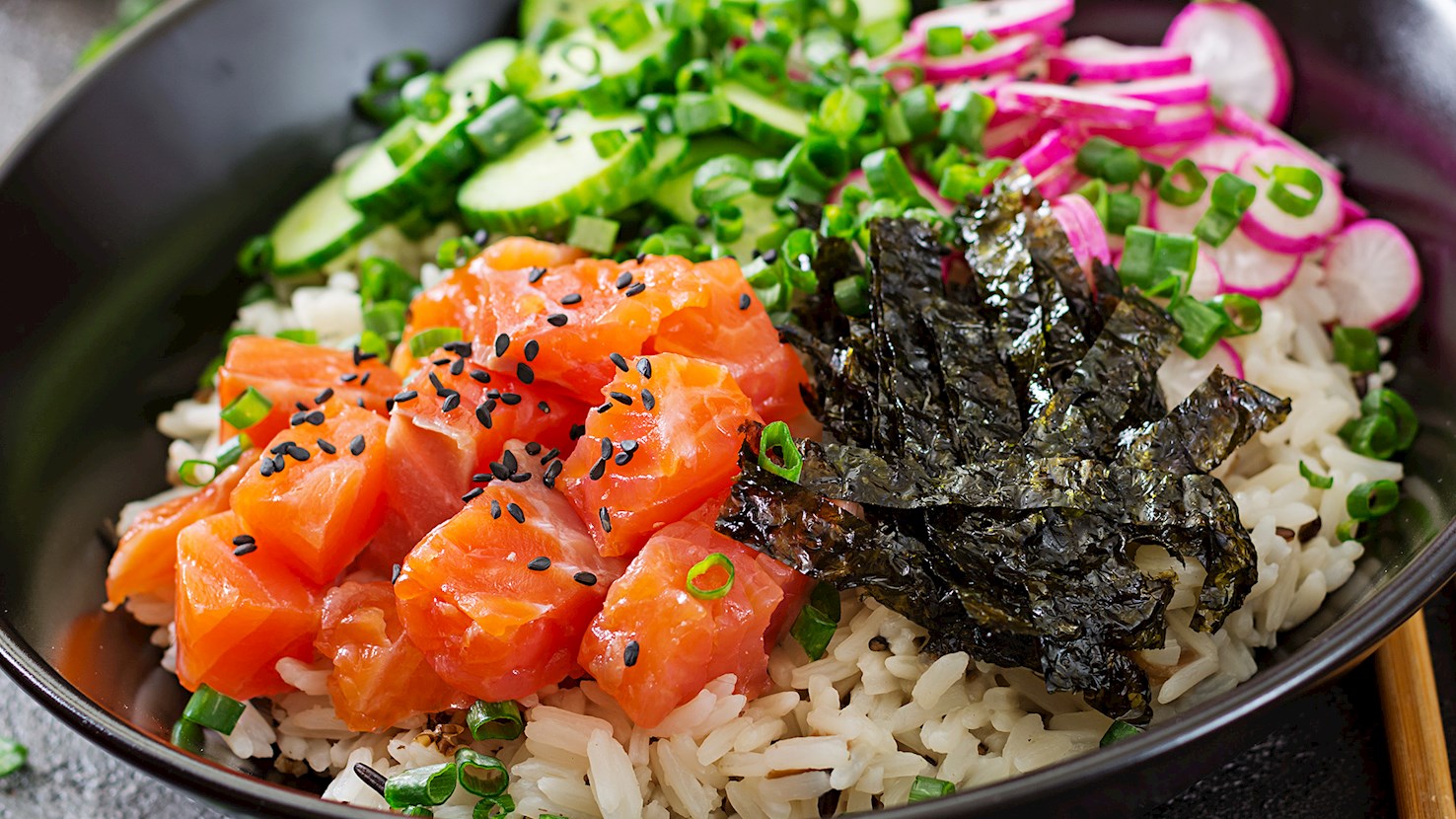
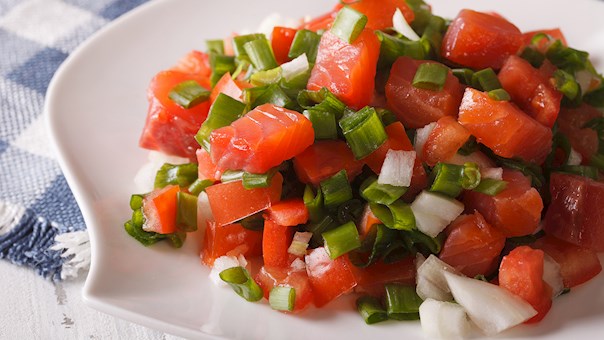
Poke is a traditional Hawaiian dish that is made with small pieces of fresh and raw fish or seafood, which are combined with finely chopped vegetables, herbs, condiments, and seasonings. Although traditional poke uses either ahi tuna (yellowfin tuna) or octopus, the variations on this dish are endless these days, including poke with salmon, mussels, crabmeat, or oysters, as well as vegetarian versions with diced avocados. Typical ingredients apart from the raw fish or seafood include sweet onions, garlic, shallots, scallions, sesame seeds, seaweeds, candlenuts, limu (brown algae), soy sauce, honey, sesame oil, red pepper flakes, and Hawaiian sea salt. The creation of poke has been attributed to local fishermen who used to combine freshly-caught small reef fish with few seasonings such as sea salt, candlenuts, limu, and seaweed for a filling snack. Poke is typically consumed on its own as an appetizer or with steamed white rice for a full meal. In Hawaii, it is available in most supermarkets and is a common dish prepared for special occasions.
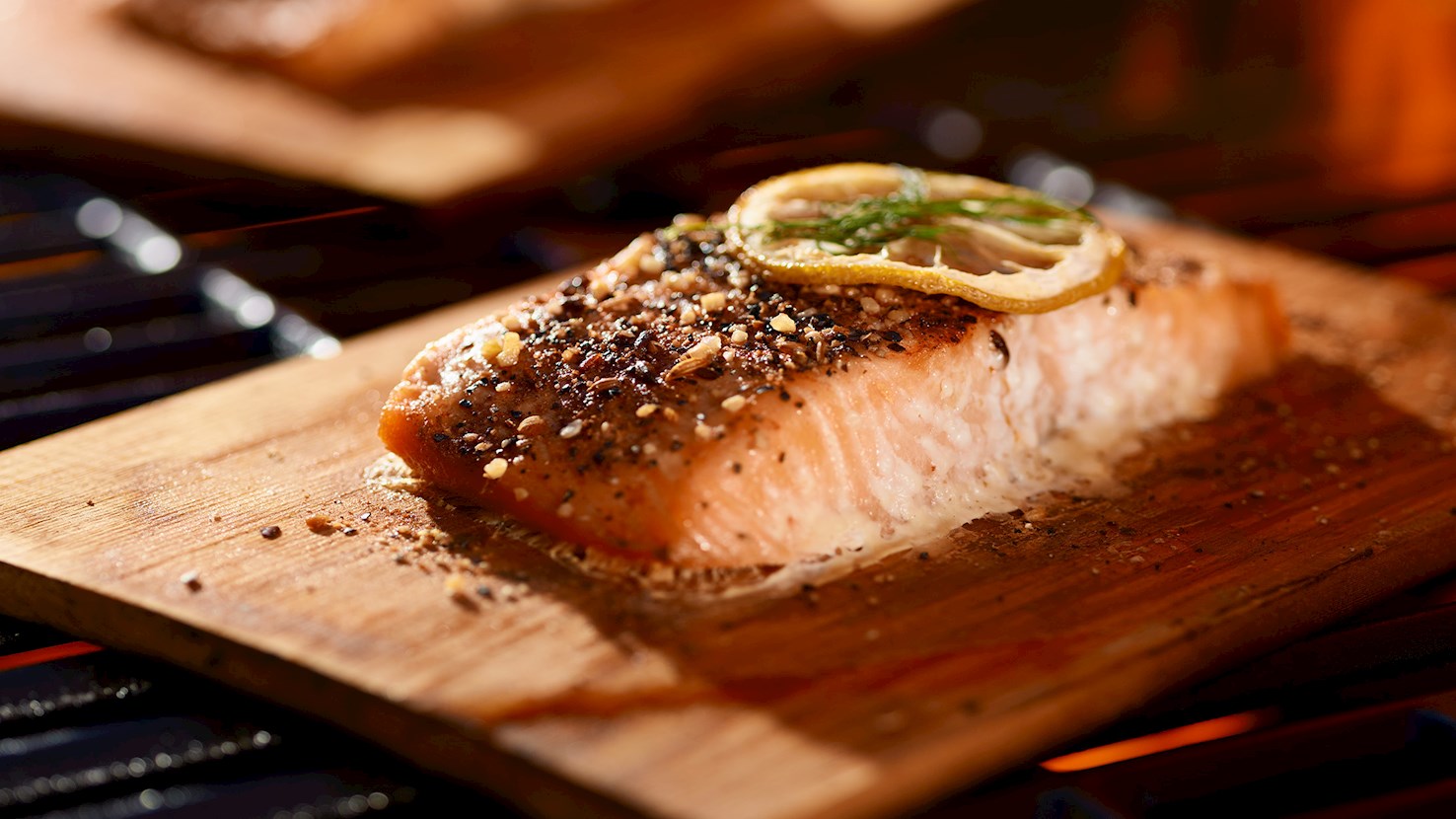
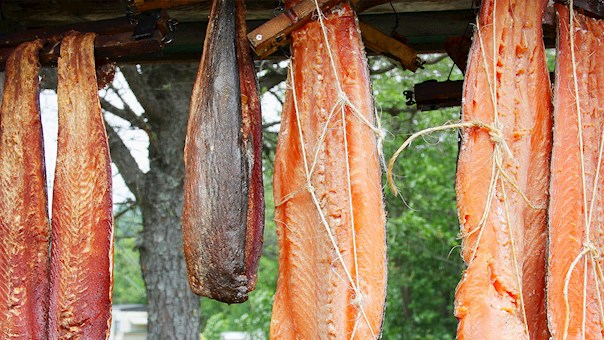
Cedar-plank salmon is a fish delicacy that involves cooking salmon on cedar planks, a unique method of cooking which is believed to have been originally practiced by the Native Americans who mostly used Western red cedar (a type of cypress). The wood planks, which must be free from any surface coatings or chemicals, are typically immersed in water into which coarse salt, fruit juice, or wine can be added. Once dried and heated on the grill, the planks are topped with salmon fillets that can either be left with their skin intact or skinned. Salmon is typically marinated in oil, seasonings, and fresh aromatic herbs such as rosemary, thyme, dill, oregano, parsley, juniper berries, or even fir needles. Alternatively, the fish fillets can be coated with a mixture of mustard and maple syrup, honey, or brown sugar. Not only does this unique technique enhance the flavor of the fish by imparting a pleasant smokiness and woody aroma to it, but it also allows it to seal its juices and remain moist. This fish specialty is typical of both Canada and the USA, particularly British Columbia and the Pacific Northwest region, respectively.
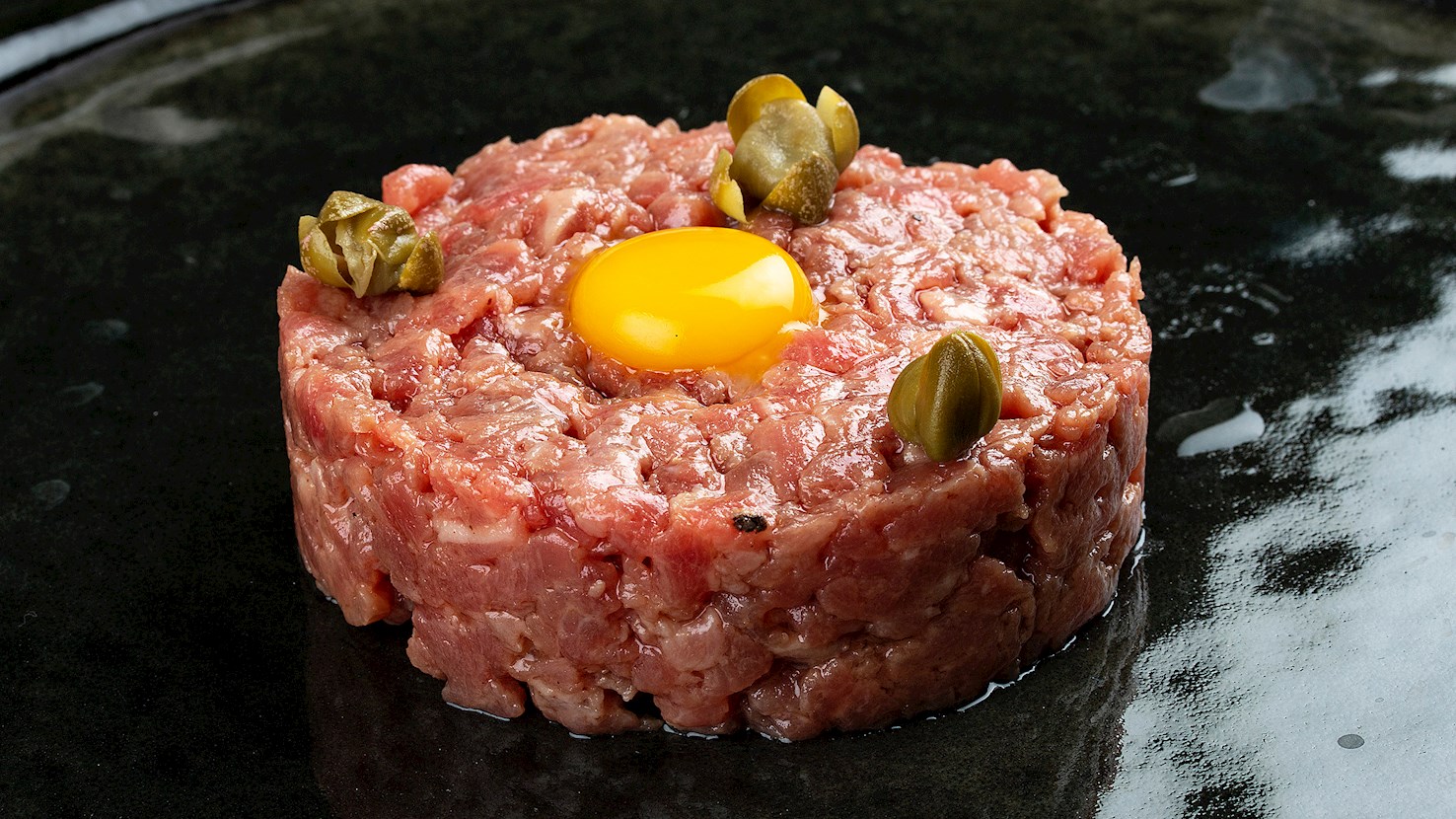
Tuna tartare is an elegant starter originating from Los Angeles. The dish is made with a combination of raw tuna, avocado, egg yolks, green peppercorns, capers, chives, tarragon, mustard, olive oil, lemon juice, salt, and pepper. It was invented in 1984 by chef Shigefumi Tachibe at the Chaya Brasserie when a few customers came in wanting beef tartare, but one of them didn't eat beef, so the chef tried tuna, and it was an instant success. Nowadays, it's usually served as a visually attractive appetizer with crackers or toast.
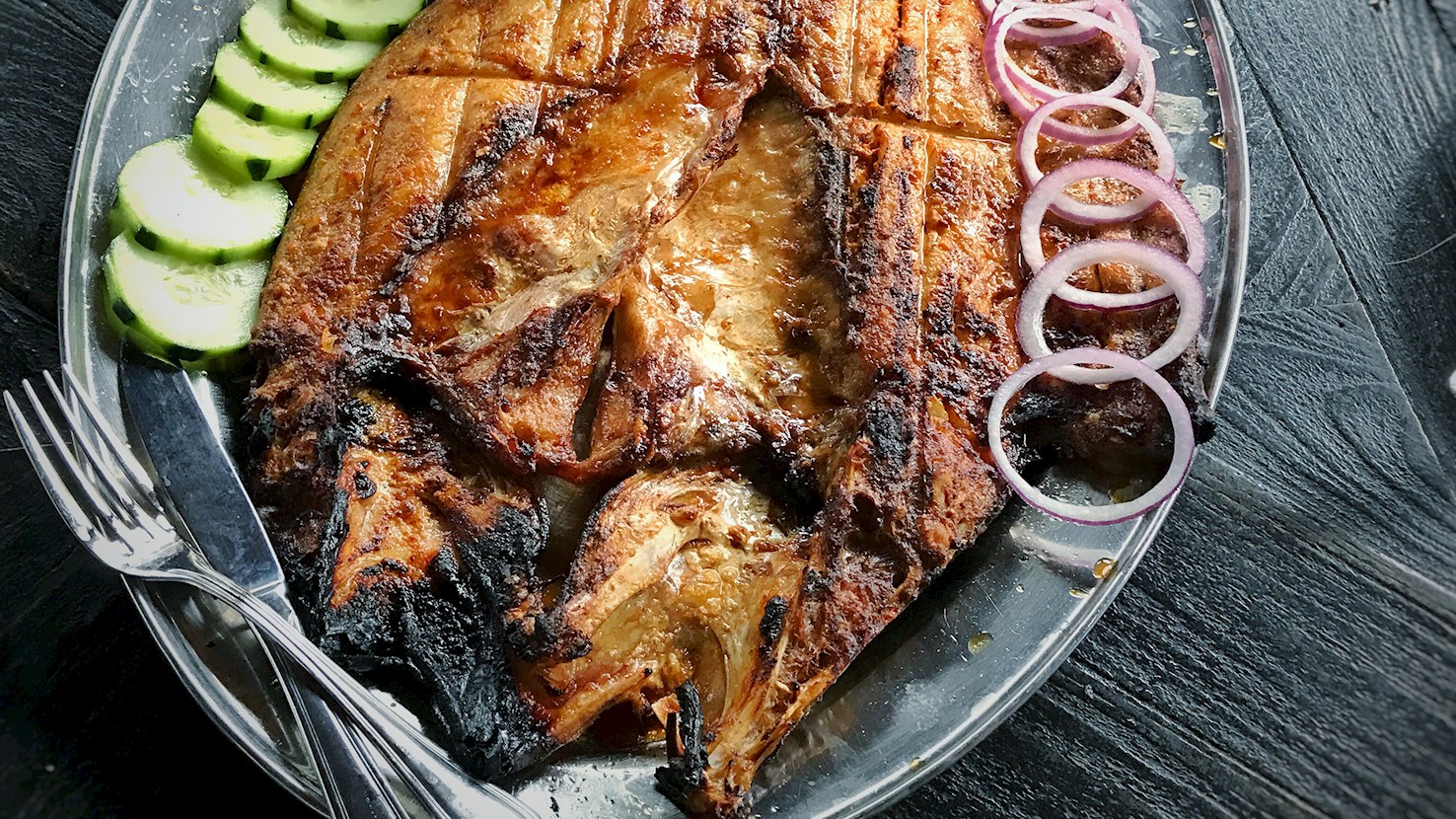
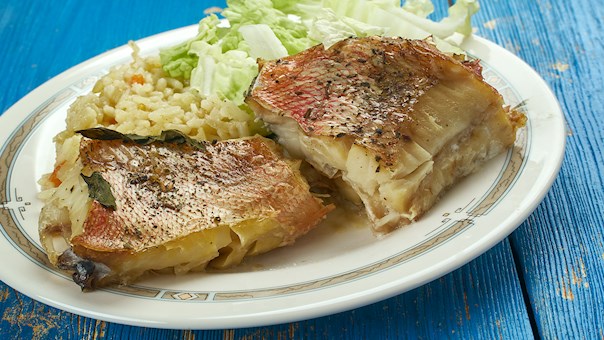
Pescado zarandeado is a signature dish of the Mexican Nayarit region. It is a simple meal made by cooking local fish (preferably red snapper) over mangrove wood charcoal, which gives off a distinctive smoke that permeates the lightly salted fish. Today, some cooks like to add spices and hot chilis to the dish instead of using only salt, which accentuates the natural flavors of fish. The name of the dish is derived from the word zaranda, referring to the name of the grill used in the preparation of fish.
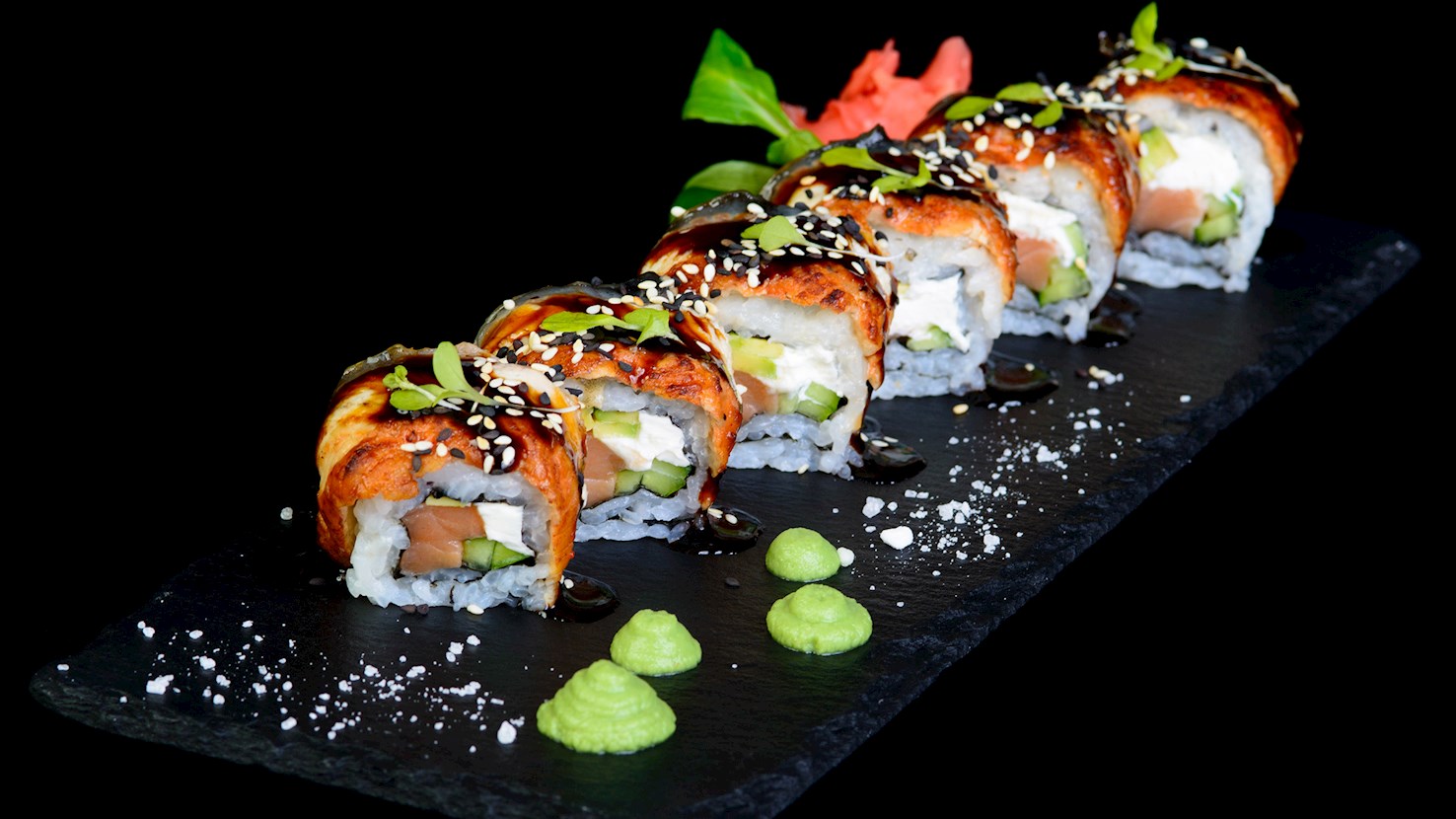
B.C. roll is a type of makizushi made with sushi rice, barbecued salmon (or barbecued salmon skin), and cucumbers. The name B.C. roll refers to British Columbia, well-known for wild Pacific salmon. This Canadian delicacy was invented in Vancouver in 1974 by a Japanese chef named Hidekazu Tojo.
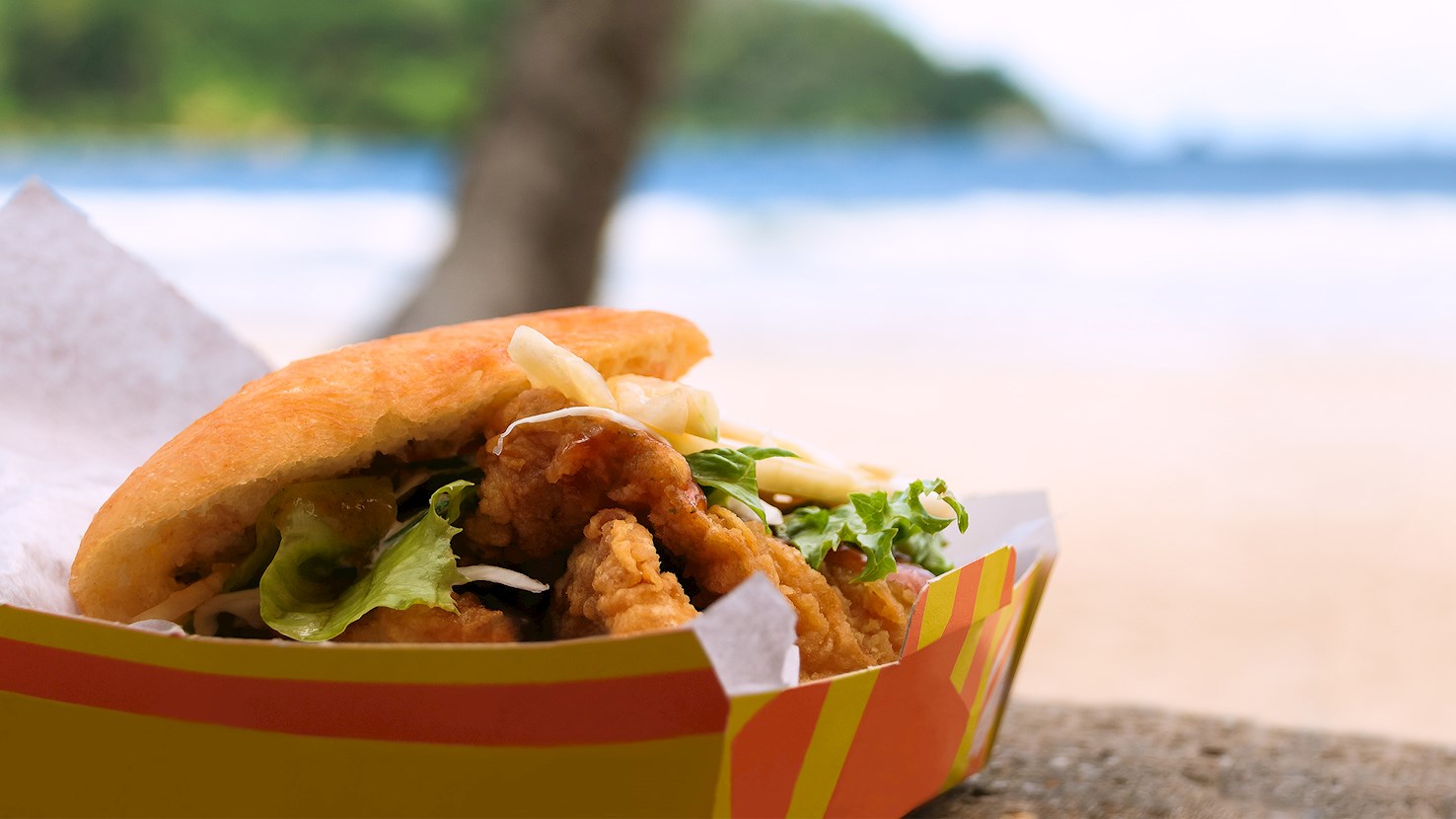
Bake and shark is a unique Trini street food item that is especially popular at concerts, festivals, and celebrations. It consists of marinated or seasoned pieces of shark meat, sauces, chutneys, and vegetables in a flatbread known as bake. The dish is often associated with Maracas beach which is filled with numerous bake and shark street stalls.
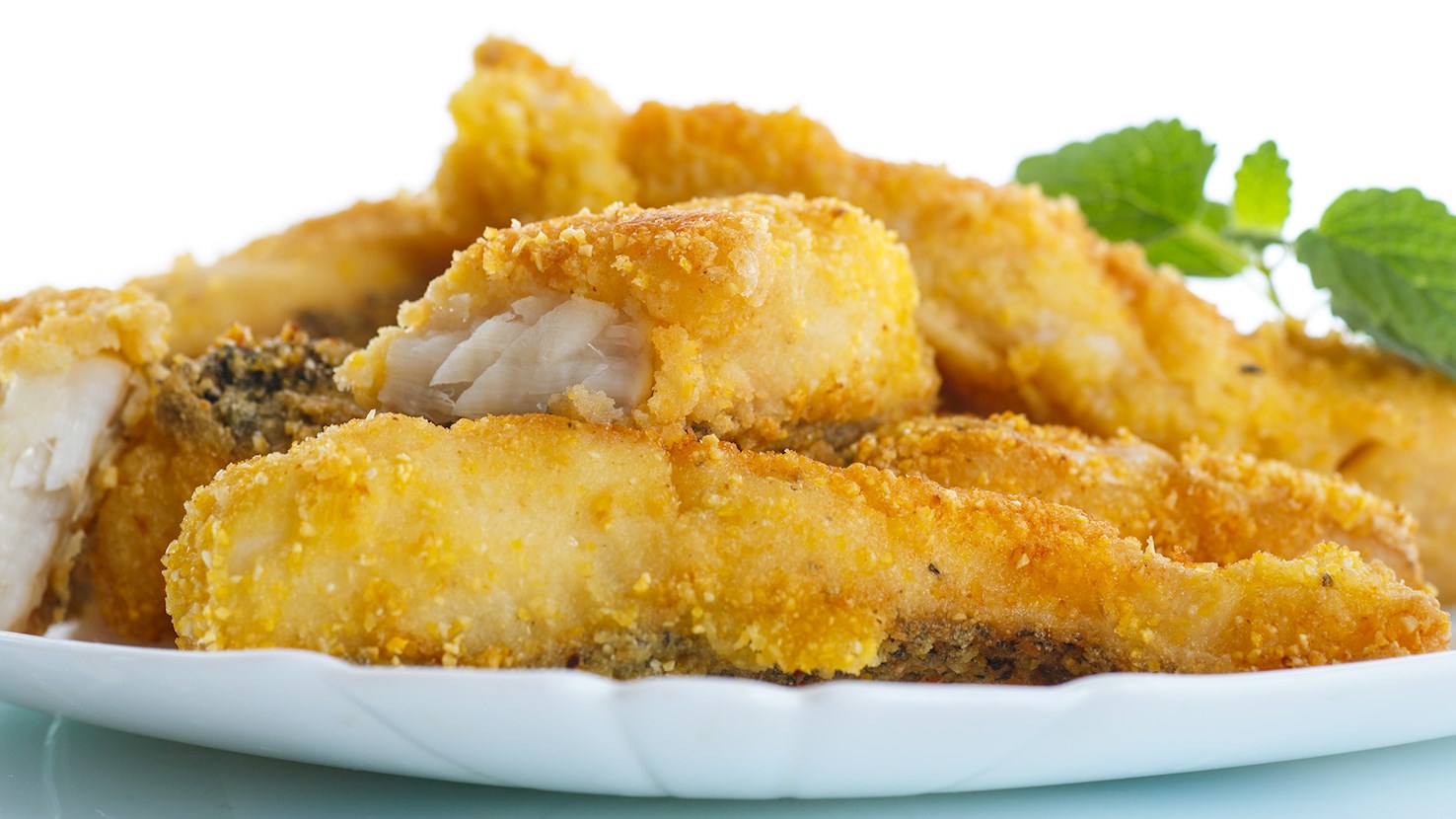
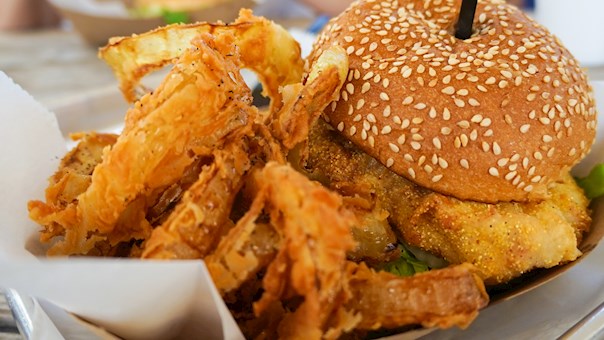
Fried catfish or southern fried catfish is a traditional fish specialty from the American South. Catfish fillets are first soaked in buttermilk and then rolled in cornmeal mixture before they are deep-fried in hot oil. The cornmeal crust gives the fish a unique flavor and nice crispiness on the outside while remaining tender and moist on the inside. Fried catfish is traditionally served alongside cornmeal dumplings, known as hush puppies, tartar sauce, coleslaw, and (sometimes) fried pickles. This beloved Southern fish dish is available in numerous fish fry eateries in the South.
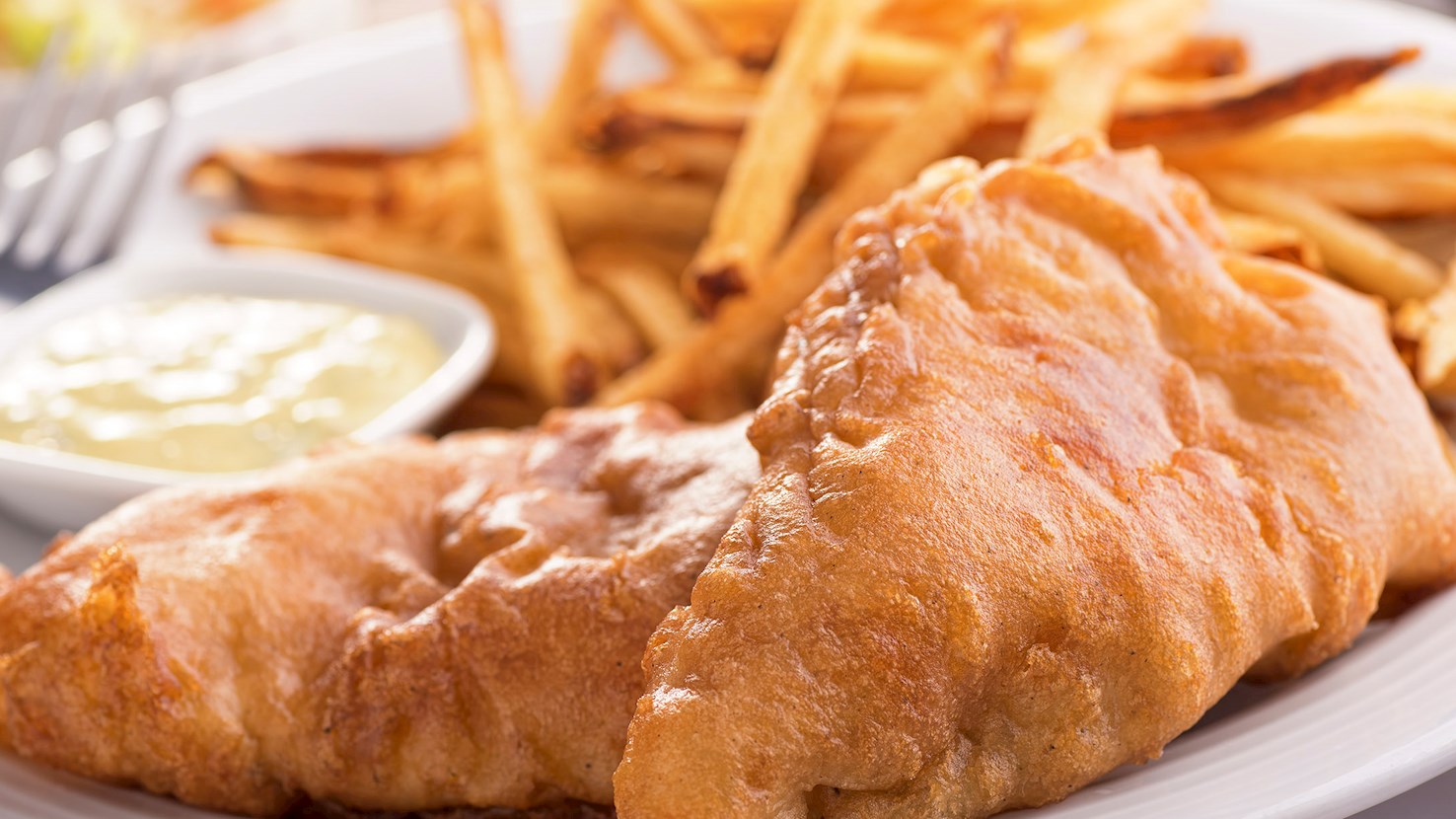
Fish fry refers both to the meal and the popular Friday night tradition in Wisconsin. The fish is battered or breaded, then deep-fried, which is the fastest way to cook large quantities of fish. The Friday night event dates back to the medieval Roman Catholic times. Friday is connected to the crucifixion of Christ, so the day signifies abstinence - in this case, from meat, but fish got a free pass since it is considered that it doesn't come from a warm-blooded creature. The fish fry practice came from Irish, Polish, and German Catholic immigrants who had settled in Wisconsin. Any fish will do, but the most usual varieties are cod, walleye, lake perch, and bluegill. Traditionally, fried fish is accompanied by coleslaw, potato salad, French fries, tartar sauce, hushpuppies, or lemon slices. Fish fry is more than just a dish - it is a communal affair that celebrates the end of the week in Wisconsin.
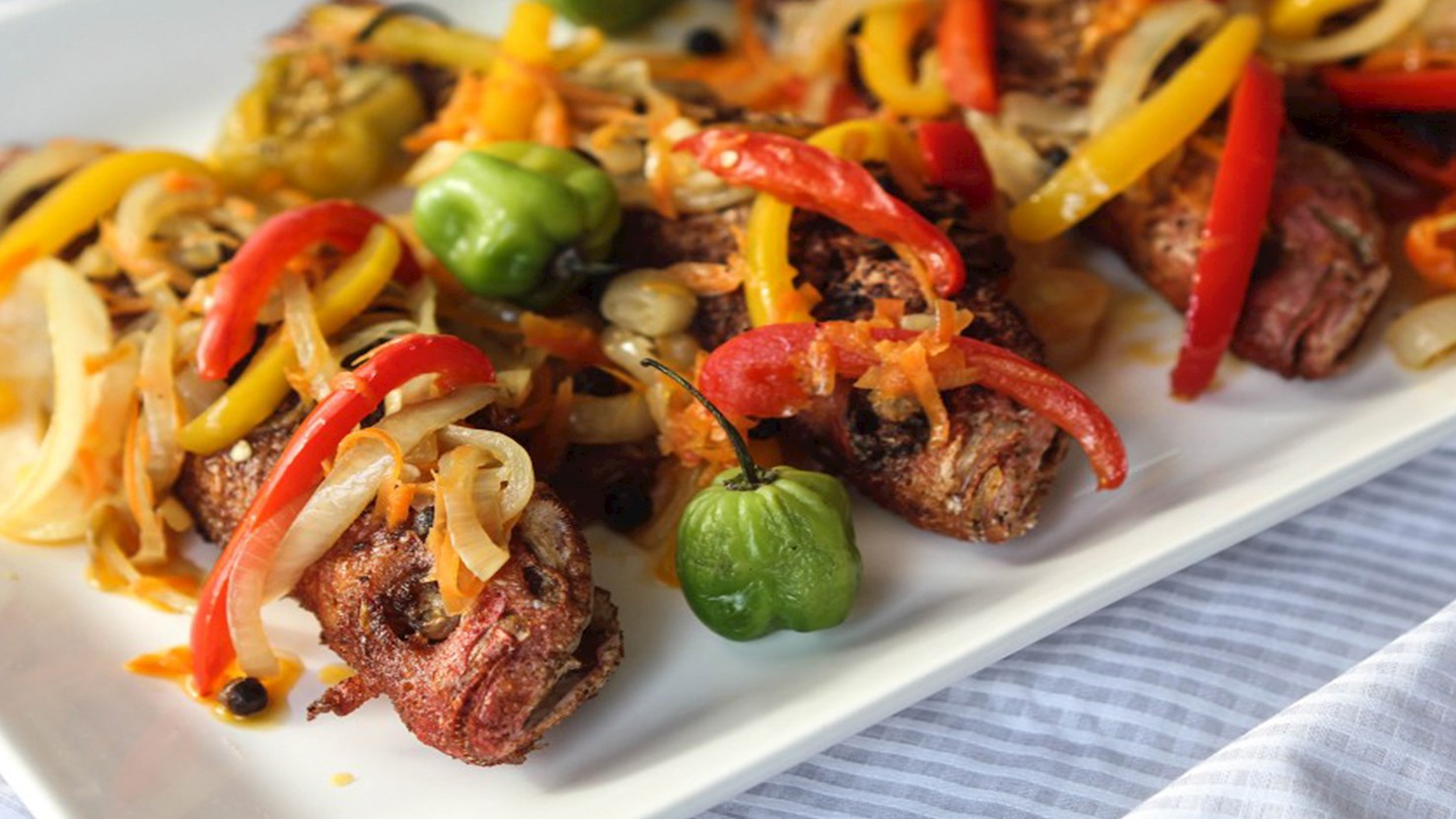
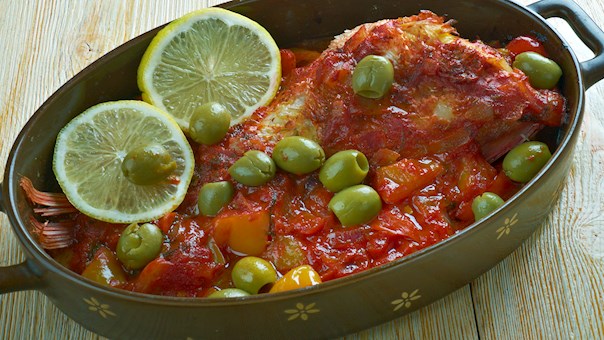
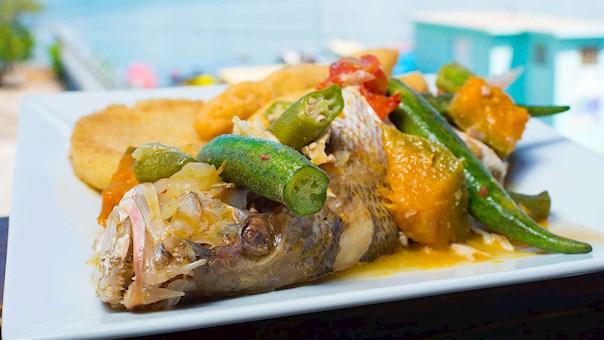
Escovitch fish is a Jamaican dish consisting of whole fried fish covered with a sharp, lightly cooked sauce made from vinegar, onions, carrots, Scotch bonnet peppers, pimento berries, and bell peppers. It is eaten throughout Jamaica in homes, street stands, community gatherings, and seaside cookshops, where fish such as snapper, parrotfish, or doctor fish are commonly used. The preparation is associated with coastal regions where fresh fish is abundant and frying is a standard cooking method. The term “escovitch” comes from the Spanish escabeche, a pickled or vinegar-based preparation introduced to the Caribbean during the period of Spanish presence in the region. Over time, Jamaican cooks adapted the method by using local peppers and aromatics and by pouring the vinegar sauce over freshly fried fish instead of storing the fish for preservation. Escovitch fish is prepared by cleaning and scoring a whole fish, seasoning it with salt, pepper, and sometimes garlic or all-purpose seasoning, then frying it in oil until crisp. Separately, a sauce is made by heating vinegar with sliced onions, carrots, Scotch bonnet peppers, bell peppers, pimento berries, and a small amount of sugar, salt, and occasionally thyme. The vegetables are cooked only briefly to maintain texture and brightness. The hot or warm sauce is poured over the fried fish, allowing the acid and aromatics to penetrate the surface. The dish can be served immediately, but it is also commonly allowed to sit so the flavors deepen as the fish absorbs the vinegar mixture. A distinguishing feature is the balance of acidity and heat, shaped by the use of Scotch bonnet peppers and pimento berries, which anchor the flavor within Jamaican seasoning practices. Escovitch fish is eaten across Jamaica at breakfast, lunch, and dinner, often paired with fried dumplings, bammy, festival, breadfruit, or rice. It is especially common during holidays such as Easter, when fish is served more frequently in many households. Beverage pairings include ginger beer, sorrel, limeade, and cold lager, all of which complement the acidity of the sauce and the heat of the peppers. In Jamaican restaurants abroad, escovitch fish appears as a regular menu item and is paired similarly, often presented as one of the central expressions of Jamaican fried fish cookery.
TasteAtlas food rankings are based on the ratings of the TasteAtlas audience, with a series of mechanisms that recognize real users and that ignore bot,
nationalist or local patriotic ratings, and give additional value to the ratings of users that the system recognizes as knowledgeable.
For the “Top 54 North American Fish Dishes” list until June 15, 2026, 2,256 ratings were recorded, of which 1,598 were recognized by the system as legitimate.
TasteAtlas Rankings should not be seen as the final global conclusion about food. Their purpose is to promote excellent local foods,
instill pride in traditional dishes, and arouse curiosity about dishes you haven’t tried.