Shutterstock

Top 26 Paraguayan Foods

Last updated on June 17, 2026

Best Paraguayan foods

01
Soup

Vori-vori

4.7 ·

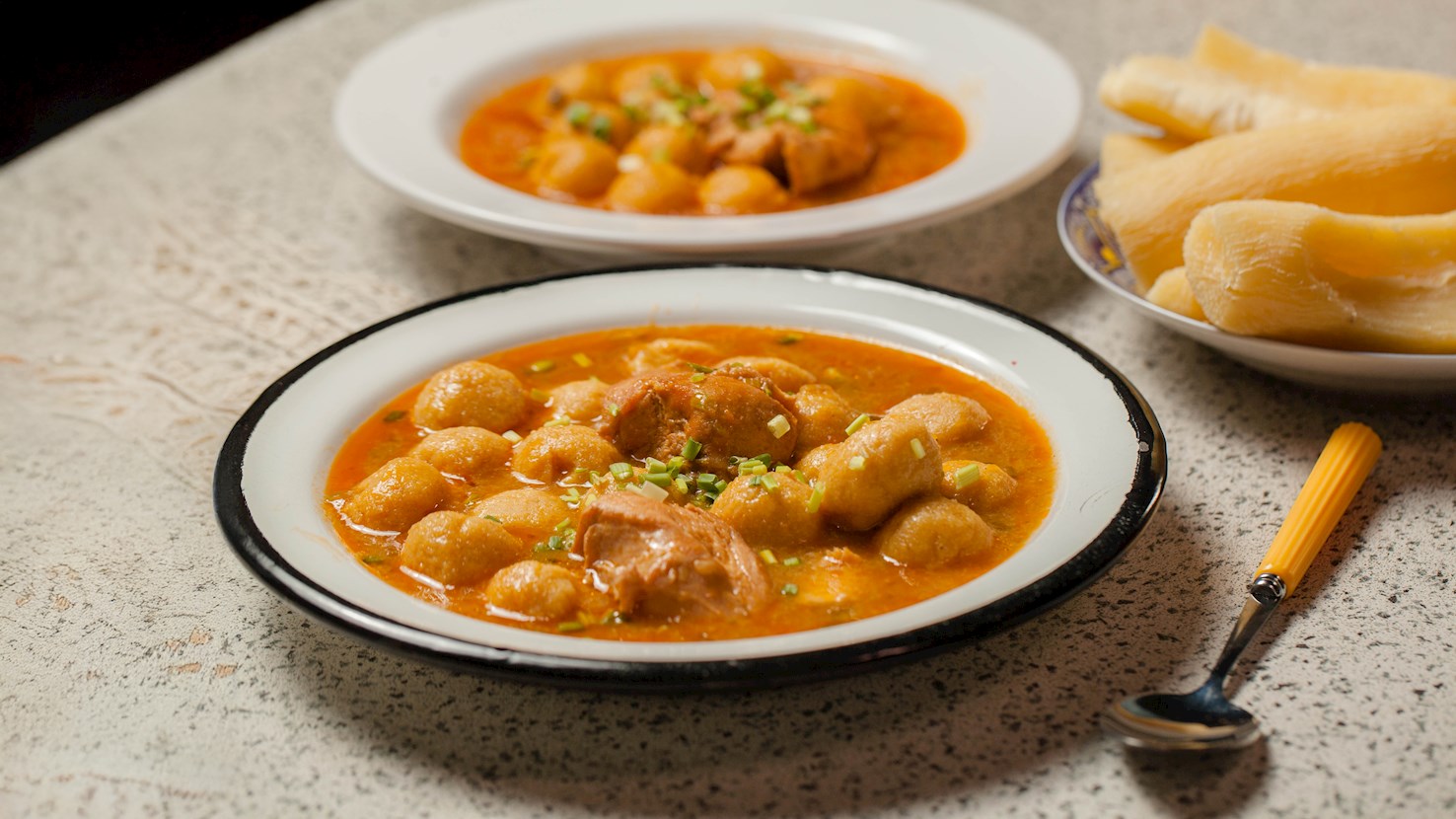
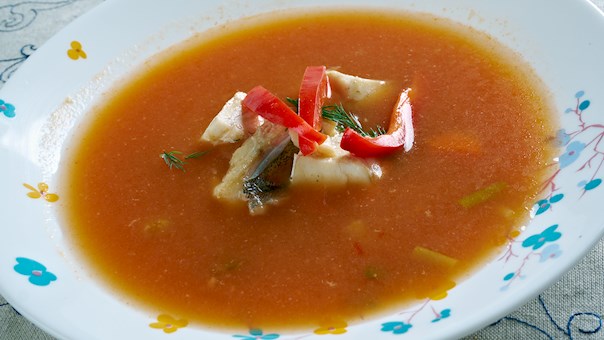
Vori-vori is a soup from Paraguay made with small balls of cornmeal and cheese cooked in a broth that often includes chicken, vegetables, and herbs, and it is recognized as a staple dish across the country’s rural and urban regions. Its development is linked to the long-standing use of corn and poultry in Guaraní and later mixed culinary practices documented in household cooking records and regional accounts from the eighteenth and nineteenth centuries, where corn-based doughs were shaped into dense dumplings to stretch ingredients during periods of limited supply. Preparation involves mixing finely ground cornmeal with grated cheese and a small amount of fat or broth to form a firm dough, shaping it into small spheres, and poaching them gently in a simmering broth until they swell and soften; the soup is seasoned with onions, garlic, parsley, and occasionally peppers, and served as soon as the dumplings reach a uniform texture. A notable feature is the density of the dumplings, which absorb broth while retaining their structure, giving the dish a thickened consistency without flour or other thickeners. Vori-vori is eaten throughout Paraguay in home kitchens, rural gatherings, and small restaurants, often as a main meal during cooler weather, and it pairs well with simple accompaniments such as mandioca, fresh salads, mild cheeses, herbal teas, and lightly flavored nonalcoholic beverages, with some households serving it alongside light beers or local wines depending on the occasion.

02
Snack

Pastel mandi'o

4.1 ·

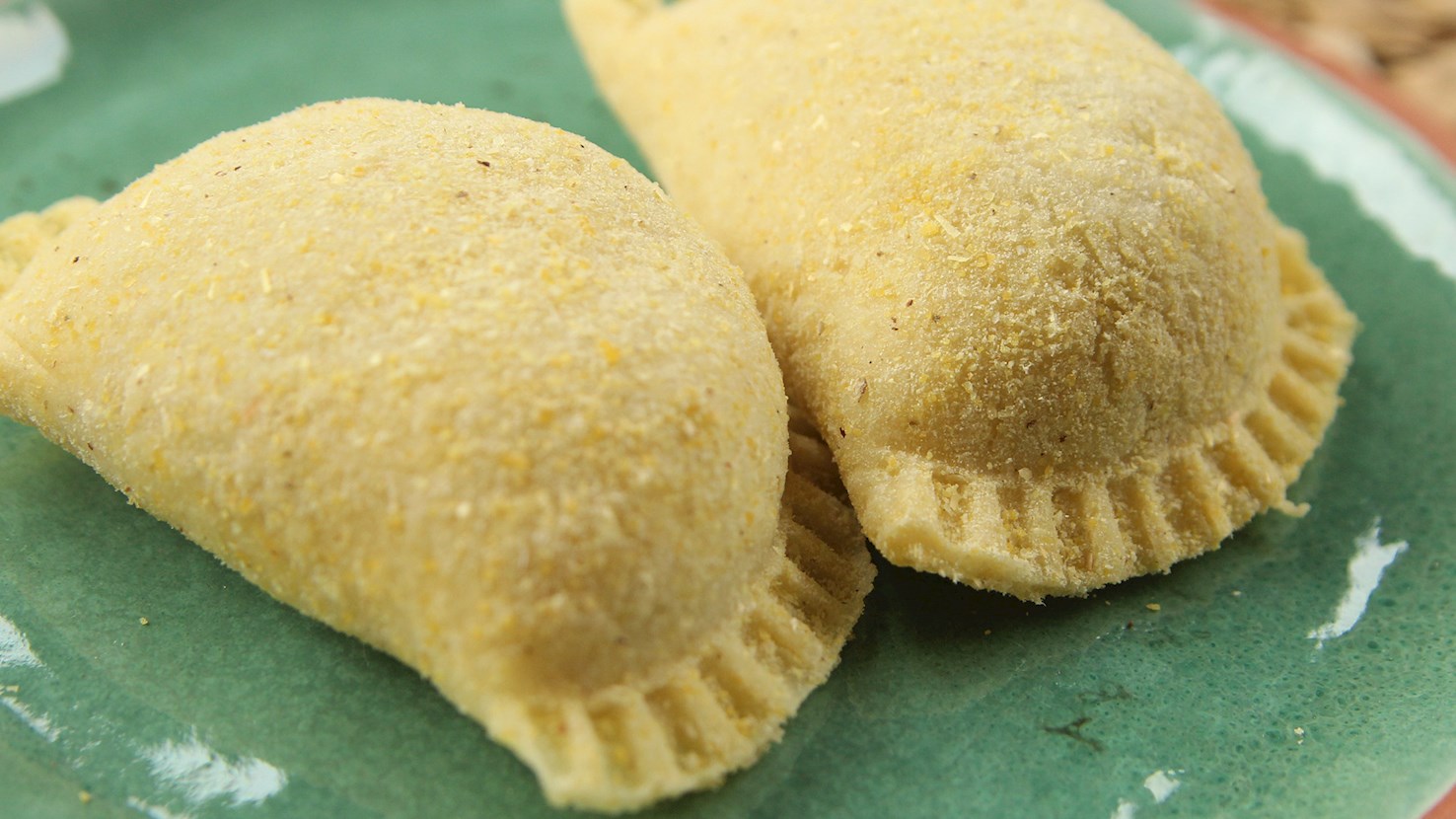
Pastel mandi’o is a doughy snack made with cornflour, boiled cassava, fat, and eggs. It is stuffed with a mixture of minced meat, boiled eggs, and seasonings. These snacks are fried in oil or fat and served hot. The dough is sweet, and the filling is replete with flavors, giving the dish a distinctive taste. Mandi’o means cassava in the Guarani language, and it is this ingredient which gives a unique Guarani twist to the dish. These snacks resemble empanadas, mainly differing from the latter in the use of cornflour and cassava, which are typical for Paraguay. They encompass the authentic taste of Paraguayan cuisine and are a popular street food served in local bars, particularly during the festival of San Juan. Common accompaniments to pastel mandi’o include hot sauces and refreshing salads.

03
Side Dish

Chipa guasu

4 ·

Chipa guasu is a variety of chipa, a cake based on corn grains with the addition of onions, water, eggs, cinnamon, milk, and cheese. Its name stems from two words - chipa, referring to a variety of corn-based cakes, and guasu, which means big in Guarani, so one can say that chipa guasu is the largest of all chipas. It is a favorite side dish in Paraguay during the corn harvest, when cooks brown them in hornos, traditional mud adobe-built outdoor ovens. The dish was invented during the Paraguayan War in the mid-1850s, when food was scarce, and people needed food that was affordable, simple, and highly caloric, providing nourishment during the day. One can often find chipa guasu at asados, which is the Paraguayan version of classic American barbecues. Although it is hard to rival homemade chipa guasu, it can be found in many restaurants in Asunción, the capital of Paraguay.

Best restaurants
04
Stew

Locro

3.8 ·

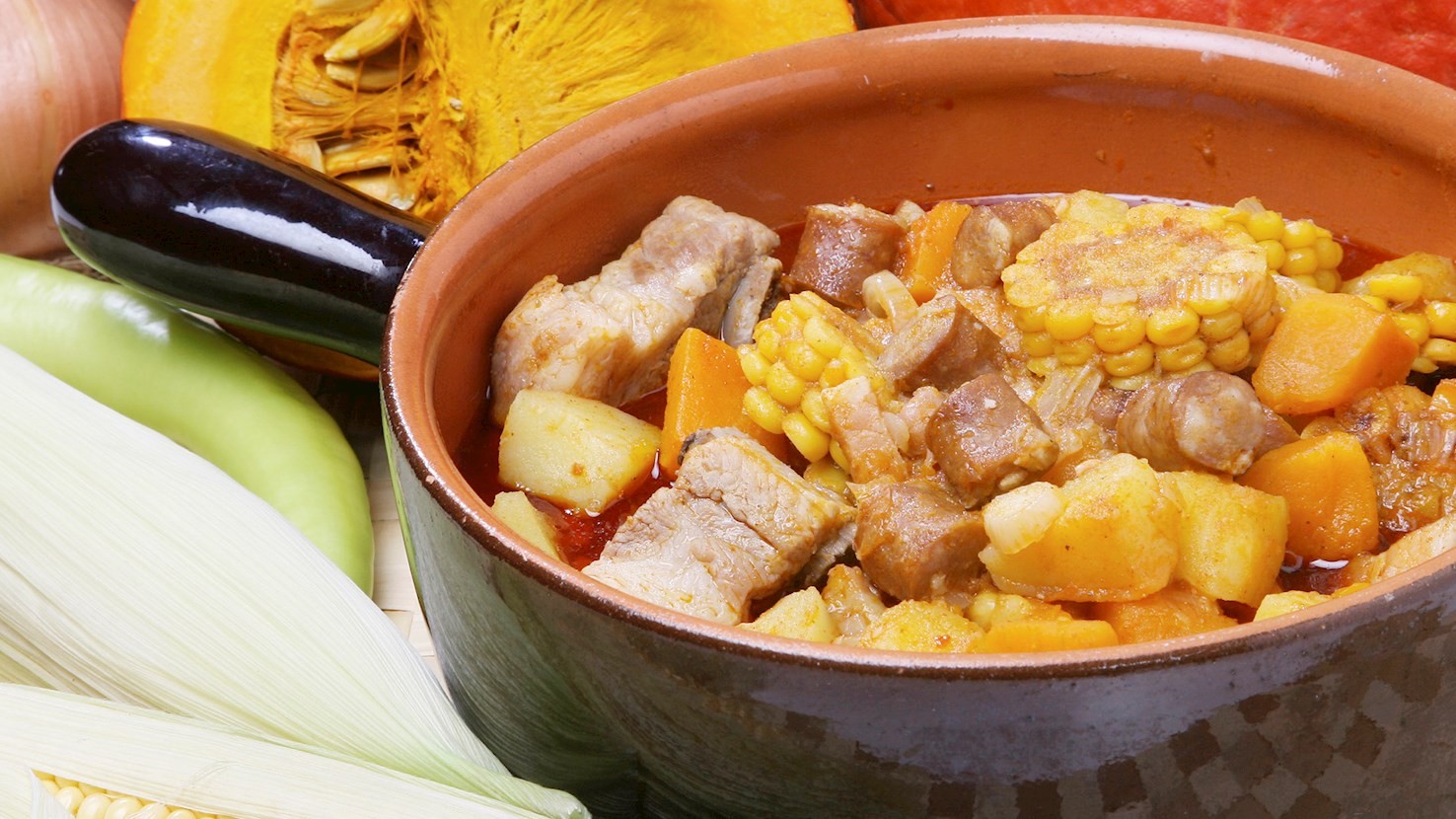
Locro is a thick and nourishing stew which originated in South America, long before the arrival of Spanish conquistadores. This authentic and traditional stew has numerous varieties, but the most famous version is the Argentinian locro, mostly made with dry white corn kernels, meat, and vegetables. The dish usually consists of pork or beef cuts, as well as ribs or offal, while some versions might include sausages and smoked bacon. Other ingredients include dry corn kernels (hominy), various spices, and vegetables such as pumpkin, potatoes, and yams. It is believed that locro originated in the mountainous Andes region and that it was heavily influenced by culinary traditions of the indigenous Inca civilization. In Argentina, the dish is usually served on special occasions such as May Revolution Day or numerous formal gatherings, but it is also a staple meal during the harsh winter seasons. Locro is always served hot, with bread on the side, and is often topped with quiquirimichi - a traditional hot sauce. Although it is usually associated with Argentina and regarded as their national dish, different varieties of locro are popular in other South American countries, primarily Ecuador, Bolivia, Chile, and Peru, where locro usually, but not always, denotes a soup, not a stew.

05
Soup

Soyo

3.7 ·

Soyo is a thick and hearty Paraguayan soup filled with ground beef, rice, and vegetables such as onions, green peppers, and tomatoes. The soup is commonly seasoned with salt, garlic, parsley, and oregano. The name of the dish is a shorter version of the Guarani phrase so'o josopy, meaning crushed meat. Although soyo used to be a poor man's meal in the past, today it is enjoyed by every social stratum in Paraguay.

06
Corn Bread

Sopa Paraguaya

3.7 ·

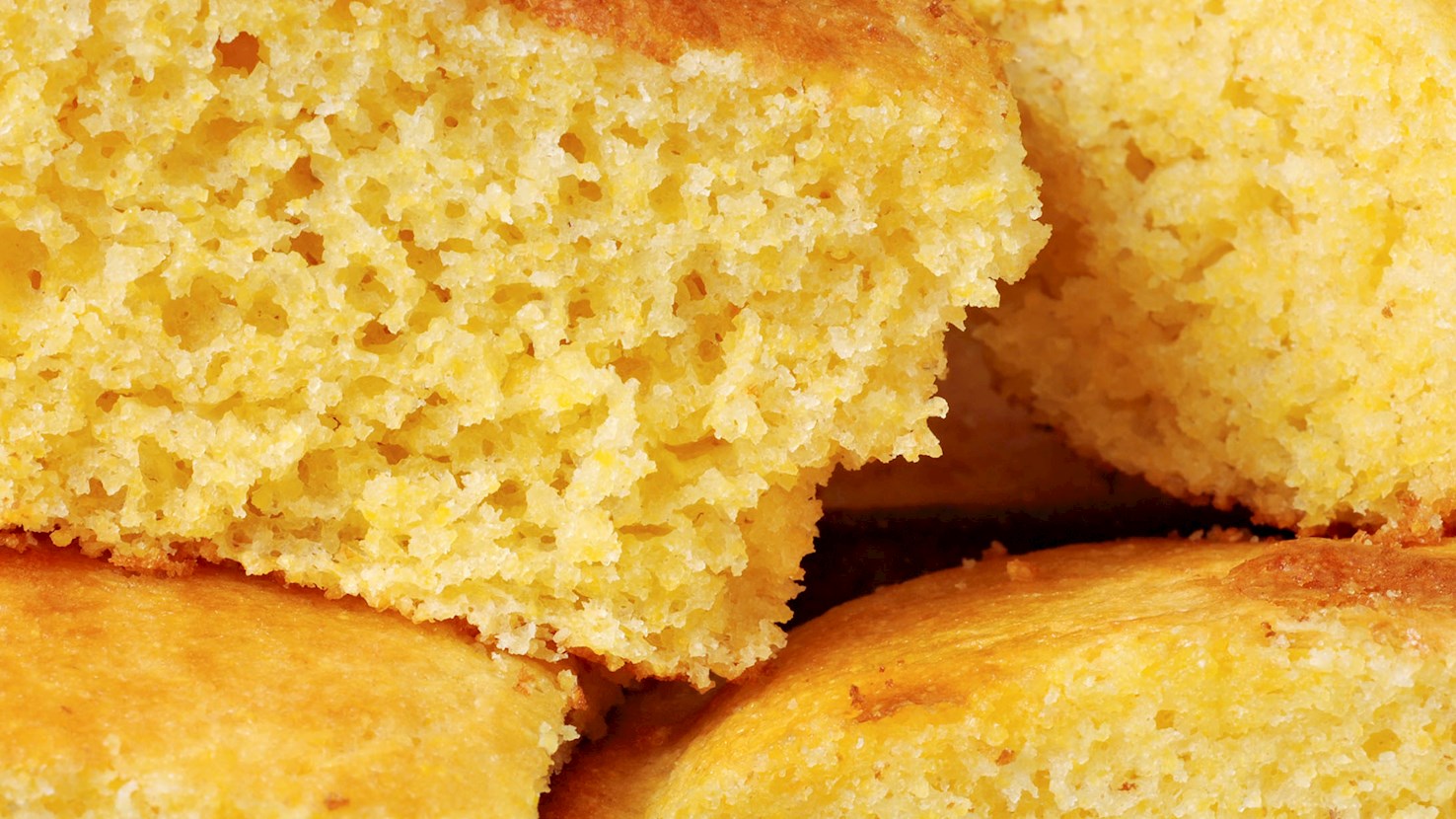
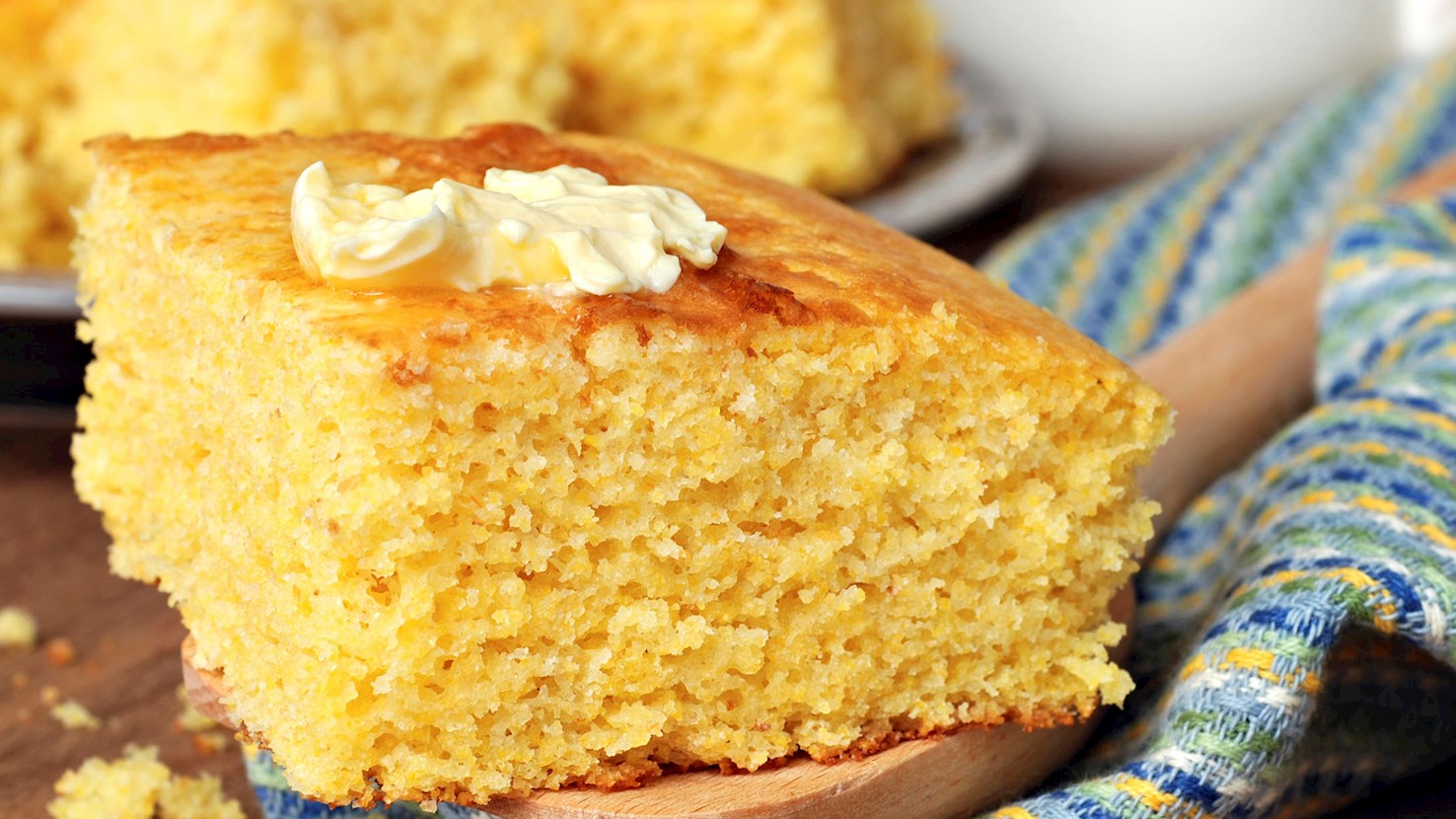
Sopa paraguaya is a typical example of a misnomer (a word with a misleading meaning) - although sopa translates to soup, this traditional Paraguayan dish does not even resemble it. In fact, it is a type of thick cornbread flavored with cheese and onions. There are numerous stories connected to the origin of the dish and many explanations for the unusual name. The most common version claims that the dish was an accidental invention of a personal chef who cooked for the Paraguayan president Don Carlos Antonio López. The chef wanted to prepare a hearty corn soup for the president but accidentally put too much corn flour into the pot, making the consistency of the soup more solid than liquid. With no other options, the alleged soup was served as a corn bread. Fortunately, the president loved this creation, and the dish was later made famous under the wrongfully given name. Today, sopa paraguaya is one the national dishes of the country and a staple during special occasions or festivities. It's traditionally eaten as an accompaniment to soups or barbecued meat, but the corn bread is also a very common breakfast or afternoon snack.

07
Dessert

Dulce de batata

3.5 ·

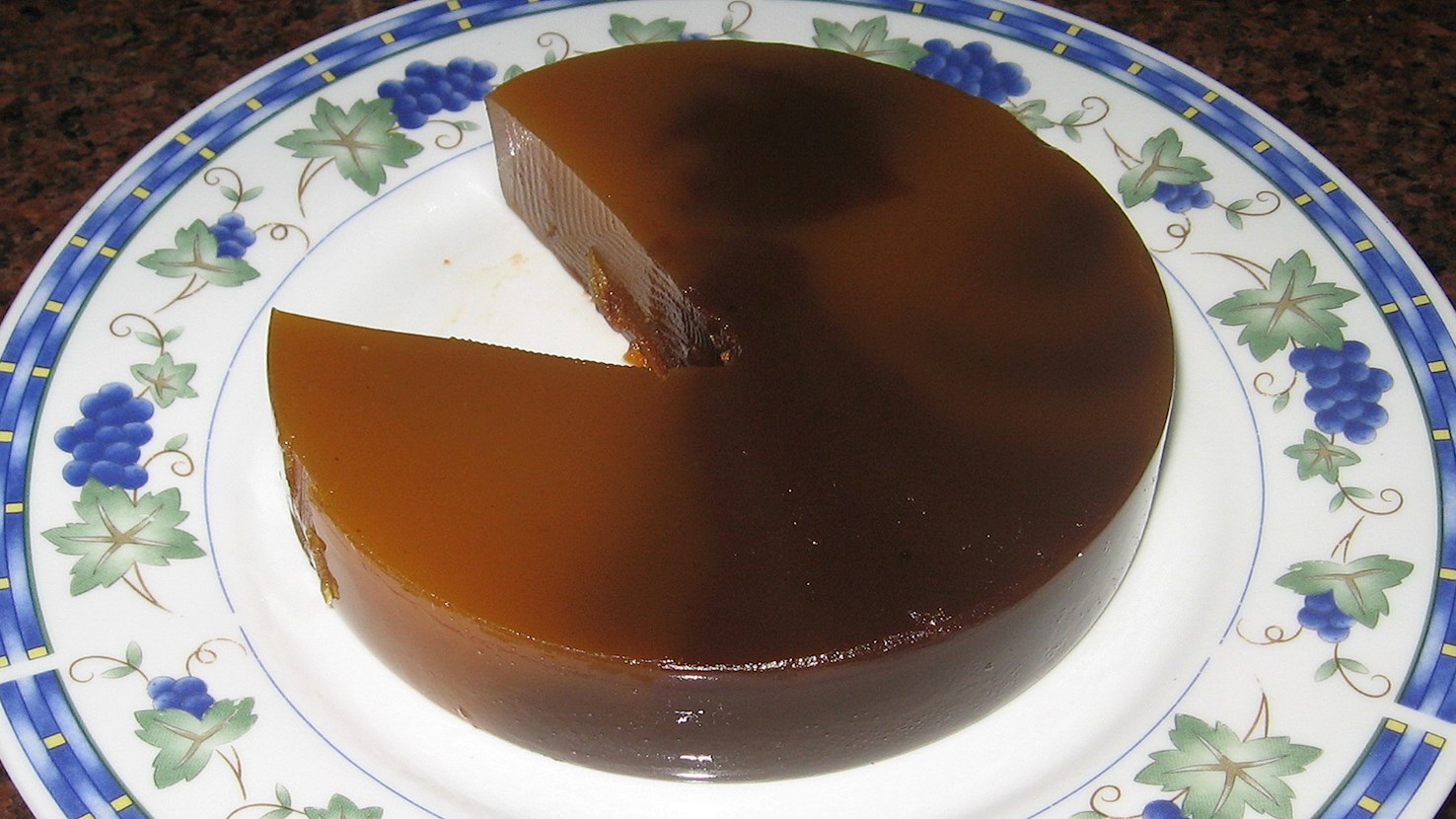
Dulce de batata is a jelly-like dessert prepared with a base of mashed sweet potatoes, sugar, vanilla flavoring, and a thickening agent. When cooked, dulce is left to set and should always be well-chilled. It is usually enjoyed as a dessert, which is traditionally served with cheese to create a Latin American favorite known as vigilante or Martín Fierro. Although the origin of dulce de batata is often disputed, it is enjoyed throughout Latin America.

08
Dessert

Dulce de mamón

3.4 ·

Dulce de mamón is a flavorful, syrupy-sweet Paraguayan dessert made by boiling papaya in water and sugar. The combination is simmered for at least two hours on low heat until the fruit develops a soft texture. It is recommended to add cloves, orange juice, or lemon zest to the dessert in order to improve the flavors even further.

Best restaurants
09
Vegetable Dish

Kivevé

3.3 ·

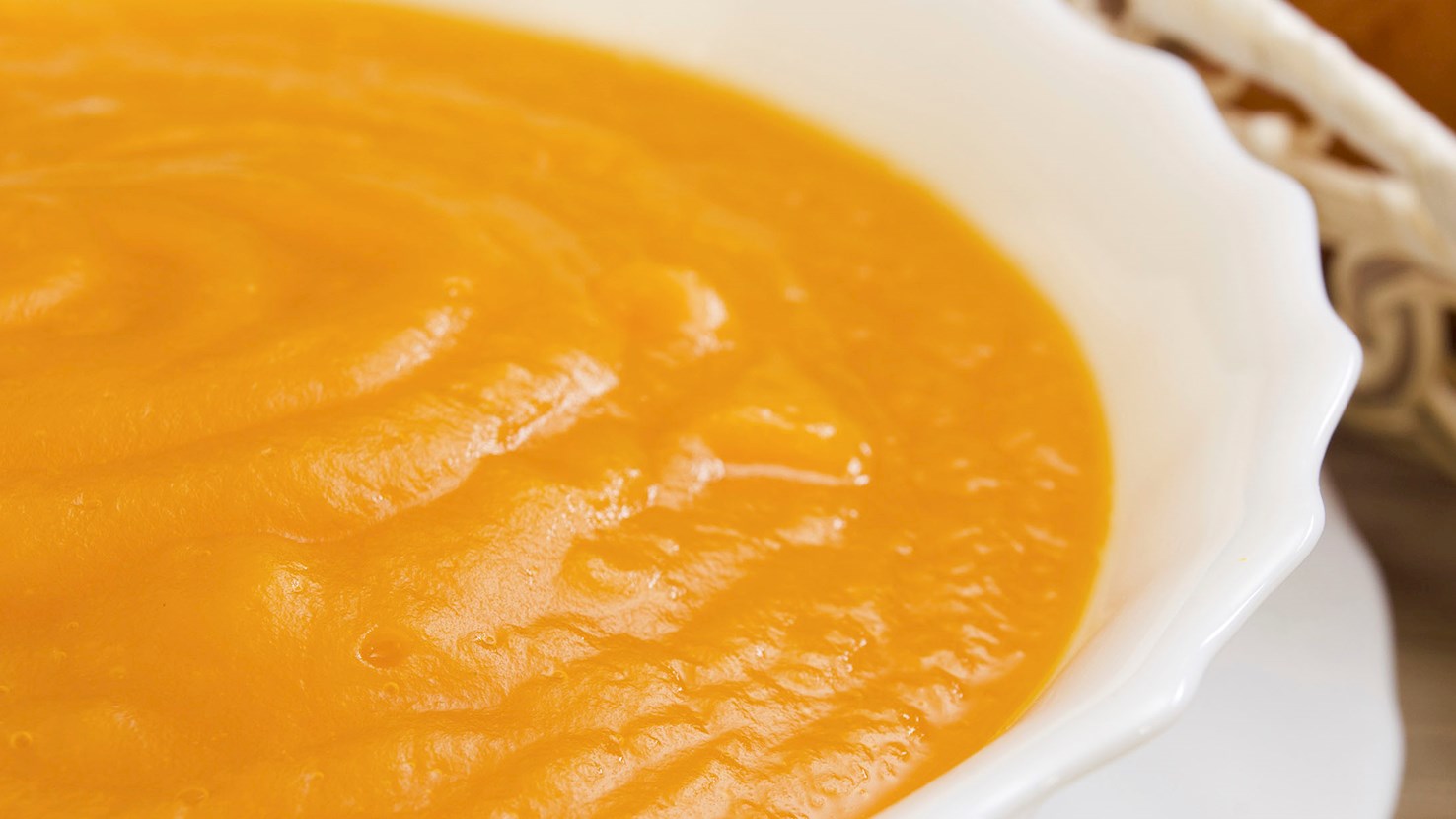
The most famous vegetarian dish in Paraguay is undoubtedly kivevé. This traditional dish is made with the most popular ingredients in Paraguay: pumpkin, cornmeal, and fresh cheese. It has an unusual light red color and a creamy texture, similar to polenta. The dish is not classified as sweet or savory, but rather lies somewhere in between. Usually, it is served as a side dish, especially when complementing traditional Paraguayan barbecues, but due to its slightly sweet flavor, it can be modified and served as a dessert. Sometimes, it can even be consumed as a light vegetarian main meal. The dish appeared in the 19th century during a time of hardship for the Paraguayans. It soon became famous because it was rich in calories and protein and used traditional ingredients which could be found in any Paraguayan household. However, even though humble in ingredients, kivevé is extremely rich in flavor, and soon after its origin, it became one of the most popular meals among Paraguayans. Today, it is considered a true symbol of Paraguayan culinary tradition and one of the national dishes of the country.

10
Cheese

Queso Paraguay

3.2 ·

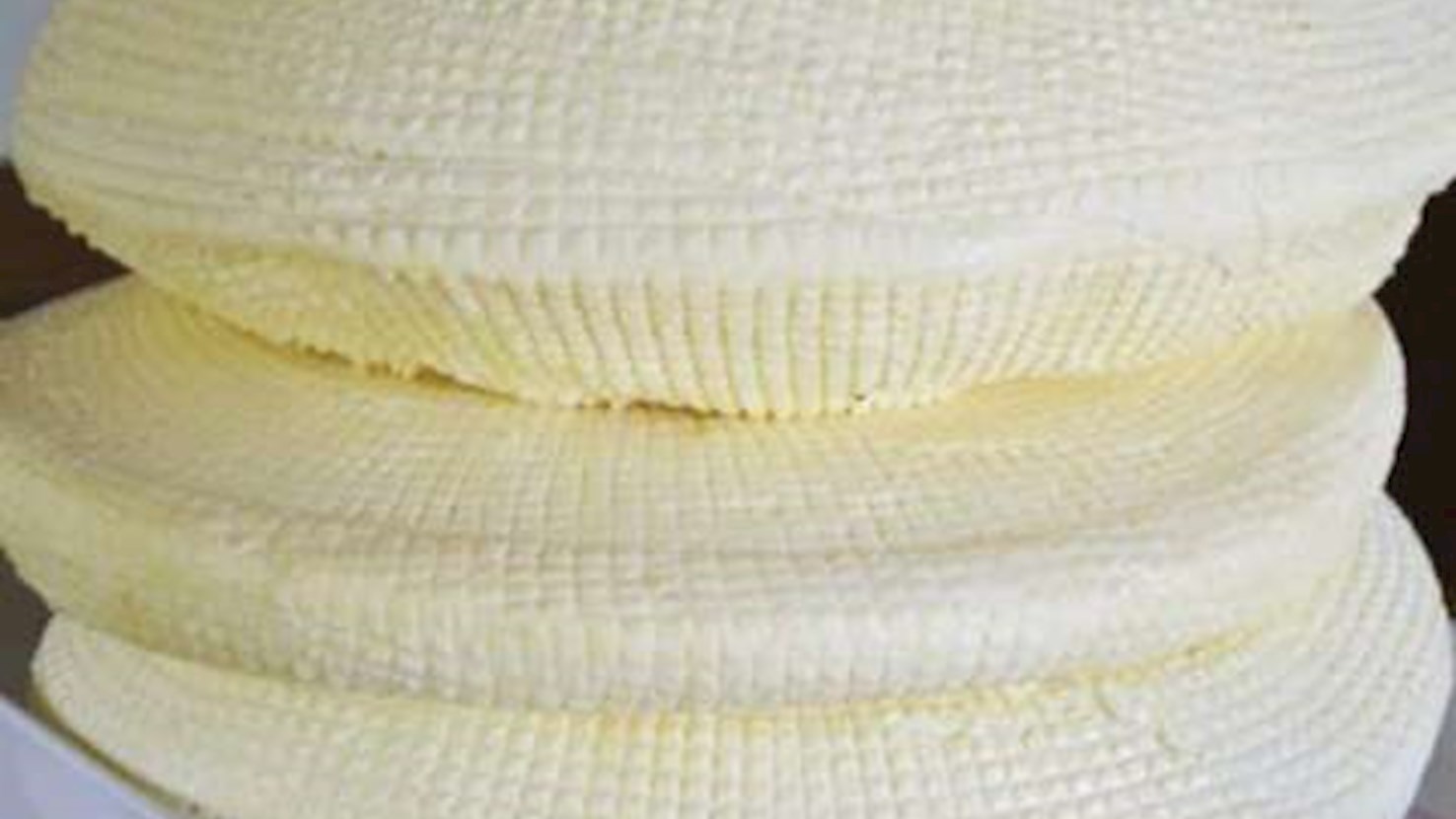
Queso Paraguay or Paraguayan cheese is a staple of traditional Paraguayan cuisine, used in a number of dishes such as cheese chipa. It is made from cow's milk, has a soft consistency, and its flavor is slightly acidic. The cheese is somewhat bland on its own, but it is great for desserts, so people tend to consume fresh queso Paraguay with molasses or guava jam.

Best Paraguayan food products

01
Tea / Infusion

Yerba Mate Pajarito

4.8 ·
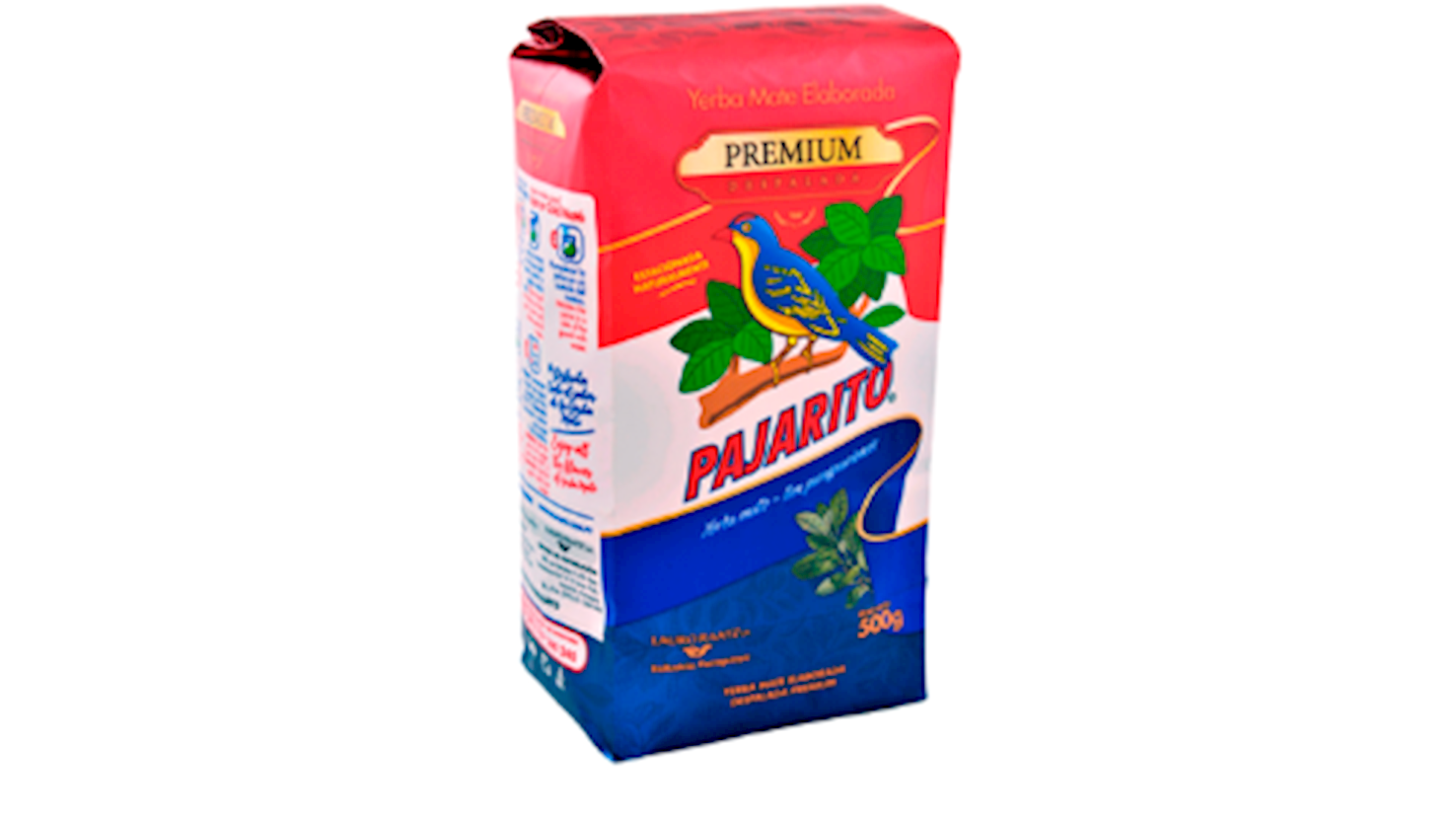
Yerba Mate Pajarito is one of the most renowned Paraguayan yerba mate brands, with a tradition dating back to 1956, when the Raatz family began producing and hand-packing mate in Bella Vista, Itapúa. Over time, the small family workshop grew into a modernized facility that today manages extensive plantations and maintains full control over every stage of production - from cultivation and drying to milling and packaging. The brand has remained faithful to the classic Paraguayan processing style, known for its pronounced bitterness, full aroma, and subtle smoky notes resulting from traditional drying methods. Pajarito offers a wide range of products, including classic blends, premium selections, herbal and citrus infusions, as well as convenient instant and tea-bag formats tailored to contemporary consumers. Today, their mate is exported to more than 40 countries, and the brand’s reputation rests on consistent quality, an authentic flavor profile, and a strong preservation of Paraguayan identity in the global yerba mate landscape.
02
Tea / Infusion

Santa Margarita

4.8 ·
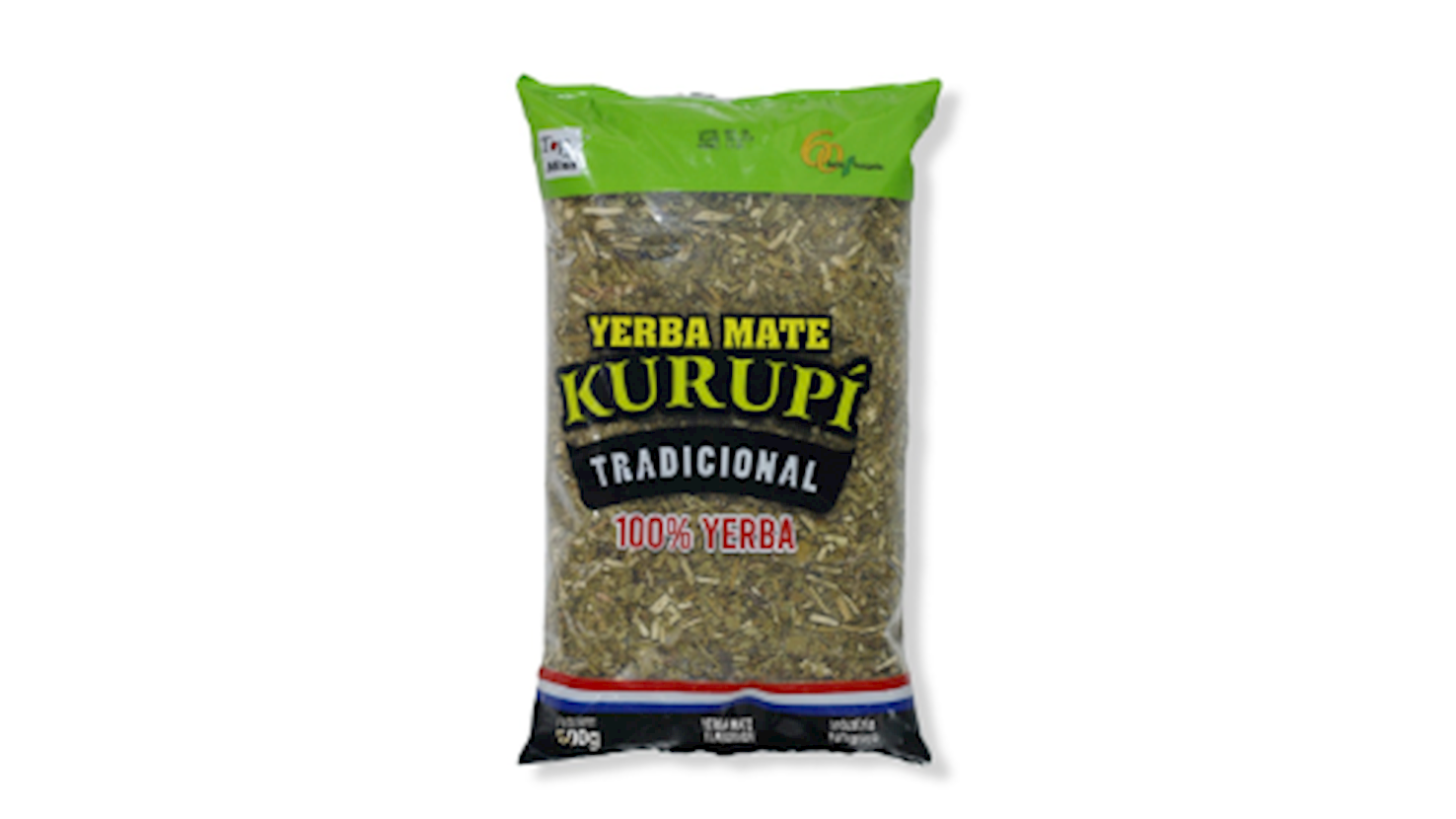
Santa Margarita is a family-owned Paraguayan company with more than six decades of experience in producing herbal teas, phytotherapeutic blends, and yerba mate products, combining local botanical resources with modern quality standards. Founded as a small herbal workshop in San Juan Bautista, it has grown into a modern enterprise that collaborates with hundreds of local harvesters and small producers, promoting sustainable and environmentally conscious agriculture. Its most recognized brands, such as Kurupí yerba mate and the Té Guaraní herbal tea line, are widely distributed in Paraguay and exported to several countries across the region. Santa Margarita stands out for its commitment to product quality, environmental responsibility, and community development, making it one of the most prominent producers of natural and traditional herbal products in Paraguay.
03
Spirit

Fortín

4.8 ·
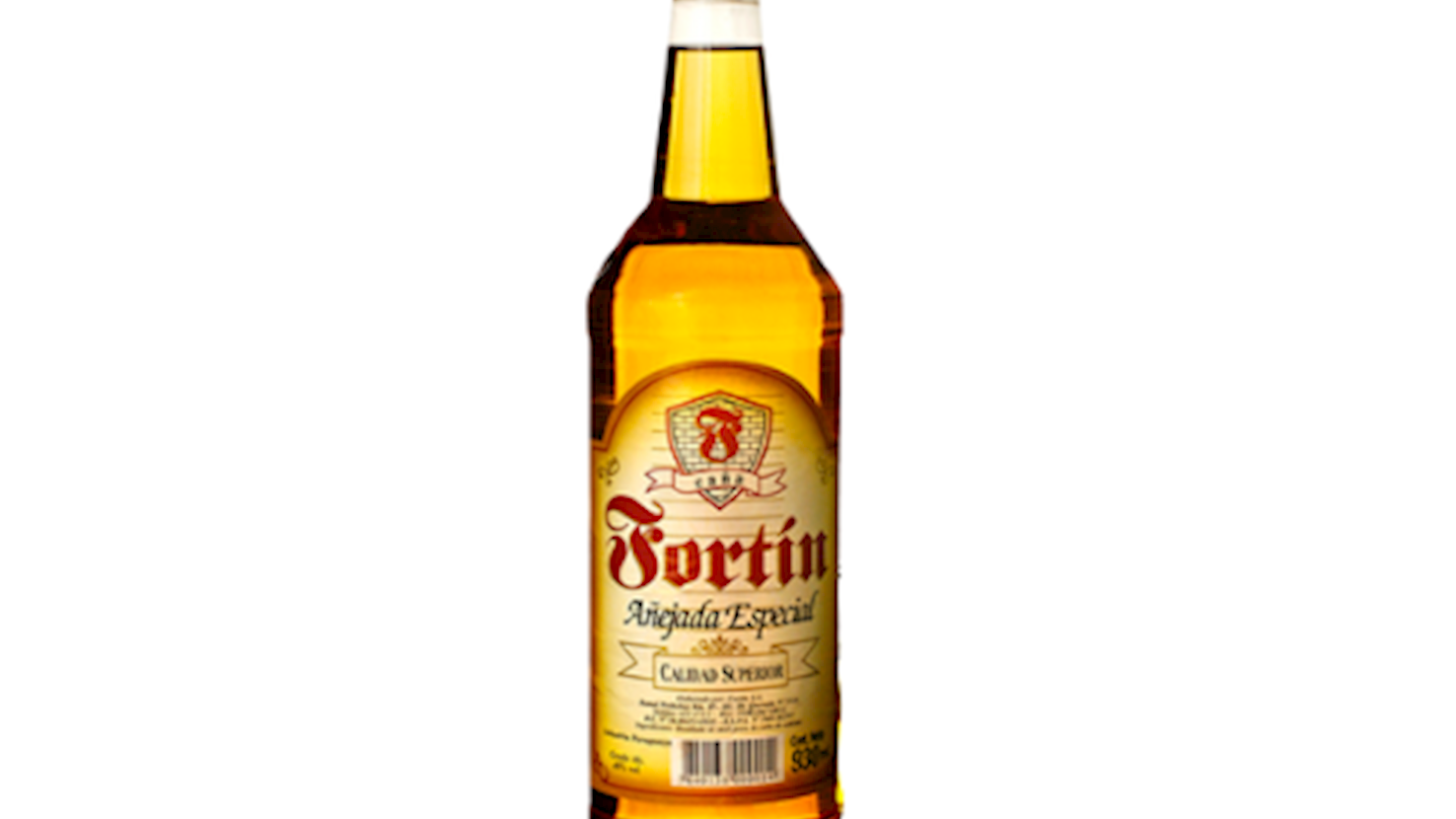
Fortín is a Paraguayan distillery founded in 1965 in Piribebuy, in the Cordillera department, known for producing traditional cana paraguaya and a wide range of rums and alcoholic beverages. The company operates as a single-estate producer, meaning it controls the entire process - from cultivating sugarcane to distillation, aging, and final bottling - ensuring consistent quality and full product traceability. Its portfolio includes rums of various styles, such as Ron Blanco, Etiqueta Negra, Especial Suave, and flavored varieties with lemon or coconut, all of which are well recognized on the domestic market. Fortín is also part of the cultural tourist route La Ruta de la Caña, offering visitors guided tours, insights into the history of Paraguayan distillation, and product tastings. Thanks to this combination of tradition, locally sourced raw materials, and a fully integrated production cycle, Fortín is considered one of Paraguay’s most important producers of national spirits.
04
Spirit

El Supremo Rum

4.8 ·
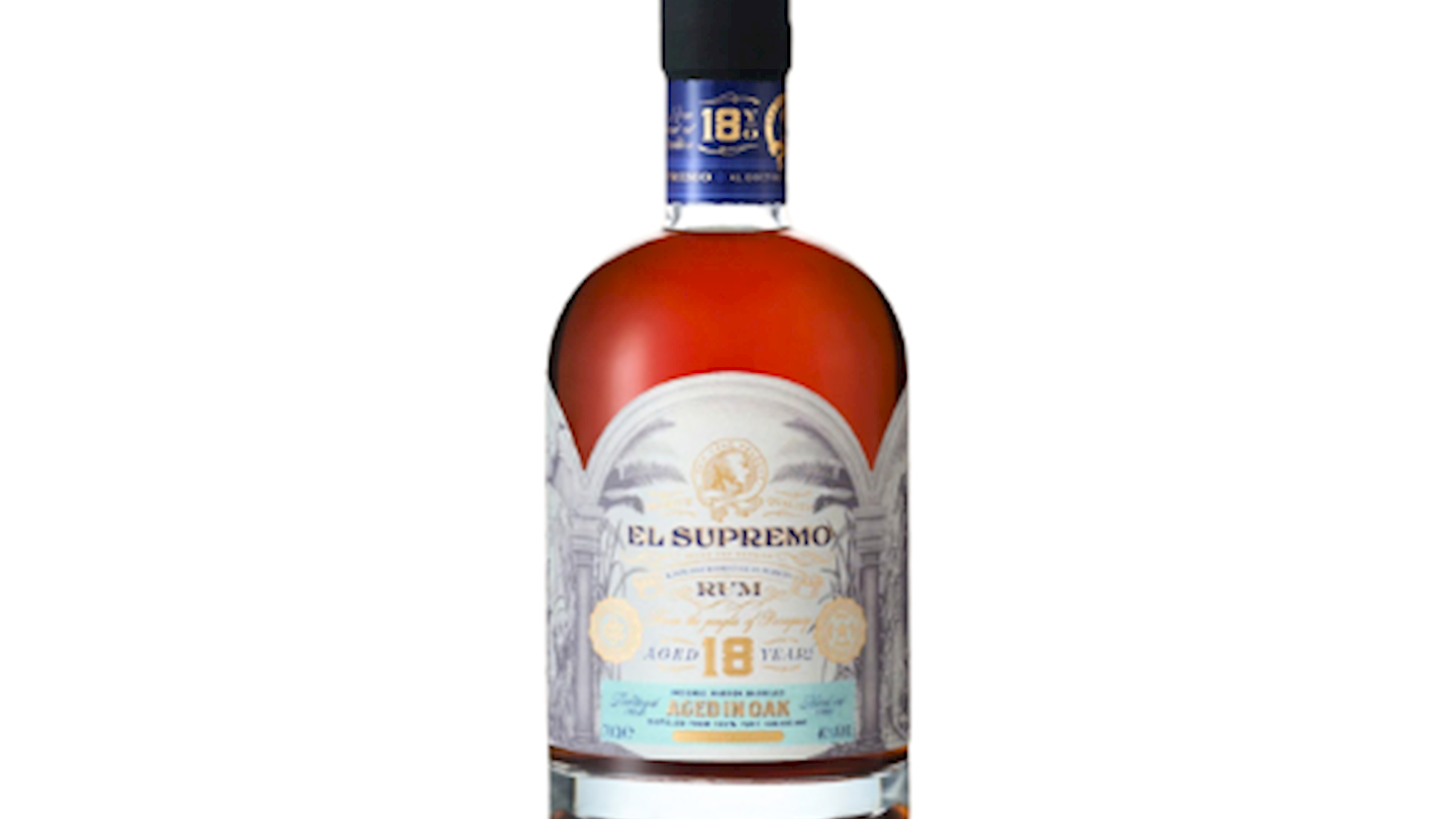
El Supremo Rum is a premium Paraguayan rum crafted from miel de caña, a concentrated syrup made from fresh sugarcane juice rather than molasses, which gives the spirit a more expressive and aromatic character. Fermentation and distillation take place in copper stills, while maturation forms the core of its identity: the rum ages in barrels made from the local Incienso Marrón wood, followed by a finishing period in French oak that adds depth and layered complexity. The range includes rums aged from 5 to 18 years, all produced without added sugar, coloring, or flavorings. Its profile typically highlights warm notes of vanilla, clove, subtle caramel sweetness, and hints of milk chocolate, supported by a woody, gently spiced finish. The brand draws on a long regional tradition shaped by Guaraní communities and Jesuit influence, emphasizing an authentic “single estate” approach. While El Supremo is often enjoyed neat, its balanced sweetness and spice also make it suitable for cocktails that showcase the character of fresh sugarcane juice.
05
Chocolate

Wisner Chocolates

4.7 ·
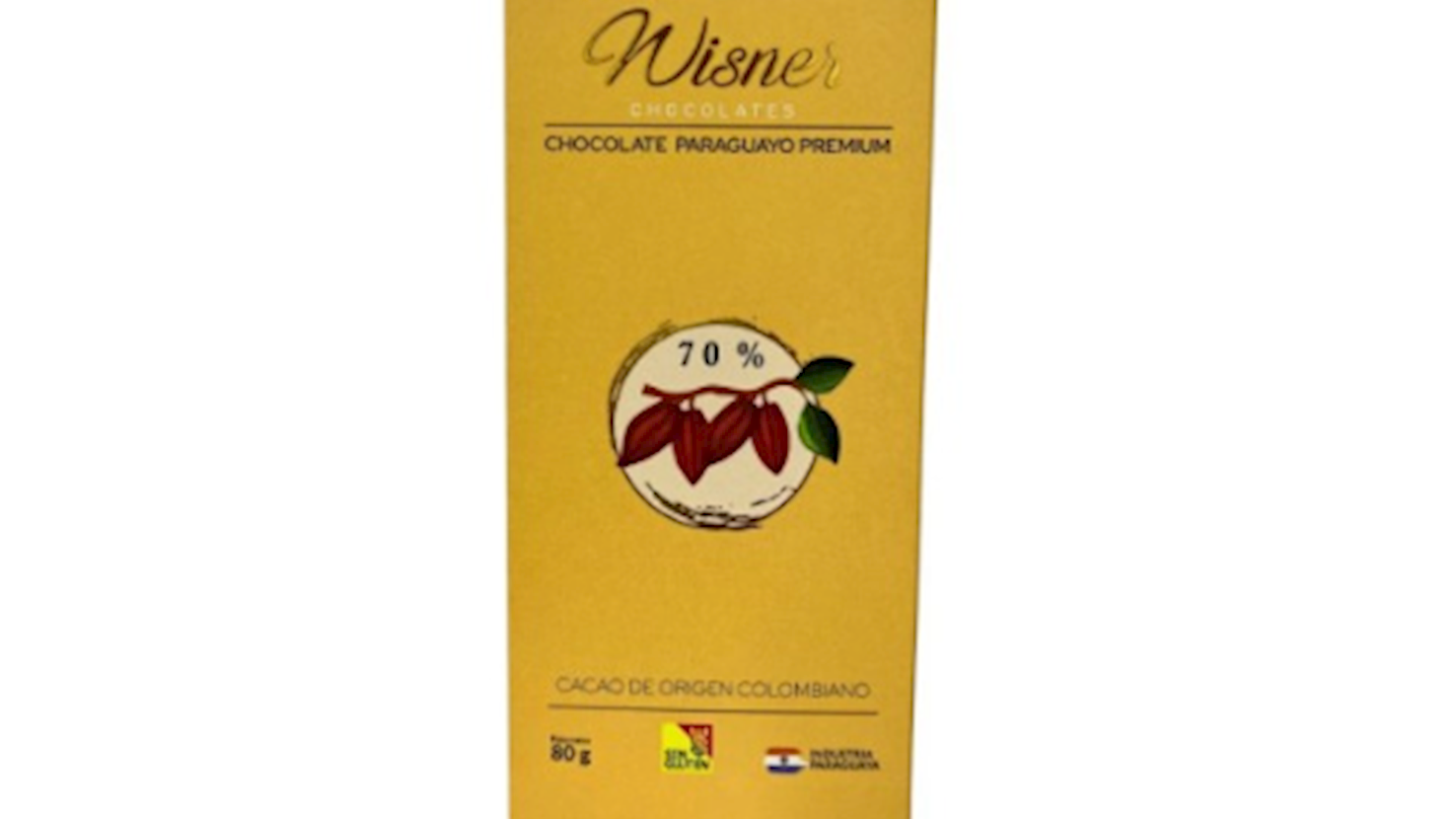
Wisner Chocolates is a Paraguayan bean-to-bar producer that combines high-quality Colombian cocoa with meticulous, small-batch craftsmanship at their factory in San Antonio, near Asunción. Founded by Gabriela Gali and José Coronel, the brand was created with the aim of establishing authentic chocolate production in Paraguay, offering products made without additives and with clearly stated cocoa percentages. Their range includes chocolate bars from 37% to 100% cocoa, sugar-free options, vegan varieties, and a selection of handmade pralines and truffles. The emphasis is on natural ingredients, controlled processing, and preserving the genuine aroma and character of cocoa, setting them apart from commercial chocolates with high sugar content. The factory is open for guided tours, allowing visitors to observe the entire production process - from the cocoa bean to the finished bar - and taste different products along the way. Through this approach, Wisner seeks to cultivate a culture of true chocolate appreciation in a country where such tradition is still emerging.
06
Fruit Product

Sabores de Areguá

4.7 ·
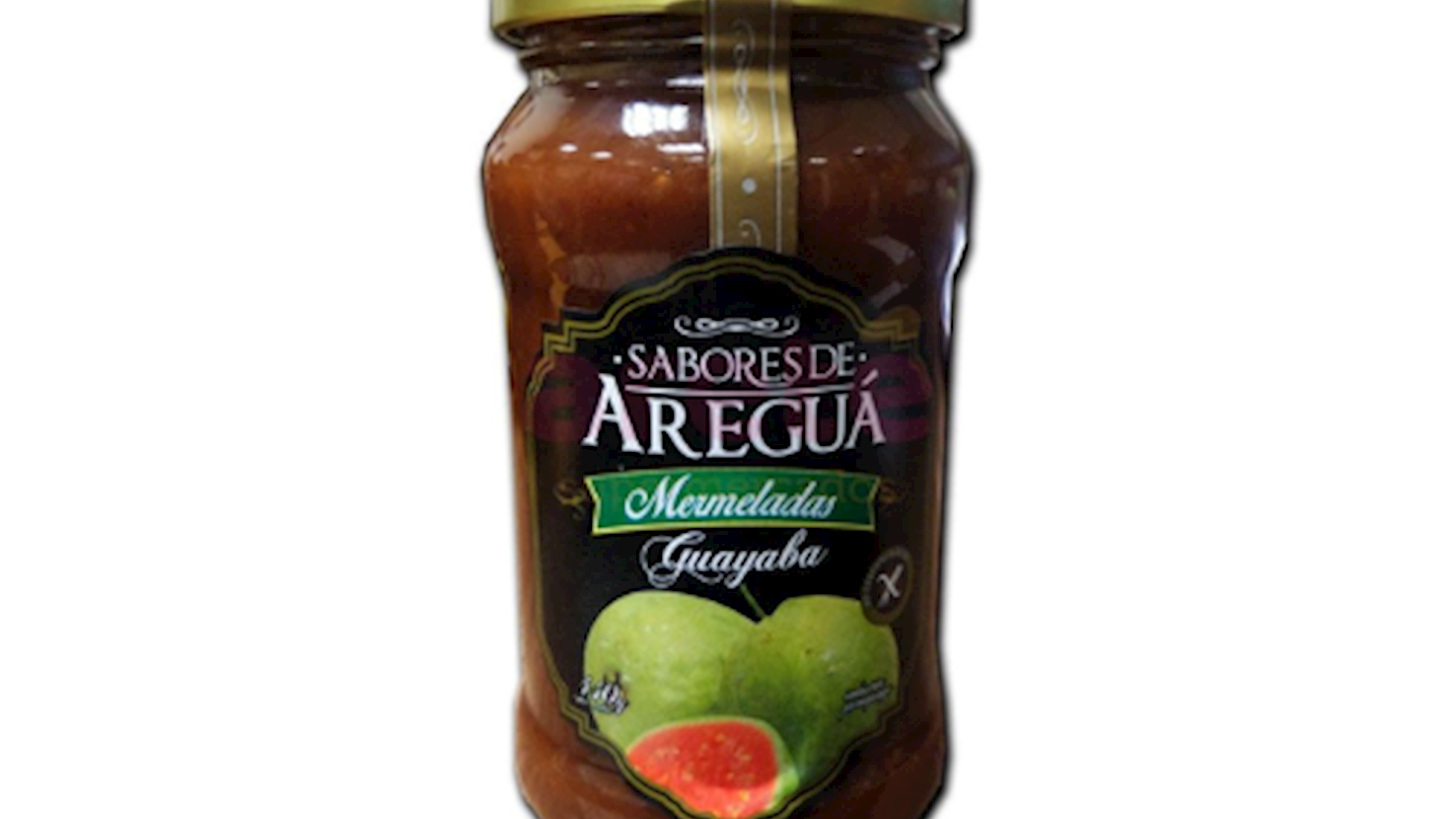
Sabores de Areguá is a Paraguayan brand specializing in traditional, natural fruit preserves made from locally sourced fruit from the Areguá region. Their assortment includes classic, light, and sugar-free varieties, offering flavors such as strawberry, plum, guava, peach, and blackberry - reflecting the typical fruits of the Central Department. Production relies on a simple, clean recipe that preserves the natural texture and aroma of the fruit, making these spreads suitable for everyday use and a wide range of culinary applications. The brand has built a strong reputation as a national market leader in fruit preserves, owing to its consistent quality, natural ingredients, and focus on authentic, homemade flavor. Sabores de Areguá represents a blend of local tradition and modern food production, appealing to consumers who value genuine, additive-free fruit products.
07
Tea / Infusion

Yerba Mate Campesino

4.7 ·
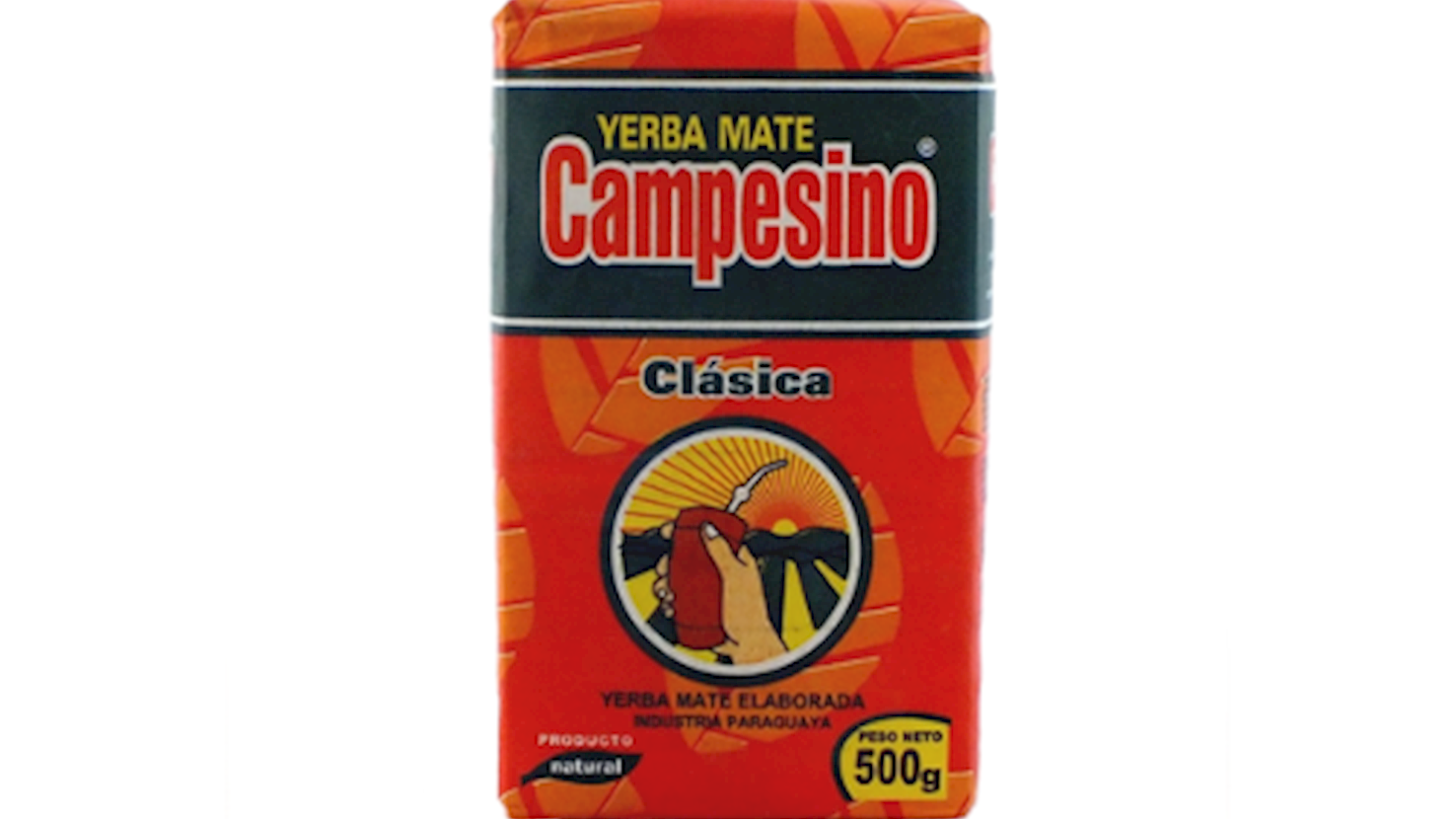
Yerbatera Campesino is a Paraguayan yerba mate producer founded in 1988, which over the past three decades has grown into one of the country’s most recognizable brands. Its raw material comes from plantations in the Itapúa department, giving the yerba a distinctly Paraguayan character - strong bitterness, earthy and lightly smoky notes, and a stable, long-lasting aroma. The blends typically combine leaves and stems, allowing the infusion to remain intense through multiple pours, suitable both for traditional hot mate and refreshing tereré. In addition to its classic varieties, Campesino offers a wide range of flavored yerbas featuring herbs, citrus, and other natural additives, making the brand appealing both to experienced drinkers and those new to yerba mate. Today, Yerbatera Campesino is present on international markets and has built its reputation on consistent quality, a diverse product range, and adherence to the traditional Paraguayan style.
08
Dessert

Tatakua

4.6 ·
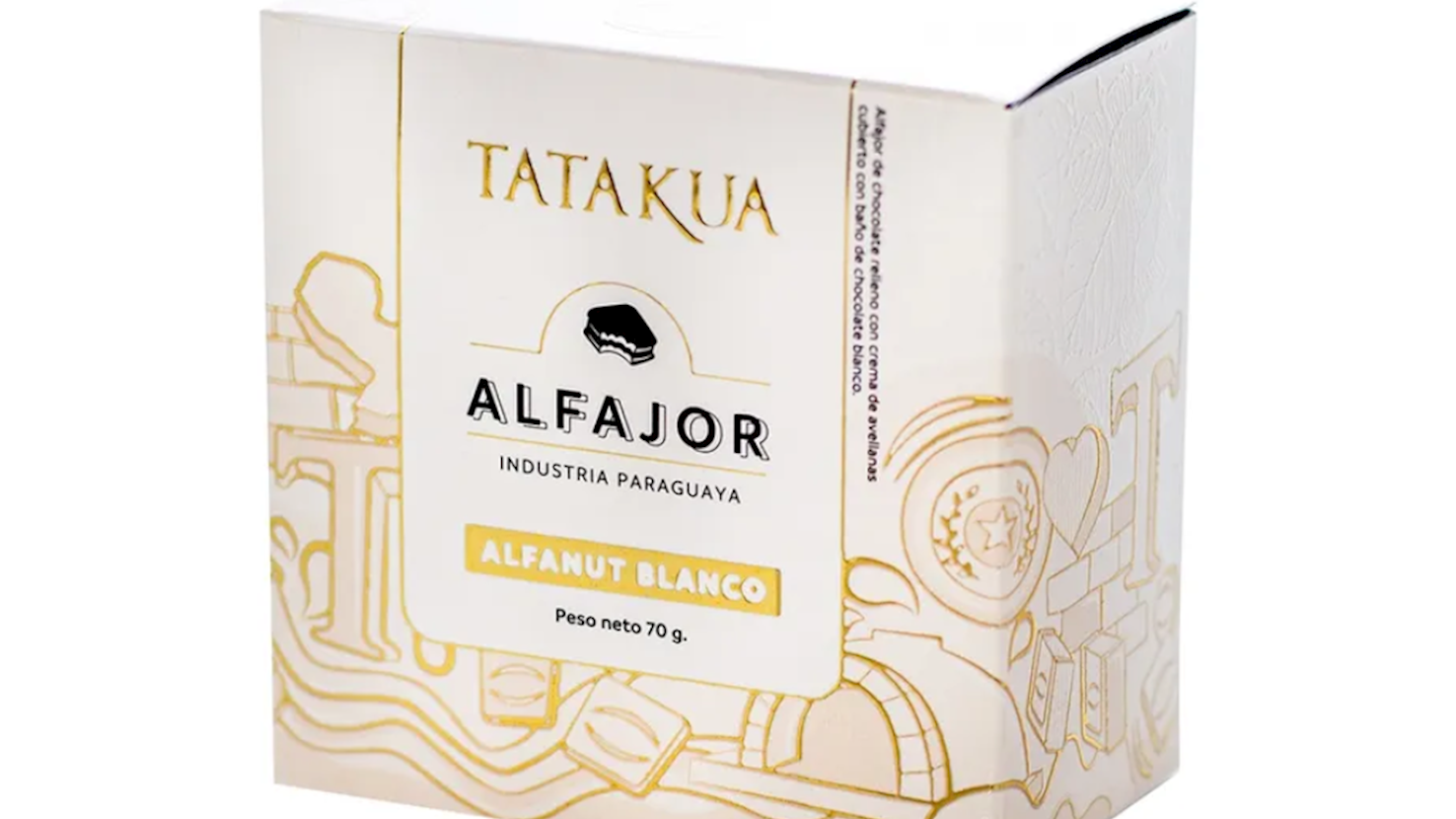
Tatakua Alimentos is a renowned Paraguayan company specializing in the production of handcrafted sweets, with a particular focus on alfajores – traditional treats that combine rich flavors with authentic recipes. Founded in 2006 in Monterrey, Mexico, by Cynthia López and Saúl Ortiz, the company began as a small family business inspired by a longing for Paraguayan confections. After returning to Paraguay, Tatakua continued its production, maintaining a strong commitment to quality and innovation. The company offers a wide range of products, including alfajores filled with Nutella, dulce de leche, and peanut butter, as well as varieties coated in dark or white chocolate. Tatakua is known for its dedication to quality, using high-grade ingredients and artisanal techniques to ensure authentic flavor and superior presentation of its products.
09
Spirit

Legado Organic Distillery

4.5 ·
Awards
World Gin Awards - Country Winner (2022)
Read more
View all
View map
About this ranking

TasteAtlas food rankings are based on the ratings of the TasteAtlas audience, with a series of mechanisms that recognize real users and that ignore bot, nationalist or local patriotic ratings, and give additional value to the ratings of users that the system recognizes as knowledgeable. For the “Top 26 Paraguayan Foods” list until June 17, 2026, 1,087 ratings were recorded, of which 512 were recognized by the system as legitimate. TasteAtlas Rankings should not be seen as the final global conclusion about food. Their purpose is to promote excellent local foods, instill pride in traditional dishes, and arouse curiosity about dishes you haven’t tried.

The initial list of top producers was compiled based on available reviews, awards, local recommendations, media and blog coverage, and consumer reviews. The list will be updated with ratings from TasteAtlas local ambassadors and TasteAtlas users.

Similar lists