shutterstock

Top 12 Southeastern Anatolian Foods

Last updated on June 02, 2026

Best Southeastern Anatolian food products
01
Olive Oil

Murat Zeytinyağı

4.9 ·
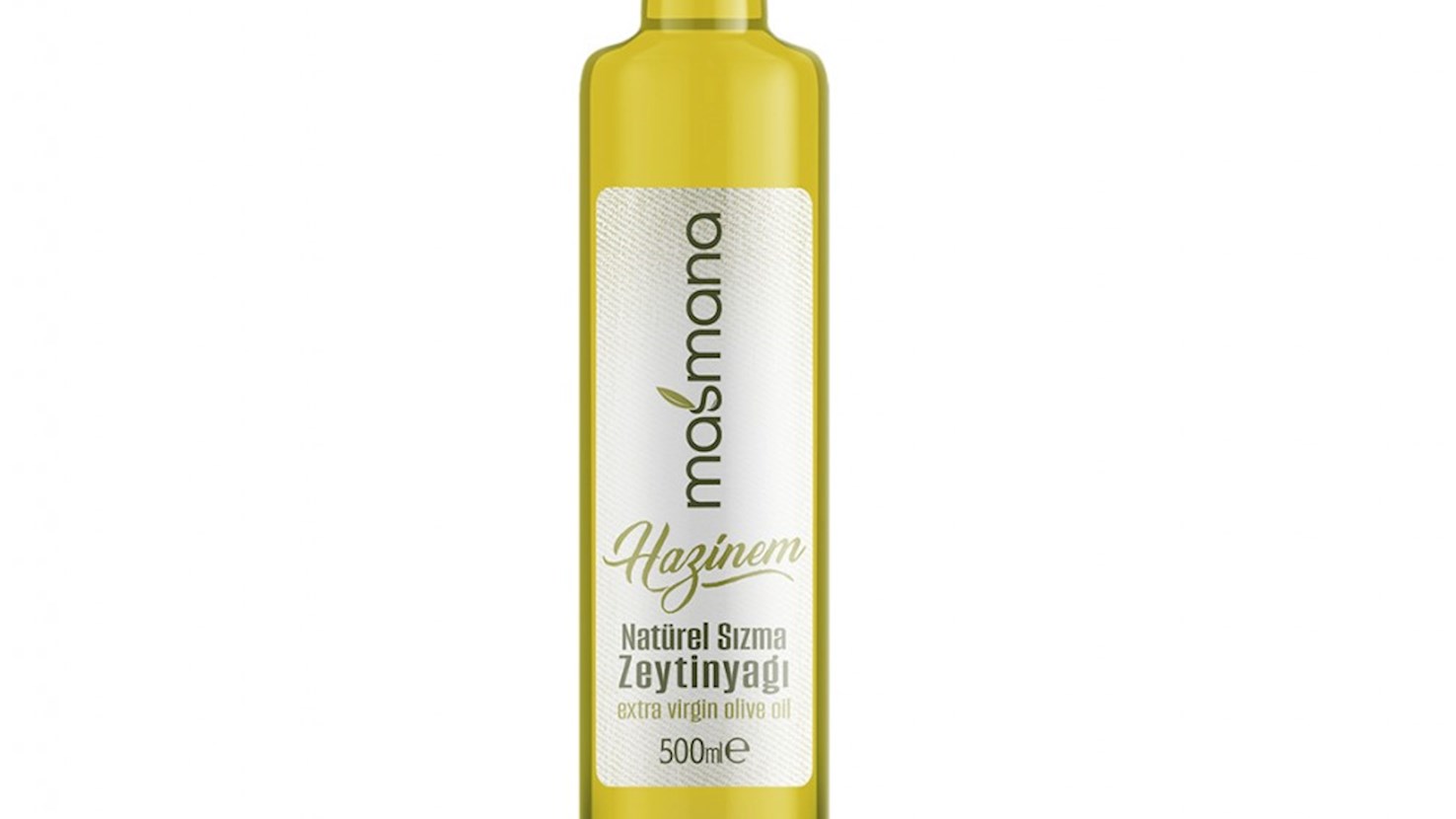
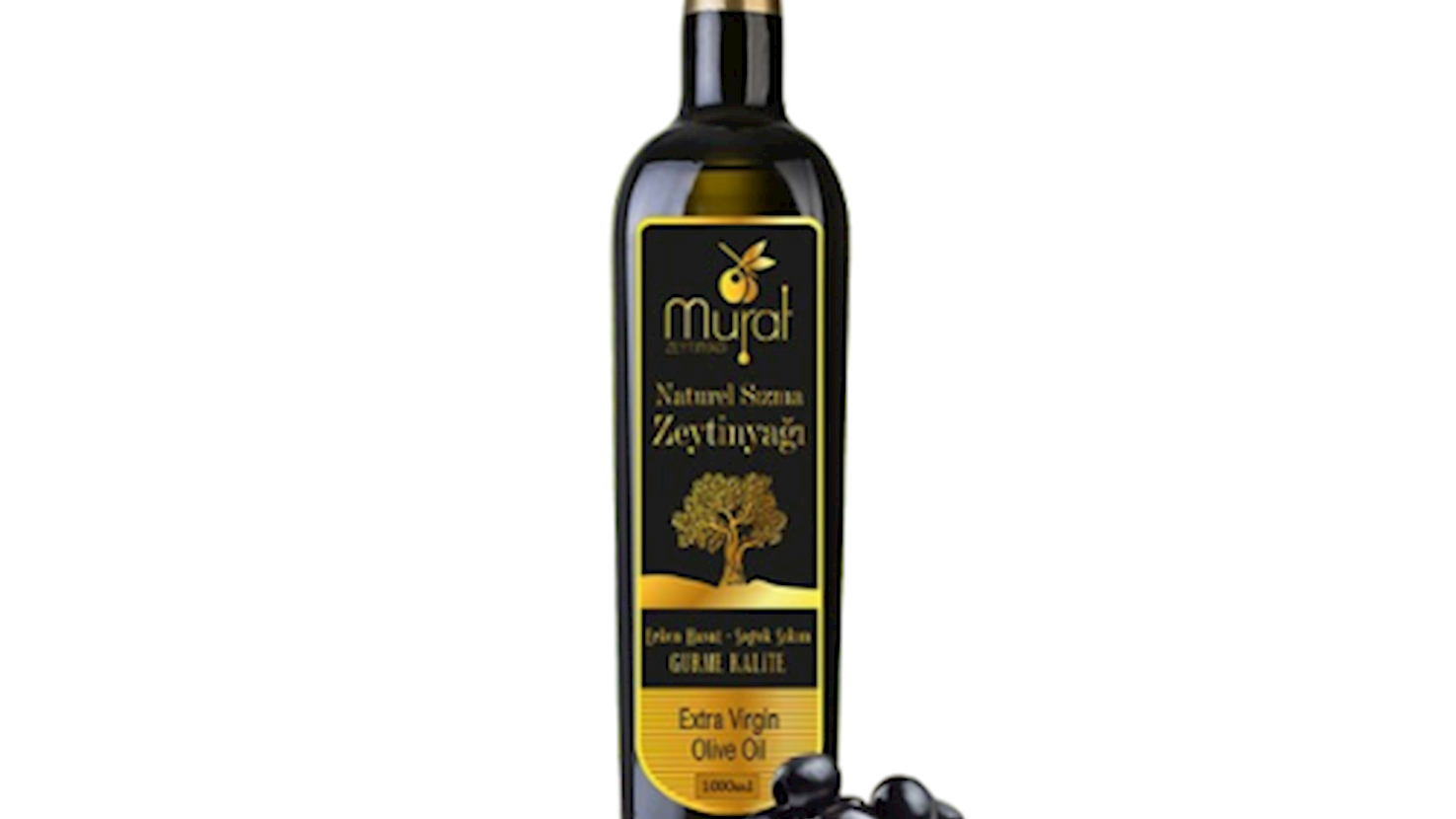
Murat Zeytinyağı is a Turkish brand of extra virgin olive oil that combines family tradition, carefully selected olives, and modern processing technology. The brand is part of the company Örsan Eldiven Tekstil Gıda, and its production is based on olives sourced from the Balıkesir region, one of Turkey’s most renowned olive-growing areas. The oil is distinguished by its gourmet quality, mild fruitiness, golden-green color, and well-balanced aroma, making it suitable for both everyday use and refined culinary applications. Murat Zeytinyağı brings together the best of traditional and contemporary approaches, with a mission to deliver natural, healthy, and flavorful olive oil to every table.
Awards
EVO IOOC - Gold Medal (2018)
Terraolivo IOOC - Prestige Gold (2017)
02
Olive Oil

Fersis Gıda Sanayi Ve Ticaret

4.4 ·
Fersis Gıda Sanayi ve Ticaret A.Ş is an olive oil producer based in Şehitkamil, Turkey. It specializes in the production and distribution of various types of olive oil, maintaining a focus on quality and sustainability in its operations. The company sources its olives from local groves and utilizes advanced processing techniques to ensure the purity and flavor of its products.
Awards
London IOOC - Gold (2023, 2022)
Olive Japan - Gold (2022)
03
Nuts/Seeds

Deniz Antep Fıstıkları

4.3 ·
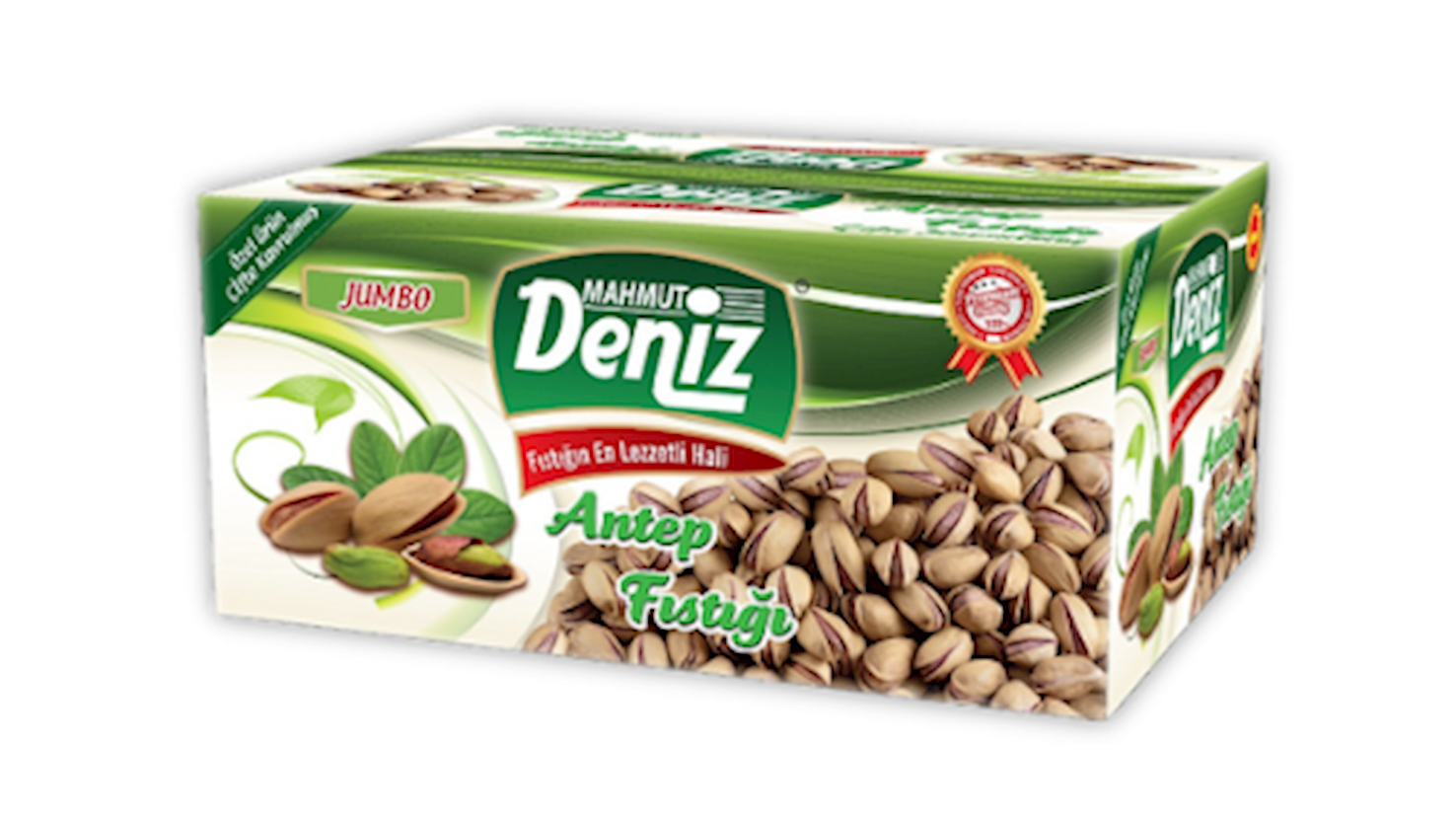
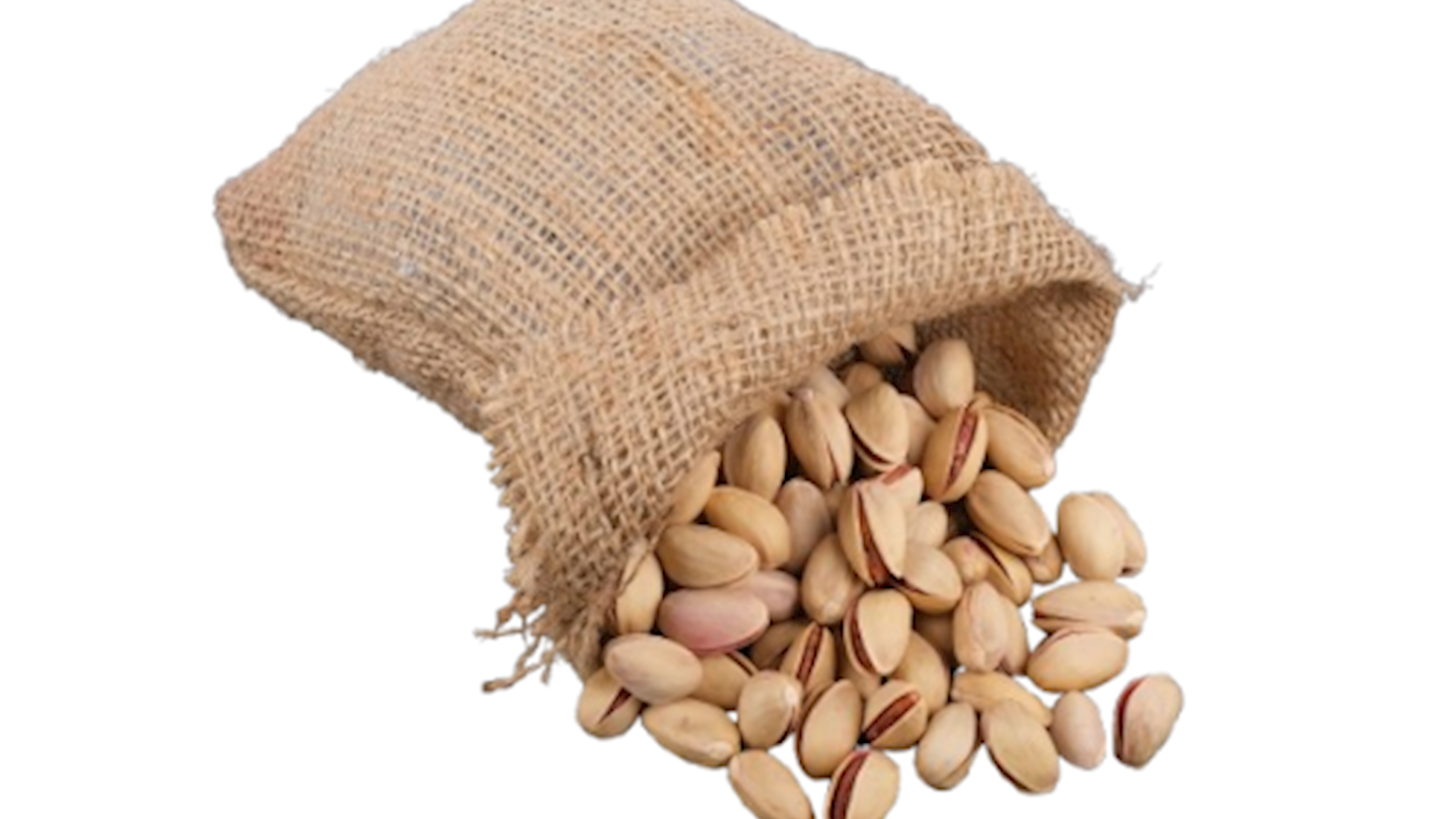
Deniz Antep Fıstıkları is a prominent Turkish producer specializing in high-quality pistachios. Known for offering a wide variety of pistachio-based products, their offerings include raw pistachios, roasted pistachios, pistachio paste, and other gourmet treats made from pistachios. The company is focused on maintaining the traditional cultivation and harvesting methods of the famous Gaziantep pistachio, a variety renowned for its rich flavor and texture. They emphasize quality, freshness, and the importance of preserving the local agricultural heritage in their products. Deniz Antep Fıstıkları has built a strong reputation for excellence in Turkey and internationally, ensuring that customers receive premium products straight from the source.
04
Nuts/Seeds

Ali Kılıç Tarım

4.3 ·
Ali Kılıç Tarım is a Turkish agricultural company specializing in a wide variety of products, including nuts, dried fruits, legumes, spices, and seeds. The company offers high-quality items such as pistachios, sunflower seeds, hazelnuts, almonds, and more. Their focus is on providing healthy, flavorful products that are sustainably sourced. Ali Kılıç Tarım aims to be a prominent player in the market, ensuring customer satisfaction with their consistent product quality. They offer bulk sales and continue to serve both local and international markets.

Best Southeastern Anatolian foods
01
Meat Soup

Beyran çorbası

4.5 ·

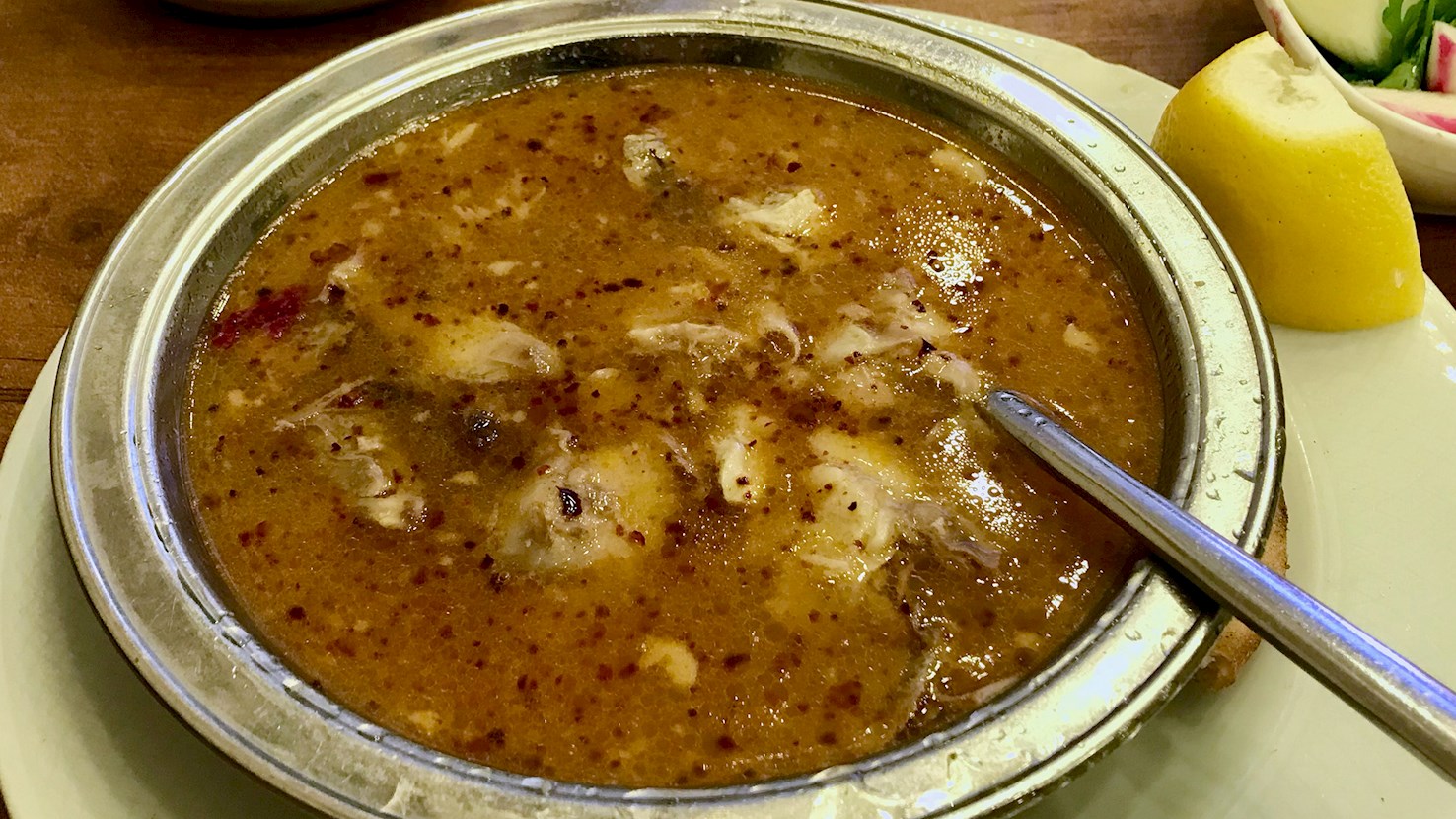
Beyran çorbası is a traditional soup originating from Gaziantep, where it's served for breakfast. It consists of rendered lamb fat that's topped with rice and shredded lamb meat. The combination is then cooked with the addition of garlic, pepper paste, and lamb broth. This soup is notorious for its spiciness, making it a pretty unusual way to start the day. If desired, the soup can be served with lemon wedges and fresh Turkish bread on the side.

02
Sweet Pastry

Gaziantep baklavası

4.4 ·

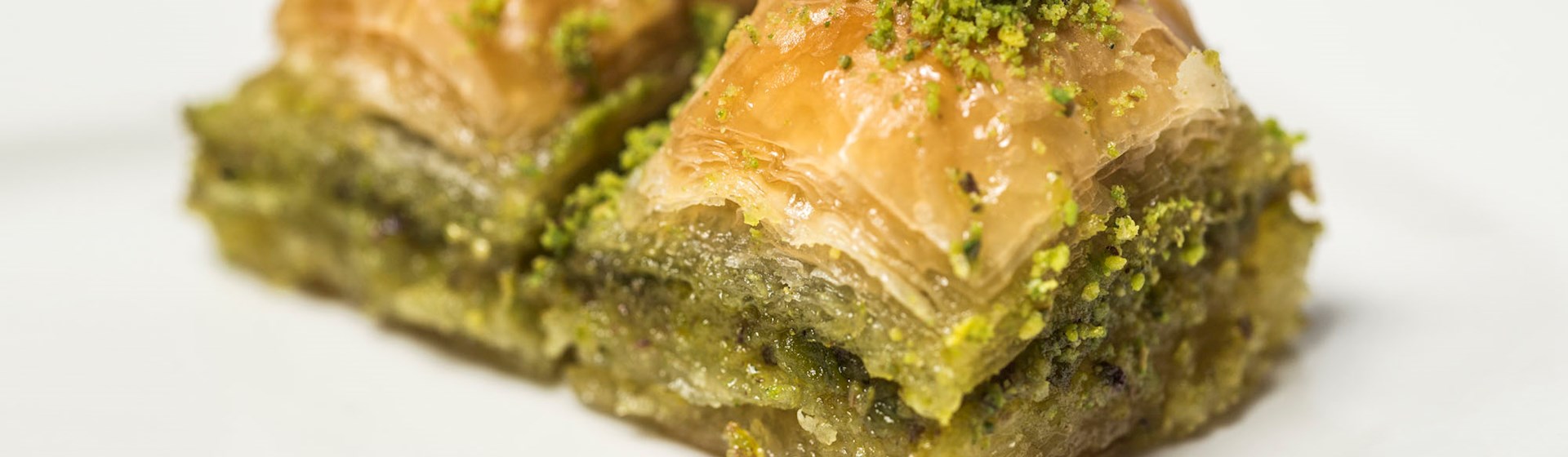
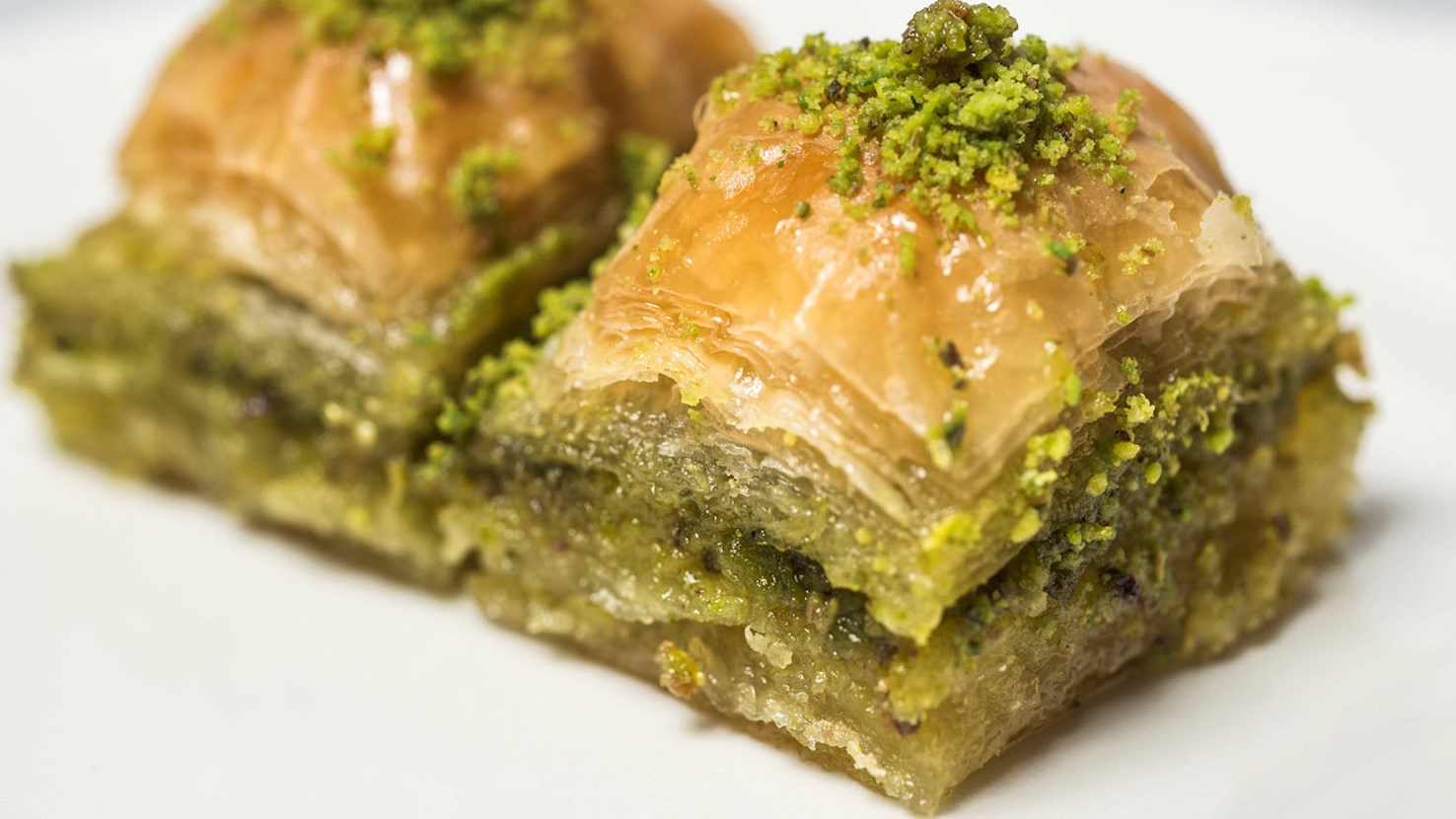
The ancient Anatolian city of Antep, today known as Gaziantep, is Türkiye's gastronomic capital famous for being home to the world’s finest pistachios and the delicious Antep baklavası. Originally an Ottoman legacy, baklava is regarded as one of the greatest creations from the pastry chefs at Topkapı Sarayı, the major royal residence of Ottoman sultans from the 15th to the 19th century. Baklava was traditionally prepared for Eid-al-Fitr, also known in Türkiye as Ramazan or Şeker Bayramı, a religious holiday when Muslims celebrate the ending of Ramadan, the Islamic holy month of fasting. Today, this Turkish treat is available year-round, and with more than 500 baklava bakeries in the city of Gaziantep, it is definitely not to be missed, especially during the pistachio harvest from midsummer to September, when these emerald-colored nuts are just the right size for baklava. To make this popular pastry, the finely crushed, genuine Gaziantep pistachios are generously spread between paper-thin sheets of phyllo dough which are brushed with melted butter and smeared with semolina cream. Antep baklava is then splashed with another dose of melted butter, baked, and finally, poured over with a hot sugar and lemon juice syrup. According to Turkish ustaları or master bakers, a well-baked baklava is tender, but at the same time has a perfect crunch to it. When divided with a fork, it makes a cracking sound which is not only a sign of freshness, but also a sign of the finest baklava, which isn't too sweet or heavy and leaves a heavenly taste in your mouth. Garnished with crushed pistachios, and often topped with kaymak, Turkish clotted cream, or a scoop of milk-flavored ice cream called kaymaklı dondurma, Antep baklava goes a long way: it can be enjoyed either with Turkish coffee in the morning or as a mid-afternoon treat with a cup of tea, but also as an after lunch or dinner dessert.

03
Lamb Dish

Alinazik kebab

4.4 ·

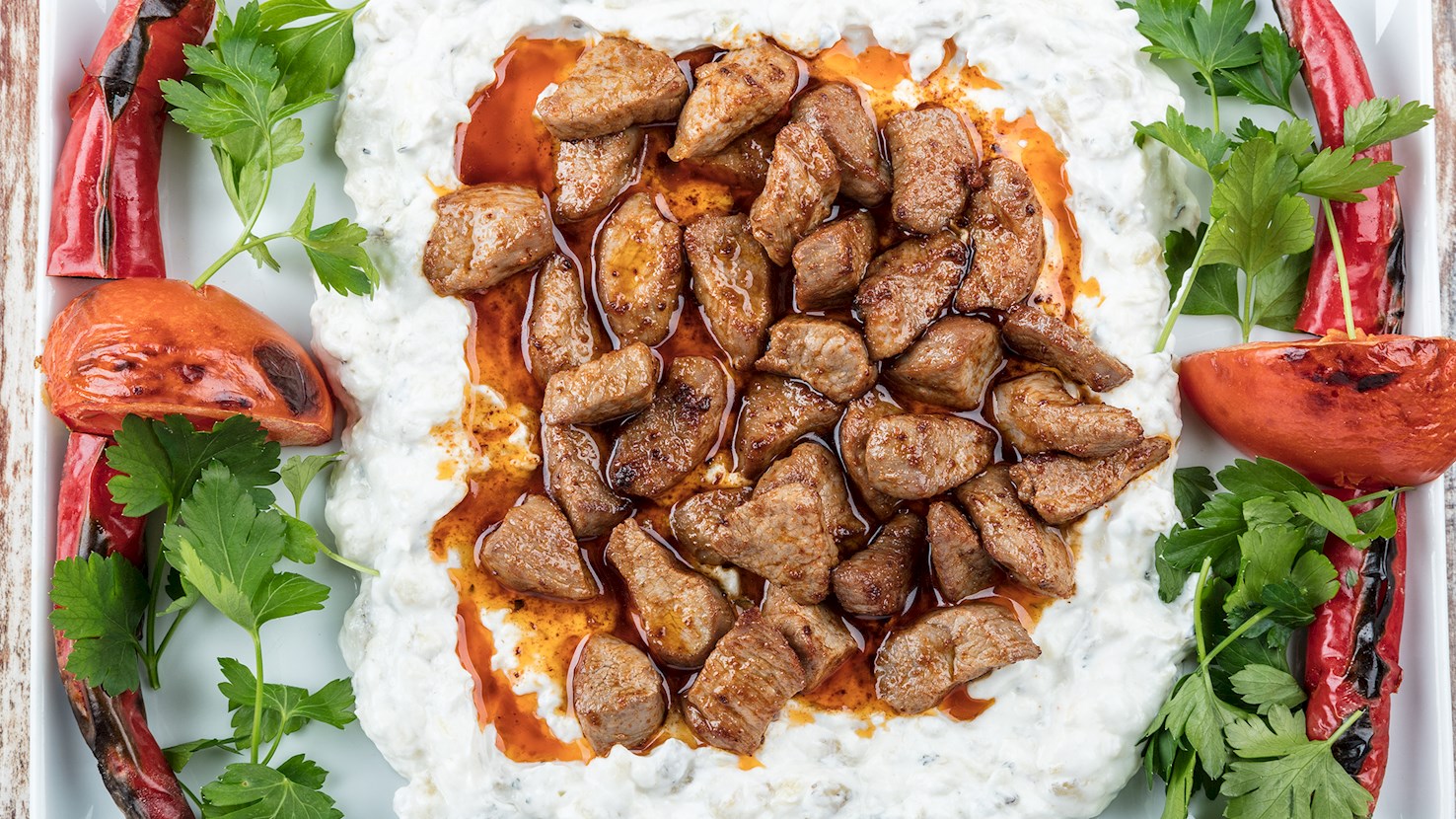
Alinazik is a Turkish kebab variety originating from Gaziantep. It consists of char-grilled and puréed eggplants that are combined with garlic yogurt sauce, then topped with chunks of meltingly sweet lamb. The meat is typically stewed with onions, red pepper paste, tomatoes or tomato paste, and olive oil. It is important that the eggplants have a smoky flavor, and the best way to achieve it is to roast them over a coal fire. When served, alinazik kebab is traditionally accompanied by rice pilaf or grilled vegetables on the side.

04
Sweet Pastry

Katmer

4.3 ·

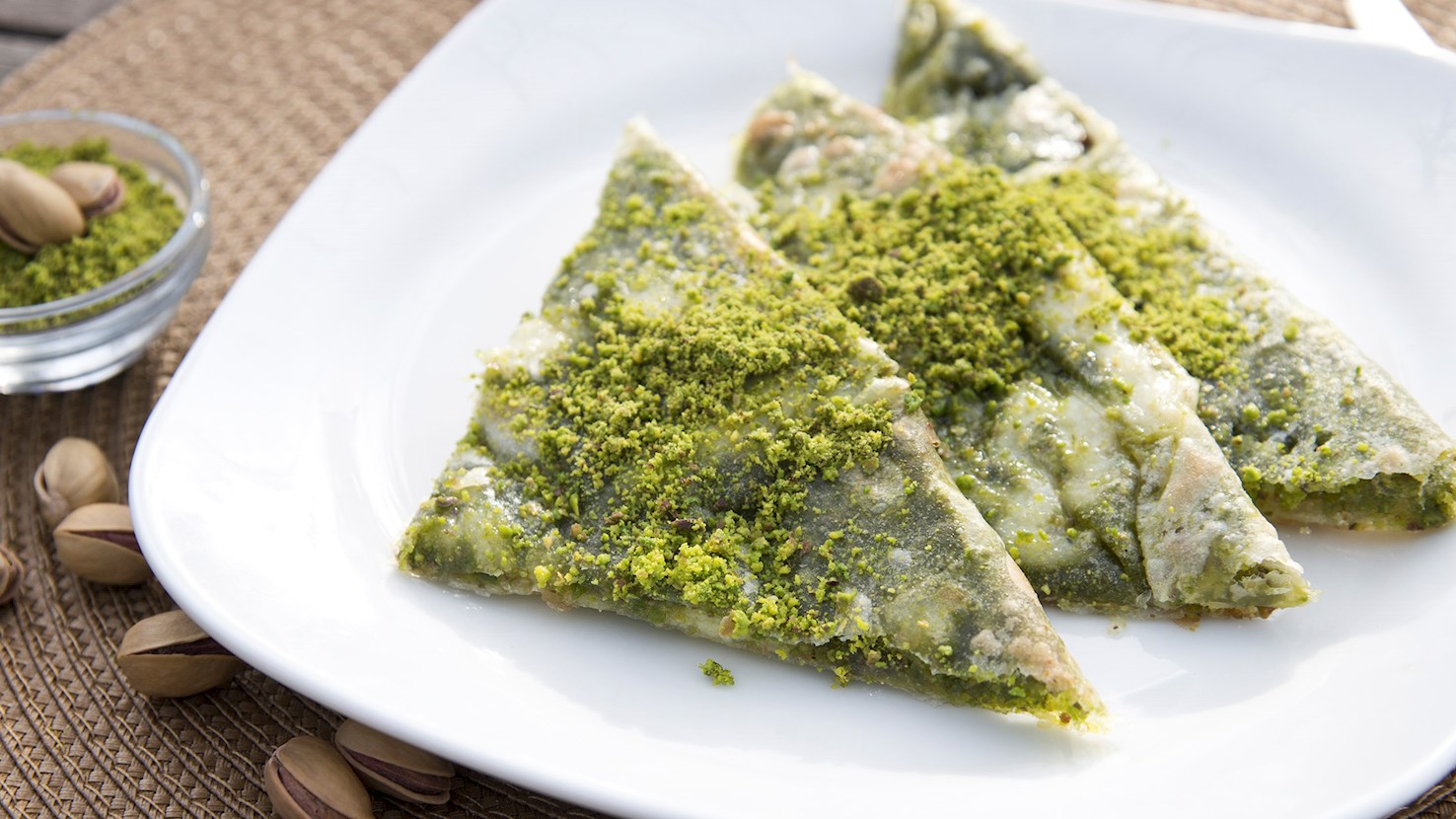
A type of sweet börek, katmer is a specialty of Gaziantep, or simply Antep – Türkiye's gastronomic capital and a rich melting pot of diverse cultures and cuisines nestled in southeastern Anatolia – an ancient city whose claim to fame is being home to world’s finest pistachios and the delicious Antep baklavası. Katmer is what most locals start their day with: in fact, there are bakeries and cafés in Gaziantep open from early morning until noon serving katmer for breakfast. Traditionally, it is also the first meal eaten by newlyweds after their first wedding night, as it represents the sweetness they hope to find in their marriage. Filled with pistachios and kaymak – Turkish clotted cream made with water buffalo milk, which is often referred to as kaymağın kaymağı, meaning crème de la crème – these flaky, crunchy pastries must be served fresh from the oven, while they're still warm. For a perfect Turkish breakfast, have your katmer drizzled with a little honey, sprinkled with crushed pistachios, and paired with a nice cup of tea.

05
Appetizer

Çiğ köfte

4.1 ·

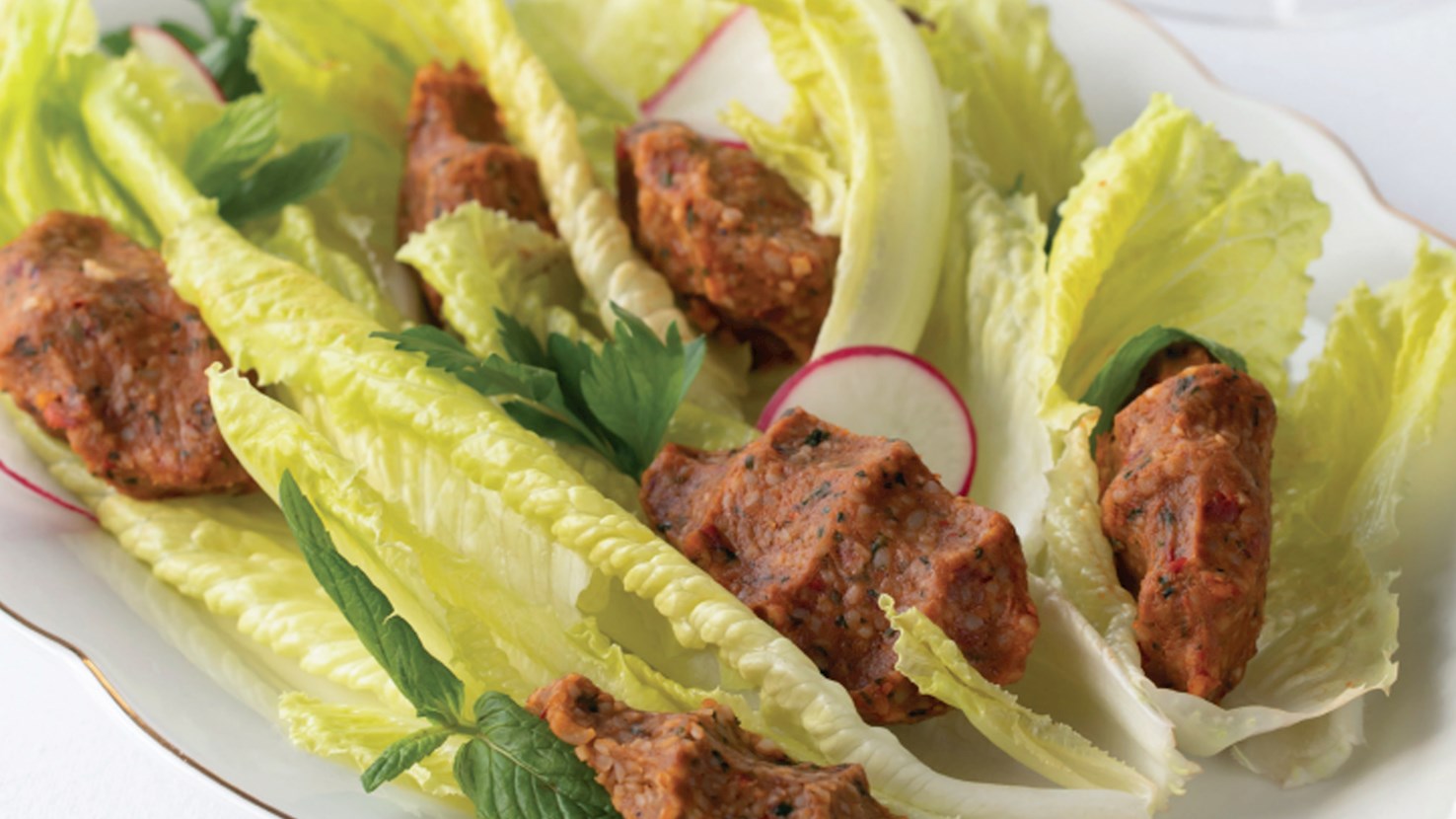
Çiğ köfte is the Turkish version of steak tartare, traditionally made with high-quality ground raw beef (or lamb) that is combined with tomatoes, onions, garlic, pepper, and a selection of Turkish spices. The dish is consumed as a meze, and it is typically served almost cold. Nowadays, due to food safety regulations and health concerns, the meat is almost always replaced with bulgur and ground walnuts, but these vegetarian versions are so good that people mostly can’t tell them from the real thing.

Best restaurants
06
Meat Soup

Yuvarlama çorbası

3.8 ·

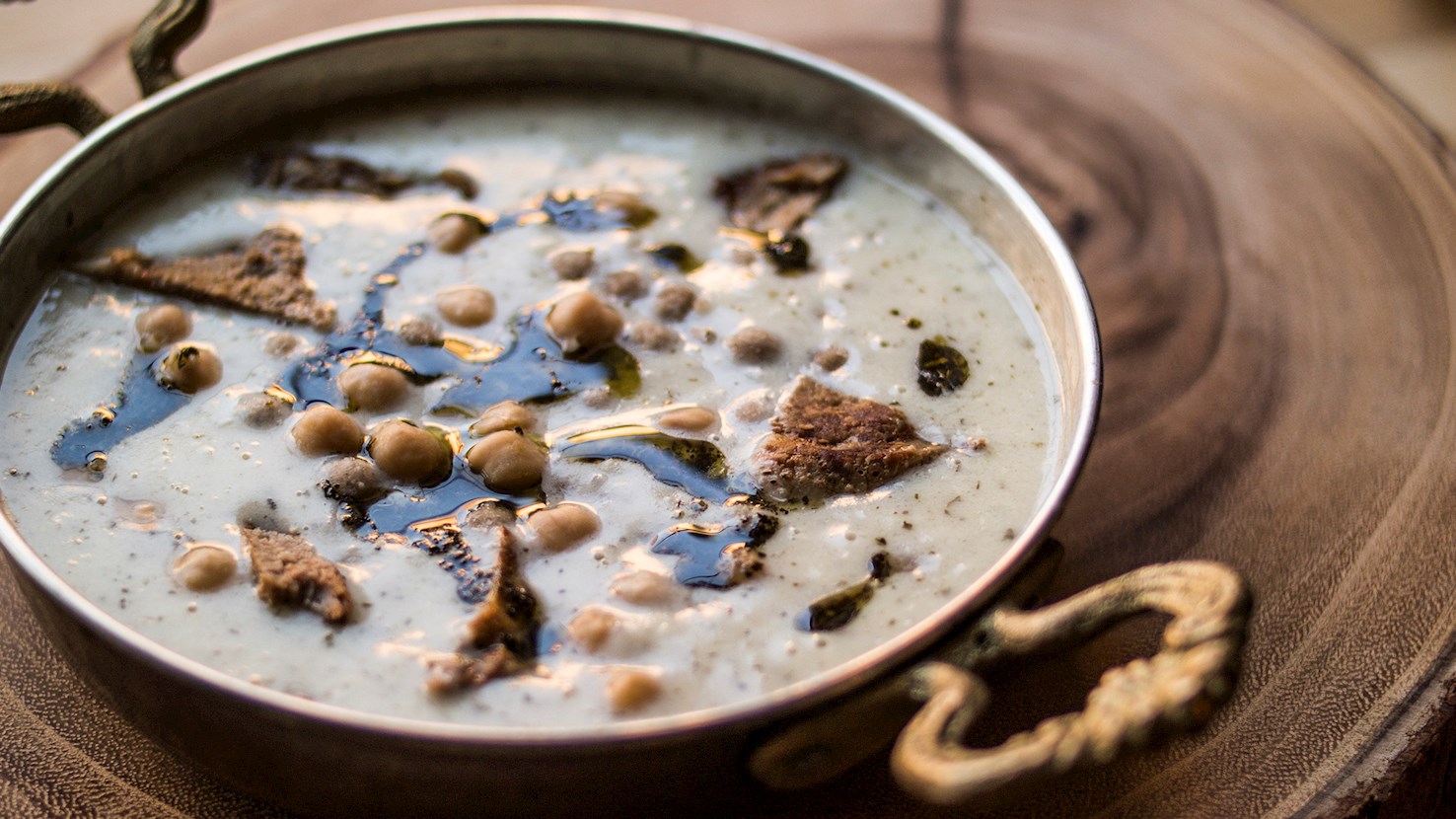
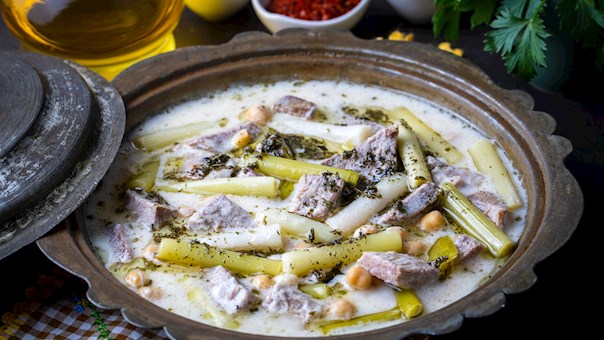
Arguably the most laborious Turkish soup and one of Gaziantep's favorites, yuvarlama çorbası is made with spiced meatballs, chickpeas, yogurt broth, olive oil, and other optional ingredients. The soup is traditionally prepared for the three-day celebration of the fast-breaking Ramazan Bayramı, and it is served in virtually every Anatolian home. The preparation of this festive soup is a time-consuming process, and everyone is involved, as often both family members and neighbors get together to share the work and joy of rolling hundreds of tiny yuvarlama köfte. These spiced meatballs are typically made with lean beef mince, and either rice or bulgur flour, but they can also be made without meat. Köfte are then steamed and, together with pre-cooked chickpeas, added to the warm süzme or strained yogurt broth drizzled with minty olive oil. Yuvarlama soup can even include stewed chunks of beef, lamb, or chicken, and it is most often accompanied by rice pilaf, which altogether makes not only for quite a nutritious meal but also an amazing combination of different flavors and textures.

07
Offal Dish

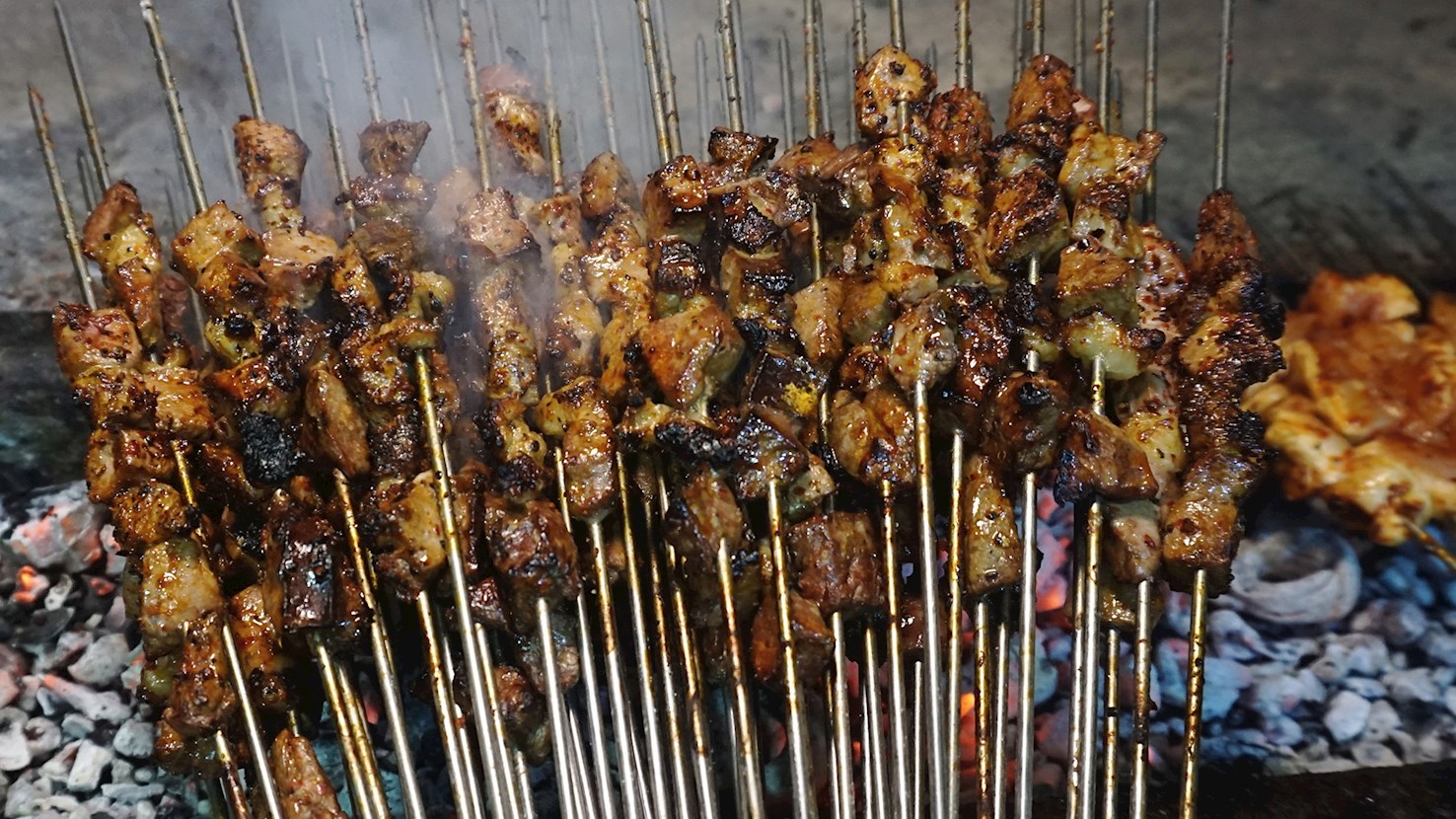
Ciğer kebabı

3.8 ·

Ciğer kebabı, or liver kebab, is a popular Turkish dish of skewered and grilled liver originating from southeastern Turkey, particularly Diyarbakır, Gaziantep, and Şanlıurfa. It is popularly enjoyed in southern provinces and holds cultural significance. It is also often served for breakfast. Preparation involves cutting and seasoning the liver with salt, spices, and sometimes vegetables and skewering it with tail fat. In Gaziantep, the liver is cubed and skewered, while in Mersin, Adana, and Şanlıurfa, it is threaded in smaller pieces using special liver skewers, often alternating with tail fat in Gaziantep. In Urfa, the skewers are wrapped in tail fat. Serving methods vary: it may be garnished with parsley and onion and seasoned with cumin or also accompanied by lavash bread. In Gaziantep, it is served directly on skewers with bread, accompanied by ornamental pepper and lemon. Roasted green peppers and tomatoes also often accompany the skewers. Historically, ciğer kebabı is detailed in Ottoman cookbooks such as Melceü't-Tabbâhîn, describing sheep and lamb liver skewered and cooked over fire, seasoned with garlic, vinegar, water, and salt. Regionally, varieties include Urfa liver kebab and Diyarbakır liver kebab, each recognized with geographical indications, highlighting their unique local flavors and traditional preparation methods.

08
Vegetable Soup

Ezogelin çorbası

3.8 ·

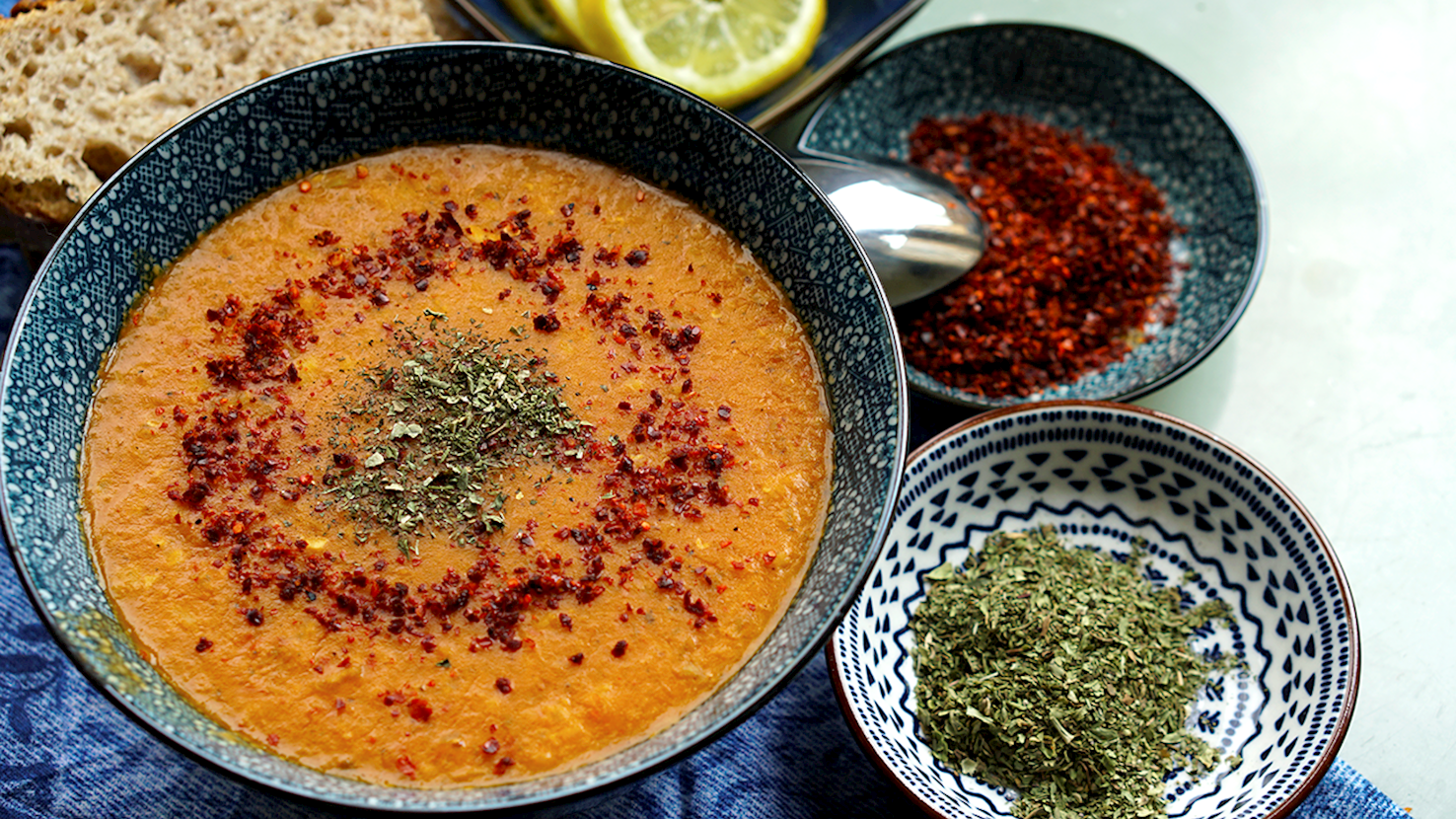
A great example of Turkish regional cuisine, Ezogelin çorbası is a hearty, mint-flavored soup made with red lentils, bulgur, pepper paste, and various Turkish spices. The origins of this classic Turkish winter dish are attributed to an unhappily married woman named Ezo who lived in the village of Dokuzyol near Gaziantep in the early 20th century. It is believed that Ezo used to make this soul-warming soup in a desperate effort to win over her mother-in-law's cold heart. Ezo's story was often depicted in films and lamented in folksongs, and her name still lives on in this flavorful dish. Today, apart from being served as a warm starter or even as a breakfast meal, Ezogelin çorbası is traditionally prepared as soul food for the young brides-to-be in order to sustain them for the marital journey that lies ahead.

Best restaurants
09
Wrap

Nohut dürümü (Chickpea Wraps)

3.5 ·

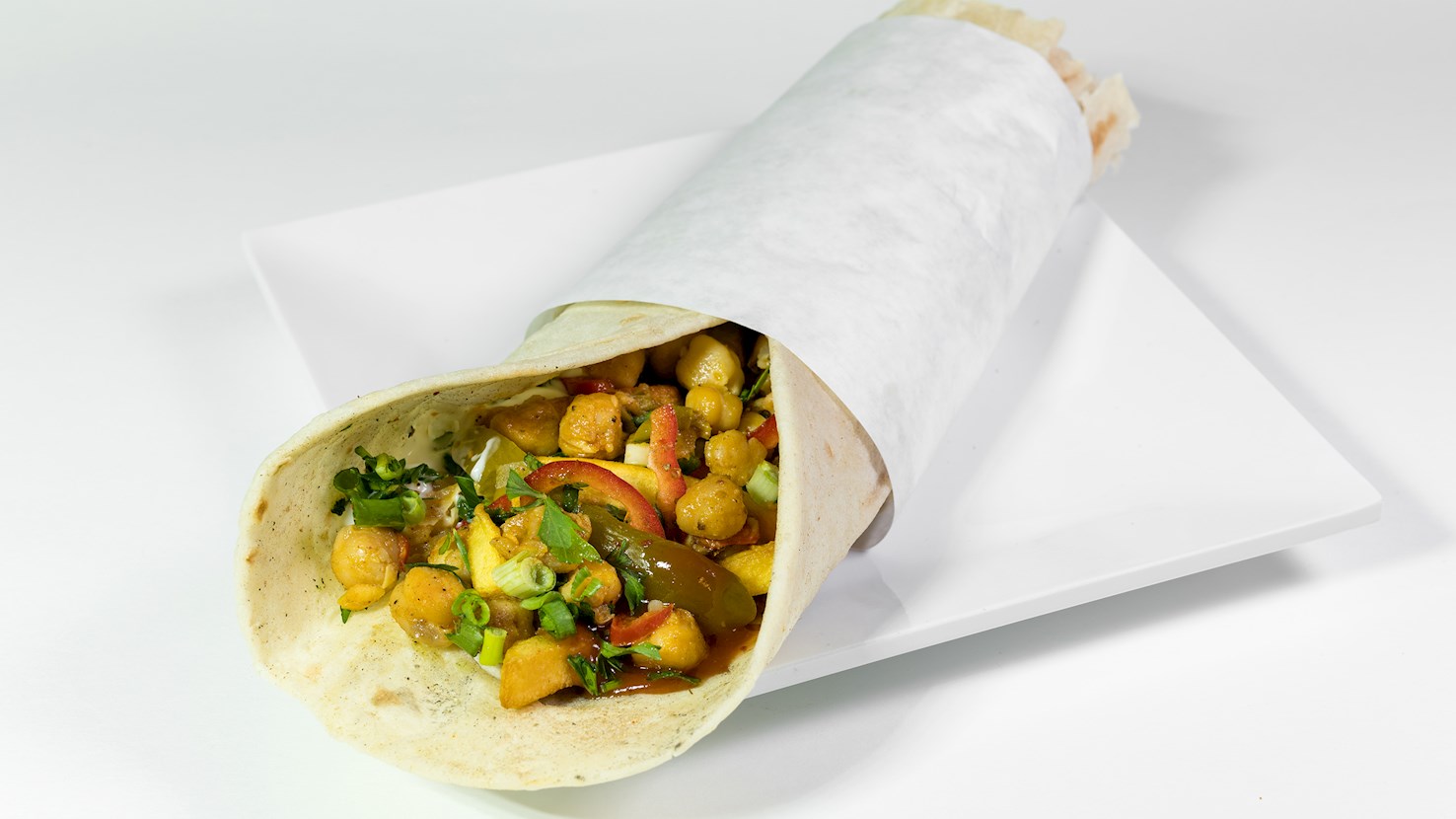
Nohut dürümü is a traditional dish originating from Gaziantep. The dish is usually made with a combination of chickpeas, salt, pepper, stock, lavash flatbread, onions, parsley, sumac, lemon juice, bell peppers, paprika, and hot pepper flakes. The chickpeas are soaked overnight, boiled, and partly mashed. They're placed into a lavash flatbread with lemon juice, salt, pepper, parsley, onions, bell peppers, sumac, paprika, and hot pepper flakes. The dish is then served either open or wrapped. Nohut dürümü can be enjoyed with or without the hot spices.

10
Ground Meat Dish

Kilis tava

3.8 ·

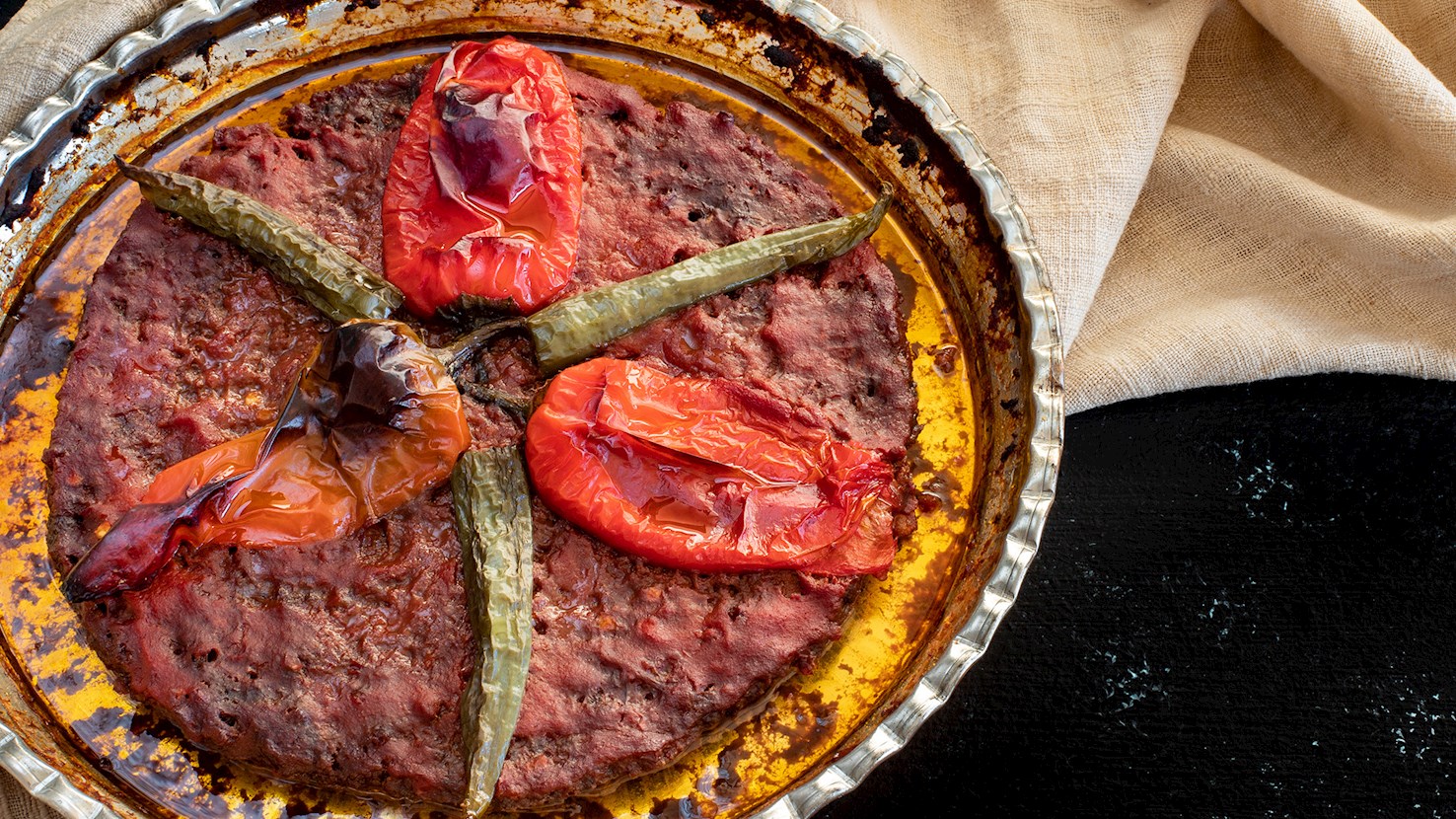
Kilis Tava is a minced meat dish baked in a tray, originating from the city of Kilis in southeastern Turkey near the Syrian border. It is prepared using finely ground lamb or a combination of lamb and beef, mixed with chopped vegetables, garlic, onions, parsley, and regional spices. The seasoned mixture is spread evenly over a shallow metal tray, often topped with sliced peppers, tomatoes, or potatoes, and baked in a wood-fired or household oven until well-cooked and lightly browned. Kilis tava is not only a household dish but also part of the shared food culture in Kilis, where local butchers frequently prepare the raw mixture by request. Customers bring their meat, have it ground and mixed with seasonings, then take the assembled tray to a bakery for cooking. This cooperative method of preparation highlights a practical and social aspect of the local food economy. The finished dish is typically served hot, cut into slices, accompanied by flatbread, fresh herbs, and light salads or yogurt-based sides. Its taste is rich but balanced, relying on the natural flavors of the meat and vegetables rather than heavy sauces or marinades. Kilis tava is often compared to similar dishes from nearby cities, such as tepsi kebabı in Hatay, but it maintains its own identity through specific seasoning choices and preparation customs that have remained consistent over time.

Read more
View all
View map
About this ranking

TasteAtlas food rankings are based on the ratings of the TasteAtlas audience, with a series of mechanisms that recognize real users and that ignore bot, nationalist or local patriotic ratings, and give additional value to the ratings of users that the system recognizes as knowledgeable. For the “Top 12 Southeastern Anatolian Foods” list until June 02, 2026, 2,353 ratings were recorded, of which 1,208 were recognized by the system as legitimate. TasteAtlas Rankings should not be seen as the final global conclusion about food. Their purpose is to promote excellent local foods, instill pride in traditional dishes, and arouse curiosity about dishes you haven’t tried.

The initial list of top producers was compiled based on available reviews, awards, local recommendations, media and blog coverage, and consumer reviews. The list will be updated with ratings from TasteAtlas local ambassadors and TasteAtlas users.

Similar lists