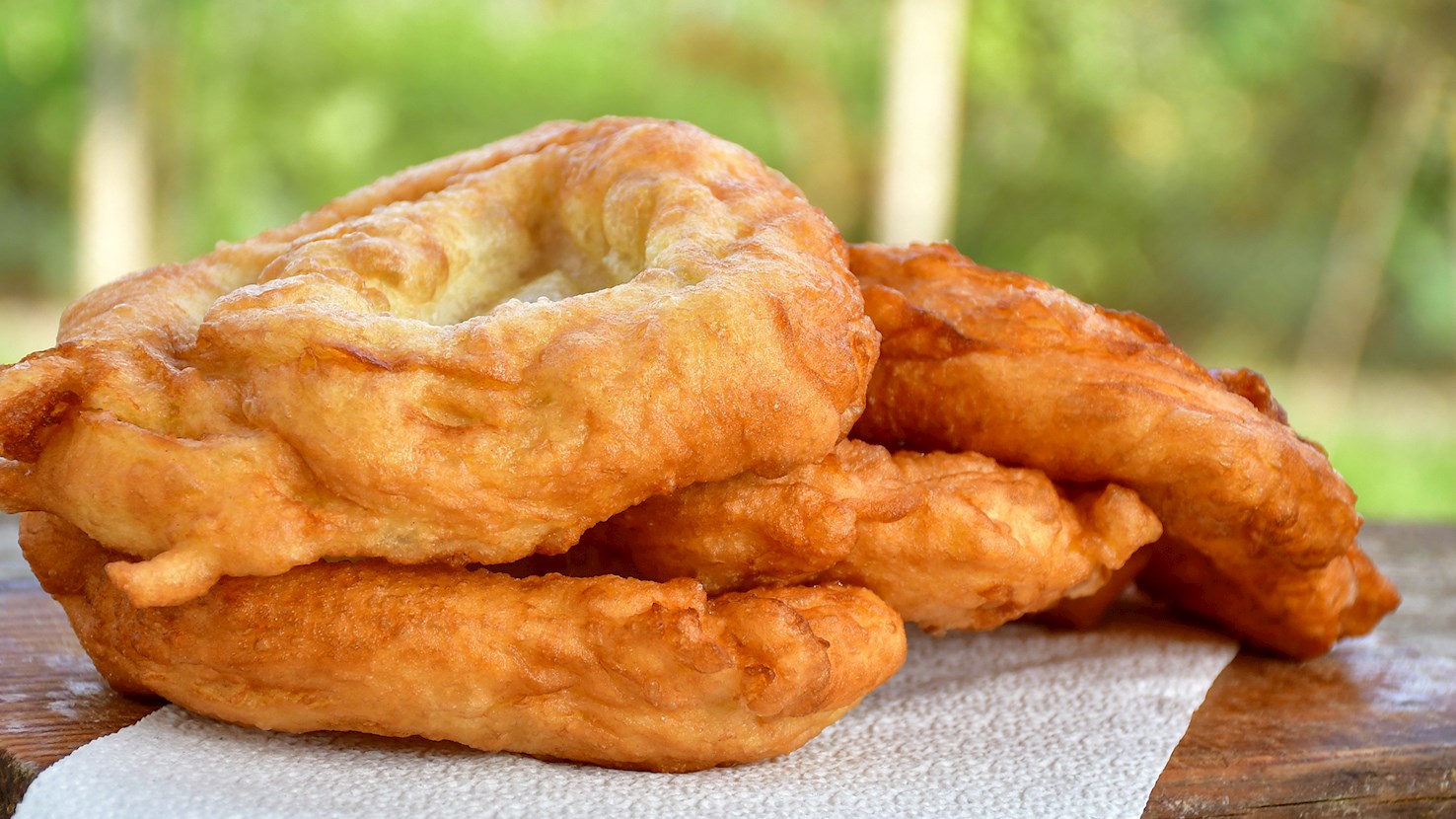
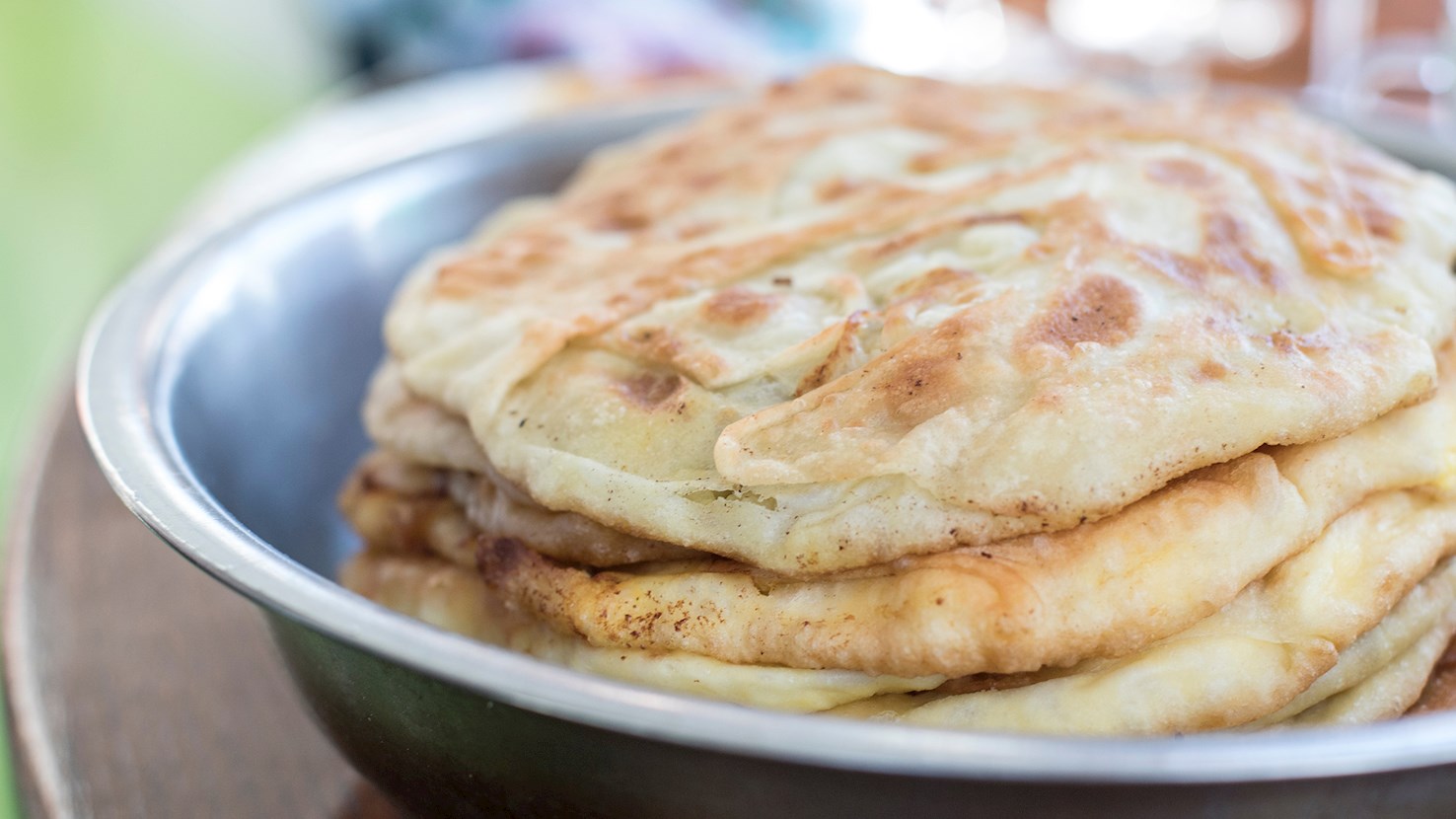
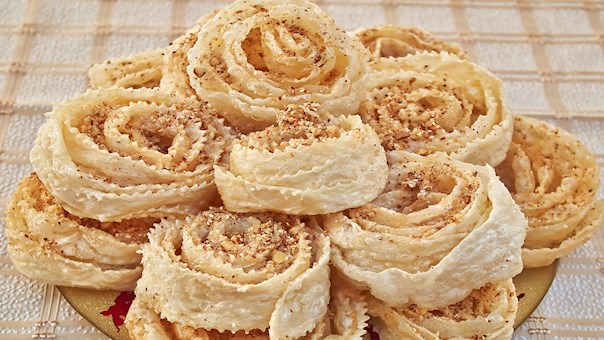
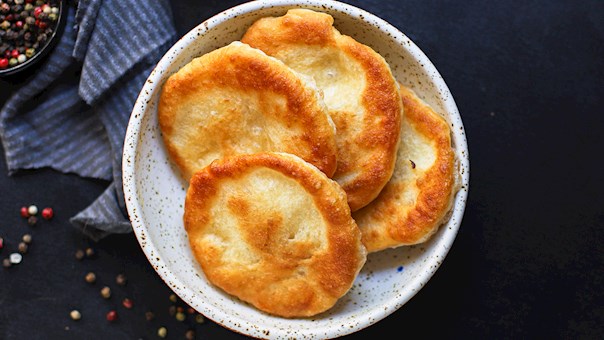
Mekitsa is a popular Bulgarian dish that is traditionally served for breakfast. It is a flatbread made with kneaded dough that is then deep-fried in hot oil. The dough usually consists of flour, water, salt, oil, eggs, yogurt, and a leavening agent. The name mekitsa is derived from the Bulgarian root mek, meaning soft, referring to the flatbread's texture. These flatbreads can be dusted with powdered sugar or paired with yogurt, honey, cheese, or various fruit jams.
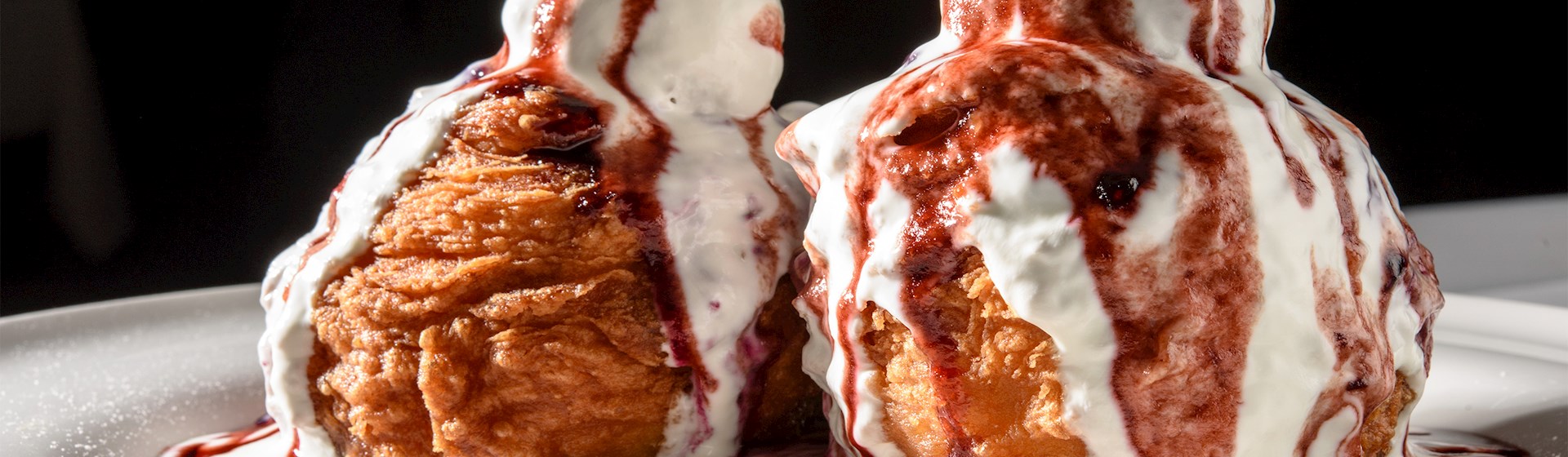
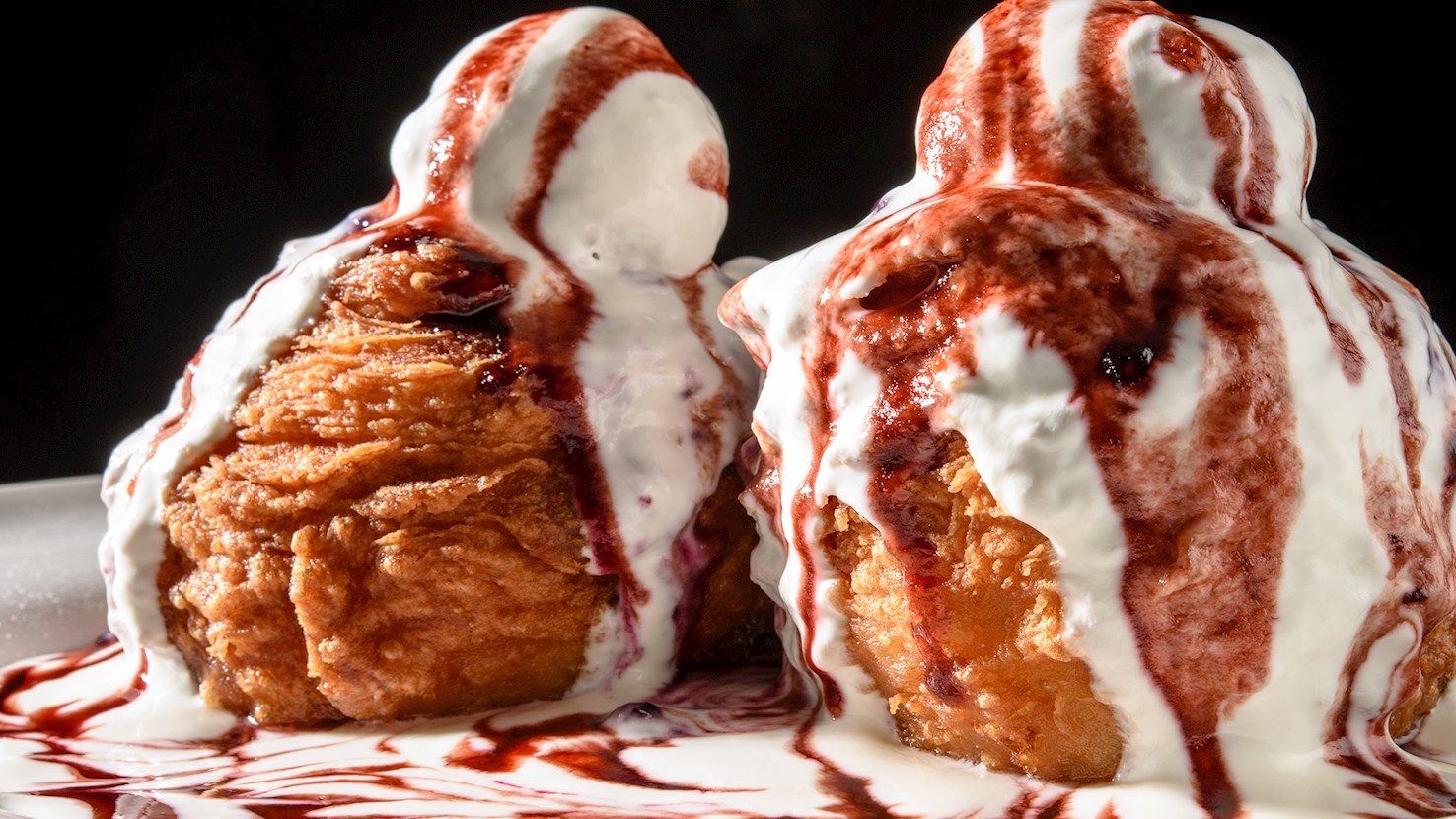
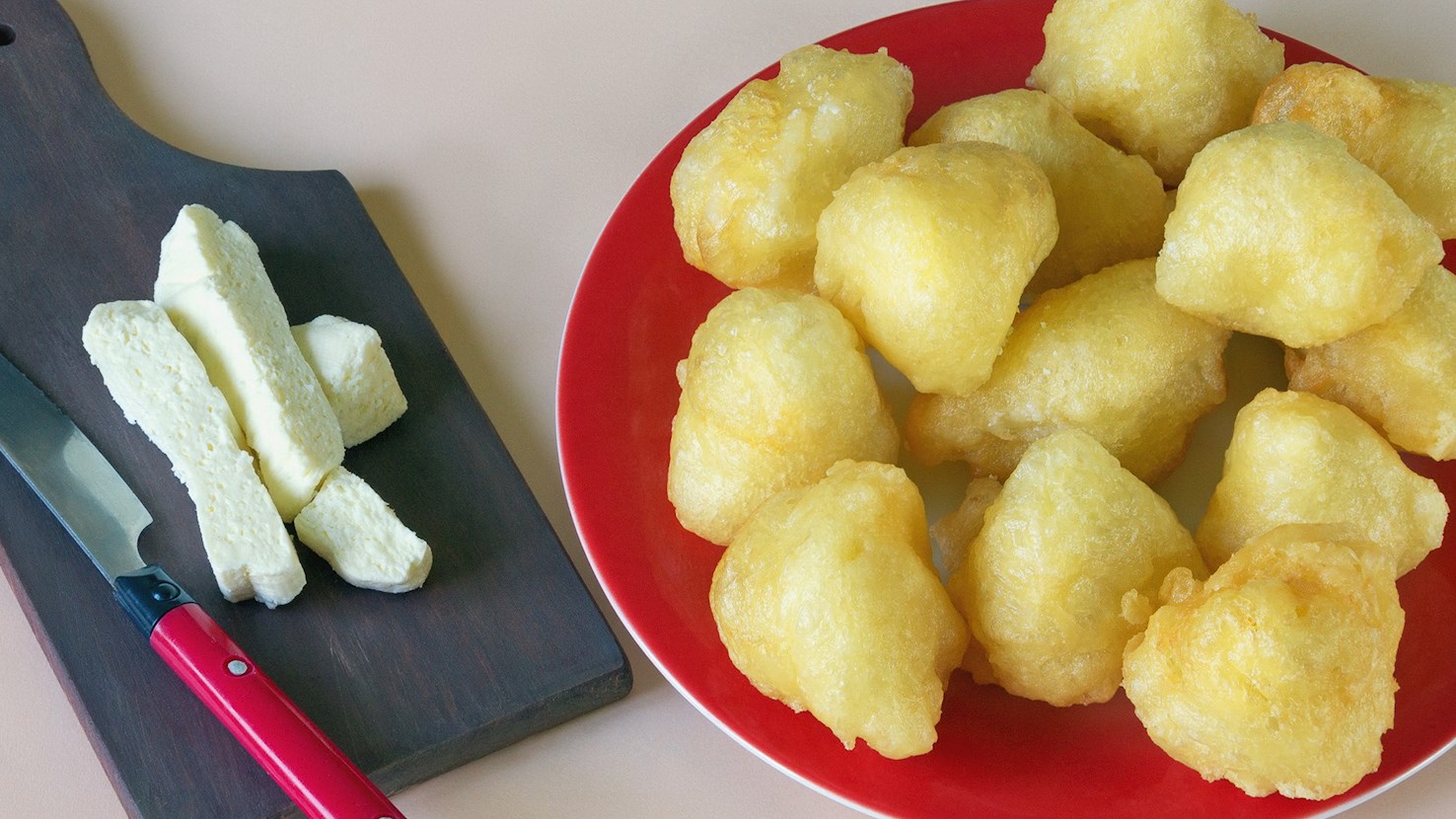
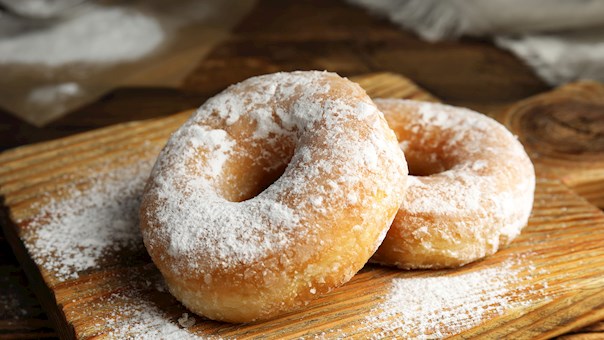
Papanași is a traditional donut-shaped pastry with a small sphere on top. It can be fried or boiled, and it's made by adding unsalted cheese such as brânză de vaci (cow's milk cheese) or urdă to a regular flour and egg dough. The fried papanași are usually donut-shaped and can be served with fruit jams, a dollop of sour cream, or powdered sugar. The boiled ones are smaller, nugget-shaped, and typically coated with a mix of breadcrumbs and sugar. This dessert can be found in most Romanian traditional restaurants or it can be prepared at home.
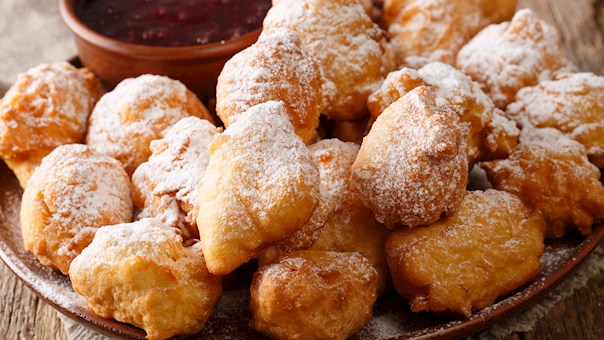
Fouskakia are traditional Greek donuts or loukoumades that are prepared on the islands of Skopelos and Alonnisos, in the northwest Aegean Sea. The name of this specialty derives from the Greek word foúska, meaning a bubble, referring to the typically small spherical shape of the fluffy fried pieces of dough which resemble bubbles. These donuts are typically made with a simple batter of flour, water, and yeast, and once deep-fried in oil, they’re usually eaten while still warm. Fouskakia are usually enjoyed drizzled with honey on top and sprinkled with cinnamon or nuts, although they can also be accompanied by scoops of ice cream on the side.
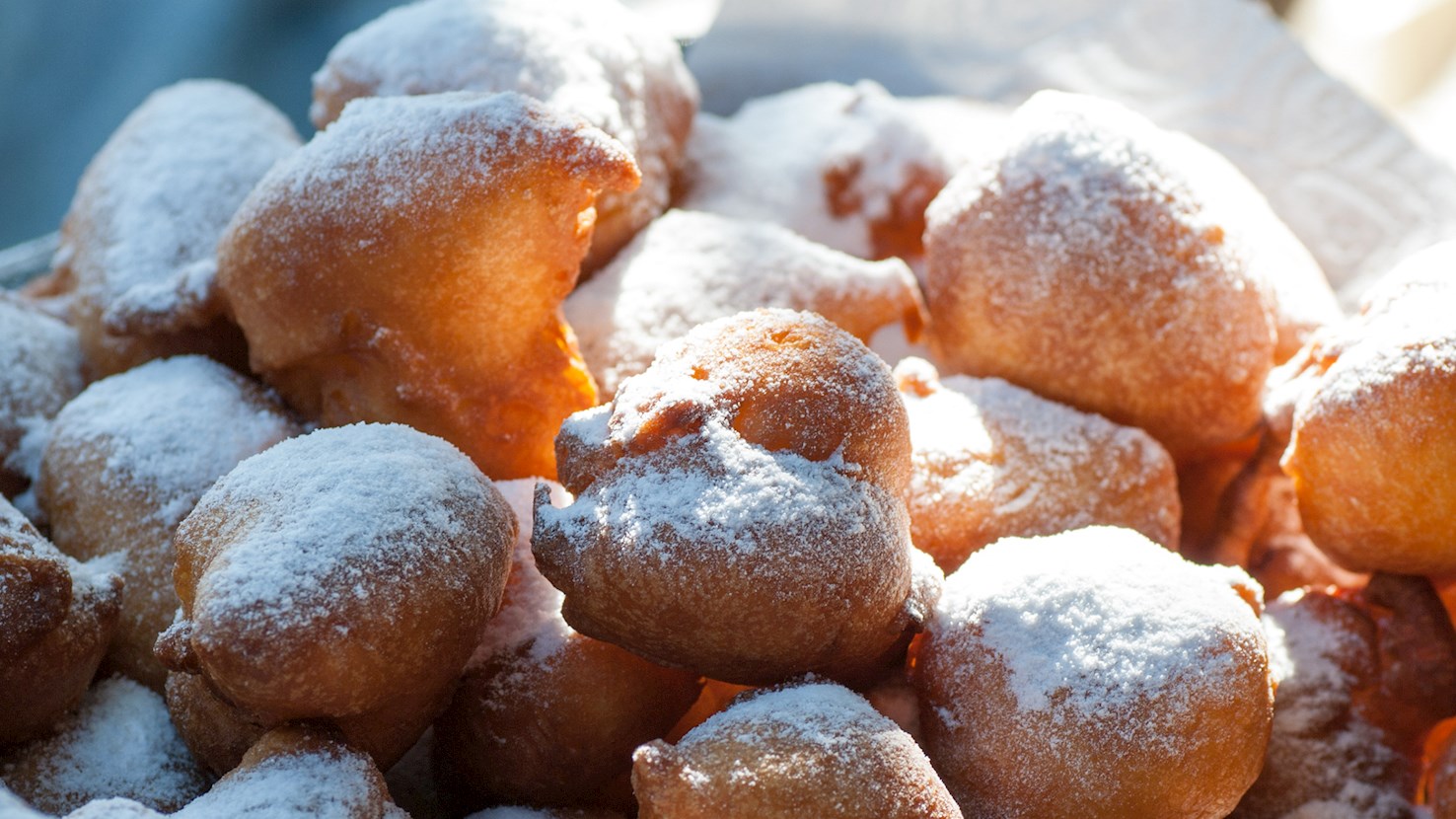
Krapfen was probably the first European-style doughnut to appear, followed by similar varieties in other countries. These pastries are traditionally prepared with leavened dough that is deep-fried until golden and crispy on the outside, while they remain soft, light, and airy on the inside. Though krapfen can be prepared plain, they are most often filled or topped with jams, and vanilla or chocolate custards, while the top is usually dusted with powdered sugar or drizzled with chocolate. The origin of the word krapfen dates back to 9th century, and the recipes in German can be found as early as the 14th century. The sweet versions of the pastry became predominant, and have remained closely associated with the Carnival, a festive period which precedes Christian Lent. Interestingly, during the Carnival, one krapfen in a batch filled with jam and fruit preserves might contain a filling of mustard as a prank. It is believed that doughnuts spread throughout many central European countries, which adopted the technique but used different regional names. Consequently, krapfen in Germany goes under Berliner, pfannkuchen, faschingskrapfen, krebbel, or kreppel. In Poland, they are known as pączki or krepel, Hungarians refer to them as fánk, Slovak as šišky, while the Czechs use the term koblihy. In Slovenia, they are better known as krofi, while the standard name throughout Croatia, Bosnia, and Serbia is krofne or krafne. In St. Petersburg, Russia, the doughnuts are known as pyshki (either ring-shaped or without a hole), and there is a local café that has been serving pyshki prepared from the original recipe since the 1960s.
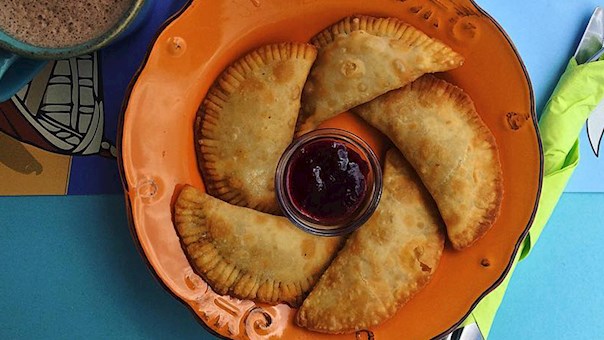
Plăcintă, from the Latin word placenta which means flat cake, is a traditional fried pastry or a thin cake consisting of flour, water, eggs, milk, yeast, and a pinch of salt. This fried or deep-fried pastry is enjoyed warm, and it is usually stuffed with a sweet or savory filling. A great variety of fillings can be used for the stuffing, including branza cheese, sweet cheese, mashed potatoes, shredded cabbage, apples, jams, and sour cherries, to name a few. Plăcintă’s texture and consistency can range from light and fluffy to doughy and crispy, resembling a flatbread. Depending on the filling and the method of preparation, it can be consumed as an appetizer, a dessert, or a light main dish. It is generally regarded as a vegetarian dish, but it can also be filled with meat such as shredded chicken.
Priganice is a popular snack originating from Montenegro. The dough is made with flour, water, oil, salt, yeast, and sugar. Yogurt or rakija are sometimes added to the dough so that it doesn't soak up much oil during the frying process. Priganice can be made in savory or sweet versions, and it is recommended to serve them warm, then pair them with fresh cheese, honey, fruit jams, or sugar.
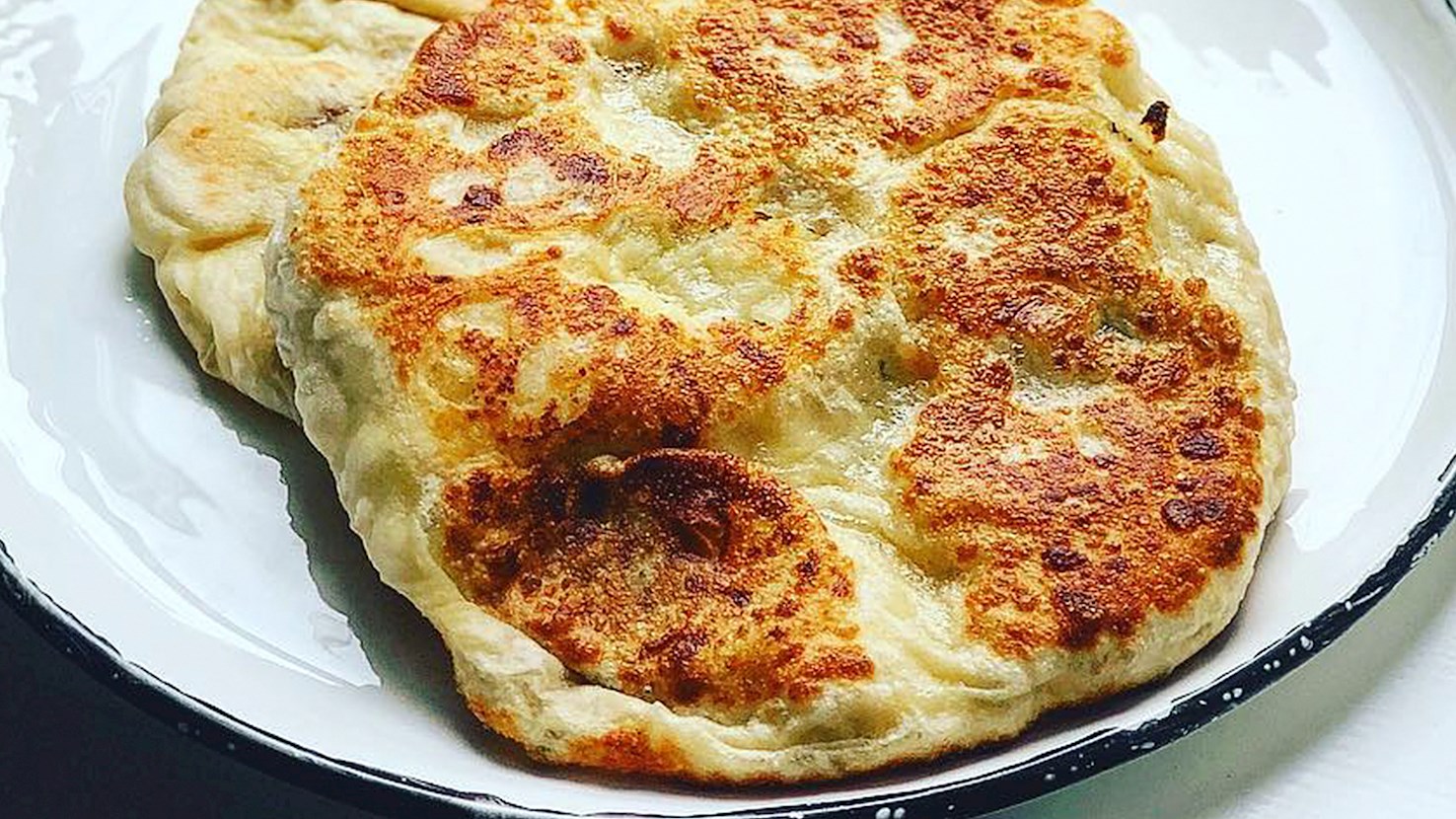
Plăcintă cu cartofi is a traditional pastry dish consisting of a flat, round dough patty that is stuffed with mashed potatoes, and then fried in oil or lard until golden brown on both sides. Grated cheese, salted butter, sautéed chopped onions, and spices can be added to the stuffing for extra flavor. These fried patties are typically topped with cream cheese and usually served for breakfast, ideally with a cup of tea on the side.
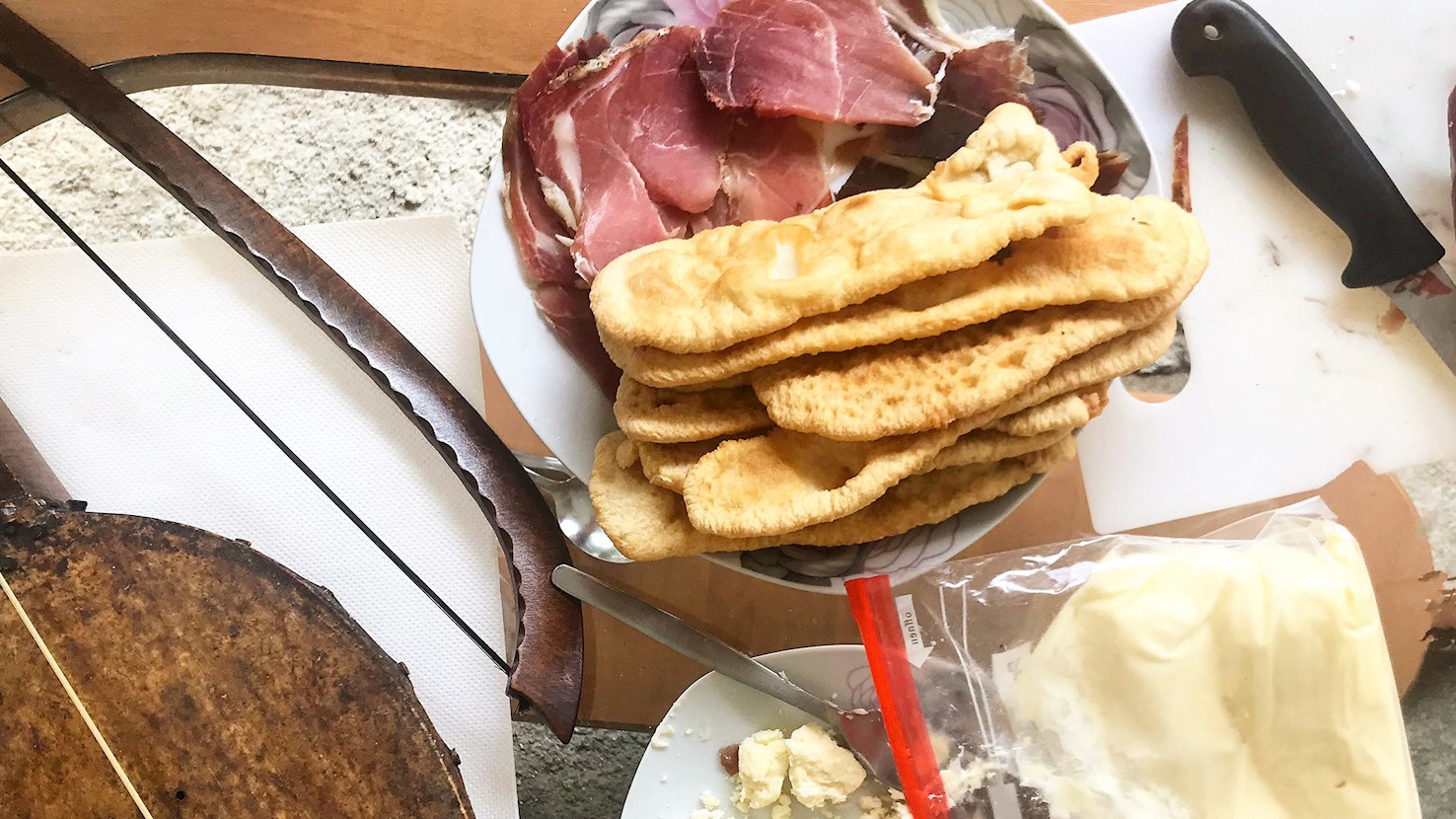
Hercegovački uštipak is a simple fritter that originates from Herzegovina. In the past, these fritters were typical peasant food, but nowadays it's a quick snack or a replacement for bread. They're made with flour, water, salt, and a bit of loza (grape brandy). The batter should be on the thicker side, similar to pancake batter. It's placed in hot oil with a spoon so that the shape is elongated or oval. The mixture is fried on both sides until golden, and the fritters can then be eaten as they are or served with cheese, cold cuts, prosciutto, kulen, or yogurt.
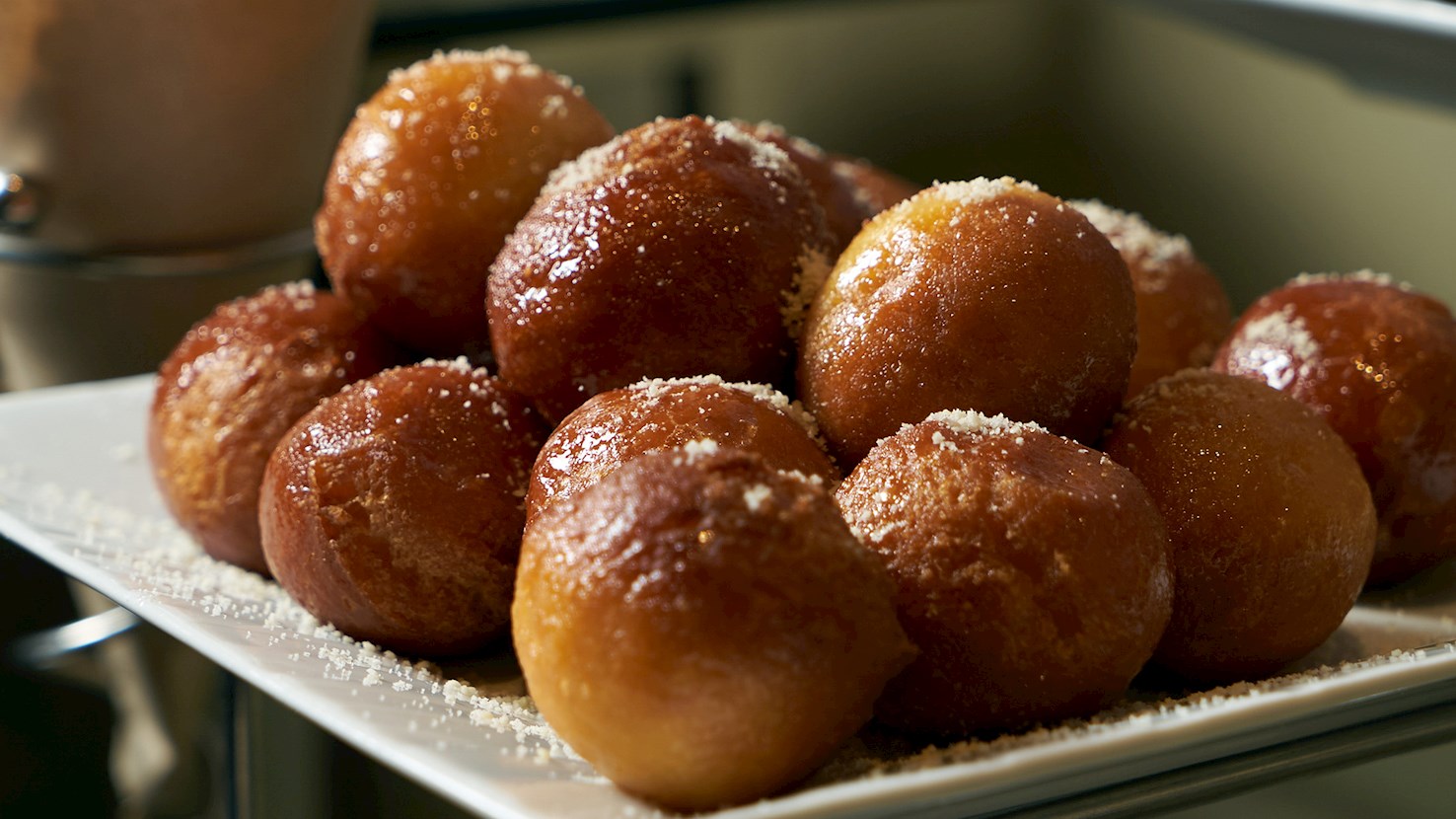
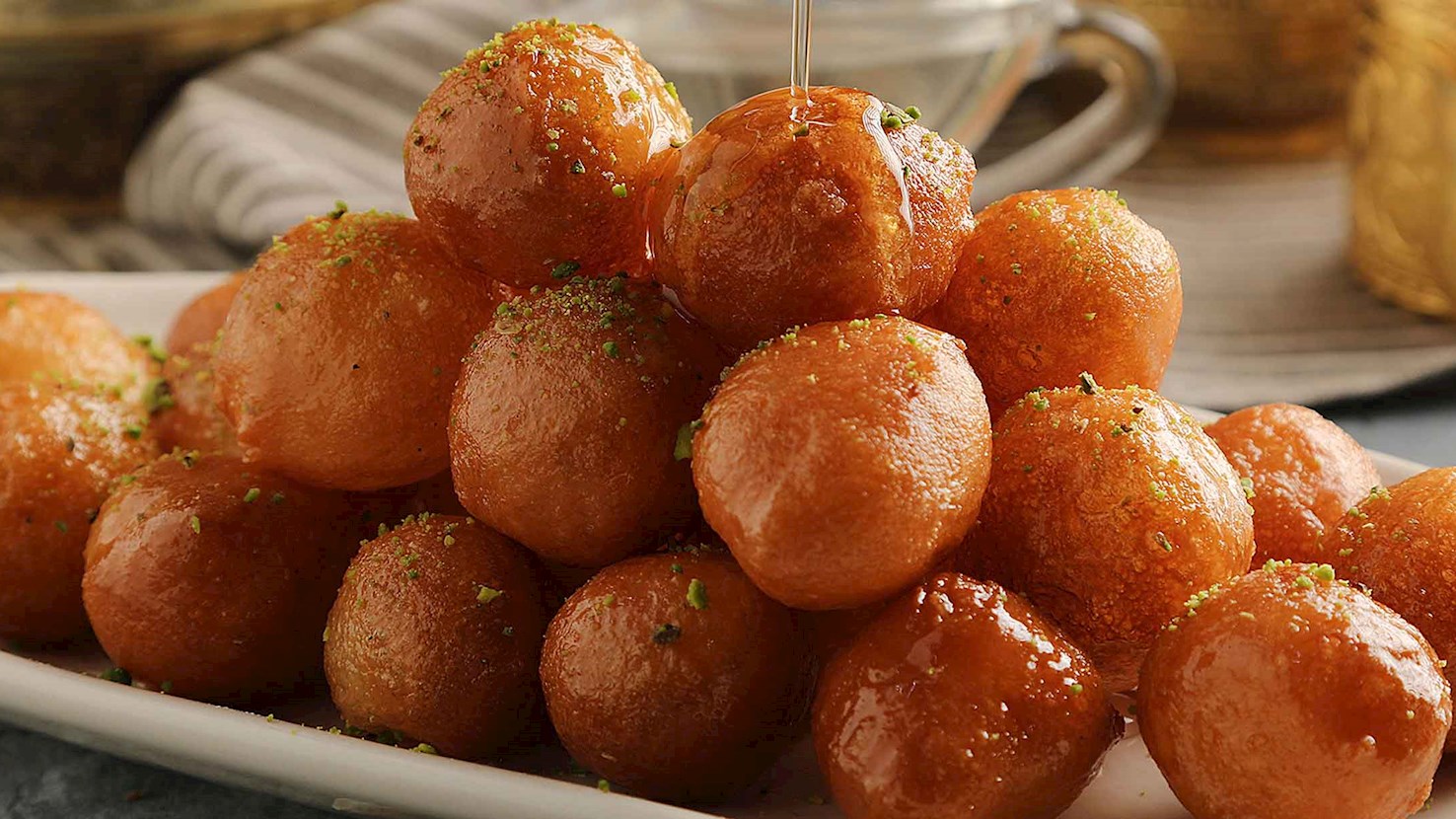
This internationally known, decadent, and sugar-packed dessert is usually made with a mixture of flour, sugar, yeast, and salt, which is deep-fried and then bathed in syrup or honey. The origin of lokma fritters is ancient but often debated. It is presumed that they first appeared in Greece or Turkey, though some suggest Arabic origin. The dish is considered to be one of the oldest recorded desserts in Greek history. It is said that the pastries were even given to winning Olympians as a treat and were called honey tokens. Loukoumades, or loukmades in Cyprus, can be found throughout the streets of Greece, in shops selling nothing else but this caloric dessert. Alternatively, loukoumades can be topped with Greek cheese, chocolate, sesame seeds, or walnuts. In Turkey, lokma fritters are best enjoyed while still warm. They are drizzled with honey or syrup and can occasionally be sprinkled with either ground cinnamon, walnuts, or pistachios. The name probably stems from from Arabic luqma, meaning bite or mouthful, and it is said that lokmas were first prepared in Turkey by the sultans' cooks in palaces of the Ottoman Empire, though the oldest documentation of a similar dish was even found in the tomb of Ramses IV. In some Middle Eastern and Levant countries, this dessert is known as luqaimat or luqmat al-qadi, which roughly translates as judge's mouthful. The deep-fried balls are usually covered with date syrup, honey, or flavored syrups, while some prefer them sprinkled with various seeds. They are also often flavored with saffron or cardamom. The dessert is traditionally made in the month of Ramadan, and consumed after iftar, or breaking the fast. The dish is also found in some African countries, where it appears under various names.
Gogoși is a donut prepared the Romanian way, made with a dough mixture that is flavored with vanilla extract and grated lemon or orange peel, then deep-fried in hot oil. Traditional gogoși is prepared without yeast or butter, and the dough mixture is added to hot oil in spoonfuls, yielding donuts with different, irregular shapes, unlike the regular round-shaped donuts. A typical homemade treat, gogoși can also be found in bakeries and supermarkets across Romania, sometimes labeled as gogoși infuriate, meaning infuriated gogoși. It is served warm with a generous dusting of icing sugar on top and can be filled with fruit jams or chocolate. Sweet and spongy, these donuts can be eaten as a dessert, a snack, or a breakfast.
TasteAtlas food rankings are based on the ratings of the TasteAtlas audience, with a series of mechanisms that recognize real users and that ignore bot,
nationalist or local patriotic ratings, and give additional value to the ratings of users that the system recognizes as knowledgeable.
For the “Top 18 Southeastern European Fried Dough Foods” list until May 16, 2026, 2,438 ratings were recorded, of which 1,502 were recognized by the system as legitimate.
TasteAtlas Rankings should not be seen as the final global conclusion about food. Their purpose is to promote excellent local foods,
instill pride in traditional dishes, and arouse curiosity about dishes you haven’t tried.