shutterstock

Top 22 Central European Fruit Products

Last updated on June 02, 2026

Best Central European Fruit Products
01

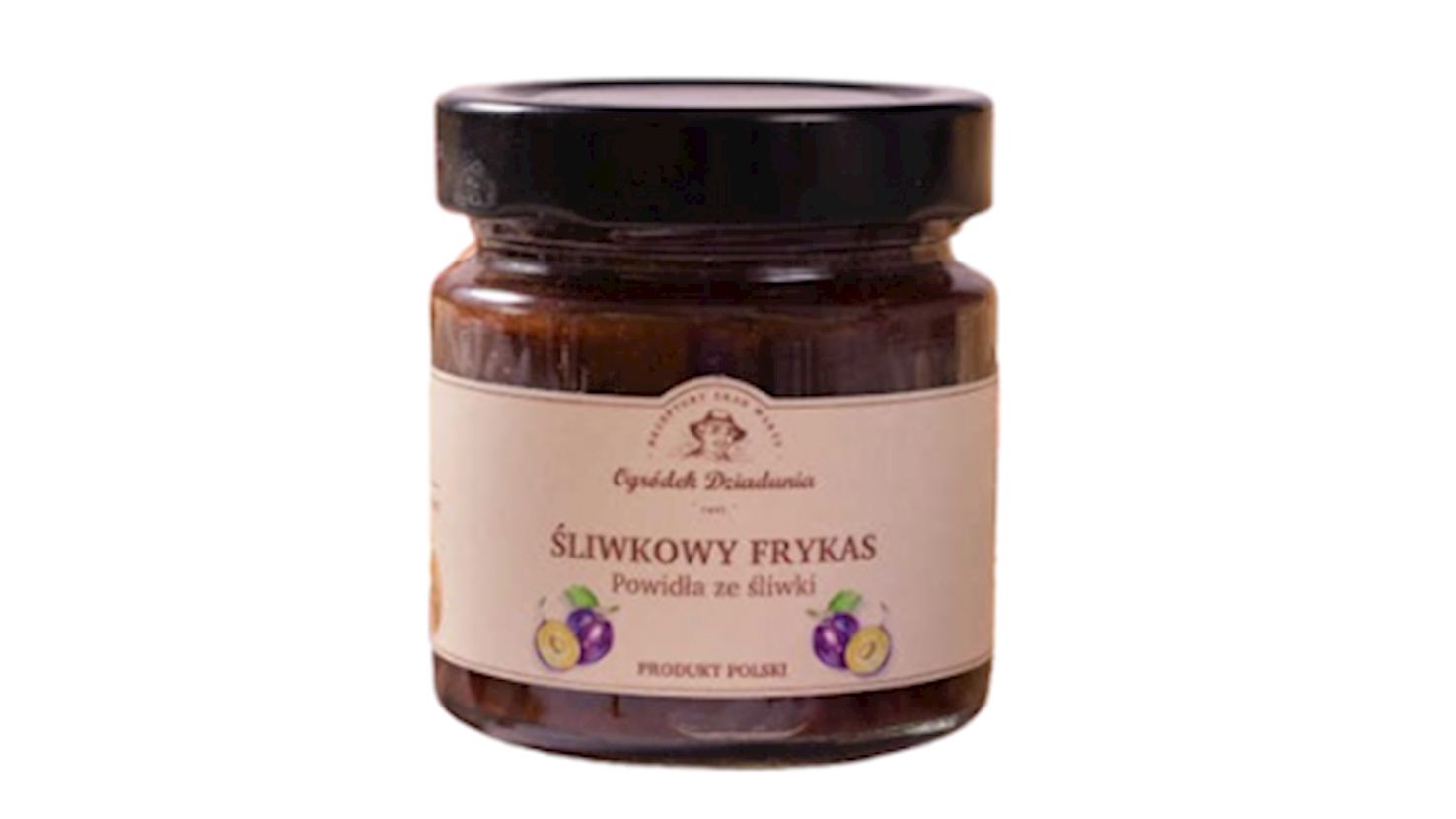
Ogródek Dziadunia

4.9 ·
Ogródek Dziadunia is a Polish producer of traditional fruit and vegetable preserves rooted in family heritage and homemade culinary practices. The brand was created to preserve authentic flavors inspired by recipes passed down through generations, with a clear focus on natural ingredients and simple production methods. Its range includes fermented vegetables such as sauerkraut and pickles, fruit jams and syrups, lemonades, sauces, mustards, ketchups, as well as various types of honey and honey-based products. Raw materials are primarily sourced from local Polish farmers, ensuring quality control and a strong seasonal character. No artificial preservatives, colorings, or flavor enhancers are used, allowing the products to retain their natural taste and texture. The flavor profile is clean, expressive, and distinctly homemade, without industrial uniformity. Honey plays a particularly important role in the assortment, both in classic varieties and in versions combined with fruit or spices. The products are designed for everyday use but are also offered in curated gift sets. Ogródek Dziadunia represents a balance between tradition, local sourcing, and a modern approach to presenting artisanal food.

02

Siroperie Delvaux

4.8 ·
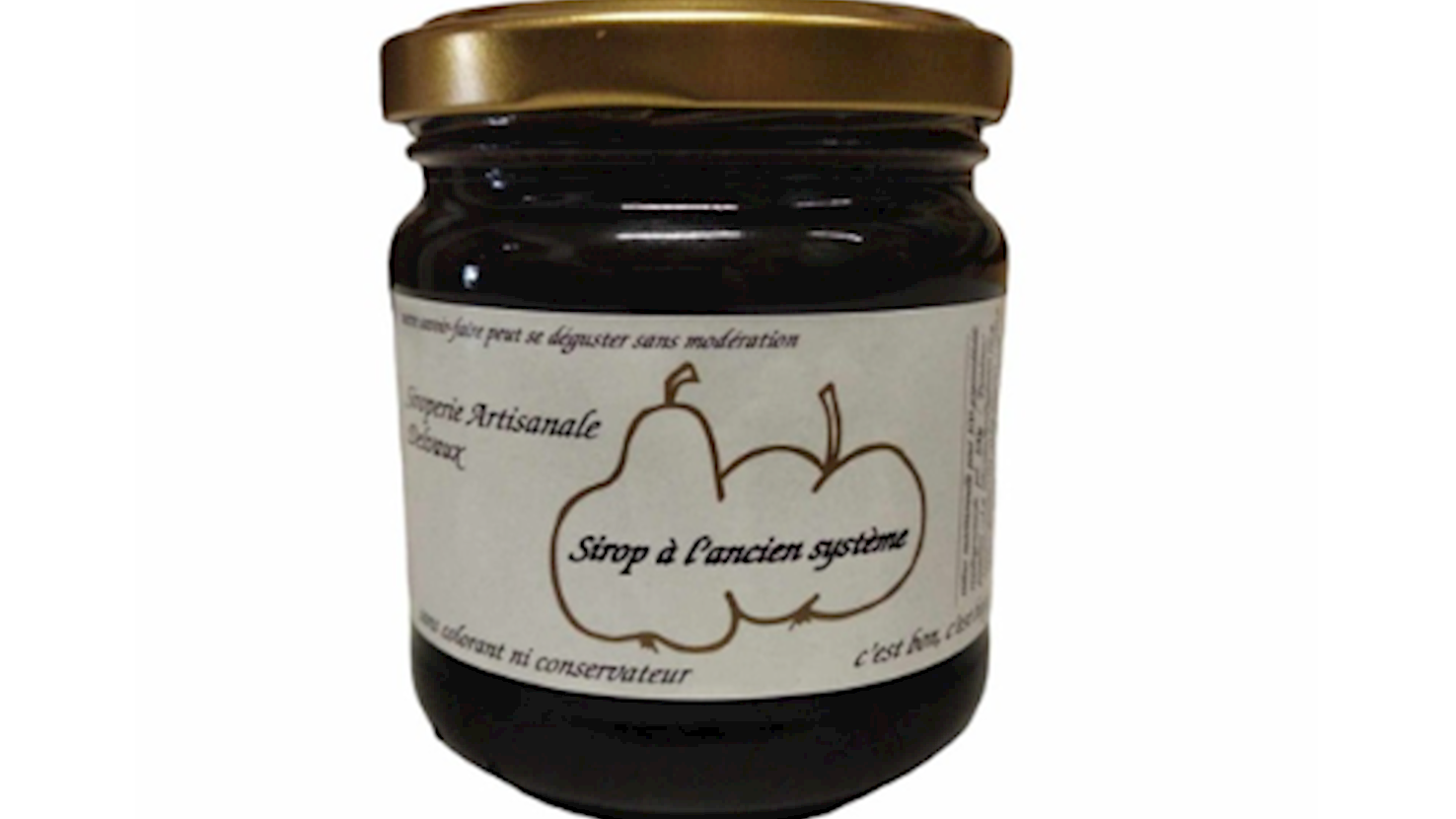
Siroperie Delvaux is a family-run Belgian artisanal producer with more than a century of tradition, founded in 1887 in the Liège region and specialized in fruit syrups and dense fruit spreads made using time-honored methods. Their production is based on the slow reduction of apple and pear juices, without the use of artificial colors, flavors, or preservatives, allowing the natural character of the fruit to remain at the center of each product. The most iconic specialty is Sirop de Liège, a thick fruit molasses with a deep color and a rich, gently caramelized profile, traditionally enjoyed as a spread, a topping for pancakes, or an ingredient in savory and sweet dishes. Raw materials are mainly sourced from local orchards, often from old fruit trees, which contributes to the depth and complexity of the final flavor. The know-how has been passed down through several generations of the same family, preserving original recipes and traditional processing techniques. Their syrups are known for a smooth, velvety texture and a naturally balanced sweetness derived solely from fruit concentration. Delvaux products hold a special place in Belgian culinary heritage as examples of how simple ingredients can be transformed into foods with a strong regional identity. Today, their syrups and spreads are regarded as benchmarks for authentic, non-industrial fruit products that successfully combine tradition with quality.
03

Kaldeneker Lekvárosház

4.7 ·
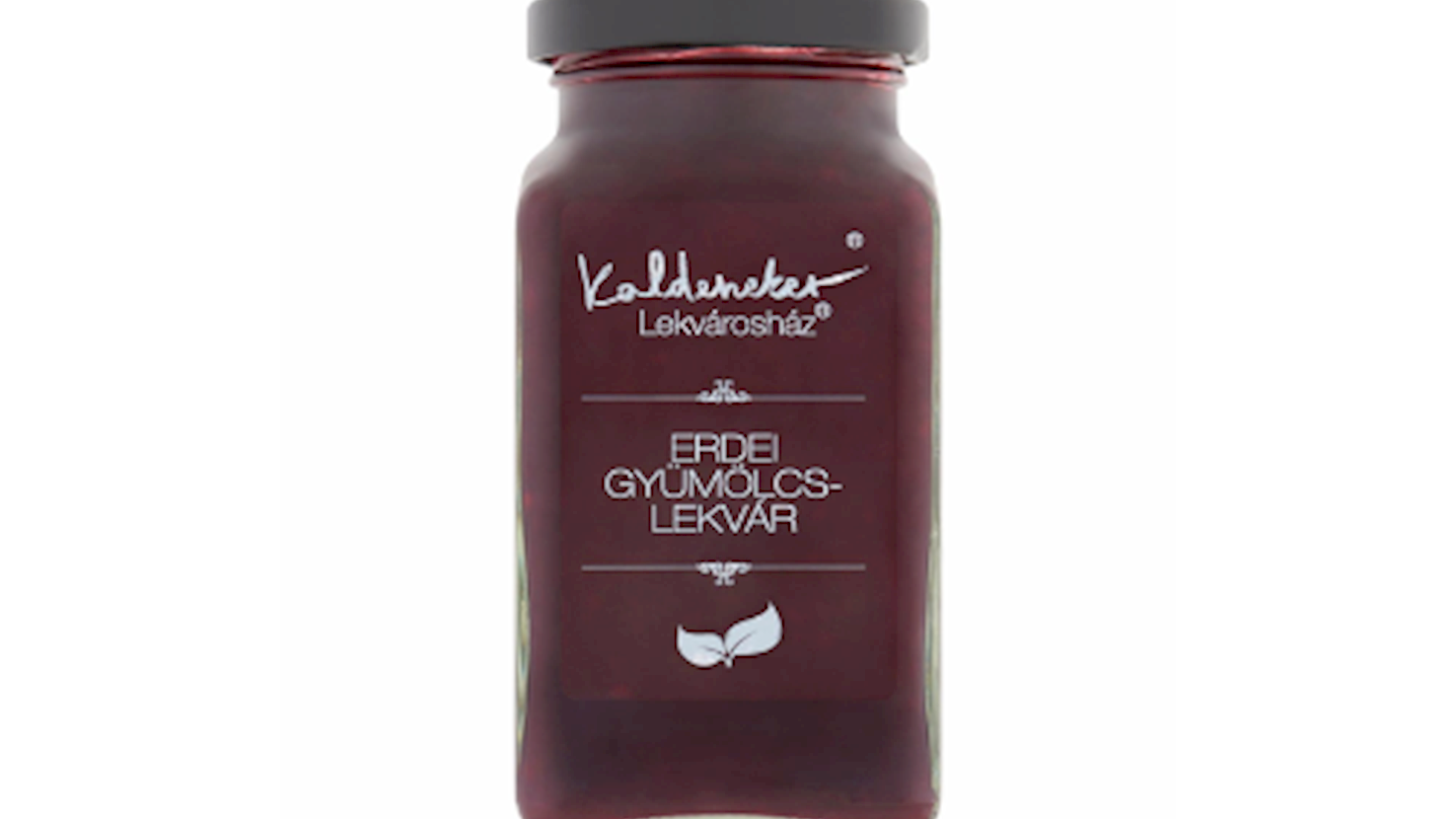
Kaldeneker Lekvárosház is a Hungarian producer of jams and fruit preserves known for its small-batch, artisanal approach and the use of carefully selected, fully ripe fruit sourced from local orchards. The production avoids industrial additives - no artificial colors, flavors, or preservatives - and relies on slow cooking in limited batches to preserve the natural aroma, color, and texture of the fruit. The brand was founded by Lajos Kaldeneker, a chef and culinary expert who combined traditional techniques with modern methods to create refined jams, jellies, and fruit sauces. The assortment includes classic varieties such as plum, apricot, raspberry, strawberry, aronia, and pear, as well as seasonal and gourmet editions enriched with herbs, spices, wine reductions, chocolate, or citrus zest. Particularly notable are the premium low-sugar lines and specialty jams designed for baking, pastry fillings, or pairing with cheeses and charcuterie. In Hungary, Kaldeneker Lekvárosház is regarded as a benchmark for high-quality, craft-style fruit processing, with a clear emphasis on purity of flavor and locally sourced ingredients.
04

Wieser Wachau

4.7 ·
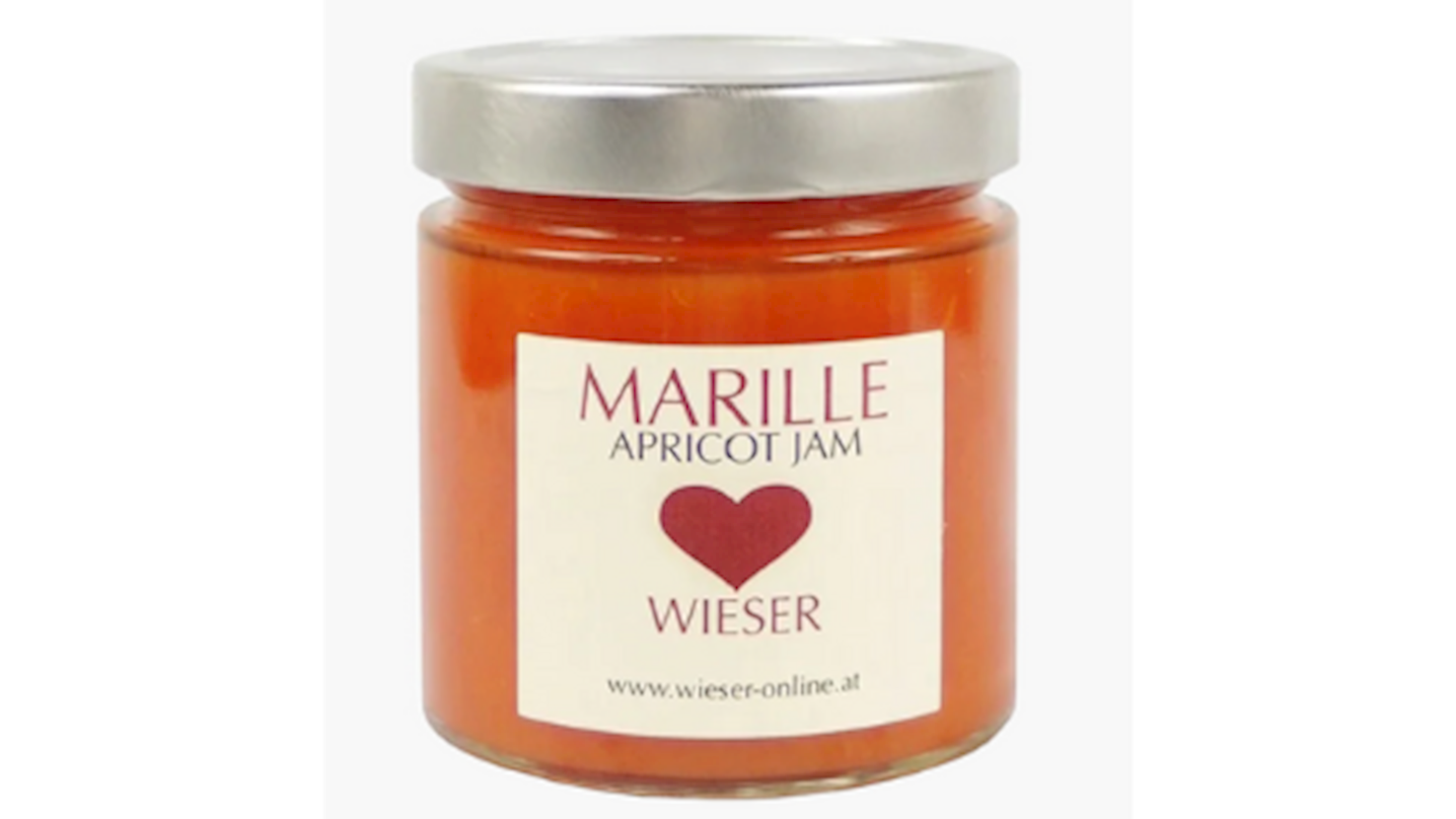
Wieser Wachau is a family-run craft producer from Wösendorf, located in the heart of the Wachau Valley and known for high-quality fruit-based specialties, particularly those made from the region’s iconic apricot variety, “Marille”. Their production includes jams, liqueurs, brandies, and distilled spirits, with a strong emphasis on hand-selecting fully ripe fruit and using short processing times to preserve natural aroma and clarity of flavor. The jams are defined by a pure fruit profile and minimal intervention, while the liqueurs and spirits offer an expressive yet refined aromatic character typical of top-quality Wachau fruit. Their methods rely on traditional craftsmanship and local heritage, giving each product a distinct sense of place and terroir. Wieser Wachau exemplifies a producer that skillfully blends authenticity, tradition, and a modern approach to quality, offering consumers products with clear origin and pronounced character.
05

Siroperie Charlier

4.7 ·
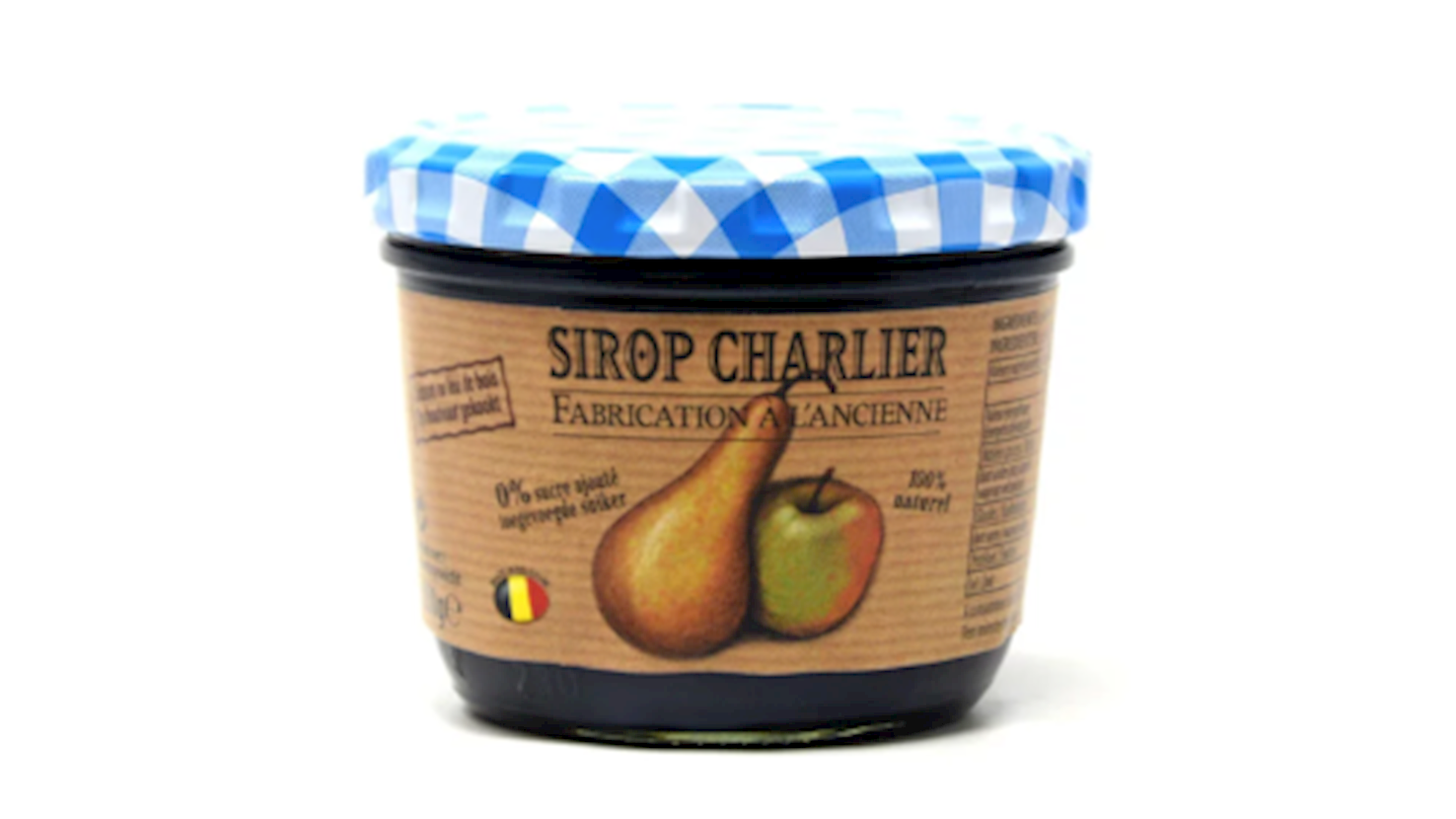
Siroperie Charlier is a family-run Belgian artisanal workshop based in the Liège region, known for preserving the traditional production of sirop de Liège across several generations. Their syrup is made exclusively from local apples and pears, with no added sugar, additives, pectin, or preservatives, relying solely on the natural concentration of fruit juices. Production is still carried out in the traditional way, through slow simmering over wood and coal fires during the autumn fruit-processing season, which gives the syrup its distinctive depth of flavor and authentic character. The texture is thick and velvety, with pronounced fruity notes and gentle caramelized tones that develop during the long reduction process. The raw materials come from nearby orchards in the Pays de Herve region, further emphasizing the product’s strong connection to local terroir. Charlier syrup is traditionally enjoyed as a spread on bread and pastries, but also as an accompaniment to pancakes, cheeses, and savory dishes, where it adds a subtle fruity sweetness. Today, Siroperie Charlier is regarded as one of the rare guardians of authentic Belgian syrup-making tradition, with products that remain faithful to an artisanal approach and strong regional identity.
06

FrüchteMeer Konfitüren

4.7 ·
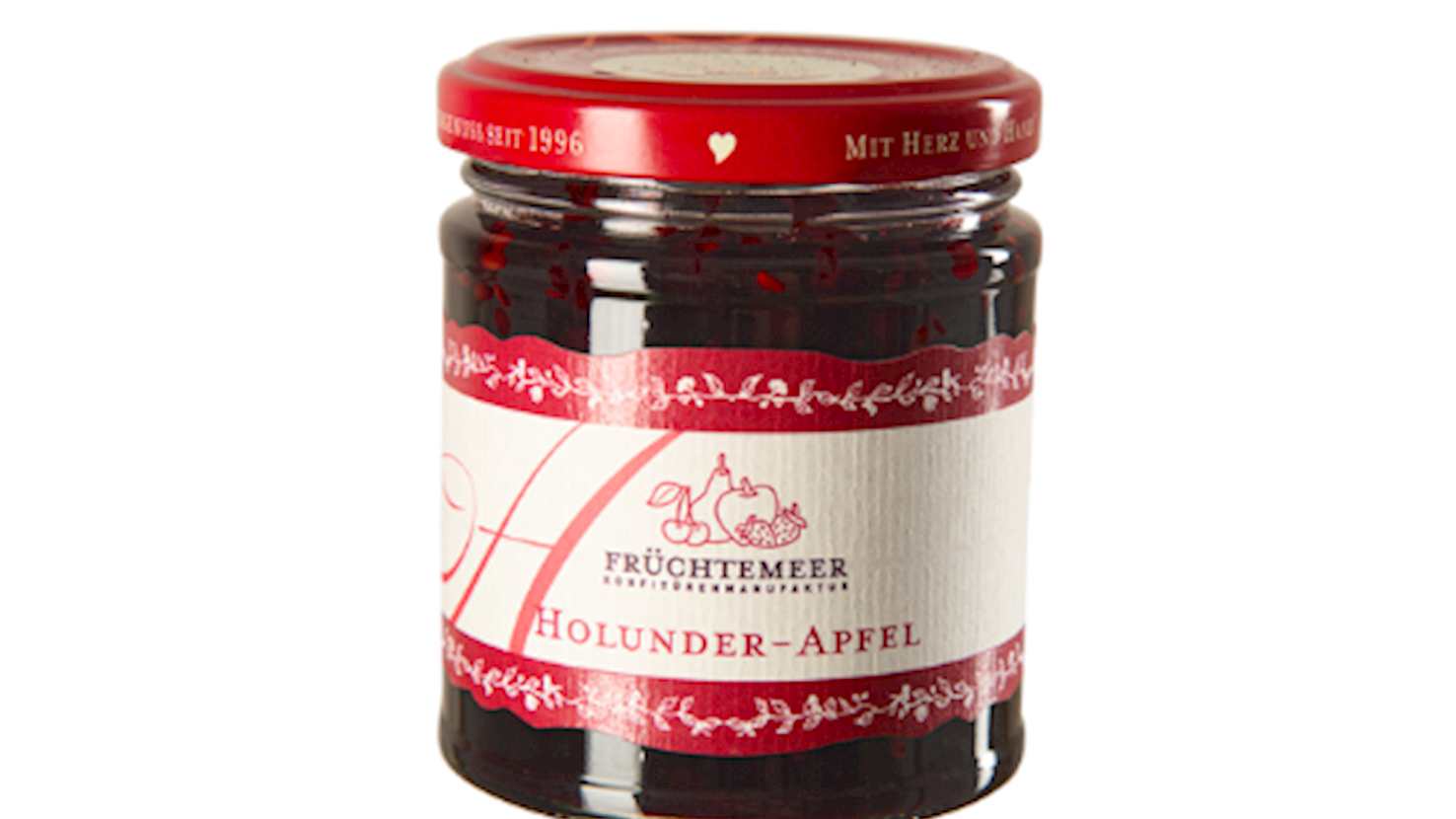
FrüchteMeer Konfitüren is a small German fruit spread manufactory based in northern Germany, in the state of Schleswig-Holstein, building its identity around handmade production and creative flavor combinations. The brand was founded on the idea that classic jams can gain a more contemporary expression through carefully selected ingredients and unconventional aromatic pairings. Their portfolio includes traditional fruit spreads made from strawberry, raspberry, currant, and plum, as well as more modern varieties with mango, passion fruit, or citrus, often enhanced with notes of vanilla, mint, rum, or white chocolate. Production takes place in small batches, allowing for greater control over texture and flavor intensity. Special emphasis is placed on seasonal editions and themed lines, including so-called “maritime” combinations that reflect northern Germany’s coastal culture. In addition to standard jars, FrüchteMeer also offers mini jars designed for tasting and gift sets. Their products are commonly enjoyed as classic breakfast spreads, but also as accompaniments to desserts, pastries, and cheeses.
07

Faller Konfitüren

4.7 ·
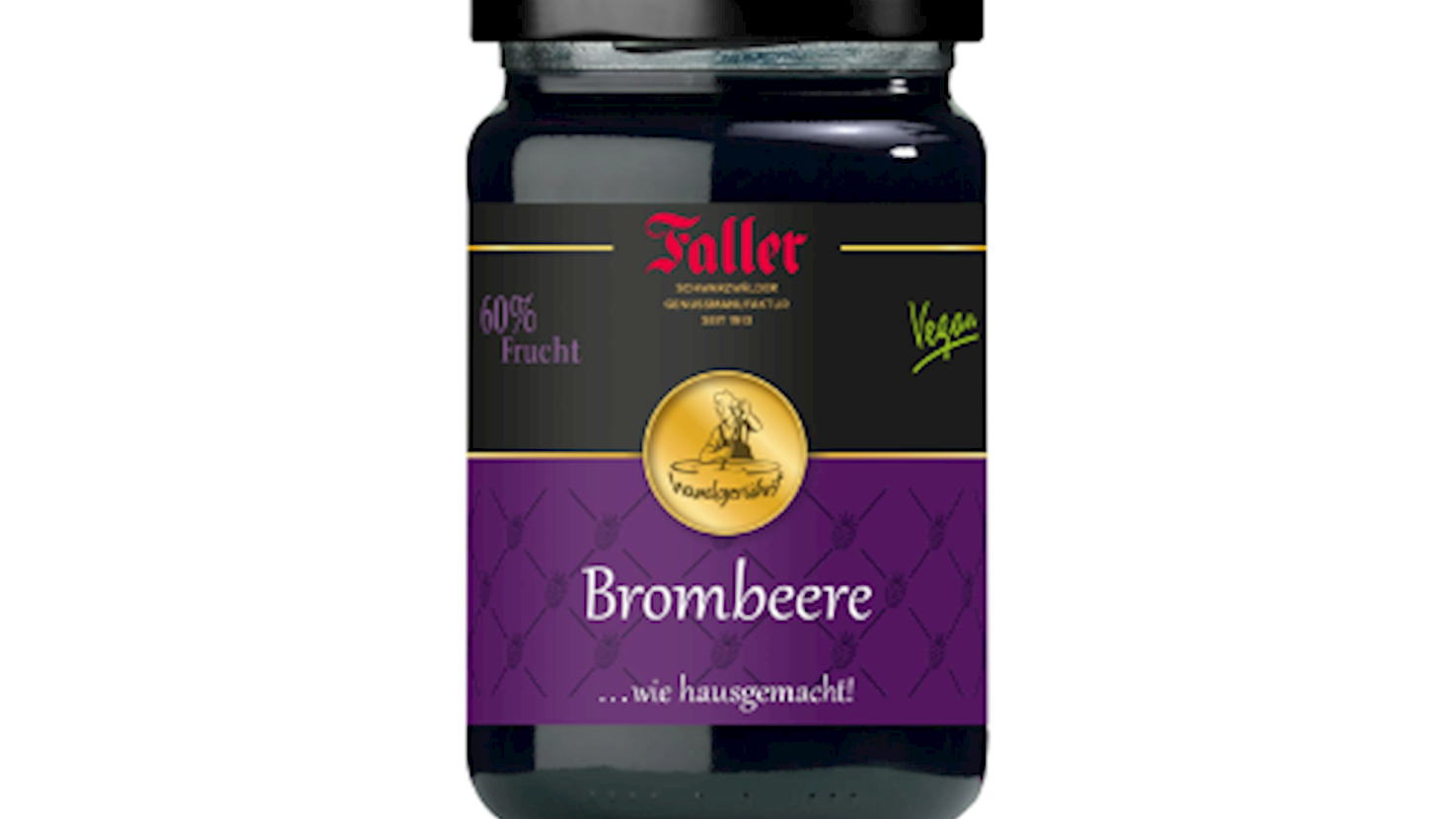
Faller Konfitüren is a family-run manufactory from the Black Forest with more than a century of tradition, known for producing jams cooked in open copper kettles and in small batches that preserve the fruit’s natural aroma. Founded in 1913, the company continues to rely on a handcrafted approach, emphasizing manual stirring and the careful selection of local fruit from regions such as Kaiserstuhl and Markgräflerland. Their products are characterized by a high fruit content, a clean ingredient list, and the use of apple-based pectin, combined with sugar and lemon juice, without unnecessary additives. The jams are appreciated for their expressive, full flavor and authentic character, while the assortment includes classic fruit spreads, low-sugar varieties, and special seasonal editions. Faller Konfitüren represents a blend of regional tradition, artisanal quality, and a consistent focus on fruit, making it a distinguished premium producer within the segment of fruit preserves.
08

Veselá Marmeládová Společnost

4.6 ·
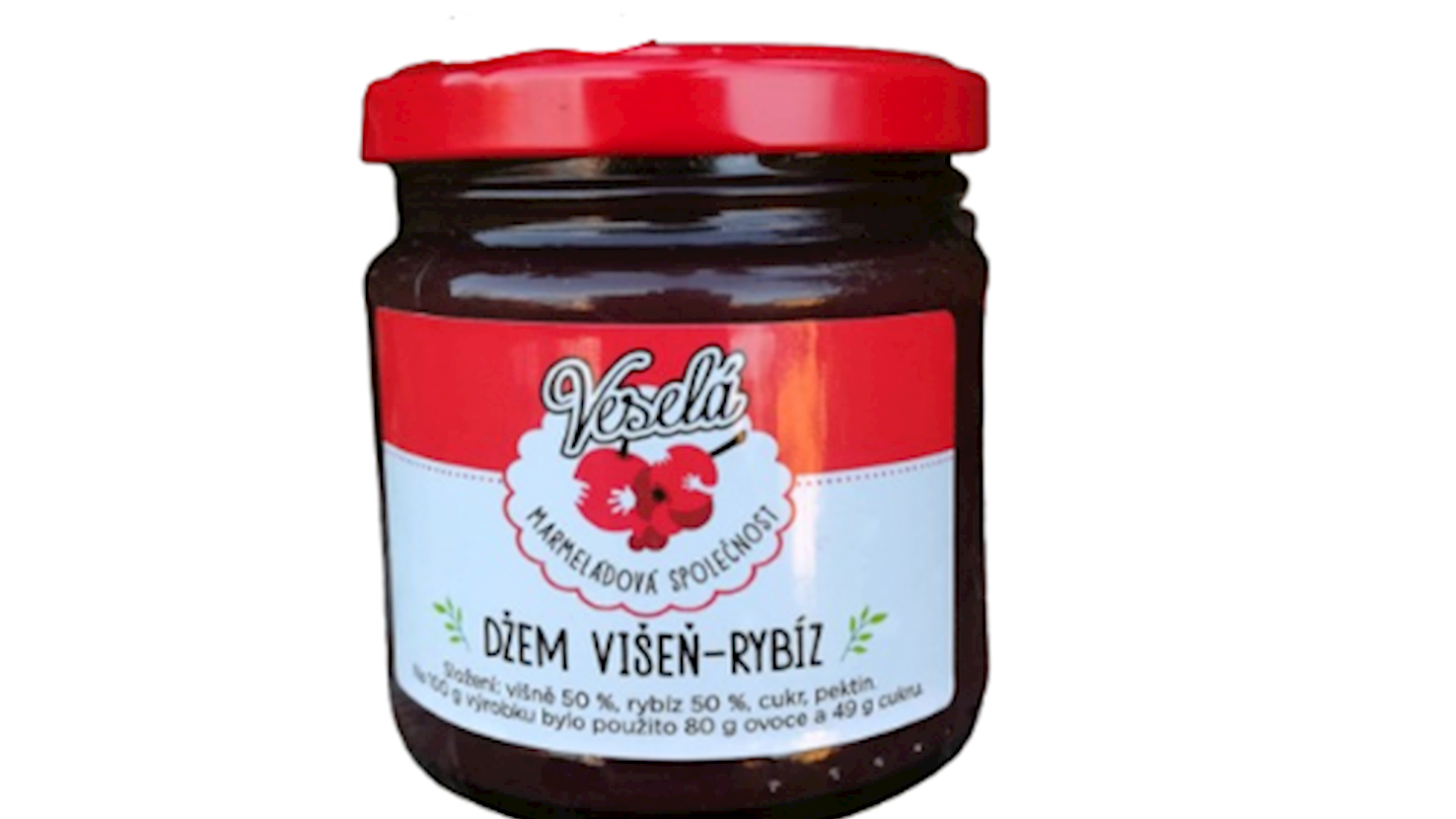
Veselá Marmeládová Společnost is a small Czech brand producing handmade jams, marmalades, baked teas, chutneys and syrups, with a strong focus on simple recipes and high-quality ingredients. Founded and run by Šárka Dvořáková, the production is carried out in small batches to preserve authenticity and maintain full control over every stage of the process. Their jams rely on just a few essential components - fruit, sugar, lemon juice, spices and, when needed, natural pectin - with no artificial additives. The assortment spans a wide range of products, from classic fruit preserves to aromatic chutneys and seasonal syrups, each shaped by a pronounced fruit character and careful manual preparation. Thanks to their clean ingredients and rich flavor, these products are well suited both for everyday use and for gourmet culinary applications.
09

Maintal Konfitüren

4.6 ·
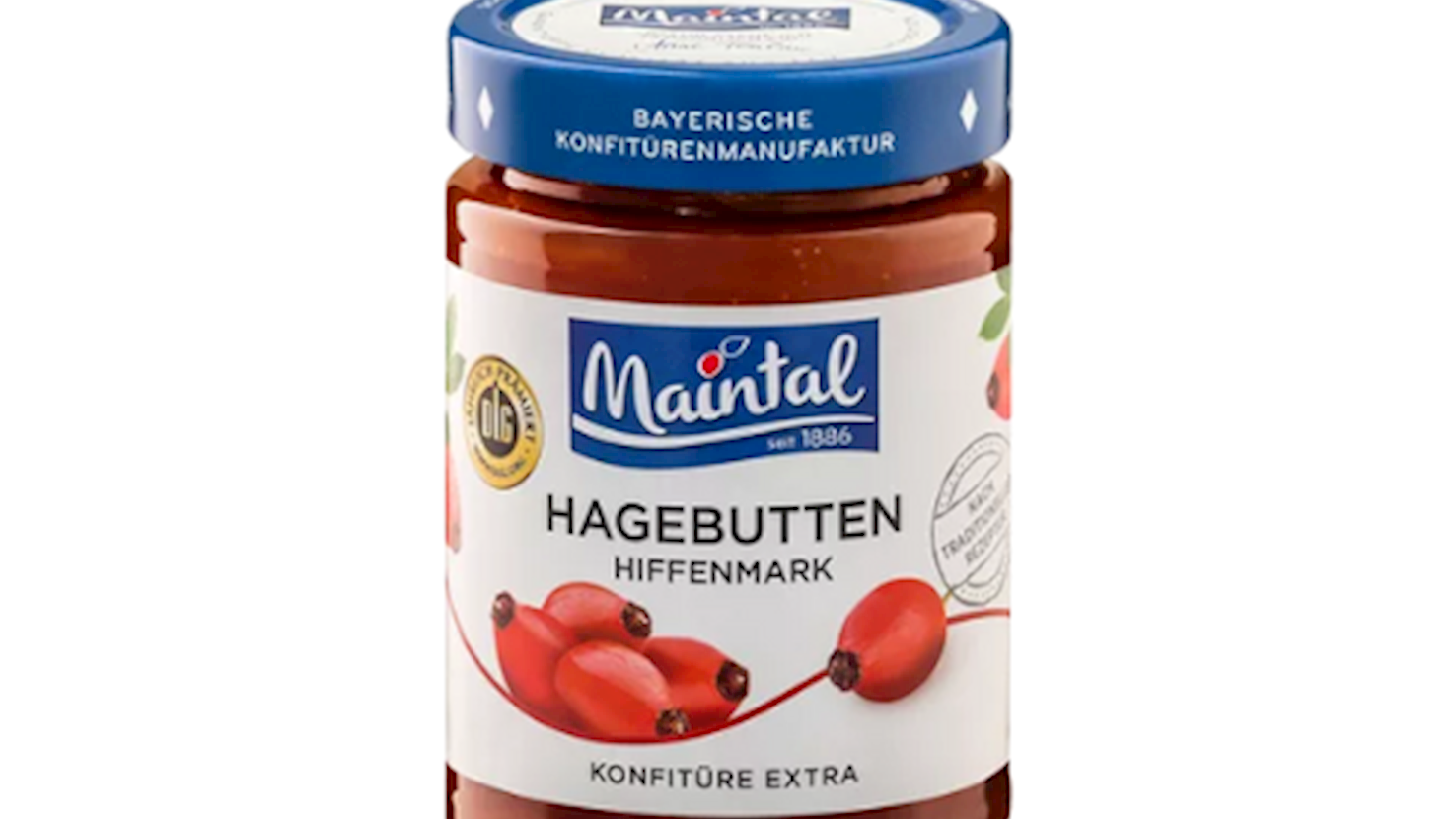
Maintal Konfitüren is a German producer of jams, marmalades, and fruit spreads with a tradition dating back to 1886, based in the town of Haßfurt in Bavaria. The brand was founded as a family-run manufactory and has maintained the continuity of its artisanal approach to this day, combining it with modern standards of food safety and quality. The foundation of their production lies in the careful selection of fruit, with a strong focus on ripeness and on preserving natural flavor through controlled thermal processing. Their portfolio includes classic preserves made from strawberry, apricot, raspberry, and plum, as well as specialties such as cranberry, blackcurrant, and mixed forest fruits. Alongside standard lines, Maintal also develops products with reduced sugar content and variants with a higher fruit percentage, aimed at consumers looking for more functional alternatives. The brand has a strong presence on the German market, as well as in export, particularly across Europe and the Middle East. In its communication, the company highlights family values, long-term stability, and responsibility toward the community. Their approach is not driven by trends, but by consistency in quality across generations. Today, Maintal Konfitüren is recognized as an example of how traditional food production can remain relevant in a modern market environment.
10

Marmelinda

4.5 ·
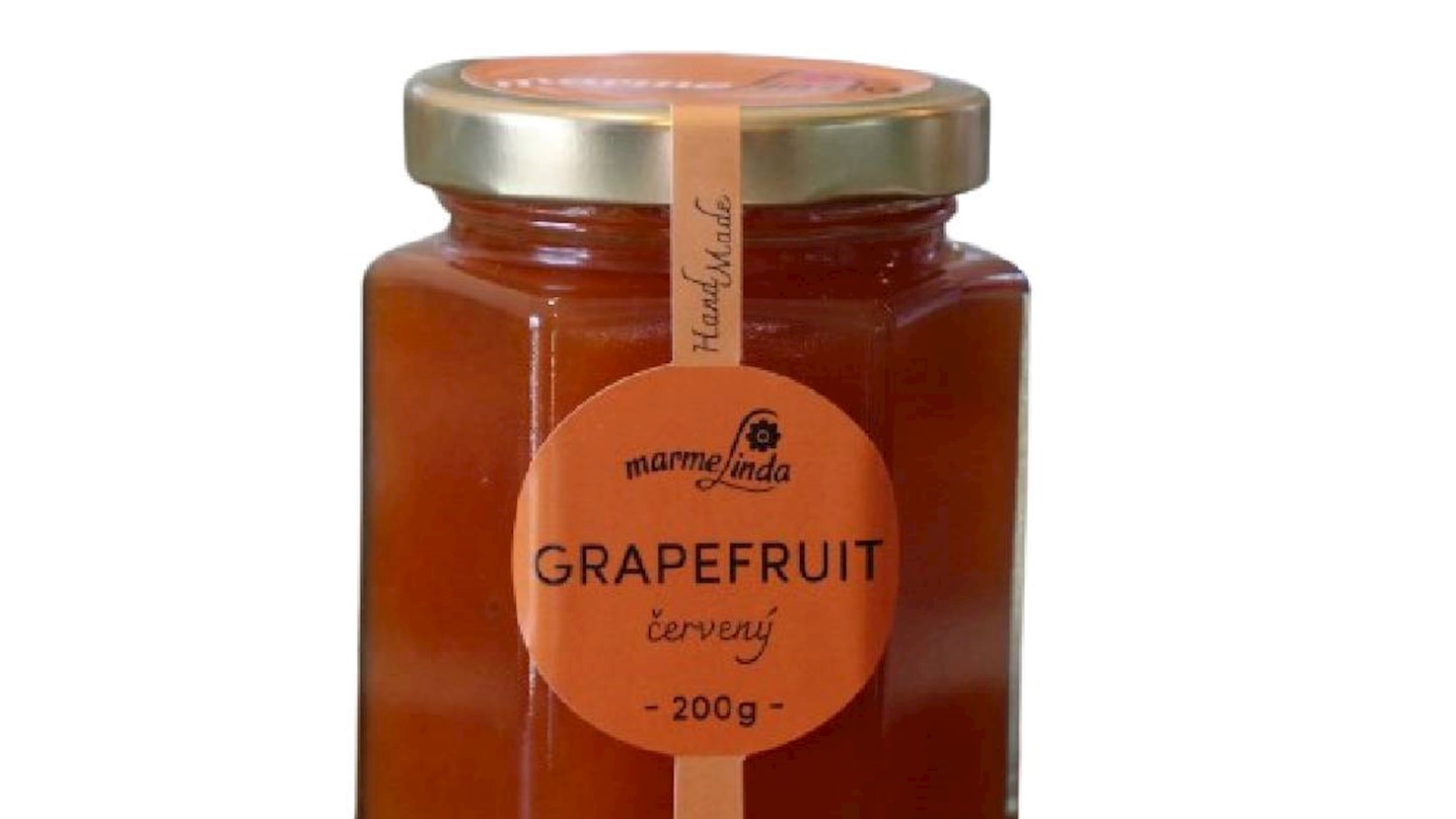
Marmelinda is a Czech brand that unites love for nature, tradition, and artisanal craftsmanship in every jar of its jams and delicacies. Founded with a passion for preserving authentic flavors and elevating them with a modern touch, Marmelinda uses only carefully selected fruits and natural ingredients, with no artificial additives or preservatives. Each marmalade is slowly cooked in small batches, preserving the richness of taste, the natural color, and the fragrance of ripe fruit. The brand offers a wide range of products – from classic jams and marmalades to unique blends with herbs and spices, as well as luxurious creations designed for gourmets and true lovers of sweet delicacies. What sets Marmelinda apart is the attention to detail: from the carefully handcrafted contents to the elegant packaging, making each product a perfect gift or a refined treat at the table. Marmelinda is more than just a brand – it is a story of passion, creativity, and a belief that the finest flavors come from simplicity and a genuine connection with nature.
Awards
Great Taste Awards - 2 Stars (2023, 2022)

Best Central European Fruit Product Types
01

Lekvár

4.1 ·

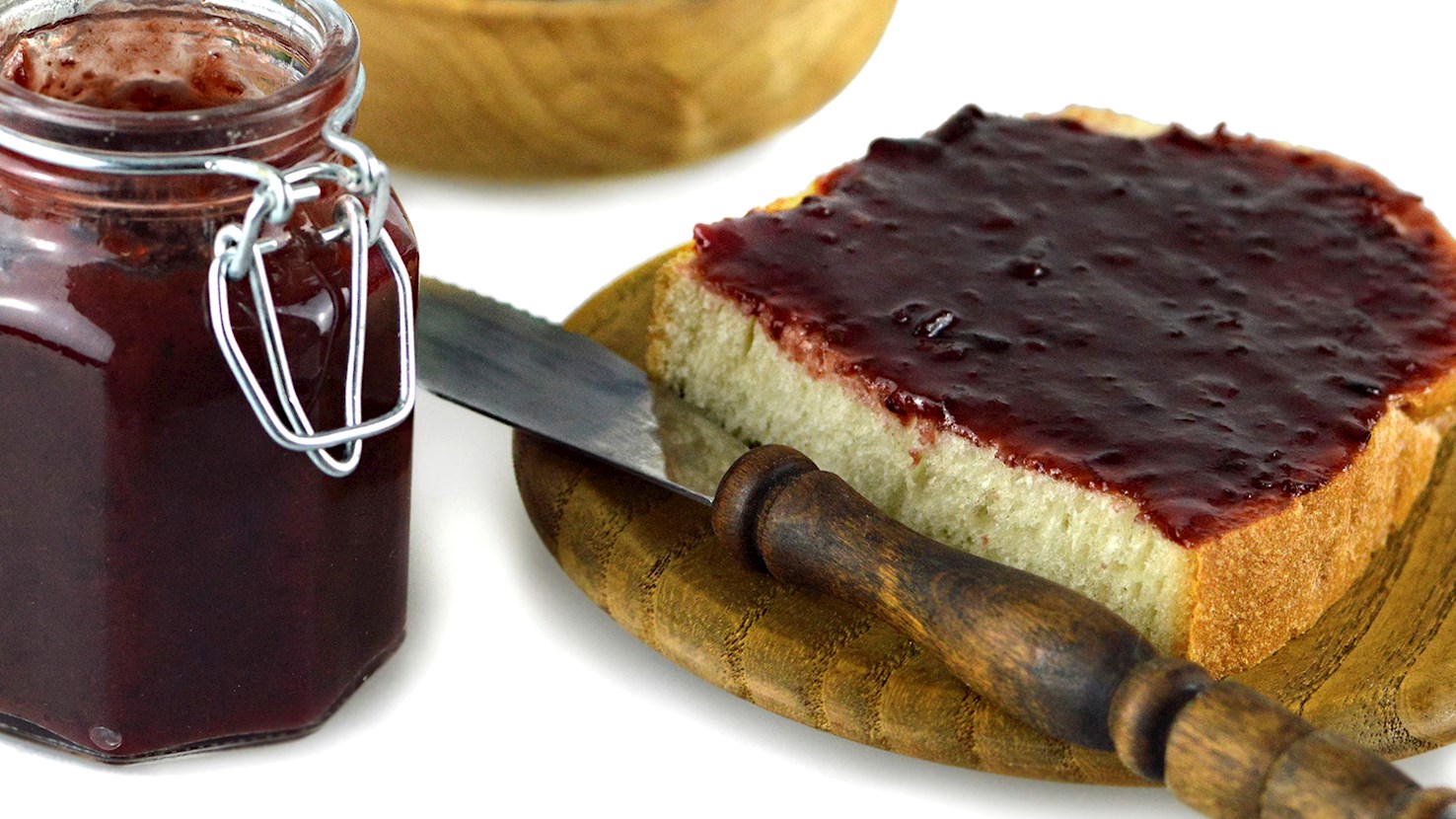
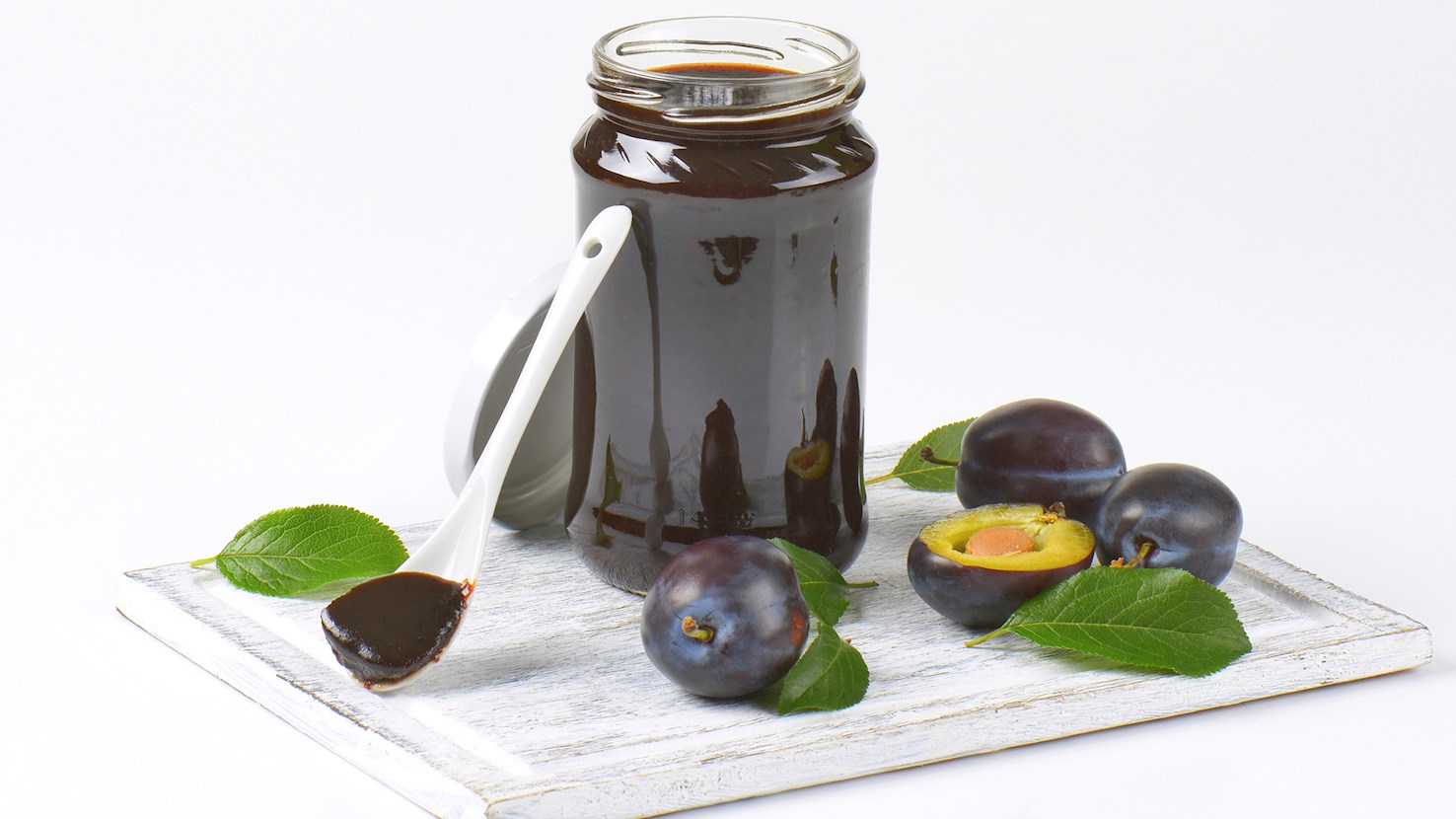
Lekvár is a very thick and rich Hungarian spread made from fruits such as apricots, cherries, and prunes. Its thickness makes it perfectly suitable for filling cookies and kiflis, as it does not run out on the sides. Traditionally, the fruit spread is prepared in autumn, when the fruits have ripened enough to be transformed into a jam. It is usually made at home, then stored in airtight jars. Lekvár is a popular filling for traditional Hungarian pancakes called palacsinta, although it can also be spread on a slice of bread and consumed as an afternoon snack or a sweet treat.

02

Śliwka Szydłowska

4.1 ·

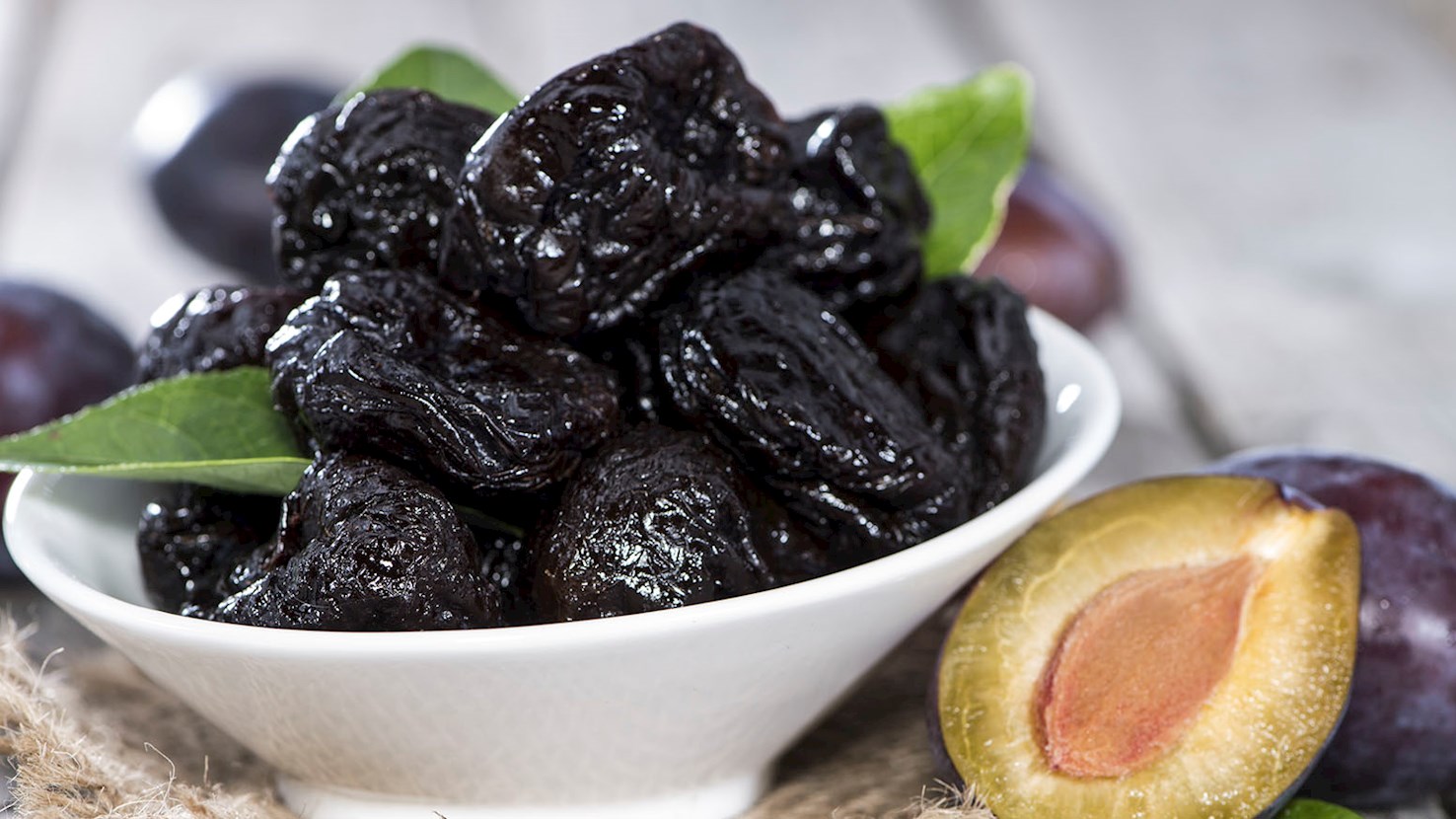
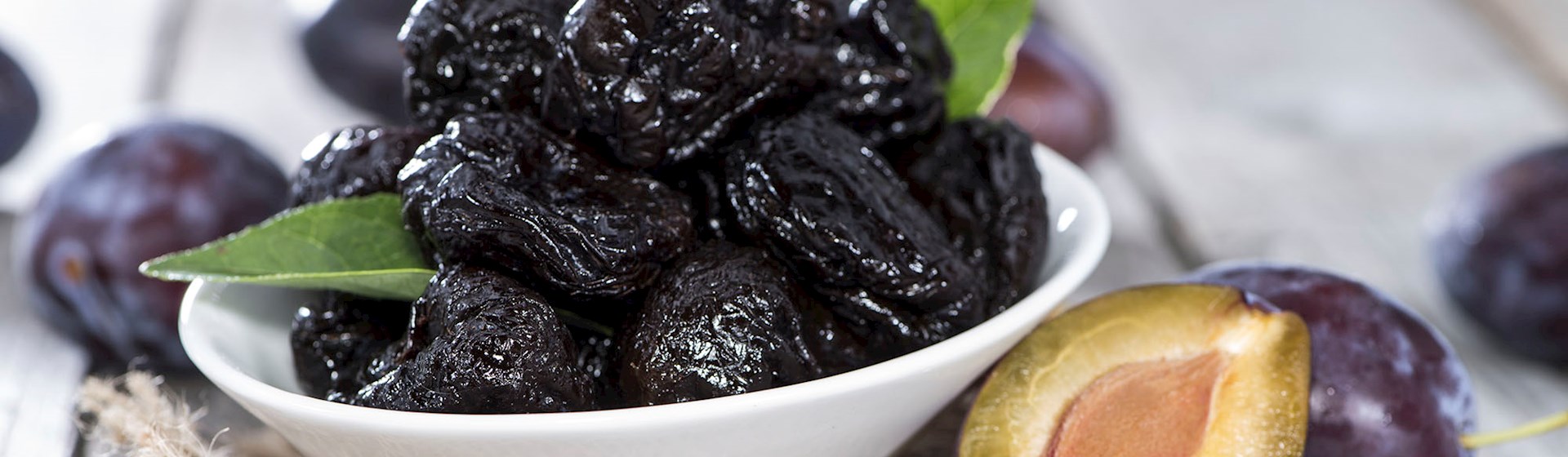
Śliwka szydłowska is a unique dried and smoked prune that can be either pitted or unpitted, produced in the Staszów district, Świętokrzyskie Voivodship in Poland, a region with rich lime soils and high amounts of sunshine which favorably influence the plum cultivation in the area. The prunes may be flattened or oblong in shape and have wrinkled, shiny skin with a dark blue exterior sheen. On the interior, there is a homogeneous, elastic flesh with a strong, pure and intense taste and a smoky scent. Only the blue plum Prunus domestica is suitable for the production due to its high sugar content and low water content, which are desirable properties for the smoking process, which is done in drying rooms for approximately 48 hours. The prunes are so popular that there is even an annual Plum Festival in Szydlów where traditional plum-drying processes are demonstrated.

03

Suska sechlońska

3.9 ·

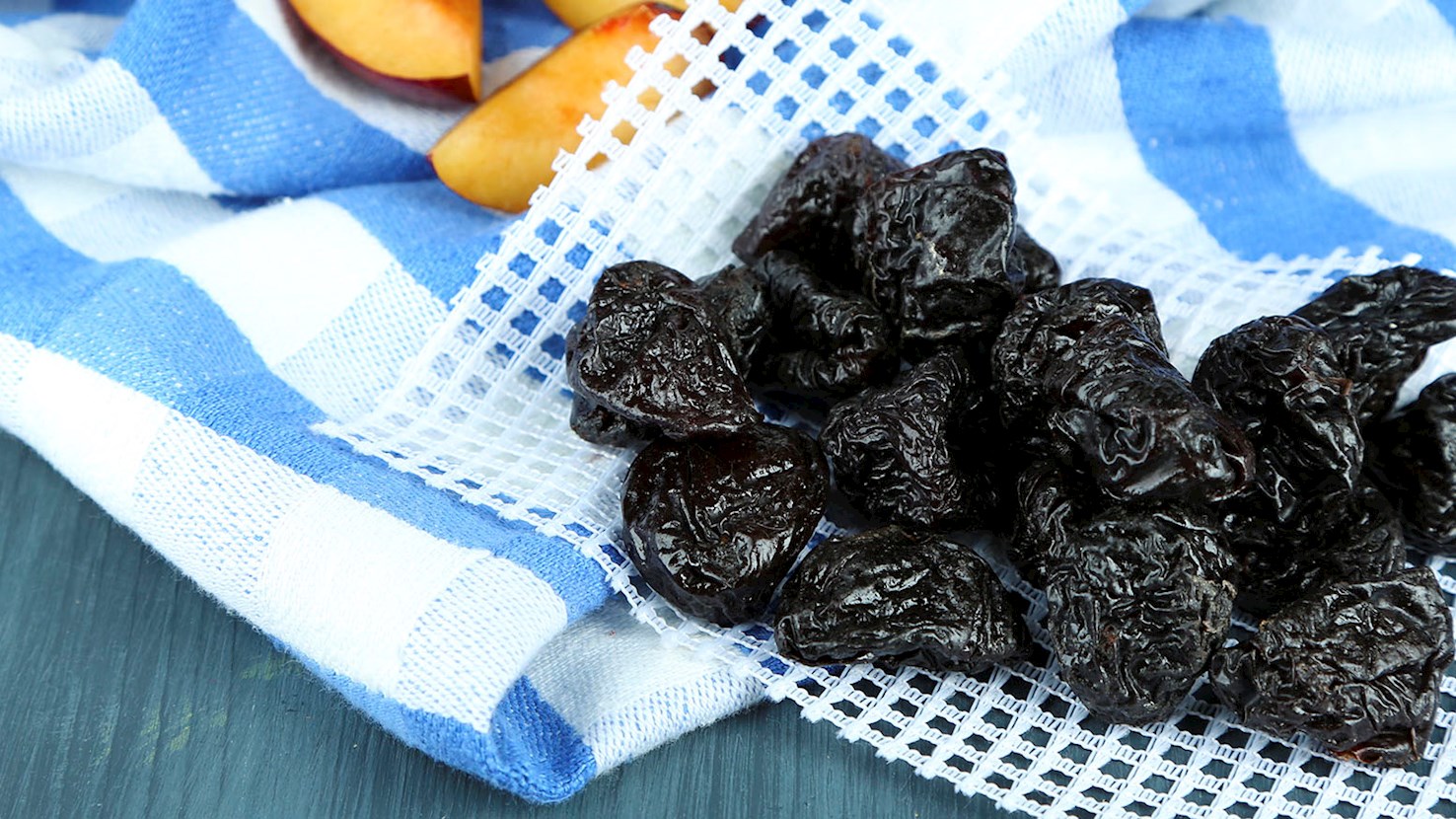
Suska sechlońska is a dried and smoked prune grown and produced in the Malopolskie Voivodship in Poland. Its name refers to the Polish word for dried fruit, suska, while the word sechlońska refers to a place called Sechna, known for its traditional drying process. The prunes may be prolate or oblong and have wrinkled, sticky skin on the exterior which can be deep blue to black. On the interior, it has a juicy, pulpy and elastic flesh and the taste is delicately sweet with a smoky scent and aftertaste. Due to their high sugar content and low water content, only plums of the Prunus domestica variety are used in the process, making them suitable for drying and smoking. According to a local legend, a priest told his parishioners to plant plum trees as penance for their sins. In time, the parishioners started making plum vodka and getting drunk. In order to stop the drunkenness trend, the priest ordered that the fruit had to be dried, so the parishioners couldn't convert it to alcohol, and that is how the tradition of drying and smoking Suska sechlońska came to be.

04

Membrillo (Quince paste)

3.7 ·

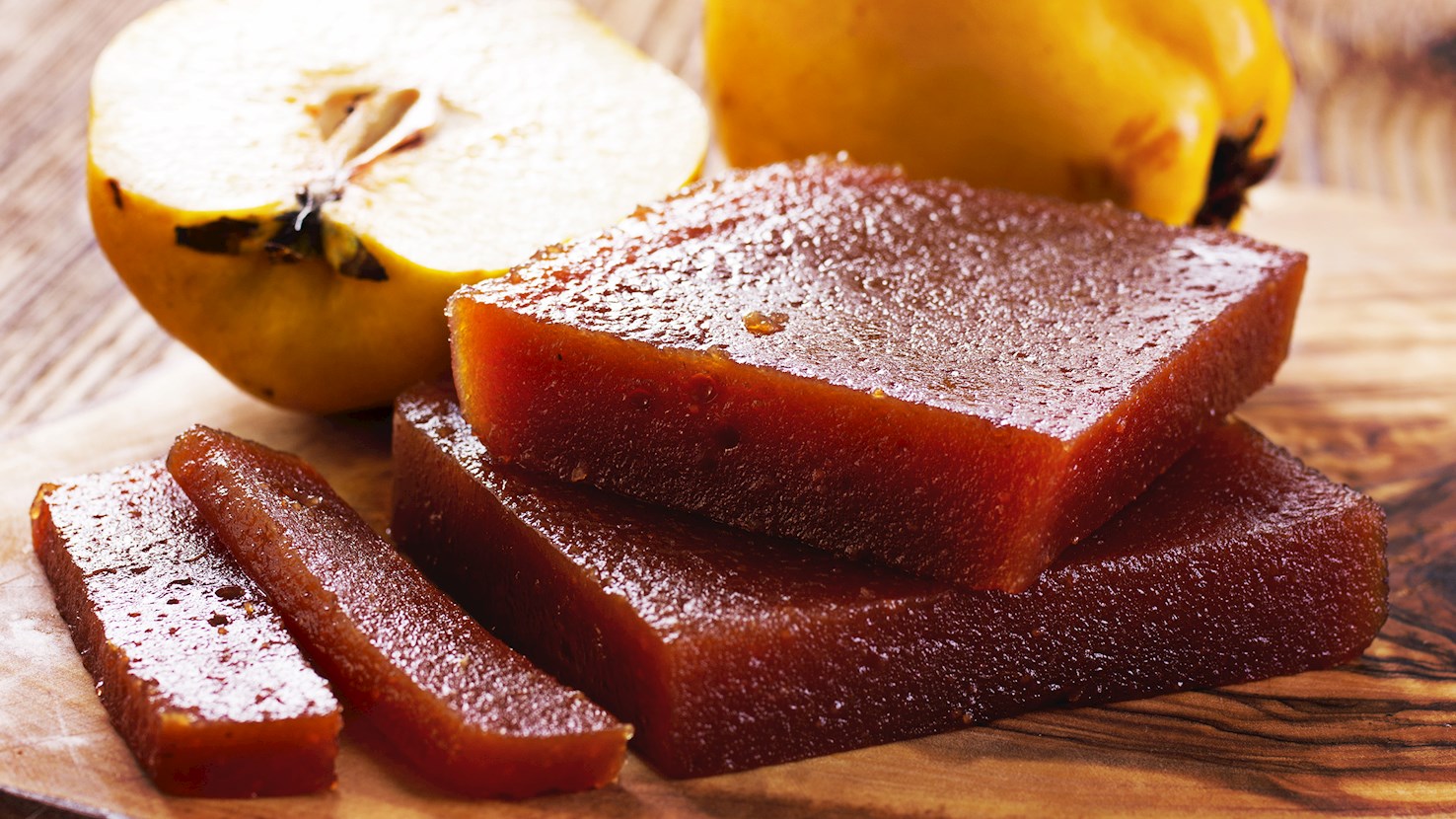
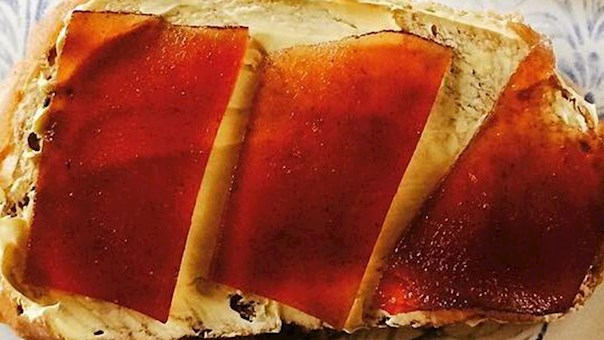
Quince paste is an unusual fruit preserve often referred to as membrillo in Spanish, or occasionally as quince cheese. This delightful product is made with quince fruit, similar in appearance to large pears or apples, with green and yellow skin, and hard, pale white, and tart pulp. When cooked, it has a unique characteristic to turn slightly sweet and change color to rosy pink. To create this delightful paste, they are cooked in water, puréed, and mixed with sugar. When set, due to significant pectin content, the mixture turns into a soft but firm jelly-like creation with a slightly floral flavor. The preserve is extremely popular in Spain, but is also native to many other regions around the world. It is commonly found in many European countries, North and Latin America, the Philippines, Australia, and many Middle Eastern countries. As it is mostly prepared in flat, rectangular shapes, the paste is typically served thinly sliced and combined with a variety of ingredients. Most commonly, it is eaten plain, paired with cheese or crackers as a quick snack, or used as a stuffing or spread on toasted bread and pastries.

05

Sirop de Liège

3.7 ·

Sirop de Liège is a popular Belgian product made from fresh fruits such as pears, apricots, apples, dates, and prunes. It was originally produced in 1937, and is commonly used in sauces, dressings, salads, marinades, and desserts. Most often, it is spread on a slice od bread or used as an accompaniment to cheeses.

06

Rumtopf

3.6 ·

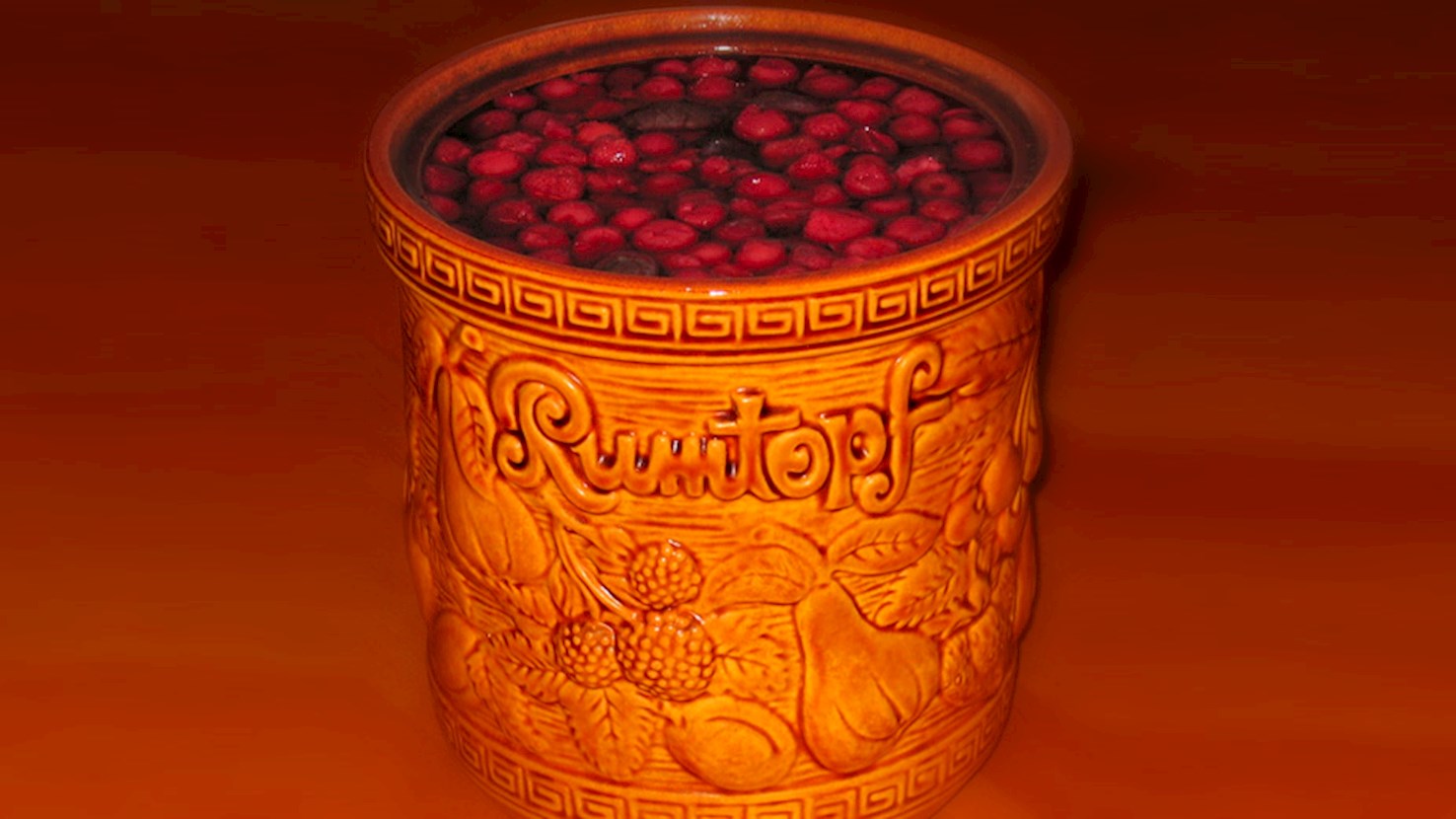
German rumtopf originated as a technique in which spring and summer fruits were preserved in overproof rum to be used during winter. Although there are many variations to the traditional recipe, typical choice of fruit includes cherries, strawberries, apricots, peaches, pears, plums, and pineapples. The first fruit varieties to ripen were mixed with rum and sugar, while other fruits were added later, in layers. The preserve is usually left to mellow until Christmas, and the boozy fruits are typically served over ice cream, puddings, waffles, or sponge cakes.

07

Křížaly

3.6 ·

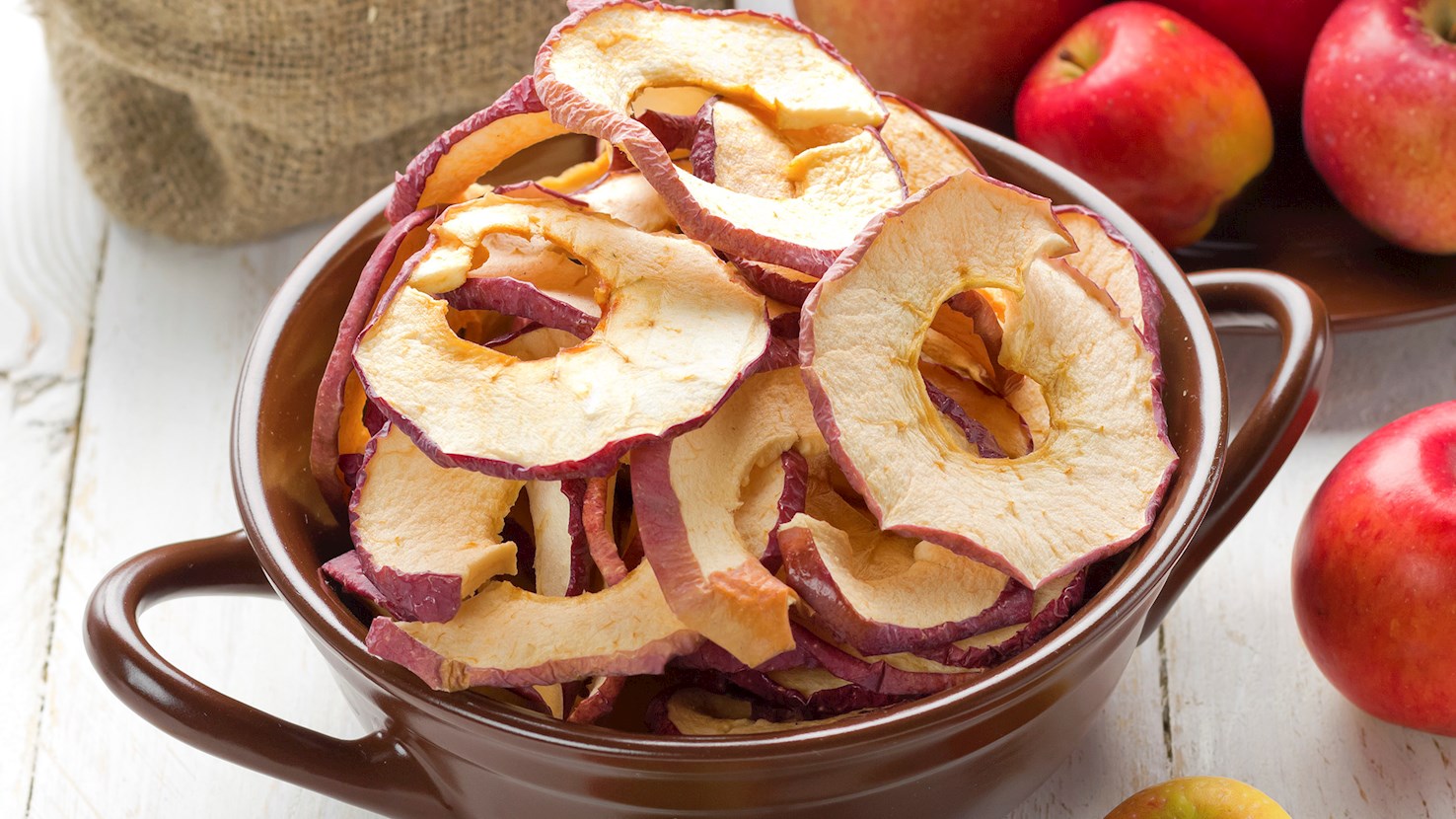
This popular Czech snack is prepared with pitted and sliced apples that are slowly air-dried or dehydrated in the oven. Depending on the size and cut, their texture varies from thin and crispy to thick and chewy. Although they are most commonly enjoyed as a quick and healthy snack, křížaly can be used as a nutritious addition to porridges and various desserts, or as festive Christmas decorations.

08

Wędzone jabłko sechlońskie (Sechlońskie smoked apple)

n/a ·

Wędzone jabłko sechlońskie is a smoked apple product from the village of Sechna in the Małopolskie Province of Poland. This product consists of apple slices that have been dried and smoked, resulting in sweet slices with wrinkled brown skin and springy, light-brown flesh, the size of which depends on the apple variety used. The apples are from varieties like Antonówka, Boskoop, and Jonathan, to name a few, and are processed using traditional methods in drying-houses. The whole process of producing it, except for the slicing and removing the core, is done by hand. These preparation methods, passed down through generations, involve smoking the apple slices with deciduous wood, which imparts a unique taste and aroma. The production area includes the municipalities of Laskowa, Iwkowa, Łososina Dolna, and Żegocina.

09

Ribiselmarmelade

n/a ·

Ribiselmarmelade is a traditional jam made from red currants, known as "ribisel" in Austrian German. This jam is celebrated for its bright, tart flavor and vibrant red color. The preparation involves cooking red currants with sugar until the mixture thickens to a jam-like consistency. Ribiselmarmelade is often used as a spread on bread or pastries, and it can also serve as a filling for various desserts. Its tangy taste makes it a favorite for adding a touch of freshness to sweet dishes.

Best producers
10

Powidl

n/a ·

Powidl, also known as porvidl, powidla, povidla, or powidel, is a traditional fruit preserve made from prune plums. It is popular in Central and Eastern Europe, particularly in Austria, the Czech Republic, Poland, and Hungary. Unlike typical jams or marmalades, powidl is unique because it is prepared without any added sugar or gelling agents. The process involves cooking plums slowly for several hours to concentrate their natural sweetness and achieve a thick, spreadable consistency.​ The plums used in powidl are typically the Zwetschgen or Damsons variety and are usually harvested late in the season, often after the first frost, to ensure they are as sweet as possible. The preparation involves washing, pitting, and cooking the plums with minimal water, allowing them to break down and release their juices. This long, slow cooking process is crucial for developing the rich, complex flavors characteristic of this fruit spread​. Powidl is versatile and can be used in various culinary applications. It is commonly used to fill traditional pastries and baked goods such as germknödel, buchteln, and powidltascherl. It can also be enjoyed as a spread on bread, a topping for pancakes and waffles, or even as a component in savory dishes like sauces and glazes for meats​.

11

Hitlerszalonna

n/a ·
Read more
View all
View map
About this ranking

TasteAtlas food rankings are based on the ratings of the TasteAtlas audience, with a series of mechanisms that recognize real users and that ignore bot, nationalist or local patriotic ratings, and give additional value to the ratings of users that the system recognizes as knowledgeable. For the “Top 22 Central European Fruit Products” list until June 02, 2026, 292 ratings were recorded, of which 246 were recognized by the system as legitimate. TasteAtlas Rankings should not be seen as the final global conclusion about food. Their purpose is to promote excellent local foods, instill pride in traditional dishes, and arouse curiosity about dishes you haven’t tried.

The initial list of top producers was compiled based on available reviews, awards, local recommendations, media and blog coverage, and consumer reviews. The list will be updated with ratings from TasteAtlas local ambassadors and TasteAtlas users.

Similar lists