shutterstock

Top 78 Asian Fruits

Last updated on June 24, 2026

Best Asian Fruit Types
01

Aydın İnciri

4.4 ·

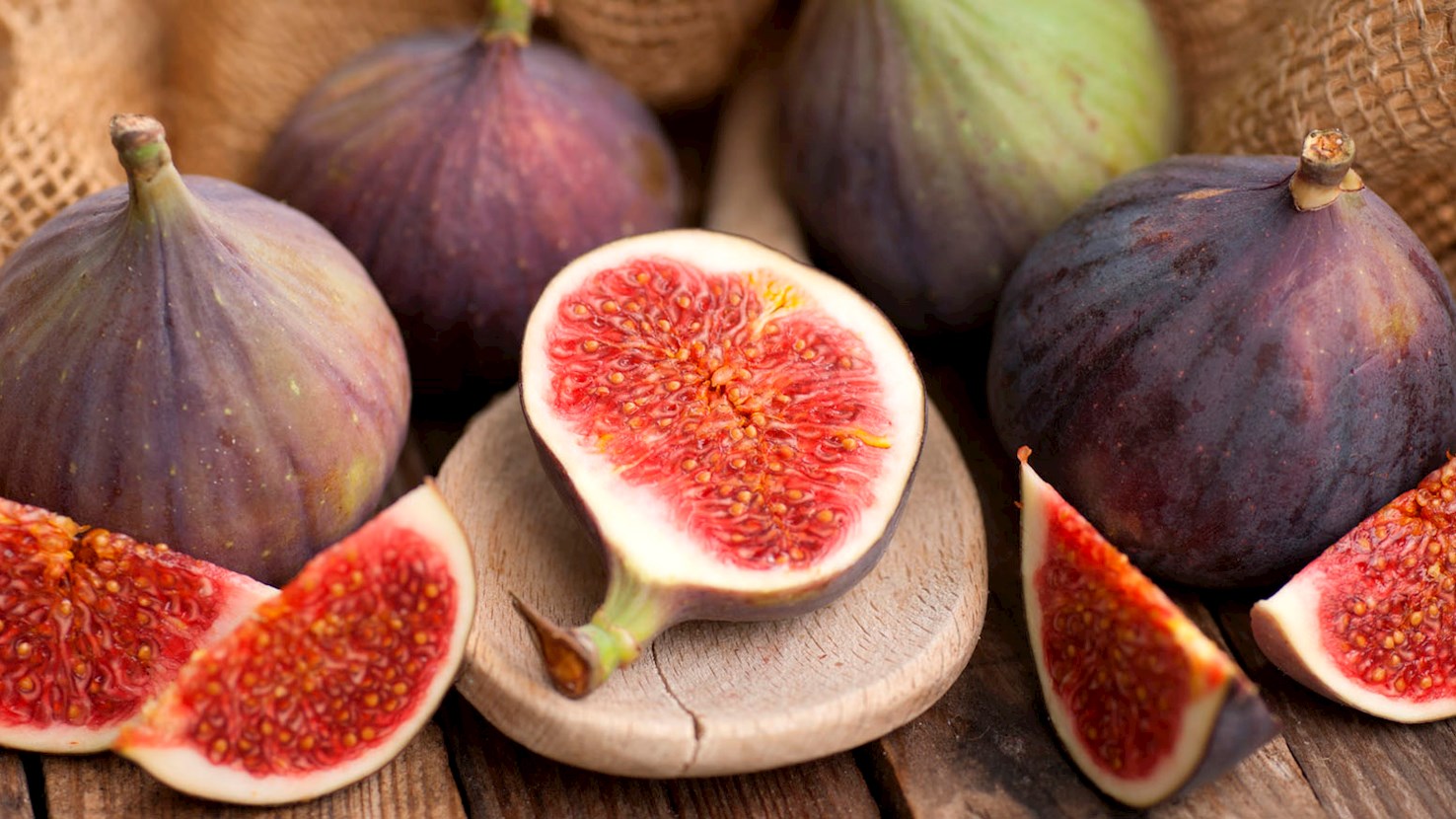
Nestled in the heart of the Menderes river valley, the historical region of Aydin is best known for its flavorful figs, which have been cultivated in the Mediterranean for centuries. Aydin figs typically yield after 5 years, but are able to bear fruit for up to 50 years from planting. After being harvested at the end of August, Aydin figs are usually sun-dried and thus preserved for winter as a good source of energy, high in fibers and fructose. These chewy, sugar encrusted, dried Aydin figs are excellent with müesli for breakfast or they can be used as filling in various traditional Turkish pastries.

02

Mangosteen

4.3 ·

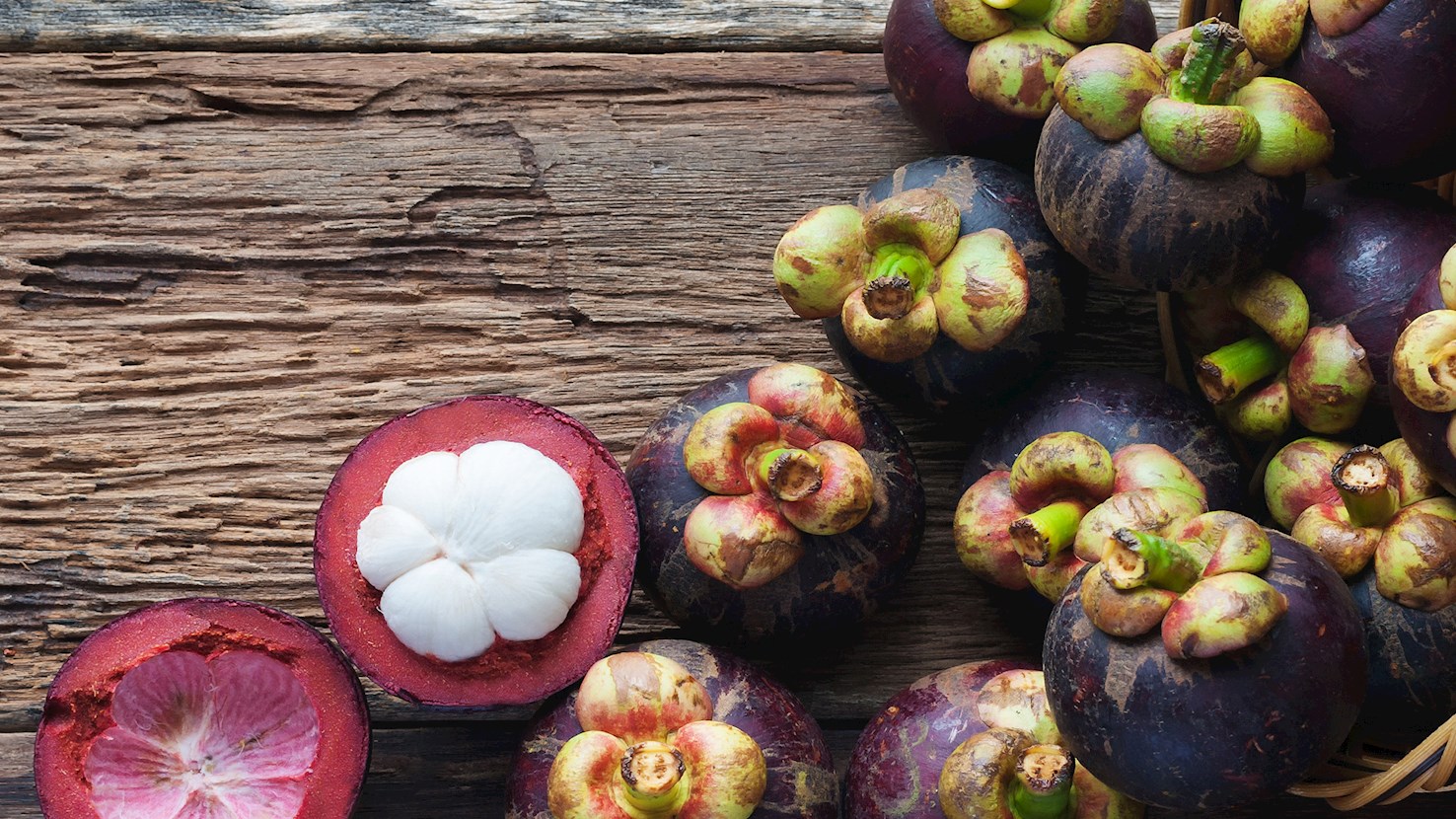
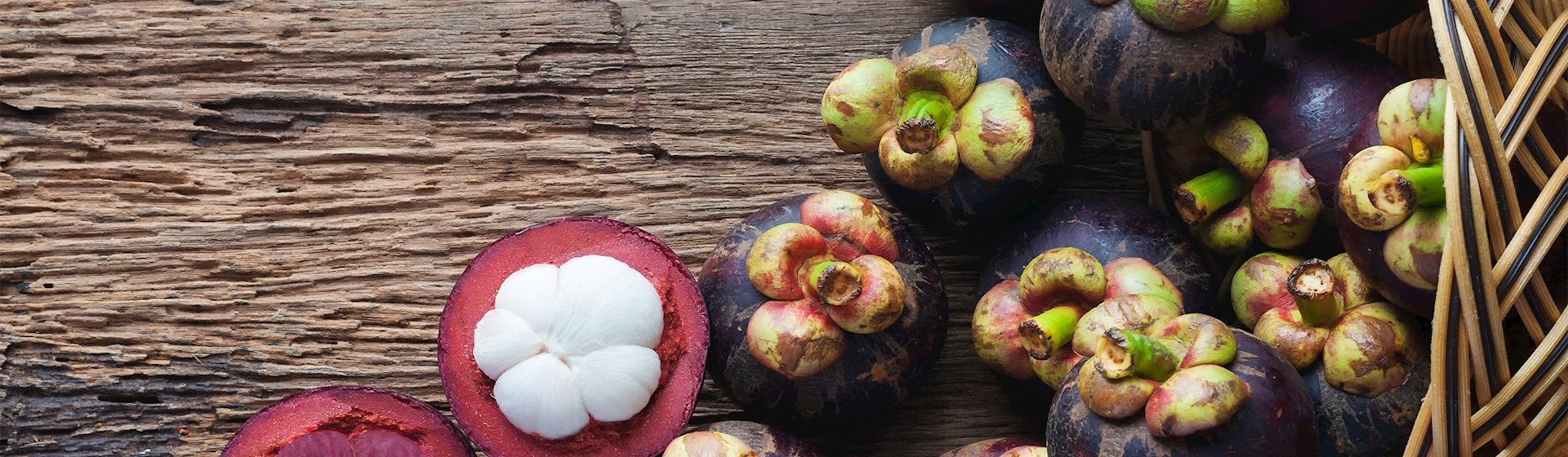
Mangosteen, also known as purple mangosteen, is a tropical plant grown for its sweet fruit. Its origin is believed be on the Sunda Islands, now divided between Indonesia, Malaysia, Brunei, and East Timor. Mangosteen is characterized by its dark purple, firm shell which covers and protects the edible white fruit. The texture of the fruit is soft, juicy, and delicate, while the flavor is sweet with slight hints of tartness. The fruit is usually enjoyed plain, but it can also be incorporated in various baked desserts, mixed salads, custards, smoothies, teas, or ice creams. Mangosteen is found throughout Southeast Asia, and it is available in many markets around the world. It's especially popular in Vietnam.

03

Pisang mas (Lady Finger banana)

4.2 ·

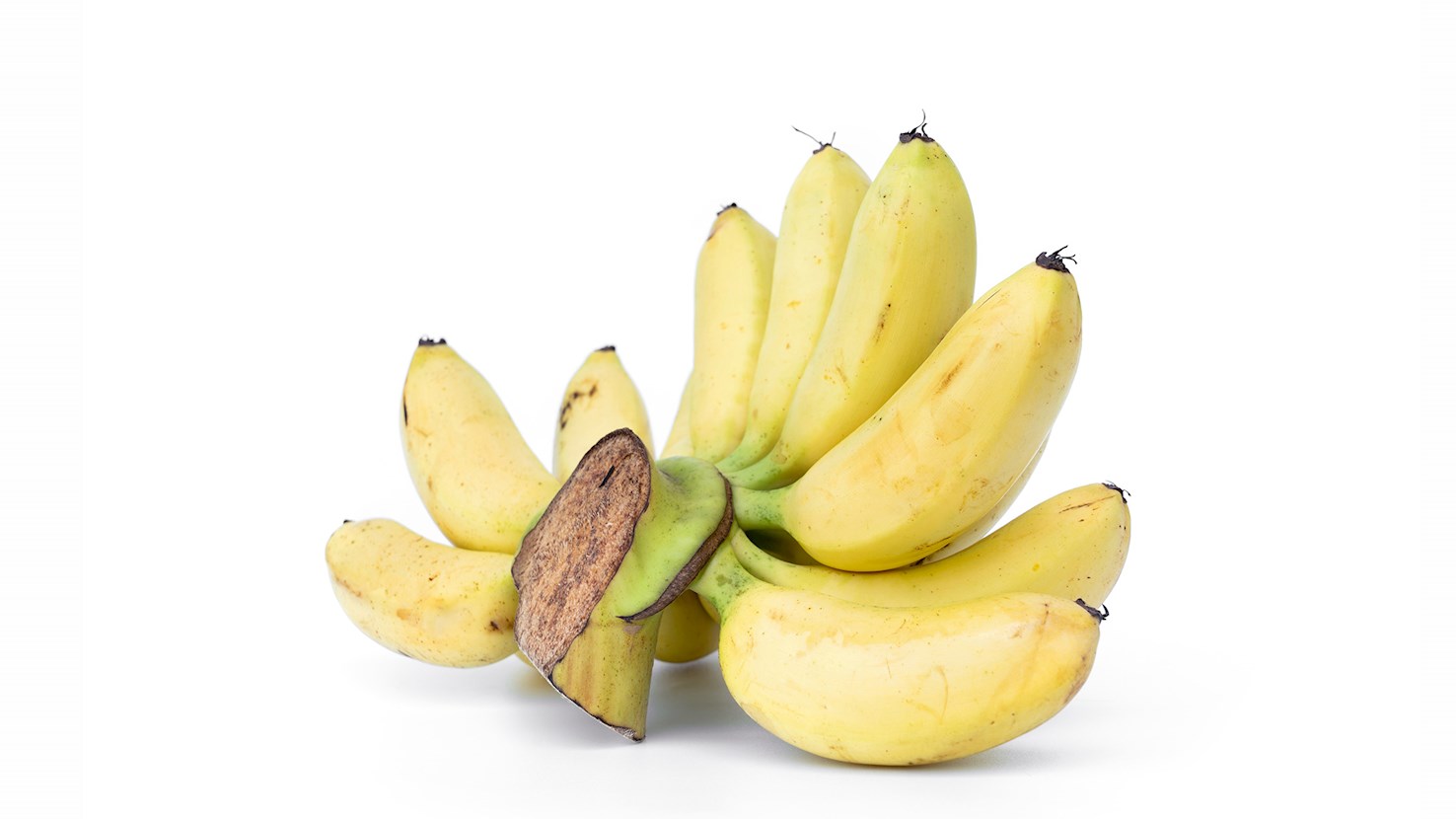
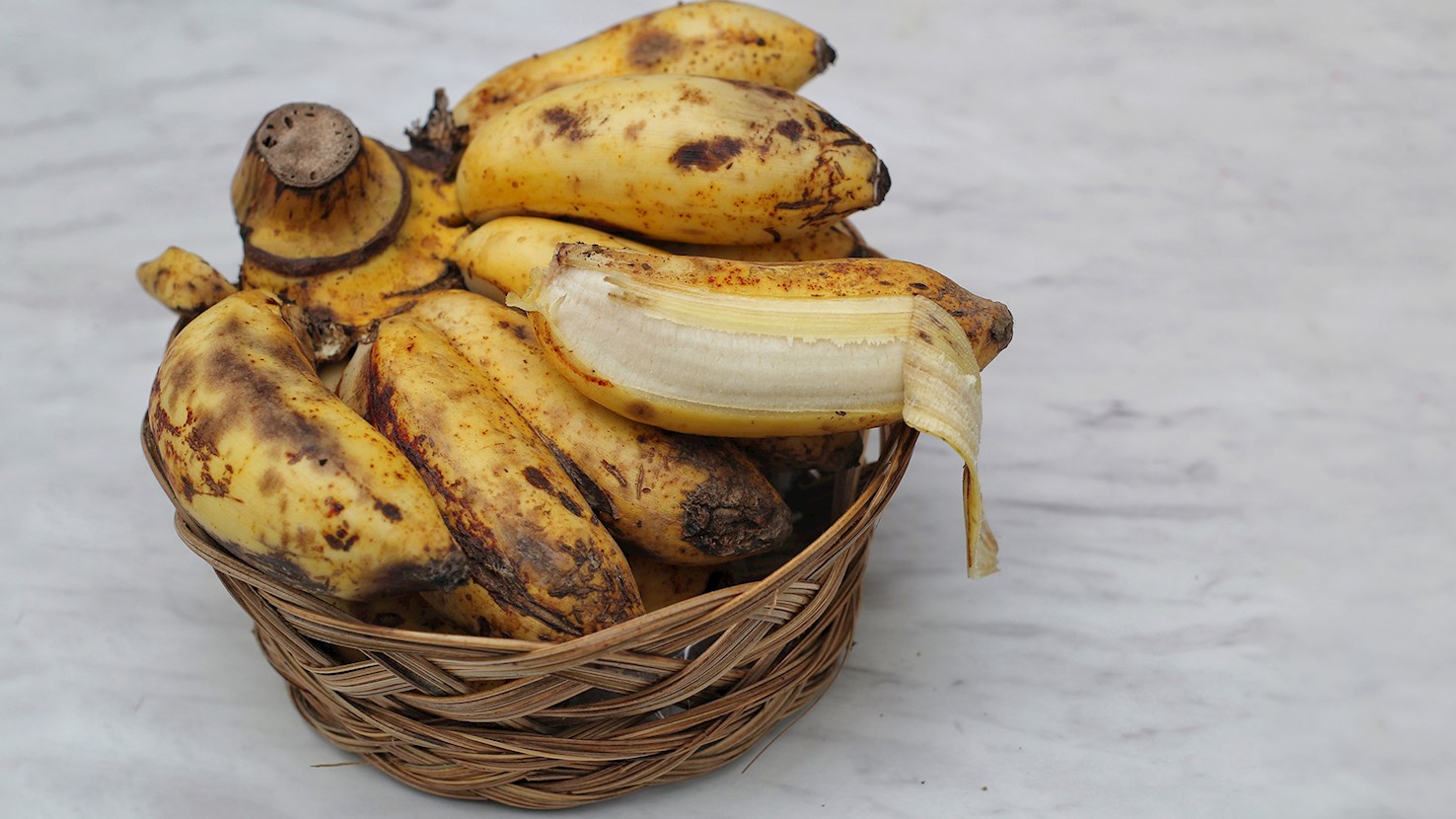
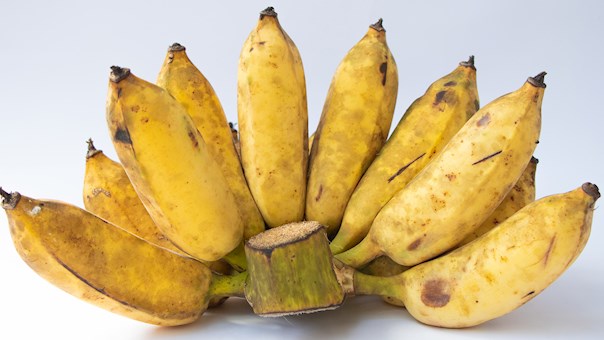
Lady Finger banana is a small, sweet variety of banana distinguished from others by its size, taste, and texture. It is significantly smaller and thinner than the more commonly known Cavendish banana, typically measuring about 4 to 6 inches (10 to 15 centimeters) in length. What sets the Lady Finger banana apart is its exceptionally sweet flavor and creamy texture, making it a favorite for fresh eating. Its sweetness is often compared to that of honey, and it has a delicate, almost floral flavor profile. The skin of the Lady Finger banana is thin and the flesh is less dense compared to larger banana varieties, contributing to its unique texture. Cultivated in tropical and subtropical regions around the world, the Lady Finger banana is a popular variety in its native Southeast Asia, as well as in Australia, Thailand, and the Philippines. Despite its delicious flavor and nutritional benefits, including being a good source of vitamins C and B6, potassium, and dietary fiber, it is less commonly found in global markets. This scarcity is due to its greater sensitivity to damage during transportation and its shorter shelf life compared to the more robust Cavendish bananas. Lady Finger bananas are often enjoyed fresh, but they can also be used in a variety of culinary applications, from desserts and baked goods to smoothies.

04

Calamansi

4.1 ·

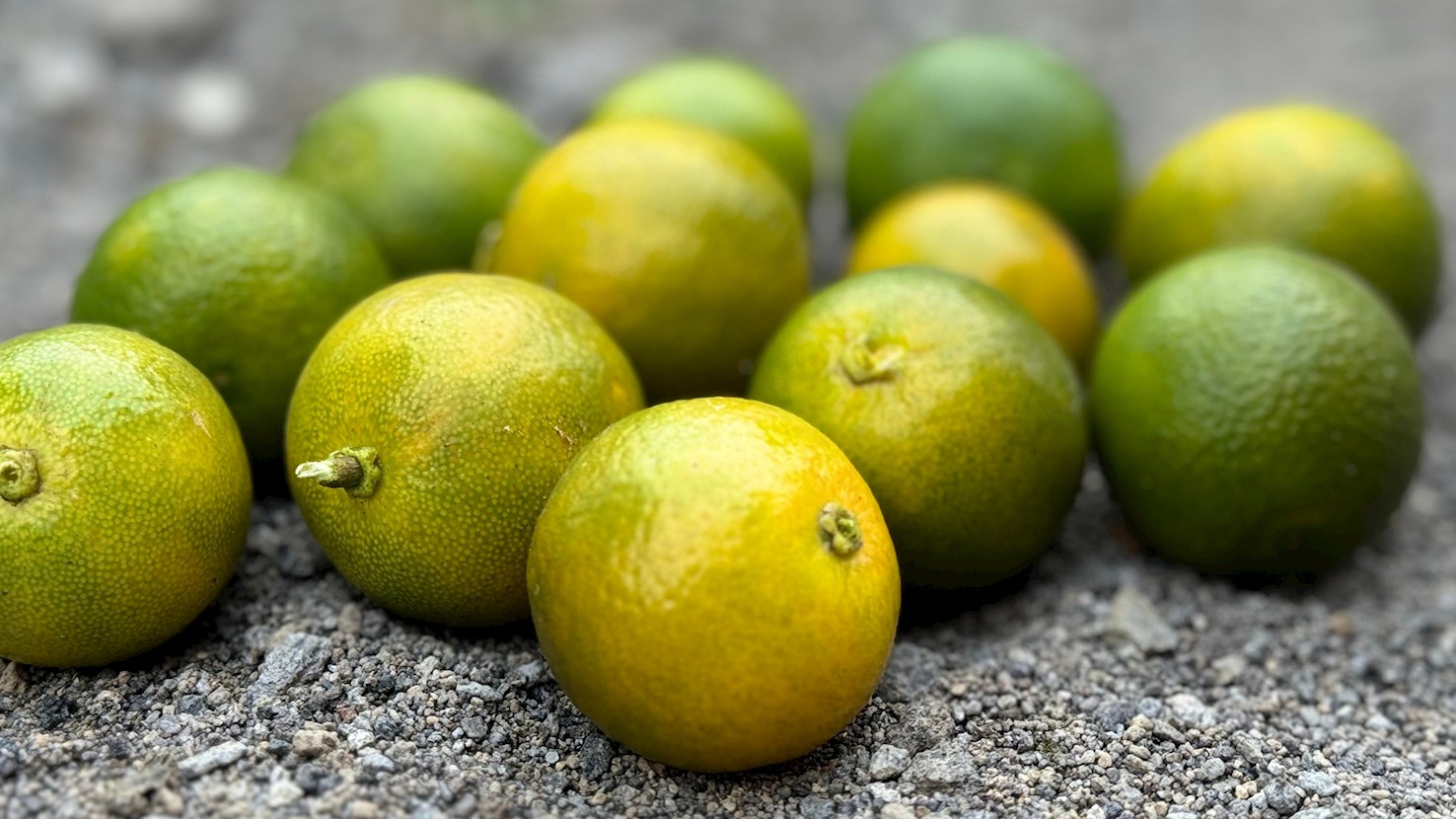
Calamansi (lat. Citrus × microcarpa) is a small citrus fruit hybrid native to the Philippines and widely used across Southeast Asia. The fruit is spherical, typically about 20 to 25 millimeters in diameter, and has a green to golden yellow color when ripe. Despite its small size, calamansi packs a flavorful punch and is highly aromatic. The taste of calamansi is a unique blend of sweet and sour, similar to a cross between a lime and a mandarin orange, making it versatile in both culinary and beverage applications. It is commonly used as a seasoning, adding a vibrant citrusy flavor to dishes, as well as in marinades to tenderize meats. Calamansi juice is also popular as a beverage, either consumed on its own as a refreshing drink, mixed with water and sugar, or used in cocktails and other drinks for its distinctive tangy flavor. Additionally, calamansi is used in various sauces, condiments, and even in baking.

05

Bayramiç Beyazı

4.1 ·

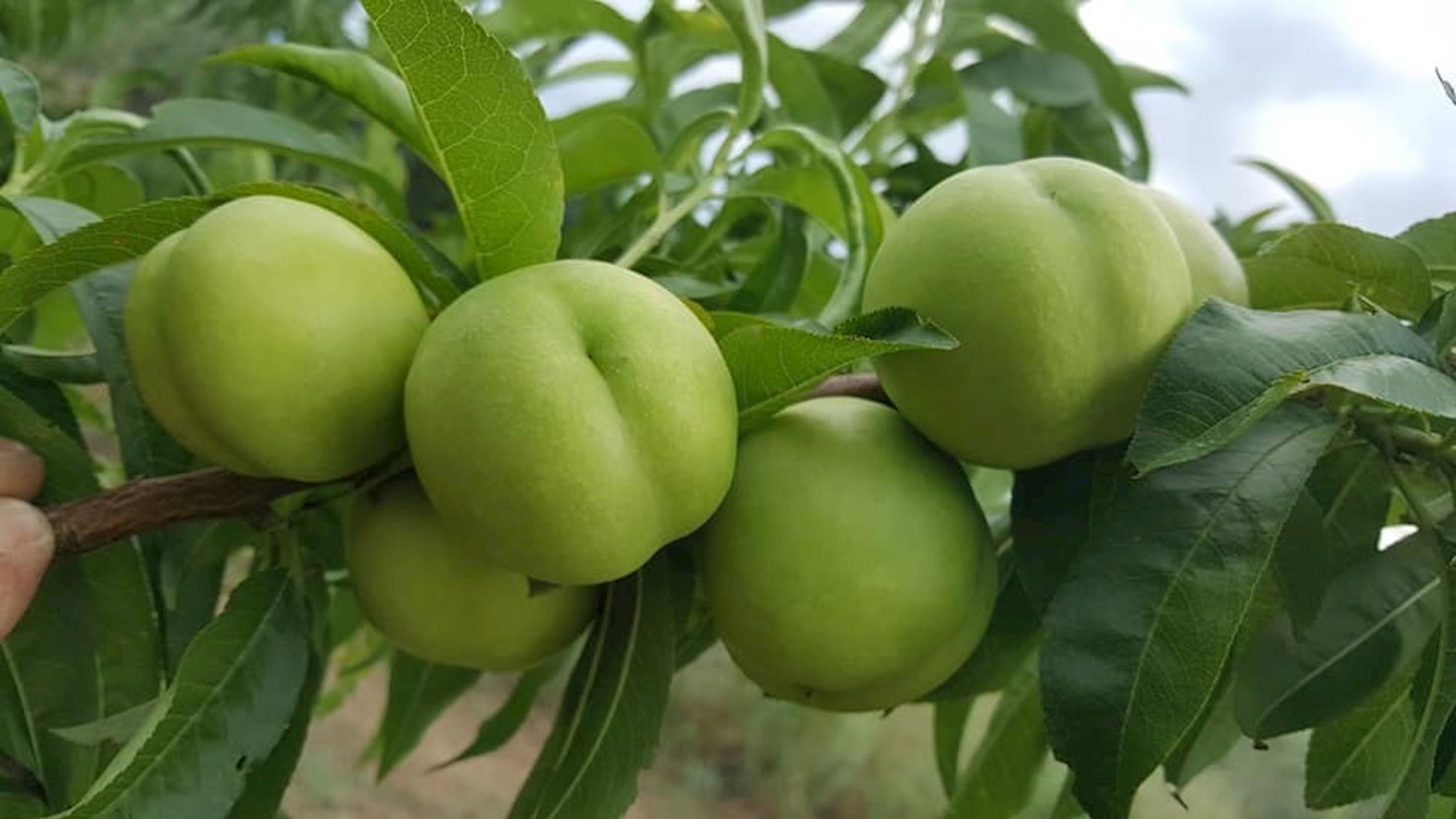
Bayramiç beyazı is the fruit of a local nectarine variety that's grown in the Turkish province of Çanakkale and the district of Bayramiç. Just slightly bigger than a cherry, this crunchy fruit has smooth skin with color ranging from light green to pink. The aromas are fresh and sweet, reminiscent of peaches, plums, and apricots. Juicy, refreshing, and aromatic, Bayramiç beyazı are best enjoyed fresh, but they are also perfect for jams or cakes.

06

Malatya Kayısısı

4 ·

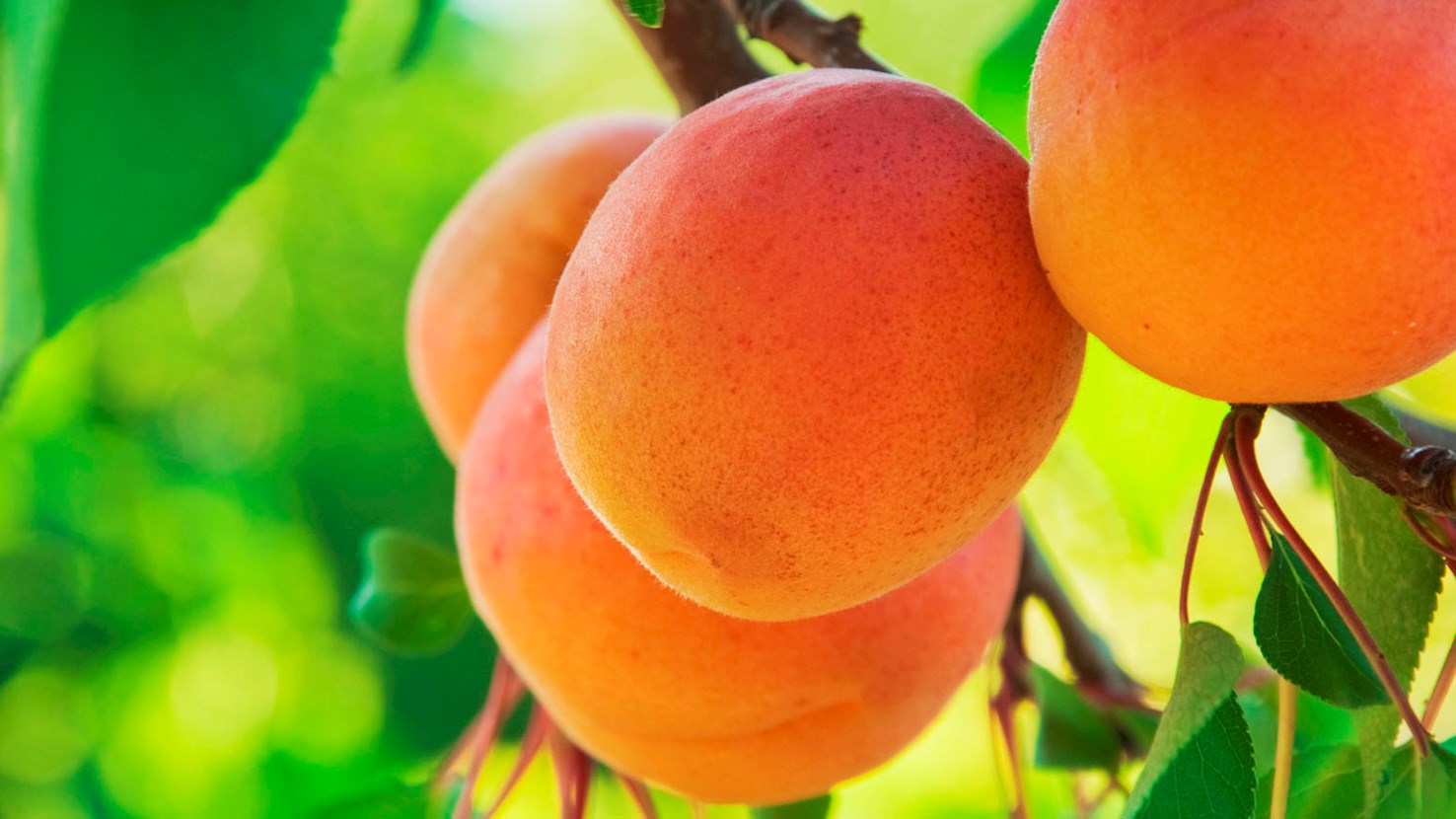
Apricot orchards are a trademark of the Malatya province in Eastern Anatolia. Being the world’s leading apricot producer, the province supplies fresh and dried apricots throughout the country, exporting a vast amount of its produce. Malatya apricots can thank their delicious taste to the fertile soil of the province, nourished from the lush Euphrates River. The apricots are sun-dried, without using sulphur in the process, and manufactured in family-run orchards still devoted to traditional methods. Also, Malatya apricots are often marketed ground up into a marzipan-like paste and coated in chocolate. In order to promote the quality of apricots and to encourage local producers to meet each other and the interested buyers, the Malatya Apricot Festival has been held annually for almost 40 years now.

07

Kyoho Grape

4 ·

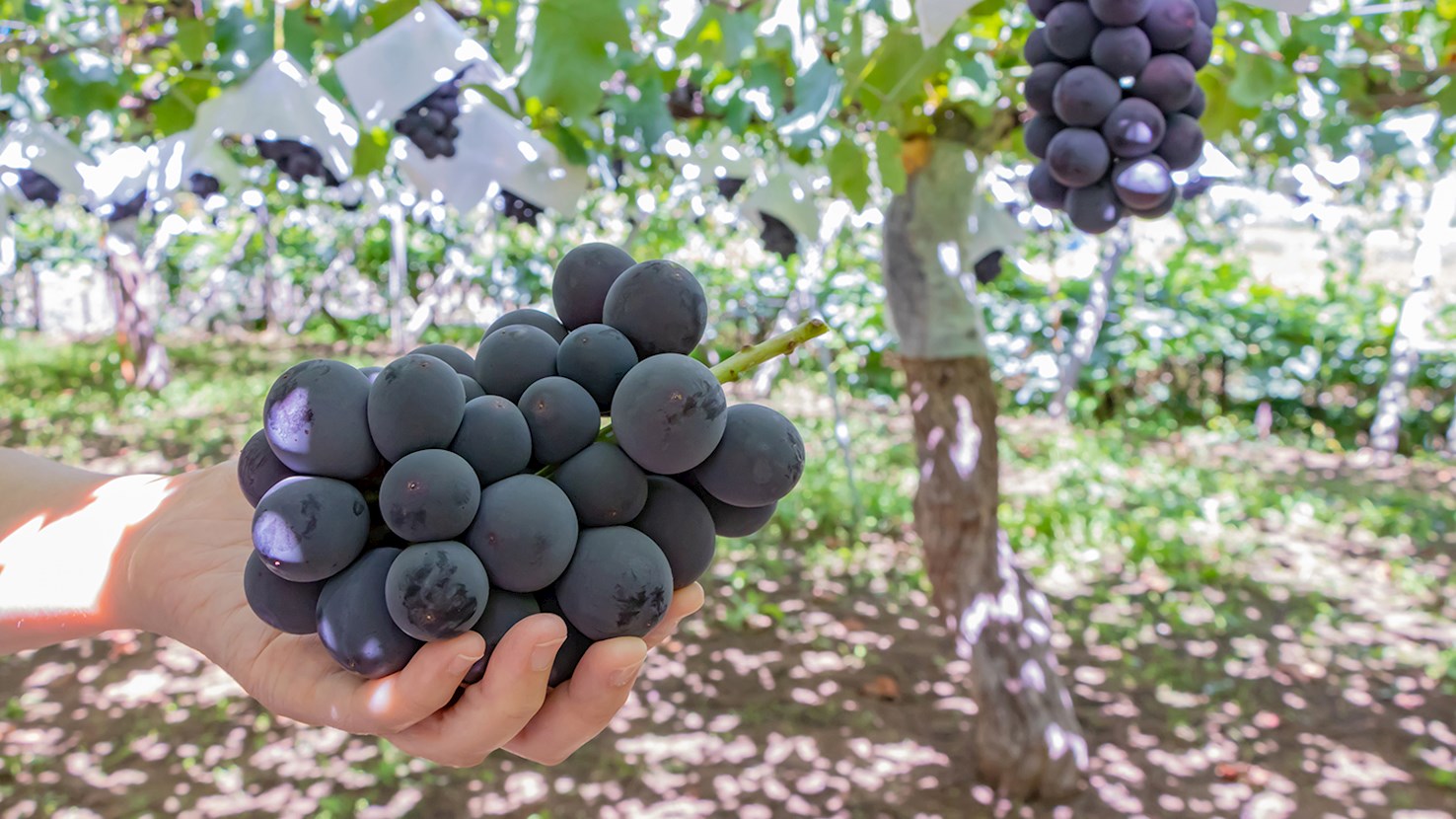
Kyoho is a Japanese variety of grapes that were developed in 1937 as a cross between the Vitis vinifera (European) and Vitis labrusca (American). These grapes are renowned for their size, which can be seen in its name, coming from a combination of characters for gigantic and peak. The grapes are deep purple to almost black in color, the texture is almost gelatinous, while the flesh has a sweet flavor and low acidity. In Japan, Kyoho grapes are eaten as they are, but they are also used as expensive gifts or in various desserts such as parfaits, cakes, fruit sandwiches, jellies, ice lollipops, or as a topping for shaved ice.

08

Rambutan

4 ·

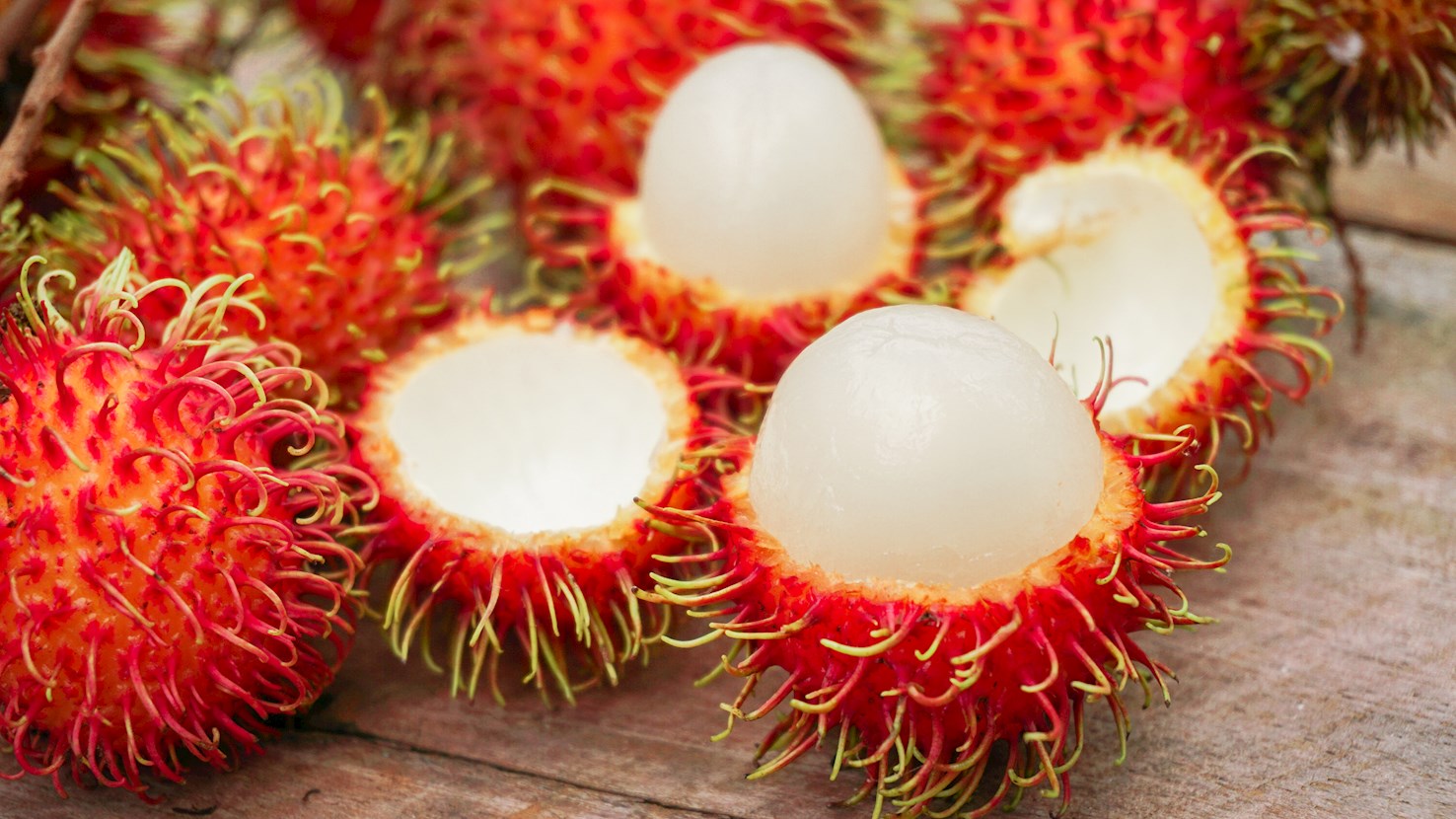
Rambutan is a medium-sized evergreen tree originating from the rainforests of western Malaysia and Singapore. The trees produce fruits that are round with leathery skin that’s covered in soft hairlike spines. The colors range from dark red to yellow. The pulp is subacid to sweet and it contains a single seed. The seeds contain up to 40% fat, which is extracted and used for making soap. In the Philippines, people sometimes roast the seeds and eat them as a snack. The fruits are usually eaten out of hand and they are sold fresh or canned. People use rambutan in jams, jellies, preserves, fruit salads, and savory dishes (in Southeast Asia). There are many cultivars of rambutan, such as red, yellow, orange, clingstone, and freestone. Although rambutan is mostly cultivated in Southeast Asia, the fruit is also gaining popularity in Central America.

09

Lizhi (Lychee)

3.9 ·

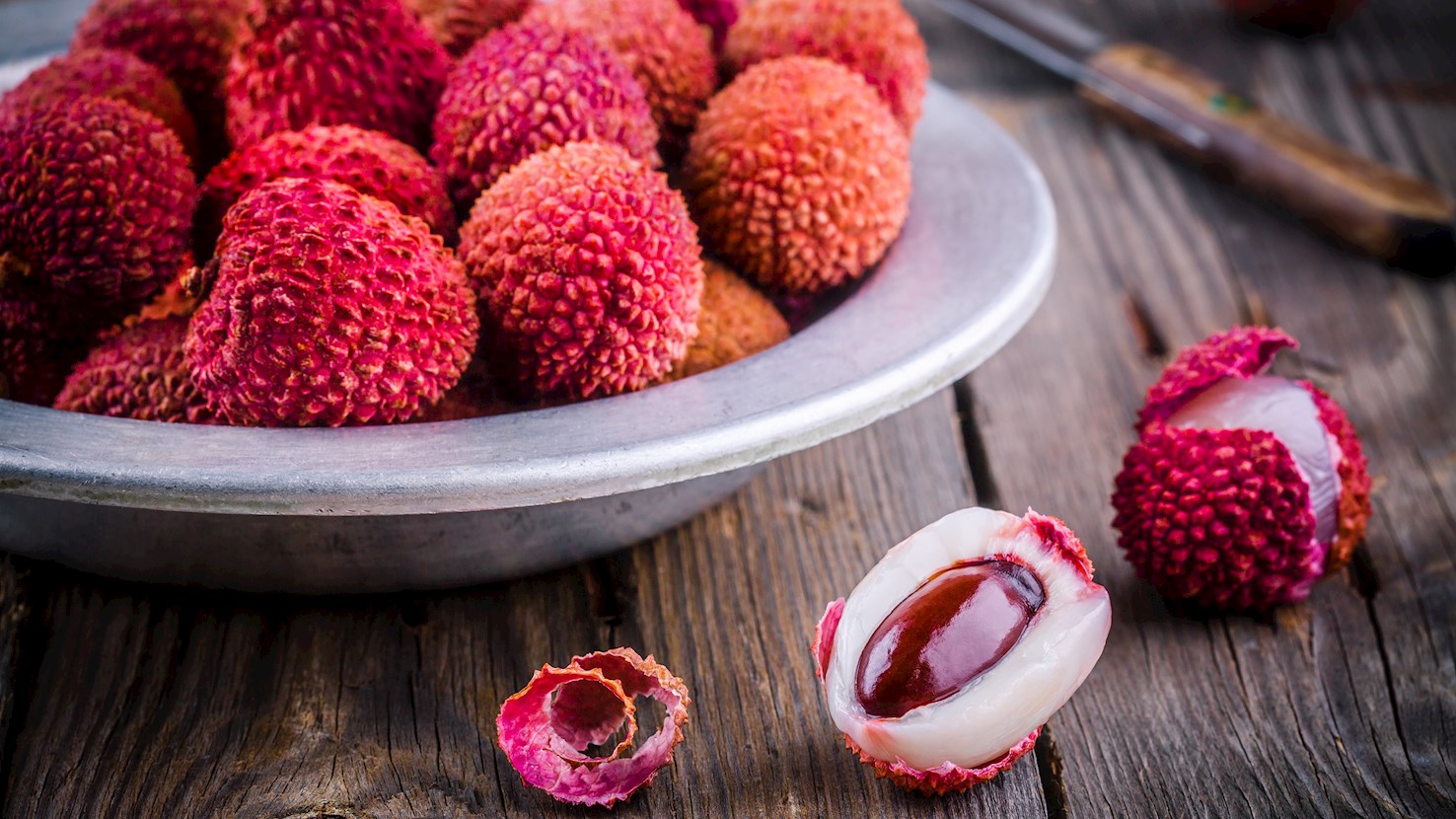
Lychee is a tropical fruit that's native to the Chinese provinces of Fujian and Guangdong. The fruit is oval to round, red in color, and has a brittle and inedible outer covering that encloses a translucent white flesh on the inside and one large seed. The flavor of the pulp is musky and aromatic when fresh, and when dried, it's acidic and sweet. Lychees are most commonly enjoyed fresh, but they can also be dried, canned, used in ice creams, or processed into wine, juice, and jelly. The fruit is a good source of minerals, vitamins, and antioxidants. Nowadays, lychees are grown in southern China and tropical Southeast Asia, India, Florida, Hawaii, and South Africa.

10

Latundan banana

3.9 ·

The Latundan banana (lat. Musa acuminata × Musa balbisiana) is a triploid hybrid of the banana cultivar, originating in the Philippines, but also popular in other parts of Southeast Asia and India. Latundan bananas are smaller than the more widely known Cavendish bananas, and have a thinner peel. They typically range in length from 4 to 5 inches (about 10 to 12.5 cm). One of the defining characteristics of the Latundan banana is its texture and flavor. The flesh is soft and creamy, and it has a sweet taste with hints of apple and strawberry, which is why it's sometimes referred to as the "apple banana". Latundan bananas are rich in vitamins and minerals, including vitamin C, potassium, and dietary fiber, making them a nutritious snack option. They are often eaten fresh as a dessert banana but can also be used in cooking, particularly in desserts and sweet dishes where their unique flavor can shine.

Best Asian Fruits
01

Iichiko

4.9 ·
Iichiko is a renowned Japanese producer of shochu, a traditional Japanese spirit made from various ingredients like barley, sweet potatoes, and rice. Founded by Sanwa Shurui, Iichiko is famous for its commitment to high-quality production and innovation. Headquartered in the Oita Prefecture of Kyushu, Japan, an area known for its clean water and natural beauty, Iichiko has become a global leader in the shochu industry. Iichiko's most notable products include its flagship barley-based shochu, iichiko Saiten, which is crafted using unique methods such as the "all Koji" fermentation technique. This involves using barley Koji, a special mold that helps break down the starches in barley into sugars, enhancing the flavor profile of the spirit. The production also focuses on the single distillation process, preserving the delicate aromas and flavors of the barley.
Awards
SFWSC - San Francisco World Spirits Competition - Double Gold (2024, 2023)
ISC-International Spirits Challenge - Double Gold (2022)
02

Grace Wine

4.7 ·
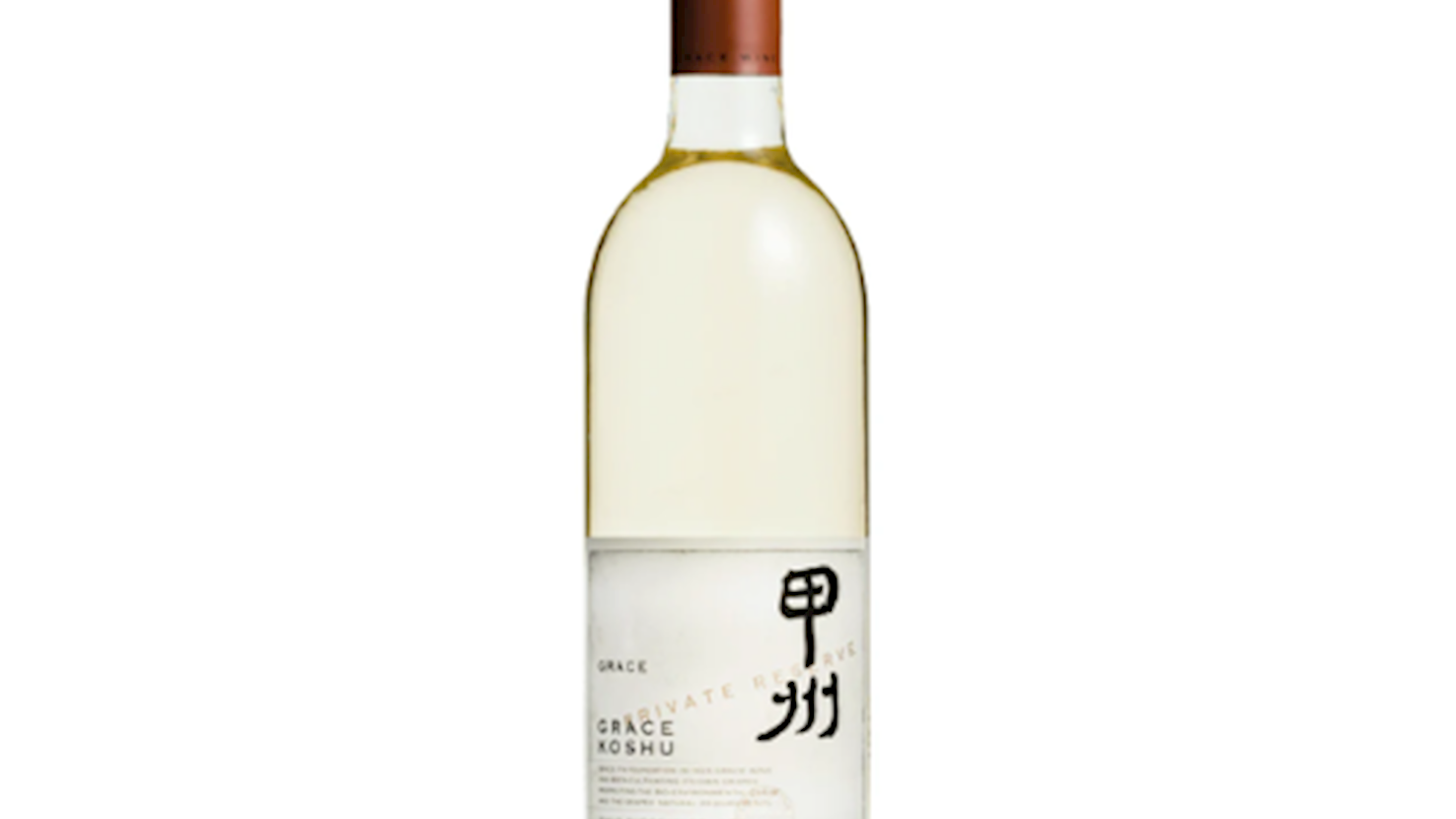
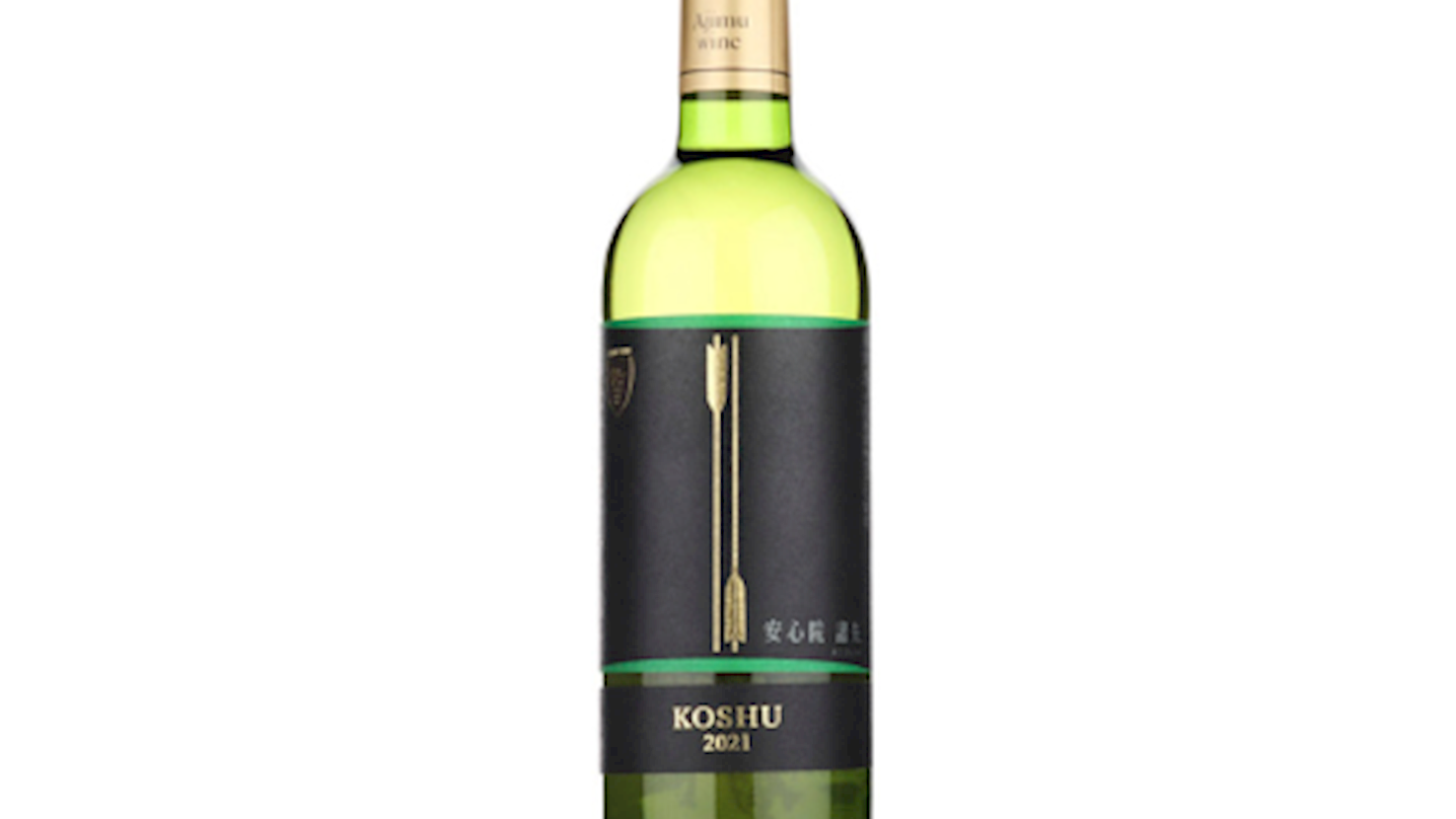
Grace Wine is a family-owned winery in Japan, founded in 1923 in Katsunuma, Yamanashi Prefecture, a region considered the cradle of Japanese winemaking. The winery’s main focus is the indigenous Japanese grape Koshu, a delicate white variety with pink-tinged skins that produces wines known for their minerality and subtlety. The vineyards are located at higher elevations, often above 700 meters, where cool nights and strong air circulation allow slow ripening and preserve natural acidity. The soils are rich in volcanic and alluvial sediments, contributing to the wines’ clean and linear profile. Their Koshu wines are characterized by elegance, discreet citrus notes, a saline mineral finish, and remarkable purity. In addition to Koshu, Grace Wine also produces red wines and traditional-method sparkling wines, but Koshu remains the defining element of the winery’s identity. Their wines pair exceptionally well with light and refined cuisine - especially fish, sashimi, and sophisticated Asian fusion dishes. Thanks to authenticity, consistent quality, and a long winemaking tradition, Grace Wine is considered a benchmark producer of Koshu in Japan. The winery preserves tradition while simultaneously pushing the boundaries of modern Japanese wine.
Awards
Decanter World Wine Awards - Platinum (2017, 2016)
Vivino - 4.1
03

Sapporo Breweries

4.2 ·
Sapporo is the oldest Japanese beer brand, founded in 1876 on the island of Hokkaido as part of a government initiative to modernize the country’s brewing industry. The first brewer was Seibei Nakagawa, a Japanese brewer trained in Germany, whose knowledge influenced the development of a European-style lager culture in Japan. The brand is recognizable by its star symbol, a legacy of the historical Kaitakushi Brewery, which later evolved into Sapporo Breweries. Over the years, Sapporo has grown from a regional brewery into an international group with production facilities in Japan, North America, and other markets. Production relies on precise control of fermentation and filtration, resulting in a clean, crisp, and refreshing flavor profile. Sapporo lagers are traditionally described as light, with pronounced carbonation and a dry finish. The quality of Hokkaido water plays an important role in the brewing process and is often cited as a factor in the beer’s distinct freshness. While the brand preserves its historical identity, its production is fully modern and industrially optimized. Although not a craft brewery, Sapporo maintains elements of tradition through heritage preservation, museum spaces, and a consistent visual identity rooted in its origins. Today, Sapporo is present in restaurants and retail markets worldwide and is closely associated with Japanese cuisine and beer culture paired with food. The brand positions itself as a balance between tradition and contemporary brewing, demonstrating how a historic label can remain relevant in a modern beer market.
Awards
IWSC- International wine & spirit competition - Gold (2024, 2021, 2019)
Vivino - 3.7
Read more
View all
View map
About this ranking

TasteAtlas food rankings are based on the ratings of the TasteAtlas audience, with a series of mechanisms that recognize real users and that ignore bot, nationalist or local patriotic ratings, and give additional value to the ratings of users that the system recognizes as knowledgeable. For the “Top 78 Asian Fruits” list until June 24, 2026, 2,029 ratings were recorded, of which 1,482 were recognized by the system as legitimate. TasteAtlas Rankings should not be seen as the final global conclusion about food. Their purpose is to promote excellent local foods, instill pride in traditional dishes, and arouse curiosity about dishes you haven’t tried.

The initial list of top producers was compiled based on available reviews, awards, local recommendations, media and blog coverage, and consumer reviews. The list will be updated with ratings from TasteAtlas local ambassadors and TasteAtlas users.

Similar lists