

shutterstock

Top 31 Greek Fruits

Last updated on June 15, 2026
01

Rodakina Naoussas

4.5 ·

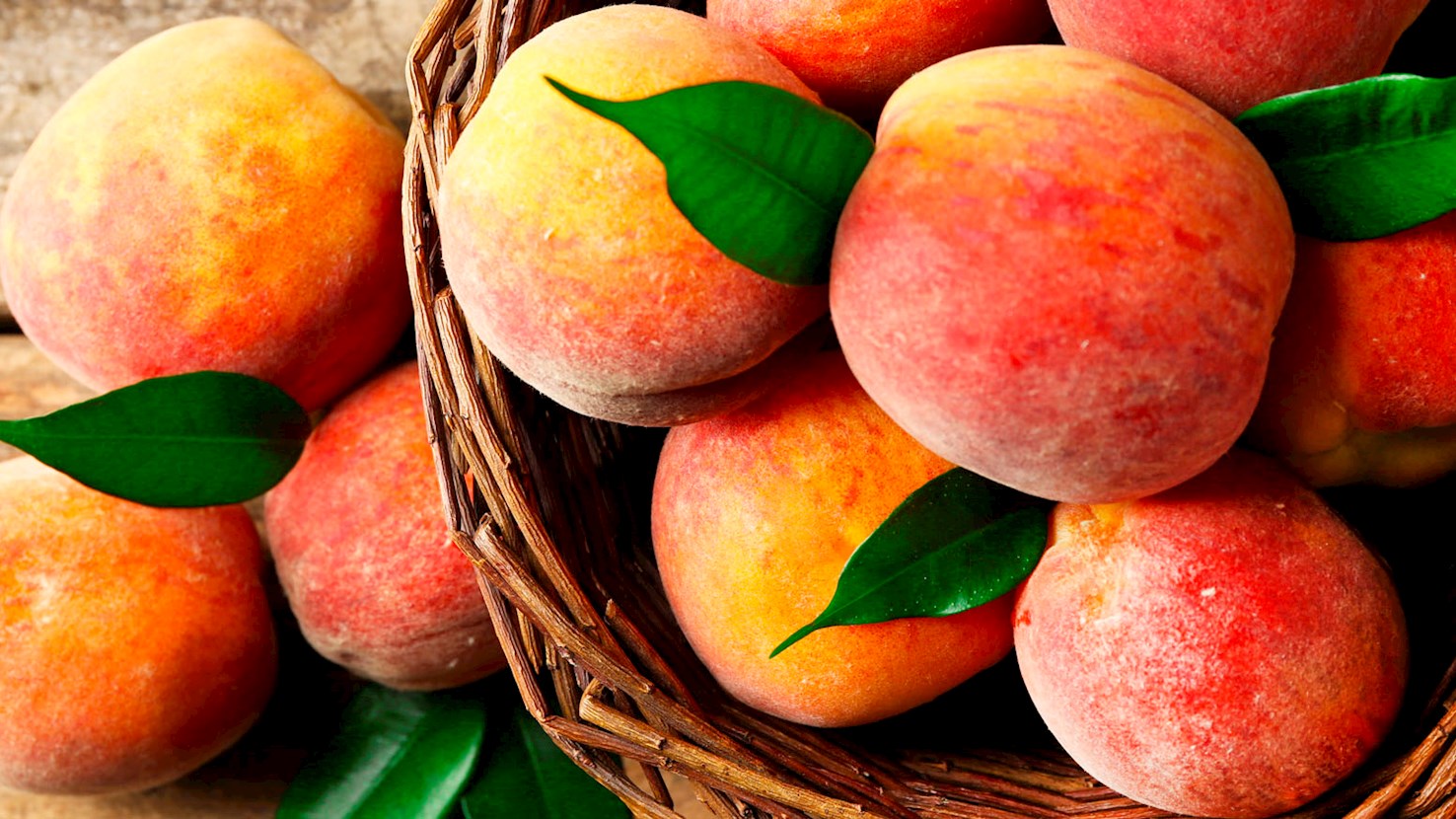
These tasty peaches of the May Crest, Spring Crest, June Gold, Dixired, Red Haven, Maria Bianca, Sun Cloud, Flavor Crest, Sun Crest, J.H. Hale, Honey Dew Hale, Naoussa Late, and Loring varieties grow in the Greek region of Central Macedonia. Even though these peach varieties originated in China, the excellent weather and soil conditions combined with systematic cultivation made them adapt quickly to the Mediterranean, and they quickly became one of the most popular fruits in Greece. They are harvested when ripe and immediately inspected and packed to retain their freshness. Due to their rich aroma and sweet taste, they are highly sought after by consumers both in Greece and beyond, especially in the markets of Europe and the Arabian Peninsula, where they are sold from the end of May to the end of October.

02

Mandarini Chiou

4.5 ·

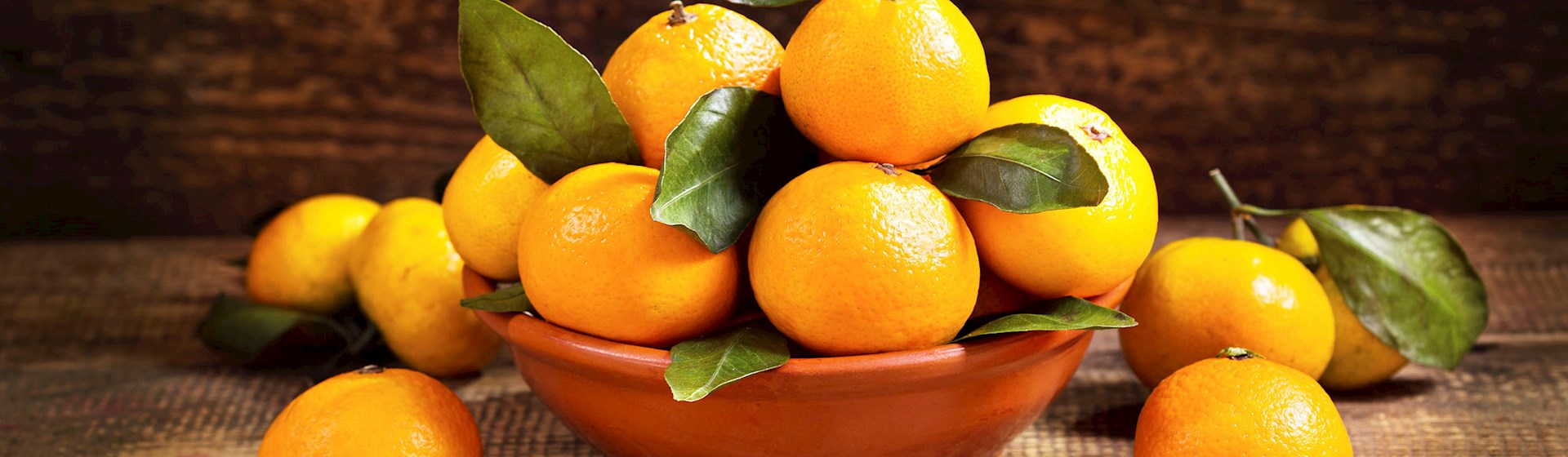
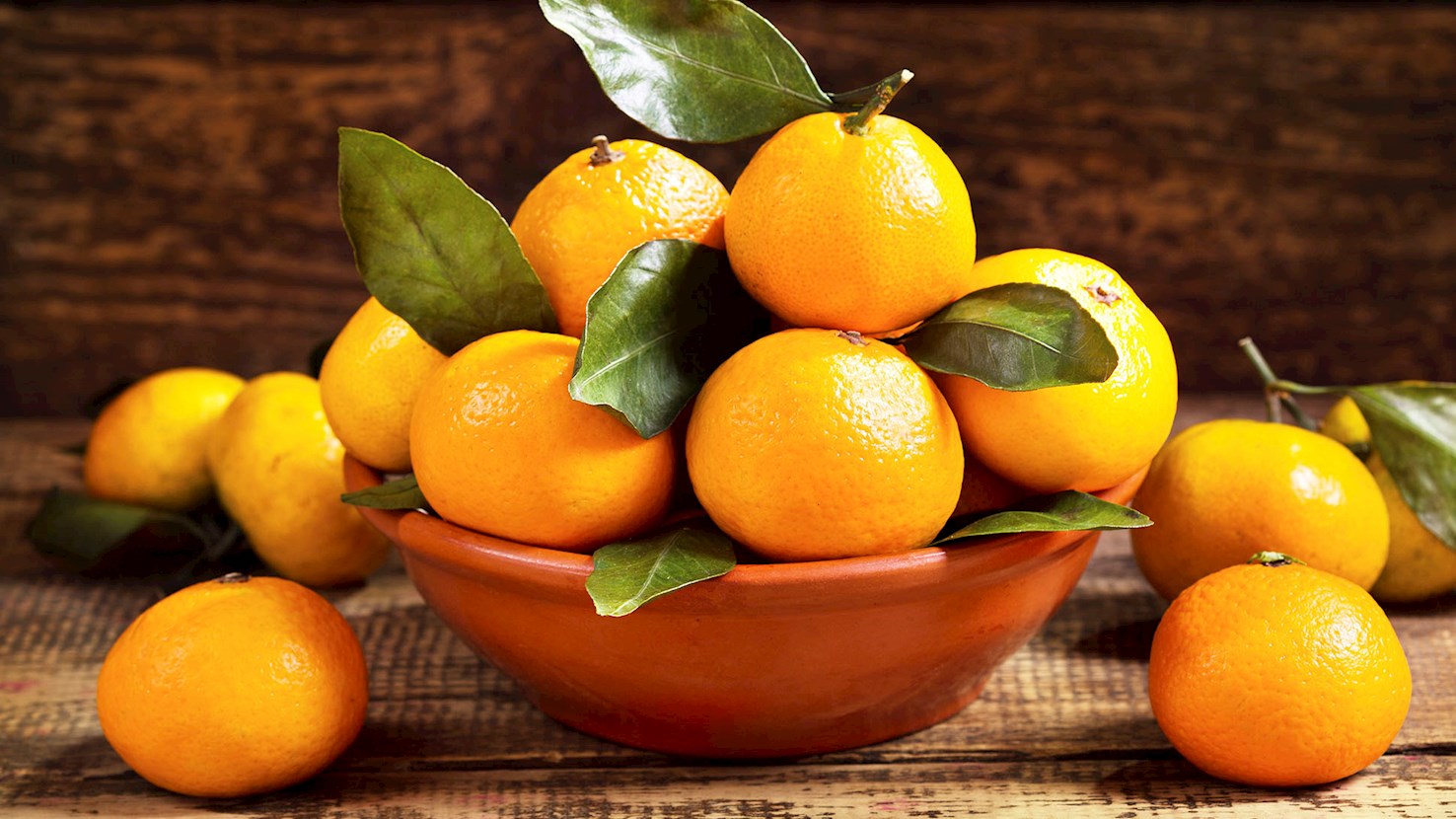
The size and quality of the fruit and its high sugar content can be ascribed to amazing weather, great exposure to the sun and properties of the soil. It has tender, tasty, slightly orange flesh with an intense aroma and quite a rough membrane. This variety of mandarins is among the most aromatic in the world. Even when they are unripe, the persistence of their aroma will make anyone love them at the first bite. Amazingly, their aroma escapes the citrus groves, taking over the entire island, making Chios known both in Greece and abroad as 'Myrovolos' – the fragrant island. The term Mandarini Chiou was established on the market at the end of the 19th century to identify the island with this original, sought-after product of a characteristic intense flavor. In order to preserve the fruit’s high quality, the growers of Chios invented the procedure of paper wrapping the mandarins immediately after harvesting. The earliest written evidence of this method can be found in the French travel review 'Le Tour du Monde' from 1878. These mandarins enjoy an excellent reputation and are, together with Mastiha Chiou, the prefecture's most sought after product. They are used as the basic ingredient in a wide variety of products such as marmalade, juice and sweets. Also, they are often processed into an essential oil that can be used in bakery and the cosmetic industry.

03

Mila Zagoras Piliou

4.4 ·

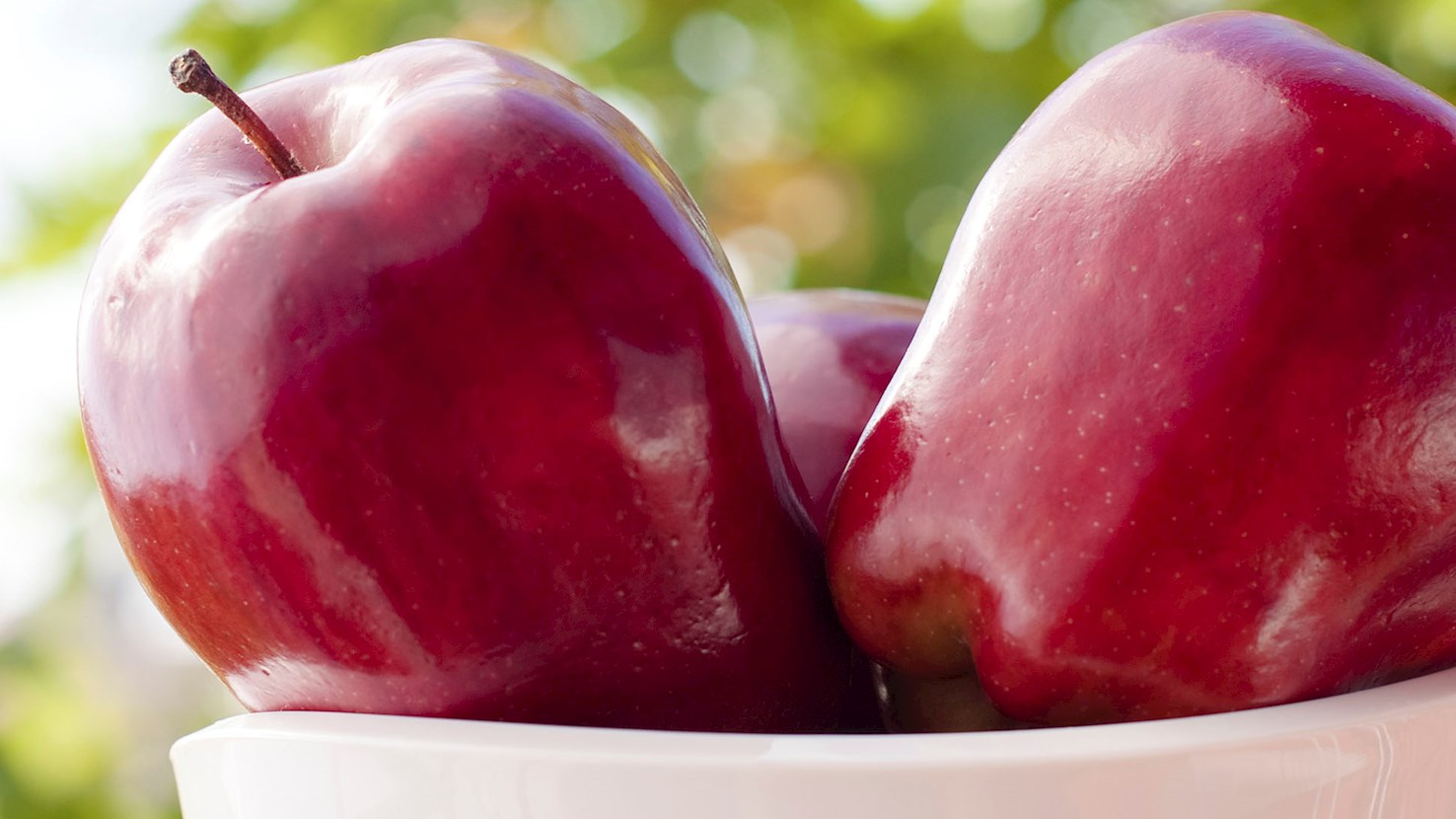
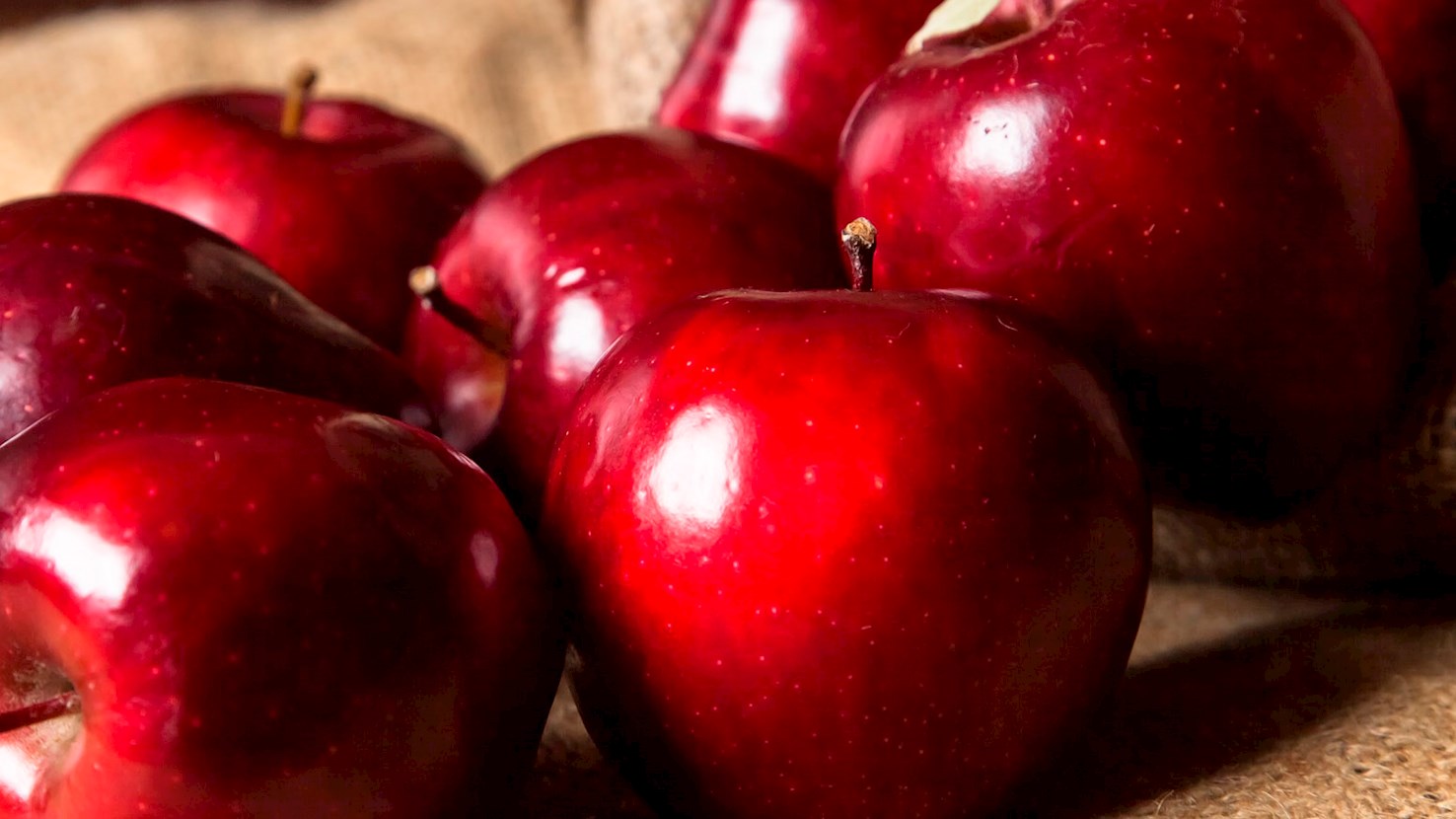
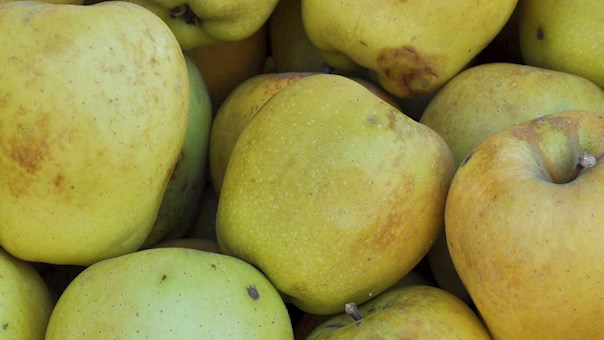
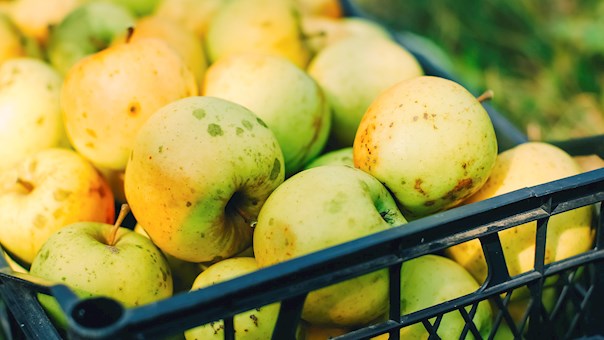
Mila Zagoras Piliou are apples obtained from the Starking Delicious variety in Zagora, Makrirahi and Pouriou on the eastern side of Pilios. The systematic cultivation of these apples started in the 1960s under the supervision of the Zagora Agricultural Cooperative. They owe their distinctive characteristics to high altitudes where they are grown, special weather conditions and the use of traditional cultivation techniques. Mila Zagoras Piliou are harvested by hand after their ripeness is checked. Following the quality assessment, they are packed and stored in the cooperative's modern installations. They can be recognized by their vivid red color and a smooth, waxy skin. Their flesh is white to yellow, very juicy and full of flavor.

04

Portokalia Maleme Chanion Kritis

4.4 ·

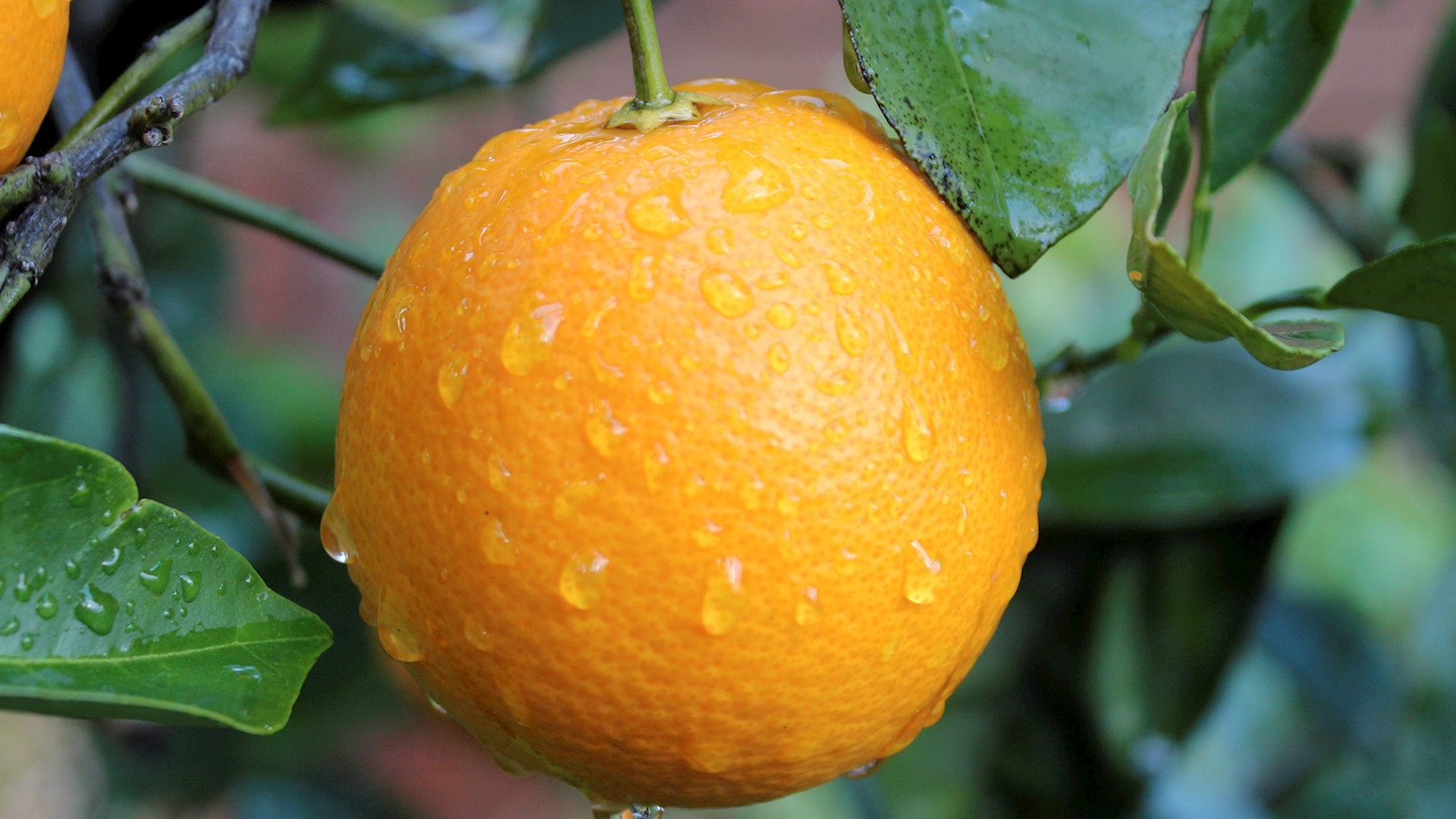
These oranges of the Washington Navel variety are cultivated in the coastal areas of Chania prefecture on the island of Crete. They are harvested by hand from the middle of December until the middle of May. These exceptionally juicy and flavorful oranges have a strong fragrance. They are quite large, slightly elongated, and quite firm, which makes them easy to transport. It is often said that Cretan oranges are the best in the world. According to Greek mythology, these oranges were kept in the Gardens of the Esperides, away from humans. Portokalia Maleme Chanion Kritis oranges were the most important fruit to eat during the winter, and were present in every Cretan home due to their nutritional value - they are very rich in Vitamin C, B and A. Although usually eaten raw, there are many recipes for tasty jams and pies that can be made from this fantastic fruit.

05

Malagousia

4.2 ·

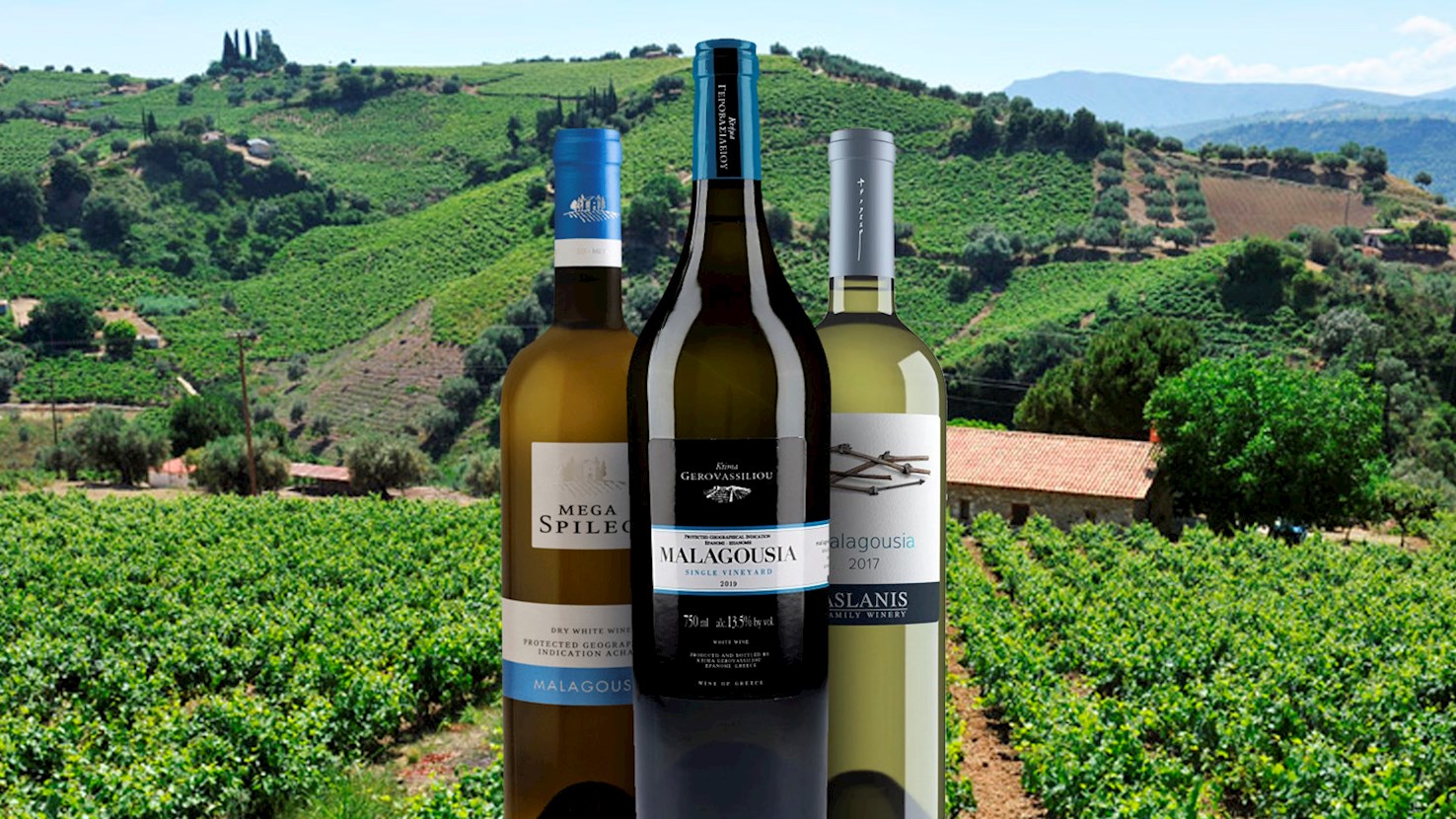
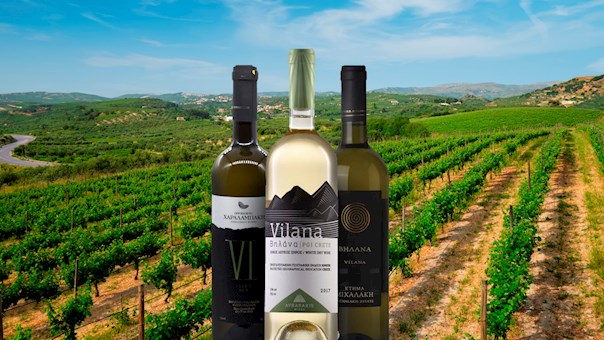
Malagousia is an ancient, white-skinned Greek grape that was saved from extinction by Vangelis Gerovassiliou, who brought it back from obscurity in the 1970s. The grape produces aromatic dry wines, which are usually of excellent quality. It is also used to make dense and perfumed dessert styles. On the nose, the wines display intense aromas often reminiscent of peaches, pears, and tropical fruit, usually with citrusy, herbal, and subtle floral notes. On the palate, they are full-bodied, rich, and round, and the best examples manage to remain lively and fresh. Malagousia can be enjoyed young, but it is also aged, both in steel and oak. Dry wines would pair well with Mediterranean and Asian fare, especially seafood, poultry, pasta dishes, salads, and vegetables. Sweet versions can be a good match with fruit desserts.

06

Moschofilero

4.2 ·

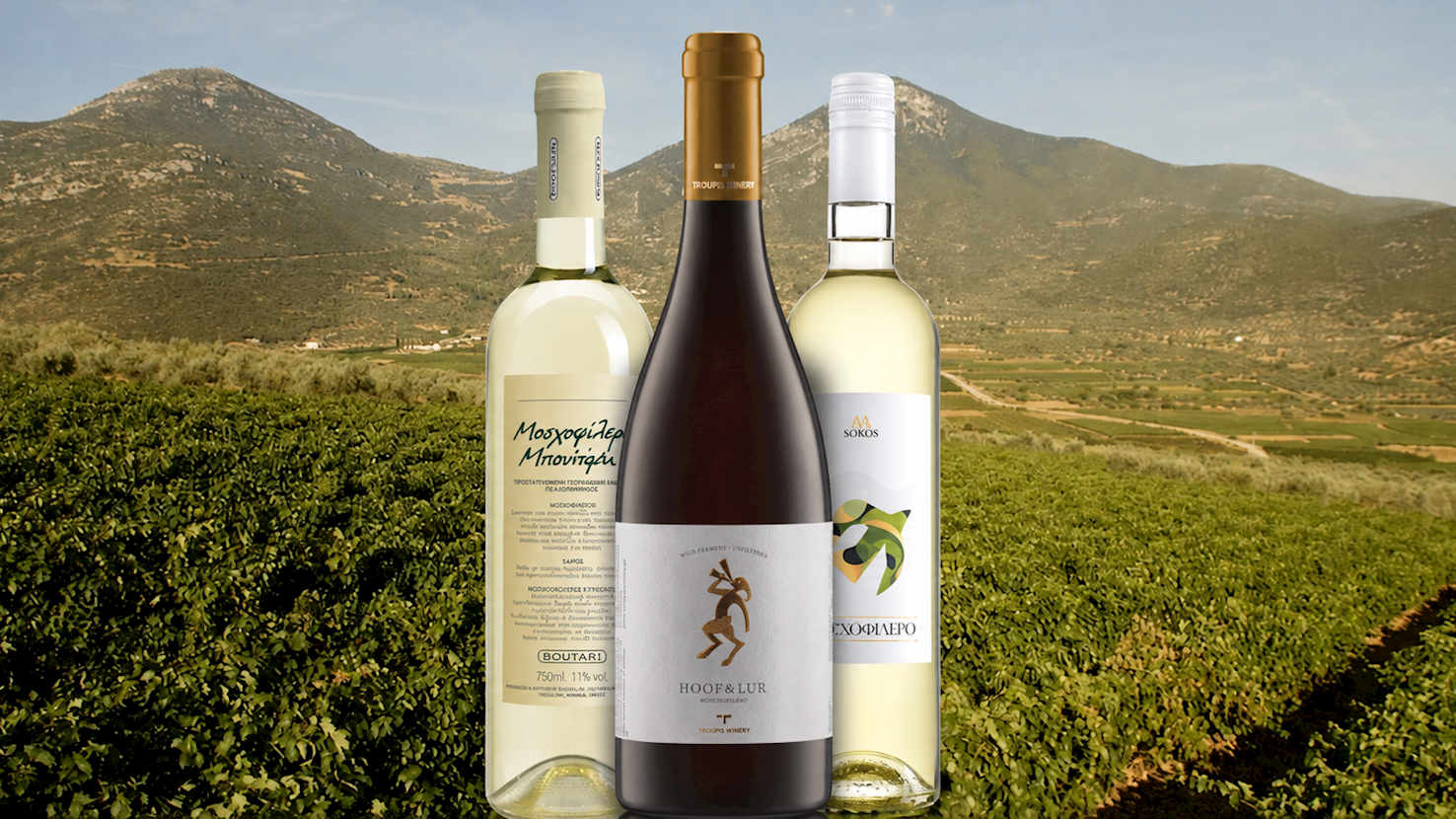
Moschofilero is a Greek grape that hails from Peloponnese. It is an aromatic and late-ripening variety that delivers high yields, but it is sometimes sensitive and finicky to grow. Despite its common presence, Moschofilero was only popularized in the 1970s and ’80s, primarily by the producers from PDO Mantinia, the most important wine region for Moschofilero. Varietal Moschofilero wines can be incredibly versatile. They will usually have bright and crisp acidity, which highlights their clean and fresh character. The wines from lower altitudes will usually have more freshness, and those from higher vineyards tend to have a more prominent floral character. Typical aromas are reminiscent of peaches, jasmine, orange blossom, roses, and citrus fruit. Moschofilero is usually enjoyed young, but the best examples sometimes show aging potential. These wines would pair nicely with fish and seafood, poultry, light snacks, spicy dishes, Asian fare, and salads.

07

Aktinidio Pierias

4.2 ·

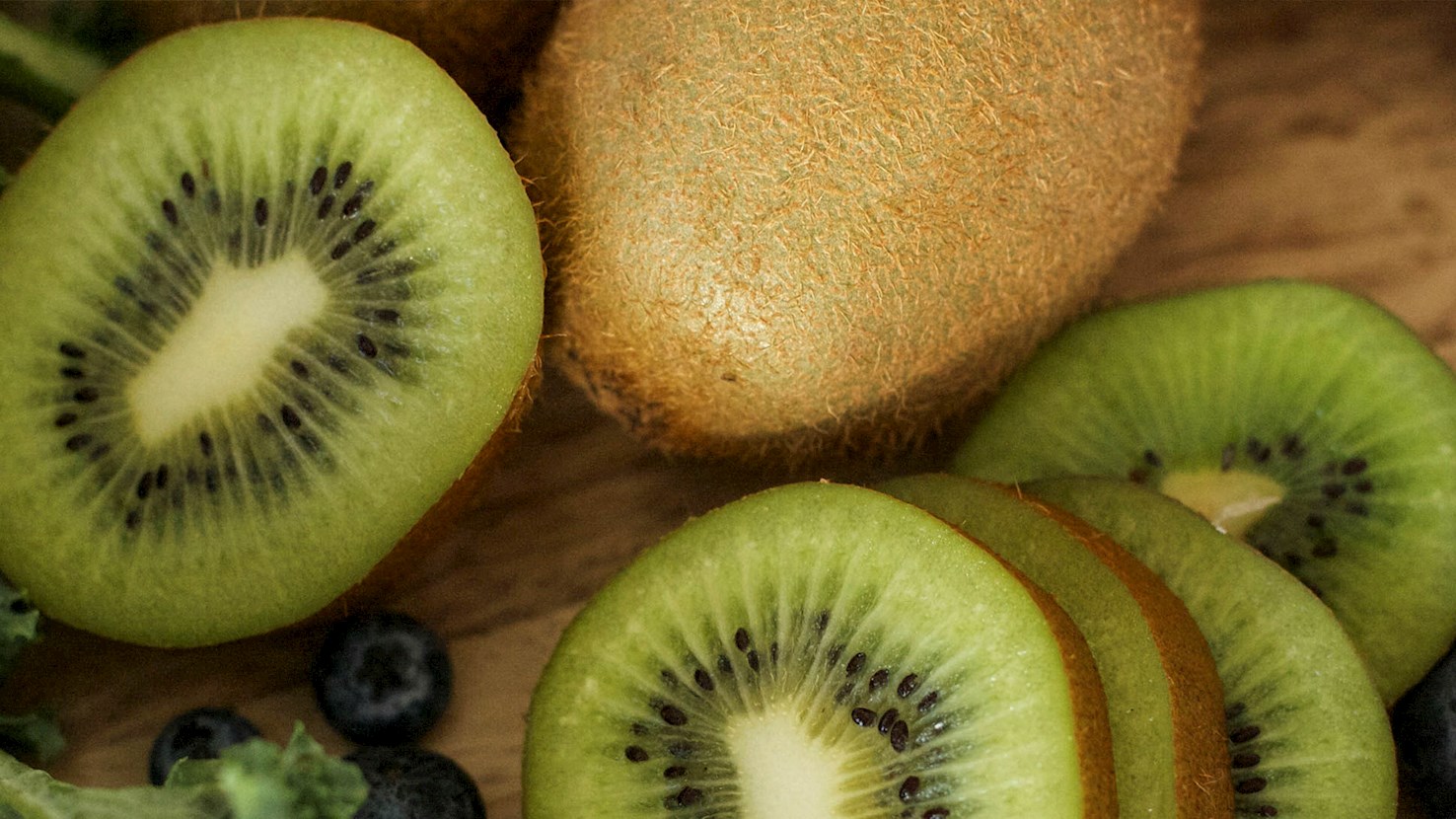
The delicious Pierias kiwi was first grown in 1973 on the Pierian plains, and it showed an amazing adaptability to the microclimate of this region nestled between Mt. Pierus and Mt. Olympus. The soil composition and cultivation techniques are the two most important factors contributing to the high quality of this fruit and its ability to keep for up to nine months after harvesting. This kiwi, recognized for its distinct characteristics and its delicate exotic aroma is called 'the Fruit of Olympus'. The kiwi grown on the Pieria plains is the Hayward varietal. It has a reddish green skin and particularly juicy, pale green flesh. Pierias kiwis can be enjoyed fresh or prepared in local specialties such as green marmalades made with black sugar.

08

Assyrtiko

4.1 ·

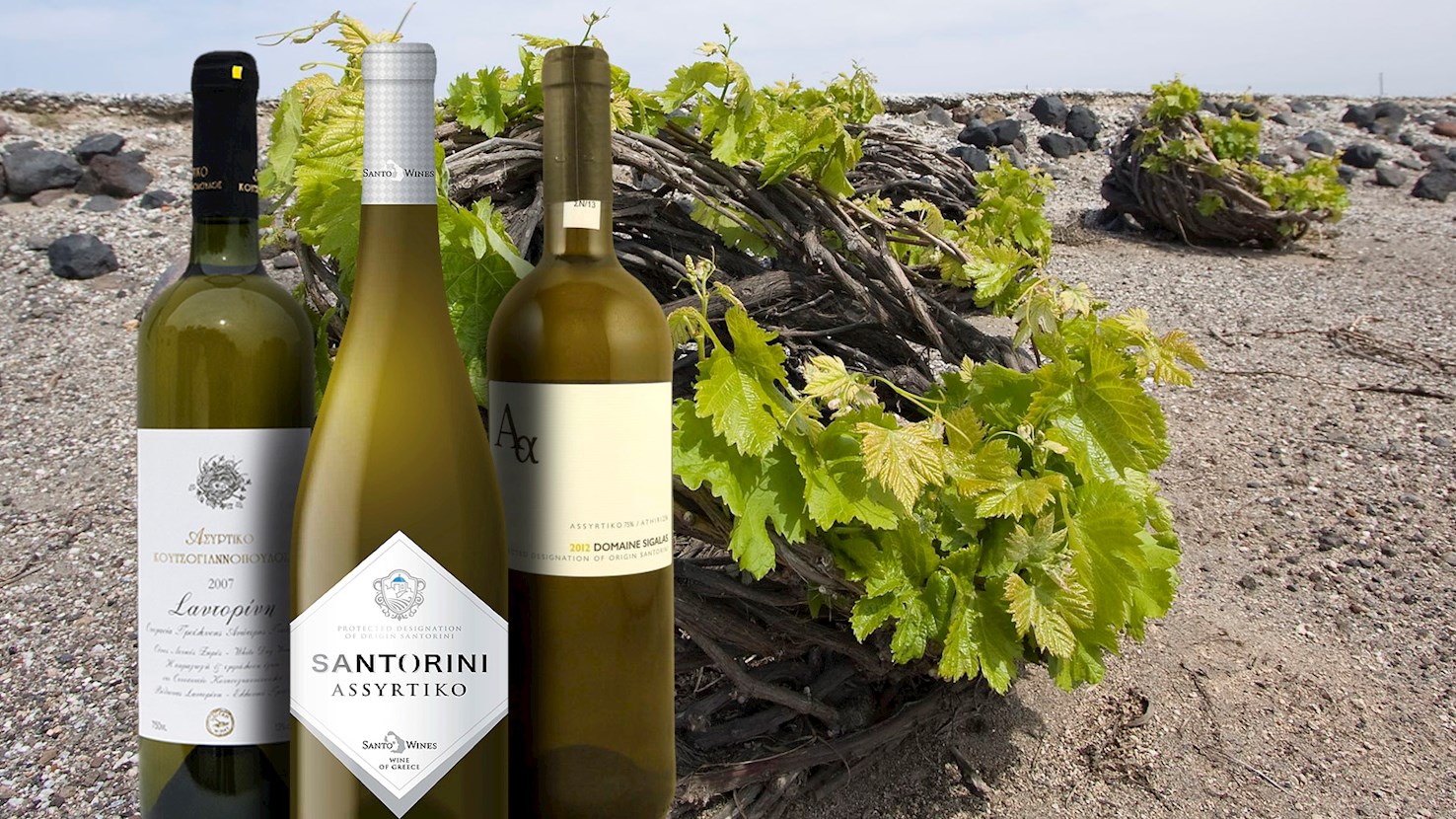
This Greek white grape variety is indigenous to the island of Santorini, but it can also be found on other Aegean island such as Paros. The soil of the island, which is rich in volcanic ash, seems to enable the grapes to retain their acidity regardless of how long they ripen, which gives these wines a long aging potential. Its popularity has grown recently due to its unusual character, which does not reflect the hot climate it comes from. Assyrtiko wines are dry, full-bodied white wines with citrus aromas and a pleasant minerality. This wine can also be blended with two other local varieties, Aidani and Athiri, during the production of the sweet wine Vinsanto. The dry version makes a great complement to fish, seafood, and anything salty or briny.

09

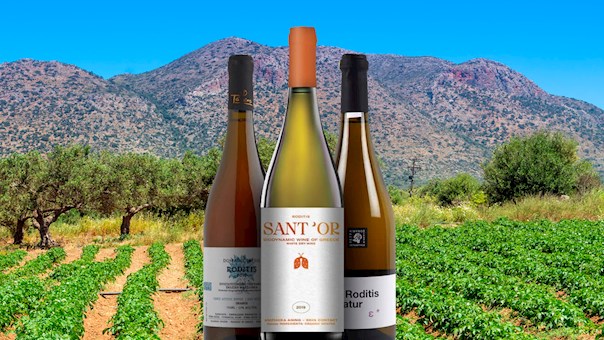
Roditis

4 ·

Roditis is a pink-skinned variety from Greece that is cultivated throughout the mainland. It is the second most planted grape in Greece, used both in varietals and blends. The grape was mostly used for bland, inexpensive bulk wines, but the recent shift to quality has slightly improved its reputation. Roditis is terroir-driven, and the grape is multi-clonal (at least three confirmed clones), creating wines with somewhat different characters and features. The best expressions come from old vines and high altitudes, resulting in subtly aromatic wines with a medium body and high acidity, such as those from Aigialia Slopes in the Peloponnese. Typical aromas in these wines are reminiscent of apple, pear, and melon, often with a bit of tart and hints of citrus. Roditis-based wines are not built to age, and most should be enjoyed young. These wines are food-friendly and can pair well with traditional Greek dishes. They would go especially well with appetizers, fish, and lighter Greek dishes.

10

Agiorgitiko

4 ·

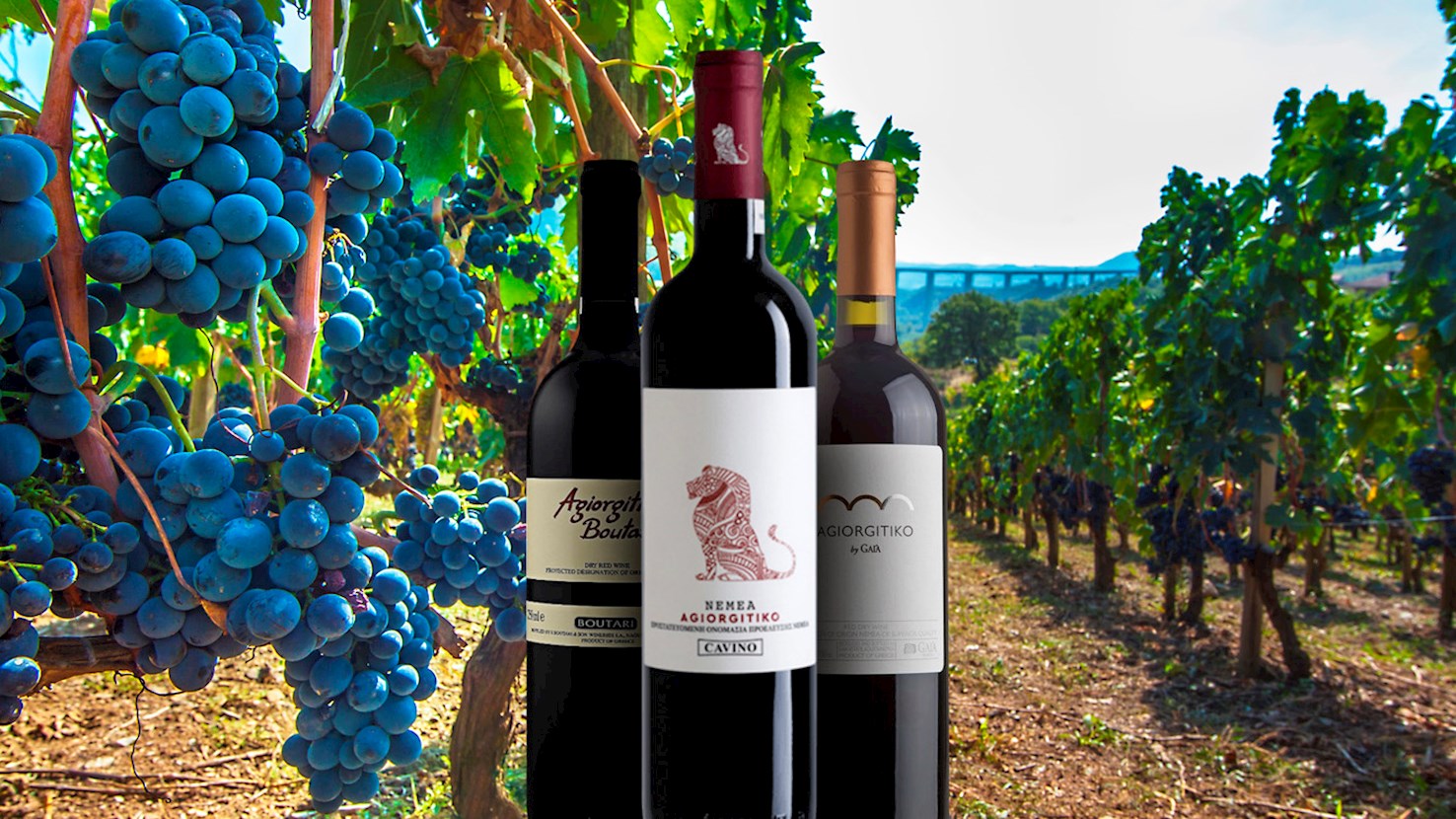
Agiorgitiko is the most widely planted red grape variety in Greece. It is cultivated in several wine regions, but Nemea, where the grape originated, is its most important region. Agiorgitiko is a versatile grape that can be vinified into several styles, and it is often used as a backbone in many Greek blends. It is best known as a full-bodied red, usually coming from Nemea, but it can also be made into young, light red wines, fresh rosés, or dessert styles. Agiorgitiko wines are typically characterized by fruity aromas, which are sometimes accompanied by notes of sweet spices. The wines are soft, and the tannins are present but never aggressive. The acidity is usually low to moderate. Aged and oak-aged styles are more tannic, with more concentrated, complex flavors. Agiorgitiko wines are usually food-friendly and can pair with a variety of dishes. They are a good match with red meat, sausages, stews, lamb, and pasta dishes.

Read more
View all
View map
About this ranking

TasteAtlas food rankings are based on the ratings of the TasteAtlas audience, with a series of mechanisms that recognize real users and that ignore bot, nationalist or local patriotic ratings, and give additional value to the ratings of users that the system recognizes as knowledgeable. For the “Top 31 Greek Fruits” list until June 15, 2026, 1,189 ratings were recorded, of which 515 were recognized by the system as legitimate. TasteAtlas Rankings should not be seen as the final global conclusion about food. Their purpose is to promote excellent local foods, instill pride in traditional dishes, and arouse curiosity about dishes you haven’t tried.

Similar lists