


shutterstock

Top 8 Southeast Asian Goat Dishes

Last updated on June 15, 2026
01

Sate kambing

4.5 ·

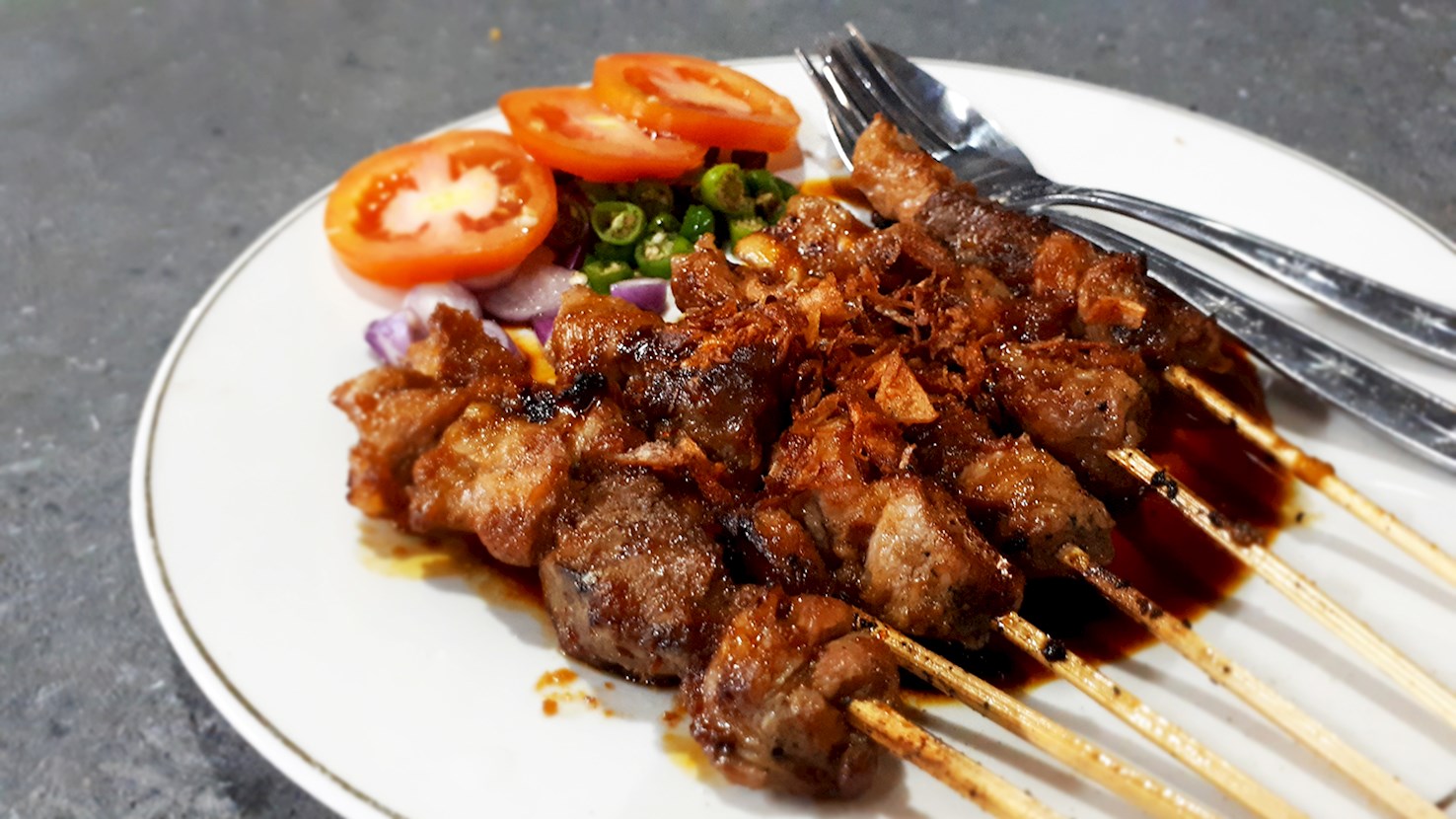
Sate kambing is a traditional dish and a type of satay prepared with goat or mutton as the main ingredient. The meat is cut into chunks or cubes and it's marinated in a combination of ingredients such as kecap manis (sweet soy sauce), galangal, ground shallots, pineapple juice, and (often) chili peppers. After it's been marinated, the meat is placed on skewers that are larger and thicker than the ones used for chicken satay as the texture and thickness of mutton or goat is tougher than chicken. The skewers for sate kambing are usually made from bamboo. The meat is grilled, then served with kecap manis sauce, peanut sauce, or chili sauce, consisting of shallots, bird eye chili peppers, and kecap manis. Some like to eat sate kambing with steamed rice or rice cakes on the side. This type of sate is especially popular in Java.

02

Tongseng

4 ·

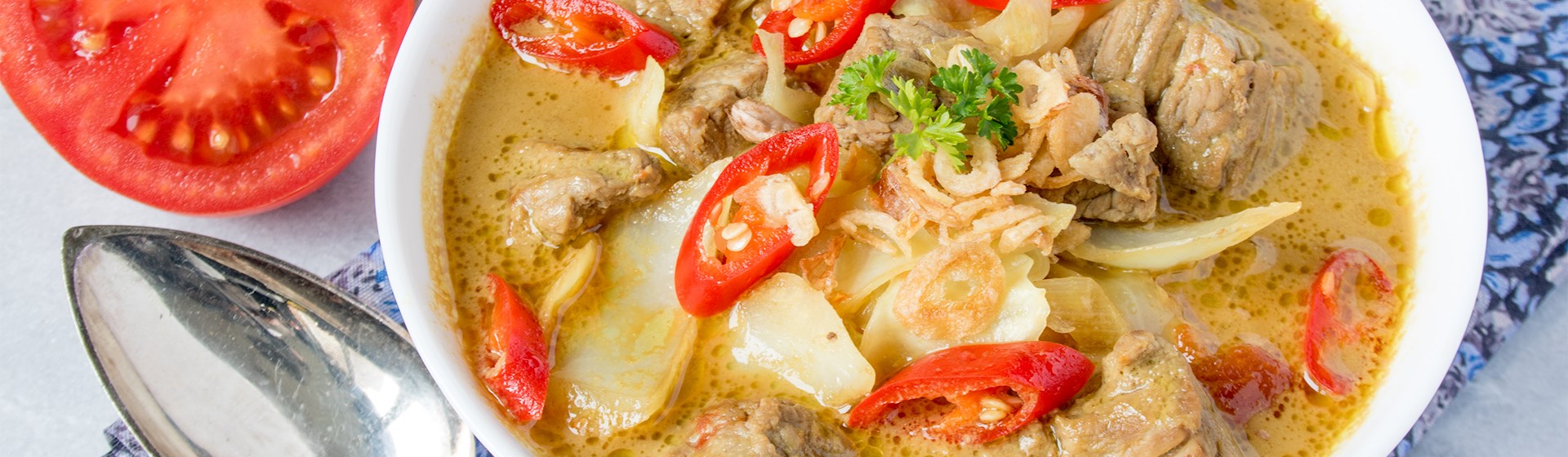
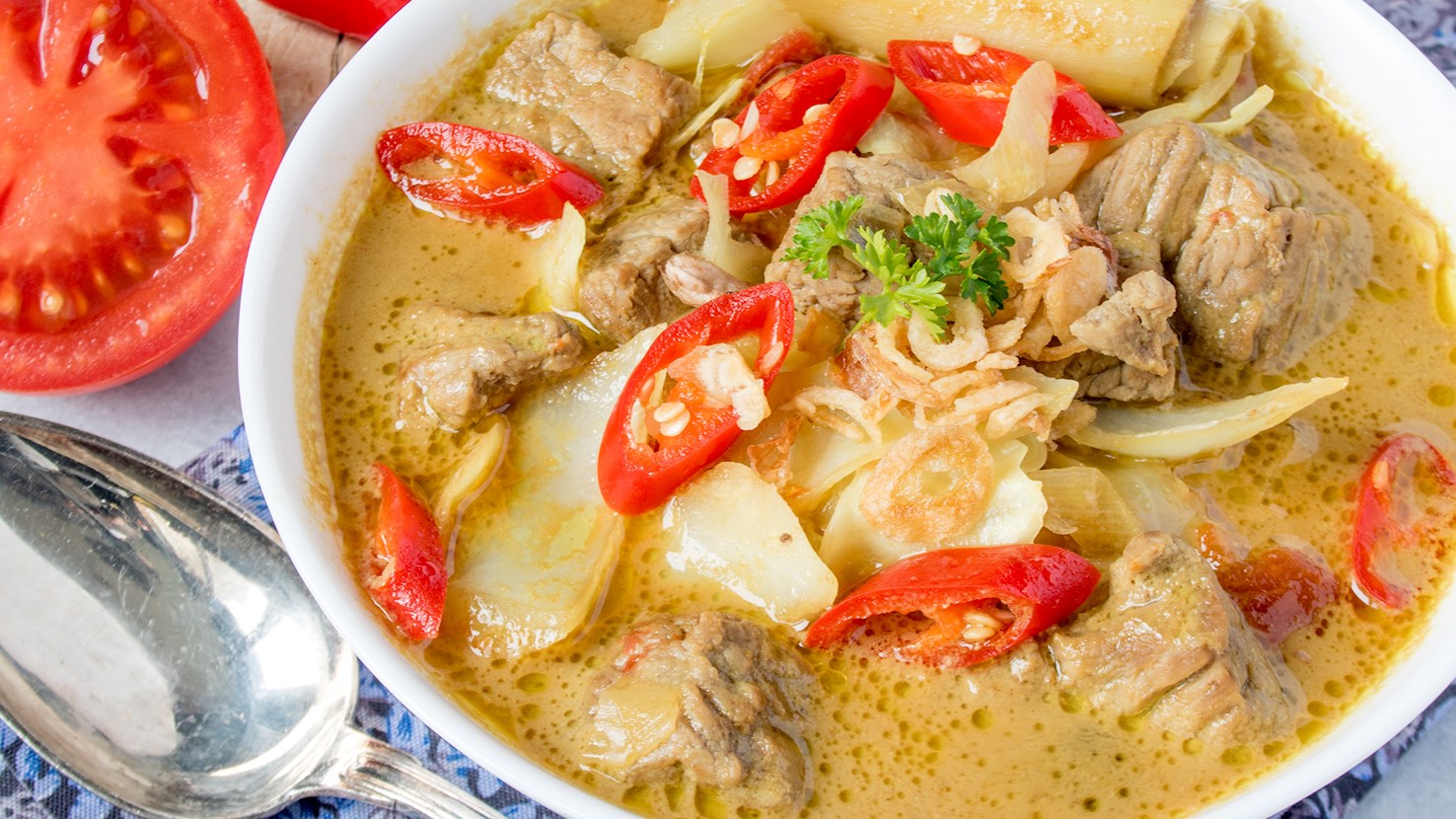
Predominantly sweet, slightly robust, and deliciously spicy, tongseng is an authentic Indonesian meat stew, typically goat, cooked with kecap manis (sweet soy sauce), shredded cabbage, tomatoes, and coconut milk. It is commonly regarded as a combination of satay, meat skewers, and gulai, Indonesian curry. This Javanese delicacy is replete with exotic herbs and spices that give it an exquisite flavor, while the coconut milk gives it a smooth, creamy texture. Beef, mutton, and even chicken are alternatives to the goat meat. Also, it is not uncommon to leave the bones and offal of the meat while cooking the dish for a richer flavor. Traditionally, tongseng is cooked on a charcoal stove that lends the dish a pleasant, smoky taste. This specialty is believed to have been inspired by Arab and Indian cuisines, and it is commonly associated with Surakarta, better known as Solo. Tongseng has become a popular food sold all over the island of Java, from warungs and street stalls to fancy restaurants. Street stalls in Jakarta, Bandung, and Surabaya are said to offer the best tongseng.

03

Gulai kambing

3.7 ·

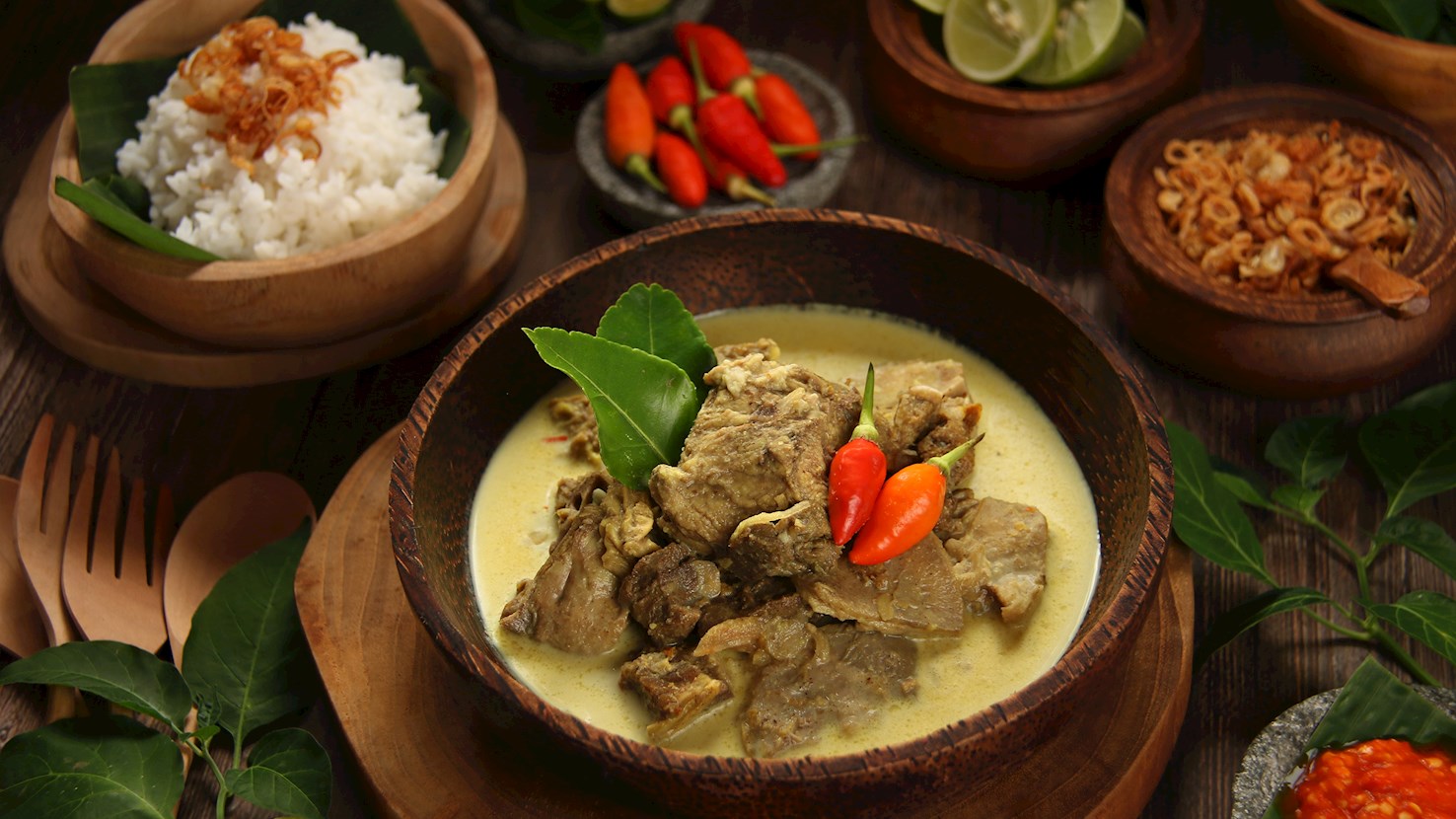
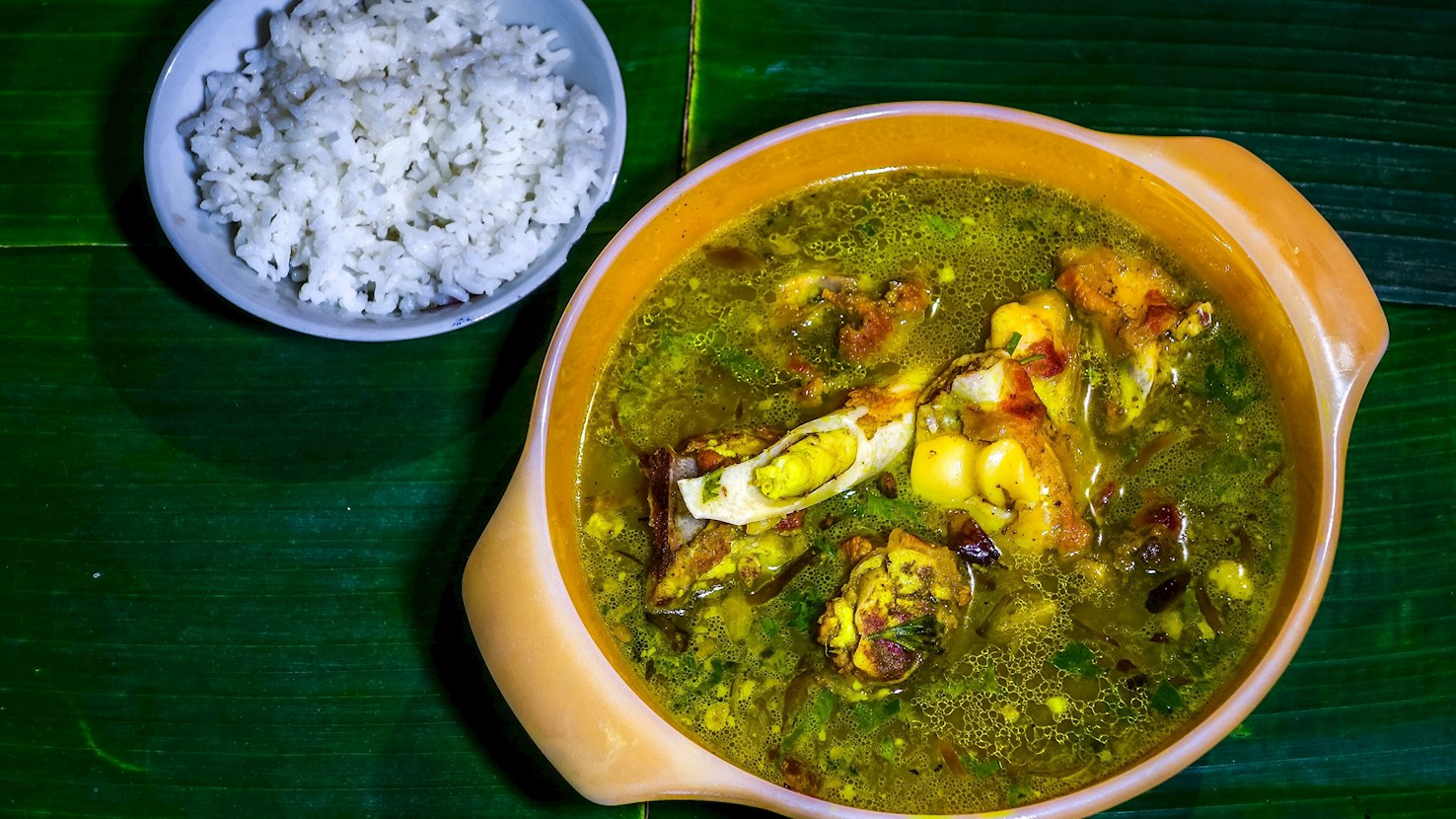
Gulai kambing is a rich and deeply aromatic Indonesian lamb, mutton or goat curry, rooted in Minangkabau traditions from West Sumatra but enjoyed widely across Java and other islands. At its heart, gulai kambing features tender pieces of lamb, mutton or goat meat (often including bone, skin, or offal) simmered slowly in a thick coconut milk broth infused with a complex blend of spices such as turmeric, coriander, cumin, galangal, lemongrass, ginger, cinnamon, and cloves. The result is a golden-yellow curry that is luxuriously creamy yet boldly spiced, with the natural gaminess of the goat mellowed and enriched by the coconut milk and aromatic base. The preparation varies slightly by region, with some versions leaning spicier or sweeter, and others using a thinner broth, but all are defined by their depth of flavor and slow-cooked warmth. Traditionally served hot with steamed rice, gulai kambing is often accompanied by condiments like sambal, pickled vegetables, or crispy shallots to enhance its taste and texture. This dish is a hallmark of festive gatherings, religious feasts, and traditional warung menus.

04

Tengkleng

3.5 ·

This Indonesian goat stew originated in Surakarta, Java. It is believed that the dish appeared during the Dutch rule when the best goat cuts were usually distributed among the rich, and what was left for the poor were goat bones which still had some meat attached to them. The bones are cooked in a thin, coconut-milk-based broth that is enriched with various herbs and spices such as turmeric, galangal, lemongrass, cumin, coriander, garlic, and onions, while some establishments also may include the addition of goat innards. The dish is served in bowls or wrapped in banana leaves.

05

Krengsengan

3.3 ·

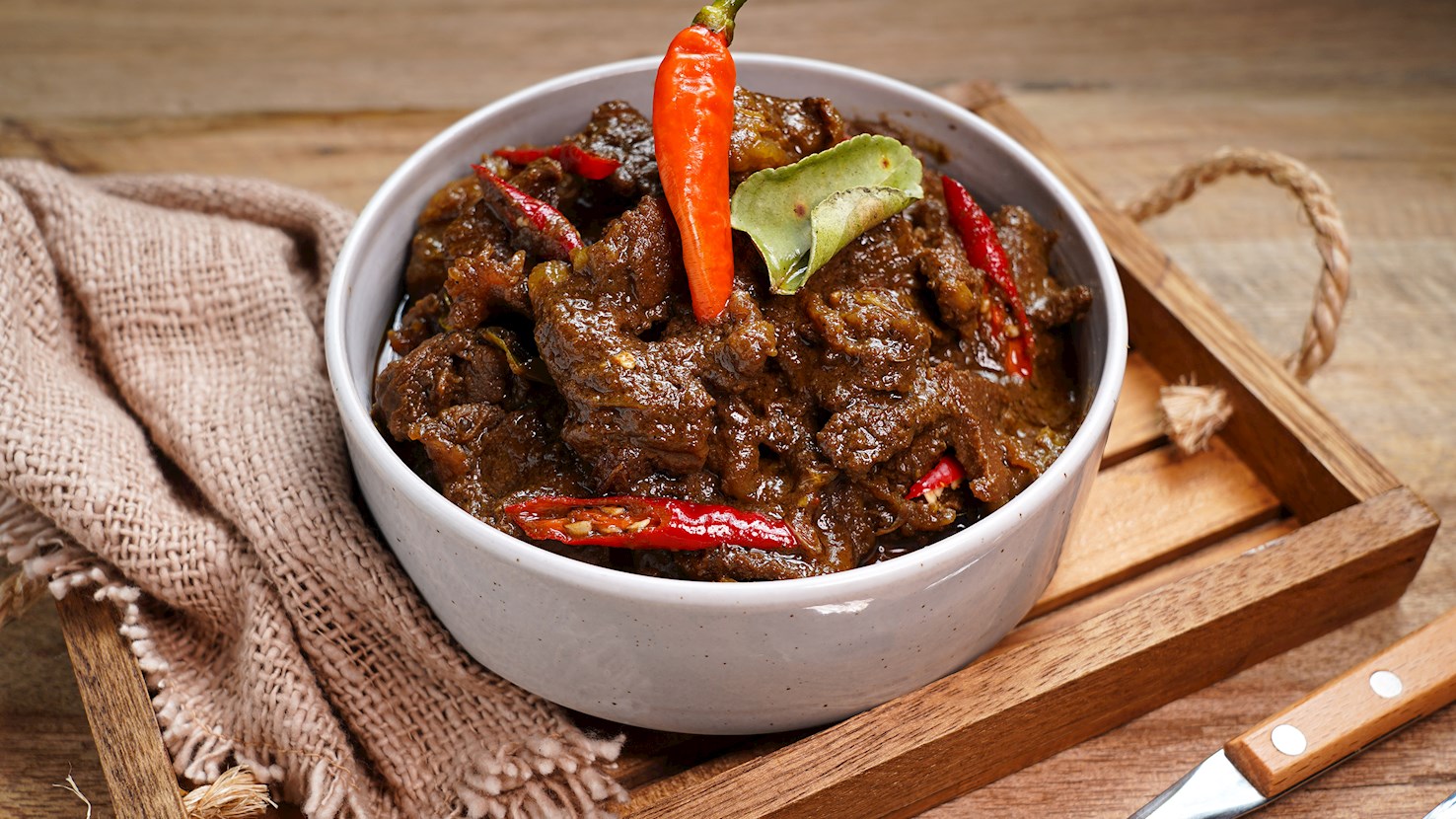
Krengsengan is a spiced meat dish from Surabaya, commonly made with goat or beef and cooked in a sweet soy sauce-based reduction. The dish is known for its rich, slightly sweet flavor and thick, dark sauce that results from the use of kecap manis and a slow simmering process. It begins with sautéing a finely ground spice paste made from shallots, garlic, coriander seeds, ginger, candlenuts, and sometimes turmeric, which forms the aromatic base of the dish. Meat is added and browned before being simmered in the sauce, which is enhanced by optional additions like chili, tamarind, or vinegar to adjust the balance of sweetness and acidity. The dish is usually served with steamed rice and may be garnished with fried shallots or eaten alongside raw vegetables like cucumber or basil. Unlike more elaborate Indonesian stews such as rendang or semur, krengsengan is simpler in its preparation and lighter in consistency, focusing on the deep, caramelized flavor of soy sauce and spices. Although it is most closely associated with goat meat, variations using beef or offal are also common, particularly in urban street food contexts.

06

Sate klatak

n/a ·

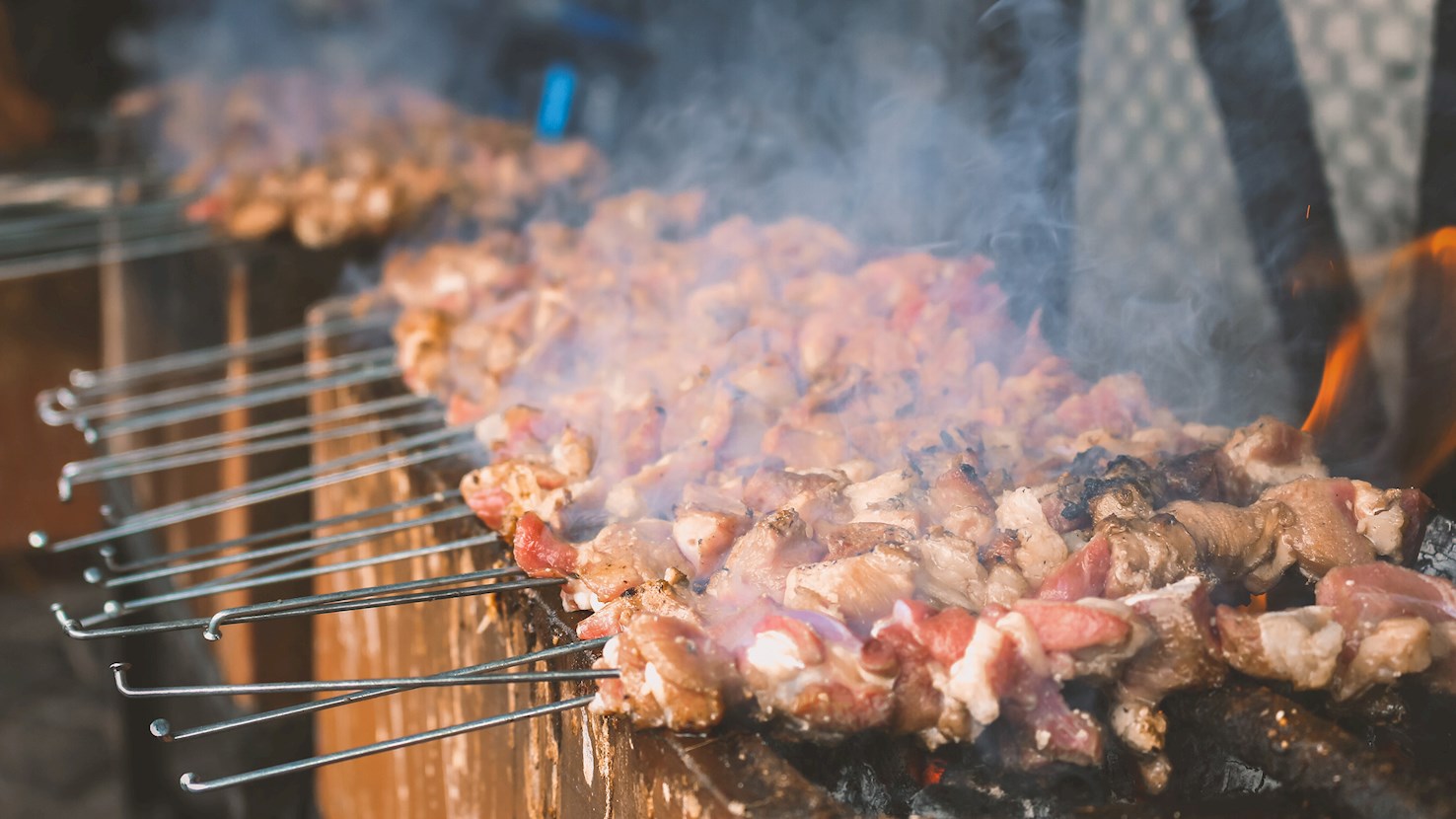
Sate klatak is a grilled meat dish from Bantul, a regency in the Yogyakarta Special Region of Java, Indonesia. It is a regional interpretation of sate that distinguishes itself through both preparation and presentation. The most common protein used is goat meat, specifically young goat, which is known for its tenderness. Unlike most Indonesian sate that is marinated in complex spice mixtures and served with peanut or sweet soy sauce, sate klatak is seasoned simply with salt and a small amount of garlic. The meat is skewered using iron rods instead of the typical bamboo sticks, a choice that enhances heat conduction during grilling and helps the meat cook evenly from the inside as well as the outside. The name “klatak” is believed to come from the sound the meat makes when it touches the hot grill, and the dish has become a defining specialty of the Pleret area in Bantul. The use of iron skewers is one of its most recognizable features, and this functional element contributes directly to the texture and consistency of the final dish. The goat meat is cut into large, uniform cubes, seasoned lightly, and grilled over open charcoal until it develops a browned, slightly crisp exterior while remaining juicy inside. Because the seasoning is minimal, the quality of the meat and the grilling process are central to its flavor. Sate klatak is typically served with a side of gulai, a mild, curry-like goat broth made with coconut milk and spices such as coriander, turmeric, and galangal. This broth is not poured over the skewers but served separately in a bowl, allowing diners to dip the meat or enjoy the gulai as a soup alongside steamed rice. It is most commonly found in roadside warungs and small eateries in and around Bantul, where it is often grilled to order over open flame. While its appeal has grown and it can now be found in other parts of Yogyakarta and Central Java, its roots remain in the rural outskirts of the city.

07

Kari kambing

n/a ·

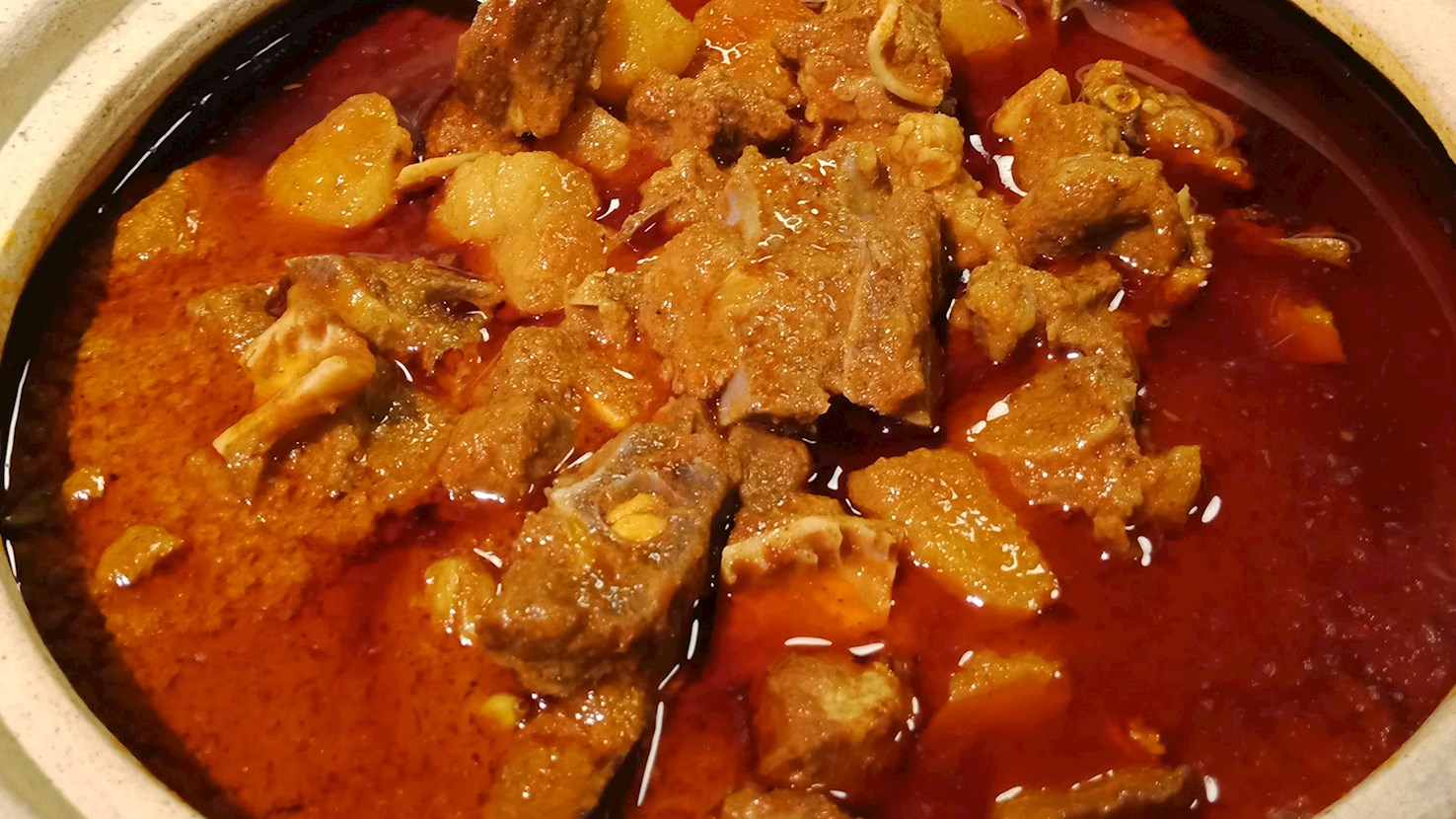
Kari kambing is a goat curry that is popular in Malaysia and Indonesia. It is made with a combination of goat meat cut into chunks, potatoes, tomatoes, curry leaves, ginger, onions, coconut milk, chili peppers, and various other spices such as galangal, turmeric, and lemongrass. The curry is simmered until the potatoes and the meat both become tender. The dish can be served immediately, but some say that it's even better the next day when reheated. Serve it with rice or flatbreads.

08

De tai chanh (Boiled Goat Meat with Lemon Juice)

n/a ·

De tai chanh is a traditional dish and a specialty of Ninh Binh. The dish is made with goat meat that's boiled with lemon juice. Other common ingredients include chili peppers, lemon leaves, garlic, pepper, and sesame. The meat must be thinly sliced, fresh, and just lightly boiled so that it doesn't lose its sweetness. De tai chanh is usually served accompanied by figs, green bananas soaked in vinegar, and soy sauce for dipping on the side.

Read more
View all
View map
About this ranking

TasteAtlas food rankings are based on the ratings of the TasteAtlas audience, with a series of mechanisms that recognize real users and that ignore bot, nationalist or local patriotic ratings, and give additional value to the ratings of users that the system recognizes as knowledgeable. For the “Top 8 Southeast Asian Goat Dishes” list until June 15, 2026, 191 ratings were recorded, of which 127 were recognized by the system as legitimate. TasteAtlas Rankings should not be seen as the final global conclusion about food. Their purpose is to promote excellent local foods, instill pride in traditional dishes, and arouse curiosity about dishes you haven’t tried.

Similar lists