Top 6 Asian Grapes

Last updated on August 05, 2026

Best Asian Grapes

01

Iichiko

4.9 ·

Iichiko is a renowned Japanese producer of shochu, a traditional Japanese spirit made from various ingredients like barley, sweet potatoes, and rice. Founded by Sanwa Shurui, Iichiko is famous for its commitment to high-quality production and innovation.

Headquartered in the Oita Prefecture of Kyushu, Japan, an area known for its clean water and natural beauty, Iichiko has become a global leader in the shochu industry. Iichiko's most notable products include its flagship barley-based shochu, iichiko Saiten, which is crafted using unique methods such as the "all Koji" fermentation technique. This involves using barley Koji, a special mold that helps break down the starches in barley into sugars, enhancing the flavor profile of the spirit.

The production also focuses on the single distillation process, preserving the delicate aromas and flavors of the barley.

Awards
SFWSC - San Francisco World Spirits Competition - Double Gold (2024, 2023)
ISC-International Spirits Challenge - Double Gold (2022)
02

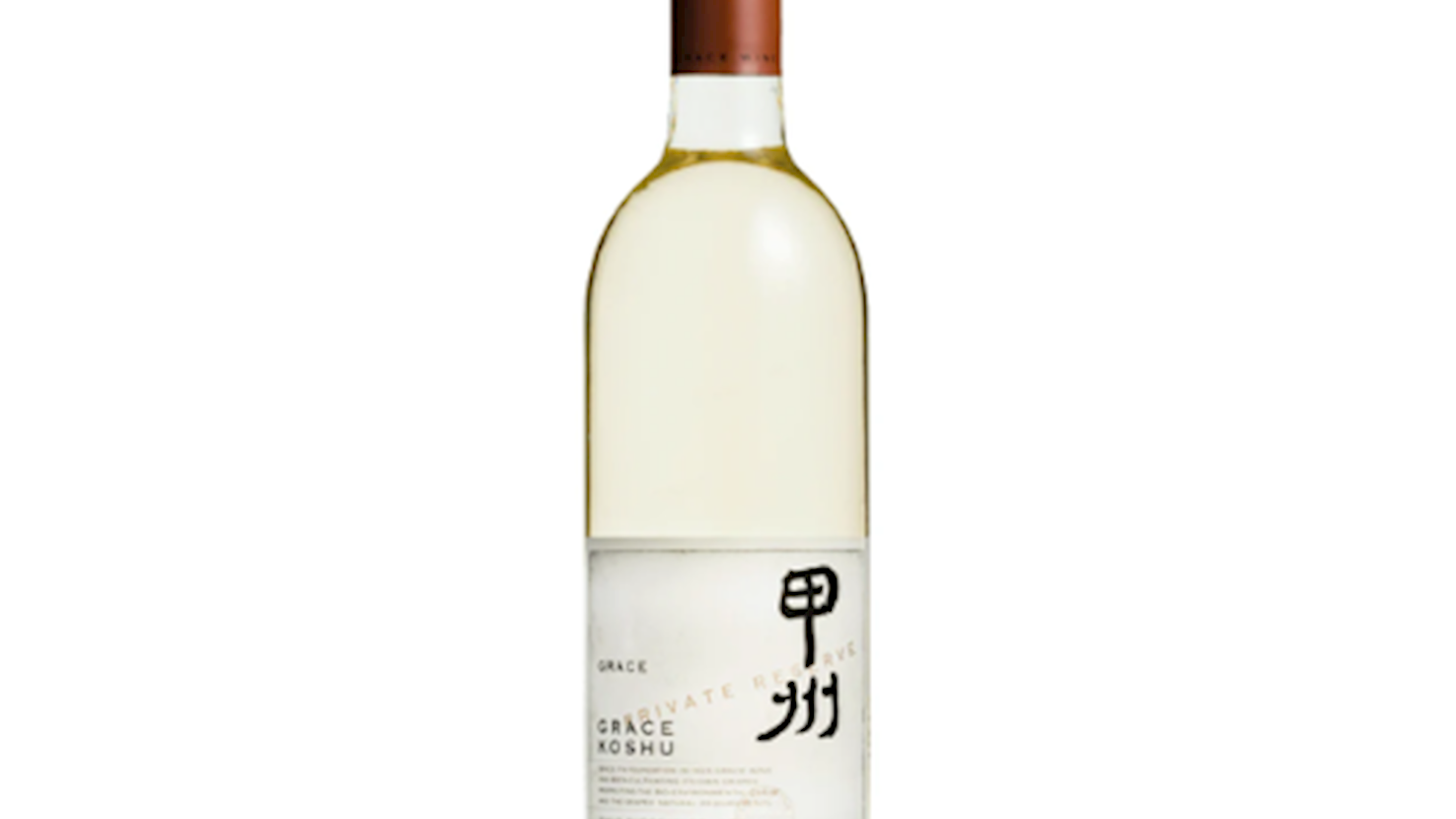
Grace Wine

4.7 ·

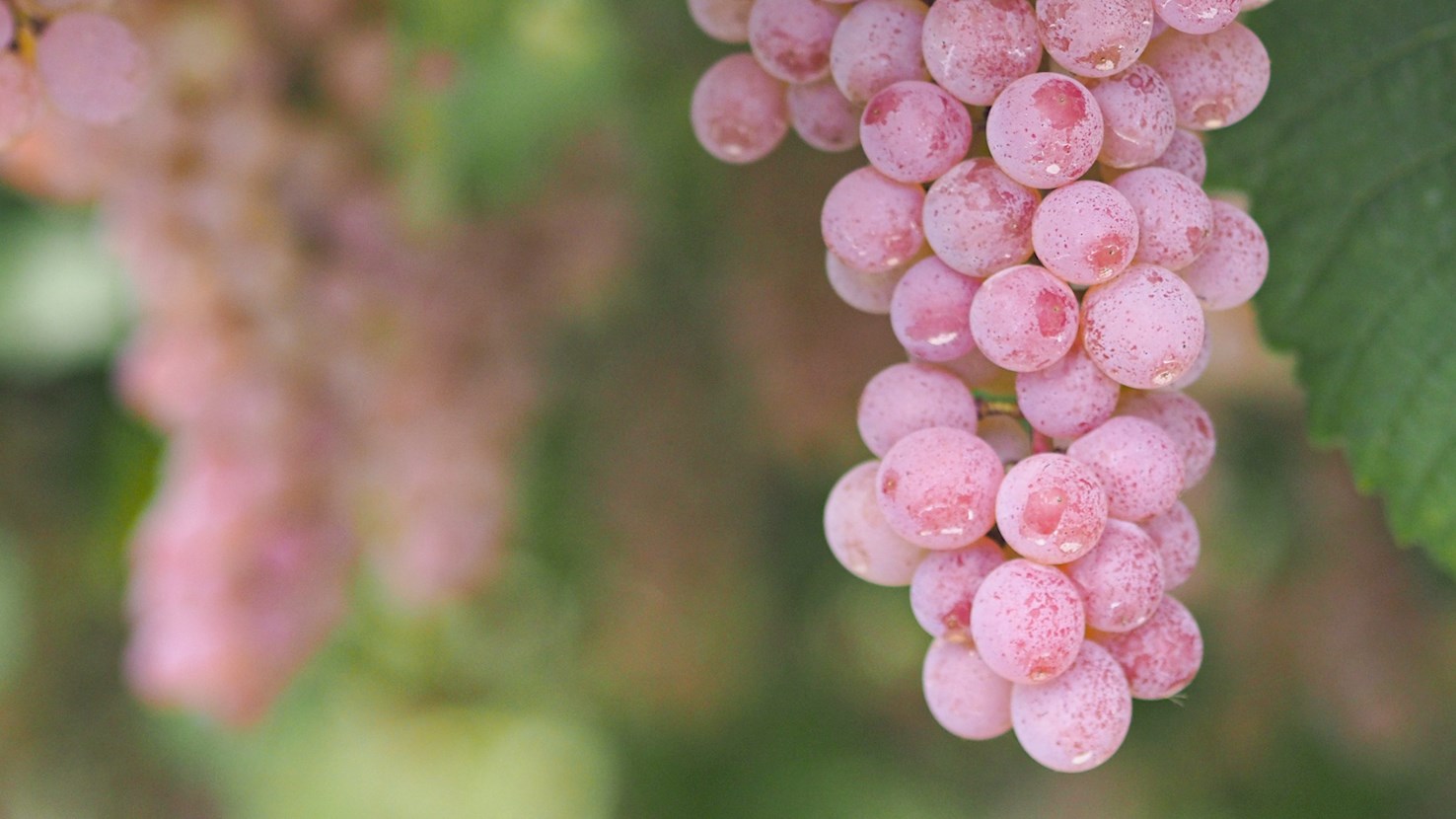
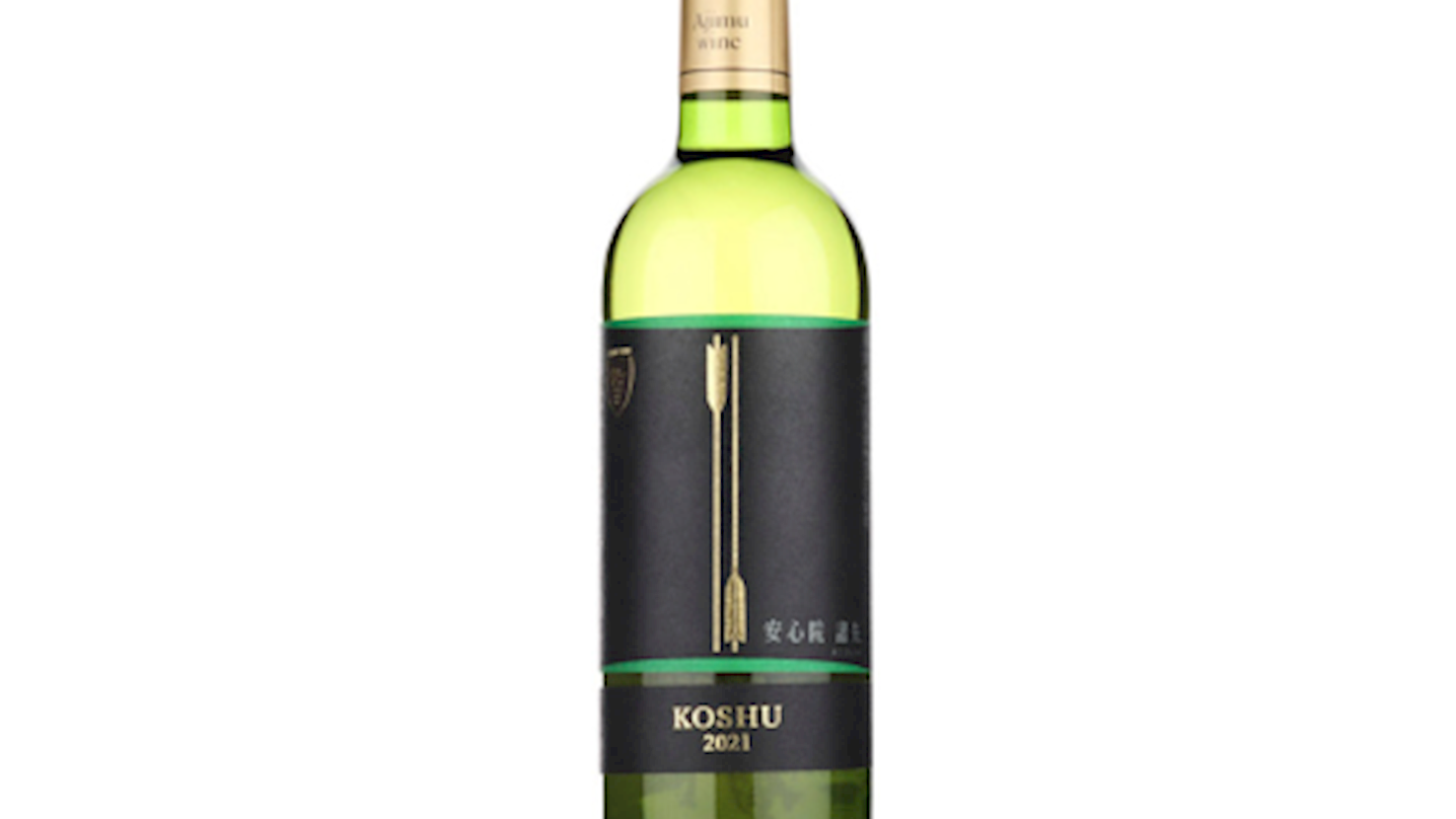
Grace Wine is a family-owned winery in Japan, founded in 1923 in Katsunuma, Yamanashi Prefecture, a region considered the cradle of Japanese winemaking. The winery’s main focus is the indigenous Japanese grape Koshu, a delicate white variety with pink-tinged skins that produces wines known for their minerality and subtlety.

The vineyards are located at higher elevations, often above 700 meters, where cool nights and strong air circulation allow slow ripening and preserve natural acidity. The soils are rich in volcanic and alluvial sediments, contributing to the wines’ clean and linear profile.

Their Koshu wines are characterized by elegance, discreet citrus notes, a saline mineral finish, and remarkable purity. In addition to Koshu, Grace Wine also produces red wines and traditional-method sparkling wines, but Koshu remains the defining element of the winery’s identity.

Their wines pair exceptionally well with light and refined cuisine - especially fish, sashimi, and sophisticated Asian fusion dishes. Thanks to authenticity, consistent quality, and a long winemaking tradition, Grace Wine is considered a benchmark producer of Koshu in Japan.

The winery preserves tradition while simultaneously pushing the boundaries of modern Japanese wine.

Awards
Decanter World Wine Awards - Platinum (2017, 2016)
Vivino - 4.1
03

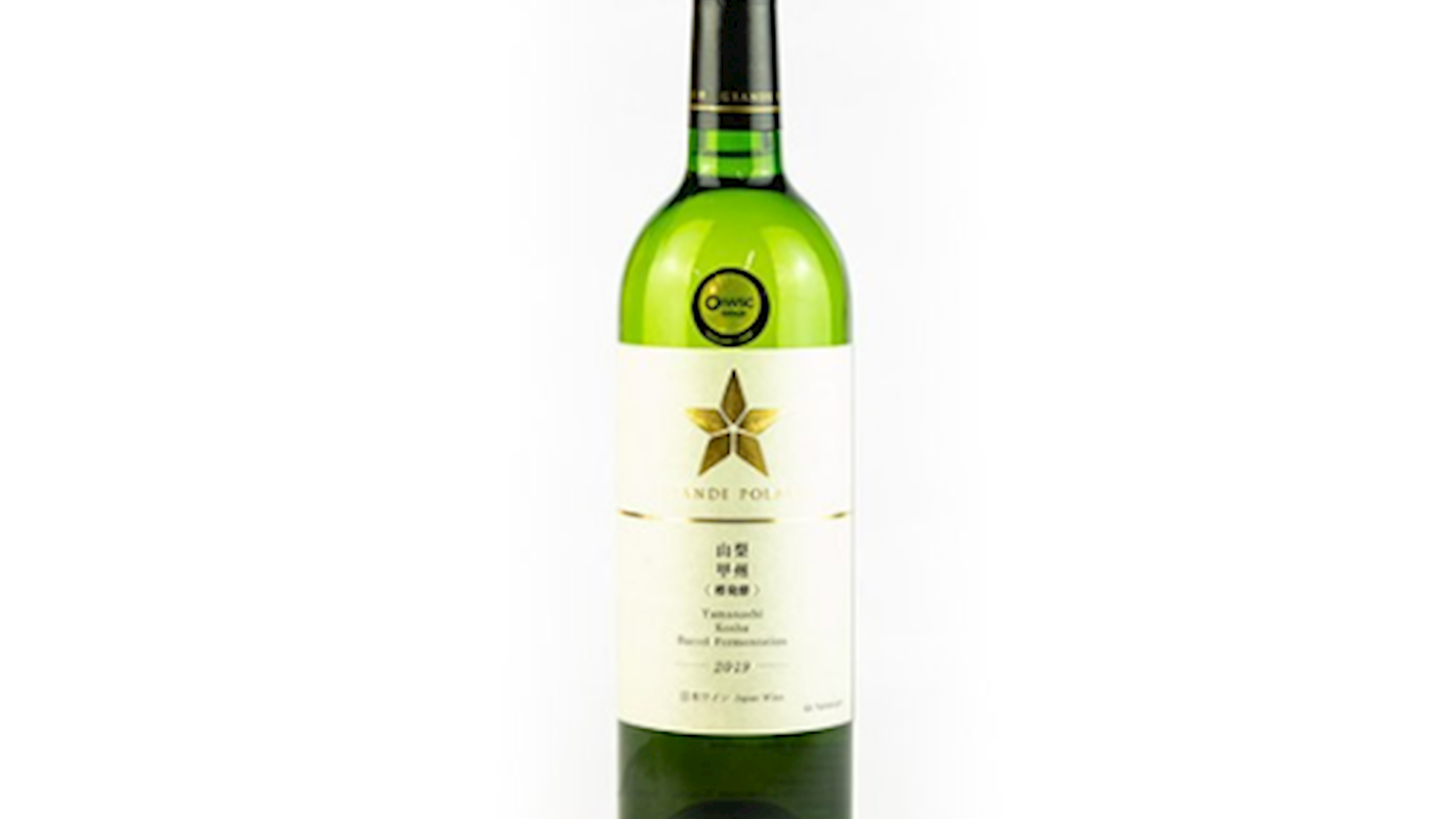
Sapporo Breweries

4.2 ·

Sapporo is the oldest Japanese beer brand, founded in 1876 on the island of Hokkaido as part of a government initiative to modernize the country’s brewing industry. The first brewer was Seibei Nakagawa, a Japanese brewer trained in Germany, whose knowledge influenced the development of a European-style lager culture in Japan.

The brand is recognizable by its star symbol, a legacy of the historical Kaitakushi Brewery, which later evolved into Sapporo Breweries. Over the years, Sapporo has grown from a regional brewery into an international group with production facilities in Japan, North America, and other markets.

Production relies on precise control of fermentation and filtration, resulting in a clean, crisp, and refreshing flavor profile. Sapporo lagers are traditionally described as light, with pronounced carbonation and a dry finish.

The quality of Hokkaido water plays an important role in the brewing process and is often cited as a factor in the beer’s distinct freshness. While the brand preserves its historical identity, its production is fully modern and industrially optimized.

Although not a craft brewery, Sapporo maintains elements of tradition through heritage preservation, museum spaces, and a consistent visual identity rooted in its origins. Today, Sapporo is present in restaurants and retail markets worldwide and is closely associated with Japanese cuisine and beer culture paired with food.

The brand positions itself as a balance between tradition and contemporary brewing, demonstrating how a historic label can remain relevant in a modern beer market.

Awards
IWSC- International wine & spirit competition - Gold (2024, 2021, 2019)
Vivino - 3.7

Best Asian Grapes Types

01

Kyoho Grape

4.0 ·

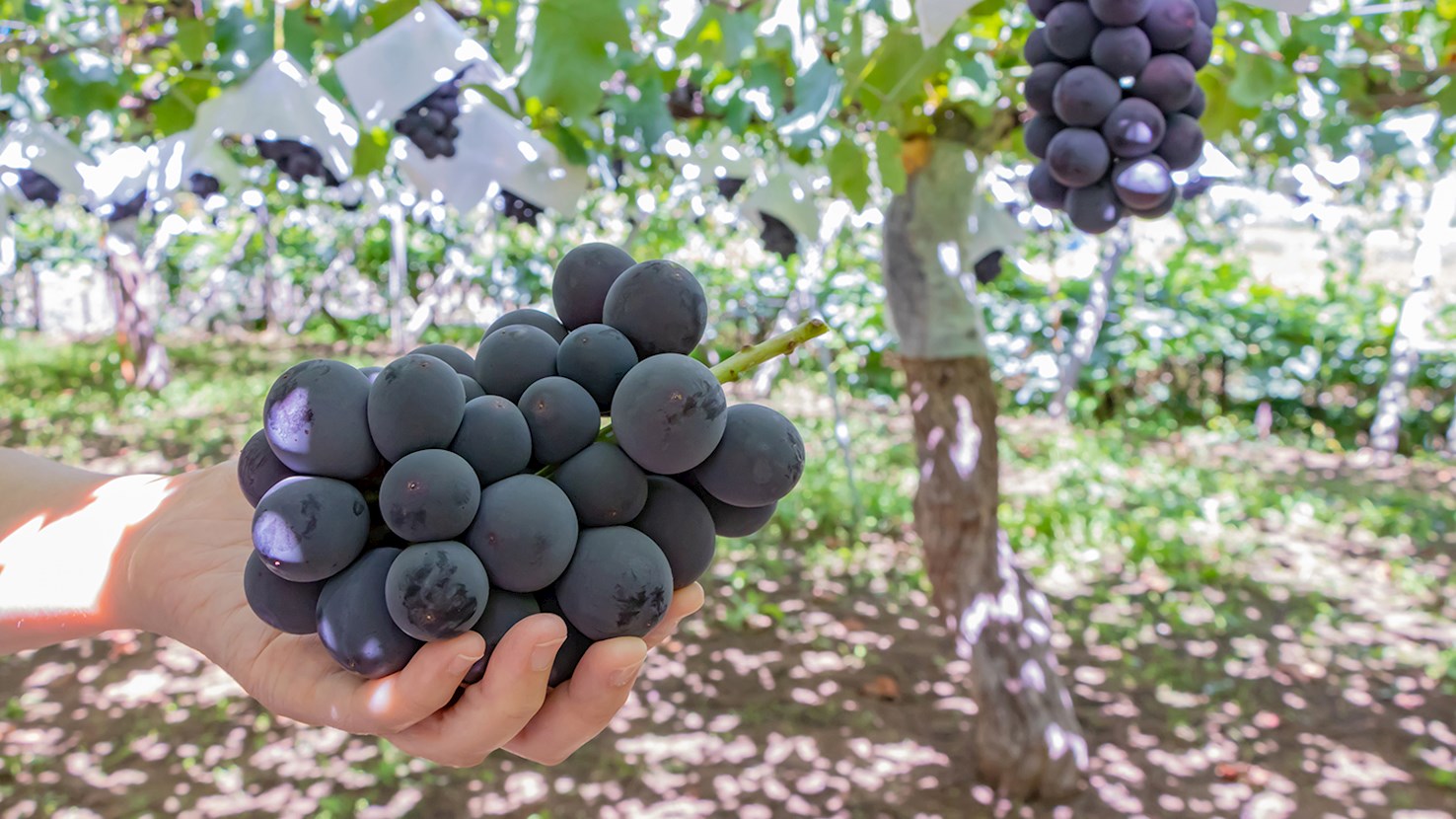
Kyoho is a Japanese variety of grapes that were developed in 1937 as a cross between the Vitis vinifera (European) and Vitis labrusca (American). These grapes are renowned for their size, which can be seen in its name, coming from a combination of characters for gigantic and peak. The grapes are deep purple to almost black in color, the texture is almost gelatinous, while the flesh has a sweet flavor and low acidity. In Japan, Kyoho grapes are eaten as they are, but they are also used as expensive gifts or in various desserts such as parfaits, cakes, fruit sandwiches, jellies, ice lollipops, or as a topping for shaved ice.

02

Afghan Grapes

n/a ·

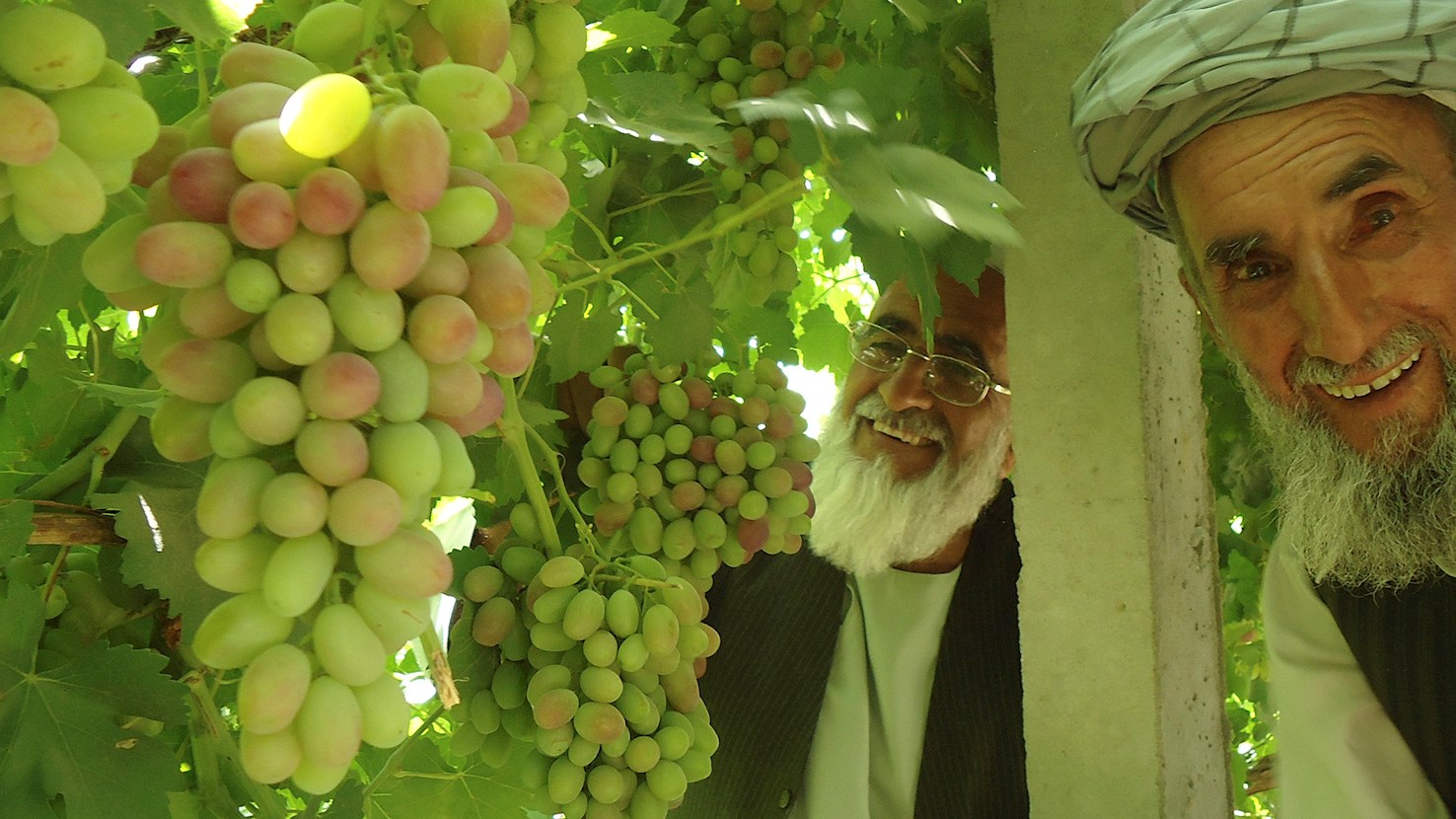
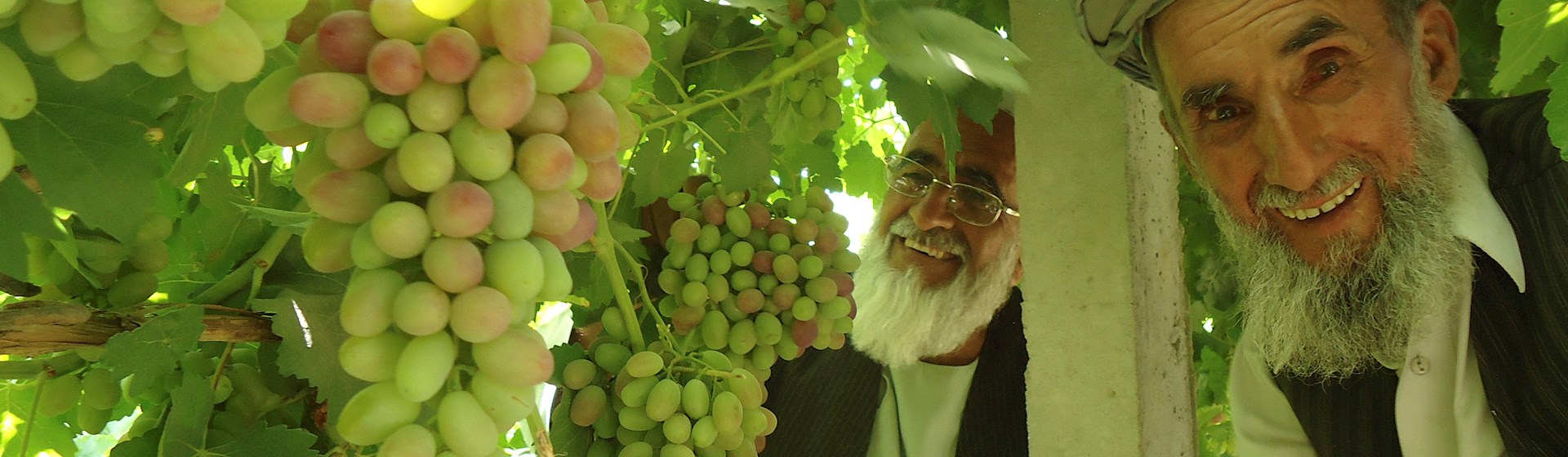
Grapes are an attractive horticultural crop in Afghanistan owing to their high productiveness and commercial value, which is in turn due to the large and wide-spread area of production in the country. The cultivation of this fruit is concentrated in the provinces of Kandahar, Kapisa, Herat, Ghazni, Kabul, and Parwan. Afghan grapes are grown for both fresh consumption and production of raisins. Among the grapevine varieties cultivated for fresh grapes are hussaini, taifi, kasendra, lal, kata, gholafan, red kandahari, and red and green raucha, while the most common varieties grown for raisin production include shondakhanai, keshmeshi, black keshmeshi, lal, and mehr amaldi. Most of the grape varieties grown in this country belong to the Vitis vinifera or the common grape vine species, and they are typically harvested from July through October. Afghan grapes and raisins are sold to local and neighboring markets, but they are also exported to overseas countries.

03

Koshu

n/a ·

Koshu is a white grape variety native to Japan, primarily grown in the Yamanashi Prefecture, which is known as the heart of Japanese viticulture. This grape has a long history in Japan, dating back over a thousand years, and is well-suited to the country's unique climate and growing conditions. Koshu grapes are typically large, with thick, pinkish-purple skins, although they produce a white wine. Wines made from Koshu grapes are known for their delicate and subtle flavors, often exhibiting notes of citrus, pear, peach, and white flowers, along with a distinct minerality that reflects the volcanic soils of the region. The wines have a gentle and elegant aroma, often with hints of yuzu, a Japanese citrus fruit, and other floral elements. Koshu wines are characterized by their crisp acidity, making them refreshing and light on the palate. Koshu grapes thrive in the humid, rainy climate of Japan, particularly in the Yamanashi Prefecture, which benefits from well-drained volcanic soils and significant diurnal temperature variation. The thick skins of the Koshu grape help protect it from the region's high humidity and frequent rainfall. Japanese winemakers use a variety of techniques to produce Koshu wine, often emphasizing minimal intervention to preserve the grape's delicate flavors and aromas. The wines are usually fermented in stainless steel tanks to maintain their fresh and crisp character, though some producers also experiment with oak aging to add complexity. Koshu wines pair well with a wide range of foods, particularly those found in Japanese cuisine. They complement sushi, sashimi, tempura, and lightly seasoned dishes, as well as fresh seafood and salads. The wine's acidity and minerality also make it a good match for dishes with citrus-based sauces and vinaigrettes. Koshu is more than just a grape variety; it is a symbol of Japanese winemaking tradition and innovation. The cultivation of Koshu grapes and production of Koshu wine have become a point of national pride, representing Japan's ability to produce high-quality wines that reflect the country's unique terroir.

04

Ruby Roman Grapes

n/a ·

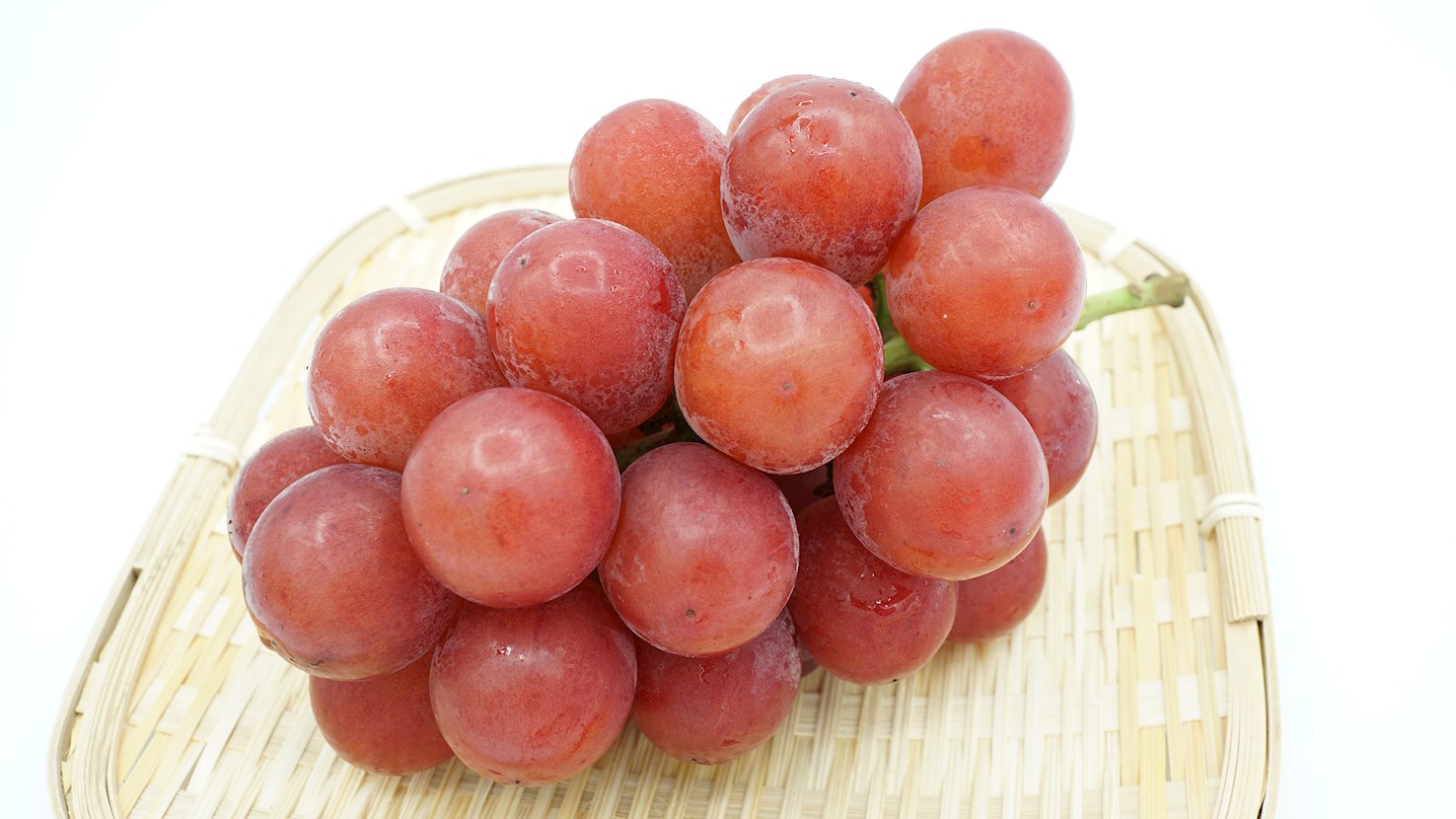
Ruby Roman is a traditional table grape variety originating from Iskihawa prefecture. This variety of grapes dates back to 2008. The grapes are red in color and their size is close to that of a ping pong ball – each grape weighs more than 20 grams. Ruby Roman is very juicy and has low acidity and high sugar content. Each grape is tested and comes with a seal of certification. These rare grapes are very expensive – in 2019, a bunch of Ruby Roman grapes were sold for 1.2 million yen.

05

Merwah

n/a ·

Merwah is a white grape variety grown in Lebanon, particularly in high-altitude vineyards in Mount Lebanon and the northern part of the country. It is used to produce still white wines and serves as one of the bases for arak, Lebanon’s aniseed spirit. The vine is well adapted to rocky mountain slopes, thin soils, and significant temperature shifts between day and night, conditions that shape its moderate acidity and relatively firm structure. Merwah is regarded as an indigenous grape, cultivated in small, scattered parcels that were historically mixed with other local varieties and harvested for household winemaking or distillation. Its development as a recognized variety took form when Lebanese growers and wineries began isolating native grapes rather than fermenting mixed plantings together. Producers noted that Merwah maintained acidity at high elevations and produced musts suited to both fermentation and distillation. As modern Lebanese wineries shifted focus toward expressing local identity, Merwah gained visibility in single-varietal bottlings and blends that highlighted characteristics not found in imported grapes. Research on local viticulture also reinforced the significance of the variety in mountainous zones where vineyards can exceed 1,400 meters in altitude. Preparation depends on the intended product. For wine, Merwah grapes are harvested when acidity and ripeness align, then pressed and fermented in stainless steel or sometimes neutral oak to preserve clarity of flavor. The wines are generally dry, with moderate alcohol and a profile shaped by altitude: citrus notes, firm acidity, and a clean finish. For arak production, Merwah is fermented into a neutral base wine before undergoing distillation and subsequent infusion with anise. Because Merwah has a slightly more aromatic profile than Obeideh, the resulting wines may show greater acidity and floral tones, while still remaining restrained. Merwah wines are consumed chilled and served with mezze, seafood, grilled vegetables, and dishes seasoned with lemon, herbs, or olive oil. They appear in Lebanese coastal restaurants, mountain homes, and urban dining settings where local varietal wines are promoted. Arak made with Merwah is poured alongside mezze, lamb skewers, kibbeh, and stews. The grape’s acidity and clean profile make it suitable for pairing with fried seafood, fattoush, herb-based salads, and lighter poultry dishes.

Best producers
06

Obaideh

n/a ·

Obaideh is a white grape variety grown in Lebanon, primarily in the Bekaa Valley and surrounding high-altitude viticultural zones. It is used to produce still white wines and is one of the principal grapes distilled into arak, Lebanon’s anise-based spirit. The grape thrives in the region’s dry summers, limestone soils, and elevated vineyards that benefit from significant day–night temperature variation. Obeideh is considered one of Lebanon’s indigenous varieties, with its cultivation documented in areas where mixed plantings of local white grapes were long maintained for household winemaking and arak production. Its development as a distinct wine grape took shape when Lebanese growers began separating local varieties instead of fermenting field blends. Producers observed that Obeideh yielded musts with moderate acidity and a profile suited to both fermentation and distillation. During the twentieth century, research into local viticulture identified Obeideh as a variety that could stand on its own, though plantings remained limited. Wineries later incorporated it into bottlings aimed at emphasizing Lebanese varietal character rather than relying exclusively on imported grapes such as Chardonnay or Sauvignon Blanc. Preparation depends on the final product. For wine, the grapes are harvested at optimal ripeness, pressed, and fermented in stainless steel or oak depending on the producer’s aim. The resulting wines often feature moderate alcohol, a soft structure, and subtle fruit notes shaped by the Bekaa Valley’s climate. For arak, the grape juice is fermented into a base wine, which is then distilled before aniseed is added in a secondary distillation. Because Obeideh has a neutral aromatic profile, it provides a clean base for distillation, a characteristic that distinguishes it from more perfumed white varieties. A notable aspect of Obeideh is its status as a native grape rather than an imported one, giving it a regional identity tied to Lebanese highland viticulture. Obeideh-based wines are served chilled in Lebanese restaurants and at home, accompanying mezze, grilled fish, poultry dishes, and lighter vegetable preparations. Wines featuring Obeideh blend well with salads, fried seafood, and dishes seasoned with lemon and herbs. Arak made from Obeideh is consumed alongside mezze, lamb skewers, kibbeh, and slow-cooked vegetable dishes. Both the wine and the distilled spirit appear across Lebanon, particularly in the Bekaa Valley, Mount Lebanon, and coastal cities where restaurants highlight local production.

Best producers
About this Ranking

TasteAtlas food rankings are based on the ratings of the TasteAtlas audience, with a series of mechanisms that recognize real users and that ignore bot, nationalist or local patriotic ratings, and give additional value to the ratings of users that the system recognizes as knowledgeable.

TasteAtlas Rankings should not be seen as the final global conclusion about food. Their purpose is to promote excellent local foods, instill pride in traditional dishes, and arouse curiosity about dishes you haven’t tried.

The initial list of top producers was compiled based on available reviews, awards, local recommendations, media and blog coverage, and consumer reviews. The list will be updated with ratings from TasteAtlas local ambassadors and TasteAtlas users.

What People Say

Similar Lists