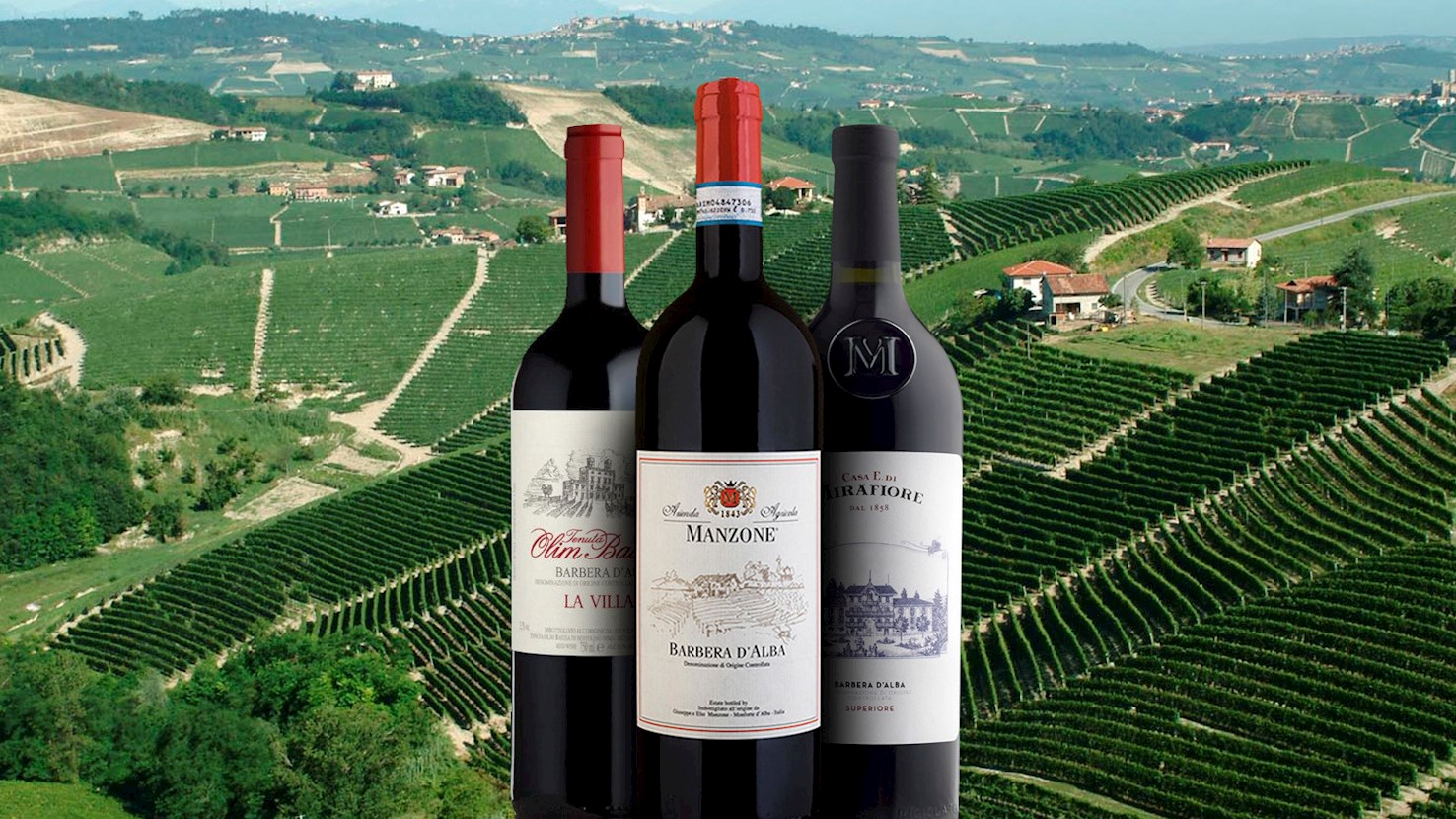
Barbera is the most common grape in Piedmont and the third most-planted grape in the country. It is used in varietals and blends. Nowadays, it is considered to have great potential to produce excellent quality wines, although it was once considered as a grape designated for rustic, everyday wine. Dark Barbera-based wines are typically low in tannins and high in acidity. The flavors usually include a combination of raspberries, blackberries, cherries, and strawberries, sometimes with a hint of spices. Oak-aging will typically improve the tannin structure in Barbera wines. Outside of Piedmont, Barbera is an important grape in Lombardy, but it is cultivated in almost all Italian regions. Italian immigrants also brought it to California and South America. The two most prestigious appellations for Barbera in Italy include Barbera D’Alba and Barbera D’Asti. These wines are usually easy-drinking and food-friendly. They are a good match with appetizers and charcuterie, but they can also pair well with pasta and meat-based dishes.
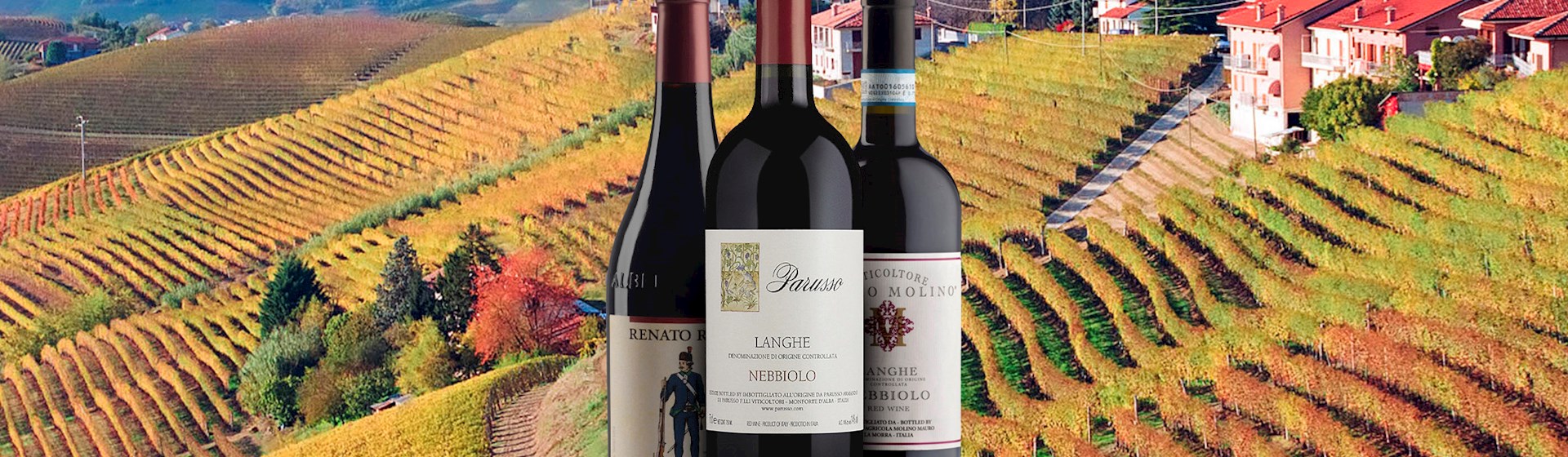
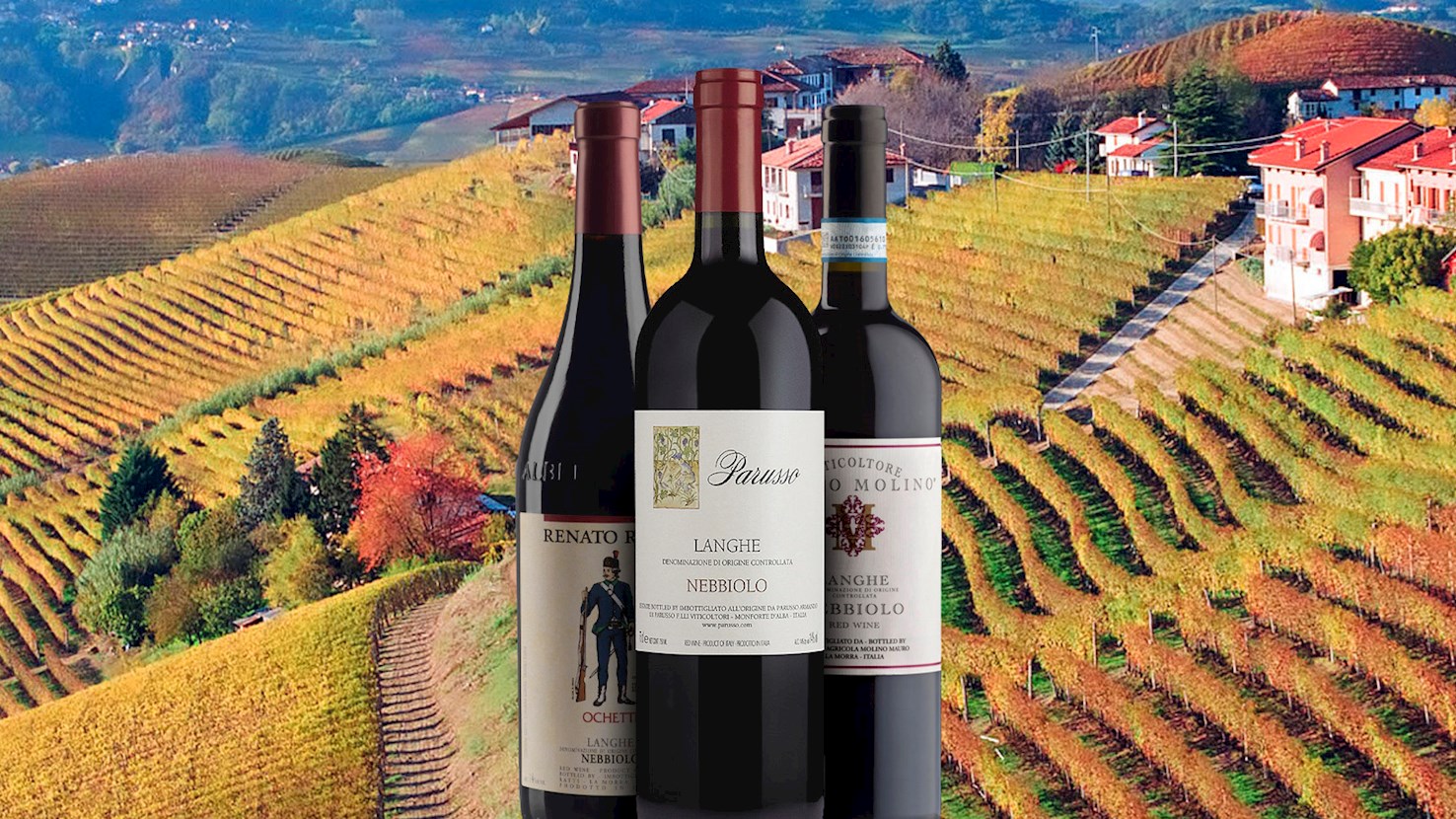
Nebbiolo is the highly-praised Italian grape that is mostly cultivated and gives the best results in its native Piedmont. Wines made with this red-skinned grape tend to be powerful, age-worthy, and high in tannins as well as acidity. Distinctive aromas found in Nebbiolo wines are often described as tar and roses, with the accompanying notes of cherries, violets, leather, truffles, licorice, and undergrowth. The grape is mostly used as a varietal, and it is best known as the backbone of the exceptional and expensive Barolo and Barbaresco. A small amount of Nebbiolo is also cultivated in California and Australia. Nebbiolo-based wines should be paired with rich meat dishes, but they can also work well with acidic or mushroom-based sauces, moderately spicy Asian cuisine, truffles, and aged cheese.
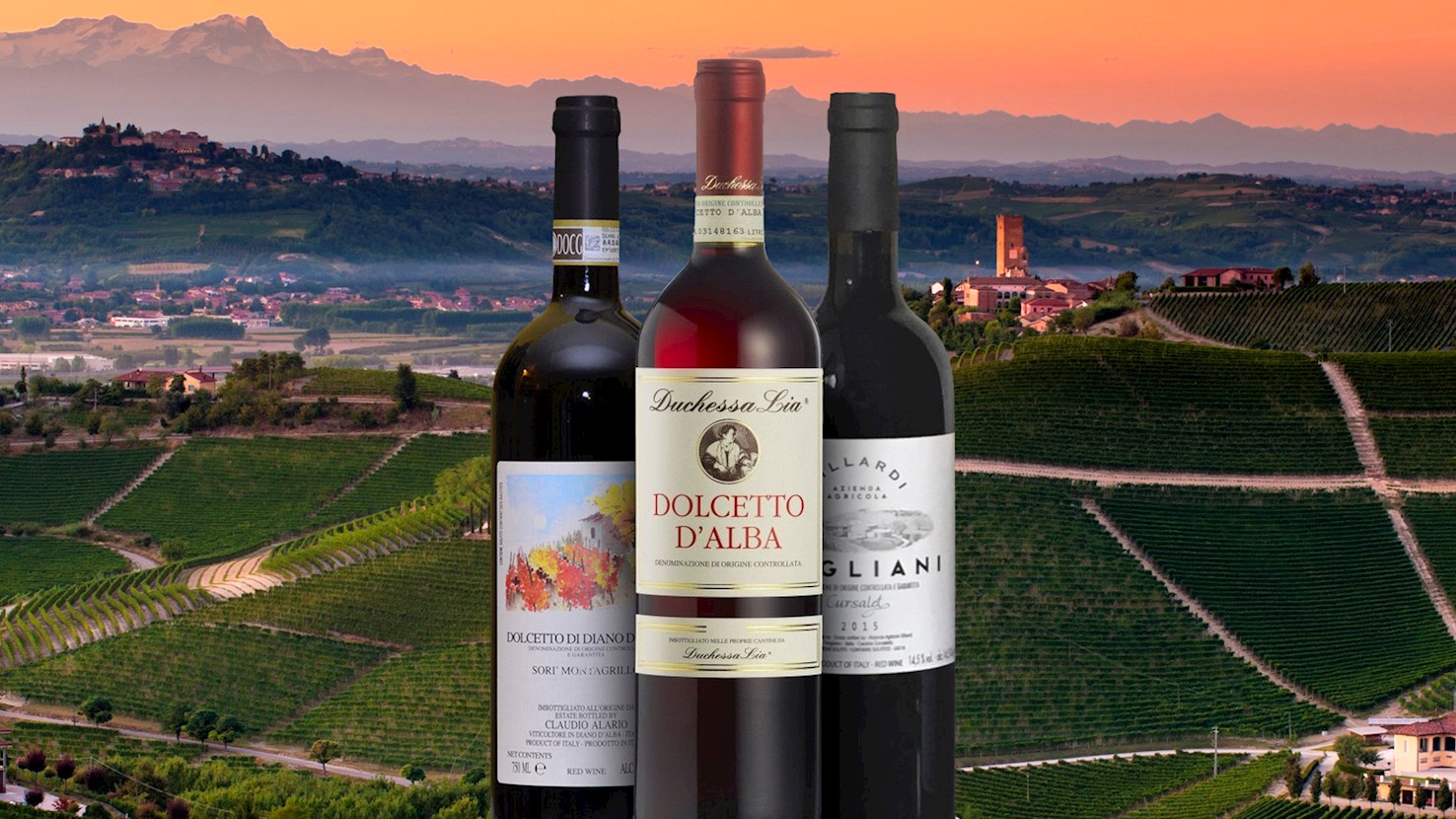
Dolcetto is a red grape that is mostly cultivated in Piedmont. Although its name translates to a sweet little one, the variety is used for the production of dry, medium-bodied red wines. Dolcetto based wines are usually deep ruby and have well-balanced acidity. They may vary from soft and fruity styles to more intense and powerful expressions. The flavors and aromas found in Dolcetto wines include a combination of red and dark berries, plums, and violets. They will usually have a subtly bitter finish. Dolcetto wines can be enjoyed young, and though they are sometimes aged for longer periods, it is generally considered that they are best consumed within three to five years of age. The most important appellations for this grape variety include Dolcetto d’Alba, Dogliani (Dolcetto di Dogliani), and Dolcetto di Diano d’Alba, all located in Piedmont – the spiritual home of the Dolcetto grape. These easy-drinking wines are a perfect accompaniment to various types of dishes. They pair well with vegetable-based appetizers, charcuterie, veal, risottos, mushrooms, and legumes.
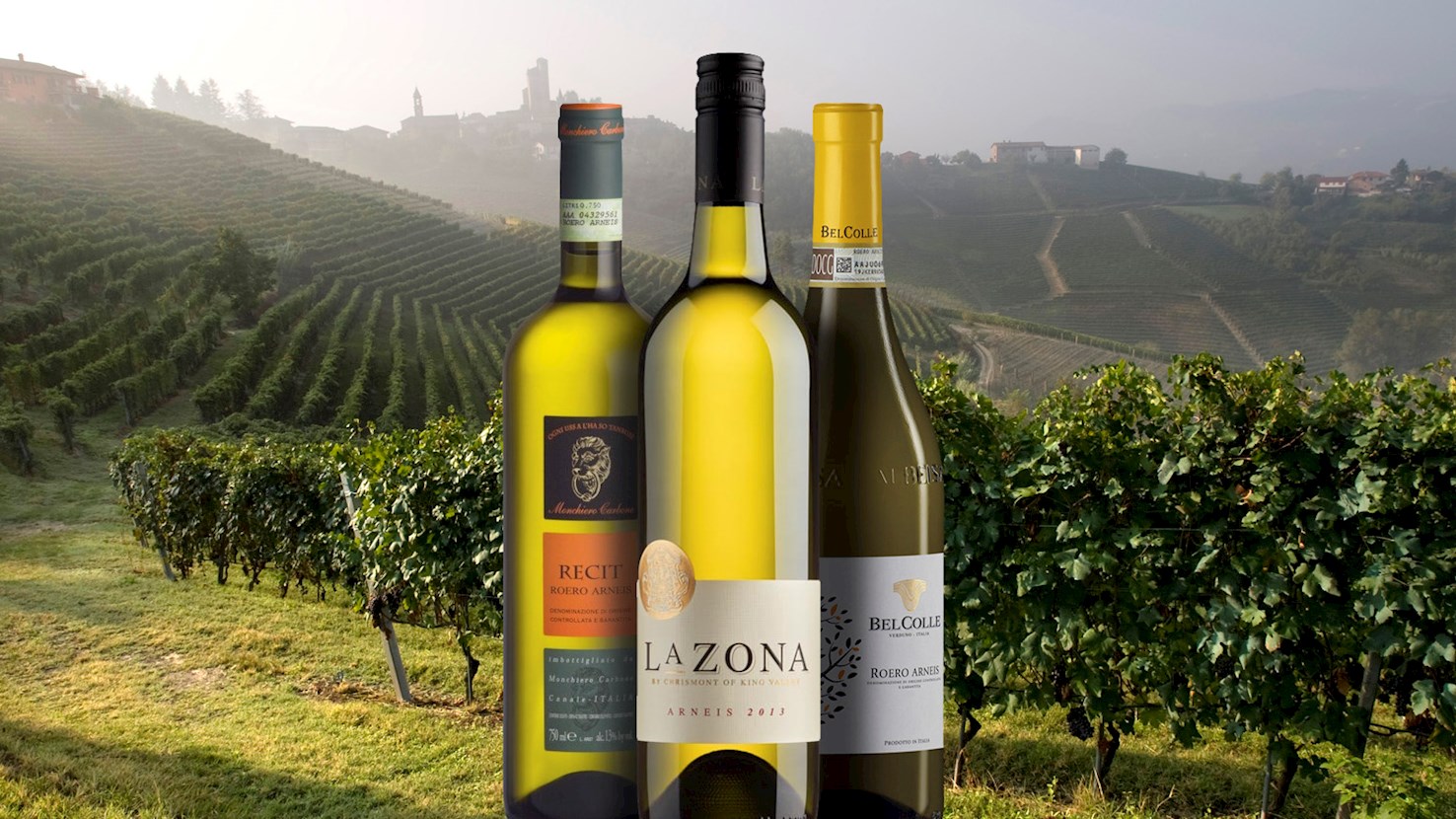
Arneis is a native grape from Piedmont that gives the best results in Roero—where it is used in the production of the famed Roero Arneis DOCG. Its exact origin is not known, but it is assumed that it has been cultivated in the area since the Roman times. Between two world wars, it was on the verge of extinction, but in the 1960s, it was reintroduced to the region as a variety that has excellent potential to produce refined dry wines of great character. The grape is also used in the production of dessert and sparkling wines. Arneis-based wines are fresh and fruity with typical notes and flavors of apples, pears, and citrus fruit, as well as herbaceous and floral nuances. They are usually medium-bodied and have well-balanced and not overpowering acidity. Arneis is best paired with lighter dishes such as risottos, pasta dishes, or seafood. It also works well as an aperitif or an accompaniment to appetizers.
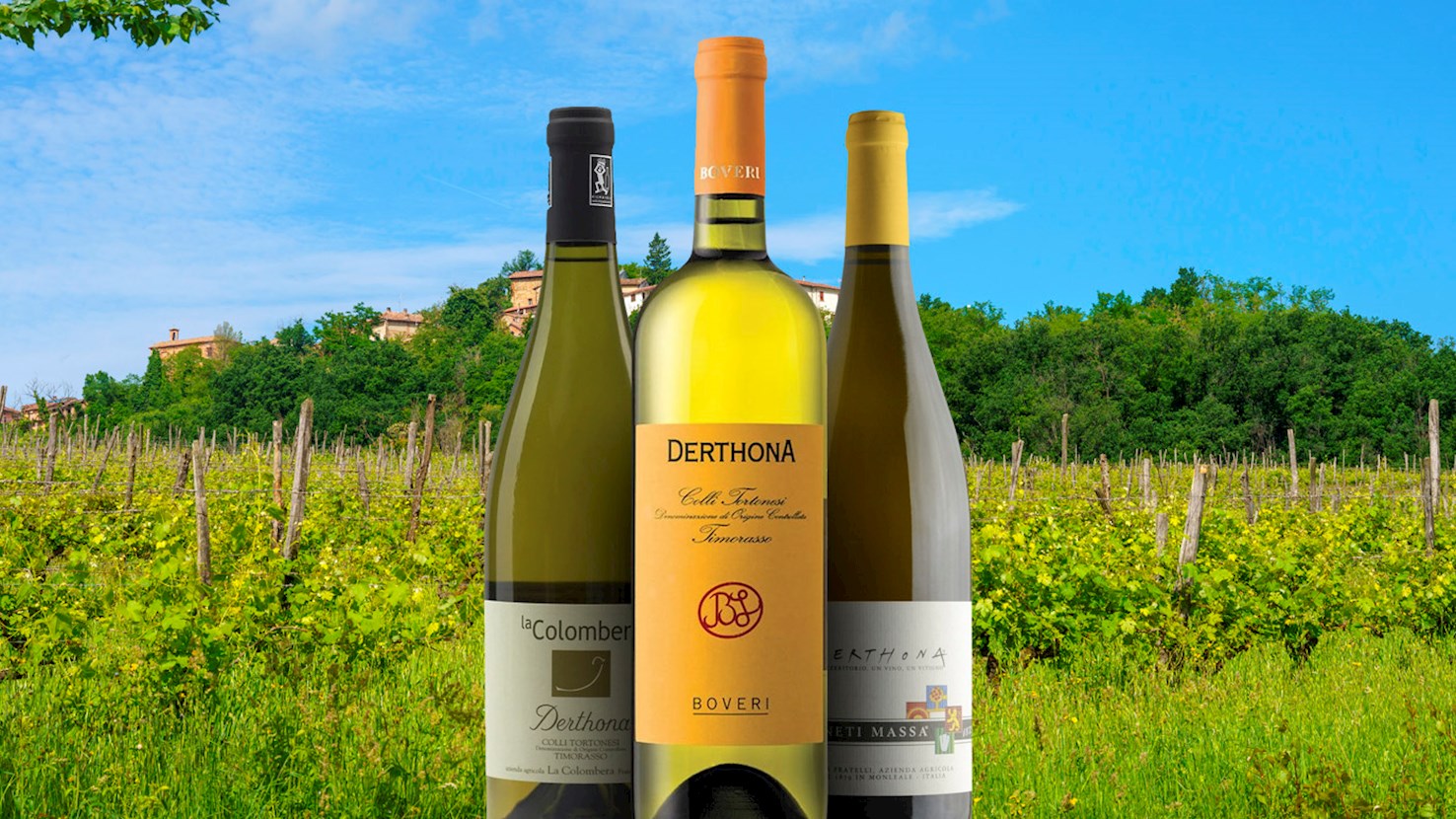
Timorasso is a native grape from Piedmont that is nowadays mostly planted in Alessandria. The grape was on the verge of extinction, but now it makes some of the most exciting Italian wines. The wines produced from Timorasso are full-bodied, high in acidity, and have good aging potential. The aromas are floral and fruity, reminiscent of citrus, apples, and peaches. As they age, they tend to gain honeyed, nutty, and spicy notes, along with some minerality. Three decades ago, Timorasso was almost extinct, primarily because of phylloxera and two world wars. The plantings were later replaced with international varieties and more resilient local grapes (mainly Cortese). The grape was brought back from obscurity mainly due to Walter Massa (Vigneti Massa). He realized and later proved that this underappreciated local grape has excellent potential and can produce high-quality wines with good aging potential. Other producers soon followed Massa's approach. The varietal version of Massa's Timorasso is labeled as Derthona, and the entire Consorzio of Timorasso decided to use the Derthona label for their Timorasso, with the desire to create a subzone in the future. Varietals are allowed in DOC appellations Colli Tortonesi and Monferrato. Timorasso wine pairs with various dishes. It can be enjoyed with lighter fare, such as appetizers, cheese, pasta dishes, and risottos, but it can also go well with rich seafood, poultry, and dishes with truffles or mushrooms.
TasteAtlas food rankings are based on the ratings of the TasteAtlas audience, with a series of mechanisms that recognize real users and that ignore bot,
nationalist or local patriotic ratings, and give additional value to the ratings of users that the system recognizes as knowledgeable.
TasteAtlas Rankings should not be seen as the final global conclusion about food. Their purpose is to promote excellent local foods,
instill pride in traditional dishes, and arouse curiosity about dishes you haven’t tried.



What People Say