

Top 9 Sicilian Grapes

Last updated on July 22, 2026
01

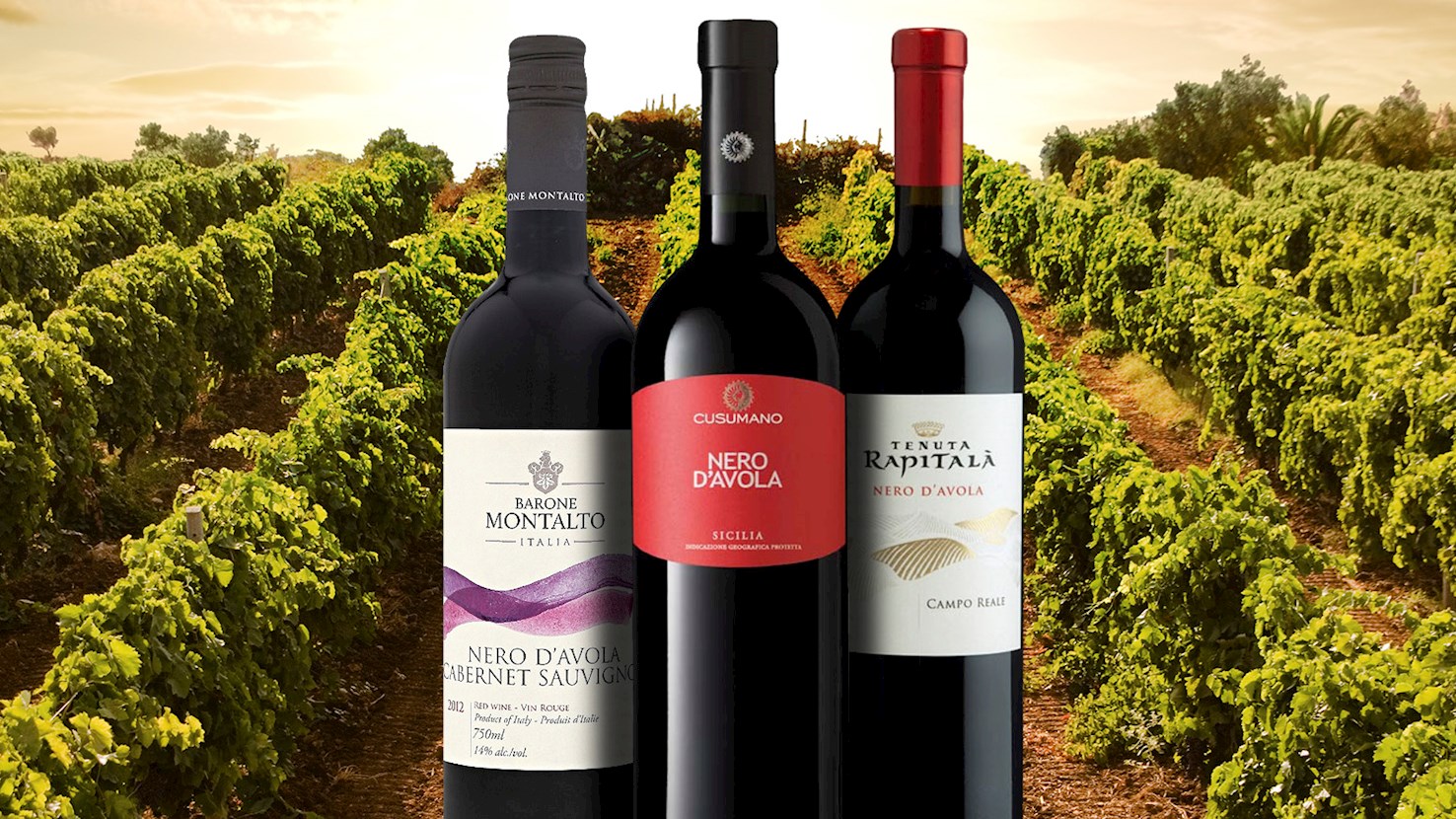
Nero d’Avola

4.4 ·

Nero d’Avola is an indigenous Sicilian red grape, whose name, meaning the black of Avola, refers to its distinctive dark color. For most of the 20th century, Nero d'Avola was used as a blending grape, but in the 1990s winemakers started making high-quality, bold varietal wines. Nero d’Avola wines are typically produced as dense and dark, with flavors reminiscent of black fruit and chocolate, or as young and fresh wines that are characterized by cherry and herbal notes. They are high in tannins and pair well with rich meat dishes, hearty stews, and barbecued meat.

Best producers
02

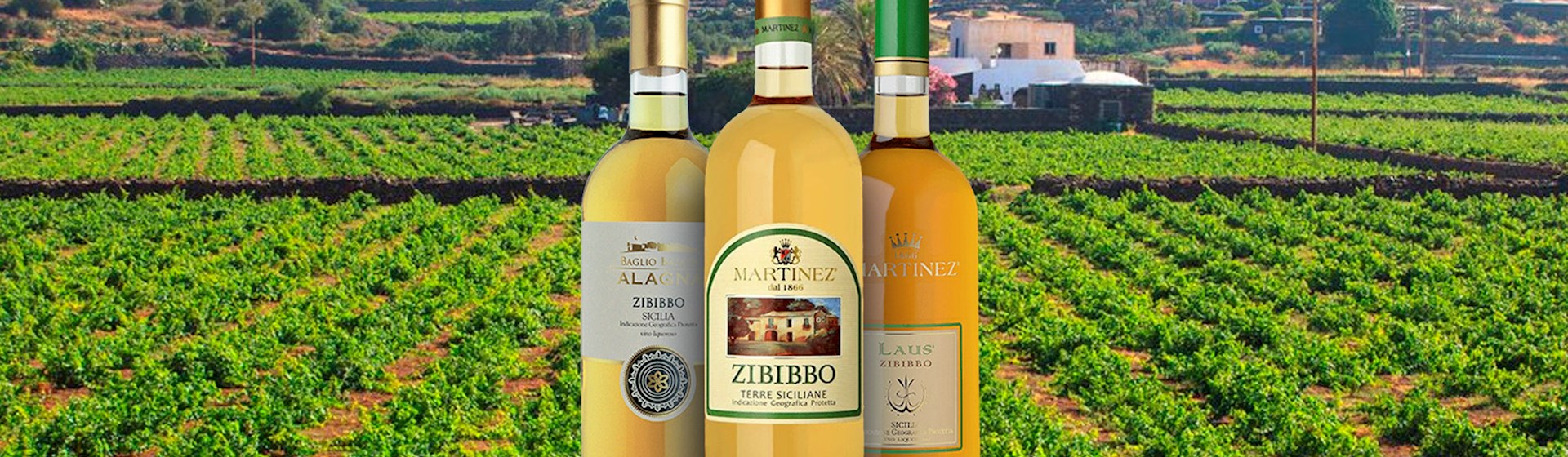
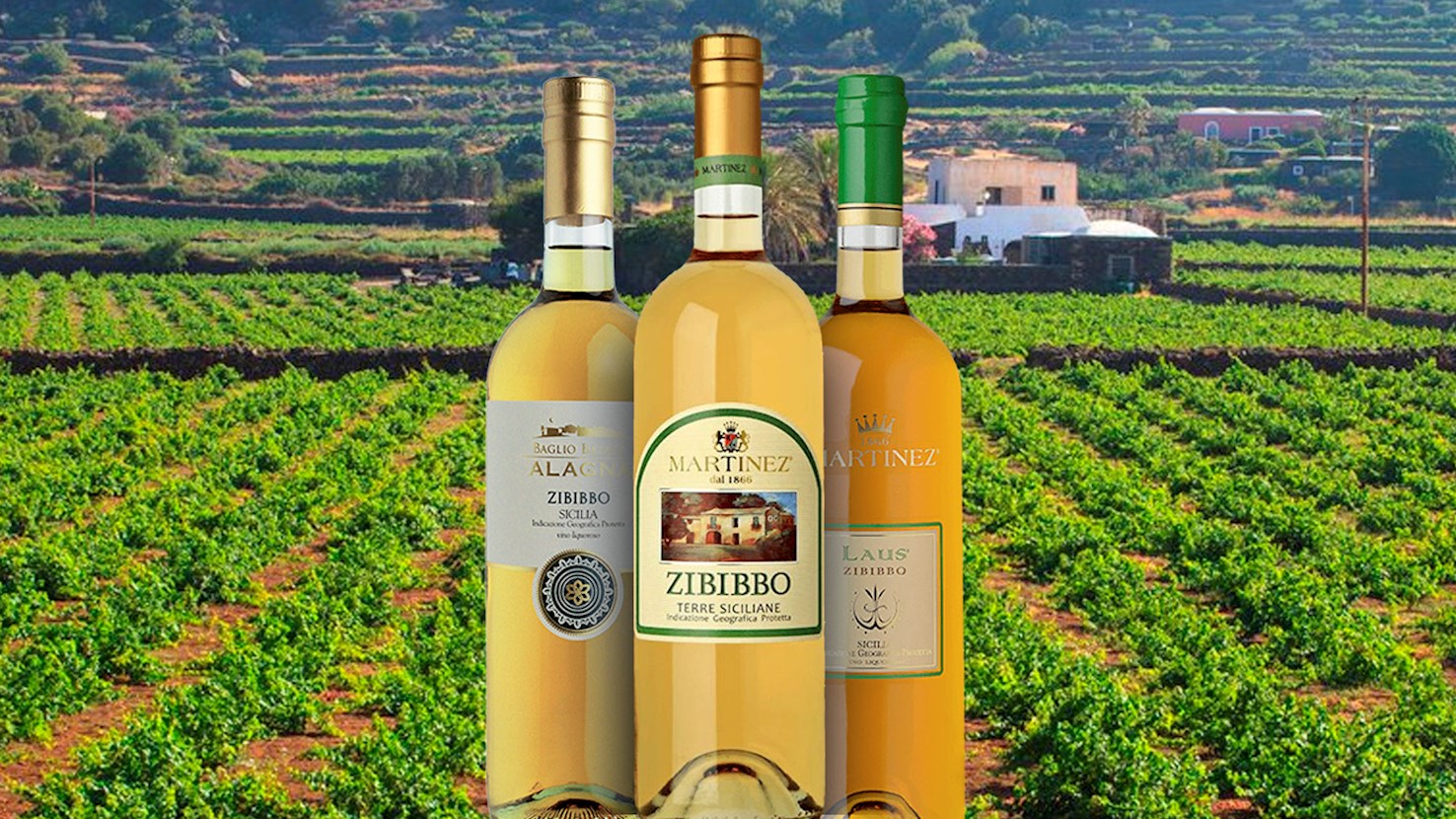
Zibibbo (Muscat of Alexandria)

3.6 ·

Zibibbo is the local Sicilian name for Muscat of Alexandria grapes. This grape belongs to a large family of Moscato grapes, which are famous for their perfumed aromas and sweet flavors. Muscat of Alexandria is believed to be one of the oldest genetically unmodified vines still in existence. The grape is praised for its ability to produce incredibly aromatic wines. Zibibbo is cultivated throughout Sicily, but it is best known for its use in Pantelleria, a small DOC on the eponymous island located southwest of Sicily. The grape is used in the production of dry and dessert wines. Dry wines made from Zibibo usually have floral and citrus notes, while dessert styles are dense and honeyed, with an aroma often reminiscent of candied citrus fruit, figs, dates, and nuts. It is believed that the grape was introduced by Arabs—the name z’bīb is of Arabic origin and translates as dried grape or raisin. It is a highly resilient grape that could prosper despite harsh conditions and a warm climate. Pairing Zibibbo with food will mainly depend on the wine style. Dry wines pair well with fish, seafood, or white meat, while sweeter styles naturally pair with desserts and cheese.

Best producers
03

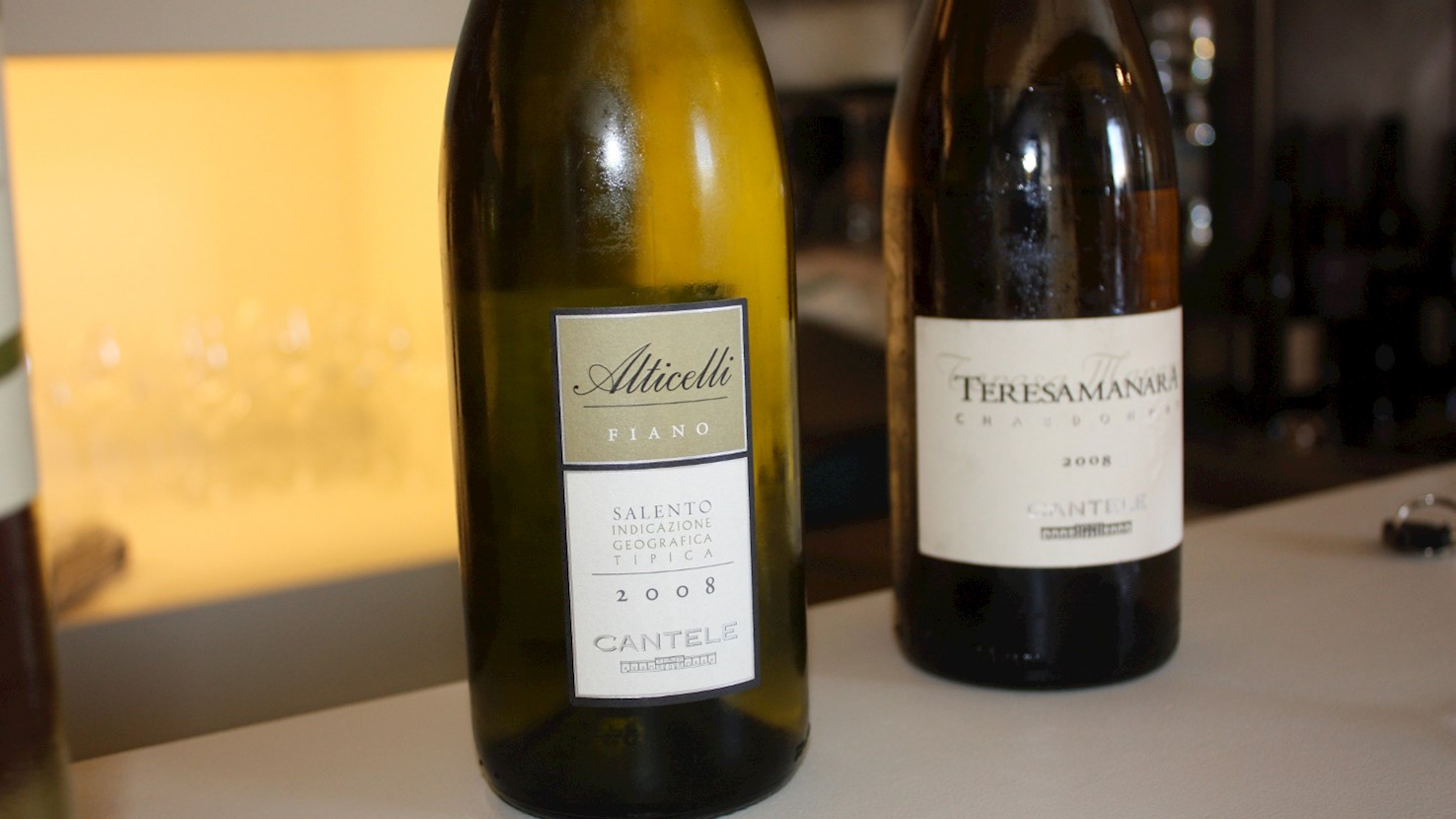
Fiano

3.4 ·

Mostly cultivated in Campania, Fiano is an old Italian variety that has seen a significant revival since the 1980s. This low-yielding, early-ripening grape is praised for its ability to produce crisp and aromatic wines with a lot of character and herbaceous and fruity notes. These wines are typically medium-bodied and intensely flavored. Young Fiano wines often display aromatic honey notes, and as they age, they tend to develop smoky and spicy notes dominated by hazelnut. The aromas are perfectly balanced with bright acidity. Fiano is used in varietal and blends, and it can also be used in the production of sparkling and dessert wines. They can be enjoyed young, and it is generally recommended to age them for up to five years. The most important appellation for Fiano is Fiano di Avellino, which holds a DOCG status. Fiano-based wines can be enjoyed as an aperitif. They can be a good match with seafood and white meat. Apart from Campania, the grape is cultivated in Puglia (Apulia) and Sicily. Small amounts of Fiano can also be found in Australia.

04

Inzolia

3.1 ·

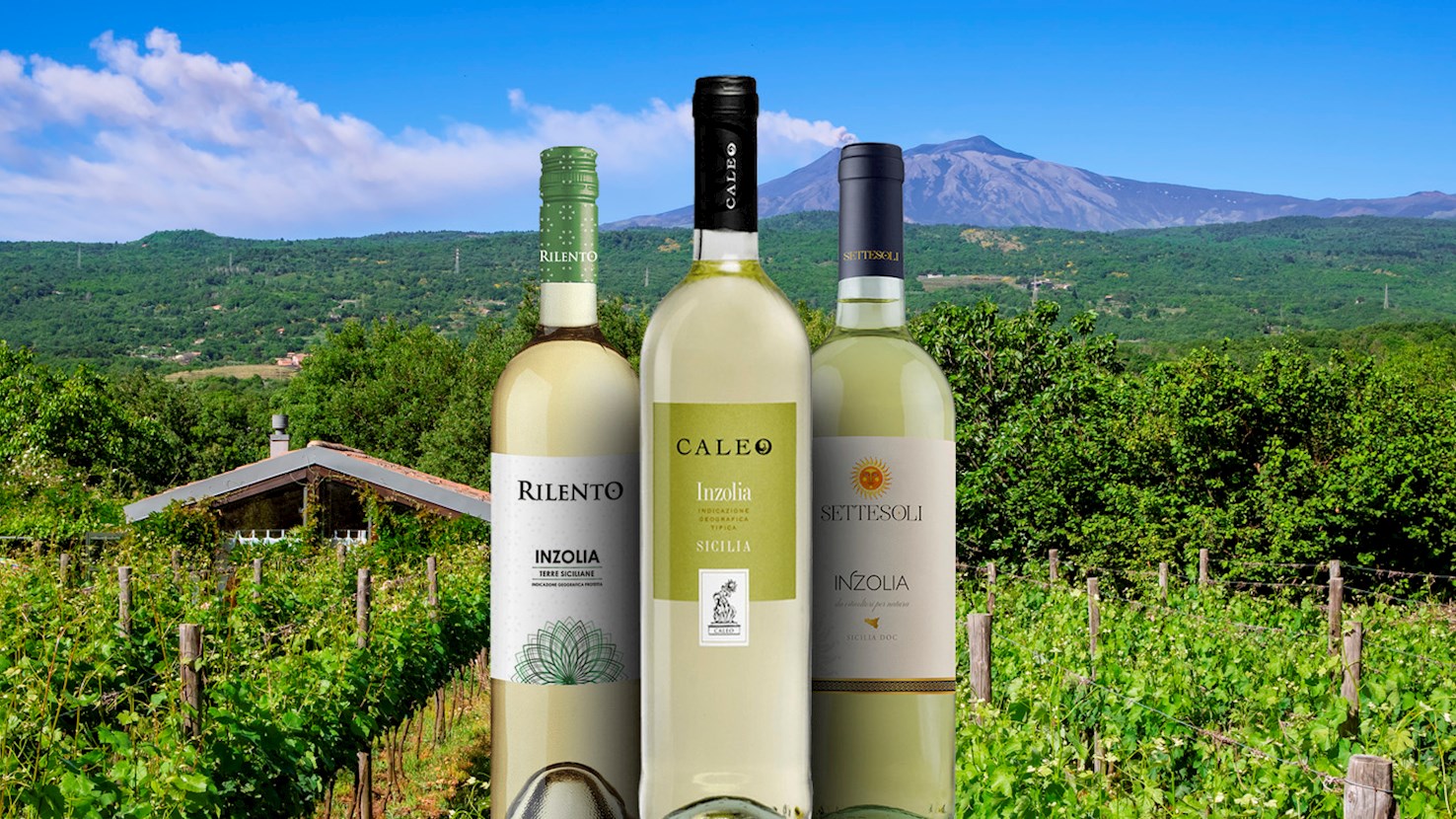
Inzolia is an Italian grape variety mainly associated with Sicily, though small amounts are also found in Tuscany (Ansonica Bianca). The grape was best known for its use in Marsala wine, but it is now often blended with the local Catarratto, and it can also produce good quality varietals. The wines produced from Inzolia are straw-colored, floral, and usually have a distinct nutty character. The aroma is typically reminiscent of mimosa, apricots, peaches, and citrus fruit. The wines are soft and round, with low to medium acidity and a subtle mineral finish. Sicilian terroir will produce fruitier wines with more structure. These wines pair with pasta dishes, fish, and white meat. They can also work as an aperitif.

05

Catarratto

n/a ·

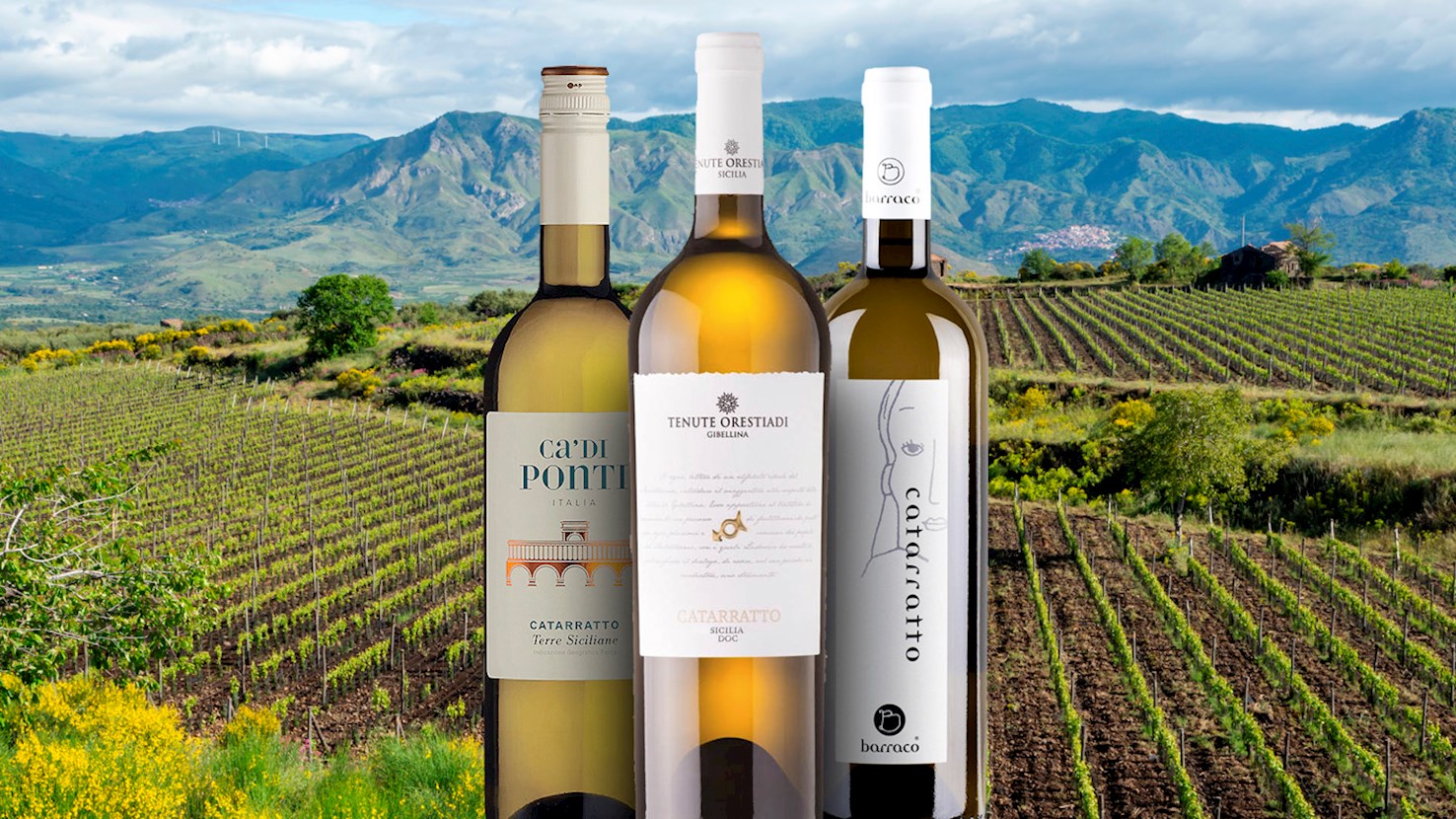
Catarratto is an ancient and little-known Sicilian white grape. In the past, it was mainly used for unimpressive, bland wines, but some producers have shown that a better approach can result in excellent white wines with a fresh and mineral character. The grape is abundant in Sicily, and it is mainly used in Sicilia DOC. This high-yield grape produces wine with a good body and a fruity and floral aroma, often reminiscent of citrus fruit, apricots, jasmine, and orange blossom, along with some tropical and herbal notes. The honey-like and spicy aroma can also be present. On the palate, the wines are mineral and might have a subtle bitter finish. The grape has two types, Comune and Lucido. They were thought of as two distinct grapes in the past, but it was later proven that they are simply variant clones. Catarratto-based wines would pair well with different appetizers and seafood or vegetarian main courses.

06

Frappato

n/a ·

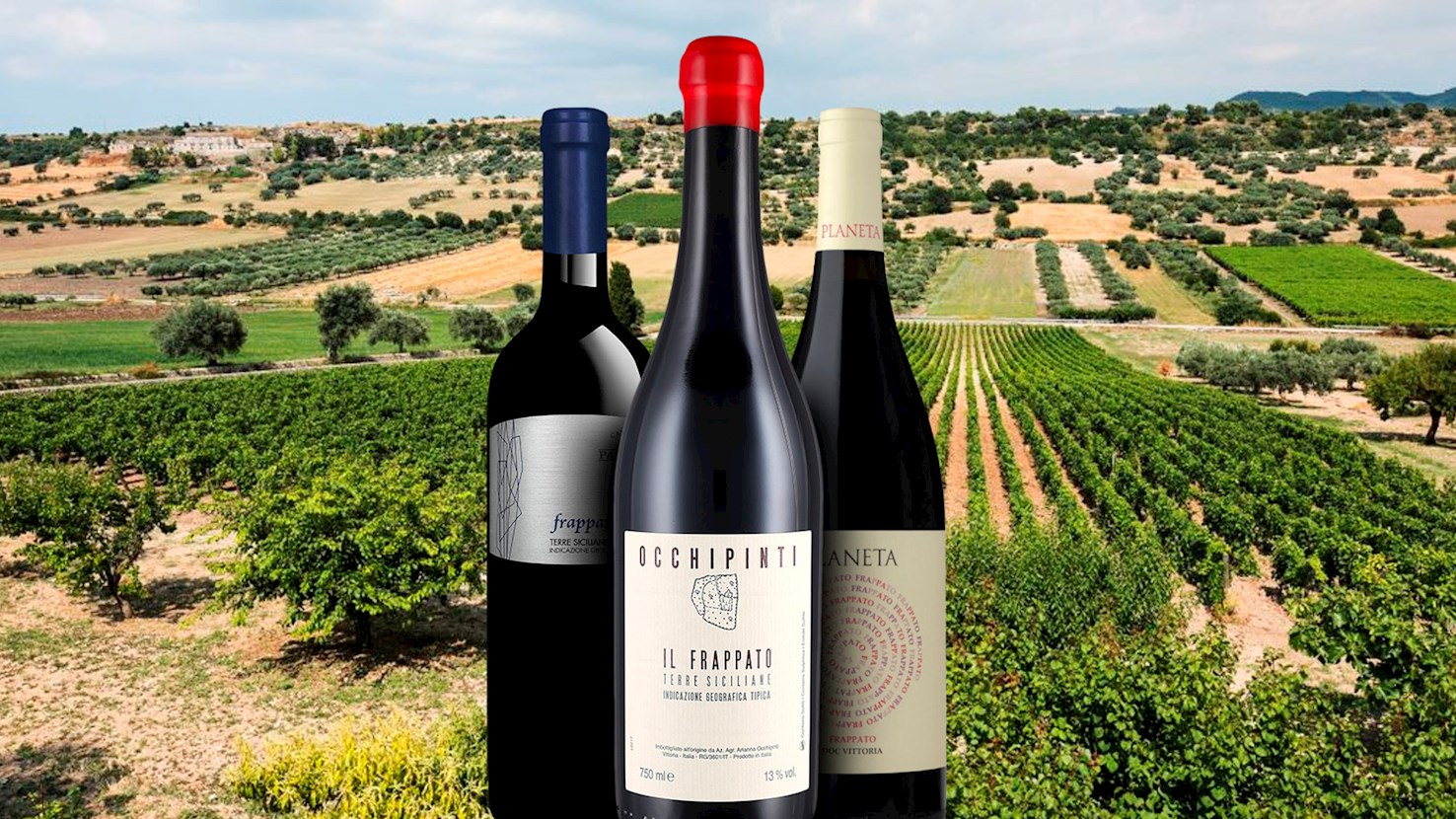
Frappato is an Italian wine variety that is mostly associated with Sicily—where it is best known for its use in Cerasuolo di Vittoria DOCG. Although its ancestry has not been determined, Frappato is one of the oldest grape varieties in Sicily that has only recently risen to prominence. In the past, it was mostly used in blends, usually with the flagship Nero d’Avola, but recently it has shown good potential to produce light, fresh, and juicy varietals. Frappato-based wines are typically medium in acidity, light in color, and low in tannins. The aromas and flavors are reminiscent of red berries, roses, and violets, with subtle spicy nuances. When slightly chilled, Frappato is an excellent aperitif wine, but it is also versatile enough to be paired with appetizers, pasta and vegetable dishes, fish, veal, and pork.

07

Uva da tavola di Canicattì

n/a ·

Uva da Tavola di Canicattì refers to the fresh table grape produced within the provinces of Agrigento and Caltanissetta, in Sicily. The color and crunchiness of Uva di Canicattì are given to the high concentration of calcium in the soil of the production area. Furthermore, the climatic characteristics of the region allow the fruit to remain on the vine until the beginning of January, which guarantees that the product is always fresh. It was at the beginning of the 20th century that agronomist Alberto Pirovano created this variety. The new variety found the ideal micro-climate in the area of Canicattì. However, it only became an established cultivation at the beginning of the 1960s, becoming a substitute for the traditional crops of cereal, almonds and legumes. The flesh is dense and crunchy, ranging from pale yellow to golden straw yellow, with a sweet flavor and a delicate Muscat aroma. To best utilize this fruit’s disinfecting, antiviral, diuretic and laxative properties, it should be eaten in the morning on an empty stomach. In cooking it can be used as an ingredient for the preparation of cakes, jams, marmalades and juices, but it is also ideal for using in savory dishes, especially those with pork.

08

Nerello Mascalese

n/a ·

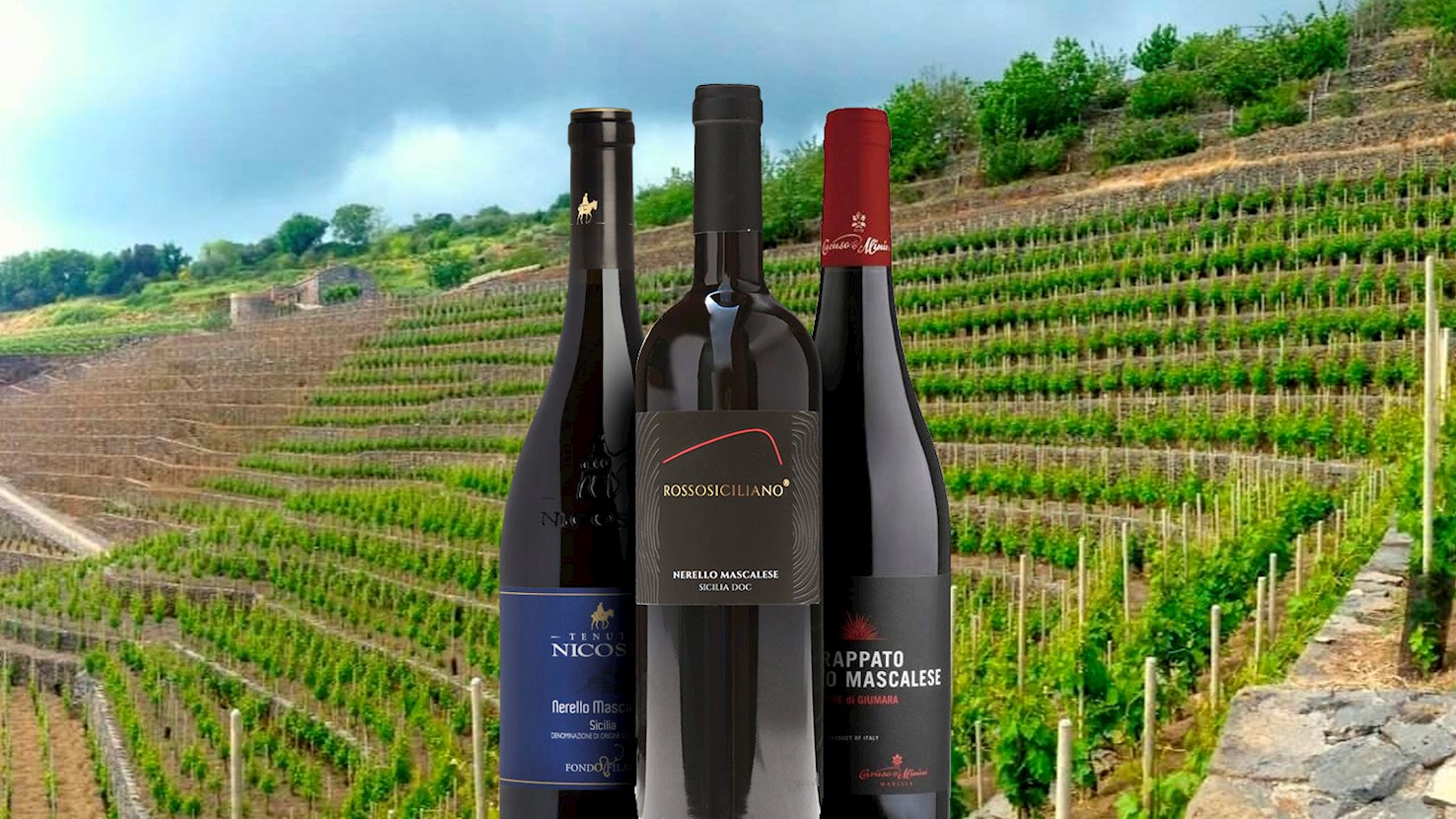
Nerello Mascalese is a late-ripening native Sicilian grape variety that is mostly cultivated around Mount Etna. One of the few grapes that survived the phylloxera plague—due to the high altitudes where it is grown—Nerello Mascalese is considered as one of the best Sicilian red grapes. It is mostly used in the appellations of Etna and Faro. Although it can be used as a blending grape, it is also made into varietal wines. The grape produces medium-body and fruity red wines that have firm tannins and bright acidity. The wines may slightly vary in character, but they usually include aromas and flavors reminiscent of red berries and spices. Nerello Mascalese wines pair well with risottos and pasta dishes, red meat, mushrooms, and aged cheese. The grape is often compared to Pinot Noir, and it is thought to descendent from Sangiovese.

09

Uva da Tavola di Mazzarrone

n/a ·

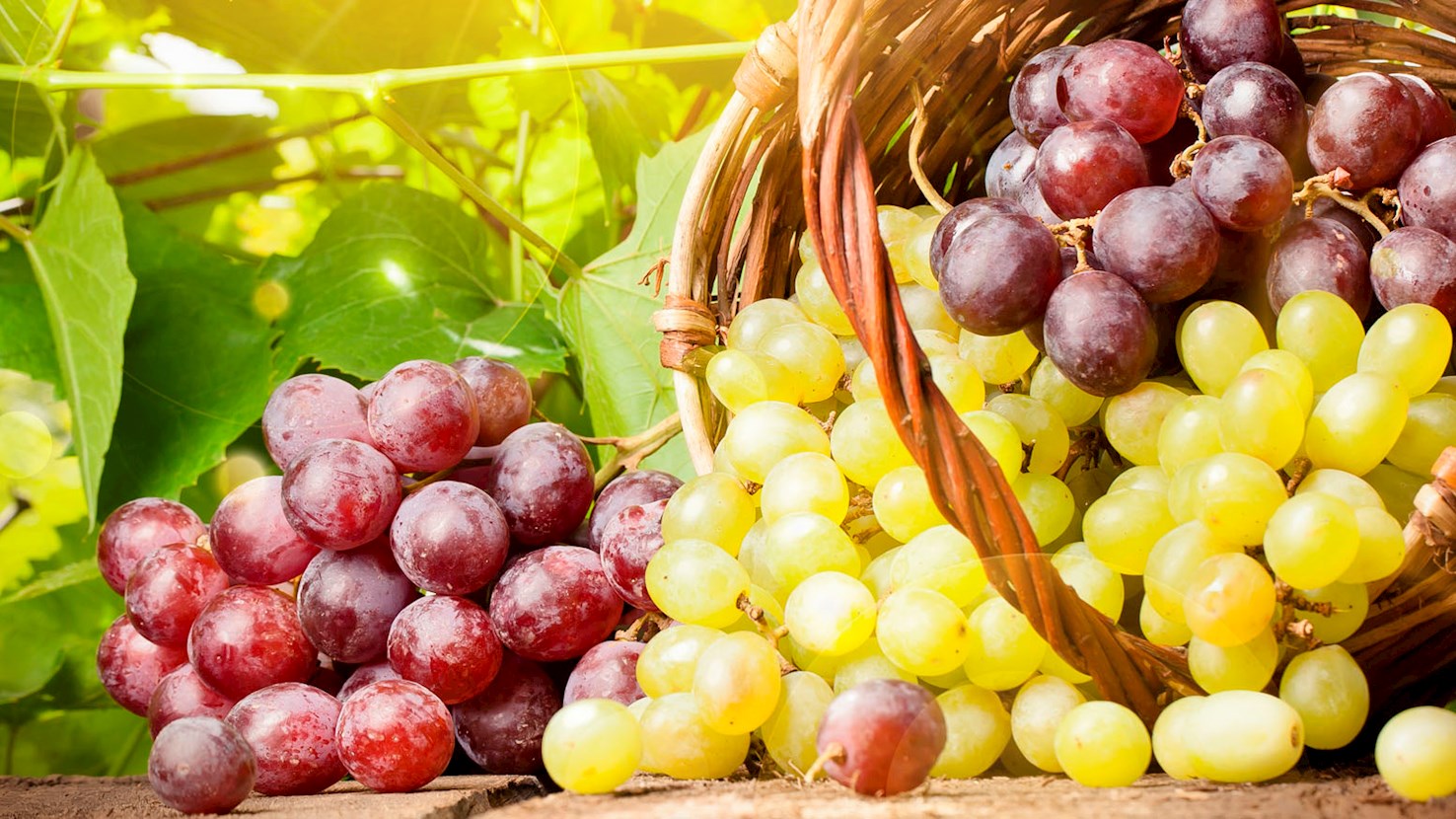
The designation of Uva da Tavola di Mazzarrone refers to both red and white table grapes of the following varieties: Italia, Victoria, Red Globe, Black Magic, Black Pearl, Michele Palieri, Sugraone, Centennial, Matilde, Alphonse Levallée and Cardinal. Named after Mazzarrone, a small town settled just outside of Bosco di San Pietro nature reserve, they are cultivated and grown in the Sicilian provinces of Catania and Ragusa where they thrive due to favorable Mediterranean climate. All of the Mazzarrone grapes are particularly juicy and sweet, have a firm, crunchy flesh and, depending on the varietal, differ only in color. Mazzarrone table grapes are best enjoyed fresh but they can also be used as an ingredient in the preparation of various desserts, marmalades, jams, sorbets and juices.

Read more
View all
View map
About this ranking

TasteAtlas food rankings are based on the ratings of the TasteAtlas audience, with a series of mechanisms that recognize real users and that ignore bot, nationalist or local patriotic ratings, and give additional value to the ratings of users that the system recognizes as knowledgeable. For the “Top 9 Sicilian Grapes” list until July 22, 2026, 140 ratings were recorded, of which 108 were recognized by the system as legitimate. TasteAtlas Rankings should not be seen as the final global conclusion about food. Their purpose is to promote excellent local foods, instill pride in traditional dishes, and arouse curiosity about dishes you haven’t tried.

Similar lists