





shutterstock

21 Gulyás Varieties
Ranked From the Best To the Worst

Last updated on July 17, 2026
01

Wiener Saftgulasch

4.3 ·

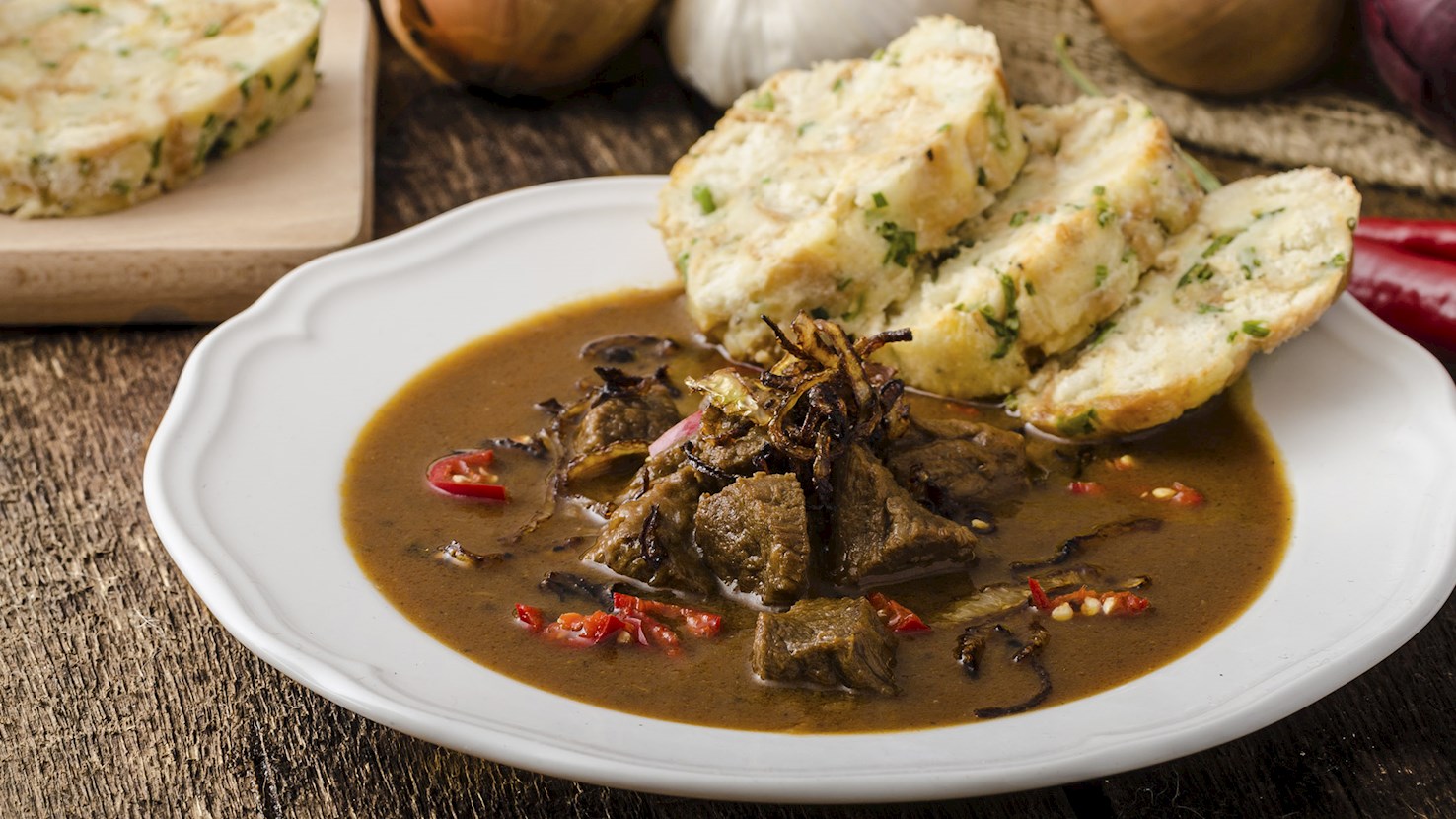
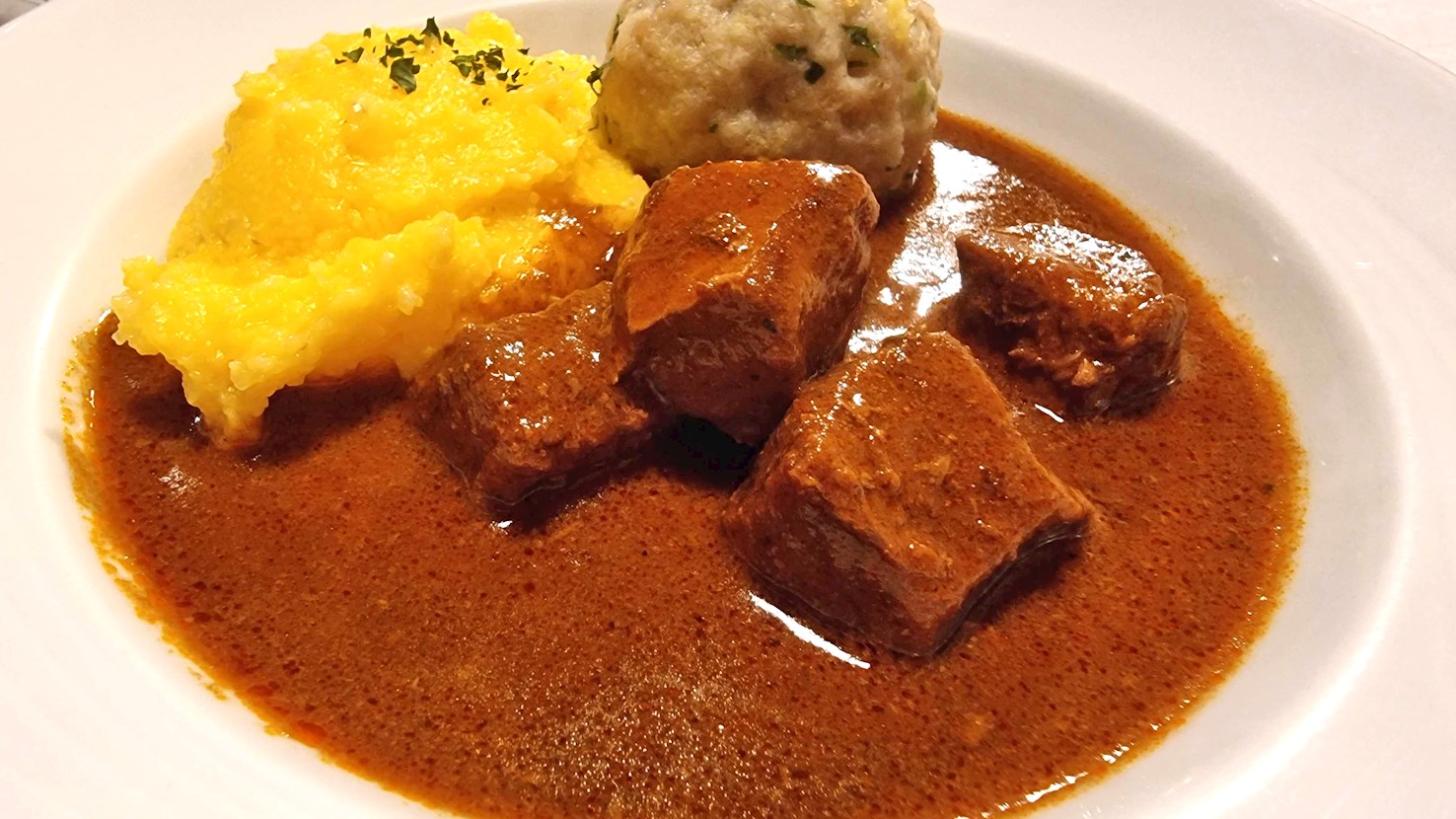
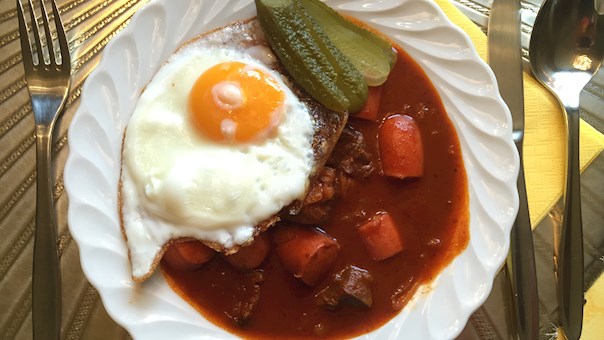
Regarded as the Austrian answer to Hungarian-style goulash, Wiener saftgulasch is a hearty stew that consists of diced lean beef drenched in a thick, flavorful gravy. Although it has evolved from the Hungarian version of the dish, Austrian beef goulash is believed to be a gourmet delicacy of its own kind. It is usually prepared with beef (traditionally lean beef shank), onions, tomato paste, and lard, while the combination is typically flavored with vinegar, Hungarian paprika, bay leaves, marjoram, caraway, lemon zest, juniper berries, sugar, salt, and black pepper. What makes this variety of goulash stand out from the rest is the thick and smooth consistency of the sauce that is achieved through the cooking process, without the addition of any thickeners such as roux, sour cream, or flour, as well as the stew's rich, savory, and spicy flavor. It is recommended to prepare this Austrian specialty at least a day ahead of consumption since the flavor is said to improve significantly with time. Traditionally, Wiener saftgulasch is enjoyed with accompaniments such as nockerl (a type of dumplings), spätzle (noodles), potatoes, or kaiser rolls (crusty round bread rolls). The beef stew's popularity has given rise to numerous variations throughout the country, including the one that is known as fiakergulasch (coachman's goulash).

Best restaurants
02

Székely gulyás

4.1 ·

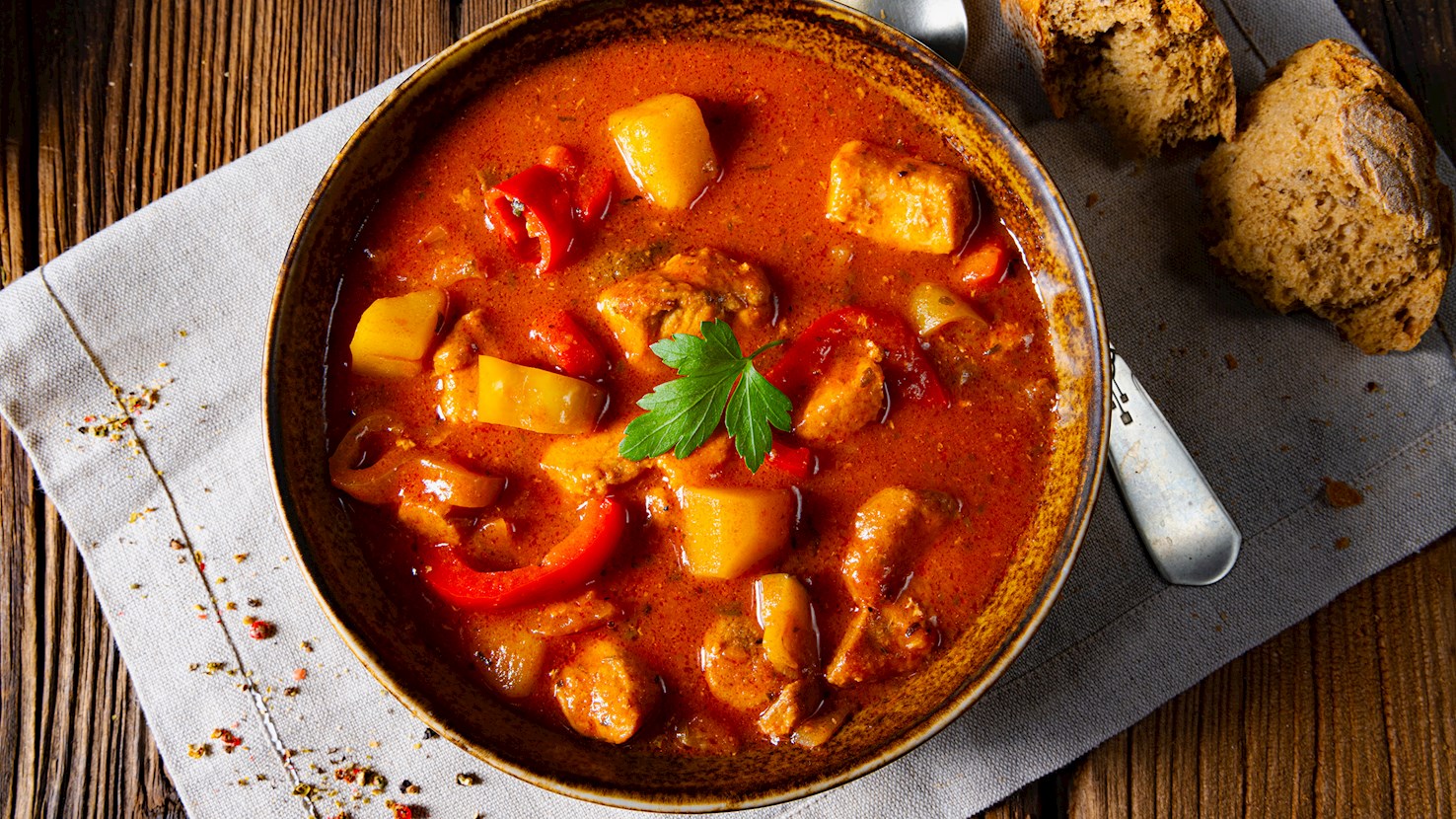
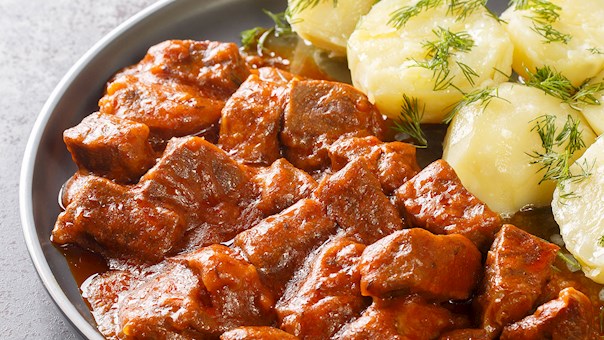
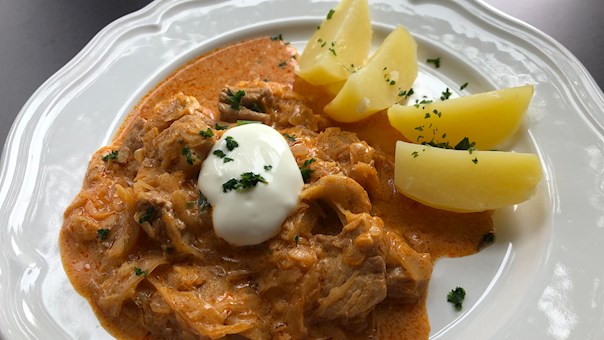
Székely gulyás is a thick and rich Hungarian stew prepared with a combination of pork, onions, peppers, paprika, potatoes, sauerkraut, sour cream, and garlic. The dish is believed to have originated in the city of Szeged, known for its paprika, and it was supposedly named after the Hungarian journalist and archivist Jószef Székely. Once prepared, Székely goulash is typically served with homemade pasta or crusty bread on the side.

03

Guláš

4.0 ·

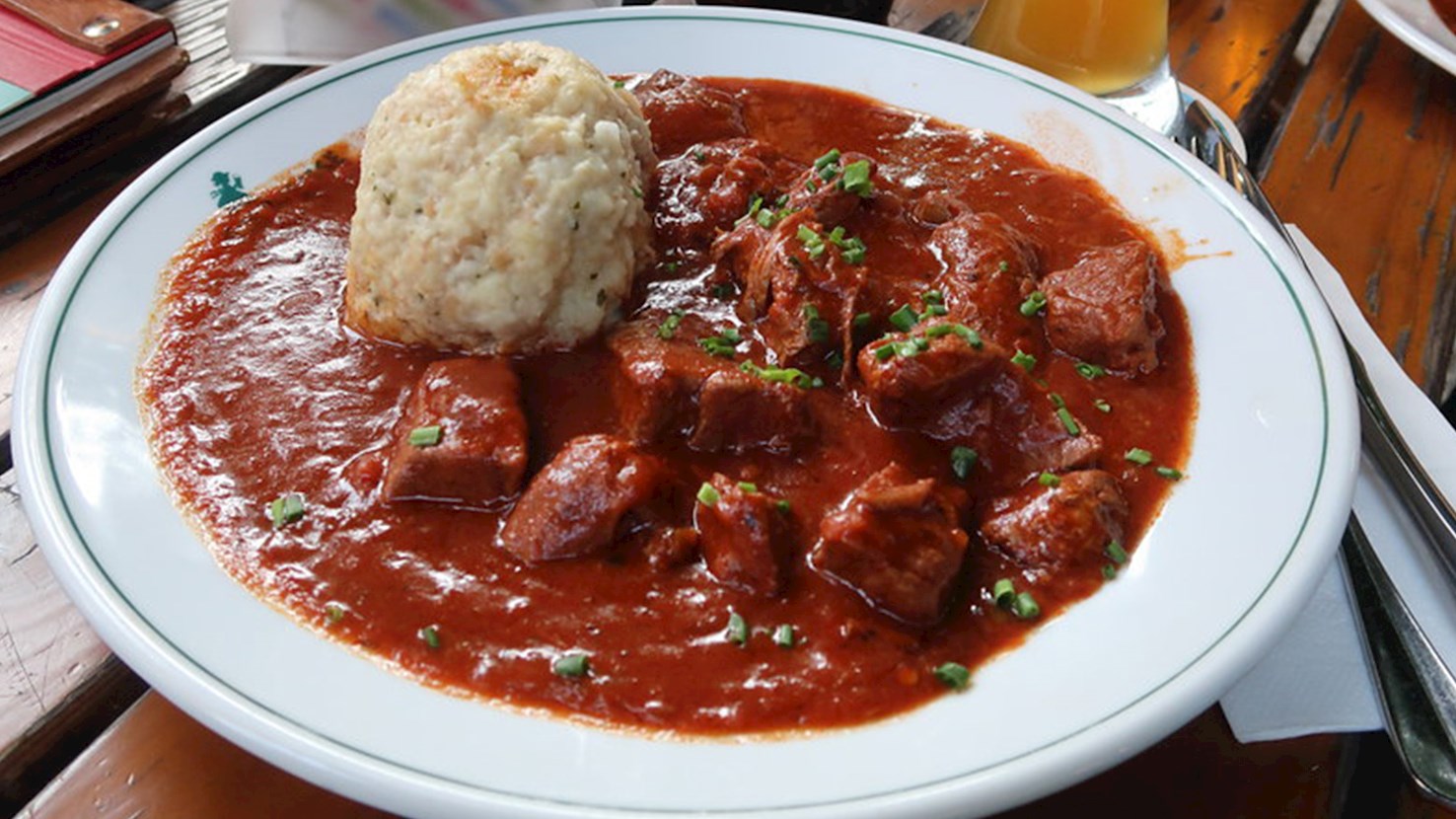
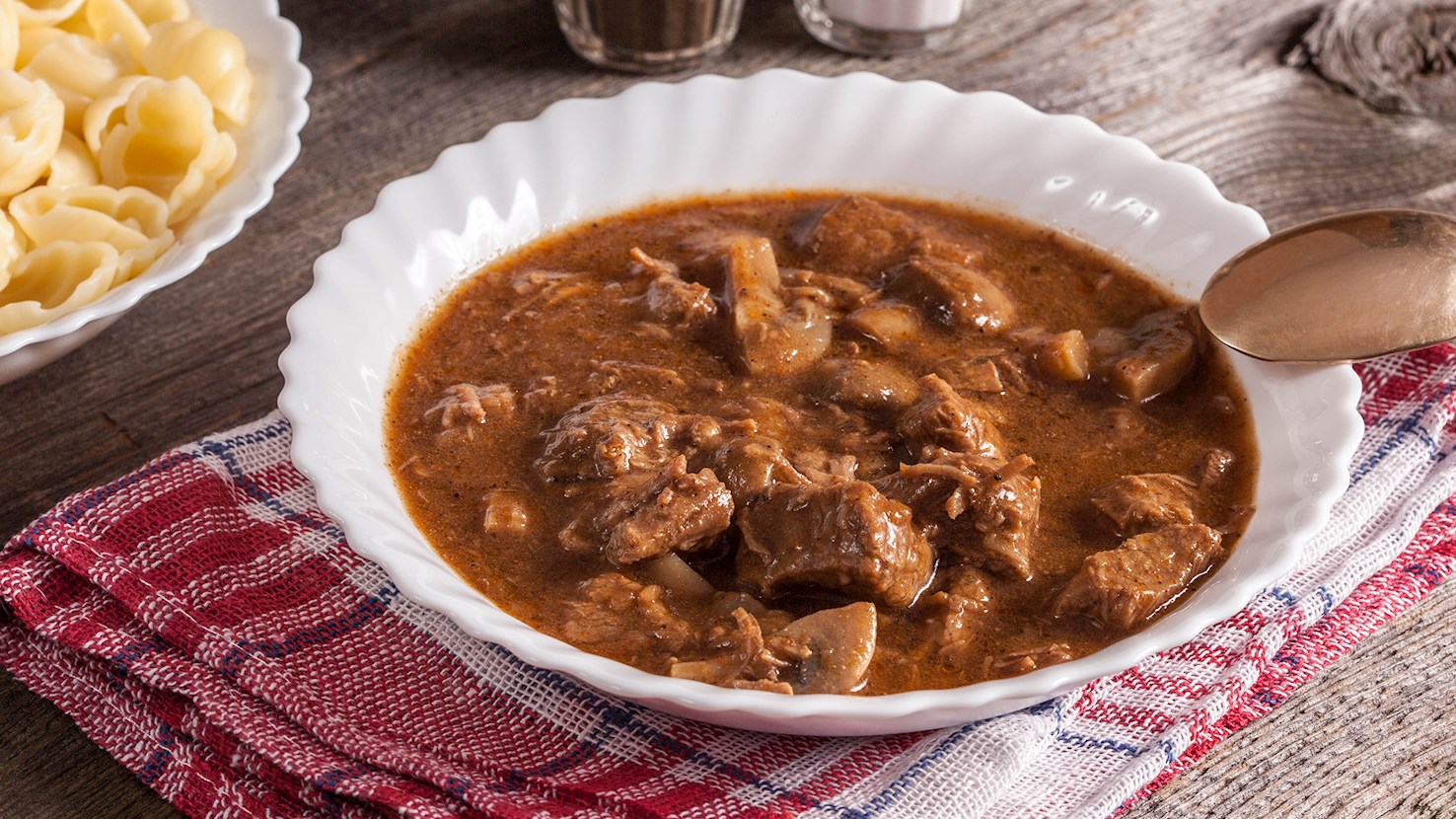
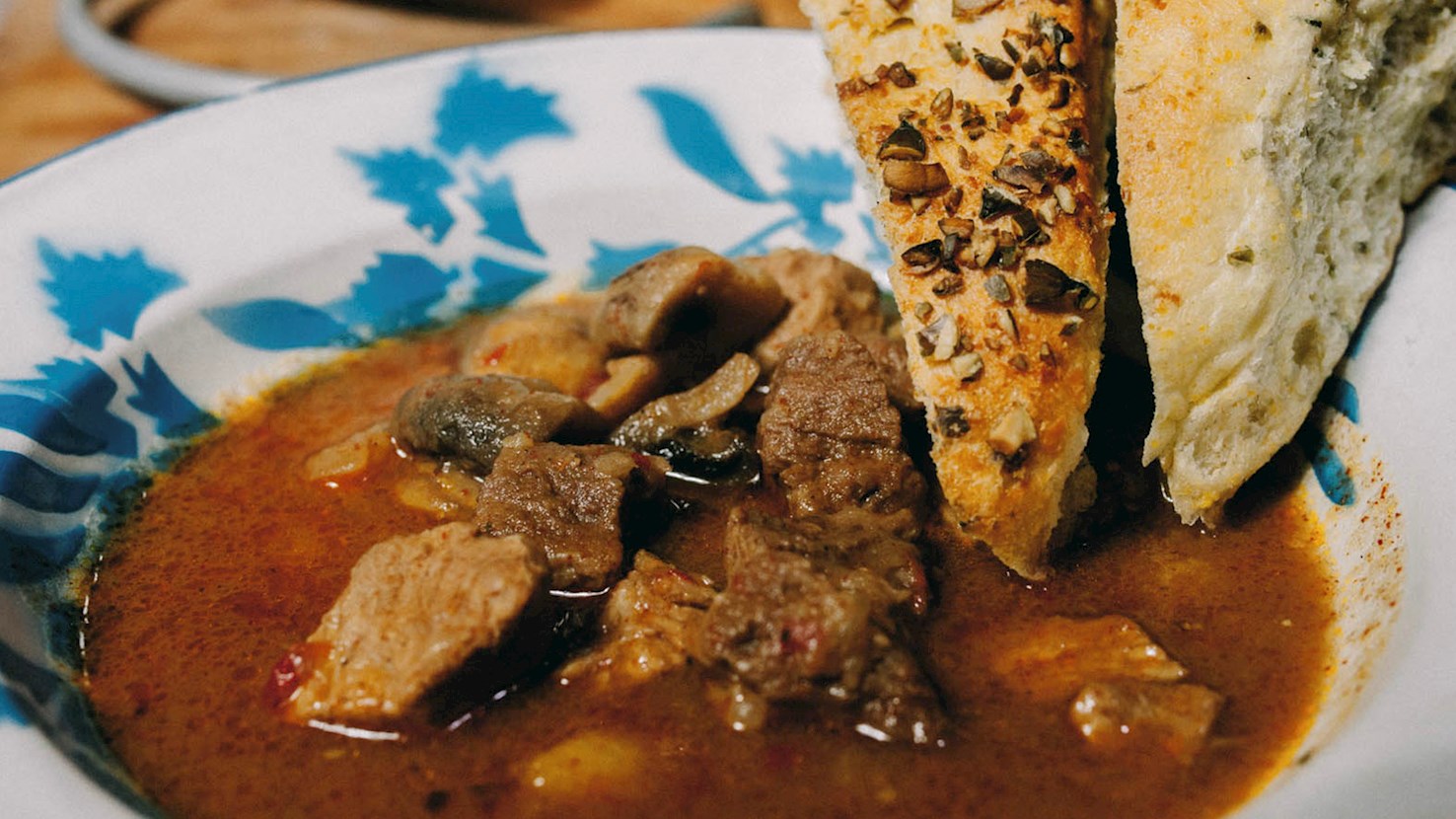
Traditional guláš is a hearty meat stew served with a dark red sauce that is heavily seasoned with paprika. Through history, this dish with Hungarian origins has become one of the most common meals in the Czech Republic and Slovakia. The two countries have created their unique version, slightly different from the original. It usually consists of beef, pork, or game meat, browned and simmered alongside onions for hours until the broth thickens. There are numerous varieties of this rustic dish, including the ones with different meat cuts, thicker and thinner broth types, potatoes, caraway seeds, marjoram, and even sausages and mushrooms. Guláš is a common restaurant dish, and it is traditionally accompanied by tender steamed dumplings or plain bread.

04

Rindsgulasch

4.0 ·

Rindsgoulasch is an Austrian and German take on the Hungarian goulash that is considered a staple of Viennese cuisine. It is typically prepared with beef, onions, garlic, powdered paprika, tomato paste, caraway seeds, marjoram, vinegar, salt, and pepper. And if done right, the meat should be tender and the gravy dark, smooth, and thick. Once all ingredients are sauteed, either water, stock, or red wine is added, and the goulash is cooked for hours until the meat is exceptionally tender. However, variations abound, and recipes usually differ in the number and type of spices used, the order in which the ingredients are added and sauteed, and the type of liquid used. Rindsgoulasch is typically served with potatoes, spätzle, various dumplings, and even homemade bread.

Best restaurants
05

Südtiroler gulasch

4.0 ·

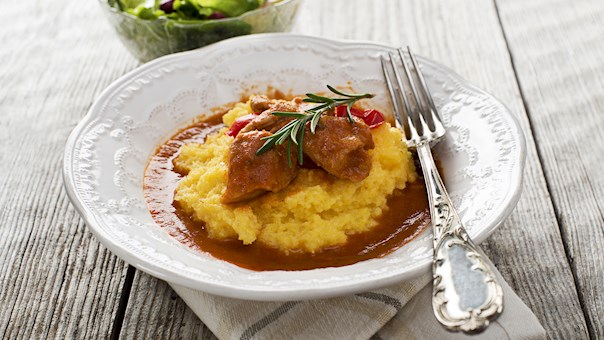
Südtiroler gulasch is a traditional goulash originating from the South Tyrol region. Influenced by Austria and Hungary, this stew is usually made with a combination of beef, cumin, paprika, olive oil, onions, pancetta, stock, garlic, salt, pepper, and thyme. Despite clear Hungarian influence (the addition of paprika powder), this goulash is much thicker and darker than its Hungarian counterpart. During the cooking process, stock is gradually added to the stew, which gives it a gentle flavor. Salt should be added carefully as pancetta is a part of this goulash, so it could become too salty if one doesn't pay attention. Once done, this hearty and thick goulash is typically served with runny polenta, canederli dumplings, or mashed potatoes and toasted bread on the side. It can also be served in a hollowed out loaf of bread, if desired. Südtiroler gulasch is typically served in shallow plates because there is not as much sauce as there is in other gulasch varieties.

Best restaurants
06

Gulasz

3.9 ·

This traditional Polish variety of the acclaimed Hungarian goulash is prepared with beef or pork that is slowly simmered alongside onions in a rich, paprika-spiced broth. It is often complemented by various vegetables and seasonings, resulting in a flavorful, satisfying dish with an incredibly thick consistency. Gulasz is usually served with bread, rice, or pasta on the side, and it is traditionally enjoyed as a hearty main course.

07

Bograč

3.8 ·

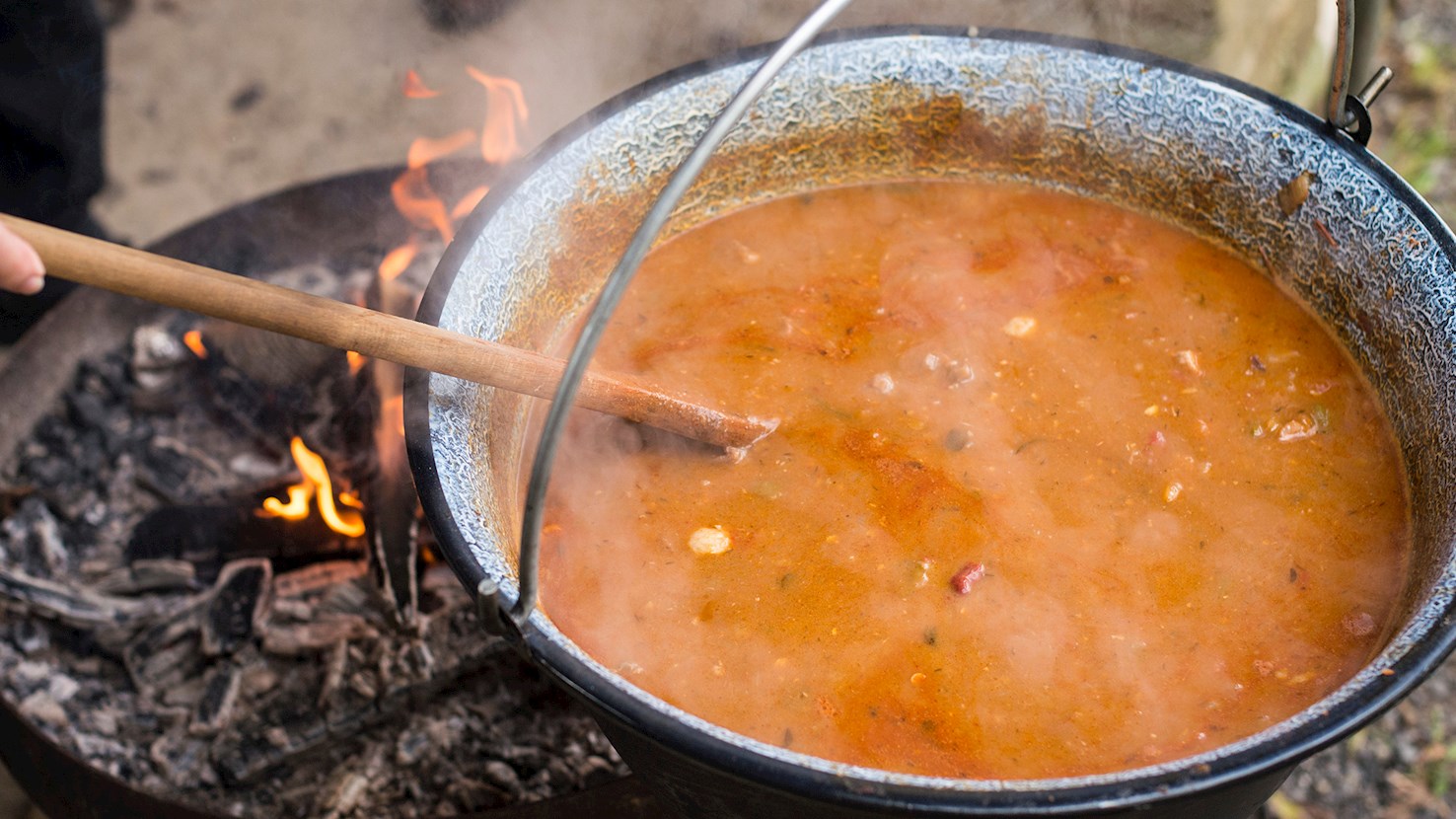
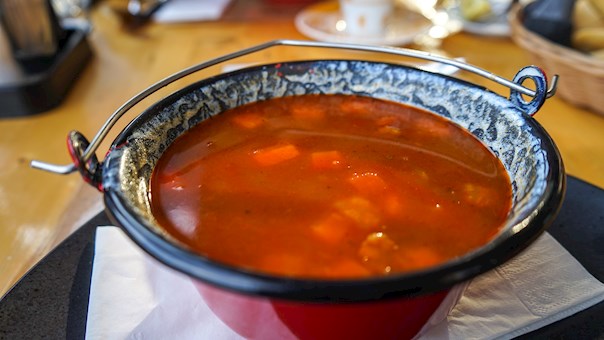
Bograč is a traditional meat stew that was supposedly invented by Hungarian shepherds when Prekmurje was under Hungarian rule. The stew consists of four types of meat—traditionally pork, beef, venison, and boar—which are simmered along with potatoes, onions, spices, wine, and optionally mushrooms. The dish was named after bogracs—a traditional cauldron in which it is still prepared today.

08

Birkagulyás

3.7 ·

Birkagulyás is a version of a traditional Hungarian goulash prepared with mutton as the key ingredient. The mutton is cooked in a mix of vegetables such as carrots, onions, garlic, tomatoes, potatoes, and celery. The combination is usually flavored with parsley, paprika, black pepper, salt, and caraway seeds. Some recipes also suggest the inclusion of red wine sauce to the mix. Birkagulyás can be served with dumplings, sour cream, or spätzle noodles.

09

Slavonski gulaš (Slavonian goulash)

3.7 ·

This variety of goulash comes from the Croatian region of Slavonia and Baranja. It is made with pork (sometimes pork and veal), onions, oil, mushrooms, bell peppers, tomatoes, potatoes, and sausages. Slavonski gulaš is typically flavored with salt, pepper, and hot ground paprika. The dish is usually prepared in winter, and it is recommended to serve it with gnocchi, polenta, or wide pasta noodles.

10

Gulášová polévka (Czech goulash soup)

3.7 ·

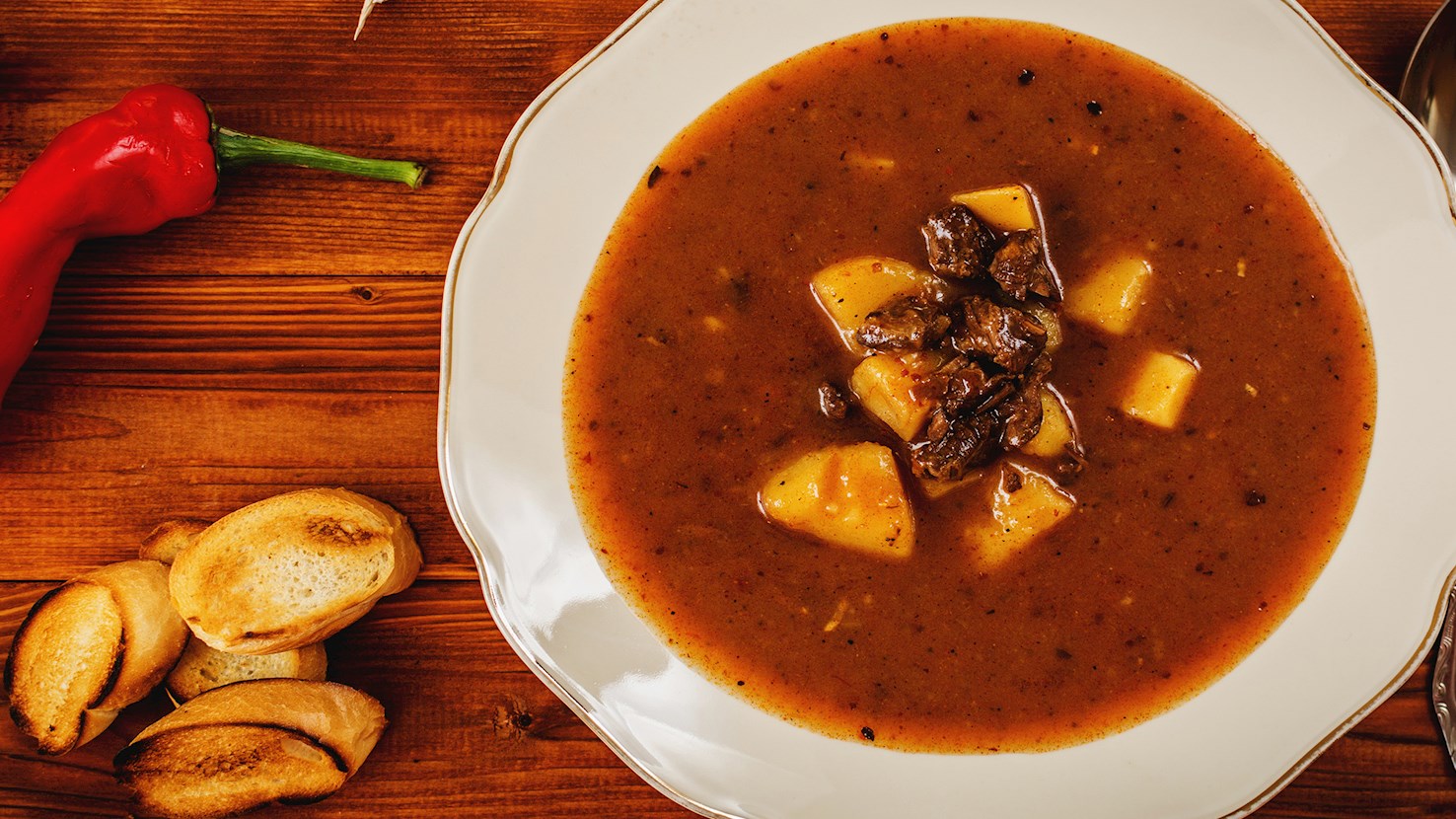
Very similar to the famous guláš, this hearty soup employs similar ingredients to create a slightly different dish. It is usually prepared with beef that is browned and simmered alongside onions in a flavorful, paprika-spiced broth. The soup is commonly enriched with potatoes, and occasionally thickened with a floury roux. A staple in many households and restaurants, the nutritious gulášovka is often accompanied by bread on the side, and it can be enjoyed as an appetizer or the main course.

About this ranking

TasteAtlas food rankings are based on the ratings of the TasteAtlas audience, with a series of mechanisms that recognize real users and that ignore bot, nationalist or local patriotic ratings, and give additional value to the ratings of users that the system recognizes as knowledgeable. For the “21 Gulyás Varieties Ranked From the Best To the Worst” list until July 17, 2026, 785,456 ratings were recorded, of which 511,199 were recognized by the system as legitimate. TasteAtlas Rankings should not be seen as the final global conclusion about food. Their purpose is to promote excellent local foods, instill pride in traditional dishes, and arouse curiosity about dishes you haven’t tried.

Similar lists