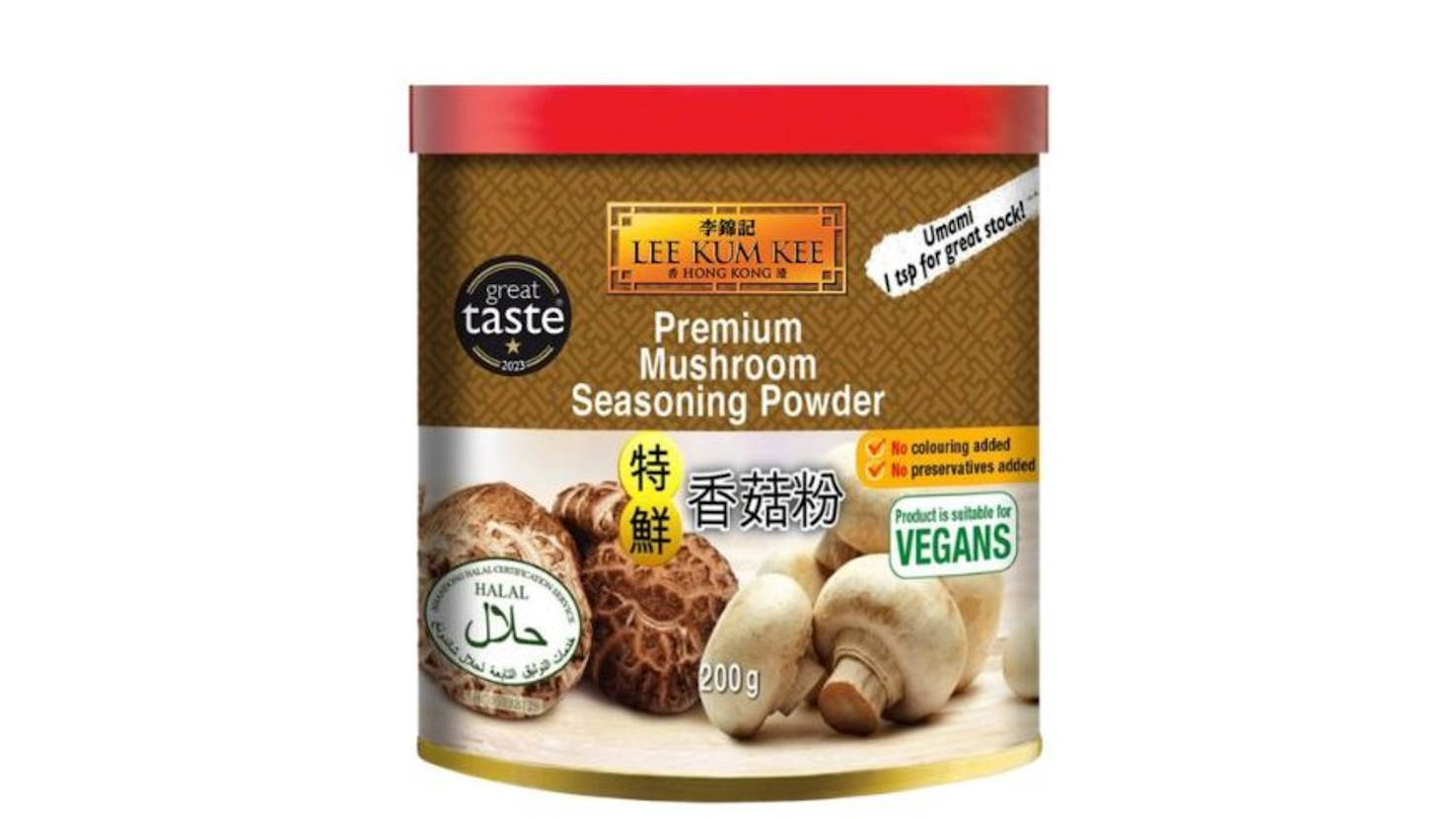
Lee Kum Kee is a Hong Kong-based manufacturer of sauces and condiments and one of the world's oldest and most recognized Asian food brands. Founded in 1888 by Lee Kum Sheung, the company originated after he accidentally invented oyster sauce, which remains its flagship product and one of the most influential ingredients in Chinese cuisine. Over more than 130 years, Lee Kum Kee has grown into a global company offering more than 300 sauces and seasonings, including soy sauces, hoisin sauce, XO sauce, chili sauces, marinades, cooking oils and ready-to-use recipe sauces. The company operates production facilities in China, Hong Kong, Malaysia and the United States, while distributing its products to more than 100 countries and regions worldwide. Lee Kum Kee places a strong emphasis on food safety, quality control and sustainable manufacturing practices, combining traditional recipes with modern production technology. Its products are widely used by both home cooks and professional chefs and have become staples in Asian restaurants around the world. With a heritage spanning more than a century, Lee Kum Kee is widely regarded as one of the leading global ambassadors of authentic Chinese cuisine and a symbol of quality and culinary tradition.
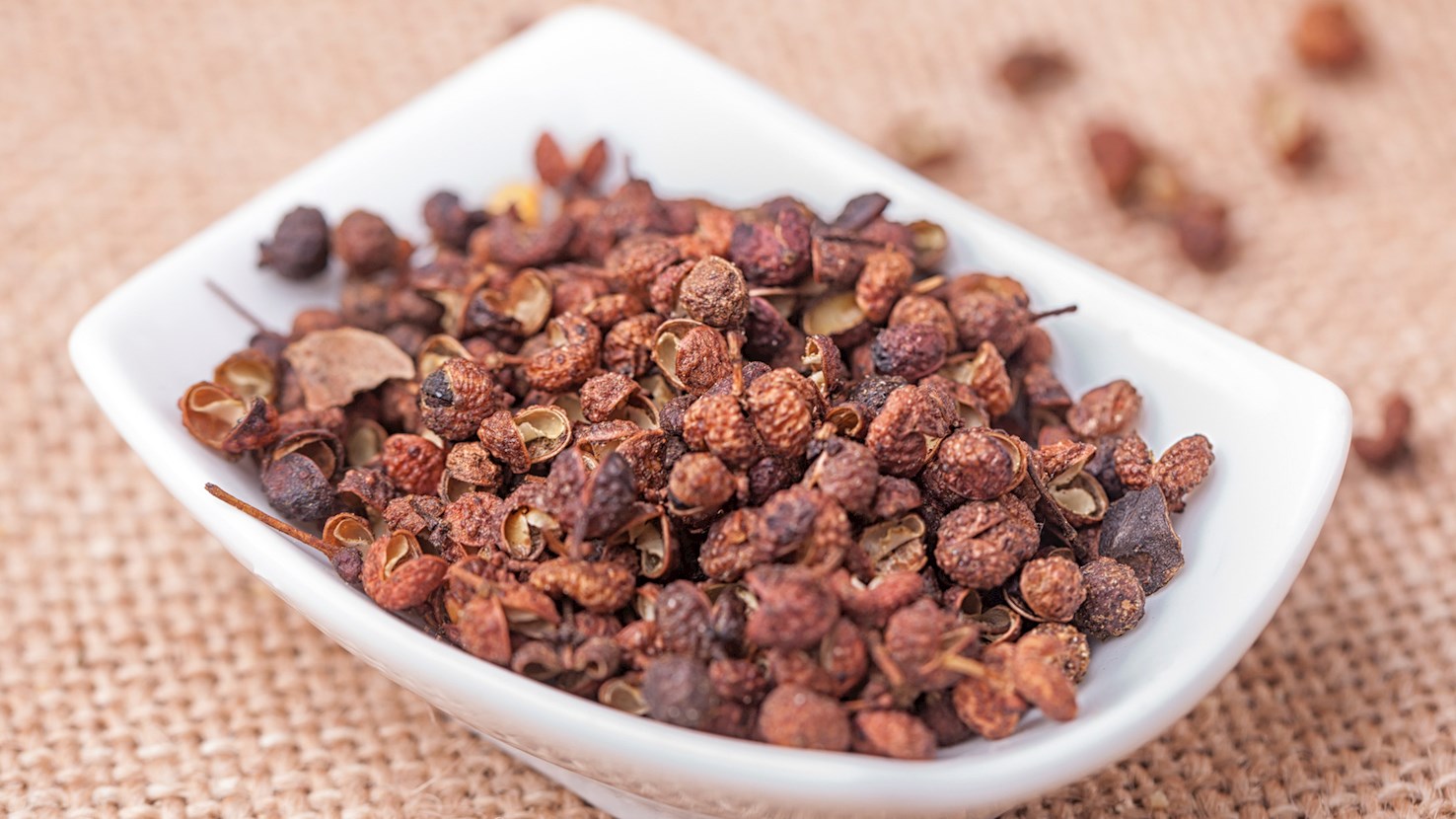
Huājiāo, known in English as Sichuan pepper, is a spice that comes from the prickly ash tree, most famously associated with Sichuan province. It is not a chili pepper or black pepper but the dried husk of the seedpod from the Zanthoxylum plant, valued for the numbing and tingling sensation it produces on the tongue. The spice is central to Sichuan cuisine and defines many of its flavor profiles, particularly the well-known málà combination of numbing and spicy. Its use dates back more than a thousand years, with records from early Chinese texts describing how the husks were collected and prized both as a seasoning and for medicinal purposes. In ancient times, huājiāo was used in court cuisine as well as in folk cooking, valued for its ability to stimulate the palate and enhance appetite. Over centuries, cooks in Sichuan developed methods of pairing it with chili peppers, which arrived later from the Americas, creating the defining spicy-numbing flavor that has become globally associated with the region’s food. In preparation, the husks are dried after harvesting and sometimes roasted lightly before use to bring out their fragrance. They are rarely eaten whole; instead, they are ground into powders, infused into oils, or added directly to dishes during cooking. Huājiāo oil, made by heating the husks in hot oil, is drizzled over noodles, dumplings, and salads for a numbing finish. In braised dishes and hot pots, whole husks are simmered in broth to release their flavor gradually. Ground huājiāo is also used as a finishing spice in stir-fries and cold dishes. The most common is red Sichuan pepper, known for its warm aroma and slightly woody undertones, which is often used in hot pot and braised dishes. Green Sichuan pepper has a fresher, more floral quality with sharper citrus notes, making it popular in lighter broths, chicken dishes, and dipping sauces. In some areas, both are combined to create layered complexity, with red providing depth and green delivering brightness.Today, huājiāo is eaten widely across China but remains most closely tied to Sichuan, where it is a cornerstone of everyday cooking as well as banquet dishes. It appears in hot pot bases, dry stir-fries, braised meats, dipping sauces, and snacks. Its influence has spread beyond China, as chefs around the world use it to add depth and novelty to modern dishes. In Sichuan itself, it continues to be harvested, sold in markets, and used in homes and restaurants.
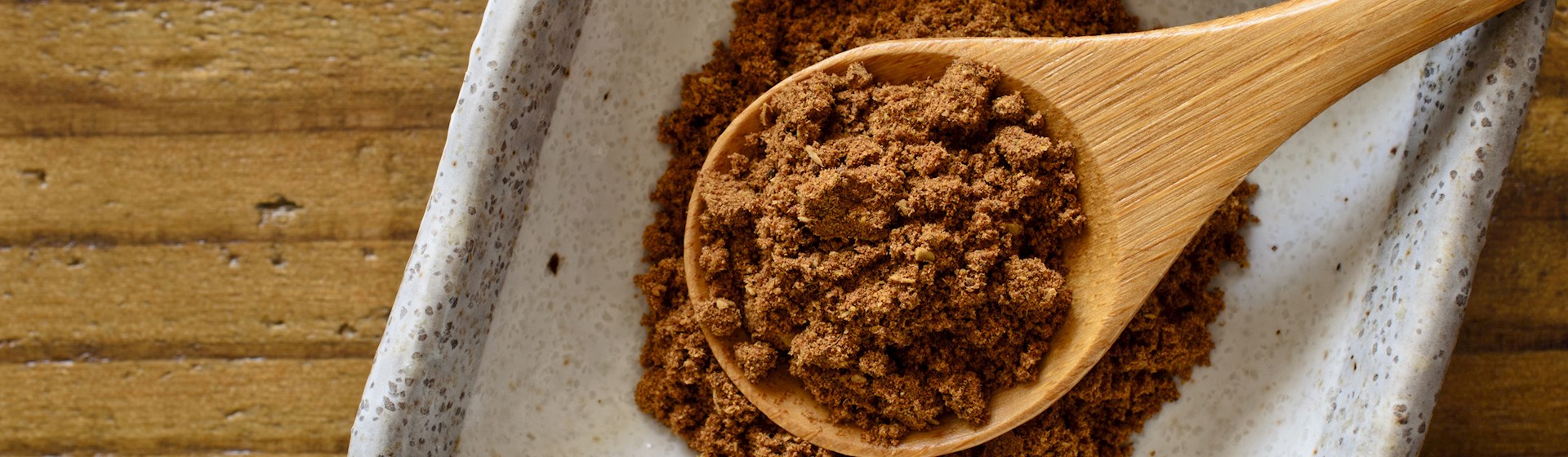
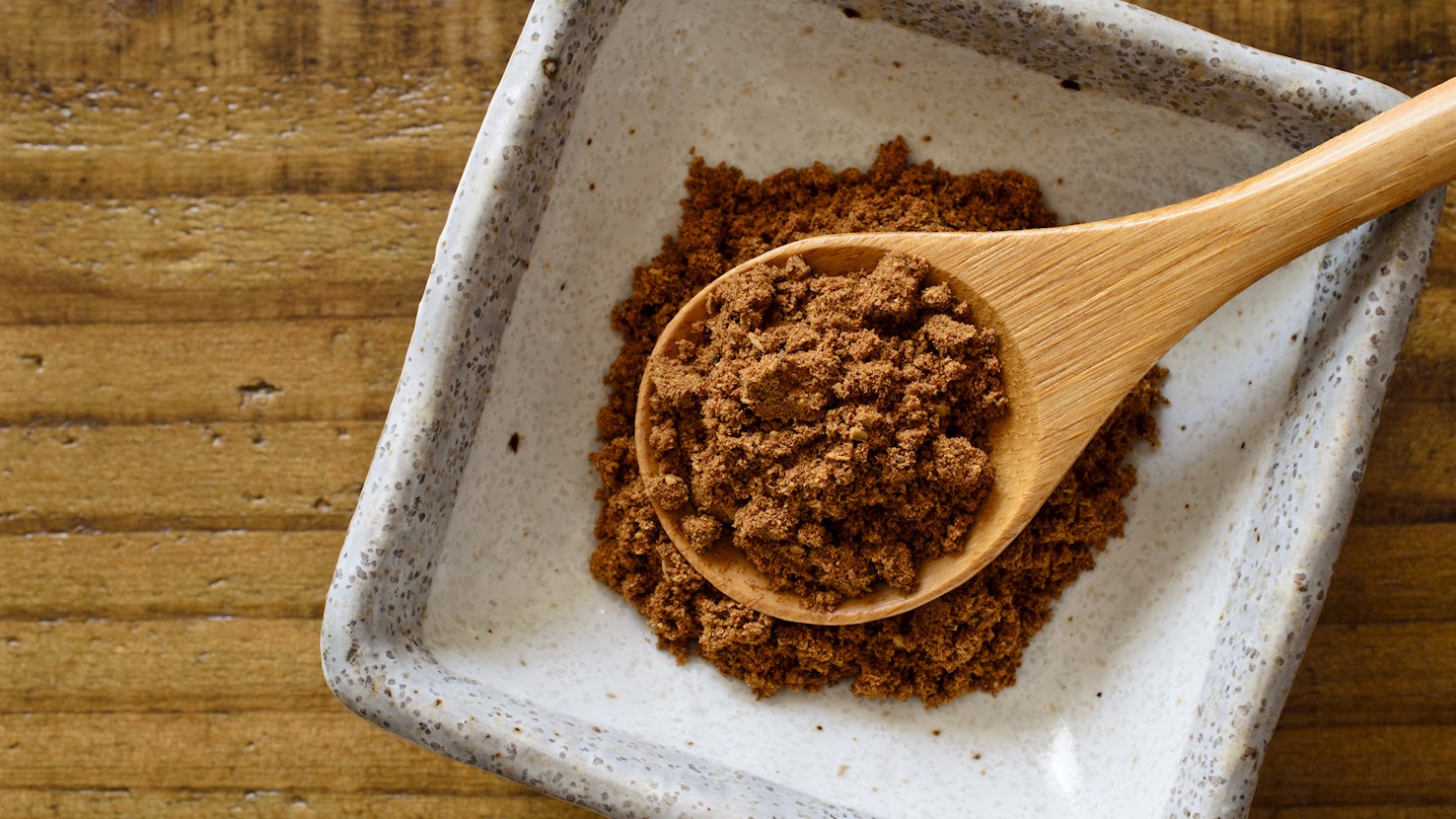
Wu xiang fen or five-spice powder is a traditional spice blend originating from China. The spice blend consists of five spices: fennel seeds, cinnamon, cloves, Sichuan peppercorns, and star anise. The number five refers to the five flavors that are represented in the blend – sweet, salty, bitter, sour, and umami. There are many ways to use the aromatic five-spice powder – in marinades, stir-fries, soups, stews, as a seasoning for the breading for fried foods, as a glaze, or a dry rub for meat and seafood. Interestingly, the spice blend has antiseptic properties and it's sometimes used to cure indigestion.
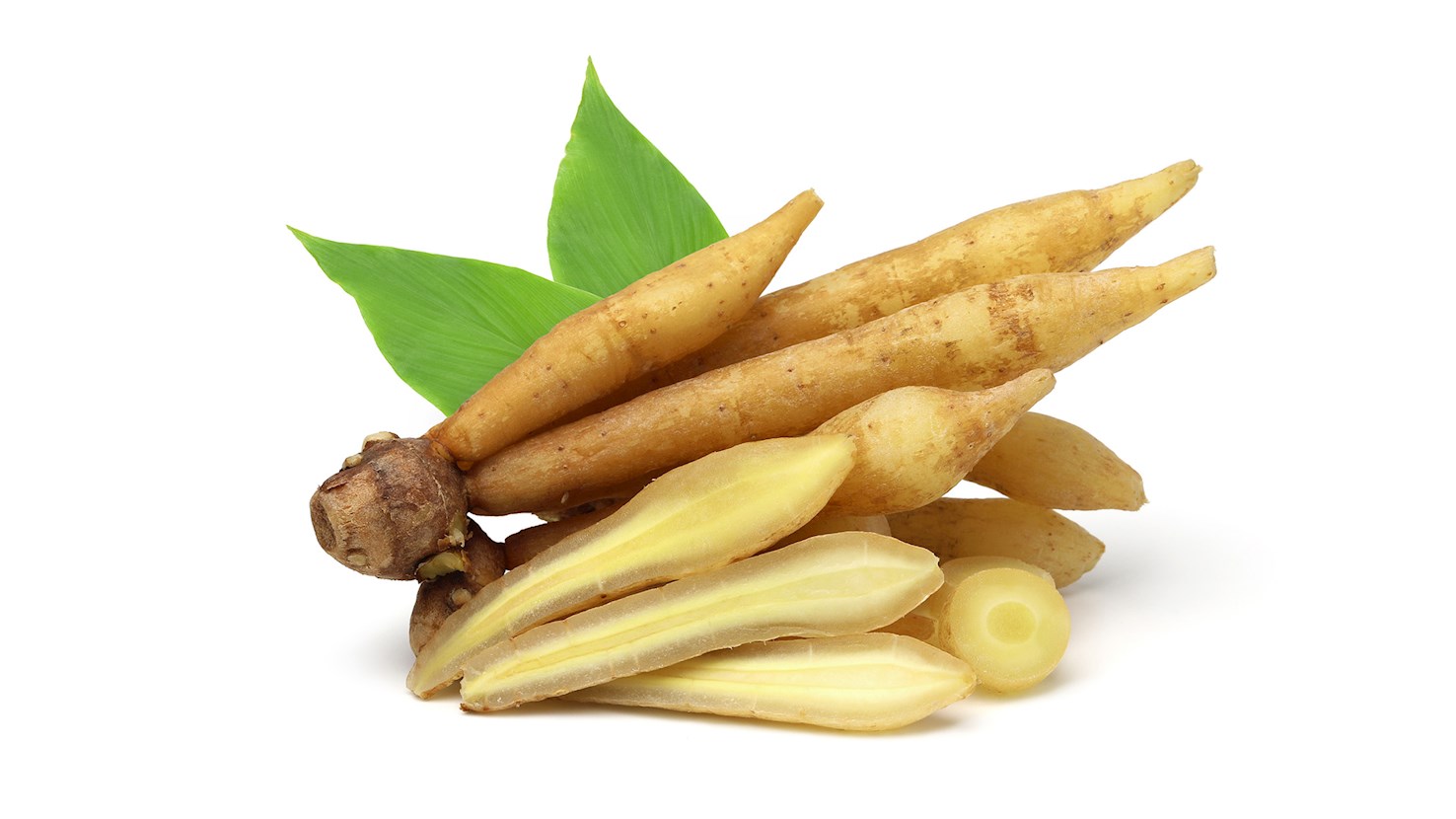
Lesser galangal (lat. Alpinia officinarum) is a plant species in the ginger family, closely related to galangal and used widely across Asia for culinary and medicinal purposes. The plant is native to China, growing primarily in the southeastern part of the country. Lesser galangal is notable for its aromatic rhizomes, which are smaller and have a distinct taste compared to the more commonly known greater galangal (lat. Alpinia galanga). The rhizomes (root-like organs) of lesser galangal are used both as a spice and as an herbal remedy. In cooking, it adds a sharp, slightly sweet flavor and is a component in various Asian dishes, including soups, curries, and seafood. It's particularly prevalent in Indonesian, Thai, and Vietnamese cuisines. Medicinally, lesser galangal has been utilized in traditional Chinese and Ayurvedic medicine for its potential benefits, including anti-inflammatory, antimicrobial, and digestive properties. It has been used to treat a range of conditions, such as colds, nausea, indigestion, and pain relief.
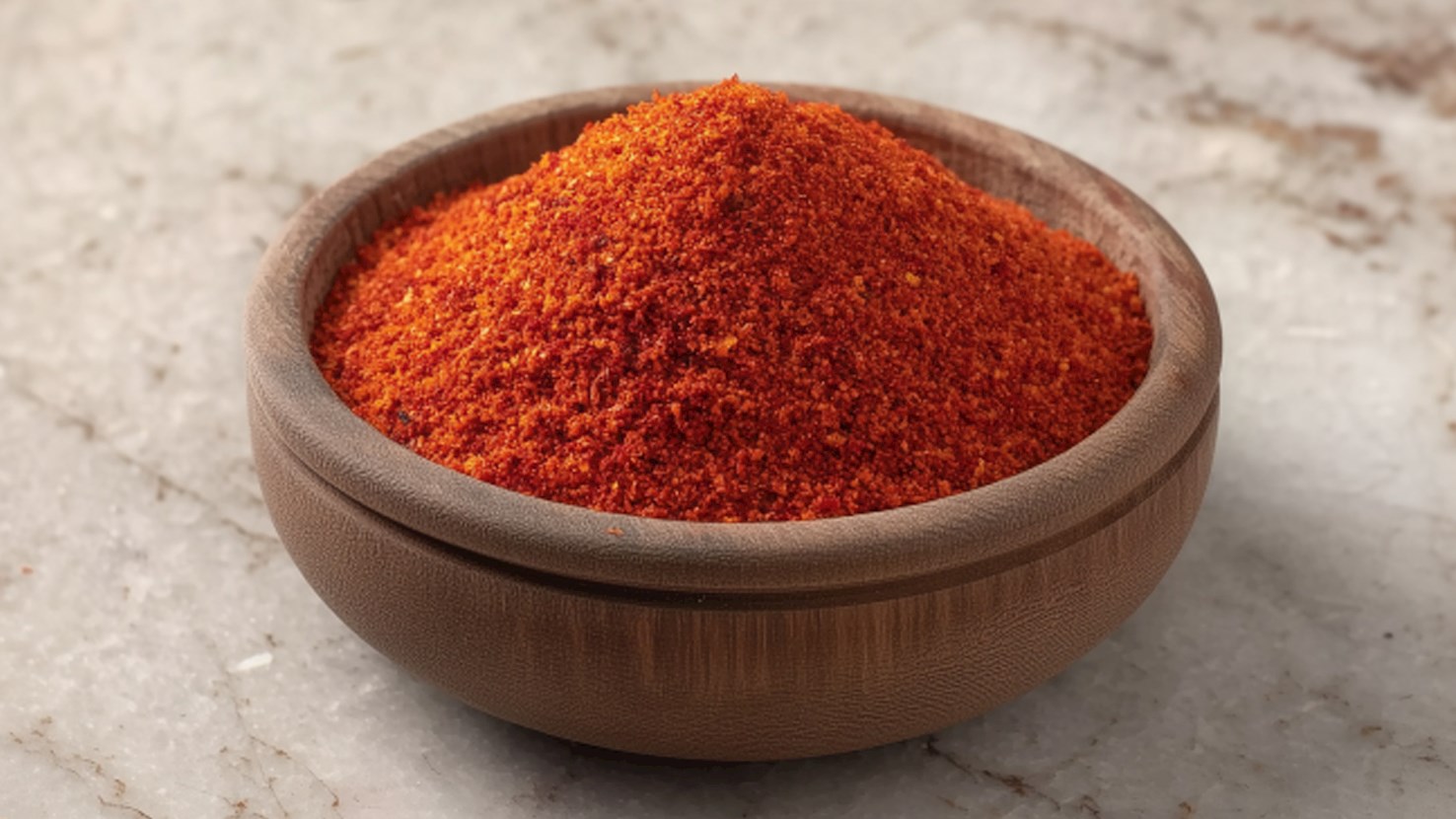
Làjiāo fěn is a finely ground chili powder originating from China, most strongly associated with Sichuan and Hunan, where the love for heat and layered spice defines much of the local cuisine. It is not a dish on its own but a key seasoning that transforms the character of countless preparations, from simple stir-fries to complex braises. The use of dried and ground chili peppers in Chinese cooking developed after the arrival of the chili plant from the Americas in the 16th century, when it quickly became integral to inland provinces where bold, pungent flavors were valued for their ability to stimulate the appetite and balance rich or oily foods. Over centuries, techniques for drying, roasting, and grinding chilies evolved regionally, producing powders of distinct color, aroma, and intensity. The preparation of làjiāo fěn begins with carefully chosen ripe red chili peppers, which are sun-dried or lightly roasted to concentrate their heat and flavor. They are then ground into a fine or coarse powder, sometimes blended with toasted sesame seeds, salt, or Sichuan peppercorns for additional layers of taste. The balance of roasting time and grind size is crucial: too coarse, and the chili lacks intensity; too fine, and it can lose its fragrance. In many households and markets, the process remains artisanal, with small batches prepared to ensure maximum freshness and potency. Làjiāo fěn is most often sprinkled directly onto dishes as a finishing spice or incorporated into sauces and marinades to provide both heat and a subtle smoky depth. It is an essential finishing touch in classics like hotpot, grilled skewers, cold noodles, and stir-fried vegetables, and is often paired with oil to create a chili paste or infused condiment. Its presence is especially notable in street food culture, where it is dusted over fried snacks or noodles to intensify their flavor. Unique to this ingredient is its dual function as both a heat source and a carrier of aroma, with the type of chili and roasting method greatly influencing its final character. It is consumed daily across China and in many Chinese diaspora kitchens worldwide, pairing naturally with rice dishes, meats, tofu, and even simple steamed vegetables, where a pinch can transform a mild plate into a deeply flavorful meal.
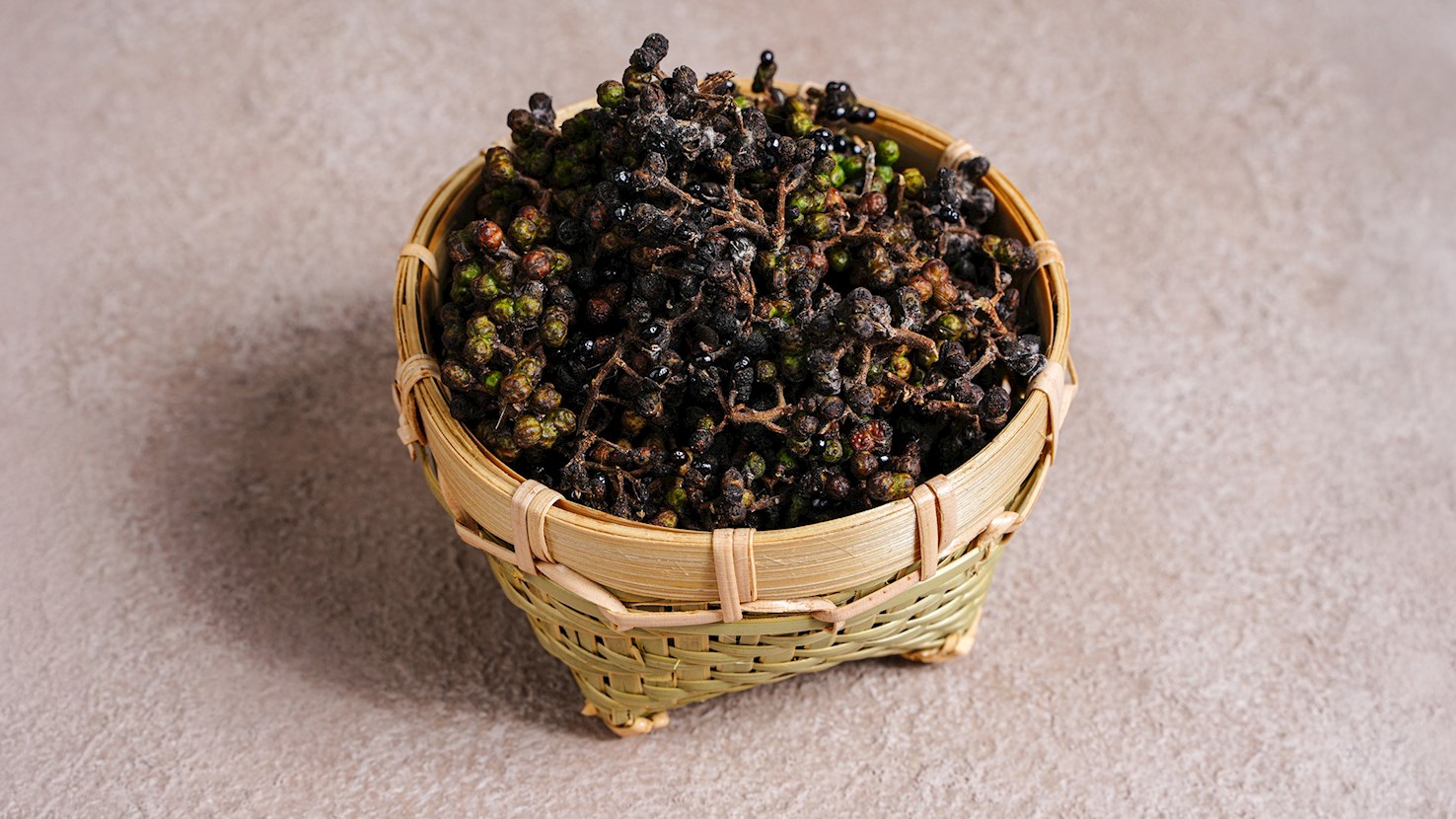
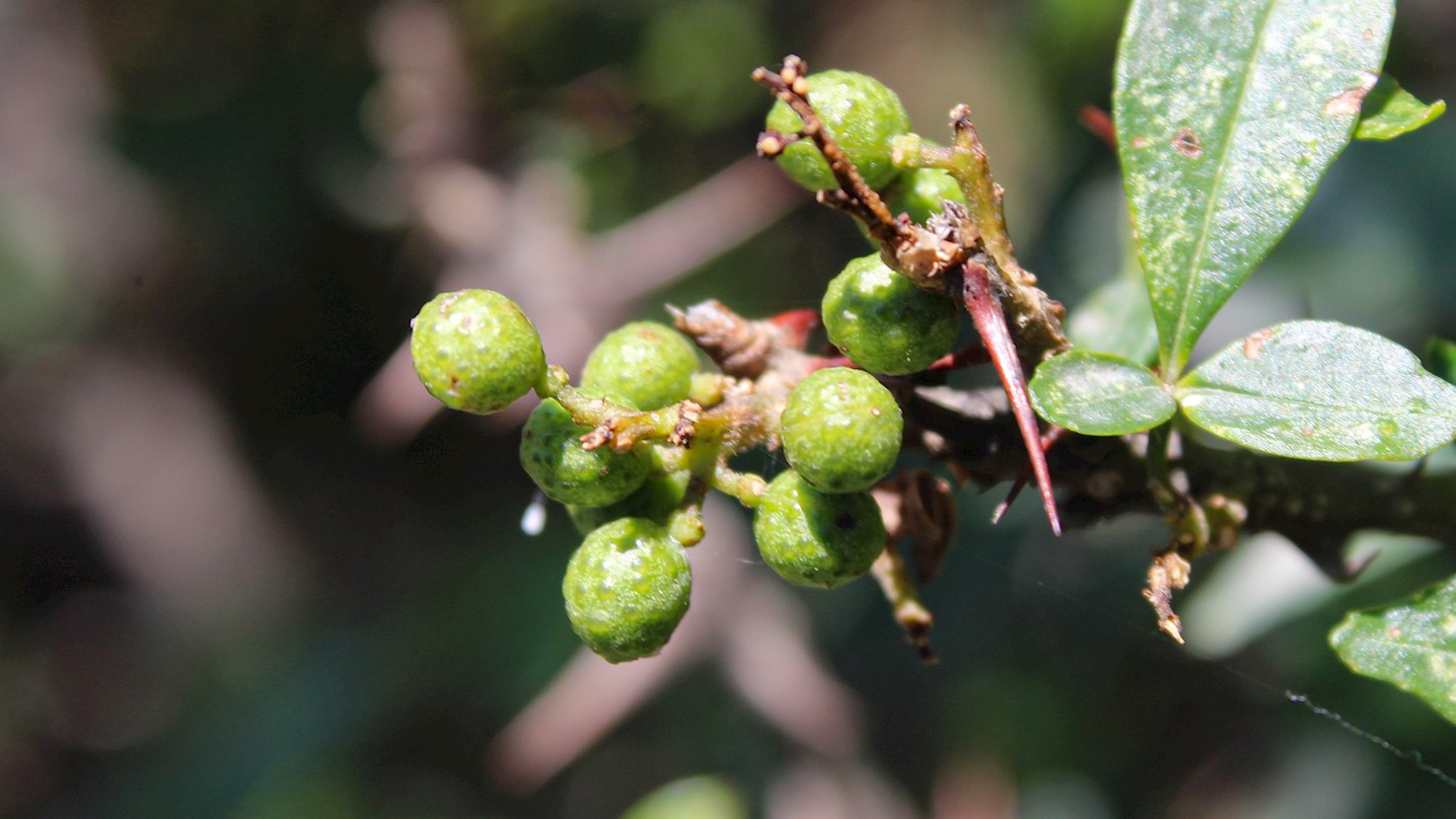
Andaliman (lat. Zanthoxylum acanthopodium), is a wild peppercorn-like spice native to parts of Southeast Asia and the Himalayan region, most notably found in North Sumatra, northern Laos, northern Myanmar, and parts of southwestern China. It belongs to the larger Zanthoxylum genus, which also includes better-known cousins like Sichuan pepper (Z. bungeanum) and Japanese sansho (Z. piperitum). Although andaliman is botanically related to these more globally recognized spices, it is distinguished by its bold citrus aroma, mildly numbing effect, and slightly floral bitterness. The plant grows on thorny shrubs that thrive in highland environments, and its small, clustered berries are harvested when mature, then used fresh, dried, or ground into powder for culinary use. What sets andaliman apart from other species in the Zanthoxylum family is its intensely fragrant profile. It emits strong notes of lemongrass, lime peel, and wild herbs, making it a versatile but dominant spice that rarely plays a background role. In North Sumatra, particularly among the Batak people, andaliman is central to local cuisine and features in iconic dishes like arsik and saksang, where it provides the distinctive tang and tongue-tingling sensation that define Batak flavor. Outside of Indonesia, the spice appears in small pockets of traditional cooking in regions of Yunnan, northern Laos, and eastern India, though it is far less widely used or recognized compared to its Chinese or Japanese relatives. In some Himalayan communities, Z. acanthopodium is used medicinally for its antimicrobial and digestive properties, or as a seasoning in foraged herb mixes. Despite its broad native range, andaliman remains a regional and largely foraged spice, not widely cultivated or commercialized. It is relatively delicate, losing much of its aroma and numbing quality if not handled or stored properly, and has thus struggled to find a large export market. However, as global interest in heirloom and indigenous ingredients grows, chefs and spice experts are beginning to appreciate andaliman for its uniqueness. Though similar in effect to Sichuan pepper, it offers a more aromatic and less aggressive profile, suitable for seafood, grilled meats, and aromatic spice blends.
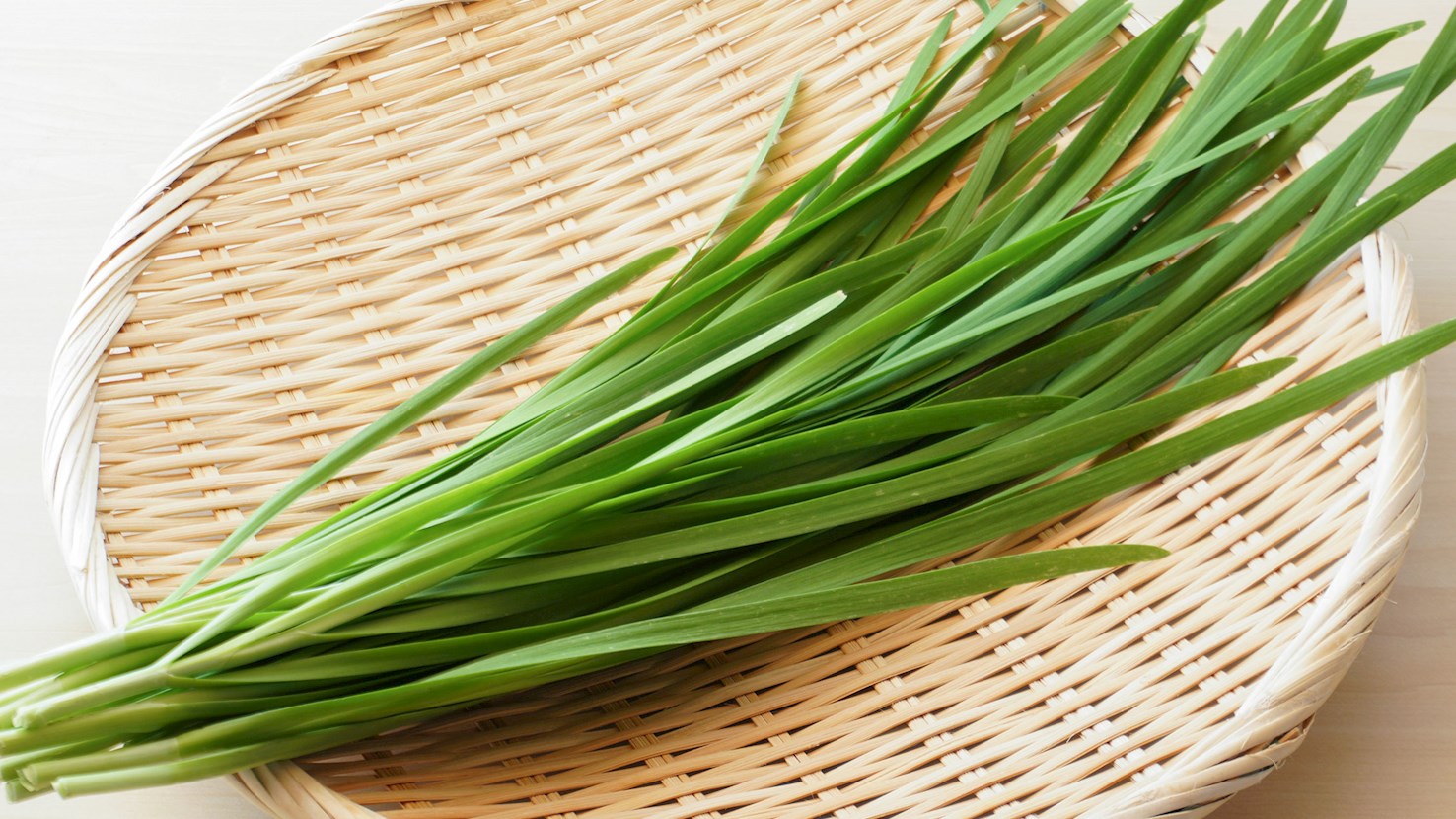
Garlic chives are a perennial allium native to a broad area extending from the Himalayas into China, with a documented wild population in southwestern Shanxi, particularly around Yongji, and they have been cultivated as a vegetable in China for a very long time. Their leaves are flat, narrow, and strap-like rather than hollow and tubular like common chives, and their taste combines the freshness of a green vegetable with a clear garlic note that becomes softer and sweeter when cooked. The plant grows in dense clumps from underground bulbs and rootstocks and can be cut repeatedly during the growing season, which helps explain why it became such a practical kitchen vegetable rather than a garnish used only in small amounts. In China, garlic chives have long been treated as a substantial ingredient in their own right: large handfuls may be chopped into dumpling fillings, mixed with eggs, folded into stuffed flatbreads and buns, or quickly stir-fried with tofu, pork, shrimp, bean sprouts, or noodles. Different stages of the plant are also used separately. Young green leaves are the most familiar form, while pale yellow chives, produced by excluding light during growth, have a milder, more delicate flavor, and the flowering stalks and unopened buds are cooked as vegetables with a firmer bite. Preparation is usually simple because prolonged cooking dulls both their flavor and color; the leaves are washed, trimmed, and cut into short sections, then added late to stir-fries or cooked just until tender, while dumpling fillings often use them raw so they soften during steaming, boiling, or pan-frying. Garlic chives contain more structure than common chives and can tolerate brief high heat without immediately collapsing, which makes them particularly well suited to wok cooking. Their influence extends well beyond China: in Korea they are known as buchu and appear in pancakes, kimchi, and seasoned vegetable dishes, while Japanese, Vietnamese, and Thai cooking also make extensive use of them, including Thai-Chinese snacks such as gui chai. In China they are especially familiar in northern and central cooking, including dishes such as chive-and-egg dumplings, jiǔcài hézi stuffed chive pockets, scrambled eggs with chives, and stir-fries with meat or seafood. They are usually served as part of savory meals rather than on their own, pairing particularly well with eggs, pork, shrimp, tofu, mushrooms, sesame oil, soy sauce, rice, wheat noodles, and dumpling dough, while light tea, lager, rice wine, or simple grain-based drinks work well alongside dishes in which their garlic-like flavor is pronounced.
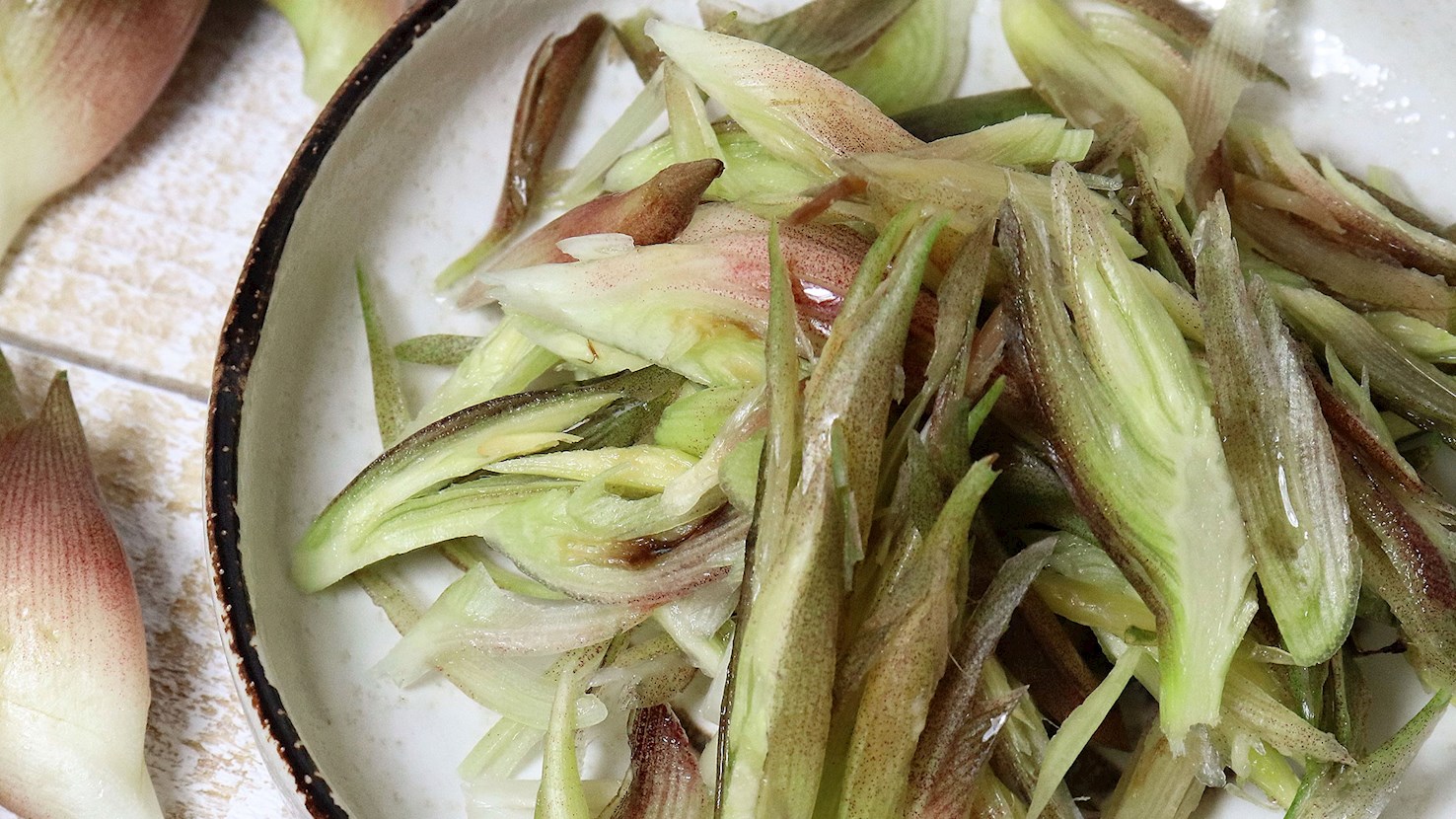
Myoga is the edible flower bud of Zingiber mioga, a perennial plant in the ginger family. Unlike ordinary ginger, where the underground rhizome is eaten, myoga is valued mainly for the tightly closed flower buds that appear near the ground in summer and early autumn. They have a crisp texture, a fresh floral aroma, and a mild, peppery flavor with a hint of ginger. Myoga has been eaten in Japan for more than a thousand years. It appears in documents dating from the Nara and Heian periods, including the Engishiki, compiled in the early 10th century, which records its cultivation and use. By the Edo period, it was an established vegetable, and districts around Edo became known for producing particular local varieties. Waseda, now part of Tokyo, was especially associated with large, reddish myoga that was supplied to the city. The plant also became a familiar decorative motif. Myoga appears in Japanese family and religious crests known as myogamon. Its popularity as a symbol was encouraged by the similarity between the word myoga and myōga, a Buddhist term associated with divine protection and blessing. Warrior families, temples, and shrines used several forms of the crest. In the kitchen, fresh myoga is usually washed and sliced very thinly just before serving. The slices may be placed briefly in cold water to soften their sharper edge and make them crisp, but they should not be soaked for long because much of the characteristic aroma can be lost. Its most traditional role is as yakumi, an aromatic garnish used in small amounts rather than as a main vegetable. Finely sliced myoga is particularly associated with summer foods such as chilled tofu, or hiyayakko, and cold somen noodles. Its crisp texture and fresh, slightly pungent aroma sharply contrast with mild tofu, noodles, and light dipping sauces. Myoga is also traditionally pickled in sweetened vinegar. The naturally occurring anthocyanin pigments in the bud become brighter in the acidic pickling liquid, giving the finished myoga its characteristic pink to reddish color. Pickled myoga can be served in small quantities alongside rice, grilled fish, and other dishes as a refreshing accompaniment. Another established preparation is tempura, in which whole or halved buds are coated in a light batter and fried briefly. The short cooking time softens the bud while preserving much of its aroma and giving it a delicate crisp coating. Myoga is strongly associated with the Japanese summer and early autumn, when the fresh buds are traditionally harvested. Its importance in Japanese cooking comes less from quantity than from aroma: a few thin slices are enough to give noodles, tofu, or rice a fresh, peppery, distinctly floral character.
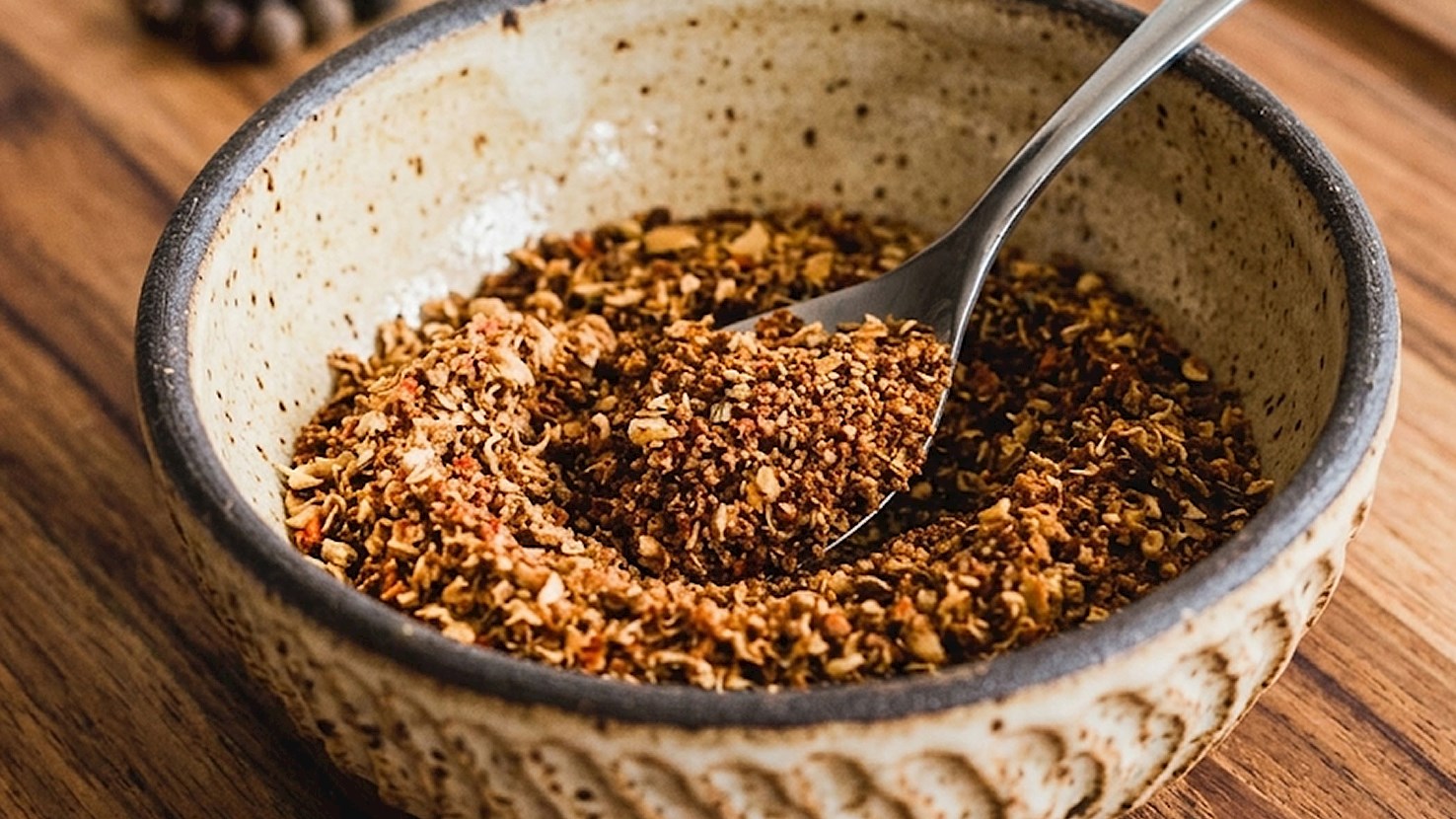
Mala seasoning is a spice blend and flavor profile from China defined by the combined sensations of numbing and heat created through the interaction of Sichuan peppercorns and chili peppers, producing a sharp, tingling mouthfeel, layered spiciness, and a complex aroma supported by ingredients such as garlic, ginger, scallions, fermented bean pastes, and aromatic spices carried in oil or dry blends. The flavor profile developed as chili peppers, introduced to China in the late Ming period, merged with the long-established use of Sichuan pepper in regional cooking, forming a defining taste that aligned with local preservation methods, climate, and cooking practices that favored bold seasoning and oil-based flavor extraction. Preparation centers on gently toasting Sichuan peppercorns to release citrusy numbing compounds, frying dried chilies in oil to extract heat and color, and combining these elements with aromatics and fermented components to create either a pourable chili oil, a spoonable paste, or a dry seasoning powder, with careful temperature control to prevent bitterness and preserve fragrance. Common variations adjust the ratio of numbing to heat, substitute different chili varieties, or incorporate additional spices such as star anise or cassia, while the defining characteristic remains the dual sensory effect rather than a fixed ingredient list. Mala seasoning is used to flavor stir-fries, hot pots, cold dressed meats, noodles, and vegetables, applied during cooking or as a finishing condiment, and it pairs naturally with foods that benefit from fat and texture, such as tofu, beef, lamb, mushrooms, and root vegetables, where the numbing heat balances richness and amplifies savory depth.
Téngjiāo, known in English as rattan pepper or vine pepper, is a spice widely used in Sichuan cuisine, particularly in the mountainous areas of southwestern China. It comes from the same plant family as Sichuan peppercorn but is harvested from a different variety, producing a flavor that is fresher, greener, and sharper than the more familiar red peppercorns. Unlike dishes that rely on heat from chili peppers, those seasoned with téngjiāo emphasize a cooling numbing sensation combined with a citrus-like fragrance, giving them a distinctive place in the spectrum of Sichuan flavors. The use of téngjiāo can be traced back to local practices in Sichuan and neighboring regions, where different peppercorn varieties were prized for their ability to stimulate the palate and balance the richness of fatty meats. Farmers in hilly areas cultivated the green peppercorns for their aromatic oils, which became valued not only in cooking but also in medicinal contexts. Over time, téngjiāo established itself as a seasoning associated with freshness and clarity, often preferred in summer dishes or recipes where lighter, brighter flavors were sought. Preparation in cooking usually involves crushing or lightly toasting the peppercorns to release their essential oils, which are then infused into broths, stir-fries, or sauces. One well-known use is téngjiāo chicken soup, where the pepper lends both fragrance and a numbing brightness to the clear broth. It is also used in cold appetizers, fish dishes, and dipping sauces. In some kitchens, oil is heated with téngjiāo to produce a green peppercorn oil that can be drizzled over finished dishes. Because the spice is potent, it is generally added sparingly and often toward the end of cooking to preserve its delicate aroma. Today, téngjiāo is most often eaten in Sichuan and surrounding provinces, appearing in both homestyle cooking and restaurant dishes. It is enjoyed in soups, stews, stir-fries, and dipping sauces, often paired with chicken, fish, or vegetables.
TasteAtlas food rankings are based on the ratings of the TasteAtlas audience, with a series of mechanisms that recognize real users and that ignore bot,
nationalist or local patriotic ratings, and give additional value to the ratings of users that the system recognizes as knowledgeable.
TasteAtlas Rankings should not be seen as the final global conclusion about food. Their purpose is to promote excellent local foods,
instill pride in traditional dishes, and arouse curiosity about dishes you haven’t tried.
The initial list of top producers was compiled based on available reviews, awards, local recommendations, media and blog coverage, and consumer reviews.
The list will be updated with ratings from TasteAtlas local ambassadors and TasteAtlas users.






What People Say