shutterstock

Top 4 Turkish Herbs and Spices

Last updated on July 22, 2026

Best Turkish Herbs and Spices
01

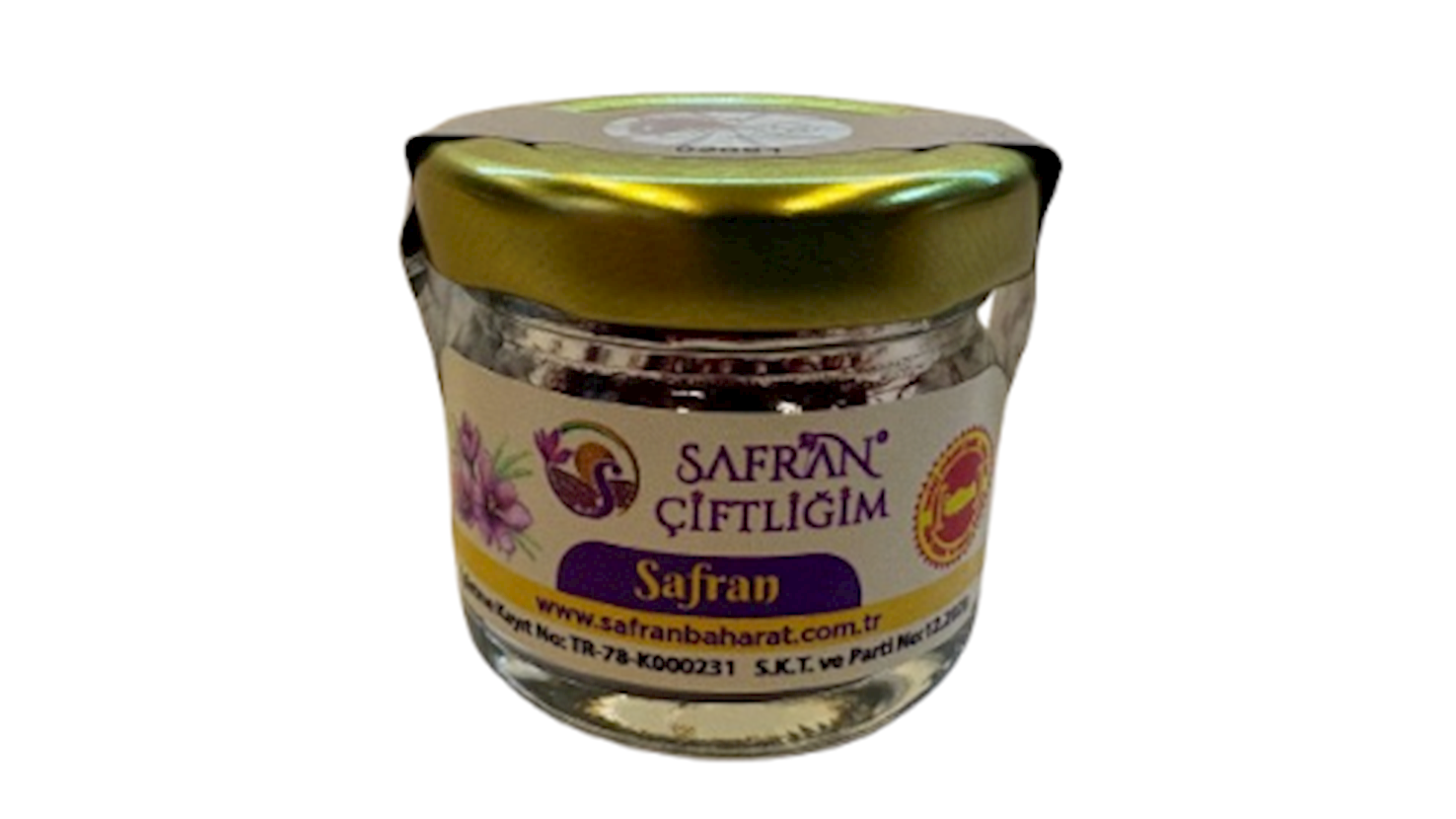
Safran Üretim Çiftliği

4.8 ·

Safran Üretim Çiftliği is a family-run farm from Safranbolu specializing in the cultivation of authentic Turkish saffron, with a focus on small-scale, controlled production and hand-picking of the flowers. The saffron is grown on fields that turn purple in autumn, when crocus blossoms cover the terrain, and the stigmas are carefully separated and dried to preserve their intense aroma and high levels of safranal, picrocrocin, and crocin.

The farm offers saffron in various package sizes, with clearly stated origin and traditional cultivation methods that position it within the premium spice segment. In addition to pure saffron, the farm produces a range of related items - teas, spice blends, dried fruits, jams, soaps, and other natural products based on local ingredients.

Visitors can tour the plantation during the flowering season to observe the harvesting and processing steps, highlighting the transparent and handcrafted nature of the production. Through the combination of traditional know-how, limited quantities, and direct sales, Safran Üretim Çiftliği stands as a representative example of a regional agricultural producer whose identity is deeply rooted in the terroir of Safranbolu.

02

Ucuzcular Baharat

4.5 ·

Ucuzcular Baharat is a historic Turkish spice merchant and producer based in Istanbul’s Spice Bazaar. The family business was officially established in 1886 when Hacı Ali Efendi began trading spices and other food products. Over time, Ucuzcular became known for selling loose spices, herbal teas, dried herbs, nuts, dried fruits, and various oils. The business has remained under the ownership of the Kadıoğlu family and has developed across five generations. Ucuzcular operates as more than a retailer since the company also cleans, processes, blends, packages, and distributes its products. In addition to retail customers, it has supplied restaurants, hotels, and other businesses in the hospitality sector. The modern continuation of this family enterprise is represented by Hayfene, the brand under which most of its packaged products are now sold. The name Ucuzcular is primarily retained as the historical name of the company and its traditional shop in the Spice Bazaar. Hayfene’s range includes individual spices, spice blends, herbal teas, sauces, oils, seeds, and dried food products. Owing to its long history and prominent location, Ucuzcular occupies a notable place in Istanbul’s spice-trading tradition.

03

Arifoğlu

4.1 ·

Arifoğlu is a Turkish brand founded in 1944 in Istanbul, with roots in the historic Spice Bazaar, where it began as a family-run shop specializing in spices and medicinal herbs. Over the decades, it has evolved into a recognized producer of natural products, offering a broad portfolio that includes spices, herbal teas, cold-pressed oils, essential oils, bee products, and dietary supplements.

The brand focuses on plant-based raw materials, maintaining quality control throughout sourcing, processing, and packaging. Its range features single-origin spices such as black pepper, cumin, mint, and thyme, as well as traditional blends associated with Turkish and Middle Eastern cuisine.

The herbal tea selection includes both single-herb infusions and functional blends designed for daily use. Cold-pressed oils, including black seed, sesame, and flaxseed oil, form an important segment positioned within balanced nutrition.

Arifoğlu also develops natural cosmetic products based on botanical extracts and oils. Production takes place in modern facilities operating under food safety standards to ensure consistency and traceability.

Today, the brand distributes through its own retail network and online channels, with exports to various international markets. Its identity is built on combining traditional herbal knowledge with a contemporary approach to manufacturing and brand development.

04

Namlı Gurme

4.0 ·

Namlı Gurme is an established Turkish gourmet concept that combines a delicatessen, restaurant-café, and breakfast/brunch venue, with a strong focus on high-quality local products and traditional cuisine. The delicatessen section allows customers to select items directly from extensive display counters and purchase them to take away, while the restaurant offers an authentic Turkish breakfast and dining experience where guests create their own plates from a wide assortment of products and pay according to their selection.

Namlı Gurme is particularly known for its broad range of traditional cheeses and olives, freshly prepared meze, honey, jams, spices, and cured meat specialties that reflect the depth of Turkish gastronomy. The concept merges a comprehensive gourmet retail offer with a comfortable setting for on-site dining, making it popular among both local residents and visitors seeking to experience traditional Turkish flavors in the modern, urban atmosphere of Karaköy and other locations.

Best Turkish Herb/Spice Types

01

Za'atar

4.3 ·

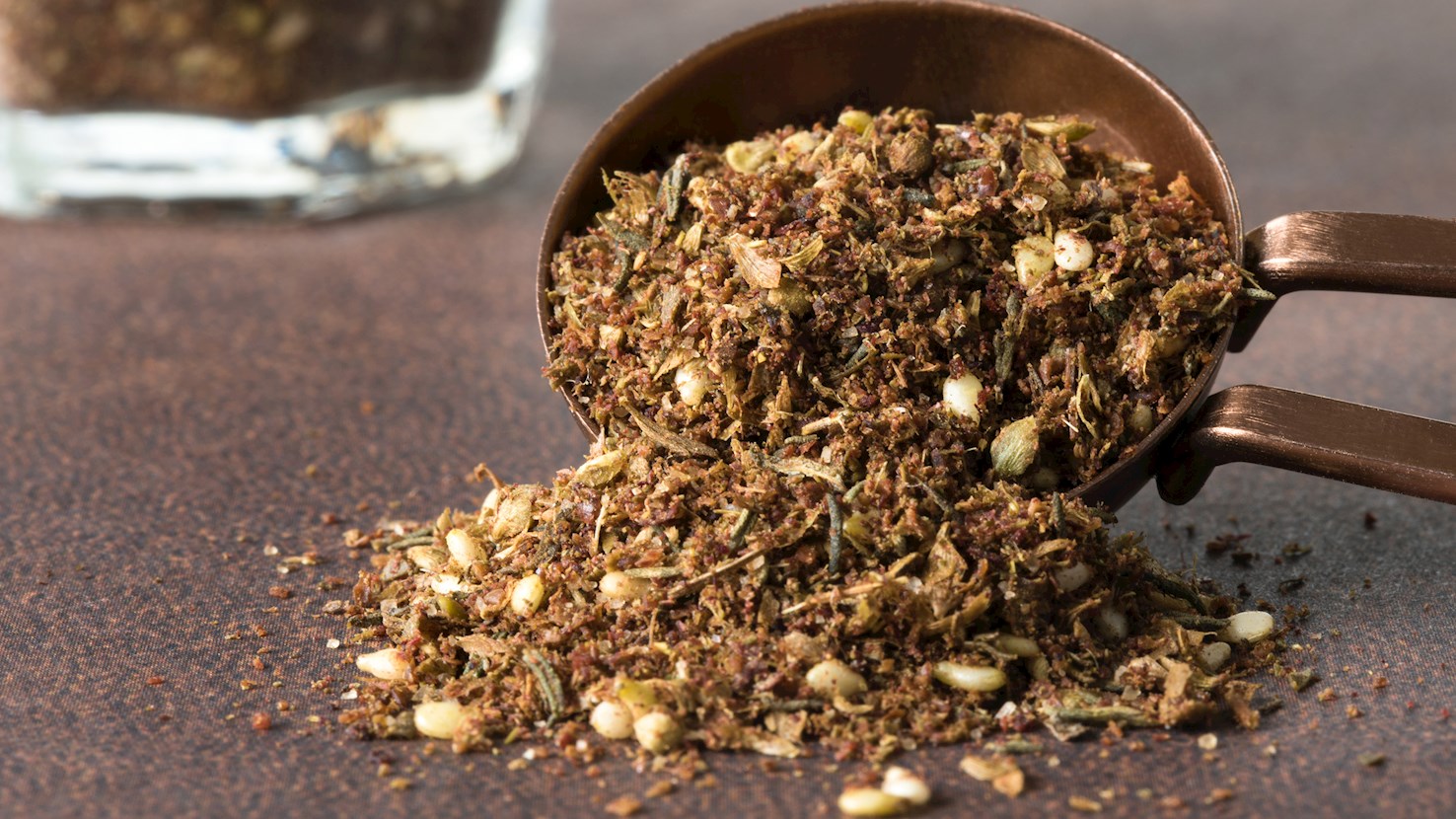
Za’atar is a herb and spice blend that comes from the Levant region, especially associated with Lebanon, Syria, Jordan, and Palestine, though its use extends across much of the Middle East. It is recognized by its earthy, tangy, and slightly nutty flavor, often made with a base of dried thyme or other herbs, combined with sumac, sesame seeds, and salt. Its name in Arabic refers both to the herb thyme itself and to the mixture that has become a defining element of Levantine cooking. References to za’atar go back to ancient times, with mentions of similar herb mixtures found in texts from the Eastern Mediterranean. For centuries it has been linked not just to culinary use but also to medicinal and cultural practices, as thyme and sumac were valued for both flavor and health properties. Families often developed their own preferred balance of ingredients, leading to variations from one region to another. In village markets, it became a product sold by weight, ground fresh and mixed with sesame, sumac, or other herbs like oregano and marjoram depending on local preferences. Preparation of za’atar starts with drying the chosen herbs until they can be crumbled into a fine texture. These are then blended with ground sumac, which adds acidity and a deep reddish hue, and sesame seeds, which are usually toasted to highlight their nutty aroma. Salt is added to preserve the mixture and balance the flavors. In some cases, other spices or wild herbs are included, reflecting regional differences. Za’atar is not eaten as a dish on its own but as a seasoning, yet its importance in daily meals is substantial. It pairs particularly well with fresh bread, labneh, roasted vegetables, and grilled meats. Its flavor stands out when combined with olive oil from the same regions, emphasizing the agricultural ties between land, spice, and table.

02

Urfa biber

4.1 ·

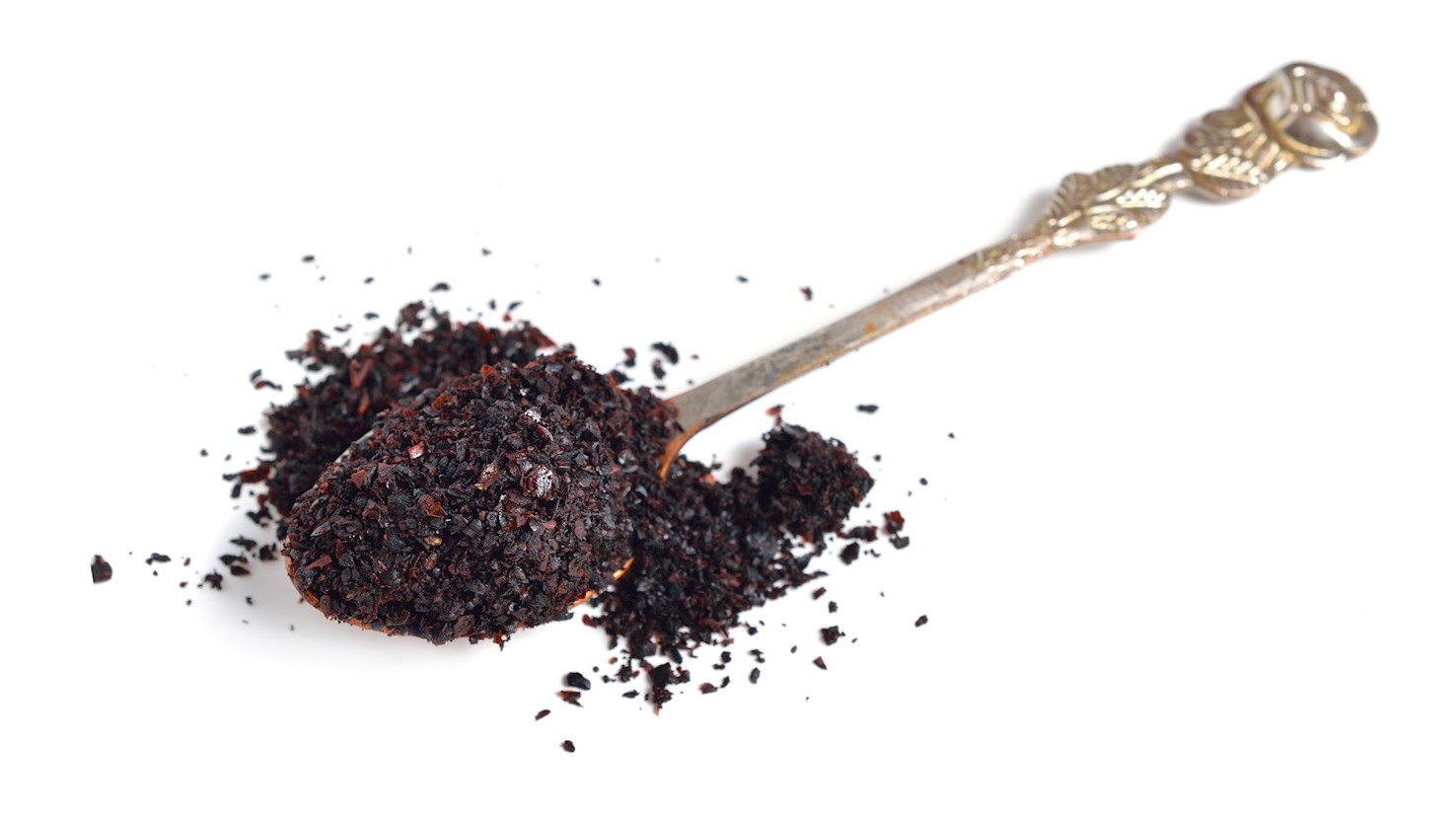
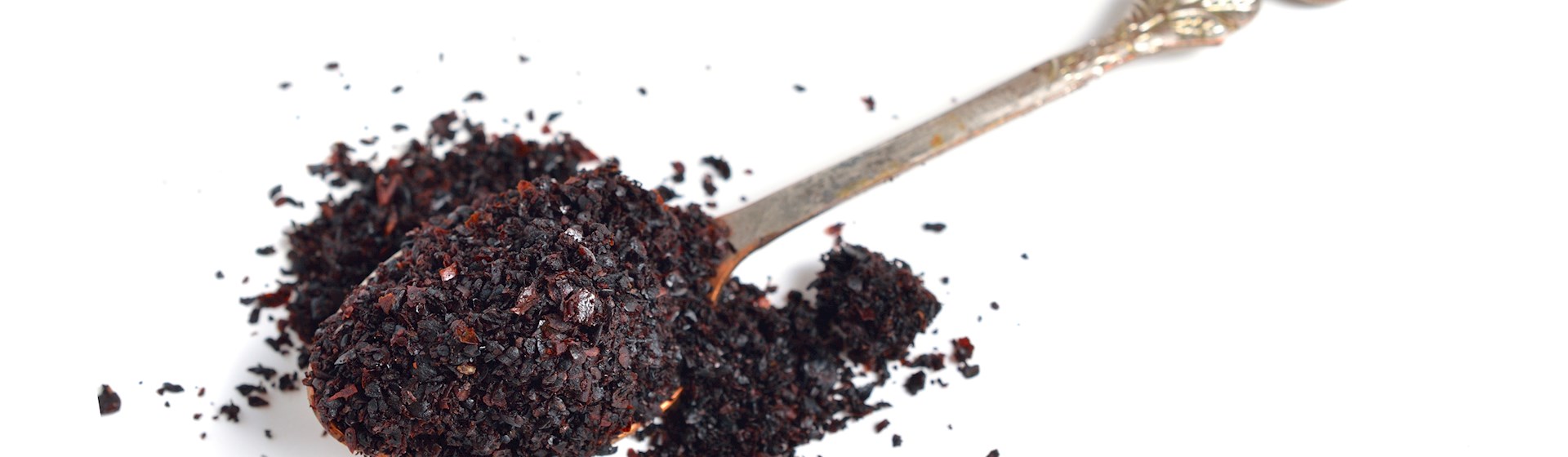
Urfa biber is a traditional dried chili pepper originating from the city of Urfa. These peppers are distinguished by their dark burgundy color, flakes of irregular sizes, and a flavor that's best described as sweet, salty, sour, and smoky. Urfa peppers are harvested when they're orange-red or dark red, and they are then dried in the sun during the day. At night, they're covered with plastic or fabric in order for the peppers to preserve their natural oils from the skin. As a result, the peppers become dry, but not entirely, before they're coarsely ground with a bit of salt and packed.

03

Mahlep

3.3 ·

Mahlep is a fragrant spice derived from the seeds of the mahaleb cherry (lat. Prunus mahaleb), native to the Mediterranean region, particularly prevalent in Middle Eastern and Mediterranean cuisines. It is created by grinding the pits of the cherry into a fine powder that imparts a distinctive aroma combining subtle hints of almond, cherry, and mild bitterness. Mahlep is commonly used as a flavoring agent in baked goods such as breads, pastries, and cookies, lending an aromatic complexity that enhances the sensory experience of these dishes. The use of mahlep dates back centuries, rooted in the culinary traditions of countries such as Iran, Lebanon, Syria, Greece, and Türkiye. Its cultivation and incorporation into food reflect the longstanding agricultural and gastronomic heritage of the Mediterranean basin, where local resources were transformed into unique flavor profiles that define regional dishes. Preparation of mahlep involves first extracting the small seeds from the cherry pits, drying them, and then grinding them into a powder. The resulting spice is used sparingly due to its potent aroma and flavor. In baking, mahlep is mixed into doughs or batters, often alongside other spices like cinnamon or cardamom, to enrich breads such as pita or festive sweets. Its flavor profile complements both sweet and savory preparations, providing a nuanced background note that elevates the dish without overpowering other ingredients. Mahlep remains popular in contemporary Middle Eastern and Mediterranean kitchens, appearing in both home cooking and artisanal baking. It is typically purchased as a ground powder, but some cooks prefer to grind the seeds fresh for maximum potency. Mahlep-spiced breads and pastries are enjoyed with tea or coffee and are often part of celebrations and religious festivals.

Read more
View all
View map
About this ranking

TasteAtlas food rankings are based on the ratings of the TasteAtlas audience, with a series of mechanisms that recognize real users and that ignore bot, nationalist or local patriotic ratings, and give additional value to the ratings of users that the system recognizes as knowledgeable. For the “Top 4 Turkish Herbs and Spices” list until July 22, 2026, 1,055 ratings were recorded, of which 260 were recognized by the system as legitimate. TasteAtlas Rankings should not be seen as the final global conclusion about food. Their purpose is to promote excellent local foods, instill pride in traditional dishes, and arouse curiosity about dishes you haven’t tried.

The initial list of top producers was compiled based on available reviews, awards, local recommendations, media and blog coverage, and consumer reviews. The list will be updated with ratings from TasteAtlas local ambassadors and TasteAtlas users.

Similar lists