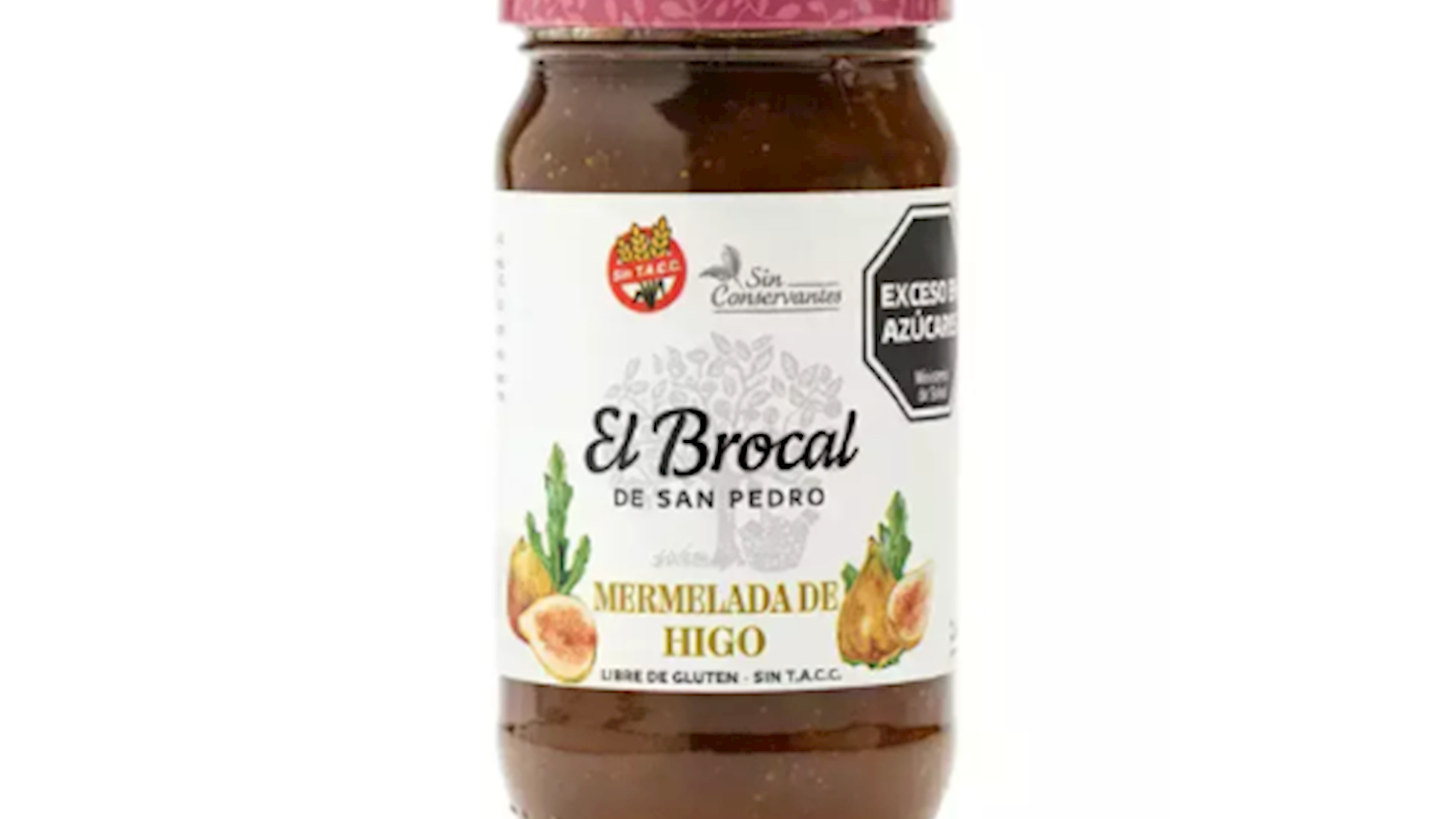
El Brocal is an Argentine producer of jams and fruit preserves that has built its identity around the idea of preserving the natural taste of fruit through simple, carefully controlled processing. The brand was founded in the late 1990s as a family initiative, with the aim of offering an alternative to industrial spreads with standardized flavors. Its production is based on the use of seasonal fruit at optimal ripeness, processed in a way that retains the aroma, color, and texture of the fresh fruit itself. The range includes flavors such as strawberry, peach, plum, blueberry, and citrus, as well as other products like dulce de leche. All products are gluten-free, and part of the assortment carries additional certifications that confirm quality standards. El Brocal does not strive for mass production, but for steady growth built on consistency and consumer trust. In the market, the brand is recognized for offering jams with a genuine fruit taste rather than industrially adapted versions. It is precisely this combination of naturalness and reliable quality that makes El Brocal a relevant name in the Argentine fruit preserves sector.
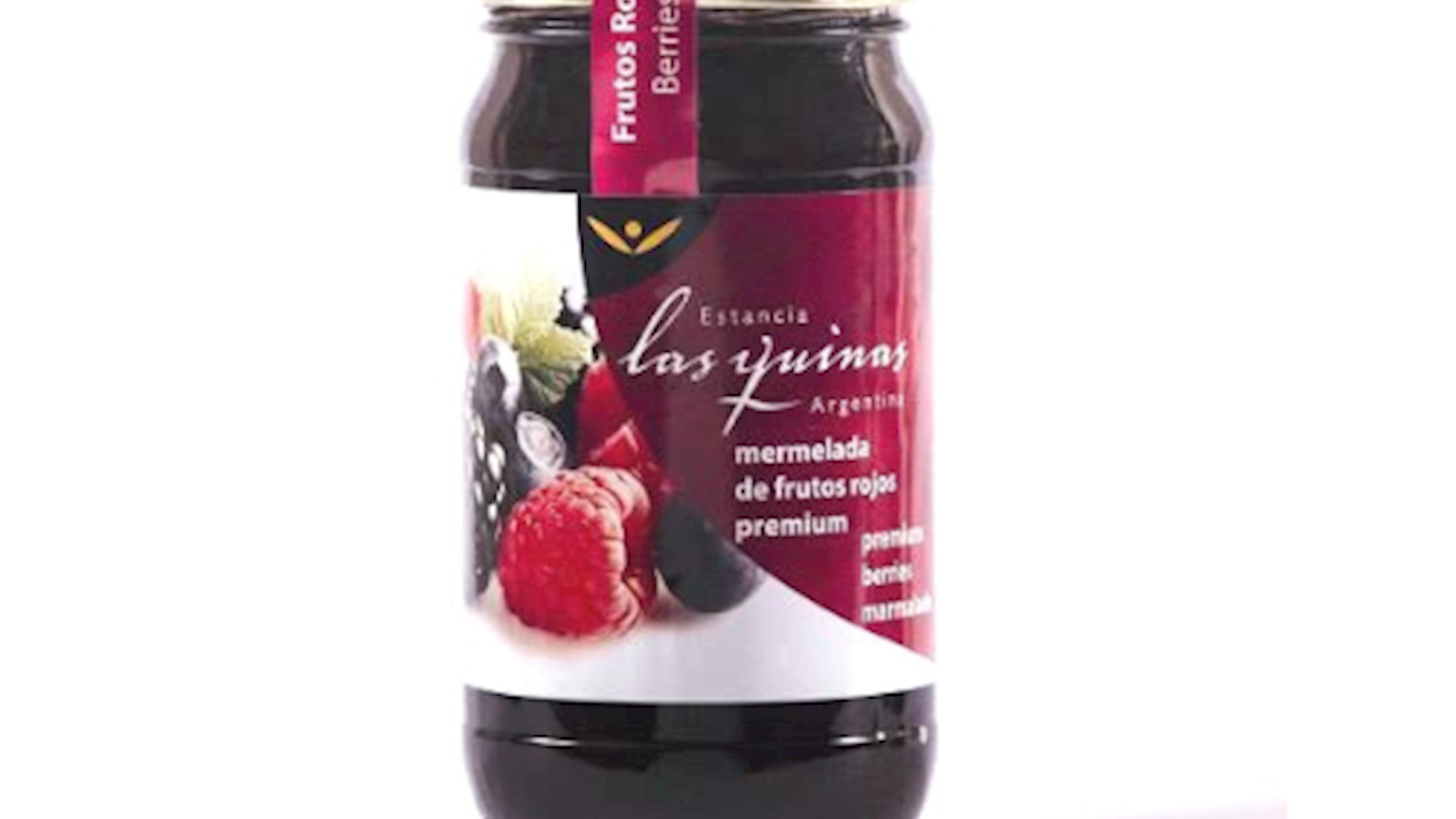
Las Quinas is an Argentine producer of jams and fruit preserves that builds its identity around a balance between artisanal tradition and a modern approach to food quality. The brand’s philosophy is based on using carefully selected fruit at optimal ripeness, so that the natural aroma, color, and texture of the fruit are preserved in the final product. Their jams are made without artificial colors or preservatives, with a clear focus on simple recipes and clean ingredient lists. Special attention is given to the origin of raw materials, relying on local fruits such as strawberries, figs, blueberries, and citrus to give each flavor a distinct character. The range also includes options with reduced sugar content, as well as products adapted to contemporary nutritional needs, including gluten-free and organic lines. In addition to jams, Las Quinas produces honey and dulce de leche spreads, creating a well-rounded portfolio for everyday use. The brand does not position itself as a mass producer, but as a specialized company that builds trust through consistency and reliable quality.
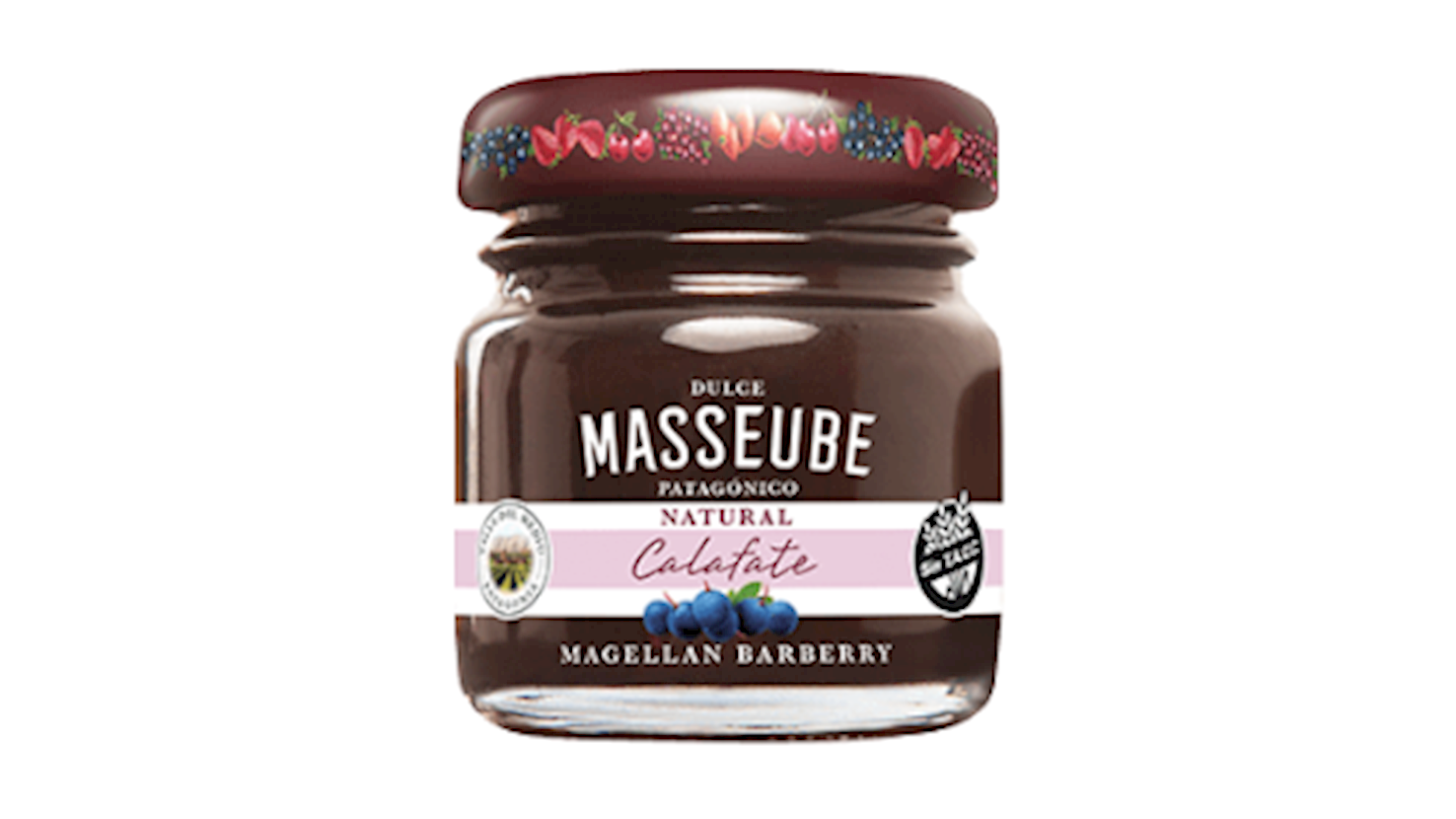
Dulces Masseube is a Patagonian brand from Argentina’s Chubut province that produces organic jams made from whole fruit sourced from local, environmentally managed farms in the Valle del Medio region. The brand’s philosophy centers on clean-label principles - no artificial additives, preservatives, or gluten - combined with a high fruit content and the use of organic sugar. Their most recognized range features wild berry jams, including raspberry, blackberry, red currant, black currant, and elderberry, offering an intense aromatic profile and the natural tart freshness characteristic of Patagonian berries. Production is carried out in small batches with an emphasis on preserving texture and depth of flavor, resulting in dense, fruit-forward jams with a concentrated character. Dulces Masseube highlights its organic certifications, ingredient transparency, and sustainable practices, positioning the brand as a trusted source of premium products for consumers seeking authenticity and natural ingredients. Thanks to the unique terroir of Patagonia and careful processing, Masseube has become one of the region’s most respected makers of high-quality jams.
Durazno criollo jam is a fruit preserve made from a local variety of peach known as durazno criollo, grown widely in several regions of Latin America, especially in rural areas of Argentina and Colombia. The fruit differs from commercial peach cultivars in that it is smaller, often with a firmer texture, more intense aroma, and a flavor that balances sweetness with slight acidity. These qualities make it particularly suitable for cooking and preserving, where the natural character of the fruit is concentrated. The preparation of peach preserves has long been part of rural households, where families relied on orchards or backyard trees for seasonal fruit. Durazno criollo, being well adapted to local climates and often available in abundance during harvest, became a natural choice for making jam. This practice helped extend the use of the fruit beyond its short season, ensuring it could be enjoyed in the months when fresh peaches were no longer available. Over time, the jam became a recognized way of celebrating the qualities of this local peach, distinct from those found in international markets. To make durazno criollo jam, ripe peaches are washed, peeled, and pitted, then cut into pieces and cooked with sugar. Lemon juice is sometimes added both to enhance acidity and to help the jam set. The mixture is simmered until it thickens and takes on a golden-orange color, with pieces of fruit often left intact to provide texture. Once ready, it is poured into jars and sealed for storage. The resulting preserve captures the concentrated sweetness of the peach along with its aromatic fragrance. Durazno criollo jam is eaten in many different contexts. It is commonly spread on bread for breakfast or merienda, used as a filling in pastries such as empanadas dulces or crostate, and paired with cheeses, where its sweetness balances salty or tangy flavors. It may also be used in cakes, cookies, or as a glaze for certain savory dishes, where the fruit’s acidity complements meats like pork or poultry. Today, durazno criollo marmalade is enjoyed mostly in the regions where the fruit is grown, often made at home or sold by small-scale producers in markets. It is also served in agriturismo settings and rural inns, offered to visitors as part of breakfasts or afternoon snacks.
Mermelada de ciruela criolla is a sweet preserve made from the small local plums known as ciruelas criollas, fruits that grow abundantly in several Latin American countries, particularly in Argentina and Uruguay. These plums are smaller and more acidic than many commercial varieties, with a bright tang that makes them especially well suited for cooking into jams. The marmalade captures the short harvest season of these fruits, turning them into something that can be enjoyed long after summer ends. Its preparation is rooted in rural households where fruit preservation was both a necessity and a way of celebrating the flavors of the land. Families would gather the ripe plums, often collected from backyards or local orchards, and cook them down with sugar until thickened, producing jars of marmalade that became part of everyday meals. The process is straightforward yet time-consuming, involving the careful washing and pitting of the fruit before simmering it slowly to bring out its deep color and flavor. Sometimes lemon zest or cinnamon is added to balance the tartness of the plums, but often the fruit stands alone without embellishment. Once cooled, the marmalade has a consistency that can vary from smooth to chunky depending on how it is prepared, giving each household or producer its own version of the preserve. In homes, it is commonly spread on bread, toast, or pastries at breakfast, but it is also used as a filling for cakes and cookies, making it a versatile ingredient in sweet preparations. Today, mermelada de ciruela criolla is eaten much in the same way as it has been for generations, usually at breakfast or merienda, the afternoon snack that holds a central place in daily life across Latin America. It is spread on bread with butter, paired with cheeses, or used to give a sweet note to homemade pastries.
Zarzaparrilla jam is a preserve from Argentina and Chile, prepared from the fruit of plants locally referred to as zarzaparrilla. The fruit is small, dark, and intensely flavored, lending itself to preserves that balance natural tartness with sweetness from added sugar. While zarzaparrilla is more widely recognized for the root used in beverages and herbal infusions, in some regions the berries have long been gathered and cooked down into jams for home consumption. The making of zarzaparrilla jam follows the same principles that guided fruit preserving across Europe and the Americas for centuries. For rural communities with access to wild berries, preserving the harvest was a way to extend the enjoyment of fruits beyond their brief season. Zarzaparrilla berries, with their vivid color and aromatic flavor, became part of this practice, resulting in jams that captured their essence in jars that could be stored and enjoyed later. Preparation begins with collecting ripe berries, which are washed and simmered to soften the skins and release juices. The fruit is then combined with sugar and often a small amount of lemon juice, boiled until it reaches setting point, and poured into jars while hot to ensure preservation. The finished jam is usually deep red to purple in color, with a rich flavor that retains some of the natural sharpness of the berries. Zarzaparrilla jam is commonly used at the table as a spread on bread, biscuits, or pastries, but it also finds its way into baking, where it can be layered into cakes or crostate. Its tang pairs well with soft cheeses, and it may also be used as a glaze or condiment for meats, where the sweet and tart qualities complement savory flavors. Today, zarzaparrilla jam is eaten mainly in rural areas where the fruit is available, though it also appears in artisanal food markets and specialty shops. It is enjoyed at breakfast, in desserts, or as part of cheese and charcuterie boards.
Mermelada de calafate is a preserve made from the berries of the calafate bush, a thorny shrub native to the southern regions of Chile and Argentina, particularly Patagonia. The fruit is small, deep blue, and known for its sweet yet slightly tart flavor, which makes it well suited for cooking and preserving. Because the calafate plant thrives in harsh climates where few fruits grow abundantly, its berries have long been valued both as food and as a symbol of the Patagonian landscape. Use of the calafate berry stretches back centuries, with indigenous peoples of Patagonia incorporating it into their diet. They ate the berries fresh when in season, dried them for storage, or cooked them into simple preserves. As settlers arrived and preserving techniques became more widespread, the fruit was increasingly prepared as jams, a practice that continues today in both home kitchens and commercial production. The jam has since become one of the most recognizable ways to enjoy calafate outside its immediate growing area. The preparation of calafate jam involves cleaning and cooking the berries with sugar and sometimes lemon juice. The fruit is simmered until it breaks down, releasing its juice and pectin, before being thickened to a spreadable consistency. The result is a preserve with a dark purple color and a flavor that balances sweetness with a distinctive tang. The jam can be jarred and stored for later use, allowing the short berry season to be extended throughout the year. Calafate jam is eaten in many ways. It is spread on bread and pastries, used as a filling in cakes or cookies, and paired with cheeses, where its tartness offsets creamy or salty flavors. It can also be used as a topping for yogurt or incorporated into sauces for meats, where its acidity and fruit character add depth. One element that sets calafate jam apart is the berry’s strong association with Patagonian culture. Local lore even holds that anyone who eats calafate will one day return to Patagonia, a saying that adds to the fruit’s identity and appeal. This connection to place gives the jam a cultural resonance beyond its culinary qualities. Today, calafate jam is enjoyed most widely in southern Chile and Argentina, where it is sold in markets, restaurants, and souvenir shops. Tourists often encounter it as part of breakfast spreads in hotels or as a regional specialty to take home, while locals continue to make and enjoy it as part of their regular diet.
TasteAtlas food rankings are based on the ratings of the TasteAtlas audience, with a series of mechanisms that recognize real users and that ignore bot,
nationalist or local patriotic ratings, and give additional value to the ratings of users that the system recognizes as knowledgeable.
For the “Top 4 Argentinian Jams” list until June 05, 2026, 19 ratings were recorded, of which 8 were recognized by the system as legitimate.
TasteAtlas Rankings should not be seen as the final global conclusion about food. Their purpose is to promote excellent local foods,
instill pride in traditional dishes, and arouse curiosity about dishes you haven’t tried.
The initial list of top producers was compiled based on available reviews, awards, local recommendations, media and blog coverage, and consumer reviews.
The list will be updated with ratings from TasteAtlas local ambassadors and TasteAtlas users.