shutterstock

Top 5 Piedmontese Japonica Rice

Last updated on May 31, 2026

Best Piedmontese Japonica Rice
01

Acquerello

5 ·
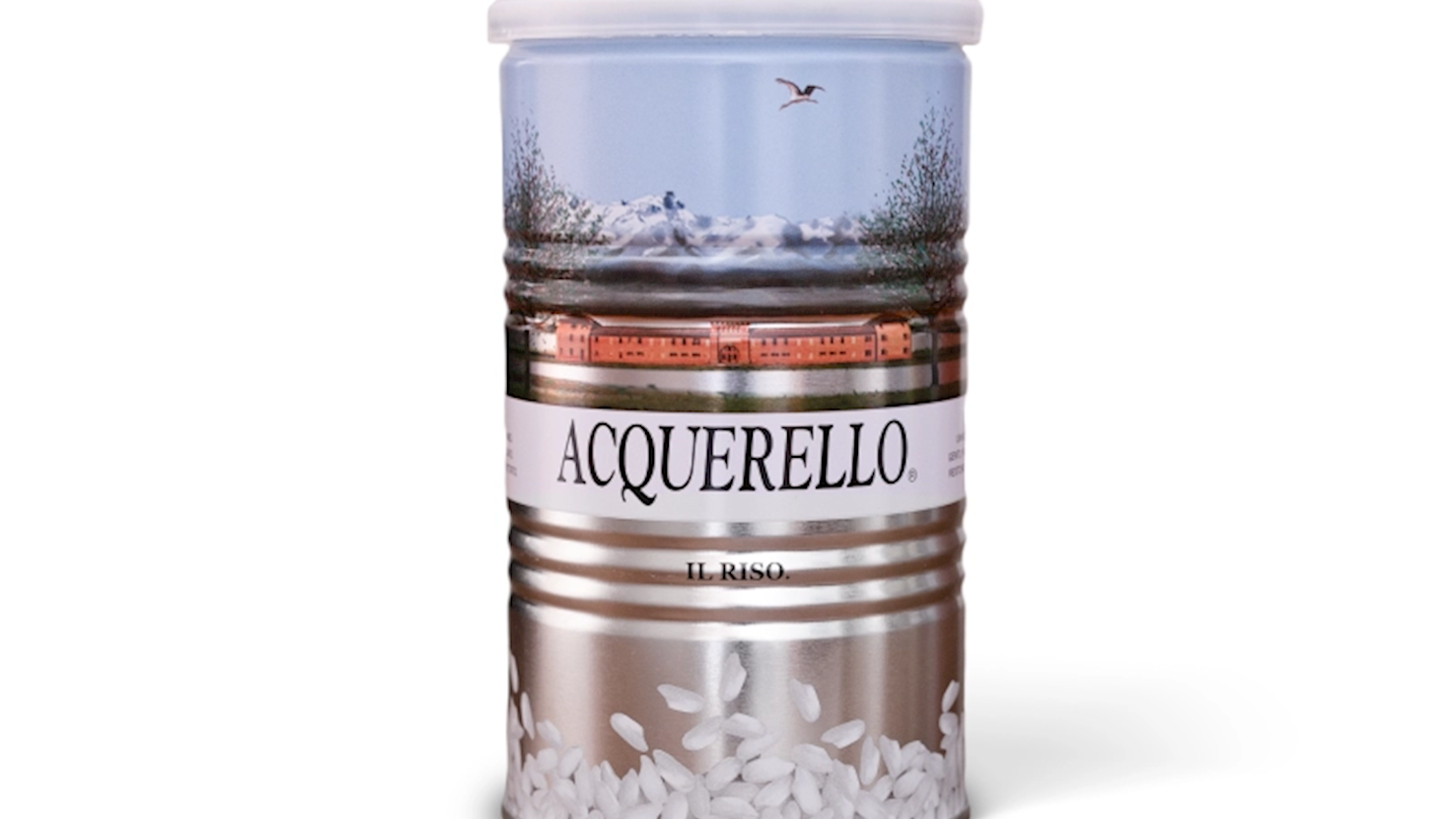
Acquerello is a renowned Italian rice producer based in Livorno Ferraris, Piedmont, known for its commitment to quality and tradition. Established in 1991 by Piero Rondolino, Acquerello operates from Tenuta Colombara, a historic estate in Italy's prime rice-growing region. The company specializes in Carnaroli rice, often called the king of rices, valued for its superior texture and versatility in cooking. What sets Acquerello apart is its unique aging process - rice is stored in refrigerated silos for at least one year, enhancing starch stability and enriching its flavor. Their innovative processing method preserves more nutrients than conventional rice while maintaining grain integrity. Favored by top chefs worldwide, Acquerello rice is packaged in vacuum-sealed tins to ensure freshness and extend shelf life. The company is also dedicated to sustainability, implementing environmentally responsible farming practices. Beyond production, the Tenuta Colombara estate holds historical significance in Italian rice cultivation, serving as both a functional farm and a cultural heritage site.

Best Piedmontese Japonica Rice Types
01

Arborio

4.2 ·

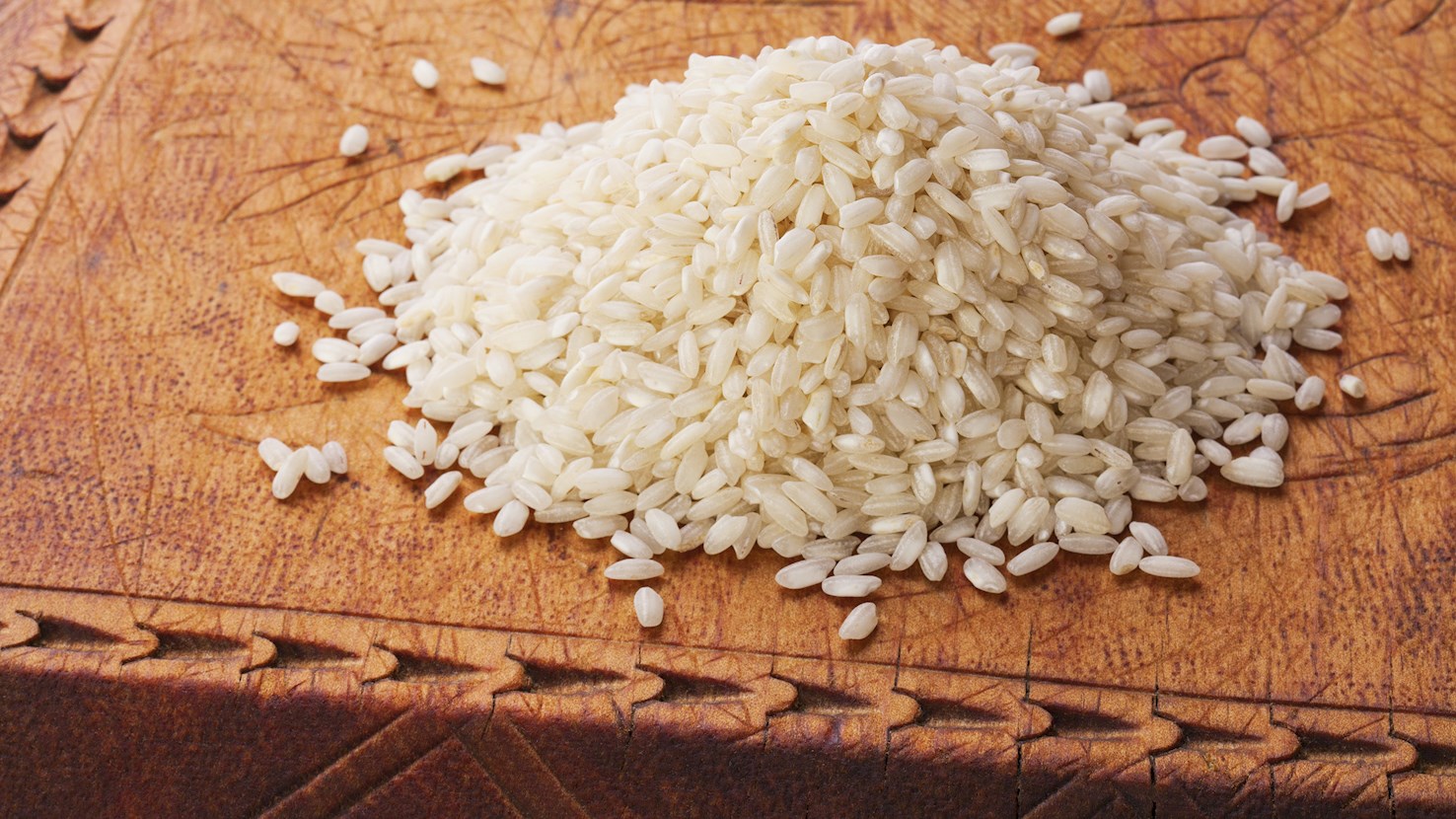
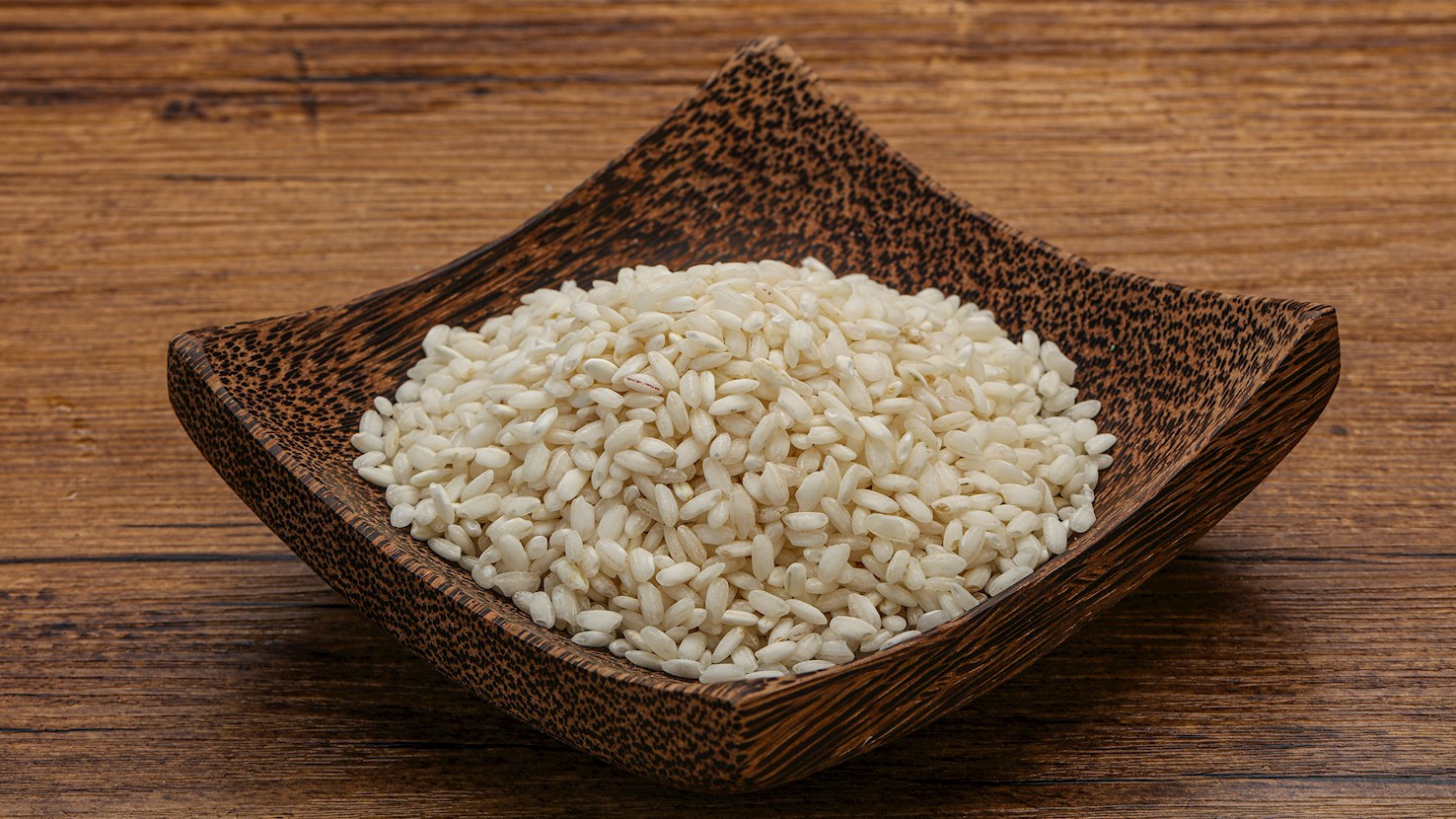
Arborio is an Italian rice variety that's mostly used for risottos and rice puddings. The short, rounded grains are firm and have a high content of starch, resulting in creamy textures of dishes that the rice is used in. Because of its characteristics, Arborio is almost double the price of regular long-grain rice. This rice variety was named after the eponymous town in the Po Valley. It should be cooked al dente, while still slightly firm to the bite, and never washed or rinsed as it will lose the starchy coating that creates the creamy and slightly chewy texture once cooked. Apart from risottos and rice puddings, Arborio is sometimes used as an ingredient in arancini or minestrone soup.

02

Carnaroli

4 ·

Carnaroli is an Italian rice variety that's mostly used for the preparation of risotto. It's characterized by a short grain, smaller than the one of Arborio rice, and a high starch content. As a result, Carnaroli rice can absorb liquids without becoming overcooked, creating the creamy texture that's a characteristic of great risottos. It's grown in the Novara, Vercelli, and Pavia provinces. The rice variety was discovered by Emiliano Carnaroli as a cross between Lencino and Vialone Nano varieties, hence the name. Interestingly, Carnaroli rice is often hailed as the 'caviar' or 'king' of Italian rice.

03

Riso di Baraggia Biellese e Vercellese

n/a ·

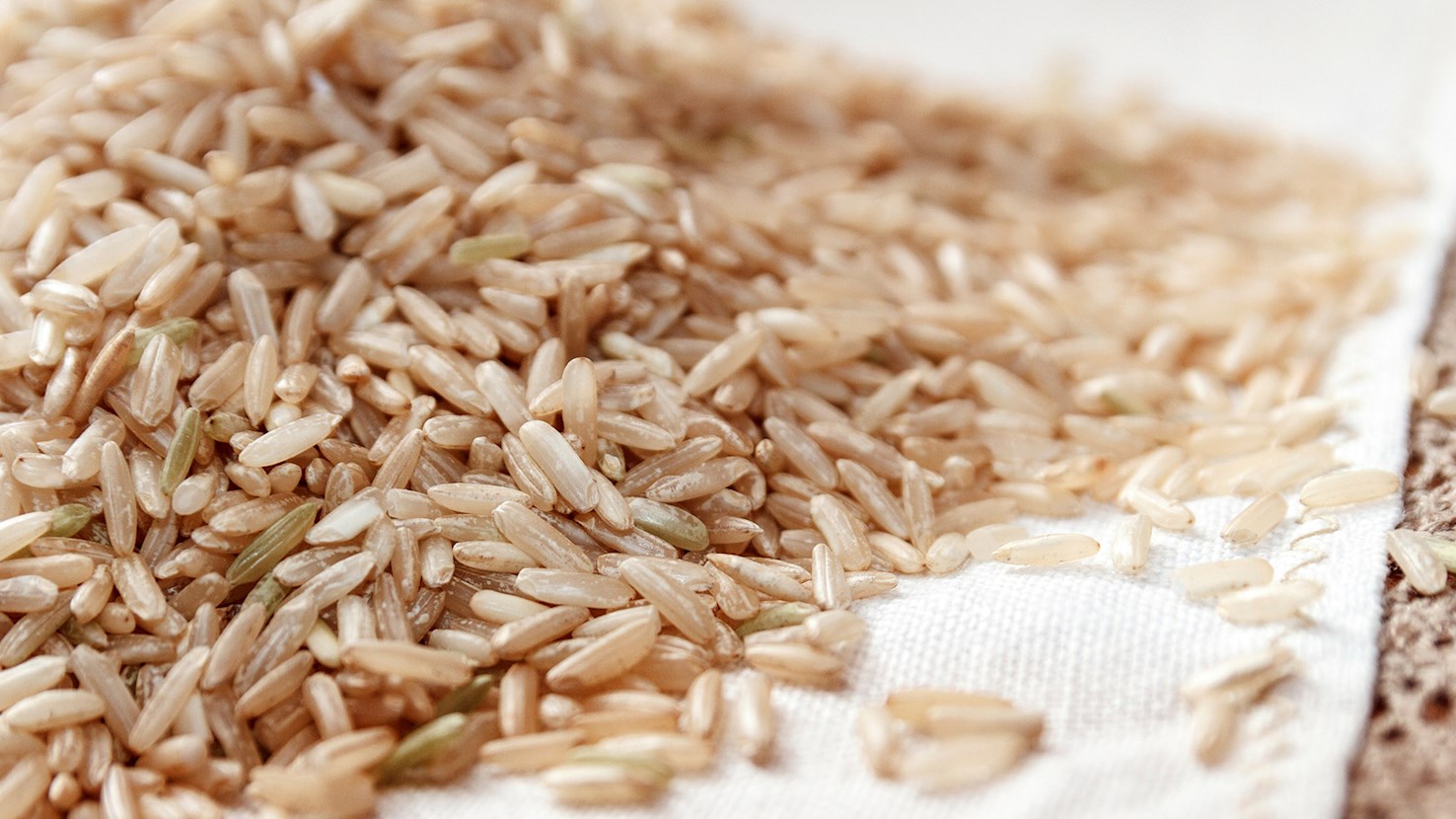
Produced in Piedmont, namely the provinces of Biella and Vercelli, Riso di Baraggia Biellese e Vercellese refers to rice grown in the fertile plains of the Baraggia nature reserve. Baraggia rice is marketed either as whole grain brown rice, refined or parboiled, and available in following varieties: Arborio, Baldo, Balilla, Carnaroli, S. Andrea, Loto and Gladio. While the Arborio variety is ideal for creamy risotto gratins, Baldo rice is perfect for oven-baking and timbale dishes, whereas Balilla is recommended for all types of rice-based cakes and desserts. Carnaroli rice is most suitable for risotto and rice salads, S. Andrea is excellent in soups and rice flans, and both Loto and Gladio varieties are most often used for risottos and various side dishes.

04

Riso Orange

n/a ·

Following the success of riso violet, an autochthonous variety of naturally purple rice, riso orange is another variety of naturally colored rice cultured by Eleonora Bertolone and her company Risodinori, located in Collobiano. This aromatic rice looks like ordinary rice, but once cooked, it develops a bright orange color. Grains keep their form during cooking, which makes this rice variety perfect for salads. Riso orange can be used as a side dish served with a variety of meat or fish dishes, and its delicate flavor pairs especially nice with vegetables.

05

Riso Violet

n/a ·

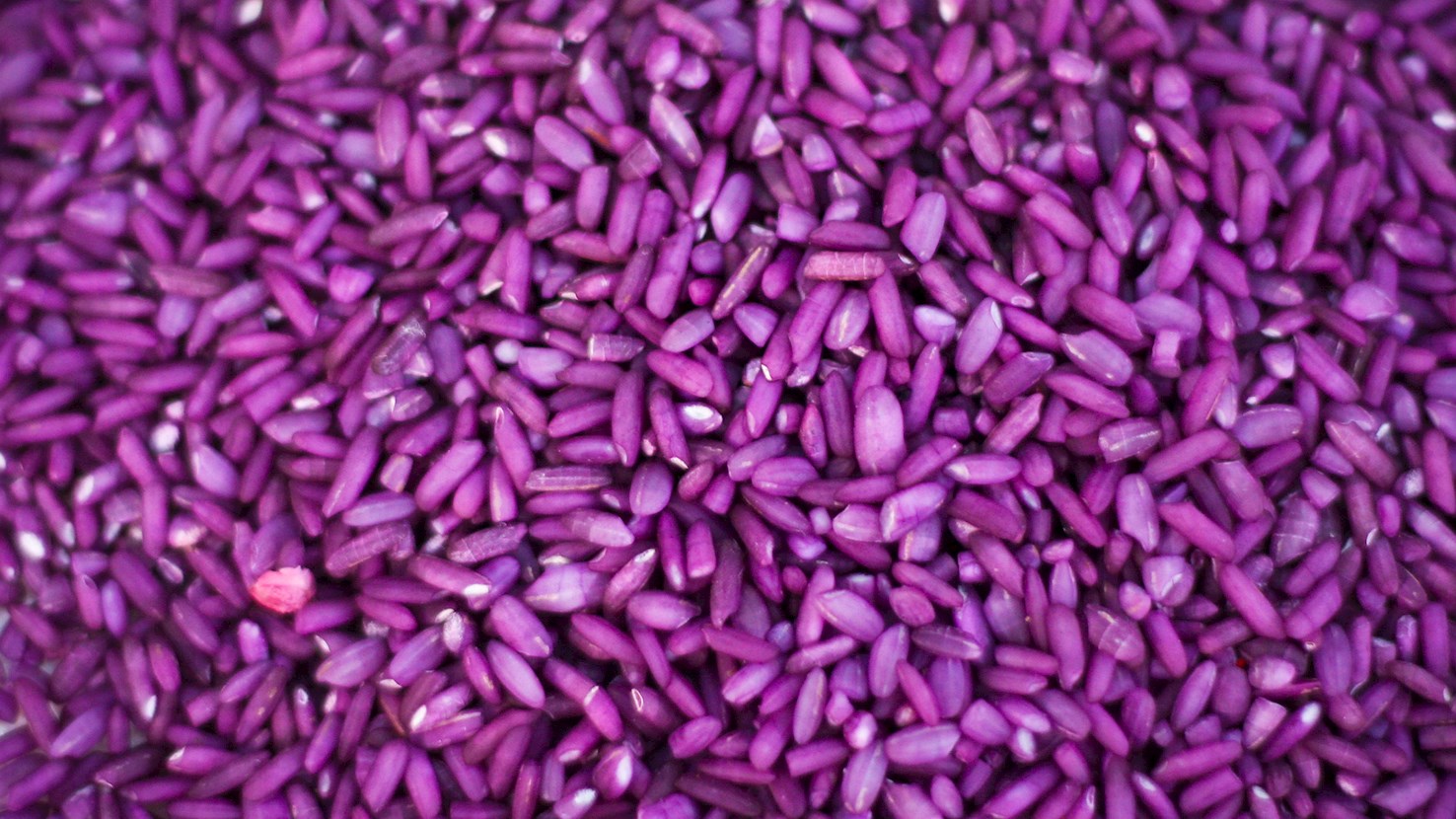
Riso violet is an autochthonous variety of naturally purple-colored rice cultured by Eleonora Bertolone. The rice is grown and sold exclusively by her company Risodinori, located in Collobiano. Both the plant and the grain are intensively purple-colored due to the presence of anthocyanins - antioxidant and anti-inflammatory substances that make this rice look beautiful on the plate, but it also provides the rice with great aromatic richness. Riso violet can be combined with a variety of meat or fish dishes or it can be used in salads and risottos, but to fully experience the potential of this truly unique rice variety, it is best to enjoy it simply boiled, flavored only with extra-virgin olive oil and shavings of Parmigiano cheese.

Read more
View all
View map
About this ranking

TasteAtlas food rankings are based on the ratings of the TasteAtlas audience, with a series of mechanisms that recognize real users and that ignore bot, nationalist or local patriotic ratings, and give additional value to the ratings of users that the system recognizes as knowledgeable. For the “Top 5 Piedmontese Japonica Rice” list until May 31, 2026, 112 ratings were recorded, of which 86 were recognized by the system as legitimate. TasteAtlas Rankings should not be seen as the final global conclusion about food. Their purpose is to promote excellent local foods, instill pride in traditional dishes, and arouse curiosity about dishes you haven’t tried.

The initial list of top producers was compiled based on available reviews, awards, local recommendations, media and blog coverage, and consumer reviews. The list will be updated with ratings from TasteAtlas local ambassadors and TasteAtlas users.

Similar lists