Top 7 Czech Lagers

Last updated on August 26, 2026

Best Czech Lagers

01

Bernard

4.8 ·

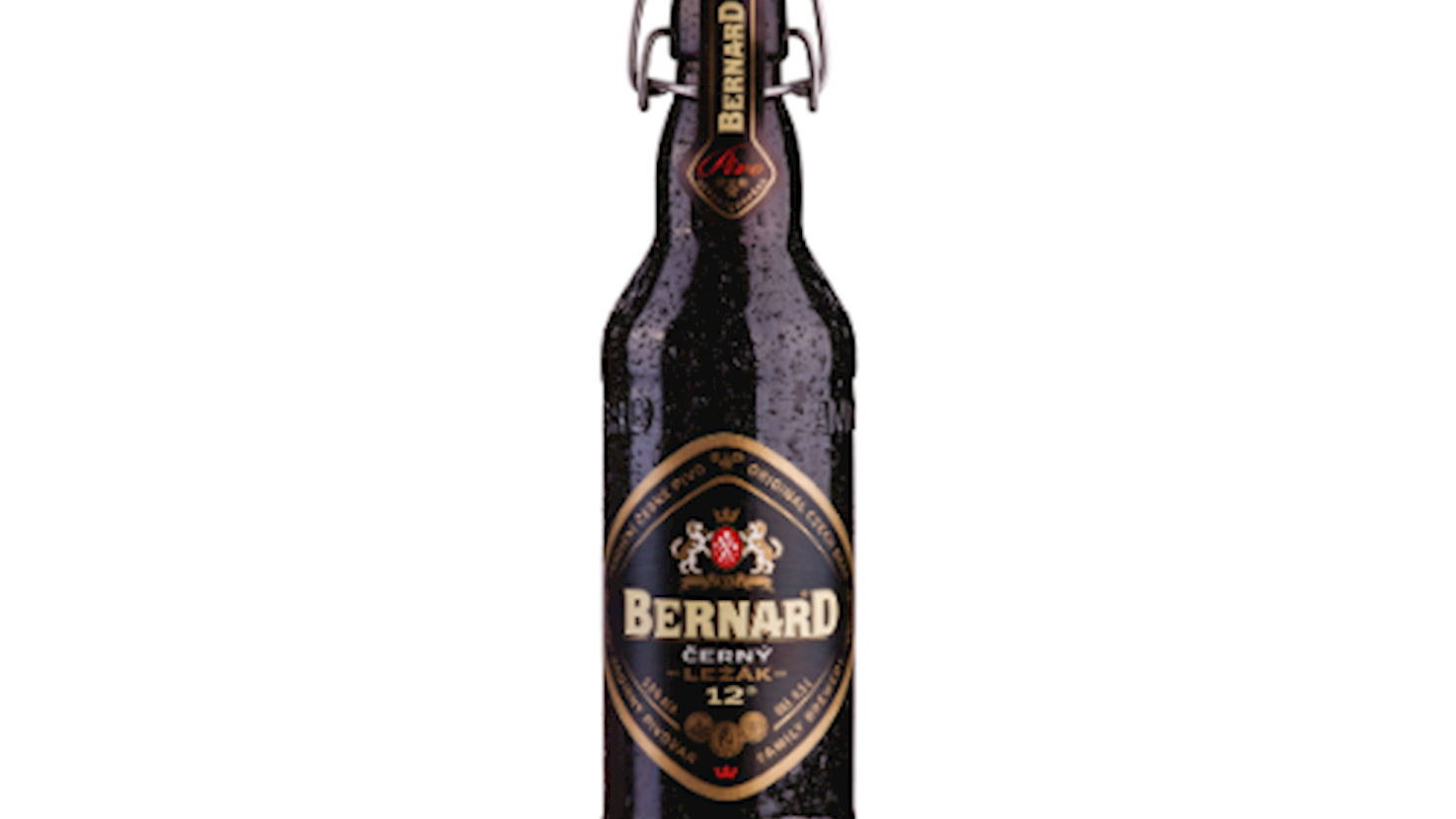
Bernard from Humpolec is one of the most recognizable independent Czech breweries, with a local brewing tradition that dates back to the 16th century. The modern chapter of the brewery began in 1991, when Stanislav Bernard and his partners took over a failing state-owned facility and transformed it into a family brand built on quality and authenticity.

The brewery uses its own water source, traditional cellar lagering, and its own malt house in Rajhrad, allowing full control over raw materials. Its production style follows classic Czech brewing principles, with certain lines left unpasteurized to preserve a fuller aromatic profile.

Visitors can explore a modern visitor center, taste the beers, and learn about the brewing process. Despite its growth, the brewery maintains that volume is not its priority - preserving standards and identity is.

This approach has allowed Bernard to become one of the leading private breweries in the Czech Republic, valued both domestically and internationally.

Awards
Barcelona Beer Challenge - Gold (2024, 2021)
Frankfurt International Trophy - Grand Gold (2021)
02

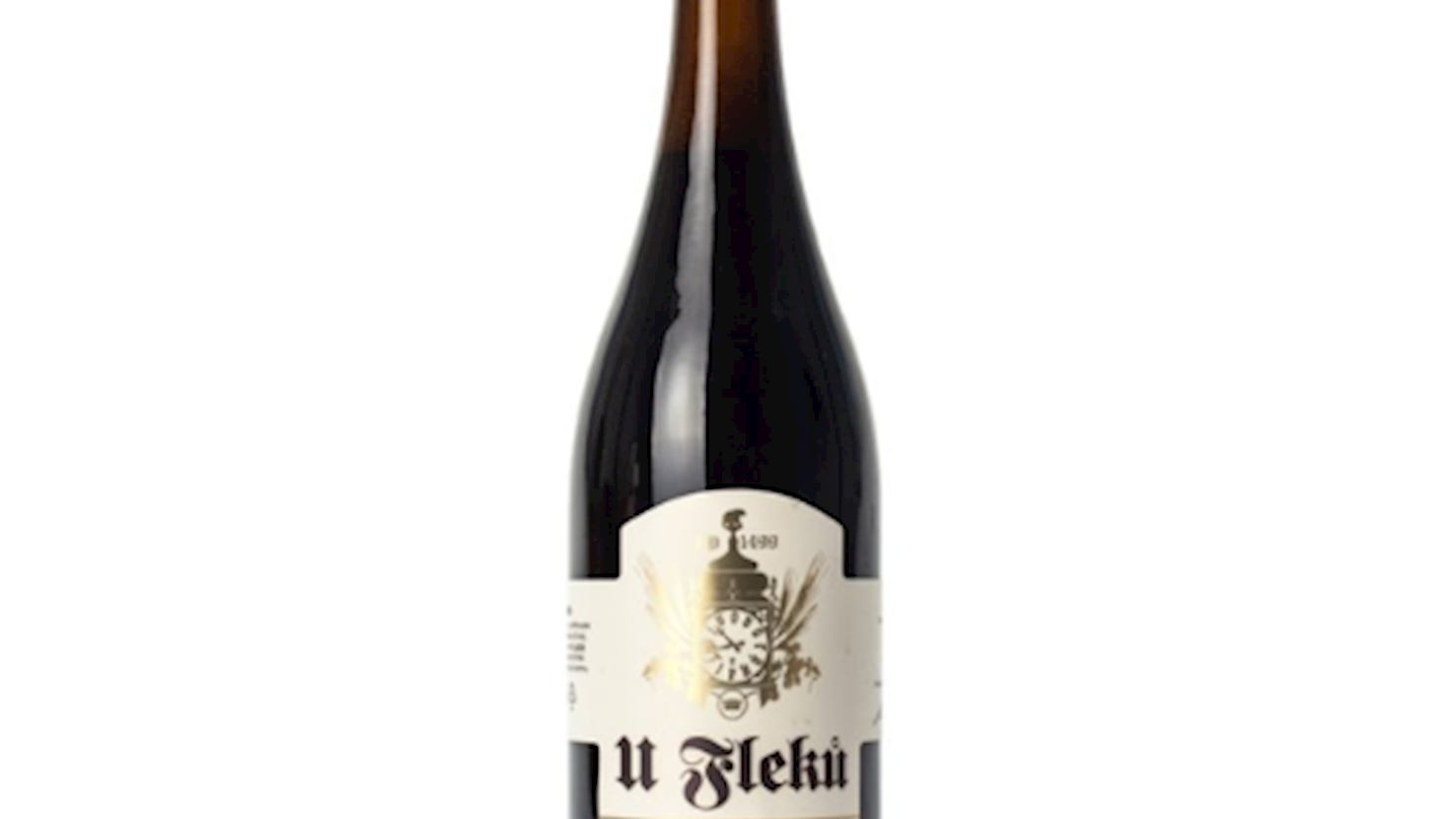
Pivovar U Fleků

4.5 ·

Pivovar U Fleků is one of Prague’s oldest and most iconic breweries, with a brewing tradition dating back to 1499, when the property was first documented as belonging to maltster Vít Skřemenec. Located at Křemencova 11 in Prague’s New Town, it represents a rare example of a Central European brewery where beer has been brewed continuously for more than five centuries.

The brewery takes its current name from Jakub Flekovský, who acquired the property in 1762. U Fleků functions as both a brewery and a historic beer hall, known for its traditional Czech atmosphere, large communal halls, and strong connection to Prague’s beer culture.

Its signature product is Flekovský Tmavý Ležák 13°, a traditional dark lager brewed on-site and closely associated with the brewery’s identity. The beer is characterized by its dark color, rich malt-forward profile, subtle caramel notes, roasted undertones, and the balanced drinkability typical of Czech lager brewing.

The complex also includes a brewery museum showcasing historic brewing equipment and the evolution of beer production through the centuries. Following nationalization during the communist era, the brewery was returned to the Brtník family in 1991.

Today, Pivovar U Fleků remains an important cultural and gastronomic landmark, preserving Prague’s historic brewing heritage while continuing to serve as a living part of the city’s beer tradition.

Awards
Untappd - 3.7
Beer Advocate - 94 Outstanding
03

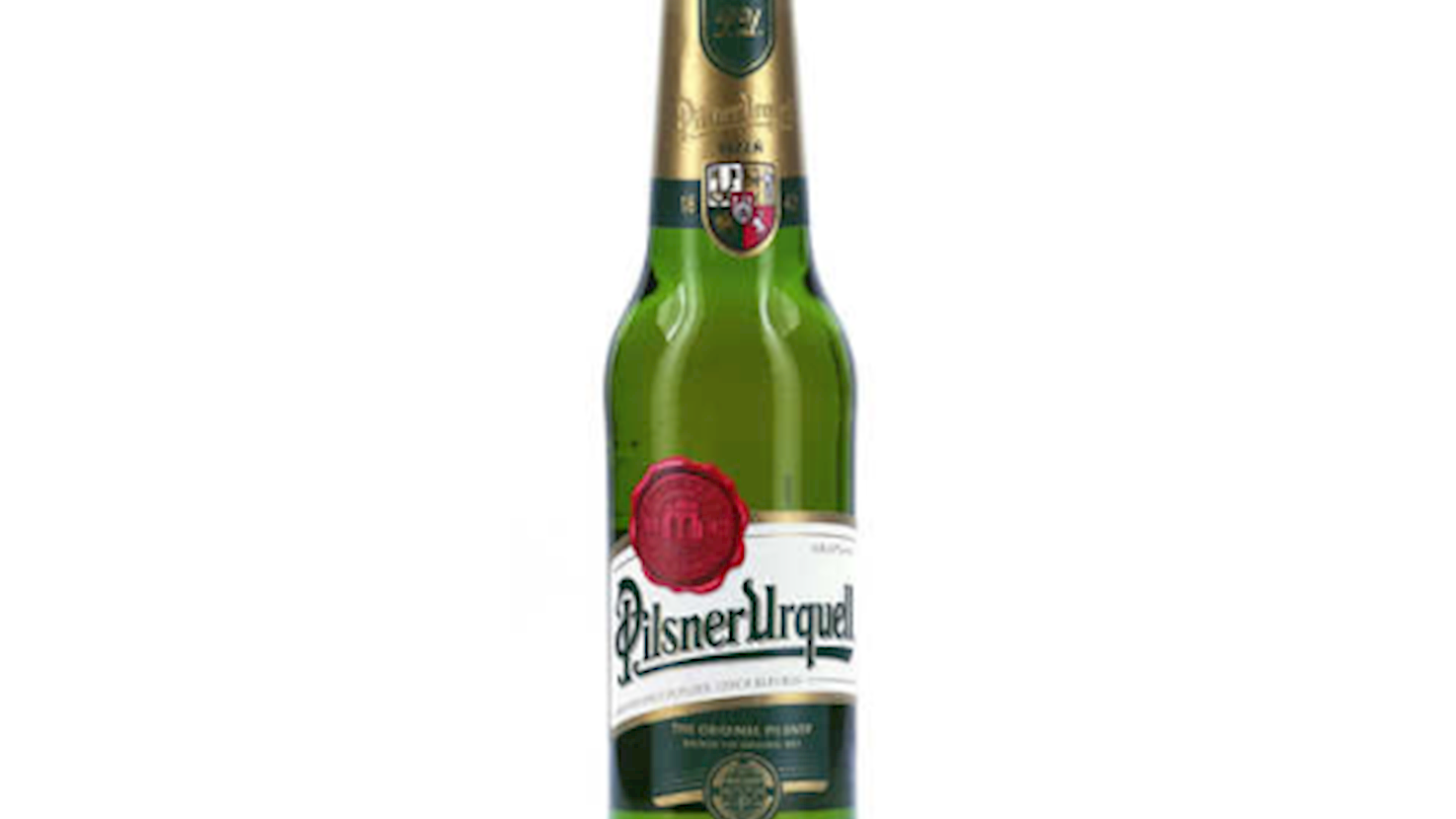
Plzeňský Prazdroj

4.4 ·

Plzeňský Prazdroj, known internationally as Pilsner Urquell, is the birthplace of pale lager beer and one of the most important breweries in the history of European brewing. Founded in 1842 in the Czech city of Plzeň, the brewery was established as a response by local citizens to the inconsistent quality of beer at the time.

Its first brewmaster, Josef Groll, created a beer that would change the world - the first golden pilsner, crystal clear, refreshing, and perfectly balanced. This style quickly became a global standard, and today, over two-thirds of the world’s beers belong to the pilsner category. Pilsner Urquell is still brewed using traditional methods that are carefully preserved.

The brewing process involves triple decoction mashing, a complex technique that gives the beer its full body and stable foam. Fermentation takes place in open fermentation vessels, and part of the beer continues to mature in oak barrels located in the authentic lagering cellars beneath the brewery. Today, the brewery is part of the Asahi Group, yet it maintains a strong local identity and a deep respect for its historical mission.

In addition, Plzeňský Prazdroj is a significant cultural and tourist destination - visitors can tour the brewhouse, explore the underground cellars, participate in tastings, and experience a unique blend of tradition and modern brewing technology.

Awards
European Beer Star - Gold (2022)
International Brewing Awards - Gold (2017)
04

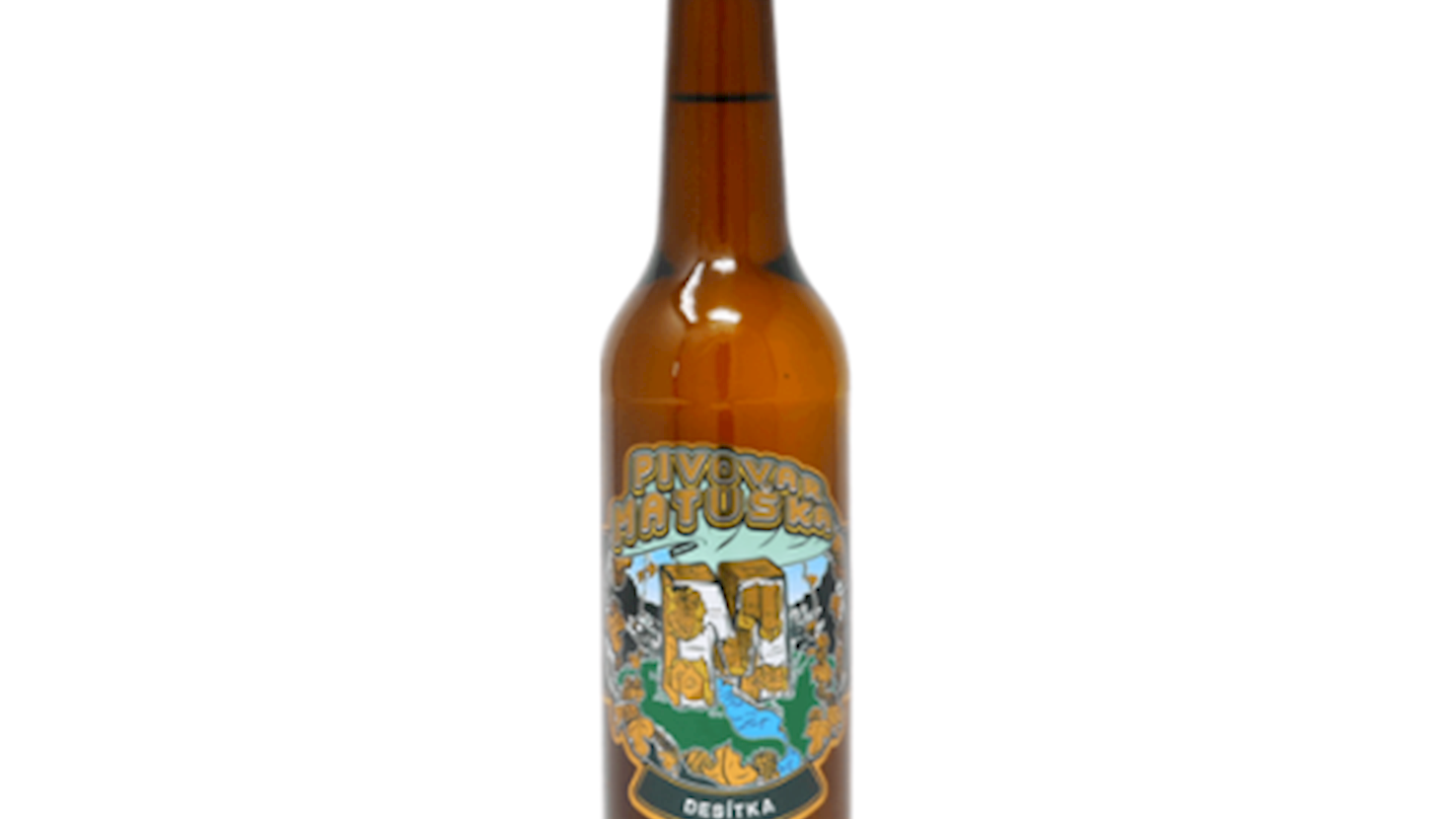
Pivovar Matuška

4.3 ·

Pivovar Matuška is a family-run craft brewery from the village of Broumy in Central Bohemia, founded in 2009 and now regarded as one of the pioneers of the modern Czech craft beer scene. Founder Martin Matuška built his brewing experience beginning in 1981, and this long technical background is reflected in the precision and consistency of their beers.

From the very beginning, the brewery has embraced a production approach without filtration or pasteurization, preserving the natural aroma, fullness, and complexity of its ingredients. Despite its small, family-oriented character, Matuška releases more than thirty different labels each year, ranging from traditional lager styles to modern ale beers with pronounced hop expression.

The brewery’s philosophy is grounded in authenticity, clarity of style, and an uncompromising dedication to quality. Each of their beers carries a recognizable signature, balancing Czech brewing tradition with contemporary craft sensibilities.

Today, Pivovar Matuška stands as a strong example of how heritage and innovation can coexist, shaping one of the most respected profiles in the Czech craft beer landscape.

Awards
European Beer Star - Gold (2023)
Untappd - 3.7
05

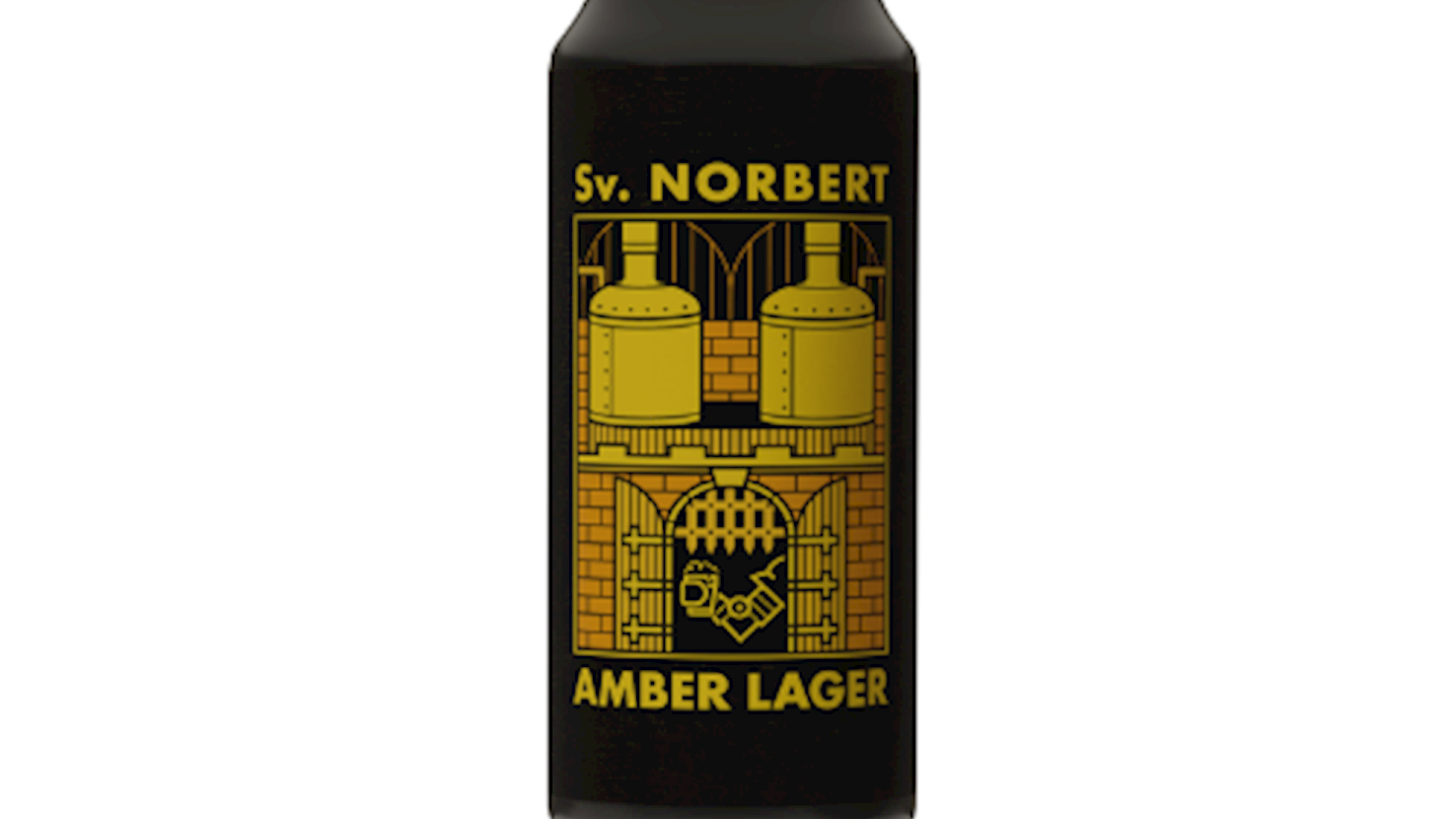
Pivovar Strahov

4.3 ·

Pivovar Strahov, also known as the Strahov Monastery Brewery, is located within the historic Strahov Monastery complex in Prague, originally founded in 1142. The brewery continues a brewing tradition that dates back more than six centuries, with modern operations revived in 2000.

Situated near Prague Castle, it has become a notable part of the city’s culinary and beer culture. Production is centered on a craft brewing approach that combines Czech brewing heritage with contemporary techniques and carefully selected ingredients.

The brewery is best known for its St. Norbert range, featuring unfiltered and unpasteurized beers that reflect a more artisanal character. Its permanent portfolio includes styles such as Amber Lager, Dark Lager, and IPA, while seasonal and limited releases expand into styles like American Pale Ale, Chocolate Stout, and other specialty brews.

Brewing relies on Czech malt, yeast, and quality hops, with techniques including dry hopping and barrel aging for selected releases. Much of the beer is served directly at the brewery’s restaurant, reinforcing its fresh, local identity.

Pivovar Strahov represents a distinctive blend of monastic heritage, Czech brewing tradition, and modern craft beer innovation.

Awards
Untappd - 3.6
06

Budějovický Budvar

4.1 ·

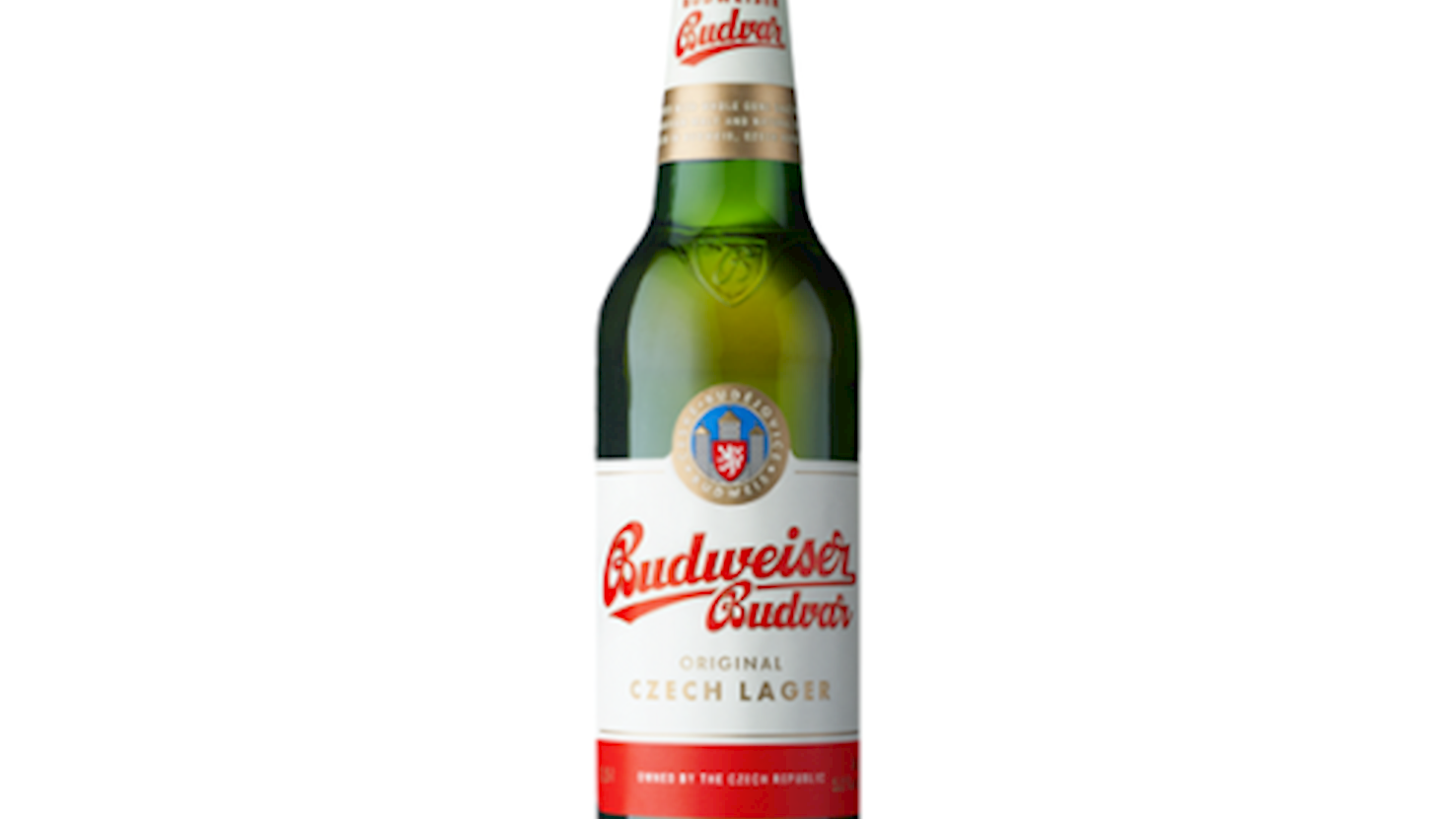
Budějovický Budvar is a Czech brewery with a strong national identity and a rich history, holding a special place in the tradition of European brewing. Founded in 1895 in the city of České Budějovice, it was established as a response by local Czech brewers to the dominance of German breweries in the region at the time.

Today, the brewery is state-owned, allowing it to preserve its authenticity, independence, and traditional brewing methods. The brewery’s most iconic product is Budějovický Budvar Original, a classic Czech pale lager known for its well-rounded taste and exceptional quality. The beer is lagered for up to 90 days, which gives it remarkable depth and balance.

It features an alcohol content of around 5%, a golden-yellow color, a rich head, and a harmonious interplay between malt sweetness and gentle hop bitterness. Budějovický Budvar stands today as a guardian of Czech brewing heritage - dedicated to quality, slow fermentation, and craftsmanship that resists the pressures of industrial mass production. This unwavering commitment to tradition and authenticity makes Budvar one of the most respected and highly regarded lager beers in Europe and beyond.

Awards
Untappd - 3.3
07

Břevnovský klášterní pivovar sv. Vojtěcha

3.9 ·

Břevnovský klášterní pivovar sv. Vojtěcha is one of the Czech Republic’s most historically significant breweries, deeply connected to the Benedictine Břevnov Monastery in Prague, founded in 993.

The monastery is associated with the earliest documented reference to beer brewing in the Czech lands, giving the brewery exceptional historical relevance. After centuries of interrupted production, the modern brewery was reestablished in 2011 in the Baroque former stable buildings of the monastery, reviving this long-standing brewing tradition in a contemporary craft format.

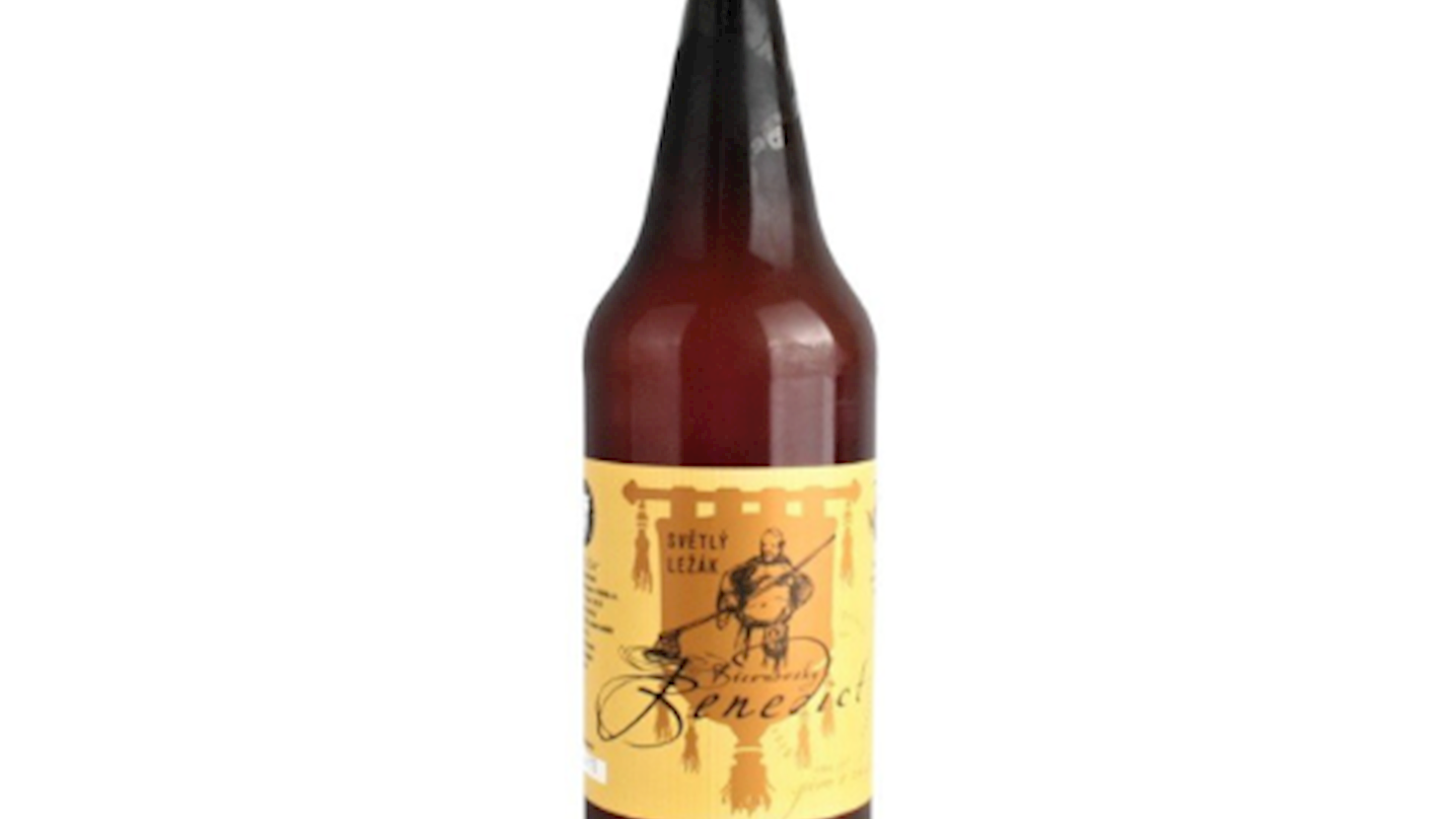
The brewery focuses on small-batch production, combining classic Czech brewing heritage with more experimental approaches, including seasonal releases, specialty brews, and barrel-aged beers. Its best-known range is the Břevnovský Benedict line, which includes traditional lagers, dark beers, stronger specialty styles, and modern interpretations such as IPA-inspired brews.

The brewery emphasizes craftsmanship, quality control, and authenticity rather than large-scale industrial production. Beyond brewing, it also serves as a destination for beer enthusiasts, offering tastings and an immersive setting within one of Prague’s most historic monastic complexes.

Břevnovský klášterní pivovar represents a compelling blend of Czech beer heritage, religious history, and contemporary craft brewing culture.

Awards
Untappd - 3.4

Best Czech Lager Types

01

Chodské pivo

3.9 ·

Chodské pivo has been produced in the historic Chodsko region (Plzeň) since the 12th century. It is made from locally sourced water with low mineral content, hops, malt, and yeast. Only Žatecký poloraný červeňák, Sládek, and Premiant hop varieties can be used in its production. Due to the two-stage fermentation process, lengthy maturation, and the choice of specific raw materials, Chodské pivo is golden, rich, and malty, while its flavor is slightly bitter and strong. This beer is held in high regard, and it was even supplied to the royal courts of Prague and Bavaria. The beer is bottled and casked with no artificial carbonation, and the entire production must be performed in the designated region. Chodské pivo has won many awards, and apart as an alcoholic beverage, it is also used in wellness tourism.

02

Pilsner

3.9 ·

Pilsner is a beer style that originated in Pilsen (Plzeň), a city in western Bohemia. It was first brewed in 1842, making it one of the youngest beer styles to appear in modern brewing. The style originated when the citizens of Pilsen, who grew unhappy with the quality of the beer, decided to build Bürger Brauerei (Citizens’ Brewery), which would later become Pilsner Urquell. They eventually brought a Bavarian brewmaster Josef Groll—who went to create the first pilsner brew. Although the initial idea was to create a Bavarian-style lager, the use of Czech ingredients influenced the emergence of a new style. The original pilsner, which was one of the first versions of a clear, light-colored beer, was made with light malted barley from Moravia and Saaz hops. The style was soon imitated across the world, with varying results. Nowadays, the official classifications divide the style into two main regional categories: Bohemian and German pilsner. Despite slight differences in style and numerous imitations around the world, the best pilsner examples will be crisp and refreshing, with a dominant hop character. In the Czech Republic, only beer from Pilsen is referred to as pilsner, while in Germany, the name that is most commonly used for pilsner brews is pils.

03

Českobudějovické pivo

3.9 ·

Českobudějovické pivo is a moderately bitter beer produced in the Czech Republic. The water used in the preparation process must come from the underground lake of the České Budějovice Basin, the hops come from the Žatec area, and the malting barley is grown in the Moravia region. It comes as a lightly malty pale beer and as an intense dark version that has dominant roasted aromas. Due to the use of Žatec hops, the beer has a unique and pleasant taste, making it a very popular alcoholic drink in the country. The beer comes in five varieties: pale lager, Kräusened pale lager, pale draught, special beer, non-alcoholic beer, and dark lager. It has been brewed in the city of Ceské Budejovice since the 13th century and is best when paired with local Czech dishes such as sausages, sauerkrauts, and soups.

04

Znojemské pivo

3.7 ·

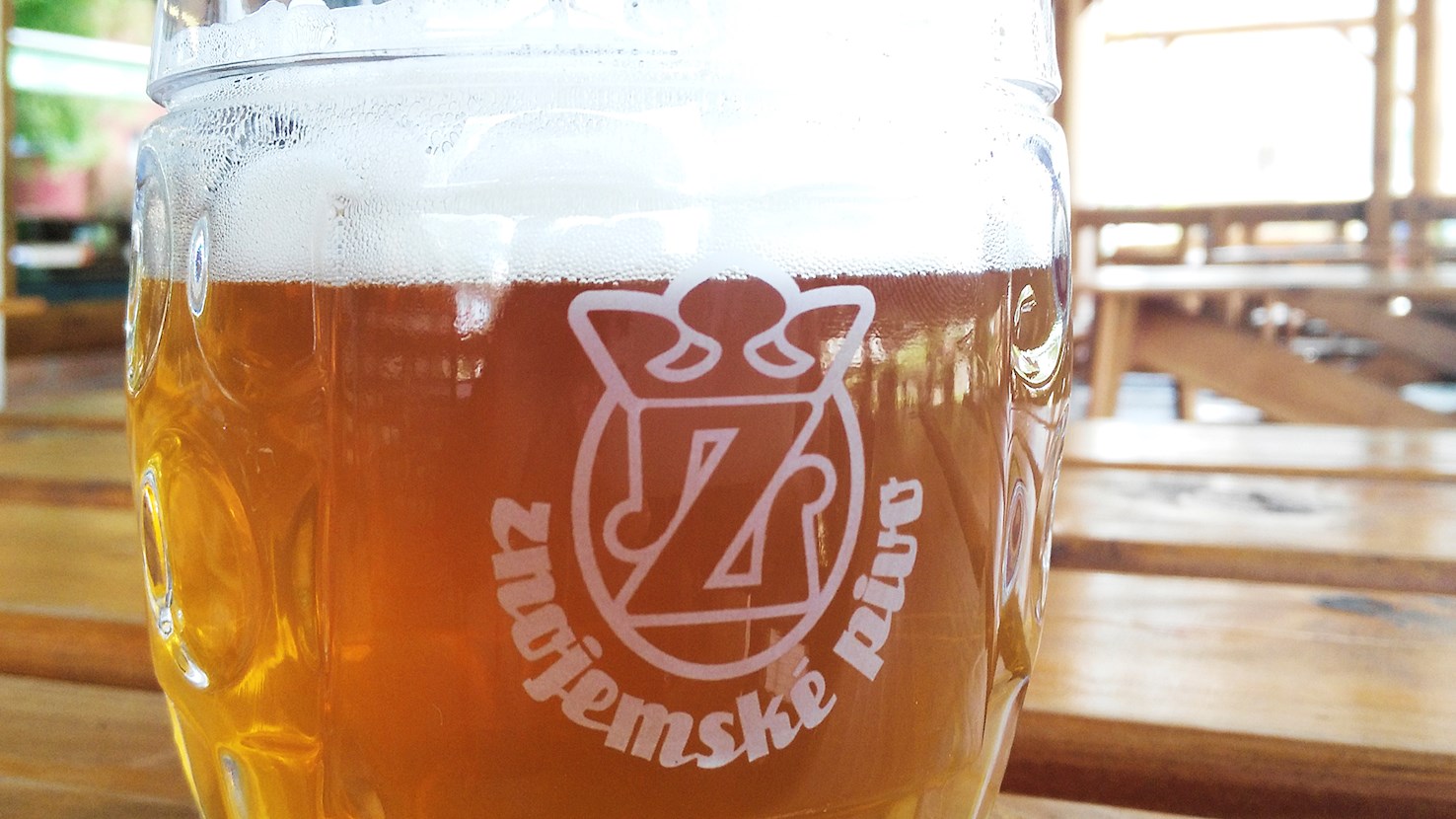
Znojemské pivo is a beer produced in several varieties in the Znojmo area in the Czech Republic. It can be produced as a light or dark draught beer and a lager. Only three ingredients are used in the production process – barley malt, water, and hops. The water is provided by the city's supply system, while the hops are of the Žatecký poloraný červeňák and Magnum Hallertau varieties. The alcohol content varies depending on the style; light draughts range from 3,2 to 4,0%, dark draughts from 3,8 to 4,0%, and lagers from 4,5 to 5,0% ABV. Light draught beers are balanced and hoppy with medium to strong bitterness, while dark draughts are less bitter and have a malty, caramel-like flavor and aromas. The lagers are full-flavored, clean, sharp, and well-balanced. The first written reference of brewing in Znojmo dates from 1278, and the beer is still produced following the centuries-old local brewing tradition.

05

Březnický ležák

3.2 ·

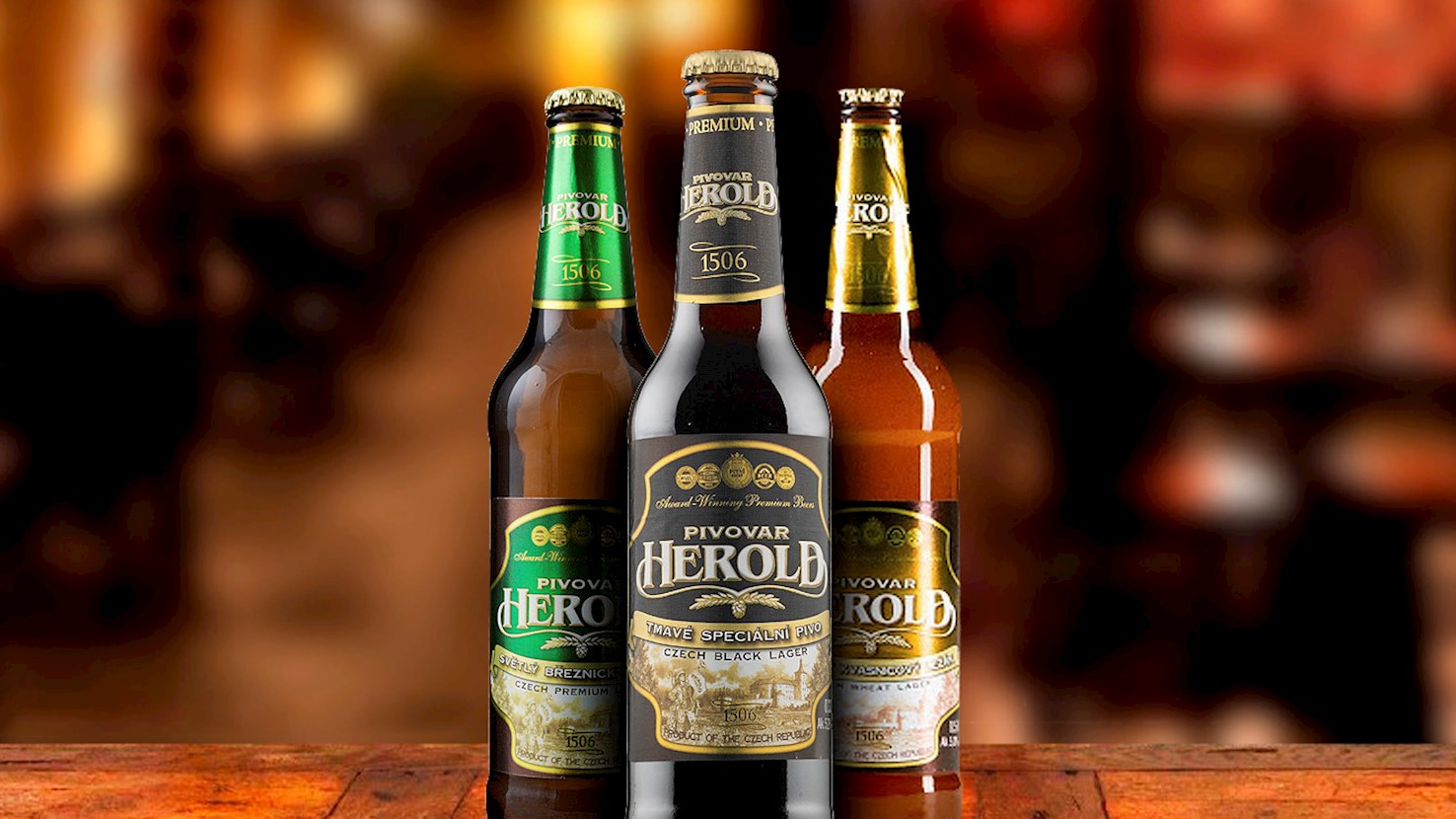
Březnický ležák is a Czech-style pilsner that is produced in the Municipality of Březnice. It is a golden-colored beer with an alcohol content that ranges from 4.69 to 5.53% ABV. The taste is delicate and typically bitter, with a clean hoppy aroma and crisp flavor. The beer is made from malt, granulated hops of the Žatecký poloraný červeňák variety, hop extract, sugar, and water from local natural wells. The only current producer of this beer is the company called Pivovar Herold Březnice, which has been brewing it since 1999. Due to the high-quality spring water in the area, this beer is of exceptional quality and taste and cannot be compared to any other beer from the region. Březnický ležák would pair well with chicken, seafood, and cheese.

About this Ranking

TasteAtlas food rankings are based on the ratings of the TasteAtlas audience, with a series of mechanisms that recognize real users and that ignore bot, nationalist or local patriotic ratings, and give additional value to the ratings of users that the system recognizes as knowledgeable.

TasteAtlas Rankings should not be seen as the final global conclusion about food. Their purpose is to promote excellent local foods, instill pride in traditional dishes, and arouse curiosity about dishes you haven’t tried.

The initial list of top producers was compiled based on available reviews, awards, local recommendations, media and blog coverage, and consumer reviews. The list will be updated with ratings from TasteAtlas local ambassadors and TasteAtlas users.

What People Say

Similar Lists