Top 31 French Liqueurs

Last updated on June 10, 2026

Best French Liqueur Types

01

Chartreuse

3.8 ·

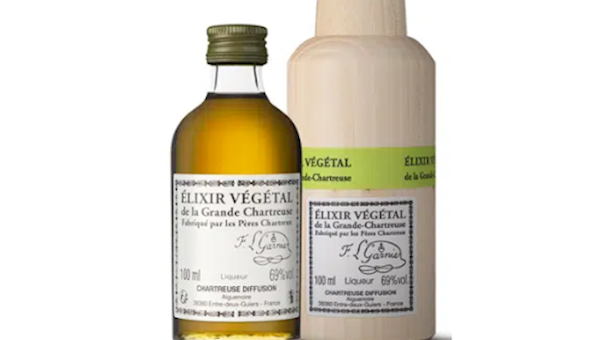
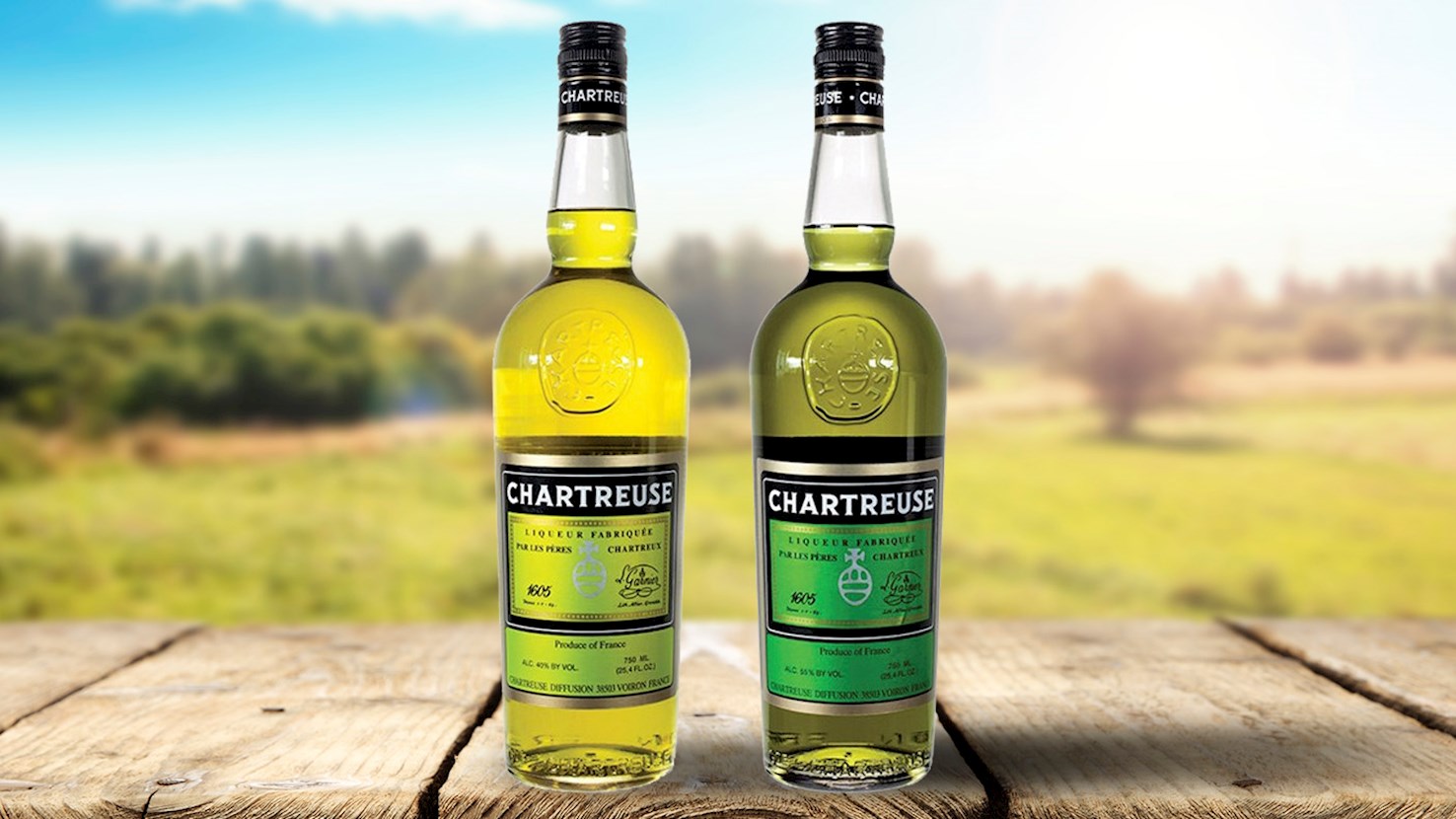
Chartreuse is one of the oldest and most popular French liqueurs. It is believed that the drink originates from an ancient manuscript that was sent to the Grande Chartreuse monastery at the beginning of the 18th century. In 1764, the Carthusian Monks decoded the paper and produced the first version of a health elixir that was mostly used as a medicine. The monks then adapted the recipe in 1840 to create the original Green Chartreuse—the first version of Chartreuse liqueur that is still prepared following a secret formula that includes around 130 herbs, spices, and other botanicals. The macerate is distilled and then aged in oak casks. Chartreuse comes in several varieties, including the original Green Chartreuse (55% ABV) characterized by its complex herbal and floral aromas. Yellow Chartreuse (43% ABV) is produced in the same manner, but it results in a slightly milder and sweeter drink due to the use of different herbs. Chartreuse is best appreciated as a digestif, served neat or on the rocks. It can also work well as a cocktail ingredient. Limited editions of the drink included various flavored versions such as orange, anise, or myrtle.

02

Grand Marnier

3.8 ·

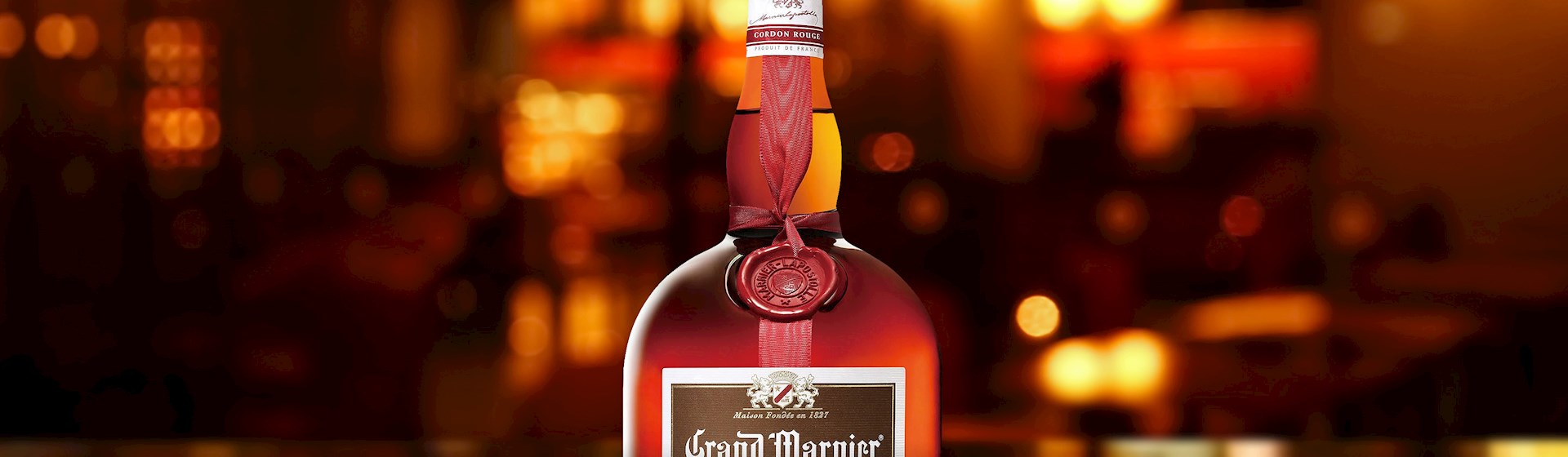
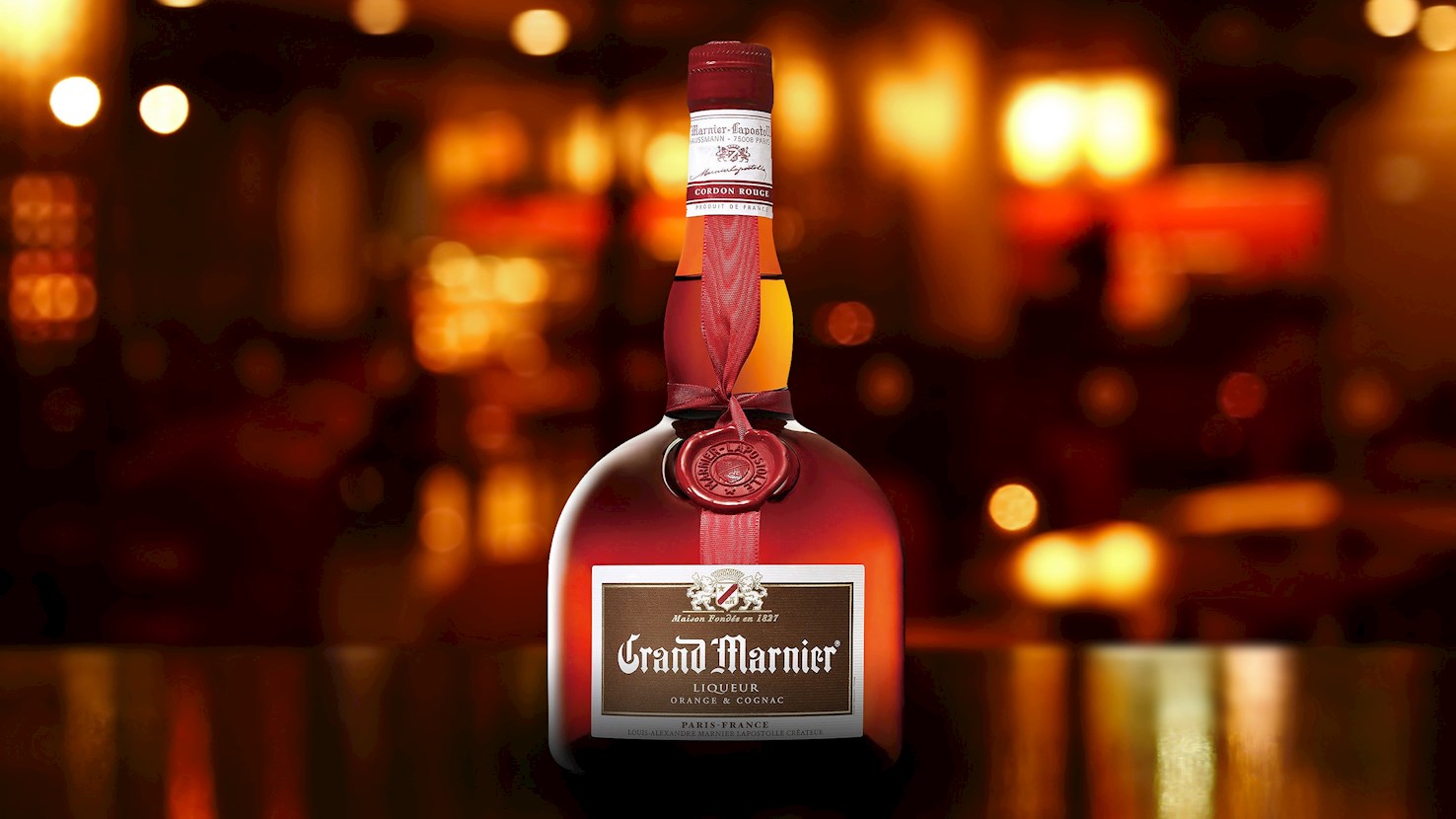
Created in 1880 by Louis Alexandre Marnier Lapostolle, Grand Marnier Cordon Rouge (lit. red ribbon) is a sophisticated blend of cognacs infused with the distilled essence of bitter oranges. In addition to Lapostolle's secret touch, the liqueur gets its incomparable roundness by slow aging in French oak casks. It can be enjoyed neat, used in mixed drinks, or even added to desserts. In France, Grand Marnier is one of the essential ingredients of the famous crêpes Suzette. Apart from the original Grand Marnier, there's also the Cordon Jaune version (lit. yellow ribbon) which is made with a base of neutral grain spirits.

Best producers
03

Cointreau

3.8 ·

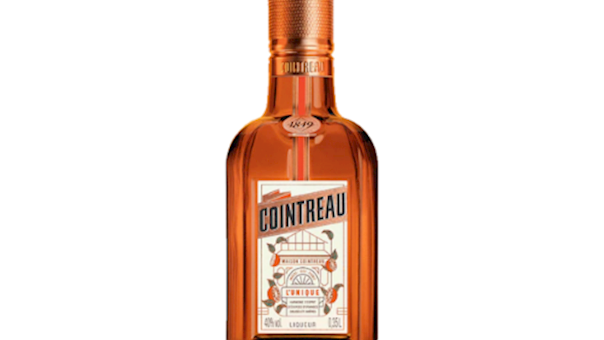
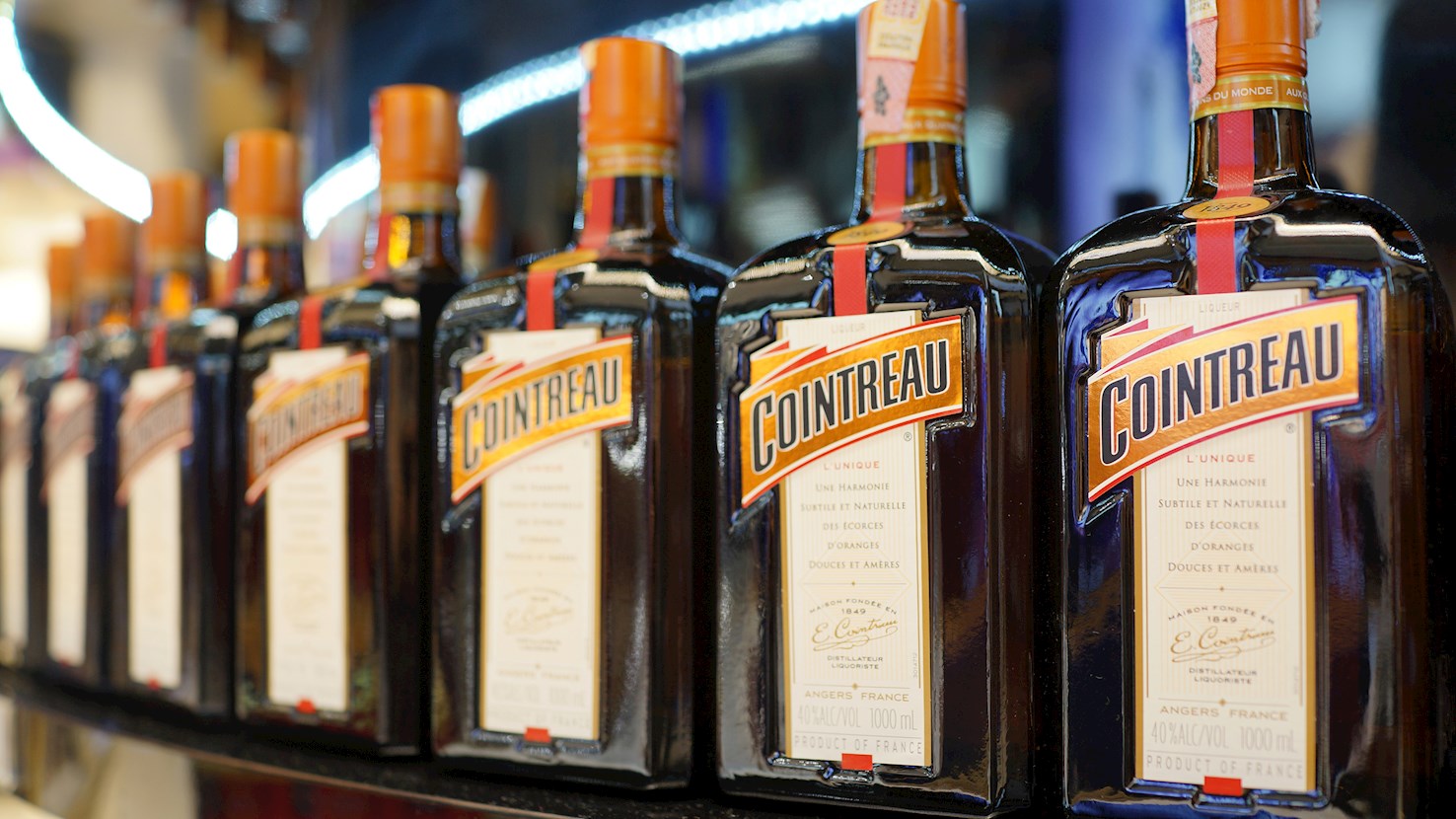
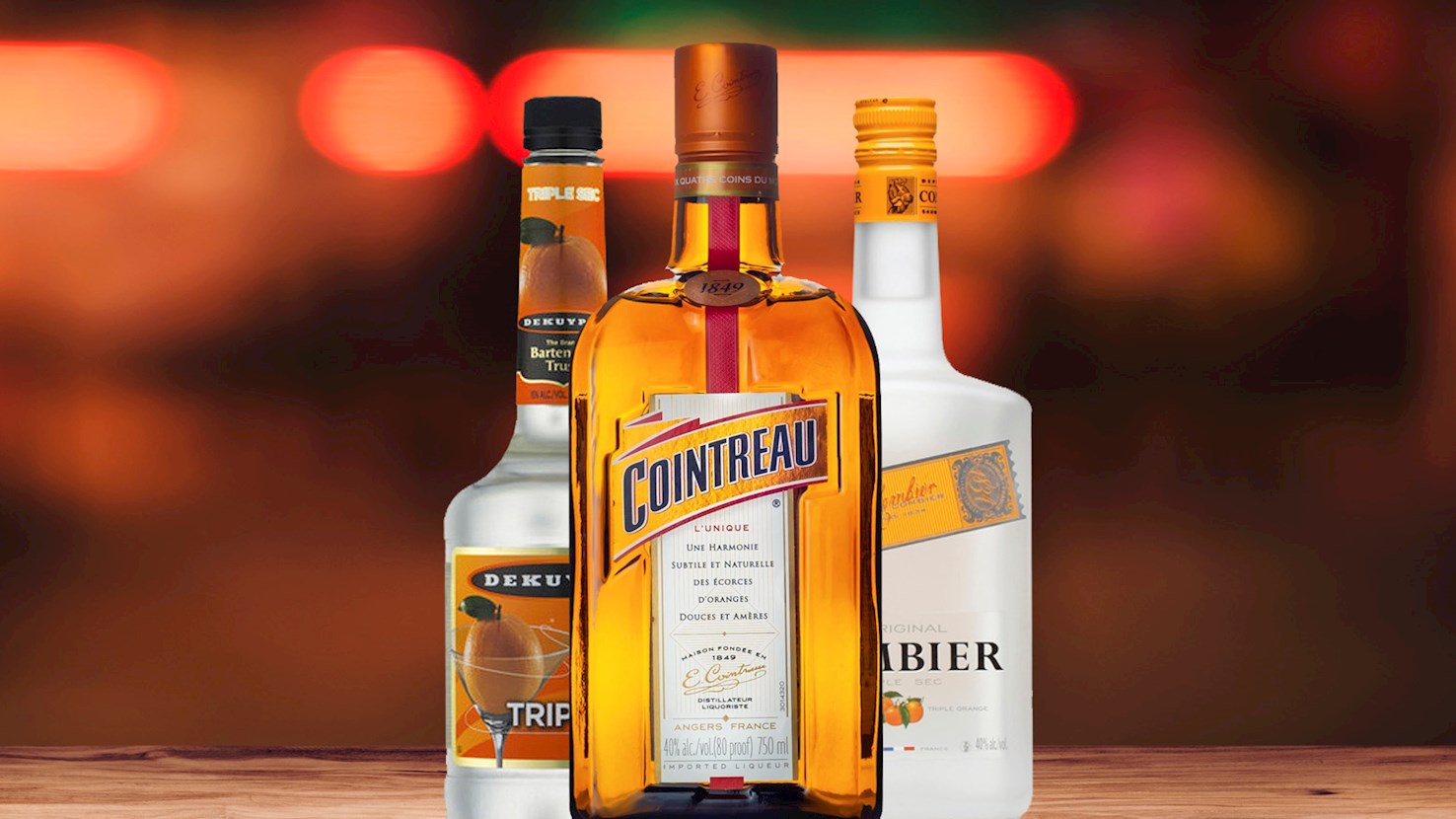
This classic triple sec was created by the Cointreau brothers, who managed to distill sweet and bitter orange peels to create a slightly sweet, fresh liqueur with incredibly concentrated flavor. The brand was first registered as triple sec in 1885, and since then it has remained one of the best-selling, premium options. Cointreau is mainly used as the essential ingredient in various cocktails such as the classics Sidecar, Margarita, or Cosmopolitan.

04

St-Germain

3.7 ·

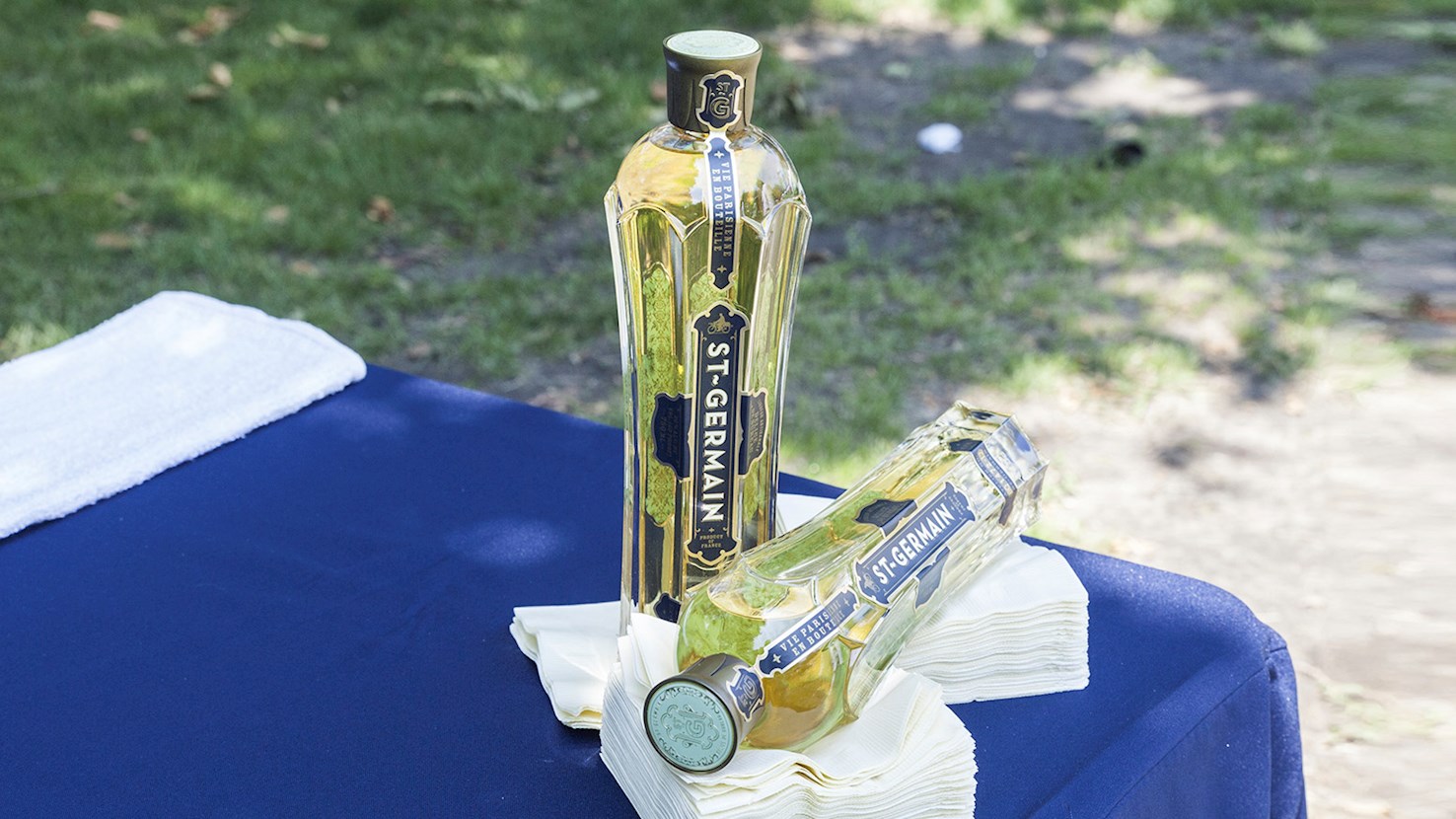
St-Germain is a French elderflower liqueur that was first introduced in 2007. It is produced by an artisanal technique which starts by macerating fresh elderflowers in warm water. The infusion is then filtered and combined with fruit brandy, water, sugar, and neutral grain spirit. The elderflowers are picked once a year, and it is said that each bottle of St-Germain contains up to a thousand elderflower blossoms. The liqueur is balanced and refined with floral notes and aromas reminiscent of tropical fruit, pear, peach, honeysuckle, and citrus. No artificial coloring is added to the liqueur, and its subtle yellow hue is obtained only from pollen. The name and the design of this fragrant French liqueur were inspired by St~Germain-Des-Prés, the Parisian quarter of Paris that was especially influential during Art Déco and Belle Époque movements. St-Germain is an excellent liqueur for cocktails and mixed drinks, and it complements various types of drinks, including grain spirits, sparkling wine, gin, vodka, or white wine. It was created by the late Robert Cooper and is now owned by Bacardi.

05

Triple Sec

3.5 ·

Triple sec is a French term for clear, orange-flavored liqueurs. They are traditionally distilled from a macerate of dried orange peels and a neutral spirit. The origin of triple sec is undoubtedly French, though it is disputed who was the first to use and market the term, as well as the true meaning of the name triple sec, which translates as triple dry. Combier distillery from Saumur claims that their triple sec is the earliest version, first made in 1834, though some name Cointreau as the original producer. Regardless, the two companies are still the biggest competitors and the most important triple sec brands. High-quality triple sec liqueurs will have a potent orange flavor as well as aromas of bitter oranges and orange blossom. They range from 20 to 40% ABV, though better quality versions tend to have higher alcohol content, which usually goes from 38 to 42%. Although they can be enjoyed neat or on the rocks, triple sec liqueurs are most commonly used in cocktails.

06

Crème de cassis

3.5 ·

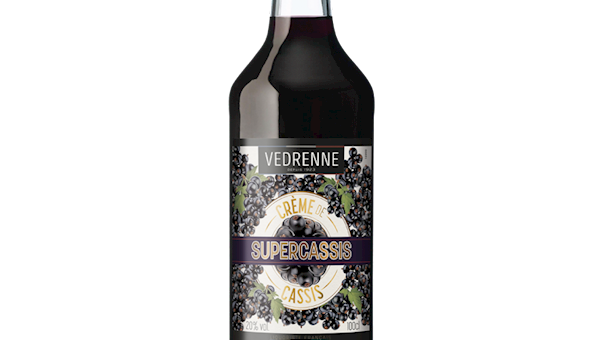
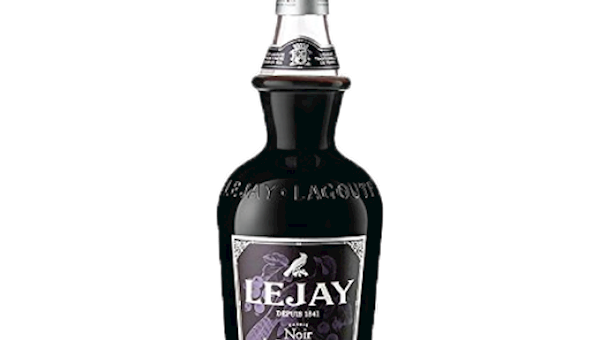
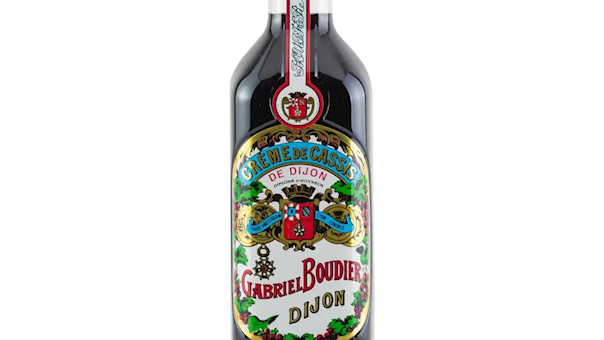
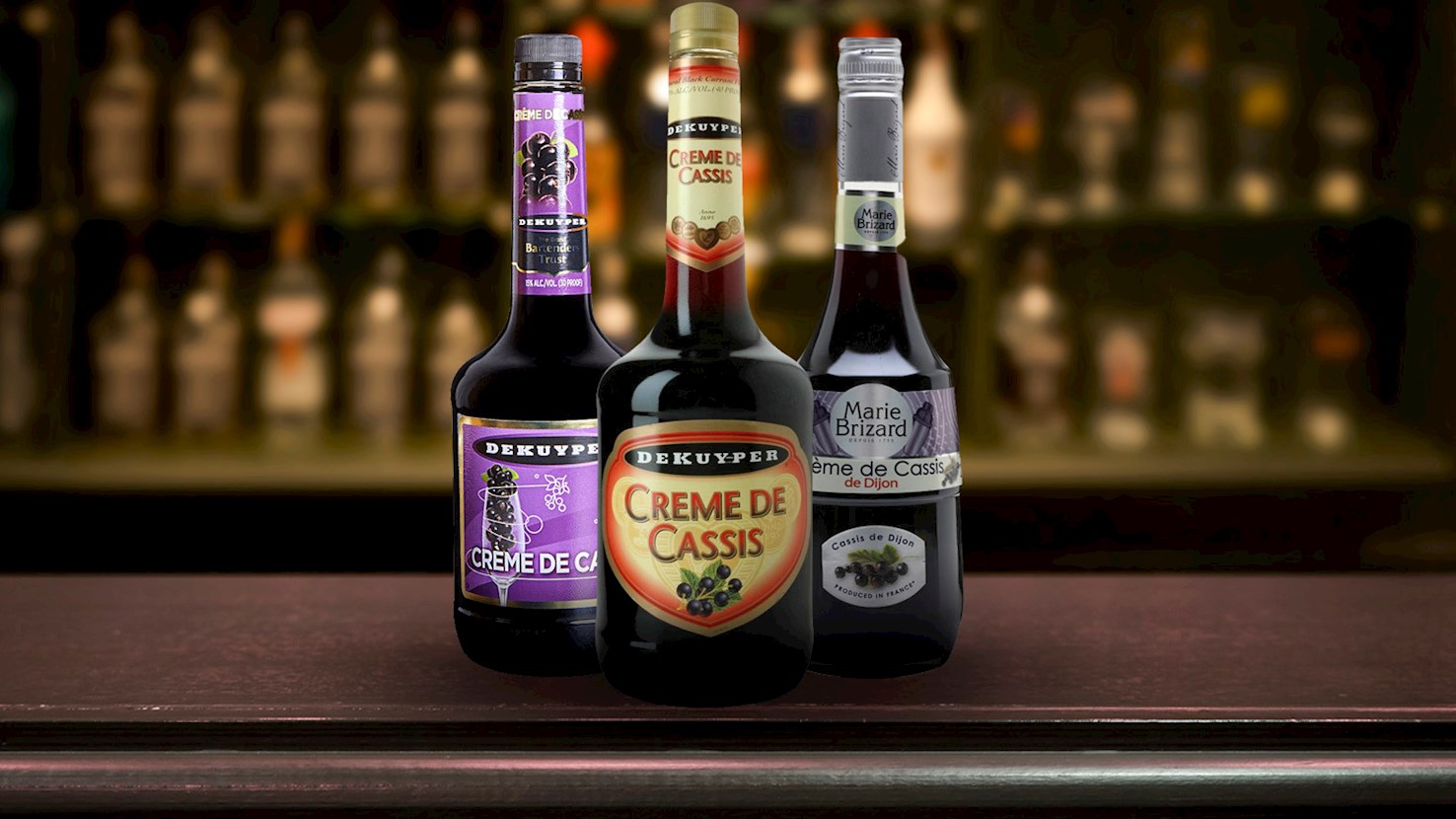
Crème de cassis is a blackcurrant liqueur that has its origins in French Burgundy. Although it is believed that it first appeared in the 16th century, commercial production started in the mid-1800s. The drink is produced by macerating blackcurrants in a neutral spirit. It is characterized by its dark purple color and a perfect balance of sweetness and subtle tartness. Crème de cassis is mainly used as a cocktail ingredient in classics such as Kir and its numerous varieties, as well as Arnaud, El Diablo, or Vermouth Cassis.

07

Génépi

3.5 ·

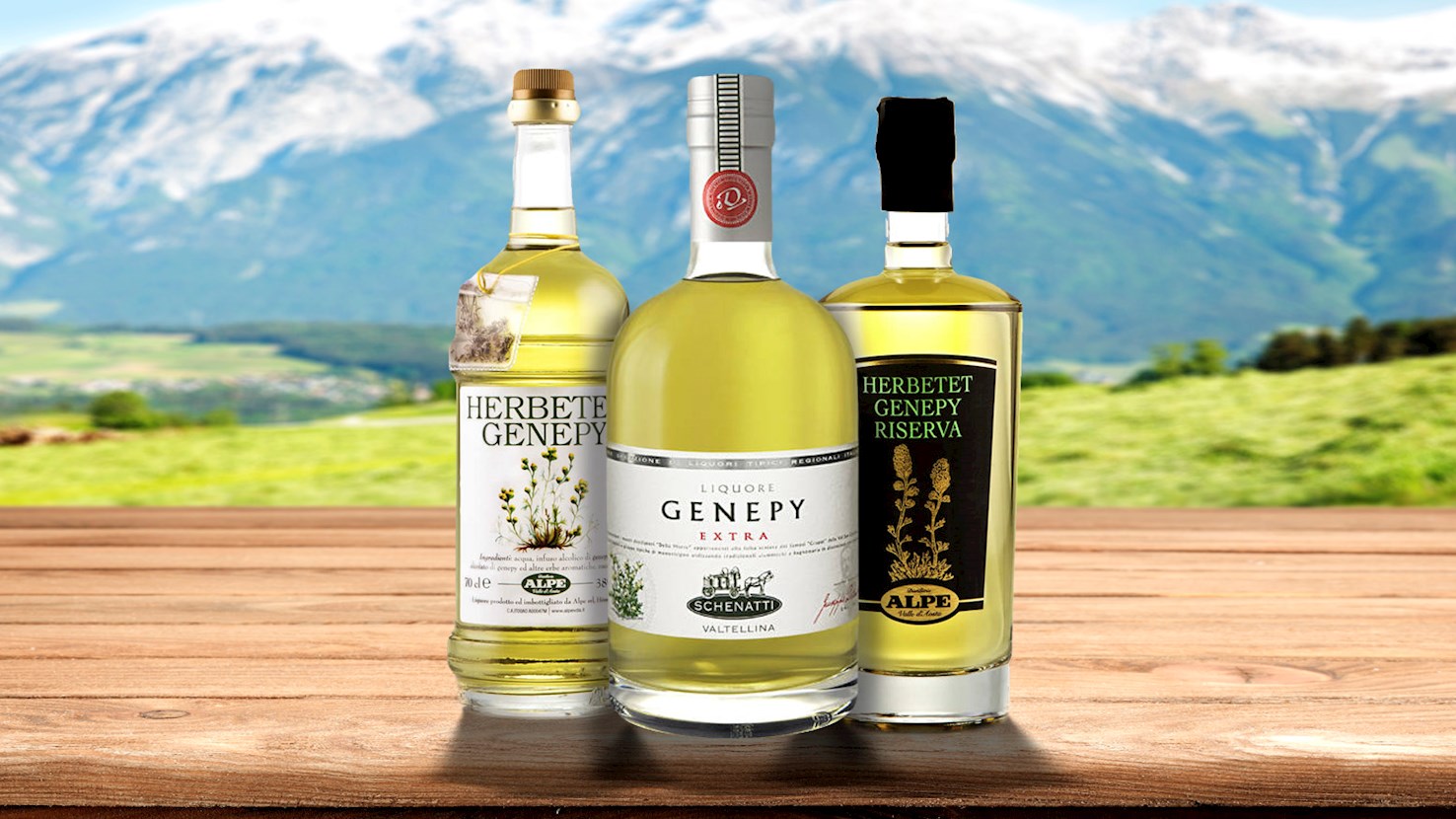
Génépi is a herbal liqueur that is usually made by macerating dried herbs in neutral alcohol or grain spirit, with added sugar. Although small amounts of other herbs may be added to the macerate, the most prominent are the alpine shrubs of the genus Artemisia (wormwood), which impart the drink with a distinctive subtly bitter flavor. The drink is believed to have originated in the Savoy region and has earned a PGI status for beverages produced in Savoy. It remains a favorite après-ski aperitif in the Alpine mountain huts, especially in the Aosta valley. Génépi is mostly light green or pale yellow, with a well-balanced and delicate floral flavor that is complemented by hints of sweetness and bitterness. It is usually enjoyed neat as an aperitif or digestif, but recently it has also been promoted as an excellent cocktail ingredient, as well as a great addition to desserts and coffee.

08

Bénédictine

3.3 ·

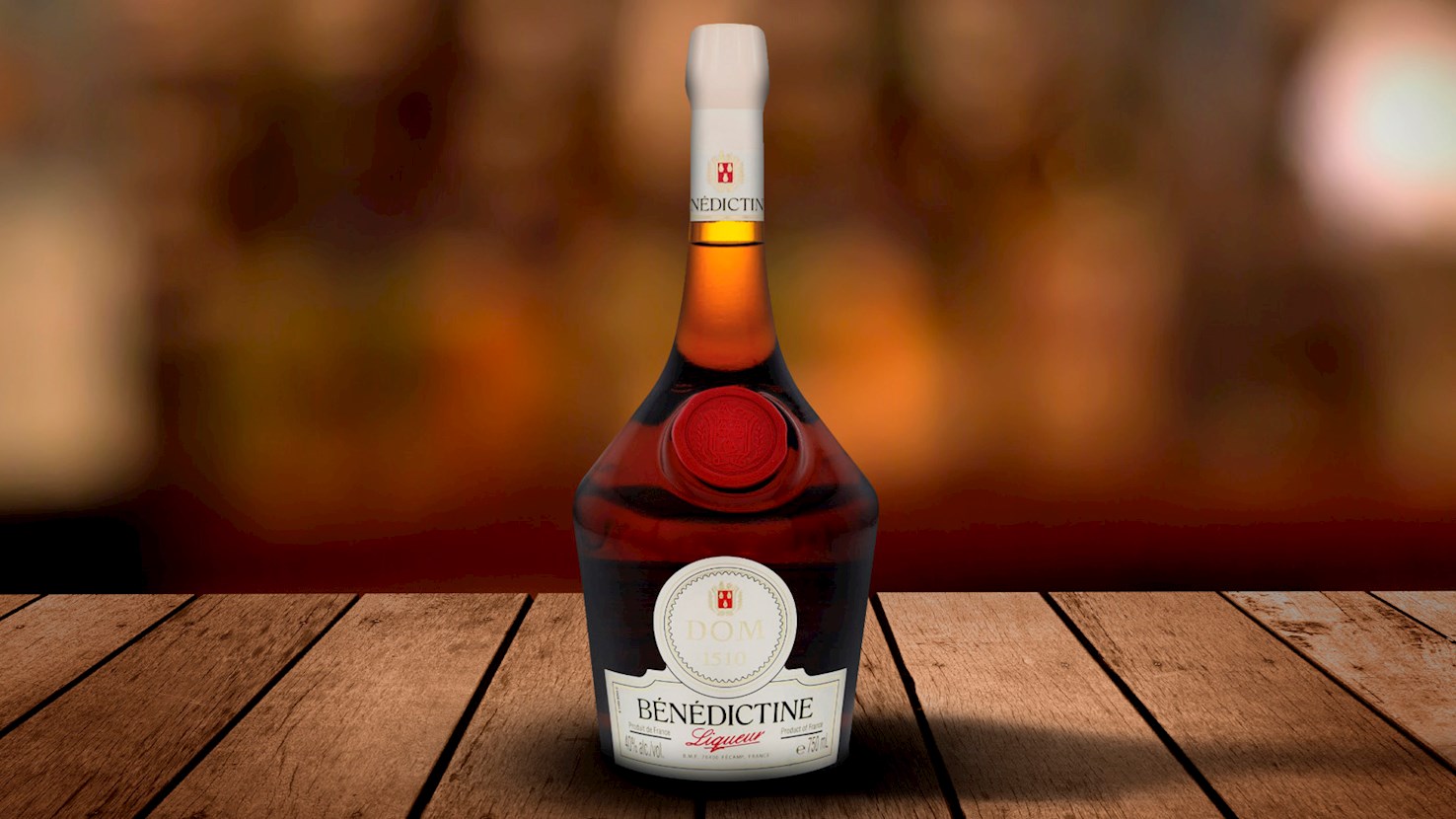
Although the true origin of this French herbal liqueur is somewhat mysterious, one theory claims that Alexandre Le Grande obtained the original recipe from a Benedictine monk. Le Grande started to produce the drink under its current name in 1863, and Bénédictine is still produced following the original, secret recipe that includes 27 herbs and spices. After distillation and careful blending, the final combination is infused with saffron and honey that provide for its typical amber hues and sweetness. Bénédictine is a rich liqueur that displays notes of citrus fruit, spices, and herbs. It is best enjoyed neat or on the rocks, but it also nicely pairs with tonic water and lime. The drink is still produced at the original Palais Bénédictine distillery in Fécamp.

09

Crème de mûre

3.3 ·

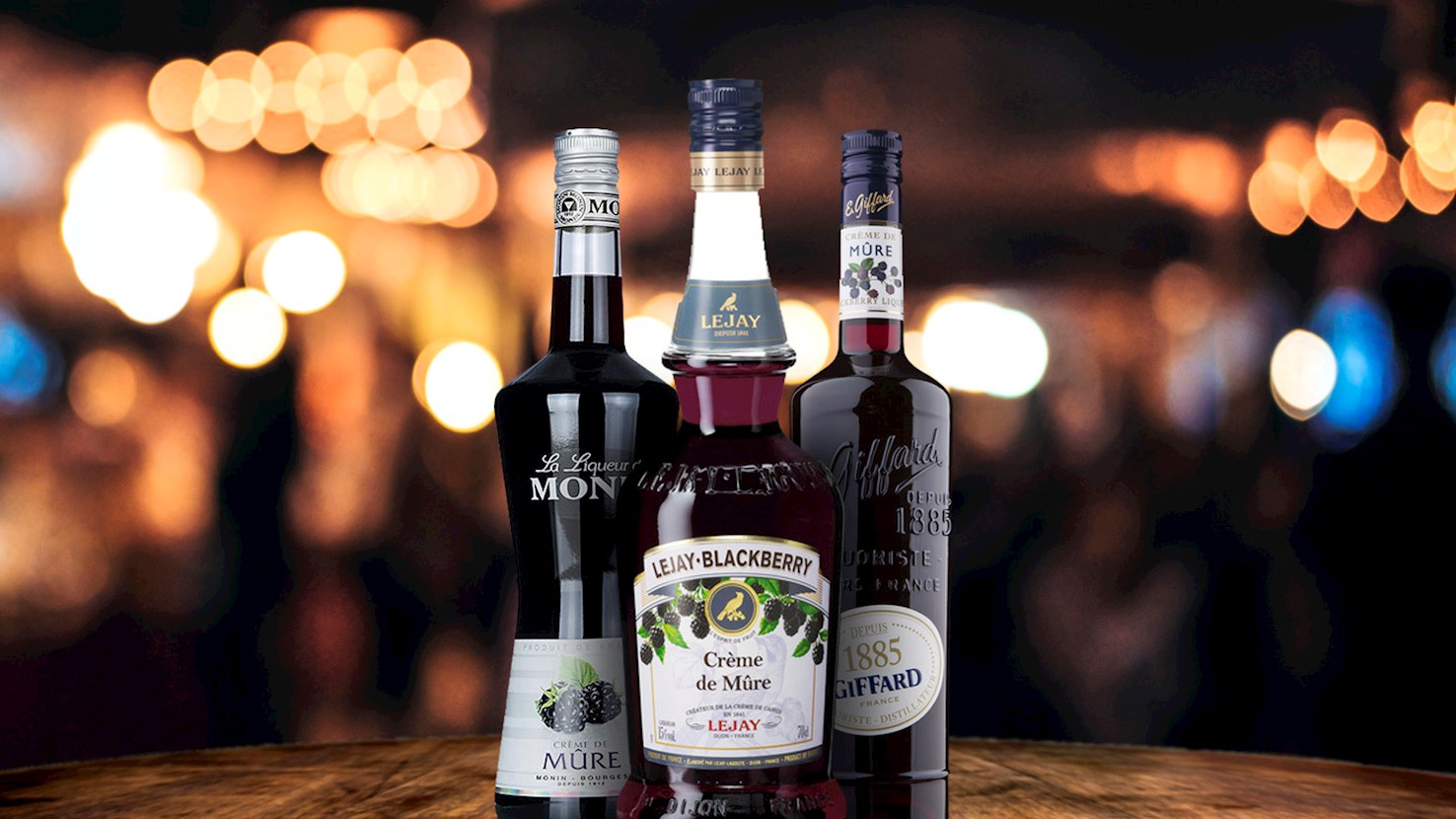
Crème de mûre is a French-style blackberry liqueur. The drink is traditionally made by macerating blackberries in neutral spirit, while the additions usually include fresh blackberry juice, lemon or lime juice, and a sweetener. The liqueur should be dark purple and thick, while the aromas and flavors should be reminiscent of fresh blackberries and blackberry jam. This aromatic liqueur can be enjoyed as an aperitif, but it also works well in mixed drinks and cocktails.

10

Chambord

3.3 ·

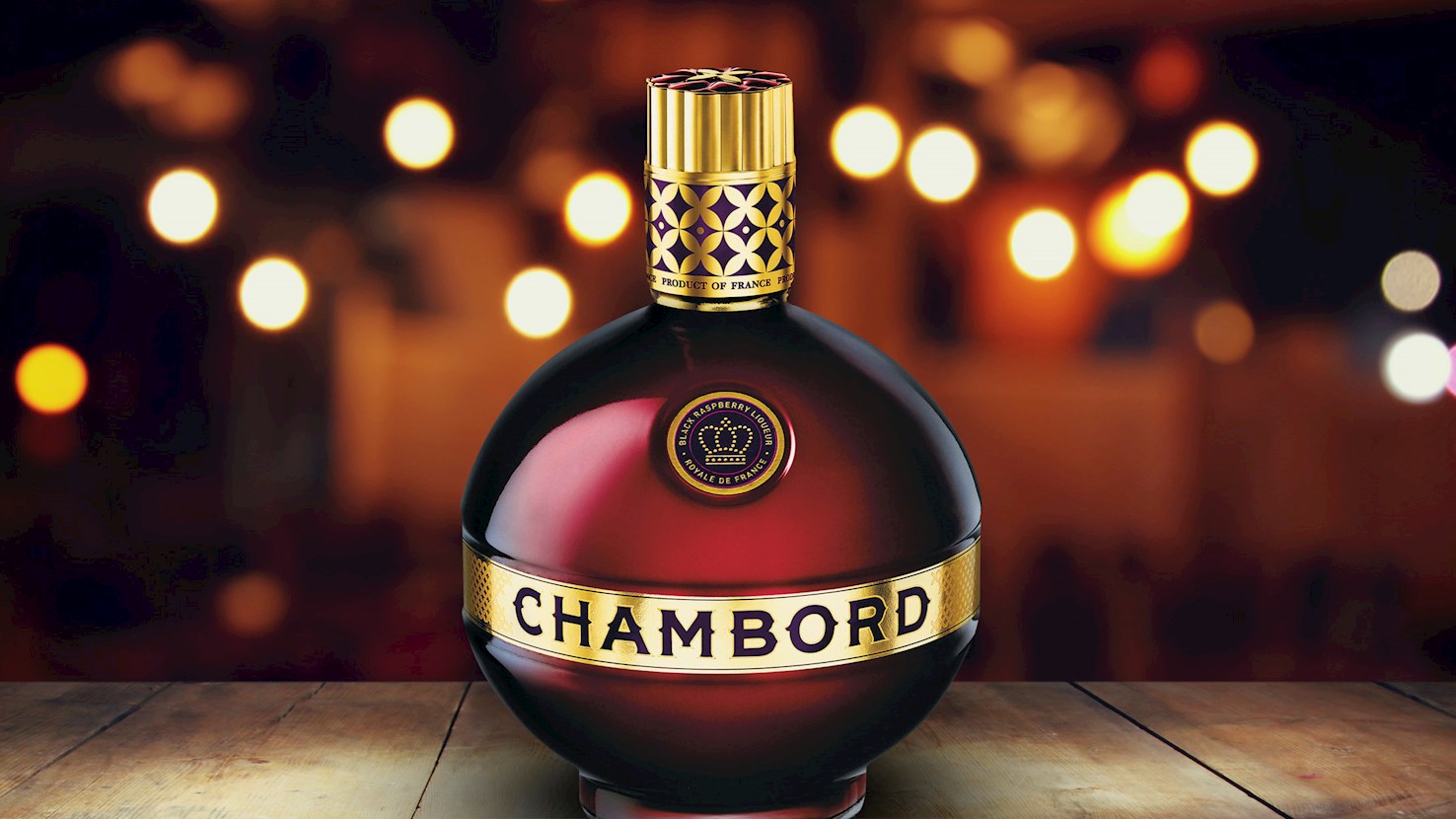
Chambord is a raspberry liqueur that was modeled on an ancient liqueur from the Loire valley. The base of the drink is made with a combination of raspberries and blackberries that are macerated in a neutral French spirit. The berry infusion is then blended with only natural essences that include juice of black raspberries and blackcurrants, Cognac, vanilla from Madagascar, honey, and botanicals. No artificial additions are used in its production. Finally, the master blender will create the final filtered version, which is bottled at 16.5% ABV. The liqueur is dark purple, dense, richly-flavored, silky, aromatic, and not overly sweet. It is a perfect choice for cocktails, and it works especially well mixed with Champagne, vodka, rum, or gin. The liqueur is produced by Brown-Forman at Cour-Cheverny near Chambord.

11

Picon

3.2 ·
12

Crème de cacao

3.2 ·
16

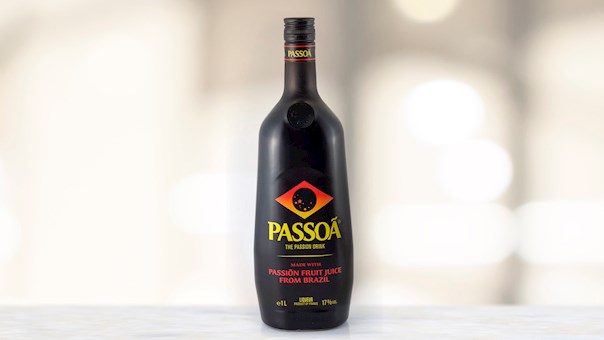
Passoã

2.9 ·
17

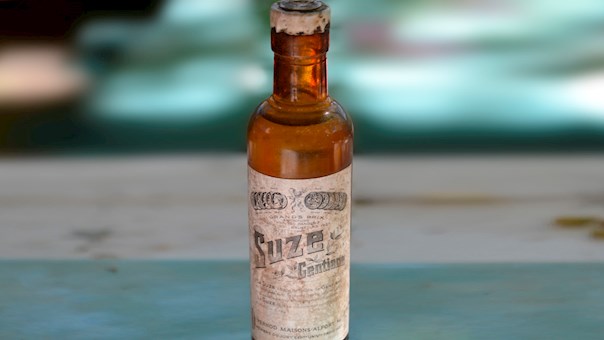
Suze

2.9 ·
18

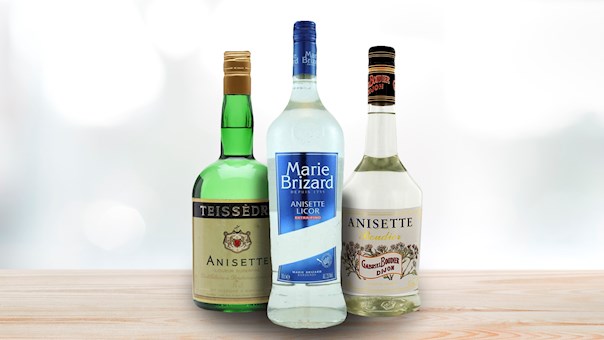
Anisette

2.8 ·
19

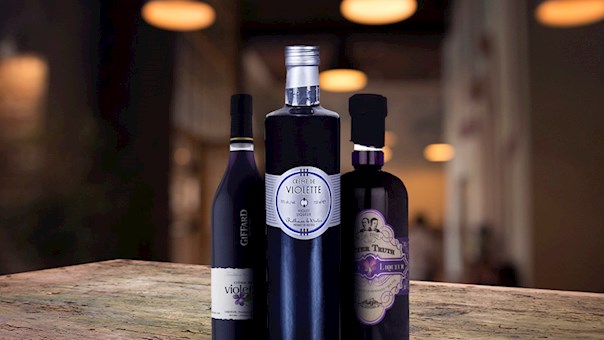
Crème de violette

2.7 ·

Best French Liqueurs
01

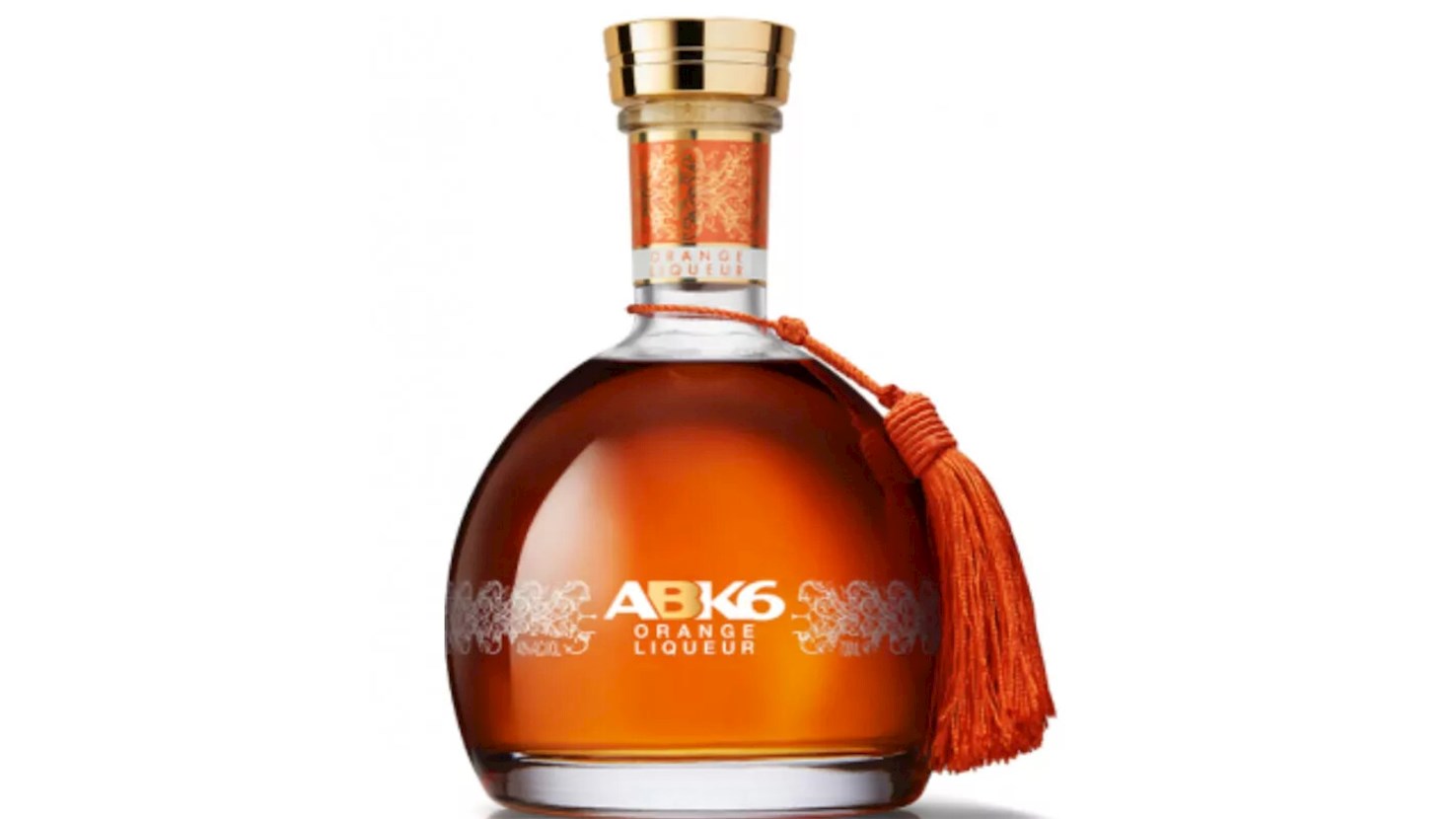
ABK6 Cognac

5 ·
ABK6 Cognac is a prestigious brand created in 2005 by Francis Abécassis. The name "ABK6" is a condensed version of the family name and represents the fusion of tradition and modernity. The brand focuses on producing Single Estate Cognac, meaning the entire process, from vineyard cultivation to bottling, is handled on their own estate. This ensures a unique and high-quality product that reflects the expertise of their Master Blender. ABK6's offerings include a wide range of cognacs, all crafted with meticulous attention to detail and respect for tradition.
Awards
SFWSC - San Francisco World Spirits Competition - Double Gold (2024, 2023)
World Cognac Awards - Best V.S.O.P. (2021)
02

Maison Ferrand

5 ·
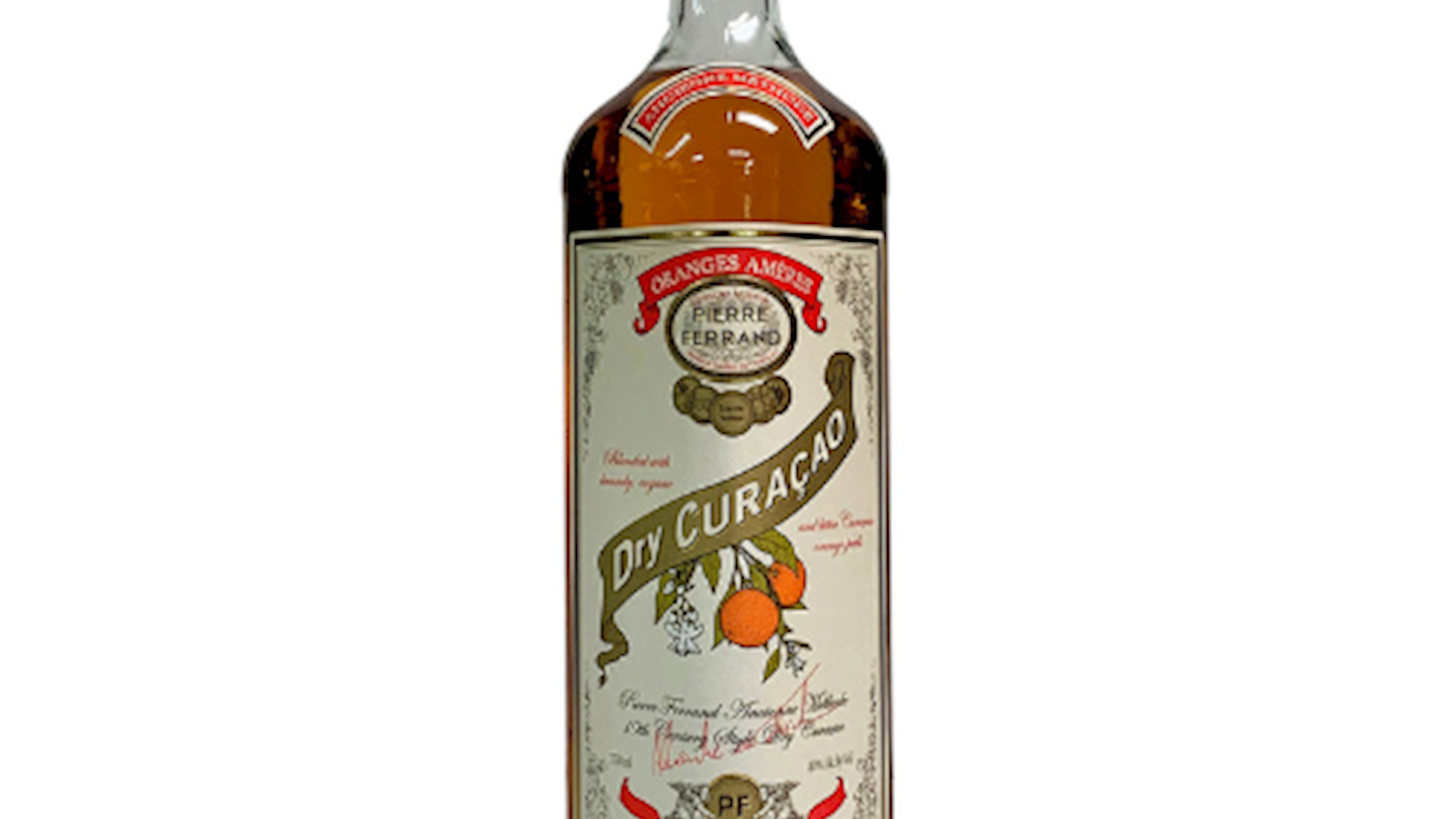
Maison Ferrand is an independent French producer of premium spirits, founded in 1989 in the Charente region, at the heart of the Cognac appellation, under the leadership of Alexandre Gabriel. The house is focused on preserving authentic distillation and ageing techniques while applying a contemporary, research-driven approach to terroir and raw materials. Its portfolio includes Ferrand Cognac from the prestigious Grande Champagne cru, Citadelle Gin as one of the earliest modern French craft gins, Planteray rum (formerly Plantation), as well as liqueurs such as Ferrand Dry Curaçao. The house is particularly known for its double ageing approach to rum, whereby spirits mature first in their countries of origin and are then further aged in France, often in French oak or ex-cognac casks. Maison Ferrand directly operates or closely collaborates with distilleries in the Caribbean, including the West Indies Rum Distillery in Barbados, ensuring strong control over the production process. Sustainability, transparency, and long-term partnerships with local producers are central to its philosophy. The house maintains a careful balance between tradition and innovation, deliberately avoiding an industrial, mass-production model. Today, Maison Ferrand is widely regarded as a reference point in the world of high-quality spirits, with a clearly defined identity and strong global presence.
Awards
World Cognac Awards - Best V.S.O.P. (2023)
SFWSC - San Francisco World Spirits Competition - Double Gold (2023)
03

Grand Marnier

5 ·
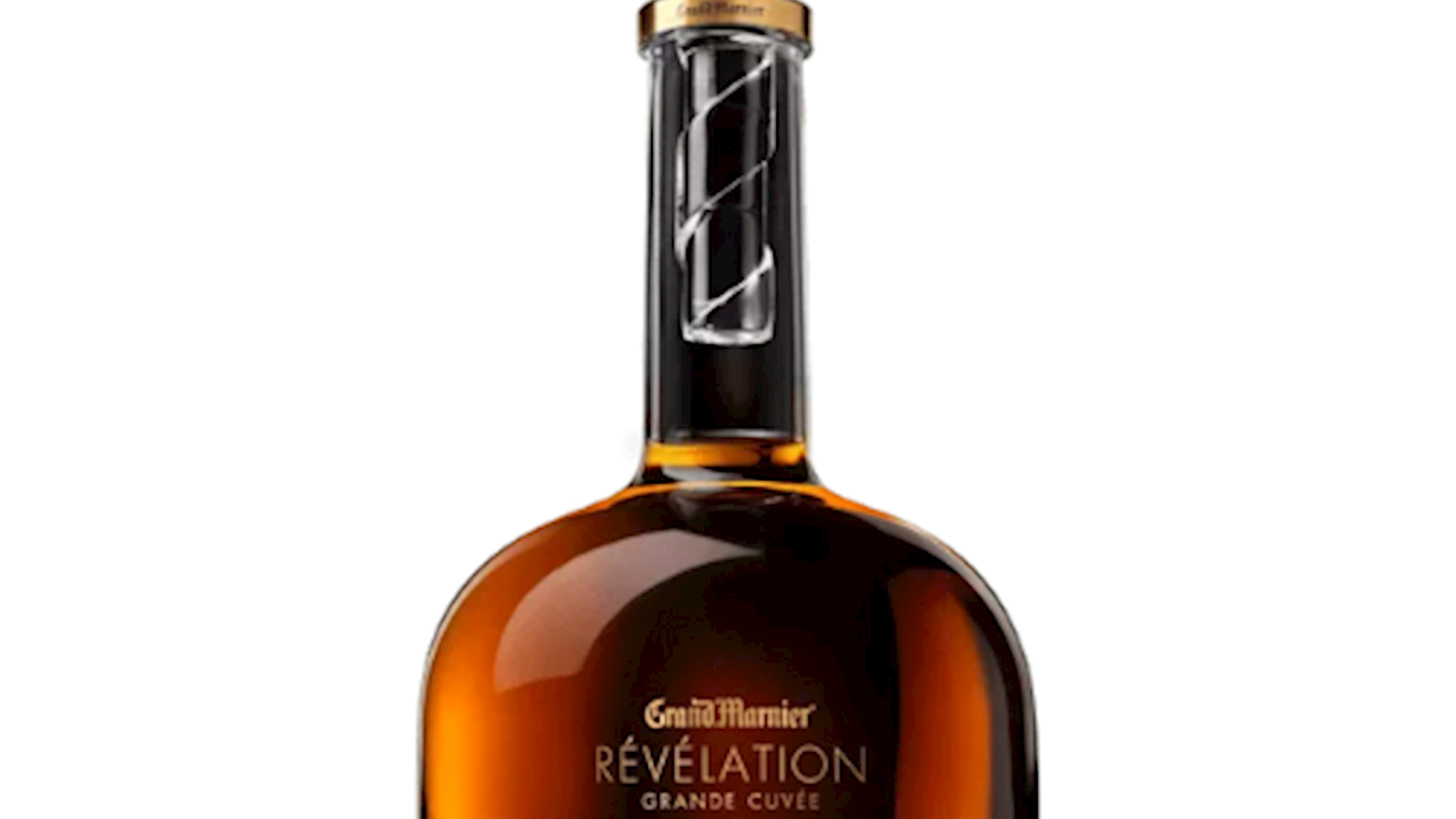
Grand Marnier is a French liqueur brand positioned from the outset at the intersection of luxury, craftsmanship, and enduring family tradition. The brand originated within the Marnier-Lapostolle family, built on a clear vision to combine fine French cognac with the essence of bitter orange - an approach that already in the 19th century set Grand Marnier apart from the then-common liqueurs based on neutral alcohol. Over the decades, the brand has developed a strong identity grounded in recipe consistency, strict control of raw materials, and a pronounced connection to French heritage. Grand Marnier is positioned as a premium, heritage brand, present both in classic bar culture and in high gastronomy and pâtisserie. Its visual identity-marked by the distinctive bottle, red ribbon, and seal-further emphasizes continuity and authority. Today, Grand Marnier is part of the wider luxury portfolio of the Campari Group, while retaining autonomy in production and brand communication. Rather than following trends, the brand relies on history, reputation, and a precisely defined style that makes it one of the most recognizable French liqueur brands on the global market.
Awards
IWSC- International wine & spirit competition - Spirit Gold (2024)
IWSC- International wine & spirit competition - Spirit Gold Outstanding (2024, 2023)
04

A de Fussigny

5 ·
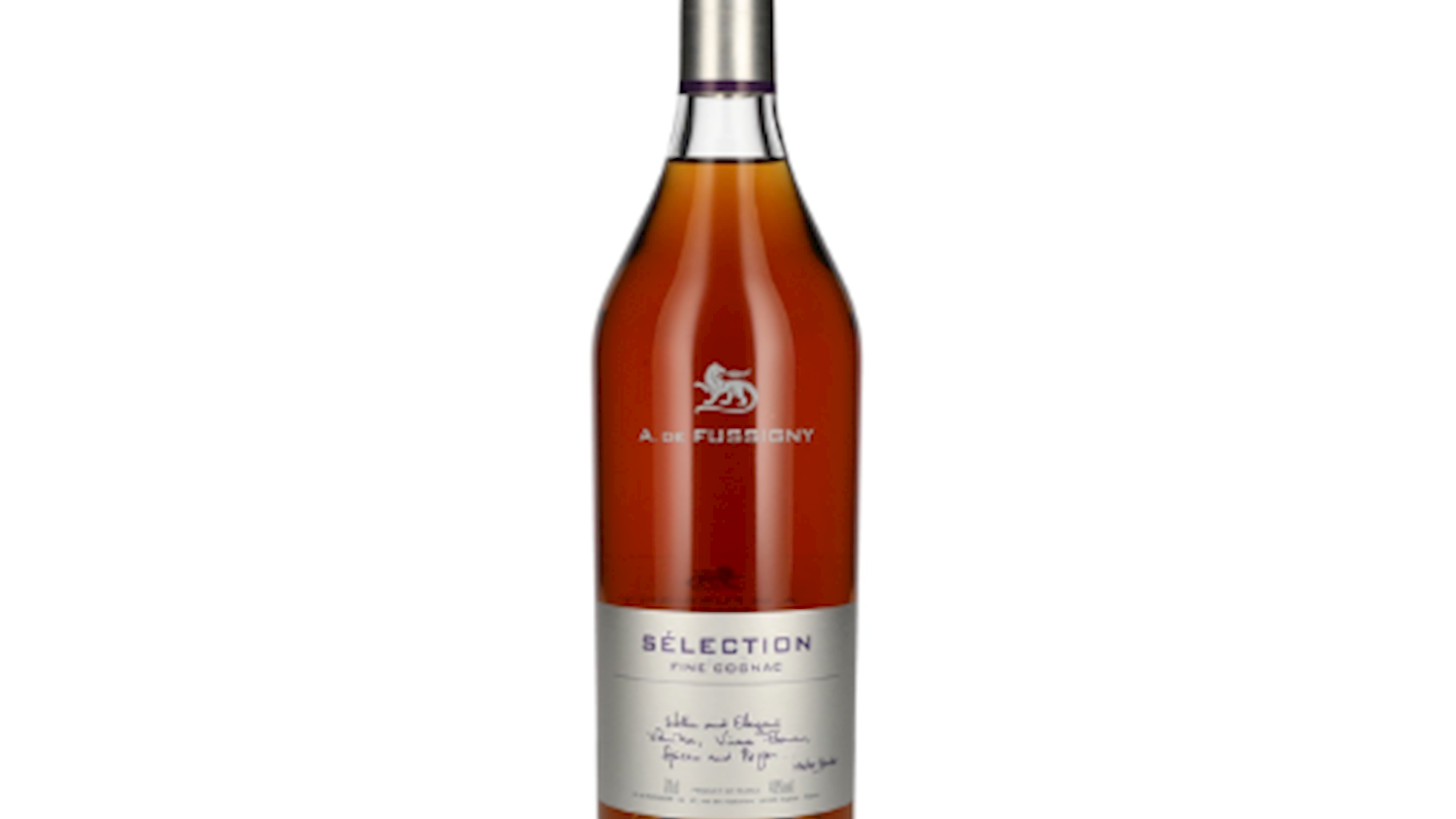
A de Fussigny is a historic Cognac house founded in 1814 and located in the town of Cognac, along the banks of the Charente River. Its cellars benefit from the river’s natural humidity, which supports slow, even aging and contributes to a smooth, rounded style. The house works primarily with Fine Champagne blends, combining eaux-de-vie from Grande and Petite Champagne to achieve balance and aromatic depth. Production focuses on careful selection and maturation of eaux-de-vie in French oak, preserving fruit character while allowing complexity to develop gradually. The style of A de Fussigny Cognacs is generally elegant and approachable, marked by floral notes, ripe fruit, gentle spice, and well-integrated oak. Alongside traditional craftsmanship, the brand is also recognized for its modern presentation and contemporary positioning within the Cognac category.
Awards
SFWSC - San Francisco World Spirits Competition - Double Gold (2024)
ISC-International Spirits Challenge - Double Gold (2023)
05

Distillerie Merlet & Fils

5 ·
Awards
ISC-International Spirits Challenge - Double Gold (2023, 2020, 2019)
IWSC- International wine & spirit competition - Spirit Gold Outstanding (2022)
06

Rhums et Punchs Isautier

5 ·
Awards
The Luxury Masters - Gold (2023)
The Luxury Masters - Master (2023)
07

MARIE BRIZARD WINE & SPIRITS

5 ·
Awards
SFWSC - San Francisco World Spirits Competition - Double Gold (2023)
IWSC- International wine & spirit competition - Spirit Gold Outstanding (2021)
08

Merlet

5 ·
Awards
USC- Ultimate Spirits Challenge - Top 100 (2021)
09

Joseph Cartron

5 ·
Awards
ISC-International Spirits Challenge - Double Gold (2021)
IWSC- International wine & spirit competition - Spirit Gold (2023)
10

Distillerie Massenez

5 ·
Awards
IWSC- International wine & spirit competition - Spirit Gold (2024, 2022)
The Liqueur Masters - Gold (2022)
Read more
View all
View map
About this ranking

TasteAtlas food rankings are based on the ratings of the TasteAtlas audience, with a series of mechanisms that recognize real users and that ignore bot, nationalist or local patriotic ratings, and give additional value to the ratings of users that the system recognizes as knowledgeable. For the “Top 31 French Liqueurs” list until June 10, 2026, 651 ratings were recorded, of which 559 were recognized by the system as legitimate. TasteAtlas Rankings should not be seen as the final global conclusion about food. Their purpose is to promote excellent local foods, instill pride in traditional dishes, and arouse curiosity about dishes you haven’t tried.

The initial list of top producers was compiled based on available reviews, awards, local recommendations, media and blog coverage, and consumer reviews. The list will be updated with ratings from TasteAtlas local ambassadors and TasteAtlas users.

Similar lists