shutterstock

Top 4 European Marzipans

Last updated on June 06, 2026

Best European Marzipans
01

Pietro Macellaro

5 ·
Pietro Macellaro Pasticceria Agricola Cilentana is located in the Cilento region of Italy, known for using organic and locally sourced ingredients in their chocolate productions. Pietro Macellaro, the founder, integrates traditional Italian chocolate-making techniques with innovative approaches to create unique chocolate products. The business emphasizes a farm-to-table philosophy, ensuring high-quality, fresh ingredients.
Awards
International Chocolate Awards - Gold (2023, 2022, 2019, 2018, 2017)
International Chocolate Awards - Silver (2023, 2022, 2020, 2019, 2018, 2017, 2016)
02

Chocolats Voisin

4.8 ·

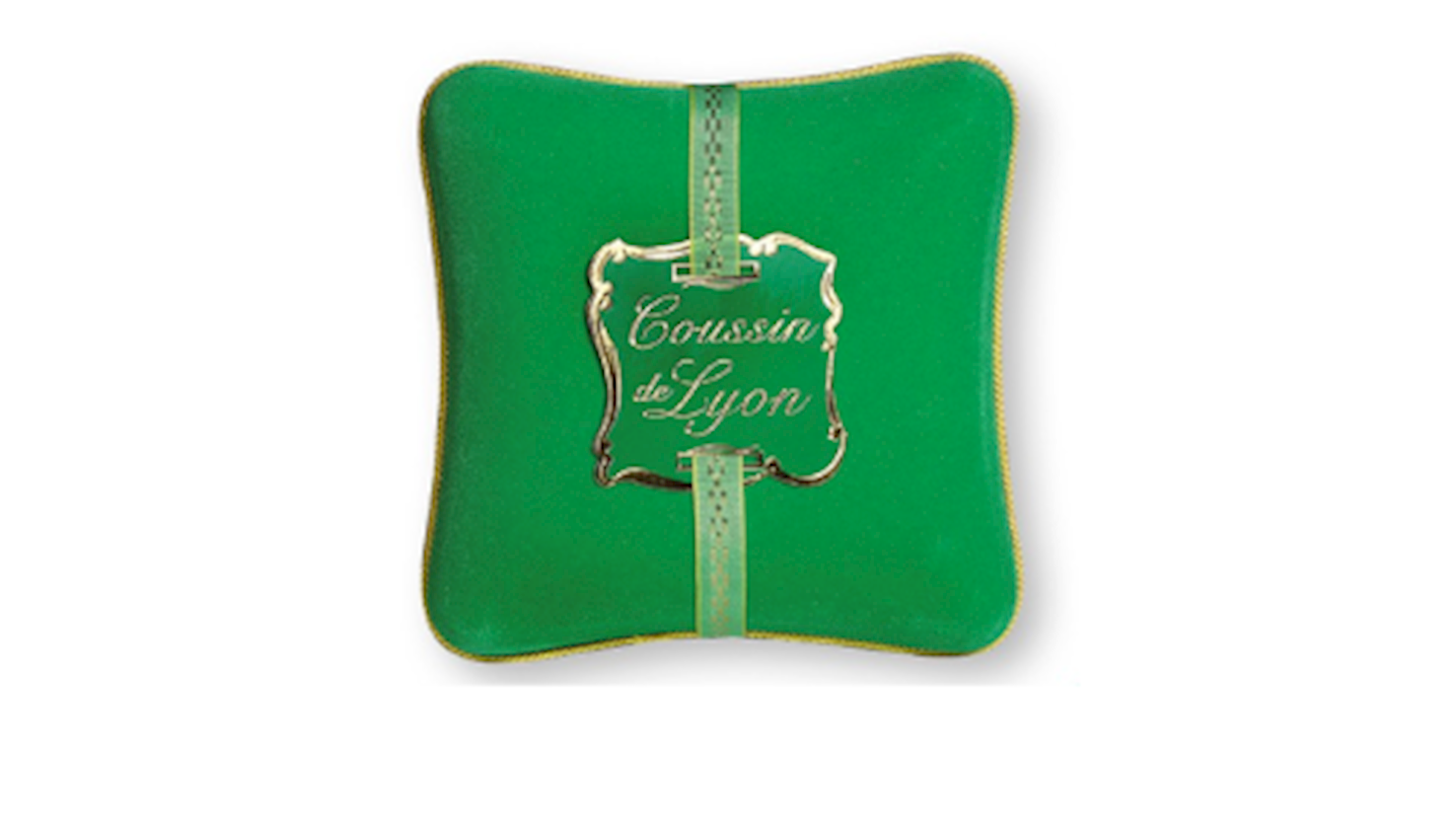
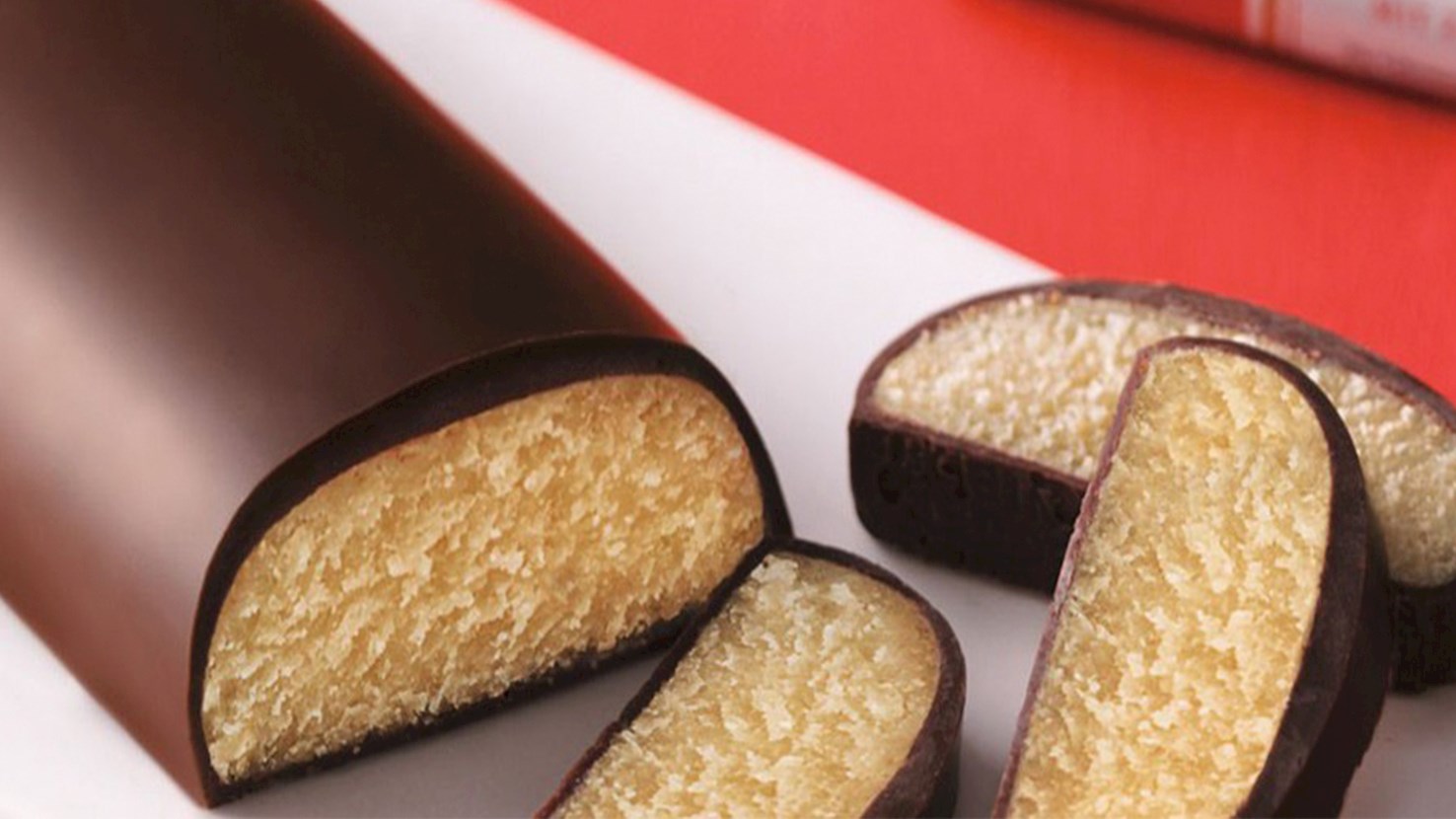
Chocolat Voisin is a historic French chocolatier founded in Lyon in 1897 by Léon Voisin, an entrepreneur whose business originally focused on importing and roasting fine coffee, cocoa, tea, and exotic spices before evolving into one of France’s most respected chocolate houses. Deeply rooted in Lyon’s gastronomic heritage, the company has built its reputation on artisanal chocolate craftsmanship, premium raw materials, and a strong commitment to preserving traditional confectionery expertise. The brand is especially renowned for creating the iconic Coussin de Lyon, a signature confection made with marzipan and chocolate ganache flavored with curaçao, which has become one of Lyon’s best-known gastronomic specialties. Beyond pralines and gift assortments, Voisin also produces grand cru chocolates, specialty coffees, and teas, positioning itself as a broader gourmet maison rather than solely a chocolatier. Production remains based in Lyon, where traditional handcrafting techniques continue to play a central role in the manufacturing process. Chocolat Voisin has been awarded the prestigious EPV (Entreprise du Patrimoine Vivant) label, a French state recognition reserved for companies with exceptional artisanal expertise and cultural heritage. Still family-led across generations, the company successfully balances historical legacy with contemporary premium positioning. Today, Chocolat Voisin is regarded as one of the most important names in French artisanal chocolate, particularly within the luxury confectionery segment.

03

Santo Tomé

4.3 ·
Santo Tomé is a traditional Spanish confectionery producer based in the city of Toledo, whose origins date back to 1856 when a workshop specializing in marzipan was established in the historic center of the city. The brand is particularly known for producing Mazapán de Toledo, one of Spain’s most iconic traditional sweets made primarily from ground almonds and sugar, following recipes that have been preserved in the region for generations. Its products are prepared using carefully selected ingredients while combining traditional artisanal methods with modern production standards. The company’s range includes various types of marzipan, almond figurines, traditional festive sweets, and other confectionery products closely linked to Spanish gastronomic heritage. Thanks to its long history and strong connection to the culinary traditions of Toledo, Santo Tomé is considered one of the most recognized producers of marzipan in Spain.

Best European Marzipan Types

01

Lübecker Marzipan

4 ·

Lübeck marzipan is a specialty marzipan variety originating from the northern German city of Lübeck and the neighboring communities Bad Schwartau and Stockelsdorf. During production marzipan manufacturers must ensure that certain quality principles are satisfied, e.g. at least 70% marzipan content, and a maximum of 30% of sugar. In the Lübeck city guild rolls, the Martzapaen was first mentioned in 1530, naming Lübeck as 'Marzipan city'. Its primacy in marzipan production, however, was established only after 1800. In the late 18th century, the confectioner Johann Gerhard Maret founded his marzipan workshop. In the following decades, about a dozen marzipan factories were established in Lübeck, laying foundations for today's worldwide distribution of the candy. There are a few notable Lübeck marzipan factories today, such as Erasmi & Carstens, Lubeca, Marzipanland, Mest and Lubs. Like any other variety, Lübeck marzipan is most often used to decorate cakes or confections like fondant, or simply eaten like candy.

02

Mazapán de Toledo

3.5 ·

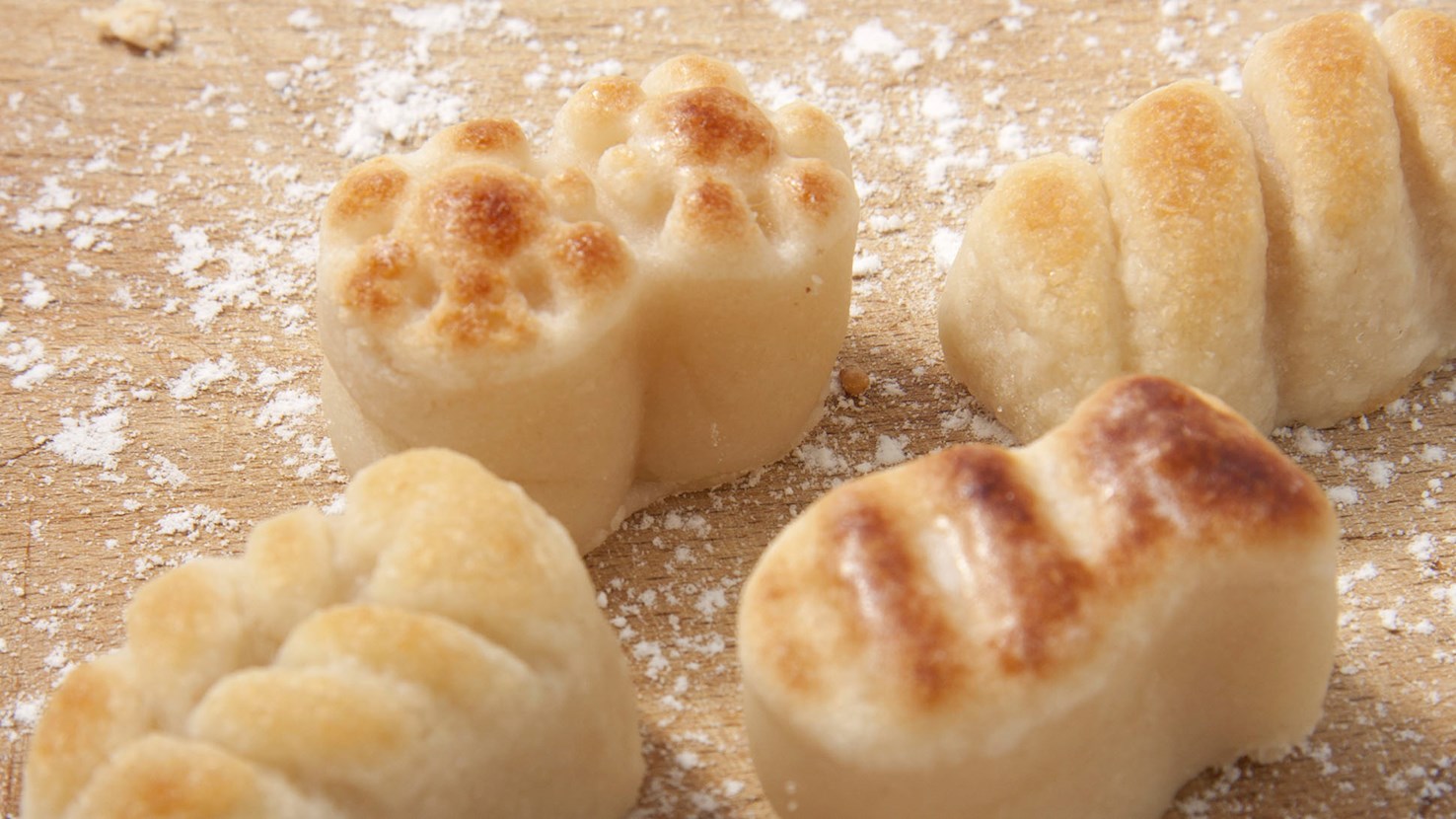
Mazapán de Toledo is a type of marzipan produced in the province of Toledo. It is made by grinding and kneading peeled almonds with sugar until they form a paste. The almonds must constitute at least 50% of the final product to be sold as 'Mazapán de Toledo'. The tradition of making the marzipan has been brought to the central and southern Spain by the Arabs during the medieval ages. Today, the Marzipan from Toledo is still made in the traditional way following the rules of the small-scale production from the 16th century, thus ensuring superior quality and taste. Mazapán de Toledo is extremely fragrant and flavorful, with pronounced deep and complex nuances of the almonds accentuated by the sweetness of sugar or honey.

Best producers
03

Königsberger Marzipan

3.4 ·

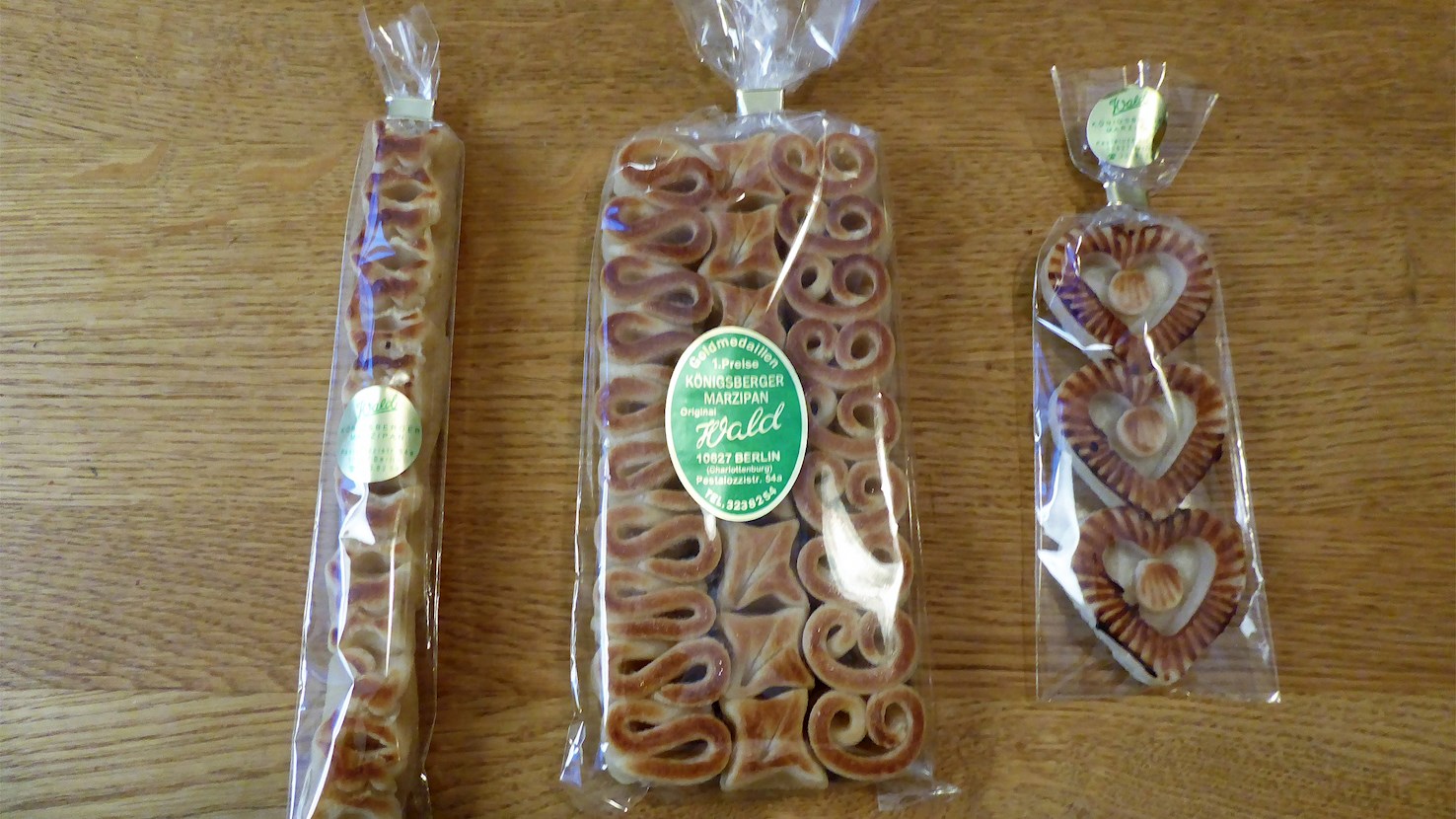
Königsberger marzipan is a marzipan variety that has its roots in the former German city of Königsberg (today’s Kaliningrad, Russia), where it was a beloved regional specialty with a long tradition. This sweet treat combines finely ground blanched almonds and powdered sugar into a smooth paste, which is traditionally flavored with a few drops of rose water and is sometimes enhanced with a filling of marmalade for a more decadent dessert. To get its signature golden-brown, mildly caramelized, and slightly crispy top, the confectionery is given a final touch with a traditional method of preparation that remains a well-kept secret handed down through generations. The Pomatti family were the official pioneers in the production of this marzipan variety, and the Royal Prussian Court granted them a Royal Warrant of Appointment for their exceptional almond-based treats. Marzipan production was then adopted by many other manufacturers in the following years, including Gehlhaar, Liedtke, Petschliess, Plouda, Siegel, Steiner, Sterkau, Wald, and Schwermer. Despite the temporary halt in production in the aftermath of WWII, königsberger marzipan has managed to survive, and it continues to be produced by traditional manufacturers. In honor of this confectionery and its traditional production, a museum has been opened in the Brandenburg Gate, where marzipan fans can be introduced to the history of königsberger marzipan and learn everything there is to know about it.

04

Coussin de Lyon

3.3 ·

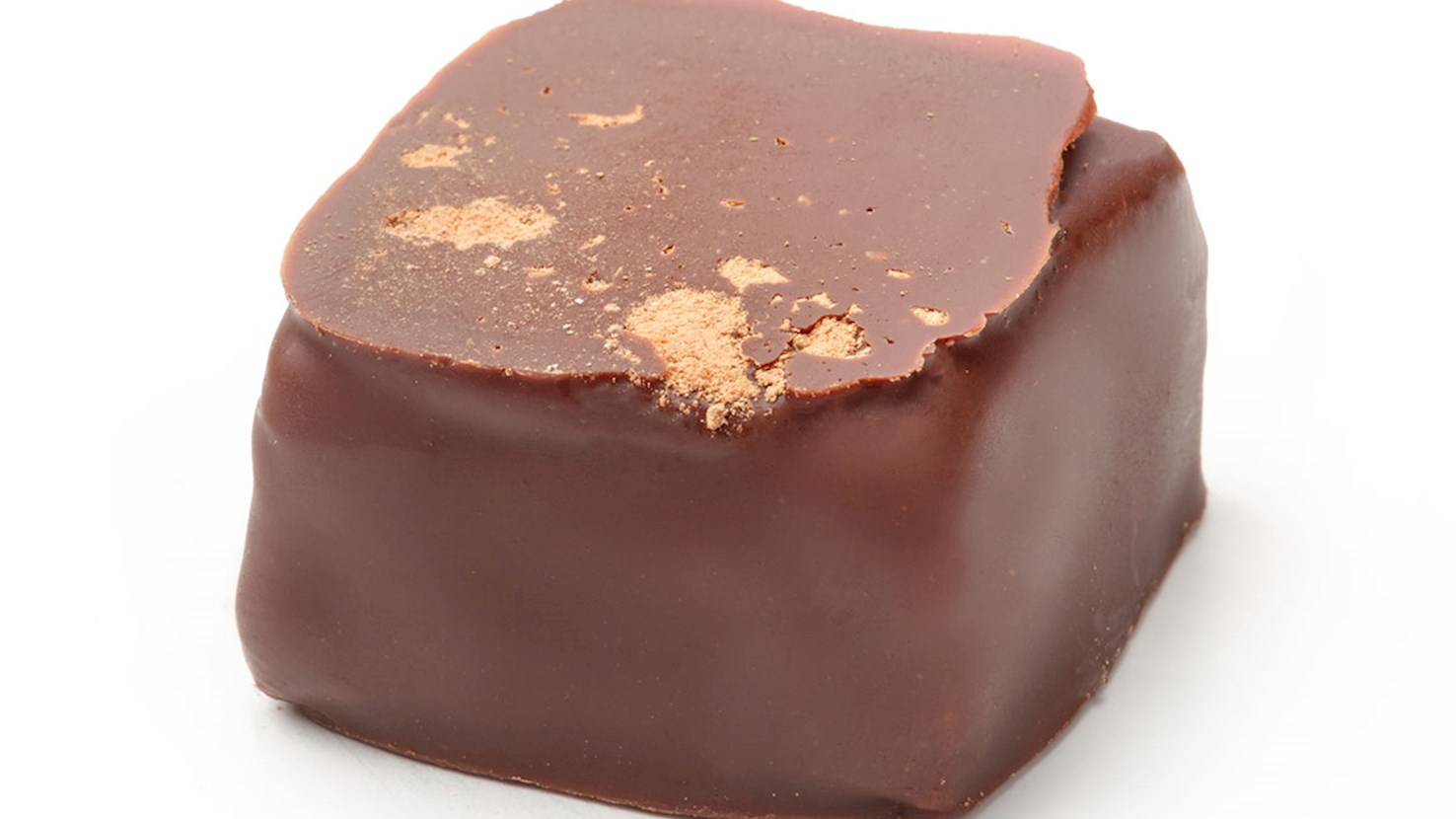
Coussin de Lyon is a traditional confection originating from Lyon. This delicacy is a type of marzipan candy, characterized by its unique shape and vibrant green color. The candy is made from high-quality almond paste (marzipan) and filled with chocolate ganache flavored with curaçao, an orange-flavored liqueur. Shaped like a small, rectangular cushion, it is usually bright green with gold or silver decorative accents. The name comes from its resemblance to a small, decorative cushion. The confection was created by the famous Lyon-based chocolatier Voisin in the 1960, and was inspired by a historical event during the plague in the 17th century when the aldermen of Lyon offered a gold cushion with a wax candle to the Virgin Mary, hoping to be spared from the epidemic. Traditionally handmade, Coussin de Lyon ensures that each piece maintains its quality and distinctive appearance. These confections are available at fine chocolate shops in Lyon and can also be purchased online from various gourmet retailers.

Best producers
Read more
View all
View map
About this ranking

TasteAtlas food rankings are based on the ratings of the TasteAtlas audience, with a series of mechanisms that recognize real users and that ignore bot, nationalist or local patriotic ratings, and give additional value to the ratings of users that the system recognizes as knowledgeable. For the “Top 4 European Marzipans” list until June 06, 2026, 198 ratings were recorded, of which 177 were recognized by the system as legitimate. TasteAtlas Rankings should not be seen as the final global conclusion about food. Their purpose is to promote excellent local foods, instill pride in traditional dishes, and arouse curiosity about dishes you haven’t tried.

The initial list of top producers was compiled based on available reviews, awards, local recommendations, media and blog coverage, and consumer reviews. The list will be updated with ratings from TasteAtlas local ambassadors and TasteAtlas users.

Similar lists