



shutterstock

Top 23 European Meat-based Sauces

Last updated on September 15, 2026
01

Sugo alla Genovese

4.5 ·

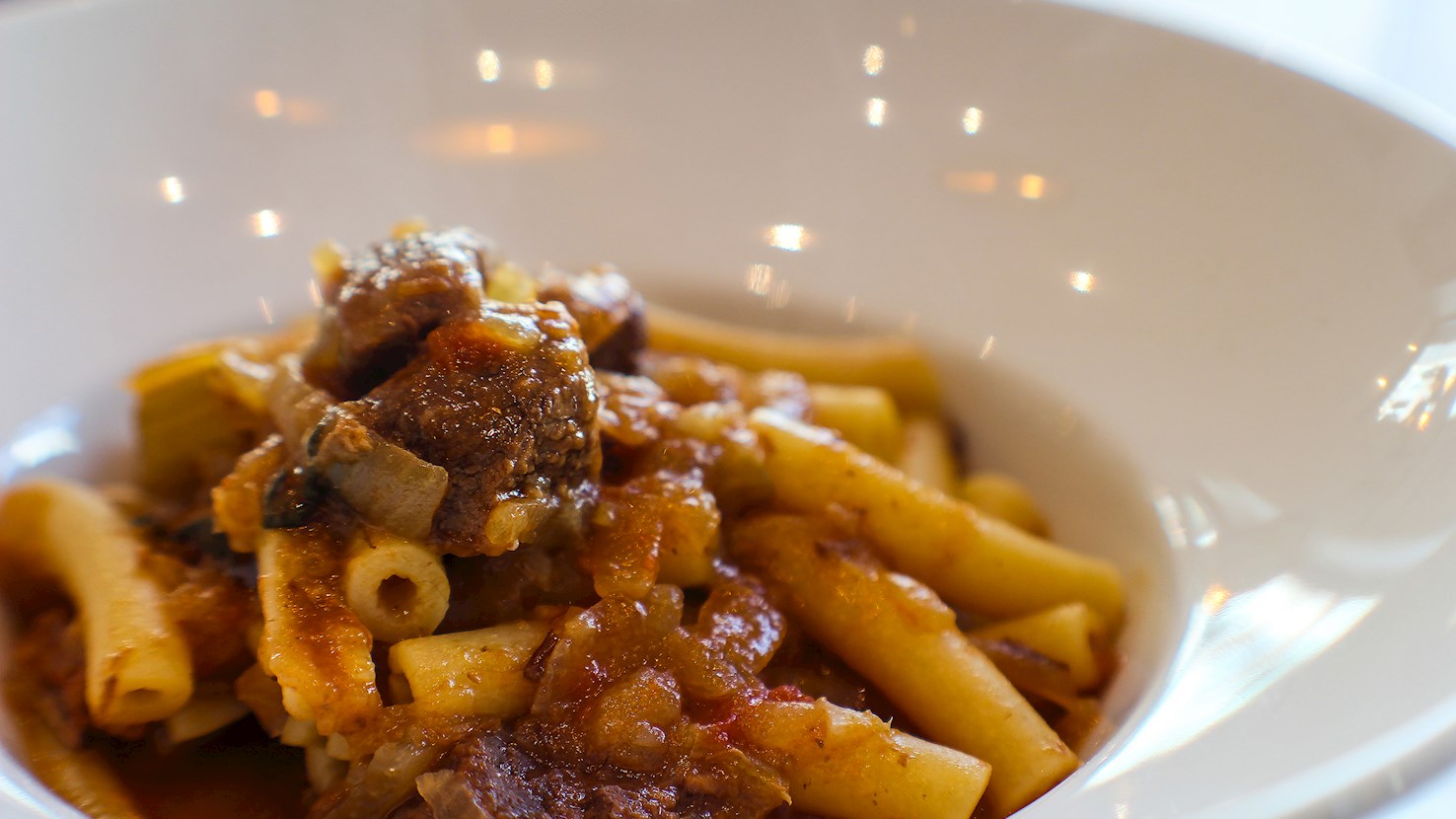
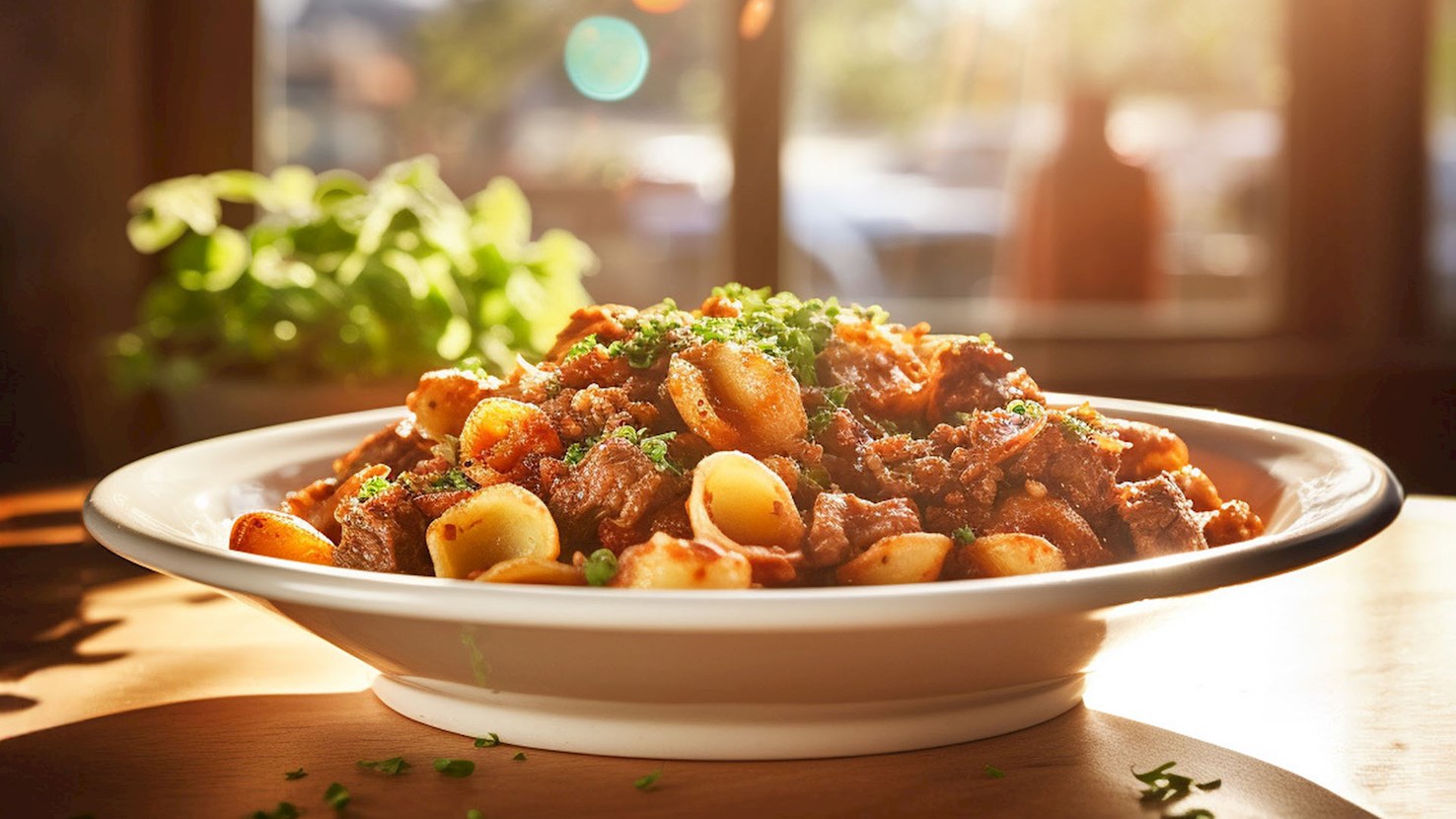
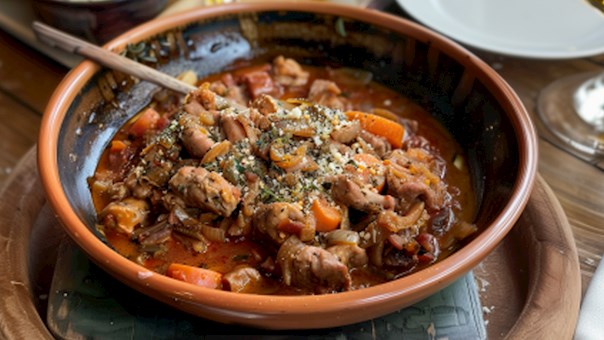
Sugo alla Genovese is a traditional sauce that, despite its name, originates from Naples, but it was likely brought over to the city from Genoa by Genovese immigrants during the Renaissance period. The sauce is prepared by sautéeing veal or beef in olive oil with large amounts of onions, carrots, and celery for a long time, usually from 2 to 10 hours. White wine or stock are often added to the sauce to enrich its flavors. Once done, sugo alla Genovese is served either as it is or the meat is served separately from the sauce. It's traditionally paired with pasta types such as ziti or rigatoni, and the dish is then garnished with tomatoes and topped with grated pecorino.

02

Ragù di cinghiale

4.4 ·

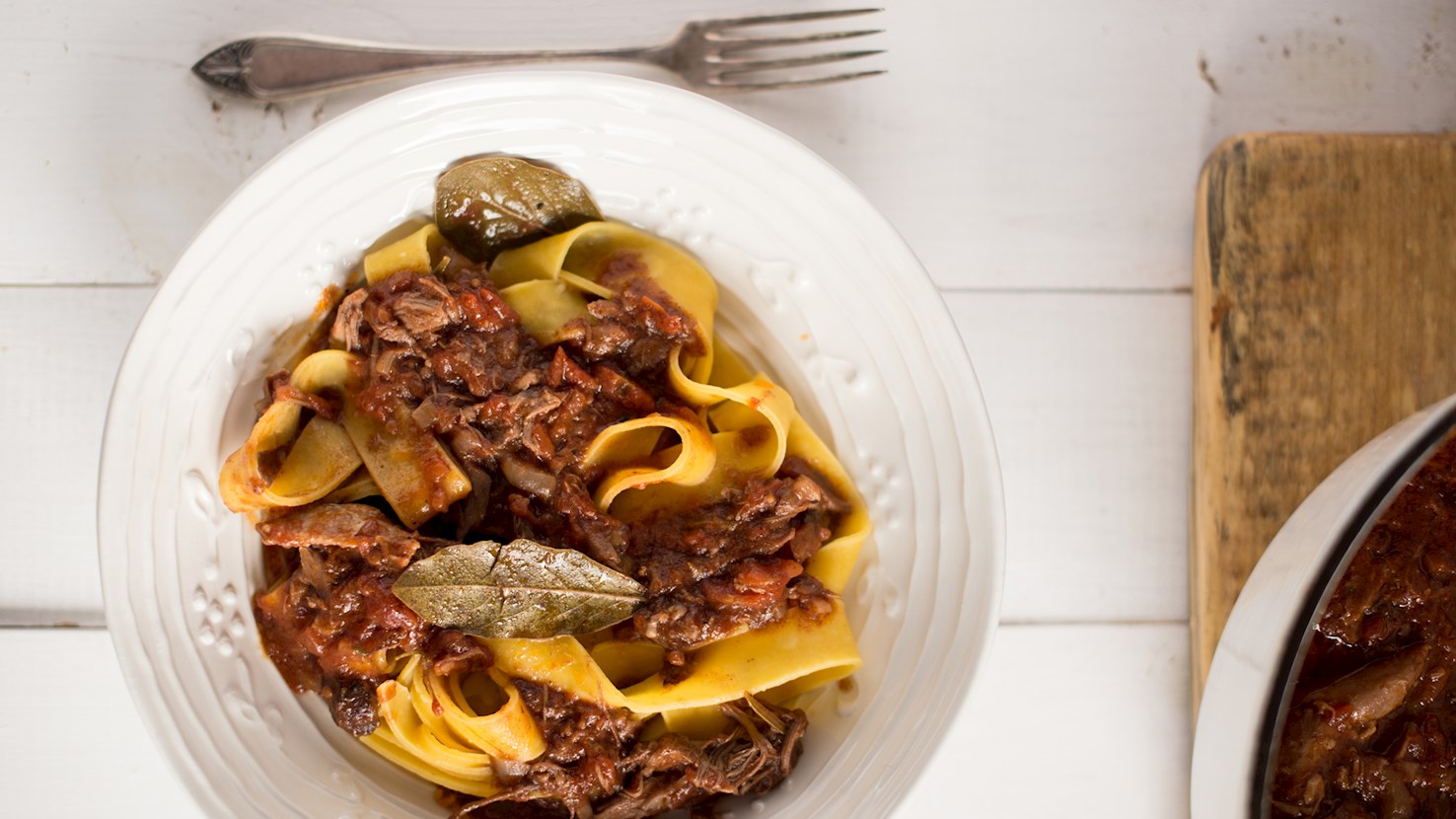
Ragù di cinghiale is a traditional meat sauce hailing from Tuscany, but it's also prepared in other Italian regions such as Veneto and Umbria. The ragù is made with a combination of cinghiale (wild boar) meat, tomatoes, red wine, carrots, onions, celery, garlic, olive oil, and spices and herbs such as bay leaves, sage, and rosemary. Once prepared, this hearty meat sauce is traditionally served with pappardelle pasta, and not that often with tagliatelle. The pasta and the suace are tossed together, then sprinkled with grated cheese.

03

Sugo di carne

4.4 ·

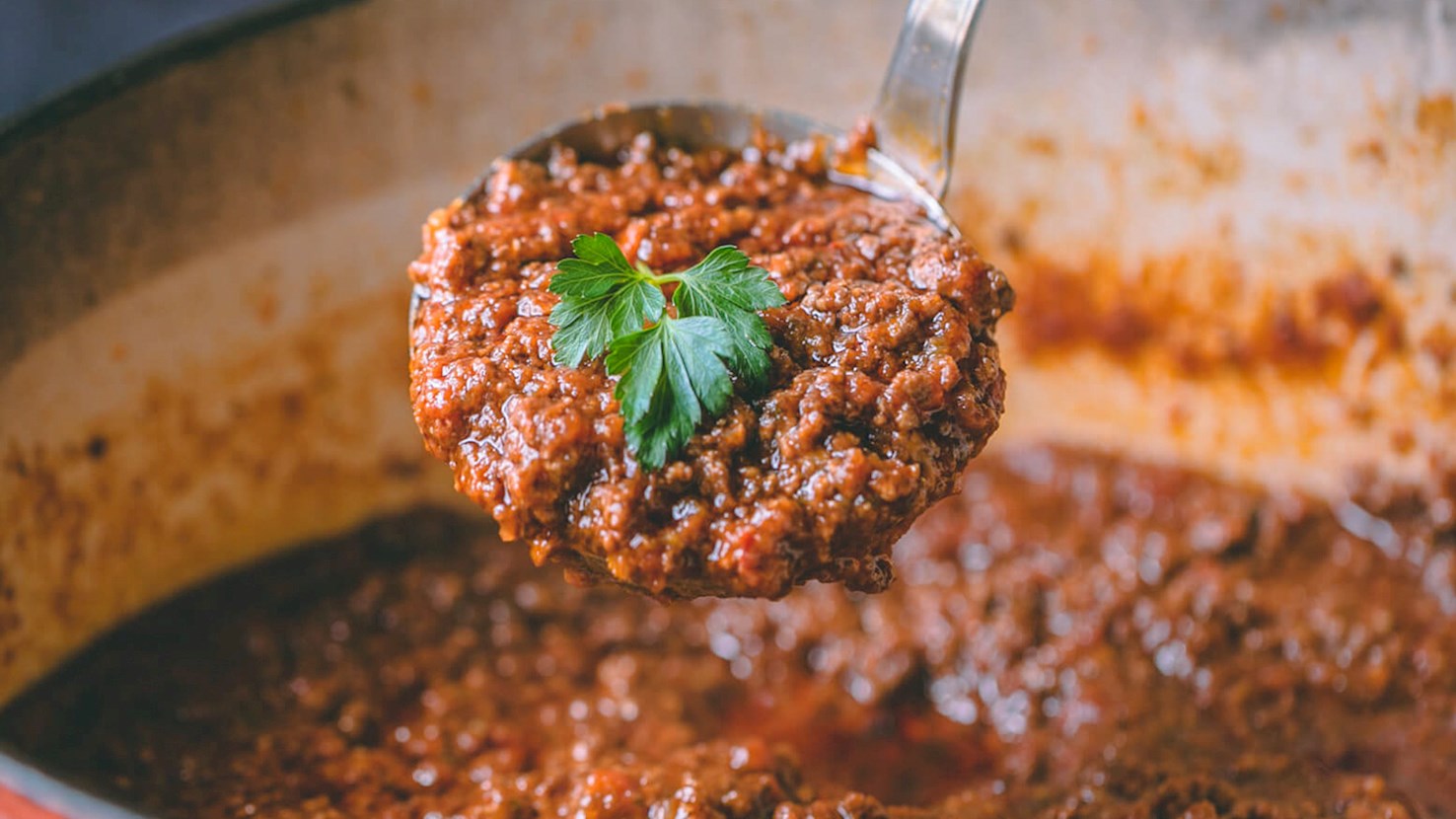
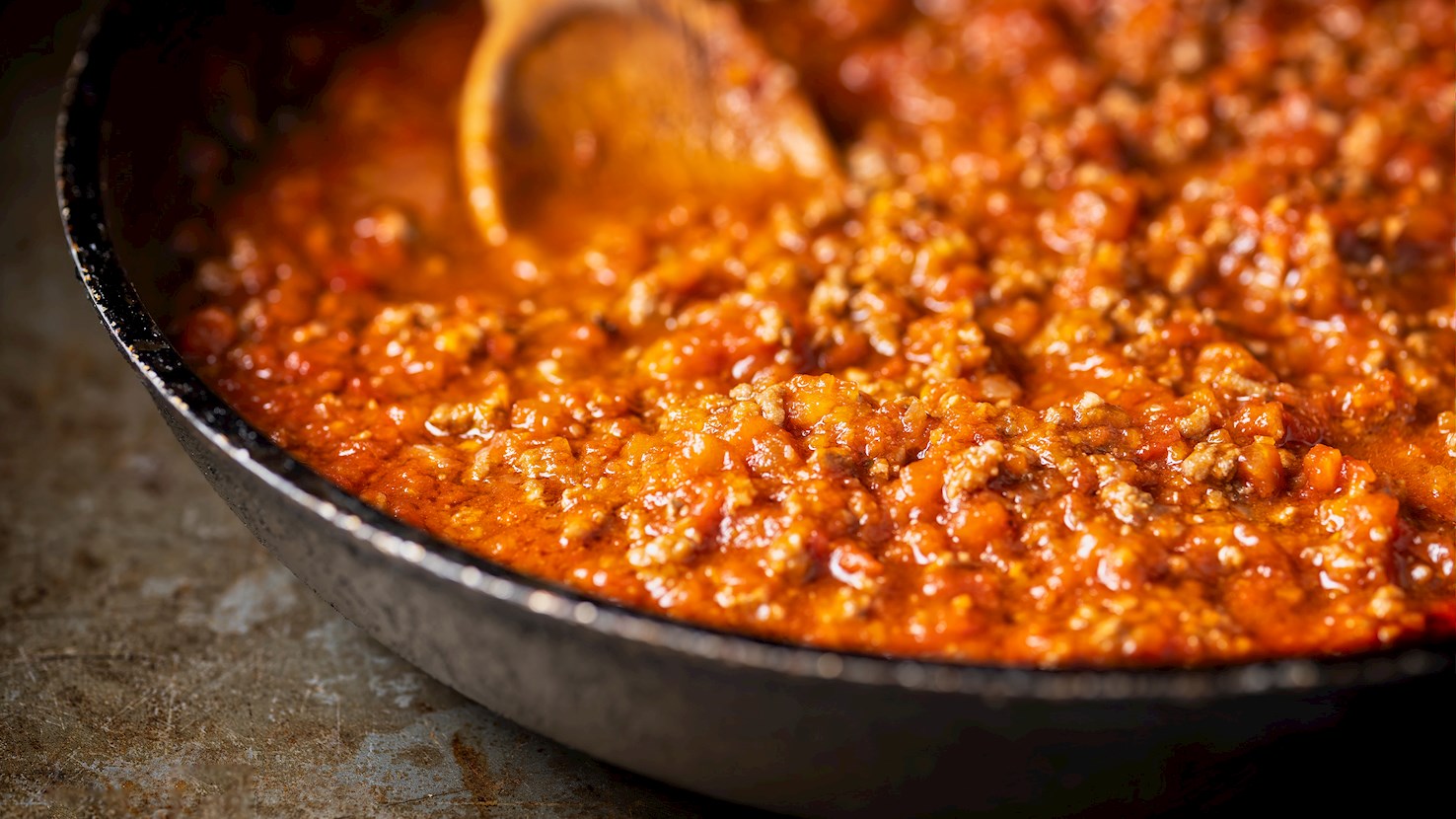
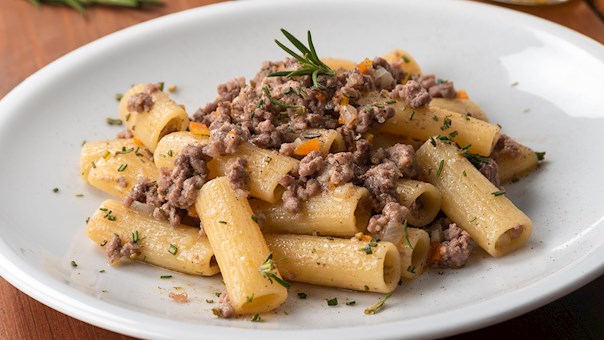
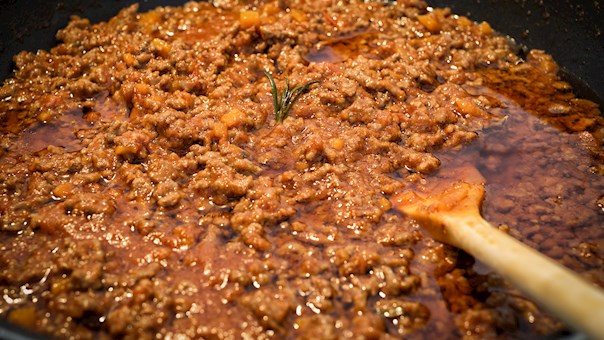
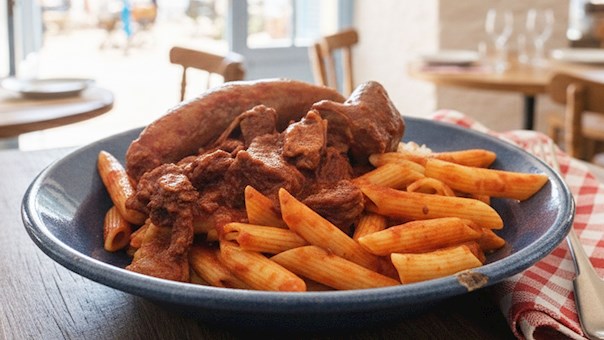
This traditional Italian meat sauce consists of ground beef, pork, or a combination of both, that is sautéed alongside a sofrito of onions, carrots, and celery, a splash of red wine, and canned tomatoes. The mixture is traditionally seasoned with salt and pepper, and it can optionally be enhanced with tomato paste and porcini mushrooms. Sugo di carne is typically enjoyed over pasta dishes such as penne, rigatoni, tagliatelle, fetuccine, or pappardelle, which are often sprinkled with freshly grated parmesan cheese on top. This traditional meat sauce is also frequently used in the preparation of lasagna.

04

Ragù alla Bolognese

4.4 ·

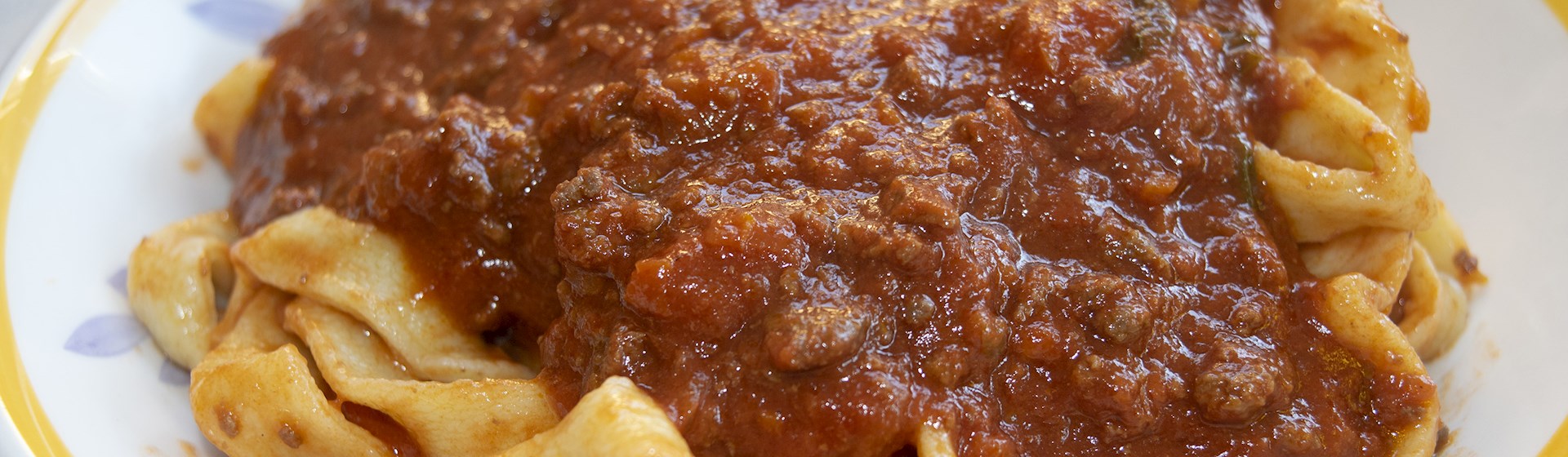
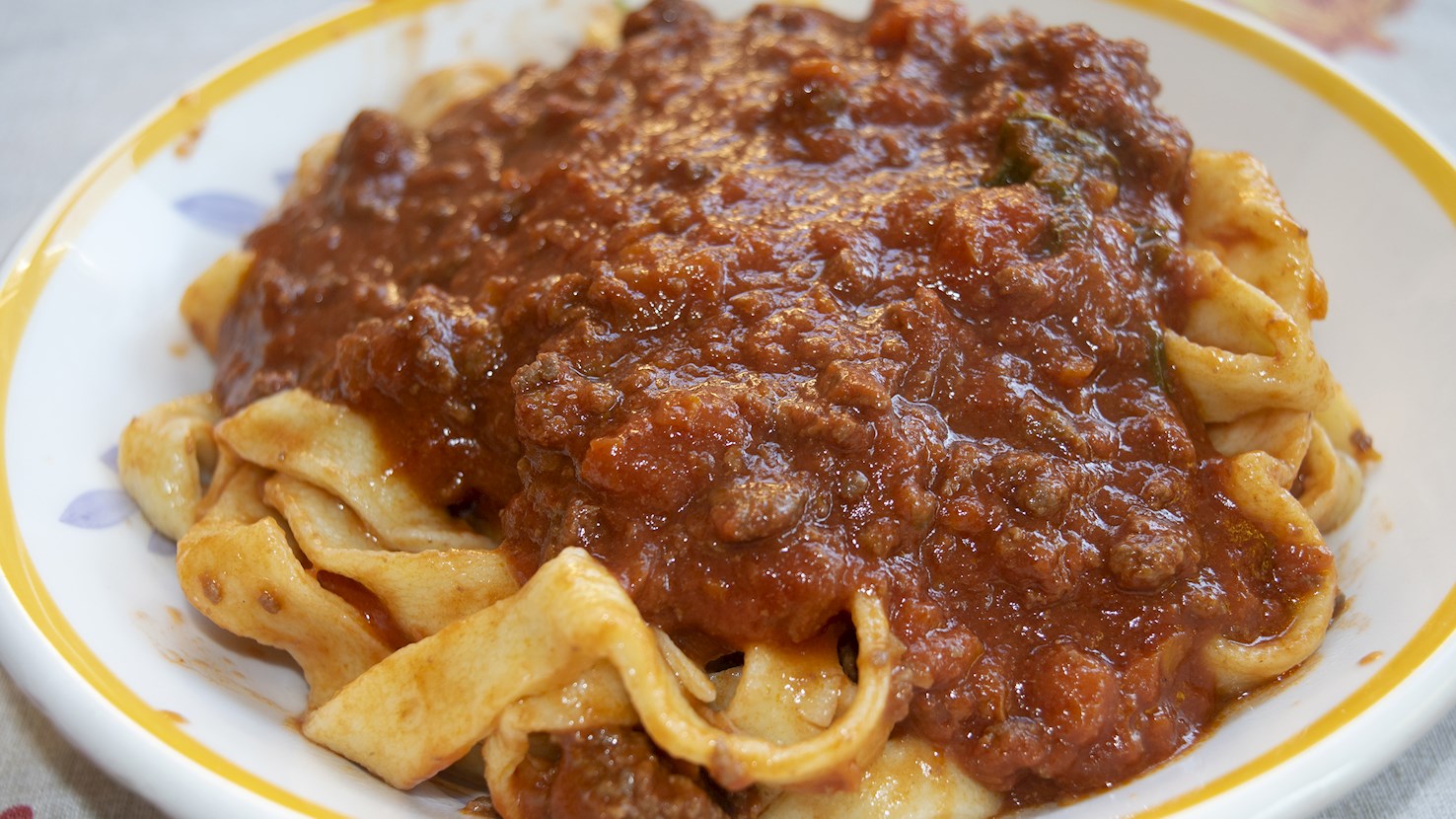
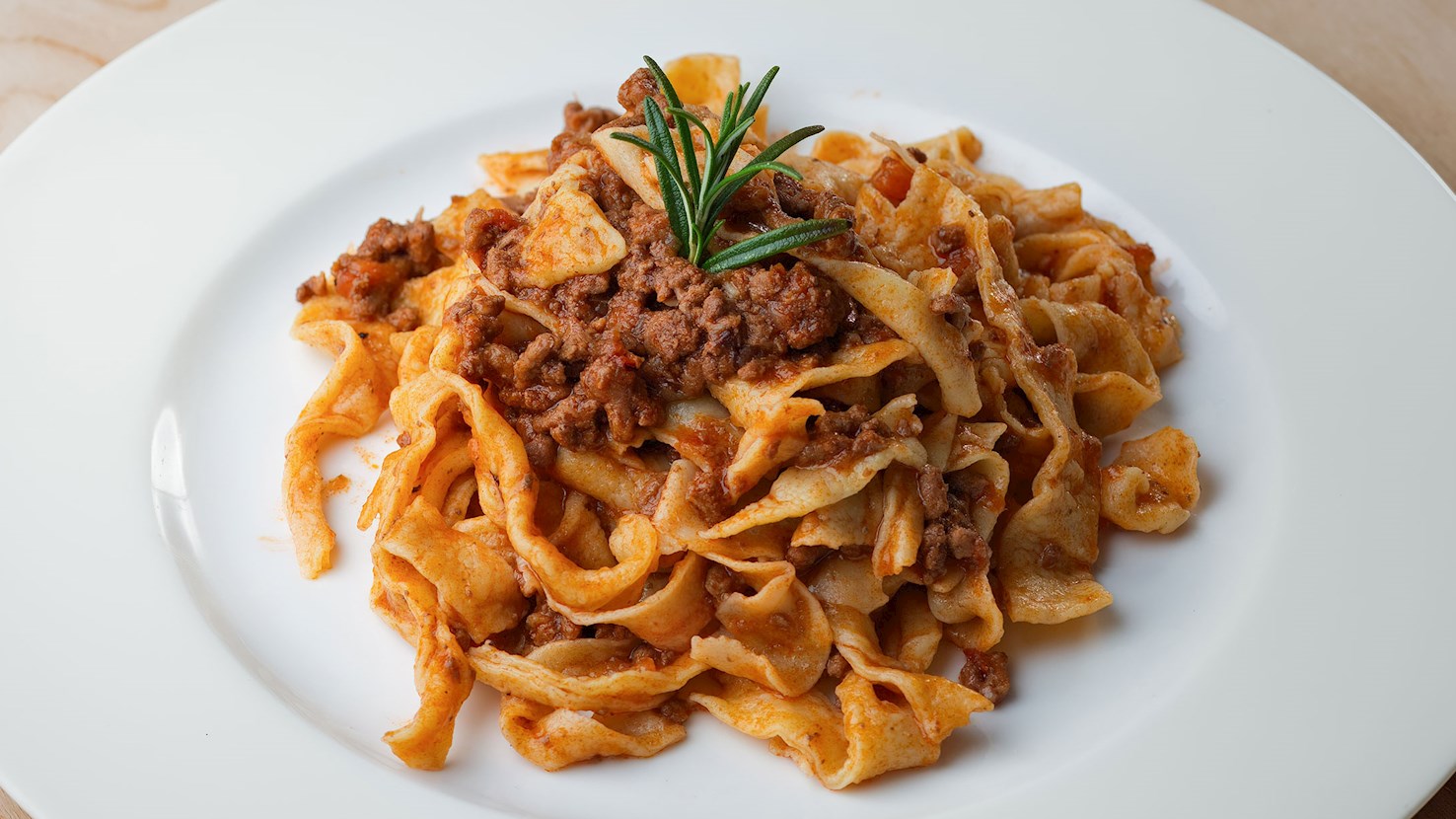
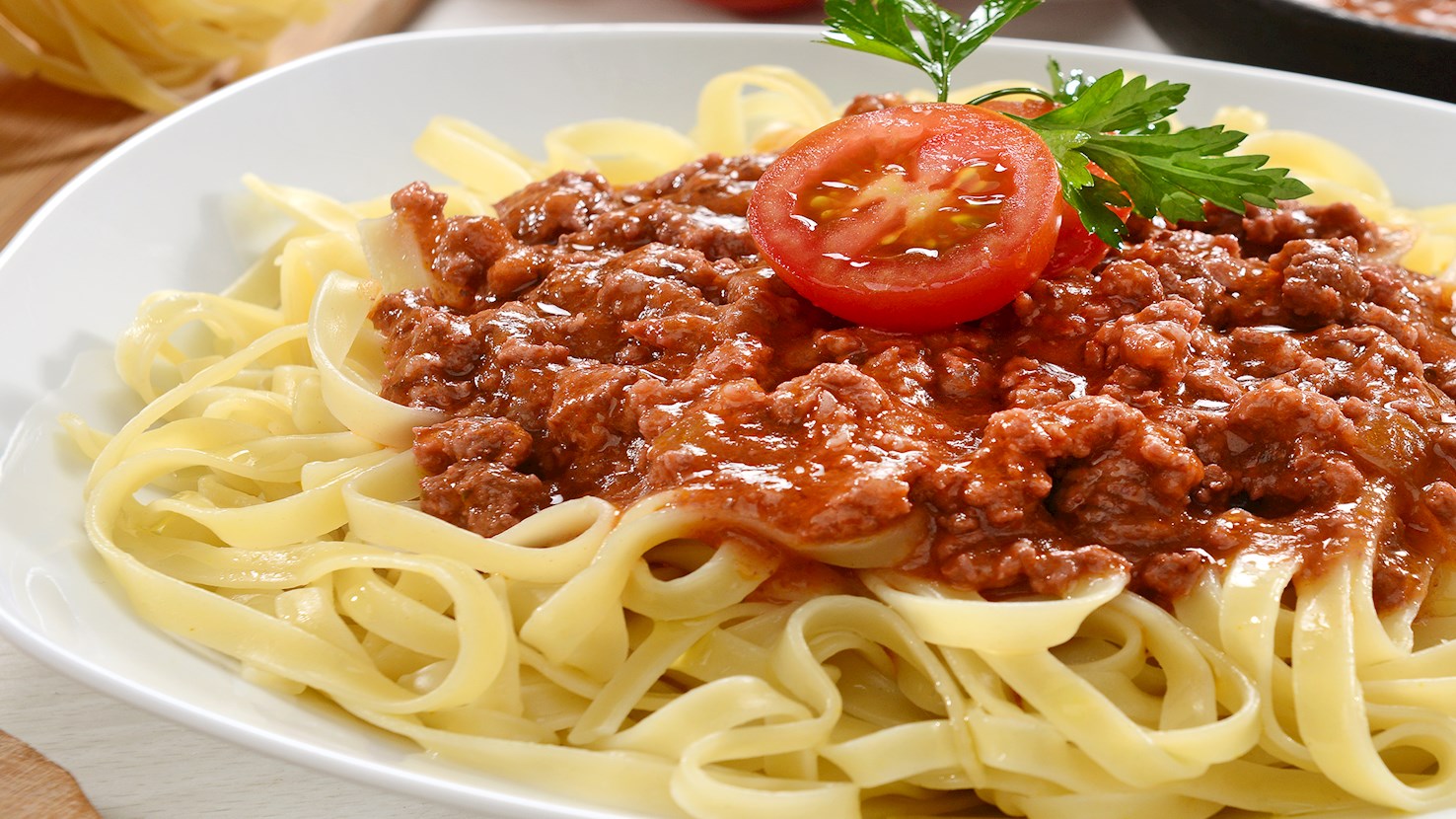
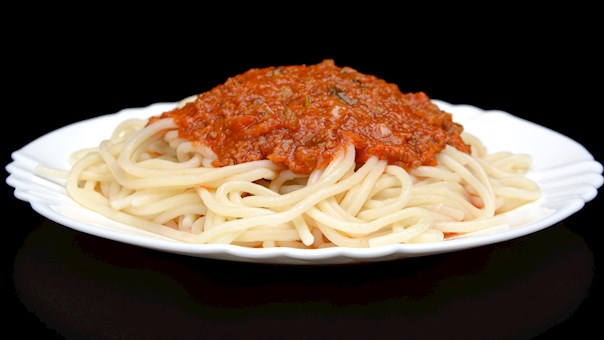
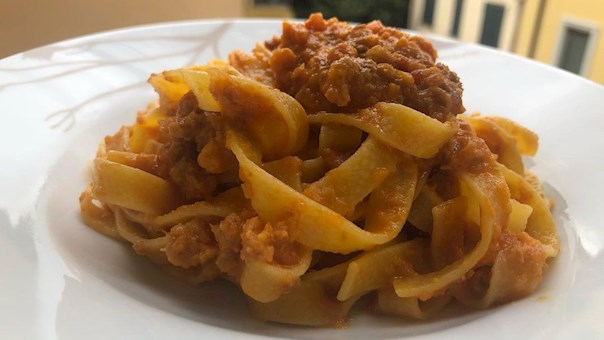
Ragù alla Bolognese was invented in the late 18th century by Alberto Alvisi, a chef of Pope Pius VII. The base of this classic is made with beef, pork or a combination of both, as well as ripe, fresh tomatoes or tomato purée, red or very dry white wine, nutmeg, salt, and pepper. Common additions may also include Italian pancetta and milk or cream. Traditionally, ragù alla Bolognese is served with tagliatelle pasta, and it is an essential part of lasagne alla Bolognese. It can also pair well with pappardelle, fettuccine or homemade farfalle. Most dishes that are prepared with ragù alla Bolognese are typically served with the freshly grated Parmigiano-Reggiano cheese. It is believed that the first written mention of the ragù can be found in La Scienza in Cucina e l'Arte di Mangiar Bene, a culinary manual written by Pellegrino Artusi in 1891, while the recipe for the original ragù alla Bolognese was first registered with the Bologna Chamber of Commerce on October 17, 1982.

05

Amatriciana

4.3 ·

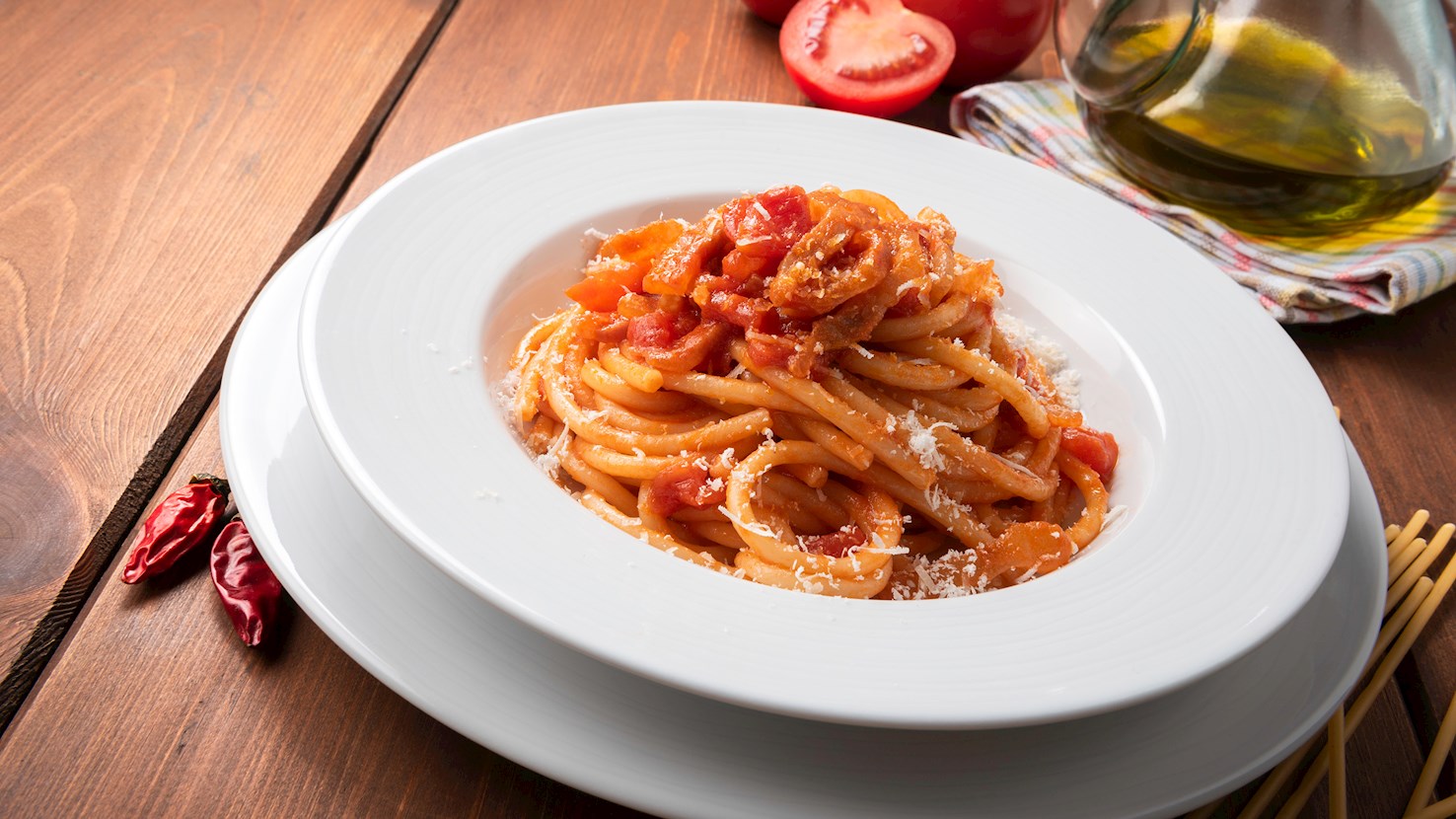
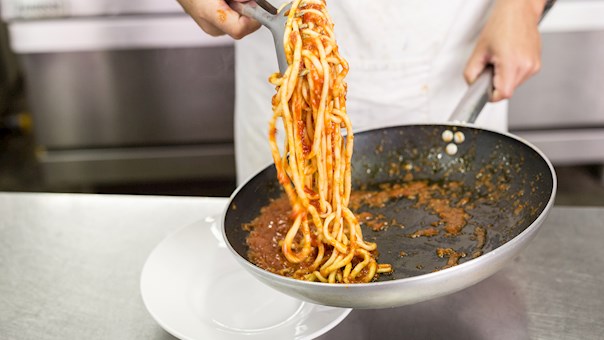
Named after Amatrice, a provincial town in the Sabine Hills northeast of Rome; the iconic Amatriciana sauce is often considered a part of the "holy trinity of Roman pasta", together with carbonara and cacio e pepe. Amatriciana was invented in the 17th century by adding tomatoes to the already famous gricia sauce – diced tomatoes are sautéed in fat rendered from juicy bits of guanciale (cured pork jowl), then tossed together with grated pecorino cheese and either spaghetti or bucatini pasta. The first recipe for Amatriciana was published in the 1790 cookbook L’Apicio Moderno by Francesco Leonardi, a renowned Roman chef and author. Over time, this classic Italian dish became so popular it was featured in several movies, from Alberto Sordi’s 1954 film An American in Rome and Luciano Salce’s 1978 Where Are You Going on Holiday? to Ryan Murphy’s Eat Pray Love, in which Julia Roberts joyfully wolfs down a portion of spaghetti all’Amatriciana while sitting on the terrace of a typical Roman osteria. With delicate heat from pepperoncino peppers, the sweetness and tartness from the tomato-based sauce, the sharpness of pecorino, and the fatty richness of guanciale, Amatriciana is best enjoyed with medium-bodied, smooth Italian reds such as Montepulciano d’Abruzzo and Sangiovese.

06

Ragù Toscano

4.3 ·

Ragù Toscano is a hearty Italian meat sauce from Tuscany, consisting of ground beef, bits of sausage, tomatoes, wine, olive oil, and a sofrito made from onion, carrots, and celery. There are numerous variations on the ragù depending on the region where it is prepared. The ragù can be used with various pasta types such as lasagne. Unlike the traditional ragù from Emilia-Romagna, ragù Toscano is not that red and is somewhat drier.

07

Ragù Napoletano

4.2 ·

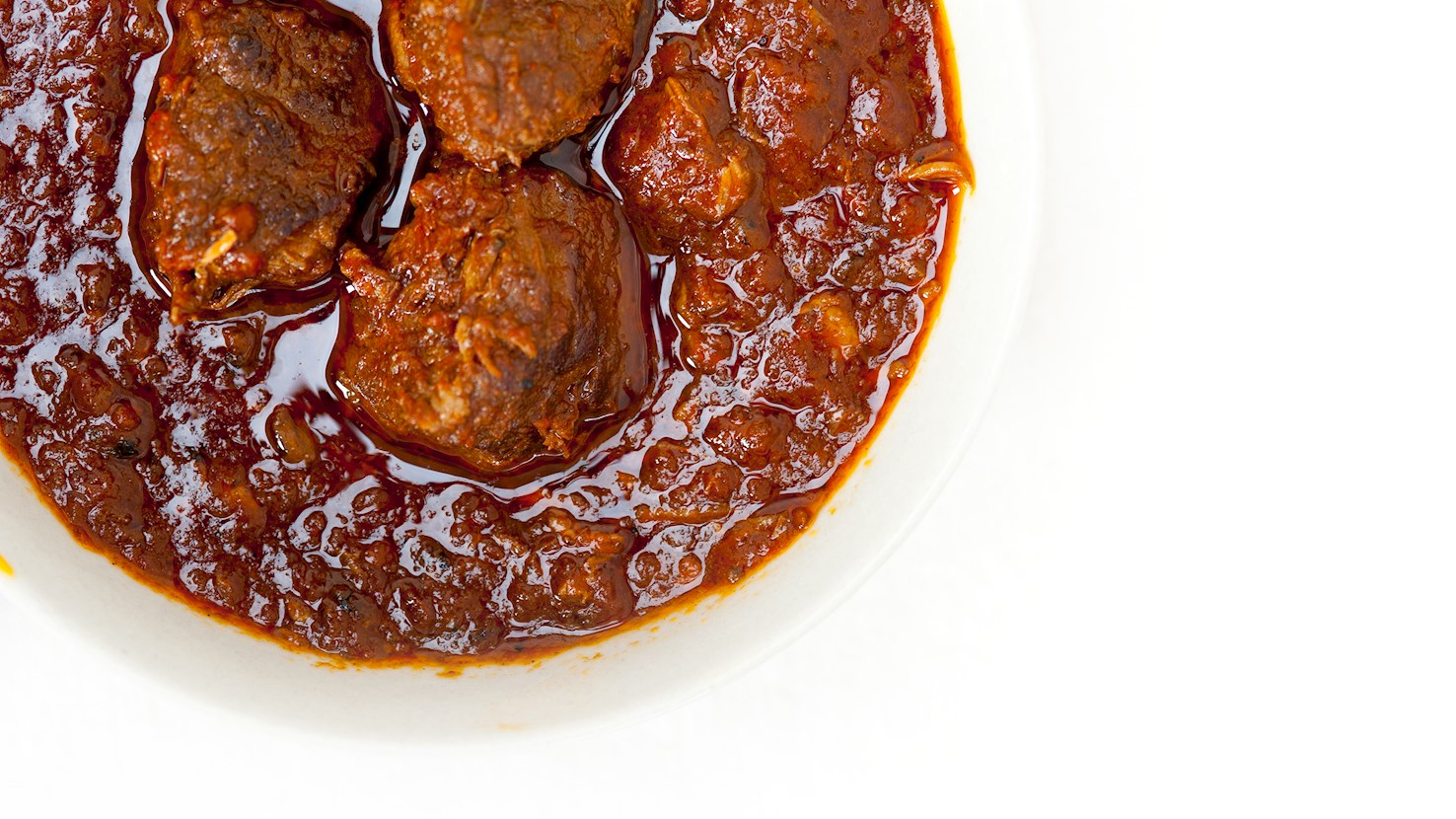
Ragù Napoletano is a traditional meat and tomato sauce originating from Naples. In the past, it was prepared by the portinai or doormen who sat while observing the comings and goings of tenants as well as the sounds of the barely simmering dish, hence its other name, ragù guardaporta. This ragù is cooked very slow and long over very low flames. Unlike the famous ragù alla Bolognese, the Neapolitan version doesn't start with a battuto (carrots, onions, celery), includes huge amounts of tomato sauce, and incorporates whole cuts of meat instead of ground or chopped meat. The sauce is usually started with an onion soffritto with the addition of a local aromatic herb called piperna for extra flavor and aroma. Regarding the types of meat, there are as many recipes as there are cooks, but most people use beef (especially a cut from the beef chuck called locena), pork (ribs and bone-in chops), or a combination of both. This ragù should never be simmering, but only forming a small bubble or a few of them on top, called peppiare in the Neapolitan dialect. Due to the lengthy preparation, it's recommended to prepare ragù Napoletano a day or two in advance, and as a bonus, the flavors will even become better, gaining more complexity and depth over time. The sauce is typically used with various types of pasta, while the rest of the meat is served as a secondo along cime di rapa or friarielli (also known as rapini).

08

Ragù alla Romagnola

4.2 ·

This traditional Romagna-style ragù consists of ground veal and diced chicken livers that are sautéed alongside onions, pancetta, carrots, celery, salt, pepper, fresh tomatoes, and red or white wine. Though similar to the ragù alla Bolognese, according to the Italian Academy of Cuisine, ragù alla Romagnola does not employ cream or milk. The sauce is typically served over various types of pasta such as tagliatelle or penne.

09

Ragù all'anatra

3.9 ·

Ragù all'anatra is an Italian meat sauce that's usually prepared with a combination of duck, garlic, onions, carrots, celery, guanciale, tomato purée, red wine, and herbs such as sage, parsley, bay leaves, and thyme. The vegetables are chopped and sautéed with the guanciale over high heat, followed by the duck, herbs, red wine, and tomato purée. The combination is left to simmer until the duck becomes fully cooked. The duck is then removed, the meat chopped and placed back into the pot, and the sauce is later filtered to remove large quantities of duck fat. Once done, this hearty duck sauce is typically served with pasta such as pappardelle or tagliatelle.

10

Ragù alla Pugliese

3.8 ·

In Apulia—just like in other parts of Italy—stews and sauces are most often made with a variety of different meats: pork and veal, chicken, rabbit, lamb, or even a selection of game meat. Traditionally, ragù alla Pugliese is made with chicken, beef, pancetta, and pork sausage, but after hours of slow simmering, your ragù will taste just as good, possibly even better, made with pork, veal, or lamb alone. In fact, when made with lamb alone, it is called ragù del pastore (lit. shepherd's sauce), and this variant uses more red pepper, which imparts a nice piquant heat to the dish. Both sauces are served over pasta, most typically orecchiette, and it is often enjoyed with a good sprinkle of canestrato Pugliese or pecorino cheese.

About this Ranking

TasteAtlas food rankings are based on the ratings of the TasteAtlas audience, with a series of mechanisms that recognize real users and that ignore bot, nationalist or local patriotic ratings, and give additional value to the ratings of users that the system recognizes as knowledgeable. For the “Top 23 European Meat-based Sauces” list until September 15, 2026, 1,760 ratings were recorded, of which 1,415 were recognized by the system as legitimate.

TasteAtlas Rankings should not be seen as the final global conclusion about food. Their purpose is to promote excellent local foods, instill pride in traditional dishes, and arouse curiosity about dishes you haven’t tried.

What People Say

Similar Lists