

shutterstock

Top 31 Eastern European Meat Dishes

Last updated on June 15, 2026
01

Shashlik

4.4 ·

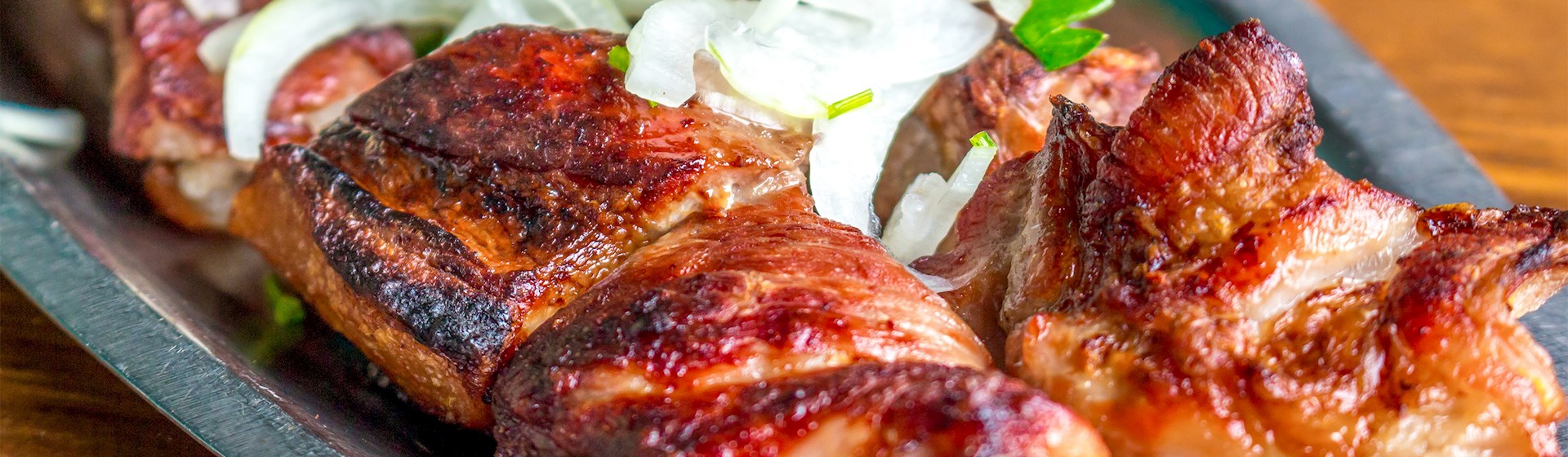
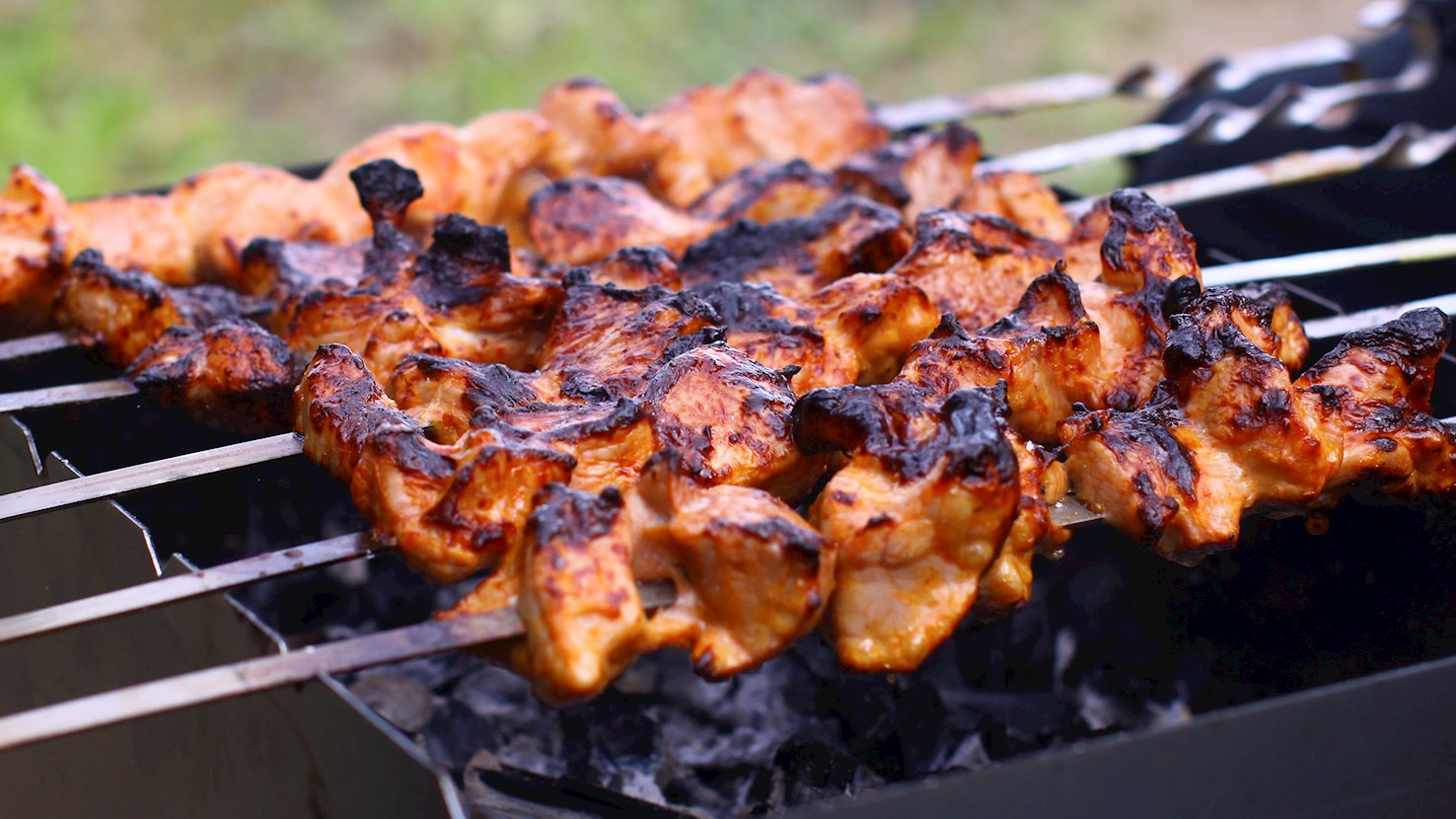
Shashlik is the name for a traditional Central and West Asian barbecue consisting of marinated, skewered, and grilled chunks of meat such as lamb, beef, or pork, depending on regional and religious preferences. Lamb, beef, or pork is usually combined with chunks of vegetables such as bell peppers, onions, mushrooms, or tomatoes. The meat is typically marinated overnight in vinegar, herbs, spices, and dry wine. In Russia, barbecue is traditionally reserved for men, who are in charge of the whole grilling process, while the women are usually busy slicing vegetables and setting the tables. Shashlik is traditionally prepared for events with a large number of people gathered around the fire, cooperating and socializing in the process, making the dish a communal affair. Because the origins of the dish lie between Turkey and Russia, many believe that the name is derived from the Turkish word shish, meaning skewer. In Georgia, shashlik is known as mtsvadi.

02

Mtsvadi

4.3 ·

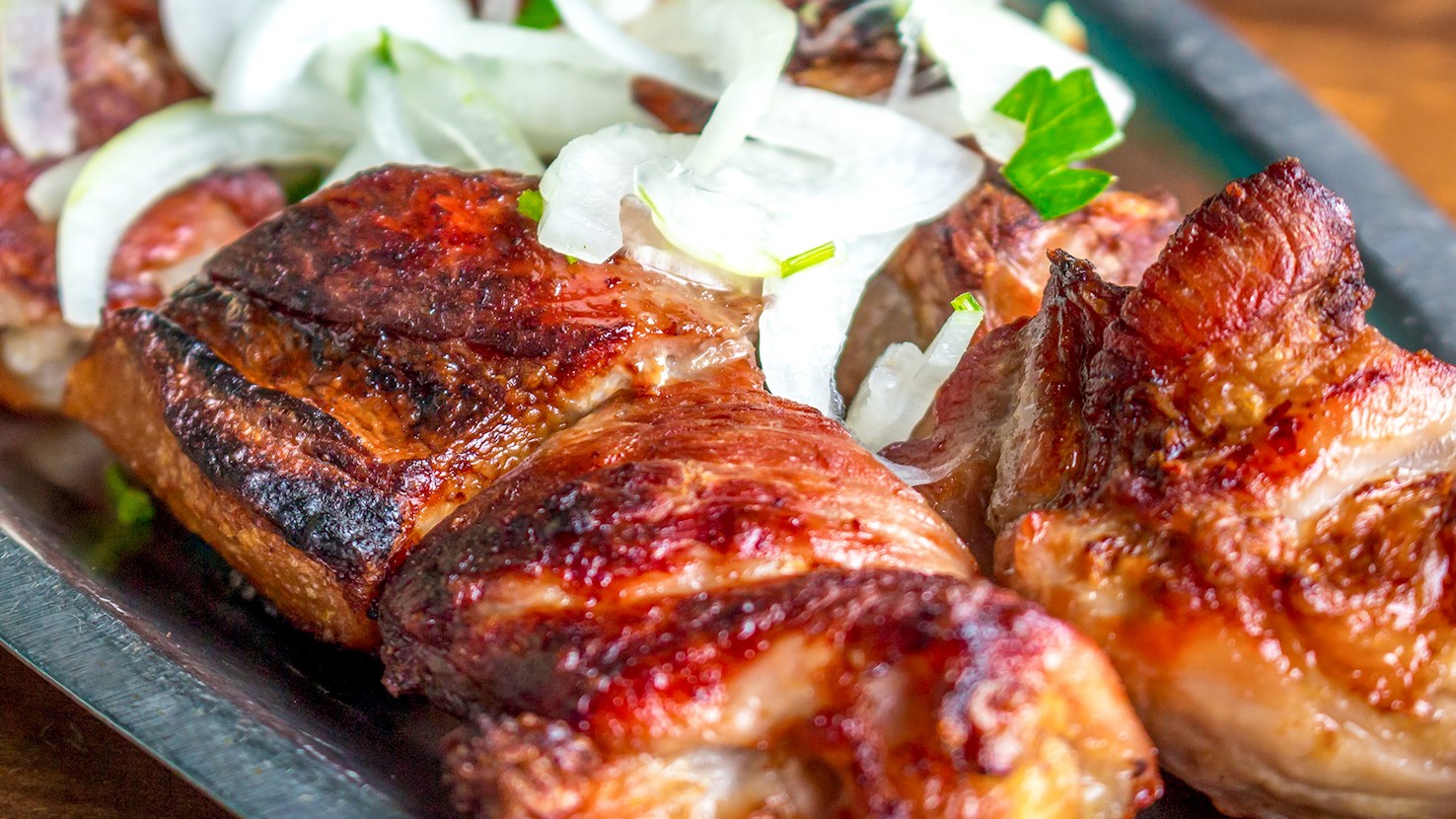
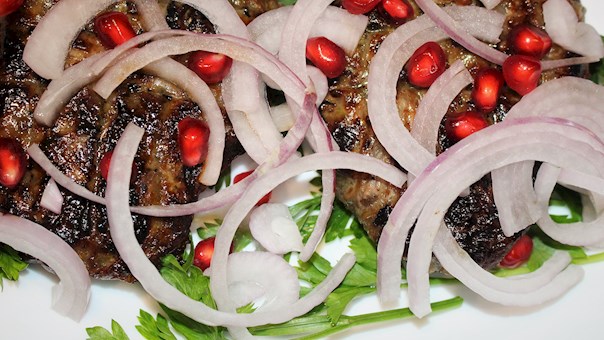
Mtsvadi is a traditional dish consisting of a skewered shish kebab. Pork, mutton, or veal is typically marinated in a mixture of lemon juice, pomegranate juice, tarragon, salt, pepper, and chopped onions, so that it remains tender and juicy when grilled. Mtsvadi is often prepared outdoors over an open fire. It is recommended to serve the dish with tkemali plum sauce, raw onion rings, sliced tomatoes, and pomegranate seeds.

03

Kotleta po Kyivsky (Chicken Kyiv)

4.3 ·

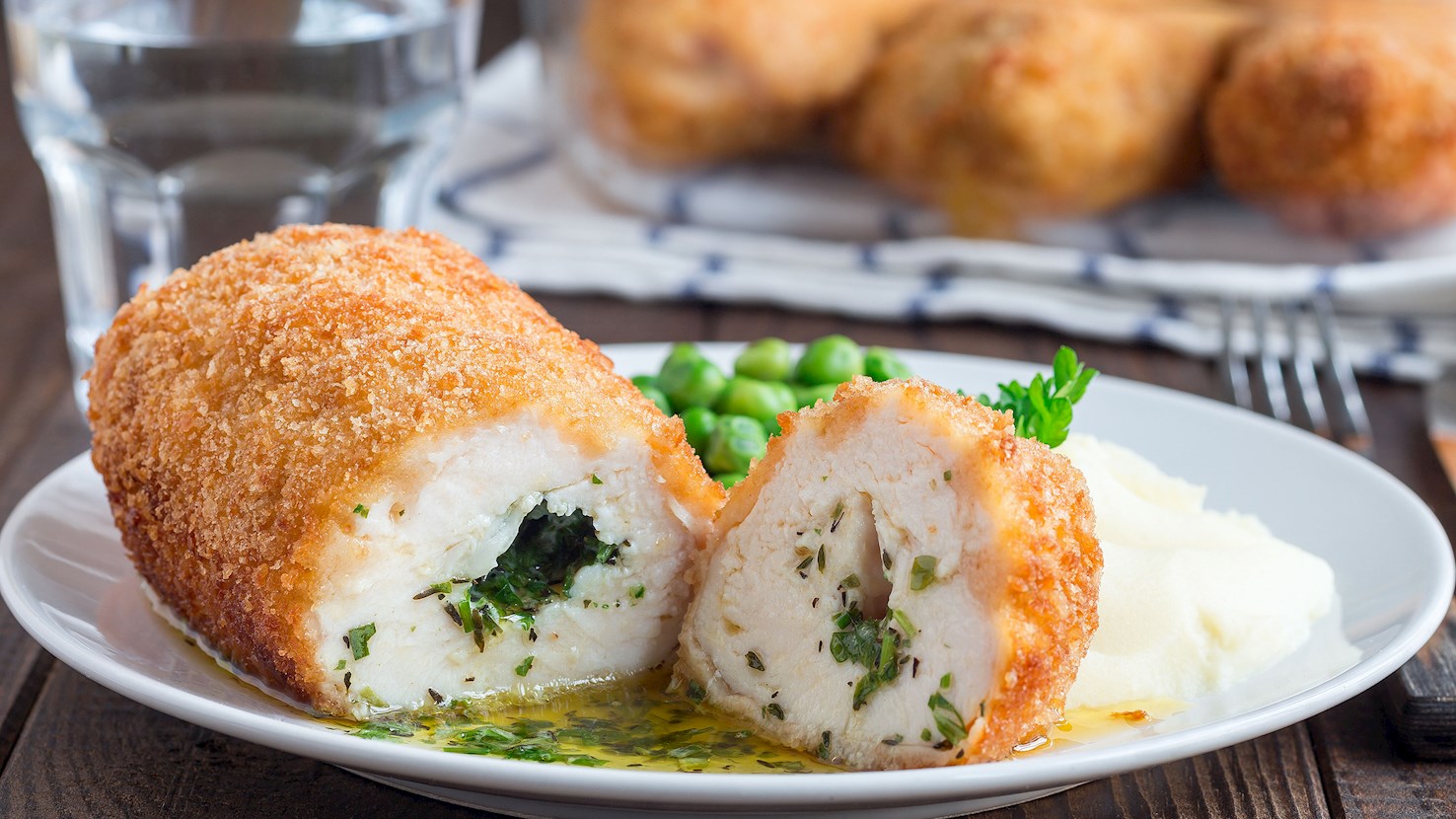
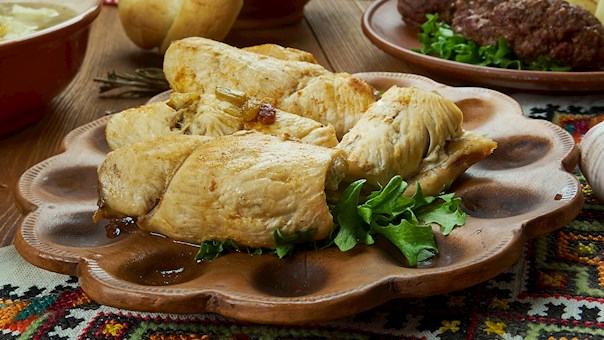
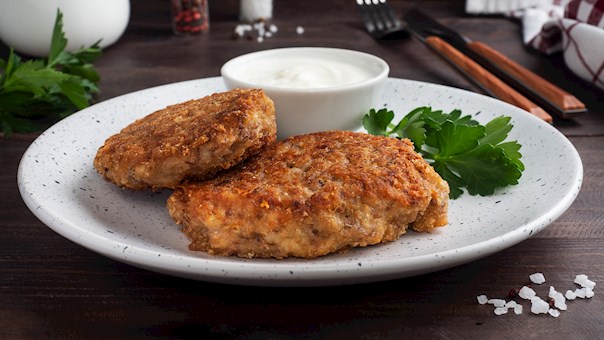
Chicken Kyiv consists of a boned, flattened chicken breast that is rolled around chilled herb butter, breaded, and then fried. Although the dish is very popular, no one knows where it came from or how it got its name, and there are numerous contradicting theories attributing its invention to Ukrainian, Russian, and French chefs. It was at the height of its popularity in the 1970s, but quickly fell out of favor in the late 1980s with the rise of nouvelle cuisine. Interestingly, in Soviet hotels’ tourist brochures, guests were warned of the dangers of splattering themselves with hot butter.

Best restaurants
04

Chashushuli

4.3 ·

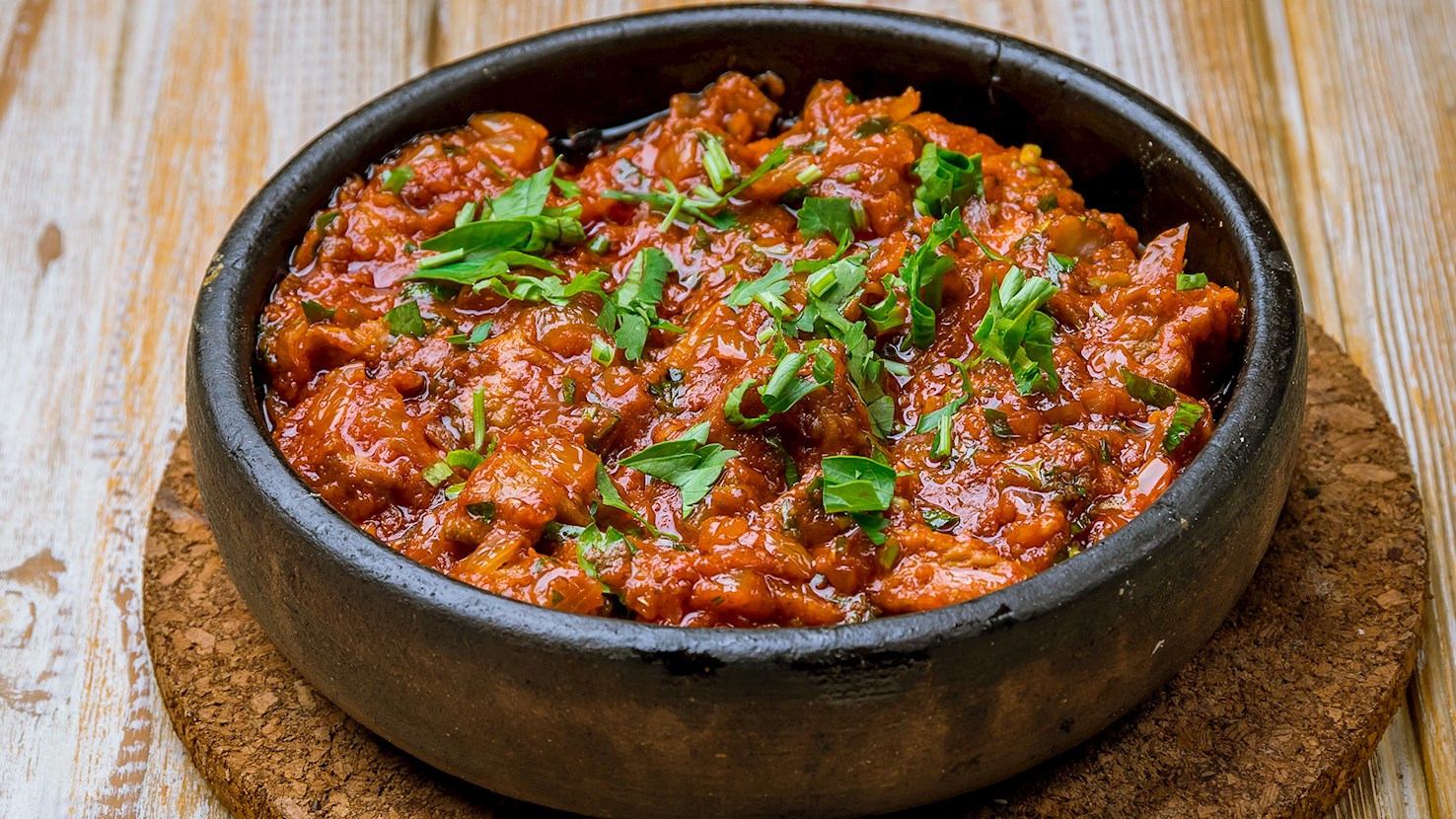
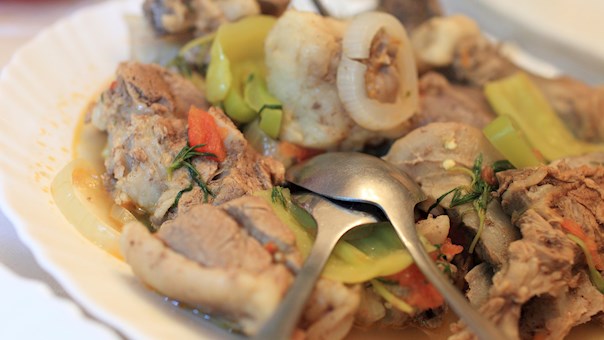
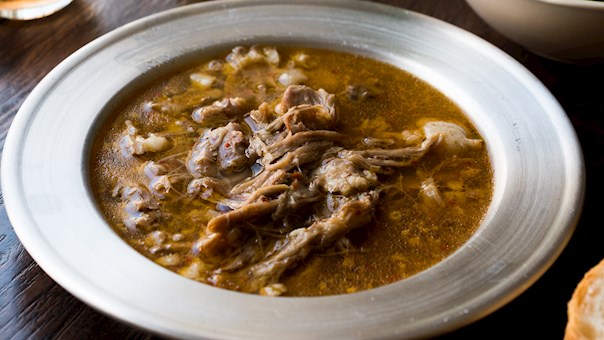
Similar to a goulash, chashushuli is a hearty beef and tomato stew hailing from Georgia. The stew is typically made with a combination of beef (sometimes veal or pork), tomatoes, onions, water or meat broth, garlic, and a generous amount of spices and herbs such as basil, chili pepper, parsley, fenugreek, summer savory, and bay leaves, yielding a highly aromatic and flavor-packed dish. Chashushuli is considered a version of another traditional Georgian beef stew called ostri, which uses almost all of the same ingredients as chashushuli, but it also contains coriander seeds and involves a different method of preparation. When preparing chashushuli, the meat needs to be fried before it is mixed with the rest of the ingredients and stewed, whereas the preparation of ostri requires no pre-cooking of the meat and everything is cooked in one pot from the beginning. Spicy and filling, the stew is typically served hot with Georgian bread such as shoti and a glass of fine Saperavi wine.

05

Lyulya kebab

4.2 ·

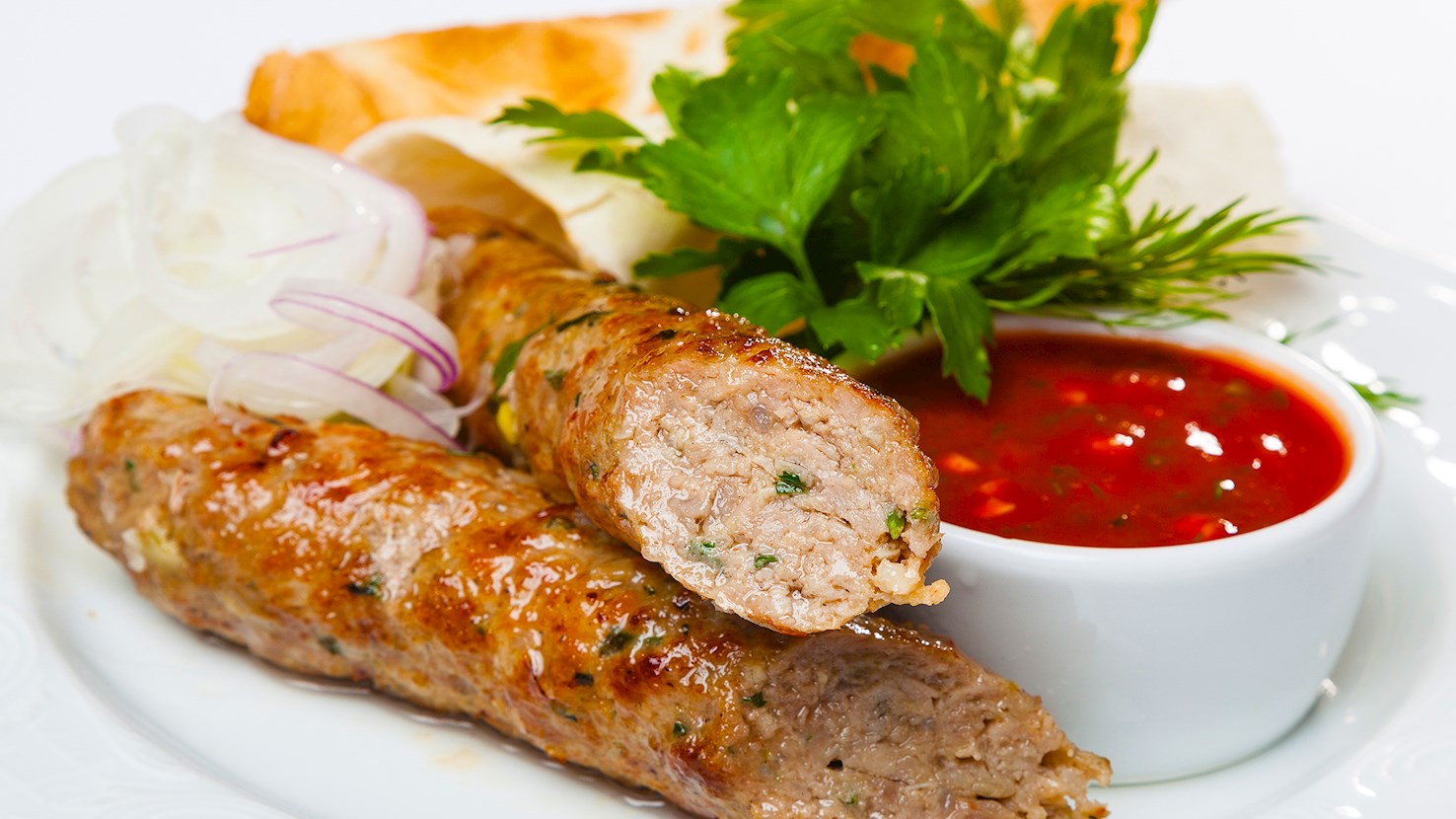
Lyulya kebab is a unique kebab variety popular throughout the Caucasus region. It typically consists of ground lamb combined with finely chopped onions. The mixture is seasoned with salt and black pepper, then skewered and grilled. Other types of meat such as fish and poultry can also be used in the preparation of lyulya. What makes this kebab variety so unique is the process of kneading the meat for a long time so that it becomes denser and does not fall apart. The dish dates back to the 2nd century, and it was even praised by the famous Roman historian Pliny the Elder, as well as the famous Roman scientist Ptolemy. It is recommended to pair lyulya with grilled vegetables, thinly sliced onions, sumac, and lavash.

06

Machanka

4.2 ·

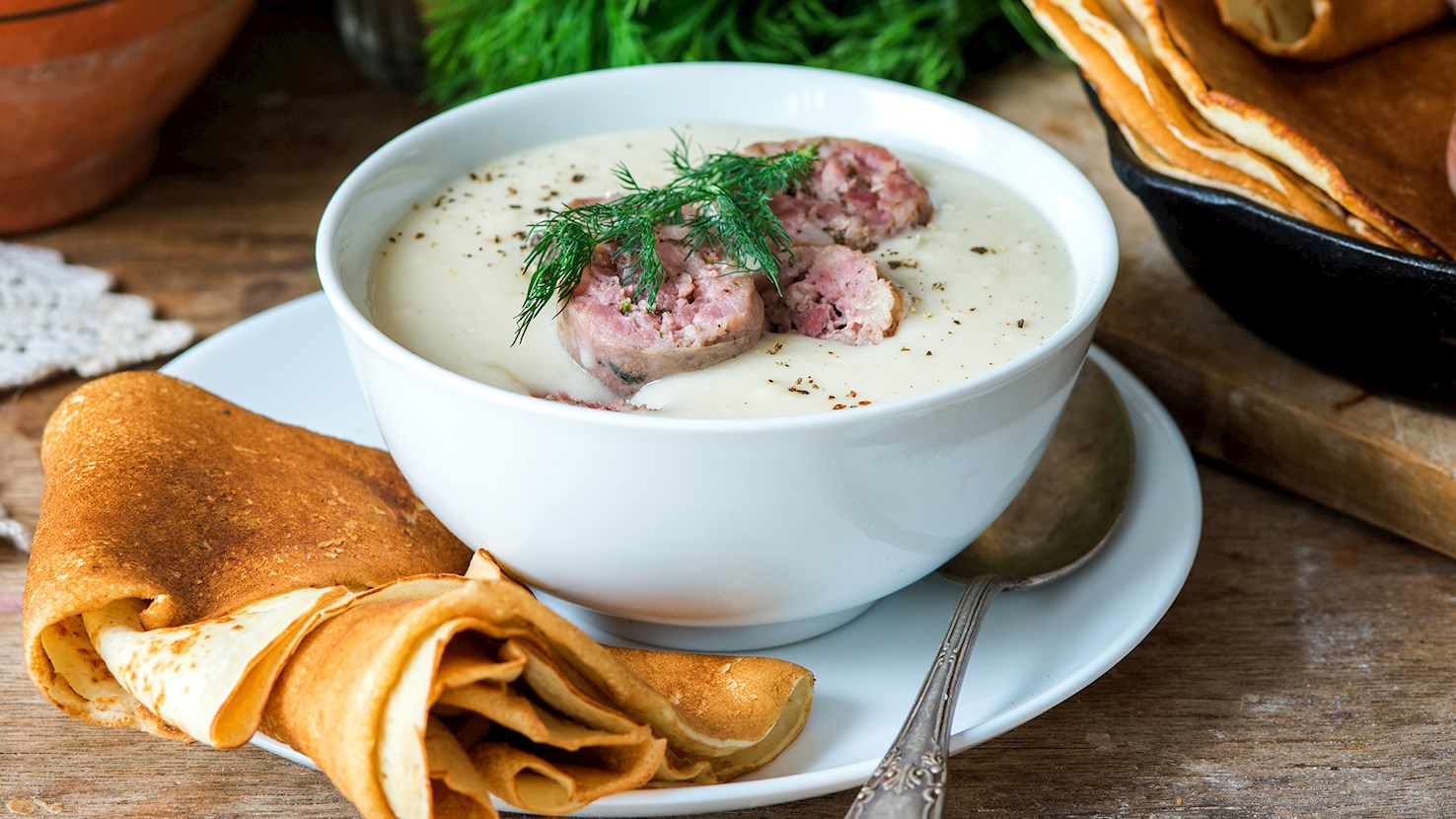
Machanka is a Belarusian and Ukrainian stew made with a combination of pork, sour cream, flour, and beef stock. The meat can include bacon, sausages, or ham, all cut into very small pieces. This soup-like stew is typically enriched with onions, mushrooms, and dill. Quite commonly, machanka is served with draniki pancakes, consisting of potatoes, flour, lard, and salt, and some claim that the proper way to consume machanka is to roll up the potato pancakes and dip them into the stew.

07

Chanakhi

4.1 ·

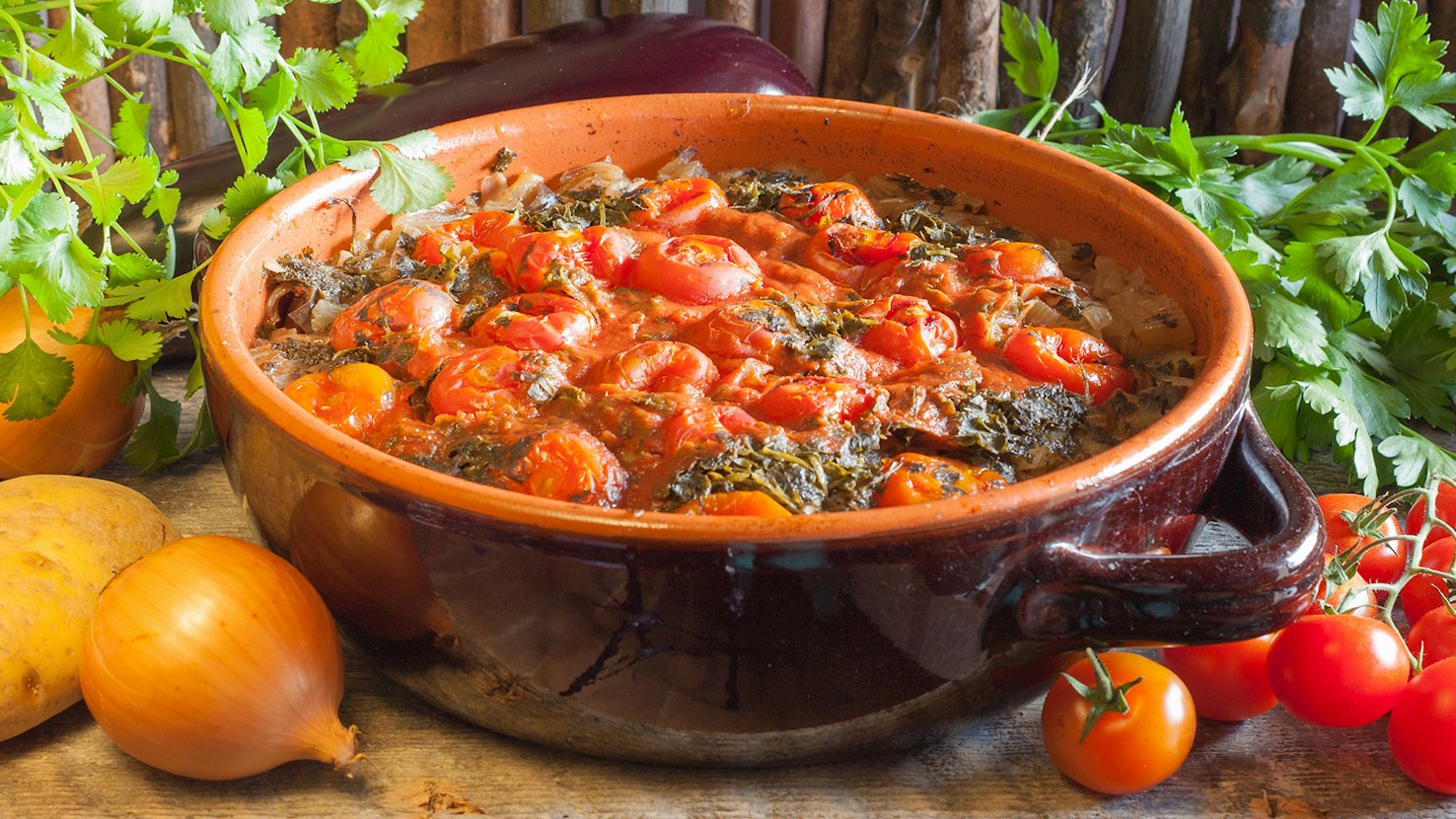
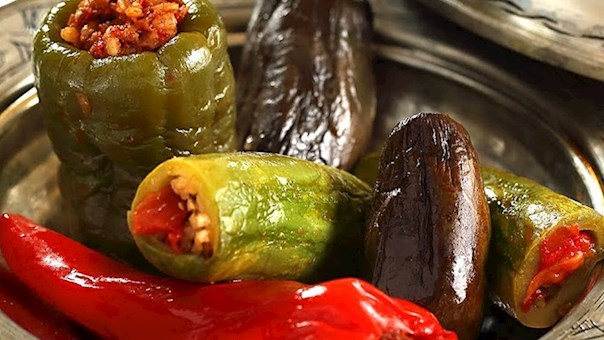
Chanakhi is a hearty Georgian stew made with lamb, eggplant, sweet peppers, and tomatoes. The stew is typically flavored and seasoned with coriander, basil, pepper, and salt. This flavorful dish is traditionally served in individual clay pots, called chanakhi, hence the name. It is believed that chanakhi tastes even better if reheated the next day, when all of the flavors have been thoroughly combined.

08

Beef Stroganoff

4.1 ·

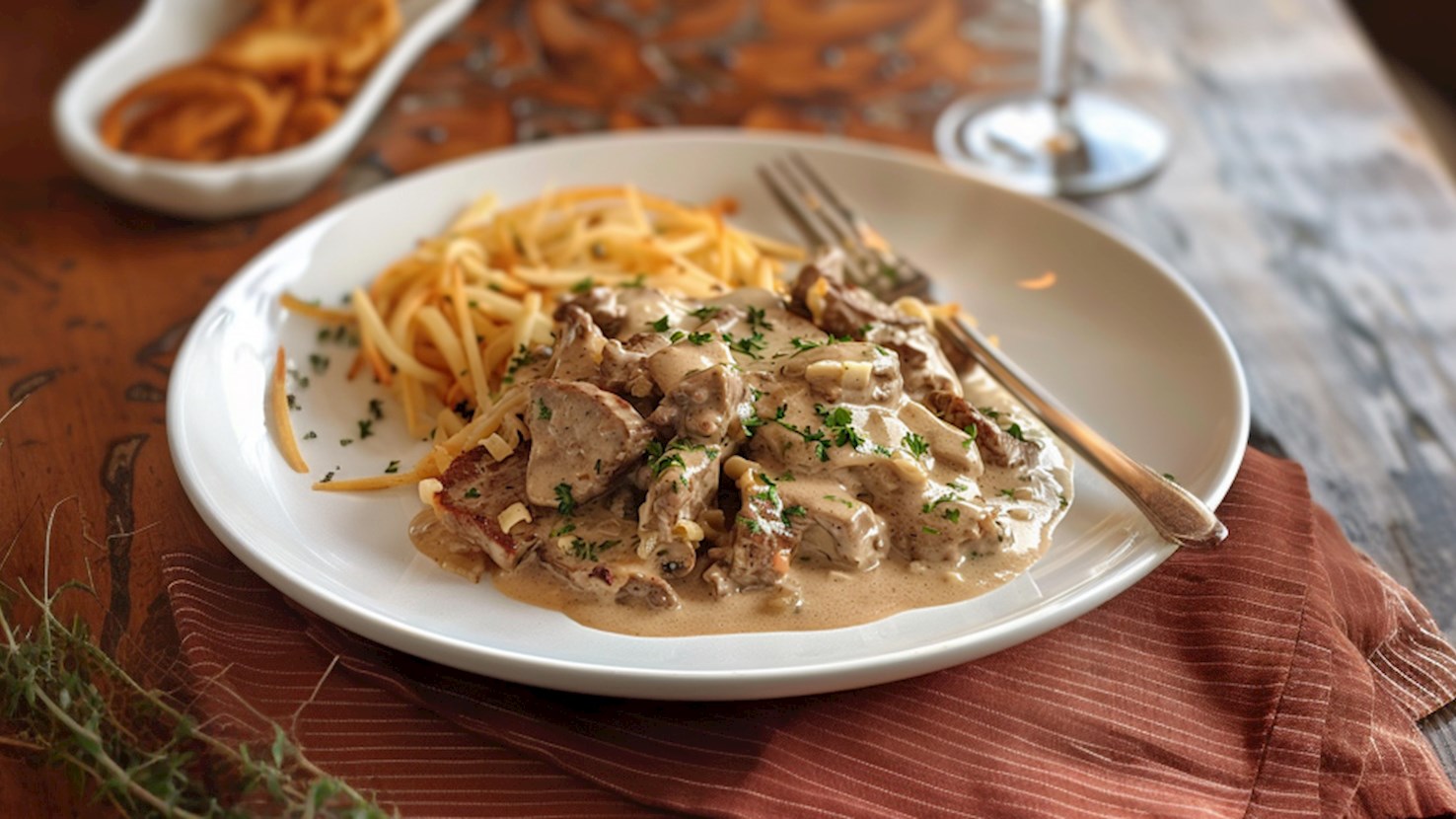
When it first appeared in the mid-19th-century Russia, beef Stroganoff was a dish made out of lightly floured beef cubes that have been sautéed and cooked in a simple sauce made from stock and mustard with only a small amount of sour cream. The origin of the dish is unclear, but it is most likely linked to a French chef—or a French-trained chef—working for the Stroganoff family. Although Russian in origin, the dish is strongly influenced by the French style of cooking—this is most obviously seen in the way the beef is cut, in either cubes or strips. The first known recipe appeared in Elena Molokhovets’s A Gift to Young Housewives, published in 1871. Since then, the dish has had major alterations. The beef is still cut in strips, but the sauce is much richer; with sliced mushrooms and onions that are cooked with beef stock and thickened a bit with sour cream that is only stirred in at the end. The dish is traditionally served with potato straws, but is often served with either rice pilav, egg noodles, or mashed potatoes.

09

Ojakhuri

4.1 ·

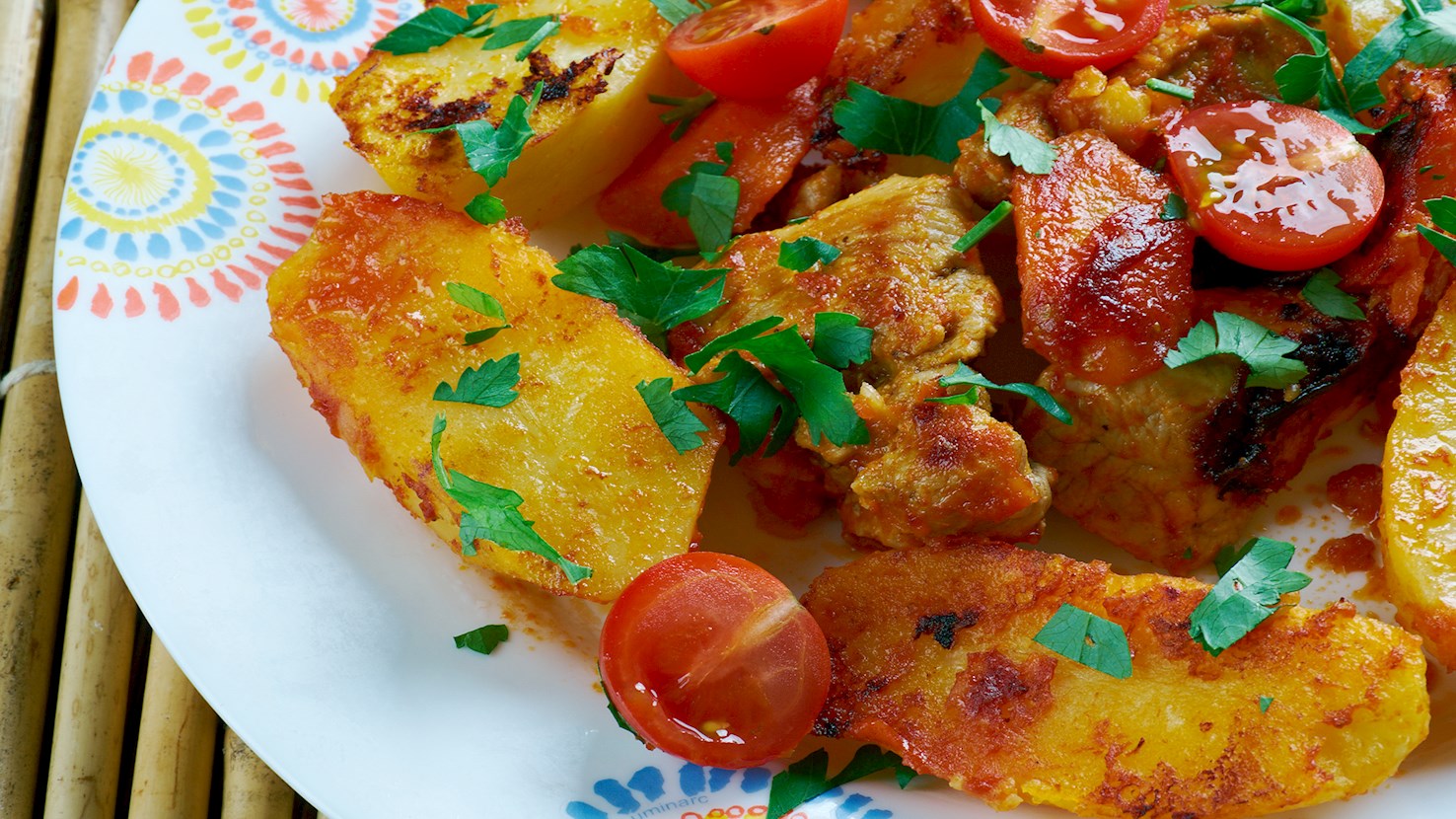
Ojakhuri is a Georgian dish consisting of roasted meat (pork, chicken, lamb, or beef) and potatoes. The name of the dish means family meal in Georgian, so every family has their own recipe, variations, and they all use different seasonings for the roast. The dish is usually garnished with slices of pickled vegetables and served with accompaniments such as tkemali or ajika sauces.

10

Yarpaq dolması

4.0 ·

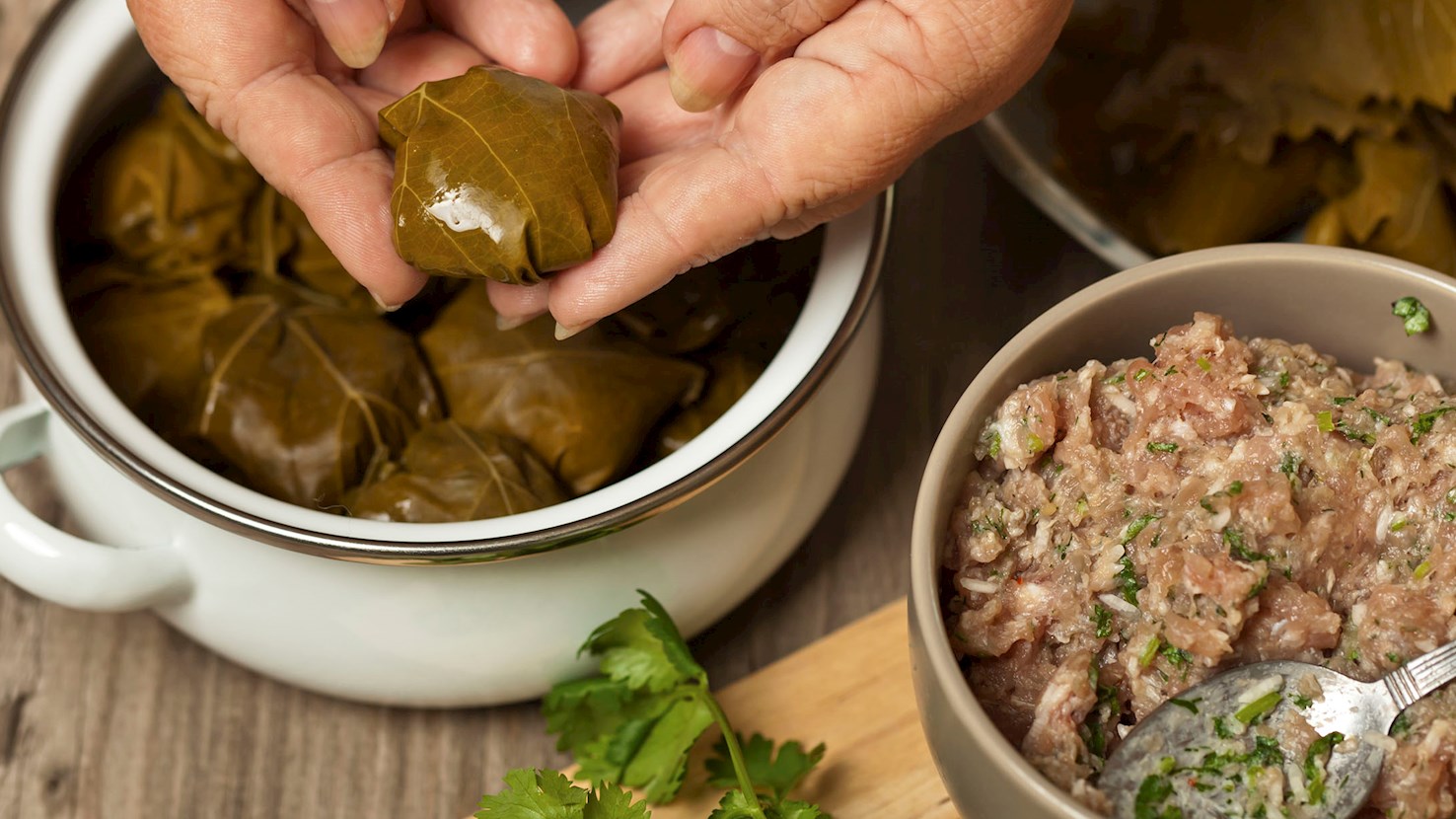
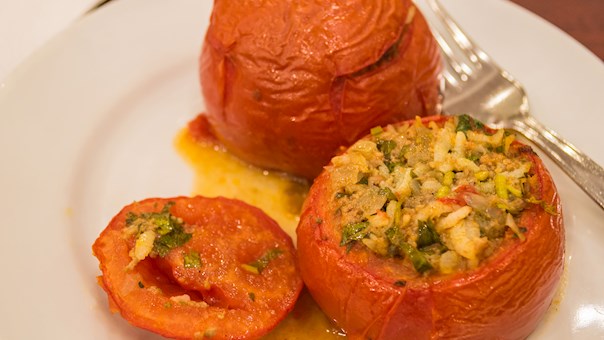
Azerbaijan's national dish is called yarpaq dolmasi, a savory meal consisting of vine leaves stuffed with chopped meat, onions, rice, salt, pepper, butter, and fresh herbs such as coriander, dill and mint. Dolma belongs to a family of stuffed dishes from the cuisines of the former Ottoman Empire and neighbouring regions such as Russia, Middle East, the Caucasus, and Central and South Asia. Locals claim that Azerbaijan has the best dolma in the world, and the reasoning behind it is that the grape vines originated in the mountainous valleys of their country. Yarpaq dolmasi is usually consumed in the afternoon or evening, for late lunch or dinner. It is an everyday dish, popular in equal measure at parties and weddings. Azerbaijani dolma differs from all the others because of its shape - it is small and round, unlike the elongated Turkish version. Enjoyed as a main course once or twice a week, yarpaq dolmasi is usually accompanied by a sauce based on yogurt and garlic, or clotted sour milk.

11

Chakapuli

3.9 ·
12

Golubtsy

3.9 ·
13

Kruchenyky

3.9 ·
14

Tolma

3.9 ·
Read more
View all
View map
About this ranking

TasteAtlas food rankings are based on the ratings of the TasteAtlas audience, with a series of mechanisms that recognize real users and that ignore bot, nationalist or local patriotic ratings, and give additional value to the ratings of users that the system recognizes as knowledgeable. For the “Top 31 Eastern European Meat Dishes” list until June 15, 2026, 4,418 ratings were recorded, of which 2,114 were recognized by the system as legitimate. TasteAtlas Rankings should not be seen as the final global conclusion about food. Their purpose is to promote excellent local foods, instill pride in traditional dishes, and arouse curiosity about dishes you haven’t tried.

Similar lists