

shutterstock

Top 100 South American Meat Dishes

Last updated on June 15, 2026
01

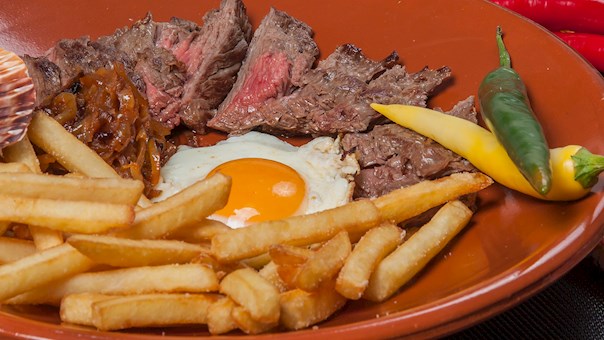
Fraldinha

4.5 ·

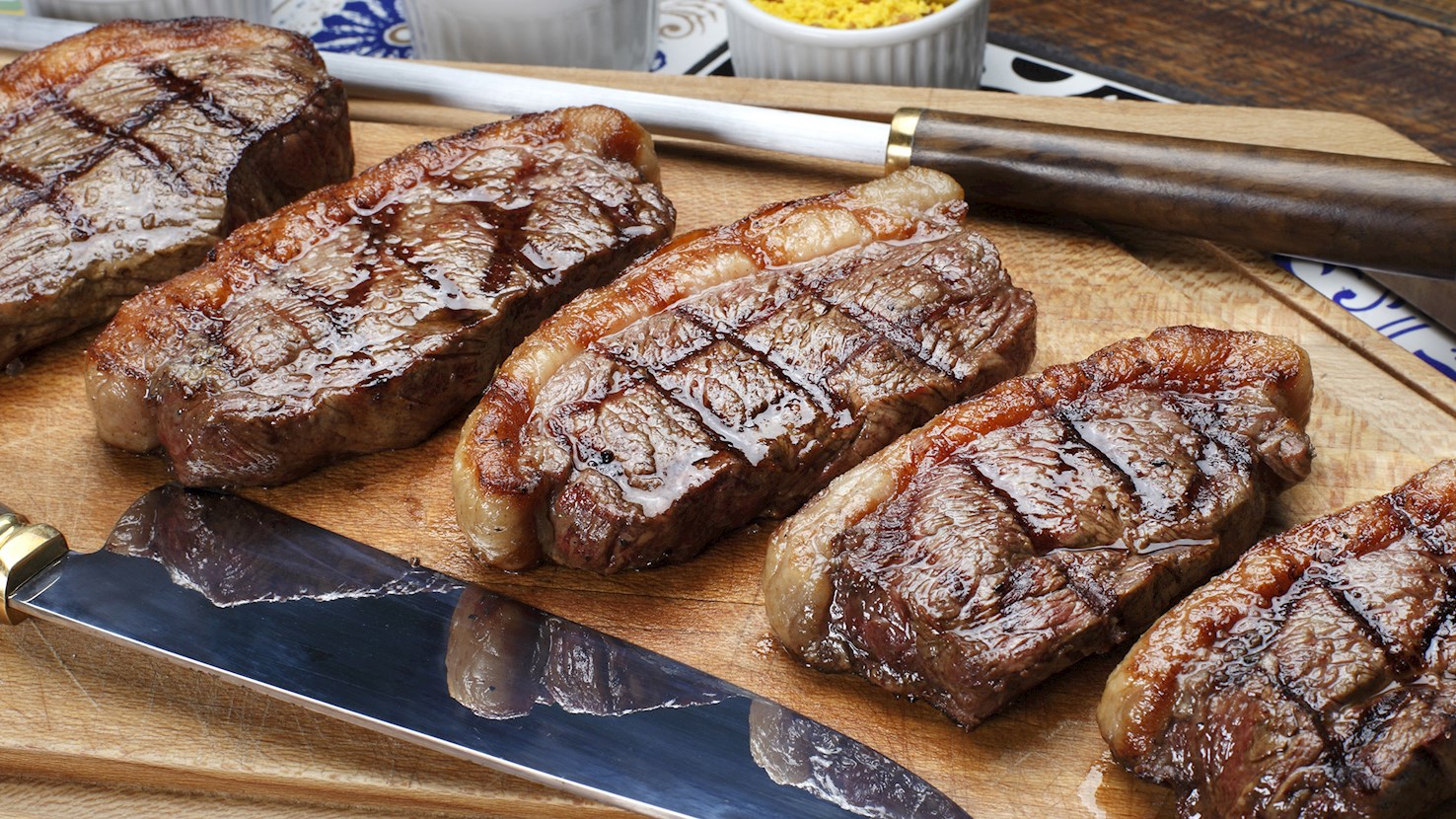
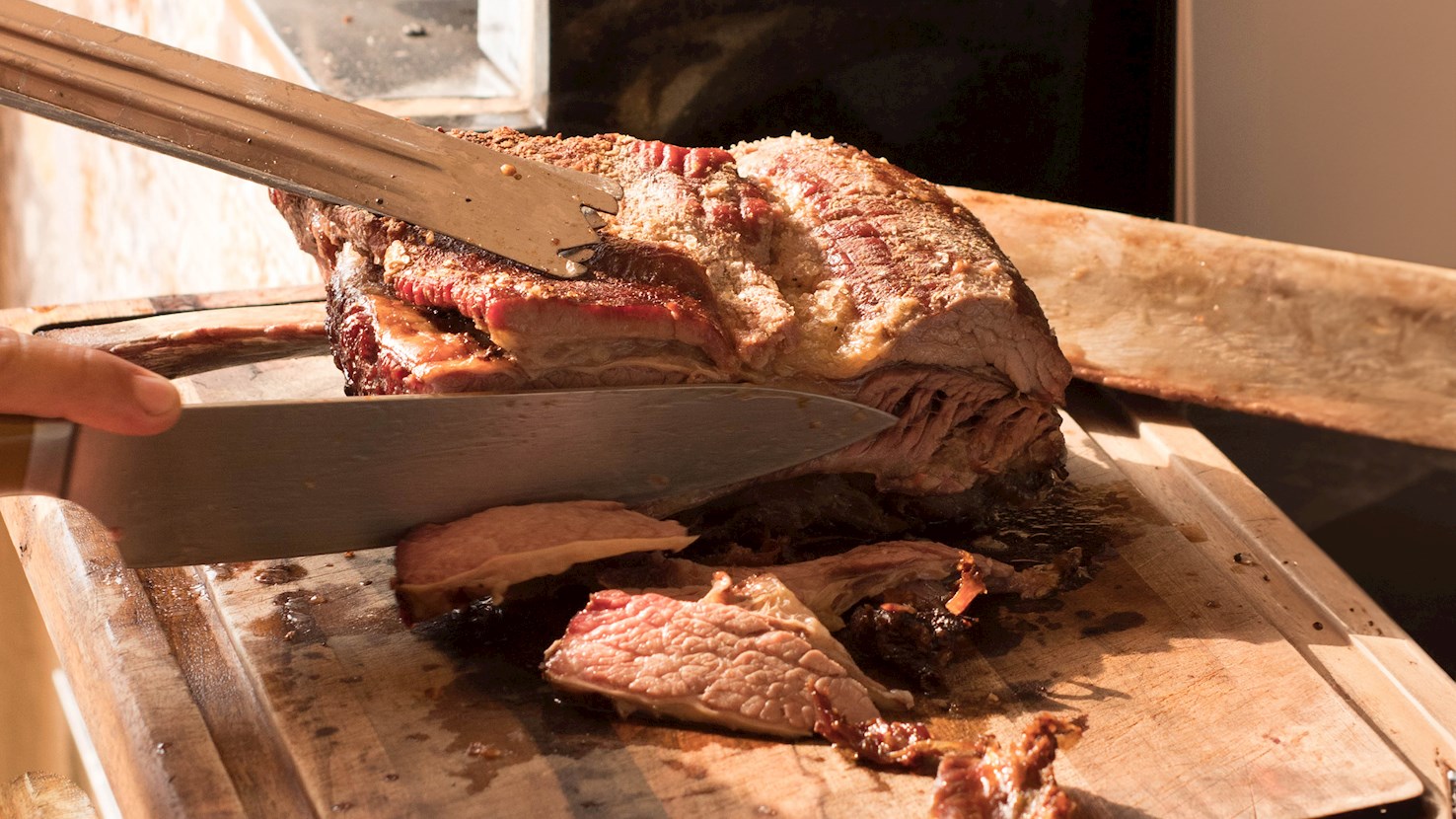
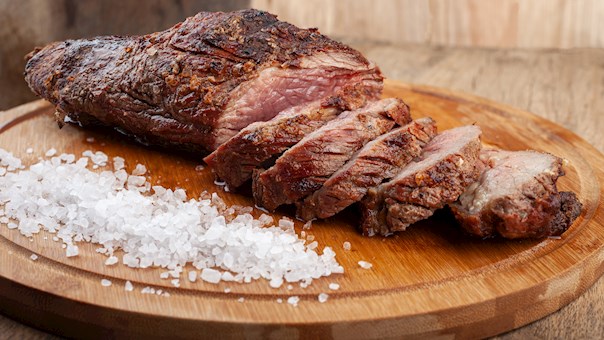
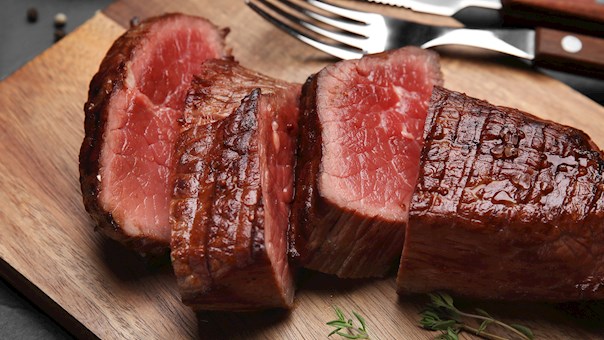
Fraldinha is a meat cut that's traditionally used for churrasco and is made up of part flank, part short loin, and part bottom sirloin. This beef cut is long and thin, full of connective tissue. This strong marbling is the reason why the meat is traditionally cut against the grain before it's grilled. The name fraldinha is a diminutive for fralda, meaning flap or diaper in Portuguese. When prepared for churrasco, it usually has a browned crust at the edges, while the middle remains pink. It's recommended to top this meat cut with a sharp and vinegary salsa.

02

Parrillada (Argentina)

4.5 ·

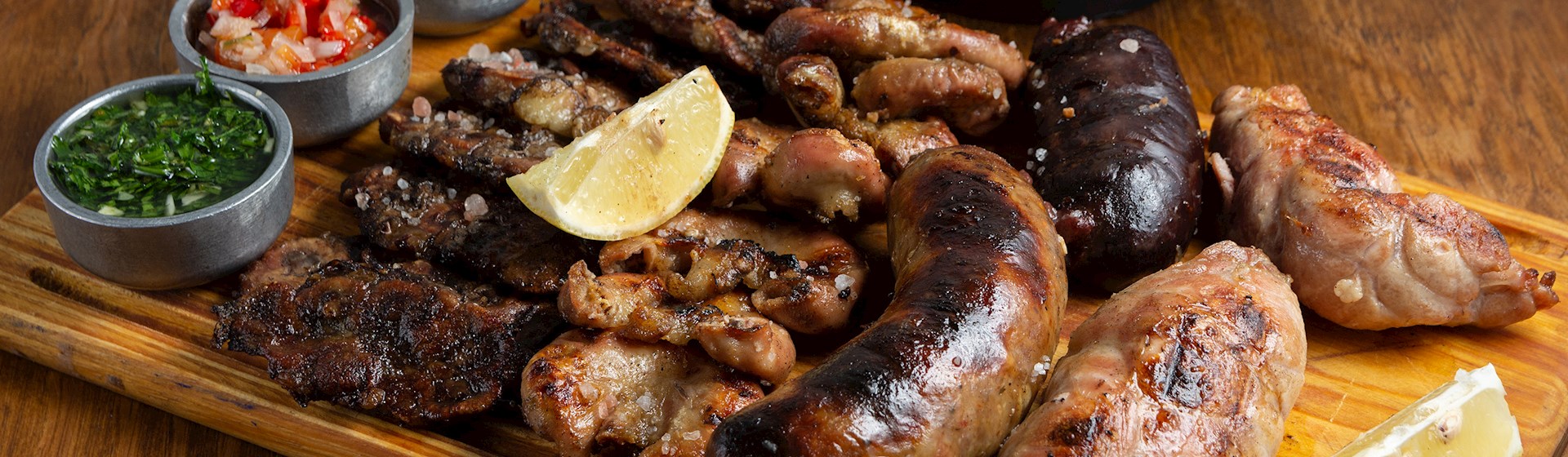
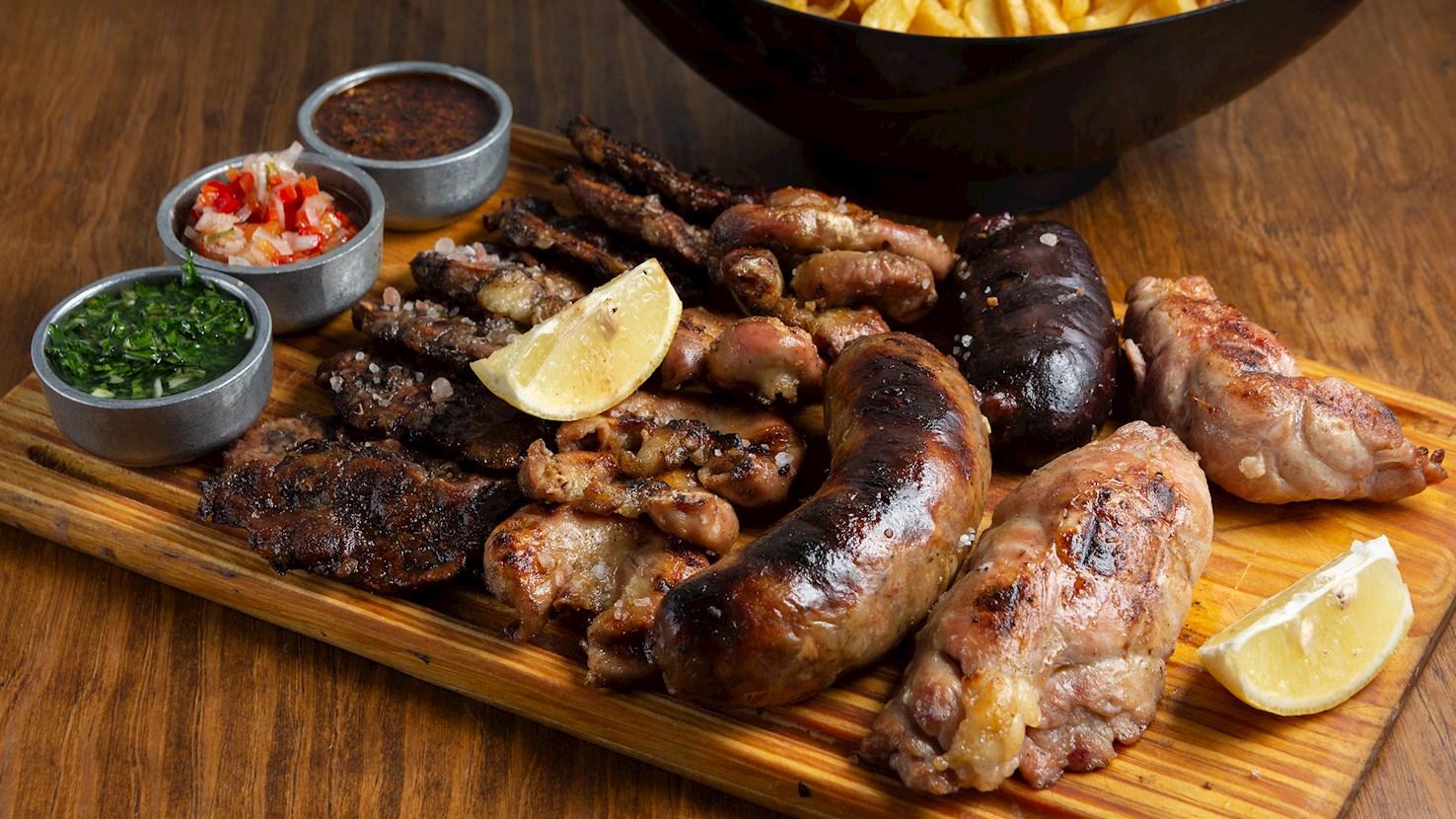
Parrillada is an Argentinian dish that consists of an assortment of asado meats and offal. It consists of cheaper cuts of meat, which are picked by a parrillero. But, when you order a parrillada, you will get a bit of everything — chinchulines and molleja, sausages like chorizo and morcilla, flank steak, and ribs. Of course, with the platter of meats, sausages, and offal, come accompaniments like chimichurri, grilled vegetables, and salads, such as mixed salad and Russian salad.

03

Alcatra

4.5 ·

Alcatra is a special cut of top sirloin. Large, long, and lean, this steak is prized for its succulence and a hearty beef flavor. The cut is often used for churrasco, the traditional Brazilian barbecue method. Alcatra is one of the largest cuts that's served as a part of churrasco. It should be perfectly seasoned with salt, then grilled with a layer of fat until most of it melts away, and the remaining fat becomes crispy. Before serving, it's usually expertly carved in respectable churrascarias.

04

Seco de cabrito

4.5 ·

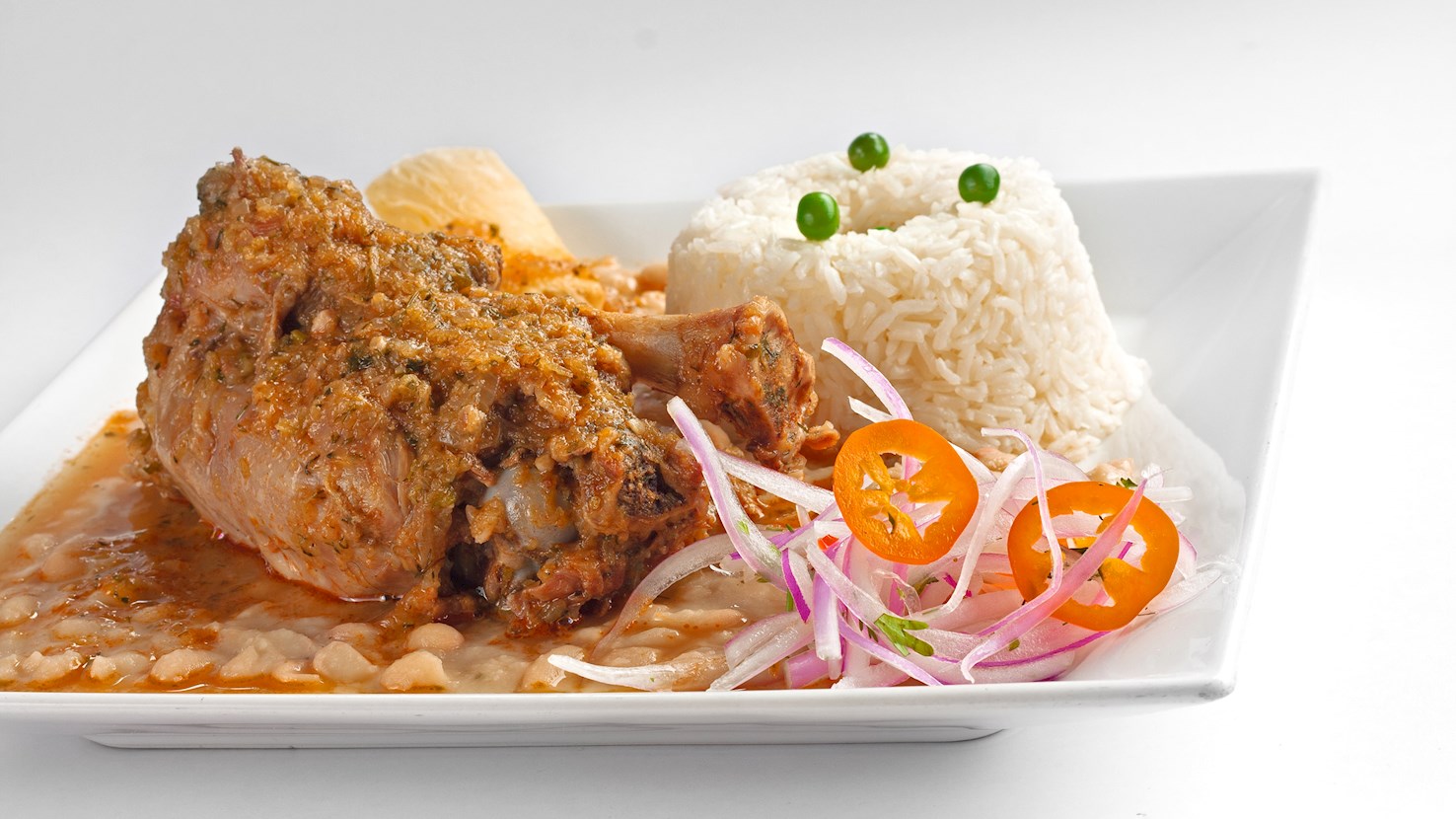
Seco de cabrito is a traditional dish that was originally prepared in the north of the country, but nowadays it's also popular in coastal areas. It consists of goat meat that's cooked with hot peppers, peas, carrots, and cilantro sauce. The list of ingredients also includes onions, cumin, garlic, oregano, oil, and seasonings. The meat is fried, then cooked with the other ingredients until the sauce becomes thick. Once done, seco de cabrito is traditionally served with rice, beans, and boiled cassava as a one-dish meal. This dish is often prepared for festive events such as family celebrations, and it can also be reheated and served the next day.

05

Bife de chorizo

4.5 ·

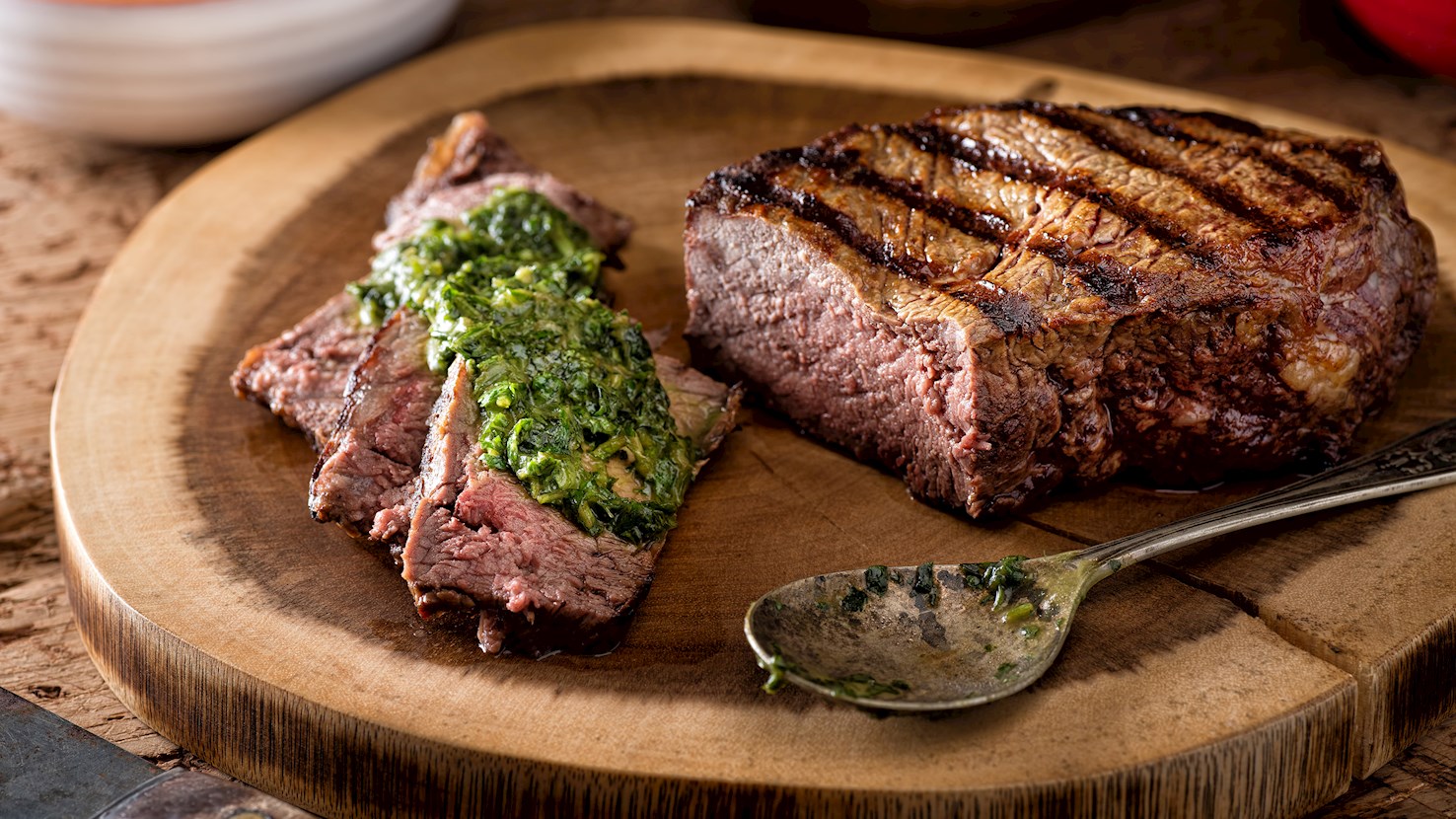
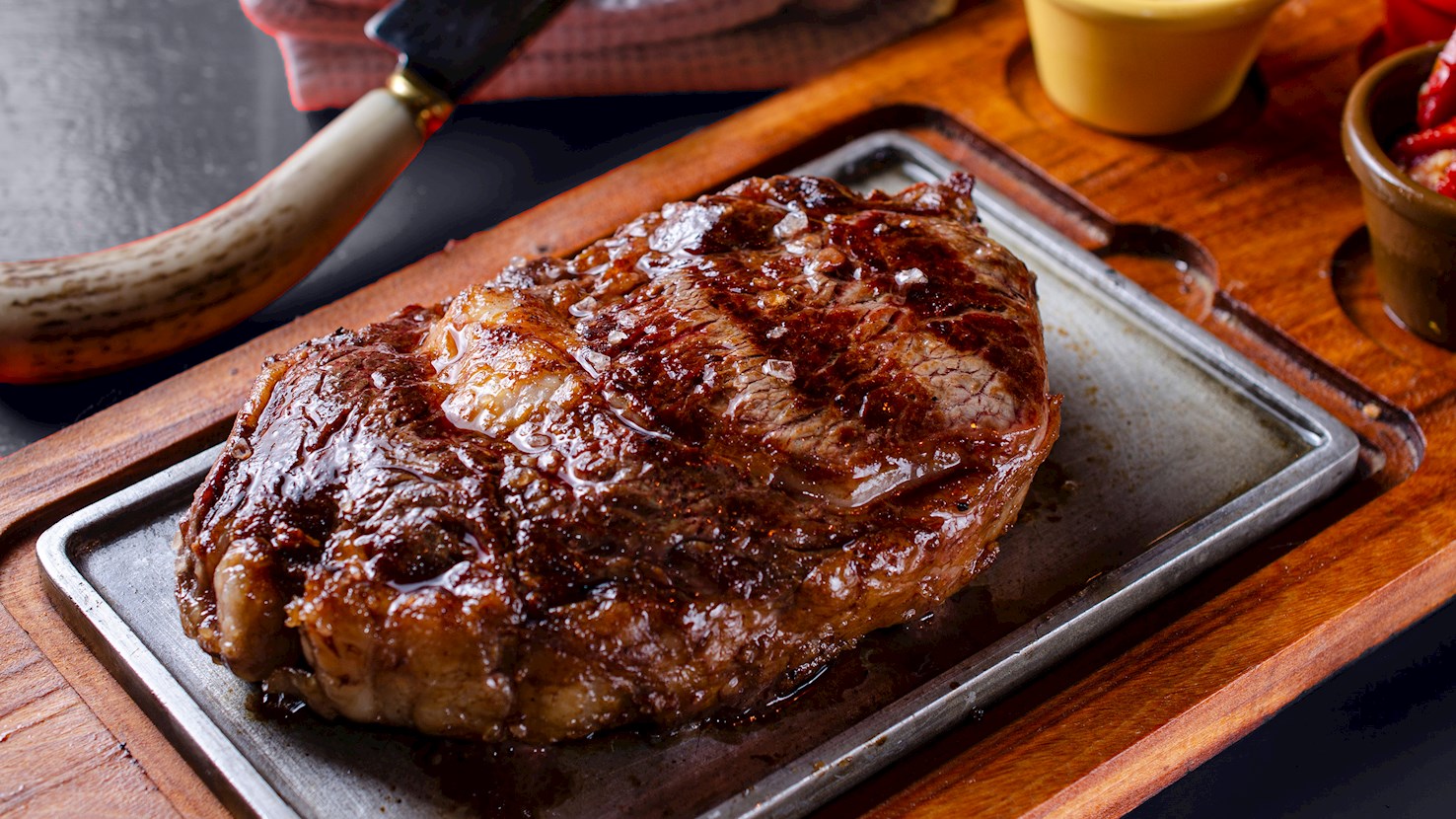
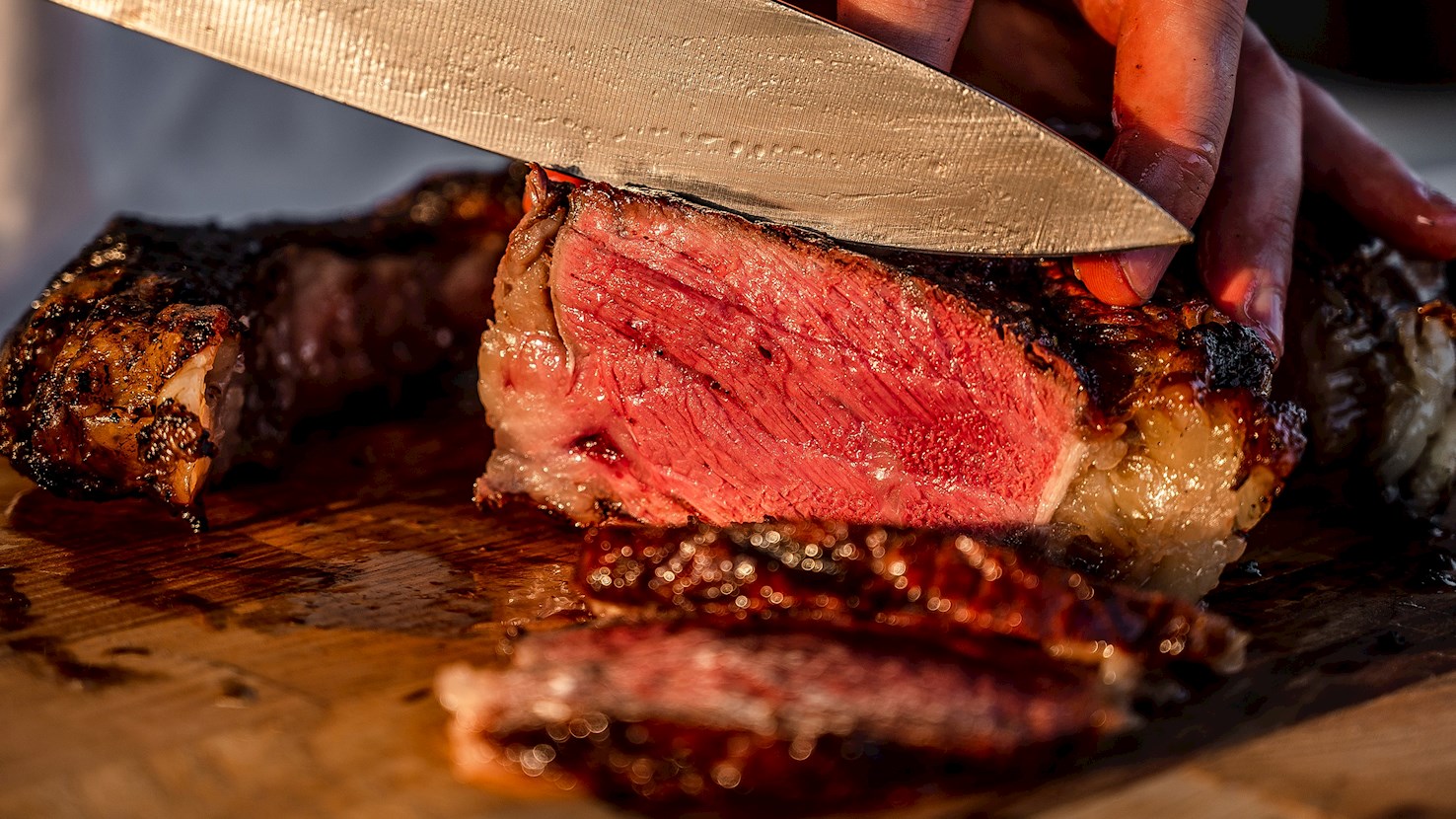
Bife de chorizo is an Argentinian beef cut equivalent to the US New York strip steak, strip steak, sirloin, and top loin traditionally used for asado. It is a thick, juicy steak with a sizable layer of fat on top. It comes in several varieties, namely the bife de chorizo angosto (thin sirloin) and the bife de chorizo mariposa (butterflied sirloin). And if you want to judge the quality of someone’s barbecue or the quality of a barbecue place, ask for this steak. Also, if you get one with more than a generous amount of fat, know you've been served a cheap and bad-quality one.

06

Picanha

4.5 ·

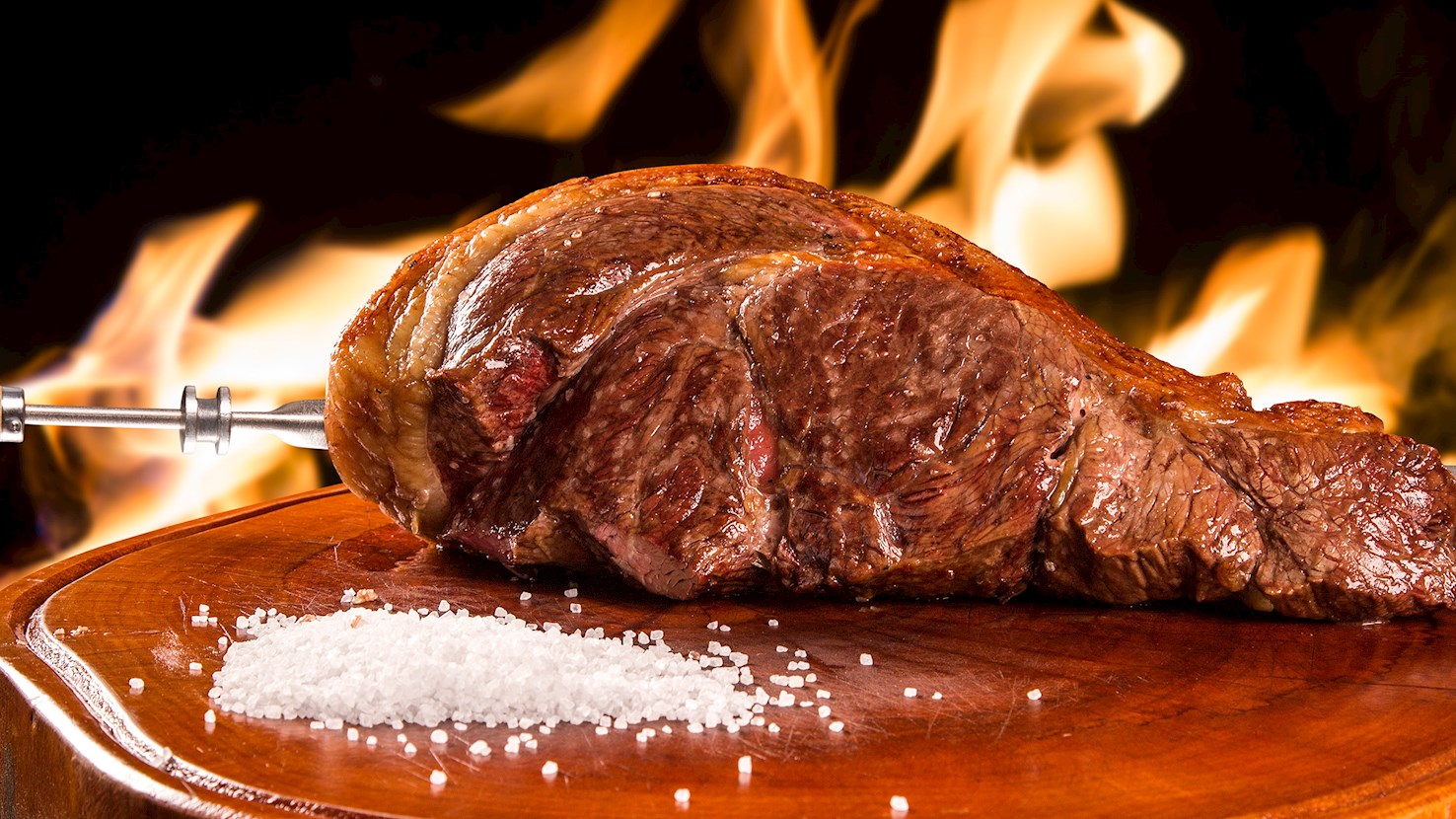
Picanha is a fresh cut of beef that's especially popular and highly prized in Brazil. In the US, it's called sirloin cap, and in the UK, it's known as the rump cap. Picanha is situated on the back side of the animal, above the butt, where it sits on a fat cap. It's mostly used for churrasco – the meat is first grilled, then sliced off of a skewer. This cut holds very little fat in the meat, so it must be cooked perfectly in order not to make it tough. In Brazil, every churrasco has picanha, and all of the best churrascarias feature picanha on their menus. The name picanha is derived from the word picana, referring to the ranchers' pole used for herding cattle in Portugal and Spain. The technique was brought over to Brazil where the word picanha was used to refer to the part of the cow that was poked by ranchers with the pole.

07

Cordero al palo

4.4 ·

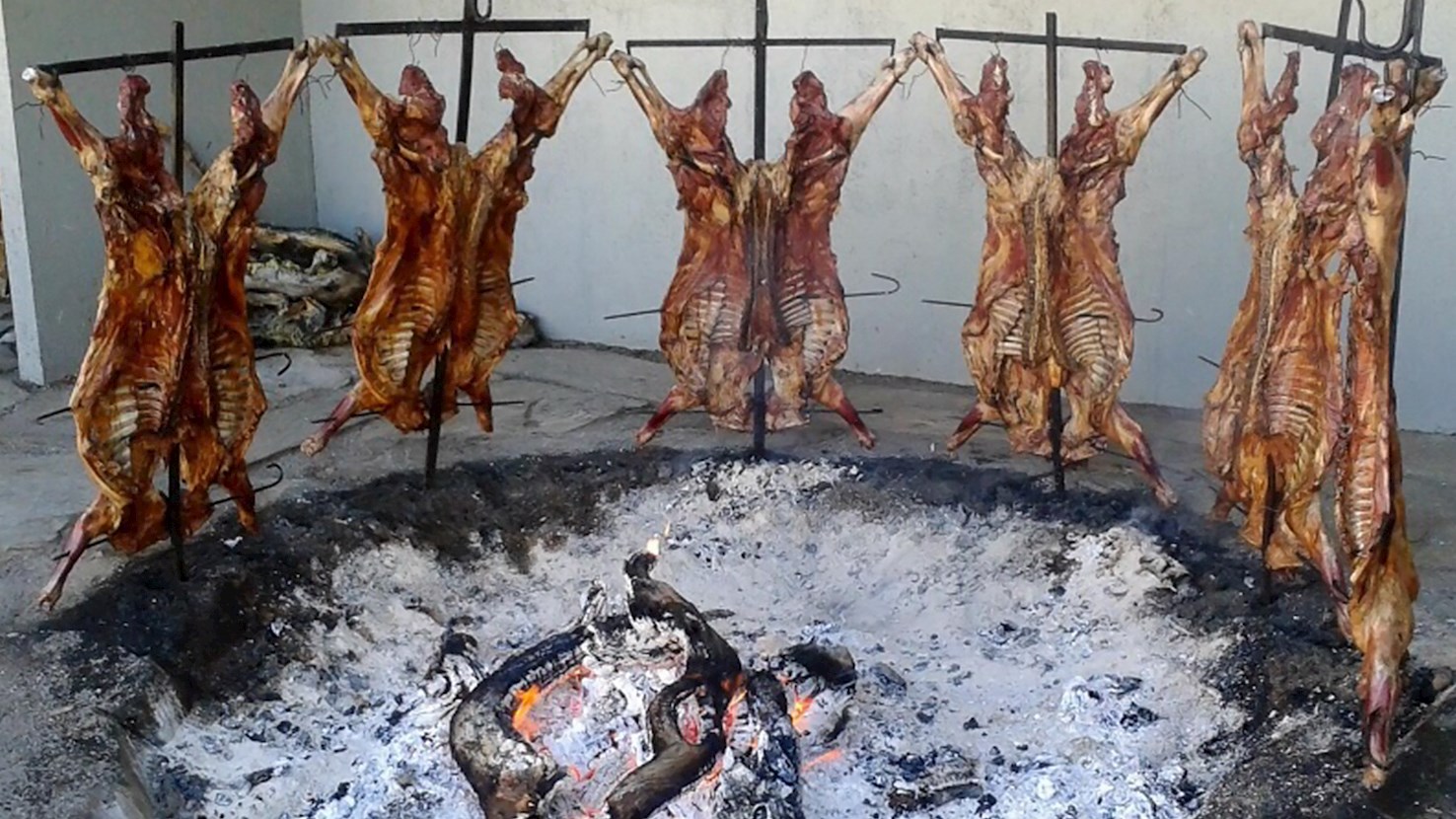
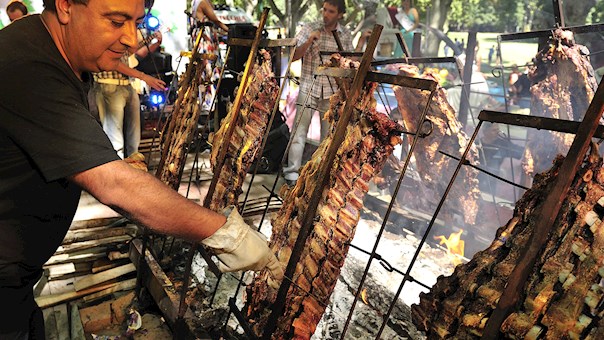
Cordero al palo is a traditional lamb specialty that involves roasting a whole lamb on a spit, a cooking technique which has long been practiced in Chile and Argentina (especially Patagonia). The lamb is slowly cooked for several hours over a wood fire, all the while basting in its own juices and fat, resulting in succulent and tender meat surrounded by crispy skin. While cooking, the meat is often enhanced with a mixture of warm water, salt, and garlic. The dish can be found on the menus of numerous restaurants throughout the region, and it is typically served with pebre, a popular Chilean condiment. Other typical accompaniments to this dish include boiled potatoes, fresh salads, bread, and lots of fine red wine. This spit-roasted lamb delicacy is nowadays usually prepared on special occasions and for holidays.

08

Costela

4.4 ·

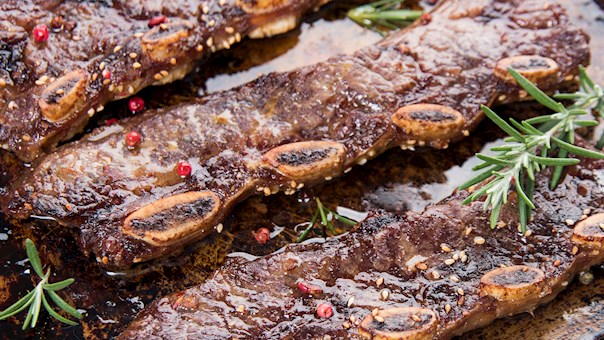
In Brazilian cuisine, costela refers to a specific cut of beef known as ribs in English, although it differs from the American style ribs as it encompasses both ribs (costela do dianteiro) and ponta de agulha (plate ribs). It's a popular and essential component of Brazilian barbecue culture (churrasco). Ribs are often skewered and grilled over an open flame to create flavorful and tender meat. It's seasoned with minimal ingredients like salt to enhance the natural flavors of the meat. The slow cooking process allows the meat to become tender and develop a delicious smoky flavor. In addition to grilling, "Costela" can also be used in other dishes. It's often braised or slow-cooked for stews and soups, allowing the meat to become fall-off-the-bone tender and infuse the broth with rich flavors.

09

Contrafilé

4.4 ·

In Brazilian cuisine, contrafilé refers to a specific cut corresponding to parts of the boneless strip loin and the ribeye. The term comes from Portuguese and literally translates to "against the grain," indicating the way the meat is typically sliced for cooking and serving. Contrafilé is characterized by its marbling, tenderness, and rich flavor. The marbling of fat throughout the meat contributes to its juiciness and delicious taste when cooked. In Brazilian churrasco, the contrafilé is often skewered and grilled to perfection over an open flame. It's a centerpiece of many barbecue gatherings and is typically served in slices, often seasoned with just a bit of salt to enhance the natural flavors of the meat.

10

Bife a Parmegiana

4.4 ·

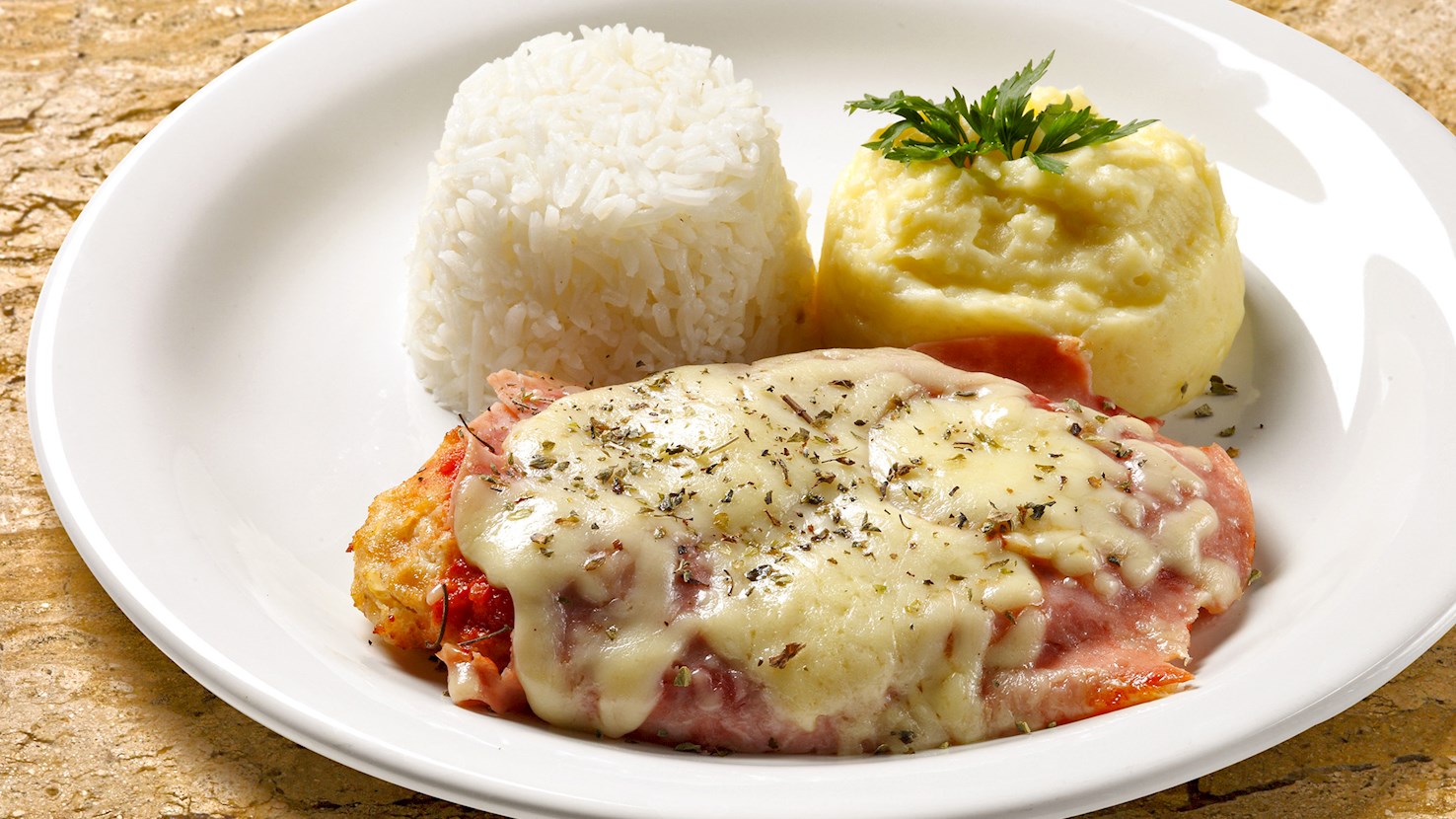
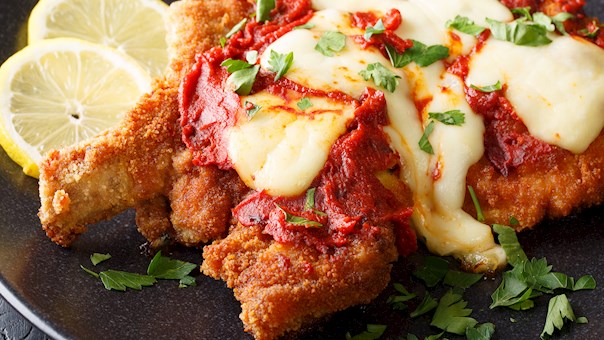
Bife à Parmegiana is a beloved Brazilian dish that draws its roots from Italian cuisine, specifically the Italian classic parmigiana dishes, like chicken parmigiana or veal parmigiana. In this version, the main protein is a tender beef cutlet, typically made from high-quality cuts such as sirloin, filet mignon, or even ribeye. The preparation begins by pounding the beef cutlet to tenderize it, then seasoning it with salt and pepper. The cutlet is coated in flour, dipped in beaten eggs, and finally covered with breadcrumbs before being fried until golden brown and crispy on the outside. Once fried, the beef is topped with a generous amount of tomato sauce (often a rich, homemade marinara sauce) and mozzarella cheese or sometimes Parmesan cheese. The dish is then baked in the oven until the cheese melts and becomes bubbly and golden, creating a flavorful blend of crispy breading, tender beef, savory tomato sauce, and gooey cheese. Bife à Parmegiana is traditionally served with a variety of sides, commonly white rice, French fries, or mashed potatoes, and sometimes accompanied by salad. The dish is hearty, rich, and comforting, making it a favorite in Brazilian homes and restaurants alike.

11

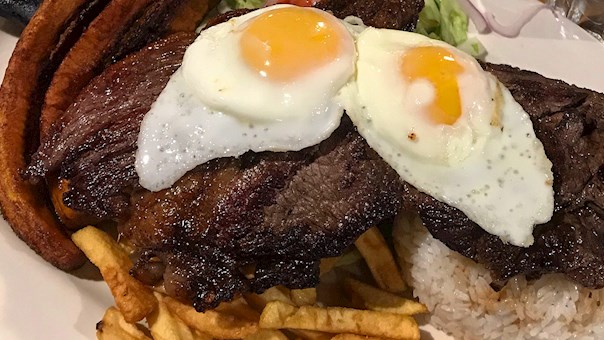
Bistec a lo pobre

4.4 ·
12

Asado

4.4 ·
13

Maminha

4.4 ·
14

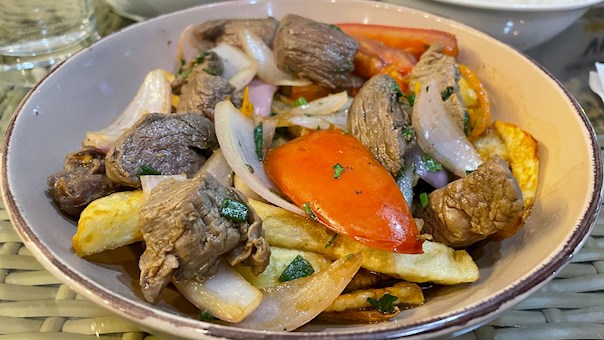
Lomo saltado

4.3 ·
17

Filet mignon

4.3 ·
19

Tira de asado

4.2 ·
20

Chorrillana

4.2 ·
Read more
View all
View map
About this ranking

TasteAtlas food rankings are based on the ratings of the TasteAtlas audience, with a series of mechanisms that recognize real users and that ignore bot, nationalist or local patriotic ratings, and give additional value to the ratings of users that the system recognizes as knowledgeable. For the “Top 100 South American Meat Dishes” list until June 15, 2026, 11,497 ratings were recorded, of which 5,395 were recognized by the system as legitimate. TasteAtlas Rankings should not be seen as the final global conclusion about food. Their purpose is to promote excellent local foods, instill pride in traditional dishes, and arouse curiosity about dishes you haven’t tried.

Similar lists