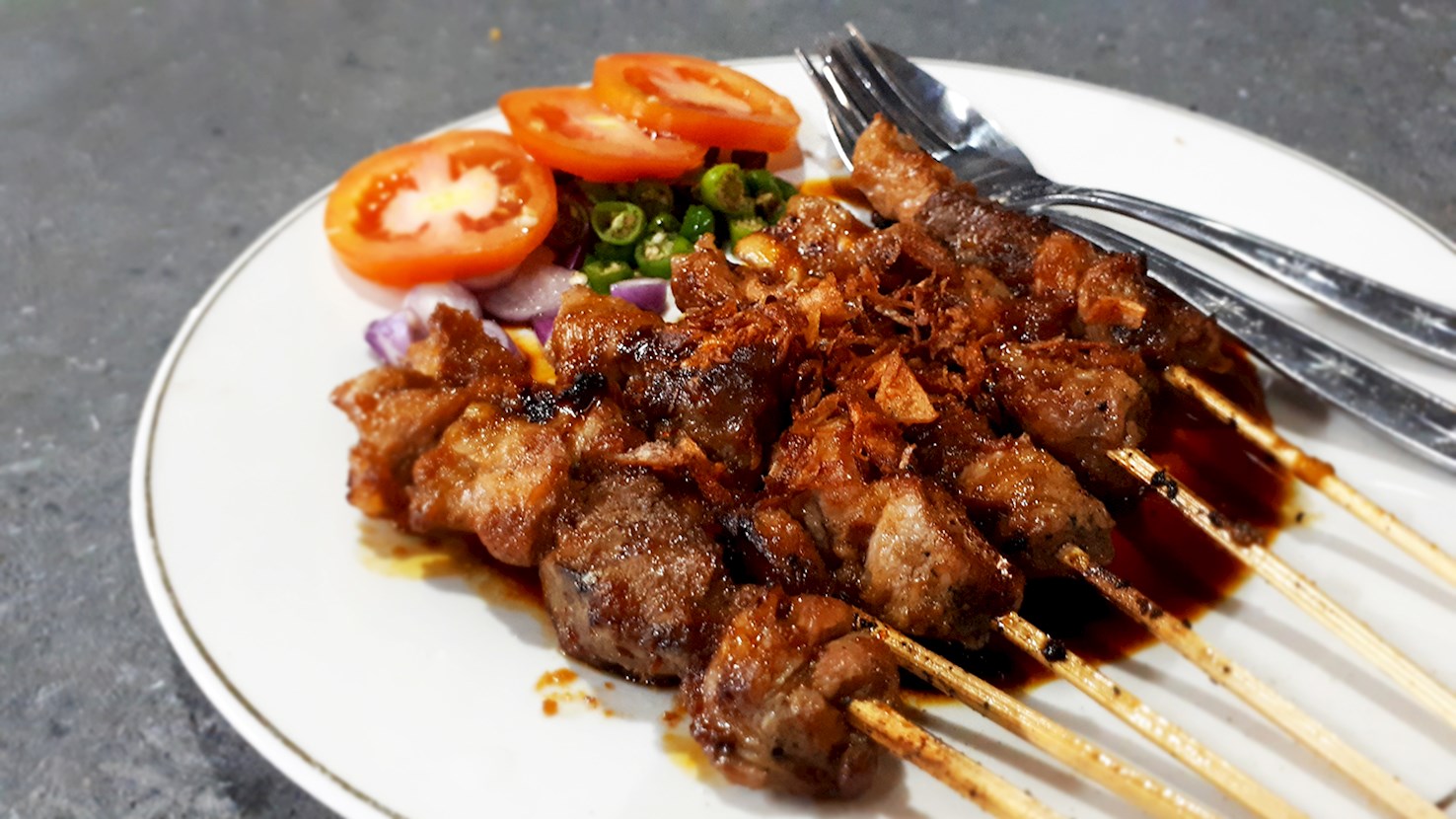
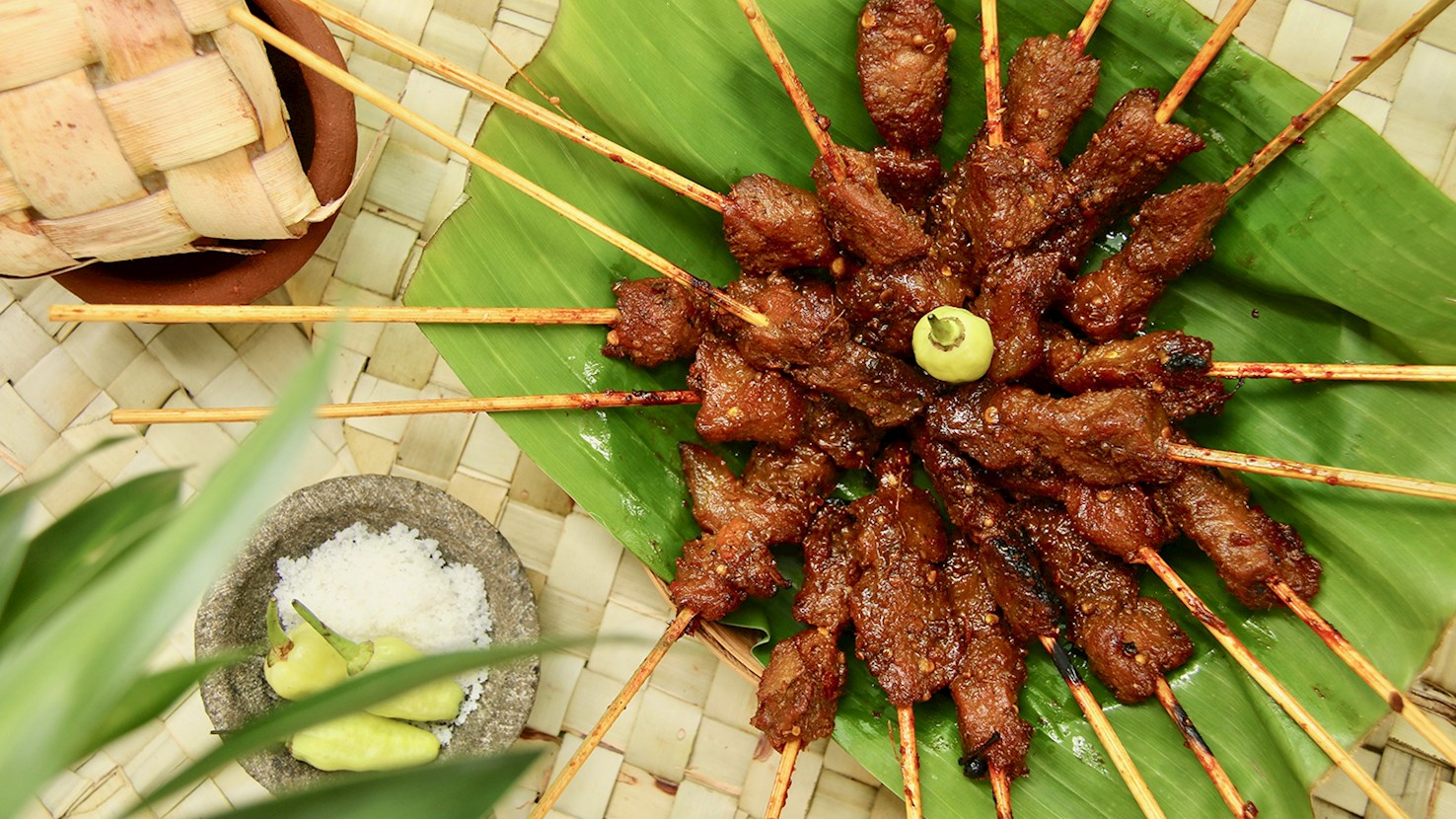
Sate kambing is a traditional dish and a type of satay prepared with goat or mutton as the main ingredient. The meat is cut into chunks or cubes and it's marinated in a combination of ingredients such as kecap manis (sweet soy sauce), galangal, ground shallots, pineapple juice, and (often) chili peppers. After it's been marinated, the meat is placed on skewers that are larger and thicker than the ones used for chicken satay as the texture and thickness of mutton or goat is tougher than chicken. The skewers for sate kambing are usually made from bamboo. The meat is grilled, then served with kecap manis sauce, peanut sauce, or chili sauce, consisting of shallots, bird eye chili peppers, and kecap manis. Some like to eat sate kambing with steamed rice or rice cakes on the side. This type of sate is especially popular in Java.
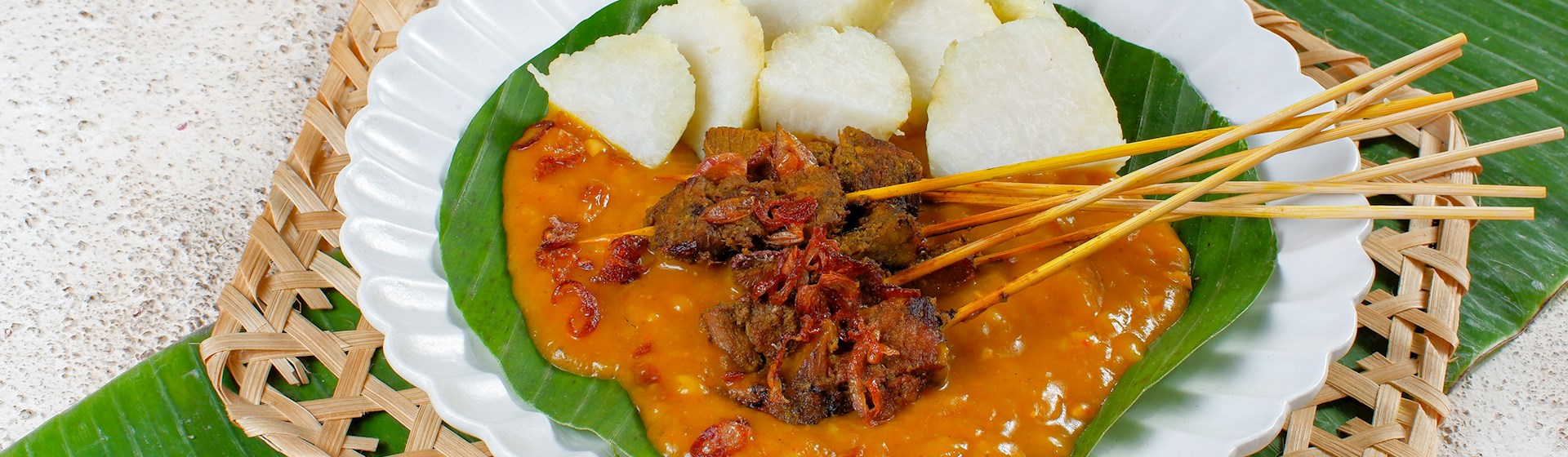
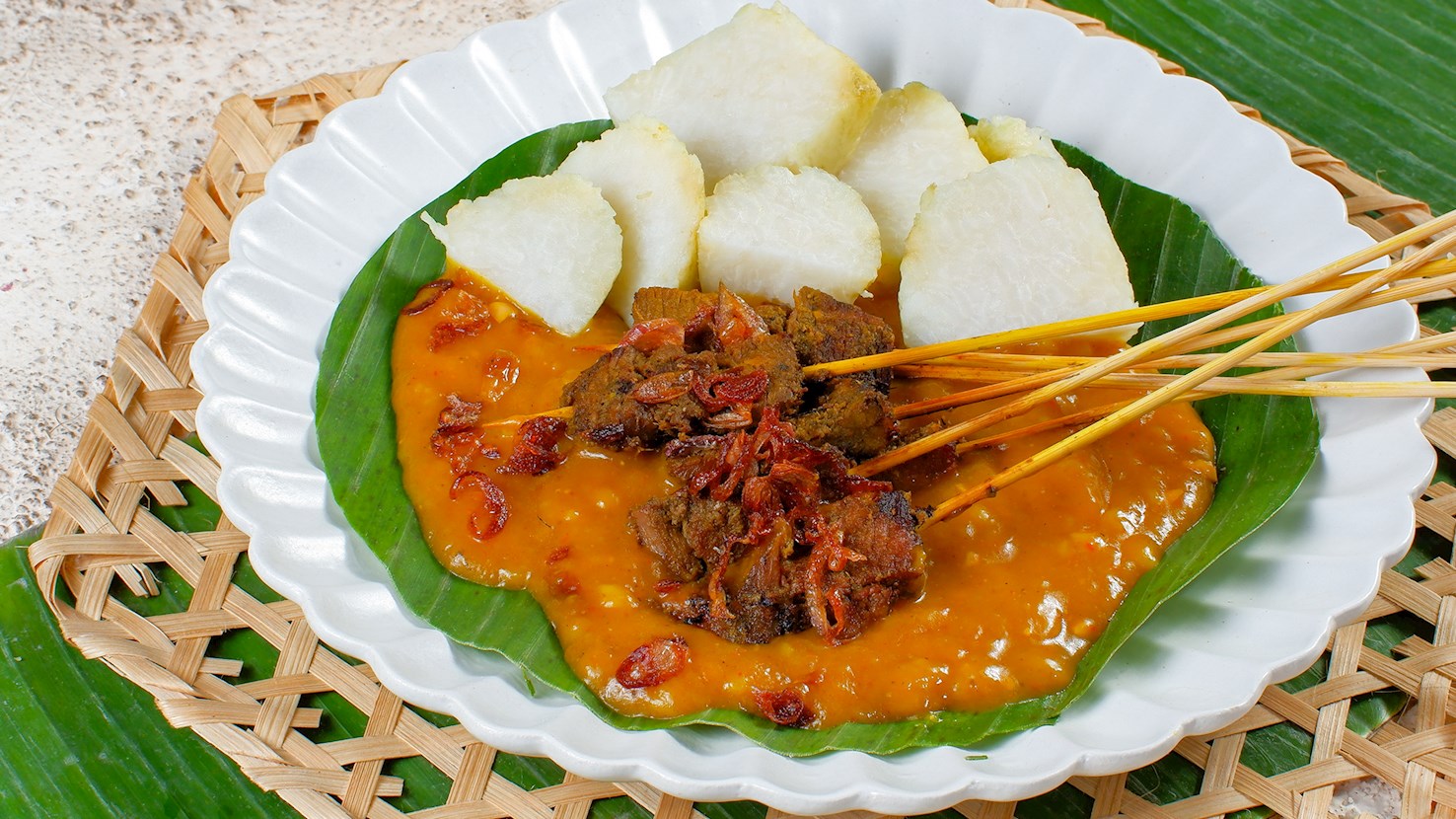
Padang satay is a spicy, rich, and aromatic Indonesian satay originating from Padang, West Sumatra, known for its thick, flavorful curry-based sauce. Unlike other Indonesian satay varieties that use peanut sauce or sweet soy sauce, Padang satay is distinct for its bold, turmeric-infused, and mildly spicy gravy, made from beef broth, rice flour, and a blend of local spices. The skewered meat—usually beef, beef tongue, or offal like intestines and heart—is first boiled in spiced broth until tender, then grilled over charcoal to achieve a smoky, caramelized crust. The signature thick, golden-brown sauce is made by reducing the broth used to cook the meat, thickened with rice flour, and enhanced with galangal, turmeric, coriander, cumin, lemongrass, and chilies, giving it a savory, slightly spicy, and deeply aromatic flavor. Padang satay is typically served on banana leaves, accompanied by steamed rice cakes (ketupat or lontong) and topped with crispy fried shallots, adding a final layer of crunch and fragrance.
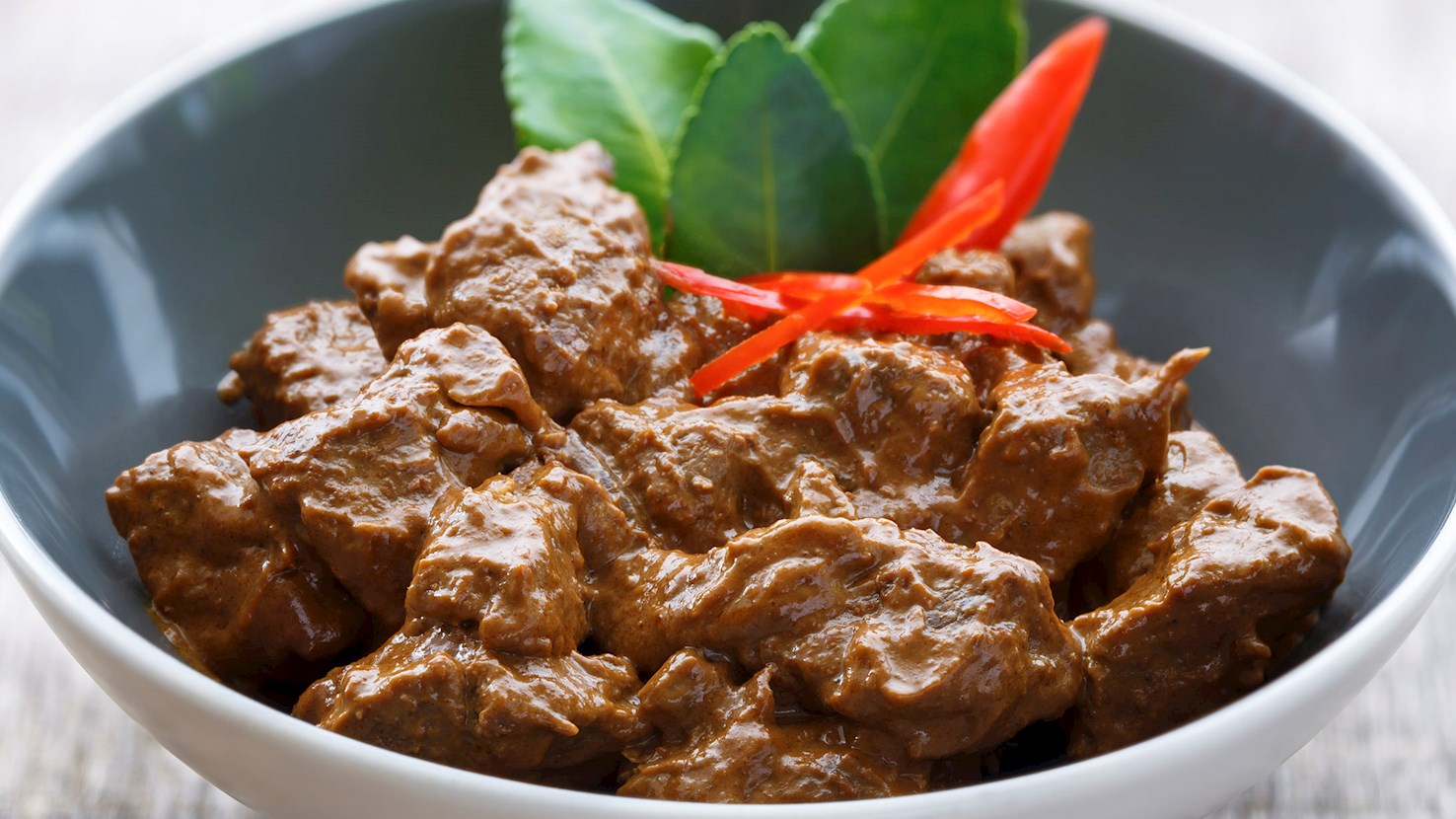
Rendang is an Indonesian meat dish which originated among the Minangkabau people in West Sumatra. The dish is famous for its spiciness and a long cooking procedure. It is often compared to Indian curry because of its consistency and unique flavors. The theory about how rendang was invented claims that the generous use of spices and long cooking hours were employed to preserve the meat in hot and tropical climates, such as Indonesian, so unsurprisingly, the need to preserve meat for a longer period appeared among the Minangkabau people. They were mainly traders who underwent long journeys and needed food which could stay fresh for weeks. However, the dish has a more symbolic meaning to them, because the main four ingredients used in rendang represent the Minangkabau society: the meat symbolizes leaders, coconut is a symbol of intellectuals, chili represents religious leadership, and other spices signify the rest of society. Today, rendang has surpassed Indonesian borders and has a reputation as one of the most delicious dishes in the world.
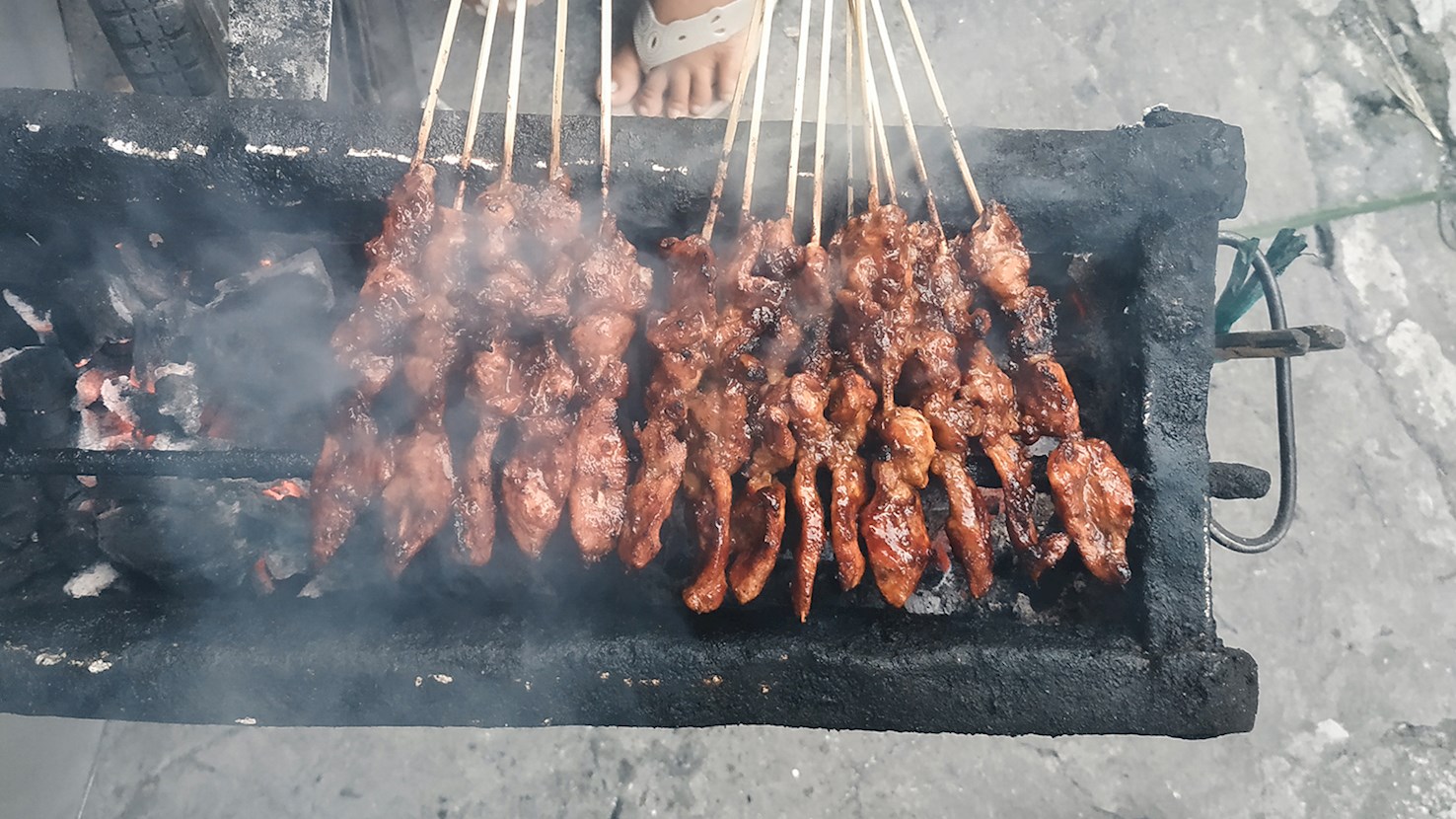
Sate Madura is a popular Indonesian skewered meat dish that originates from the island of Madura, located just northeast of Java. It is one of the most widely recognized regional variations of sate in Indonesia, known for its distinctively rich, sweet-savory peanut sauce and smoky, charcoal-grilled aroma. Typically made with small cuts of chicken or beef, the meat is marinated, skewered onto bamboo sticks, and grilled over hot coals while being brushed with a glaze that often includes sweet soy sauce, garlic, and shallots. What sets sate Madura apart from other styles is the generous use of thick, dark kecap manis and the robust, slightly caramelized peanut sauce that is poured over the cooked skewers just before serving, often accompanied by fried shallots and rice cakes called lontong. The roots of sate Madura lie in the island’s long-standing culinary influence on Javanese street food culture. Sellers from Madura have historically migrated to urban centers such as Jakarta and Surabaya, bringing their version of sate to roadside stalls, markets, and night-time food courts. Their presence has made sate Madura almost synonymous with street-side grilling throughout Indonesia, where the sight of glowing charcoal pits and the aroma of seared meat have become an essential part of the evening food scene. Often served on brown wax paper or banana leaves, sate Madura is eaten with the hands or simple wooden forks, emphasizing its role as a deeply rooted, everyday comfort food.
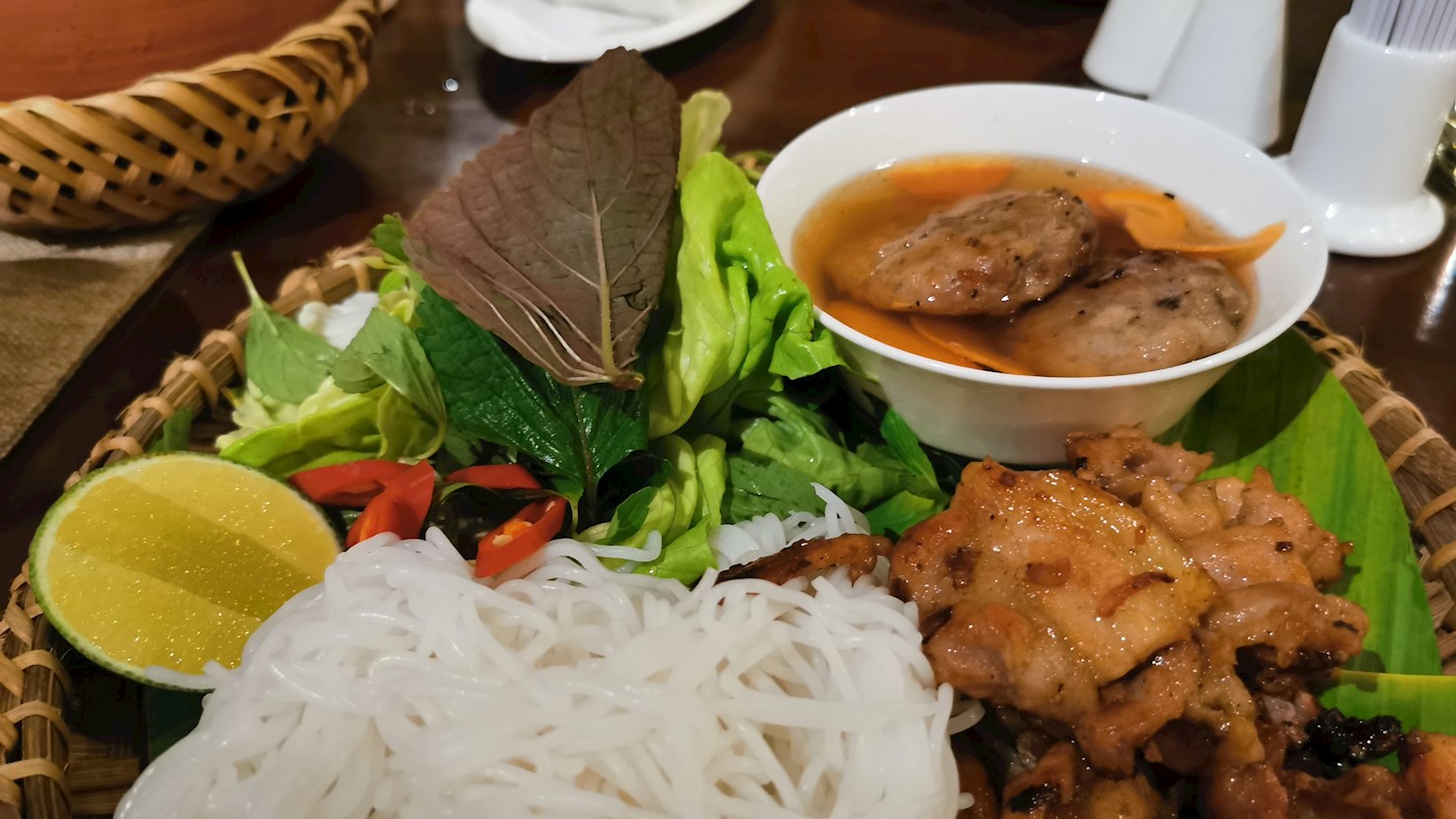
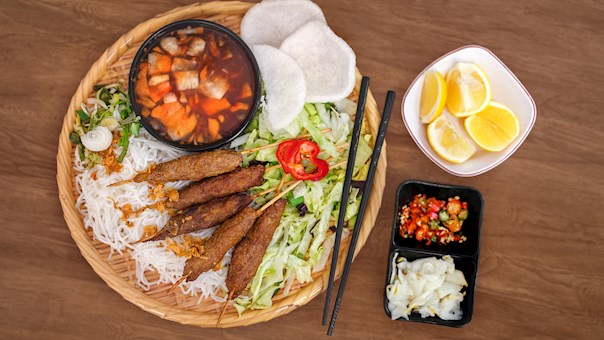
Bún chả is a pork and noodle dish that is intricately connected to Hanoi, where it is believed to have originated. The dish combines three elements: a bowl of grilled pork meatballs served in a cold broth, a plate of rice noodles, and a combination of various fresh greens such as perilla leaves, lettuce, coriander, and morning glory. Although bún chả or similar varieties can be found in other parts of Vietnam, the local Hanoi version is held in high regard. Not much is known about its history or origin, but the dish became internationally recognized in 2016 when it was featured on the show Parts Unknown – in which the host Anthony Bourdain enjoyed bún chả together with the former president Barack Obama.
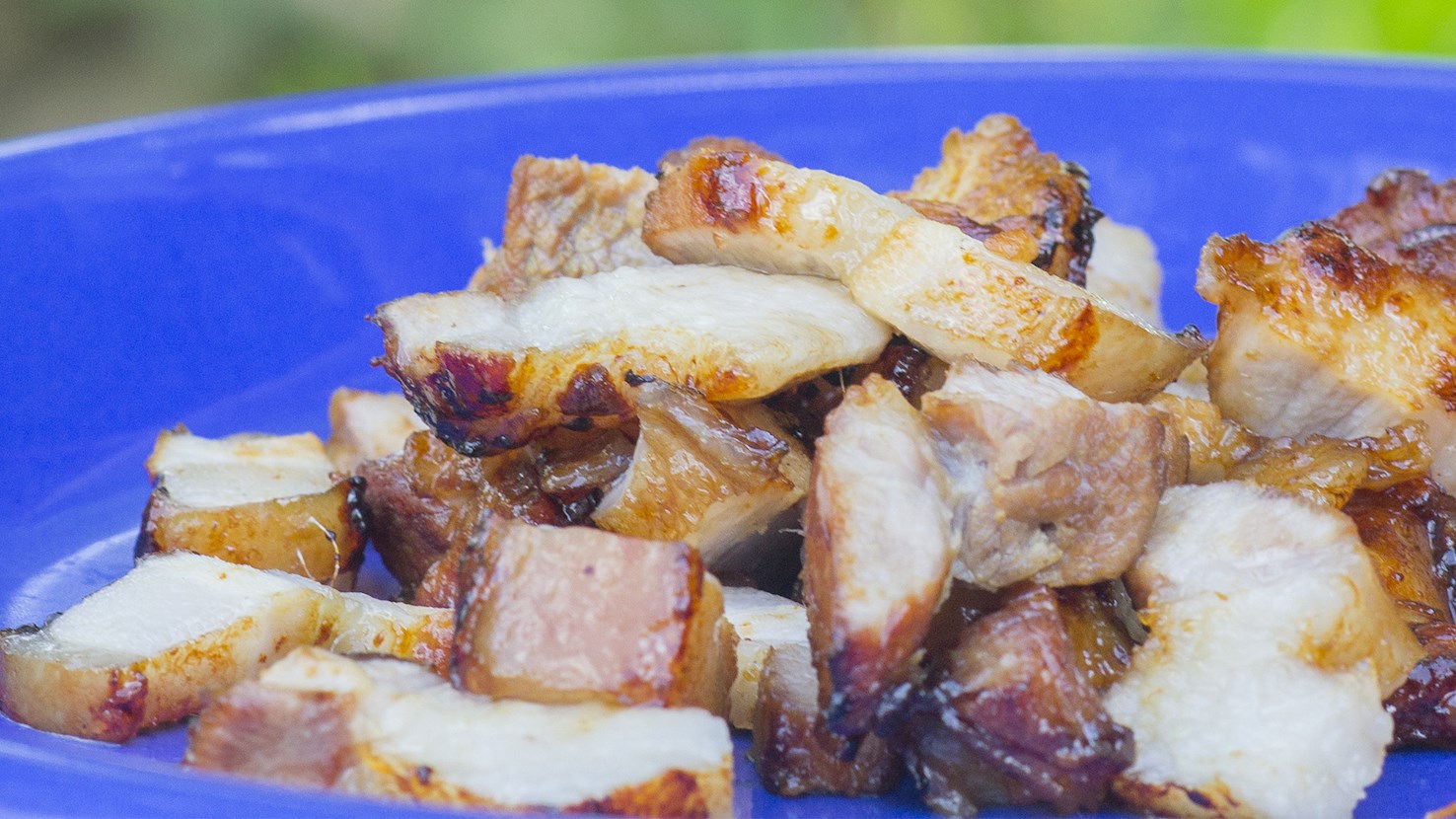
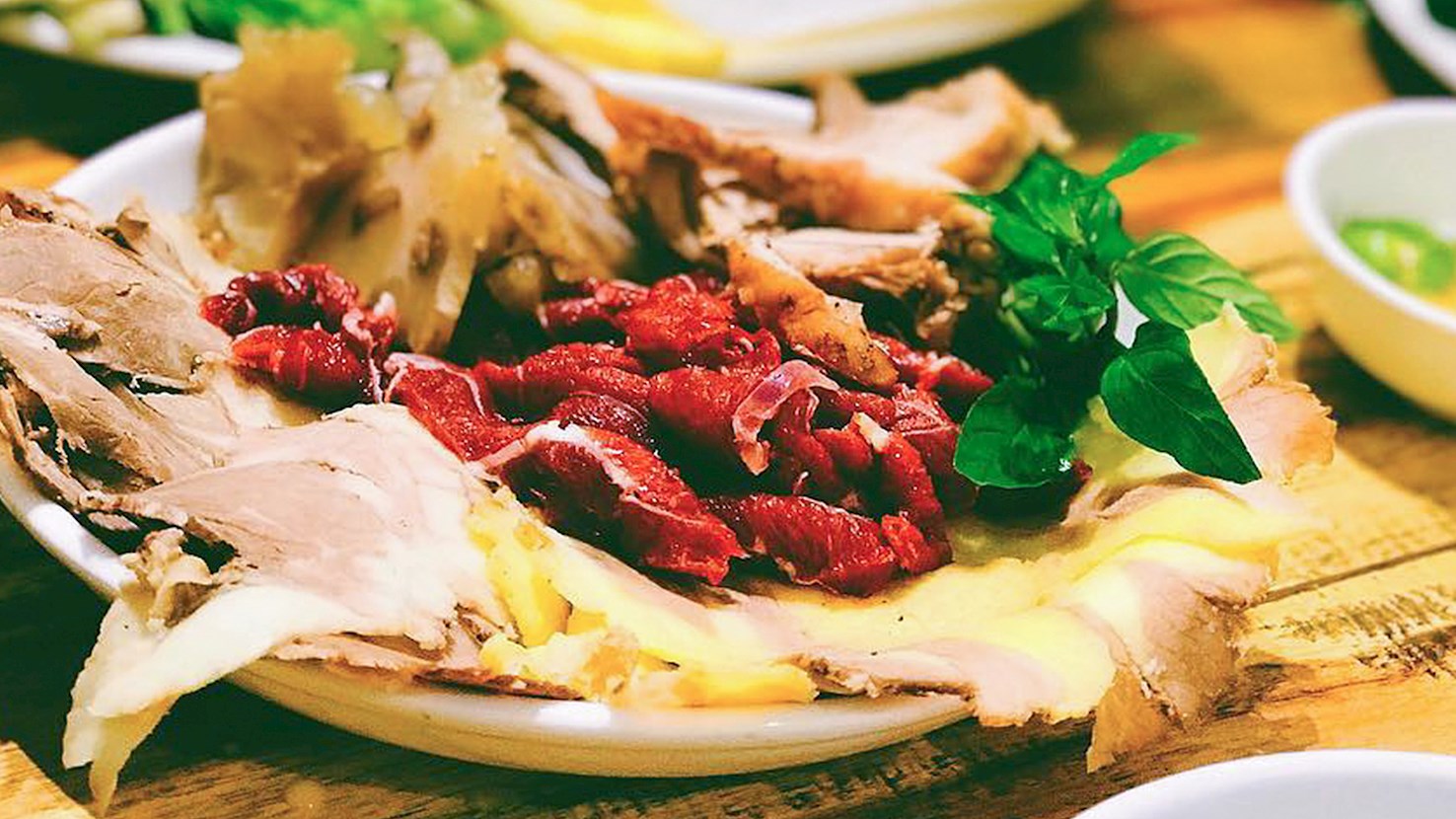
Lechon kawali is the Filipino version of deep-fried pork belly. Primarily boiled in plain or seasoned water, the meat is rubbed with salt, cut into chunks, then deep-fried until it develops a golden-brown, crispy skin, but remains juicy and tender on the inside. It is one of the most famous Filipino dishes eaten throughout the country. Always served hot, lechon kawali is usually accompanied by spicy vinegar sauce or a traditional lechon liver sauce on the side.
Sate babi is an Indonesian pork satay that originates primarily from the Chinese-Indonesian and Balinese communities, offering a distinctive take on the country’s iconic skewered meat dishes. Unlike most Indonesian sate, which is often made from chicken, beef, or goat due to the country’s majority Muslim population, sate babi is popular in regions where pork is widely consumed, such as Bali, North Sulawesi, and parts of Java with significant non-Muslim populations, particularly among Chinese-Indonesians. The dish consists of small cuts of pork that are marinated in a richly seasoned mixture before being skewered and grilled over charcoal. The marinade typically includes garlic, shallots, coriander, tamarind, soy sauce, palm sugar, and sometimes lemongrass or ginger, resulting in a flavor profile that is simultaneously savory, sweet, and aromatic. The meat is usually cut into bite-sized cubes or thin slices, allowing it to cook quickly while maintaining a tender, juicy interior and slightly charred exterior. During grilling, the skewers are often brushed with the leftover marinade to deepen the flavor and create a glossy, caramelized finish. In Bali, sate babi is often prepared for religious ceremonies and festive gatherings, where it is served alongside lawar, rice, and spicy sambal. It holds an important cultural role, symbolizing celebration and abundance. In Chinese-Indonesian cuisine, it is commonly sold at street stalls and small family-run warungs, especially in urban areas like Jakarta and Surabaya, where it is typically served with rice, pickled vegetables, and a thick peanut or soy-based sauce. The Balinese version tends to be spicier and more aromatic, reflecting the island’s bold and vibrant culinary traditions, while Chinese-Indonesian versions may lean slightly sweeter and more soy-forward.
Bò nhúng dấm is a Vietnamese version of a hot pot that is traditionally served communal style. In its basic form, the dish consists of a vinegar-flavored broth that may also include coconut milk or coconut water, lemongrass, onions, or other additions, while typical accompaniments include thinly sliced raw beef and an assortment of fresh vegetables and herbs such as bean sprouts, daikon, lettuce, cucumbers, mint, basil, and perilla leaves. Although the name (bò) suggests the dish is exclusively made with beef, it can also include other types of protein such as squids or shrimps. Additional elements include rice paper sheets, which are used as wrappers, and typically nước chấm and mắm nem dipping sauces.
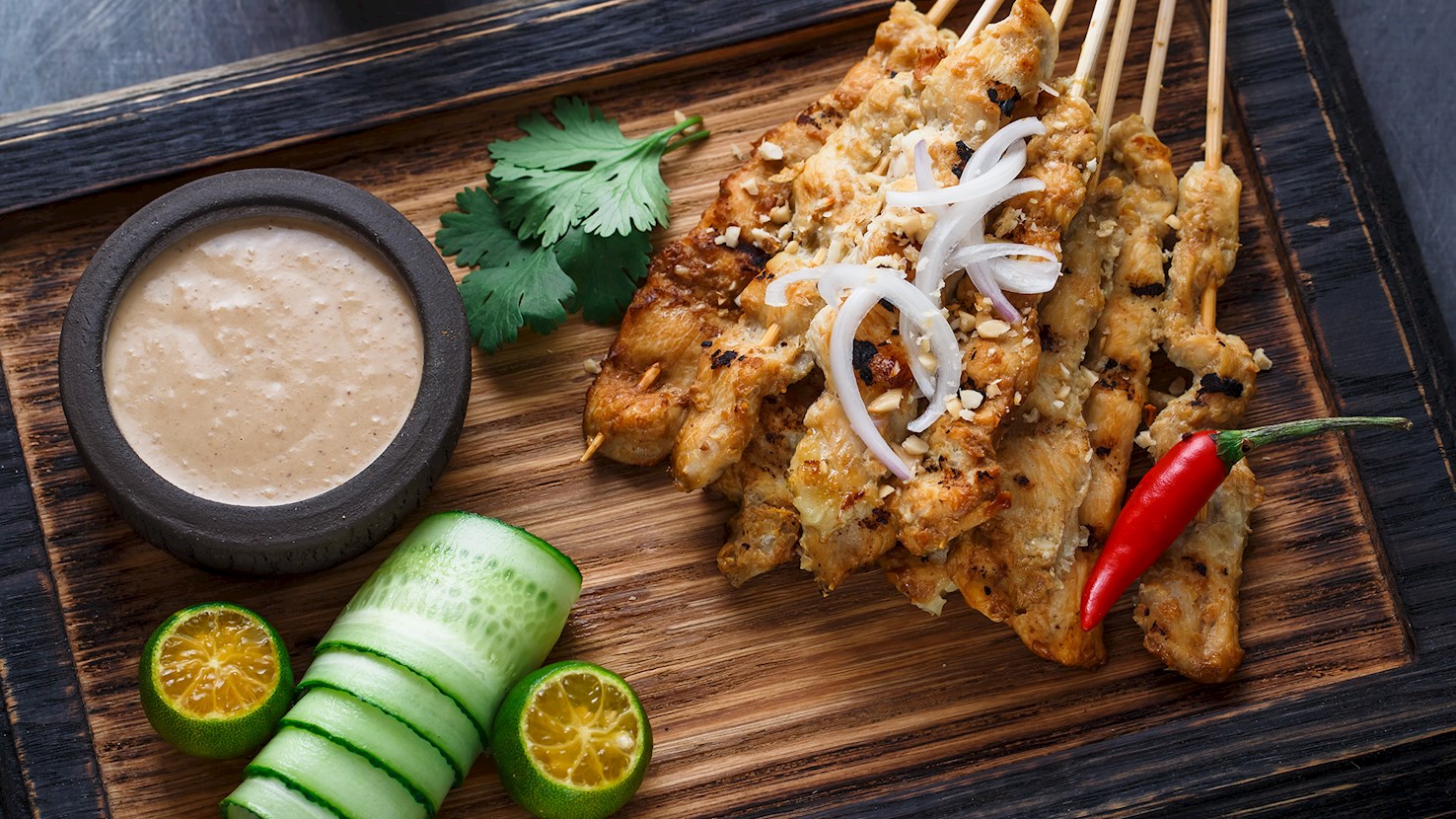
Satay is a traditional dish consisting of skewered meat that's served with a sauce on the side. All types of meat can be used to make satay, even some exotic varieties such as crocodile or snake meat. In most cases, the meat is marinated before grilling. Marinades vary, but typically include dark soy sauce, sugar, garlic, lime juice, and other seasonings. It is believed that satay originated in the Indonesian region of Java and that it was developed under the influence of Muslim traders who migrated from India. Another theory claims that satay was created in the 19th century by Indonesian street vendors as a variation on Indian kebabs. The theory is supported by the fact that satay became popular when Muslim and Arab immigrants had populated those areas. From the moment it originated in Java, satay quickly spread throughout Southeast Asia, and eventually all over the world. In Indonesia, it has become a national dish and nowadays it can be found everywhere, from street vendors to high-class restaurants. The most common sauces served with satay are peanut, soy, or pineapple sauce.
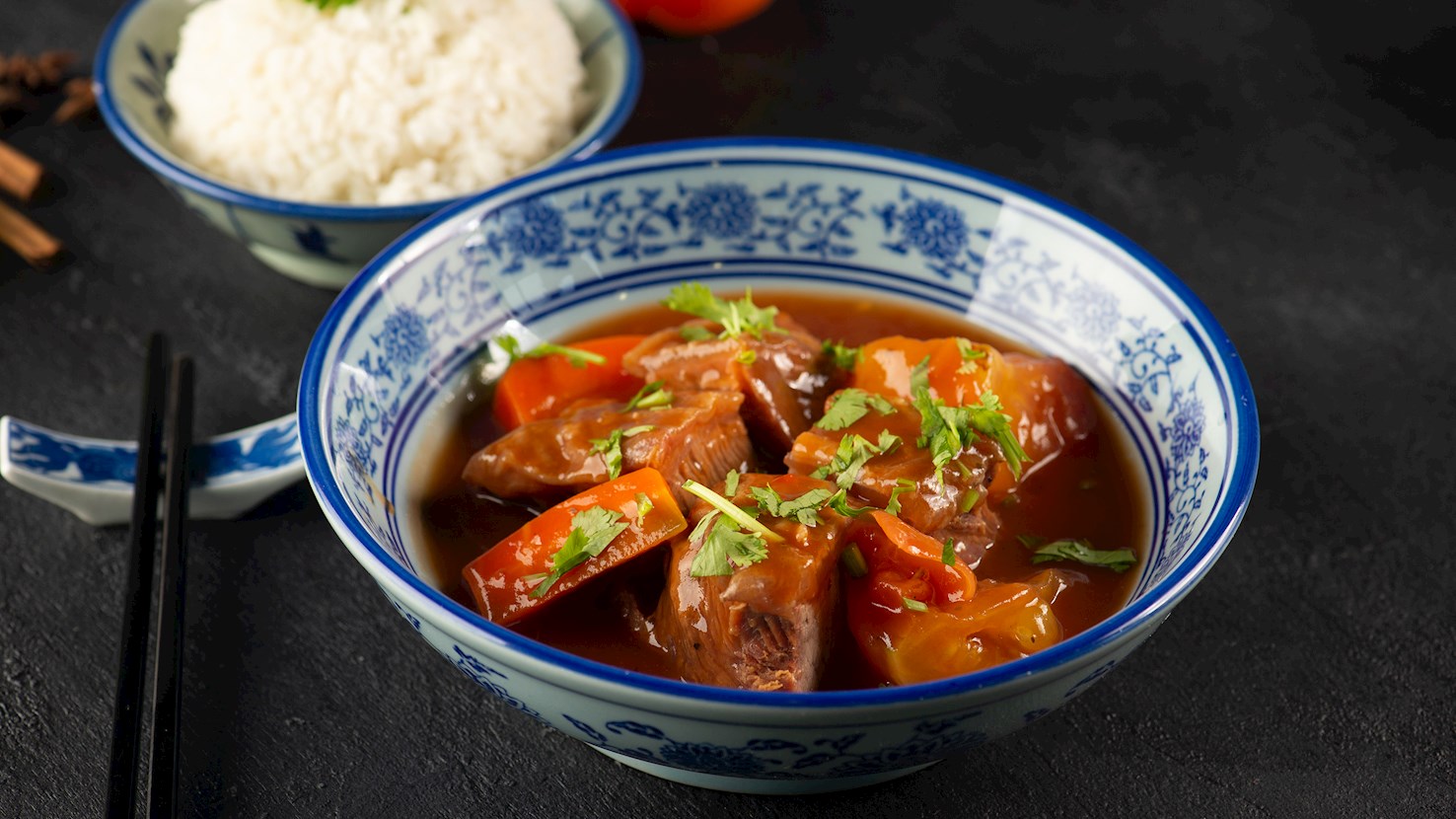
Bò kho is a popular Vietnamese beef stew that can be consumed on its own or accompanied by a baguette on the side. It can also be served over noodles, and it is customary to serve a variety fresh herbs on the side. The dish includes ingredients such as diced beef, carrots, lemongrass, cinnamon, chili, pepper, garlic, and shallots, all of them simmered in a spicy and aromatic broth. The origins of bò kho are still a mystery, although it is believed that the dish has many influences, from both the East and the West. In rural areas of Vietnam, the stew is usually much spicier than in urban areas. It is traditionally consumed for breakfast, garnished with chopped green onions, coriander, and onions.
TasteAtlas food rankings are based on the ratings of the TasteAtlas audience, with a series of mechanisms that recognize real users and that ignore bot,
nationalist or local patriotic ratings, and give additional value to the ratings of users that the system recognizes as knowledgeable.
For the “Top 100 Southeast Asian Meat Dishes” list until September 15, 2026, 4,956 ratings were recorded, of which 3,321 were recognized by the system as legitimate.
TasteAtlas Rankings should not be seen as the final global conclusion about food. Their purpose is to promote excellent local foods,
instill pride in traditional dishes, and arouse curiosity about dishes you haven’t tried.





What People Say