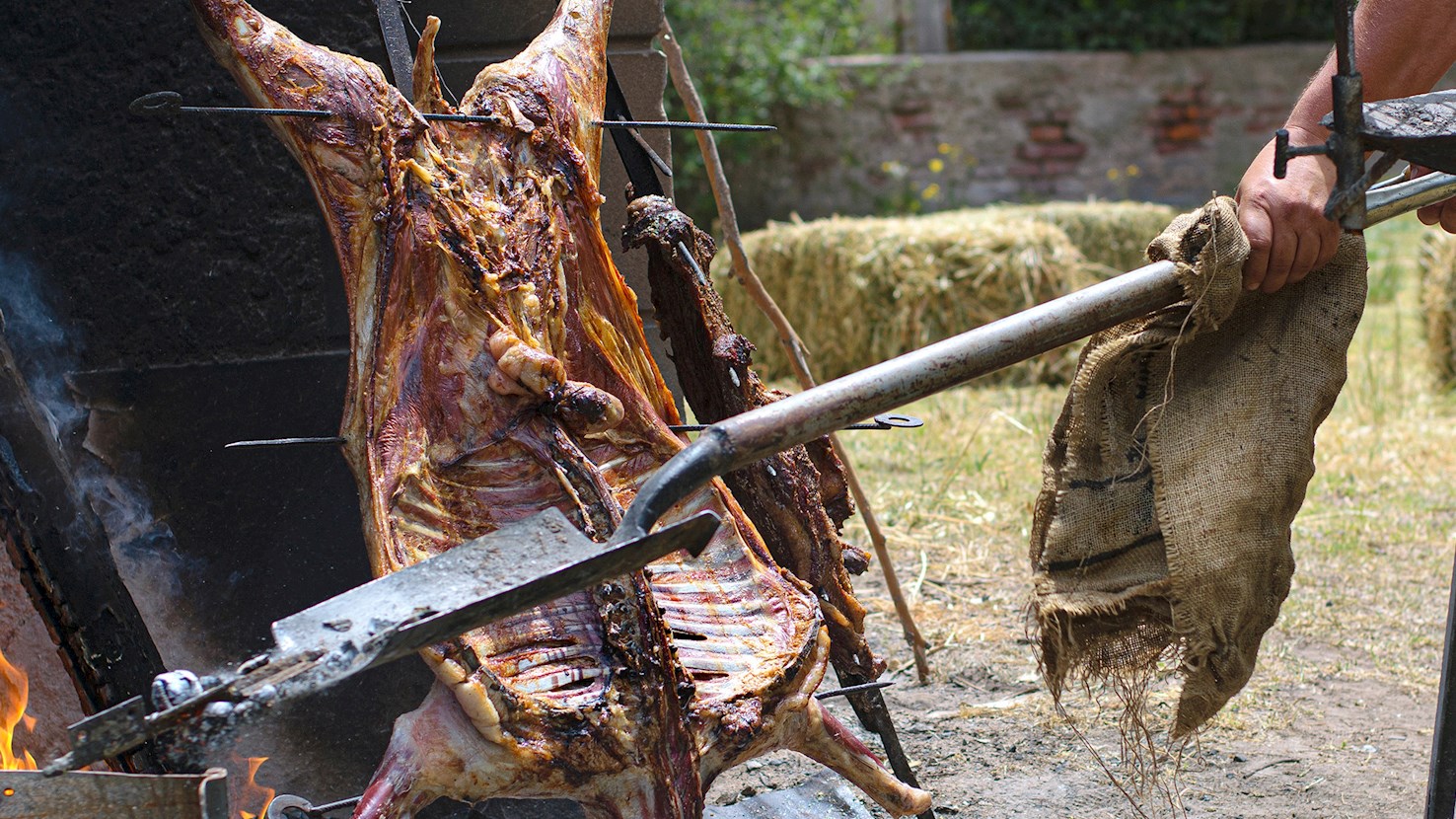
Cordero asado is a popular Castillan dish made by roasting a whole lamb over an open fire. The lamb is usually marinated with lemon, garlic, and various fresh herbs such as rosemary and thyme. Once it is properly cooked, cordero asado is typically accompanied by roasted potatoes and onions on the side. The dish is especially popular during the Christmas season.
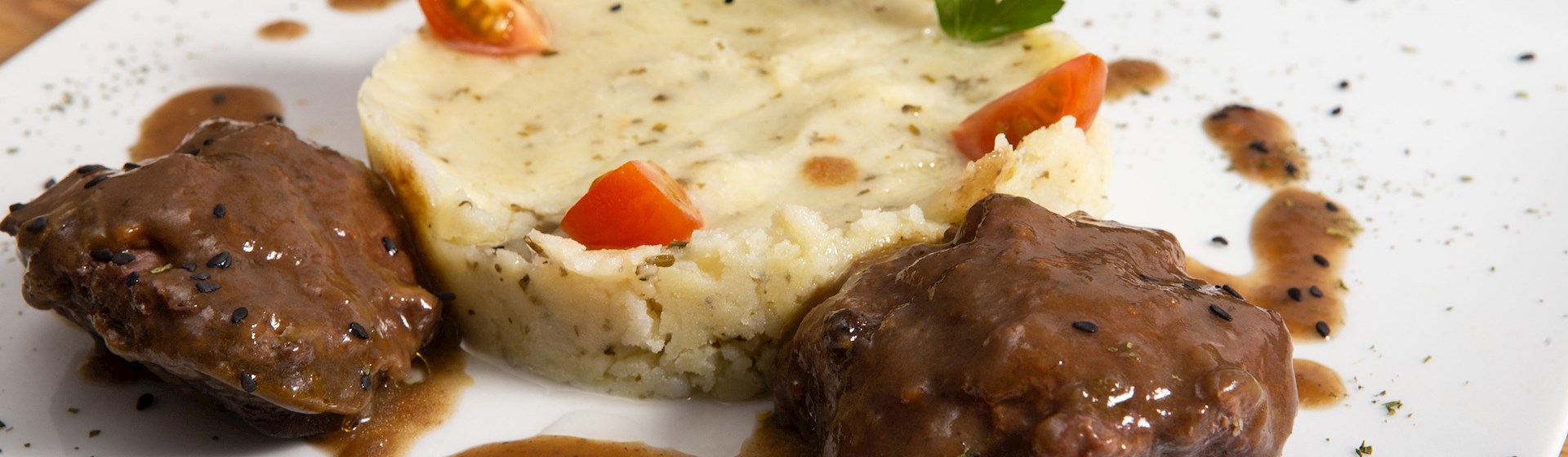
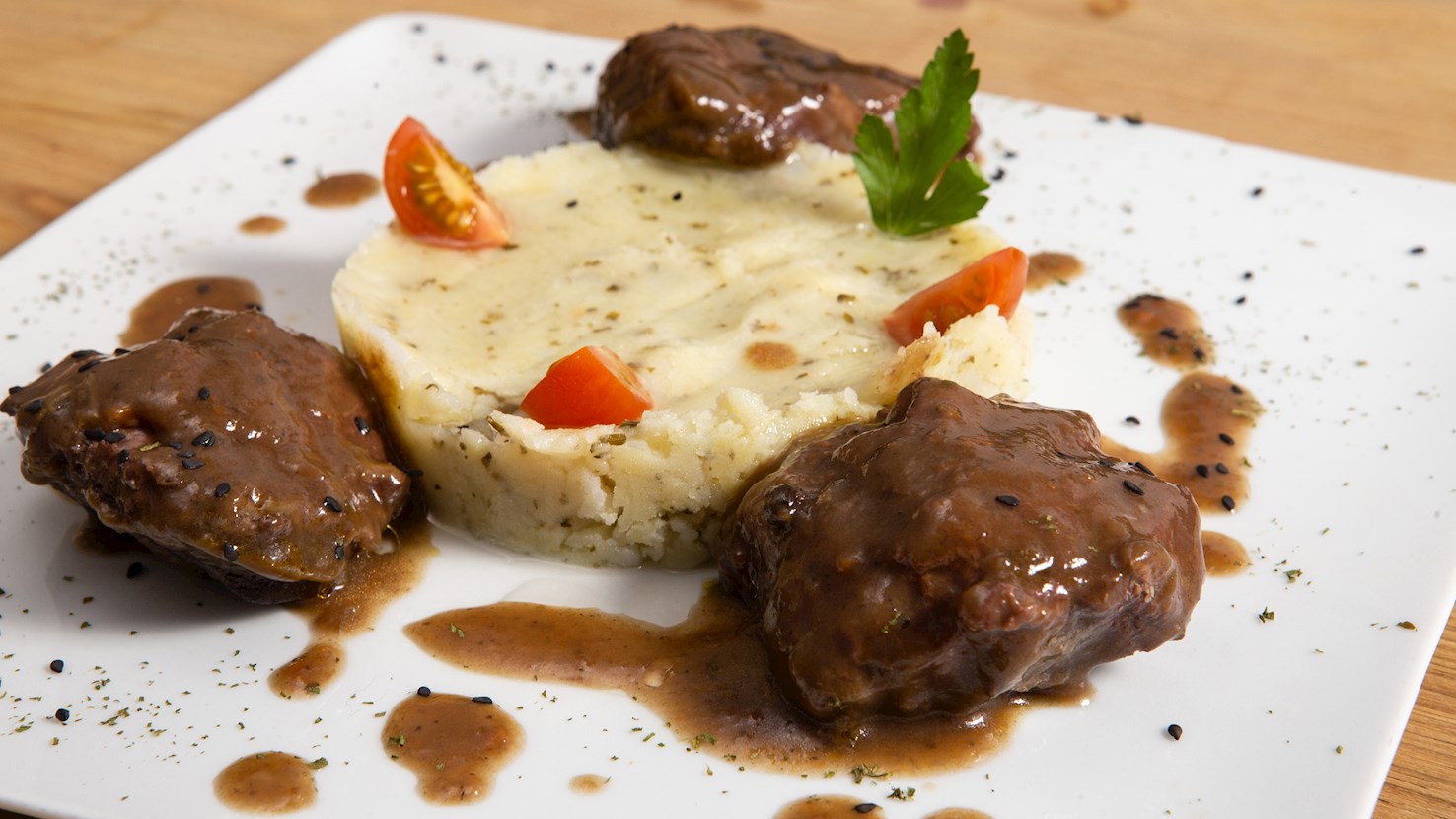
Carrillada is a traditional dish made with braised pork (de cerdo) or beef (de ternera) cheeks. The dish is especially popular in Andalusia, and the best version is supposedly made with local Iberian pigs. The cheeks are usually braised in red wine or port, typically with root vegetables and spices such as paprika, bay leaves, and cumin. Cinnamon is also sometimes added. The dish is slowly cooked until the sauce is thick and the cheeks are tender. Carrillada is often served as a tapa.
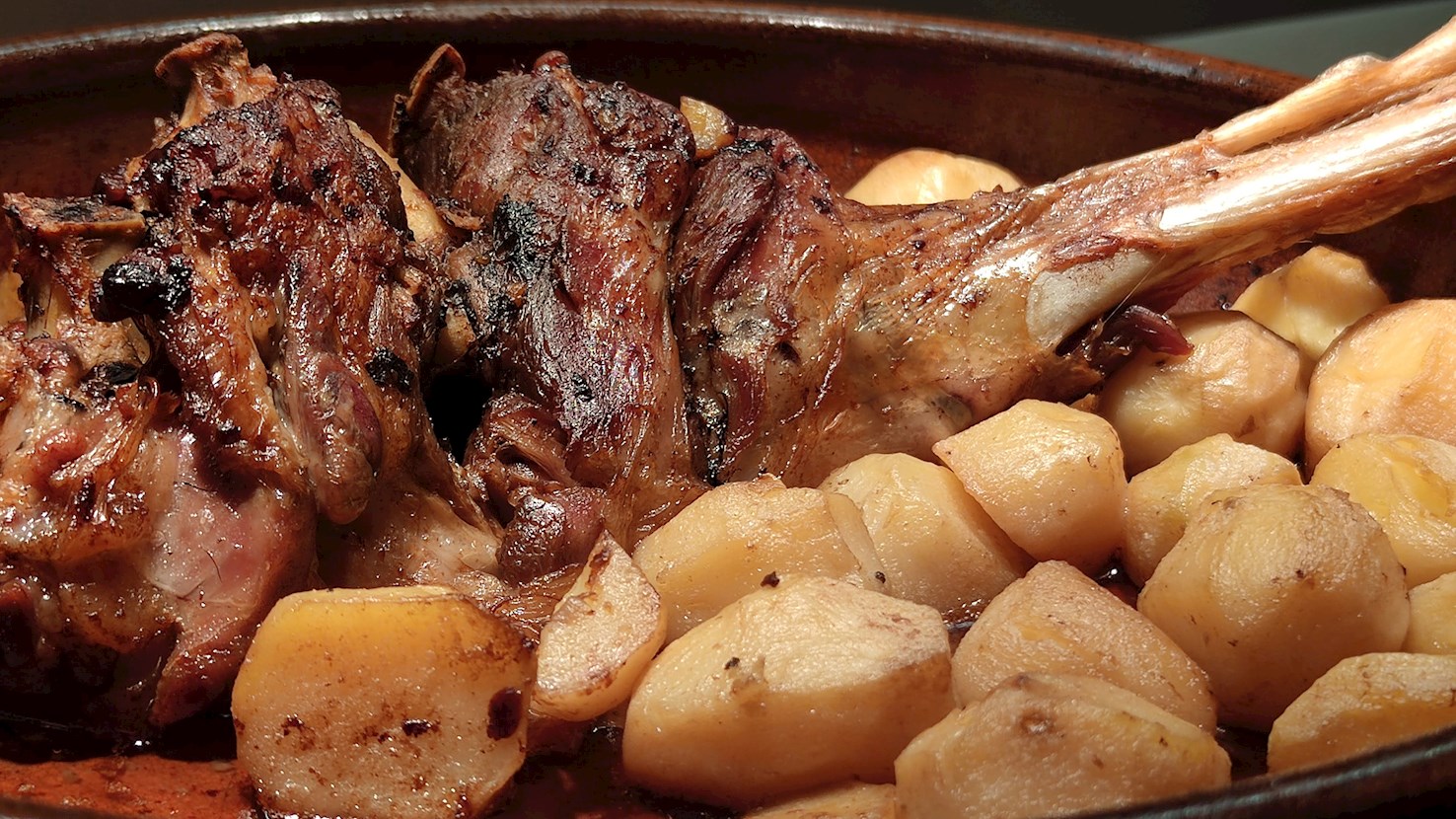
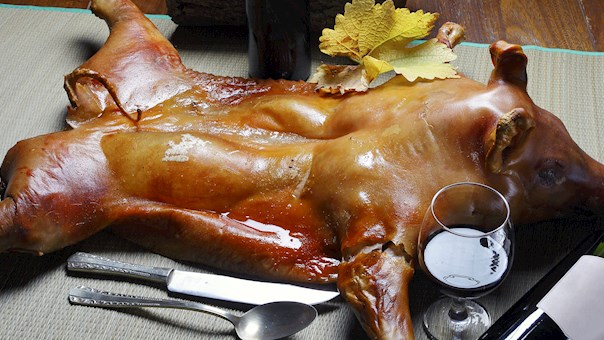
Lechazo is a roasted, unweaned milk-fed lamb prized for its exceptionally tender meat and crackling, brittle skin. The foundation of this meal relies heavily on strict criteria regarding the animal itself; the lamb must be under thirty-five days old, weigh between nine and twelve kilograms, and have consumed absolutely nothing but maternal milk. This diet guarantees a mild flavor and prevents the development of tough muscle fibers. The origins of roasting such young livestock stretch back to the Celtic and Roman eras across the high-altitude plains of the Iberian Peninsula, specifically within the Duero basin. Shepherds navigating the harsh climate relied heavily on massive flocks of sheep, and using dome-shaped clay ovens fueled by local oak branches became the most efficient way to turn young lambs into a robust source of calories. Prepping the meat involves splitting the animal lengthwise down the spine into quarters. These pieces are arranged bone-side down inside wide terracotta earthenware vessels. A small amount of water is poured directly into the bottom of the container to generate continuous steam, keeping the flesh moist, while the exterior skin is vigorously rubbed with coarse salt and occasionally a thin layer of pork lard. The clay pot sits inside a scorching wood-fired oven for a couple of hours. As it roasts, the internal fat renders completely, bathing the meat in its own juices until the outer layer transforms into a golden, blistered crust. While the minimalist approach, using only salt, water, and heat, defines the baseline in Castile and León, regional variations actively alter the flavor profile. Certain recipes add crushed garlic, fresh parsley, and a generous splash of white wine or lemon juice to the roasting pan to baste the meat. Additionally, thick slices of potato are frequently layered beneath the quarters to absorb the rendered fat as the lamb bakes. When pulled from the flames, the hot terracotta vessel is carried straight to the dining table. Because the meat achieves an incredibly soft texture, it separates from the bone effortlessly, requiring no specialized carving knives to dismantle. Slices of crusty bread and a simple side salad of crisp lettuce and white onions, dressed lightly with oil and vinegar, almost always accompany the warm meat, providing a sharp, acidic contrast to the rich, heavy fat.
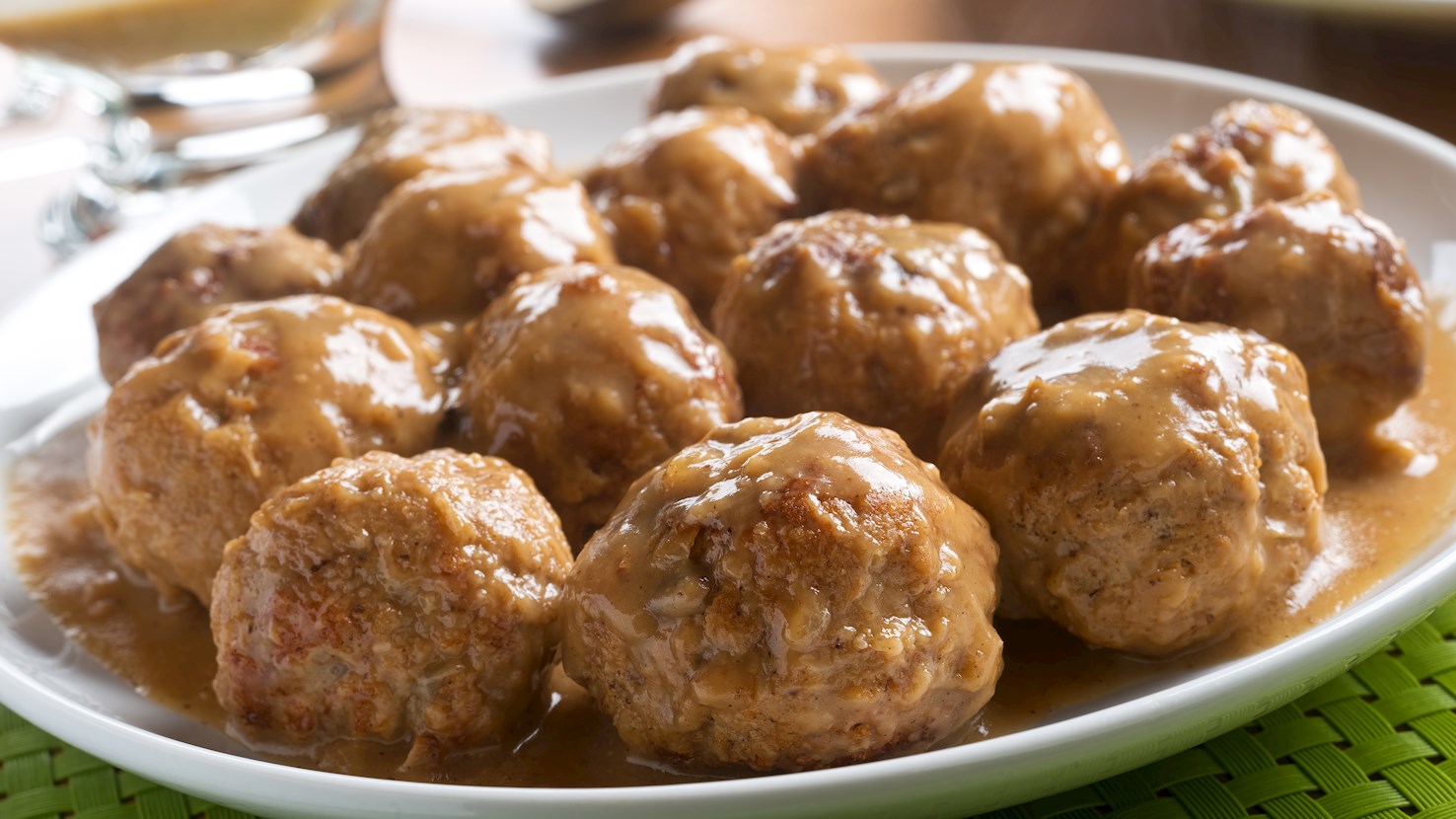
Albóndigas en salsa is a traditional dish that's typically eaten as a tapa. This appetizer consists of meatballs in rich tomato sauce. The small meatballs are often made with a combination of beef, pork, veal (or a combination of the three), breadcrumbs, parsley, eggs, garlic, flour, and seasonings, while the sauce is made with garlic, onions, tomatoes, red wine, olive oil, paprika, salt, and stock. Before cooking them in the sauce, the meatballs are usually lightly browned. When the sauce becomes thick, the dish is served, often with crusty bread and a glass of red wine on the side. It is believed that these meatballs originated as a Berber or Arab dish which was brought over to Spain during the Muslim rule. The name is derived from the Arabic word al-bunduq, meaning hazelnut, referring to the small size of the meatballs.
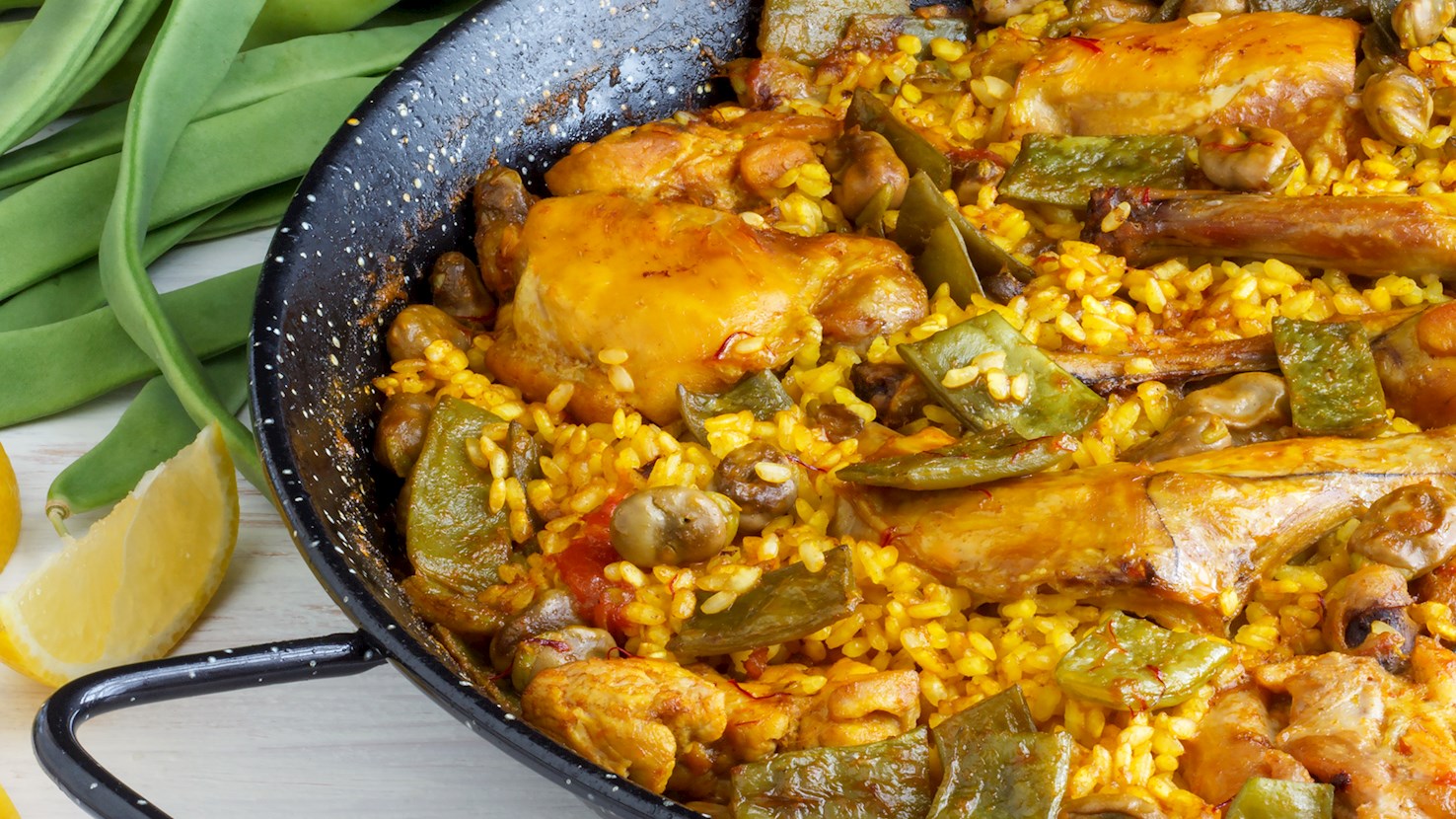
Often referred to as the original paella, this Valencian classic traditionally consists of rice that is cooked alongside chicken thighs, rabbit, three types of beans, tomatoes, and snails. Valenciana is generously seasoned with saffron and smoked paprika. It is always prepared in shallow paella pans. According to tradition, the use of additional ingredients is strictly forbidden, and only Valencian rice (PDO) should be employed in the dish. Paella Valenciana is praised for its flavor and the combination of local, authentic ingredients that perfectly illustrate the culinary heritage of the region.
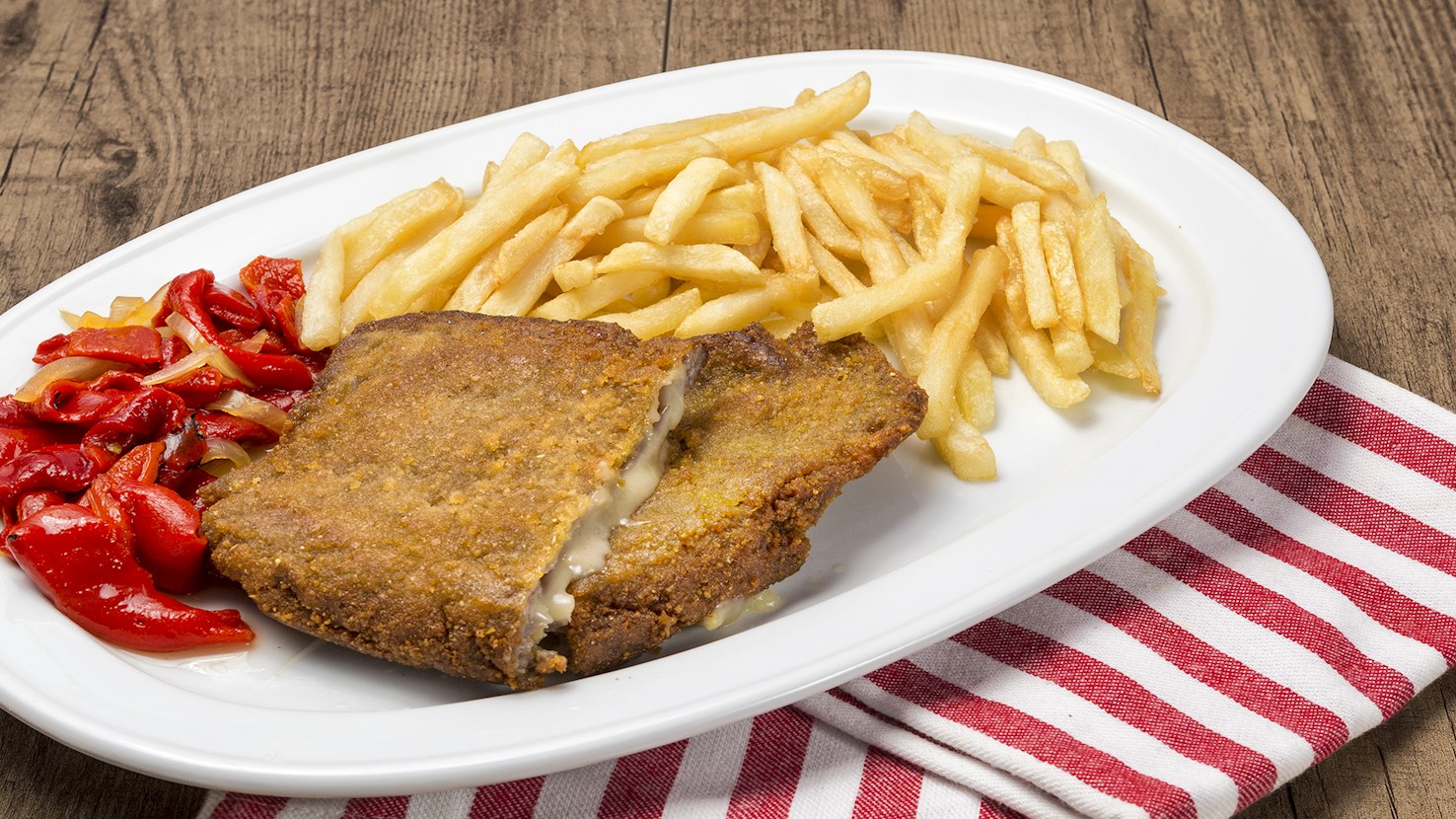
Cachopo is a meaty delicacy from the Spanish region of Asturias, consisting of two veal or beef steaks filled with cheese and a slice of ham. The whole concoction is then coated in breadcrumbs and fried in hot oil. The dish is traditionally served with roasted potatoes, grilled peppers, and mushrooms on the side. Today, there are numerous versions of this classic dish prepared with fish, chicken, or pork.
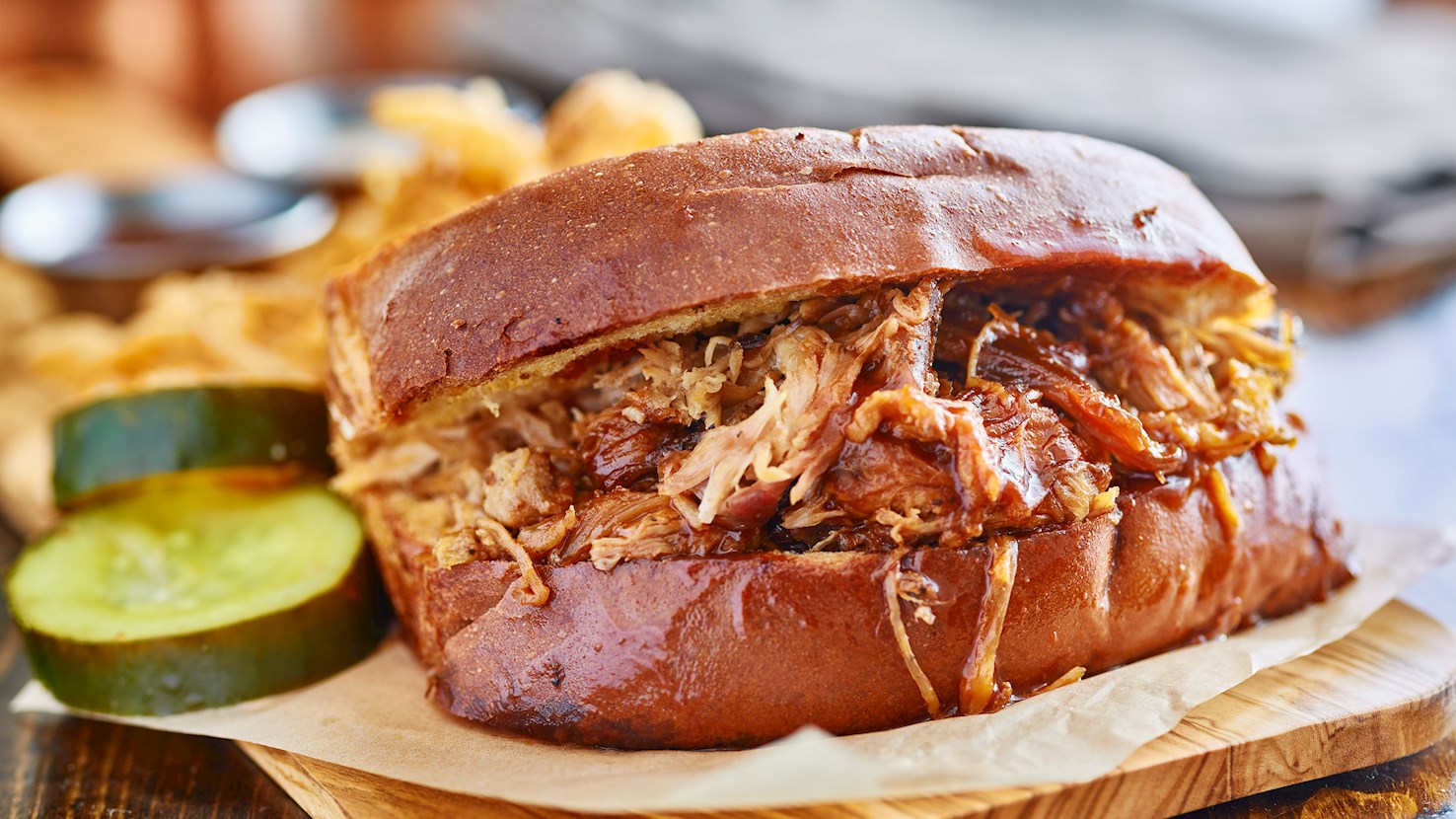
Pringá is a traditional dish with Andalusian origins. It consists of cured sausages (morcilla, chorizo), roast pork or roast beef, and either pork or beef fat. The meat is cooked slowly for a long time until the meat starts to fall apart easily. Pringá can be served in different ways – as pieces of meat on a plate, eaten without cutlery by combining the meat with pieces of bread (pringando), or as a tapa, where the meat is tucked inside bread rolls as a small sandwich. It is also often served with salmorejo, a dish made with tomatoes and bread. Pringá is especially popular in rural parts of Andalusia.
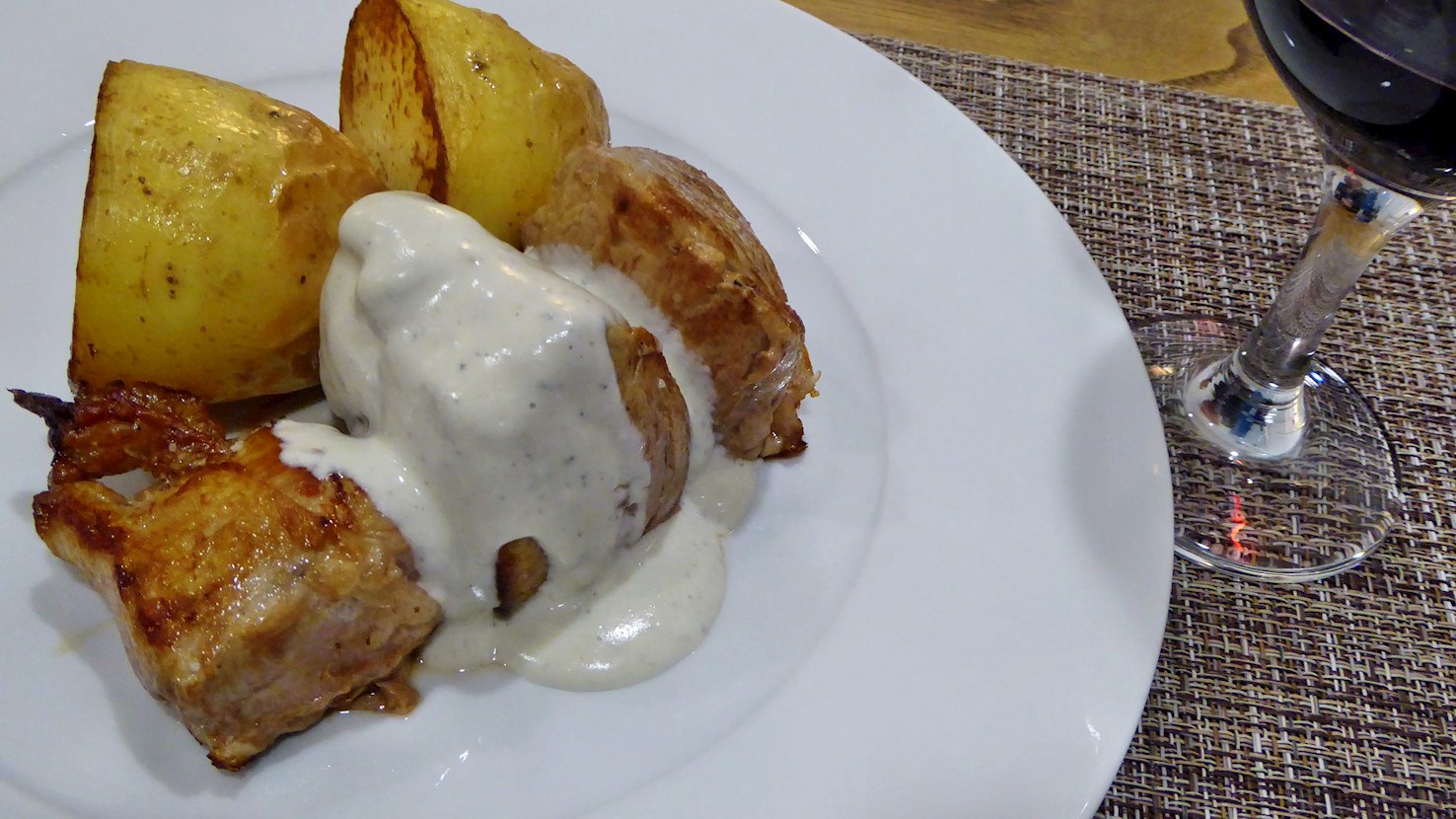
Solomillo al Cabrales is a traditional dish originating from the region of Asturias. The dish is usually made with a combination of beef tenderloin, Cabrales cheese, thyme, olive oil, salt, and pepper. The tenderloin is brushed with olive oil, then placed over thyme in a roasting pan and roasted until medium-rare. The thyme is discarded, and the tenderloin is then seared over high heat, removed from the pan, and wrapped in foil. After a few minutes, the meat is cut into small cubes (or thick slices for a main dish) that are arranged on a warmed plate. Each piece is sprinkled with sea salt and black pepper, then topped with a piece of strong blue cheese and drizzled with olive oil. The dish is served while still warm, usually as a tapa.
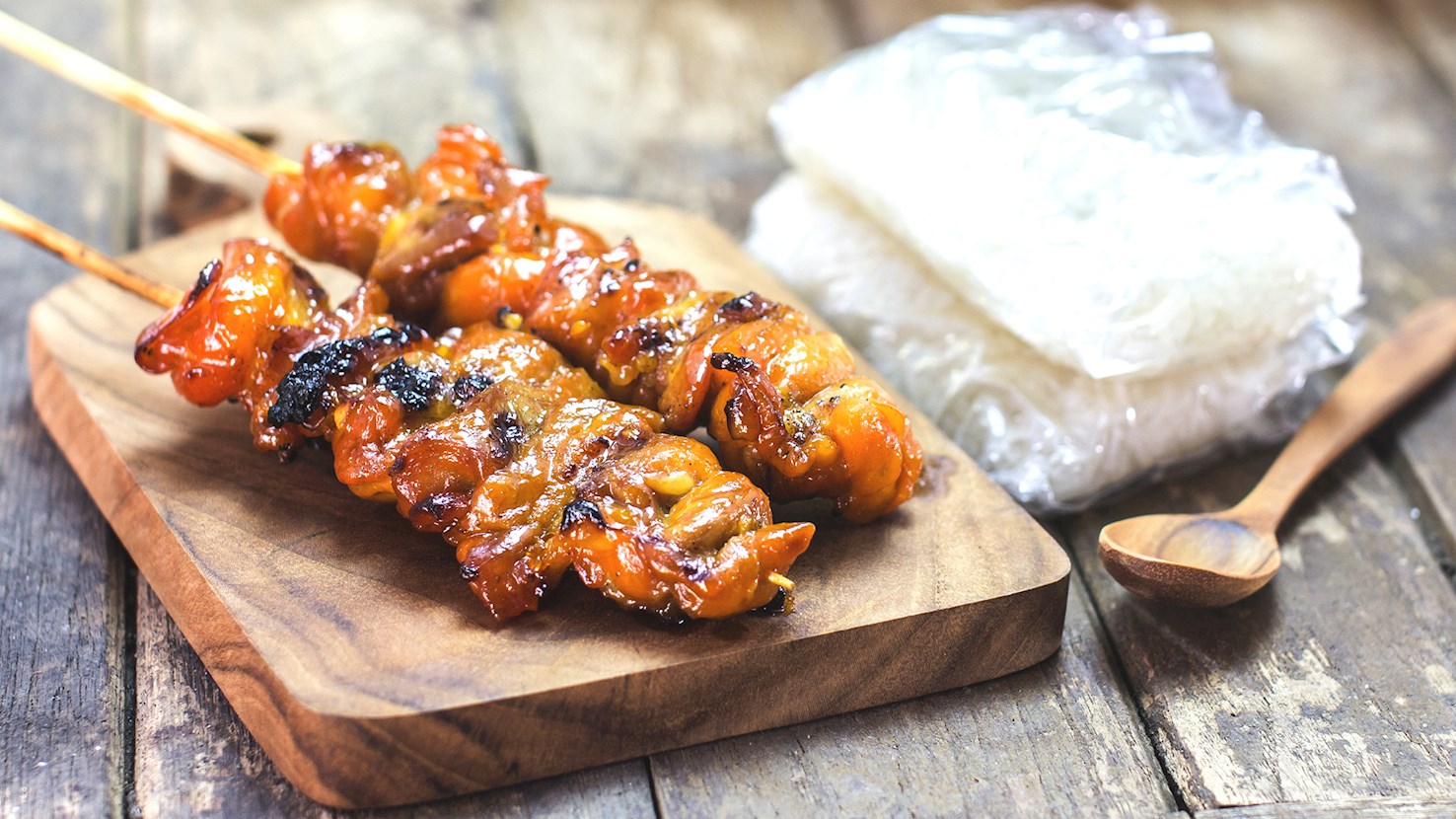
Pinchitos are bite-sized meat skewers heavily soaked in a complex, earthy marinade and grilled rapidly over fiery charcoal until charred. The roots of this grilled street food trace directly back to the eighth century, when North African Moors brought intense spice blends into the Iberian Peninsula. During this extensive era of Moorish rule, these small kebabs relied exclusively on lamb or mutton to comply strictly with Islamic dietary laws. Following the conclusion of the Reconquista in 1492, the conquering Christian population deliberately adapted the recipe by substituting pork for lamb. Consuming pork became a highly visible method to assert Christian identity in a newly unified kingdom, completely cementing the skewered pork loin or shoulder as a cultural staple in the southern region of Andalusia. Getting the intensely flavorful meat requires soaking cubed pork in a thick liquid mixture of extra-virgin olive oil and sherry vinegar or fresh lemon juice. The acid breaks down the dense muscle fibers while serving as a delivery system for a heavy dose of crushed garlic and a spice blend that mimics North African ras el hanout. Generous measurements of ground cumin, coriander, sweet smoked paprika, and fiery hot paprika provide a warm, nutty foundation, while crumbled bay leaves, oregano, and a pinch of dissolved saffron add aromatic brightness and a distinct golden hue. The meat rests in this spiced oil for 2 to 12 hours to fully absorb the flavors. Once fully saturated, the pork chunks are threaded tightly onto thin wooden or metal sticks. The loaded skewers hit a smoking hot barbecue grill or cast-iron griddle, searing over the heat for only a few minutes per side. The intense fire instantly crisps the exterior, creating a dark, smoky crust while trapping the juices inside. The hot skewers arrive directly at the table alongside wedges of fresh lemon, which are squeezed over the charred meat right before eating. Cold beer or a crisp local wine almost universally accompanies the meal to cut through the heavy spices, and chunks of crusty bread serve to soak up any seasoned oil dripping onto the plate. The variations are mainly in the choice of meat and heat levels. Chicken breasts often replace pork as a lighter, faster-cooking alternative, while certain historical markets still offer the original lamb iteration for a more robust, gamey flavor. Across the Atlantic, the concept migrated and evolved; versions in Puerto Rico swap the Moorish spices for a local adobo seasoning heavy on oregano and garlic, often using chicken or beef served alongside fried green plantains. In Venezuela, skewers frequently incorporate chunks of bell peppers and onions threaded directly between the meat pieces, adding a sweet, roasted-vegetable component to the smoky bite.
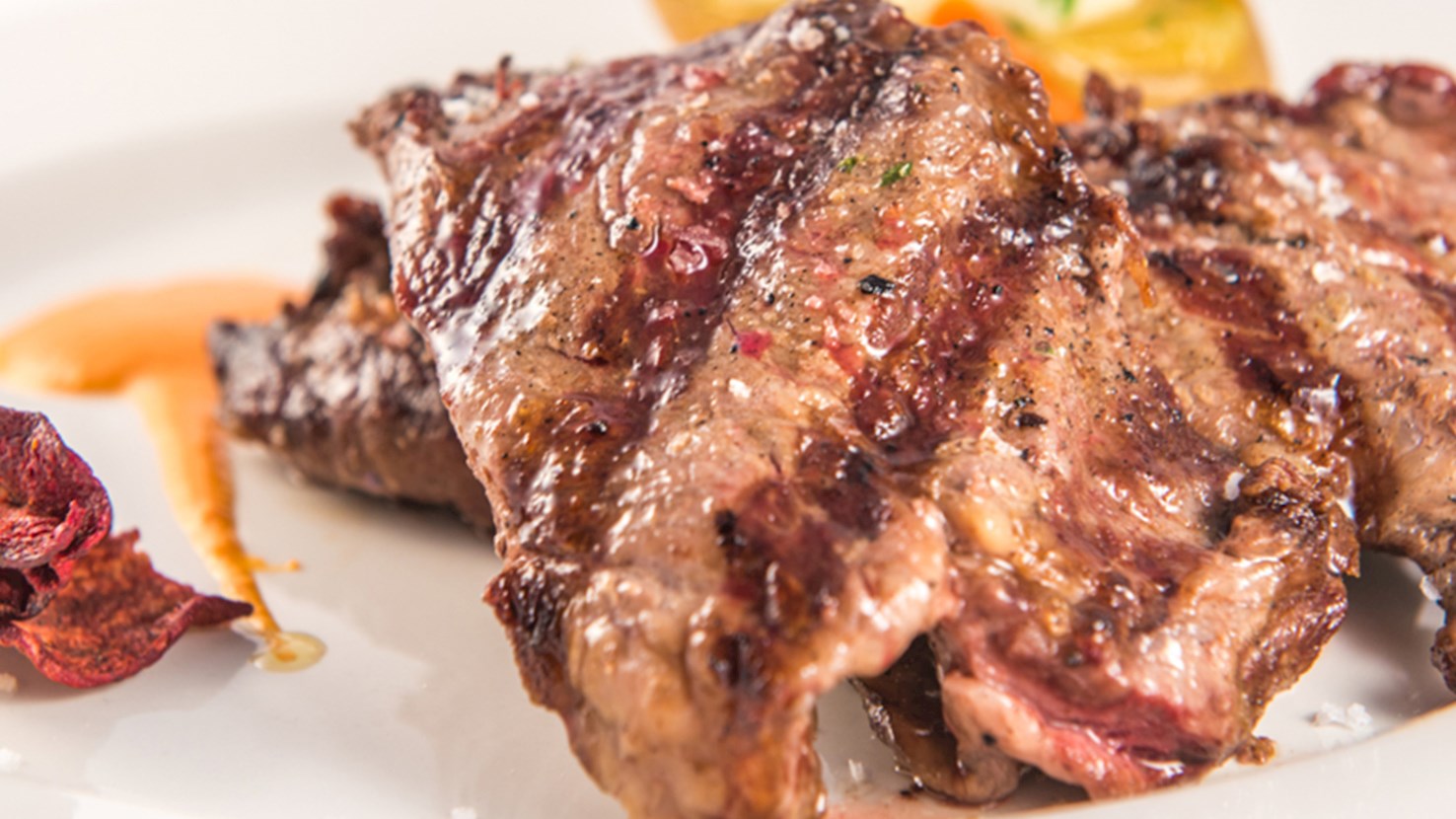
Ibérico pluma is a specific cut of pork from the Ibérico pig, a unique breed of pig native to Spain. The word "pluma" means "feather" in Spanish, and this cut is named for its feather-like shape. It's located at the end of the loin, near the shoulder. This cut is known for its tenderness and intense flavor, which is a result of the pig's diet and free-range lifestyle. Ibérico pigs are often fed a diet rich in acorns, which contributes to the distinct taste and marbling of the meat. The pluma is best cooked quickly over high heat to maintain its juiciness and is a delicacy in Spanish cuisine.
TasteAtlas food rankings are based on the ratings of the TasteAtlas audience, with a series of mechanisms that recognize real users and that ignore bot,
nationalist or local patriotic ratings, and give additional value to the ratings of users that the system recognizes as knowledgeable.
For the “Top 54 Spanish Meat Dishes” list until September 15, 2026, 1,857 ratings were recorded, of which 1,426 were recognized by the system as legitimate.
TasteAtlas Rankings should not be seen as the final global conclusion about food. Their purpose is to promote excellent local foods,
instill pride in traditional dishes, and arouse curiosity about dishes you haven’t tried.




What People Say