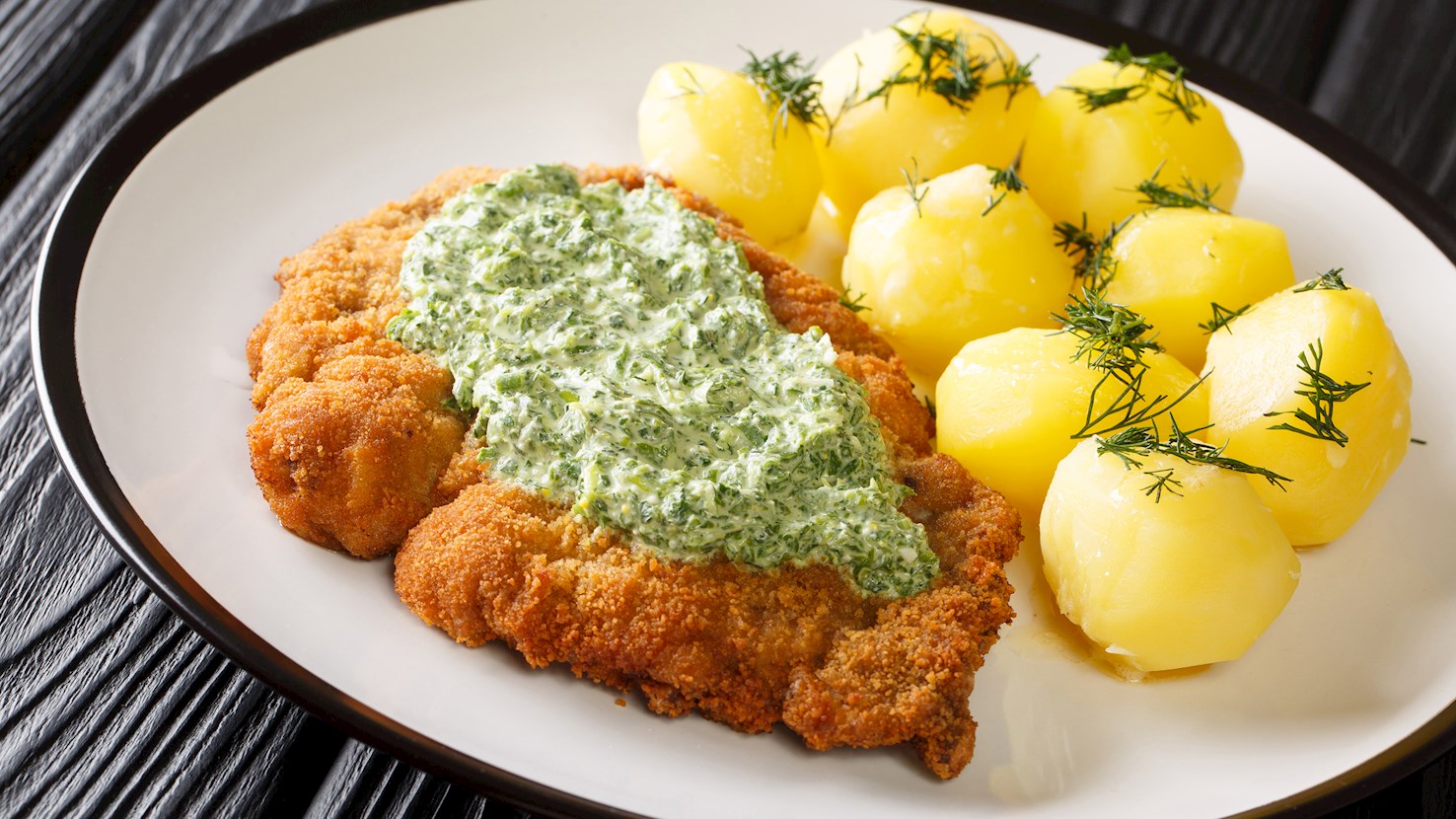
Frankfurter schnitzel is a traditional dish originating from Frankfurt. The dish is very similar to the famous Wiener schnitzel, which is always made with veal, but this version from Frankfurt can be prepared with other types of meat such as pork. The meat is pounded thin, coated with flour, dipped in beaten eggs, and dredged in breadcrumbs before it's fried in clarified butter (or a mixture of oil and butter) on both sides until golden brown and crispy. Once done, frankfurter schnitzel is traditionally served with grüne soße (green sauce), and often boiled potatoes and chopped hard-boiled eggs on the side. It's recommended to squeeze some lemon juice over the schnitzel before eating, while Apfelwein is the preferred accompanying beverage.
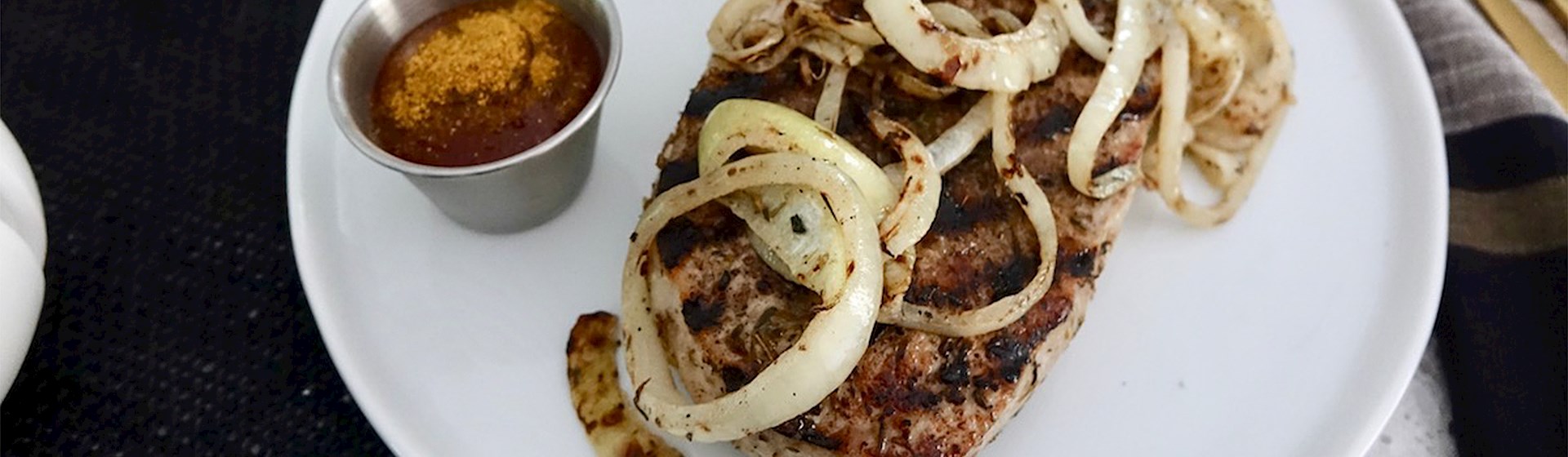
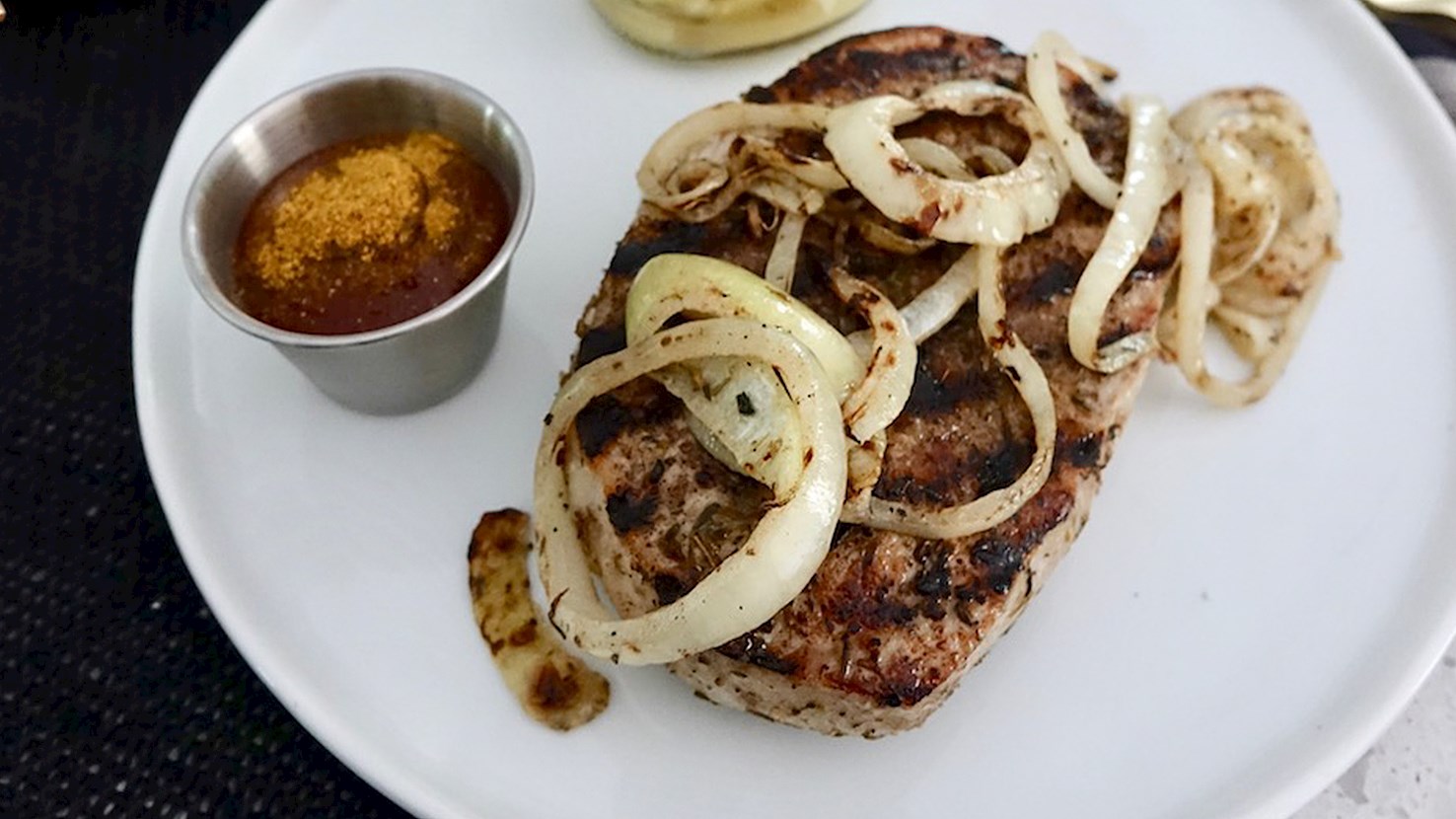
A barbecue specialty hailing from Saarland, schwenkbraten consists of marinated pork steaks that are grilled on a schwenker, a unique grill which is suspended from a tripod and swung over an open wood fire by a schwenkmeister (the person doing the grilling). The pork steaks used in the dish are typically neck cuts, but other pork cuts will also do. They are usually left to soak in the marinating mixture overnight or up to 3 days. Typical ingredients used in the marinade include dried thyme, dried oregano, onions, salt, black pepper, garlic, juniper berries, oil, and (optionally) German Riesling wine. With a crispy crust on the outside and succulent and tender meat on the inside, these grilled pork steaks are typically paired with a glass of fine German Riesling or beer, along with various side dishes such as potato salads, fresh salads, roasted vegetables, and bread rolls.
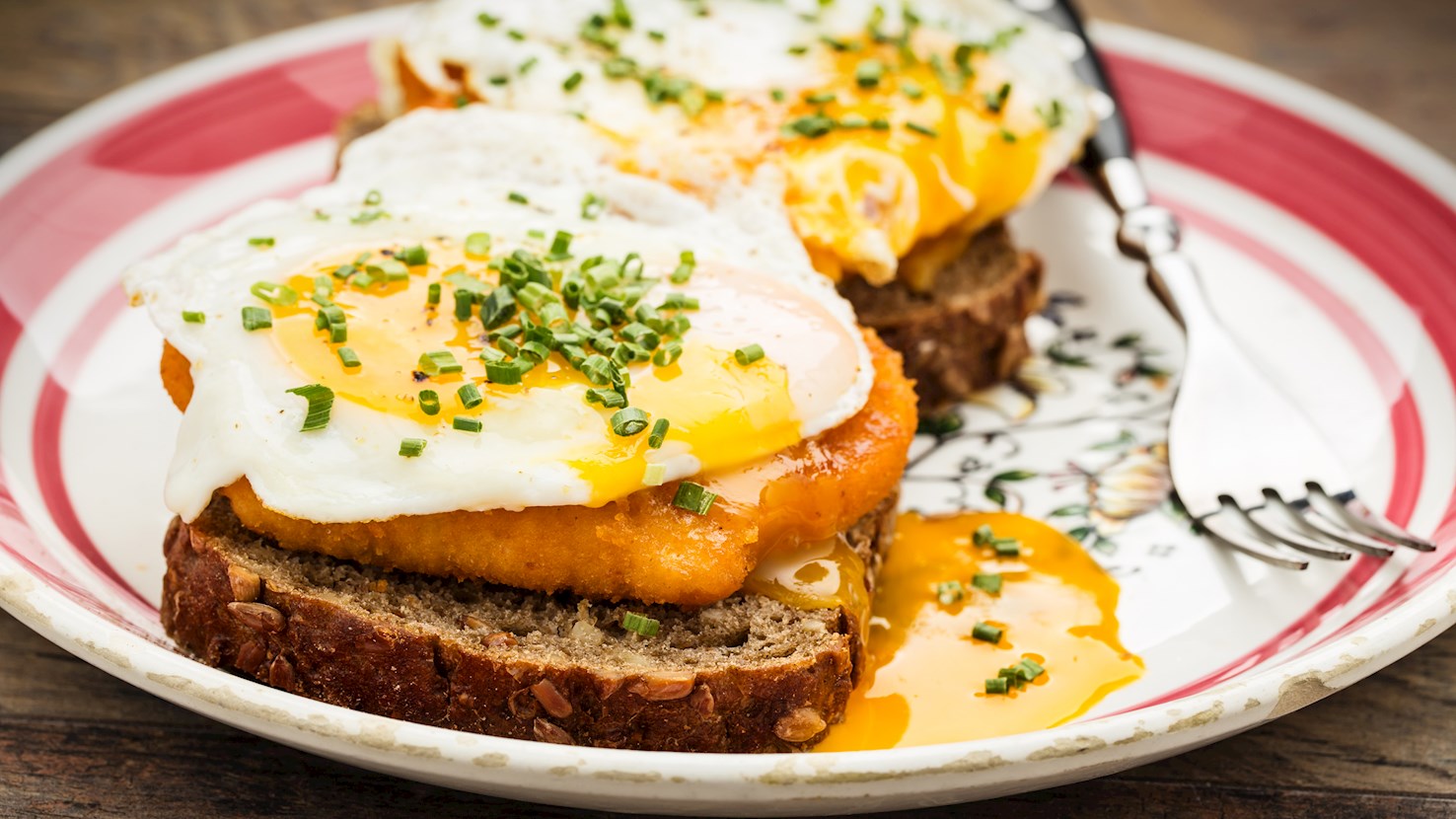
Krüstchen schnitzel is a traditional dish originating from Frankfurt and the surrounding areas. The dish usually consists of a schnitzel that's served on a slice of toasted bread or rye bread. It's topped with a fried egg and traditionally served with french fries, pickles, roast potatoes, or potato salad on the side. The meat used for the preparation of the schnitzel is typically pork. The meat is pounded thin, coated with flour, dipped in beaten eggs, dredged in breadcrumbs, and then fried in butter or a mixture of oil and butter until golden brown and crispy.
Saumagen is a German dish from the region of Palatinate, where it was created in the 18th century by local farmers as a way to use up leftover food. Translated as sow’s stomach, saumagen consists of potatoes, carrots, onions, and pork that have been seasoned and stuffed in a thick casing (pig's stomach) which is also intended to be a part of the meal. Typical spices include marjoram, nutmeg, and white pepper. Once cooked, saumagen can be served as it is with mashed potatoes and sauerkraut on the side, but it can also be sliced and additionally fried. What makes the dish even better is a glass of dry white wine or a cold beer on the side.
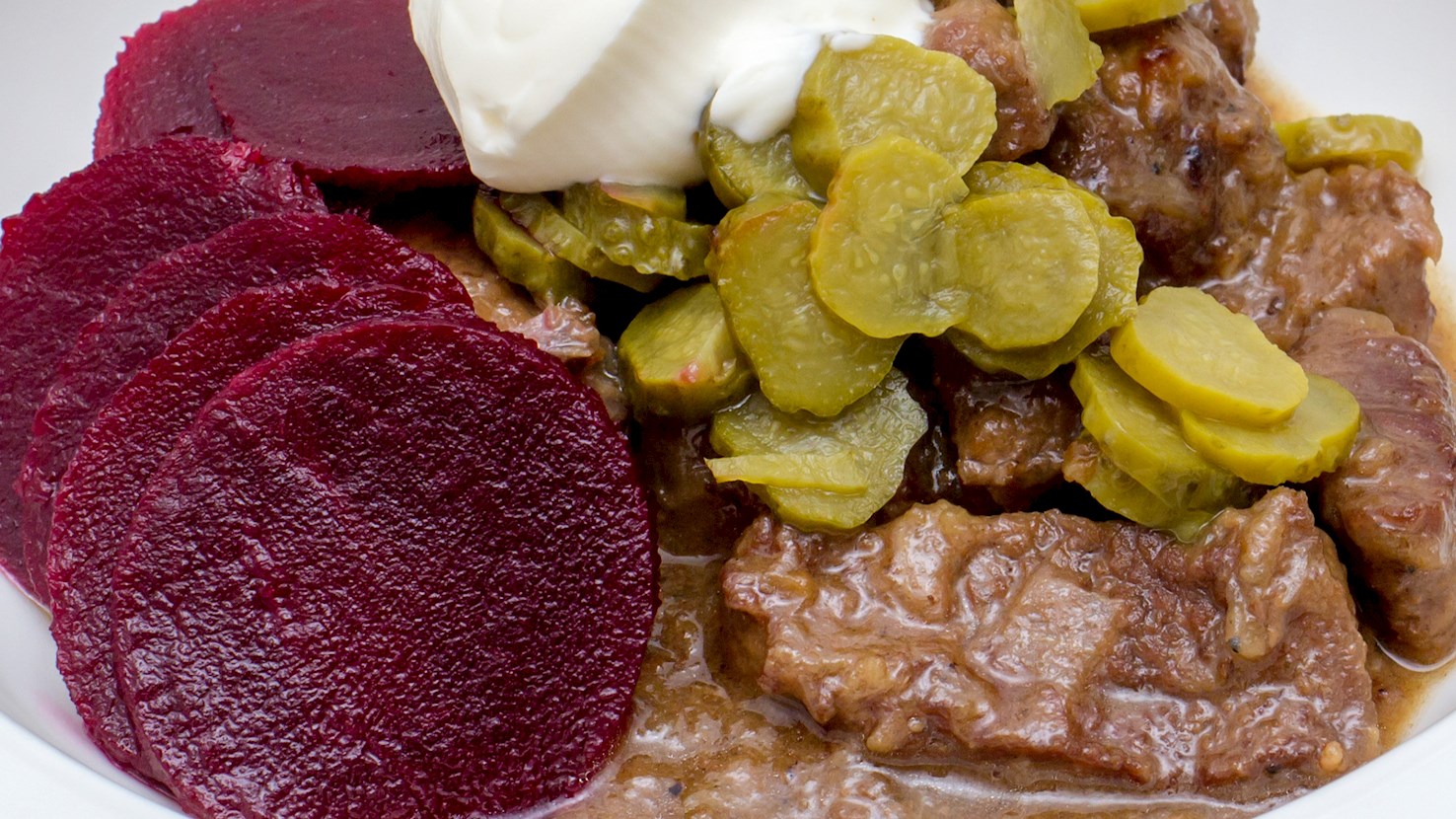
Pfefferpotthast is a traditional meat stew hailing from Westphalia. It consists of pieces of beef that are simmered in a seasoned broth along with onions, soup vegetables, spices, and herbs. The meat is typically first browned in a little oil or lard before it's cooked with the other ingredients, and the broth is usually thickened with crumbled bread, traditionally with the classic Westphalian pumpernickel rye bread. Spices such as cloves, juniper berries, allspice, bay leaves, salt, and pepper are typically used for seasoning the broth. Warming and flavor-packed, the dish is perfect for a chilly fall or winter lunch or dinner, and it is usually accompanied by pickled gherkins, salt potatoes (Salzkartoffeln), beetroots, and a German beer on the side. The first mention of this Westphalian specialty dates back to 1378 in Dortmund, where an annual Pfefferpotthast Festival is held each September, usually at the end of the month.
Siegerländer Krüstche is a traditional dish originating from Siegen. The dish is usually made with a combination of a pork cutlet, flour, eggs, breadcrumbs, bread, butter, salt, pepper, and oil. The pork cutlet is seasoned with salt and pepper, rolled in flour, dipped in egg wash, dredged in breadcrumbs, and then fried in hot oil until golden brown. The bread slices are toasted, spread with butter, and then topped with the fried pork cutlet, while the cutlet itself is topped with a fried egg in order to finish the dish.
Backesgrumbeere is a baked potato dish from the Palatinate region. The dish developed in the Palatinate in connection with village baking ovens, where families cooked full meals alongside bread while the oven was hot, and potatoes became a central ingredient after they spread widely in regional farming. Preparation begins by peeling and thinly slicing raw potatoes, cutting pork and onions into pieces, layering everything in a greased baking dish, seasoning each layer, adding a little water or broth, covering the dish, and baking it slowly until the potatoes are soft and the meat has released its fat, with the cover removed at the end to brown the top. Common variations include using fresh or smoked pork, adjusting the amount of onion, or adding small amounts of other herbs, while the basic structure of raw potatoes and pork baked together stays the same. The dish is eaten hot and served as a main course in homes, taverns, and regional events, most often with green salad or pickled vegetables, and it is usually paired with beer or dry white wine.
Schweinepfeffer is a strongly seasoned German meat stew known in parts of the Rhineland, Palatinate, and Hesse, where marinated pork is cooked in a spiced sauce that is thickened with pig’s blood. The dish developed in regions where butchering and household cooks made use of all parts of the animal and created hearty meals suited to cold seasons, and by the nineteenth century it was established across central and southwestern German kitchens as a substantial stew. Preparation begins by cutting pork shoulder or neck into coarse cubes and marinating it with vinegar or wine, oil, onions, and spices, after which the meat is seared and simmered slowly in red wine or vinegar with additional seasonings, and the sauce is bound with pig’s blood stirred in off the heat or thickened with alternatives such as browned flour or grated dark chocolate so the sauce becomes smooth and coating. Common variations involve the substitution of blood with other thickeners, the precise mix of spices, and the balance of vinegar or wine acidity. Schweinepfeffer is eaten hot and served as a main course in homes and regional restaurants, most often accompanied by potato dumplings, boiled potatoes, red cabbage, or, in some areas of the Pfalz, salty steamed dumplings (dampfnudeln), and it is paired with hearty sides and robust regional wines or beer.
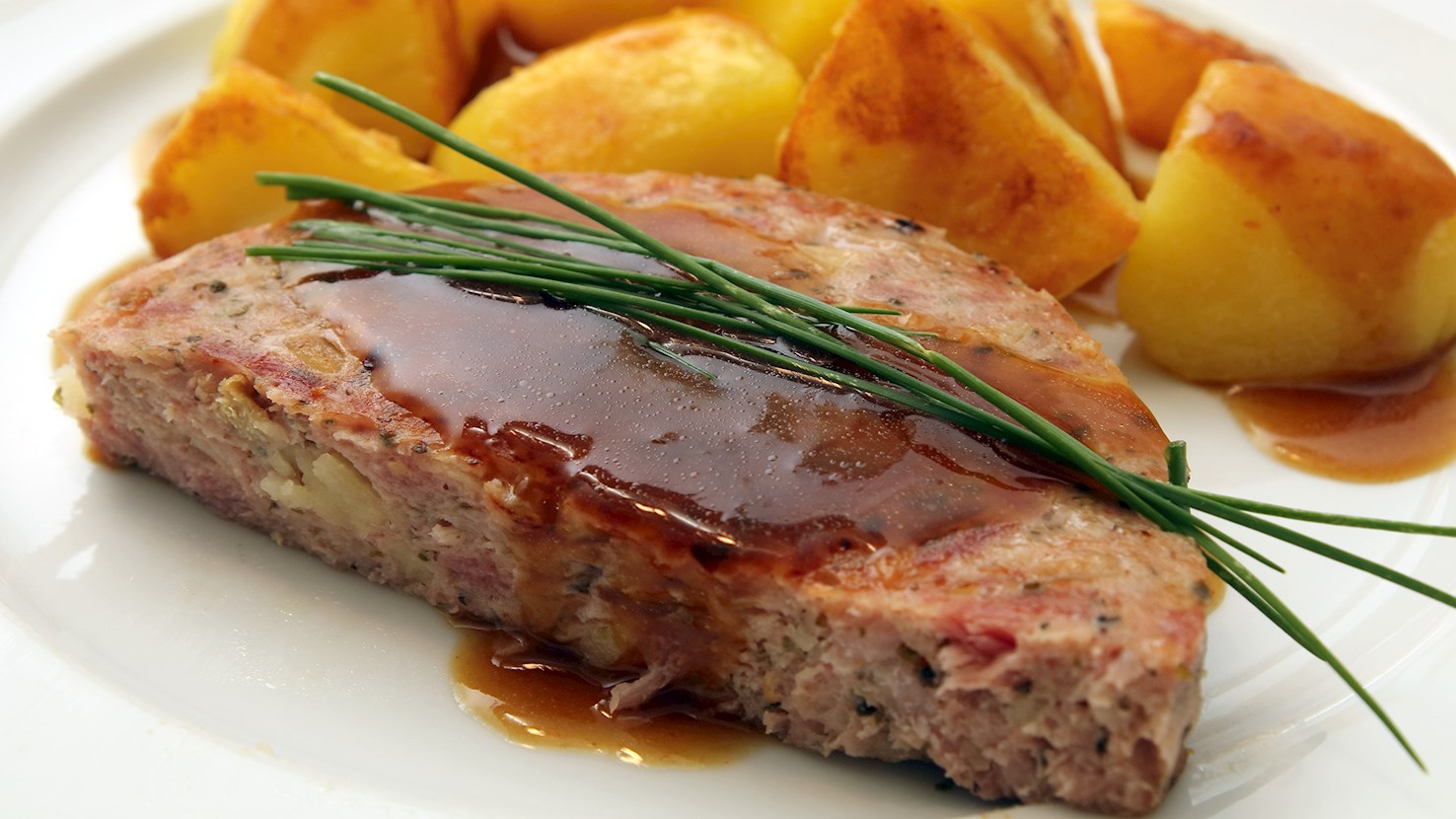
Krautshäuptchen is a stuffed cabbage dish from northern Hesse, where blanched cabbage leaves are layered with seasoned minced meat and cooked in a mold until firm. The dish emerged in the rural kitchens of northern Hesse where simple, filling foods were made from locally available white cabbage and ground meat, and it was especially suited to economies of scale in farmhouse and communal cooking. Preparation begins by separating and blanching fresh cabbage leaves in boiling water, preparing a seasoned mixture of mixed ground pork and beef with soaked stale bread, eggs, salt, and pepper, then lining a tall mold or pudding form with cabbage leaves and alternating layers of cabbage and meat mixture, covering the filled mold, and cooking it closed in a hot water bath on the stovetop or in an oven until the contents are firm enough to unmold. Once set, the krautshäuptchen is inverted from the form and cut into slices, which may be served as is or lightly browned in a pan; it is commonly accompanied by boiled potatoes and a mustard sauce or béchamel sauce, adding moisture and mild acidity. Common variations involve the choice between white cabbage and Savoy cabbage for different leaf texture and flavor, slight modifications in the seasoning of the meat filling, and whether the slices are served straight from the mold or pan-fried before plating. krautshäuptchen is eaten warm and is served in homes and restaurants in northern Hesse, most often with plain boiled potatoes and a sauce on the side, and it pairs well with simple condiments like mustard and with everyday beverages such as beer or light wines.
Frankfurter Rippchen is a cured and lightly smoked pork cutlet or ribs dish from Frankfurt am Main, a city in the Hesse region of Germany. The name refers to cured, lightly smoked pork ribs or cutlets, which are gently heated in hot water before serving. Unlike grilled or barbecued ribs, Frankfurter Rippchen are not roasted or crisped but instead prepared in a way that preserves their tenderness and moist texture. The dish is commonly served in taverns and cider houses throughout Frankfurt and the surrounding areas, where it is a familiar part of local menus, especially when paired with apple wine (Apfelwein) and other regional sides. The preparation of Frankfurter Rippchen begins with a pork cutlet that has been cured and cold-smoked, giving the meat a subtle smoky aroma without overpowering flavor. The meat is then gently simmered or steamed in water or broth, often without added spices, to maintain its soft consistency and allow the natural flavor of the pork to come through. It is typically served hot, accompanied by sides such as sauerkraut, mashed potatoes, or bread, along with mustard. The focus is on mildness and balance rather than strong seasoning or sauce, which reflects the broader character of Hessian cooking. This dish has strong ties to Frankfurt's working-class food culture and its apple wine taverns (Apfelweinkneipen), where meals are designed to be hearty but not heavy. The combination of Rippchen with tangy sauerkraut and sour apple wine creates a balanced and satisfying meal, especially popular in colder months. In some variations, the meat may be served cold or with different cuts depending on the butcher, but the core elements, light curing, gentle cooking, and simple sides, remain consistent. While not widely known outside Hesse, it is an enduring feature of local menus and is commonly offered during regional festivals and public celebrations, often alongside other Hessian specialties like Handkäse or Grüne Soße.
TasteAtlas food rankings are based on the ratings of the TasteAtlas audience, with a series of mechanisms that recognize real users and that ignore bot,
nationalist or local patriotic ratings, and give additional value to the ratings of users that the system recognizes as knowledgeable.
For the “Top 10 Western German Meat Dishes” list until June 15, 2026, 134 ratings were recorded, of which 105 were recognized by the system as legitimate.
TasteAtlas Rankings should not be seen as the final global conclusion about food. Their purpose is to promote excellent local foods,
instill pride in traditional dishes, and arouse curiosity about dishes you haven’t tried.