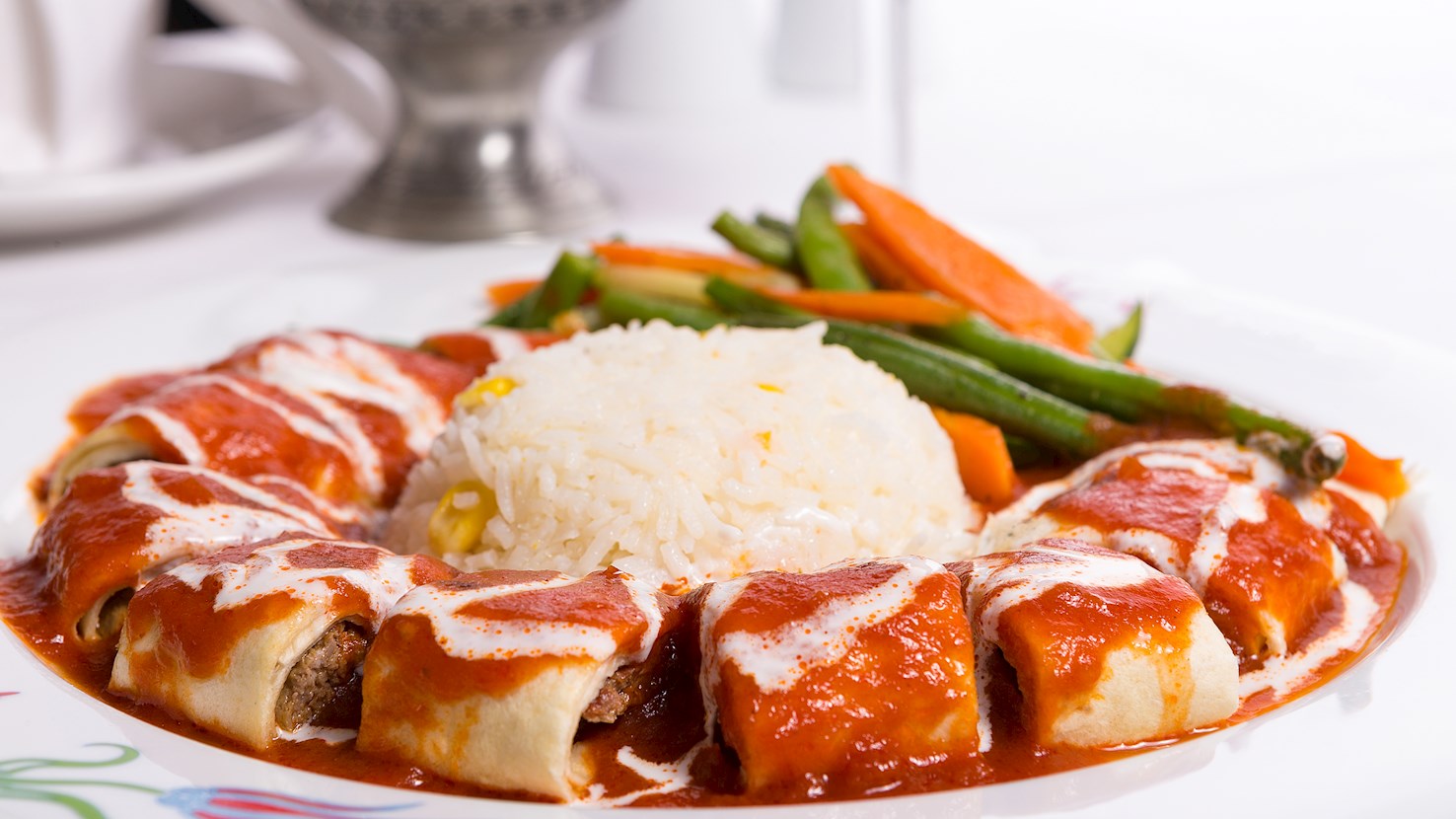
Beyti kebab is a grilled meat dish made by wrapping kebab meat in lavash or thin yufka, slicing the roll into rounds, and serving it with tomato sauce, yogurt, and often melted butter. It is associated with Istanbul and named after restaurateur and grill master Beyti Güler, who created the original Beyti kebab in 1961. The idea came during a visit to Switzerland, where Güler observed the meat-preparation technique of a butcher named Möller; after returning to Istanbul, he adapted what he had seen by wrapping lamb fillets in strips of lamb fat and grilling them over charcoal.
That original preparation, developed at the Güler family restaurant founded in Küçükçekmece in 1945, was quite different from the minced-meat version now commonly sold under the same name. As the restaurant’s reputation grew during the 1960s and 1970s, Beyti Güler’s name became increasingly attached to the dish, and variations began appearing in kebab restaurants throughout Turkey. Today, the name has two related meanings: at the original Beyti restaurant, Beyti Kebap refers to a specific preparation based on premium cuts of lamb, while elsewhere it usually means grilled minced lamb, beef, or a mixture of the two wrapped in lavash and served with yogurt and tomato sauce.
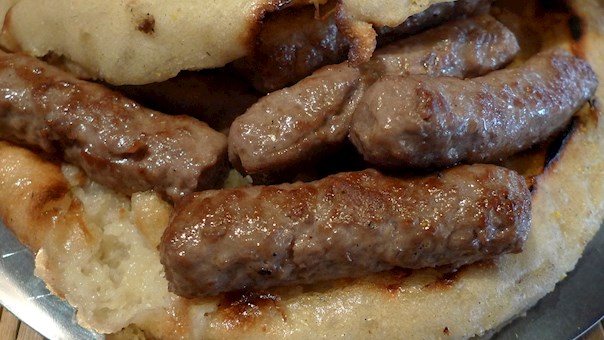
In the widespread version, the minced meat is seasoned with salt, black pepper, and sometimes garlic, onion, or red pepper, shaped into long kebabs around skewers, and grilled over charcoal until browned while remaining juicy inside. The cooked meat is placed across thin lavash or yufka, rolled tightly, and sliced crosswise into small cylindrical pieces that reveal alternating layers of bread and meat. These slices are arranged on a plate, often in a circular or fan-shaped pattern, and finished with warm tomato sauce and thick yogurt, either spooned over the kebab or served alongside it.
Melted butter may be poured over the slices just before serving, while grilled tomatoes and green peppers commonly complete the plate. Rice or bulgur pilaf may also be added, particularly in more substantial restaurant servings. The combination of grilled meat, wrapped flatbread, yogurt, and tomato sauce distinguishes Beyti kebab from simpler skewer kebabs such as Adana or şiş kebab and places it among Turkish plated kebabs in which bread and sauces are integral components rather than side accompaniments. The modern minced-meat form has spread widely across Turkey and into Turkish restaurants abroad, while the original lamb-based version remains closely connected with Beyti Güler and his Istanbul restaurant.
Beyti kebab is best eaten immediately after assembly, while the meat is hot and the lavash still retains some structure beneath the sauces, and it pairs naturally with grilled vegetables, shepherd’s salad, piyaz, or bulgur pilaf. Ayran is one of the most suitable beverage pairings, while şalgam offers a sharper contrast and medium-bodied Turkish red wines can work particularly well with richer lamb-based versions.
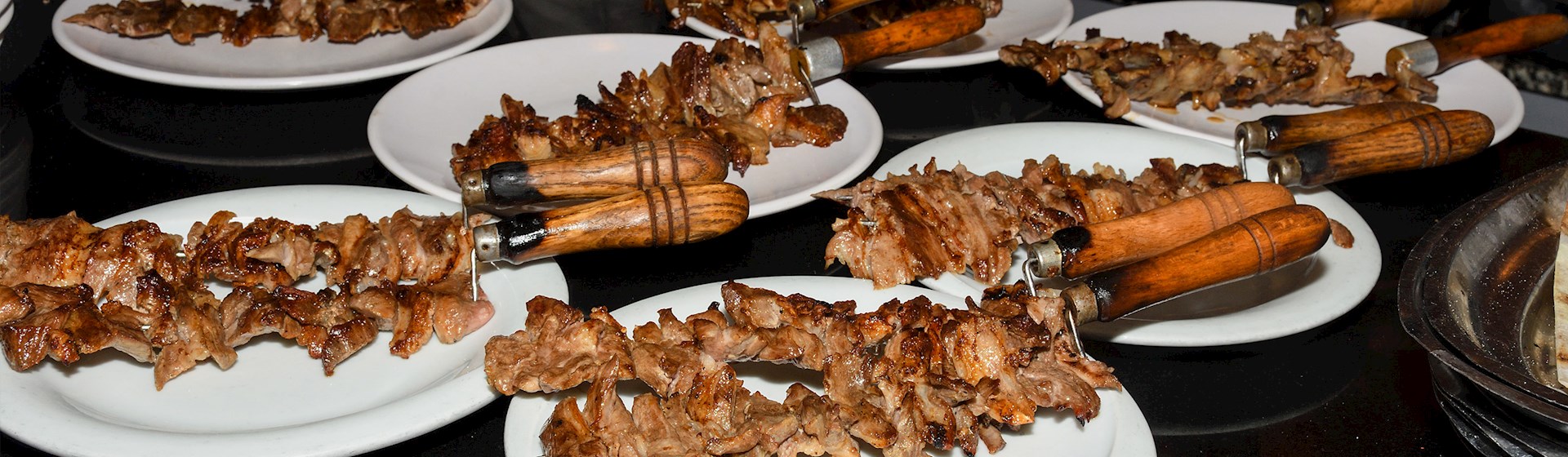
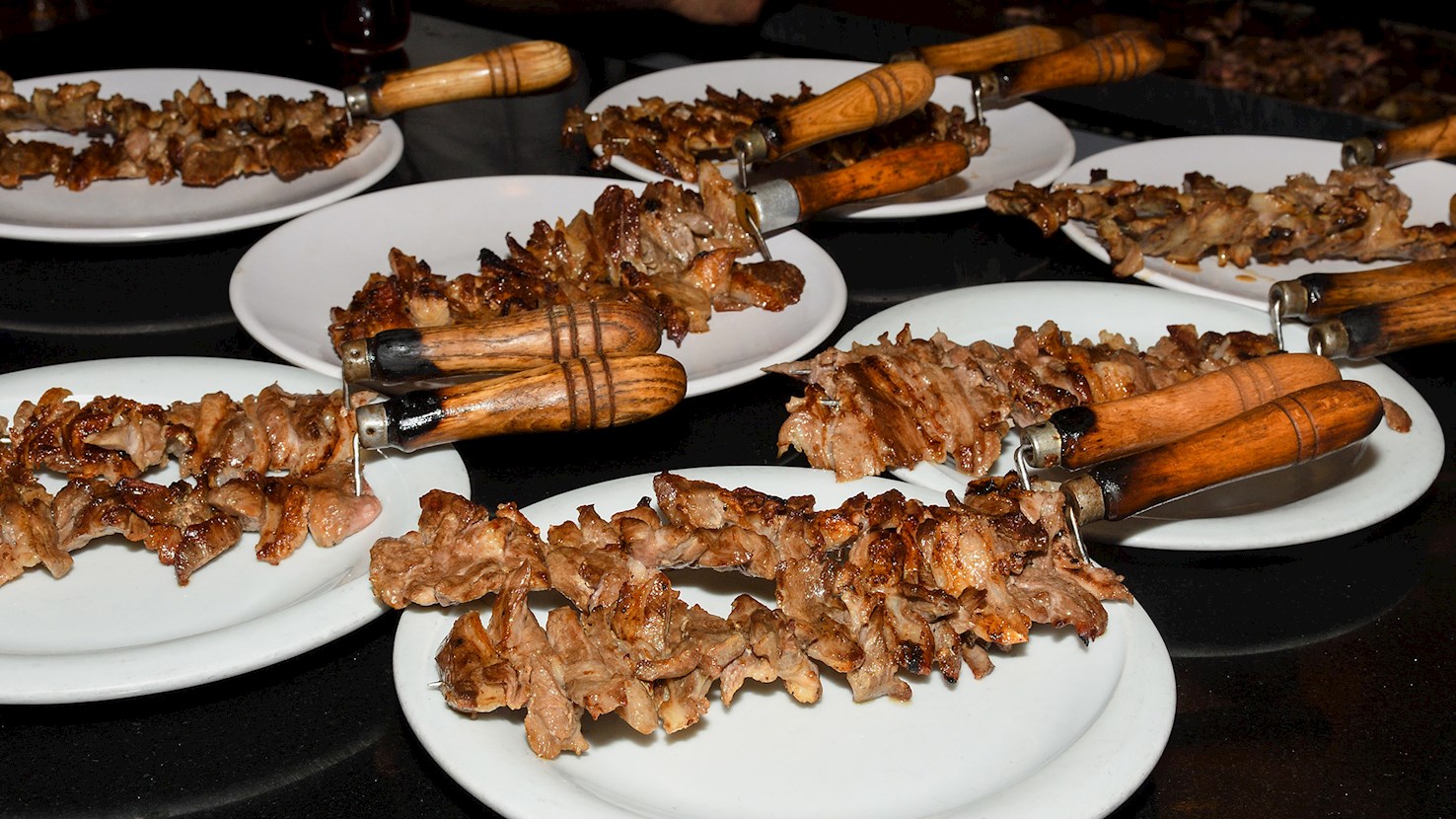
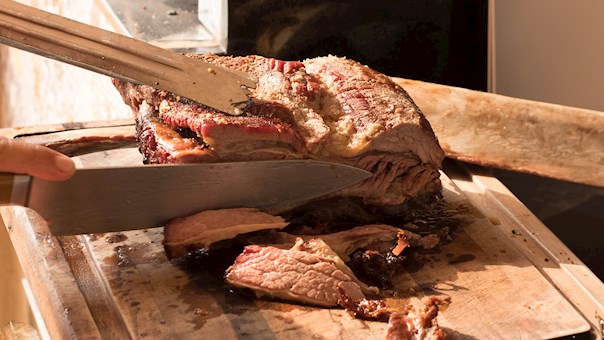
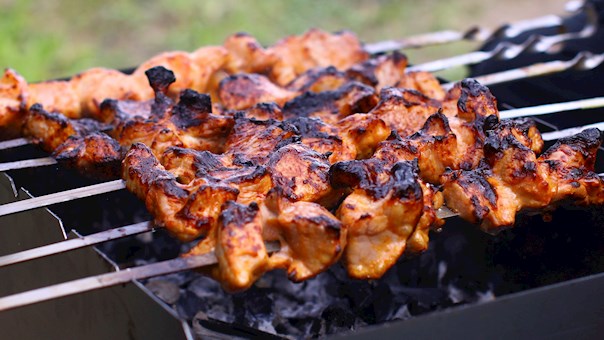
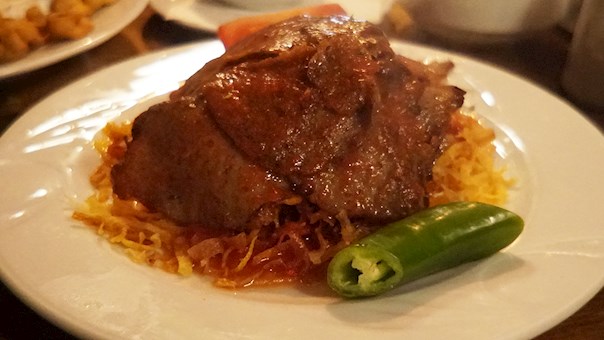
Oltu cağ kebabı is a horizontally roasted lamb kebab identified with the Oltu district of Erzurum Province in northeastern Türkiye, where the product took shape and continues to be defined by local practice and oversight. The kebab’s emergence is tied to sheep and lamb husbandry in Oltu and its surroundings, the availability of young lamb with a balanced fat profile, and a cooking method adapted to regional conditions that favored slow, controlled roasting on a horizontal spit rather than vertical stacking; over time, the name “Oltu” became inseparable from the product, and the name Oltu cağ kebabı is recorded in linguistic sources and in world culinary literature, a point that distinguishes it from similar regional preparations that may share techniques but not designation. Preparation centers on marinating carefully selected lamb, typically shoulder and leg cuts, with salt and restrained seasonings, then layering the meat onto a horizontal skewer and roasting it gradually over wood embers so the fat renders evenly and bastes the meat; as the exterior reaches doneness, thin slices are shaved off and served immediately, a service rhythm that prioritizes temperature and texture over batch holding. Serving is characteristically done on the cağ skewer itself, which functions both as utensil and presentation, and portions are often accompanied by flatbread and simple sides that do not compete with the meat; the method produces slices that balance exterior browning with a moist interior, and the horizontal orientation allows steady heat exposure that differentiates the cut and mouthfeel from vertical-spit kebabs. The product’s naming and oversight are formalized by the authorized supervisory body (Oltu Chamber of Commerce and Industry), which maintains standards tied to geographic identity and production criteria. Oltu cağ kebabı is commonly eaten as a shared table order served in successive cağs rather than a single plated portion, and it is paired most often with ayran, plain yogurt drinks, or lightly acidic beverages that refresh the palate, while bread and onions remain the customary accompaniments.
Fraldinha is a meat cut that's traditionally used for churrasco and is made up of part flank, part short loin, and part bottom sirloin. This beef cut is long and thin, full of connective tissue. This strong marbling is the reason why the meat is traditionally cut against the grain before it's grilled. The name fraldinha is a diminutive for fralda, meaning flap or diaper in Portuguese. When prepared for churrasco, it usually has a browned crust at the edges, while the middle remains pink. It's recommended to top this meat cut with a sharp and vinegary salsa.
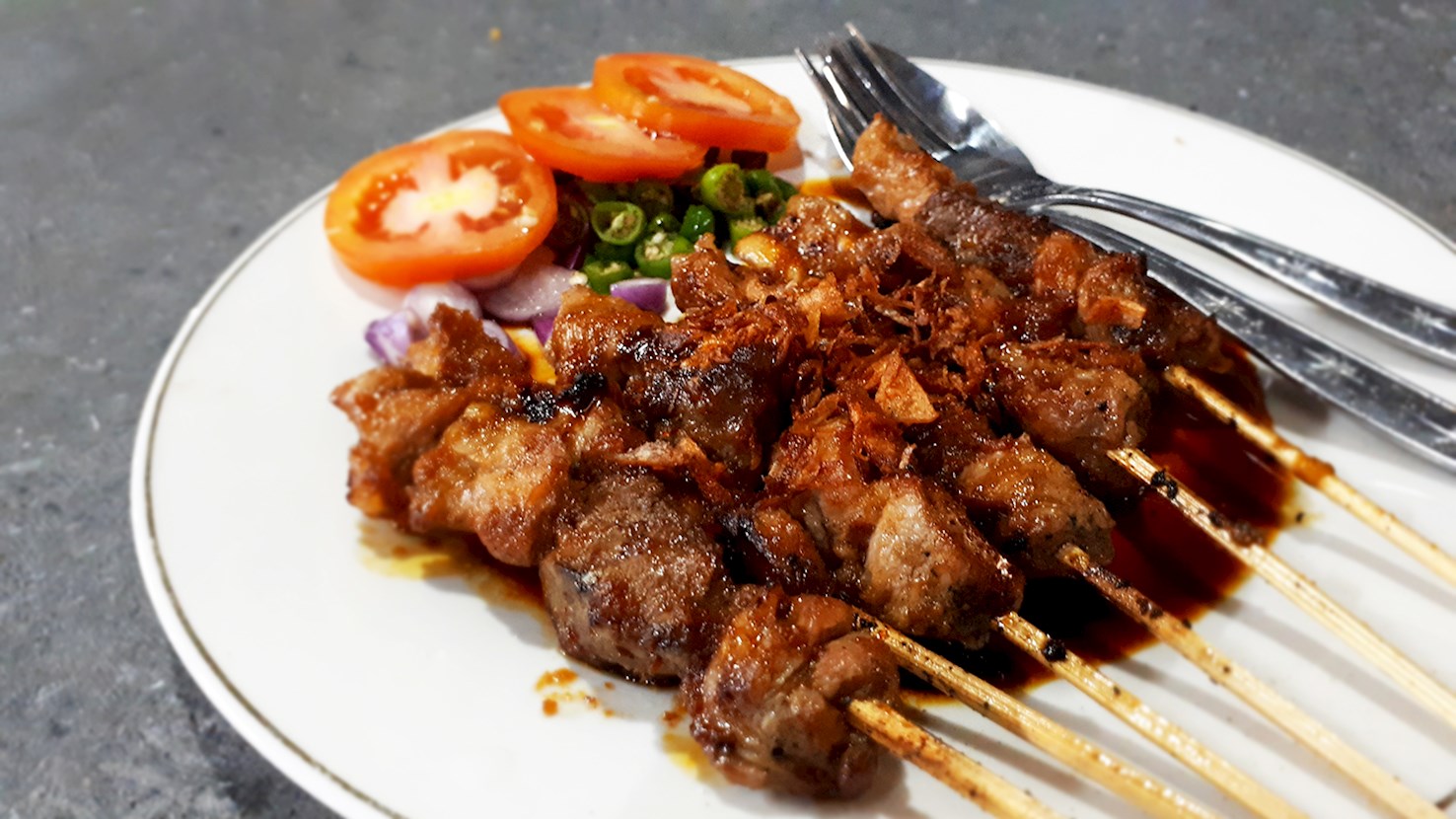
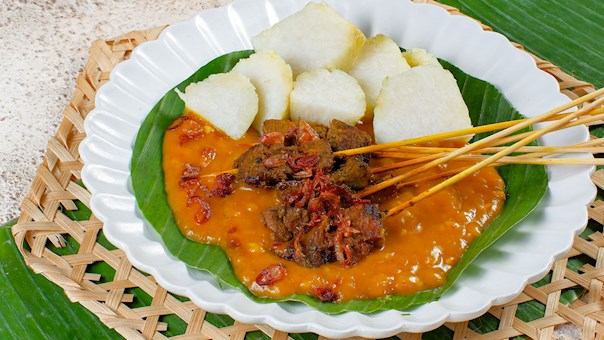
Sate kambing is a traditional dish and a type of satay prepared with goat or mutton as the main ingredient. The meat is cut into chunks or cubes and it's marinated in a combination of ingredients such as kecap manis (sweet soy sauce), galangal, ground shallots, pineapple juice, and (often) chili peppers. After it's been marinated, the meat is placed on skewers that are larger and thicker than the ones used for chicken satay as the texture and thickness of mutton or goat is tougher than chicken. The skewers for sate kambing are usually made from bamboo. The meat is grilled, then served with kecap manis sauce, peanut sauce, or chili sauce, consisting of shallots, bird eye chili peppers, and kecap manis. Some like to eat sate kambing with steamed rice or rice cakes on the side. This type of sate is especially popular in Java.
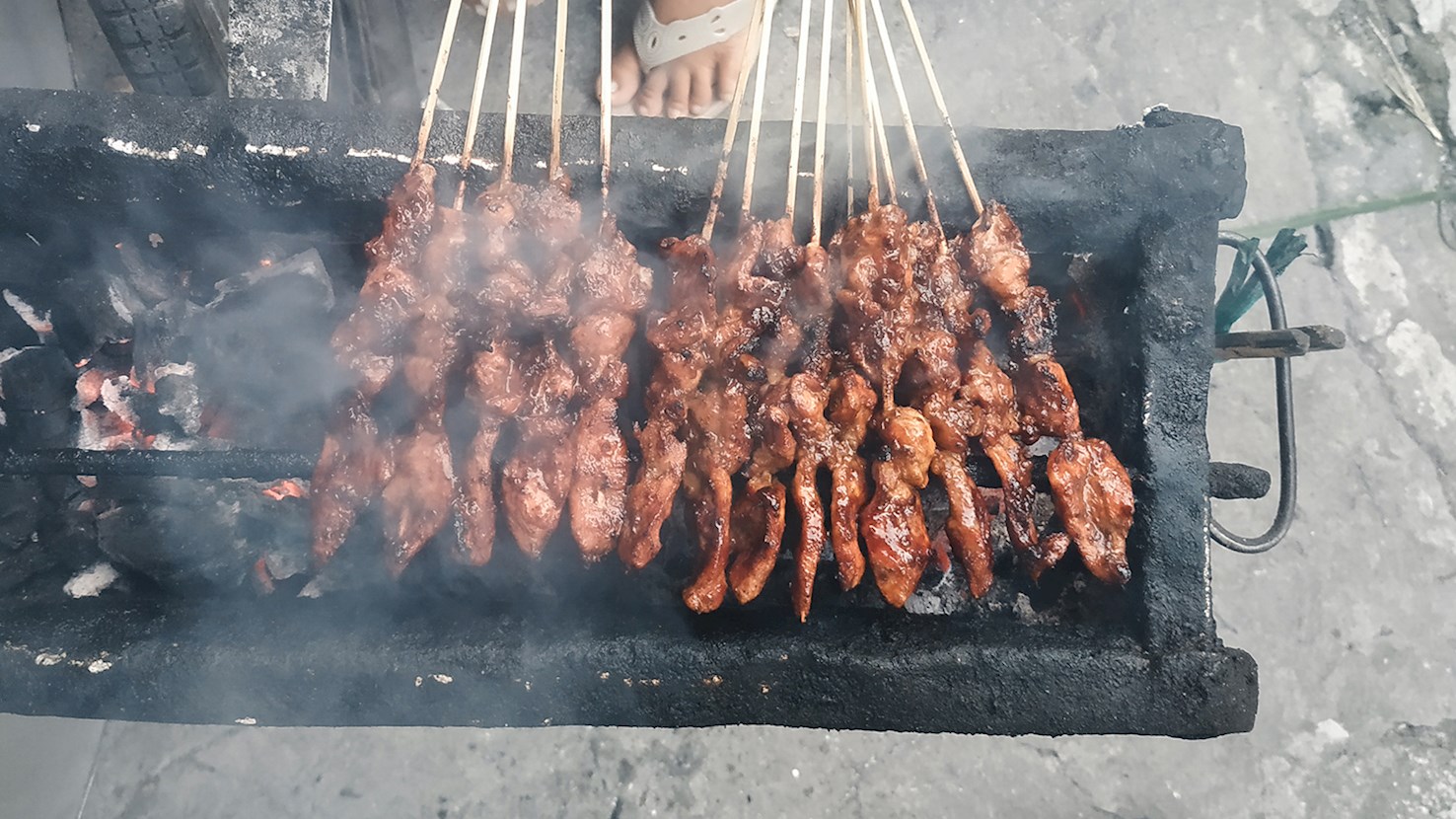
Sate Madura is a popular Indonesian skewered meat dish that originates from the island of Madura, located just northeast of Java. It is one of the most widely recognized regional variations of sate in Indonesia, known for its distinctively rich, sweet-savory peanut sauce and smoky, charcoal-grilled aroma. Typically made with small cuts of chicken or beef, the meat is marinated, skewered onto bamboo sticks, and grilled over hot coals while being brushed with a glaze that often includes sweet soy sauce, garlic, and shallots. What sets sate Madura apart from other styles is the generous use of thick, dark kecap manis and the robust, slightly caramelized peanut sauce that is poured over the cooked skewers just before serving, often accompanied by fried shallots and rice cakes called lontong. The roots of sate Madura lie in the island’s long-standing culinary influence on Javanese street food culture. Sellers from Madura have historically migrated to urban centers such as Jakarta and Surabaya, bringing their version of sate to roadside stalls, markets, and night-time food courts. Their presence has made sate Madura almost synonymous with street-side grilling throughout Indonesia, where the sight of glowing charcoal pits and the aroma of seared meat have become an essential part of the evening food scene. Often served on brown wax paper or banana leaves, sate Madura is eaten with the hands or simple wooden forks, emphasizing its role as a deeply rooted, everyday comfort food.
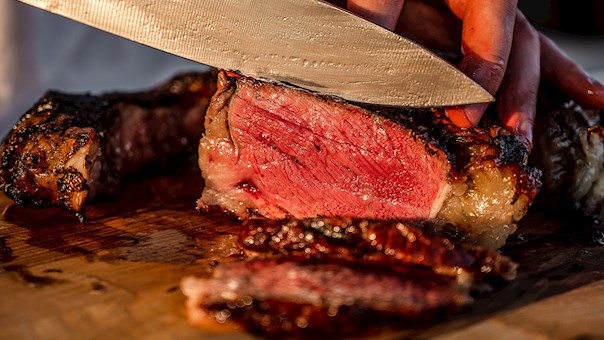
Alcatra is a special cut of top sirloin. Large, long, and lean, this steak is prized for its succulence and a hearty beef flavor. The cut is often used for churrasco, the traditional Brazilian barbecue method. Alcatra is one of the largest cuts that's served as a part of churrasco. It should be perfectly seasoned with salt, then grilled with a layer of fat until most of it melts away, and the remaining fat becomes crispy. Before serving, it's usually expertly carved in respectable churrascarias.
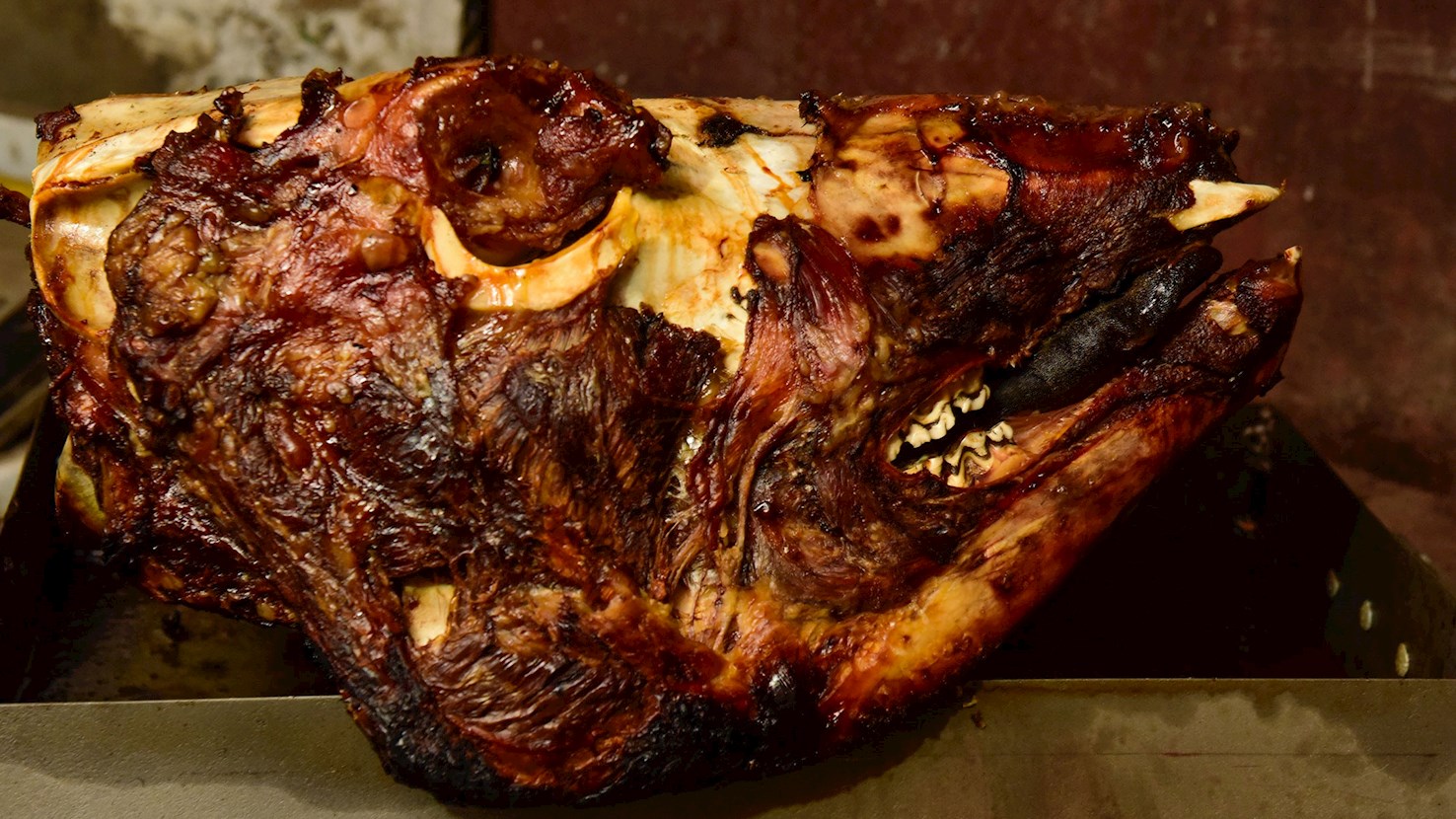
South Texas-style barbecue is an American regional barbecue style in which it's all about barbacoa and cow heads – they are cooked in a pit lined with stones or bricks, and then a mesquite fire is started in the bottom of the pit. Agave leaves are placed on top of the coals, and the heads (or other meat) are placed on top of it, while the leaves are folded over before the lid is placed over the pit. The resulting meat is so tender that it falls off the bone (or off the skull), and it is then served by the pound with sided such as onions, tortillas, cilantro, and various salsas. This barbecue style also uses cabrito – young goats that are spit-roasted or cooked over coals.
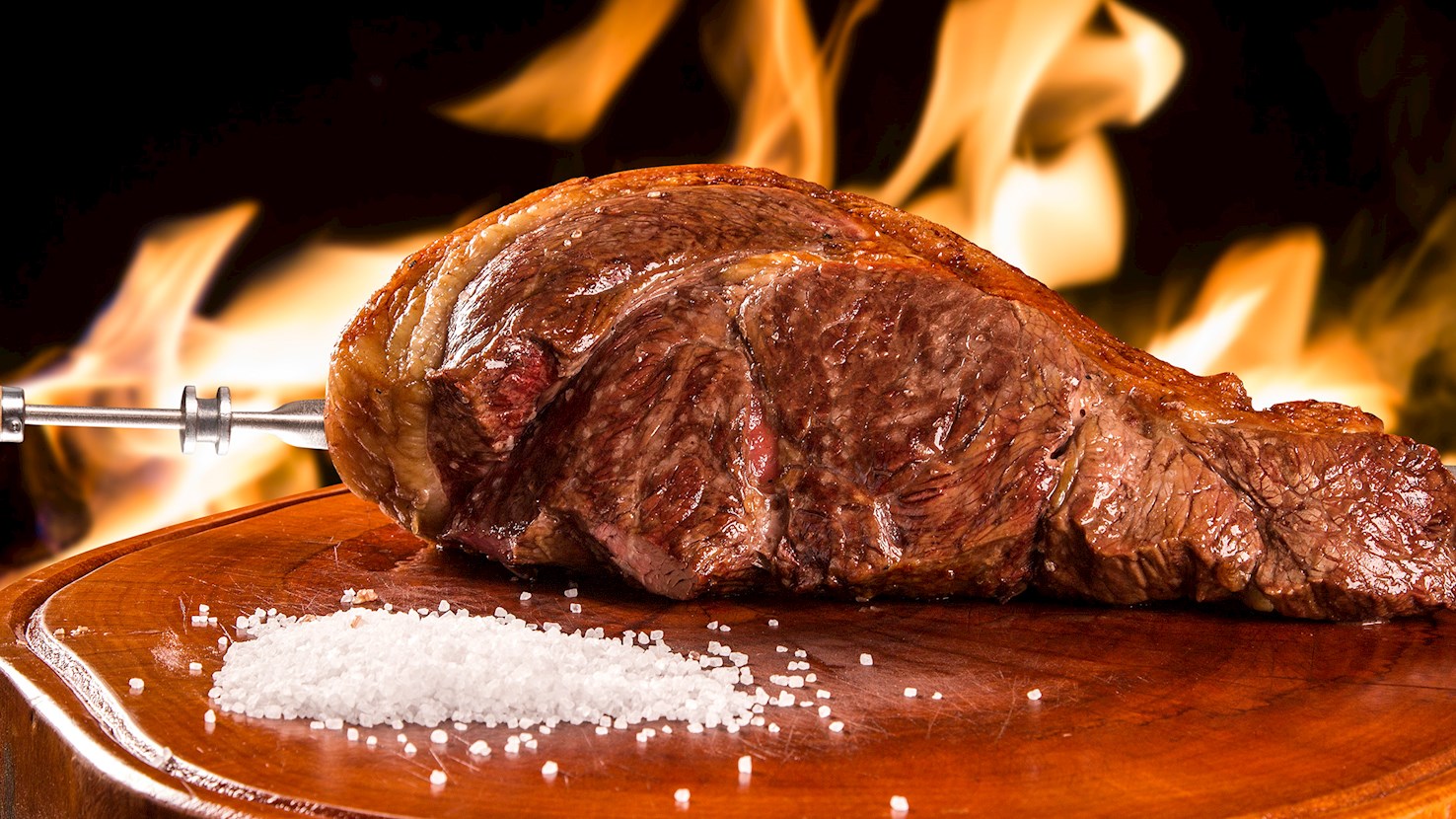
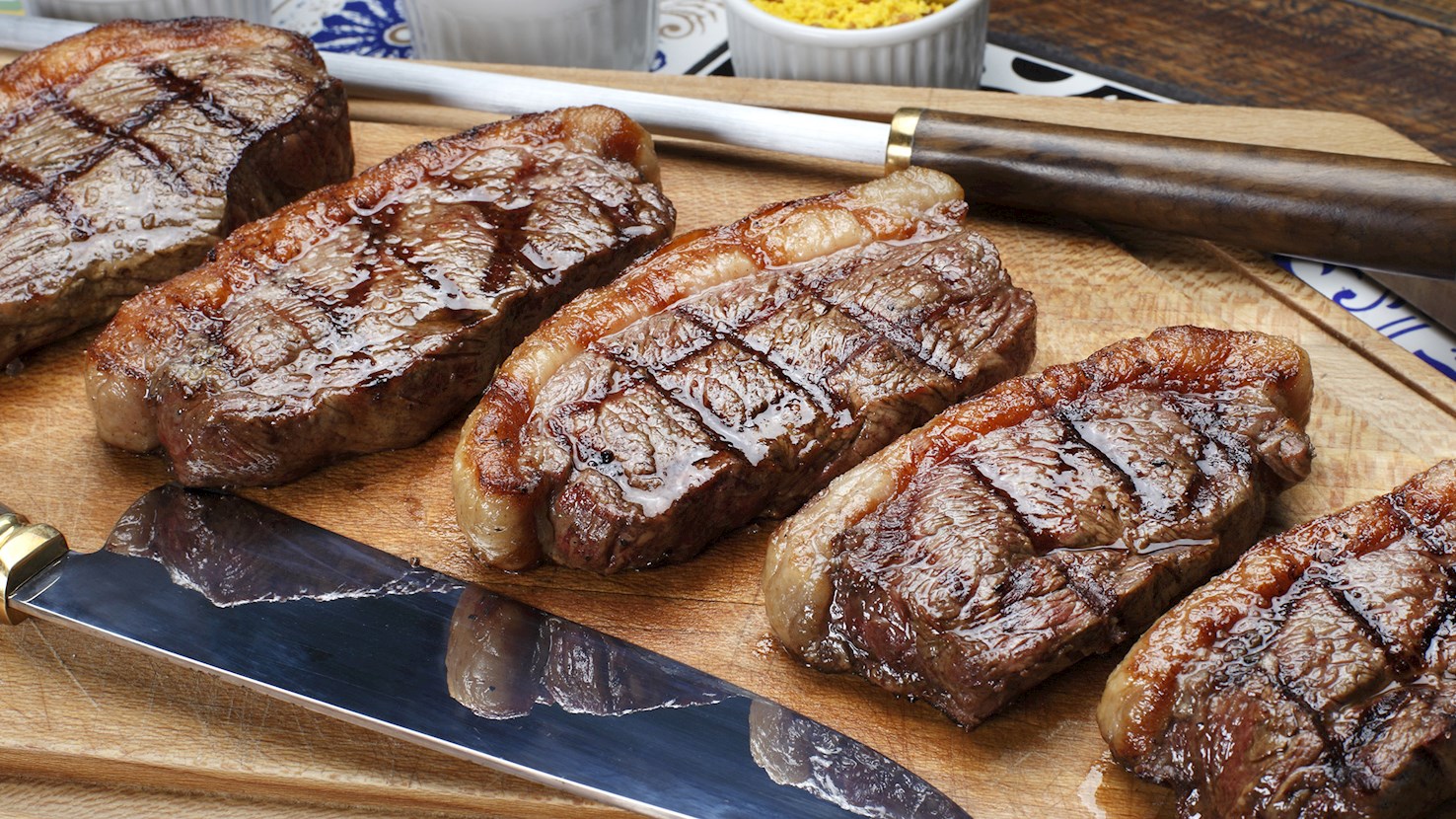
Picanha is a fresh cut of beef that's especially popular and highly prized in Brazil. In the US, it's called sirloin cap, and in the UK, it's known as the rump cap. Picanha is situated on the back side of the animal, above the butt, where it sits on a fat cap. It's mostly used for churrasco – the meat is first grilled, then sliced off of a skewer. This cut holds very little fat in the meat, so it must be cooked perfectly in order not to make it tough. In Brazil, every churrasco has picanha, and all of the best churrascarias feature picanha on their menus. The name picanha is derived from the word picana, referring to the ranchers' pole used for herding cattle in Portugal and Spain. The technique was brought over to Brazil where the word picanha was used to refer to the part of the cow that was poked by ranchers with the pole.
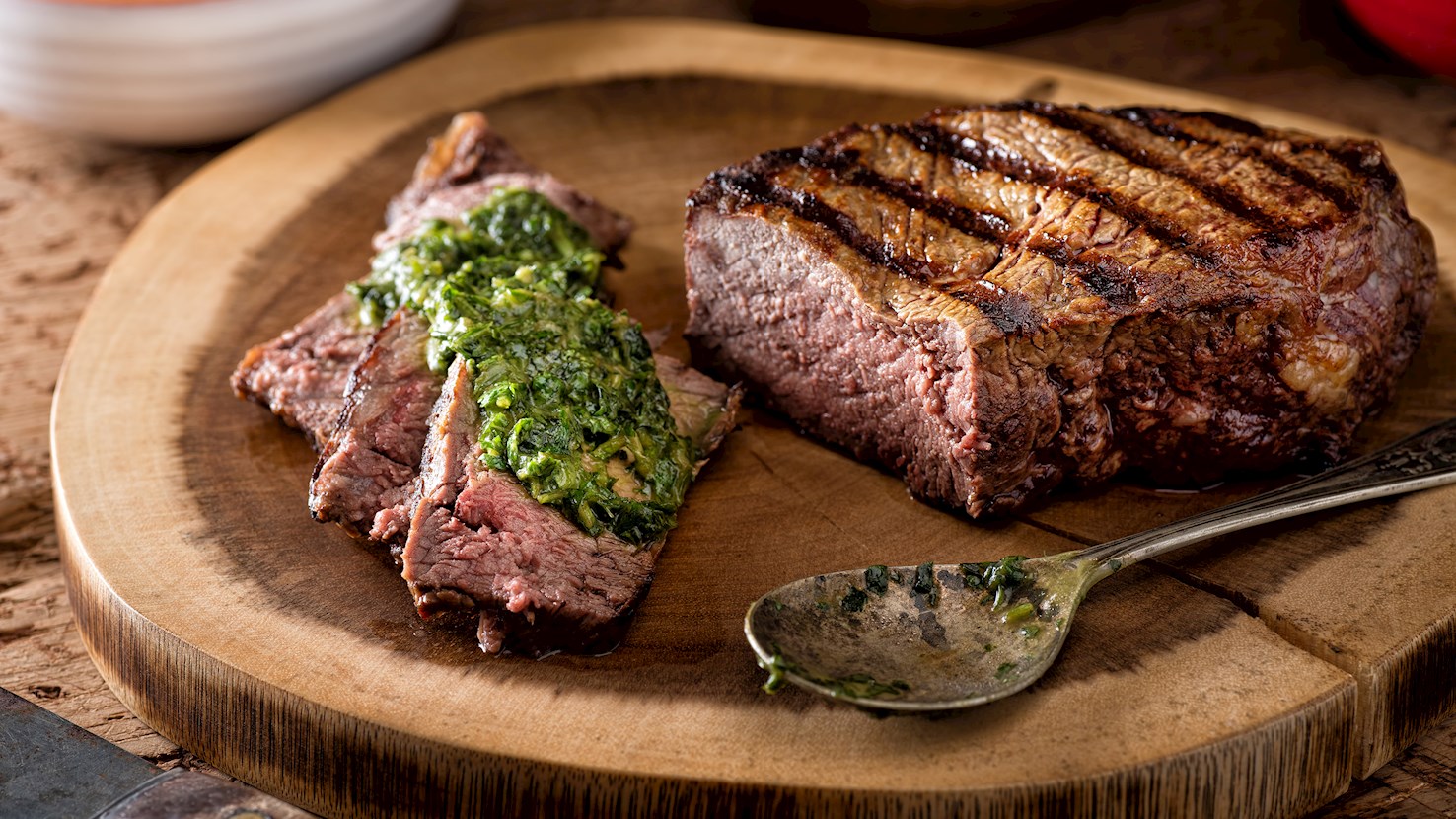
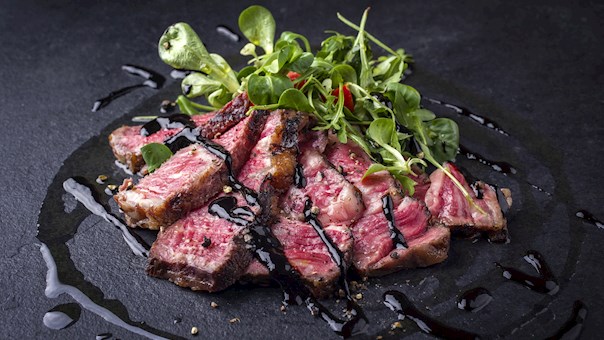
Known as the holiest of holies of Italian cuisine, the Florentine-style beef steak is prepared exclusively with dry-aged beef from the Chianina cattle, which is particularly prized for its tenderness. Even though bistecca alla Fiorentina is often described as a T-bone steak, it is much closer to a porterhouse - since it's cut closer to the center, the tenderloin is much larger than the one on a regular T-bone. Also, bistecca alla Fiorentina must be thick; the cut needs to be at least three fingers wide so that when the meat is grilled over a very hot flame, a nice, slightly charred crust forms on the outside of the steak while the inside remains succulent. In fact, bistecca alla Fiorentina is never, ever served medium or well-done, as any true Tuscan will insist that this dream of a steak should only be eaten sanguinoso, meaning rare. To enjoy your Florentine-style steak the Italian way, simplicity is the way to go - highlight the rich flavor of grilled beef with nothing more than a drizzle of extra virgin olive oil, rosemary, and salt.
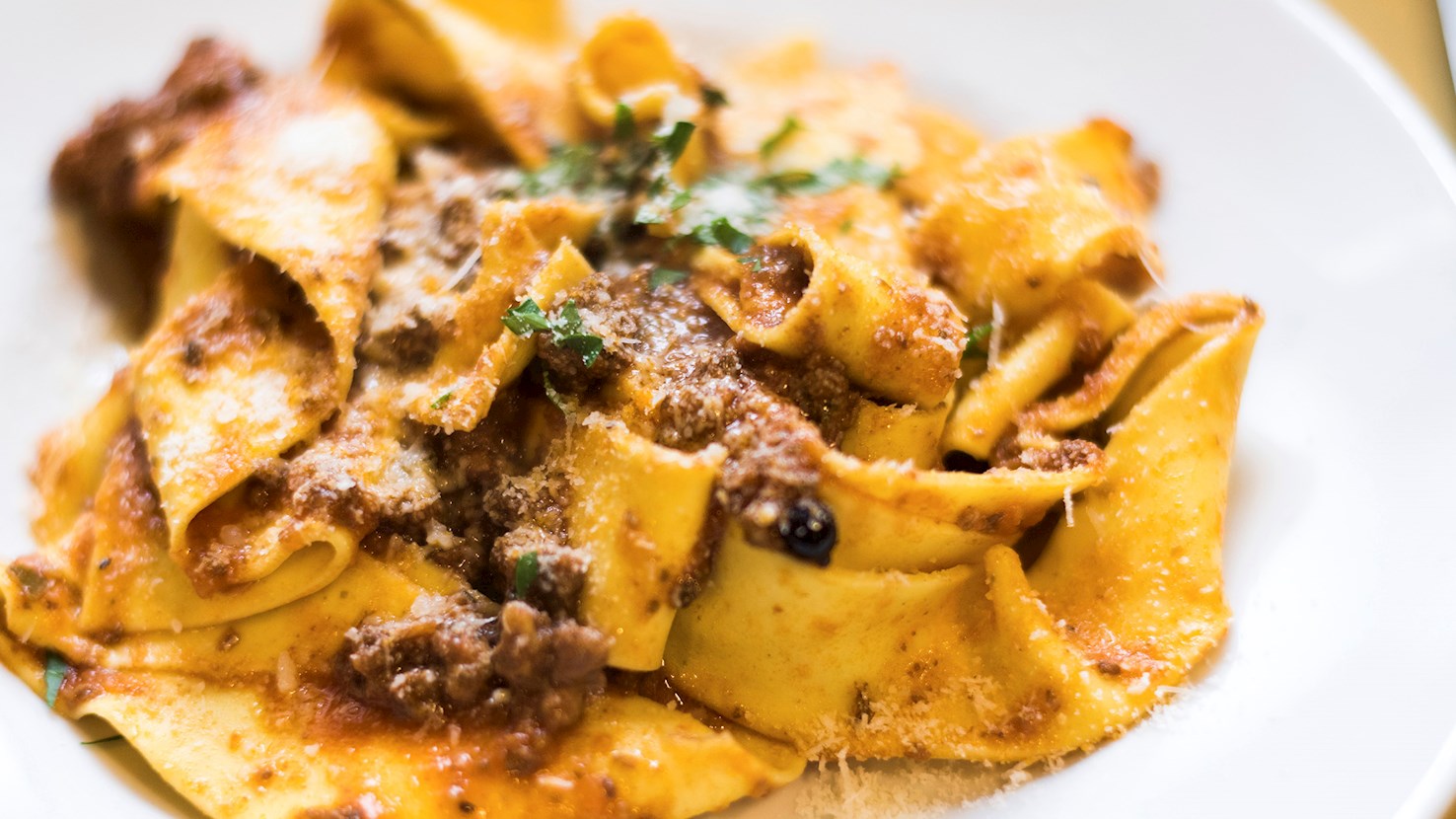
Pappardelle is a famous Tuscan pasta variety. When paired with ragù di cinghiale (made with wild boar), they become one of the region's best gastronomic experiences. Unlike classic ragù, the one prepared with wild boar has an intense, much stronger flavor achieved by long, slow simmering in a rich sauce of tomatoes and red wine. The tender meat paired with fresh egg pasta is a combination full of flavors and tradition in every single bite - rich and delicious, topped with a generous amount of chopped fresh parsley and a sprinkle of Parmigiano, pappardelle al ragù di cinghiale make a perfect, comforting winter dish, especially when paired with a glass of Tuscan red wine.
Yorkshire Handmade Pies specializes in producing artisanal savory pies. They focus on high-quality ingredients and traditional baking methods.
The company offers a variety of pie flavors, including classic meat-filled options and vegetarian choices. Each pie is crafted by hand to ensure consistency and quality.
Di'sPies is a producer based in Halifax, specializing in traditional British pies, including steak and kidney pie. The company prides itself on using locally sourced ingredients.
Di'sPies is known for its dedication to quality and authentic recipes. The business operates a local shop and also provides catering services.
The Gog is a farm shop and deli that specializes in artisanal food products, including Beef Wellington. They are known for sourcing high-quality, local ingredients and provide a range of fresh meat, bakery items, and other gourmet foods.
The Gog also offers an in-store butchery and a café, providing a comprehensive farm-to-table experience for their customers.
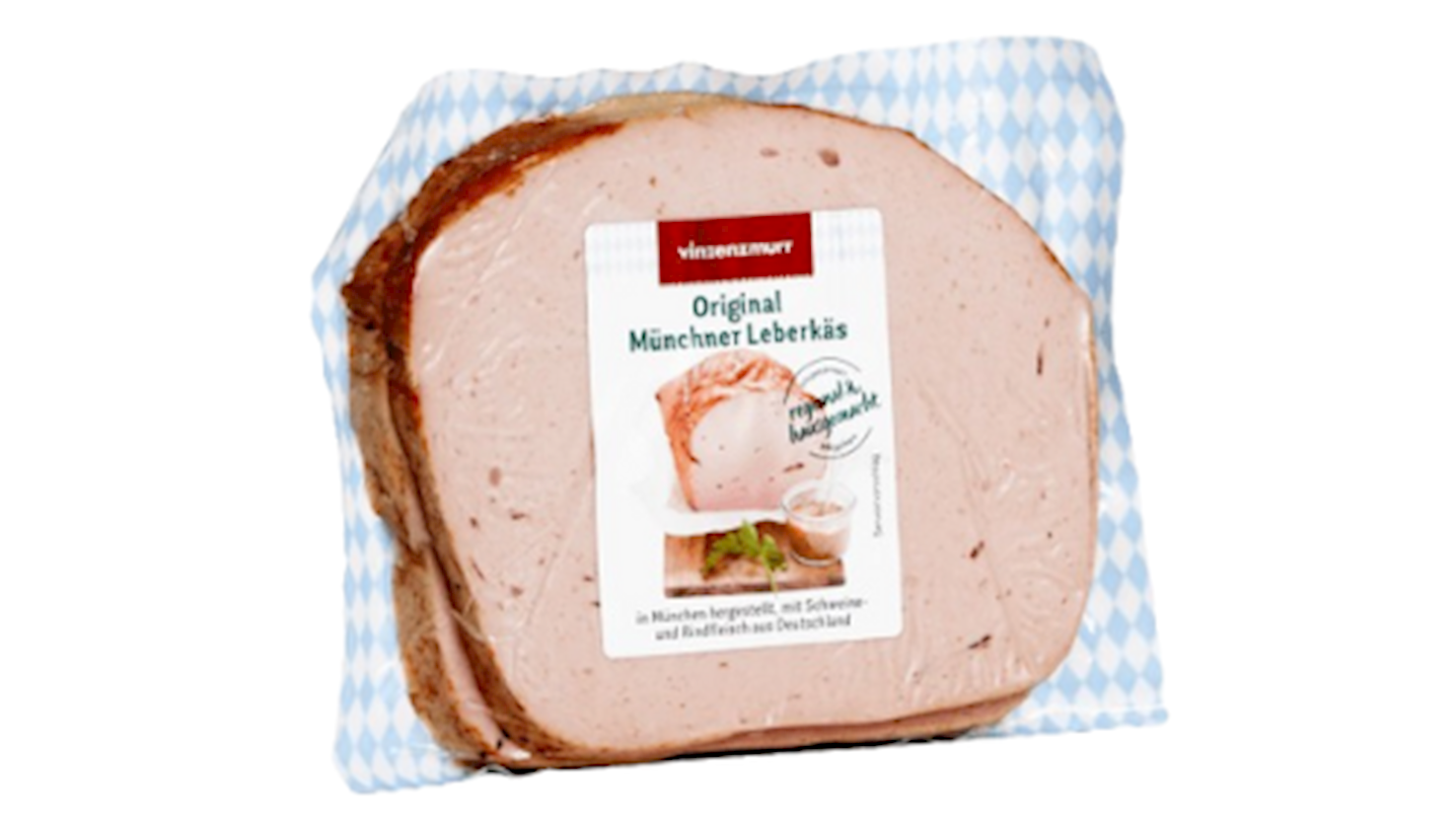
Vinzenzmurr is a traditional Bavarian butcher and delicatessen company based in Munich, founded in 1902 and deeply embedded in the city’s food culture. Built on classic butcher craftsmanship, the brand combines in-house production with a strong focus on freshness, traceability, and regional sourcing, working closely with Bavarian farmers.
Vinzenzmurr is best known for its range of traditional specialties such as Münchner Weißwurst, Leberkäse, sausages, hams, and prepared meat dishes, produced according to long-established recipes and strict quality standards. Centralized production in Munich supplies a wide network of retail shops across the city and southern Bavaria, ensuring consistent quality while maintaining a local, neighborhood presence.
Beyond everyday retail, the brand is also visible in Munich’s culinary traditions, including its long-standing presence at Oktoberfest. Vinzenzmurr positions itself not as a gourmet brand, but as a reliable, heritage-driven butcher rooted in everyday Bavarian cuisine, where craftsmanship, volume, and regional identity meet.
TasteAtlas food rankings are based on the ratings of the TasteAtlas audience, with a series of mechanisms that recognize real users and that ignore bot,
nationalist or local patriotic ratings, and give additional value to the ratings of users that the system recognizes as knowledgeable.
For the “Top 100 Meat Dishes in the World” list until November 28, 2026, 114,967 ratings were recorded, of which 69,851 were recognized by the system as legitimate.
TasteAtlas Rankings should not be seen as the final global conclusion about food. Their purpose is to promote excellent local foods,
instill pride in traditional dishes, and arouse curiosity about dishes you haven’t tried.
The initial list of top producers was compiled based on available reviews, awards, local recommendations, media and blog coverage, and consumer reviews.
The list will be updated with ratings from TasteAtlas local ambassadors and TasteAtlas users.


















What People Say