shutterstock

Top 7 Czech Meat Products

Last updated on July 08, 2026

Best Czech Meat Products
01

Naše Maso

4.7 ·

Naše Maso is a Prague-based butcher shop and bistro operating under the Ambiente group, known for concepts built around high-quality ingredients and a contemporary approach to Czech culinary tradition. The first location opened in 2014 on Dlouhá Street in central Prague, with the aim of reviving artisanal butchery and offering meat with transparent provenance.

The producer focuses on Czech beef, Přeštice breed pork, and cured meat products prepared according to its own recipes. Naše Maso works with carefully selected Czech farmers and places strong emphasis on animal welfare, quality farming practices, and traditional meat processing methods.

Beyond the classic butcher shop model, the concept also includes freshly prepared food served on-site, allowing visitors to enjoy burgers, sausages, meatloaf, steak tartare, and other straightforward meat specialties. Its range includes fresh meat, sausages, smoked products, ready-made meals, broths, sauces, and complementary cooking products.

Naše Maso stands out for combining a butcher shop, delicatessen, and small bistro, making it one of Prague’s recognizable modern gastronomic destinations. Although it is not a historic producer with decades of heritage, Naše Maso has become an important part of Prague’s contemporary food scene by promoting local meat, artisanal recipes, and a transparent approach to sourcing.

02

Uzenářství U Dolejších

4.2 ·

Uzenářství U Dolejších is a Czech family-owned butcher and charcuterie producer based in Davle, with a heritage dating back to 1901, when Jaroslav Dolejší established the original butcher shop and workshop in the town square. The company specializes in meat processing and traditional Czech charcuterie, building its reputation on more than a century of family craftsmanship and local trust.

Its history spans several generations of the Dolejší family, with operations later revived after the communist era following political changes in Czechoslovakia. Today, the business combines traditional recipes with modern production practices to maintain consistent quality while expanding its product range.

Its portfolio includes fresh meat, sausages, hams, smoked specialties, and other classic Czech meat products. The company is particularly known for its traditional charcuterie offerings rooted in regional Czech butchery traditions.

03

Kostelecké Uzeniny

3.2 ·

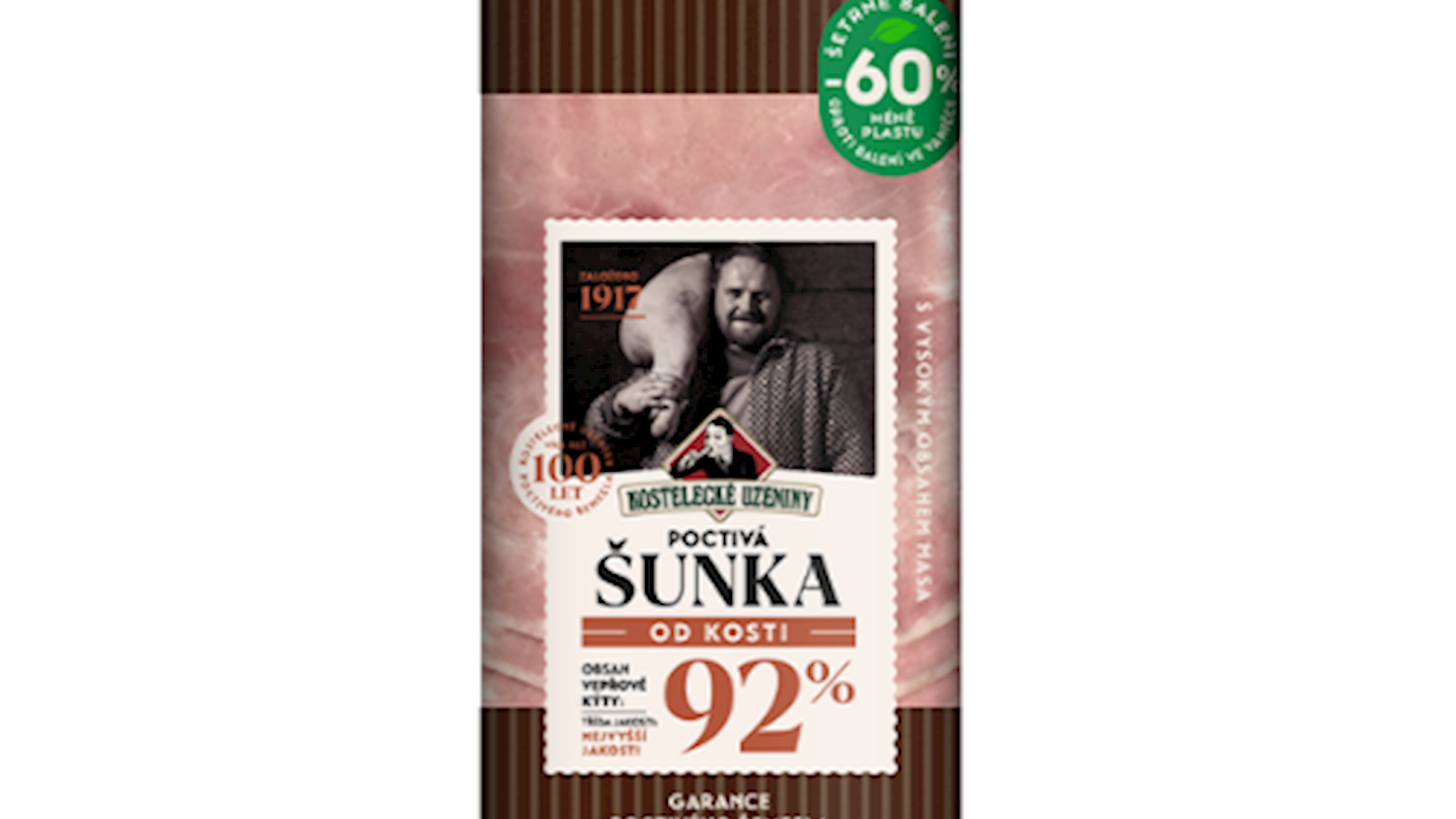
Kostelecké Uzeniny is one of the best-known Czech producers of meat and cured meat products, headquartered in Kostelec near Jihlava in the Vysočina region. The company was founded on December 6, 1917, when Jan Satrapa, Richard Spitzer, Karel Czánský, Jan Hamlisch, and Josef Spitzer signed the founding agreement for a factory focused on cured meats and canned products.

Production officially began in 1918 after the company obtained authorization to manufacture meat products, marking the start of its long presence in the Czech meat industry. Today, the brand is associated with a broad portfolio that includes fresh meat, ham, sausages, smoked specialties, convenience products, and packaged meat goods.

Its operations have expanded across several production facilities, including Kostelec, Planá nad Lužnicí, and Most, reflecting its scale as a major food manufacturer. The company combines traditional Czech butchery heritage with modern food production technologies and industrial processing standards.

Kostelecké uzeniny states that its facilities operate in accordance with the International Featured Standards (IFS), highlighting its focus on food safety and quality control. The brand is positioned as a large-scale established producer rather than a small artisanal manufacturer, with a strong identity rooted in Czech meat-processing tradition.

Its long-standing market presence has made it a recognizable name among Czech consumers, particularly in the categories of ham and traditional cured meats. Through more than a century of operation, Kostelecké uzeniny has remained a significant player in the Czech food industry.

Best Czech Meat Product Types
01

Pražská šunka (Prague ham)

4.1 ·

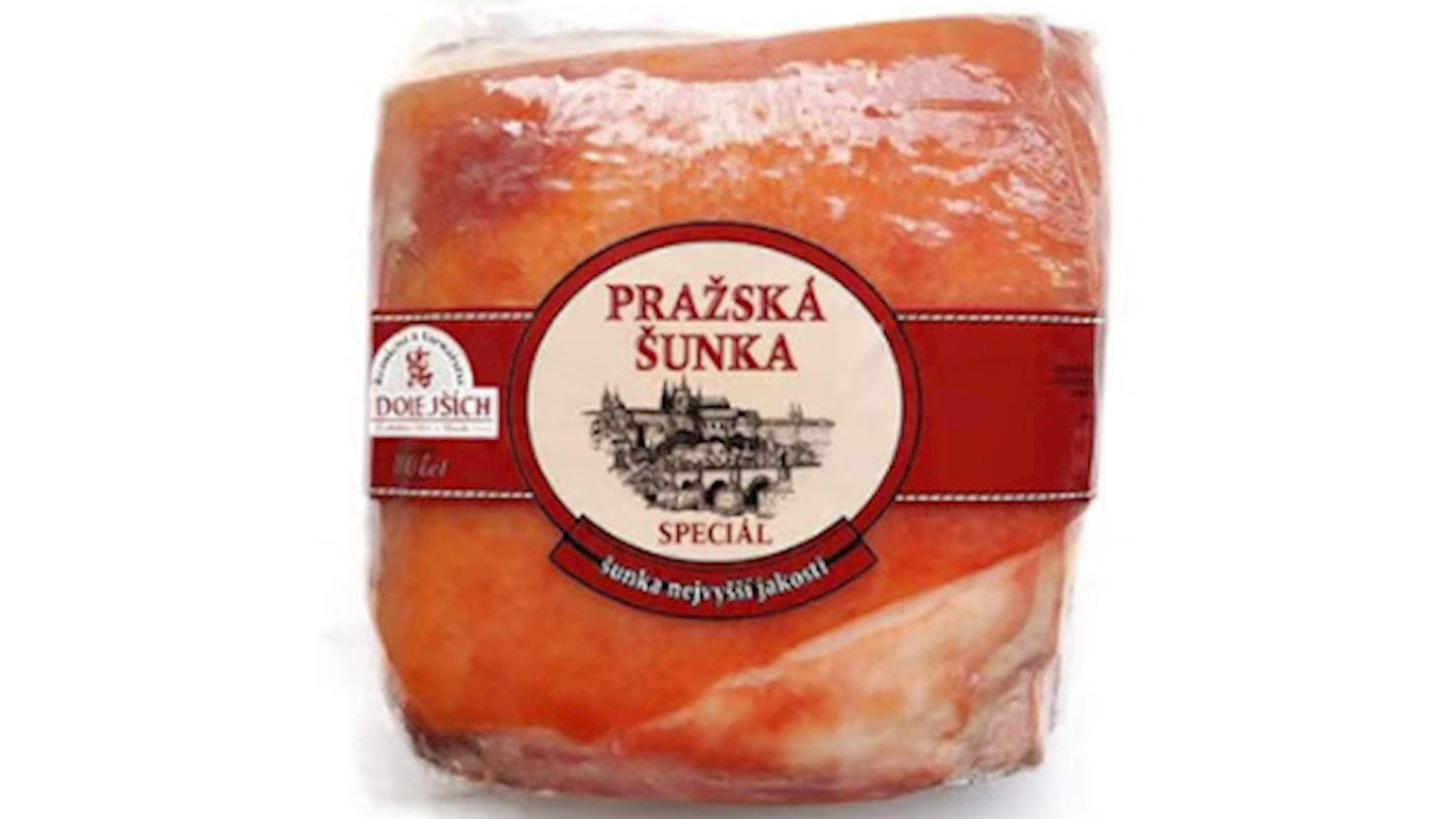
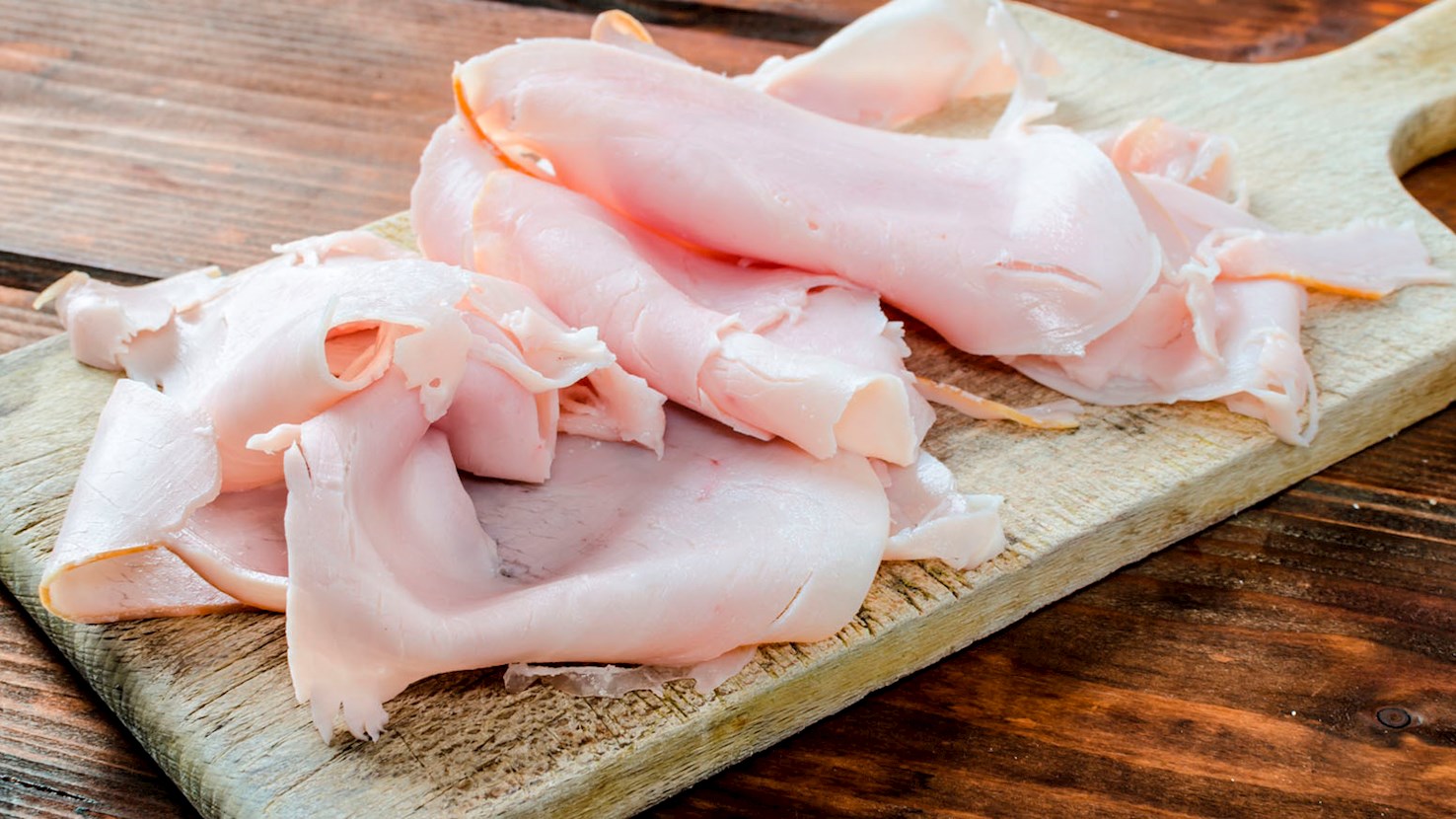
Pražská šunka is a traditional ham made on the bone, boneless, or tinned, in the Czech Republic. The boned variety must not exceed 10 kilograms in weight and has one side covered with golden yellow skin. The meat is pink and tender when sliced and the texture is firm and compact. The taste is salty and typical of cooked and smoked ham. The boneless variety is oval or cylindrical in shape and has the same organoleptic properties as the boned variety. The tinned variety weighs about half a kilogram, has at least 87% meat content and is pink in its cross-section with small holes dispersed here and there. Its texture is compact and the taste is salty and typical of cooked ham. The name Pražská šunka has been used since the 1860s to distinguish one of the most popular meat products from the Czech Republic.

02

Tradiční špekáčky

4.0 ·

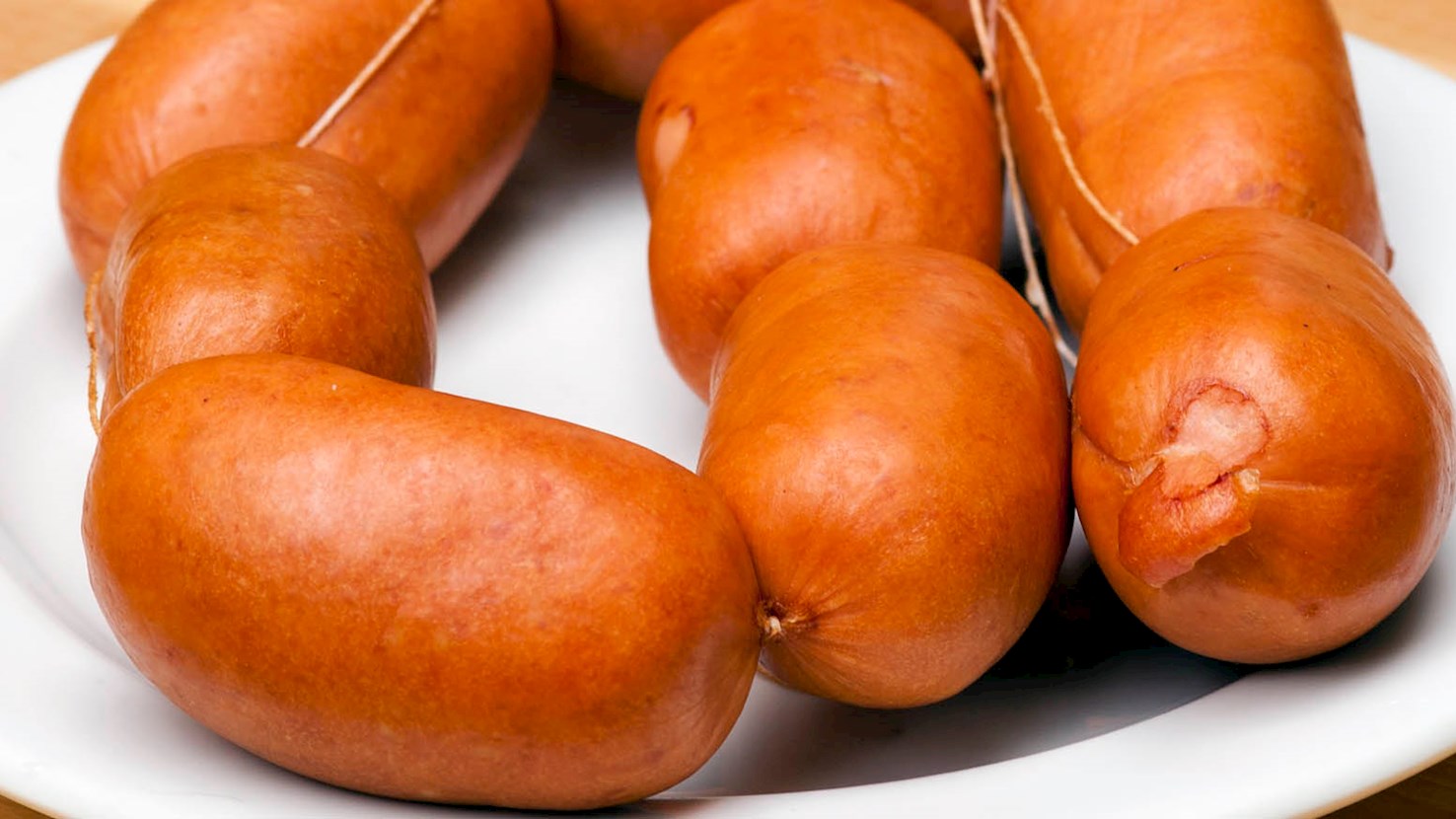
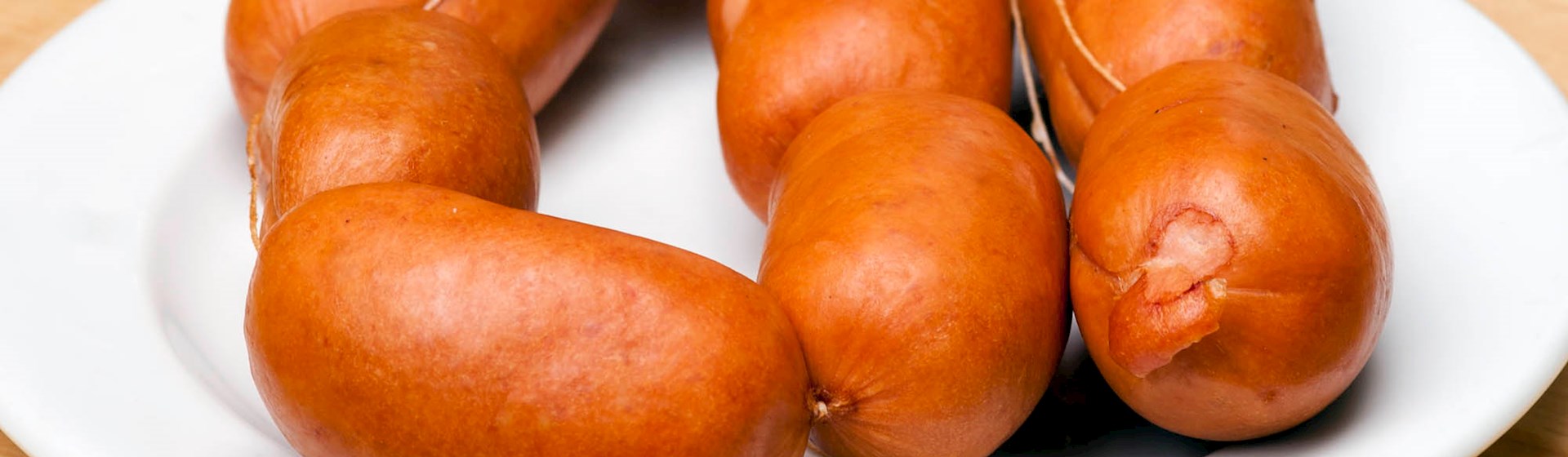
Špekáčky/špekačky is a short, plump golden-brown sausage which has been produced for more than 100 years in the Czech Republic. The production later spread throughout former Czechoslovakia and; therefore, the Slovak Republic and the Czech Republic jointly sought the protection of this sausage. There is a long tradition in these countries of roasting špekáčky/špekačky over an open fire outdoors. They are made with a mixture of pork, bacon, and beef with the addition of spices and seasonings such as ground black pepper, sweet paprika, garlic, nutmeg, and salt. Pieces of bacon must be unevenly distributed in the thicker mixture and collagen particles must be added to give the sausage its distinctive appearance when sliced. The sausages are dried and smoked in a smokehouse that gives them their distinctive color and smell. Their aroma can be described as mild when freshly smoked. They are traditionally eaten with a slice of bread and mustard. The sausages can also be pickled in jars with spices and onions.

03

Čvarci

3.7 ·

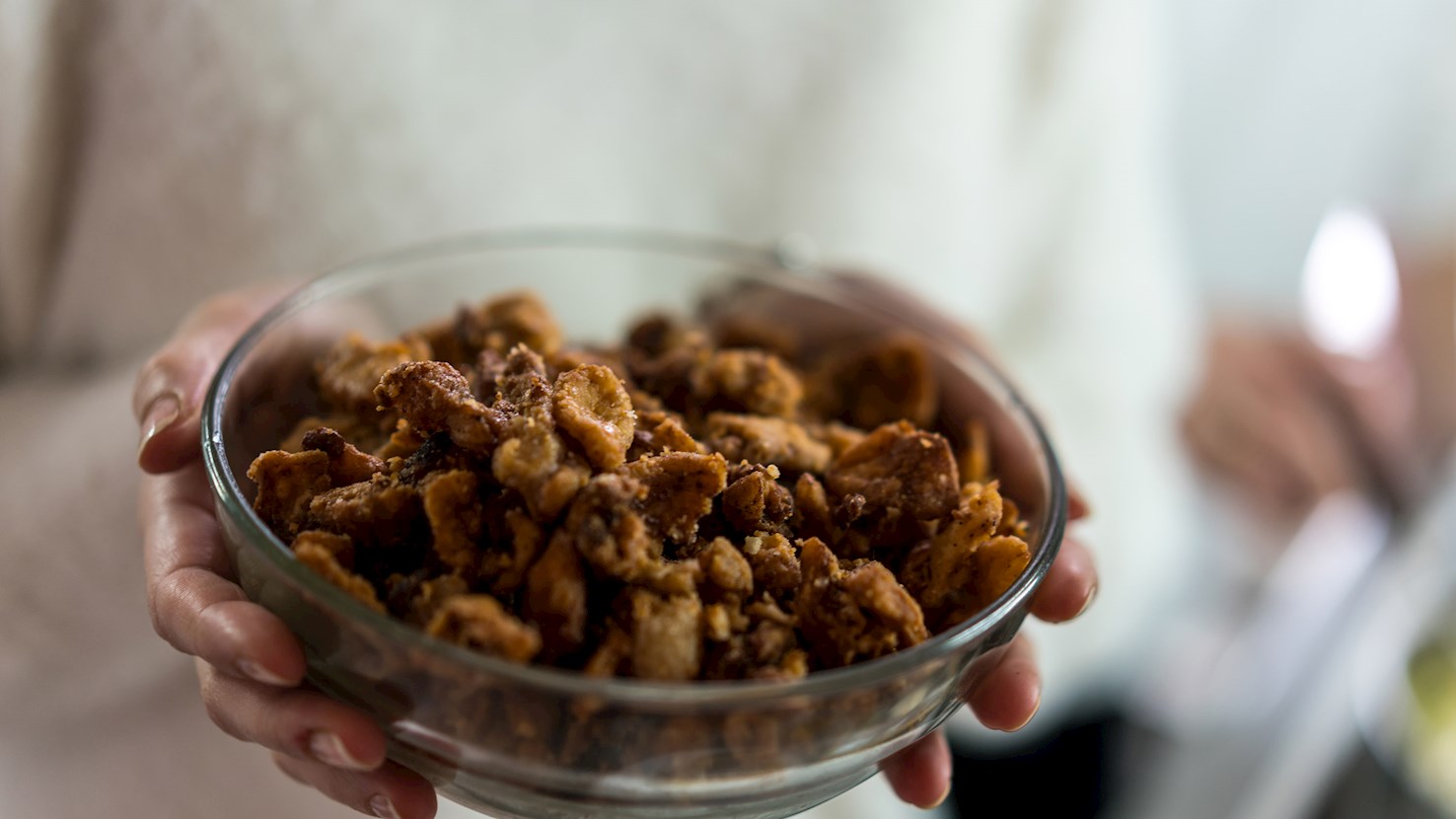
Čvarci or ocvirki is a traditional specialty that's popular in Southeastern Europe and the Balkans. This variety of pork rinds or cracklings is usually homemade, and it's made by thermally extracting fat from the lard. The lard is usually cut into blocks and fried in its own fat until it melts away and tough and crispy pork rind remain in the pot. During the process, čvarci are constantly stirred with big spoons, and milk is often added in order for them to obtain the color of caramel. Salt is typically added to the mixture, while some cooks like to add garlic or onions to the mixture. Čvarci are typically made in late autumn or winter, often during the pig slaughter, and they're usually enjoyed as a snack, served with bread and raw onions and paired with beer or rakija on the side. Small pieces of čvarci are often used in savory snacks such as pogačica s čvarcima.

04

Uzené

3.6 ·

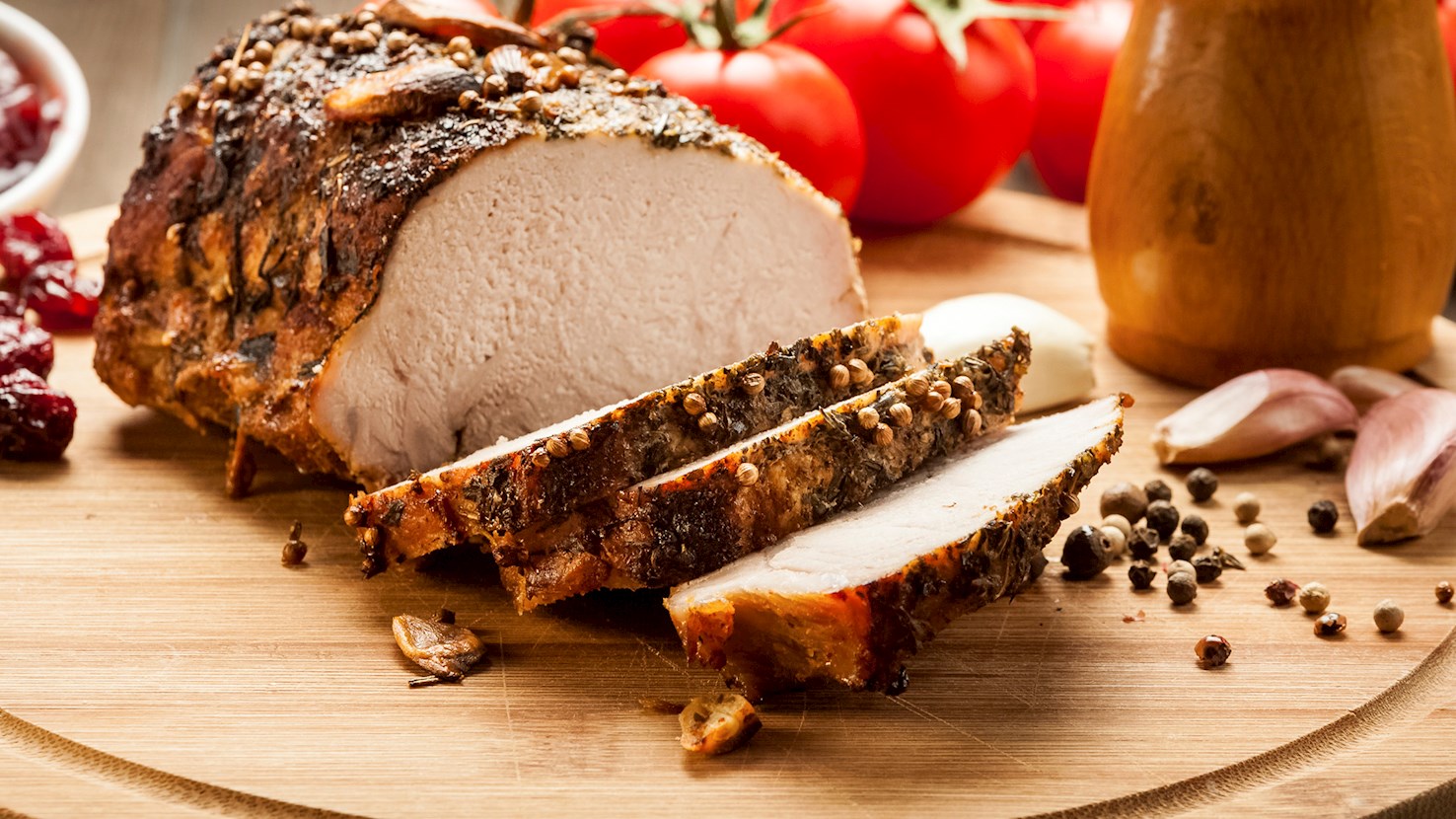
Uzené is a Czech term which refers to a variety of smoked meat products such as pork joints, pork ribs, or different types of ham. Whether they are industrially produced or smoked in traditional smokehouses, uzené products are often served as cold cuts and enjoyed as appetizers, although they can additionally be boiled and served as main courses, usually alongside dumplings, mashed potatoes, or peas.

05

Tradiční lovecký salám

3.5 ·

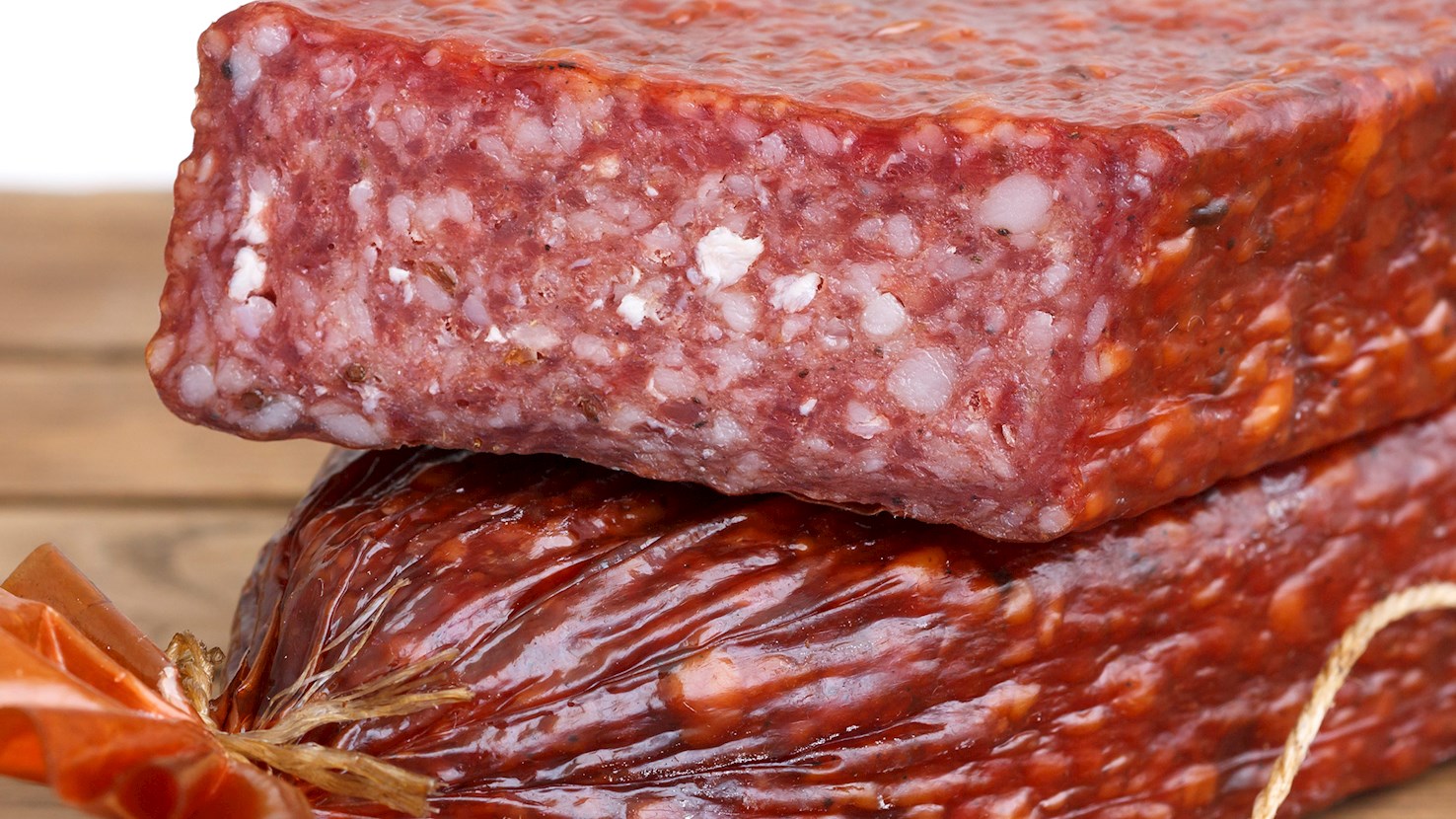
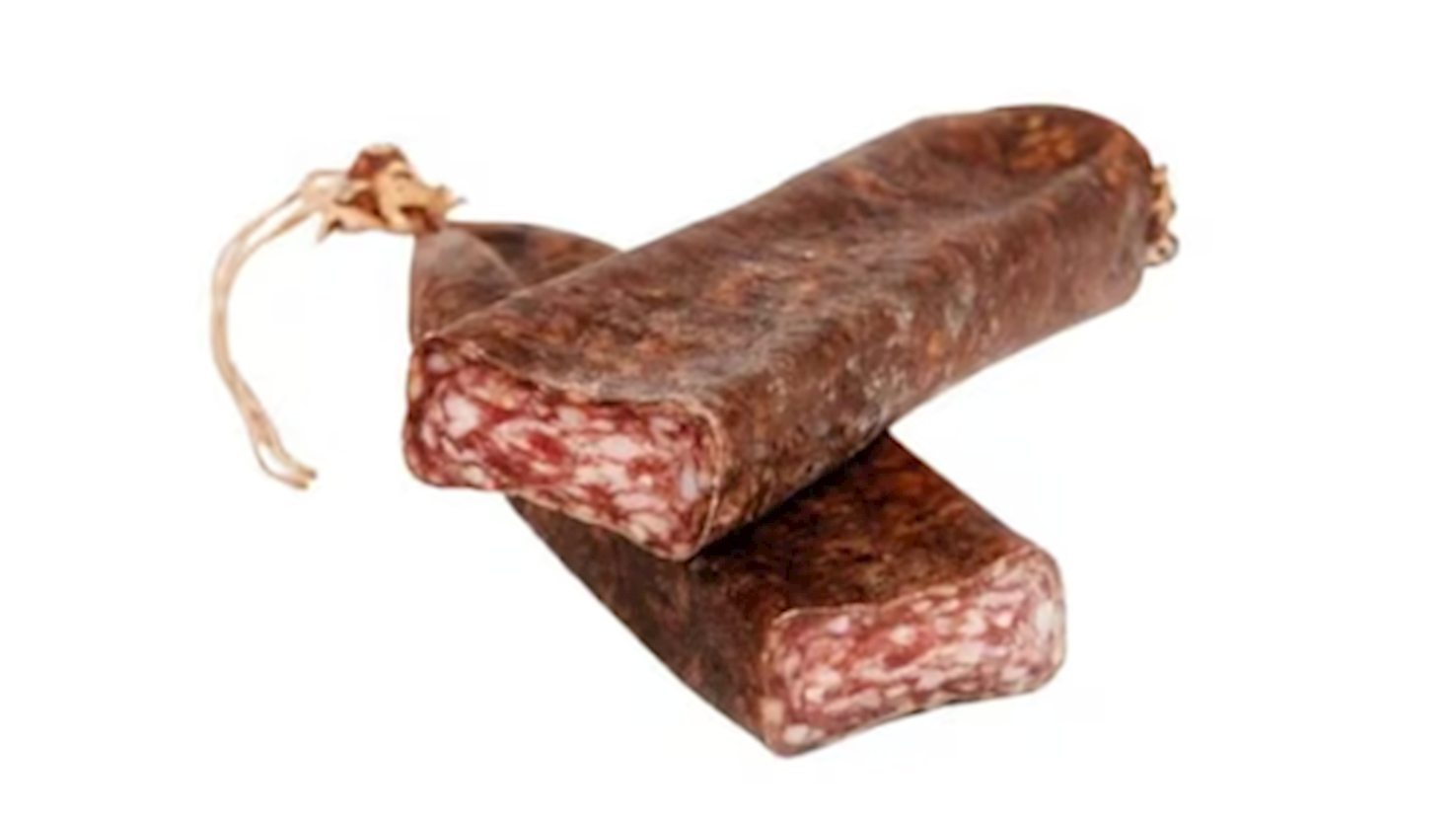
Lovecký salám or lovecká saláma is a special dark brown salami that's well known in the Czech Republic and the Slovak Republic as a traditional delicacy with a flat, rectangular shape and a distinctive flavor. The origin of the salami can be traced back to the beginning of the 20th century when it was made during winter in the Czech Republic. Today it is a popular product made all year round according to traditional recipes and methods of preparation. It is produced from a mixture of beef and pork with the addition of ground black pepper, sugar, garlic, ground cloves, and collagen casings. The process of cold smoking gives the lovecký salám its interesting aroma. The flavor of lovecký salám can be described as very spicy and salty. It is usually served with local cheeses and a glass of beer.

Best producers
06

Tlačenka (Czech head cheese)

3.1 ·

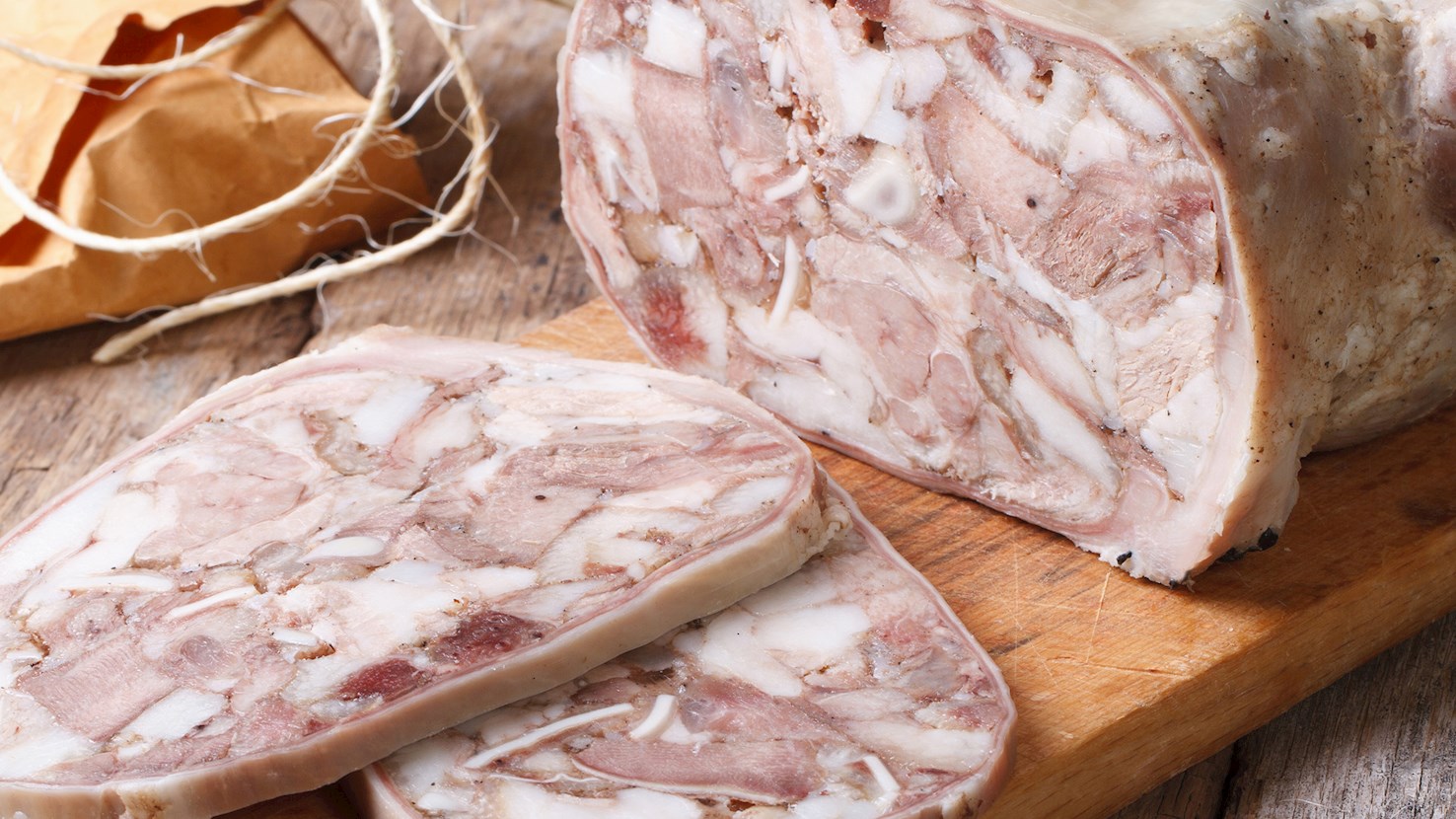
Tlačenka is the Czech version of gelatinous head cheese. It consists of different pork cuts, mainly offal that is simmered with chopped up trotters, poured into pig's intestines, and cooled until solid. Tlačenka is usually shaped into long and large cylindrical tubes and served in thick slices. With its rough texture, this traditional Czech product resembles a coarse pâté and is typically enjoyed with diced raw onions, rye bread, and a splash of vinegar.

07

Pražská klobása

n/a ·

Pražská klobása, or Prague sausage, is a smoked sausage from the Czech Republic distinguished by its high beef content. It features a medium thickness and a texture that is smooth yet dense. The flavor is savory and aromatic, defined by a distinct smoky character and notes of garlic. The filling consists primarily of beef blended with pork fat, seasoned with salt, curing agents, paprika, garlic, white pepper, and caraway, all encased in natural skins. It was developed by Prague butchers in the late 19th and early 20th century who refined production methods to create a product that was suitable for storage and transport while maintaining high quality. This evolution resulted in a sausage with a consistent structure and clean meat flavor that could withstand the smoking process. Making the sausage involves finely grinding the beef and pork fat separately before combining them. The meat is mixed with ice-cold water, spices, and curing salt until a binding emulsion is formed. This mixture is stuffed tightly into beef or hog casings and allowed to dry briefly to ensure the smoke adheres properly. Finally, the sausages are slow-smoked over hardwood at moderate temperatures until they are fully cooked and uniformly colored. Producers may adjust the ratio of beef to pork fat or alter the intensity of the garlic and paprika seasoning. Physical dimensions can also vary, with some versions made thinner for rapid cooking and others thicker for slicing. Pražská klobása can be eaten hot or cold. It is a staple at street stands and butcher shops, where it is commonly grilled or pan-fried and served with mustard, pickles, and bread. The sausage pairs excellently with Czech pale lagers, dark beers, or simple spirits, which complement the salty, smoky, and spiced profile without overpowering it.

Read more
View all
View map
About this ranking

TasteAtlas food rankings are based on the ratings of the TasteAtlas audience, with a series of mechanisms that recognize real users and that ignore bot, nationalist or local patriotic ratings, and give additional value to the ratings of users that the system recognizes as knowledgeable. For the “Top 7 Czech Meat Products” list until July 08, 2026, 531 ratings were recorded, of which 412 were recognized by the system as legitimate. TasteAtlas Rankings should not be seen as the final global conclusion about food. Their purpose is to promote excellent local foods, instill pride in traditional dishes, and arouse curiosity about dishes you haven’t tried.

The initial list of top producers was compiled based on available reviews, awards, local recommendations, media and blog coverage, and consumer reviews. The list will be updated with ratings from TasteAtlas local ambassadors and TasteAtlas users.

Similar lists