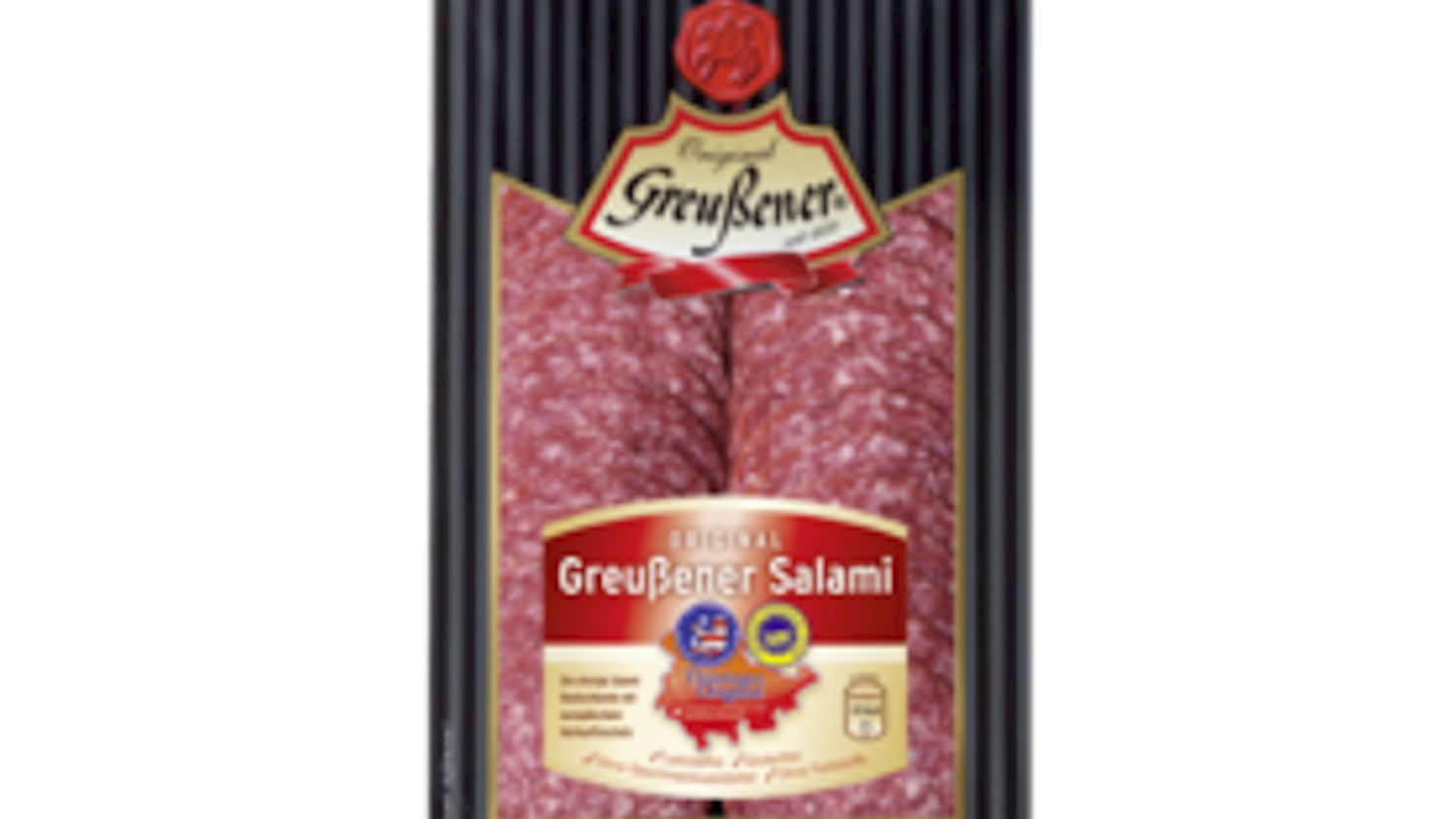
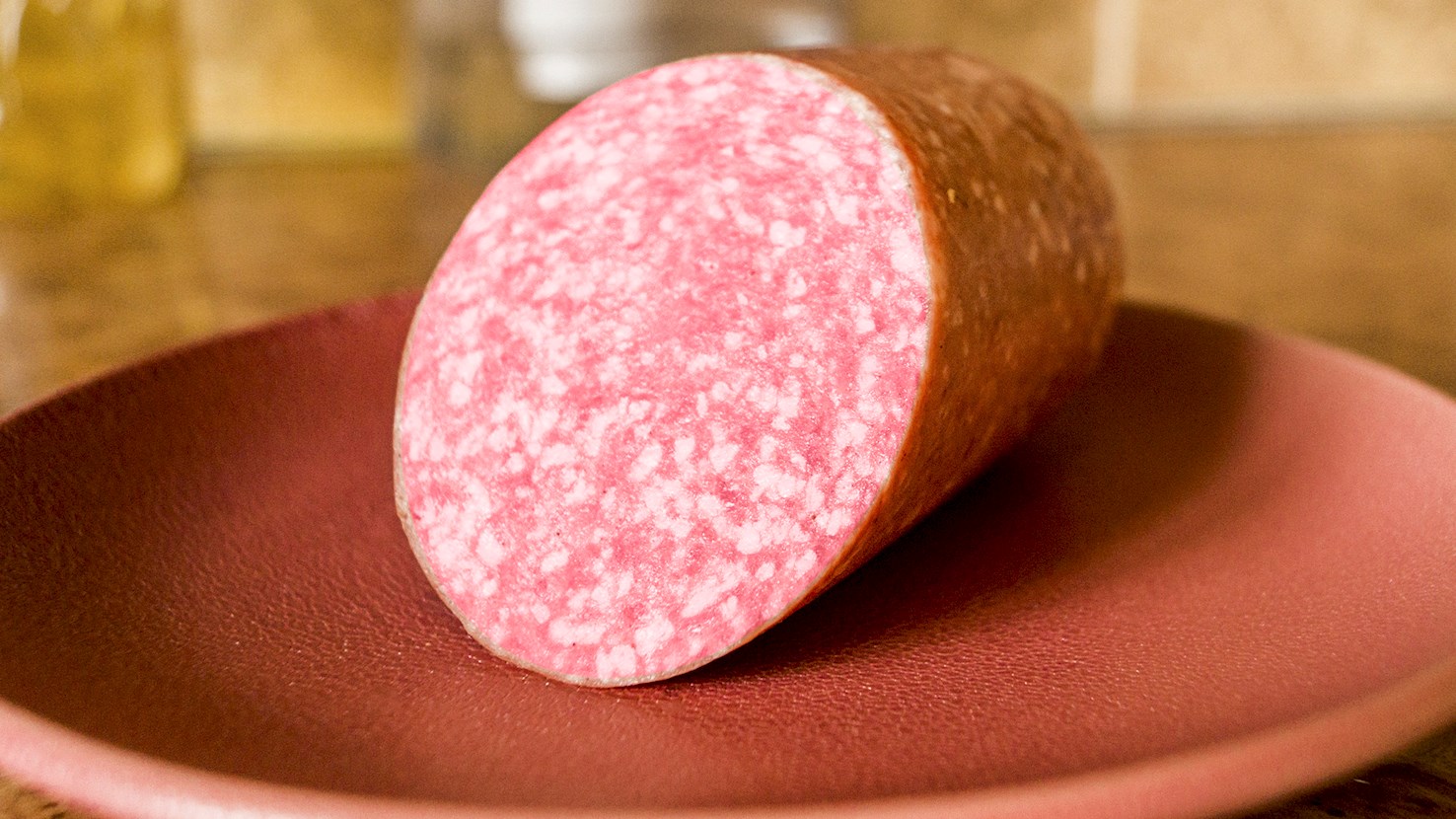
Greußener Salami und Schinkenfabrik is a historic butcher shop that has, over the decades, become synonymous with high-quality charcuterie products, with its name deeply rooted in the tradition of German charcuterie production. The company prides itself on its commitment to preserving authentic production methods, which are based on traditional smoking and drying techniques, as well as using the finest ingredients, often sourced from local suppliers.
In addition to Greußener Salami, which has become one of the symbols of Thuringia, the company offers a variety of other meat products, such as hams, sausages, dried meat specialties, and ready-to-eat meals, all of which are becoming increasingly popular in international markets. Greußener Salami is particularly valued for its distinctive texture, balanced seasoning, and smoky flavor, which is achieved through a careful production process. This salami is often at the center of attention when it comes to the tradition of German charcuterie and is regularly featured at gourmet events and trade fairs.
To ensure the preservation and protection of quality, the factory strictly adheres to rigorous hygiene and production standards, subjecting all of its products to thorough quality controls. Additionally, it is known for combining traditional methods with modern technologies, enabling its products to maintain a high standard of quality.
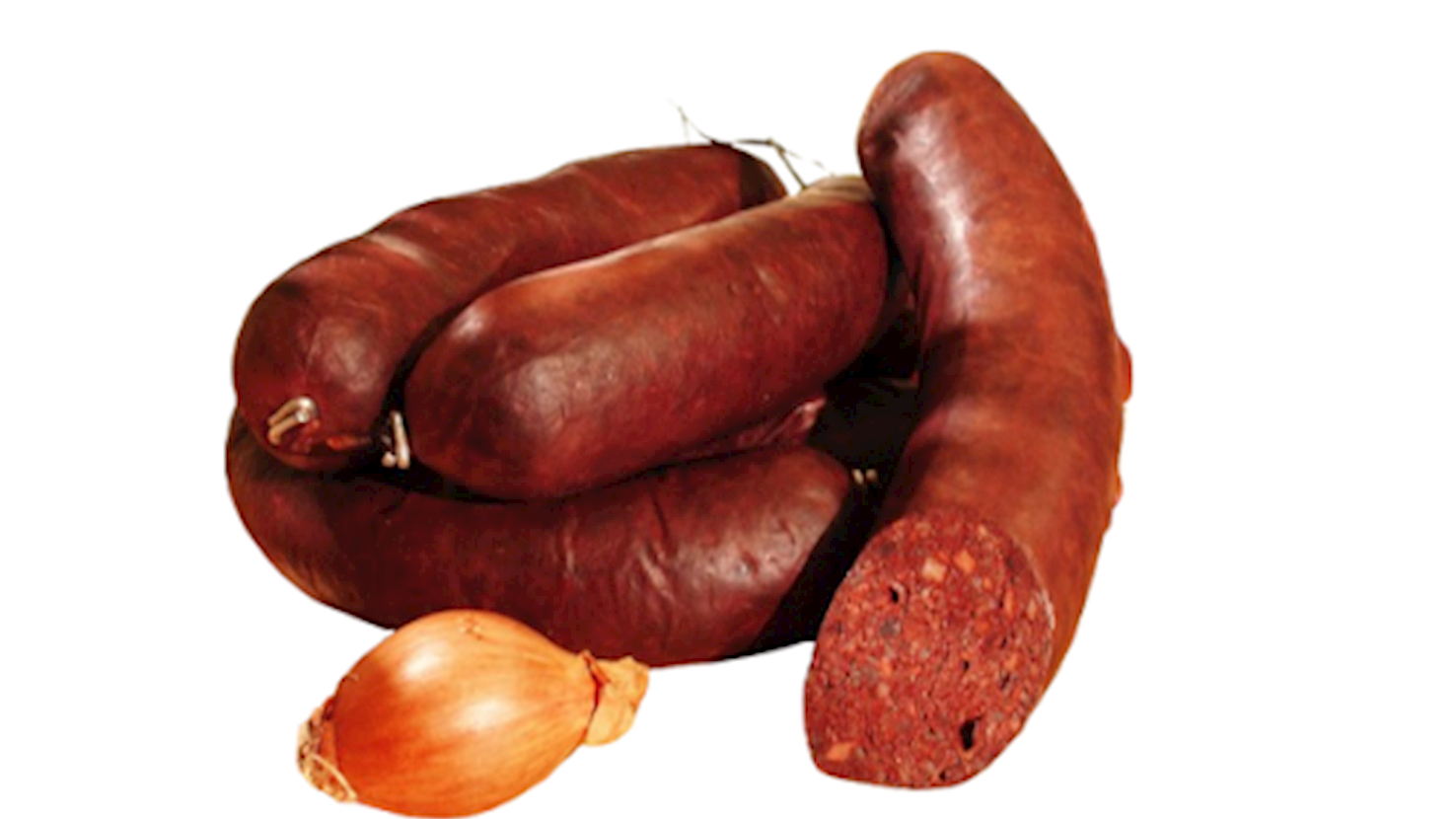
Blutwurstmanufaktur is a renowned artisanal butcher shop established in 1902. Since 1996, it has been run by master butcher Marcus Benser, who was honored in 2004 with the title of “Knight of the Blood Sausage” by the French brotherhood Confrérie des Chevaliers du Goûte-Boudin—an award also bestowed upon the famous chef Paul Bocuse.
Blutwurstmanufaktur produces over 60 varieties of homemade sausages, with its signature product being the celebrated Berliner Blutwurst. This blood sausage is freshly made daily from pork blood, lean meat, pork fat, and fresh onions, enhanced with a secret blend of spices including authentic Thuringian marjoram, hand-ground Brazilian pepper, and a hint of cinnamon. The sausage is encased in a natural beef casing.
In addition to their blood sausage, the shop also offers other specialties, including dry-cured salamis with fennel seeds. All products are made using meat from local farms with whom the butcher shop maintains long-standing partnerships.
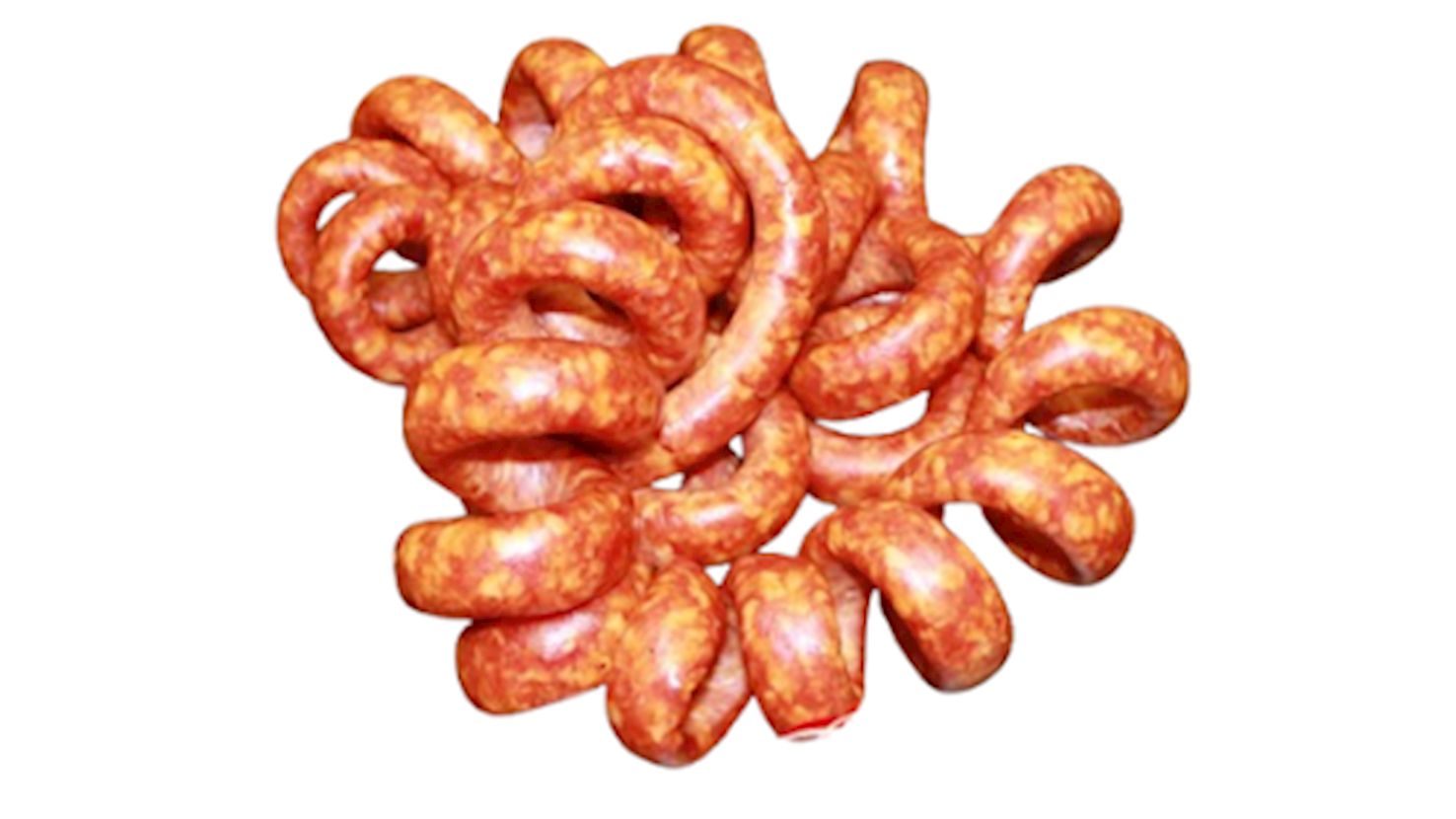
Fleischerei Buttgereit is a traditional butcher shop located in Germany, known for offering high-quality meats and meat products. With a long-standing history, Fleischerei Buttgereit specializes in providing freshly prepared meats, sausages, and other delicacies. They are dedicated to maintaining the finest quality standards in meat production and preparation.
The butcher shop prides itself on sourcing meat from trusted suppliers, ensuring freshness and quality in every product. In addition to offering a wide variety of fresh meats, Fleischerei Buttgereit also produces house-made sausages, using traditional recipes and techniques. These sausages often include classic German varieties, such as bratwurst, weisswurst, and other regional specialties.
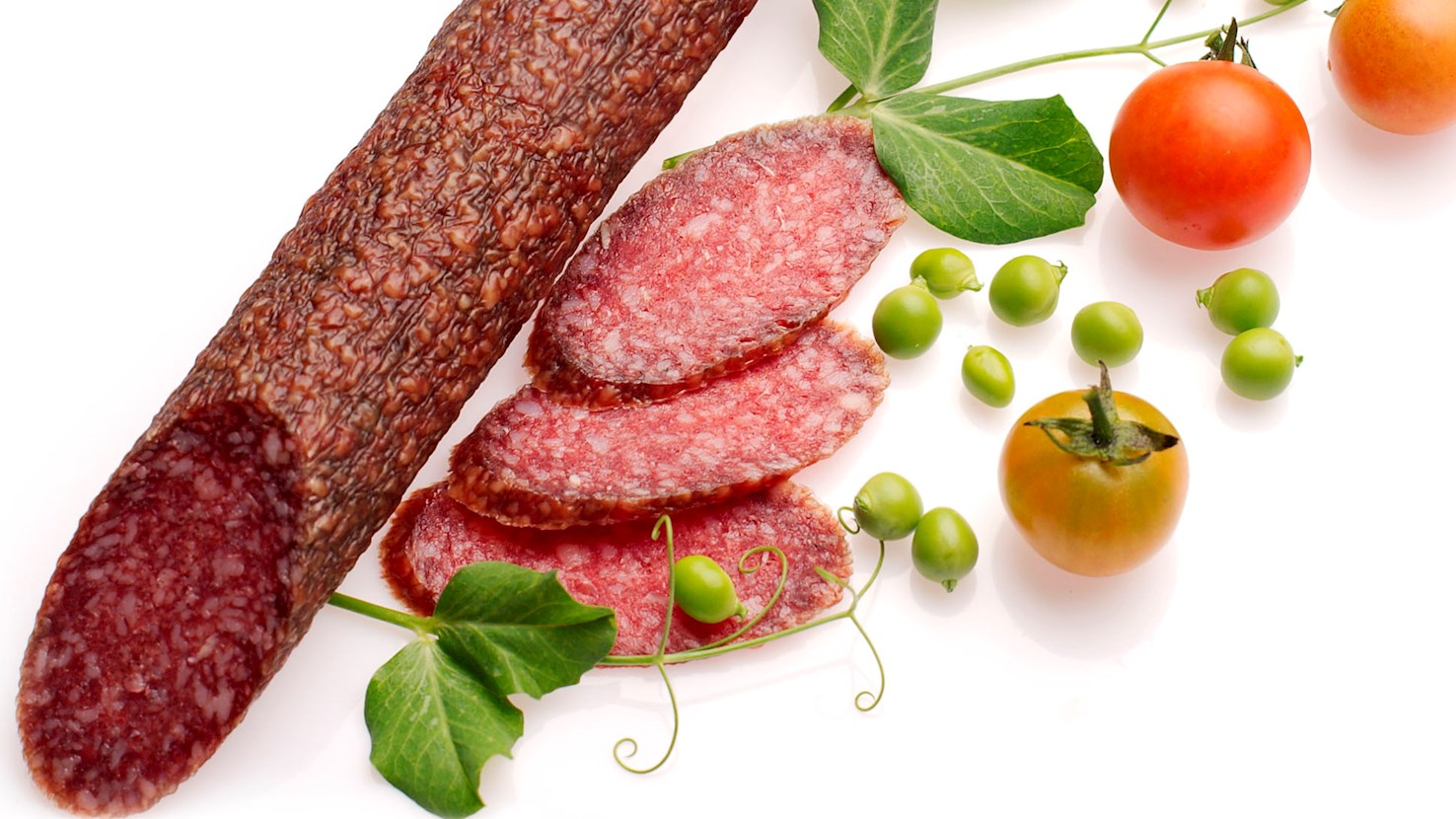
In the world of salami connoisseurs, Greußener salami has been a well-known name for almost 100 years. The Greußener Salami Company was founded in 1864 by master butcher Carl Auene from the town of Greußen in Thuringia, and word of this excellent salami soon spread throughout the region. The salami has a coarse grain dotted with coarse black pepper, and its hearty flavor is accentuated with garlic. In addition to Greußener salami, which is made from pork, the same company also produces salamis made with wild boar, venison, and poultry. They are seasoned with black pepper, garlic, paprika, chili, or juniper. Individual versions include salamis with a coating of herbs or pepper, mold-ripened salamis, and salamis in parmesan crust.
Entrepreneur Friedrich Heine made it big in 1896 when he introduced a national specialty known as HalberstädterWürstchen to the global market. His jarred, preserved sausages travelled well and were able to be distributed far and wide, and they quickly gained popularity far outside of Germany's borders. The company was expropriated by the East German government in 1948, and its name was changed to VEB Halberstadt Meats. The smoky flavor of these long and thin sausages in sheep's casings results from a patented, traditional method of smoking in a chimney over a beechwood fire, combined with long ripening times of 24 to 36 hours. Halberstadt's products have received many gold medal awards from the German Agricultural Society, the first of which was awarded in 1913. Chimney-smoked Halberstädter Würstchen are the only products from Halberstadt in Saxony-Anhalt that can bear the official local denomination Halberstädter.
This traditional sausage from the historic Eichsfeld region located between Thuringia and Lower Saxony is known far beyond the borders of its home region. The sausage consists of diced and seasoned pork that is stuffed into hand-stitched, bubble-like casings of pork skin or intestines. Feldgieker is air-dried and cold-smoked for up to one year until it develops the desired flavor. It acquires its unique flavor from the hot processed pork and a special blend of spices including garlic and coriander. The sausage is manufactured manually according to tradition, which has remained unchanged over the past 300 years. Feldgieker is a popular snack on hikes through Eichsfeld and it's usually eaten with a slice of bread.
Berliner fleischwurst is a mild, finely emulsified sausage made from finely ground pork and pork fat, seasoned lightly with salt and subtle spices, filled into smooth casings, and cooked until set, resulting in a pale pink interior, soft but cohesive texture, delicate aroma, and a clean, gently savory flavor without smoke or sharp spice. The sausage took shape as urban meat production expanded and demand grew for sausages that were easy to slice, quick to serve, and broadly appealing, fitting the food culture of city markets, butcher shops, and everyday meals where consistency and approachability were valued. Preparation centers on finely grinding chilled meat and fat, emulsifying them with ice or cold liquid to achieve a smooth paste, carefully seasoning, stuffing the mixture into casings, and gently poaching the sausages so the proteins set evenly without forming a crust or developing a smoky character. Common variations include differences in diameter, fat ratio, or subtle seasoning adjustments, and some versions are sold ring-shaped or in straight lengths, while the defining feature remains a finely textured, mild-cooked sausage profile rather than fermentation, drying, or smoking. Berliner fleischwurst is eaten cold or lightly warmed, sliced for sandwiches, served with bread, mustard, or pickles, or used as a simple component in salads and cold plates, pairing easily with mild accompaniments and functioning as an everyday sausage rather than a centerpiece dish.
Spreewälder Gurkensülze is a meat aspic from the Spreewald region of Brandenburg in eastern Germany, known for incorporating the area’s signature pickled cucumbers. It combines finely chopped cooked meat, gelatin, vinegar, and spices, set together with diced Spreewald gherkins to form a firm, tangy jelly. The dish reflects the regional taste for sour flavors and preserved foods, shaped by a landscape of wetlands where cucumber cultivation and pickling have long been central to local life. It developed as part of rural cuisine in a region where preservation techniques were essential for storing meat and vegetables through the seasons. The roots of the dish lie in the practice of making Sülze, a meat jelly prepared after butchering, when every part of the animal was used. Cooks boiled pork, veal, or sometimes beef bones with onions, herbs, and spices to extract gelatin, then combined the cooled stock with shredded meat and vinegar to create a cold, set dish. In the Spreewald, where cucumbers were abundant and became a symbol of the region’s produce, the recipe evolved to include diced pickles, giving the aspic a distinctive sour freshness. This combination of meat and cucumber brought a lightness to what was otherwise a rich, gelatinous dish, reflecting the area’s preference for balanced, clean flavors. Over time, as refrigeration replaced the need for many preserving methods, Spreewälder Gurkensülze remained a regional specialty, kept alive by local butchers and small producers who valued its connection to rural craftsmanship. Preparation begins with simmering pork knuckles, rind, or lean cuts with onions, bay leaves, peppercorns, and vinegar until the liquid thickens from its natural gelatin. The meat is then finely chopped, and the strained broth is seasoned further with mustard seeds, salt, and sometimes a little sugar. Chopped Spreewald cucumbers are added to the mixture before it is poured into molds or jars and left to set as it cools. The result is a firm jelly dotted with bright green cucumber pieces, each slice revealing a mosaic of meat and vegetable suspended in clear aspic. The texture is soft but structured, and the flavor alternates between the mild savoriness of the meat and the refreshing acidity of the pickles. Spreewälder Gurkensülze is served cold, most often as part of a light meal or rustic lunch. It is eaten sliced, accompanied by boiled potatoes, rye bread, or fried potatoes, and sometimes with mustard or a drizzle of vinegar. A chilled beer or schnapps is a common pairing, reinforcing its place as a straightforward, hearty dish in local taverns and home kitchens.
TasteAtlas food rankings are based on the ratings of the TasteAtlas audience, with a series of mechanisms that recognize real users and that ignore bot,
nationalist or local patriotic ratings, and give additional value to the ratings of users that the system recognizes as knowledgeable.
For the “Top 5 Eastern German Meat Products” list until June 10, 2026, 48 ratings were recorded, of which 41 were recognized by the system as legitimate.
TasteAtlas Rankings should not be seen as the final global conclusion about food. Their purpose is to promote excellent local foods,
instill pride in traditional dishes, and arouse curiosity about dishes you haven’t tried.
The initial list of top producers was compiled based on available reviews, awards, local recommendations, media and blog coverage, and consumer reviews.
The list will be updated with ratings from TasteAtlas local ambassadors and TasteAtlas users.