shutterstock

Top 8 Friulian Meat Products

Last updated on June 01, 2026

Best Friulian Meat Products
01

Salumi Molinari

4.7 ·
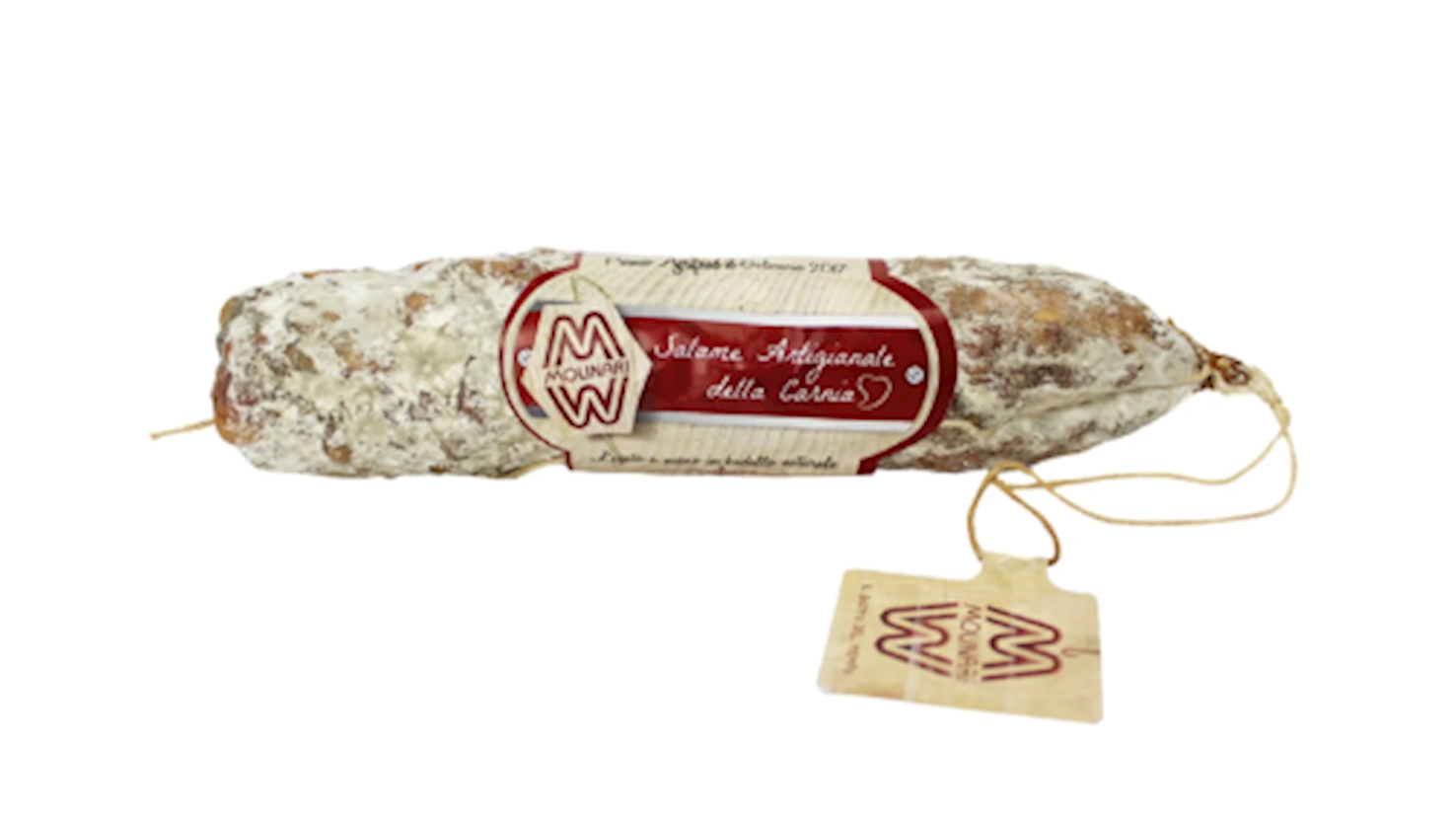
Salumi Molinari is a family-run business with a long tradition of crafting high-quality, artisanal Italian cured meats. Based in Zuglio, in the Carnic Alps, the company has been perfecting its craft since the 18th century. They specialize in producing premium salami and cured meats, all made using local, organic pork from Friulian farms, and incorporating natural mountain herbs and spices. Their products include dry-cured salami, smoked meats, and cooked specialties, all made following traditional methods passed down through generations. The meats are carefully air-dried and aged in natural cellars, allowing them to develop rich flavors. Salumi Molinari is committed to sustainability, animal welfare, and preserving the heritage of Carnic charcuterie. The company prides itself on offering authentic, high-quality products that highlight the flavors of the Carnia region.
02

Prosciuttificio Bagatto

4.3 ·
Prosciuttificio Bagatto is a family-owned artisanal company based in San Daniele del Friuli, founded in 1954. Since then, the Bagatto family has been producing prosciutto using high-quality raw materials and traditional processing methods, working at a natural pace without haste. Their San Daniele DOP prosciutto is characterized by its softness, aroma, and sweetness, making it an exceptional gastronomic experience. The company takes great pride in its roots in San Daniele del Friuli and its long-standing tradition of prosciutto production. In addition to manufacturing, Prosciuttificio Bagatto offers guided tours of its facilities, where prosciuttos are still aged on old wooden structures, providing a rich experience of aromas and history. Their commitment to quality and preserving tradition makes Prosciuttificio Bagatto a distinguished name in the world of prosciutto production.

Best Friulian Meat Product Types
01

Prosciutto di San Daniele

4.6 ·

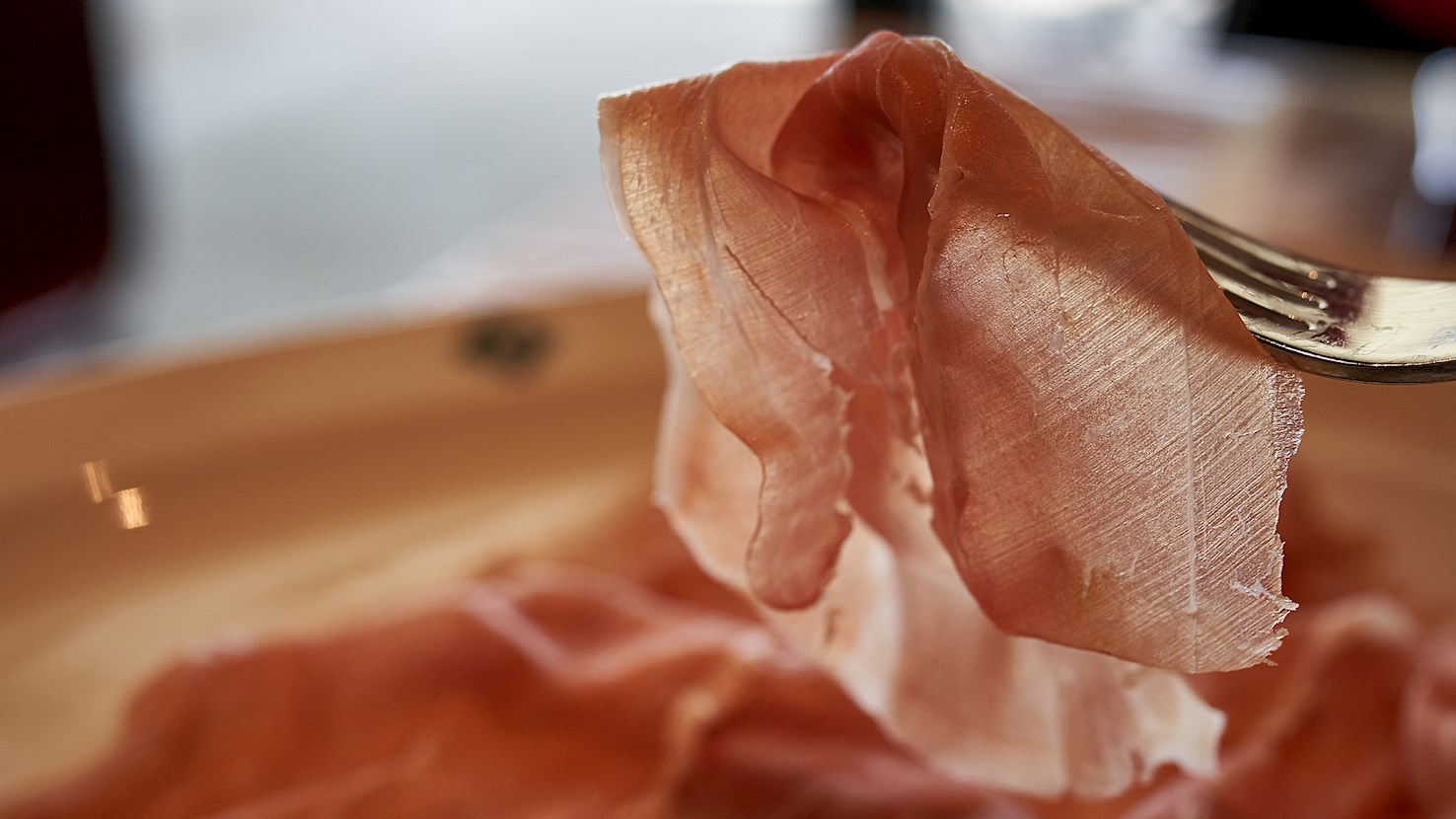
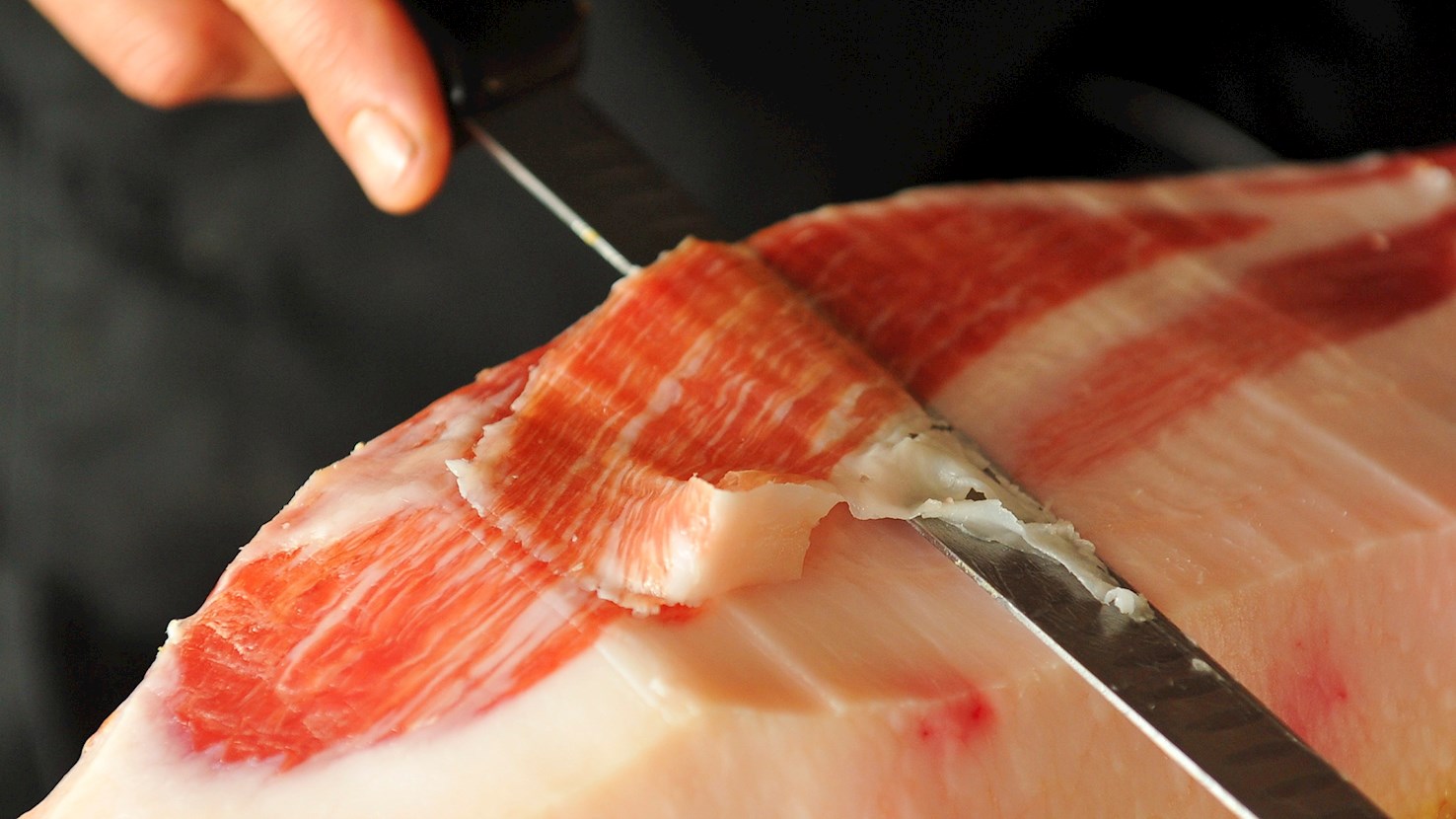
Produced in the hilly area around the town of San Daniele in the province of Udine, Prosciutto di San Daniele is even sweeter and darker in color with a more delicate flavor than in other varieties. In the Friuli-Venezia Giulia region, where the winds from the Carnic Alps meet the breezes coming in from the Adriatic, Prosciutto di San Daniele is made using only local sea salt. The curing process here differs a little from other regions since San Daniele hams are stacked on top of each other and left to mature for at least 13 months. Up until recently, only large pig breeds such as Landrace, Large White and Duroc were used for ham production, however due to an increase in demand, San Daniele hams can now be made with other local breeds. Prosciutto di San Daniele has a rich, sweet flavor and is traditionally served as an appetizer with homebaked breads, melons, and figs.

02

Pitina

4.1 ·

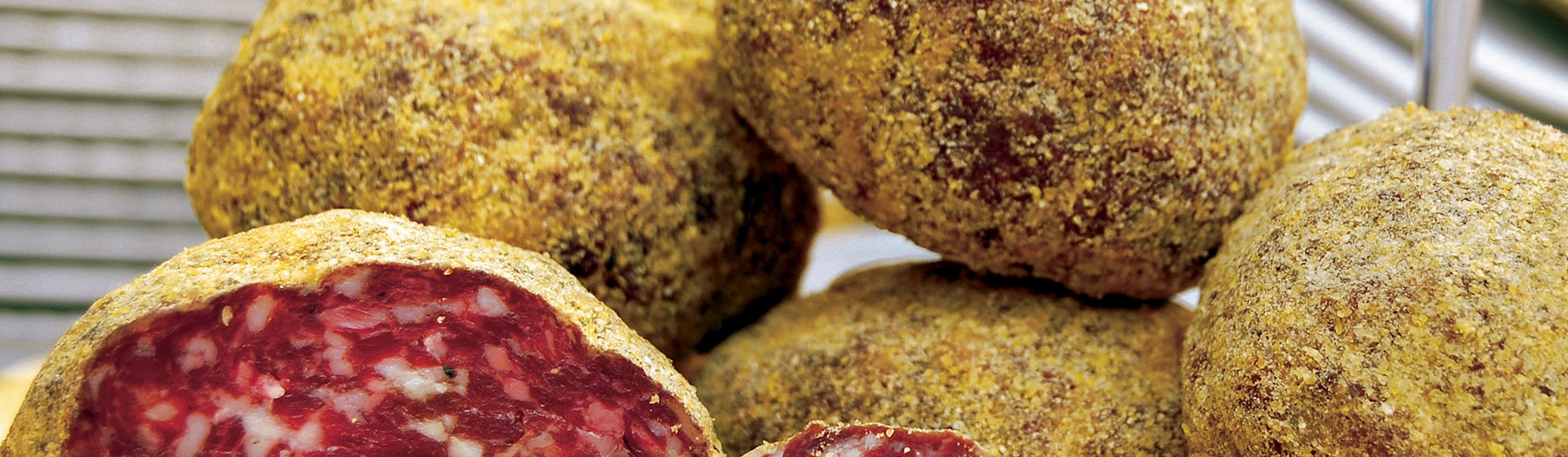
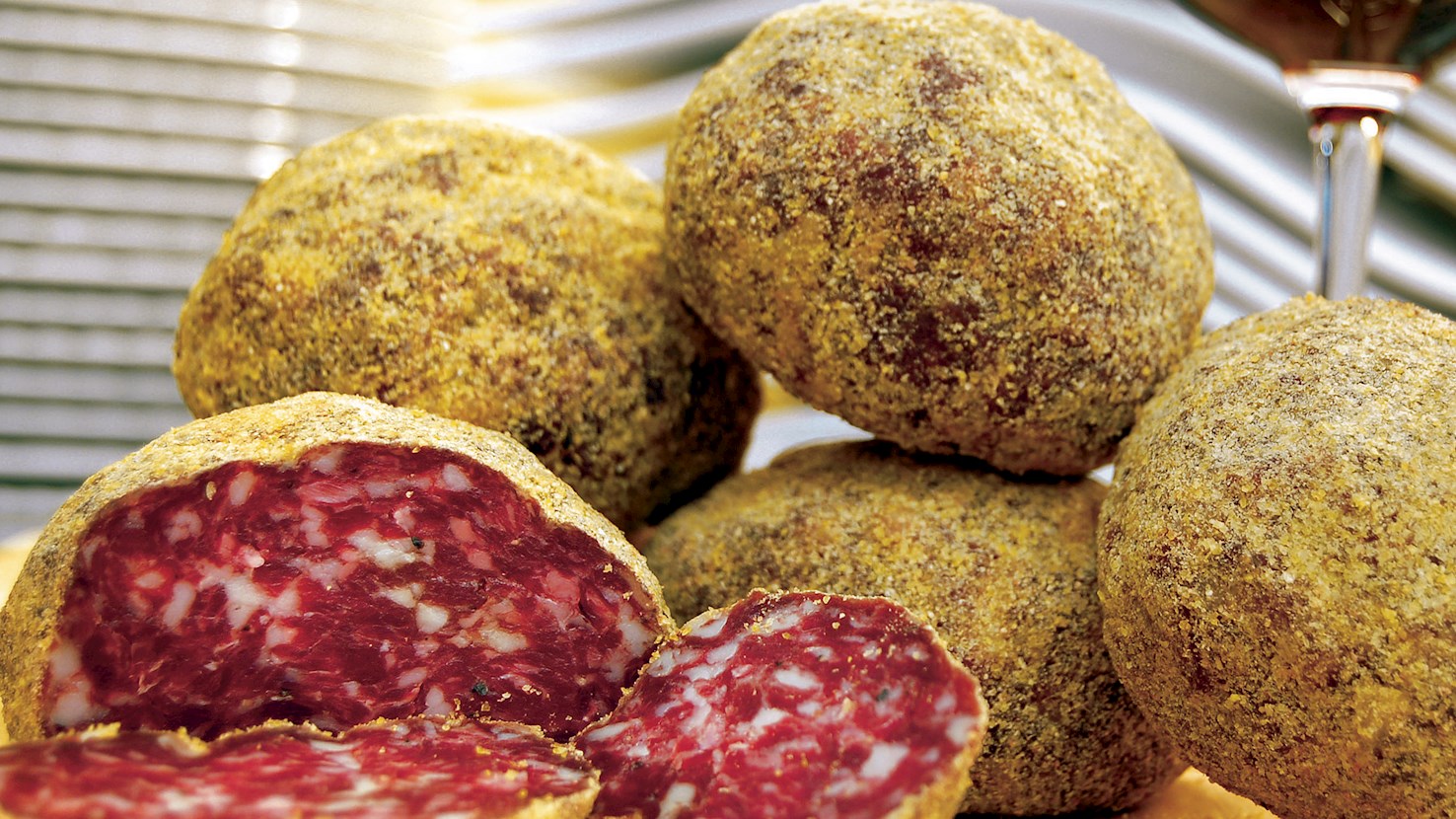
Pitina is a traditional meat product originating from the province of Pordenone. It's made from a paste that contains lean meat (sheep, goat, roe deer, fallow deer, red deer or chamois) and fat (pork belly or shoulder). The meat and fat are seasoned with sea salt or rock salt, garlic, red wine, black pepper, and aromatic herbs. The mixture is shaped into a ball, rolled in maize flour for preservation purposes, and it's then smoked over the embers of juniper wood and left to age. When cut, the pitina is lean with a fine grain. The aroma is smoky, while the flavor is rich and full-bodied. The meat mixture was not stuffed into pig intestines due to the scarcity of swine in the area. Nowadays, most butchers use a combination of mutton, goat, pork, and beef, adding pork fat to soften the texture, while mushrooms or truffles are added occasionally for extra flavor.

03

Prosciutto di Sauris

3.9 ·

This variety of prosciutto comes from the small northern Italian village of Sauris di Sotto, settled in the region of Friuli-Venezia Giulia. All Sauris hams must come from the Large White, Landrace and Duroc pig breeds. Unlike other Italian hams, prosciutto di Sauris is cured by both salt and smoke, which is a common practice in sub-Alpine Italy due to the influence of Germanic traditions. The hams are smoked for about five days over a combination of woods including birchwood, silver fir, chestnut, beech, and maple, and also herbs like rosemary, sage, thyme, and juniper. This gives their rind a kind of a golden to orange color. After the smoking, prosciutto di Sauris is salted and left to mature. When cut, the color is bright red, with the fat varying from white to pinkish-white. The aroma is delicate and the flavor is sweet, less salty, with a pleasant hint of smoke. Traditionally, Sauris ham is served as an appetizer and paired with light white wines.

04

Prosciutto cotto triestino

3.6 ·

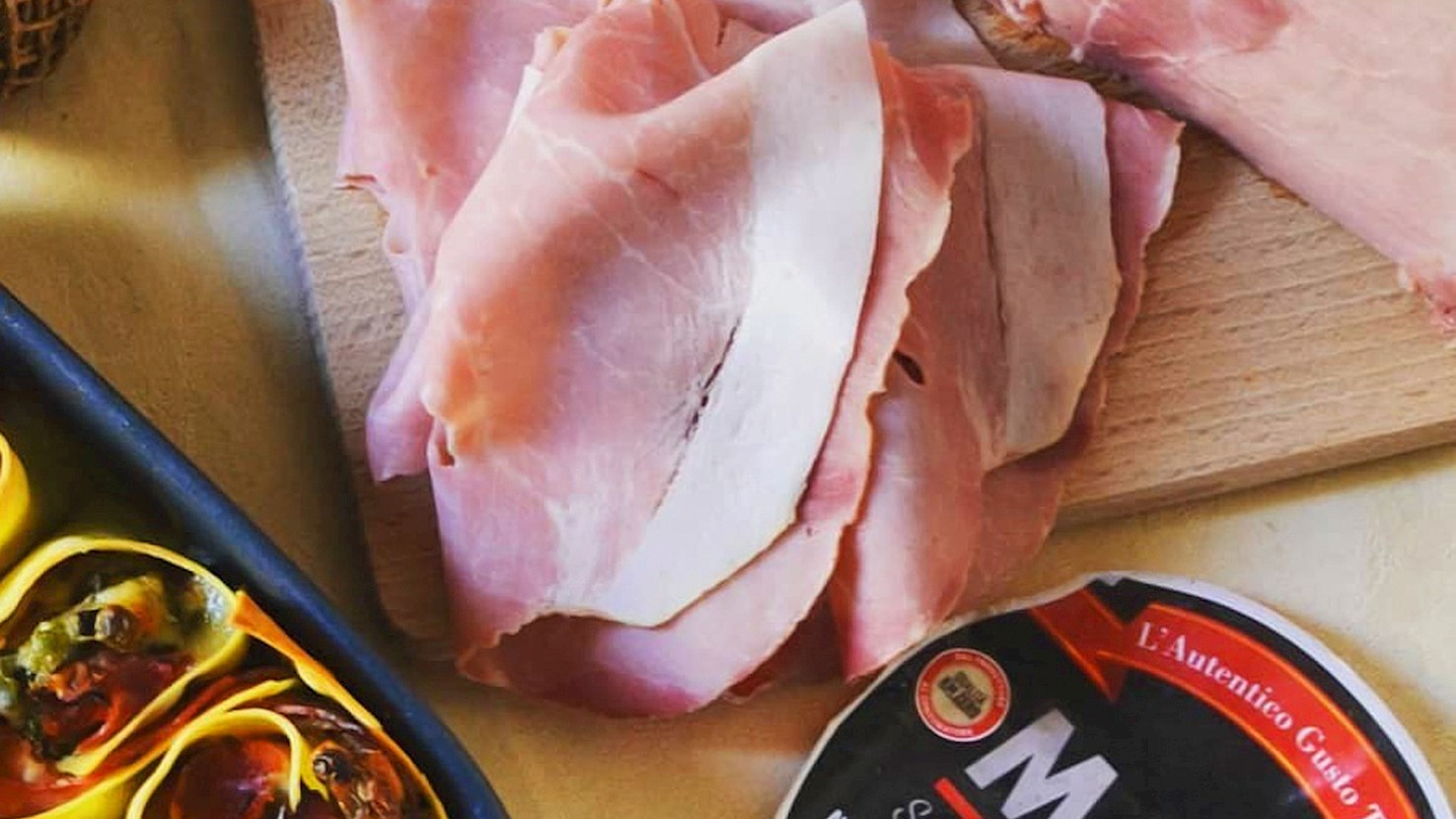
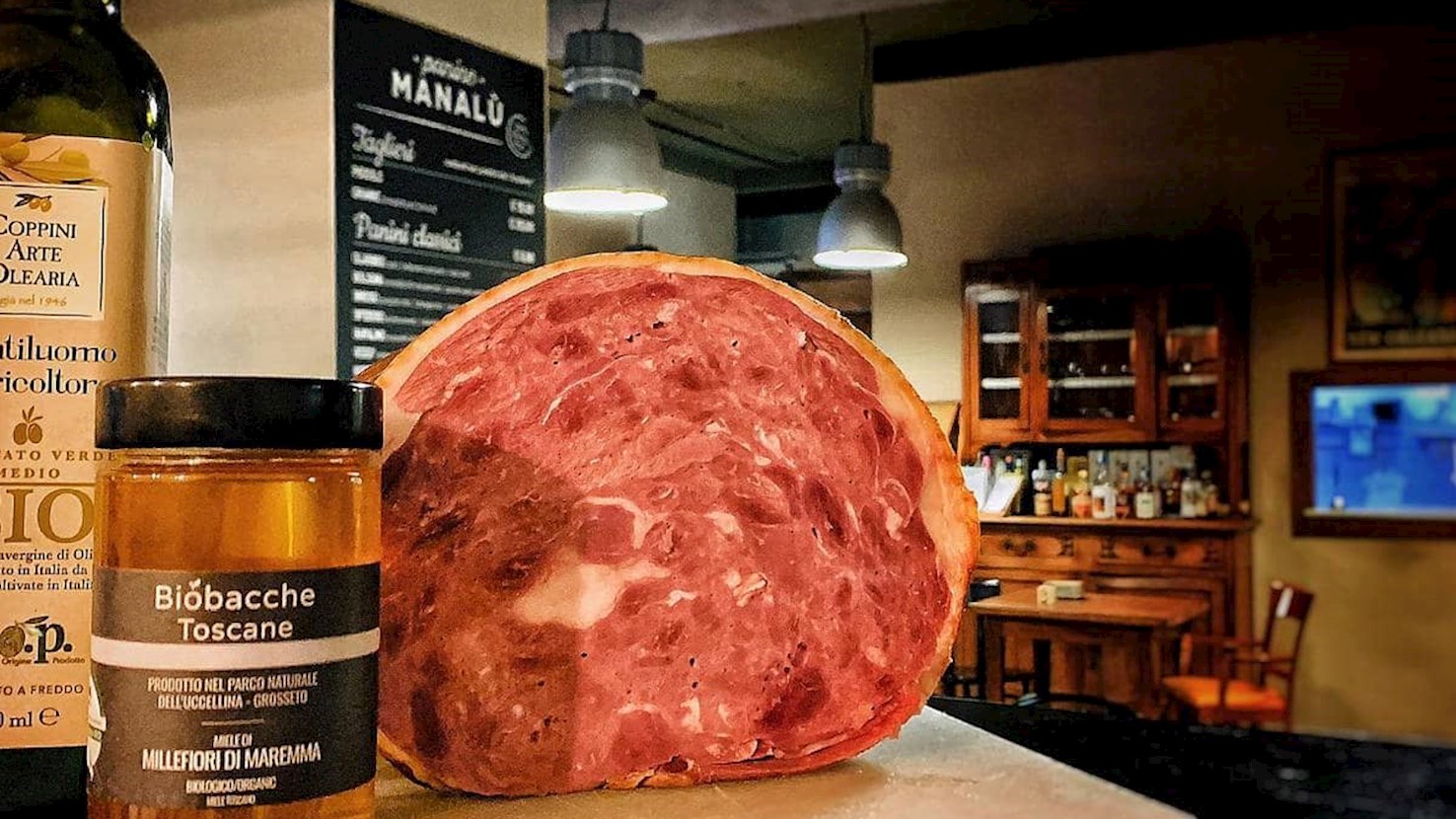
Prosciutto cotto triestino or Cotto Trieste is a traditional cooked ham originating from Trieste in the Friuli-Venezia Giulia region. This ham is made from pork legs and its main characteristic is that it's left on the bone, which is considered a rarity. The ham is salted (water, salt, sugar, and flavorings are injected into the femoral artery), massaged by machines so that the brine distributes throughout the meat, smoked over wood and aromatic herbs, and cooked slowly in steam ovens, usually for 12 hours. After it's been cooked, the ham is usually cut into slices with a knife and enjoyed as it is or paired with kren or mustard. There's also a variety of cotto triestino that's baked in a bread crust consisting of water, flour, and salt.

05

Porcaloca

n/a ·

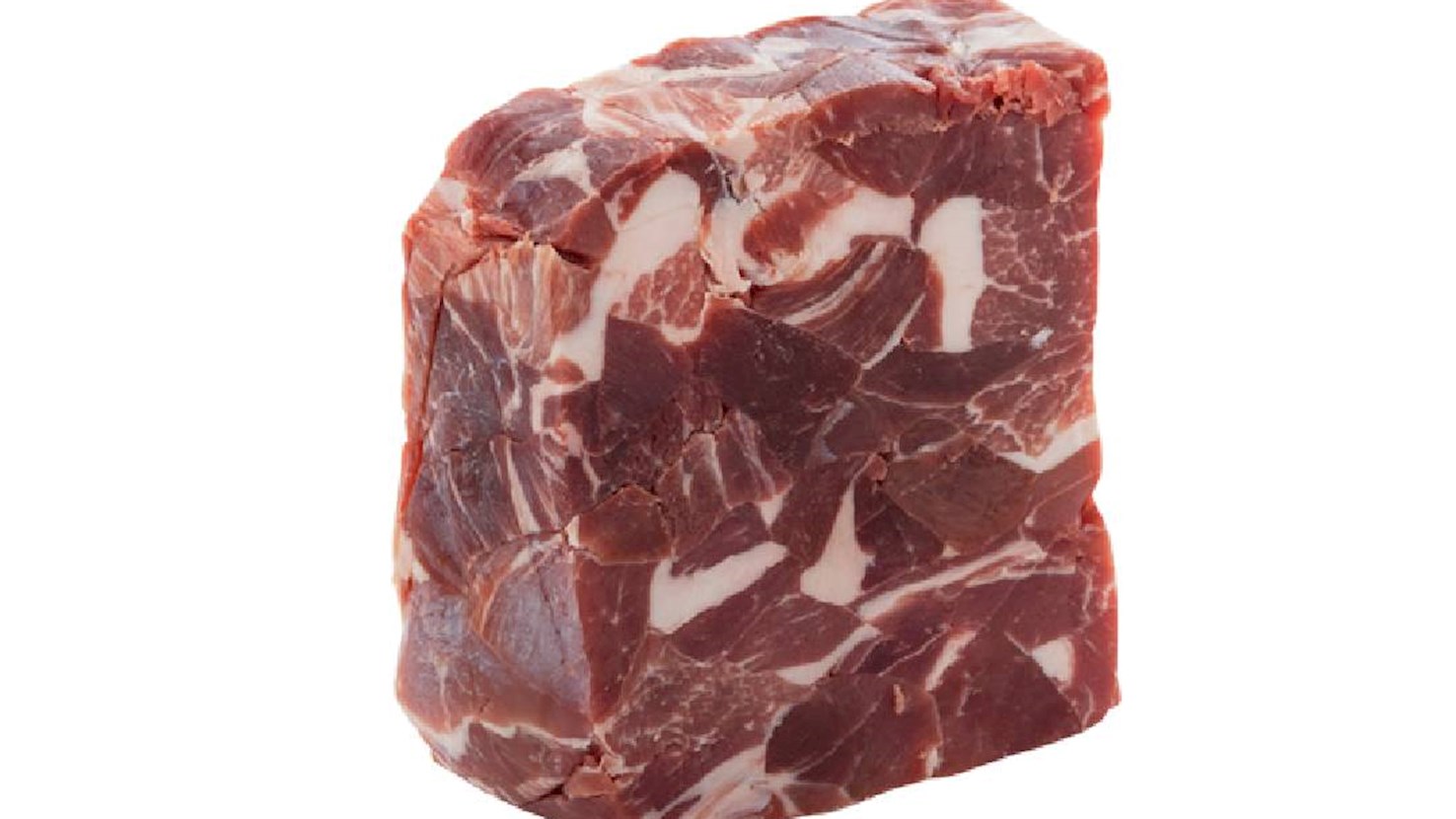
Porcaloca is a variety of cured meat from the Italian region of Friuli Venezia Giulia, produced around the cities of Chiopris Viscone, Aiello del Friuli, and Palmanova. Made with a whole de-boned goose filled with salted lean pork, porcaloca is first slowly baked in the oven, then lightly smoked, which results in a delicate, savory-sweet flavor similar to prosciutto cotto. Once opened, the sliced porcaloca shows compact texture, brightly red in color, with visible separation between goose meat and pork. It is best enjoyed thinly sliced, served with hearty, high-quality bread.

06

Pestàt di Fagagna

n/a ·

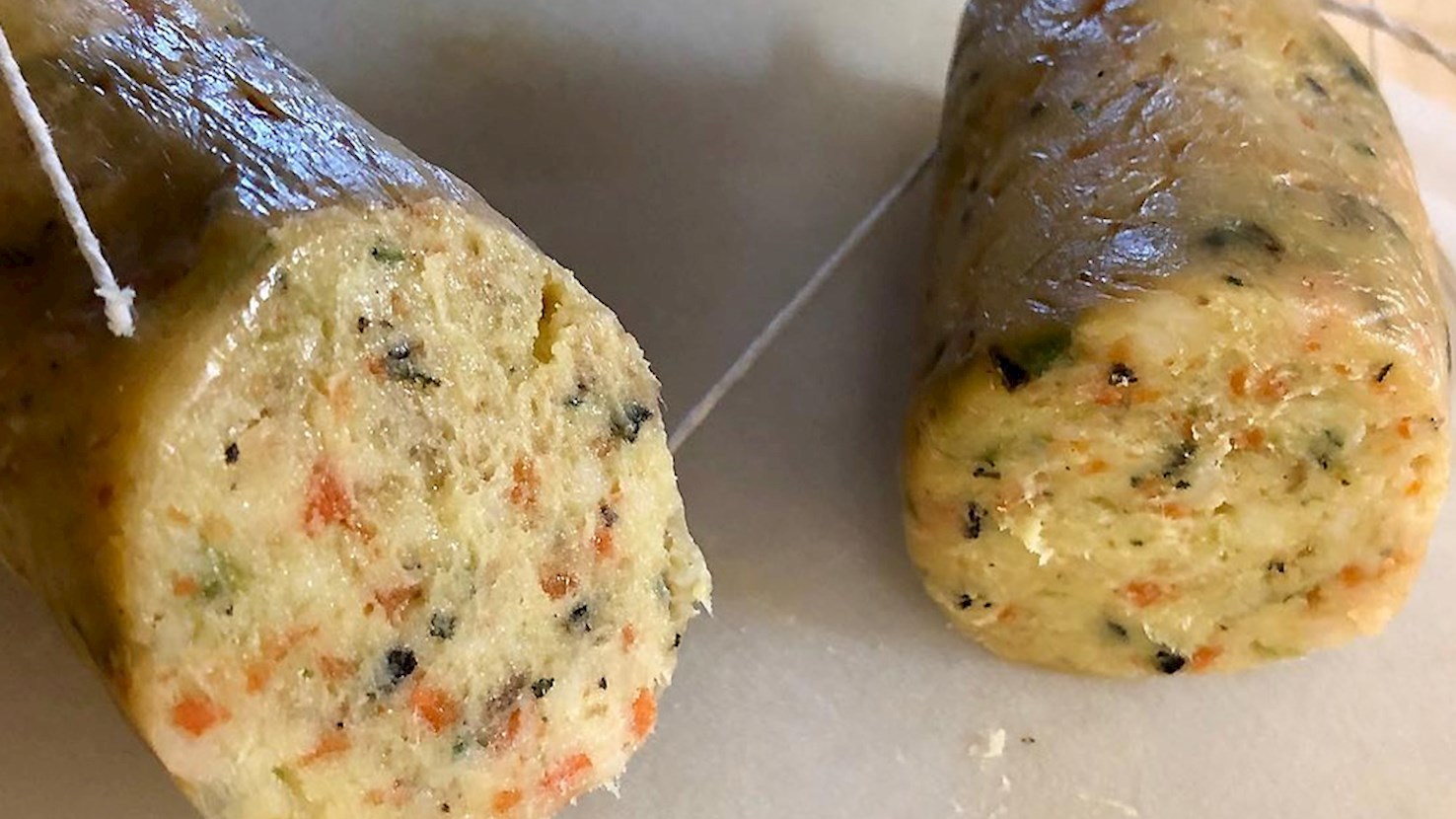
Pestàt di Fagagna is an unusual Italian sausage originating from Fagagna in the province of Udine. The pestàt is made in order to preserve the aromas and flavors of vegetables and herbs in pork lard. In Fagagna, the pork butchers known as purcitâr start to learn the tricks of their trade as teenagers – they mix minced celery, carrots, leeks, onions, rosemary, garlic, sage, and parsley with ground lard. The mixture is seasoned with salt, pepper, allspice, and cinnamon, and it's then stuffed into natural casings that are left to age in cold and humid cellars from a few weeks up to a year. Although the pestàt is technically a type of sausage, it's not eaten on its own, but used as a condiment or a base for local dishes.

07

Speck di Sauris

n/a ·

Speck di Sauris is a renowned smoked ham crafted from select pork thighs, seasoned with salt, pepper, and aromatic herbs, then lightly smoked using beechwood. The unique microclimate of Sauris contributes to its distinctive flavor. Notably, Speck di Sauris is gluten-free and contains no allergens, making it suitable for various diets.

08

Prosciutto di Cormons

n/a ·

Prosciutto di Cormòns is a traditional dry-cured ham from the town of Cormòns in the Friuli Venezia Giulia region of northern Italy. This prosciutto is known for its unique preparation process, which involves aging and curing the meat using traditional methods specific to the region. The aging process takes place in cellars with natural air circulation, leveraging the cool mountain breezes and humidity of the surrounding area to achieve a delicate, nuanced flavor. The curing process often involves coating the ham with sea salt, which is absorbed slowly over time, drawing out moisture and concentrating the flavors. The result is a prosciutto with a tender texture, balanced sweetness, and rich umami. Unlike other Italian prosciuttos, such as Prosciutto di Parma or San Daniele, Prosciutto di Cormòns often reflects more robust flavors from regional influences and can be aged longer to develop its character. Prosciutto di Cormòns is traditionally enjoyed sliced thinly and served with local bread, cheese, or paired with Friulian wines, which complement its subtle flavors beautifully.

Read more
View all
View map
About this ranking

TasteAtlas food rankings are based on the ratings of the TasteAtlas audience, with a series of mechanisms that recognize real users and that ignore bot, nationalist or local patriotic ratings, and give additional value to the ratings of users that the system recognizes as knowledgeable. For the “Top 8 Friulian Meat Products” list until June 01, 2026, 272 ratings were recorded, of which 201 were recognized by the system as legitimate. TasteAtlas Rankings should not be seen as the final global conclusion about food. Their purpose is to promote excellent local foods, instill pride in traditional dishes, and arouse curiosity about dishes you haven’t tried.

The initial list of top producers was compiled based on available reviews, awards, local recommendations, media and blog coverage, and consumer reviews. The list will be updated with ratings from TasteAtlas local ambassadors and TasteAtlas users.

Similar lists