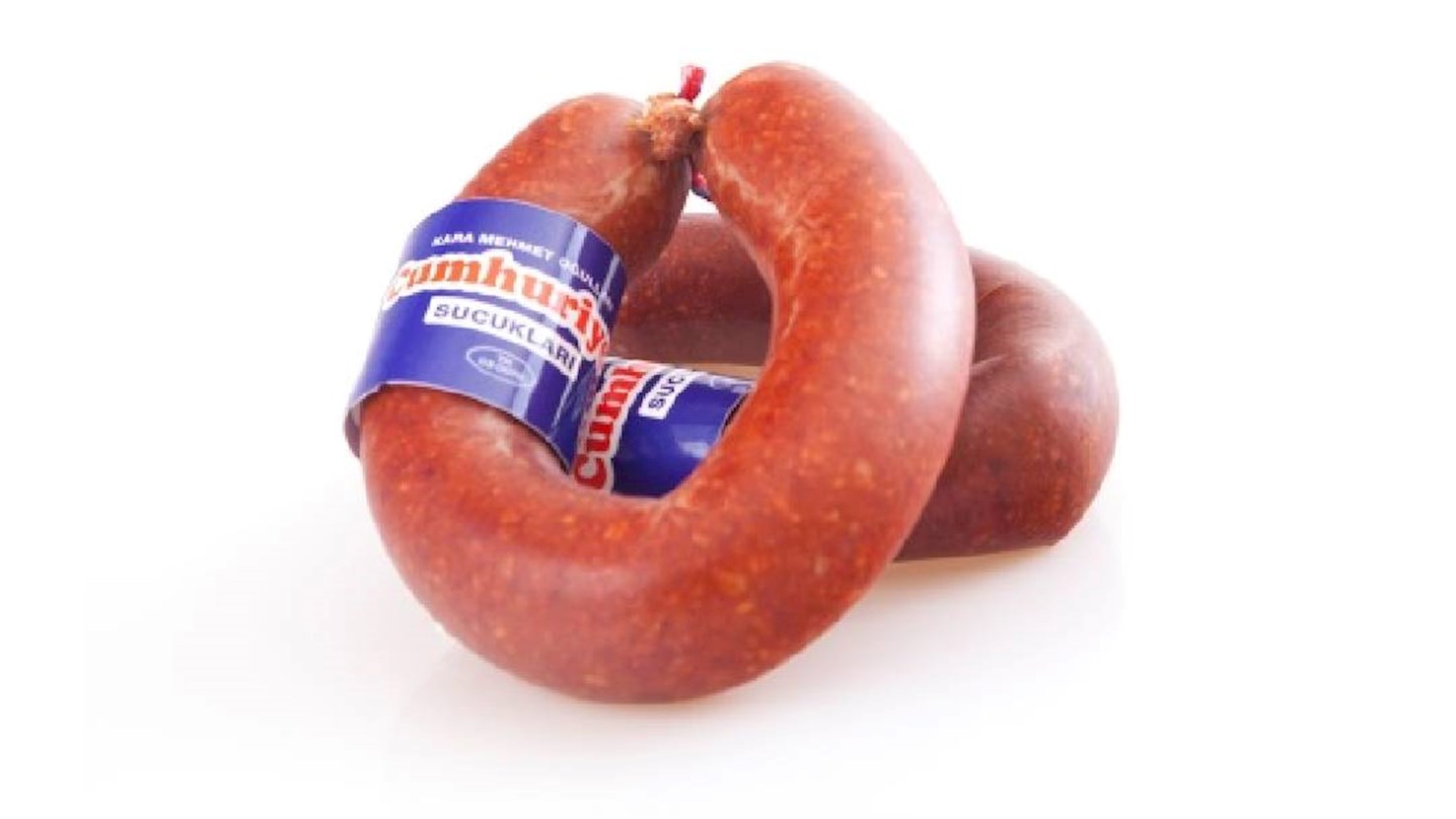
Cumhuriyet Sucukları is a Turkish company specializing in the production of traditional cured meat products, particularly sucuk. Founded in 1923 in Afyonkarahisar by a butcher known as "Kasap Kara Mehmet," the company has become one of Turkey's most renowned brands for sucuk and other meat products.
The production process combines traditional recipes with modern technologies, ensuring high quality and authentic flavor. Sucuk is made from 100% beef, seasoned with spices and salt, and prepared without heat treatment, resulting in a fermented product with a rich taste.The distribution network spans a wide range of retail locations across Turkey, including supermarkets and specialty stores.
Additionally, the products are available through online platforms, making it convenient for customers to access their favorite items.
Divan Pastırma ve Sucuk is a Turkish company specializing in the production and sale of traditional meat products, including pastırma, sujuk, and mantı. Established in 1952 by H.
Mehmet Sözduyar in Kayseri, the company began as a small workshop in the Karpuzatan area, focusing on wholesale and retail operations. Later, the leadership was taken over by H. İbrahim Sözduyar, and today, the third generation - brothers Metin, Murat, and Mehmet Sözduyar - continues the family tradition under the brand Sözduyar Sucuk ve Pastırma.
The company is dedicated to preserving traditional production methods while integrating modern technologies to ensure high quality and authentic flavors in its products. Their product range includes various types of pastırma, sujuk, kavurma, and mantı, which are available both in physical stores and through online orders.
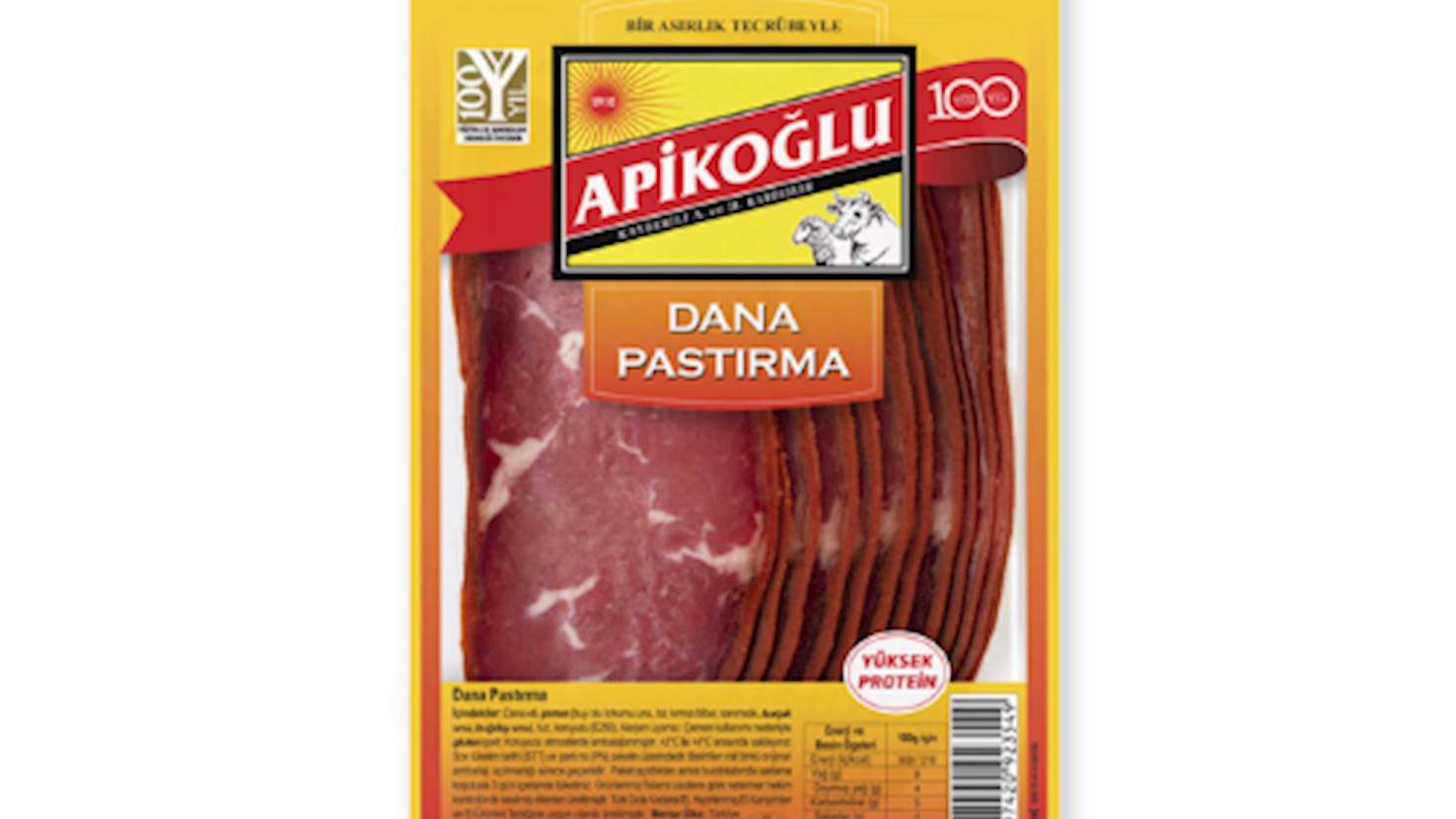
Apikoğlu is a renowned Turkish family-owned company specializing in the production of processed meat products, with a rich tradition dating back to 1910. It was founded by Kirkor Apikoğlu in Kayseri and is now recognized as a pioneer in the industrial production of cured meats in Turkey, especially sujuk and pastirma.
Carefully selected cuts of beef, natural spices, and a fermentation process lasting 7–8 days ensure authentic flavor and texture.
Today, Apikoğlu proudly operates a modern production facility in Tuzla, which combines state-of-the-art technology with over a century of experience. The facility produces a wide range of delicacies, including sujuk, pastirma, kavurma, salami, sausages, and other high-quality meat products.
At the heart of every product remains the same philosophy - no compromise on taste, hygiene, or tradition.
Apikoğlu continues to honor the legacy of its founders while meeting the demands of the modern market, both in Turkey and abroad.
Yağcı Gıda Gurme Mağazası is a renowned store located in Kayseri, Turkey, specializing in high-quality traditional products such as pastırma, sujuk, mantı, kavurma, tulum cheese, and other regional specialties. Their products are well-known for their authentic taste and meticulous preparation, making them a popular choice among fans of Turkish cuisine.
In addition to their physical store, Yağcı Gıda offers online ordering, allowing customers across Turkey to enjoy these delicacies.
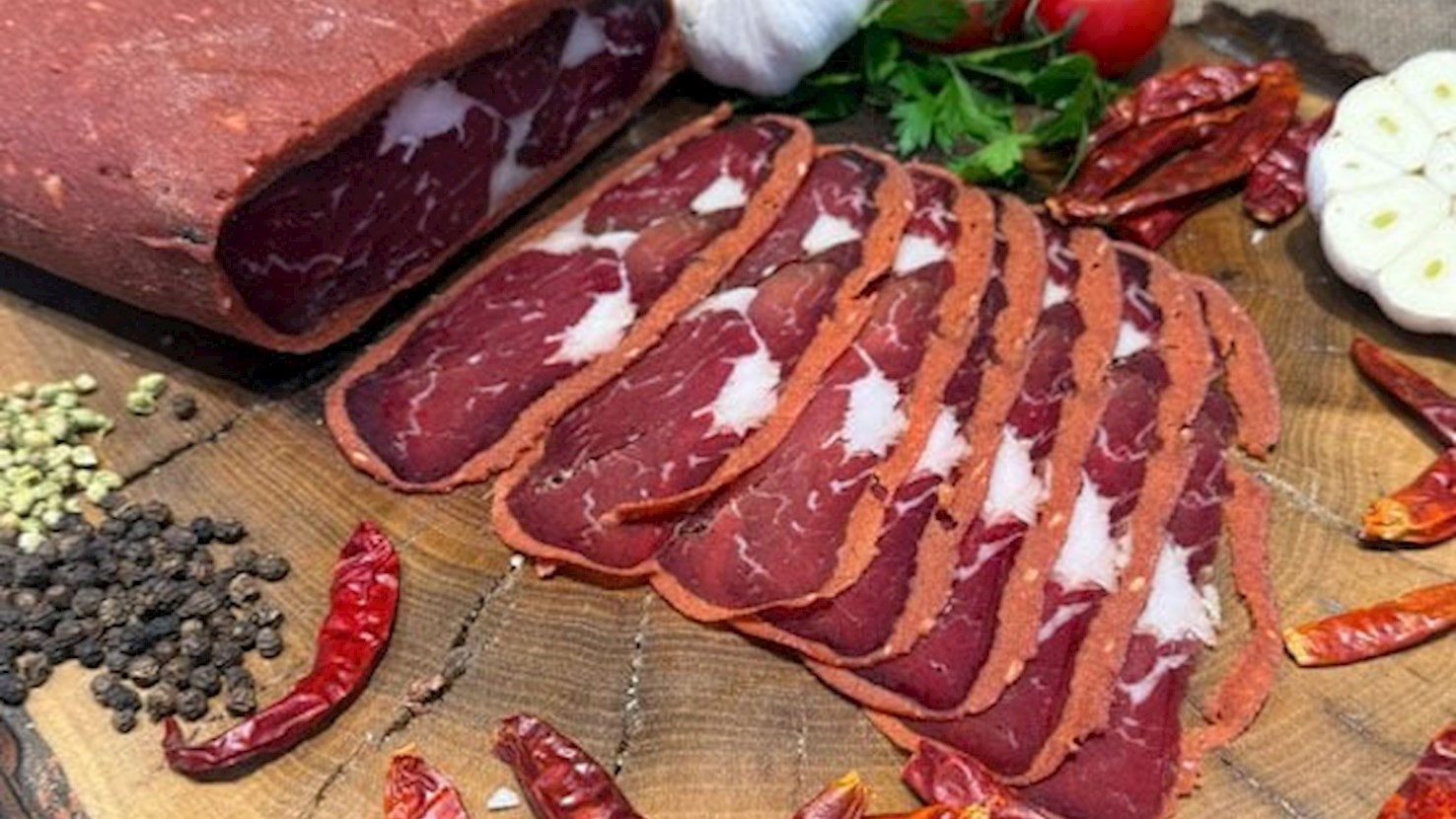
Traditionally produced in the Aegean province of Afyonkarahisar, Pastırması is a Halāl certified cured meat product of Anatolian origin. Also known as pastirma, pastourma, bastirma, basterma or basturma (Turkish for 'pressed meat'), the heavily seasoned, spice-coated beef is one of the essential ingredients of Ottoman cuisine. In fact, in Türkiye alone there are more than twenty different varieties of pastırma. Afyon Pastırması is prepared by salting the beef, then washing it with water and letting it dry. After about two weeks, the blood and excess salt are pressed out of the meat which is, prior to thorough air-drying, thickly coated with çemen, a red spice paste made with garlic, fenugreek, cumin and hot paprika. Afyon Pastırması is usually served with eggs for breakfast or enjoyed as mezze, thinly sliced and washed down with rakı, an unsweetened, anise-flavored Turkish liqueur.
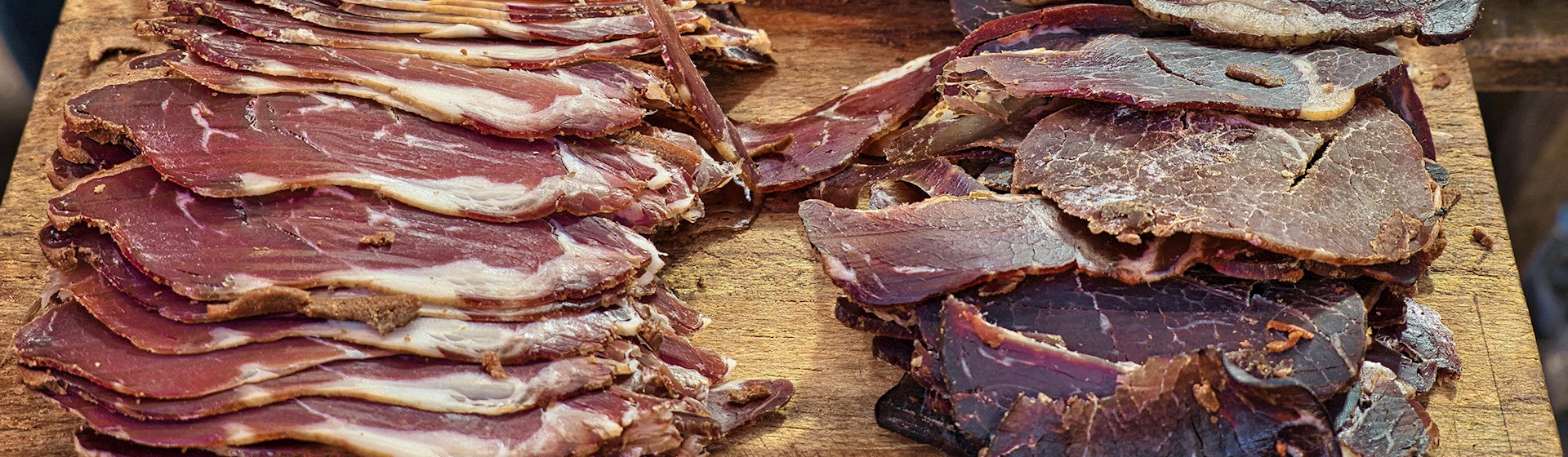
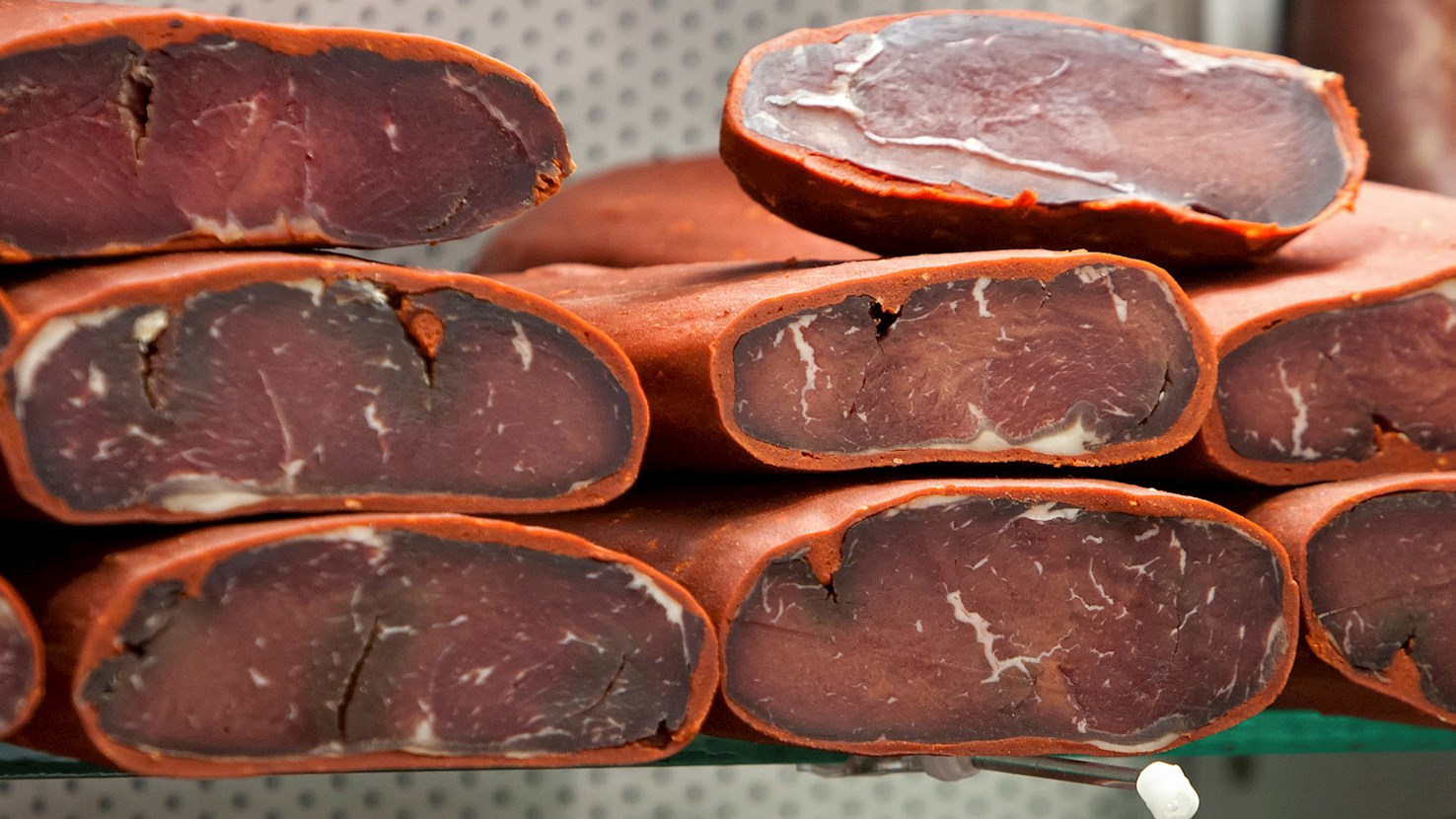
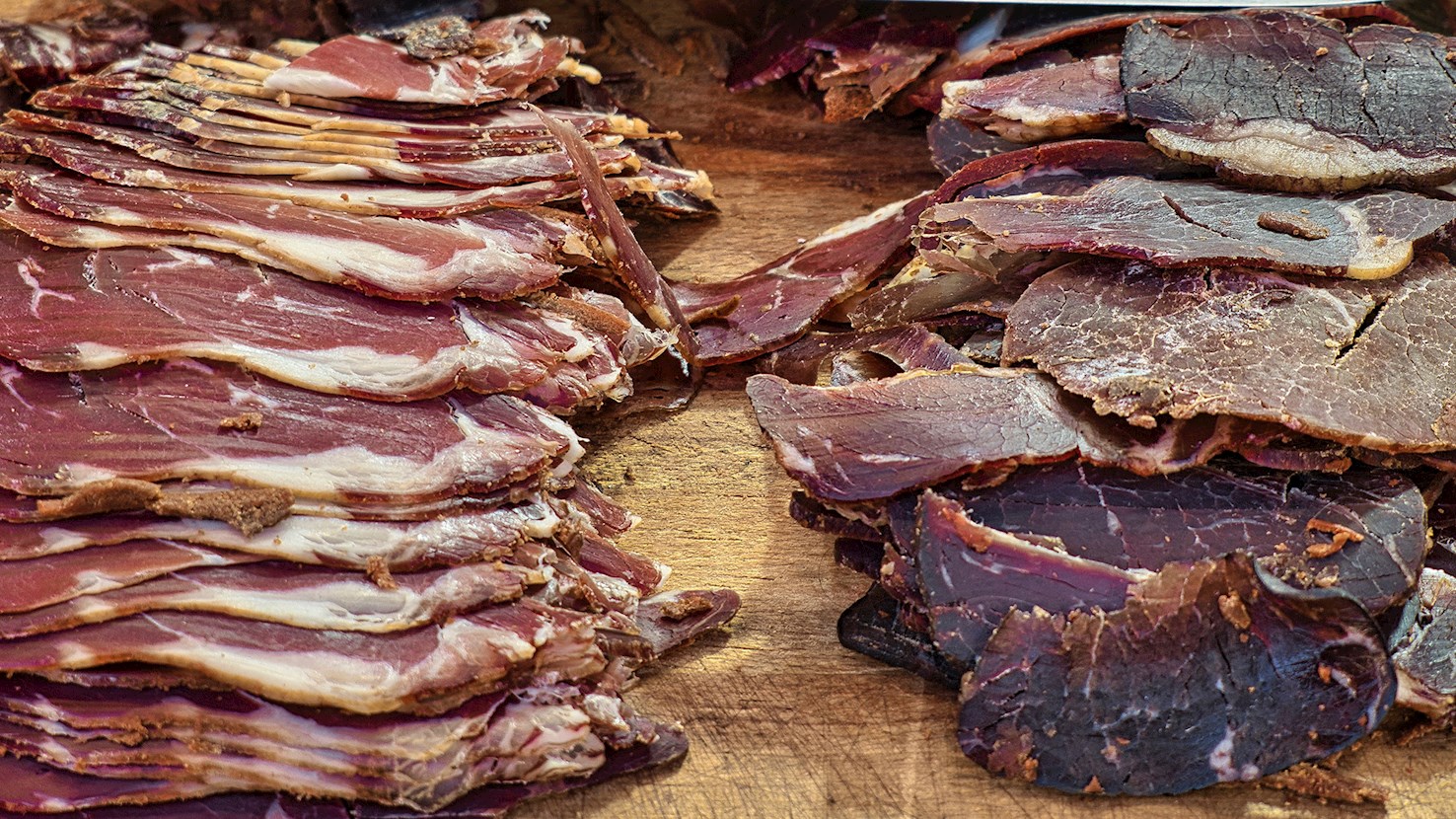
Pastırma is a highly seasoned, air-dried cured beef from Türkiye. It is made by pressing and salting beef, then drying it and coating it with a thick spice paste known as çemen, which contains ground fenugreek, garlic, paprika, and a mix of other spices. This paste not only infuses the meat with a distinctive aroma and flavor but also acts as a protective layer during the final drying stage. The process results in a richly colored, firm-textured meat that is sliced thinly and served uncooked or lightly cooked in various dishes. Pastırma is prized for its deep umami taste and intense spice character, often enjoyed on its own, with eggs, in börek, or folded into stews and pilafs for added richness. The preparation of pastırma is labor-intensive and follows a careful balance of drying and seasoning that preserves the meat while enhancing its flavor. While beef is the most common base, other cuts and meats have been historically used, though rarely today. The word itself is believed to come from the Turkish verb "bastırmak," meaning to press, referencing the pressing stages of its preparation. Pastırma has a long culinary history in Türkiye, with links to both Ottoman and earlier Turkic preservation techniques, and it is often considered one of the most refined examples of cured meat in the region.
Kayseri Pastırması is a cured beef product characterized by a multi-stage process of salting, pressing, and air-drying, finished with a distinctive spice coating known as çemen. The item originates from the Kayseri province in central Turkey, a region whose specific climatic conditions are integral to the product's identity. In March 2026, Kayseri Pastırması was officially granted Protected Geographical Indication (PGI) status by the European Union, making it the 46th Turkish product to receive such legal protection across the bloc. The presence of this cured meat in Kayseri is linked to the migratory patterns of Central Asian Turkic tribes who settled in Anatolia during the 11th century. These mobile populations utilized pressure and salt to preserve meat for transport, often placing slices under their saddles. This method evolved within the sedentary culture of Kayseri, where the city's position on the Silk Road and the proximity of Mount Erciyes provided a specific environment for large-scale production. The localized "pastırma summer", a brief period in late autumn characterized by dry winds and significant temperature fluctuations between day and night, is specifically utilized to achieve the correct tenderness and moisture reduction in the meat. Production begins with selecting cuts from the back, hind leg, or foreleg of male cattle. The meat is slit at 45-degree angles and rubbed thoroughly with a curing salt mixture containing nitrite to fix the color and prevent spoilage. After resting for several days, the meat is washed, hung to drain, and then subjected to a heavy pressing stage to remove residual fluids and flatten the fibers. A subsequent drying period in open air or climate-controlled rooms follows. The unique technical component is the application of çemen, a paste composed of fenugreek seed flour, crushed garlic, hot and sweet red pepper, and water. This paste acts as an antimicrobial barrier and an airtight seal, allowing the meat to age without rotting while infusing it with a dominant cumin and garlic aroma. A unique attribute of the item is that while technically raw, the extensive curing and pressing phases render the proteins highly digestible and safe for consumption without further cooking. Connoisseurs in Kayseri prioritize specific cuts like kuşgömü (fillet) and tütünlük (rib eye), which are noted for a softer texture that requires minimal chewing. Kayseri pastırması is served in translucent, paper-thin slices, often cut by hand with a long, sharp knife to preserve the integrity of the muscle fibers. It is a central element of the breakfast table and a standard component of appetizers. In hot preparations, it is used to flavor legumes, particularly kuru fasulye (white bean stew), or cooked with eggs. The most common beverage pairing is black tea, as the tannins help cut through the intensity of the garlic and salt. It is also frequently paired with ayran (a salted yogurt drink) or freshly pressed fruit juices. In a social dining context, it is a staple accompaniment to rakı, where the aniseed notes of the spirit balance the pungent, savory profile of the çemen.
TasteAtlas food rankings are based on the ratings of the TasteAtlas audience, with a series of mechanisms that recognize real users and that ignore bot,
nationalist or local patriotic ratings, and give additional value to the ratings of users that the system recognizes as knowledgeable.
TasteAtlas Rankings should not be seen as the final global conclusion about food. Their purpose is to promote excellent local foods,
instill pride in traditional dishes, and arouse curiosity about dishes you haven’t tried.
The initial list of top producers was compiled based on available reviews, awards, local recommendations, media and blog coverage, and consumer reviews.
The list will be updated with ratings from TasteAtlas local ambassadors and TasteAtlas users.




What People Say