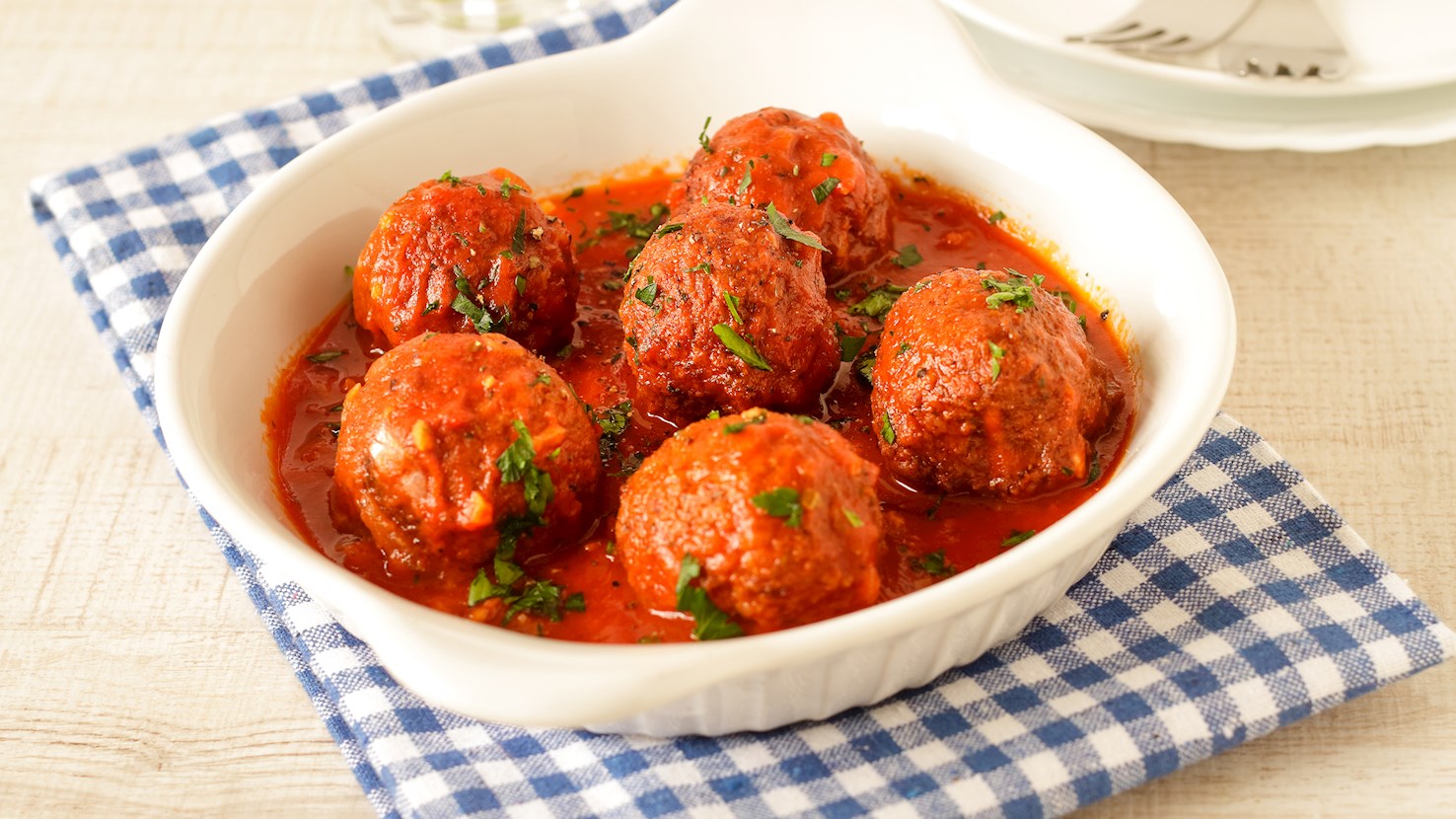
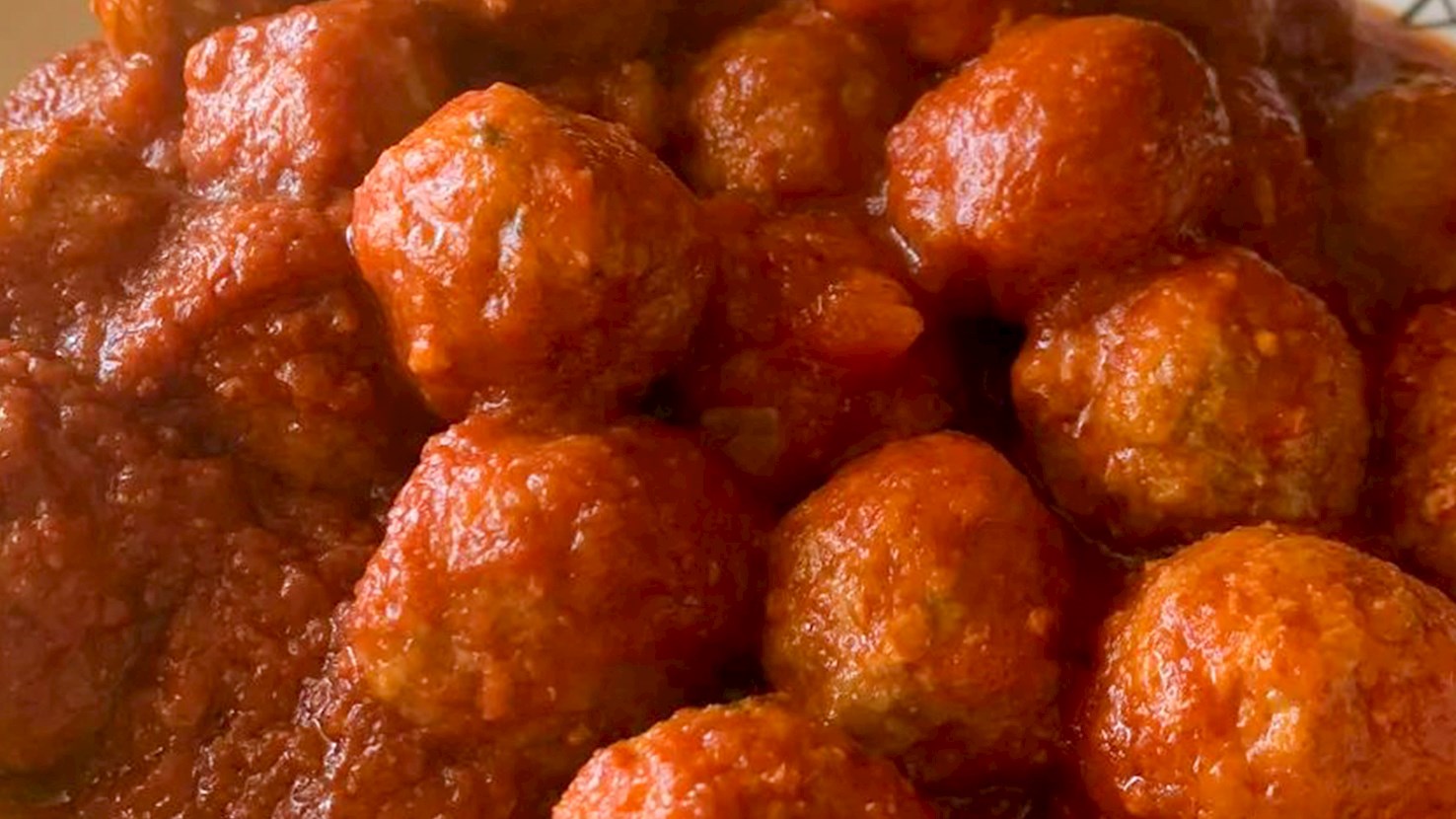
Polpette al sugo is a traditional dish consisting of meatballs in sauce. Although there are numerous recipes, the meatballs are usually made with a combination of ground meat (beef or veal), eggs, bread soaked in milk, Parmigiano-Reggiano cheese, parsley, salt, and pepper. Once shaped, the meatballs are browned in a pan and then cooked in a sauce consisting of onions, olive oil, tomatoes, and seasonings. The dish is covered with a lid and cooked over low heat until the sauce thickens and the meatballs are fully cooked. Polpette al sugo are often sprinkled with chopped parsley before serving. In Italy, it is considered unaccaptable to pair them with pasta or potatoes, but it's recommended to accompany the dish with polenta on the side.
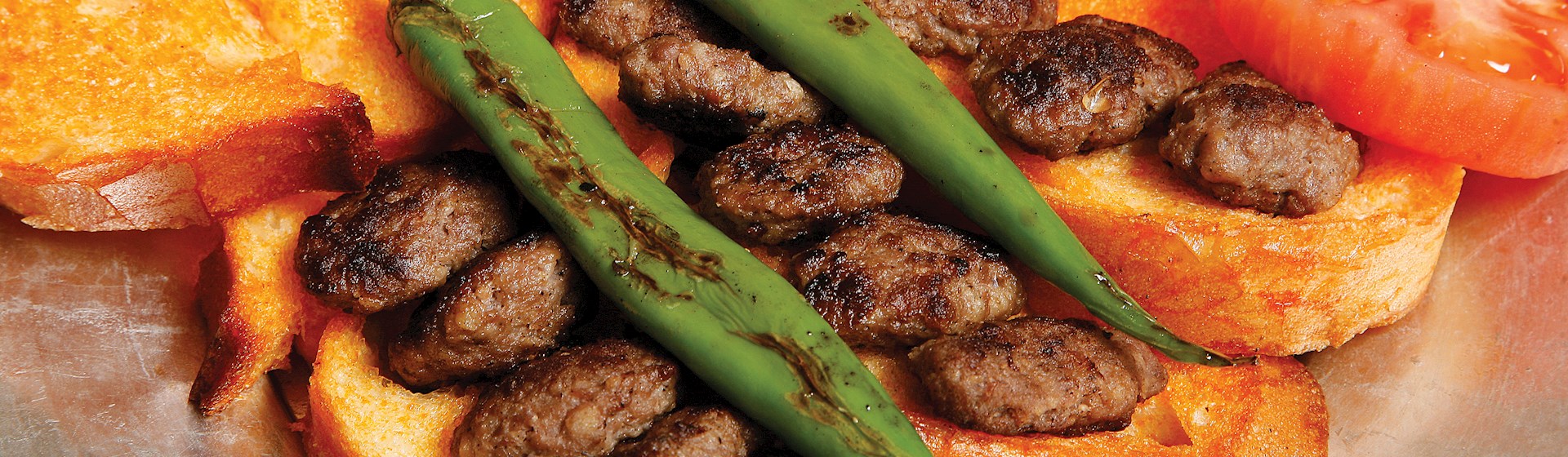
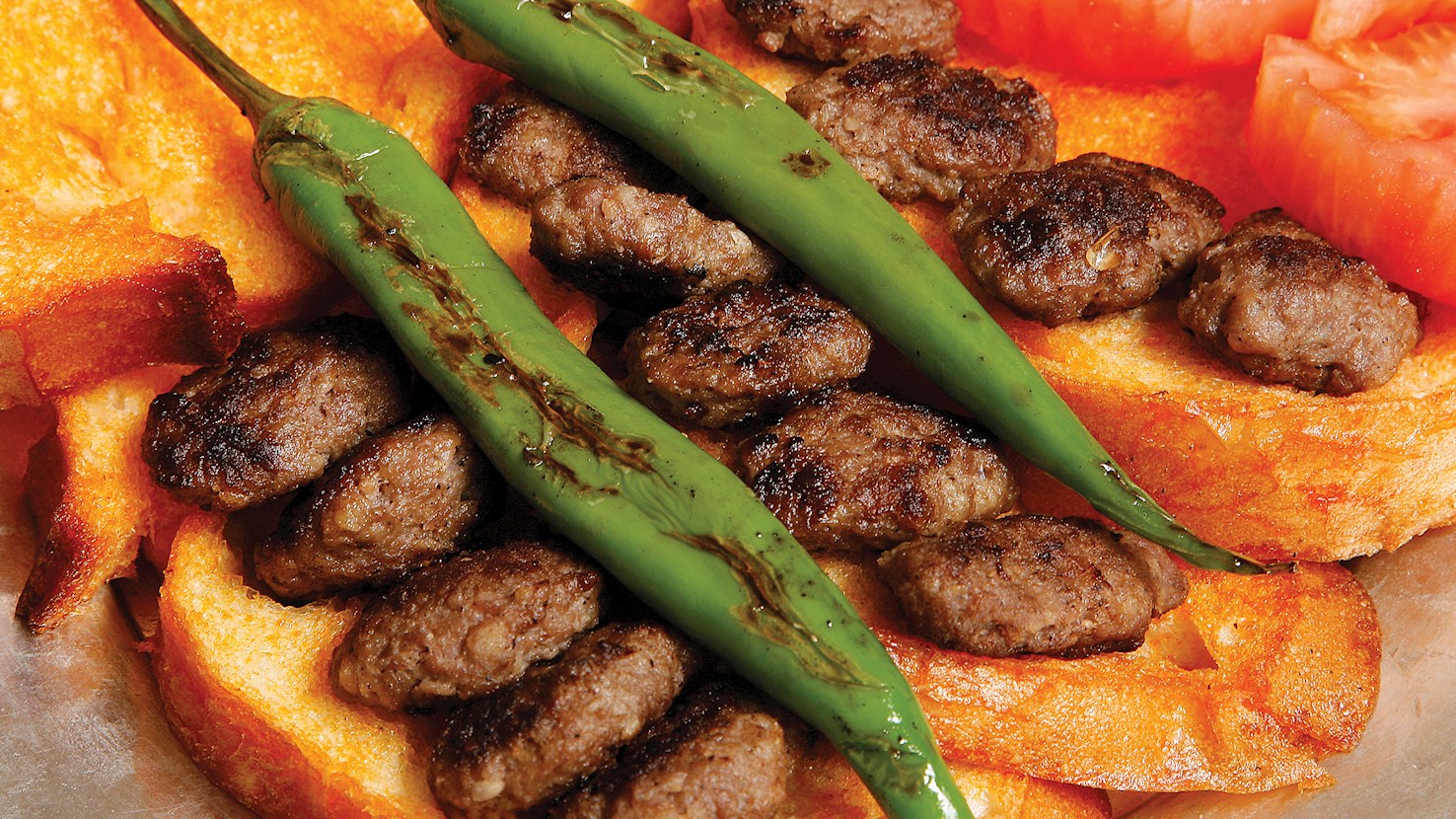
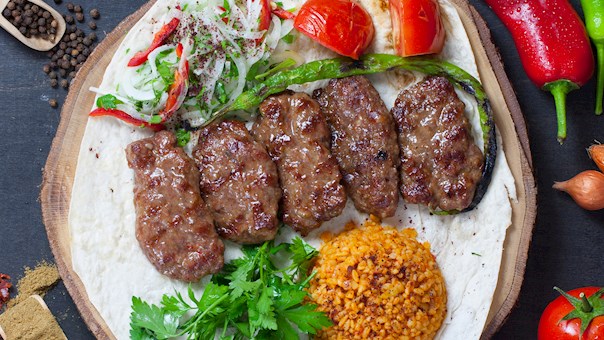
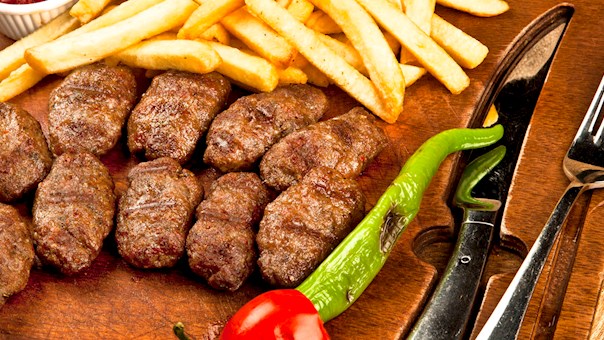
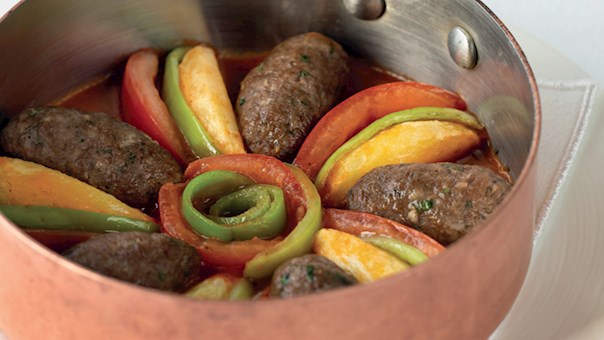
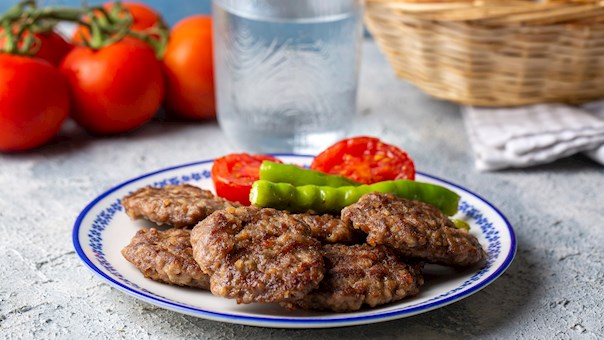
Islama köfte are traditional Turkish meatballs originating from Adapazarı, the capital of Sakarya province. The meatballs are usually made with a combination of grated stale bread, ground beef, onions, garlic, cumin, paprika, eggs, salt, and pepper. Once the mixture has been shaped into meatballs, they're either grilled or fried in oil over medium heat on both sides. The bread is sliced and dipped in a mixture of beef stock, oil, and paprika before it's grilled (or fried in the same pan with the meatballs). Hot green peppers and sliced tomatoes are also grilled or fried, and once everything is fully cooked, it's arranged on a plate with the peppers and tomato slices on the sides.
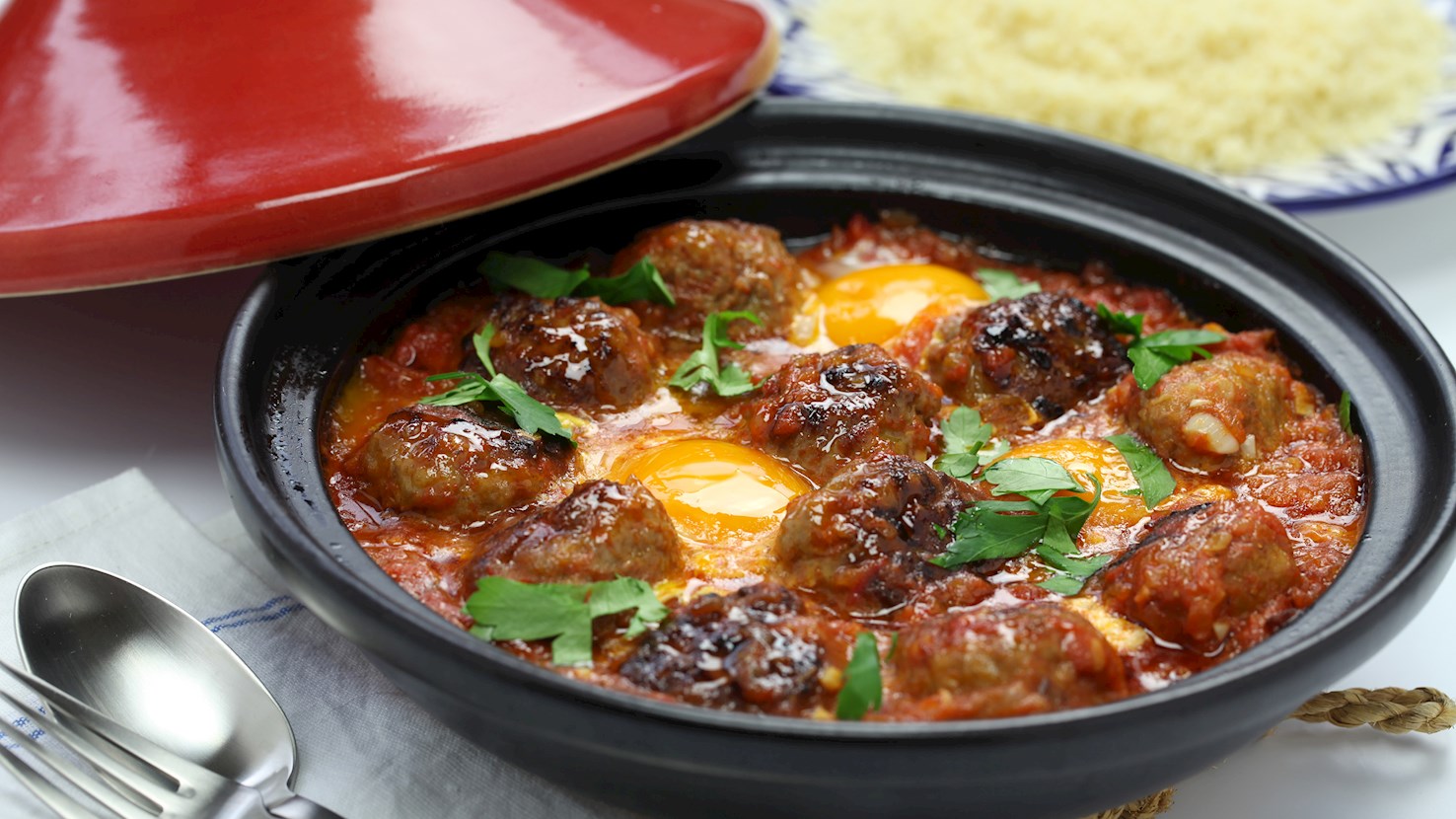
Kefta tagine is a classic Morrocan tagine variety consisting of small meatballs in a homemade tomato sauce, and are prepared in the eponymous conical cooking vessel.
The meatballs are shaped into spheres the size of a cherry tomato, made of ground lamb or beef meat (or a combination of two), and flavored with spices such as paprika, cumin, parsley, coriander, black pepper, and salt, and cooked in a piquant tomato sauce. Sometimes kofta tagine also includes eggs, which are added to the sauce near the end of cooking and cooked until poached.
Kefta tagine is mainly prepared at home and is a communal dish traditionally served straight from the tagine pot, with khobz or some other Moroccan bread used to scoop the tasty stew.
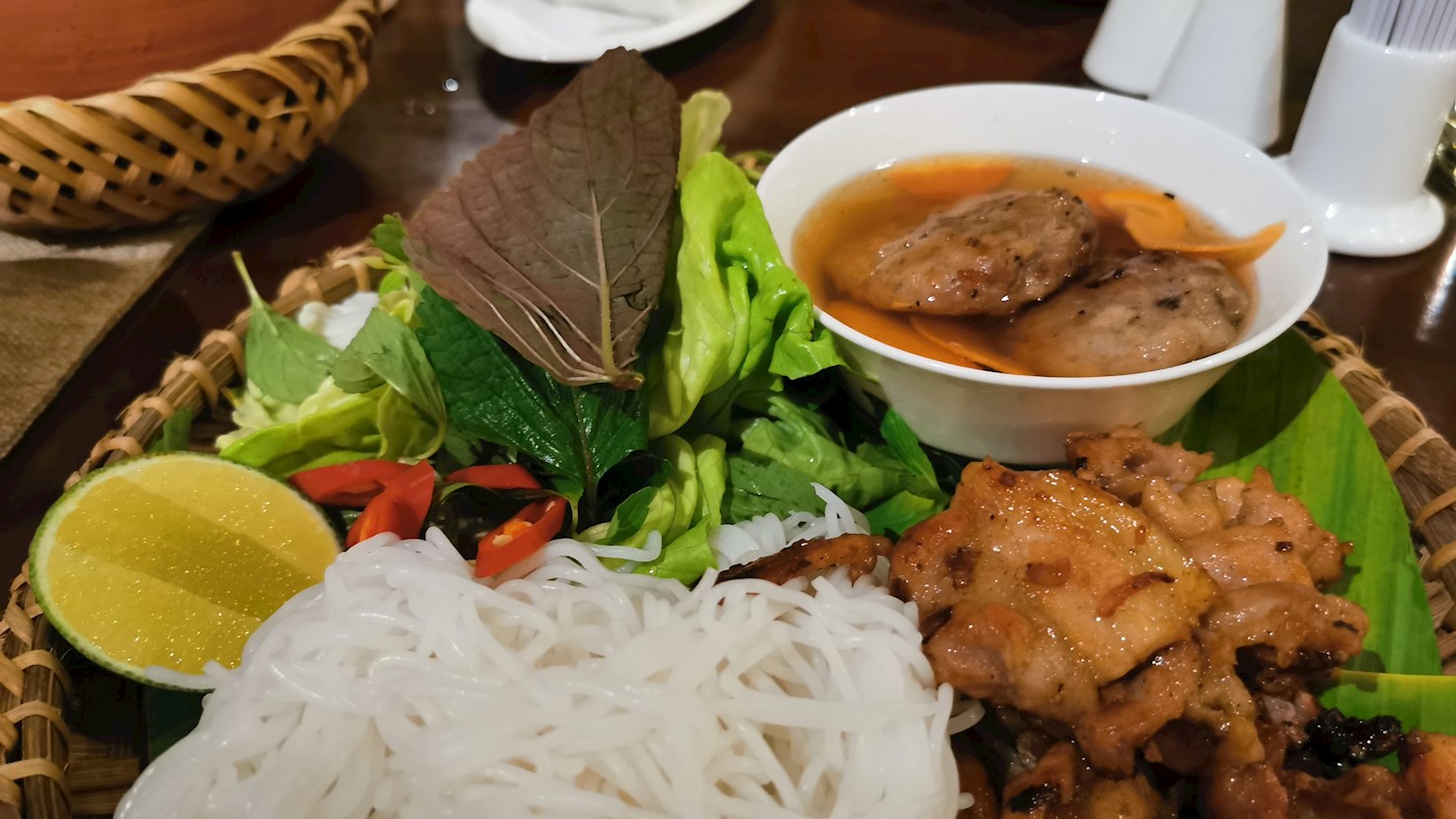
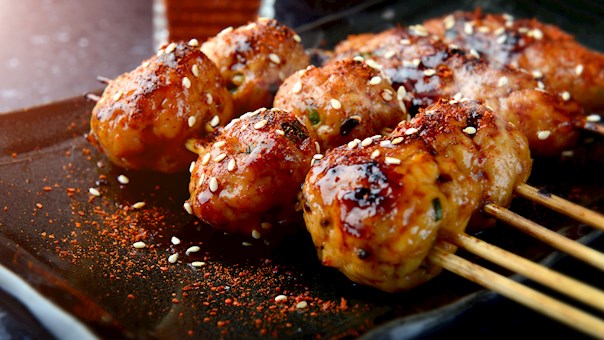
Bún chả is a pork and noodle dish that is intricately connected to Hanoi, where it is believed to have originated. The dish combines three elements: a bowl of grilled pork meatballs served in a cold broth, a plate of rice noodles, and a combination of various fresh greens such as perilla leaves, lettuce, coriander, and morning glory. Although bún chả or similar varieties can be found in other parts of Vietnam, the local Hanoi version is held in high regard. Not much is known about its history or origin, but the dish became internationally recognized in 2016 when it was featured on the show Parts Unknown – in which the host Anthony Bourdain enjoyed bún chả together with the former president Barack Obama.
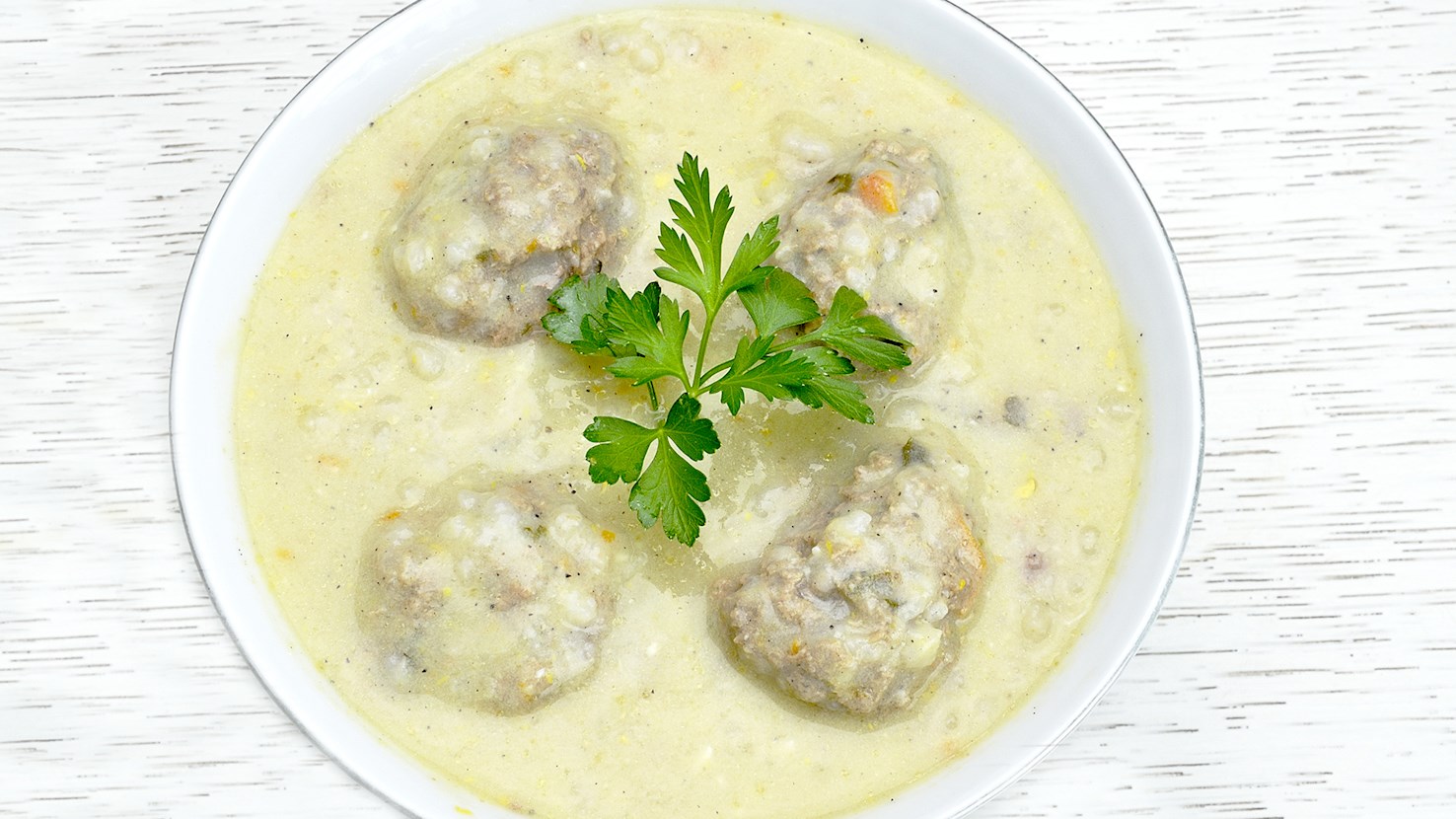
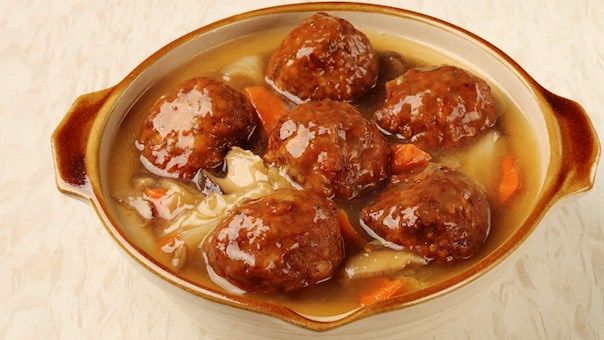
This hearty Greek soup couples tender beef meatballs and a creamy, flavorful broth. The meatballs and the broth are usually seasoned with various fresh herbs, and the whole dish is finished with the addition of avgolemono—the creamy egg and lemon sauce—which thickens the broth and adds the characteristical zesty flavor. Traditionally associated with wintertime, youvarlakia is usually accompanied by bread and enjoyed as a nutritious main course.
Polpette is a word denoting Italian meatballs, traditionally consisting of ground beef or veal (and sometimes pork) that is shaped into small balls. These meatballs are usually enriched with a wide variety of ingredients such as parsley, eggs, garlic, and sometimes even mortadella or Parmigiano Reggiano. Although some might think that polpette are served with pasta, that is mostly an American thing, and Italian polpette are typically consumed on their own as a snack, appetizer, or finger food that is especially beloved by children of all ages.
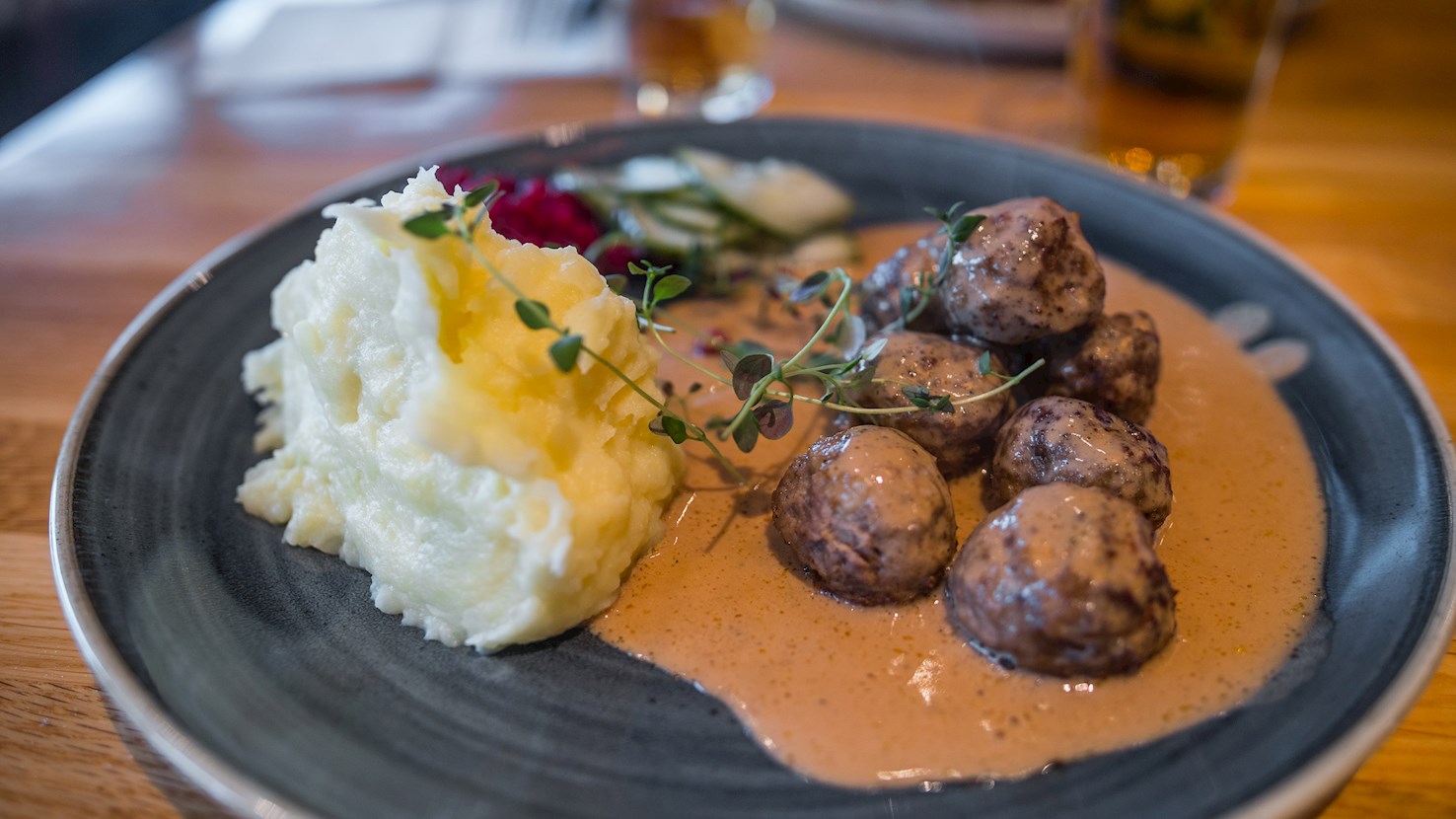
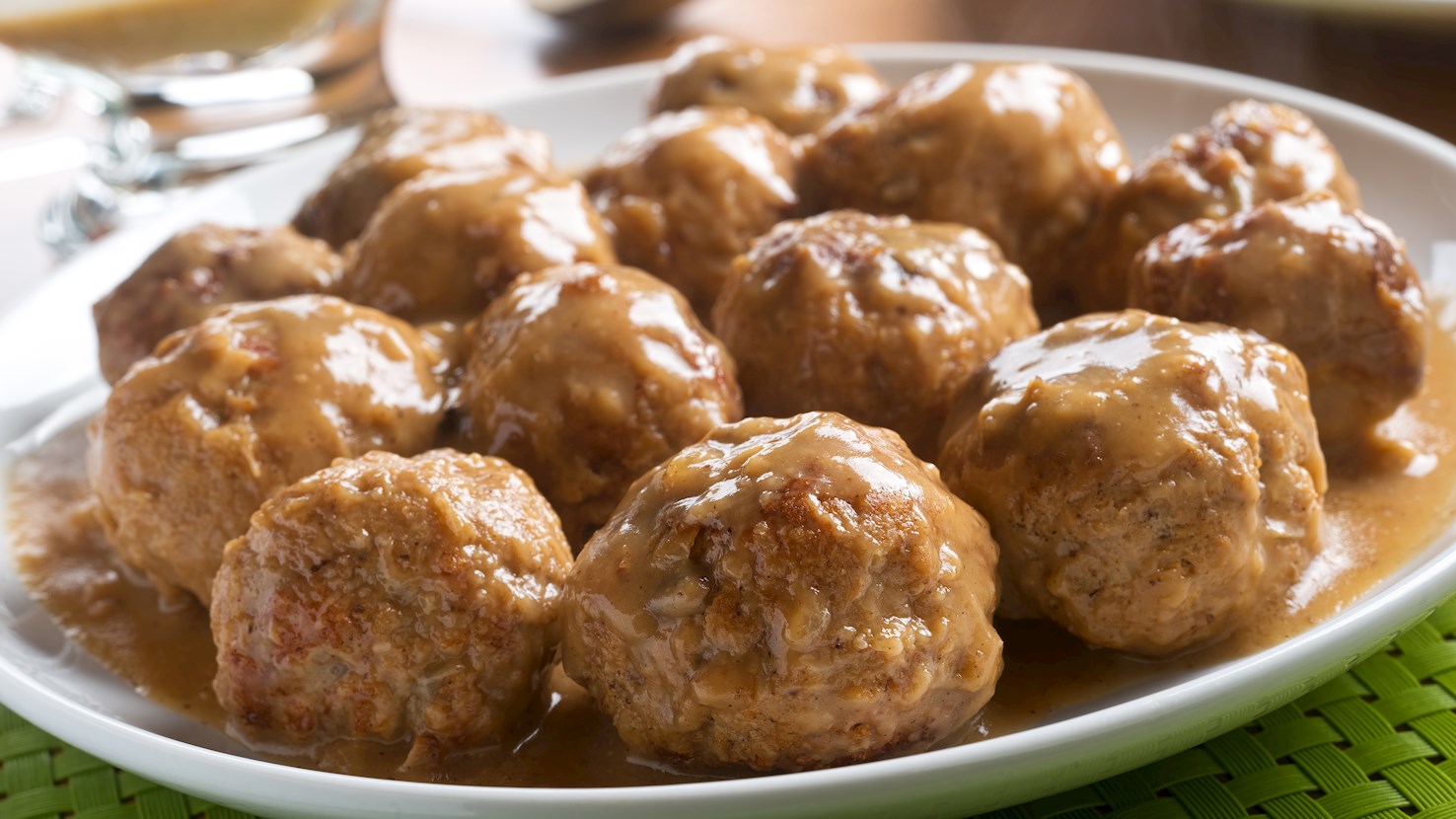
Köttbullar are famous Swedish meatballs with a crispy brown exterior, and light, airy and tender texture on the interior. The original recipe for the dish first appeared in Cajsa Warg's 1754 cookbook. The meatballs usually consist of beef mixed with pork or veal, and the combination is typically seasoned with onions, salt, pepper, and allspice. The mixture is shaped into small, round meatballs and browned in hot butter. This dish is traditionally accompanied by lingonberry sauce, creamy mashed potatoes, and a thick gravy on the side, although lighter side dishes such as cucumber salad or red cabbage are also quite popular. In southern Sweden, people like their meat with a little extra fat, and that is the reason why they use pork in the meat mixture, but the further north one goes, the less pork there is in the mixture. Köttbullar are a key part of numerous buffets and smorgasbords all over Sweden, tempting the potential consumers with their unique aroma and flavor.
Albóndigas en salsa is a traditional dish that's typically eaten as a tapa. This appetizer consists of meatballs in rich tomato sauce. The small meatballs are often made with a combination of beef, pork, veal (or a combination of the three), breadcrumbs, parsley, eggs, garlic, flour, and seasonings, while the sauce is made with garlic, onions, tomatoes, red wine, olive oil, paprika, salt, and stock. Before cooking them in the sauce, the meatballs are usually lightly browned. When the sauce becomes thick, the dish is served, often with crusty bread and a glass of red wine on the side. It is believed that these meatballs originated as a Berber or Arab dish which was brought over to Spain during the Muslim rule. The name is derived from the Arabic word al-bunduq, meaning hazelnut, referring to the small size of the meatballs.
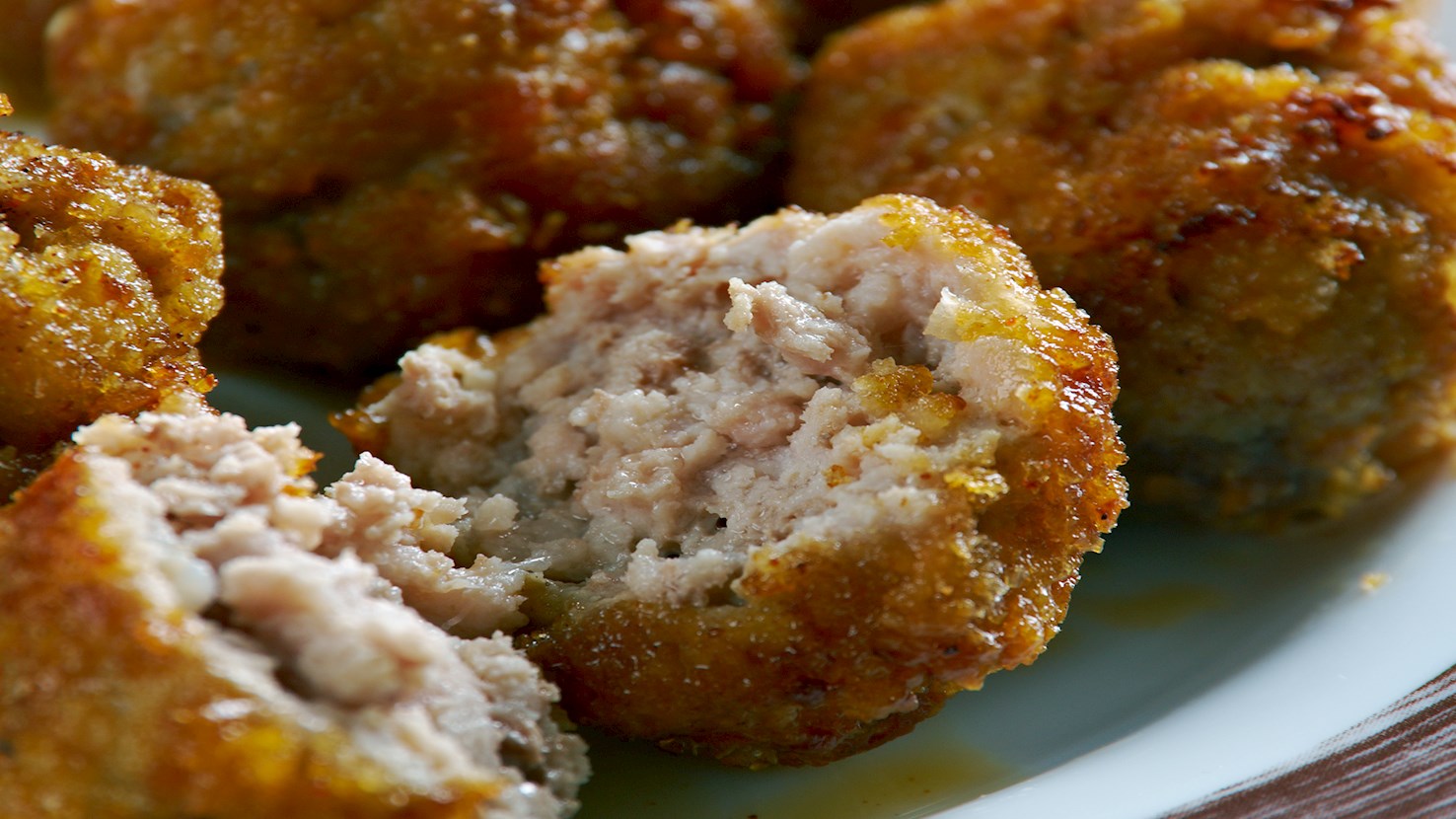
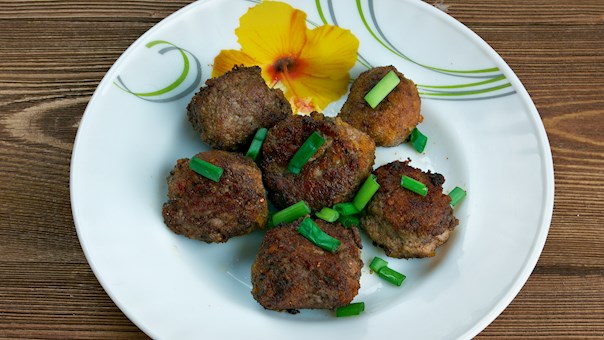
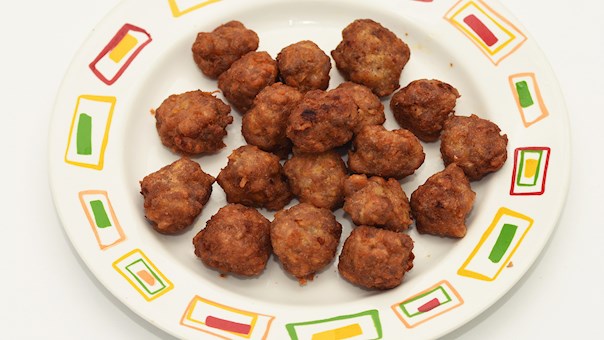
Keftedakia are small meatballs from Greece, typically made with ground meat, grated onion, garlic, bread, eggs, and a generous amount of herbs. The mixture is usually flavored with fresh spearmint, dried oregano, black pepper, and sometimes cumin, giving the meatballs their distinctive aromatic character. Although similar fried meatballs are found throughout Greece, versions associated with Smyrna and Asia Minor cooking are especially known for their warm spices and abundant mint, a style that became more prominent in Greece after the arrival of Greek refugees from Asia Minor in the early 20th century. The preparation usually begins with stale bread soaked in milk, wine, or water, then squeezed and mixed with ground beef, pork, lamb, or a combination of meats. Grated onion, garlic, eggs, chopped mint, oregano, salt, and pepper are added, and the mixture is kneaded until soft and cohesive. It is often left to rest so the flavors can develop and the texture can firm up before shaping. The meatballs are rolled into small, bite-sized rounds or ovals, lightly coated in flour, and fried in hot olive oil until crisp and deeply browned on the outside while remaining tender and juicy inside. Some regional versions include a splash of ouzo, while others use lamb instead of pork or beef for a stronger, more rustic flavor. A related variation is simmered in tomato sauce rather than fried, often with cumin and other warm spices. Keftedakia are most commonly served as part of a meze spread, usually with lemon wedges, tzatziki, fried potatoes, pita bread, or a simple salad. Their round shape also makes them ideal for popular Greek picnics, where keftedakia are served as snacks, but they can also be served as appetizers or as a main course.
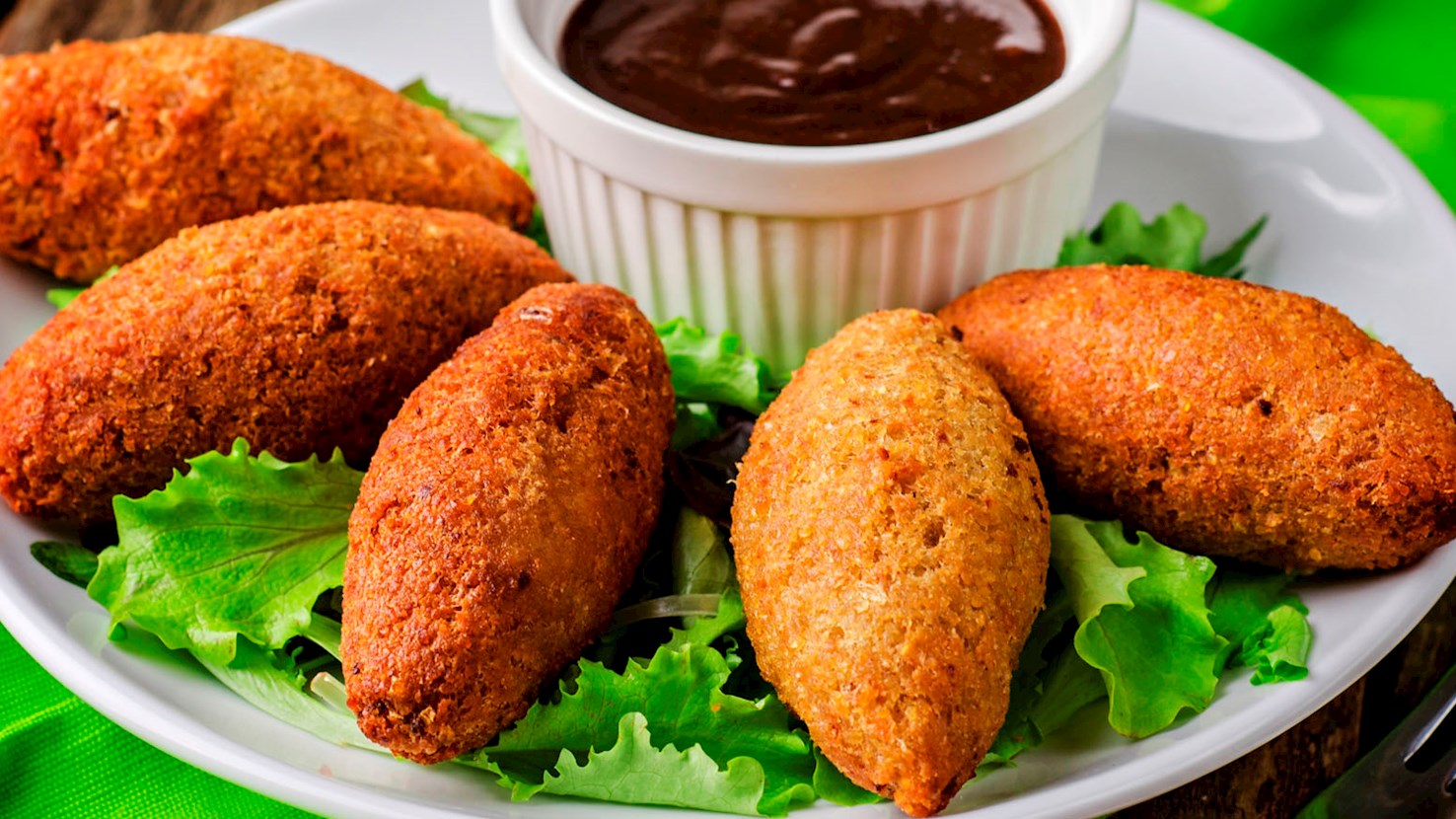
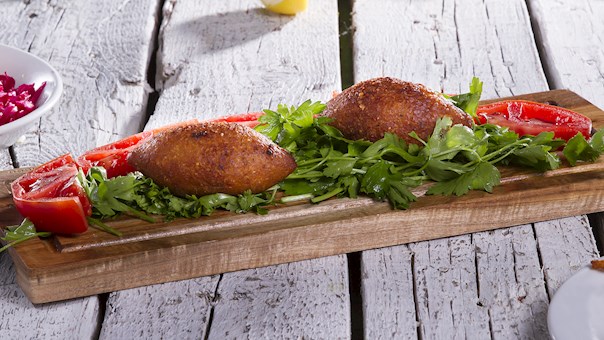
Kibbeh is a unique mixture of soaked bulgur wheat and other ingredients, typically lamb meat, and it is also considered the national dish of Lebanon and Syria. Fragrantly spiced and eaten as a snack for casual or celebratory meals, Kibbeh can be raw, baked, fried, stuffed, or prepared in a vegetarian version, stuffed with potatoes, pumpkins, and tomatoes. It is typically served with mint leaves and drizzled with olive oil. The word kibbeh stems from an Arabic verb meaning to form into a ball or a circular shape. A fried variety of kibbeh, called kibbeh nabilseeyah is shaped into a ball, stuffed, then fried in oil. Raw kibbeh is called kibbeh nayyeh, where bulgur and meat are combined with spices and pureéd onions, kneaded together with some ice water, then placed into traditional flatbreads. Traditionally, locals used to kill animals on Sundays and feast days, so the raw meat was eaten immediately, and that's how kibbeh nayyeh came to be.
TasteAtlas food rankings are based on the ratings of the TasteAtlas audience, with a series of mechanisms that recognize real users and that ignore bot,
nationalist or local patriotic ratings, and give additional value to the ratings of users that the system recognizes as knowledgeable.
For the “Top 75 Meatballs in the World” list until October 15, 2026, 9,381 ratings were recorded, of which 5,226 were recognized by the system as legitimate.
TasteAtlas Rankings should not be seen as the final global conclusion about food. Their purpose is to promote excellent local foods,
instill pride in traditional dishes, and arouse curiosity about dishes you haven’t tried.















What People Say