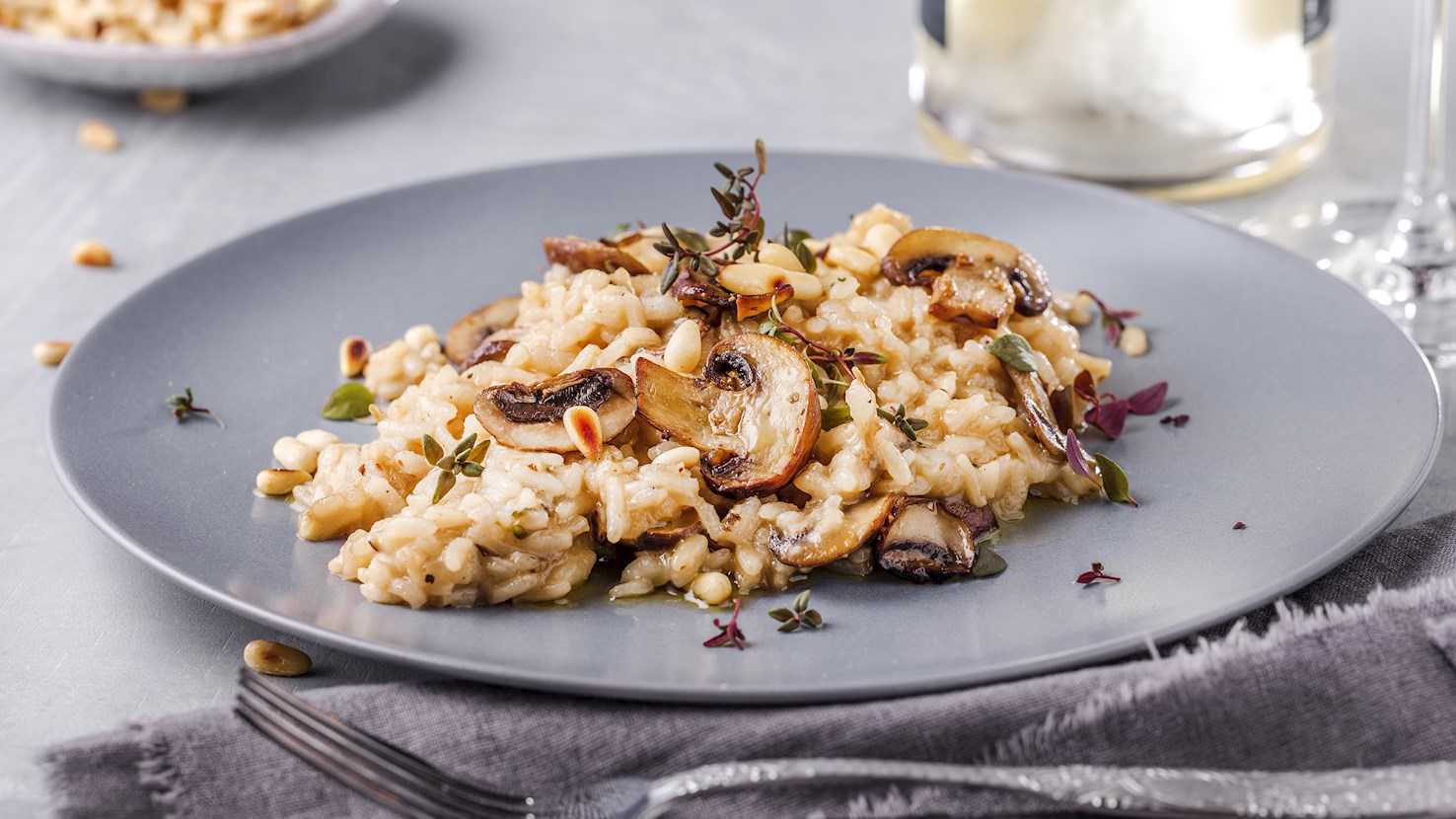
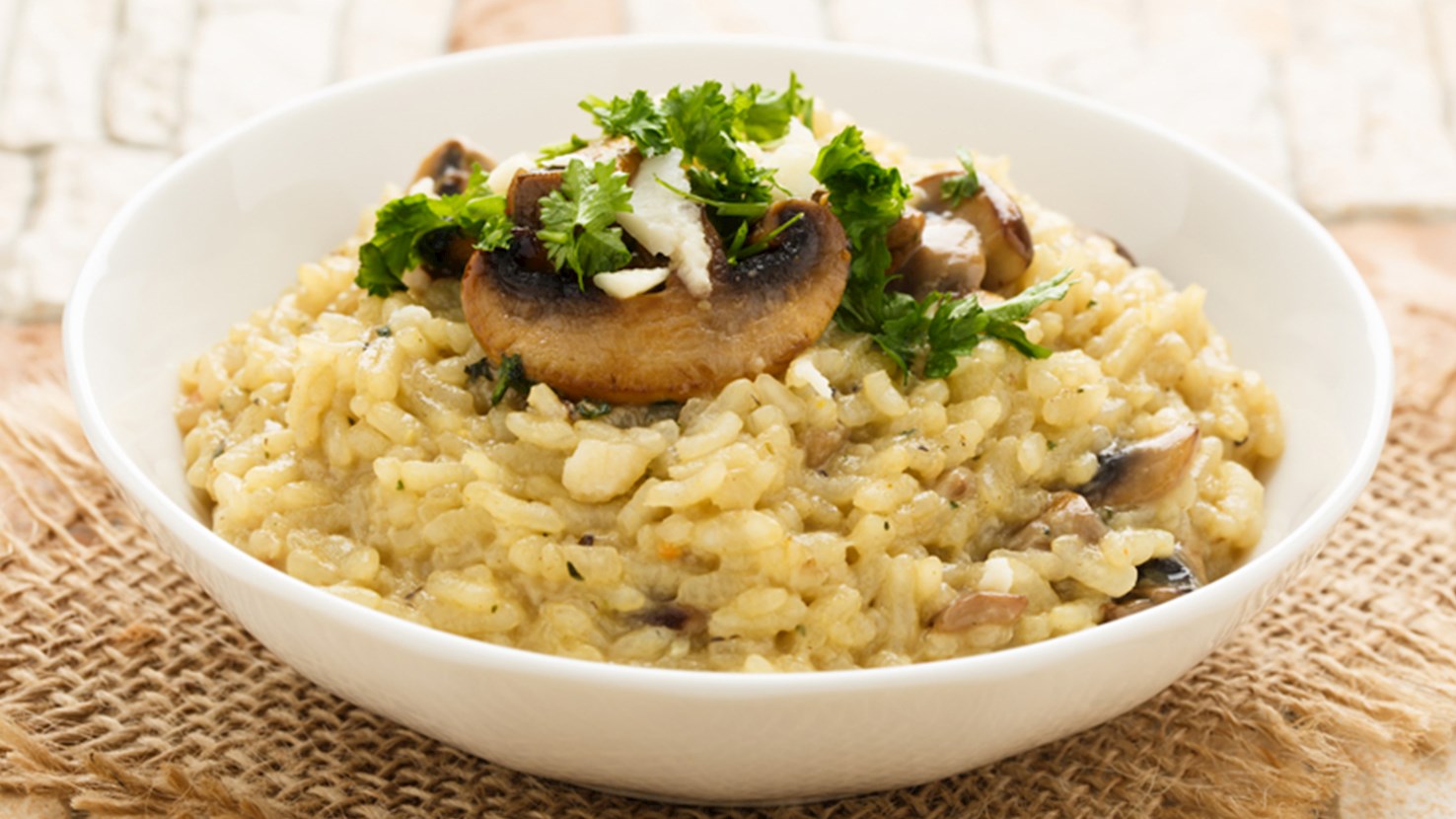
Risotto ai funghi porcini is a traditional type of risotto prepared with porcini mushrooms as the key ingredient. Apart from fresh or dried porcini, the dish also contains carnaroli or arborio rice, olive oil, butter, shallots, white wine, meat stock, grated Parmigiano-Reggiano, salt, and pepper. The onion is sautéed in butter and olive oil, followed by the mushrooms, rice, and white wine. The stock is added as the risotto is cooking. Near the end of cooking, a knob of butter is added to the pan, while grated cheese can be mixed into the risotto in the end or it can be served at the table so that each person can put the desired amount of cheese on their risotto.
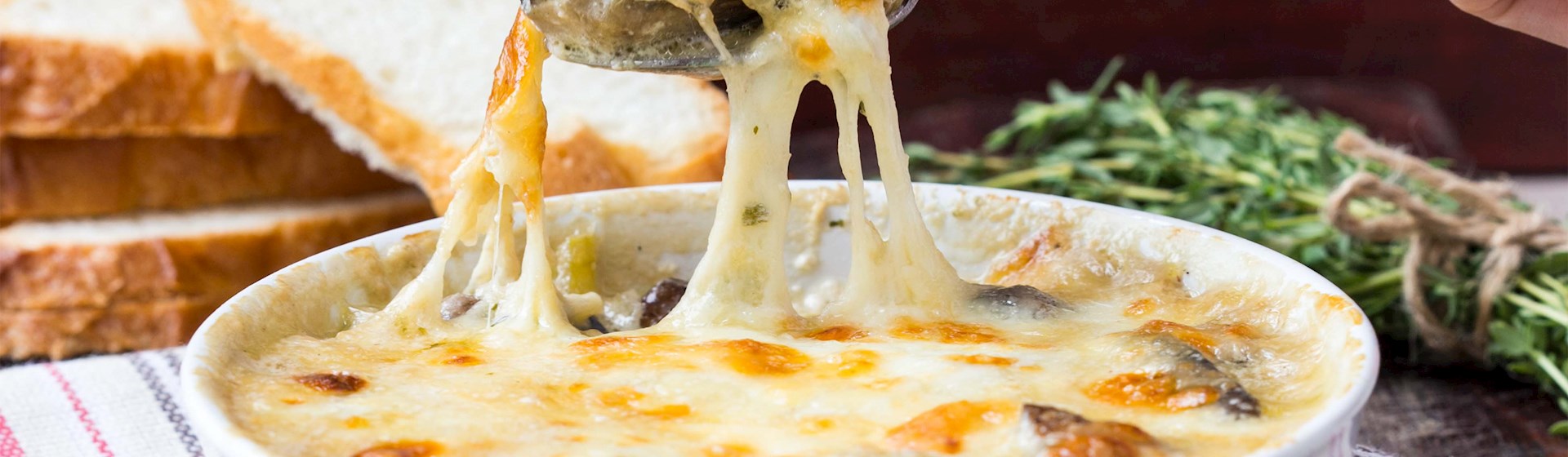
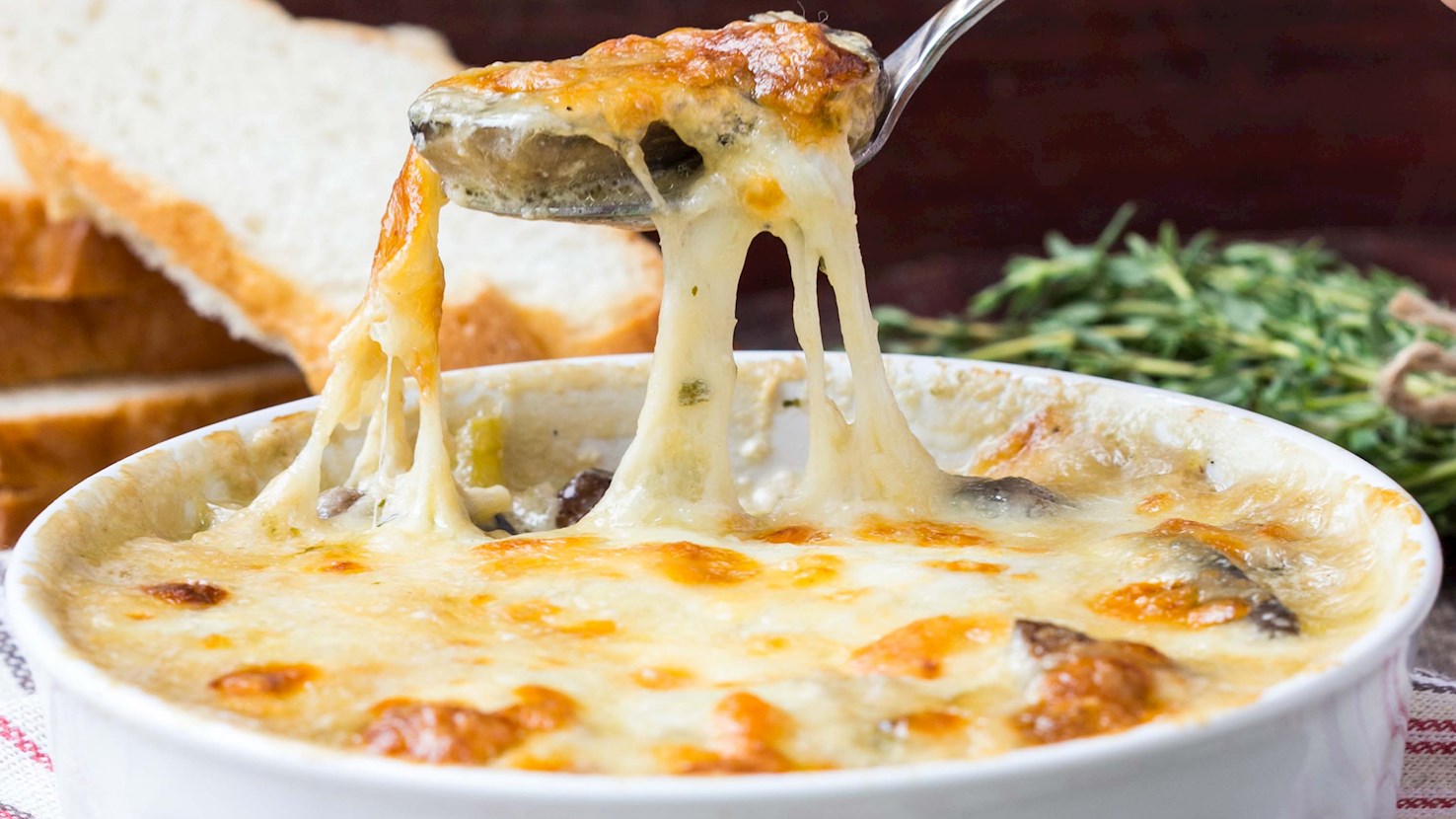
Mushroom julienne, or zhulien, is a hot appetizer of mushrooms and onions baked in a rich cream or sour-cream sauce beneath a layer of melted cheese. It is usually served in a small individual metal or ceramic vessel called a kokotnitsa, producing a concentrated portion with a browned cheese crust and a thick, creamy mushroom filling underneath. Chicken is another common addition, while seafood and other fillings appear in less common versions. The name has an unusual history. In French culinary terminology, julienne refers to food, especially vegetables, cut into long, fine strips similar to matchsticks. The term was in print by the early eighteenth century, and its exact etymology remains uncertain. In Russia, the borrowed word gradually acquired a very different meaning. Instead of referring only to the knife cut, zhulien became associated with a category of small, hot appetizers baked with sauce, especially mushrooms or poultry with sour cream or béchamel and grated cheese. Versions of this type were already served in restaurants before the Revolution, but the precise moment when the French term became attached to the baked appetizer is not securely documented. It became firmly established during the Soviet era, when mushroom julienne was a familiar restaurant and banquet-menu starter. By the second half of the twentieth century, the small handled kokotnitsa and its bubbling cheese-topped filling had become closely associated with formal restaurant service. The classic mushroom version begins with onions softened gently in butter until translucent. White button mushrooms are the most accessible choice, although porcini, chanterelles, and other woodland mushrooms can give the filling a deeper flavor. The mushrooms are sliced into strips or small pieces and added to the hot pan. They release a considerable amount of liquid as they heat, so they are usually left over fairly strong heat until that moisture has evaporated and the mushrooms begin to brown. The creamy binder varies. Often it’s sour cream, sometimes mixed with a little flour so that it thickens evenly and remains stable during baking. Another is béchamel based on butter, flour, and milk. Cream may also appear on its own or together with sour cream. Once added to the mushrooms and onions, the sauce is heated gently until it coats the ingredients and forms a thick ragout rather than a loose liquid. The mixture is then divided among kokotnitsas. These are small portion-sized vessels, historically most often metal, with a narrow body and a long handle. Typical examples hold roughly 100–150 ml and were designed specifically for hot appetizers served directly from the oven. Ceramic ramekins are now equally practical when the characteristic metal vessels are unavailable. To finish, a layer of grated semi-hard or hard cheese covers the mushrooms, with Gouda, Edam, Gruyère, and Emmental being the typical choice. The filled vessels are placed in a hot oven until the sauce bubbles around the edges, and the cheese melts into a golden crust. The ideal result has a clear contrast between the surface and the filling. The cheese should be melted and browned, while underneath it the mushrooms remain juicy and are held together by a thick, smooth dairy sauce. The sauce should not be watery, which is why allowing the mushrooms to release and evaporate their moisture before adding the dairy is important. One of the most popular variations adds chicken. Cooked chicken is cut into fine strips or small pieces and combined with the mushrooms before the sauce is added. This produces a more substantial version while retaining the same sour-cream or béchamel base and cheese topping. Chicken-and-mushroom julienne became particularly common on restaurant and banquet menus. Shrimp, scallops, squid, fish, or combinations of seafood can replace the mushrooms or accompany them. Because seafood toughens quickly, it requires much less time in the pan before the sauce and final oven heating. Mushroom julienne is served immediately after baking. The kokotnitsa arrives extremely hot and is normally placed on a small underplate or saucer covered with a napkin or paper doily, protecting the table and making the vessel easier to handle. Decorative paper covers, or papillotes, have also been fitted around the handles in formal restaurant service. The appetizer is eaten directly from the kokotnitsa rather than transferred to another plate. A small cocotte fork may accompany it, although a teaspoon or coffee spoon is also used. The utensil breaks through the browned cheese layer and reaches the creamy mushroom mixture underneath. Its place at banquets also explains its association with alcoholic drinks and larger meals. Hot julienne could appear among the sequence of appetizers served around vodka and other spirits, followed by more substantial courses. The idea that its high fat content was specifically intended to “coat the stomach,” however, is better treated as a later explanation than as the appetizer's original purpose.
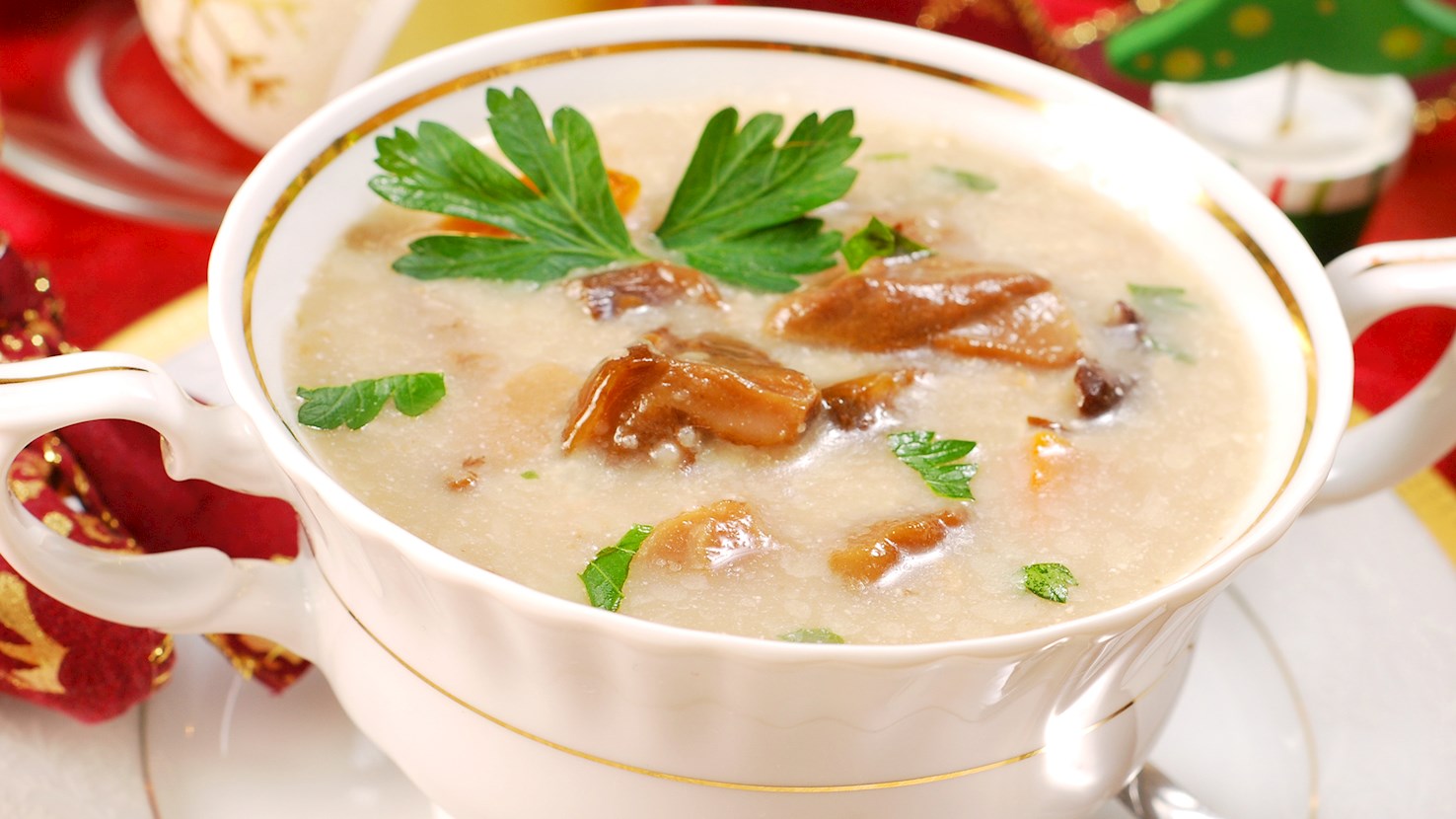
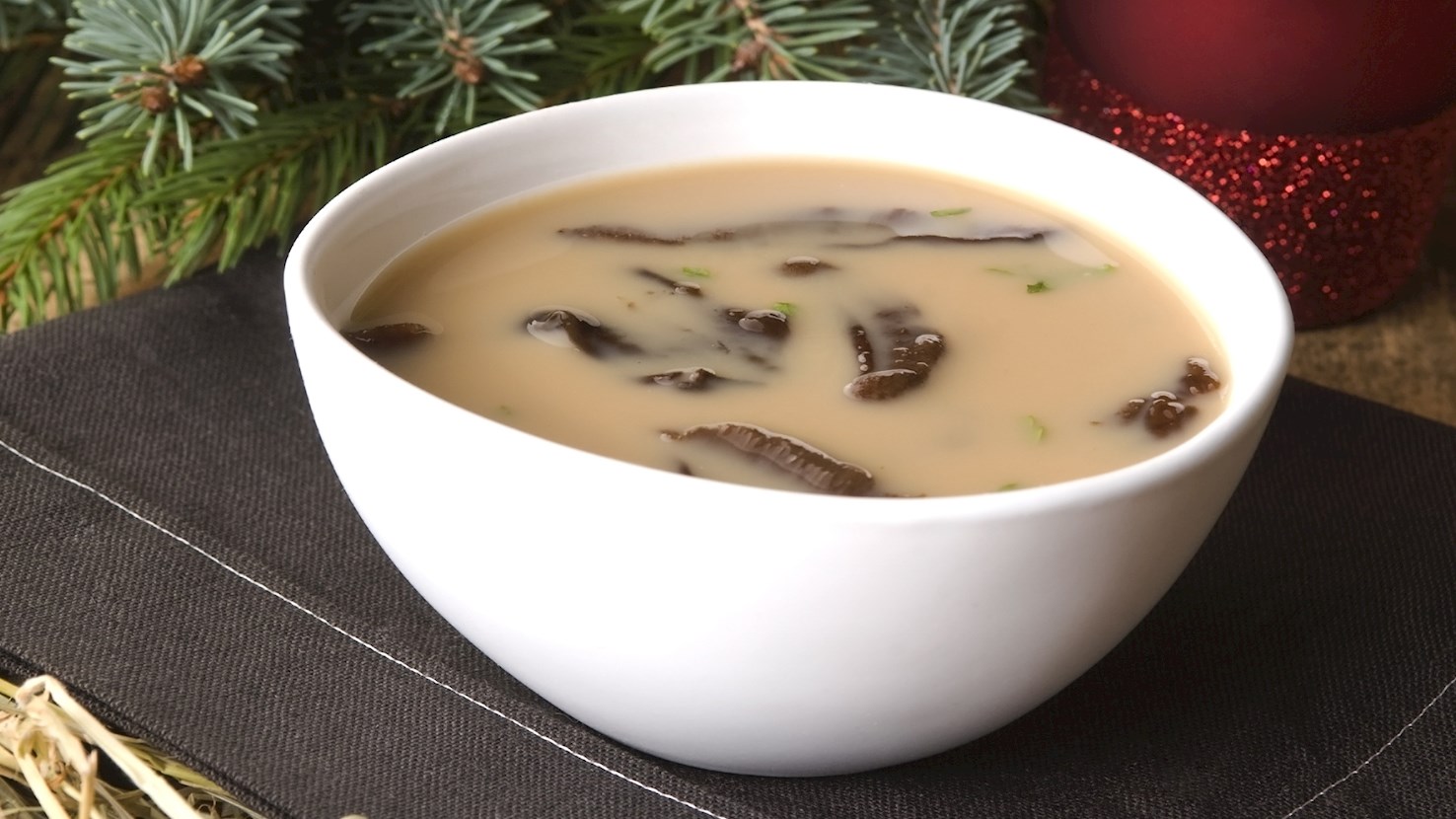
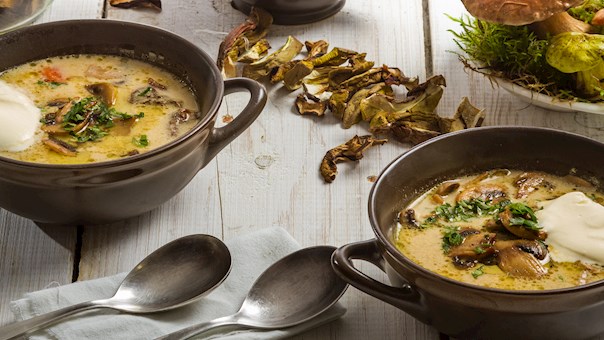
Zupa borowikowa is a flavorful Polish soup with borowik mushrooms, also known as the king of forest mushrooms. The soup is beloved throughout Poland and is often served on Christmas Eve. Apart from the fresh version, the soup is so popular that it can also be bought in commercially made packages with noodles.
Risotto ai funghi, or mushroom risotto, is a classic Italian dish celebrated for its creamy texture and rich, earthy flavors. The dish begins with sautéing Arborio or Carnaroli rice in butter to lightly toast the grains. This is followed by adding finely chopped onions or shallots until they are translucent. Hot stock, typically chicken or vegetable, is then gradually added to the rice. This process is essential as it allows the rice to absorb the liquid slowly and release its starch, creating a creamy texture. Various types of mushrooms, such as porcini, shiitake, or button mushrooms, are used in the dish, enhancing its flavor. These mushrooms may be sautéed separately and added to the rice during cooking. Dried mushrooms can also be used after being rehydrated, with the soaking liquid strained and added to the risotto for additional mushroom flavor. The dish is typically finished with a generous amount of Parmesan cheese and butter stirred in off the heat, adding richness and a velvety texture. It may be garnished with fresh herbs like parsley to add color and freshness. Risotto ai funghi is often served as a primo in Italian dining.
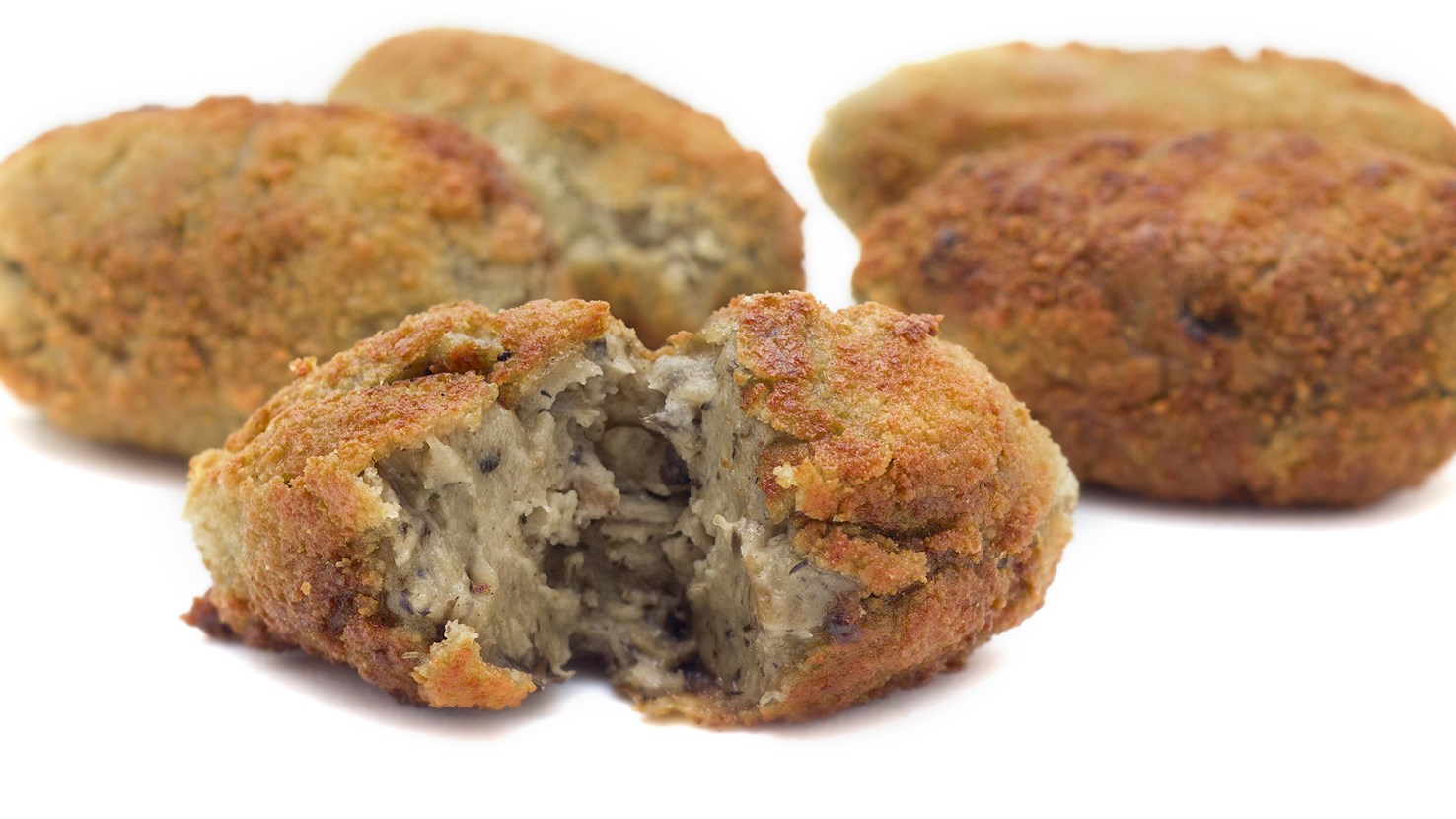
Mushroom croquetas are the small-sized Spanish fritters that are prepared with a combination of a creamy béchamel base and diced and sautéed boletus mushrooms. The base is well chilled before it is shaped into round or cylindrical forms. Each piece is coated in egg wash and breadcrumbs, then shortly deep-fried until golden and crispy. Boletus croquetas are often enriched with various spices and sautéed onions and are typically enjoyed as a ubiquitous Spanish tapas.
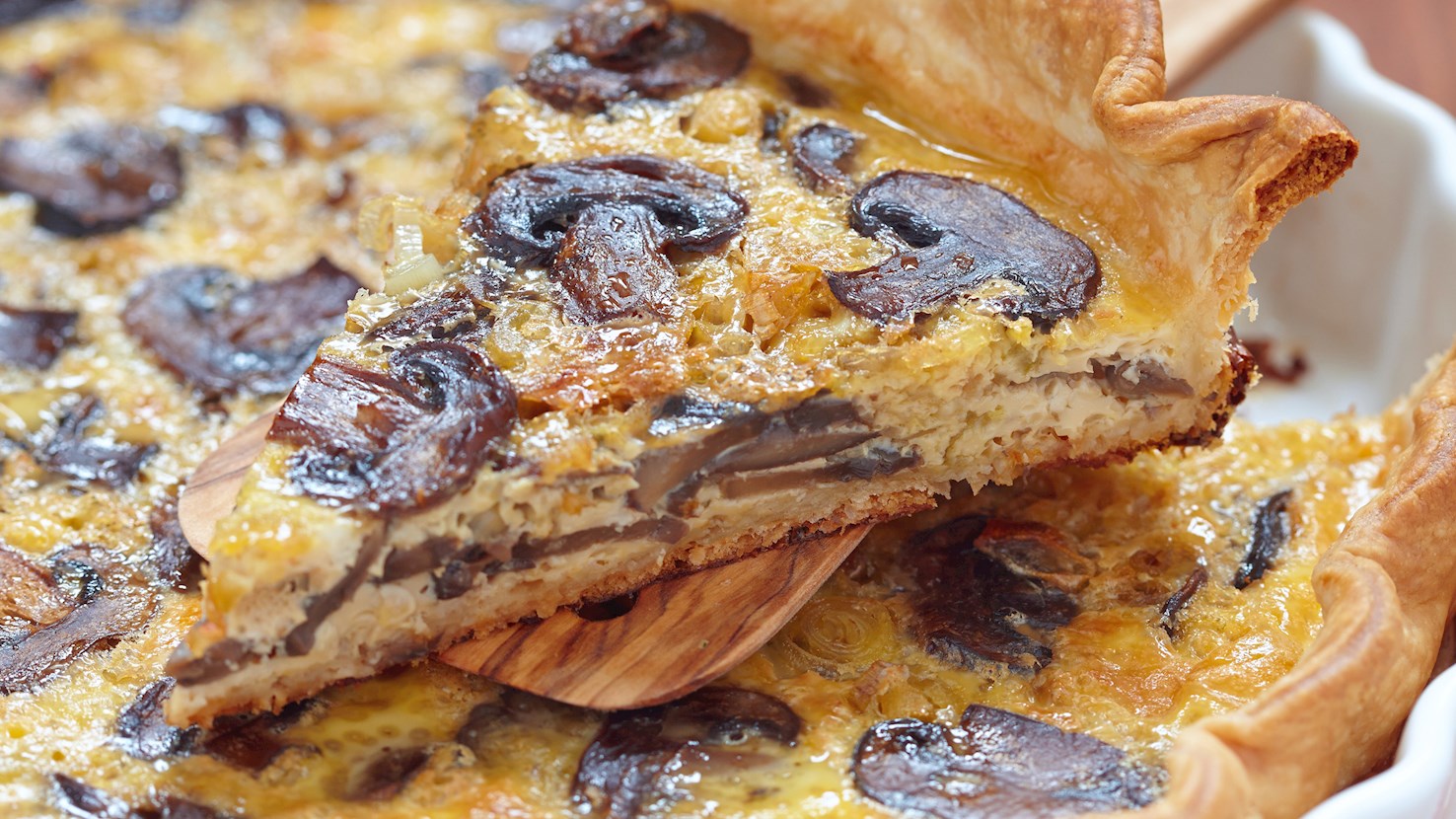
Mushroom quiche is a delicious French pie that was greatly popularized by Julia Child in her book Mastering the Art of French Cooking. The quiche is made with a pastry shell that is filled with a combination of mushrooms, shallots, port, eggs, whipping cream, and Swiss cheese. It is additionally spiced with salt, pepper, and a dash of nutmeg that creates a unique warmness. Baked until puffy and browned, mushroom quiche is ready to be consumed as soon as it is taken out of the oven, but it can also be consumed chilled.
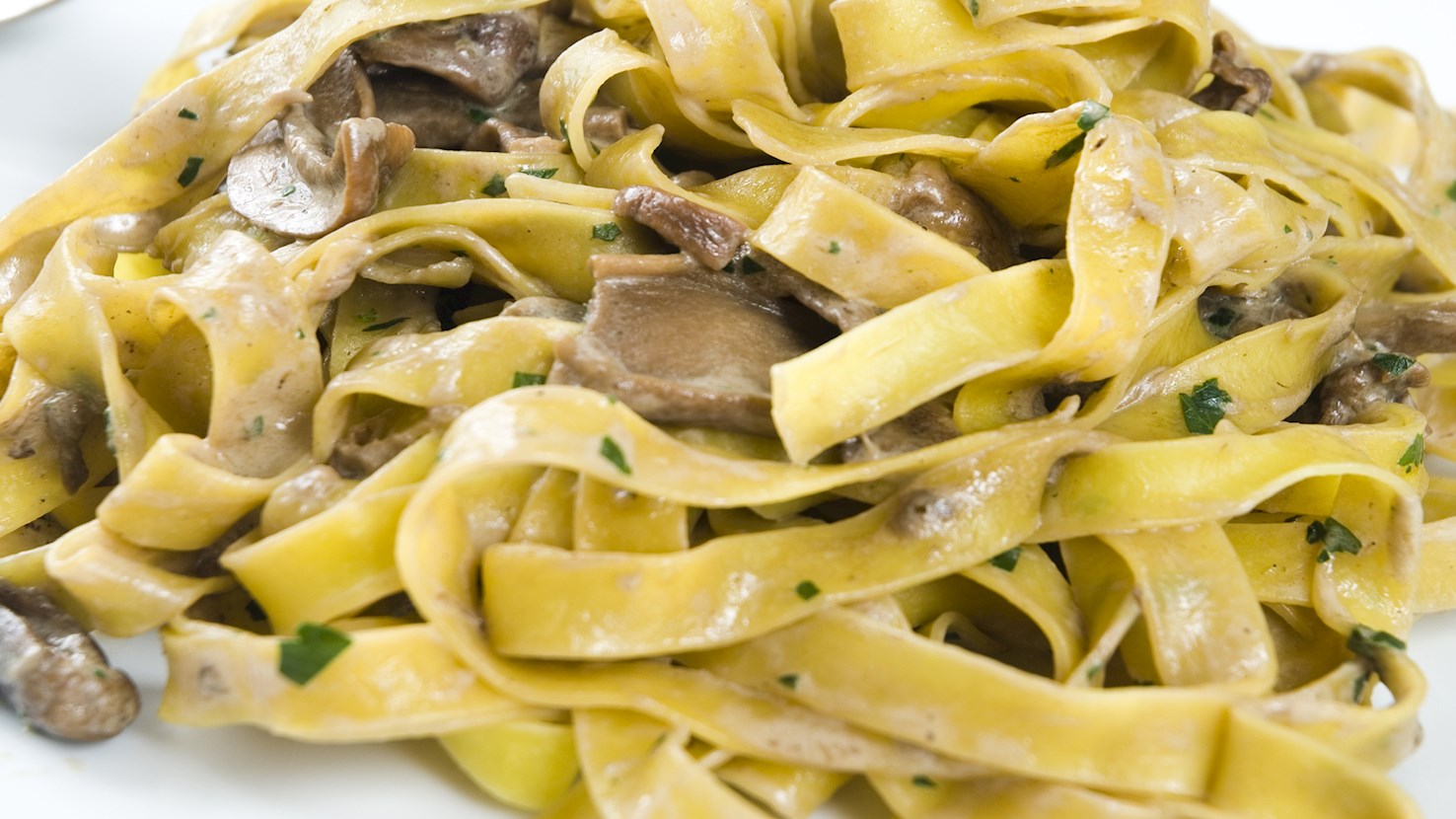
Tagliatelle ai funghi is a flavorful Italian dish consisting of fresh tagliatelle pasta paired with meaty mushrooms such as porcini (the most common choice), portobello, or chanterelles (finferli in Italian). The dish is often additionally flavored with shallots, black pepper, salt, chopped parsley, and white wine. It is said that tagliatelle ai funghi is best consumed in spring and fall, when seasonal mushrooms are available. When the dish is cooked, it is recommended to serve it with grated parmesan cheese on top.
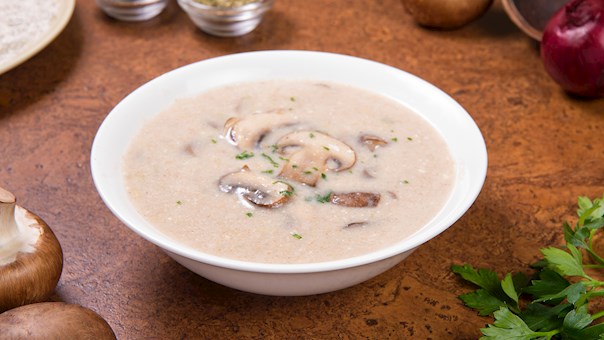
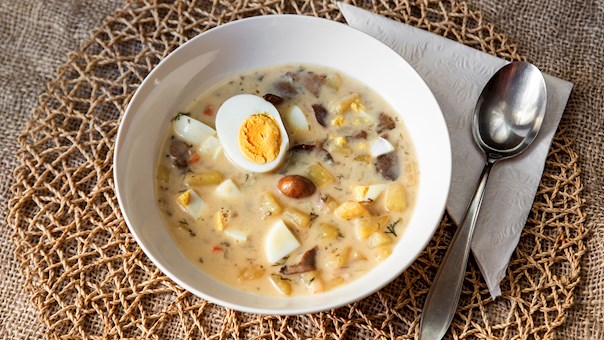
These hearty mushroom soups appear in numerous adaptations throughout Poland. Although there is no universal recipe, most varieties are prepared with meat or vegetable stock and usually have an accentuated mushroom flavor, creamy texture, and often incorporate diced mushrooms, cream, and traditional kluski noodles. Whether these soups are enjoyed as a simple everyday dish or as a part of a more festive meal, they remain a valuable part of traditional Polish cuisine.
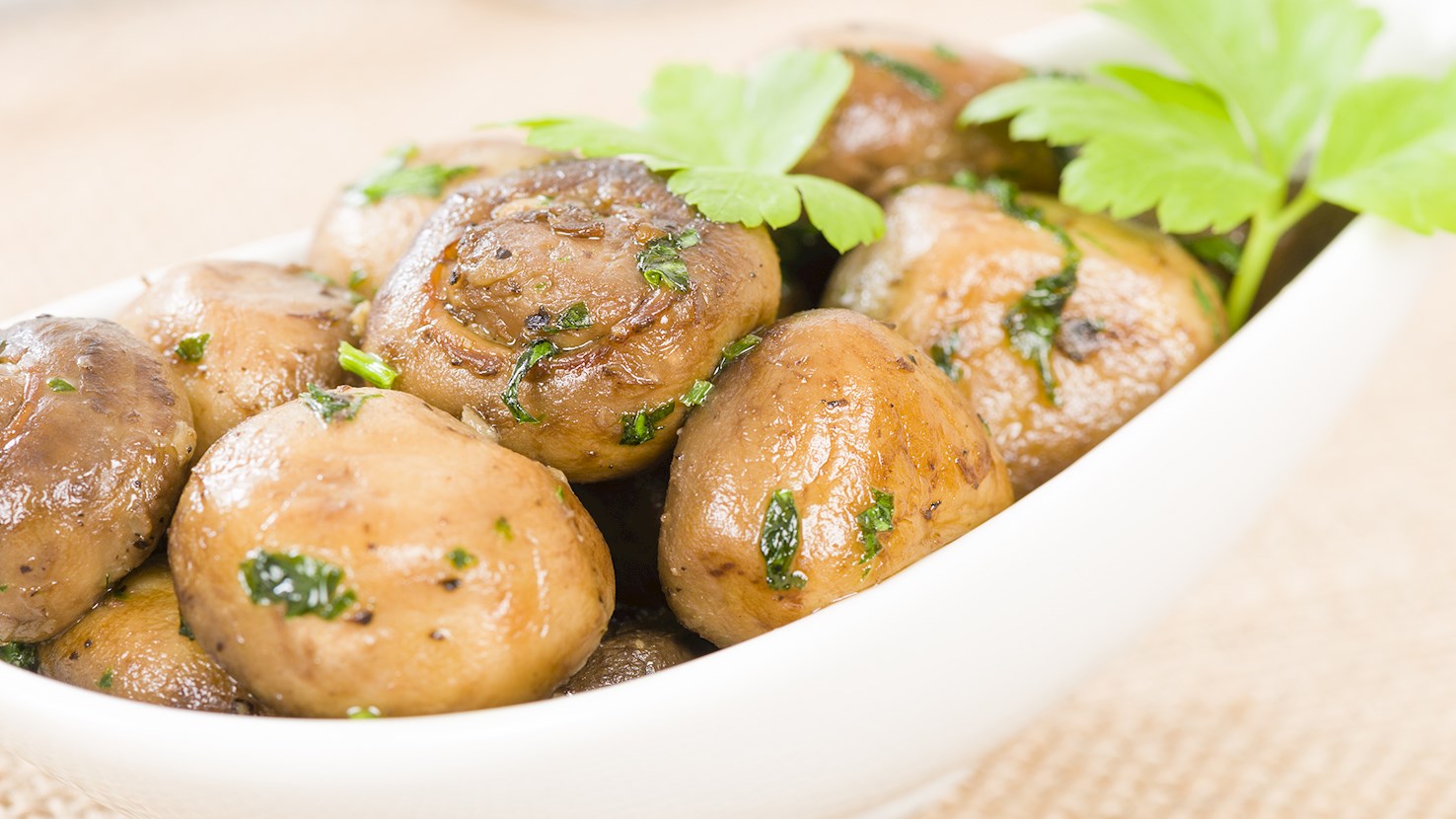
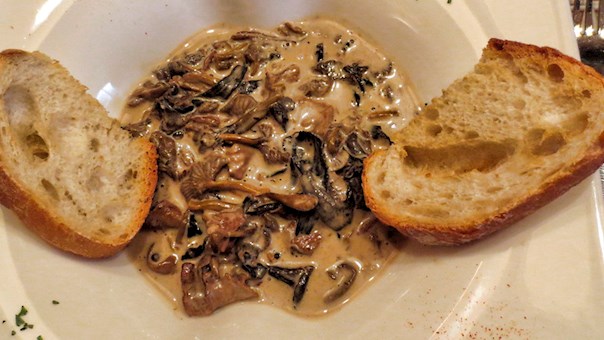
This garlicky Spanish invention is commonly served as a sizzling tapa in a clay-dish. It consists of mushrooms that are sautéed in olive oil with garlic. This tapa is typically enriched with the addition of white wine, and it is garnished with chopped parsley before serving. It is recommended to use pieces of bread for soaking up all of the flavorful juices once the mushrooms have been consumed.
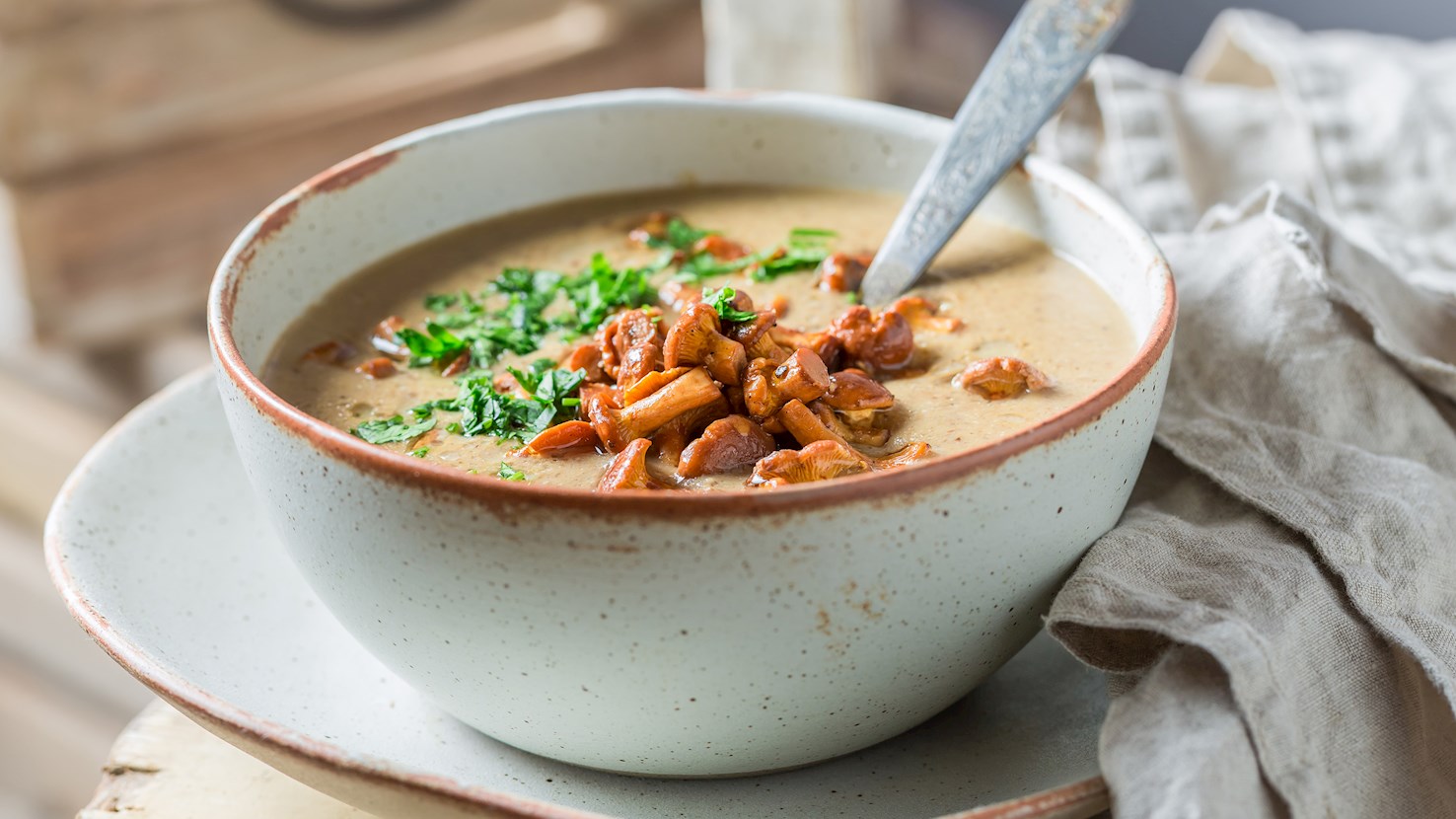
Kanttarellikeitto is a traditional soup originating from Finland. The soup is usually made with a combination of chanterelle mushrooms, butter, onions, parsley, flour, vegetable stock, heavy cream, salt, and pepper. The mushrooms are chopped and sautéed with onions and parsley in butter over medium-low heat. Once the moisture evaporates, the mixture is sprinkled with flour and stirred. The stock is added gradually, and the soup is then simmered for some time before cream is added to the pot. Kanttarellikeitto is seasoned with salt and pepper, garnished with chopped parsley, and served hot.
TasteAtlas food rankings are based on the ratings of the TasteAtlas audience, with a series of mechanisms that recognize real users and that ignore bot,
nationalist or local patriotic ratings, and give additional value to the ratings of users that the system recognizes as knowledgeable.
For the “Top 52 Mushroom Dishes in the World” list until August 15, 2026, 2,593 ratings were recorded, of which 1,956 were recognized by the system as legitimate.
TasteAtlas Rankings should not be seen as the final global conclusion about food. Their purpose is to promote excellent local foods,
instill pride in traditional dishes, and arouse curiosity about dishes you haven’t tried.










What People Say