shutterstock

Top 6 French Mustards

Last updated on July 08, 2026

Best French Mustards
01

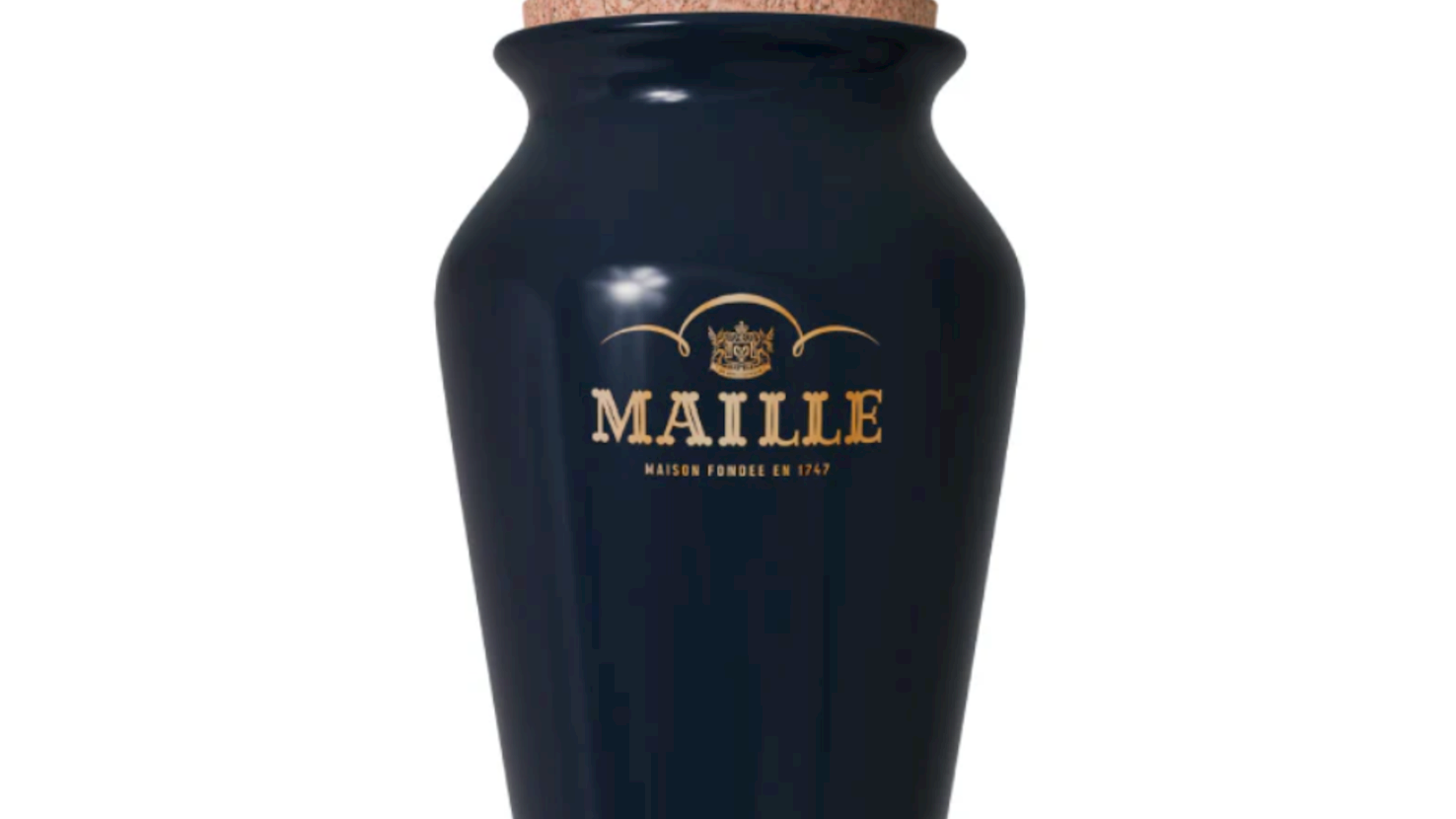
Maille

4.7 ·

Maille is a French condiment brand known for producing premium mustards, vinegars, and other culinary condiments, with a history dating back to 1723, when the Maille family began producing aromatic vinegar in Marseille. The brand was formally developed in the mid-18th century, when Antoine-Claude Maille opened his first shop in Paris in 1747, offering a variety of mustards and vinegars.

It quickly gained recognition among European aristocracy and became a supplier to the court of King Louis XV of France, which helped establish its reputation for high-quality gastronomic products. Today, Maille is regarded as one of the most recognizable French brands in the mustard category, closely associated with the tradition of Dijon mustard, while over time developing a wide range of variations with different spices and flavor profiles.

In addition to mustard, the brand produces vinegars, oils, cornichons, and other culinary condiments that are distributed worldwide through retail channels and specialized Maison Maille boutiques in cities such as Paris and Dijon. Maille is now part of the multinational company Unilever, yet it continues to maintain a strong identity linked to French gastronomic tradition and a long-standing artisanal approach to condiment production.

02

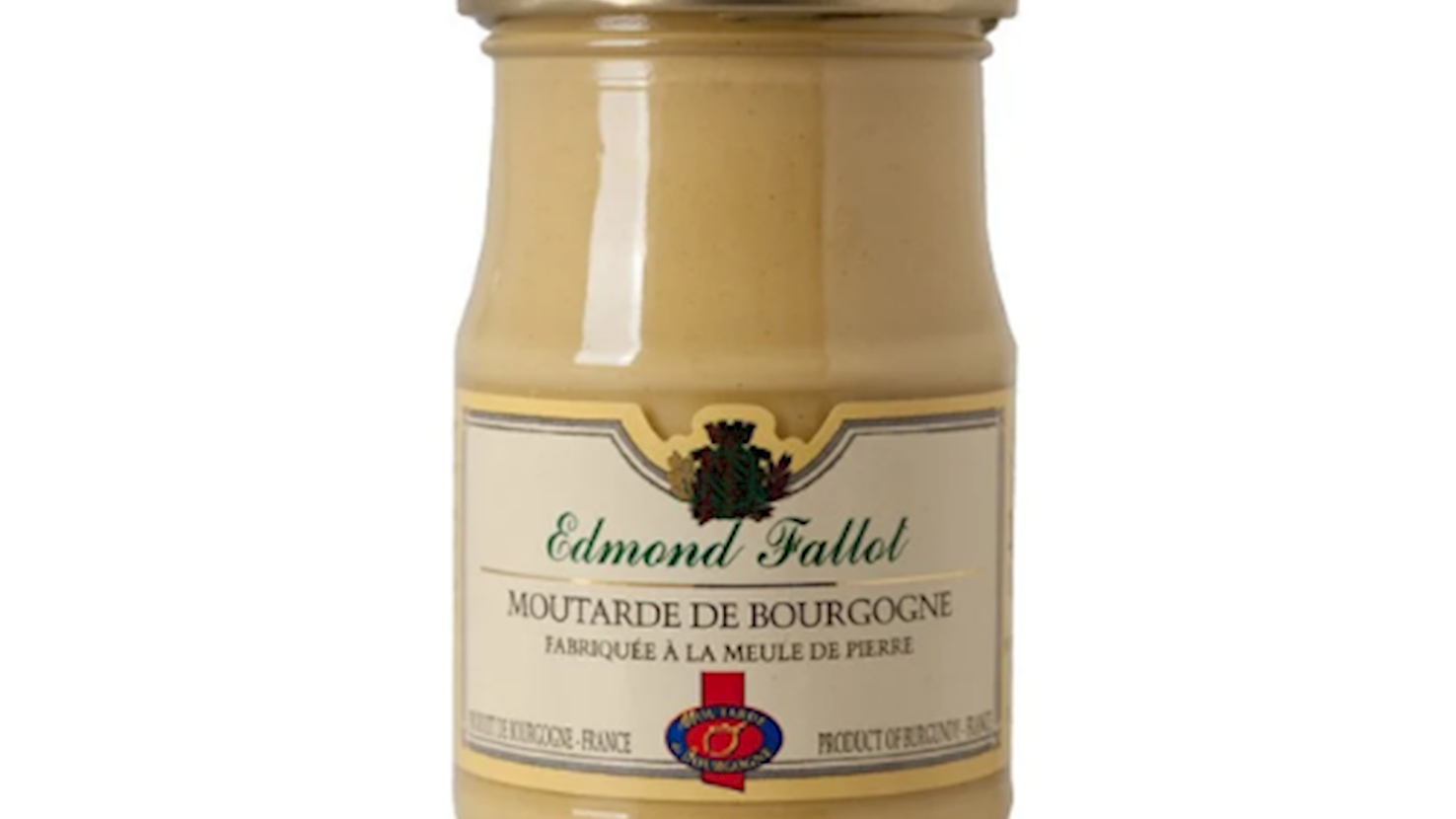
Edmond Fallot

4.6 ·

Edmond Fallot is a French family-owned mustard manufacturer based in Beaune, Burgundy, founded in 1840. The brand is recognized as one of the last independent Burgundy mustard mills to preserve traditional production methods, particularly the slow grinding of mustard seeds using stone millstones, a process that helps retain the product’s aromatic and flavor qualities.

Edmond Fallot is deeply connected to Burgundian heritage, local ingredients, and artisanal know-how passed down through generations. In addition to classic Dijon mustard, the range includes gourmet varieties flavored with white wine, walnuts, tarragon, honey, blackcurrant, and other ingredients inspired by French gastronomy.

The maison places strong emphasis on ingredient origin, preservation of regional identity, and modernization of production without abandoning traditional craftsmanship. In Beaune, the company operates its historic mustard mill along with a museum and tasting space where visitors can explore the history of mustard-making and the production process itself.

Today, Edmond Fallot is widely regarded as a benchmark producer of premium French mustard, appreciated by chefs, gourmet retailers, and consumers seeking authentic Burgundian specialties.

Best French Mustard Types

01

Moutarde de Dijon (Dijon mustard)

4.1 ·

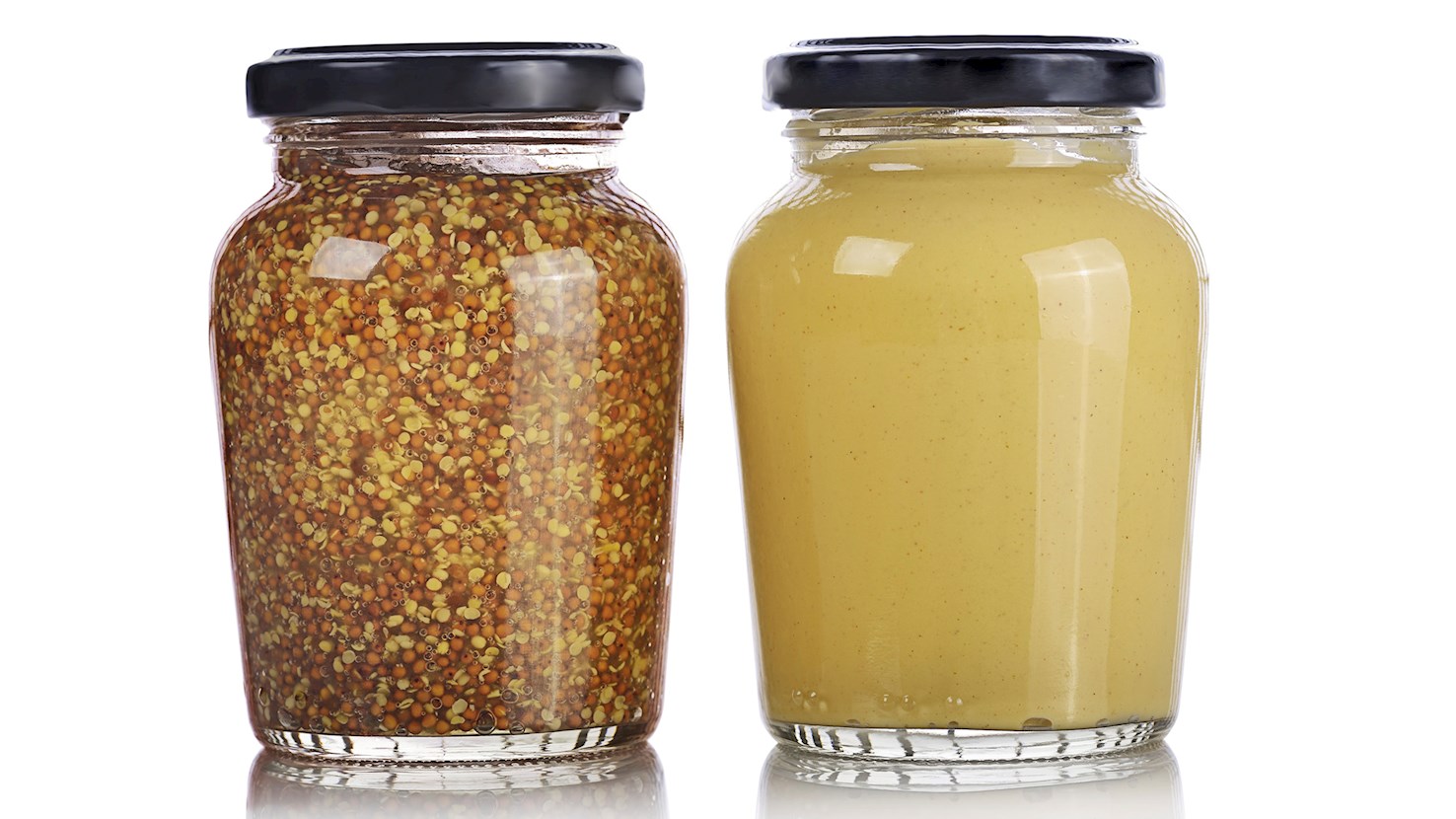
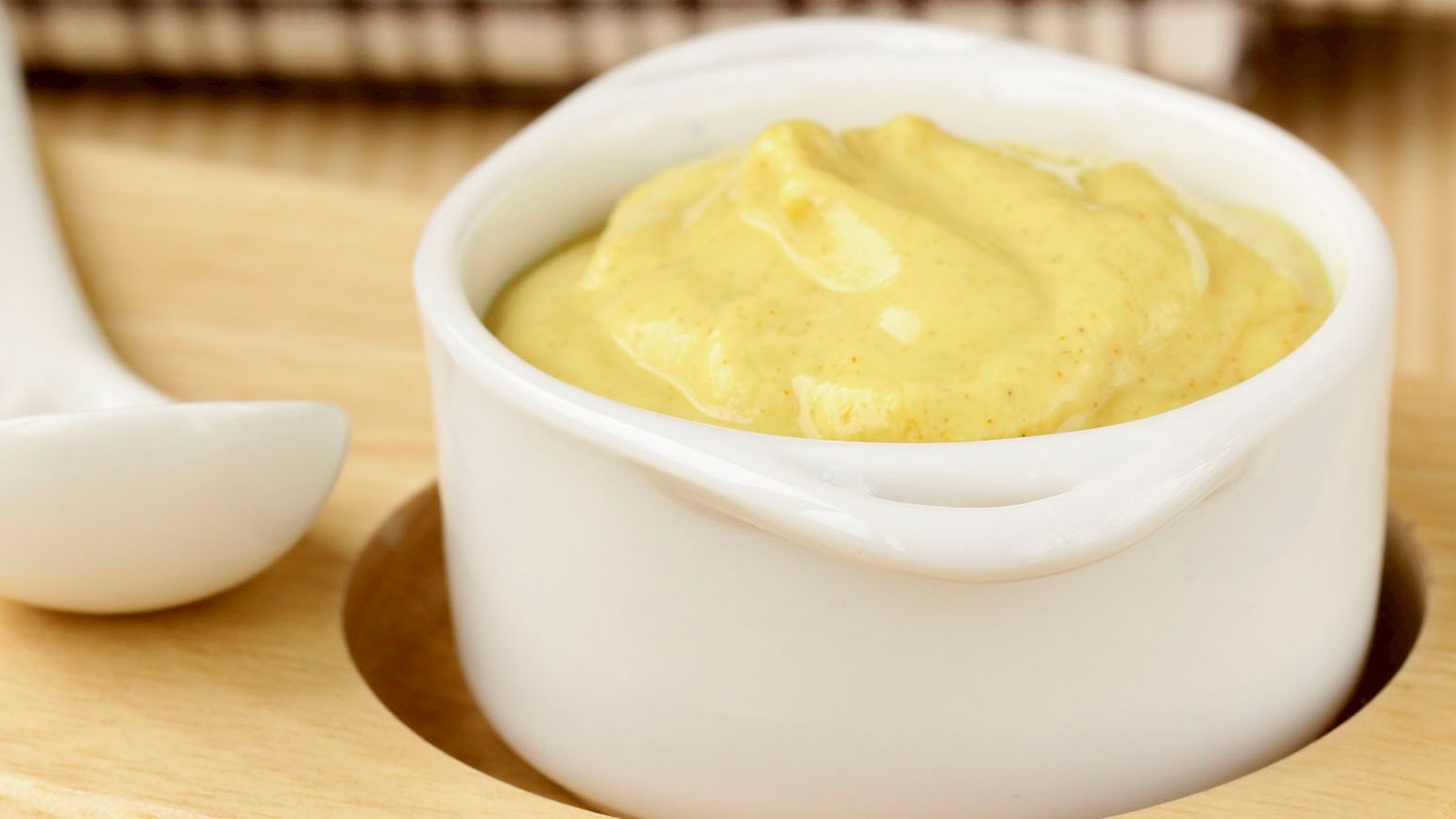
Moutarde de Dijon is a traditional mustard characterized by its pale yellow color and a creamy texture. It is usually made from ground brown or black mustard seeds, salt, and various spices. Although it could only be produced in the Dijon region of France in the past, today the term Dijon mustard has become so popular that any mustard using the traditional Dijon recipe can be named Dijon mustard. The original recipe was created by Jean Naigeon, a mustard producer who first started to use vinegar instead of the juice of unripe grapes (verjus) in its production. It is often used as a unique accompaniment to numerous chicken, beef, and salmon dishes, as well as being a flavorful dressing for hamburgers, hot dogs, and salads.

Best producers
02

Moutarde de Bourgogne

3.9 ·

Moutarde de Bourgogne is a unique mustard made from mustard seeds in the French region of Burgundy. It comes in only two varieties - strong or extra strong, and both of the varieties must contain white wine. Its color is pale yellow and the texture is creamy and very thick. The smell of this mustard is characterized by the intense smell of white Burgundy wine, and the taste is strong and sharp. The flavors later fade to a mellow heat, and then to rich savouriness. In addition to mustard seeds, water and wine, only sugar, spices and authorized additives may be added to form the final product. Use it on sandwiches, with sausages, in sauces, fondues or added to a vinaigrette for a great salad dressing.

Best producers
03

Moutarde de Meaux

n/a ·

Moutarde de Meaux is a coarse-grained mustard originating from the town of Meaux in the Brie region of northern France, an area with a rich history in mustard production dating back to the Middle Ages. The town of Meaux became a renowned center for mustard-making by the 18th century, benefiting from favorable climatic conditions and fertile soils ideal for cultivating mustard seeds, especially brown and black varieties that contribute to the mustard’s distinctive flavor and texture. Historical records show that mustard production in Meaux was already flourishing by the 16th century, with local artisans perfecting the craft of grinding mustard seeds coarsely to preserve their natural pungency and texture. The mustard’s fame grew significantly during the 19th century when Meaux’s producers began exporting their product beyond regional borders, earning a reputation for quality and authenticity. The coarse grind of moutarde de Meaux, which retains bits of the mustard seeds, set it apart from smoother mustards like Dijon, offering a bold, rustic character that appealed to both home cooks and professional chefs. Its production methods have largely remained unchanged over the centuries, reflecting a deep respect for tradition and craftsmanship in French gastronomy. Preparation of moutarde de Meaux involves soaking whole brown or black mustard seeds to soften them, then crushing them partially rather than grinding them into a fine powder. These seeds are blended with vinegar, salt, water, and sometimes wine or additional spices, resulting in a mustard with a complex balance of heat, acidity, and a grainy texture that bursts with flavor. The inclusion of whole or partially crushed seeds not only influences taste but also gives the mustard a unique visual appeal with visible specks throughout. Moutarde de Meaux is widely used as a condiment across France, accompanying grilled meats, sausages, charcuterie, and cheeses. It also features in classic recipes such as coq au vin and vinaigrettes, where its textured, flavorful presence elevates the dish. The mustard is particularly esteemed for its ability to add depth and complexity without overpowering other ingredients.

04

Moutarde de Gascogne

n/a ·

Moutarde de Gascogne is a mustard condiment from France produced in the area of Gascony. Its origin reaches back at least to the fifteenth century in the villages of Bezolles and Ayguetinte where mustard seed cultivation and mustard production were thriving, and by the nineteenth century the annual output had reached up to twenty tonnes in the Gers. Production begins with the planting of black mustard seeds (Brassica nigra) in February and their harvest at the beginning of July; the seeds are then cleaned and only partly ground to preserve a grainy texture. Meanwhile grape must (moût) from the Ugni Blanc grape variety is concentrated by cooking and then mixed with the partially ground mustard seeds, salt and pepper, with no vinegar, no additives and no preservatives, forming a brown mustard with a grainy consistency. Variations of this mustard appear in terms of heat level (sweet or medium-hot), slight differences in texture depending on how finely the seeds are ground, and in the specific grape must concentration used by different producers; a unique trait is that it is made without vinegar, relying solely on grape must for acidity and sweetness, which is uncommon among French mustards. It is eaten as a condiment with meats—roast pork, grilled poultry, duck breast, boudin noir—as well as mixed into vinaigrettes or remoulade, and pairs well with robust regional red wines or crisp dry white wines, with hearty rustic breads and company of slow-cooked game or charcuterie.

05

Moutarde d’Alsace

n/a ·

Moutarde d’Alsace is a distinctive mustard variety that originates from the Alsace region in northeastern France, an area known for its rich culinary heritage and cultural blend of French and German influences. This mustard is recognized for its strong, sharp flavor and slightly coarse texture, which sets it apart from other French mustards. Moutarde d’Alsace traditionally uses brown or black mustard seeds, providing a robust pungency balanced by the acidity of vinegar and sometimes a hint of white wine, reflecting the wine-producing legacy of the region. Alsace’s geographical position along important trade routes historically contributed to the development of unique food products like moutarde d’Alsace, blending diverse influences and local ingredients. Mustard-making in Alsace became a well-established craft by the 17th century, with the region’s farmers growing high-quality mustard seeds suited for both culinary and medicinal uses. The mustard gained widespread popularity for its ability to enhance the region’s hearty dishes, particularly those involving pork, sausages, and smoked meats. The preparation of Moutarde d’Alsace involves soaking the mustard seeds before grinding them to a medium or coarse texture, which maintains some of the seeds’ natural crunch. The ground seeds are then mixed with vinegar, salt, and occasionally white wine or other seasonings to create a balanced yet assertive condiment. The presence of wine in some recipes adds a subtle complexity and local character that distinguishes moutarde d’Alsace from other mustards. This mustard is widely used throughout Alsace and neighboring regions, commonly accompanying dishes such as choucroute garnie (sauerkraut with sausages and pork), baeckeoffe (a slow-cooked meat stew), and various cold cuts. It is also enjoyed as a condiment for sandwiches, charcuterie boards, and dressings.

06

Moutarde d'Orléans

n/a ·

Moutarde d'Orléans is a historic French mustard variety that hails from the Orléans region in central France. Known for its sharp and robust flavor, this mustard differs from other regional varieties through its finely ground seeds and smooth yet potent texture. The mustard’s distinctive character is a result of the specific mustard seeds cultivated in the Loire Valley area and the careful blending methods that emphasize balance between heat and acidity. Moutarde d’Orléans has been valued both as a condiment and an ingredient in French cuisine for centuries, often associated with the culinary heritage of the Orléans region. The mustard’s prominence grew during the Renaissance period when Orléans became a center for mustard production due to its favorable climate and fertile soils ideal for growing mustard seeds. Historical accounts highlight the use of moutarde d’Orléans in royal kitchens and among the nobility, reflecting its esteemed status. The methods of production evolved over time but consistently focused on preserving the purity and strength of the mustard’s flavor, differentiating it from other regional mustards like Dijon or Meaux. Preparation involves finely grinding brown or black mustard seeds and mixing them with a blend of vinegar, salt, water, and sometimes white wine to achieve a smooth consistency with a sharp yet balanced taste. The use of specific seed varieties and traditional soaking techniques helps retain the mustard’s pungency without overwhelming bitterness. Moutarde d’Orléans is noted for its versatility in both cooking and as a table condiment, lending a spicy, aromatic quality to dishes. This mustard is typically enjoyed across the Loire Valley and beyond, commonly served alongside charcuterie, roasted meats, and in sauces. Its smooth texture and bold flavor also make it a popular choice for enhancing vinaigrettes, marinades, and dressings.

Read more
View all
View map
About this ranking

TasteAtlas food rankings are based on the ratings of the TasteAtlas audience, with a series of mechanisms that recognize real users and that ignore bot, nationalist or local patriotic ratings, and give additional value to the ratings of users that the system recognizes as knowledgeable. For the “Top 6 French Mustards” list until July 08, 2026, 336 ratings were recorded, of which 303 were recognized by the system as legitimate. TasteAtlas Rankings should not be seen as the final global conclusion about food. Their purpose is to promote excellent local foods, instill pride in traditional dishes, and arouse curiosity about dishes you haven’t tried.

The initial list of top producers was compiled based on available reviews, awards, local recommendations, media and blog coverage, and consumer reviews. The list will be updated with ratings from TasteAtlas local ambassadors and TasteAtlas users.

Similar lists