

Matija Babić

Top 100 French Natural Rind Cheeses

Last updated on June 05, 2026
01

Mont d'Or

4.4 ·

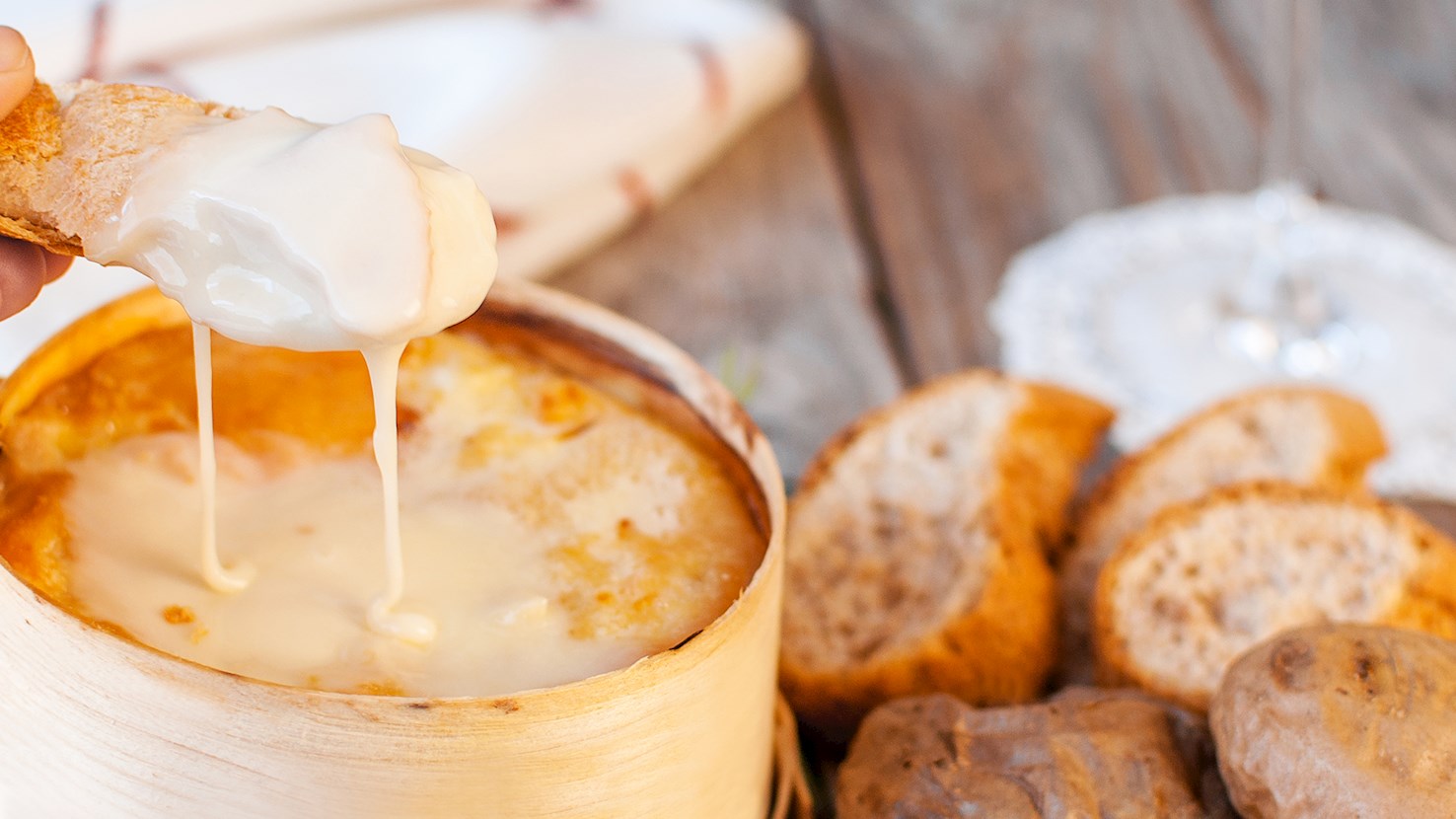
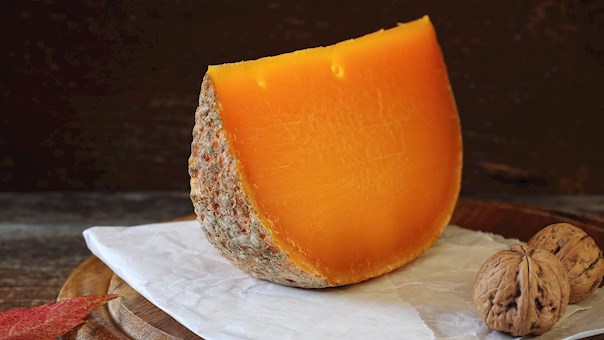
Also known as Vacherin du Haut-Doubs, Mont d'Or is a soft cheese made from raw cow's milk in the Haut-Doubs region in France. What's unique about Mont d'Or's visual appearance is that it is encircled by spruce bark strips and packaged in a spruce wooden box that keeps the cheese in place. It has a full, rich, sweet and grassy flavor and a slightly acidic taste. Its rind is not edible like in most other French cheeses, so it has to be removed to get to the creamy, runny, almost liquid inside, when fully ripe. As the cheese is already almost melting, it can be eaten like a fondue and enjoyed with sparkling wines.

02

Comté

4.4 ·

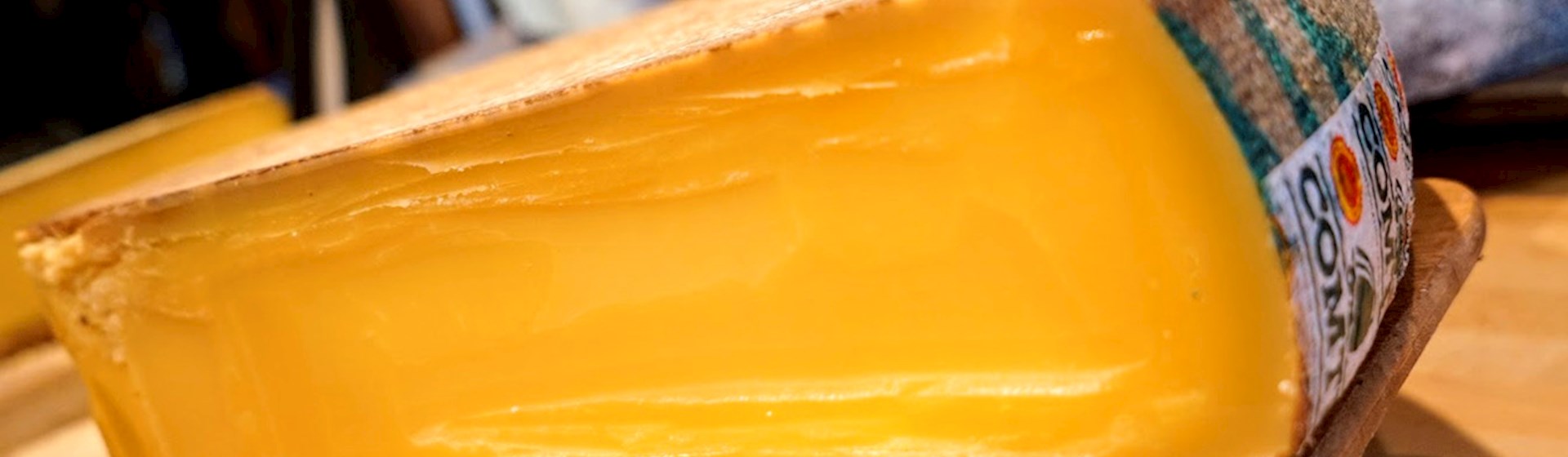
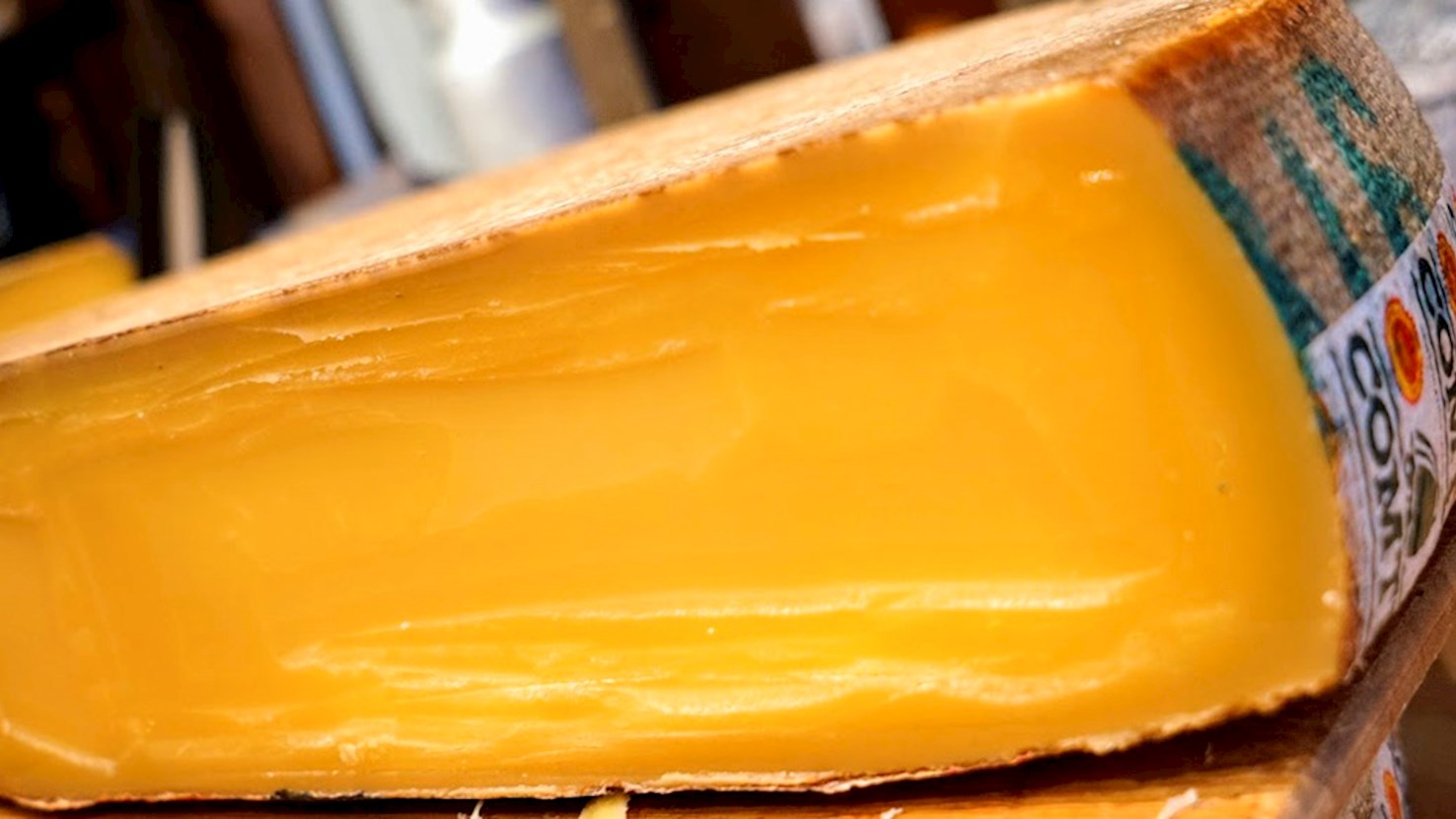
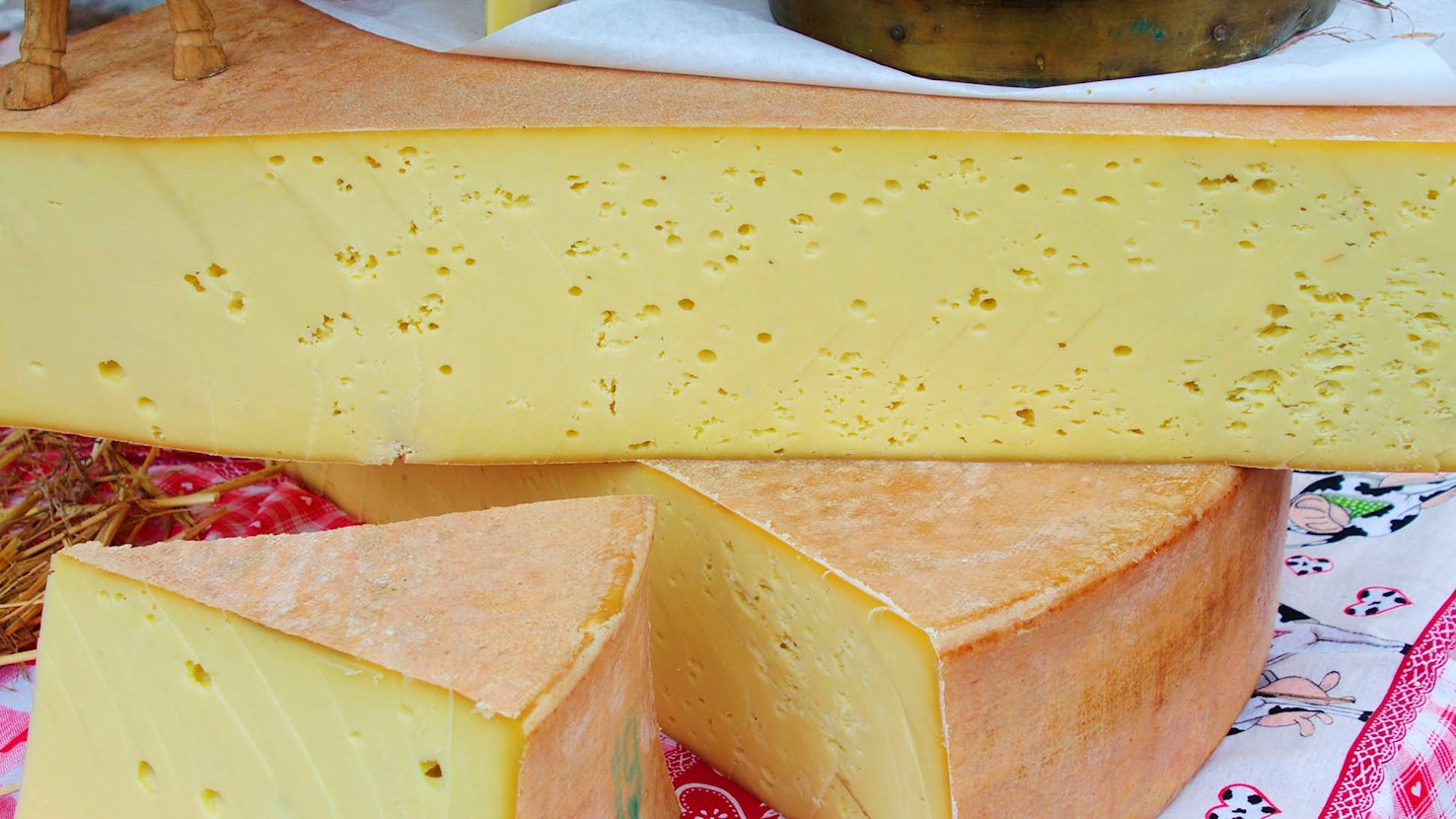
Comté is a big, hard cheese made from unpasteurized cow's milk, with at least 45% fat and a pressed, cooked paste. Each cheese wheel is unique with numerous taste varieties that can range from milky, spicy, roasted to fruity, buttery or plant-like due to the fact the milk it is made from must be used immediately. It is made in the Jura massif in the caves of Doubs, Jura and Haute-Saône departments in France. The maturation period lasts at least 120 days and it is turned and scrubbed regularly during the process. Comté also has a seasonal stamp, like winter, summer, mountain Comté or plains Comté. The texture of the cheese is creamy and it can be sliced, grated or cubed. It also melts easily, and is best paired with sherry and red wines or it can be melted in fondues.

03

Crottin de Chavignol

4.3 ·

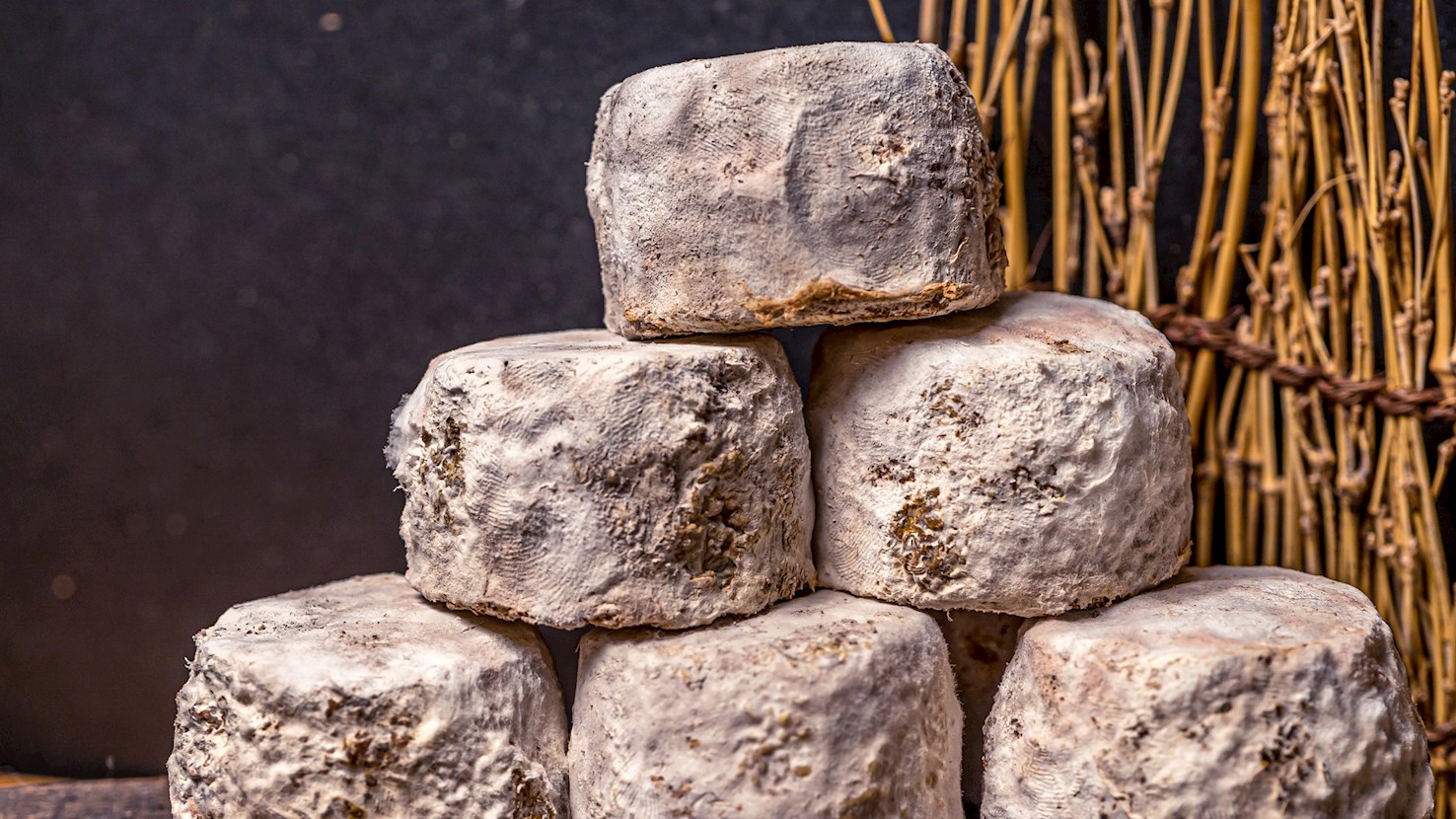
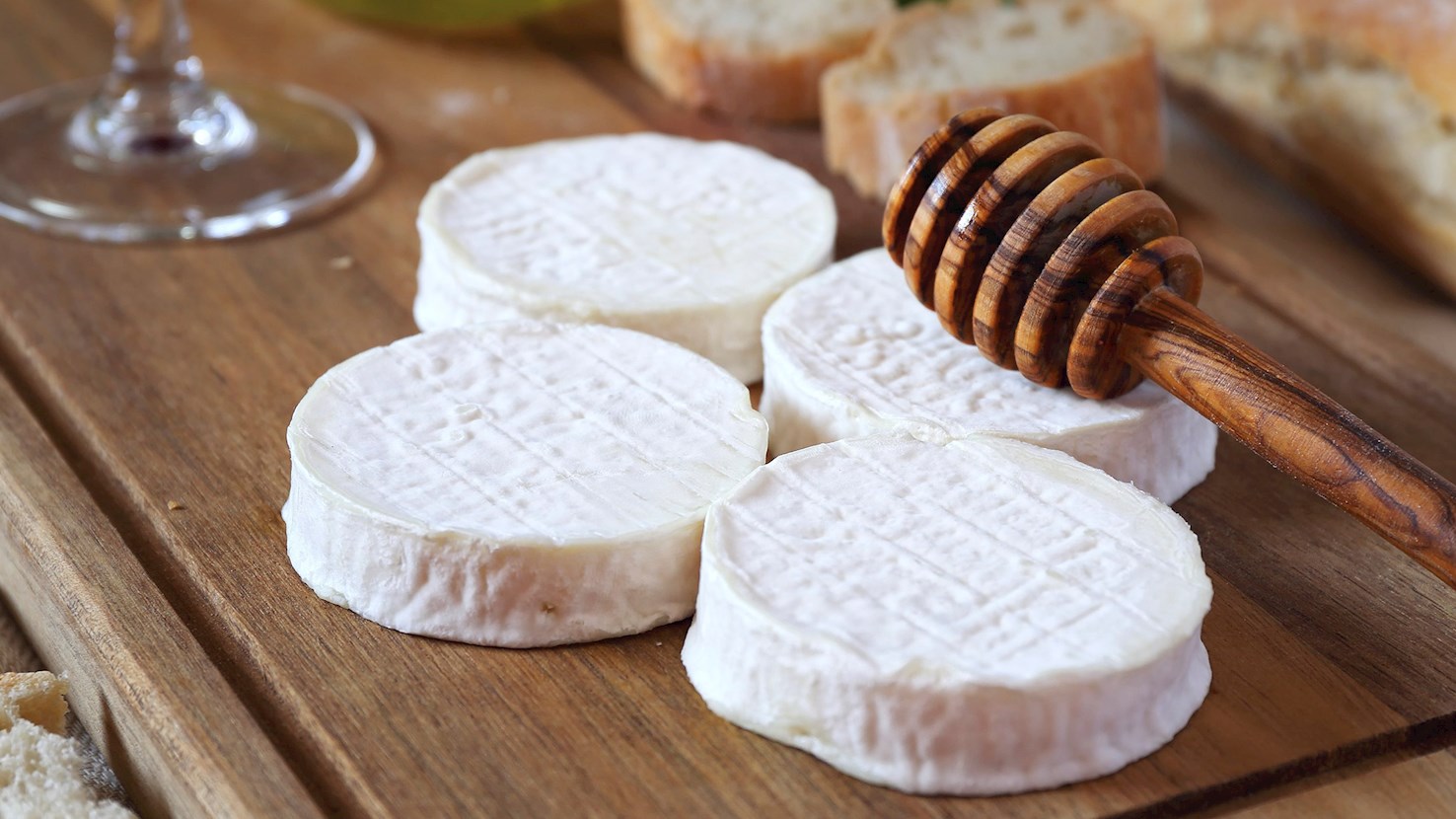
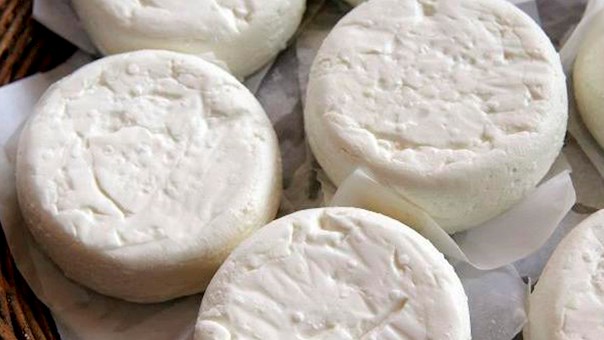
Chavignol is a small cheese made from raw goat's milk that must weigh at least 60 grams. Its color is white or ivory and it has a dense, moist texture with a thin, moldy rind on the outside. The flavor of Chavignol is full, slightly nutty and 'goaty'. It can mature for up to three months, and when the rind drastically changes its color and becomes very hard, and the body becomes drier and crumbly, the origin of its name - crottin, meaning horse dung in French, is explained. Chavignol is great when grilled and served hot on a salad or eaten with bread and bacon. Young Chavignol should be paired with white wines, while the older ones pair nicely with full-bodied red wines.

04

Raclette de Savoie

4.3 ·

Raclette de Savoie is an ancient mountain cheese common to the Savoie region in France and the canton of Valais in Switzerland. It derives its name from racler, meaning to scrape, which describes the way the local people cut this cheese. Raclette is a semi-soft cow's milk cheese, unpasteurized, with a dark-beige slightly sticky rind and a light yellow paste. It has a pleasant flavor but it gets particularly tasty when heated in front of a fire or under a hot grill and only then the full aroma intensifies. Traditionally, a large cheese was cut in half and leant against a stone facing the open fire. The outer layer of the elastic interior was allowed to heat up gradually, and when it started to crinkle and change color, people would smother baked potatoes in the hot melting cheese. The rich and nutty aroma of the cheese is the perfect partner for the potatoes but it also pairs well with cooked and cured meat. Today, the traditional dish can be created by heating slices of cheese under the grill and served with tea like in Valais or with white wine such as the traditional Vin de Savoie.

05

Tomme de Savoie

4.2 ·

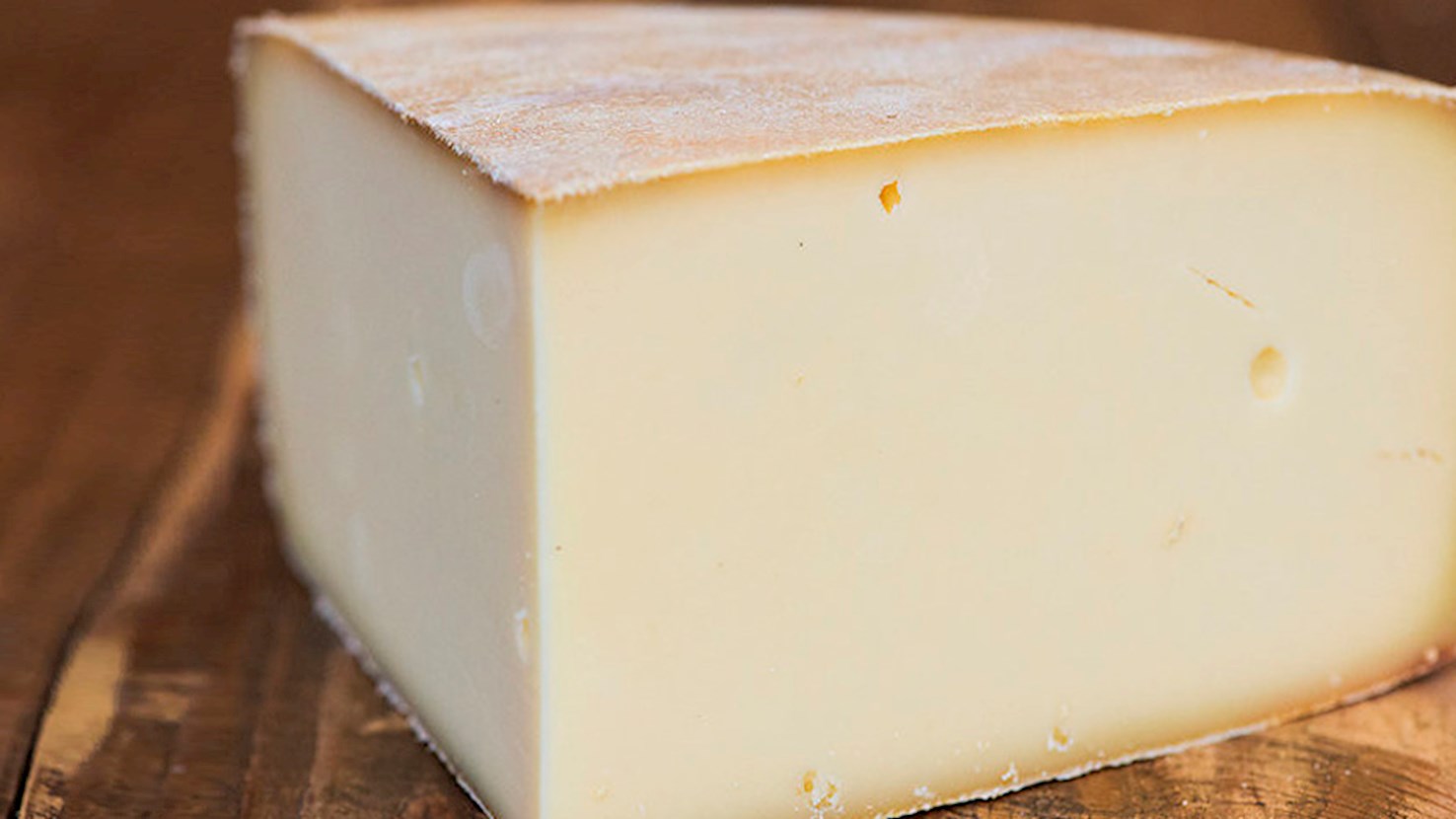
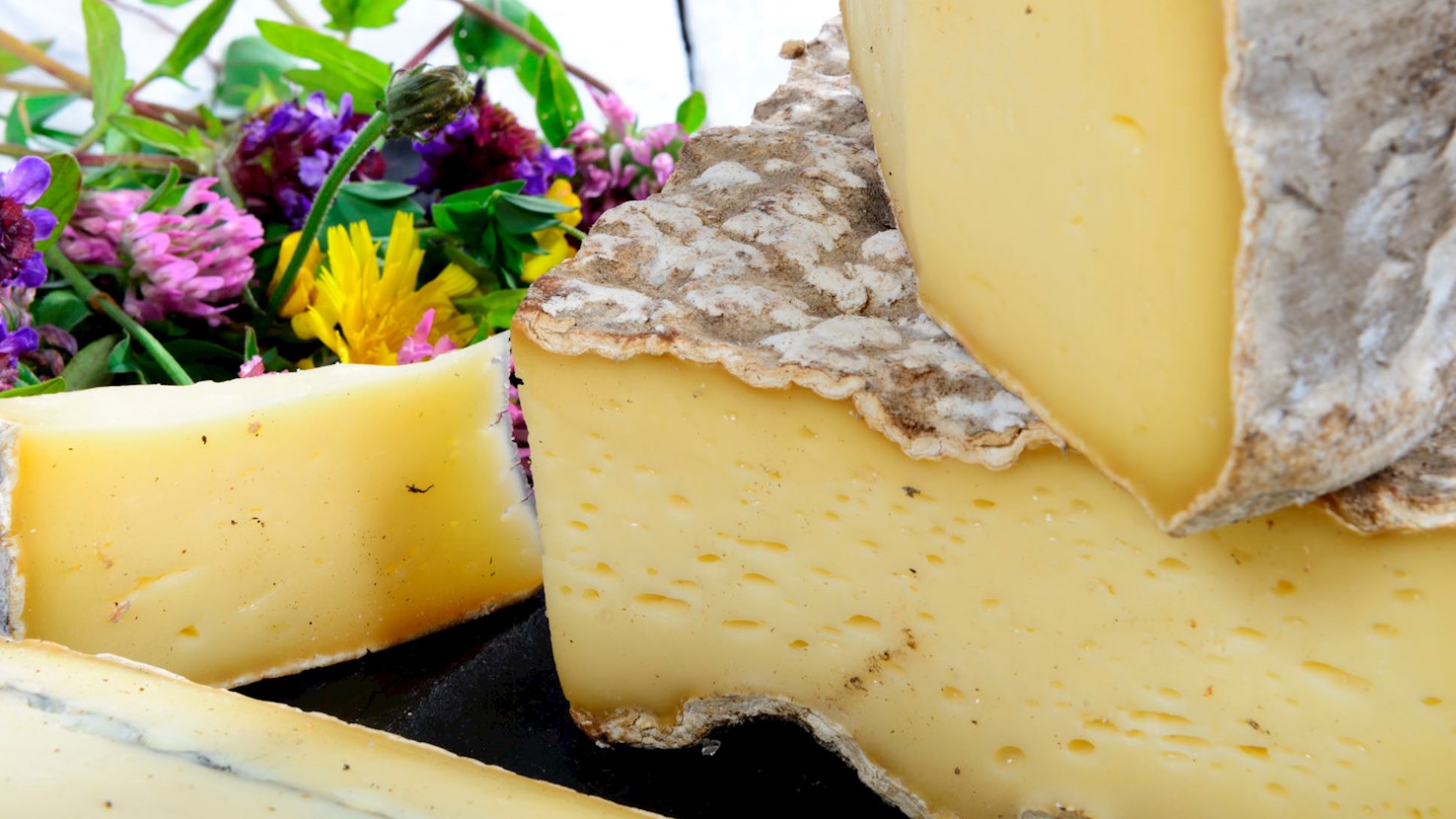
Tomme de Savoie is an uncooked, semi-soft cheese with a gray rind that has yellow and red spots all over it. The cheese is made from cow's milk in the regions of Savoie and Haute-Savoie in France. It is the oldest cheese from the Savoie region, where the mountain climate gives the cheese its unique qualities. Tomme de Savoie was invented when local peasants turned their summer milk supplies into cheese, in order to last for the winter. After the cream is drained to make butter, Tomme de Savoie is produced from the leftover skimmed milk, which is why it has quite a low fat content (40%). After 2 to 4 months of maturing, its texture is pliable and firm and the flavor is nutty, grassy and rustic, with hints of mushroom and citrus. Pair it with sliced sausages, fruits such as pears, or medium-bodied red wines for the best experience.

06

Saint-Marcellin

4.2 ·

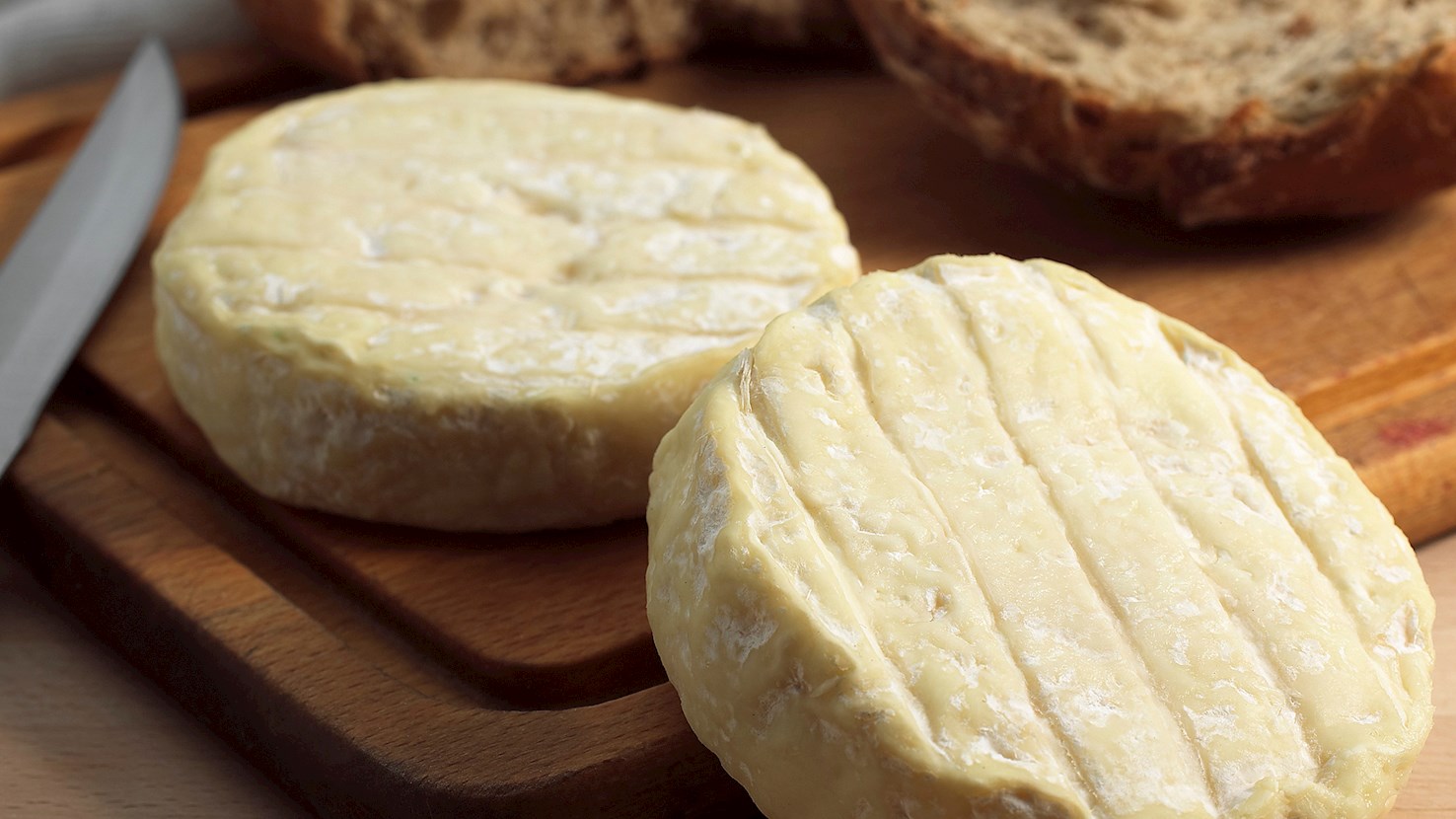
Saint-Marcellin is a cheese made from full-fat cow's milk in the French regions of Drôme, Isére and Savoie, and it is named after the town of the same name belonging to the Isére region. The cheese comes in two varieties - either dry or soft. Dry cheese is made according to the local tradition and has a firm texture, while the soft one is matured for a longer time to develop more intense aromas and a creamier texture. If the soft variety is left at room temperature, its rind is almost nonexistent. The taste is reminiscent of fruit and honey, milk, mushrooms and is slightly salty. Saint-Marcellin is best paired with dry white wines, baguettes, crackers or sliced, fresh fruit such as apples or persimmons.

07

Rocamadour

4.2 ·

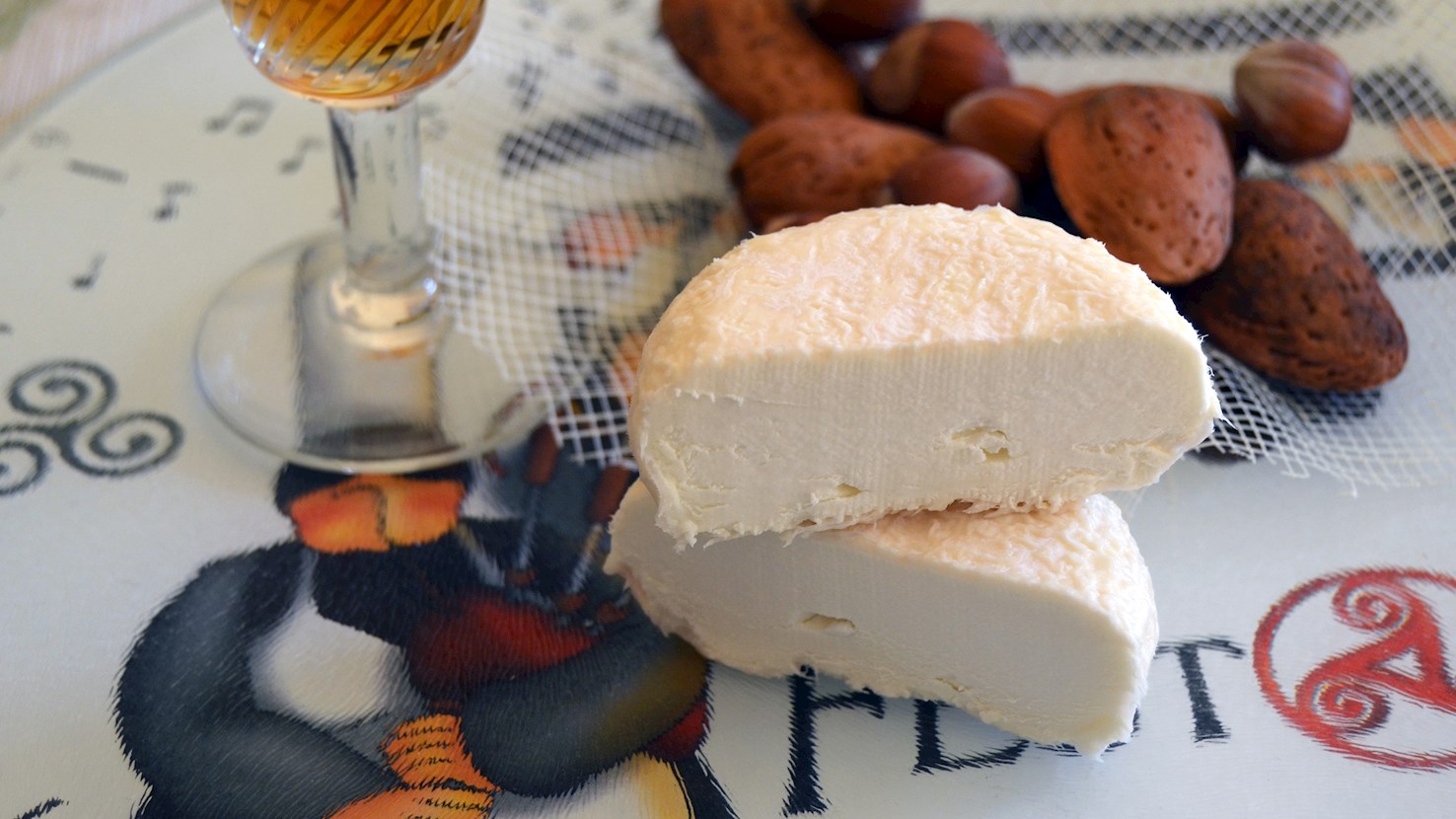
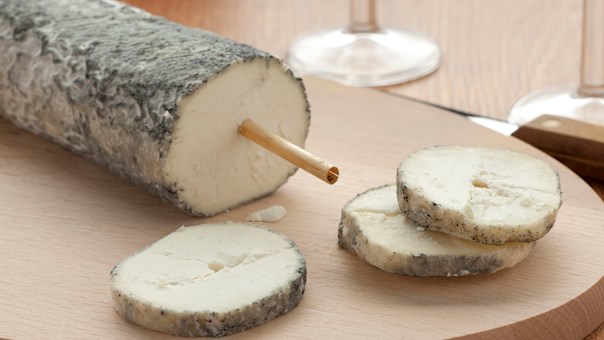
Rocamadour is a small, flat, very soft cheese made from raw goat's milk. The cheese has a natural edible rind. It's named after the village of Rocamadour in the French region of Lot. The cheese matures for about 15 days, but it can be left to mature a few months more to develop a stronger, sharper flavor. It weighs only 35 grams, and its flavor is nutty, fresh, and creamy. Young Rocamadour goes well on hot toasts, and it can be used in salads or paired with dry white wines, while mature Rocamadour is usually eaten at the end of a meal, and it's reccomended to pair it with full-bodied red wines.

08

Picodon

4.2 ·

Picodon is a small, round cheese made from goat's milk, with a minimum weight of 60 grams, produced in the Ardéche and Drôme regions in France. Its rind is thin, with yellow or white mold speckled with blue on the exterior. The maturation period is at least 14 days. On the inside, it is white or yellow, with a fine texture that becomes crumbly if it is matured for a longer period of time. Its flavor is fresh and clean, with a balance of salty and acidic notes, but it gets concentrated and sharp if it is matured longer, when the cheese loses half of its mass by drying out. Picodon is best eaten after a meal, paired with red or dry white wines, garlic and shallots.

09

Abondance

4.2 ·

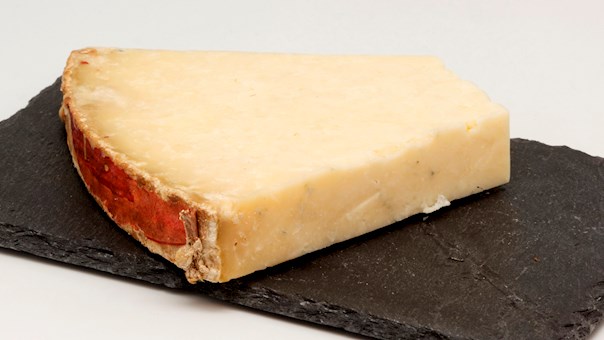
Abondance is a semi-cooked, pressed cheese made with unpasteurized milk from the Abondance, Montbéliarde, and Tarine cow breeds. Easily recognizable by the concave edge of its orange-brown rind, Abondance is much smaller than other similar cooked cheeses and must mature for at least 100 days. It has a very soft paste and melts in the mouth, while the flavor is slightly bitter, reminiscent of fresh lemons and warm spices. This cheese is best paired with a glass of dry white wine and it's typically served with apples and pickles, but it can also be used in fondues.

10

Ossau-Iraty

4.1 ·

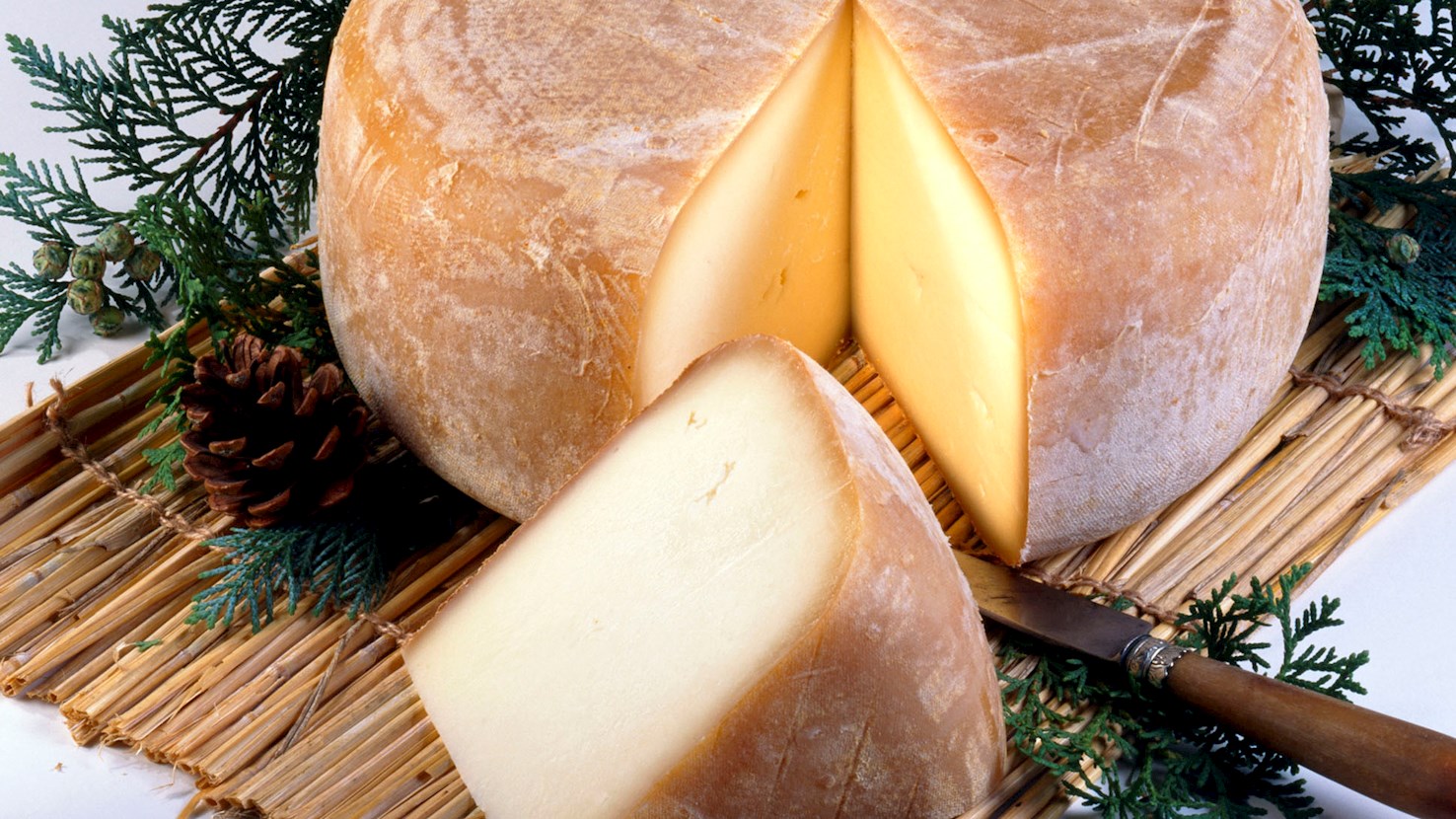
Ossau-Iraty is an uncooked, pressed, semi-hard cheese made from sheep's milk from the Pyrenees mountain range. Small cheeses of this sort must mature for 60 days, while the standard-sized Ossau-Iraty matures for at least 90 days. Underneath its moldy, iron-gray rind hides an ivory-colored body that is somewhat granular and creamy in its texture and melts very easily. The flavors are rich and robust - reminiscent of nuts and toasted wheat, sweet and slightly grassy. Ossau-Iraty is so unique that it has a status of one of the first cheeses that were ever produced and is commended as one of the cheeses easiest to pair. It is recommended to try it with a full-bodied red wine first.

Read more
View all
View map
About this ranking

TasteAtlas food rankings are based on the ratings of the TasteAtlas audience, with a series of mechanisms that recognize real users and that ignore bot, nationalist or local patriotic ratings, and give additional value to the ratings of users that the system recognizes as knowledgeable. For the “Top 100 French Natural Rind Cheeses” list until June 05, 2026, 2,783 ratings were recorded, of which 2,180 were recognized by the system as legitimate. TasteAtlas Rankings should not be seen as the final global conclusion about food. Their purpose is to promote excellent local foods, instill pride in traditional dishes, and arouse curiosity about dishes you haven’t tried.

Similar lists