shutterstock

Top 5 Brazilian Non-alcoholic Beverages

Last updated on June 15, 2026

Best Brazilian Non-alcoholic Beverages
01

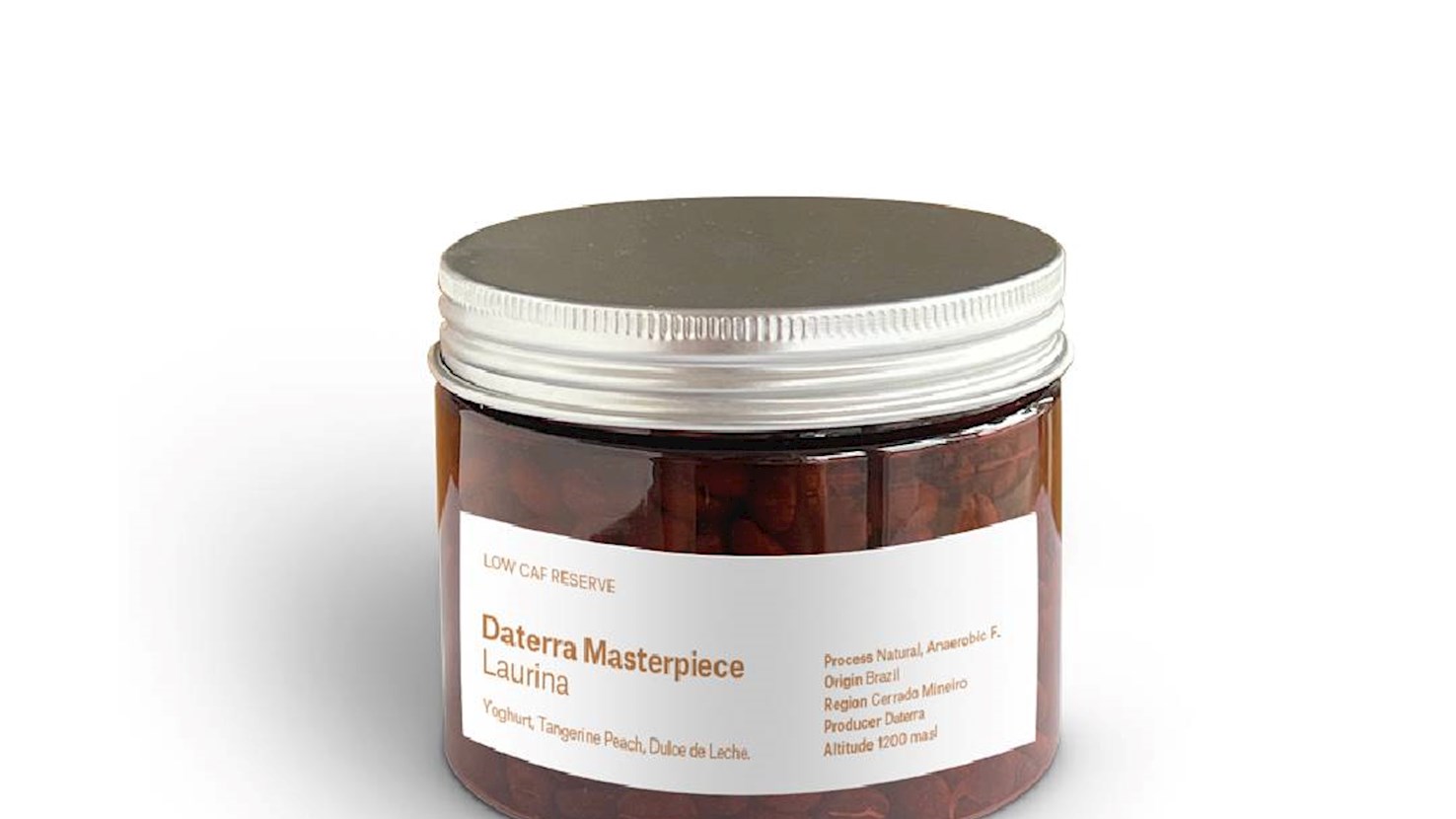
Daterra Coffee

4.8 ·
Daterra Coffee – Innovation and Sustainability in Specialty Coffee Daterra Coffee is a leading Brazilian coffee plantation renowned for its innovative and sustainable practices in specialty coffee cultivation. Located in the Cerrado region, Daterra was founded in the 1980s with the mission of redefining coffee production through environmentally responsible methods. Their farms, situated in Patrocínio, are among the oldest coffee plantations in Brazil’s Cerrado, positioned at an average altitude of over 900 meters, with some areas reaching 1,200 meters. Daterra was the first coffee farm in the world to package its green coffee in sealed vacuum packs, preserving the delicate flavor nuances throughout long overseas journeys. Their commitment to sustainability is evident through certifications such as Rainforest Alliance and accolades like the Prêmio Fazenda Sustentável 2015, awarded by Globo Rural, Brazil’s leading agricultural magazine, recognizing Daterra as the most sustainable farm in the country. The farm is also known for its innovative projects, including a collaboration with Zingerman’s Coffee Company to cultivate the Pacamara variety, traditionally not grown in Brazil, demonstrating their dedication to experimentation and quality enhancement. Their philosophy, “Coffee That Is Truly Green,” emphasizes harmony with nature, ensuring that the land is borrowed and returned through sustainable practices, producing coffee that contributes to a better world.
02

Fazenda Primavera

4.8 ·
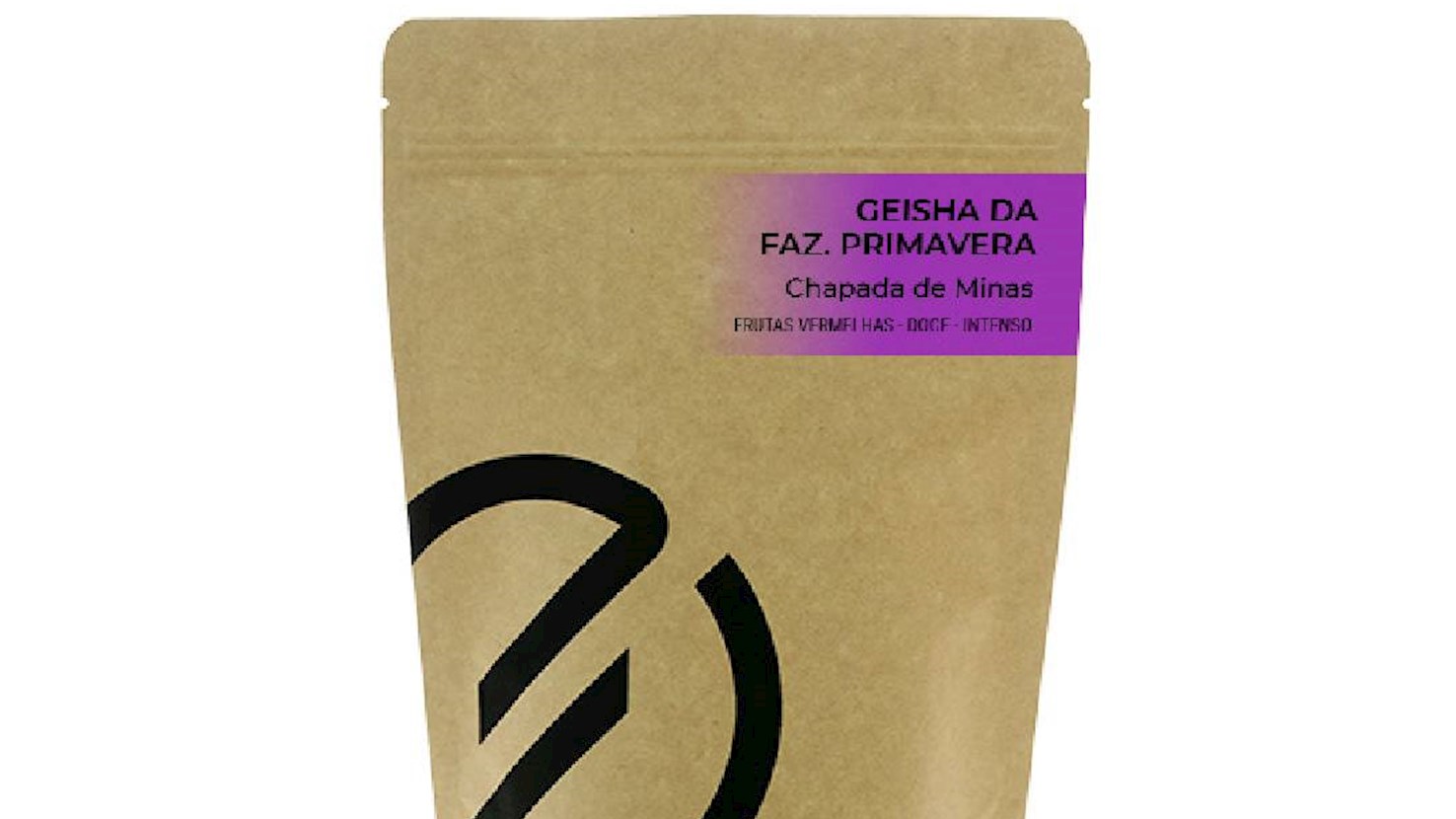
Located in the heart of Chapada de Minas, Fazenda Primavera is synonymous with the production of premium Arabica coffee. Thanks to this specific geographical location, the farm cultivates Arabica varieties in a dry region, with plantations spread across flat plateaus with gentle slopes, typical of this area. The microclimate, characterized by periods of humidity and drought, creates ideal conditions for growing high-quality coffee. At Fazenda Primavera, special attention is given to sustainable coffee cultivation. The farm has implemented techniques that minimize the environmental impact of production, and as part of long-term projects, coffee is grown alongside African mahogany, creating a unique product – Mahogany Coffee. With a passion for quality and a commitment to preserving the natural environment, Fazenda Primavera continues to produce top-quality coffee, recognized by coffee lovers around the world.
03

Fazenda Santa Inês

4.3 ·
Located in the prestigious region of Carmo de Minas, in the Brazilian state of Minas Gerais, Fazenda Santa Inês is a coffee plantation with a rich tradition and a commitment to exceptional quality. This family-owned farm, situated at an altitude of 900 to 1,050 meters, spans a total of 215 hectares, with 75 hectares dedicated to coffee cultivation. Since 1979, when the Pereira family took over the estate, Fazenda Santa Inês has been applying innovative growing and processing methods, prioritizing quality over quantity. As a result, their coffee is recognized and appreciated worldwide. The plantation grows some of the finest coffee varieties, including Red Bourbon, Yellow Bourbon, Acaiá, Catuaí, and Catucaí. The processing methods include both natural (Naturals) and semi-washed techniques (Pulped Naturals), ensuring a diverse flavor profile and consistent quality with each harvest. Coffee from this plantation is a true sensory experience. It is known for its exceptional sweetness and perfect balance, with dominant notes of chocolate and caramel. Its rich structure and natural sweetness make it an ideal choice for espresso and cold brews, while in combination with milk, it reveals additional layers of flavor. Fazenda Santa Inês is a proud member of the Sertão group, affiliated with the renowned Brazilian exporters CarmoCoffees. Each year, the plantation selects the Yellow Bourbon variety for its distinctive sweetness and enticing caramel notes, making it one of the most sought-after specialty coffees on the market.

Best Brazilian Non-alcoholic Beverage Types
01

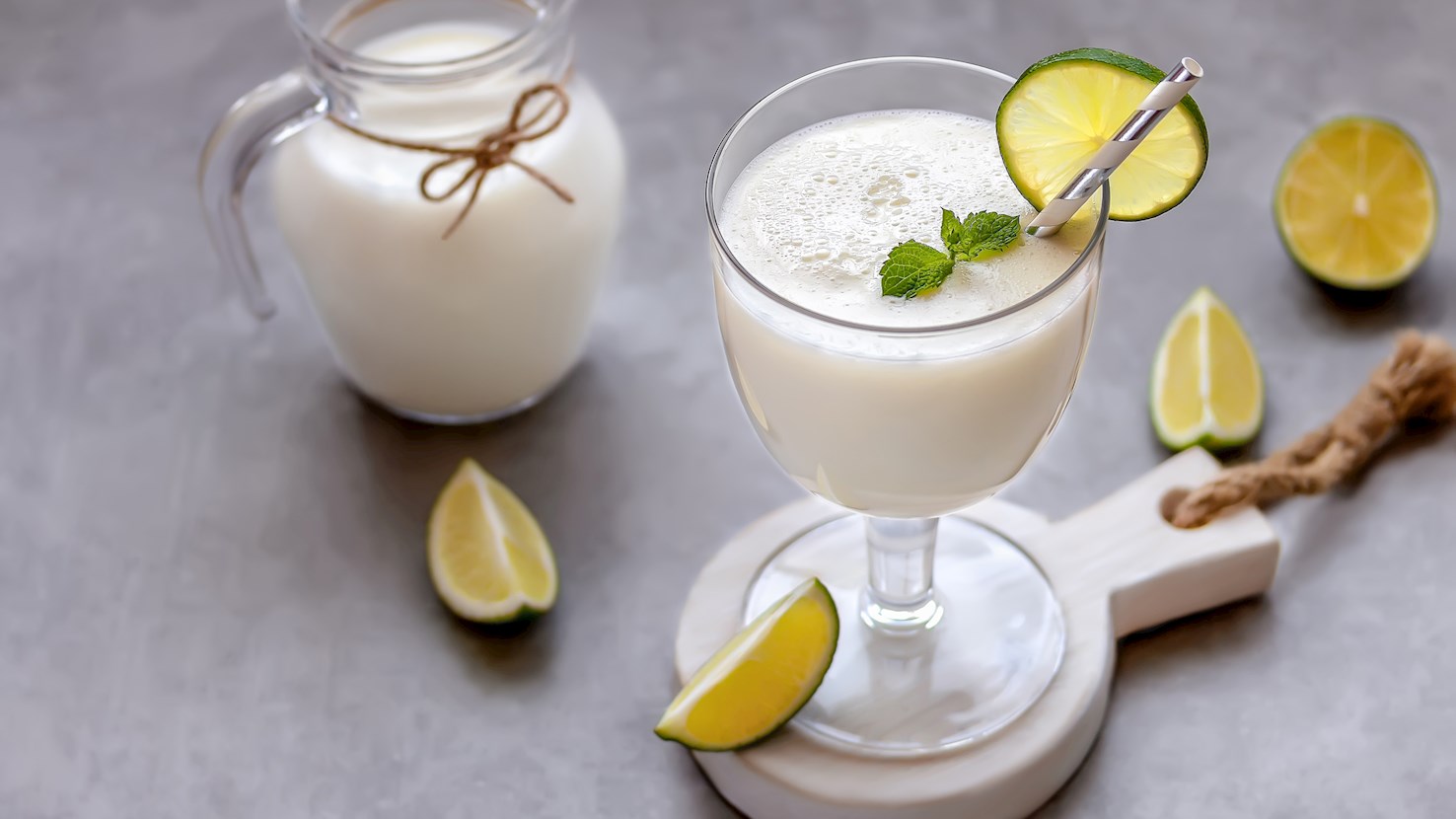
Limonada suíça

4 ·

Swiss lemonade or limonada suíça is a thirst-quenching, lime-based drink that hails from Brazil. In its basic form, it is made with fresh limes, water, sugar, and ice. The limes are usually cut into small pieces—with the skin on—and all the ingredients are shortly blended until frothy. The drink should be served immediately, while it is still ice-cold. The most popular variation includes condensed milk, which provides a smoother and creamier texture. The unusual name of this limeade has never been completely clarified, but several theories suggest that it might have been invented by a Swiss restaurateur or at a Swiss hospitality school. One popular explanation also says that the original version included condensed milk, and the most popular was the Swiss brand Nestlé. Swiss lemonade can be served as is or over ice.

02

Tucupi

3.5 ·

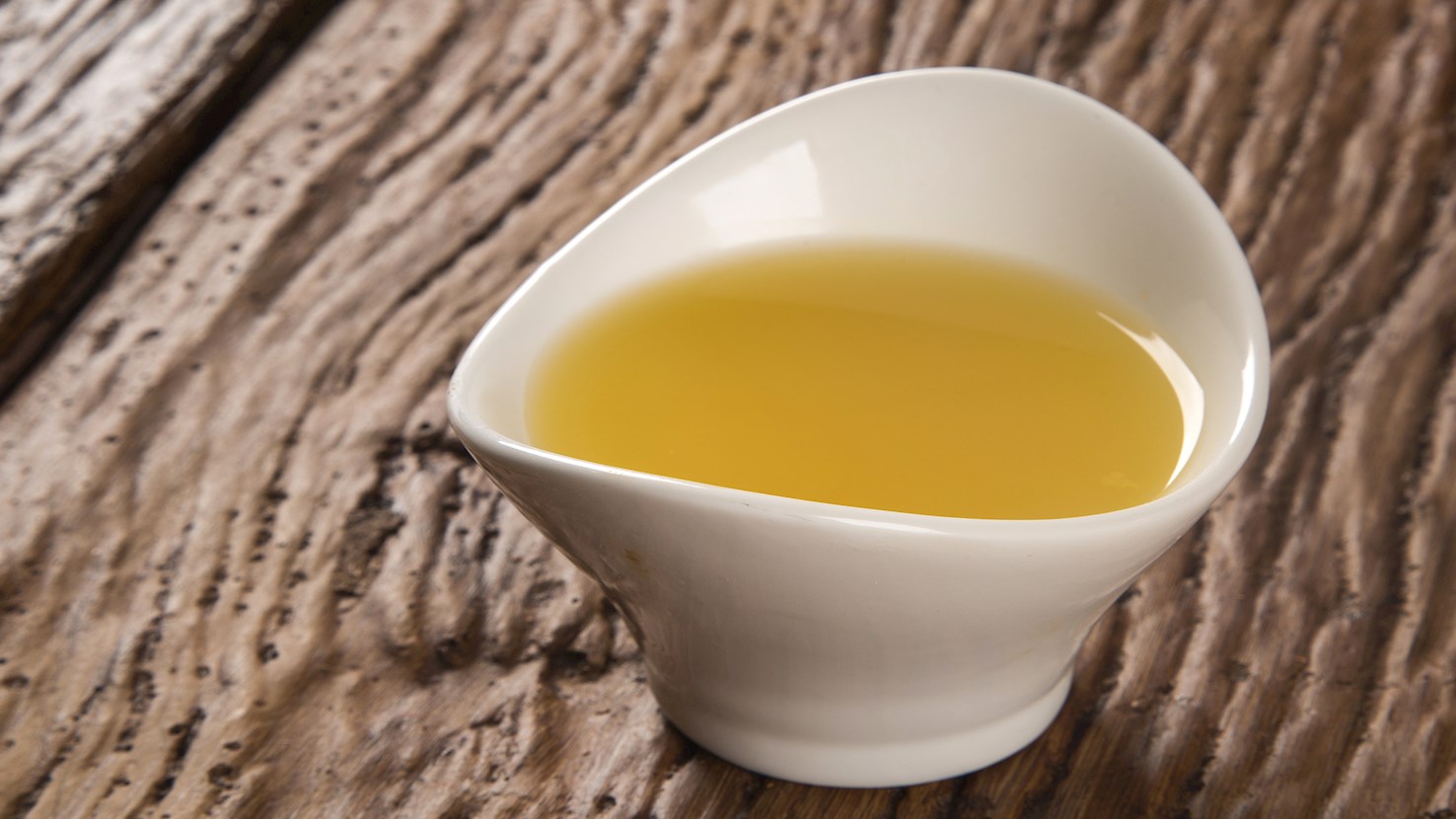
Tucupi is a traditional ingredient commonly used in the cuisine of the Amazon region, particularly in the state of Pará. It is a yellowish-brown sauce made from the juice extracted from manioc root (also known as cassava or yuca). The preparation of tucupi involves a fermentation process to remove the naturally occurring cyanide compounds found in raw manioc. The root is peeled, grated, and soaked in water for several days, allowing it to ferment. After fermentation, the liquid is extracted and boiled to produce tucupi. Tucupi has a tangy and slightly acidic flavor, with a distinct earthy taste. It is commonly used as a base for various dishes in the region, such as tacacá, a popular soup made with tucupi, jambu leaves (a local herb), and shrimp. The sauce is also used in other traditional Amazonian recipes, including fish stews, grilled meats, and sauces for rice or noodles. It's important to note that raw manioc contains toxic compounds, and consuming it without proper preparation can be harmful. However, tucupi is safe to eat since the fermentation and boiling process removes these toxins.

03

Cajuína

3.2 ·

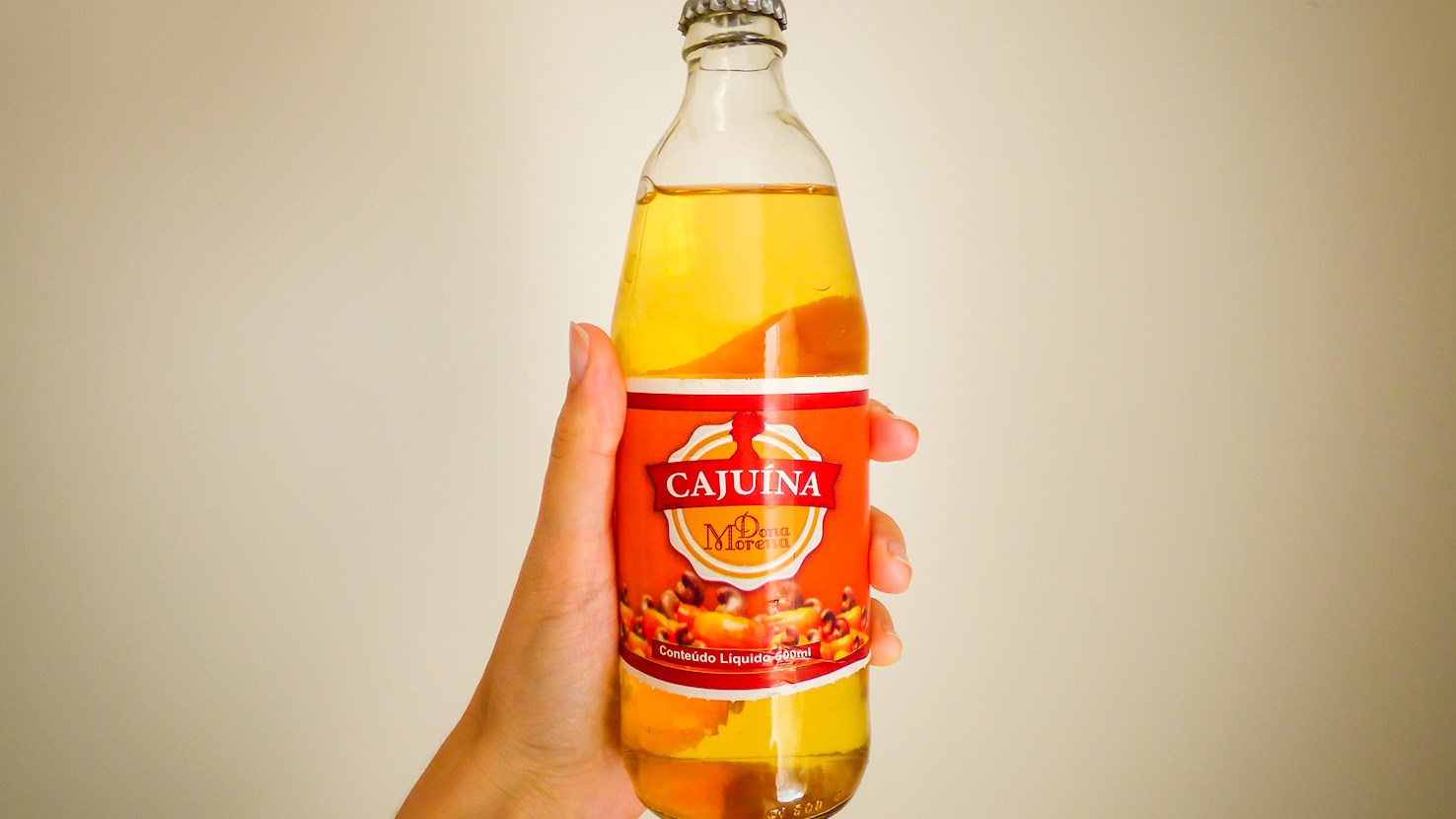
Cajuína is a Brazilian beverage made from cashew fruit (cashew apple). The drink originated in the northeast of the country, and it is typically associated with Piauí and Teresina, though it is enjoyed in other parts of Brazil. It is made with clarified and filtered cashew juice. The resulting liquid is pale golden due to the natural caramelization of sugars that occurs during sterilization, and it has a sweet and subtly tart flavor. Cajuína was traditionally produced as a non-industrial drink, but nowadays, there are several factory-produced versions. The first written mention of cajuína dates back to 1912 when it was referred to as cashew nectar by a writer Rodolfo Teófilo.

04

Umbuzada

3.1 ·

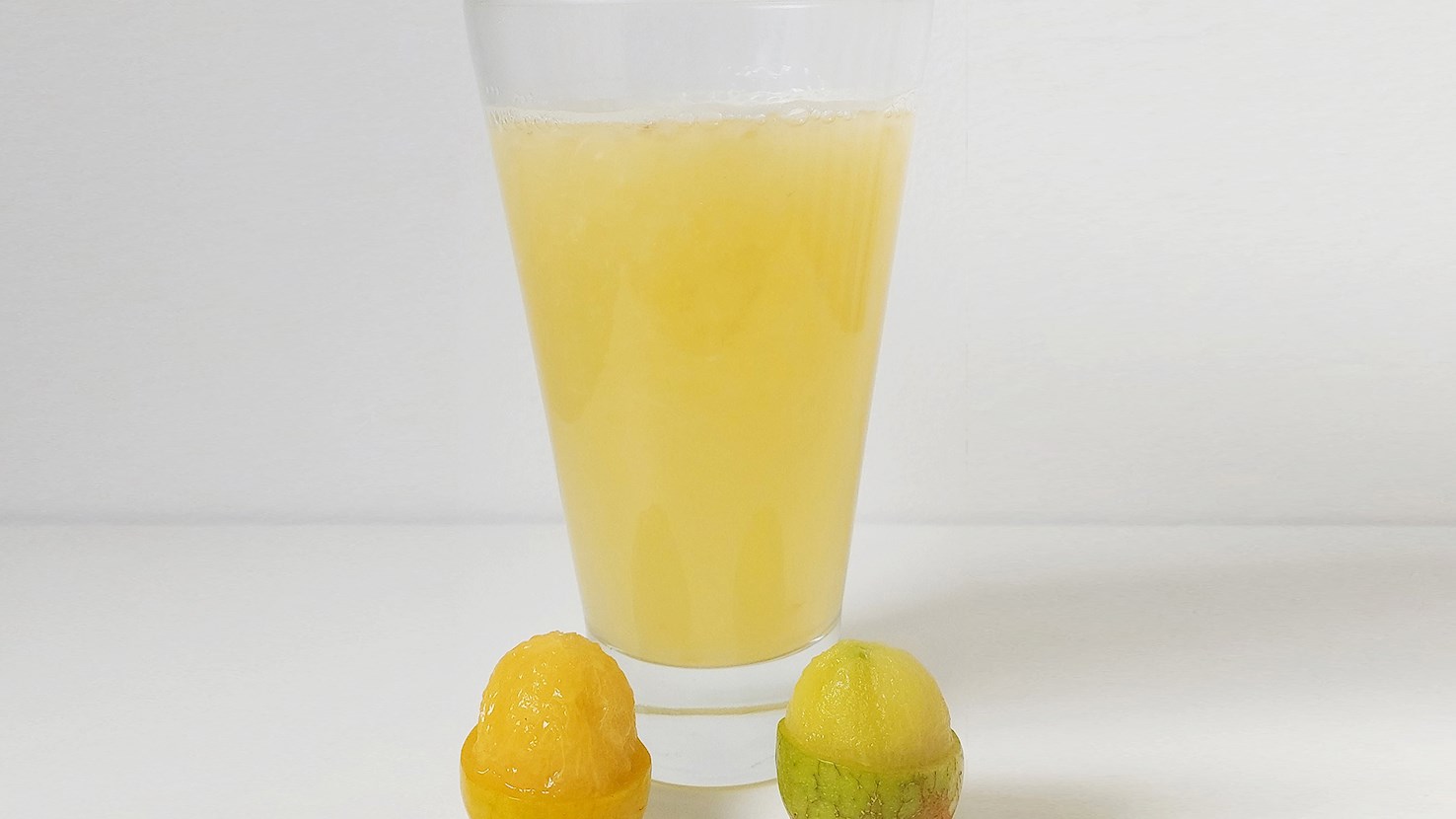
Umbuzada or imbuzada is a drink from the Northeast of Brazil, and it is especially popular in Bahia. It’s made with milk, sugar, and the Brazilian plum known as umbu or imbu. The beverage is characterized by its slightly acidic flavor.

05

Aluá

n/a ·

Aluá is a traditional fermented beverage that hails from Brazil. Several variations exist, but the most common base ingredients include crushed corn or pineapple rinds, though other fruits or even stale bread are sometimes used. The base ingredient is usually fermented with water and brown sugar, while the most common additions include grated ginger and cloves. The combination can be fermented for up to several days—the length of fermentation will affect the flavor, making it more sour and fizzy with time. The origins of this traditional drink are unknown, but it is believed that native Brazilians were preparing it before the arrival of the Portuguese. Aluá was especially popular in the 18th century, and though it is not as common as it used to be, it is often made for Festas Juninas and other festivities and ceremonies.

Read more
View all
View map
About this ranking

TasteAtlas food rankings are based on the ratings of the TasteAtlas audience, with a series of mechanisms that recognize real users and that ignore bot, nationalist or local patriotic ratings, and give additional value to the ratings of users that the system recognizes as knowledgeable. For the “Top 5 Brazilian Non-alcoholic Beverages” list until June 15, 2026, 134 ratings were recorded, of which 97 were recognized by the system as legitimate. TasteAtlas Rankings should not be seen as the final global conclusion about food. Their purpose is to promote excellent local foods, instill pride in traditional dishes, and arouse curiosity about dishes you haven’t tried.

The initial list of top producers was compiled based on available reviews, awards, local recommendations, media and blog coverage, and consumer reviews. The list will be updated with ratings from TasteAtlas local ambassadors and TasteAtlas users.

Similar lists