shutterstock

Top 37 Western European Nuts

Last updated on June 15, 2026

Best Western European Nuts Types
01

Pistacchio Verde di Bronte

4.6 ·

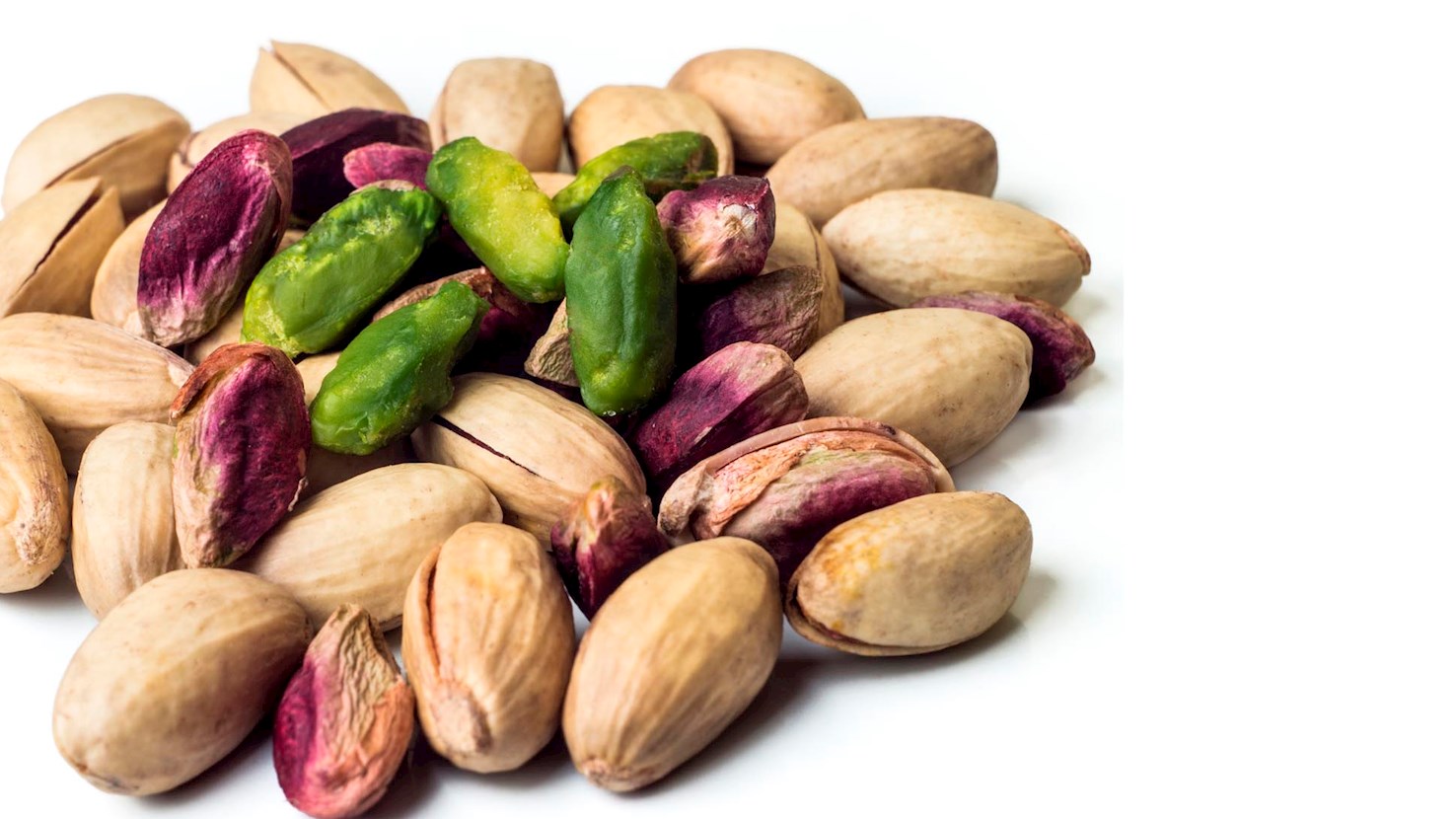
Produced within the Sicilian province of Catania, Pistacchio Verde di Bronte refers to the pistachio nuts of the Napoletana cultivar (also known as Bianca or Nostrale), grown in the fertile volcanic soils around Bronte, a small town settled at the foot of Mount Etna. Since pistachio trees were brought to Italy from the Middle East, in Sicily pistachio is called frastuca, which is adopted from the Arab word fustuq. The versatile Bronte pistachios are traditionally used for preparing a wide variety of sweets and pastries such as cannoli, cassate, torroni or the famous fig and nuts Christmas cake called Bucellato Siciliano. As for savory dishes, Bronte pistachios are the essential ingredient of the aromatic pesto di pistacchi pasta sauce, and they're also used for flavoring mortadella and other charcuterie products. To indulge in many other typical Sicilian pistachio delicacies, an event not to be missed is the Sagra del Pistacchio, held every September in Bronte.

02

Marconas

4.2 ·

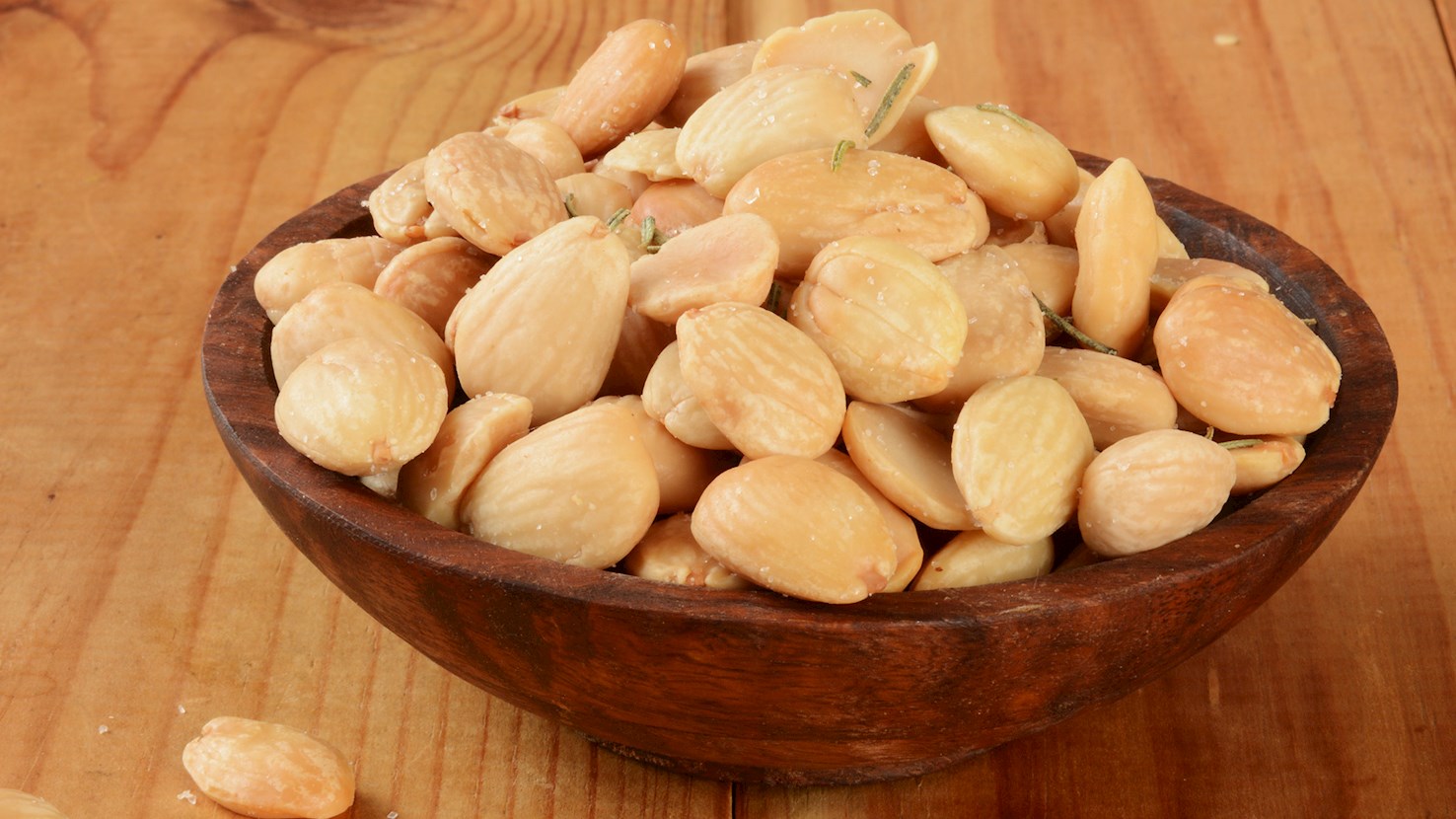
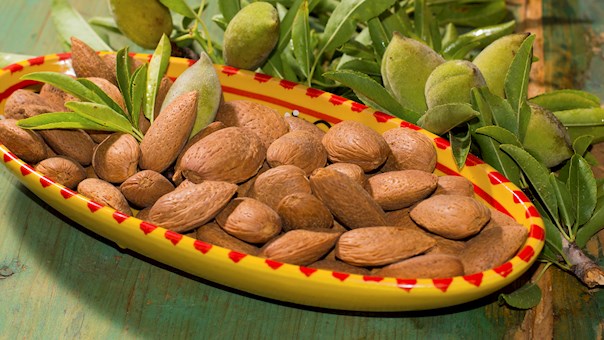
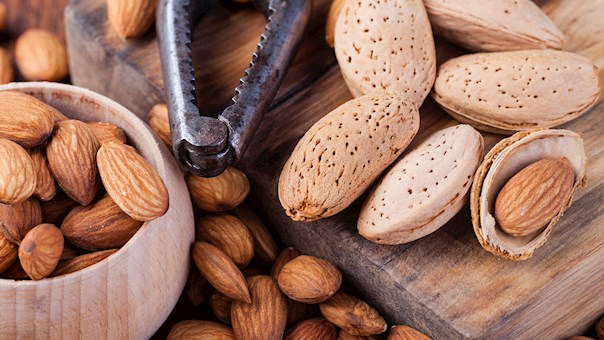
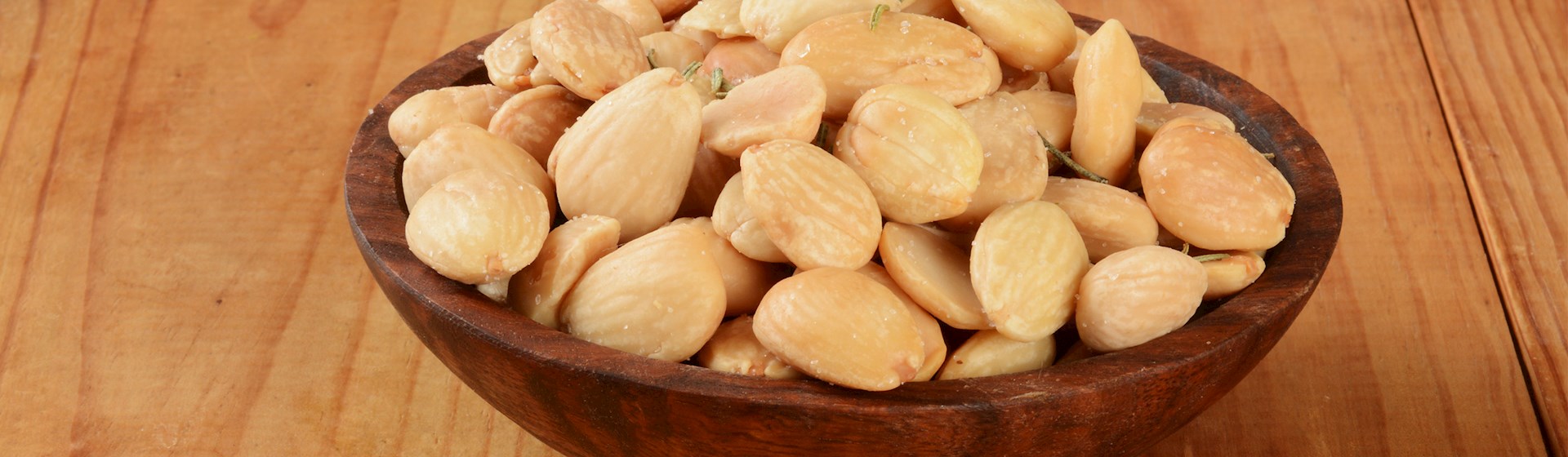
Native to Spain, this almond variety bears a smooth, white-colored fruit which has a distinctively rounder and plumper shape than other, more common almond varieties. The nut is distinguished by an exceptionally soft and moist texture, often compared to that of a macadamia nut, while the flavors are intensely sweet, delicate, buttery, and mild. Considered to be among the finest almonds in the world, Marcona almonds are believed to be an excellent source of beneficial oils, and they are highly sought-after gourmet items, available in blanched, fried, or roasted versions, seasoned with sea salt or ingredients such as truffles, smoked paprika, chili, or rosemary. These flavor-packed nuts are incredibly versatile and can be used in a wide range of sweet and savory specialties. They can even be made into Marcona almond butter, which is often smeared on a flatbread or a baguette, then topped with cheese and dried fruit. The almonds are commonly savored as tapas (served with slices of Iberico ham, Manchego cheese, and olives) or served as a delicious accompaniment to a glass of well-chilled, bone-dry sherry.

03

Castanha da Terra Fria

4 ·

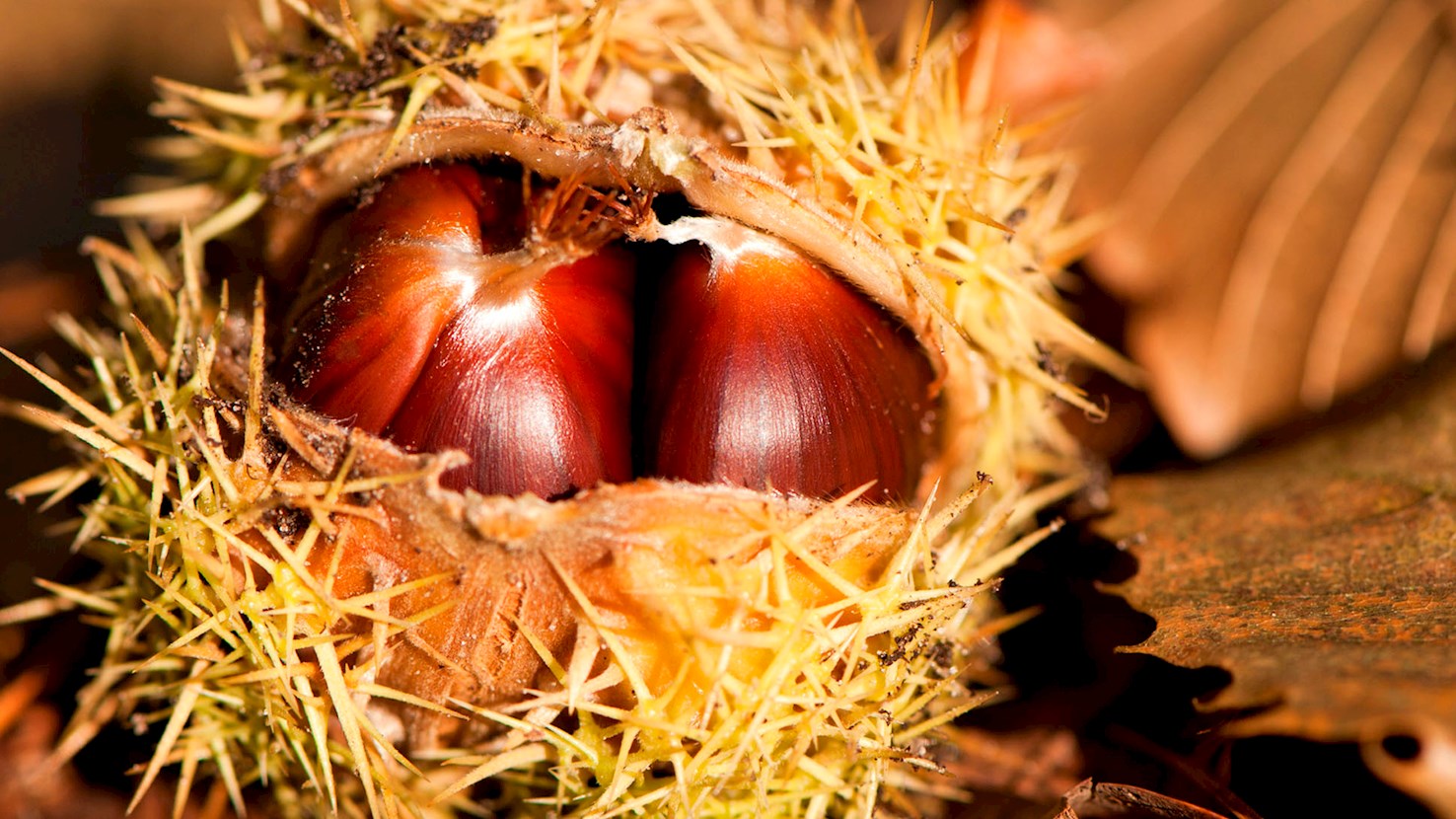
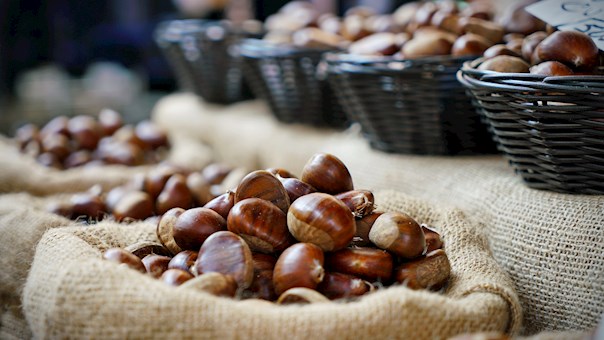
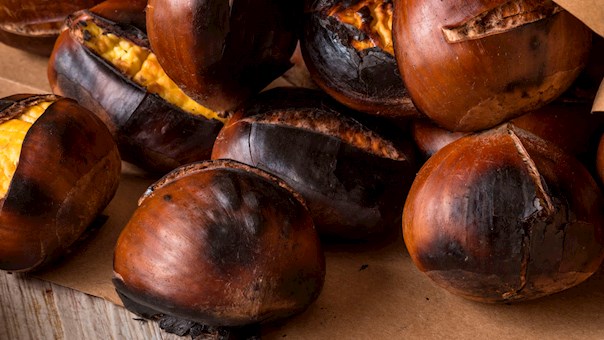
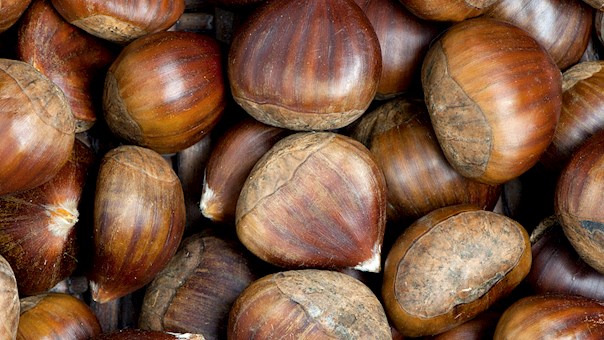
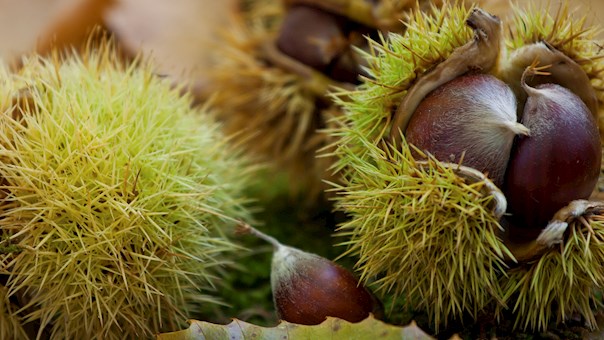
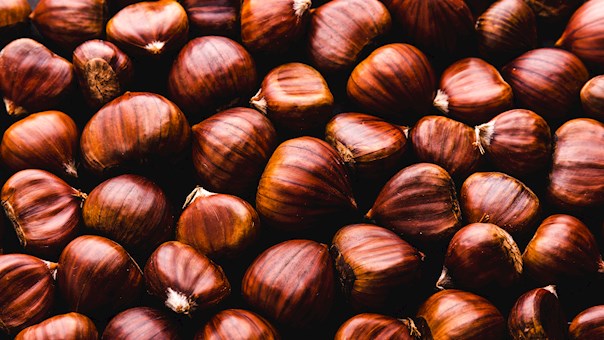
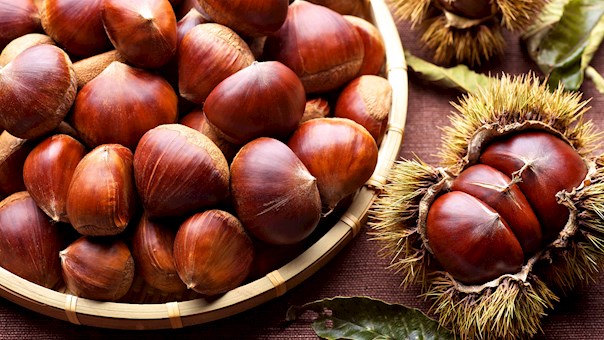
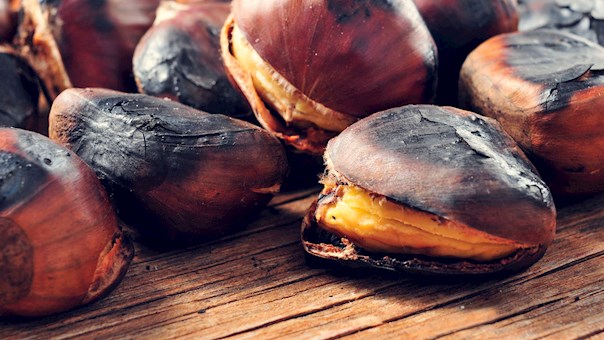
This chestnut is the fruit of the Longal varietal, grown in the Vila Real and Bragança districts in Portugal. These chestnuts are harvested manually when they fall to the ground, and the use of any mechanical instruments or tools during harvesting is forbidden. They are reddish-brown with a bright longitudinal stripe on the exterior, and their flavor is intense and quite aromatic. Terra Fria chestnuts can be frozen or processed into jams, syrups, or caldas. They are a common accompaniment to traditional dishes such as fried meat or pork roasts, and they are also to produce bread, cakes, and chestnut flower. These unique chestnuts also play an important role at the Magusto All Saints' Day festival, when they are roasted and eaten on the streets.

04

Mandorle (Sicilia)

4 ·

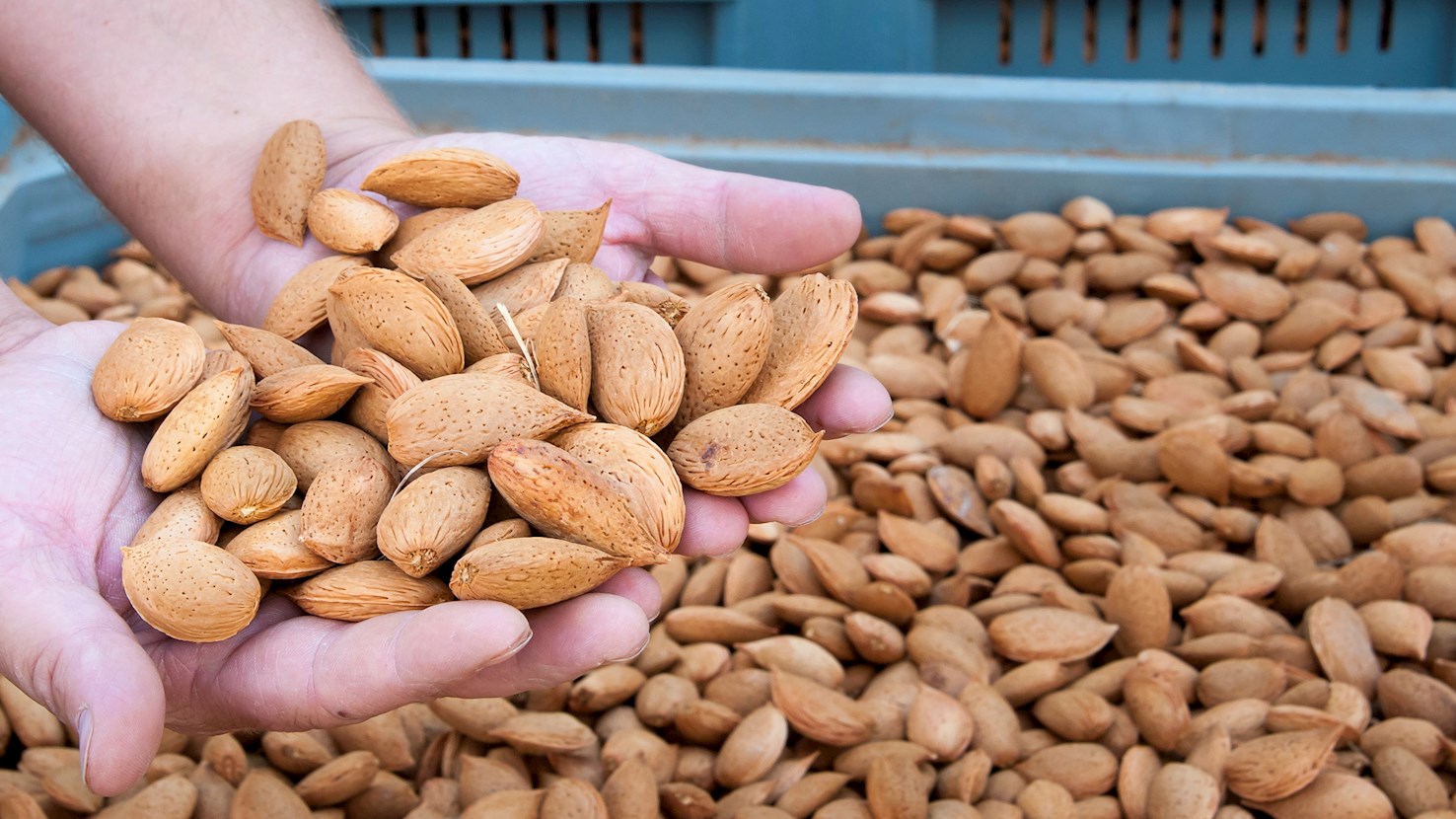
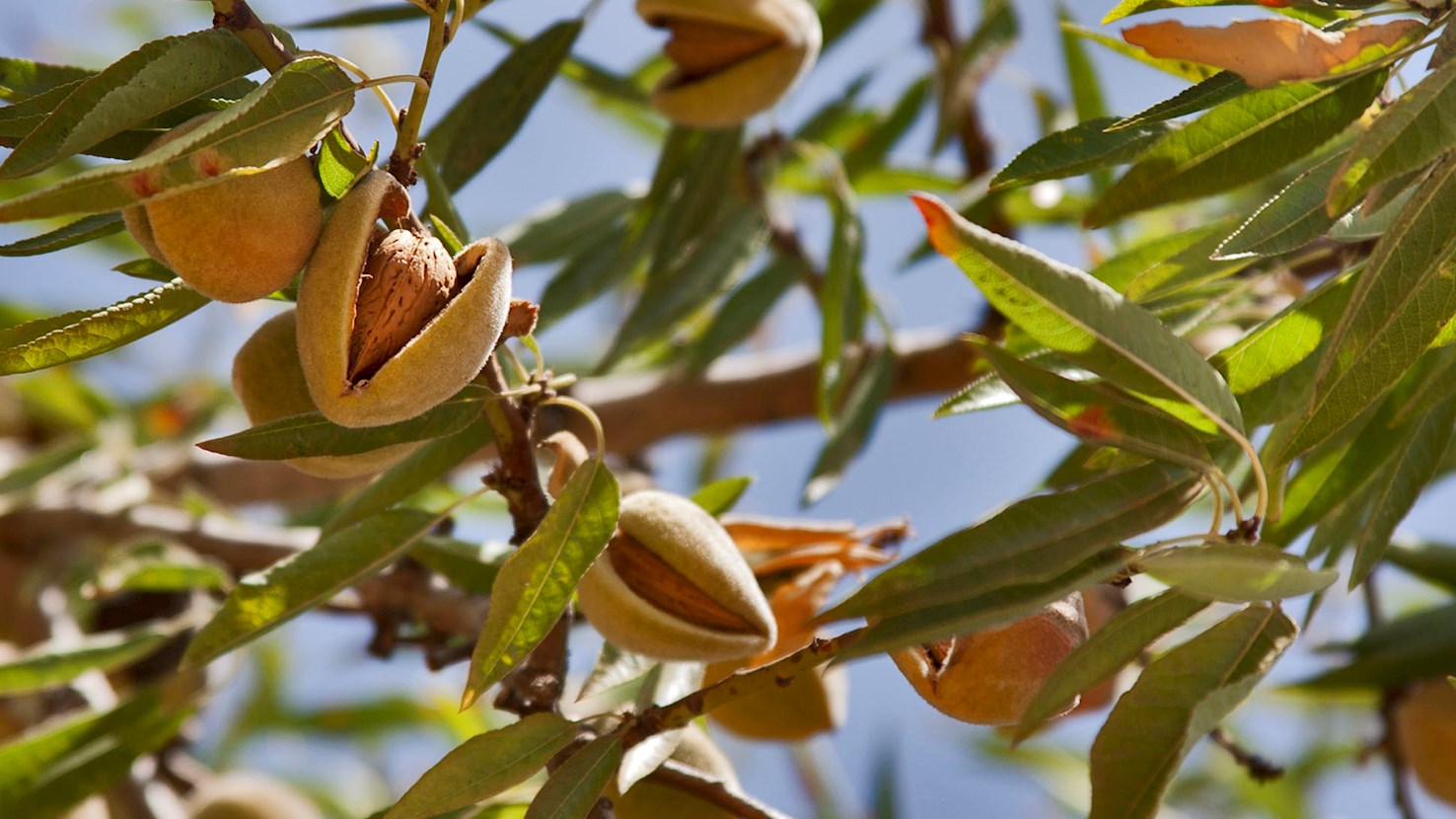
Almonds are the world's most widely grown and consumed tree nut, and Italy is one of the major producers. Particularly rich in aroma and flavor are those cultivated in sunny Sicily, where almonds are the most widely grown fruit after olives. There are many varieties, all related to prunus amygdalus, and the most praised varieties are Pizzuta, Fascionello Romana, Cavaliera and Bonifacio nº 1. They can be either sweet or bitter - the sweet ones are widely used in confectionery, while small quantities of the bitter ones give a typical flavor to certain types of biscuits and liquors. Sicilian almonds are harvested in July and the majority of orchards are located in the province of Siracusa, especially around the cities of Noto and Avola. In Sicily, almonds symbolize good fortune, so it is no surprise that sugar-coated almonds called confetti are a traditional gift at weddings. They are also the leading stars of many local sweets such as biancomangiare, a Sicilian almond pudding, bacioni di Taormina, torrone, amaretti, pasta di mandorle, cassata siciliana or the famous frutta di Martorana, colorful marzipan-based sweets shaped into fruits and vegetables.

05

Nocciola del Piemonte (Piedmont Hazelnuts)

3.9 ·

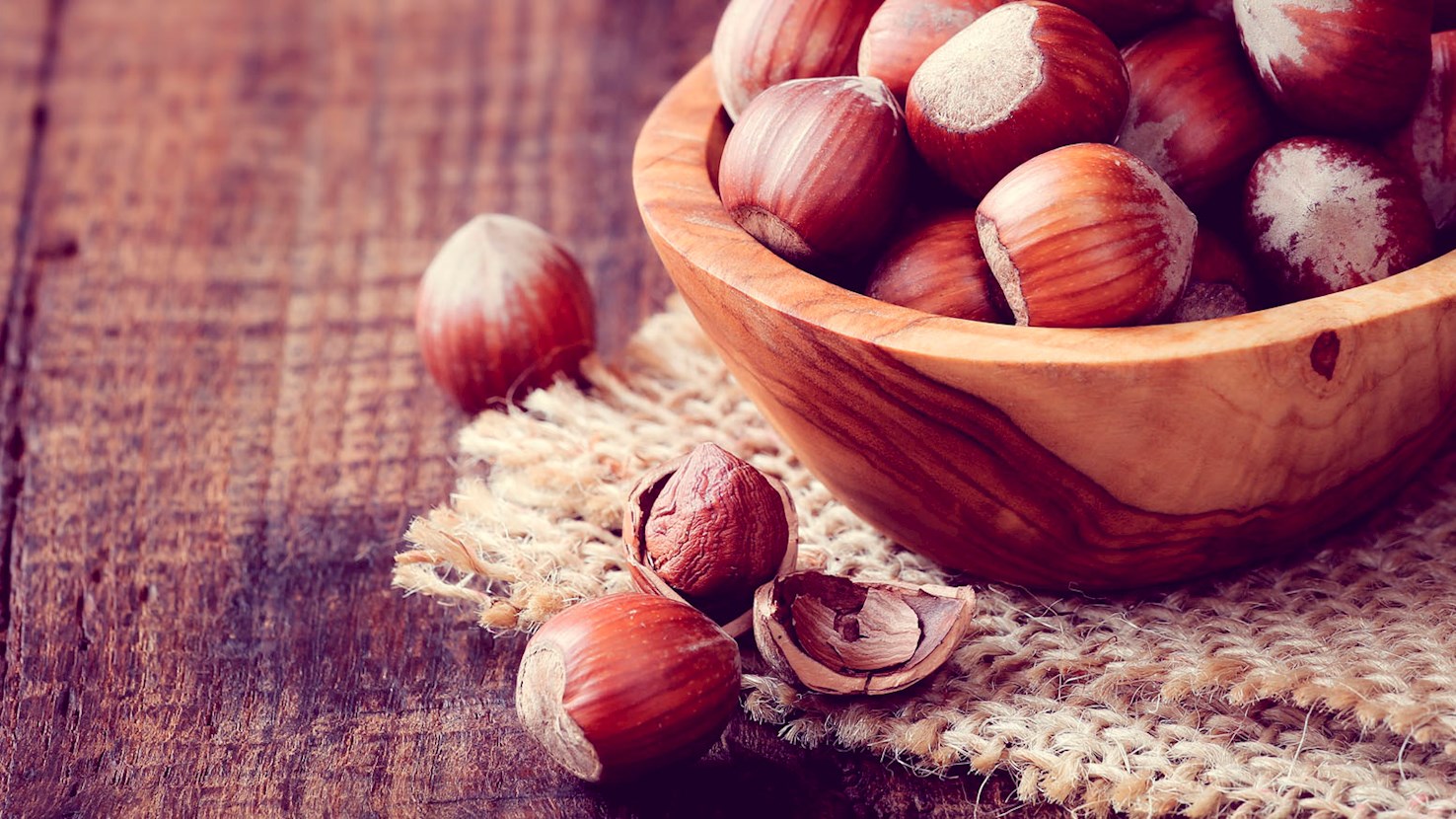
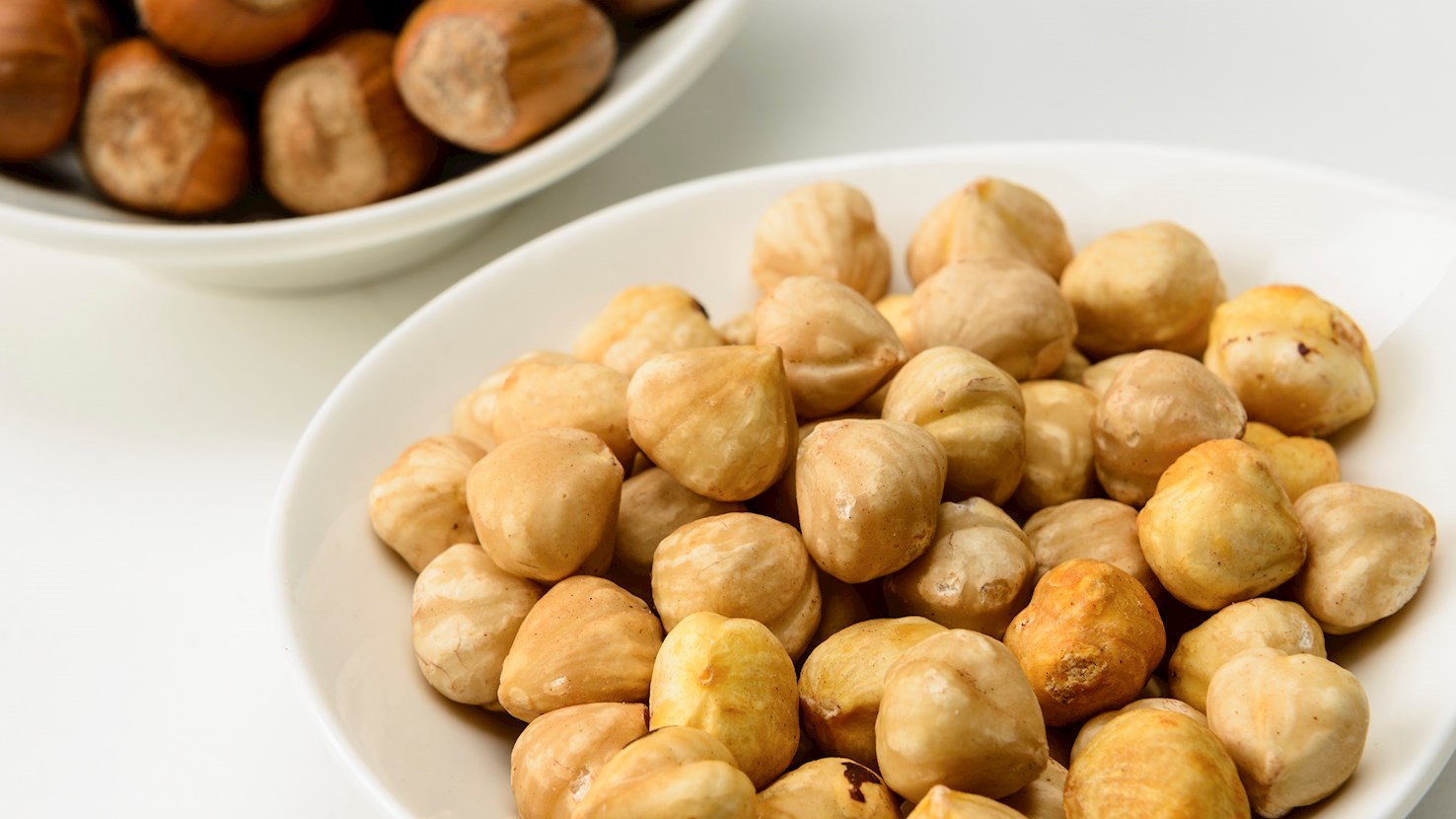
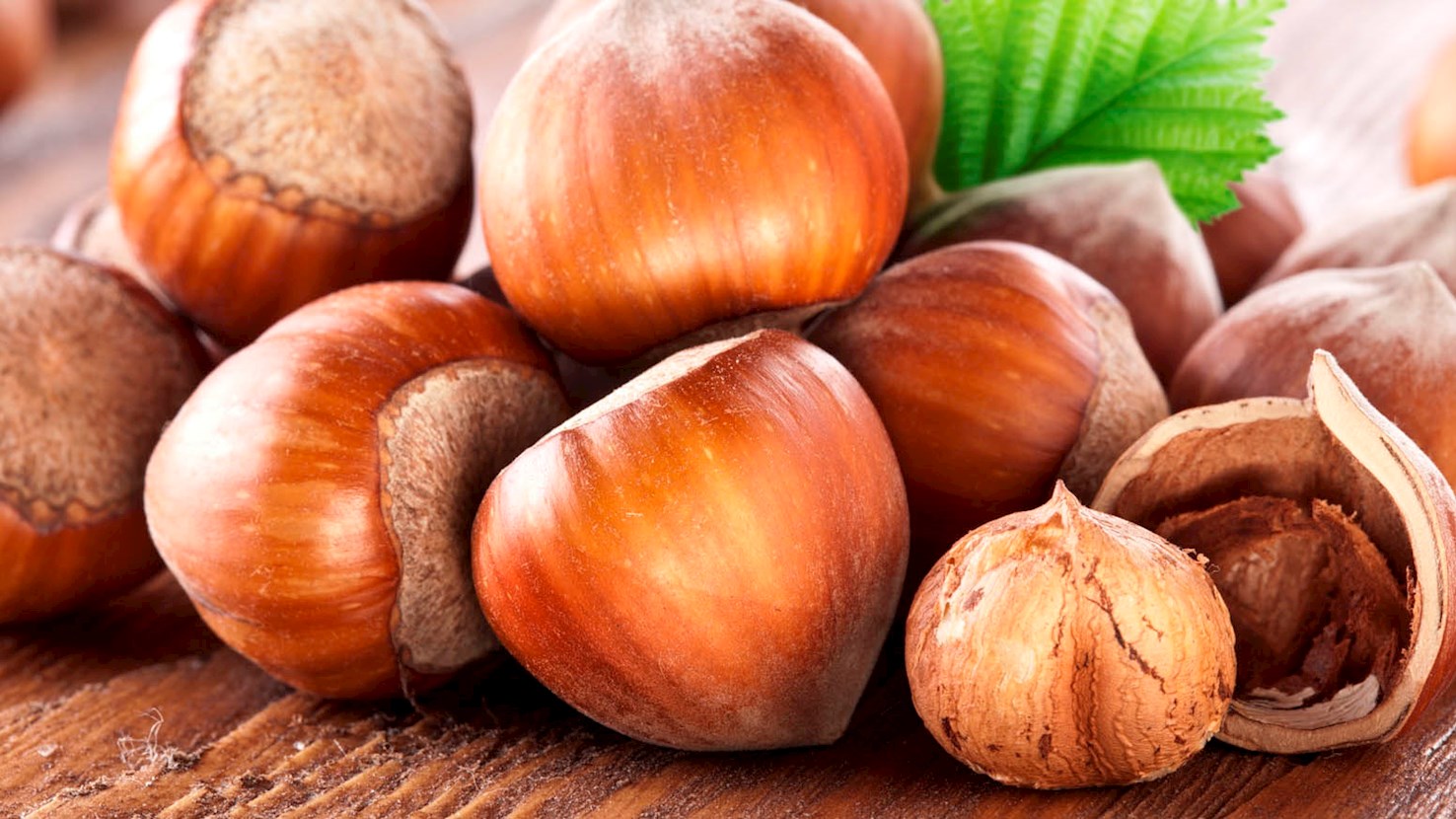
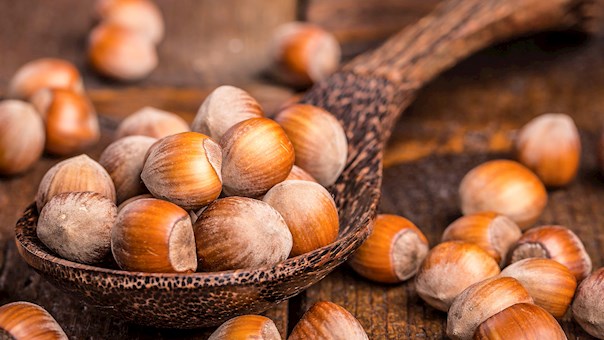
Named after its region of origin, Nocciola del Piemonte (Piedmont hazelnuts) refers to hazelnuts of the Tonda Gentile Trilobata variety, grown in the hills of Langhe-Roero and Monferrato and produced within the provinces of Alessandria, Asti, Cuneo, Turin, Novara, Biella and Vercelli. Considered one of the best hazelnuts for confectionery industry, Nocciola del Piemonte is characterized by its crunchy flesh, long shelf life, and an amazing flavor and aroma, especially if roasted. Piedmont hazelnuts are the essential ingredient of Gianduiotto nougat pralines, a typical Piedmont confectionary product, but they're also widely used in the preparation of various pastry creams, cake, ice creams and liqueurs.

06

Almendra de Mallorca

3.9 ·

Almendra de Mallorca are almonds produced on the Island of Mallorca in Spain. They can be sold raw or roasted, with or without skin. These nuts are of exceptional quality and are rigorously tested; they must not be smaller than 12mm or have any visible defects. They are crunchy in texture and slightly sweet in taste and should not be bitter unless they are roasted. All stages of production, including packaging, must take place on the island of Mallorca.

07

Nocciola di Giffoni

3.8 ·

Named after Giffoni Valle Piana, a lush valley settled at the foot of Mount Licinici, Nocciola di Giffoni refers to dried hazelnuts grown and produced within the province of Salerno. Typically shelled and roasted, the hazelnuts of Giffoni are particularly prized by the confectionery industry for their flavor, aroma and long shelf life. Even though they are widely used in local savory dishes, Giffoni hazelnuts are most often marketed as a sweet snack, coated in chocolate, nougat or honey. Also, they make for an excellent ingredient in preparing various cakes and biscuits, pastry creams, ice creams, and even liqueurs.

08

Noix de Grenoble

3.6 ·

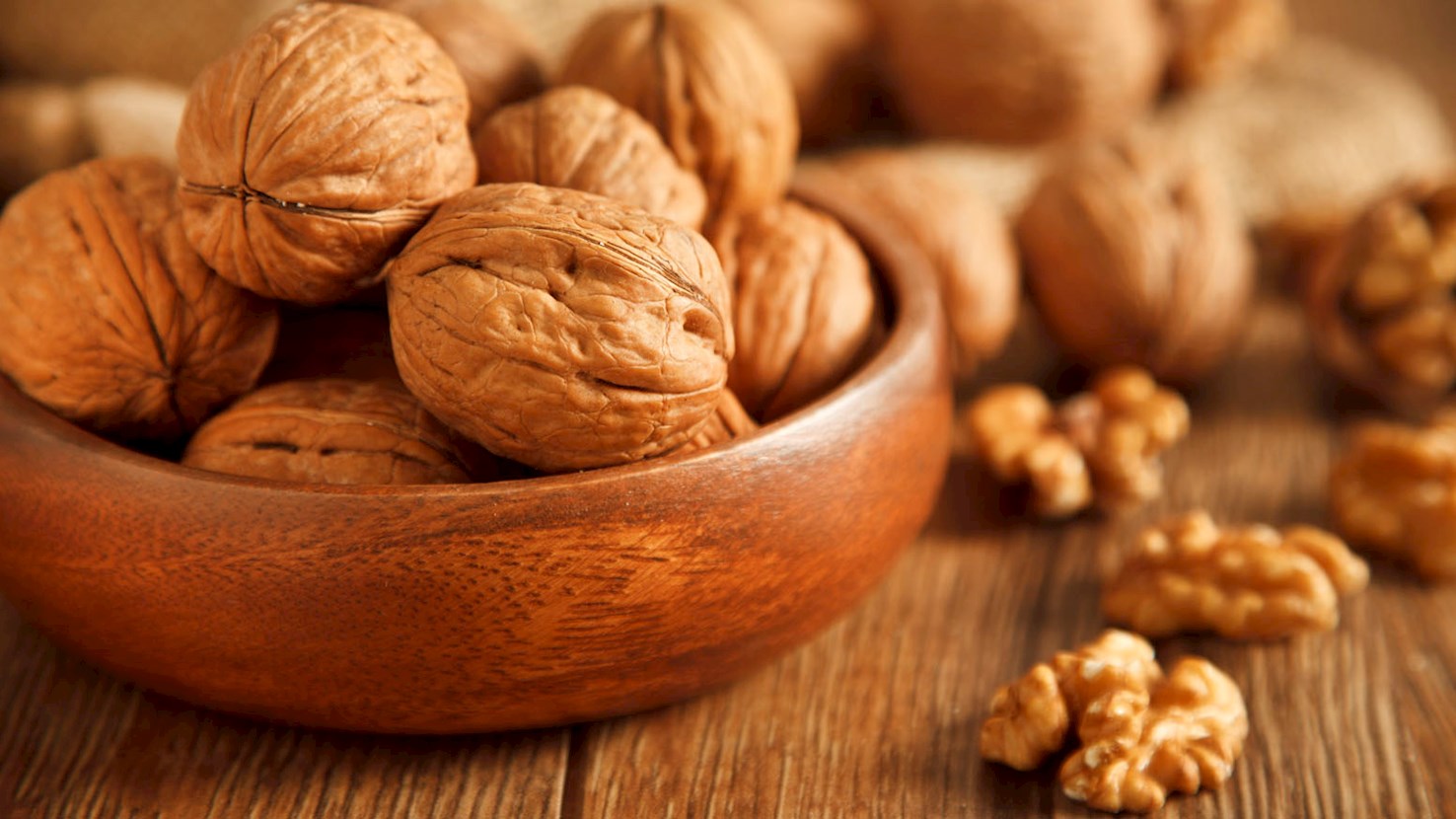
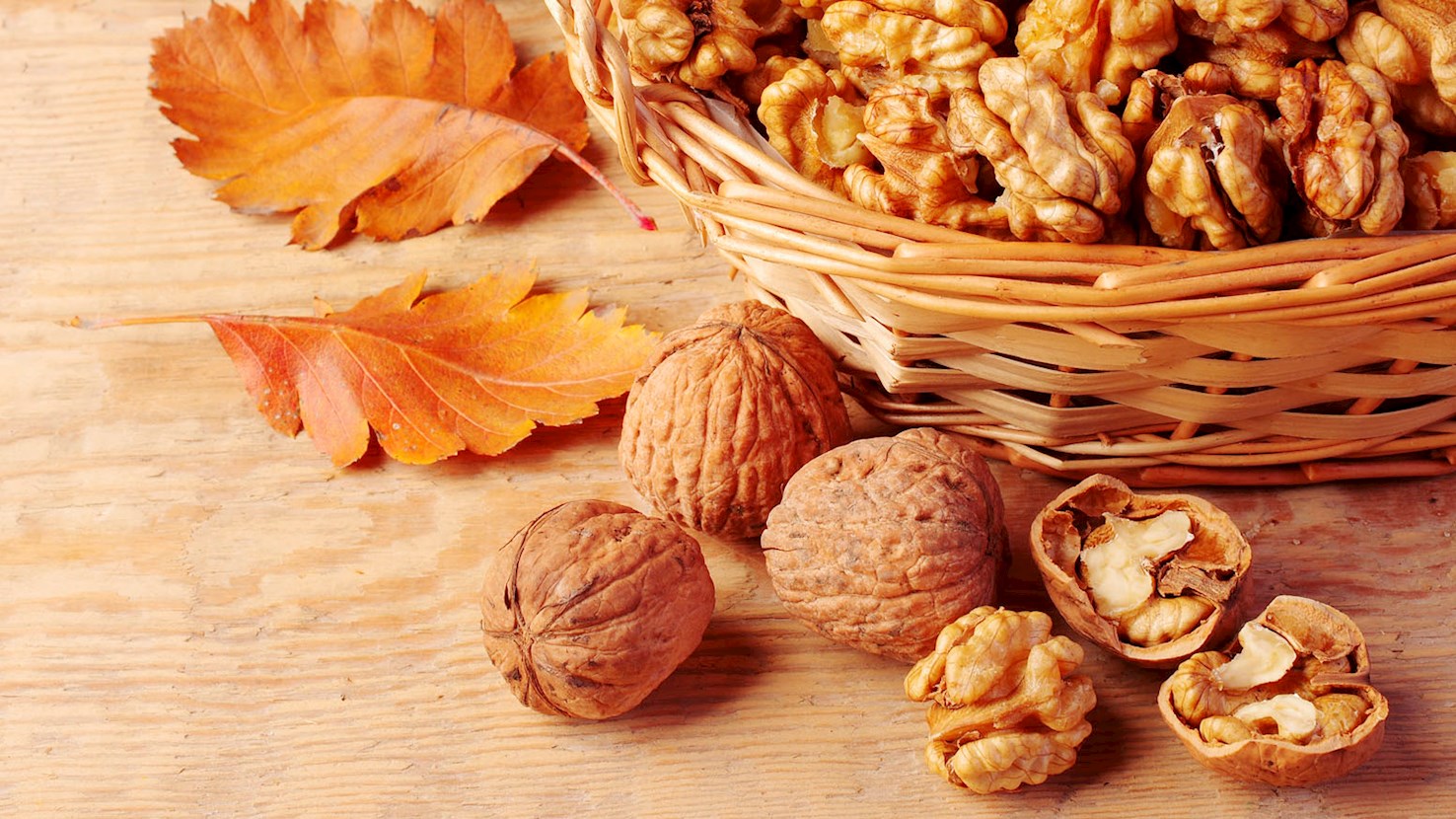
Noix de Grenoble are walnuts that are gathered in their shells from the end of September and come from three different varieties in the French departments of Isére, Drôme and Savoie. The ancient Romans brought the walnut trees to France and since it was a highly prized item (they used to pay the rent with walnuts), the trees were very well nurtured and cared for, giving the Grenoble walnuts their unique quality and taste. The three varieties of these walnuts (franquette, mayette, and parisienne) differ in shape, color and taste, and they are commonly used in onion soups that are served at weddings, pressed for walnut oil, eaten candied, in the form of nougat or jam, in salads, cheeses or used in cakes.

09

Noix du Périgord

3.5 ·

Noix du Périgord are early or dry walnuts or walnut kernels with a fine texture and a unique taste similar to black walnuts, produced in the French regions of Aveyron, Charente, Corréze, Dordogne, Lot and Lot-et-Garonne, where the walnuts must be grown, shelled and packed. Early walnuts are fresh and sold in their shells and the nuts are white with a thin skin that can be easily peeled. Dry walnuts are gently dried and less bitter than early walnuts and the walnut kernels are small, light or dark in color and must be minimally 8 mm in size. Noix du Périgord can be enjoyed as they are, in candies, covered in chocolate, cracked on salads or pressed into walnut oil or walnut wine.

10

Nocciola Romana

3.5 ·

Traditionally produced in the neighboring provinces of Viterbo and Rome, Nocciola Romana refers to dried hazelnuts of the Tonda Gentile Romana and Nocchione varieties, grown in the micronutrient-rich volcanic soil of the Cimini and Sabatini mountains. Whether enjoyed raw, dried or roasted, the crunchy Roman hazelnuts are packed with mono-unsaturated fats and vitamins E and K, but they're also rich in calories! In the traditional Viterbo cuisine, Roman hazelnuts are most often used as an essential ingredient in the preparation of many local desserts, including Tozzetti - anise, almond and hazelnut biscotti, as well as other biscuits such as Ossetti da Morto, Brutti Buoni and Mostaccioli Romani.

Best Western European Nuts
01

Casa Gispert

4.9 ·
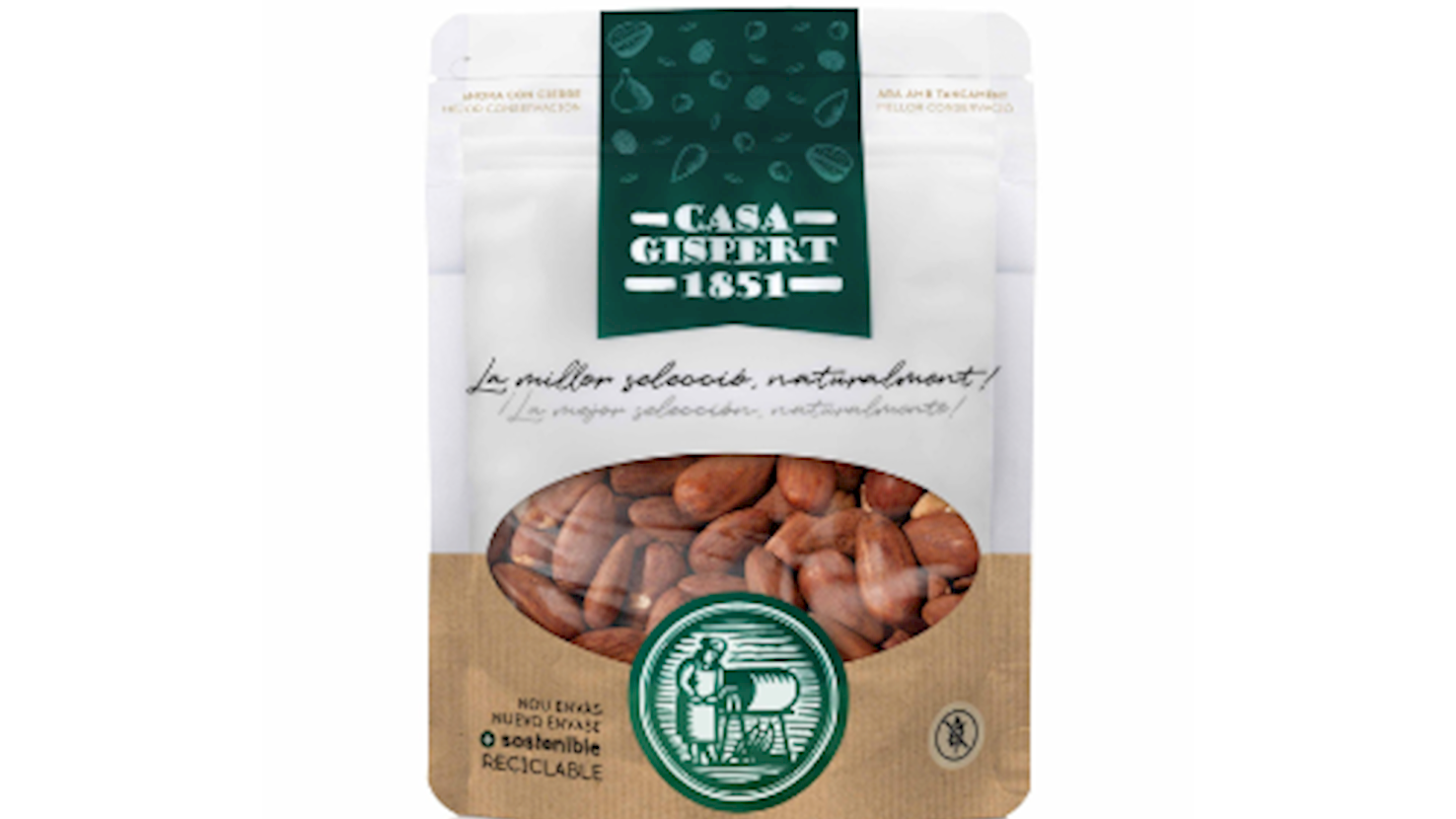
Casa Gispert is a historic gourmet store in Barcelona, founded in 1851 and specializing in the roasting and selection of nuts, dried fruits, seeds, and coffee. Located in the El Born district, it is considered one of the city’s oldest food shops, with a preserved traditional interior and a historic wood-fired roasting oven still in use. The business focuses on careful sourcing of raw materials and slow, controlled roasting designed to highlight the natural aromas of almonds, hazelnuts, pistachios, and other nuts without excessive processing. Products are often sold in bulk or simple packaging, emphasizing quality and freshness over large-scale distribution. In addition to nuts, Casa Gispert offers selected coffees, spices, and gourmet snack blends. Its production approach remains artisanal, with limited quantities and close attention to each batch. The texture of the roasted nuts is crisp and clean, with concentrated flavor and no dominant industrial sweetness or additives. Casa Gispert represents a longstanding element of Barcelona’s gastronomic heritage, where craftsmanship and raw ingredient quality define the final product.
Awards
Les Gourmands Associés - Coq d’Or (1999)
02

Valle del Taibilla

n/a ·
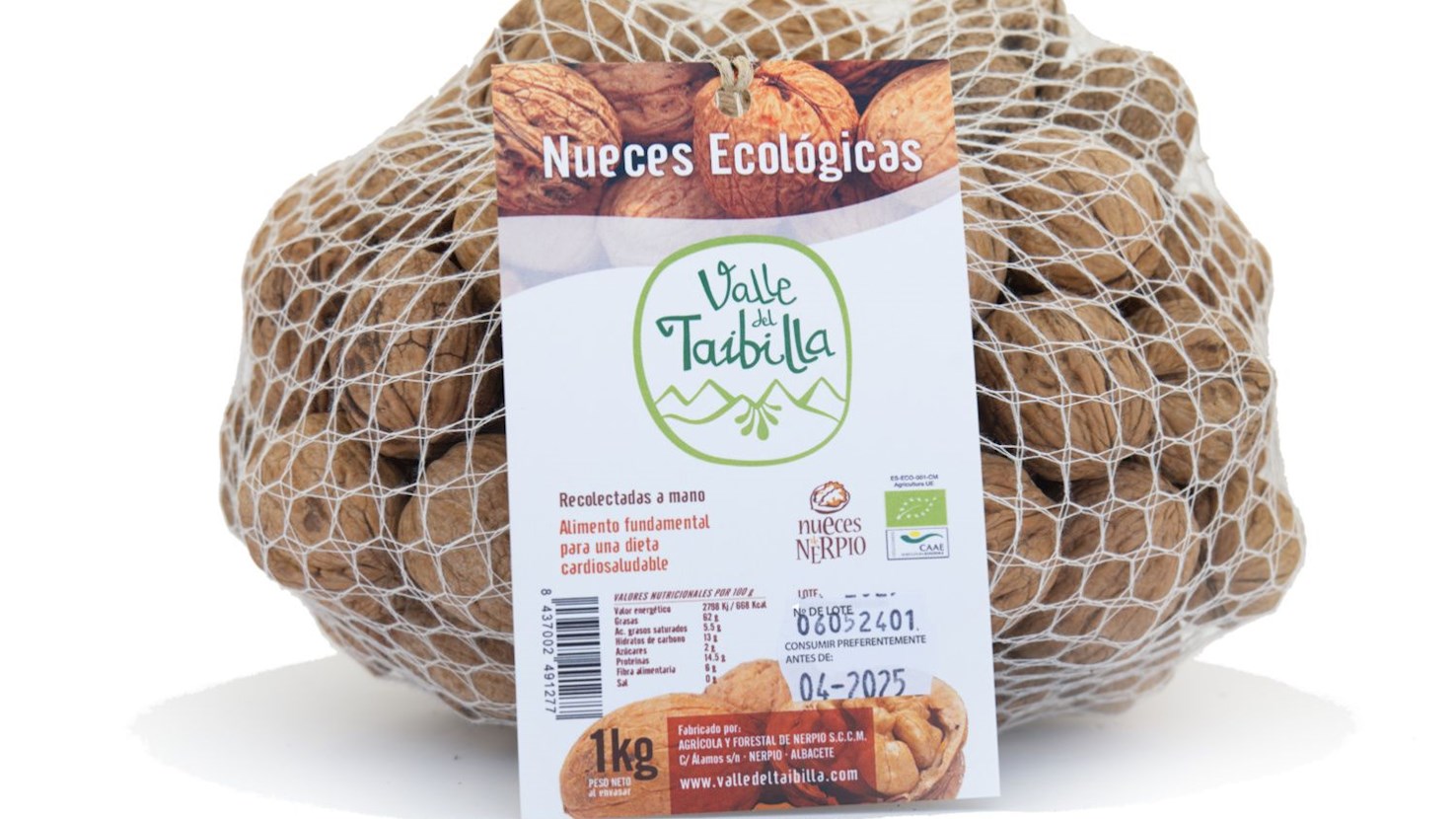
Valle del Taibilla, based in Nerpio, Spain, is a renowned producer of organic preserves and jams, rooted in sustainable practices. Established in the 1990s, the company prioritizes eco-friendly production and local agriculture, crafting products that include a range of organic jams made from locally sourced fruits, as well as preserved vegetables and nuts. Notably, their organic Nerpio walnuts, grown in high-altitude orchards and harvested by hand, are recognized for their unique flavor and high antioxidant content. Valle del Taibilla’s products are certified vegan, gluten-free, and natural, reflecting their commitment to quality and environmental stewardship.
Read more
View all
View map
About this ranking

TasteAtlas food rankings are based on the ratings of the TasteAtlas audience, with a series of mechanisms that recognize real users and that ignore bot, nationalist or local patriotic ratings, and give additional value to the ratings of users that the system recognizes as knowledgeable. For the “Top 37 Western European Nuts” list until June 15, 2026, 429 ratings were recorded, of which 277 were recognized by the system as legitimate. TasteAtlas Rankings should not be seen as the final global conclusion about food. Their purpose is to promote excellent local foods, instill pride in traditional dishes, and arouse curiosity about dishes you haven’t tried.

The initial list of top producers was compiled based on available reviews, awards, local recommendations, media and blog coverage, and consumer reviews. The list will be updated with ratings from TasteAtlas local ambassadors and TasteAtlas users.

Similar lists