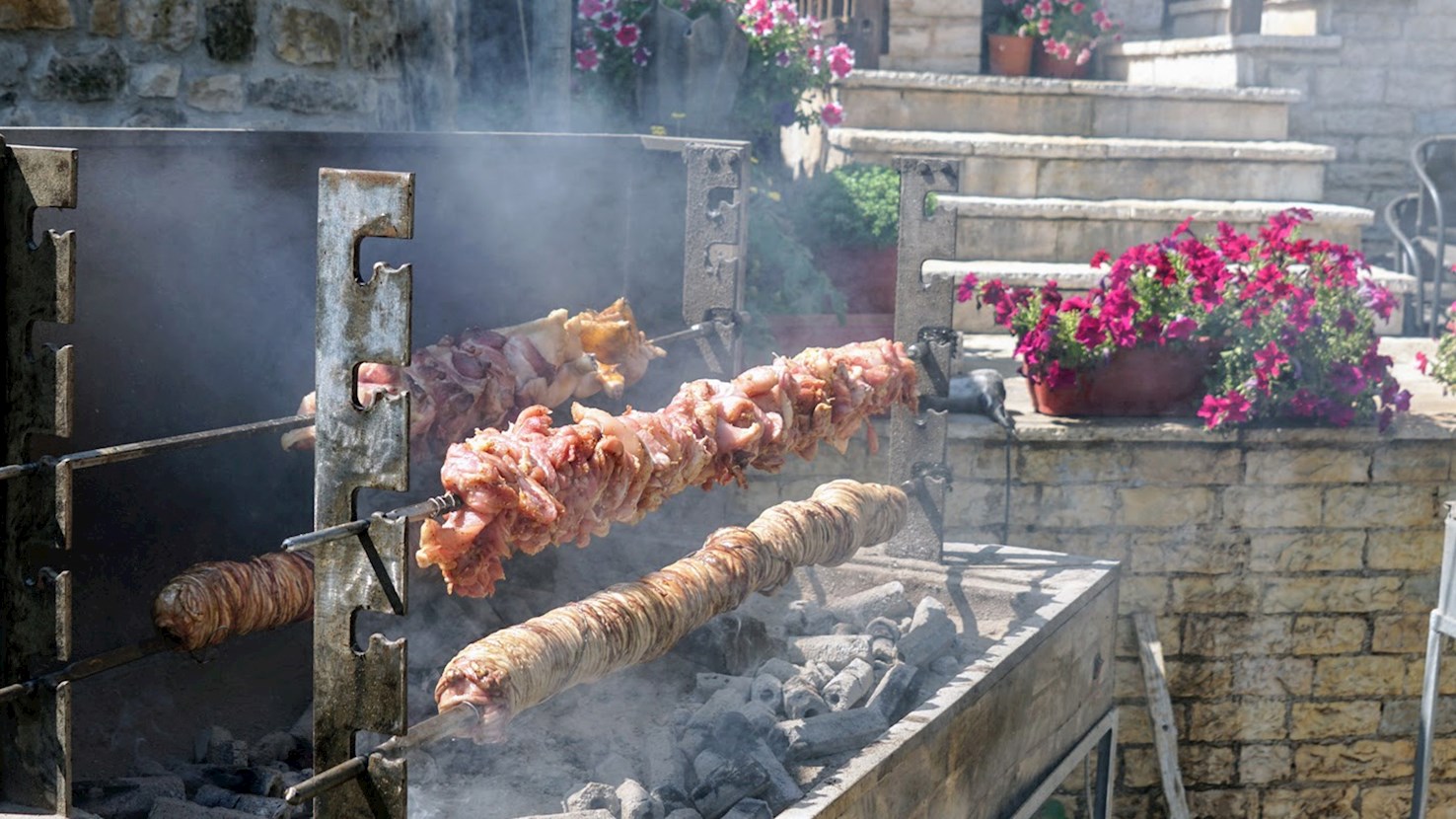
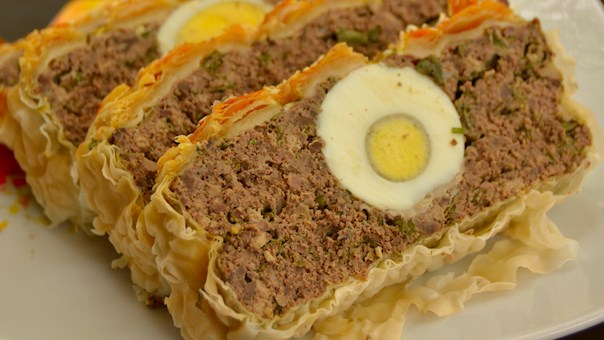
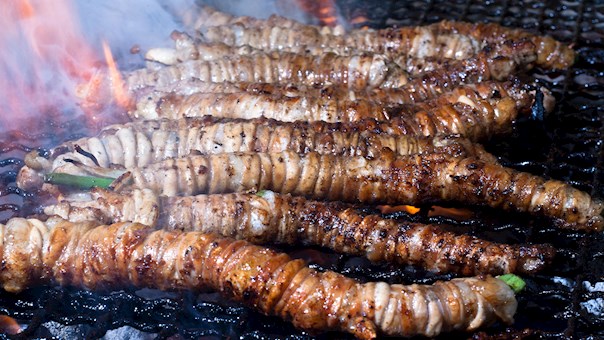
Kokoretsi is a traditional dish consisting of lamb or goat offal that is chopped into tiny pieces, seasoned with lemon juice, olive oil, salt, and pepper. The offal is then skewered, covered with caul fat to keep the pieces in place, and cooked over charcoal. It is traditionally consumed as an appetizer or meze on Easter Sunday in Greece. Although it is associated with Easter, it can usually be found throughout the year across the country. Kokoretsi is also popular throughout the Balkans, and the name of the dish comes from the Albanian word kukurec, meaning tripe. Being an internationally popular dish, kokoretsi is sometimes served as a sandwich on a flatbread, when it is topped with numerous spices and tomatoes, while others like to put it into a baguette with pickles and bell peppers.
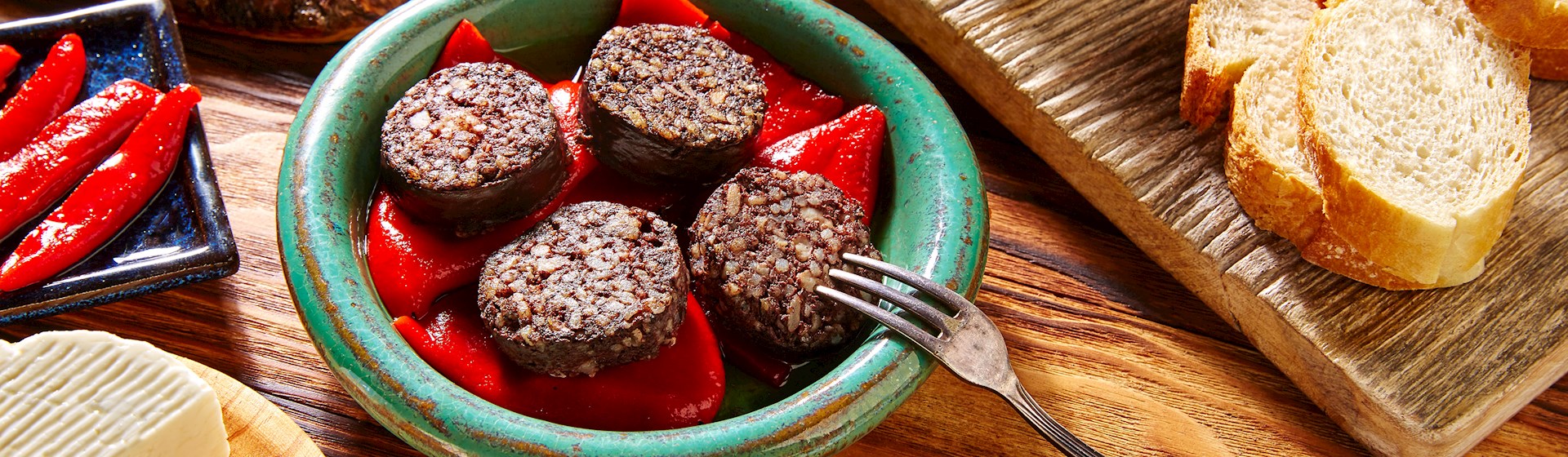
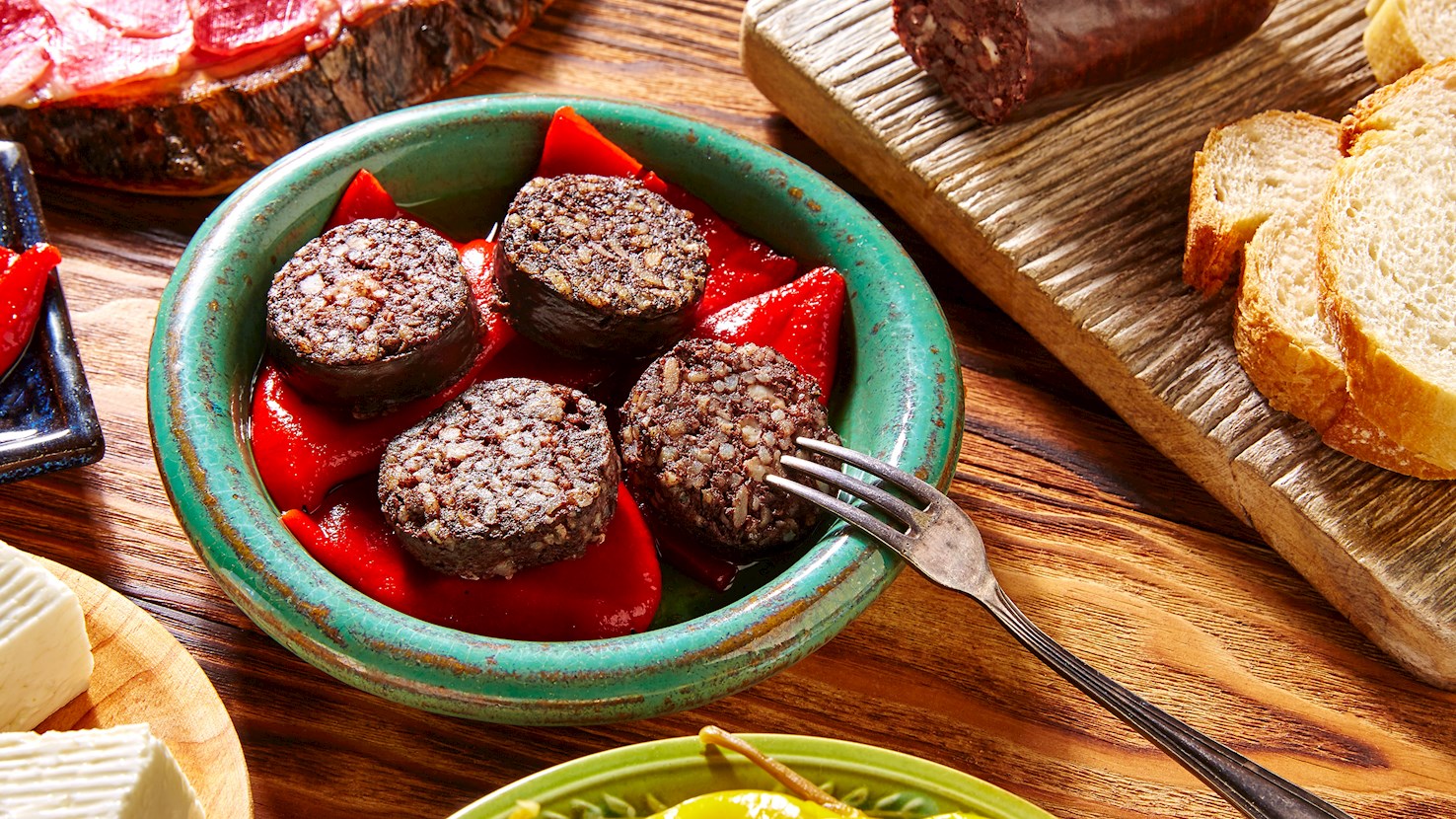
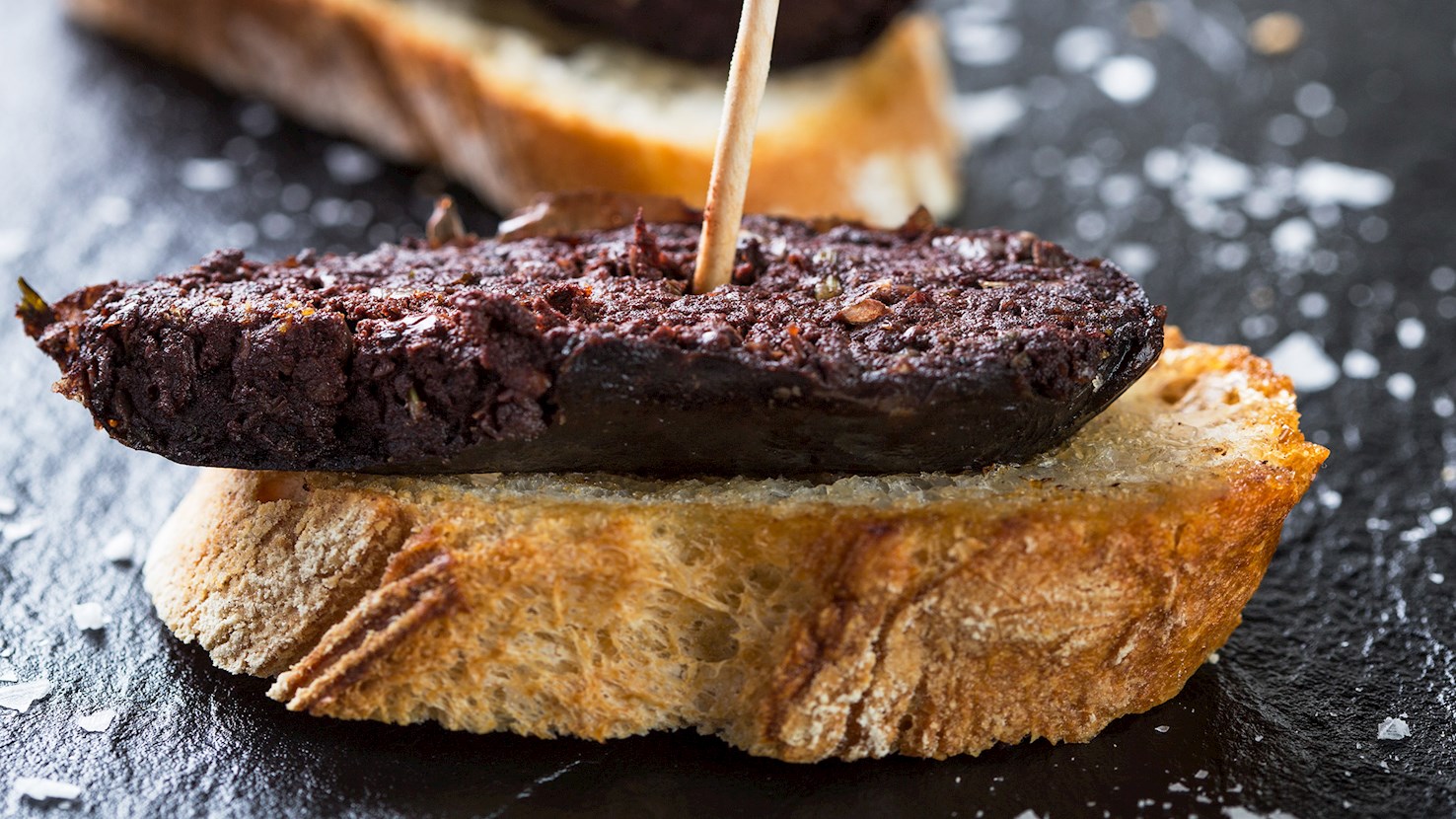
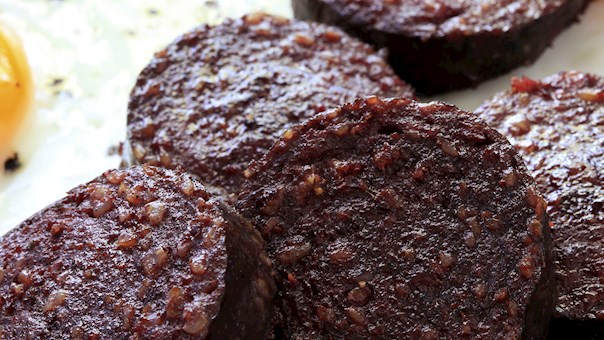
Morcilla de Burgos are blood sausages that are traditionally made in the province of Burgos. This is one of the many varieties of blood sausage, or black pudding, present all around the world. The recipe for this delicacy is fairly simple and uses only a few humble ingredients. An interesting fact about this recipe is that it doesn't actually involve any meat, since morcilla de Burgos is made by chopping and sautéing the onions with butter, then combining them with rice, lard, blood, and spices. The mixture is then used to fill the sausage casings before being cooked. This sausage owes its flavor mostly to the spices used in its preparation, mainly pepper and paprika. It can be eaten as it is, but it's mostly consumed after being fried or sautéed.
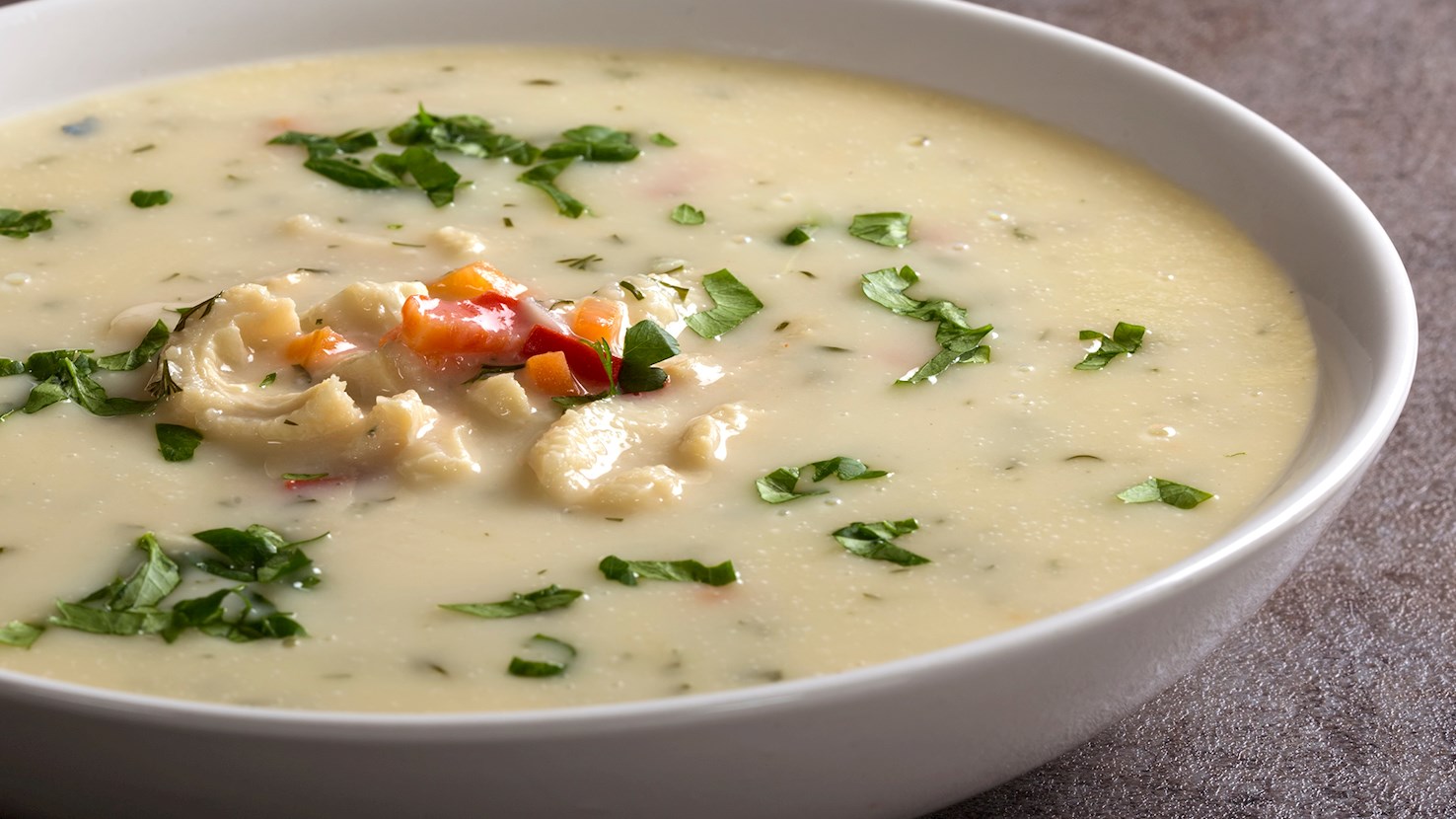
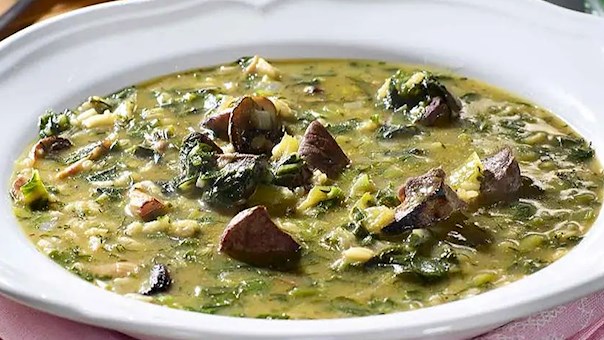
Ciorbă de burtă is a creamy, sour and garlicky, yellow-colored Romanian soup containing strips of beef tripe and slices of red pepper. Although considered a rare delicacy and an acquired taste due to its main ingredient being the lining of a cow’s stomach, ciorbă de burtă is a rather simple dish. It is basically tripe soup seasoned with vinegar, sour cream, and mujdei – a spicy garlic sauce made from crushed garlic cloves, salt, and oil. Various ingredients are used for the broth, including onions, carrots, celery, parsley and parsnip roots, lovage, bay leaves, and peppercorns. Ciorbă de burtă is traditionally served piping hot with spicy green peppers and a dollop or two of sour cream on the side. Just like many other hallmarks of Romanian cuisine, ciorbă de burtă has its origins in the Ottoman Empire.
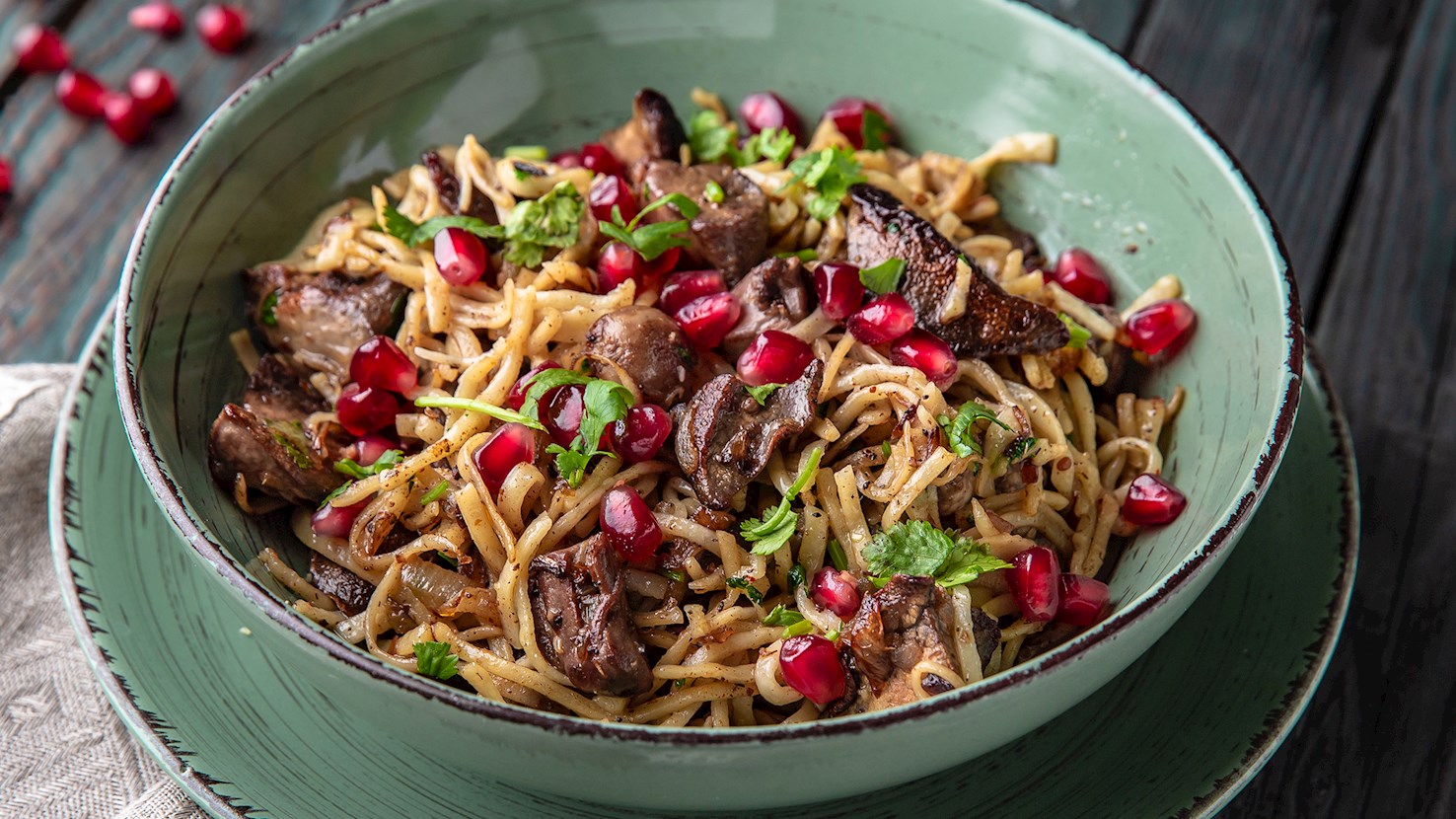
Kuchmachi is a richly seasoned mixture of cooked offal, onions, garlic, spices, and pomegranate seeds. Many versions also contain ground walnuts, which bind the seasonings into a thick sauce and soften the sharper flavor of the organs. It may be served hot, slightly warm, or cold, either as an appetizer, part of a larger feast, or a substantial accompaniment to bread and cornmeal-based foods. The dish is found across Georgia, with regional differences in the choice of organs, spices, nuts, acidity, and serving temperature. Kuchmachi is strongly represented in the cooking of western regions, including Samegrelo, Imereti, and Guria. The range of organs is broader than liver, heart, and gizzard alone. Pork or young beef versions may contain heart, liver, kidneys, spleen, and lungs. Poultry versions commonly use liver, hearts, and gizzards. The exact combination depends on availability and regional custom, and kuchmachi can be made from one organ or several. The organs should be cleaned separately because their structures differ. Hearts are trimmed of hard connective tissue, vessels, and excess fat. Gizzards are opened and cleaned thoroughly if they have not already been dressed. Kidneys are split so that the central white core and membranes can be removed. Liver is cleared of visible veins, connective tissue, and any traces of gall, which would make the entire mixture intensely bitter. The cleaned organs are simmered with water, bay leaf, and garlic for at least two hours, then cooled and chopped finely. Not every organ should automatically be boiled until completely firm. Heart, gizzard, lungs, and other muscular or connective sections usually need more time, while liver becomes dry and grainy when heated too aggressively. When the organs are cooked together in a pan, the firmer pieces can enter first and the liver later. The final texture should be fully cooked but still moist, with clearly defined pieces rather than a uniform mass. Once cooked, the organs may be cut into small cubes or chopped more finely. Uniform pieces allow the walnut mixture and spices to coat the meat evenly. Large cubes emphasize the differences between the organs, while a finer cut creates a more cohesive result that is easier to scoop with bread. Onion is an important part of the mixture. Red or yellow onions may be chopped and added raw for a sharper bite, softened in fat for sweetness, or cooked alongside the offal. Garlic is crushed rather than left in large pieces so that its flavor spreads throughout the walnut and spice mixture. The seasonings commonly include ground coriander seed, blue fenugreek, dried marigold petals, hot red pepper, black pepper, and summer savory. Blue fenugreek has a gentler, more aromatic character than the more widely available form of fenugreek. Dried marigold, sometimes called Imeretian saffron, contributes a muted floral and earthy note rather than the flavor of true saffron. The amount of chili varies considerably, and not every version is intensely hot. The spices may be ground with garlic and walnuts in a mortar, passed through a grinder, or crushed separately before being combined. Walnuts release oil as they are worked, turning from dry crumbs into a dense, moist paste. The nuts add body, fat, and a faint bitterness that works especially well with liver and other iron-rich organs. Walnuts are common but not a must. In a walnut-free kuchmachi, the offal, onions, garlic, spices, vinegar, and pomegranate remain more distinct, and the finished mixture is looser and less creamy. The walnut version is heavier, more cohesive, and better able to hold an acidic dressing. White wine vinegar is commonly mixed into the walnuts and seasonings. Pomegranate juice, pomegranate molasses, wine, or another sour component may also be used in some versions. The acid does not chemically remove the mineral flavor of the offal. Instead, its sharpness balances the richness of the walnuts and fat while making the liver, kidney, and other organs taste less heavy. Enough liquid is added to loosen the walnut paste so that it coats the chopped offal without becoming watery. The consistency can range from a lightly dressed mixture with visible cubes to a thicker mass in which the sauce clings closely to every piece. Excess vinegar can overwhelm the spices and make the walnuts taste harsh, so it is normally added in controlled amounts. The cooked offal is folded into the walnut mixture with the onions, garlic, and spices. It does not always need to absorb the sauce for several hours. It can be served soon after mixing, particularly when offered warm. A short rest allows the seasonings to spread more evenly, while chilling produces a firmer texture as the walnut oil and animal fat solidify. Changing the animal alters both flavor and structure. Poultry hearts, livers, and gizzards usually produce smaller pieces and a somewhat lighter result. Chicken liver is soft and delicate, while the gizzards retain a firmer chew. Pork kuchmachi is richer and may include a wider assortment of organs. Young beef or veal gives a leaner, more muscular result with a deeper mineral character. Pomegranate seeds are commonly folded into the mixture, scattered over the top, or used in both ways. They contribute fresh acidity, mild sweetness, and a crisp burst of juice against the soft liver, chewy heart, and oily walnuts. Their bright red color also provides a strong visual contrast with the dark brown mixture. Fresh cilantro may be added to the mixture or scattered over the surface. Its green, citrus-like aroma works with coriander seed, garlic, vinegar, and pomegranate, though it is not required in every version. Parsley and sliced onion may also appear as garnishes. Bread is a practical accompaniment because it collects the walnut, vinegar, and meat juices left in the bowl. Crusty white bread may be used, but it is not the only option. Mchadi, a firm cornbread, and ghomi, a thick cornmeal porridge associated especially with western regions, can also accompany rich meat and walnut mixtures. These additions are common pairings rather than compulsory parts of every serving. Kuchmachi may appear as a first course, a warm plate within a supra, or a cold offal salad. It is not limited to one serving temperature or one position in a meal. Wine is a natural accompaniment, particularly with the warmer and more highly seasoned versions, and regional sources specifically pair Megrelian meat foods including kuchmachi with ojaleshi.
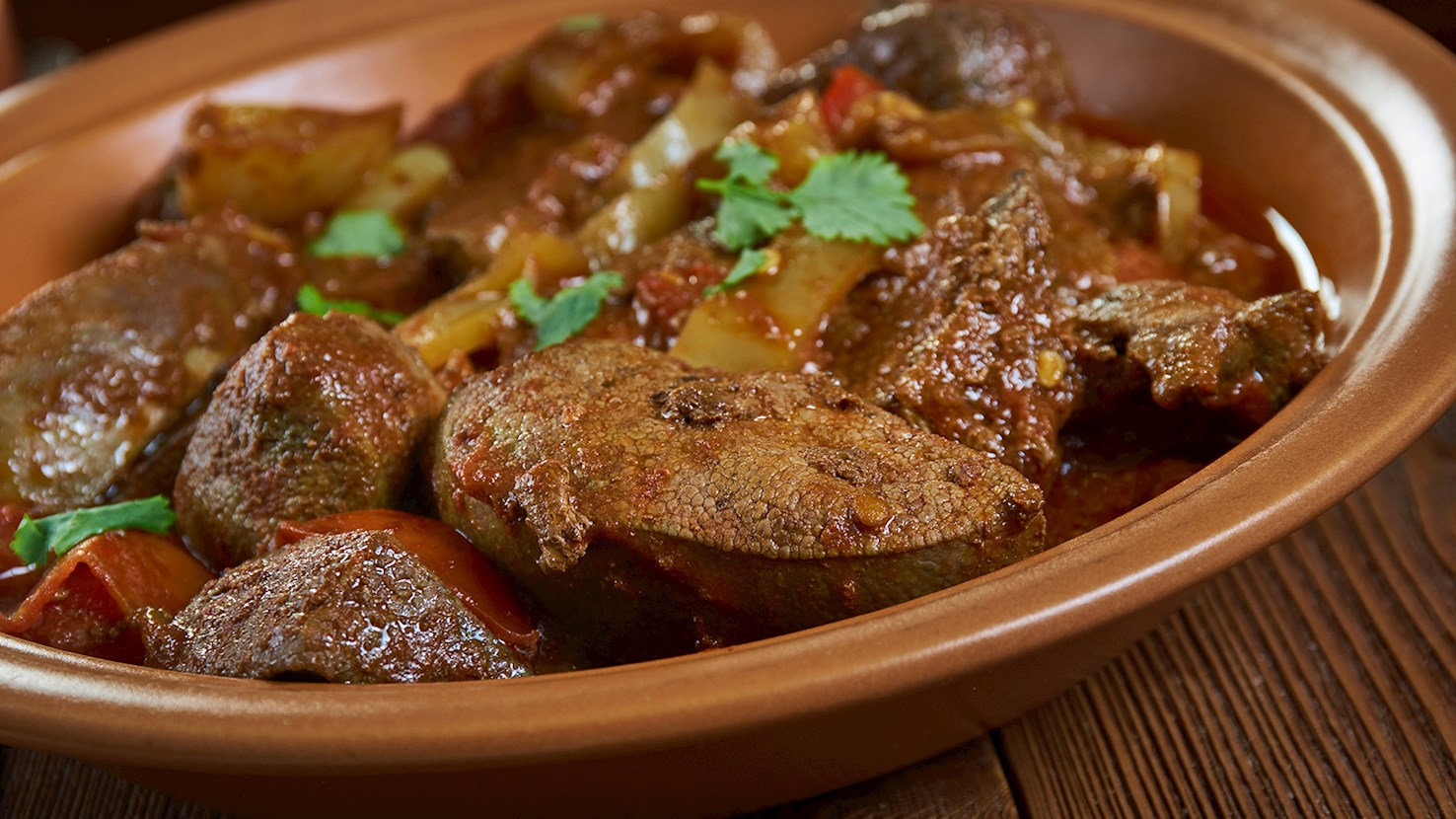
Drob po selski, meaning liver cooked village-style, is a traditional dish that is made by cooking liver with vegetable chunks and (optionally) mushrooms in a clay earthenware pot. Pieces of chicken, beef, or pork liver are first roasted with sautéed onions, carrots, peppers, garlic, tomatoes, and mushrooms, and they are then typically simmered with some water and flour. Wine, tomato purée, and spices are often added to the dish for extra flavor. In Bulgaria, the dish is a typical lunch or dinner meal that is usually garnished with freshly chopped parsley and eaten with slices of homemade bread on the side.
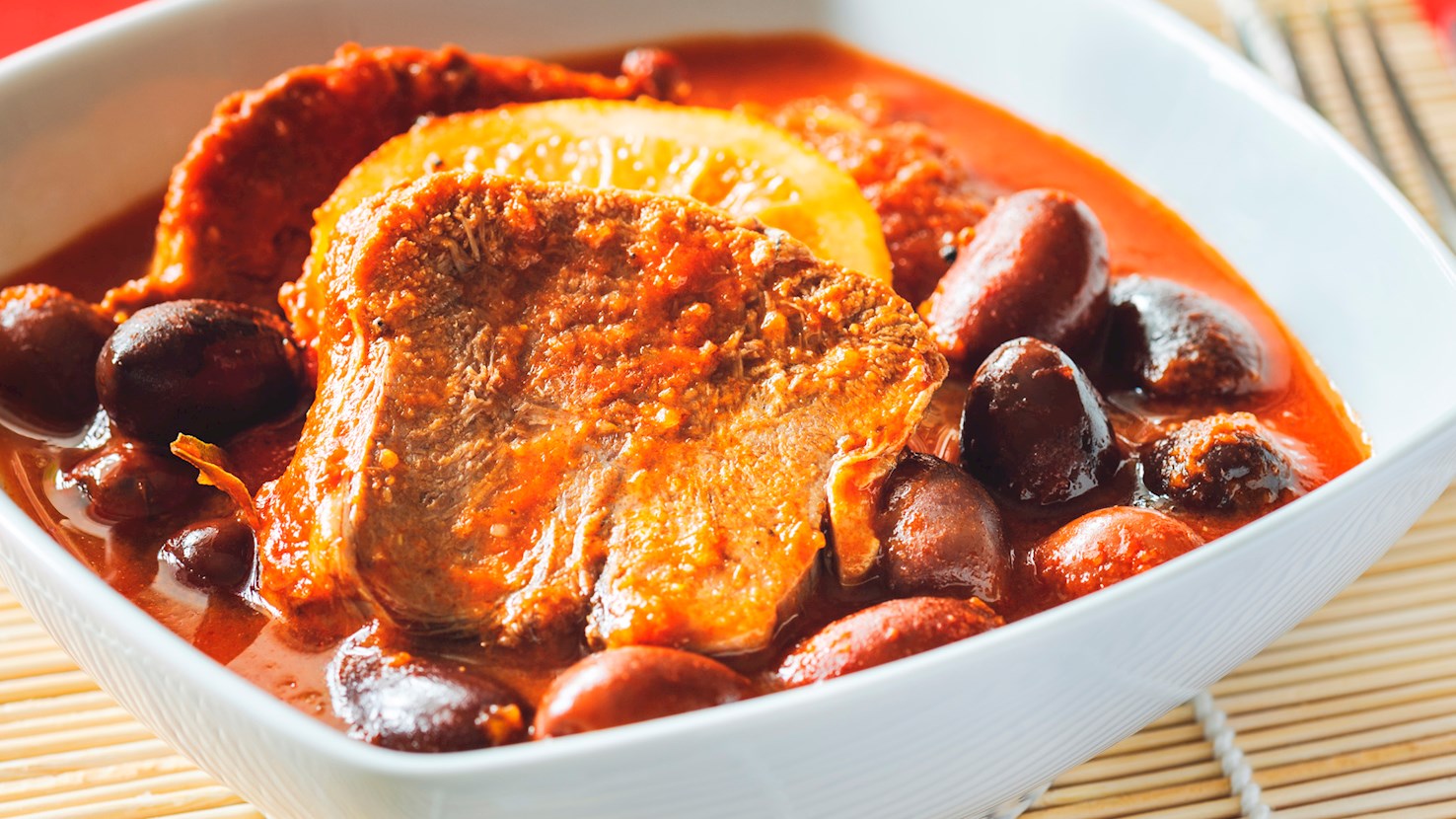
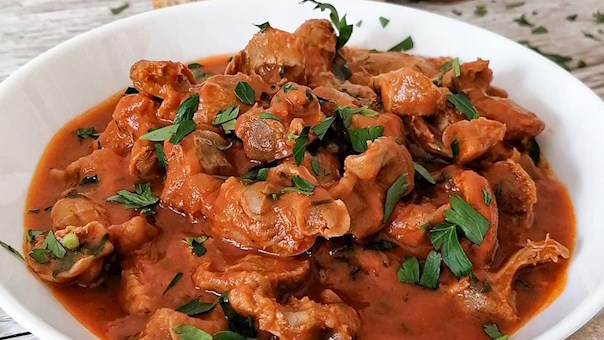
Limbă cu măsline is a traditional stew based on beef tongue and olives. The stew typically consists of slices of cooked beef tongue stewed with tomato sauce and pitted olives. It is usually seasoned with lemon juice and a handful of freshly chopped parsley or chives. Soft and juicy slices of beef tongue topped with an aromatic and robust tomato sauce with olives make for a classic Romanian dish, commonly eaten as an appetizer on festive occasions, such as New Year’s Eve. Served both hot and cold, the stew is usually accompanied by mashed potatoes, rice, pasta, or bread.
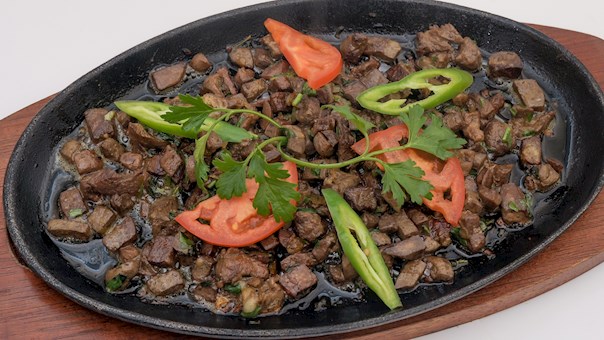
This traditional Greek dish is prepared with pieces of beef or lamb liver which are seasoned and wrapped in mutton suet or caul fat. The liver is then skewered and grilled over charcoal. Frygadeli is traditionally associated with Ionian islands, namely Lefkada, and is typically enjoyed as an appetizer or a meze dish that is usually dressed up with a squeeze of lemon juice and country-style bread served on the side.
As the name suggests, this Spanish sausage originates from Granada. It is made with a combination of pork belly, jowl, fat, blood, onions, salt, and spices such as oregano and paprika. This blood sausage variety is often used for tapas or consumed as a snack with bread and asparagus.
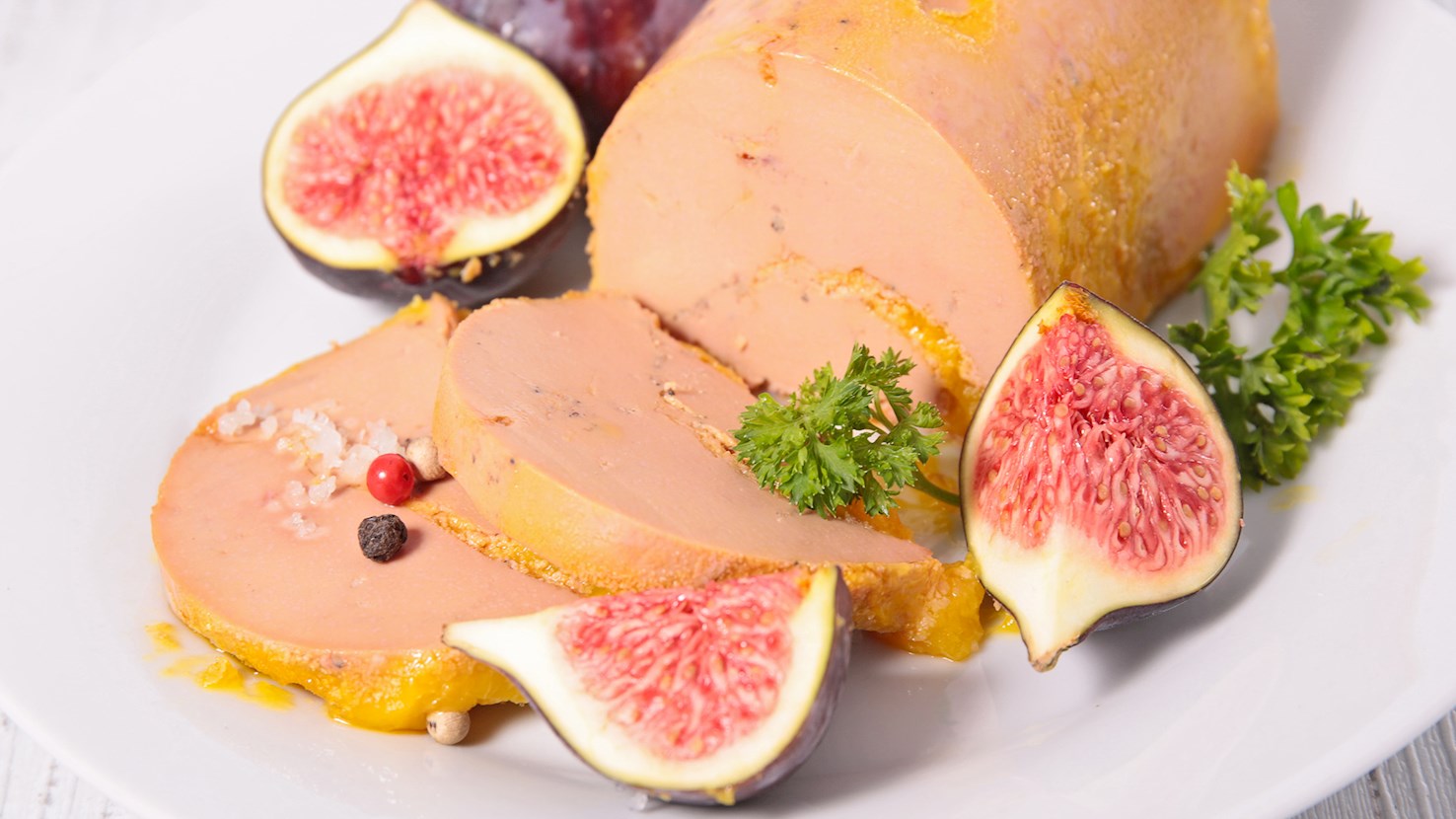
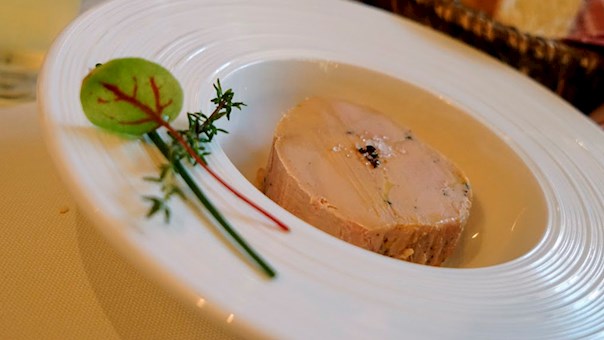
This French delicacy is one of the most common ways to prepare foie gras. In this case, seasoned and raw foie gras de canard or duck foie gras is pressed into a terrine container or any similar container, and it is then left to marinate drizzled with some Sauternes wine or Armagnac on top. After marinating for some time, the terrine is placed inside a water bath and baked before it is weighted down to give the dish its distinctive fatty layer on the surface. It is a common practice to chill the cooked terrine de foie gras for a couple of days or more before consumption. This specialty is usually sliced thinly and accompanied by slices of toasted bread or baguette, fig jam, and a glass of fine French wine on the side.
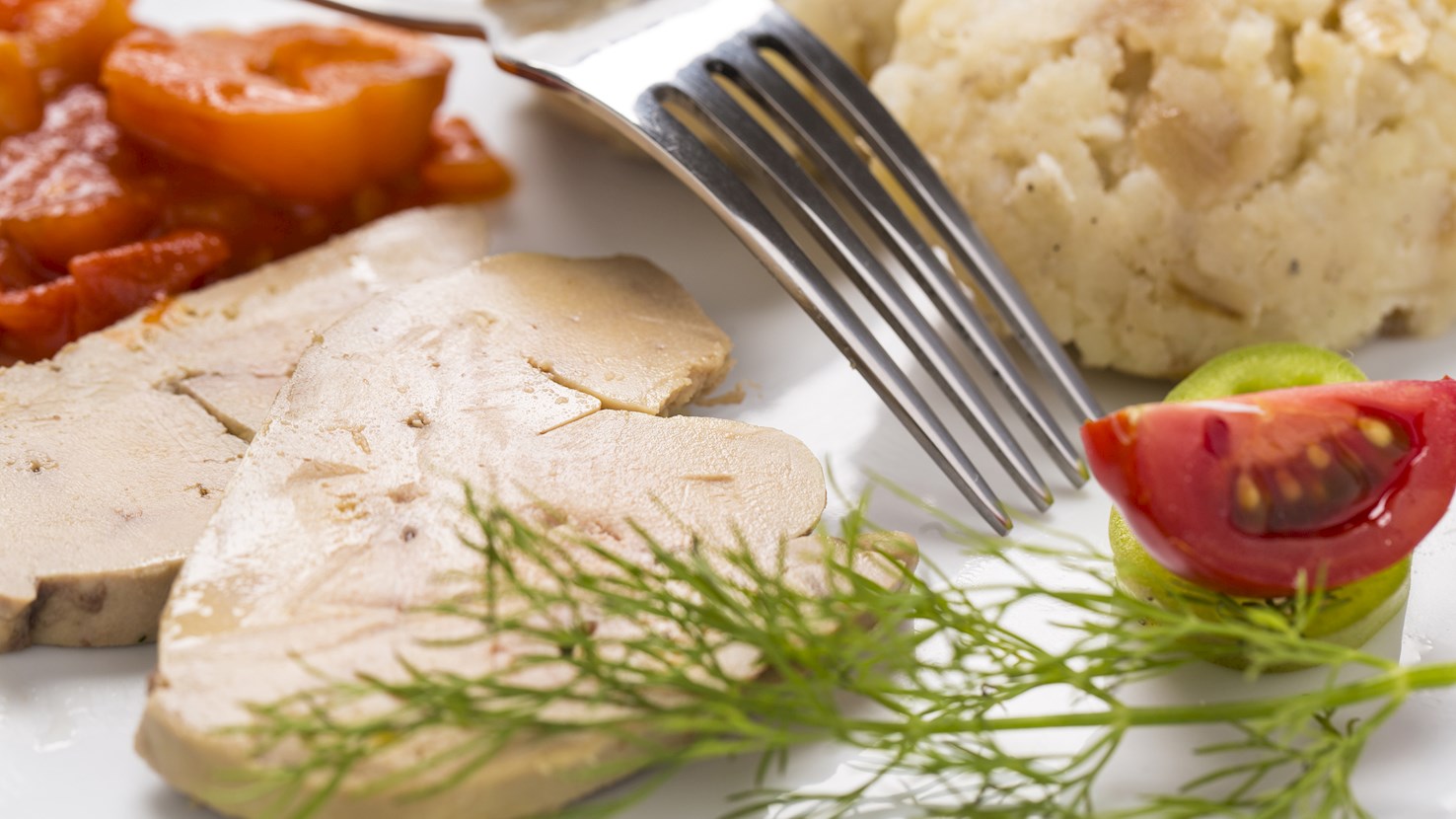
Libamáj is a creamy and velvety delicacy made from processed liver of a goose or a duck. This gourmet specialty can be found raw, tinned, or in jars. In Hungarian restaurants, goose liver is typically pan-fried and served in a variety of interesting combinations: with flambéed apples, caramelized pears, mushroom salad, rice, or mashed potatoes. Hungarian foie gras is world-famous, and the country is the world’s second-largest foie gras producer.
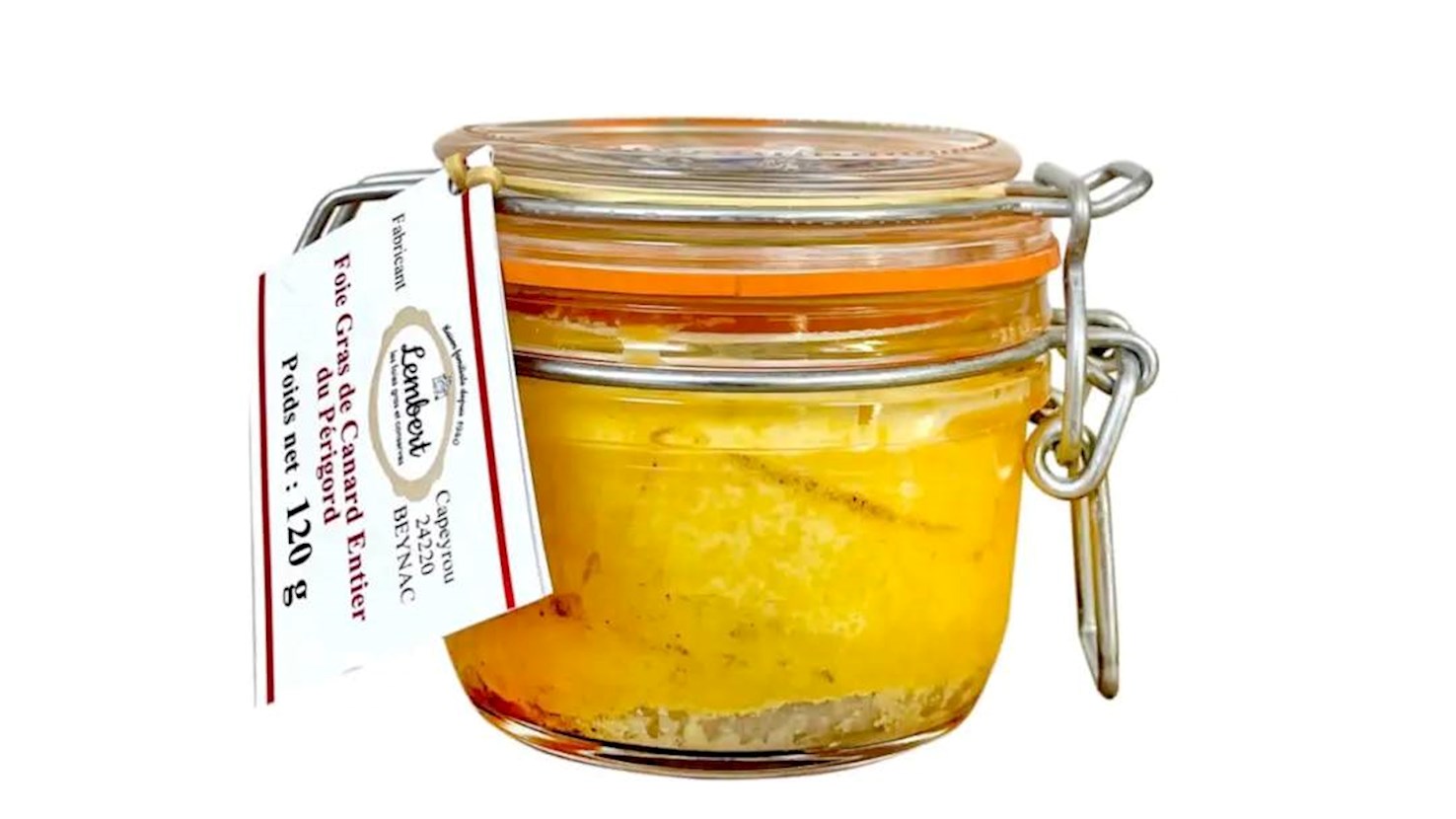
Maison Lembert is a family-owned producer with a long-standing tradition, renowned for its handcrafted foie gras and a range of premium duck specialties. For four generations, the family has upheld an artisanal approach, combining expertise, precision, and deep respect for traditional methods.
Their selection includes carefully prepared products such as foie gras, duck confit, rillettes, pâtés, and a variety of gourmet preserves—all crafted to preserve authentic flavors and culinary heritage. Maison Lembert stands out for its meticulous ingredient selection, exceptional craftsmanship, and unwavering commitment to quality, making it a trusted name among connoisseurs of fine traditional delicacies.
Awards
Concours Général Agricole de Paris - Médaille d'Or
(2025, 2020)
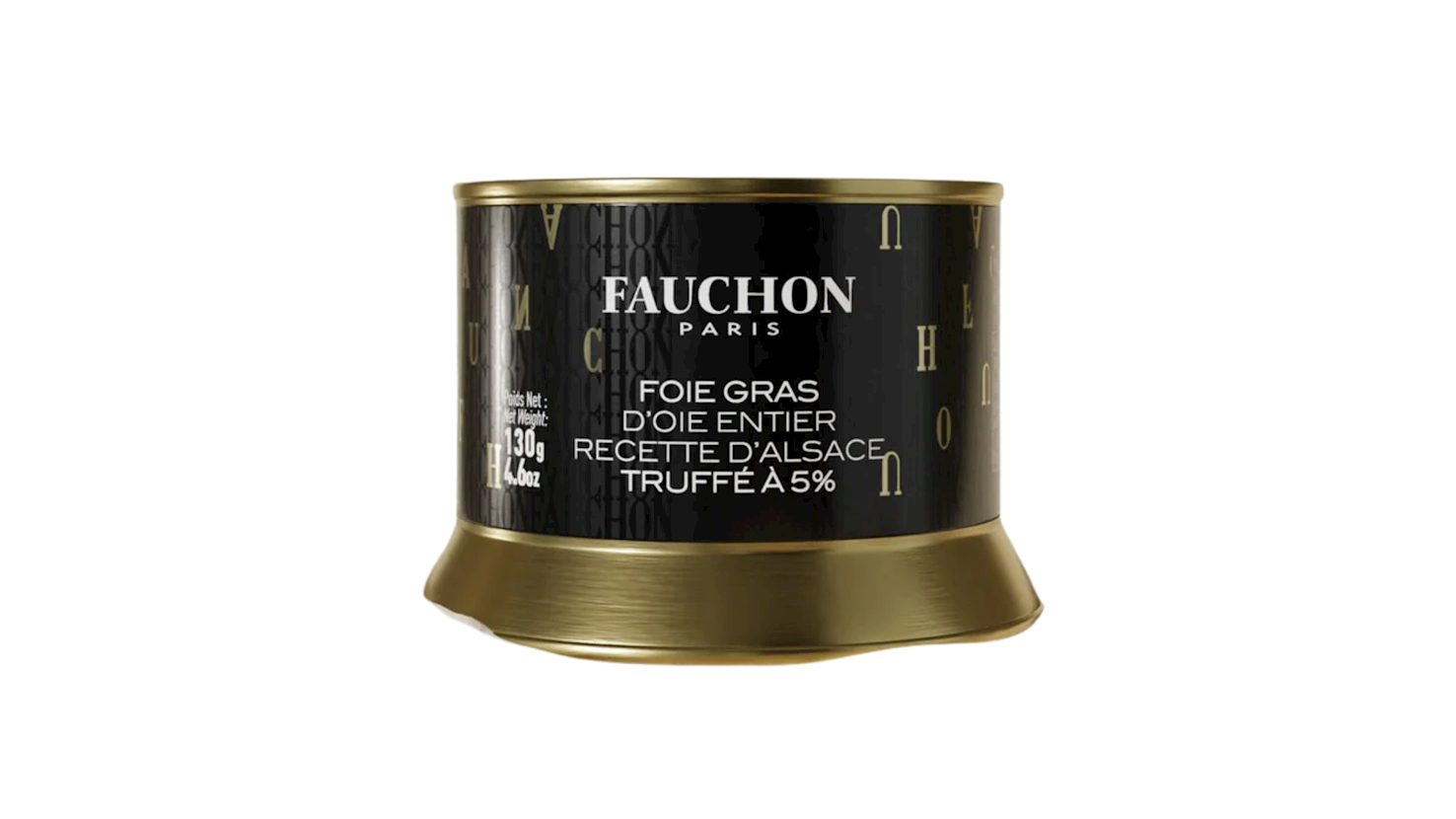
Fauchon is a historic French gourmet food house founded in Paris in 1886 by Auguste Fauchon. The brand began as a fine grocery store on Place de la Madeleine, with a focus on carefully selected products from France, especially Normandy.
Over time, Fauchon developed into one of the best-known names in French luxury gastronomy, offering teas, chocolates, macarons, pastries, confectionery, foie gras, jams, biscuits and gourmet gift boxes. Its identity is strongly connected with Parisian refinement, elegant packaging and the idea of presenting French culinary know-how in a contemporary way.
Tea has been part of the brand since its early years, while Fauchon later became known for scented teas, creative pastries and premium delicatessen products. Today, the company presents itself as a house that combines French heritage with seasonal creations and selected raw materials.
Fauchon remains relevant as a gourmet brand because it links historical prestige, recognizable visual identity and a broad range of high-end food products intended for both everyday tasting and luxury gifting.
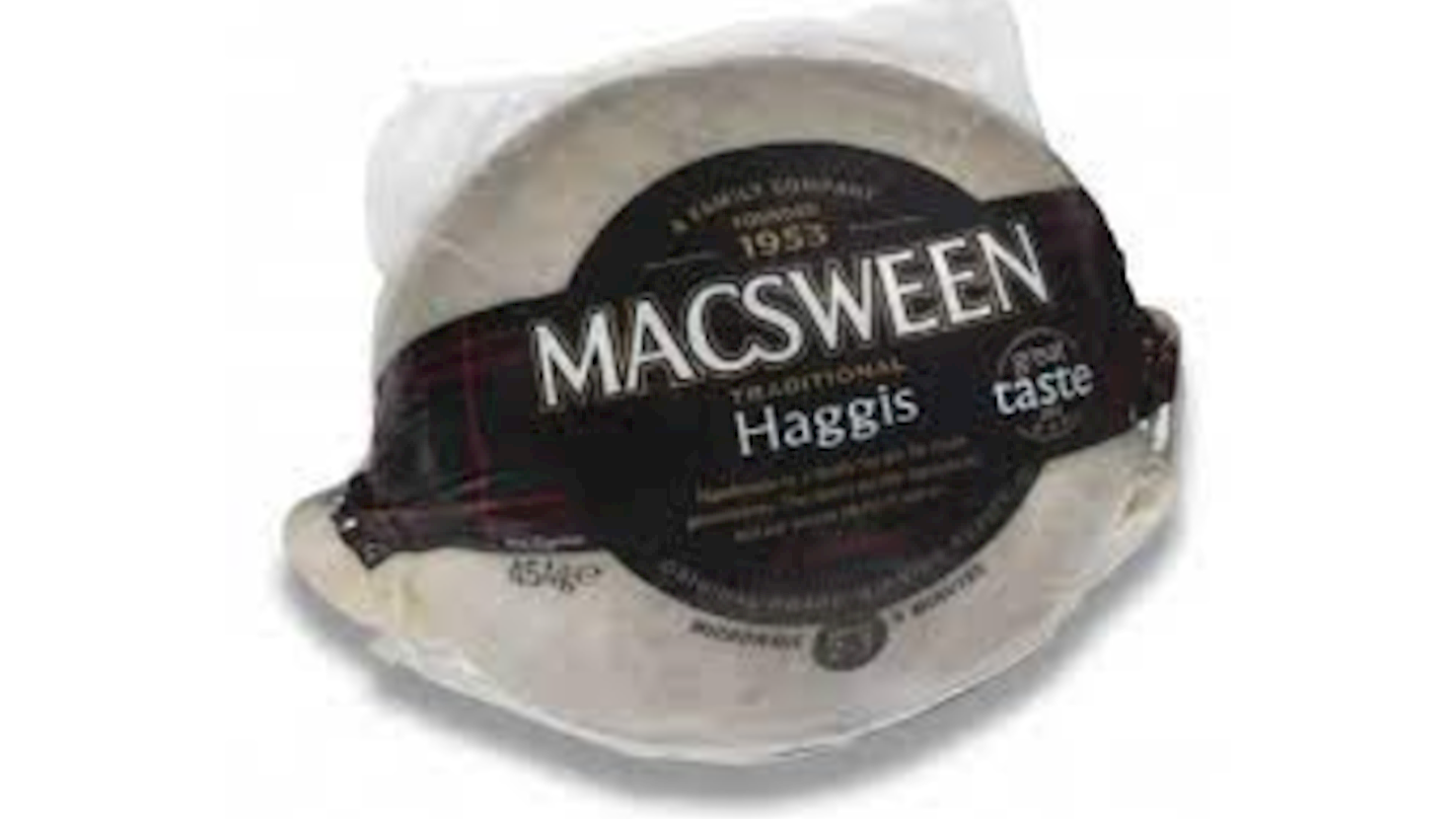
Macsween is a family-run business in its third generation, specializing in the production of the traditional Scottish dish – haggis. It was founded by Charlie and Jean Macsween in 1953 in Edinburgh, and today it is run by their sons, John and Kate.
In 1984, Macsween developed the first vegetarian haggis, using a blend of vegetables, legumes, oats, seeds, and spices, making it popular among vegetarians, vegans, and meat-eaters alike. Macsween is also a pioneer in exporting haggis to international markets.
Today, Macsween produces various haggis varieties, including game, venison, gluten-free, and triple haggis, as well as vegetarian haggis, offering a wide range of options for enthusiasts of this traditional dish.
TasteAtlas food rankings are based on the ratings of the TasteAtlas audience, with a series of mechanisms that recognize real users and that ignore bot,
nationalist or local patriotic ratings, and give additional value to the ratings of users that the system recognizes as knowledgeable.
For the “Top 100 European Offal Dishes” list until October 15, 2026, 5,837 ratings were recorded, of which 3,822 were recognized by the system as legitimate.
TasteAtlas Rankings should not be seen as the final global conclusion about food. Their purpose is to promote excellent local foods,
instill pride in traditional dishes, and arouse curiosity about dishes you haven’t tried.
The initial list of top producers was compiled based on available reviews, awards, local recommendations, media and blog coverage, and consumer reviews.
The list will be updated with ratings from TasteAtlas local ambassadors and TasteAtlas users.









What People Say