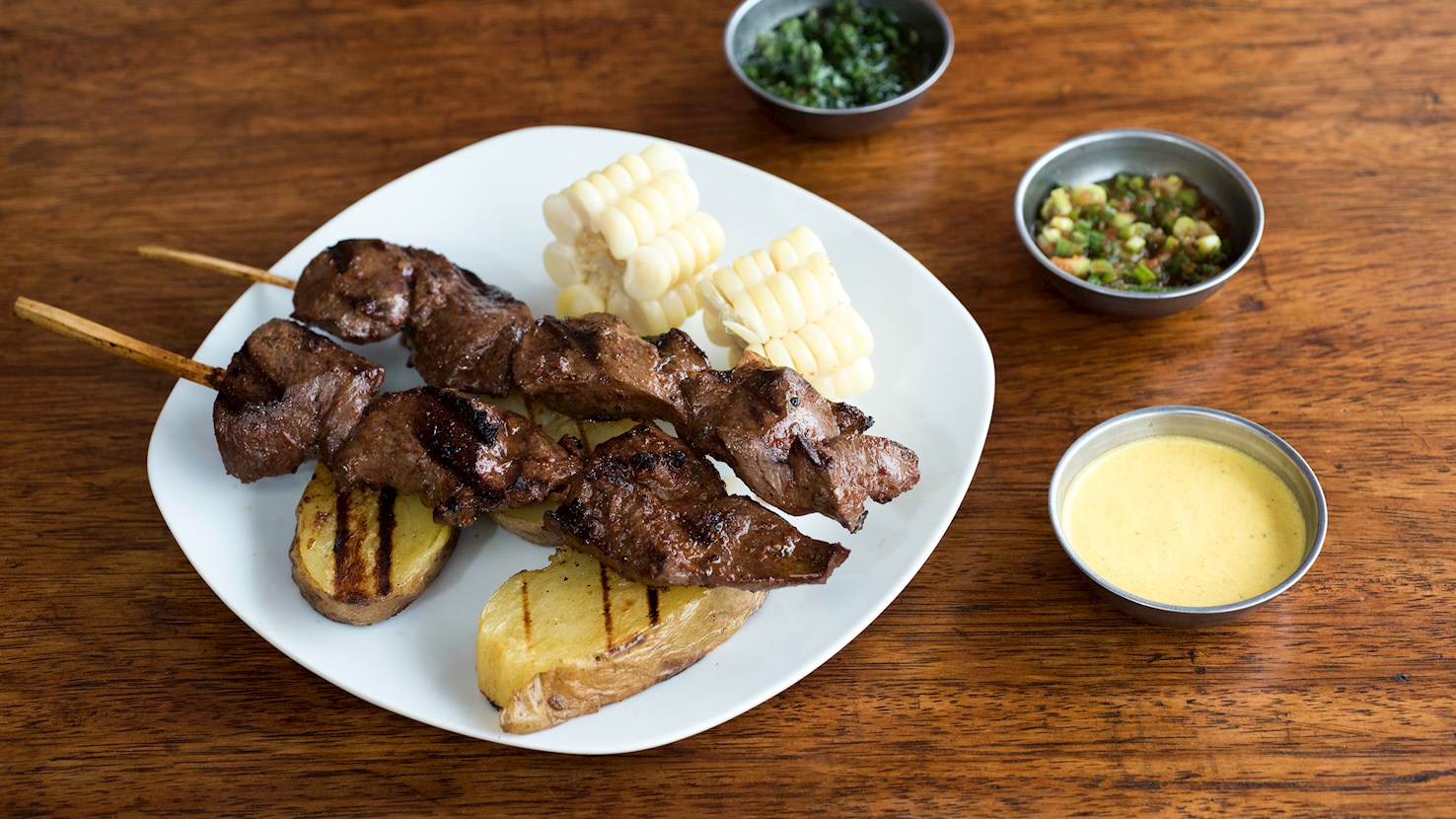
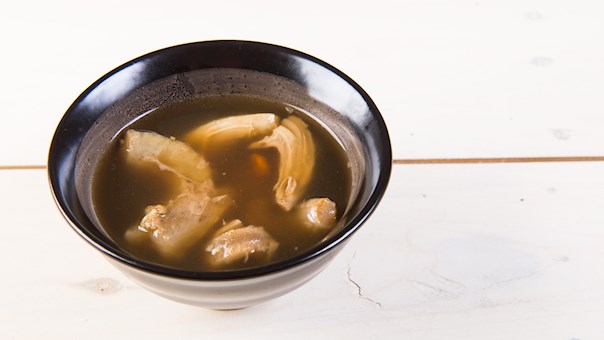
Anticucho de corazon is a traditional dish originating from Peru, consisting of beef heart skewers. The dish is made with a combination of beef heart, oil, red wine vinegar, garlic, oregano, cumin, salt, and aji panca hot pepper paste. The beef heart is cut into cubes and marinated in a combination of all other ingredients. The cubes are then skewered and grilled until fully cooked and slightly charred. These beef heart skewers are traditionally served with accompaniments such as thick slices of boiled potatoes, corn, and aji amarillo sauce on the side as a dip. It's recommended to enjoy anticucho de corazon with a bottle of ice-cold beer.
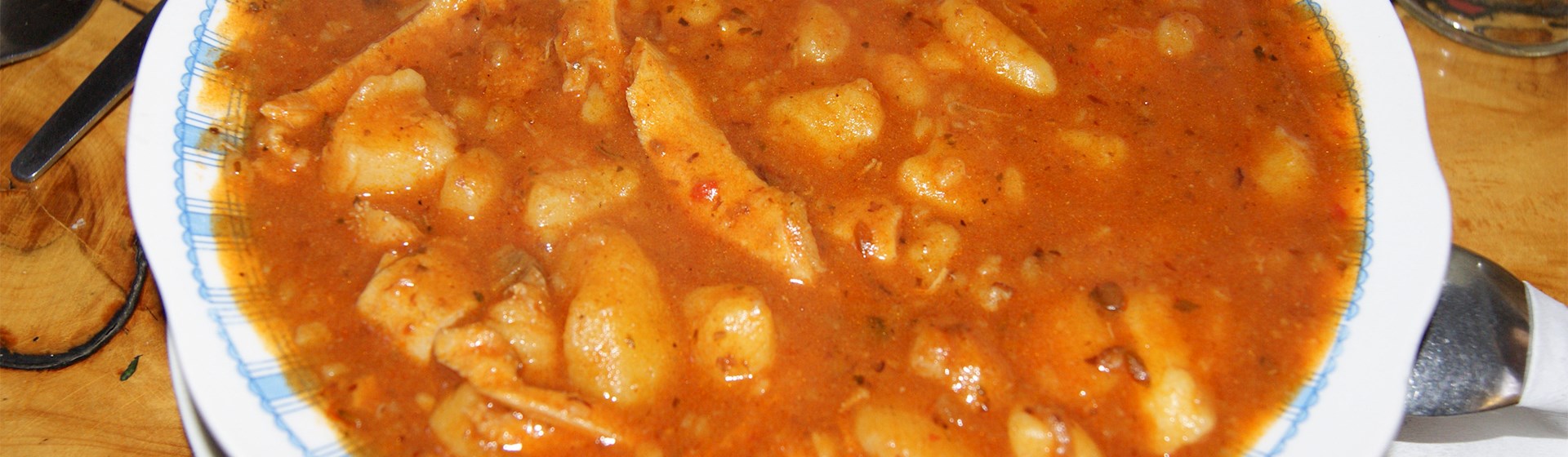
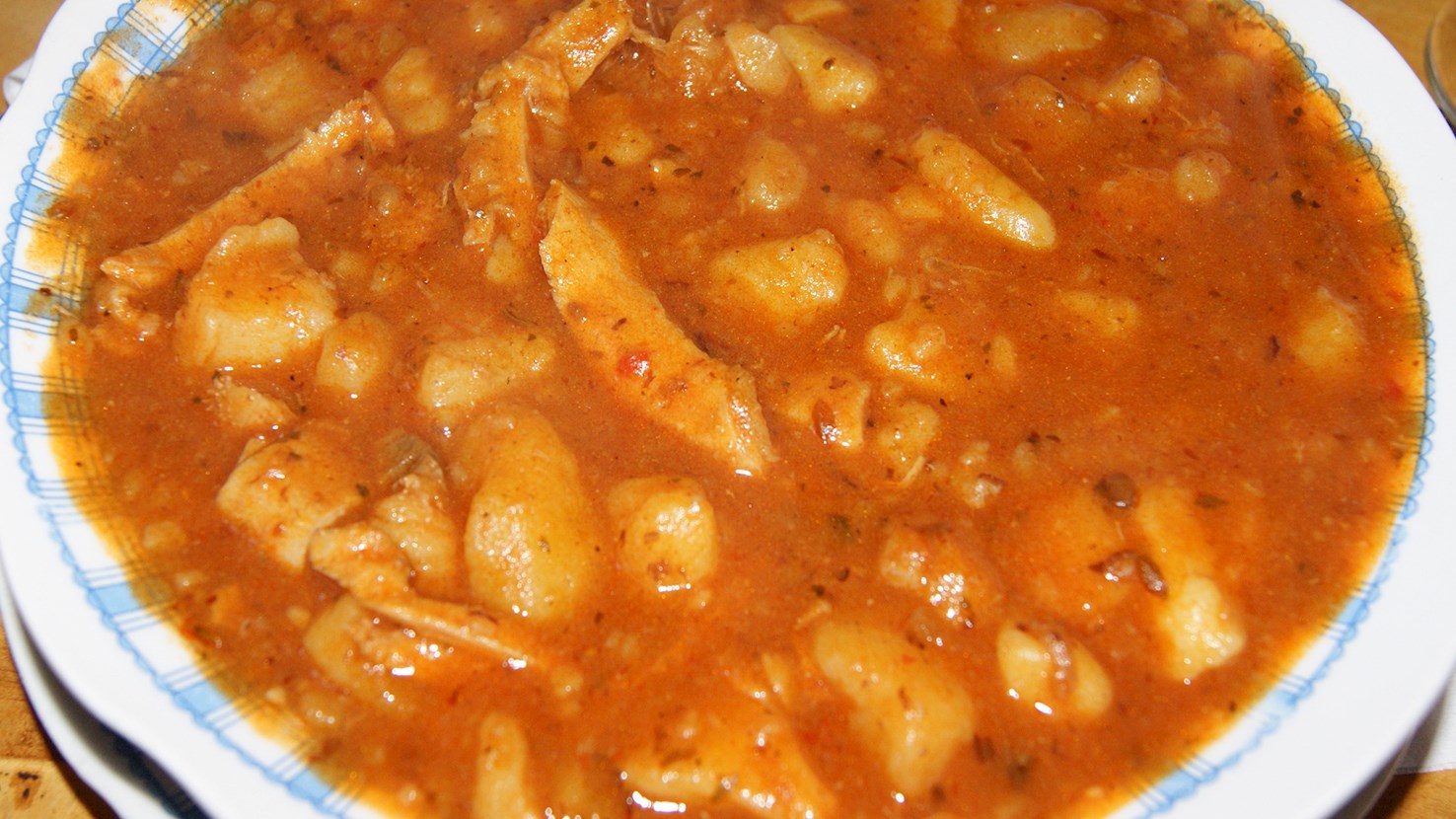
Picante a la tacneña is a traditional dish originating from Tacna. It is made with tripe, chili peppers, dried meat (lamb or llama), cow's foot, and local papa negra (also known as mariva) potatoes. The chili peppers are first cooked in water with garlic and cumin until the sauce develops a thick texture. It is then combined with meat, while the potatoes are added later. When the dish is fully cooked, it is usually served with marraqueta bread and a glass of dry red wine on the side.
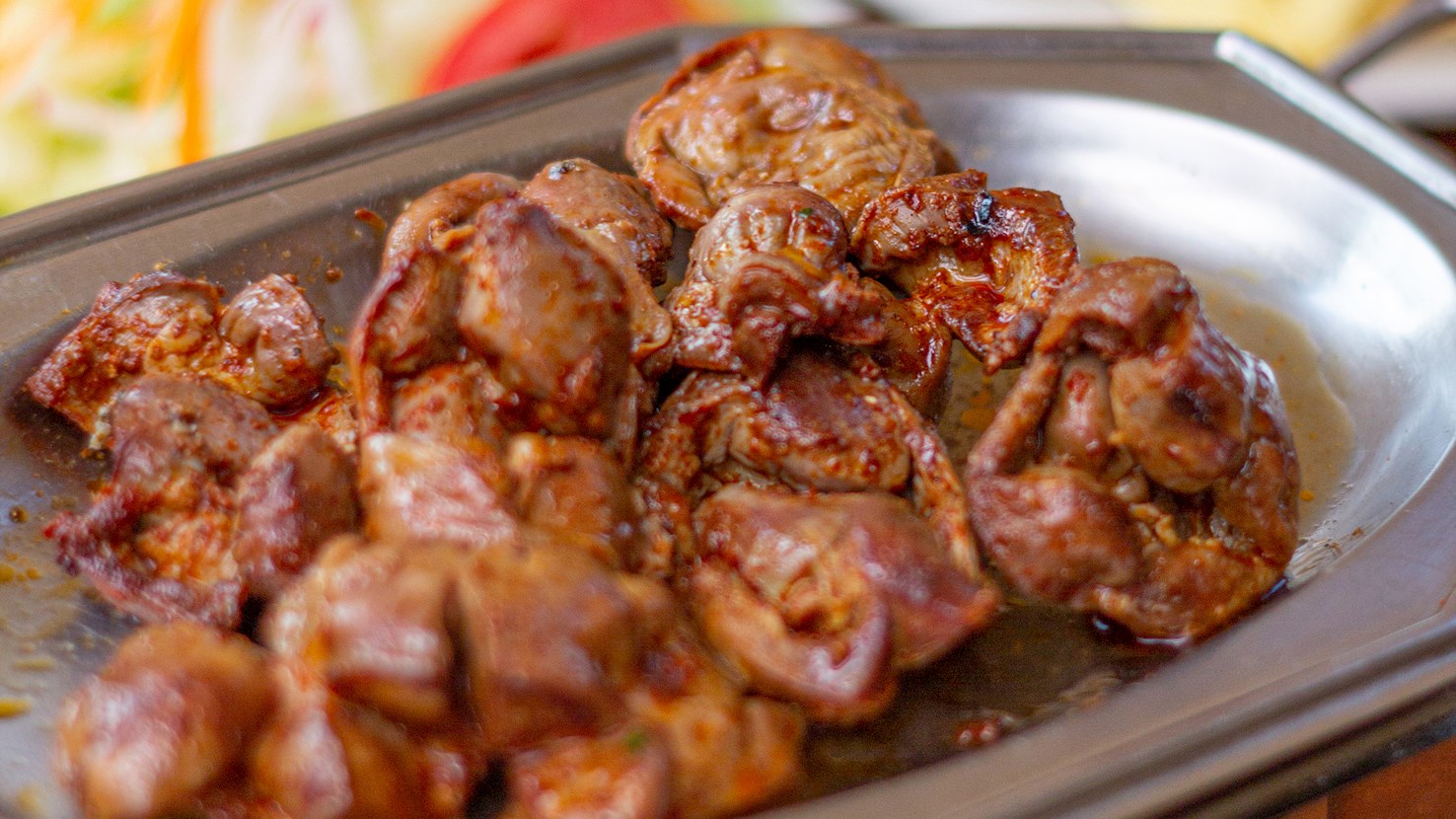
Molleja, also known as sweetbread, refers to the thymus (corazón or heart) and pancreas (cuello or neck) of beef cattle, with the former being smoother, less fatty, and more flavorful compared to the latter. Molleja is typically prepared one of two ways. It is either soaked overnight in water or milk, then boiled and grilled, or only grilled twice, first to precook and then to form a crispy outside. When perfectly prepared, the texture of molleja is crunchy on the outside and buttery on the inside. It is served as a starter sprinkled with salt and lemon juice.
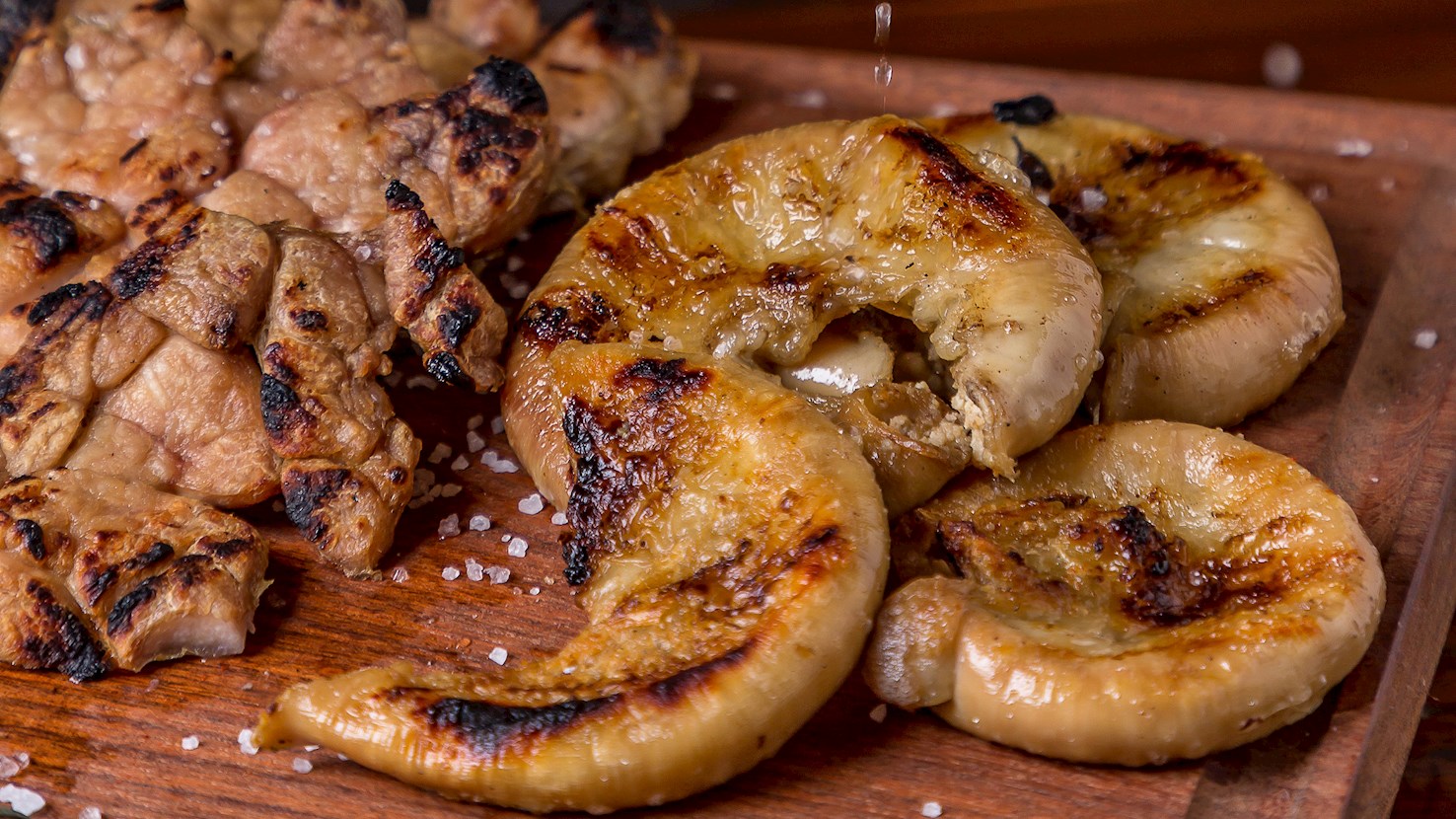
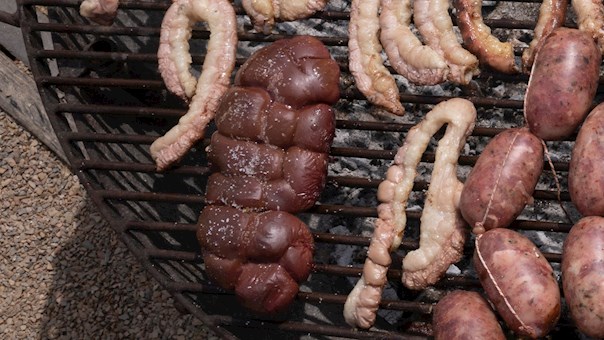
Chinchulines is a small intestine of beef cattle that is either cut in pieces, braided (trenzado), or filled with stuffing, usually a garlic and parsley one, then grilled. For good results, the important thing is to prep the intestine, meaning clean it well and boil it in water or milk to tenderize it, or it might end up gummy and bad tasting when grilled. Chinchulines are grilled over high heat, which results in a burnt, crunchy outside that will burst upon biting into it. Although typically made with beef’s small intestine, it can also be made with lamb. Chinchulines are an appetizer served with just salt and lemon. Also, chinchulines are somewhat controversial, as although some people love them, lots of people detest them.
Ají de lengua is a traditional stew with a spicy flavor. It is made with beef tongue, oil, onions, tomatoes, hot chili peppers, parsley, cumin, oregano, and (often) green peas. The tongue is boiled, cut into thin slices, and it is then cooked with the rest of the ingredients. This hearty stew is traditionally served with chuño potatoes and steamed rice on the side.
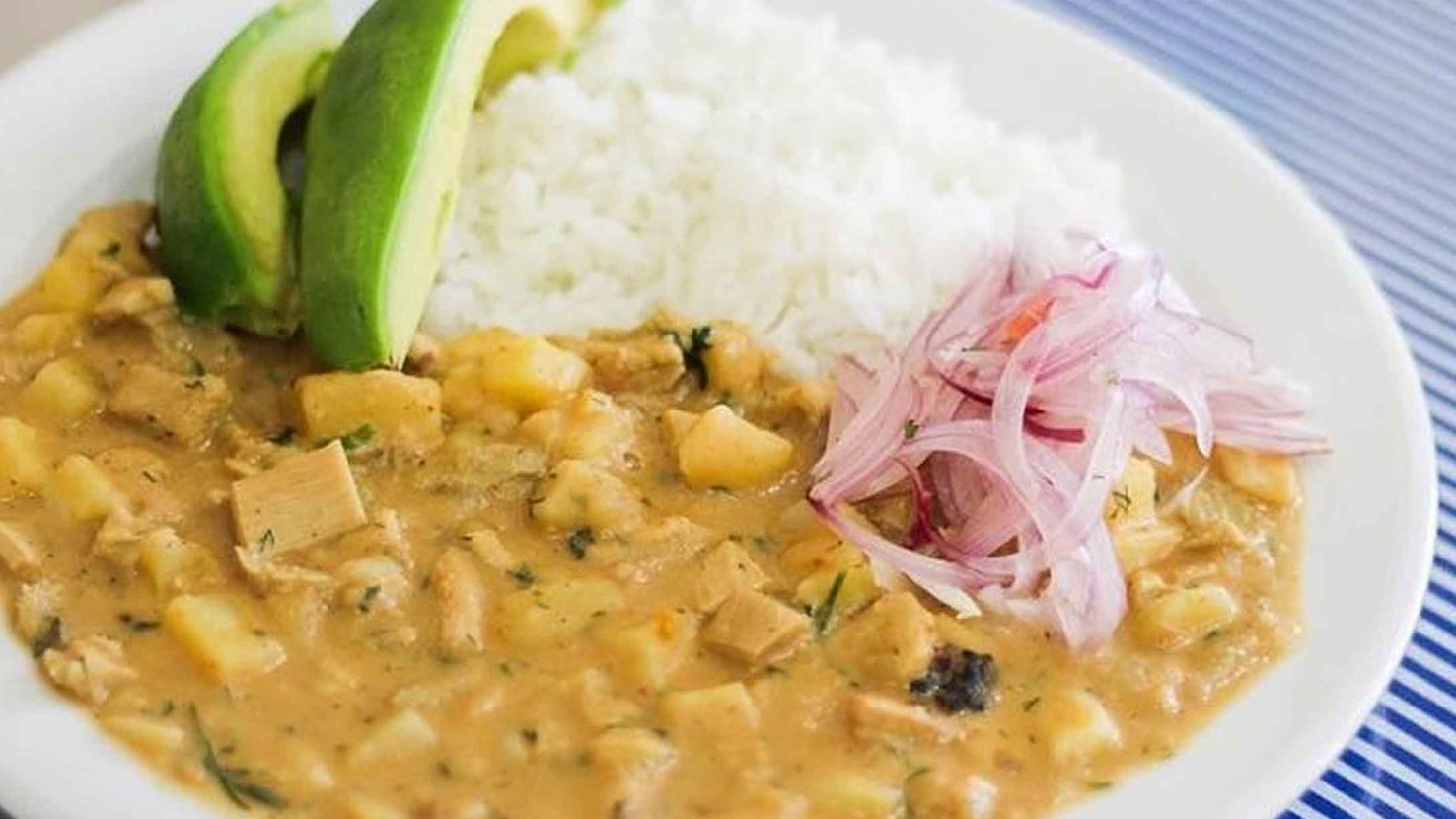
Guatita is Ecuador's national dish, a hearty, thick stew consisting of tripe simmered in a sauce of peanuts and potatoes. The name of the dish can be translated as little guts. Tripe must be cleaned a few times with lemon juice and water, then chopped and fried with onion and spices before being combined with potatoes and peanut butter. The dish is traditionally served with white rice, pickled onions, avocado slices, and hot sauce on the side.
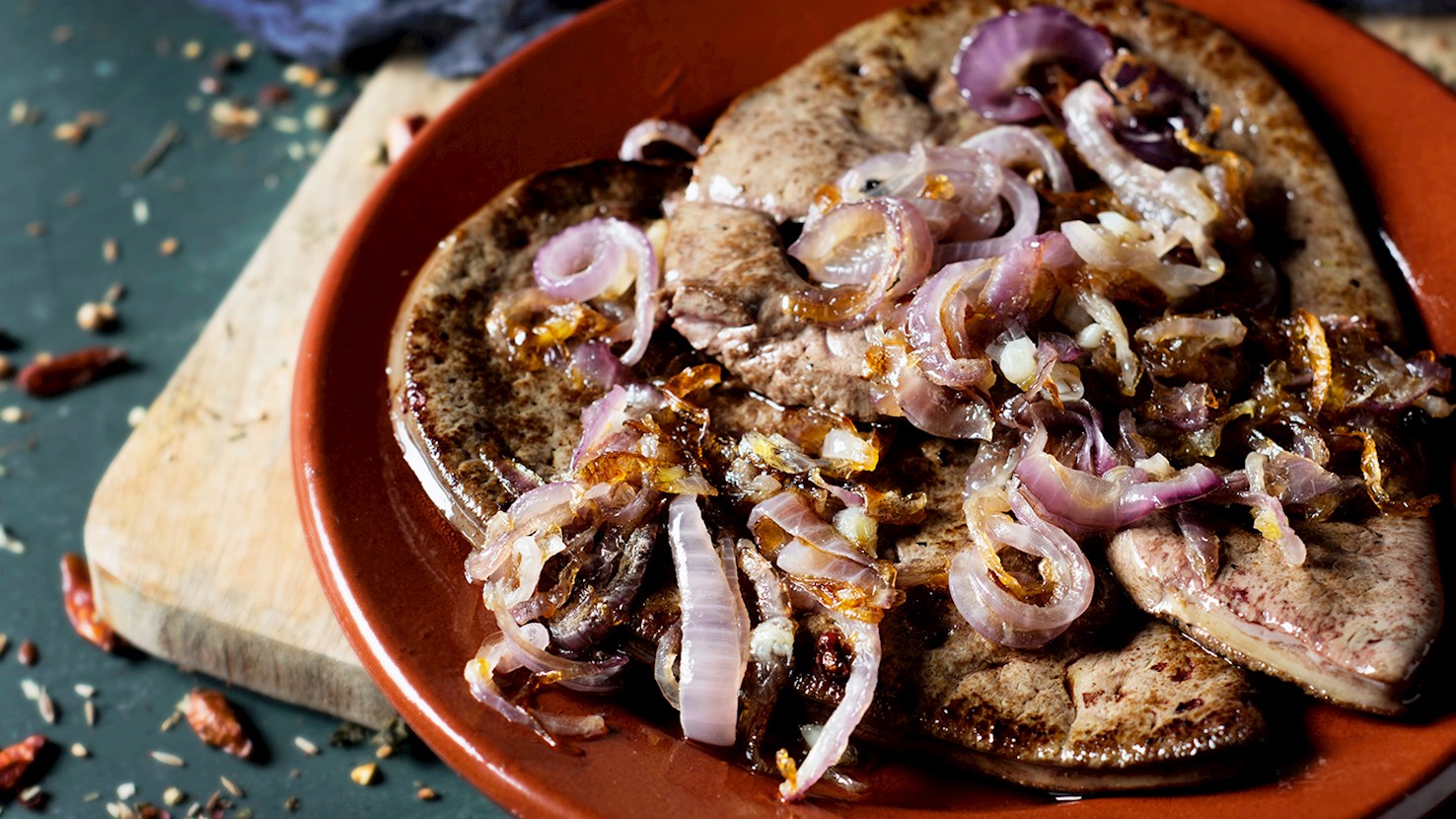
Higado encebollado is a traditional dish that's popular throughout South America, especially in Mexico and Peru. It consists of beef liver and onions as the key ingredients. The liver is cut into thin slices, then seasoned with salt and pepper before it's sautéed in oil with bell peppers, onions, and sometimes tomatoes. Once cooked, the dish is served hot, usually with rice or mashed potatoes on the side.
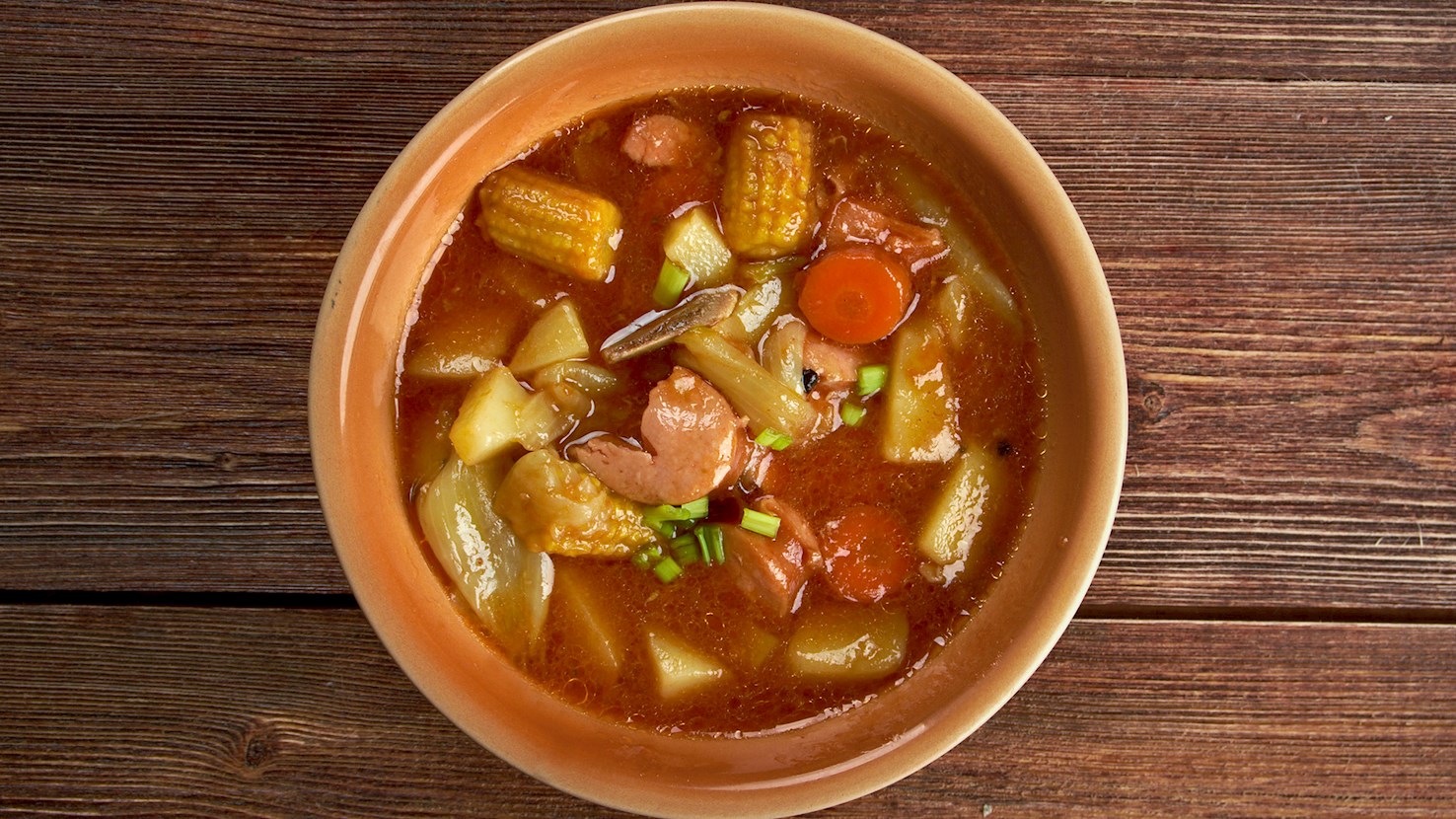
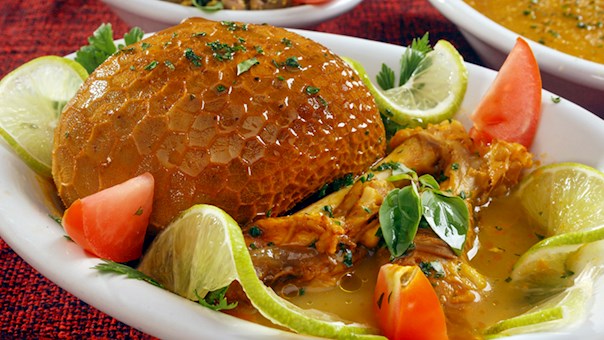
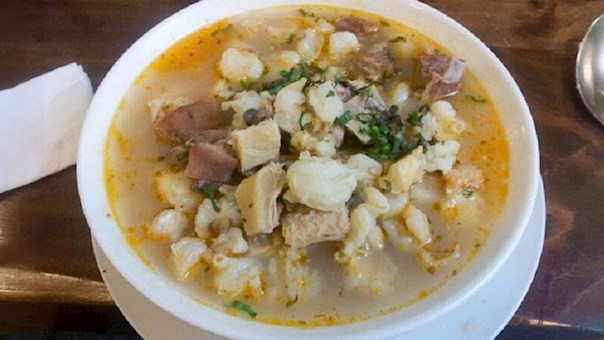
Sopa de mondongo is a term that is widely used all across Central and South America when referring to a hearty tripe and vegetable soup. The star of the dish is beef or pork tripe, the rather tough edible part of animal stomach which is cut into smaller pieces and cooked with other ingredients in a flavorful broth. Different versions of the soup are found all across Latin America, where it has been adapted with locally available ingredients and spices. Typically, sopa de mondongo employs plain and sweet potatoes, cassava, corn, cabbage, plantains, onions, sliced avocado, and generous amounts of chopped cilantro, which is used as a garnish. It is often spiced with cumin and the authentic Latin American spice called achiote. Local varieties commonly include additional ingredients such as lean pork meat, pork feet, Columbian chorizo sausage, and animal bone marrow. Because of its nutritious ingredients, it is usually regarded as a complete meal that is mainly served alongside white rice. Sliced lemon or lime wedges and local tortilla varieties such as arepa in Colombia are often served on the side. Unusual additions may include raisins or capers in Puerto Rican versions, or peanut sauce in the Ecuadorian version, popularly called guatica. In many Latin American countries, sopa de mondongo is believed to have healing properties, and it represents a traditional dish that is usually served for lunch or in the early hours after a night of clubbing.
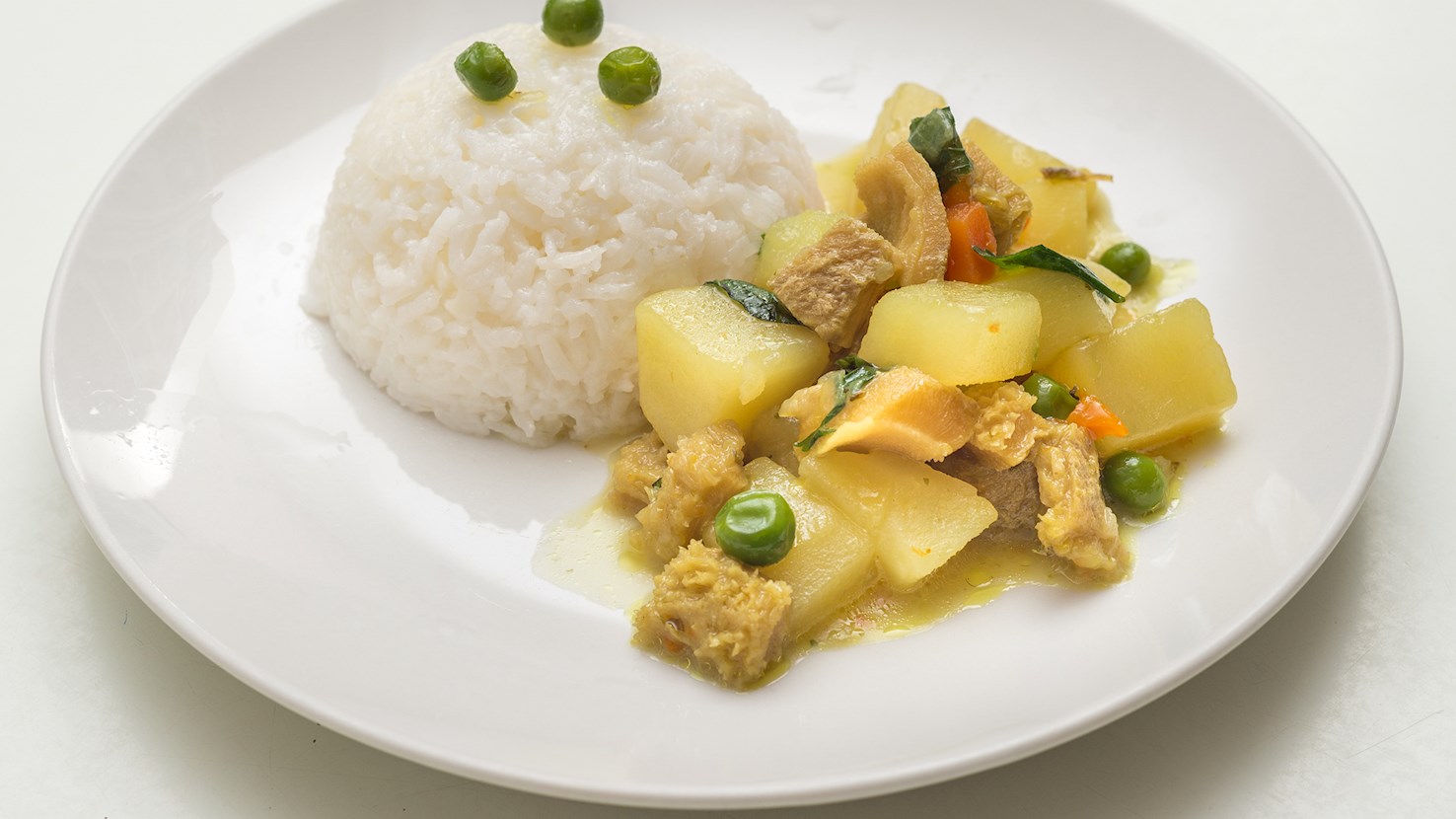
Cau cau is a traditional offal stew, made primarily from mondongo (tripe, which is the stomach lining of cows) and diced potatoes. The ingredients are cooked with a turmeric-based sauce, which gives the dish its characteristic yellow color. Yellow chili peppers (aji amarillo) are also typically used to add flavor and a bit of heat to the dish. In the preparation of cau cau, onions, garlic, and sometimes bell peppers are sautéed, after which turmeric, the tripe, potatoes, and broth are added. The stew is then simmered until the ingredients are tender. Fresh mint leaves might be sprinkled on top just before serving to add a fresh touch.
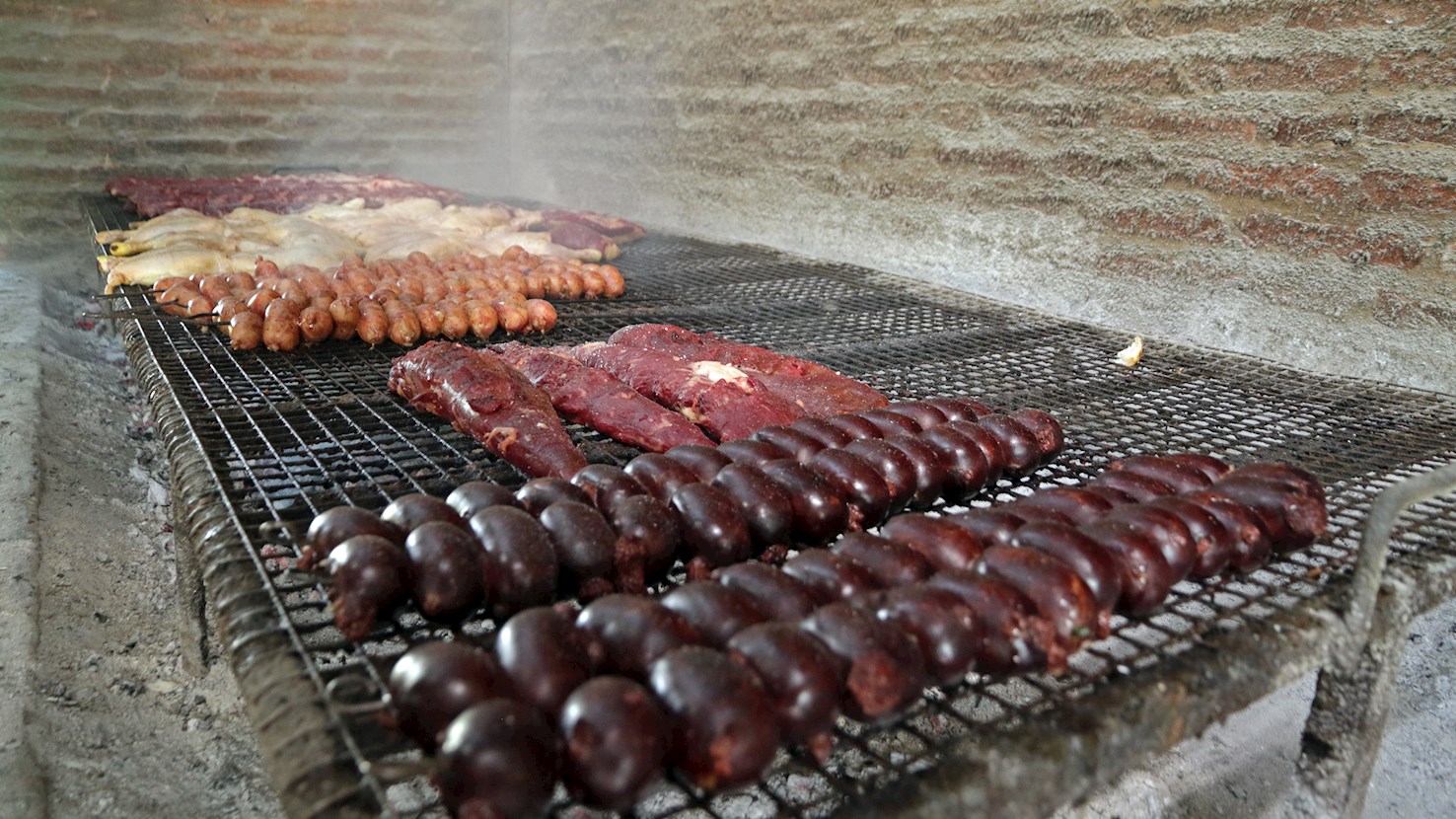
Morcilla a la parilla is a sausage dish that’s prepared by grilling morcilla blood sausage. Every morcilla is different. Some are savory, seasoned with salt, pepper, garlic, and onion, and some are sweeter and have things like raisins, cloves, and nuts, so the dish is each time different depending on the sausage used. Also, because morcilla is a pre-cooked sausage, technically, it is only heated on the grill, not cooked. It can be eaten plain or spread on bread.
TasteAtlas food rankings are based on the ratings of the TasteAtlas audience, with a series of mechanisms that recognize real users and that ignore bot,
nationalist or local patriotic ratings, and give additional value to the ratings of users that the system recognizes as knowledgeable.
For the “Top 23 South American Offal Dishes” list until June 15, 2026, 1,571 ratings were recorded, of which 451 were recognized by the system as legitimate.
TasteAtlas Rankings should not be seen as the final global conclusion about food. Their purpose is to promote excellent local foods,
instill pride in traditional dishes, and arouse curiosity about dishes you haven’t tried.