lemondephilomene.over-blog.com

Top 4 Provençal Olives

Last updated on June 01, 2026

Best Provençal Olives
01

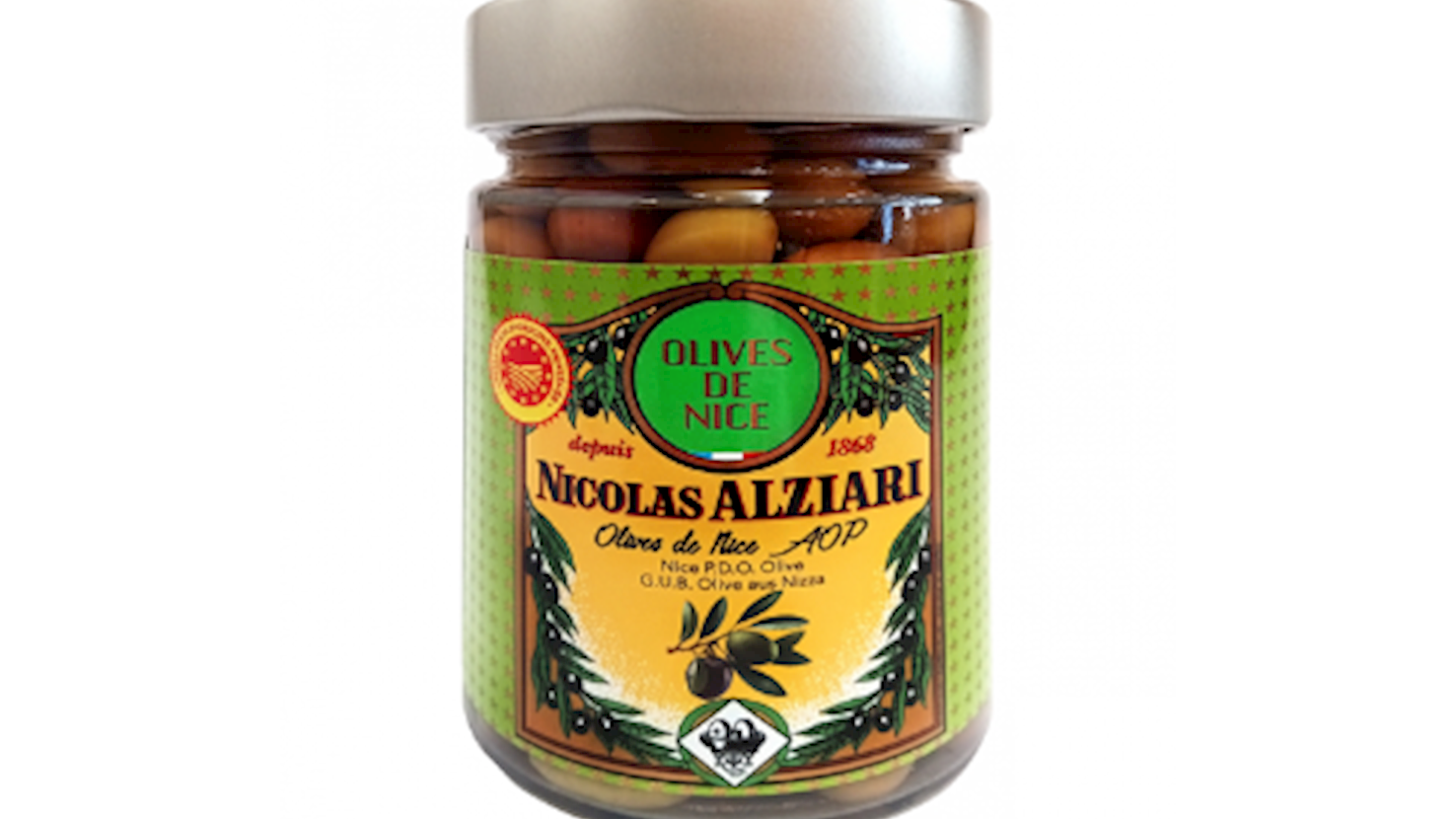
Maison Nicolas Alziari

4.9 ·
Maison Nicolas Alziari is one of France’s oldest and most recognizable olive-oil houses, founded in 1868 in Nice. Their work is rooted in traditional milling methods combined with a refined selection system that blends the local Cailletier variety with carefully chosen olives from across the Mediterranean. They own extensive groves along the Côte d’Azur and control the entire production process - from harvest to bottling - which ensures consistent quality and a distinctive aromatic style. The Alziari range spans from delicate, mild oils to more fruity and intense expressions, while their signature blue tin has become an emblem of heritage and craftsmanship. Today, their oils are regarded as a benchmark of French olive-oil production and are sold in specialty shops around the world.

Best Provençal Olives Types

01

Olive de Nice

3.6 ·

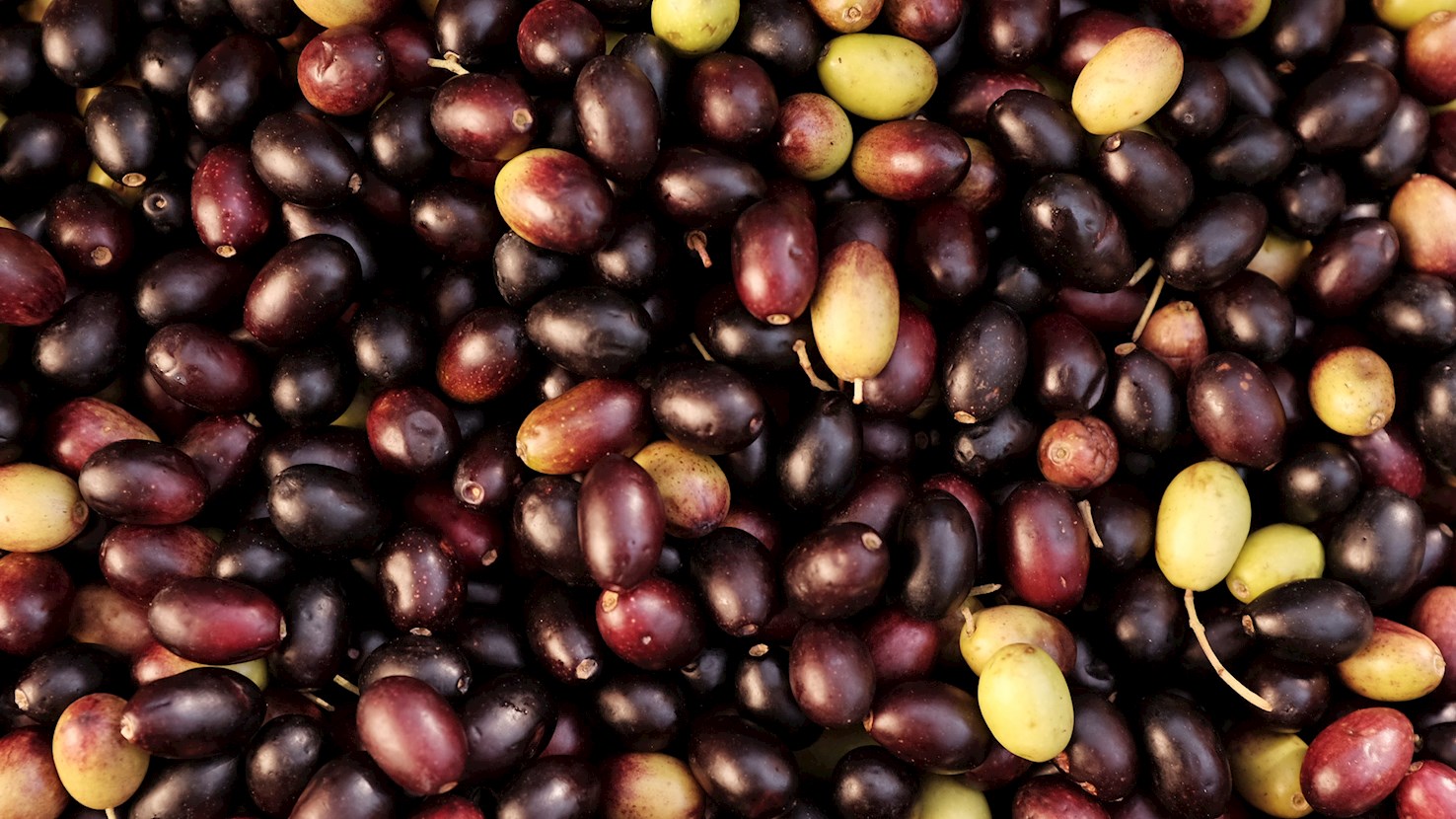
Olive de Nice are olive products of the Cailletier variety coming from the French region of Alpes-Maritimes. The product refers to small, meaty olives and olive paste. The olives have a firm texture, a smell reminiscent of dried fruit and a slightly bitter taste. The flesh is delicate and must come away easily from the pits while their color is yellow-green to brown and dark blue to black. The olive paste, on the other hand, has a smooth, fine texture with a smell compared to that of olive oil, and has a wine color, neither green nor too dark. The olives are preserved in brine for 3 months, and a further 3 months for making the paste. They are most commonly eaten on their own, as an appetiser, paired with aged blue cheese and red wine, or used in Salade Nicoise with tuna.

02

Olives Cassées de la Vallée des Baux de Provence

n/a ·

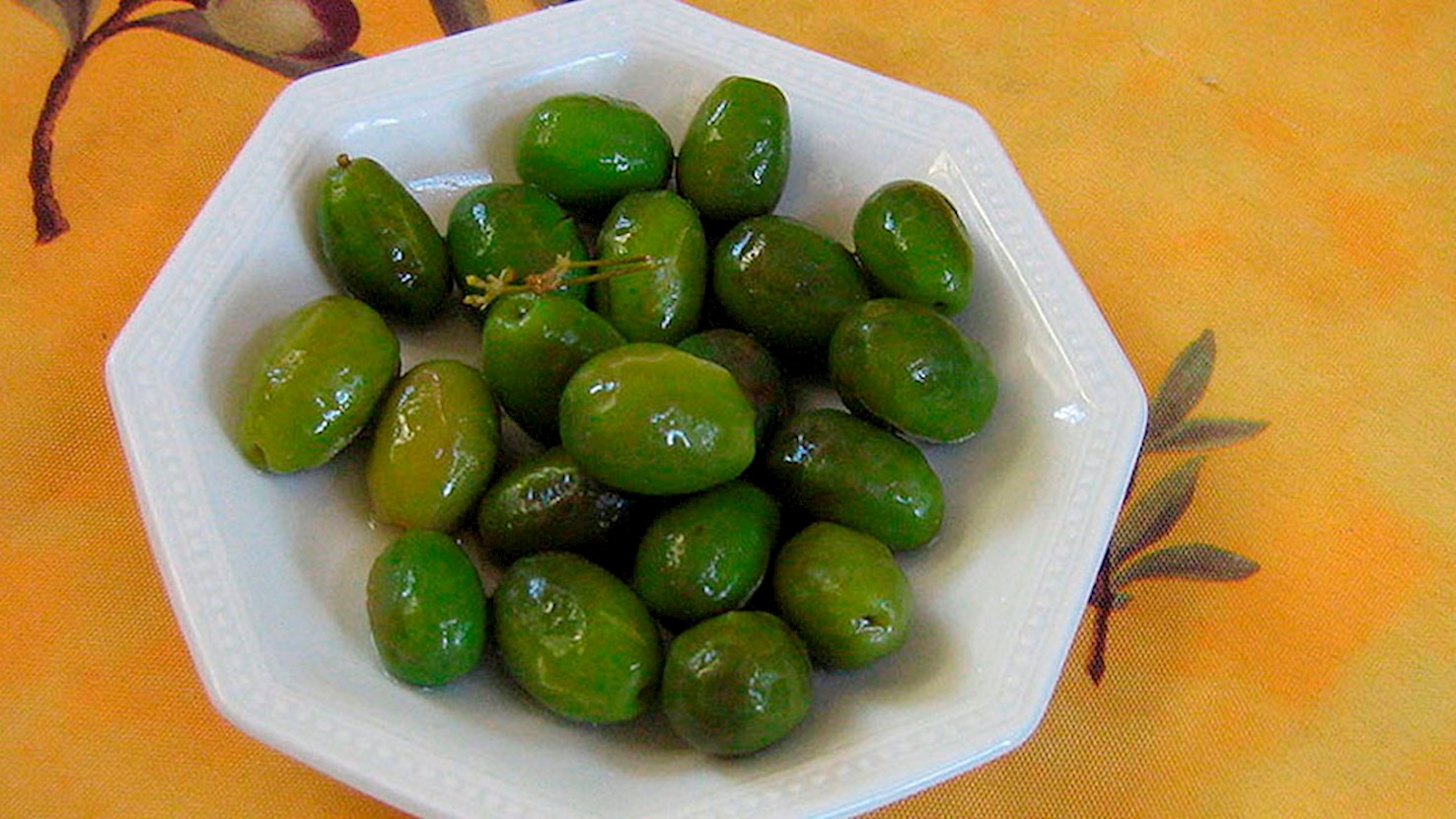
Olives cassées de la Vallée des Baux de Provence are broken, green olives from the Salonenque or Béruguette varieties that have a low shelf life, and come flavored with fennel. The olives have been produced in the French region of Bouches-du-Rhône since the 18th century. Since they are an early product and are the first table olives to reach the consumers in October and early November, they are excitedly awaited each year. They are broken mechanically and left to lose their bitterness, washed with water, put in a brine solution and seasoned with fennel seeds, flowers and stalks. The taste is buttery with a hint of almond, while the taste of fennel is also prevalent, and their flesh is solid.

03

Olives noires de la Vallée des Baux de Provence

n/a ·

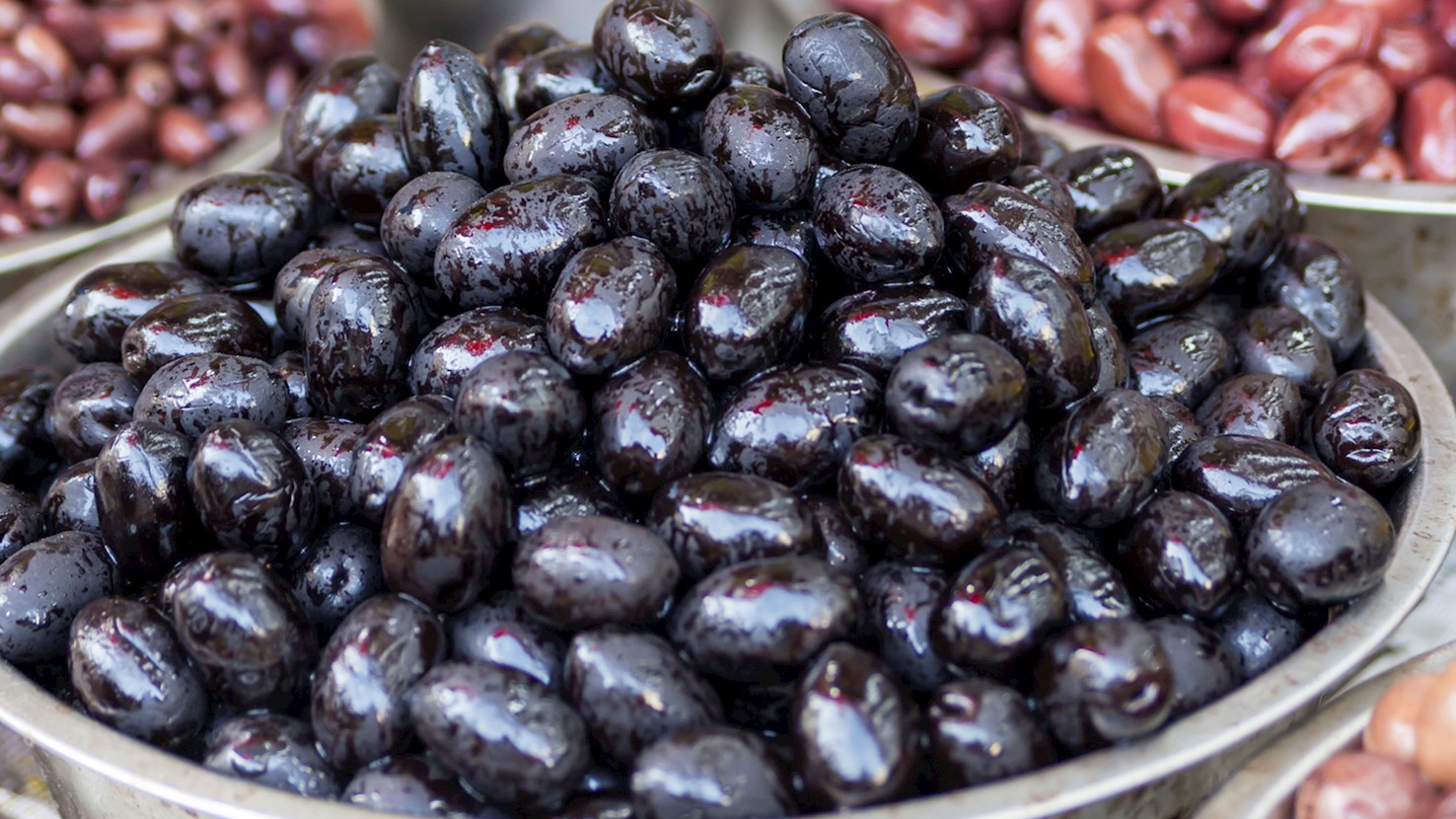
Olives noires de la Vallée des Baux de Provence are dark olives of the Grossane variety grown exclusively in the French region of Bouches-du-Rhône. They have a tasty, chunky flesh and are plump and short, with a wide base. If they get pressed in order to produce olive oil, the oil possesses aromas reminiscent of fresh grapefruit and tomatoes. They reach the consumers' table in December, which is why they hold the nickname Christmas olives, providing an additional source of income for the farmers during the winter season. These olives can be pricked and sprinkled with salt or placed in brine for up to three months. They can be used as an appetizer, made into pastes and tapenades or provide an aromatic touch to cooked dishes.

04

Cailletier

n/a ·

Cailletier is an olive cultivar from southeastern France, most closely associated with the Alpes-Maritimes and the hills surrounding Nice, used both as a table olive and as the base for the olive oil known as huile de Nice AOP. It is a small, dark olive valued for its consistent yield and its ability to grow well in the mild Mediterranean climate of the region. Its presence in local agriculture developed as olive groves expanded across the Provençal and Niçois landscape, where growers selected and replanted trees that adapted best to the rocky soils and coastal weather, allowing the variety to become firmly established in small village orchards and later in more organized agricultural estates. Preparation for table consumption involves curing the olives in brine or through a salt-based method to reduce bitterness, after which they are stored in seasoned brines that may include herbs or citrus peel depending on local practice, while for oil production the olives are harvested and pressed soon after picking to maintain the fruity and lightly bitter profile characteristic of the cultivar. One feature that distinguishes Cailletier is its capacity to produce an oil with a gentle flavor that remains stable even when the olives are harvested relatively late in the season, giving producers flexibility in managing groves across varied elevations. The olives and the oil are eaten throughout the Provence–Alpes–Côte d’Azur region and appear widely in Niçois dishes such as salade niçoise, pissaladière, and various vegetable preparations. They pair well with fresh goat cheeses, tomatoes, anchovies, roasted peppers, grilled fish, and rustic breads, while the oil matches both light white wines and rosés from Provence as well as simple herbal teas when served with bread and olives at the table.

Read more
View all
View map
About this ranking

TasteAtlas food rankings are based on the ratings of the TasteAtlas audience, with a series of mechanisms that recognize real users and that ignore bot, nationalist or local patriotic ratings, and give additional value to the ratings of users that the system recognizes as knowledgeable. For the “Top 4 Provençal Olives” list until June 01, 2026, 18 ratings were recorded, of which 14 were recognized by the system as legitimate. TasteAtlas Rankings should not be seen as the final global conclusion about food. Their purpose is to promote excellent local foods, instill pride in traditional dishes, and arouse curiosity about dishes you haven’t tried.

The initial list of top producers was compiled based on available reviews, awards, local recommendations, media and blog coverage, and consumer reviews. The list will be updated with ratings from TasteAtlas local ambassadors and TasteAtlas users.

Similar lists