Top 4 European Orange Wines

Last updated on July 01, 2026

Best European Orange Wines
01

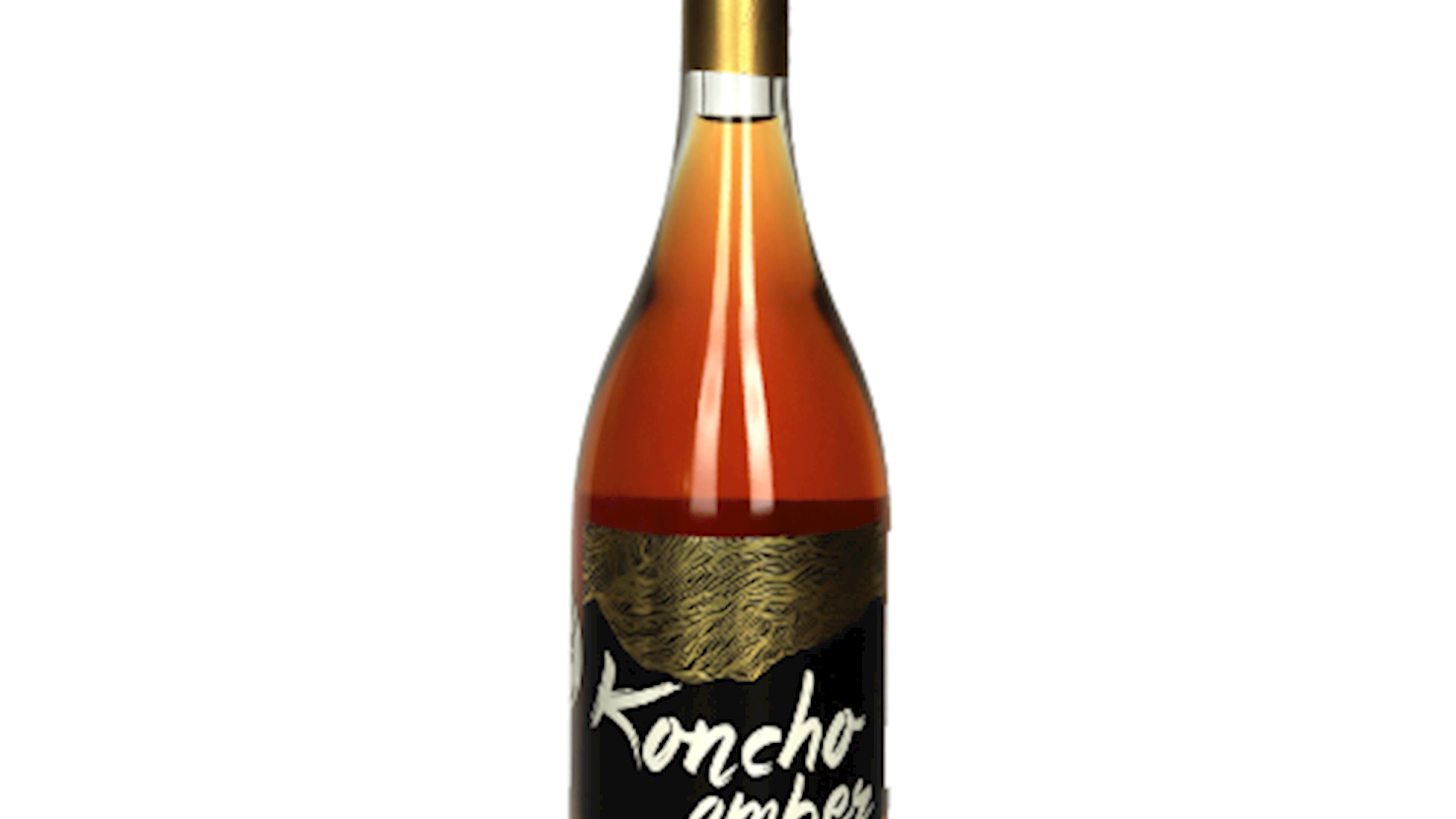
Koncho & Co

4.9 ·

Koncho & Co is a Georgian winery based in Kvareli, in the Kakheti region, rooted in a long-standing winemaking tradition linked to the Konchoshvili family, whose history dates back several centuries. The modern company was established in the early 2000s and combines historical heritage with a contemporary approach to wine production.

Its vineyards are located in well-known microzones such as Kvareli and Kindzmarauli, where specific climatic and soil conditions contribute to a strong terroir expression. Production integrates traditional qvevri methods alongside modern technologies, achieving a balance between authenticity and consistency.

The winery focuses on indigenous grape varieties while also working to preserve and revive rare local grapes. Its portfolio includes a range of styles, from dry and semi-sweet wines to amber wines, as well as spirits such as chacha and brandy.

Koncho & Co wines are present on international markets and exported to multiple countries. Overall, the winery represents a combination of tradition, family heritage, and modern development within Georgian winemaking.

Awards
IWSC- International wine & spirit competition - Gold (2023)
02

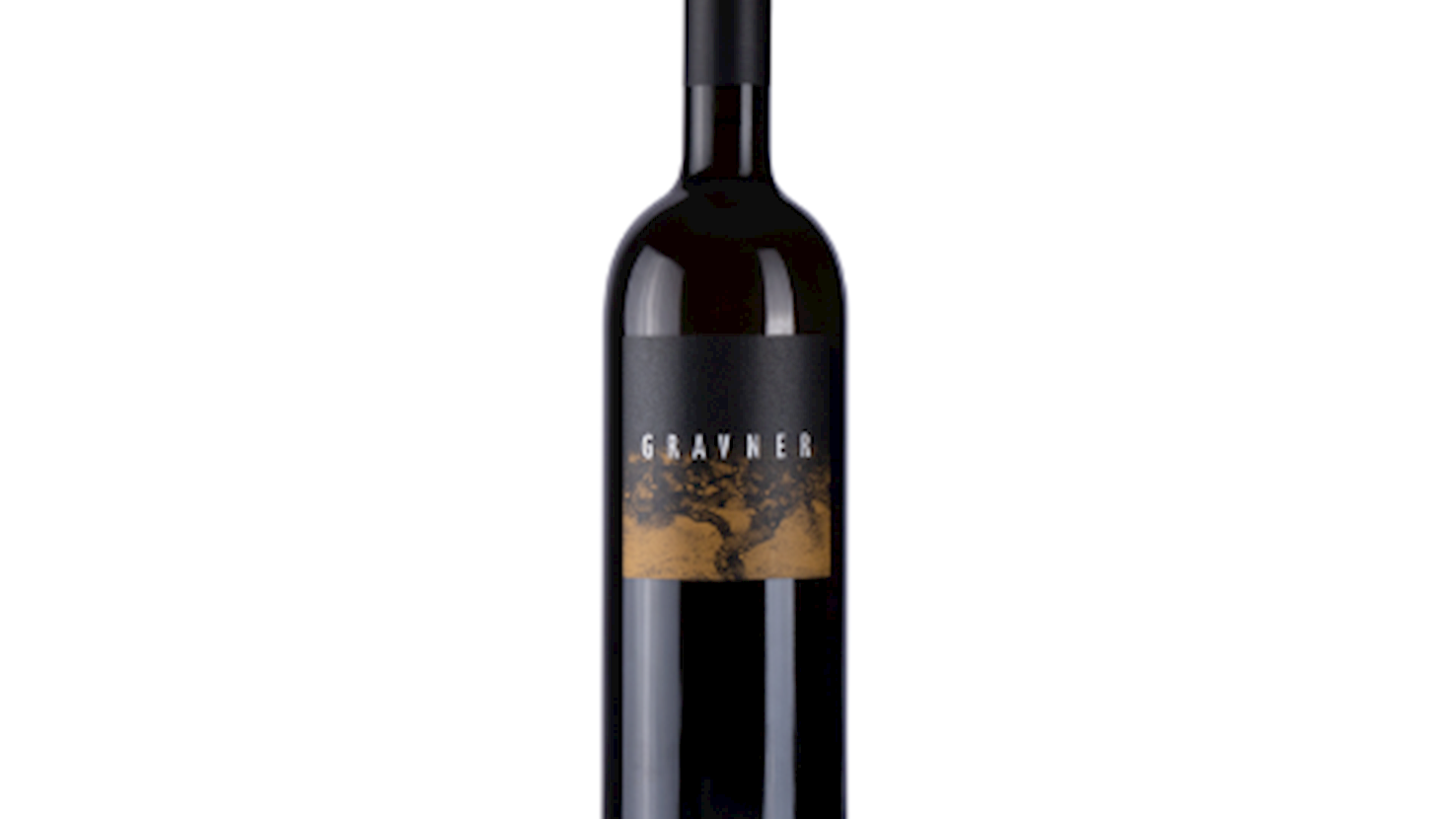
Gravner

4.7 ·

Gravner is a family-owned winery from the village of Oslavia, on the border between Italy and Slovenia, in the Friuli-Venezia Giulia region, recognized for its radical winemaking philosophy and pioneering role in the world of orange wines. Joško Gravner took over the winery in 1973, but it was in the mid-1990s that he made a decisive shift away from modern technology and returned to natural, traditional methods.

His turning point came after a trip to Georgia, where he discovered qvevri - large clay amphorae buried in the ground and used for fermentation and aging. Upon returning home, Gravner completely changed his approach: white wines ferment and macerate on the skins for several months in qvevri, without temperature control, essentially using the technique of red winemaking.

Afterward, the wine spends years aging in large Slavonian oak casks before being released. The varieties he focuses on are primarily Ribolla Gialla and Pignolo, while he has almost entirely eliminated international grapes to concentrate on terroir and the authentic expression of the Collio hills.

Gravner’s wines are intense, layered and complex, often showing aromas of dried fruit, stone fruit, nuts and a subtle oxidative character. Due to the extended skin contact, the white wines develop tannic structure, depth and excellent aging potential.

The winery’s philosophy is that wine should reflect the soil, the vintage and the hands of the winemaker - not technology. Today, Gravner is considered one of the most influential producers of orange wine in the world, frequently cited as a benchmark for authenticity and boldness in winemaking.

Awards
Vivino - 4.6
Vivino - 4.5
03

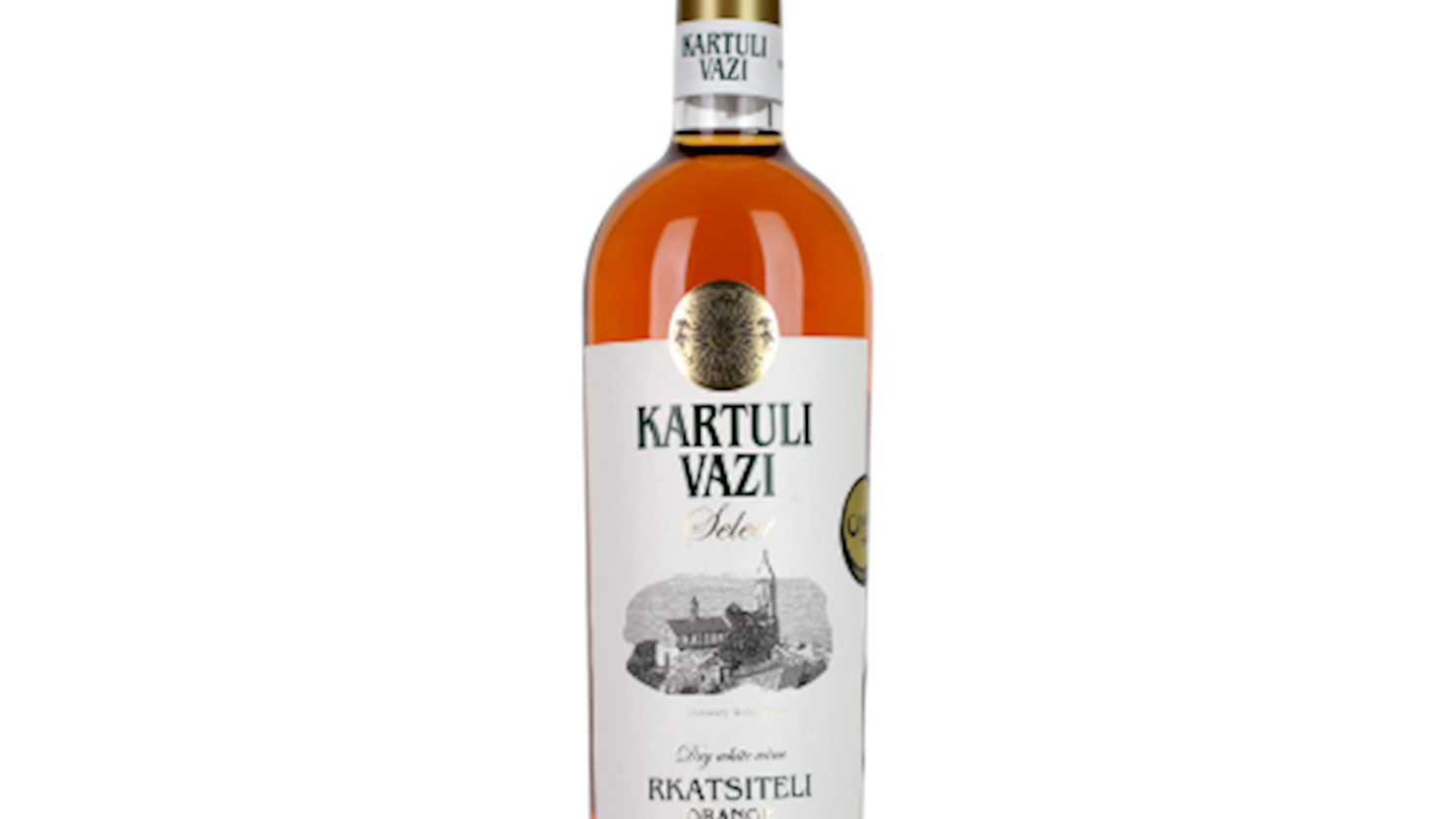
Tifliski Vini Pogreb

4.4 ·

Tifliski Vini Pogreb is a Georgian winery established in 2000, characterized by a clearly industrial approach to winemaking and a strong focus on broad market accessibility. The company is based in Tbilisi, while its grape supply is primarily sourced from vineyards in the Kakheti region, the country’s main wine-producing area.

Its production capacity is significant, enabling large-scale output through controlled and standardized processes that ensure consistency from vintage to vintage. The portfolio includes a wide range of styles and appellations, covering classic Georgian wines such as Mukuzani, Tsinandali, and Kindzmarauli, as well as more modern interpretations tailored for export markets.

In addition to wine, the company also produces spirits such as chacha and brandy, expanding its overall offering. One of its more recognizable product lines is Kartuli Vazi, which combines indigenous grape varieties like Rkatsiteli and Saperavi with a more accessible, commercially oriented style.

The winery operates in accordance with international food safety and quality standards, supporting its presence across multiple global markets. Its wines regularly participate in international competitions and have received notable awards.

Overall, Tifliski Vini Pogreb represents a contemporary, commercially driven winery that adapts Georgia’s winemaking heritage to the demands of international distribution.

Awards
IWSC- International wine & spirit competition - Gold (2022)
Vivino - 3.9

Best European Orange Wine Types

01

Friulano

3.7 ·

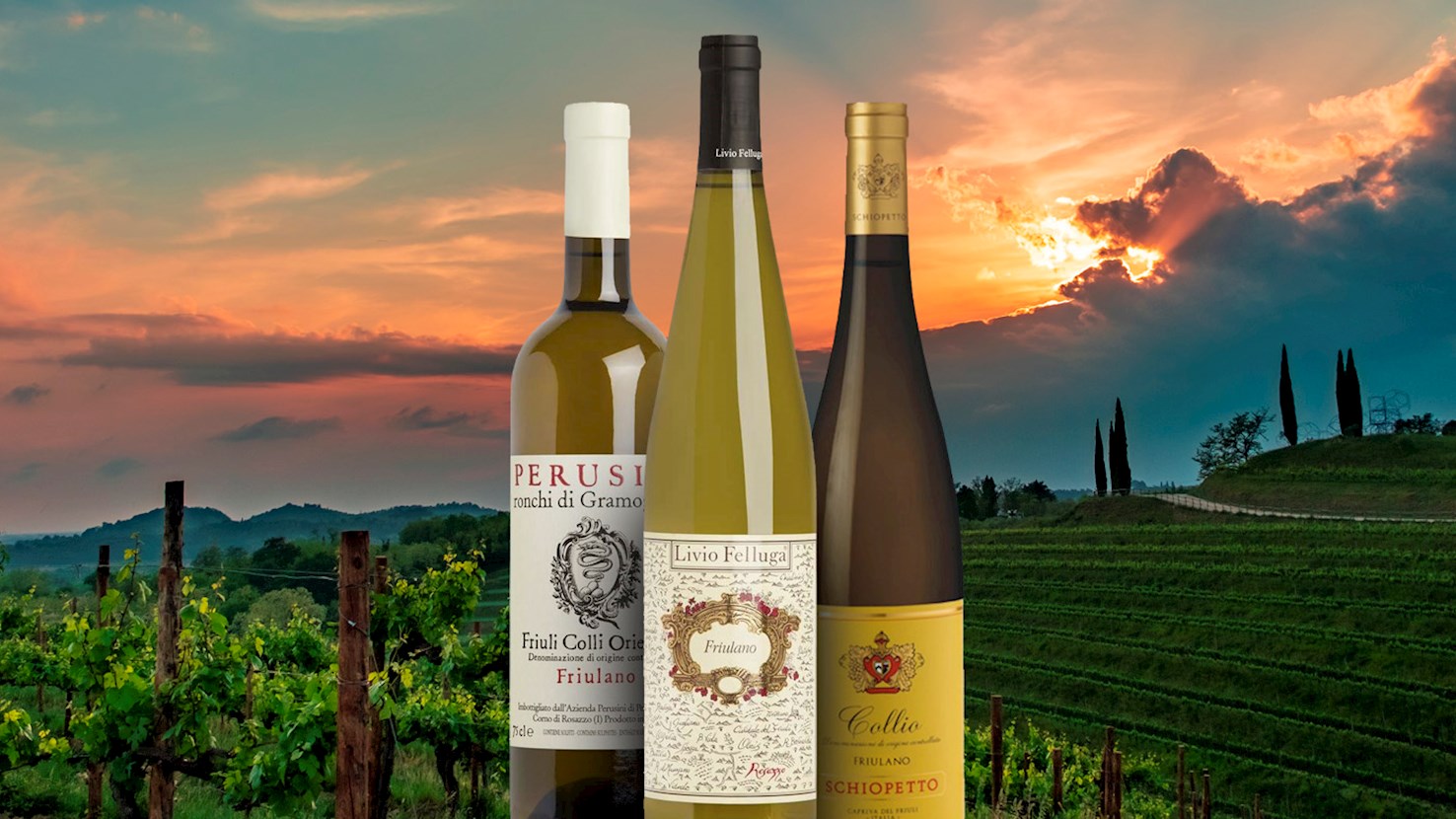
Friulano is an Italian name for Sauvignonasse variety that originated in southwest France, where it was never widely cultivated. The grape is rarely seen outside Italy and is considered as one of the signature grapes in Friuli-Venezia Giulia. Small amounts are found in Chile (Sauvignon Vert) and Slovenia (Zeleni Sauvignon). Friulano wines can be quite versatile and range from light-bodied to more complex examples. The wines usually have apple, pear, peach, and almond aromas. Young versions will typically have a mineral-like character. The variety is rarely oak-aged, but it is sometimes used for skin-contact wines. The grape was initially named Friulian Tocai, but Hungary lobbied against Tocai as it was too similar to their legendary Tokaji/Tokay wines. Eventually, the Italians had to choose Friulano as an acceptable option. Some suggest that the decision has lead to a decrease in popularity. In Italy, Friulano is used in several appellations, including Colli Orientali, Collio, Grave del Friuli, and Isonzo. Because of their light character, Friulano-based wines are often enjoyed as an aperitif. They can pair well with local specialties, vegetables, even demanding varieties like asparagus, and they also go well with cold cuts and cheese.

02

Kisi

3.7 ·

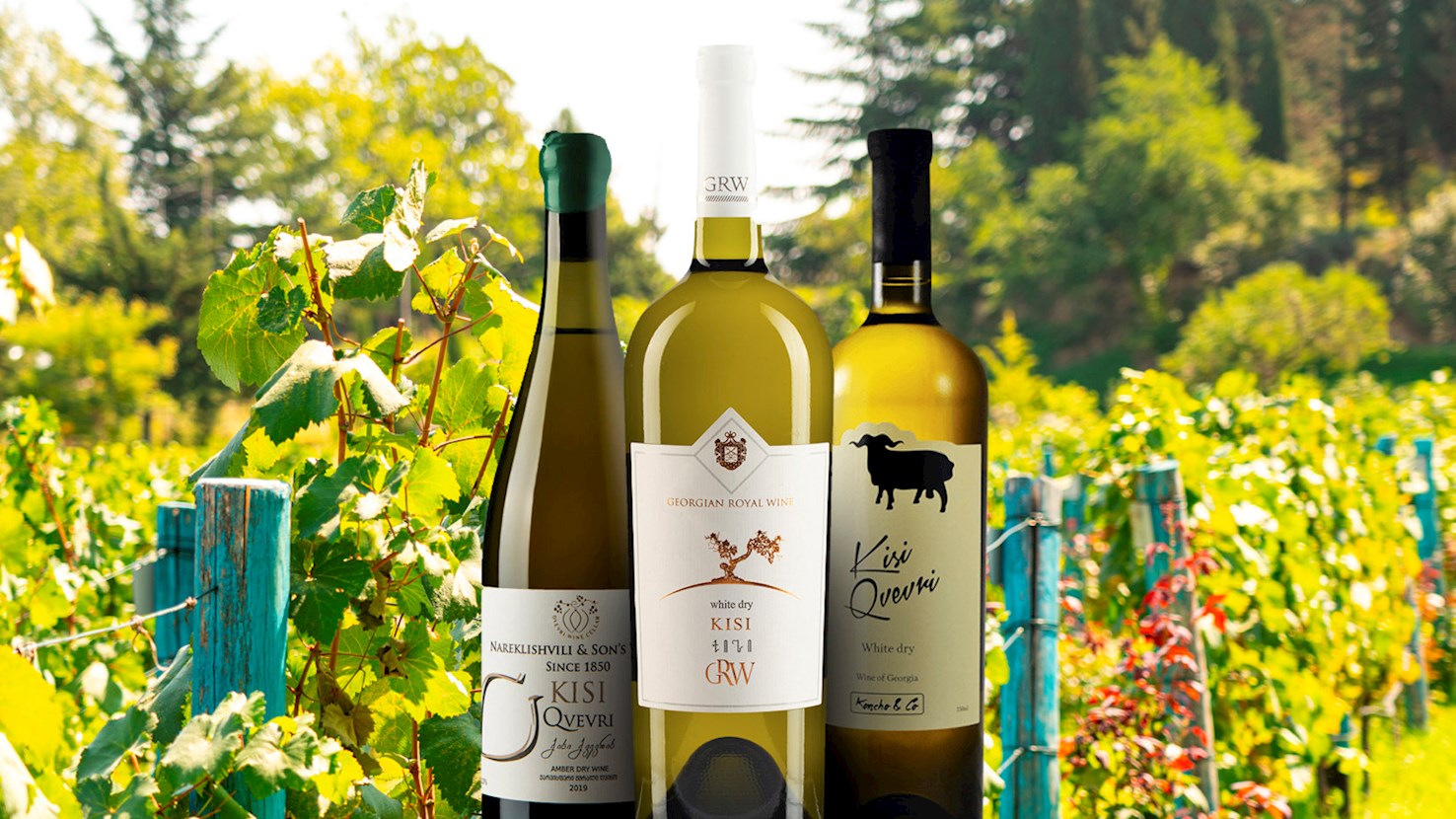
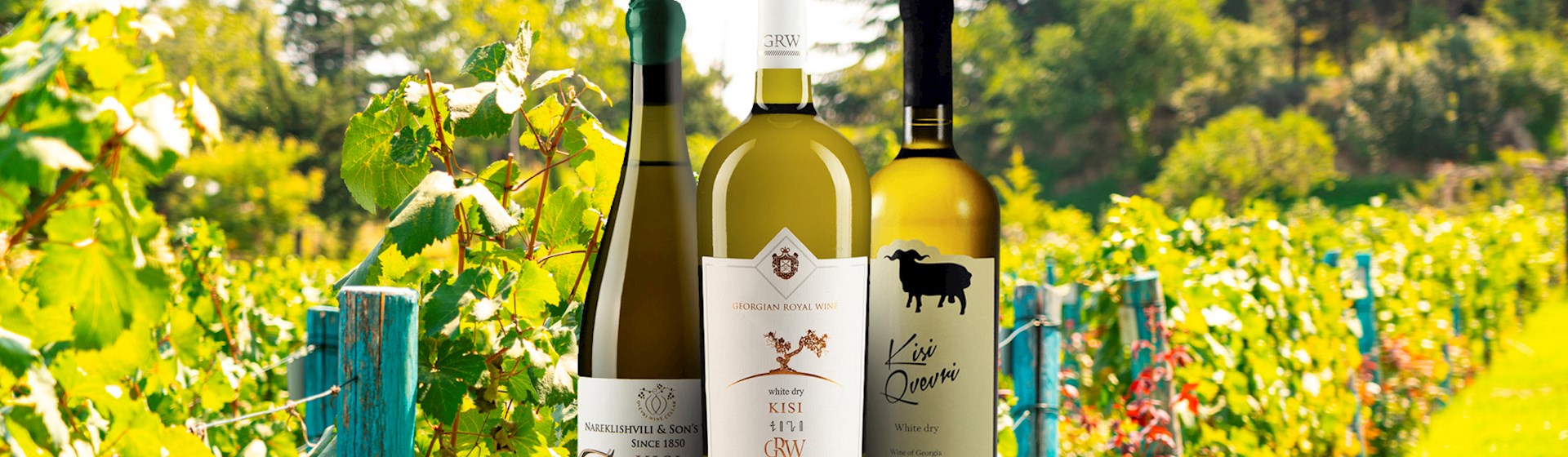
Kisi is a native Georgian variety that is mainly associated with Kakheti. Like many Georgian grapes, this white variety is also used for classic dry styles and traditional Georgian amber wines made in large clay vessels (qvevri). The grape is often blended with Rkatsiteli and Mtsvane Kakhuri. By the 2000s, Kisi was almost extinct, but it is slowly being introduced as a local grape with excellent potential. Classic dry wines are crisp and bright. They have a medium body and aromas reminiscent of flowers, citrus fruit, apples, pears, and peaches. Qvevri-made wines will have a juicier and more complex character, full-body, and darker color. They usually have ripe fruit, orange, apricot, and honey-like aromas, often with hints of spices and nuts. Dry styles can be enjoyed as an aperitif, and they also pair well with salads, seafood, and cheese. Qvevri wines will go well with chicken, creamy sauces, and spicy dishes.

03

Rkatsiteli

3.6 ·

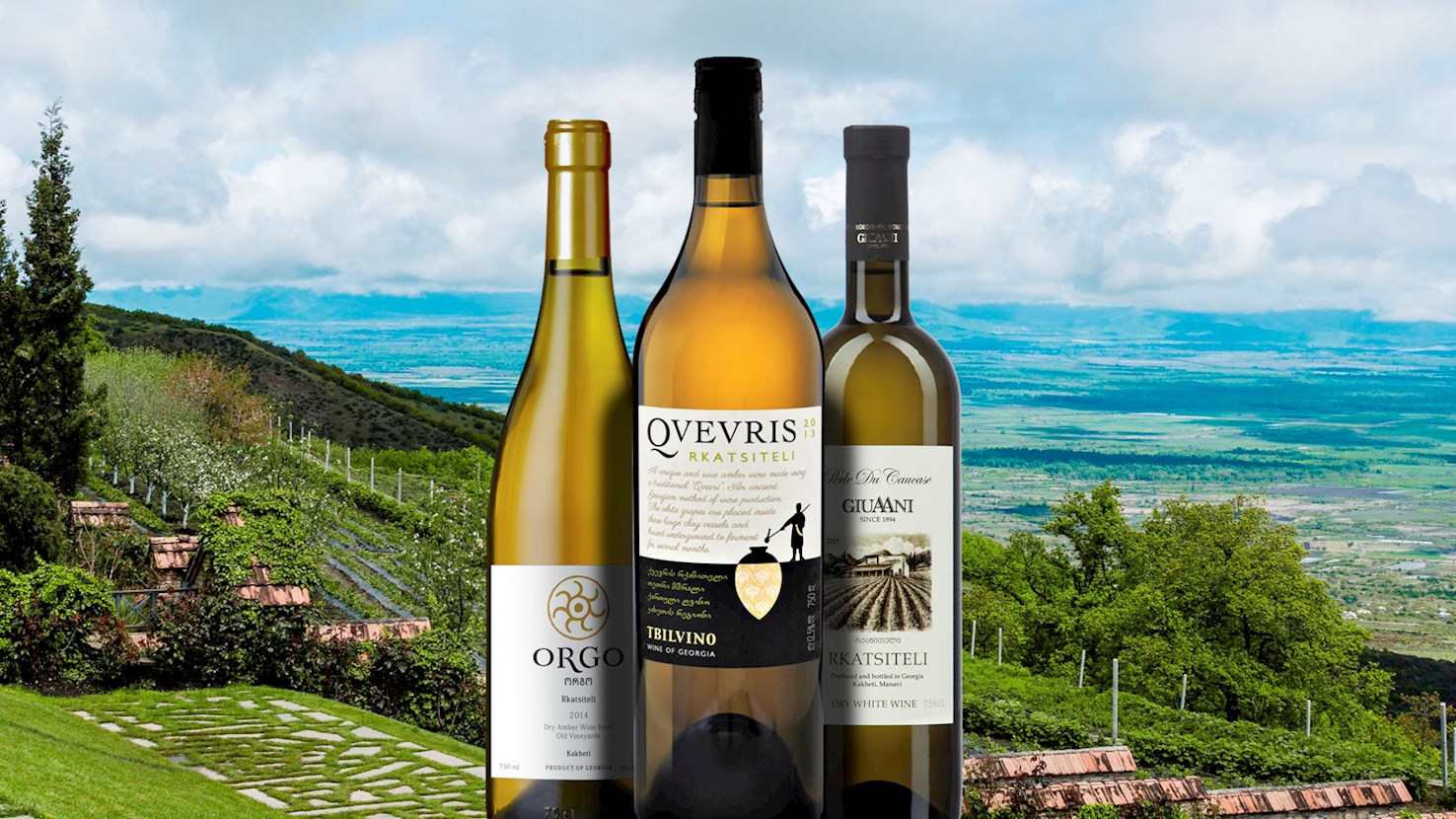
Arguably the most popular white grape in Georgia and possibly one of the oldest grapes in the world, Rkatsiteli is an incredibly versatile variety used in the production of brandy and dry, sparkling, fortified, and dessert wines. Although it is grown in several other European countries, this ancient grape remains one of the flagship Georgian varieties. Although it is grown in other regions, it is native to Kakheti. It is resilient to harsh weather conditions, retains excellent acidity, and achieves high sugars. Dry Rkatsiteli wines are light and refreshing. They tend to have an excellent balance of crisp acidity and sweetness that is complemented by complex and subtly spicy aromas of flowers, green apple, quince, and white peaches. Rkatsiteli is often vinified on the skins—pressed juice is fermented with the skins, often along with stalks and pips. These skin-contact wines are usually made in qvevri (kvevri) —traditional Georgian clay amphorae. These slightly tannic wines will have a distinctive orange or amber color with complex and intense aroma and flavor, often reminiscent of orange zest, honey, caramel, spices, and stone fruit. Rkatsiteli wines are quite universal and can pair well with various dishes, including fish, pork, and poultry. They could also work well with Middle Eastern and Indian fare. Skin contact, amber styles pair well with more complex rich dishes and pungent cheese varieties.

04

Ribolla Gialla

3.5 ·

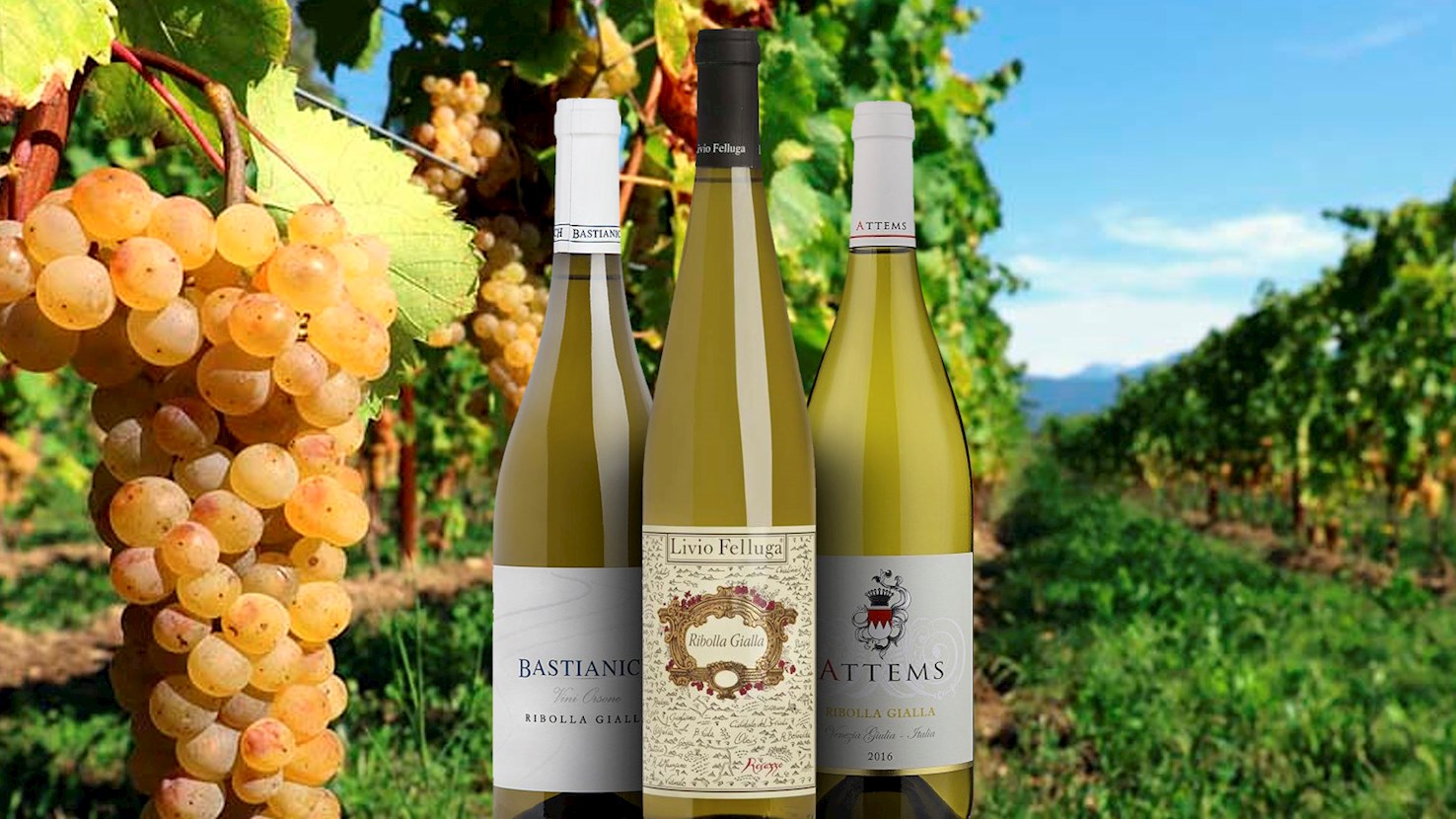
Ribolla Gialla is a white-skinned Italian grape that is also prominent and commonly planted in neighboring Slovenia, where it is known as Rebula. Ribolla has a long and rich history, with a first written reference dating to the 13th century. It is mostly planted in Friuli-Venezia Giulia and Slovenian Goriška Brda (Gorizia). The grape is predominantly used to produce bright and fresh young dry wines with citrusy and floral notes, good acidity, and often a subtly mineral character. The modern approach also shows that Ribolla can produce amazing skin-contact styles, resulting in wines that have excellent balance, denser texture, and stronger aromas. Dry white wines made with Ribolla make excellent aperitifs, and they pair well with fish, crustaceans, and shellfish. Macerated styles can match poultry or even game meat.

Read more
View all
View map
About this ranking

TasteAtlas food rankings are based on the ratings of the TasteAtlas audience, with a series of mechanisms that recognize real users and that ignore bot, nationalist or local patriotic ratings, and give additional value to the ratings of users that the system recognizes as knowledgeable. For the “Top 4 European Orange Wines” list until July 01, 2026, 115 ratings were recorded, of which 58 were recognized by the system as legitimate. TasteAtlas Rankings should not be seen as the final global conclusion about food. Their purpose is to promote excellent local foods, instill pride in traditional dishes, and arouse curiosity about dishes you haven’t tried.

The initial list of top producers was compiled based on available reviews, awards, local recommendations, media and blog coverage, and consumer reviews. The list will be updated with ratings from TasteAtlas local ambassadors and TasteAtlas users.

Similar lists