Top 4 Molisan Pasta Varieties

Last updated on June 15, 2026

Best Molisan Pasta Varieties
01

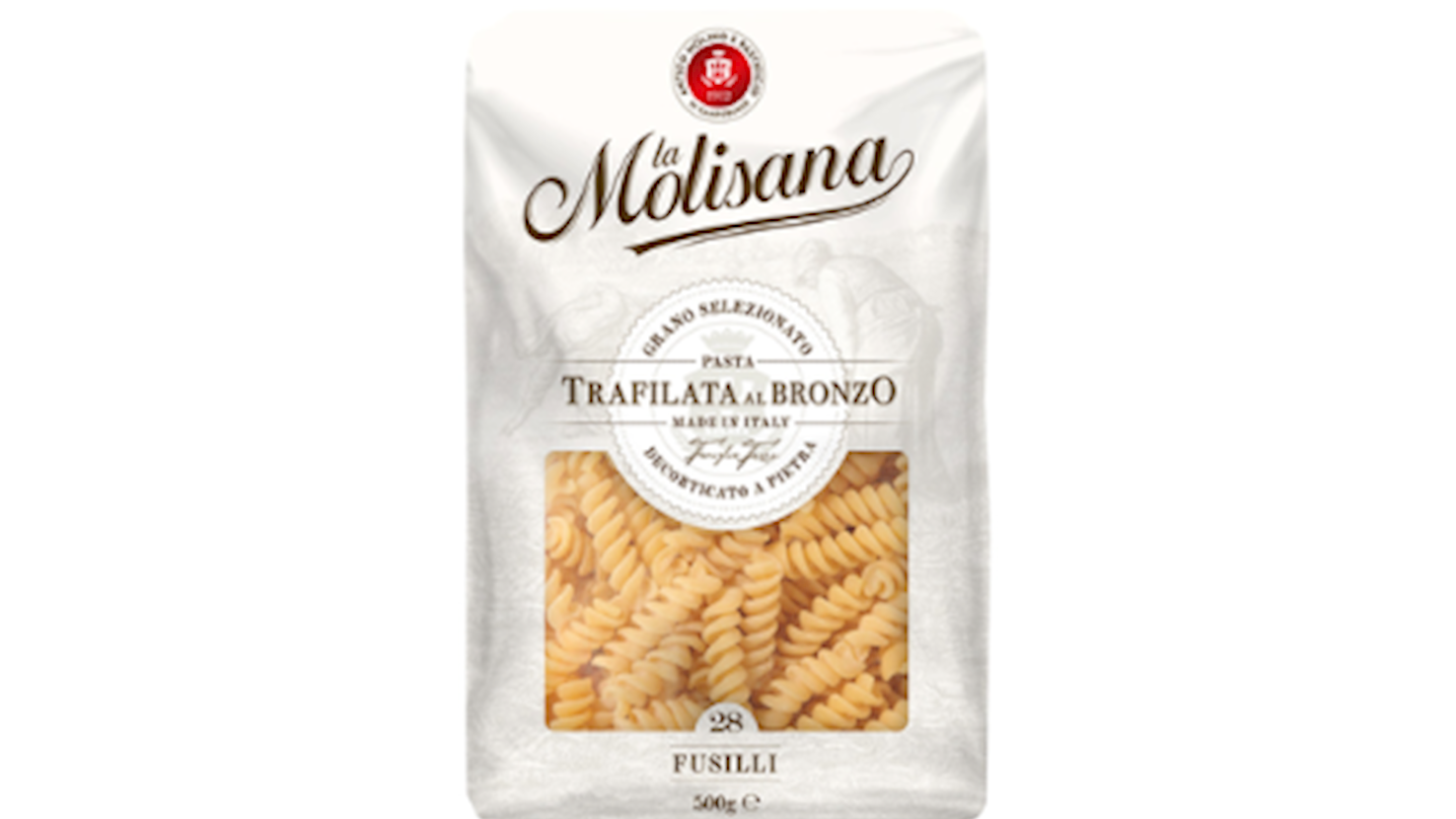
La Molisana

4.8 ·
La Molisana is an Italian pasta brand that has been producing high-quality pasta since 1912. It is based in Campobasso, the capital of the Molise region, in southern Italy. The company prides itself on using 100% Italian wheat, particularly durum wheat, to create its pasta products. This ensures a premium texture and flavor, essential for authentic Italian dishes. La Molisana is known for its traditional production methods, including the use of bronze dies for shaping the pasta, which gives the pasta a rougher texture, allowing sauces to cling better. The brand offers a wide range of pasta shapes, from traditional types like spaghetti and penne rigate to more regional specialties. In addition to pasta, La Molisana produces semolina flour and other high-quality flour products, all of which are crafted with the same dedication to Italian culinary traditions.
02

Pasta Testa

4.4 ·
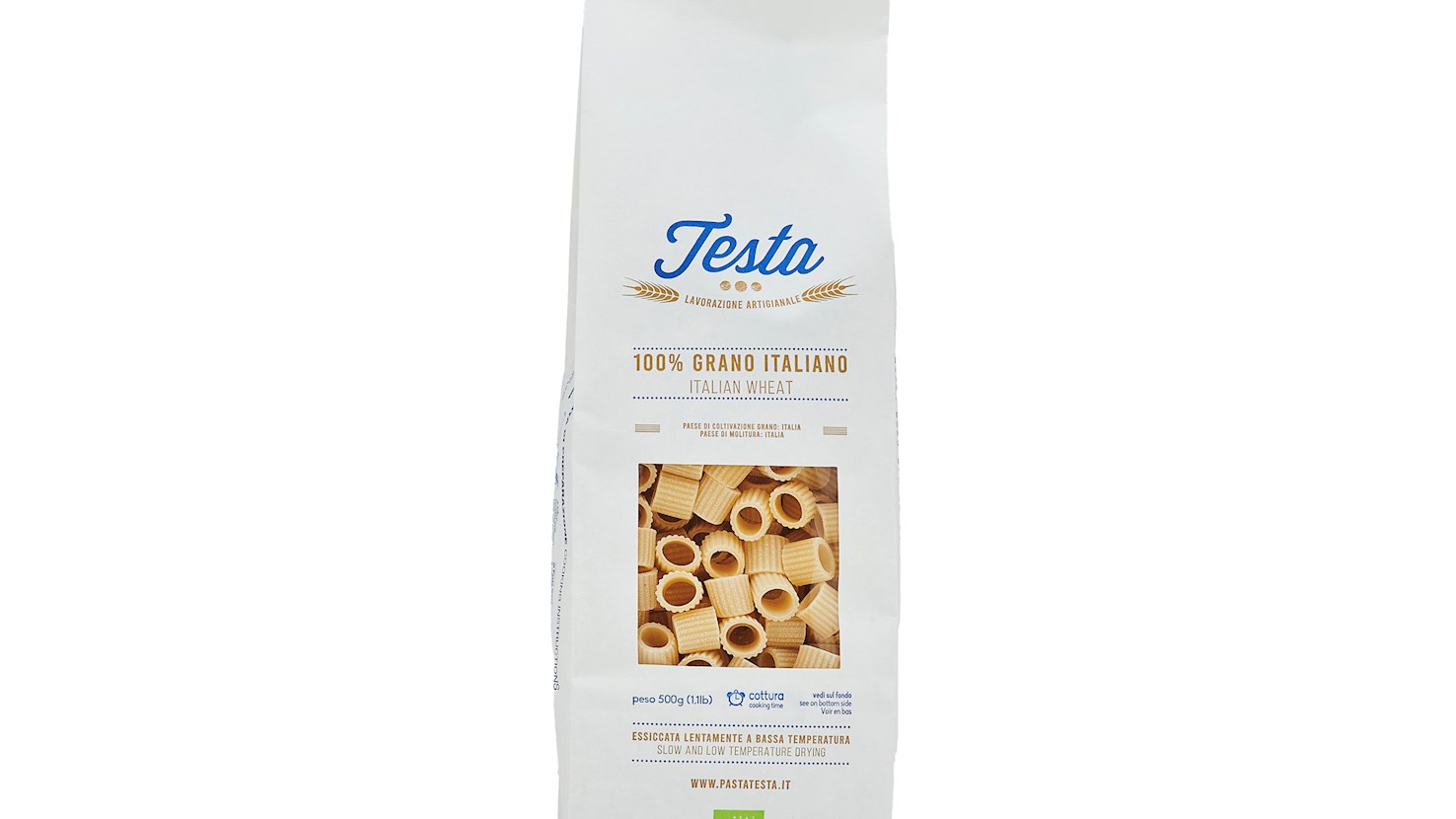
​Pasta Testa is a Molise-based artisanal pasta producer specializing in organic pasta made from 100% Italian durum wheat semolina. Their products are crafted using traditional methods, including bronze drawing and slow, low-temperature drying, to preserve nutritional qualities and cooking performance. Pasta Testa emphasizes quality by collaborating with local farms for wheat cultivation, ensuring full control over production. Their pasta is bronze-drawn, resulting in a rough texture that better holds sauces, and is dried at low temperatures to maintain flavor and nutritional value.
03

Pasta Frentana

4.3 ·
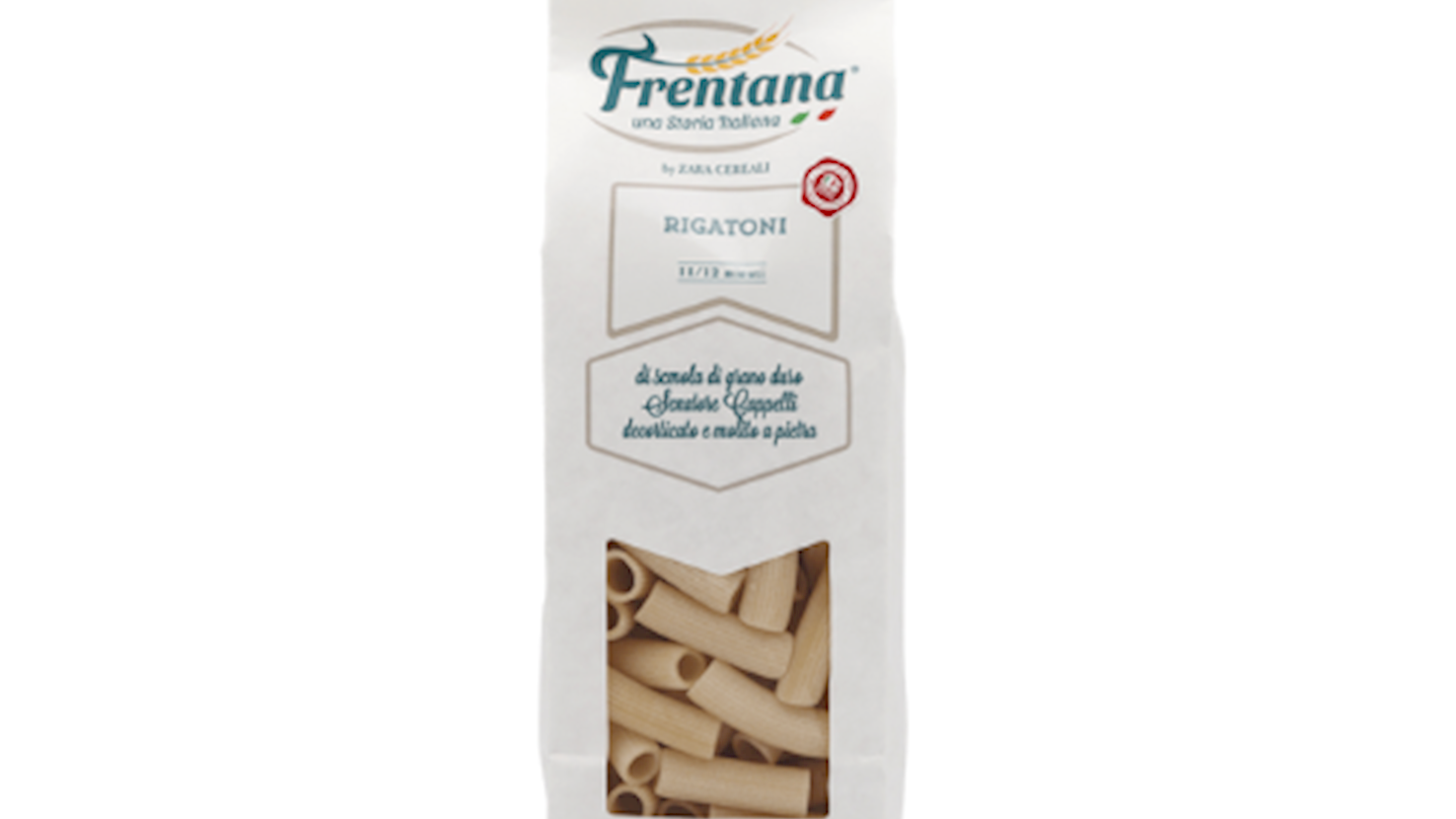
Pasta Frentana is an authentic Italian brand originating from the Molise region, created as a result of a carefully cultivated balance between tradition, innovation, and sustainability. As part of the Zara Cereali company, the brand relies on local agricultural production and uses only high-quality Italian durum wheat varieties such as Senatore Cappelli and whole grain farro, known for their nutritional value and rich flavor. The pasta is made using traditional methods - extruded through bronze dies to create a rustic, porous texture that holds sauces exceptionally well. It is then slowly dried at low temperatures to preserve its natural aroma and structure. The product range includes a wide variety of formats, from classic shapes to specialized options suitable for both children and gourmet cooking, with each product carrying a strong sense of local identity. Pasta Frentana is a true expression of territory, quality, and a modern approach to food - perfect for both traditional recipes and contemporary culinary creations.
04

Spighe Molisane

4.2 ·
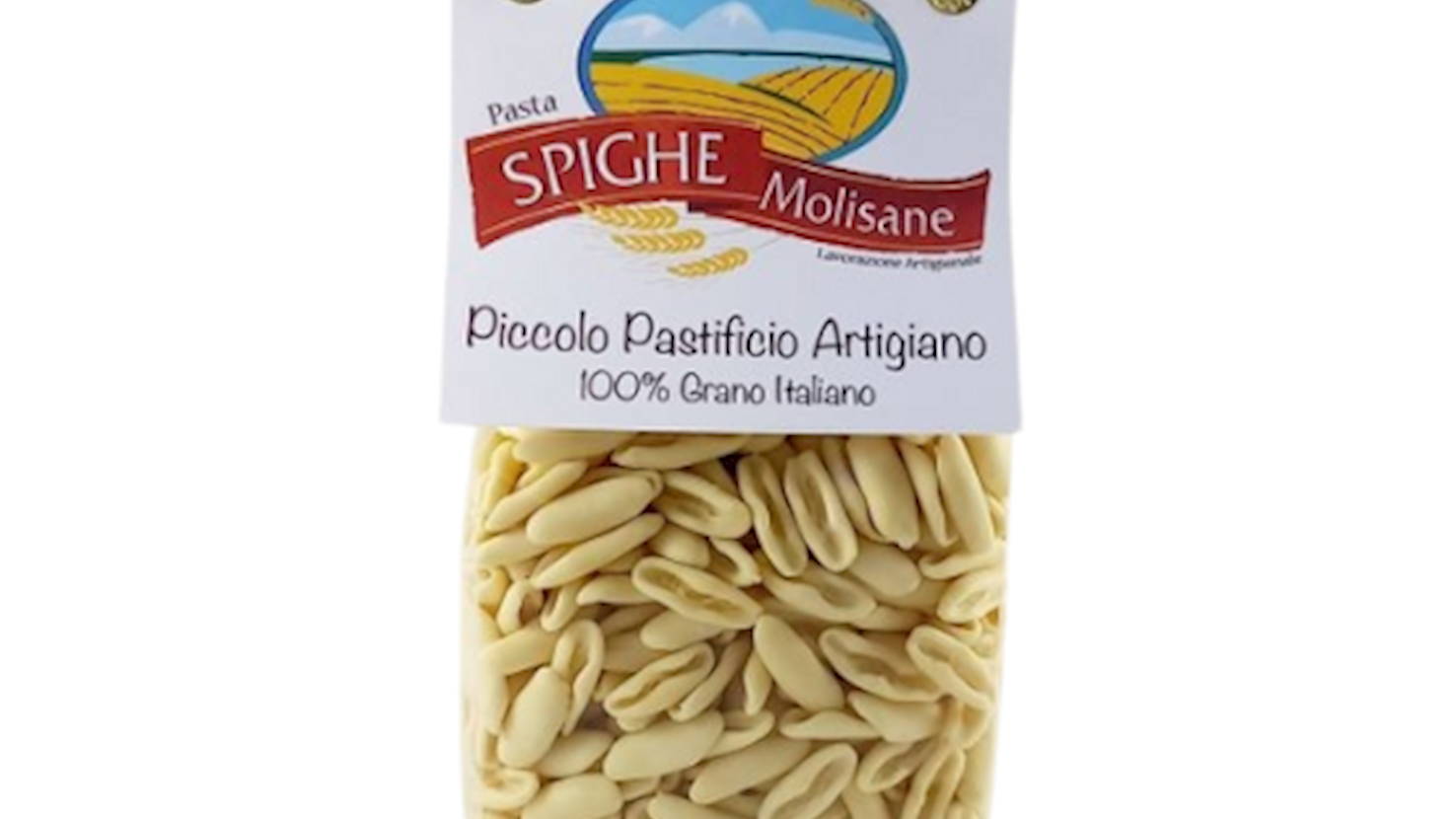
Spighe Molisane is an authentic family-run pastificio located in the town of Cercemaggiore, in the heart of Italy’s Molise region. Founded in 2002 as the result of the Petraglione family's vision and dedication, this small-scale producer combines the wisdom of old culinary traditions with the fresh enthusiasm of a younger generation. Specializing in handcrafted pasta of exceptional quality, Spighe Molisane uses only native Italian varieties of durum wheat, such as Senatore Cappelli, Saragolla, and Tumilia - grains known for their high nutritional value, easy digestibility, and rich flavor profile. The dough is processed using the traditional method of bronze die extrusion, which creates a rough surface texture that holds sauces beautifully. The pasta is then dried slowly at low temperatures over a period of three days, allowing the gluten structure to remain intact and the flavor to fully develop. Their selection includes classic formats like penne rigate, spaghetti, and caserecce, as well as traditional specialties from the Molise region - such as cavatelli, cecatelli, and strozzapreti - each distinguished by their rustic shapes and homemade character.

Best Molisan Pasta Variety Types

01

Sagne

n/a ·

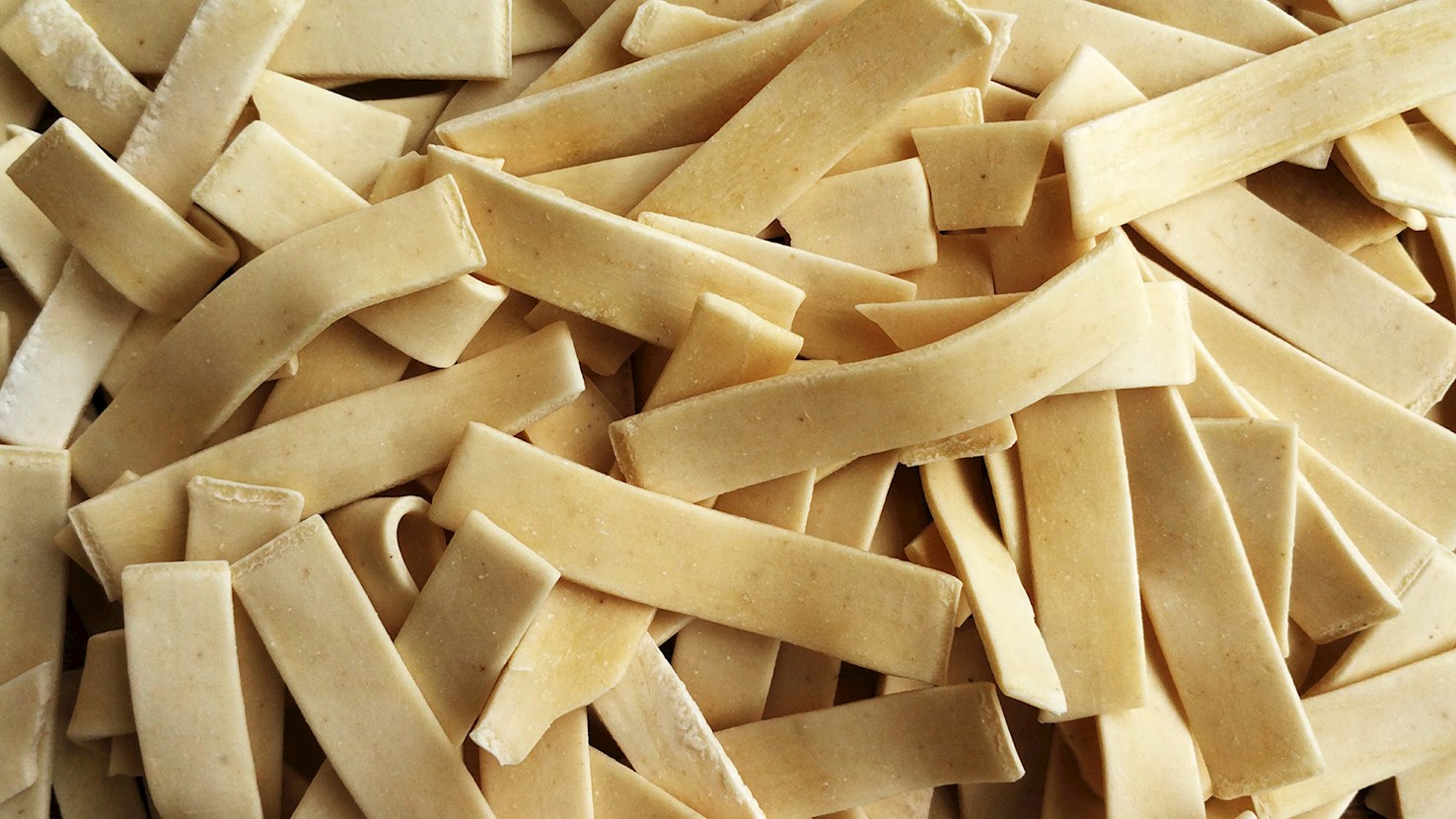
Sagne is a rustic Italian pasta variety originating from the mountainous areas of Abruzzo, Molise, and Lazio. The pasta is traditionally made only with durum wheat and water, but nowadays eggs are sometimes added to the dough, which is roughly cut into rectangular shapes that look similar to short tagliatelle. In Molise, sagne are usually served with borlotti beans or grass peas (cicerchie). In Lazio, it’s cannellini beans and wild asparagus, while in Abruzzo, the pasta is served in a tomato and beans broth or with garlic, chickpeas, and herbs, but no tomatoes.

02

Paccozze

n/a ·

Paccozze is a traditional pasta variety originating from Molise, and it's a specialty of Castelbottaccio. The pasta is made with a combination of flour, eggs, and salt. Once rested, it's rolled out into a thin sheet, and palm-sized rhombuses are cut out of the dough. The pasta is traditionally cooked in milk, and it's then served with lamb ragu and sprinkled with pecorino. This dish was made for the feast of the Ascension, when only work that was allowed was milking the animals, and that's why this pasta is cooked in milk.

03

Laianelle

n/a ·

Laianelle is a traditional pasta variety originating from Molise, and it's a specialty of Montorio nei Frentani and Monteroduni. The pasta is made with flour, eggs, and salt. Once rested, it's rolled into a thin sheet and the squares are cut out from the dough. A filling consisting of sheep's milk ricotta, nutmeg, and pepper is then spooned on each square, and the square is folded into a triangle. The edges are sealed and the pasta is boiled in salted water. It is often served with lamb ragu. The name of the pasta refers to the rolling pin with which the pasta was made.

Read more
View all
View map
About this ranking

TasteAtlas food rankings are based on the ratings of the TasteAtlas audience, with a series of mechanisms that recognize real users and that ignore bot, nationalist or local patriotic ratings, and give additional value to the ratings of users that the system recognizes as knowledgeable. For the “Top 4 Molisan Pasta Varieties” list until June 15, 2026, 5 ratings were recorded, of which 1 were recognized by the system as legitimate. TasteAtlas Rankings should not be seen as the final global conclusion about food. Their purpose is to promote excellent local foods, instill pride in traditional dishes, and arouse curiosity about dishes you haven’t tried.

The initial list of top producers was compiled based on available reviews, awards, local recommendations, media and blog coverage, and consumer reviews. The list will be updated with ratings from TasteAtlas local ambassadors and TasteAtlas users.

Similar lists