

shutterstock

Top 7 Local Pasta Varieties
in Naples

Last updated on June 10, 2026
01

Lasagna

4.2 ·

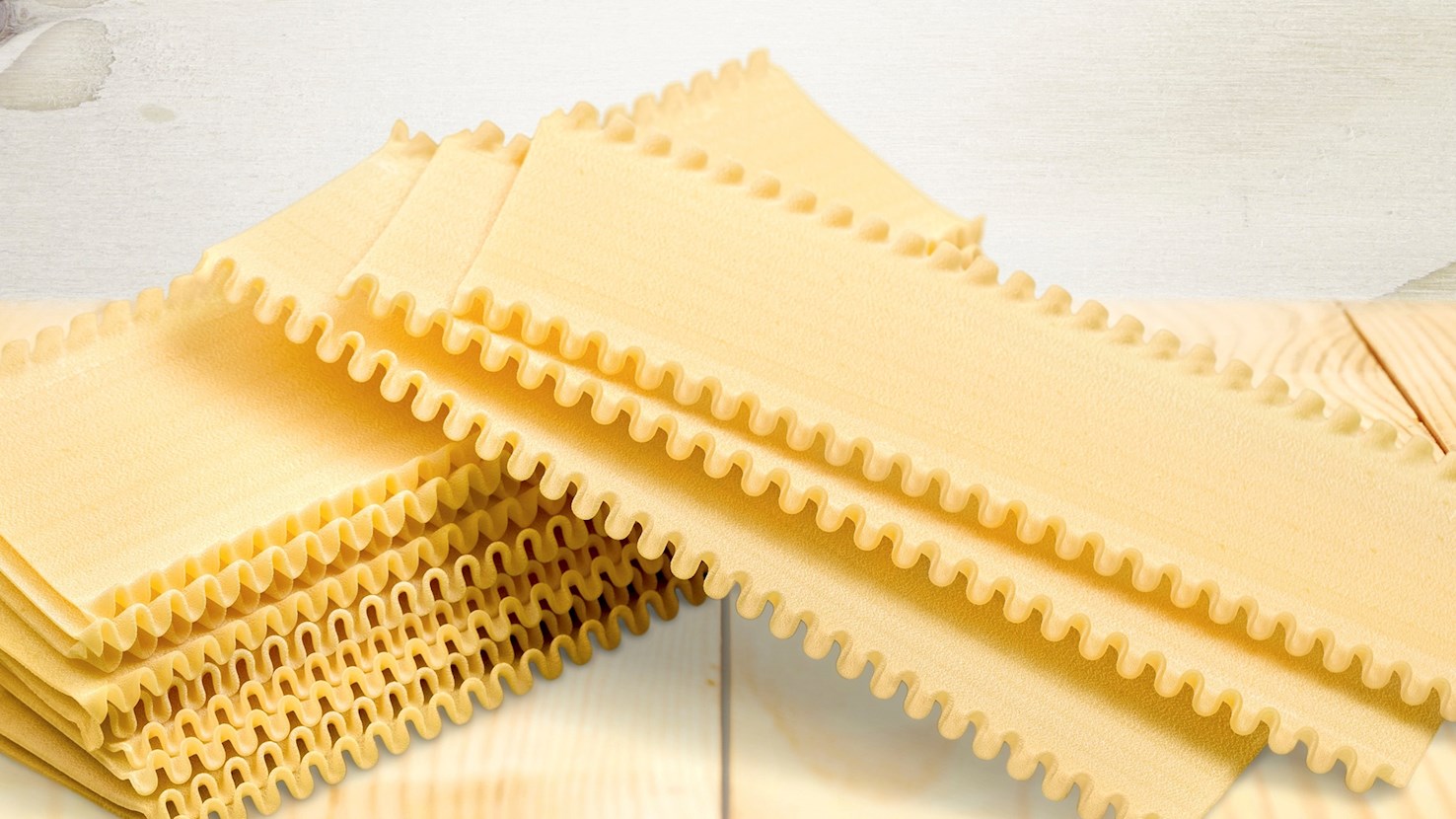
Lasagna is a type of pasta with its own sub-group of numerous flavorful lasagna dishes. The main theory about the history of lasagna is that the word can be traced back to the Greek word laganon, denoting a flat sheet of dough that is cut into strips. There is also another Greek word, lasanon, denoting an ancient crock-pot. The Romans adopted the word and turned it into lasanum, also referring to a cooking vessel, so lasagna is believed to refer to the vessel it was cooked in. In fact, the dough sheets inspired the Greek version of lasagne in a dish called pastitsio. The pasta is traditionally made from flour and water, and is usually boiled in plenty of salted water, then sauced and baked. Wheat flour is commonly used today, but in the past, lasagna was also made with emmer, rye, chestnut, and corn flour, while saffron, spinach, or chard were used for coloring. Although the first recipe for lasagna is traced back to Naples, the term lasagna was coined in the 16th century in Trento, Italy, and the dish was reserved for festive days, consisting of layered pasta with fillings and sauces. In the 1800s, there was an emergence of baked lasagna dishes, known as lasagne al forno, especially in the south. Of all the lasagne dishes, the most famous one is surely the bolognesi, available in almost every restaurant in Bologna today.

02

Calamarata

4.1 ·

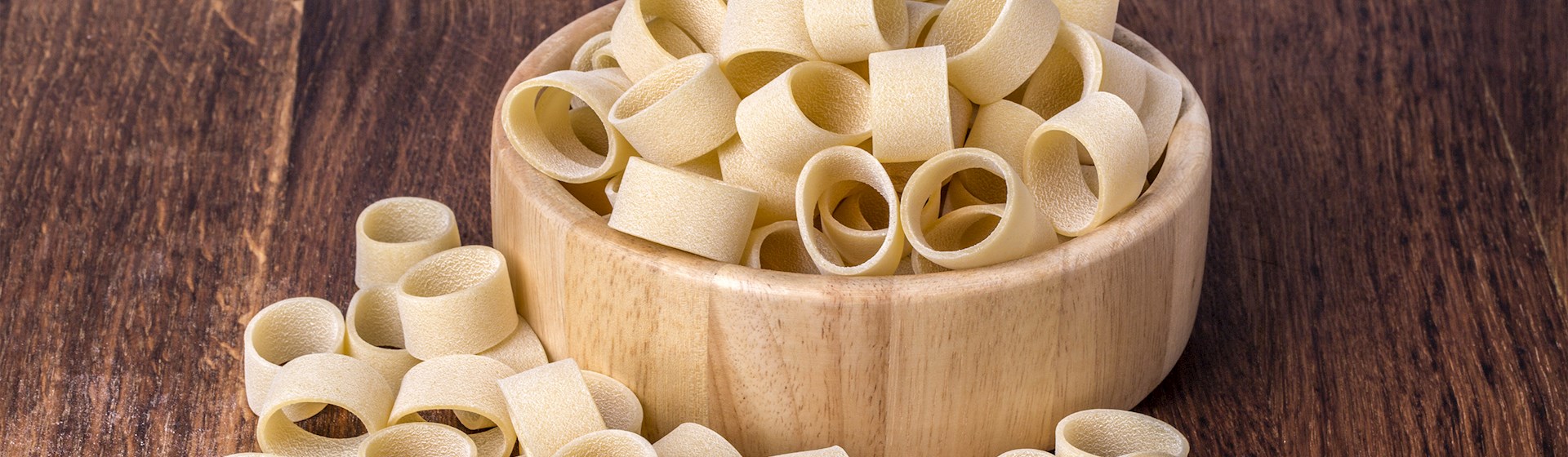
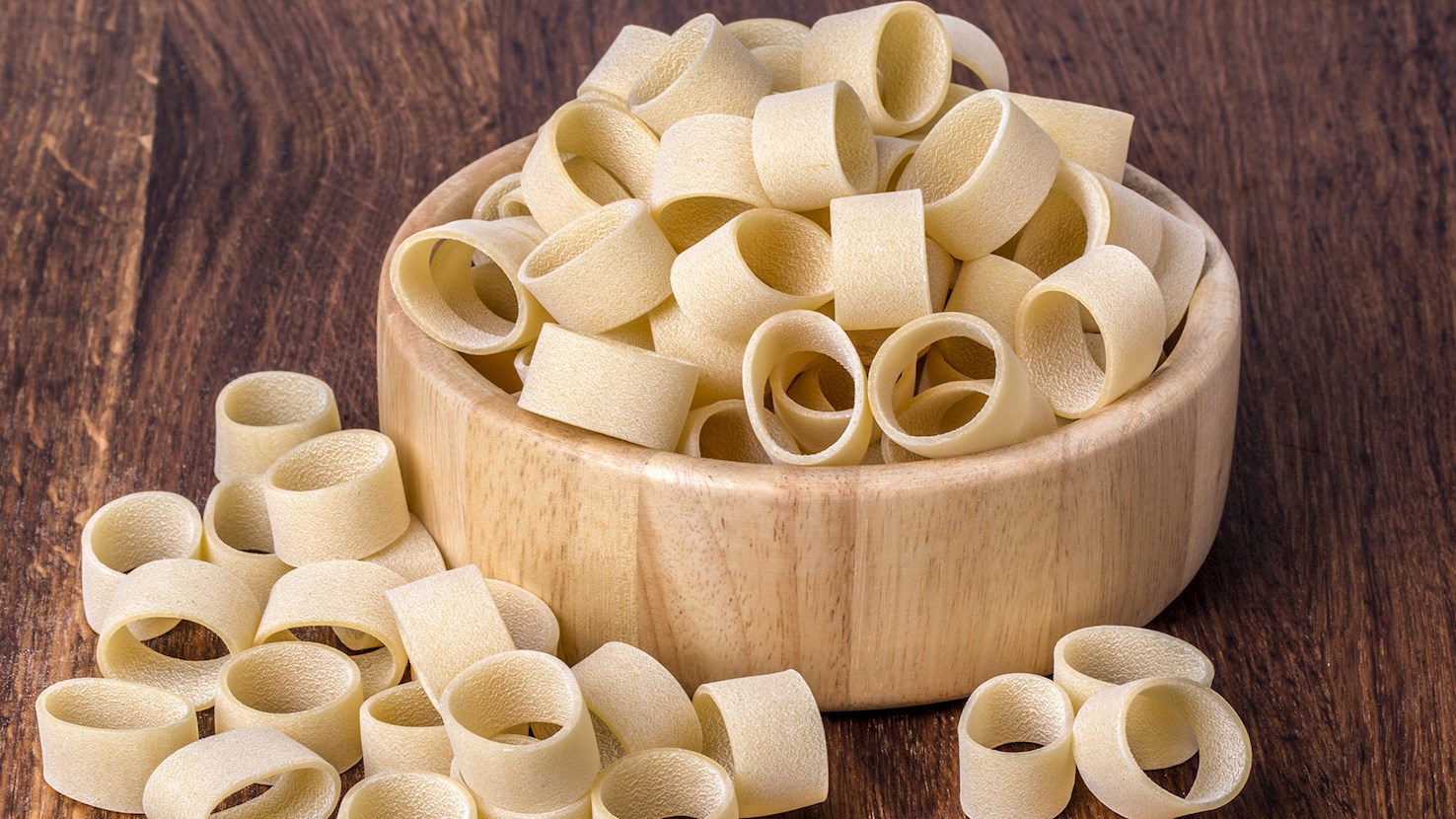
Calamarata is a variety of Italian pasta that is cut in the shape of a thick ring. It is made from durum wheat flour, and is sometimes colored with squid ink in order to resemble sliced calamari. The pasta is often used in a dish called calamarata Napoletana, where it is combined with seafood such as squid, clams, and shrimp.

03

Cannelloni

4 ·

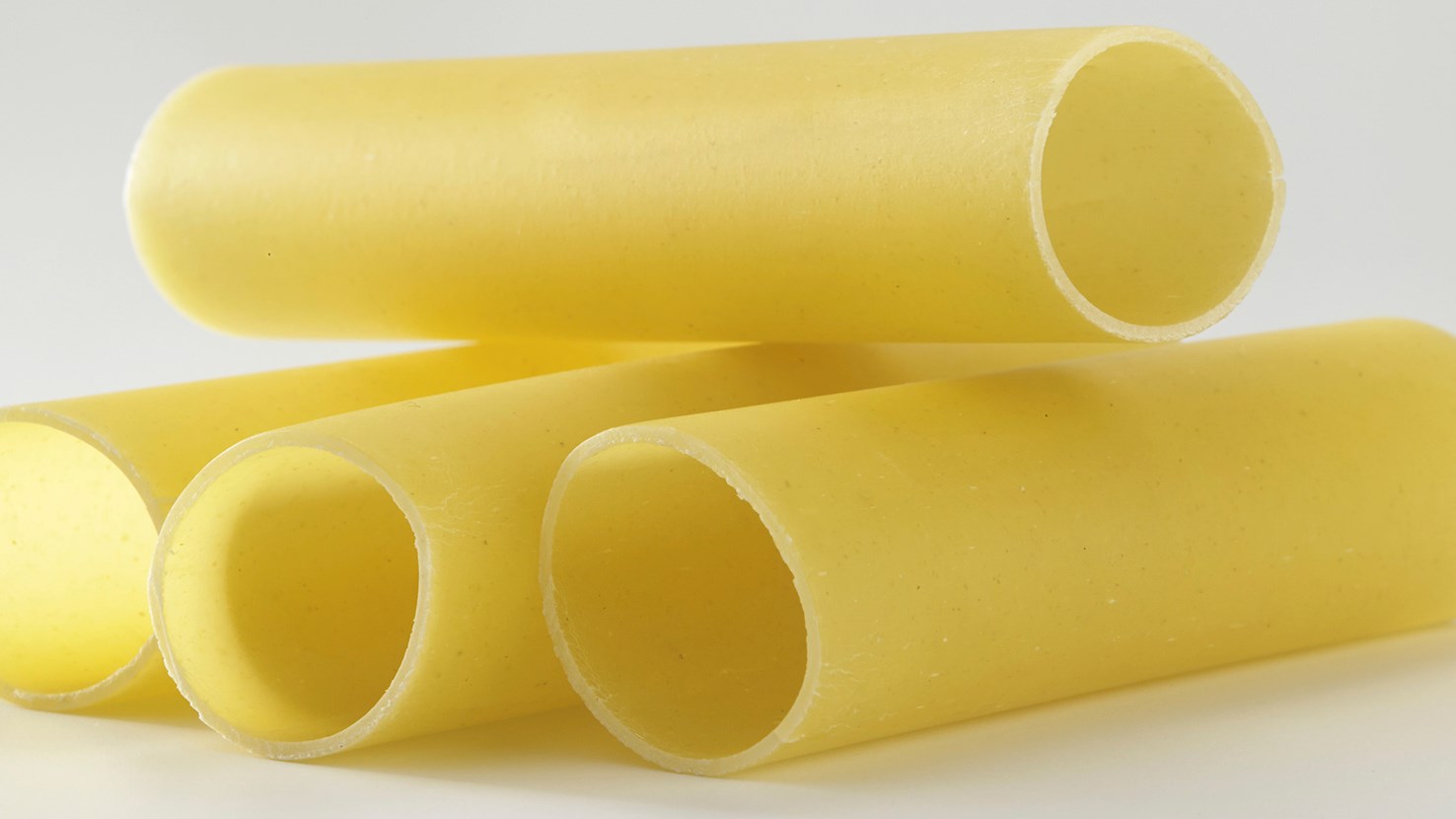
This tube-shaped Italian pasta variety was invented around 1907 by a Neapolitan chef Nicola Federico, who was working at a popular restaurant in Sorrento called La Favoria at the time. Originally called strascinati, the pasta was later renamed to cannelloni after gaining popularity due to an influx of people from Naples into Sorrento during World War II. Cannelloni are usually stuffed with meat, cheese, or vegetables, then baked in sauces based on tomatoes or cream. The pasta pairs well with meats such as beef, pork, and veal, cheeses such as mozzarella and ricotta, vegetables such as carrots, spinach, and celery, along with various sauces, herbs, apples, and walnuts.

04

Mafaldine

4 ·

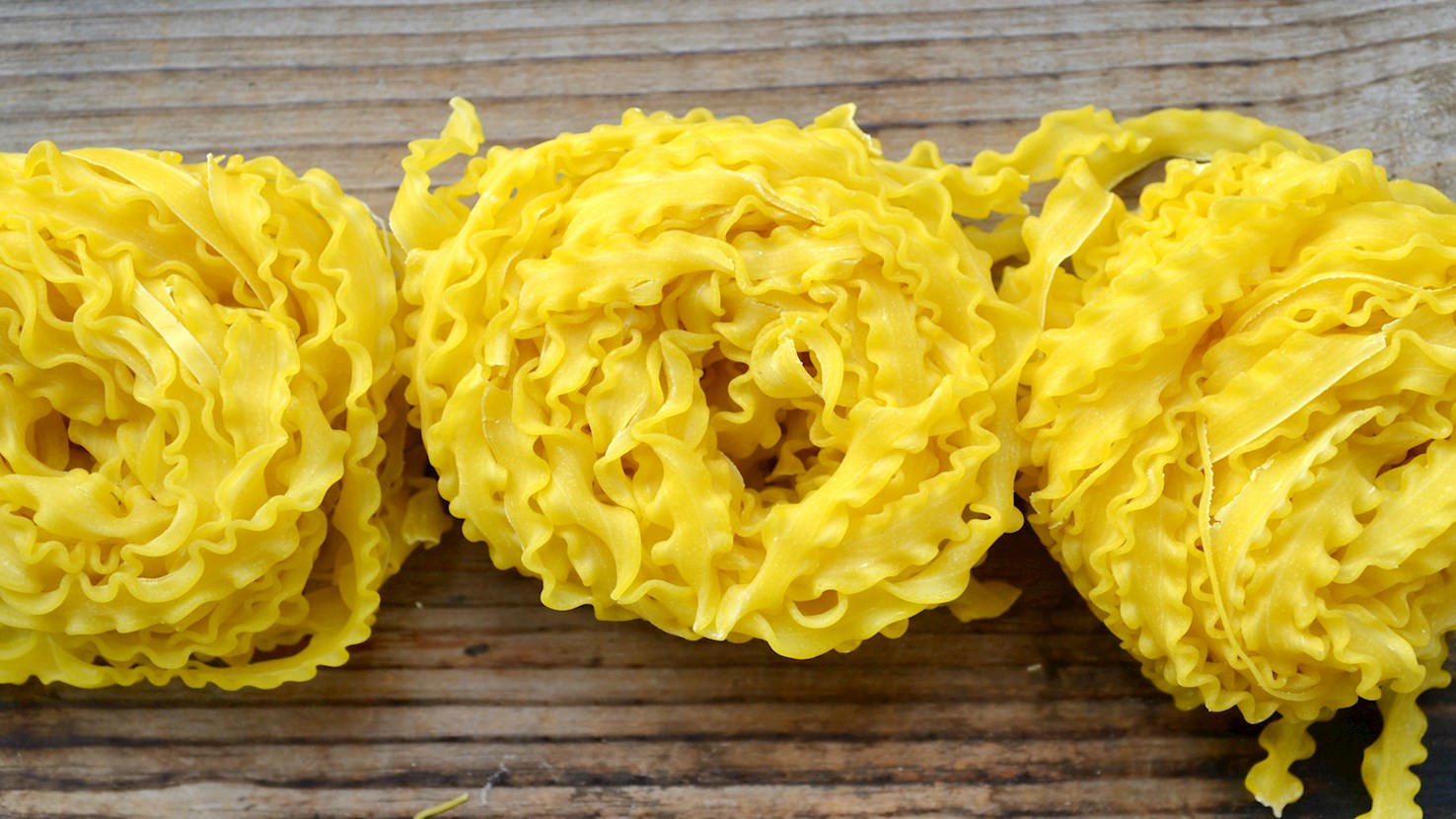
Mafaldine is an Italian variety of pasta named after Princess Mafalda of Savoy, which is the reason why the pasta is sometimes known as reginette, meaning little queens. Hailing from the Naples area, mafaldine were also called fettuccelle ricce in the past. The pasta is ribbon-shaped, flat, wide, and has wavy edges on both sides. The consistency differs on the smooth and curled parts once the pasta has been cooked, and the curled parts retain more sauce than the smooth parts. Mafaldine are usually served with special, delicate sauces and paired with ingredients such as shrimps, cherry tomatoes, cheese, sausages, or mushrooms. The sauces that are especially popular with mafaldine include game sauces, ragú Napoletano, fish sauces made from seafood or shellfish, and white sauces made from soft cheeses with the addition of ginger, horseradish, or saffron.

05

Macaroni

3.9 ·

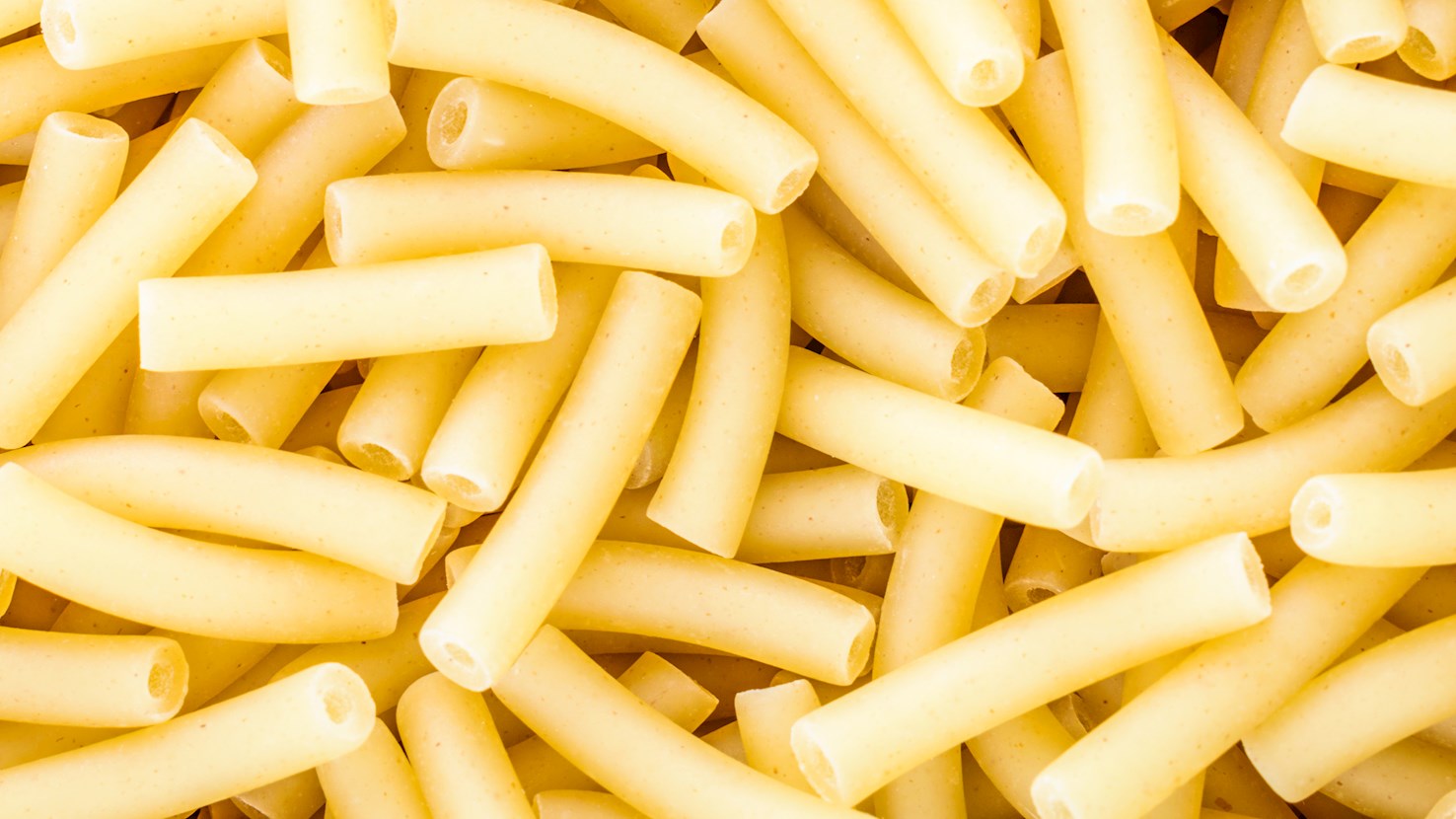
This is a dry, short variety of pasta made with durum wheat and water. In northern Italy, it usually refers to an extruded type of pasta with a tubular shape, a categorization that has been accepted in most other parts of the world as well. However, in the rest of Italy, the term macaroni can also signify numerous other types of pasta of varying size and shape. In the past, the Italian word maccheroni was a generic name used to refer to all varieties of dry pasta, a category known today as pasta secca. The origin of macaroni is often traced to Naples, and it is believed to be an authentic Italian invention influenced by Arabian tradition. The word macaroni is thought to be a derivation of the Greek word makaria, signifying food made from barley, or the Arab maccare, which means ‘to knead’. Although it is not known exactly when macaroni was invented, and the etymology of the name is vague, a certain fact is that it was originally a food item enjoyed exclusively by the privileged aristocracy until the 18th century, by which time it had become a staple ingredient enjoyed by all classes. Macaroni might come in different forms and sizes, but the term usually refers to pasta varieties resembling narrow tubes. In Italy, the preferred variety is long and straight, while the Americans predominantly use the curved type, popularly called ‘elbow pasta’. In some Slavic countries – Russia in particular – the word macaroni is still used today to refer to all types of pasta. Macaroni is used in an array of dishes, and is usually combined with sauces based on meat, vegetables, or cheese, the most popular being the omnipresent tomato sauce. It can also be added to soups or casseroles, but undoubtedly the best-known dish incorporating macaroni is the world famous mac and cheese.

06

Scialatelli

3.8 ·

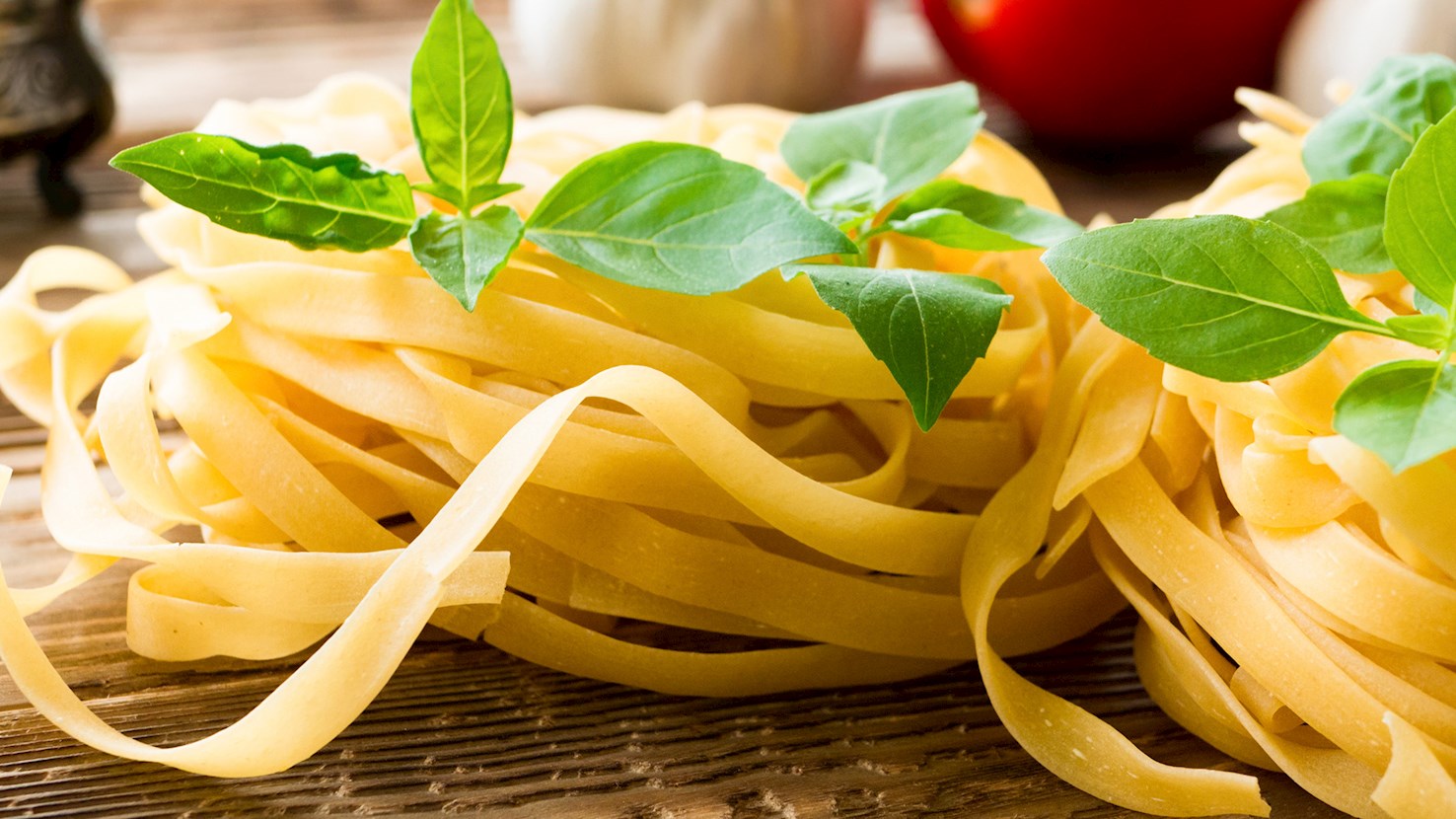
Scialatelli is a fresh, handmade Italian pasta variety that looks almost the same as tagliatelle. The pasta is flat, long, and tightened, consisting of semolina flour, water, and eggs. It is recommended to serve scialatelli with robust tomato sauces, vegetables, and fresh herbs, although the pasta can also be paired with dairy-based sauces, mascarpone, and other soft cheeses. On the Amalfi coast, scialatelli are served with fresh local seafood and the dish is known as scialatelli all'Amalfitana.

07

Creste di galli

3.6 ·

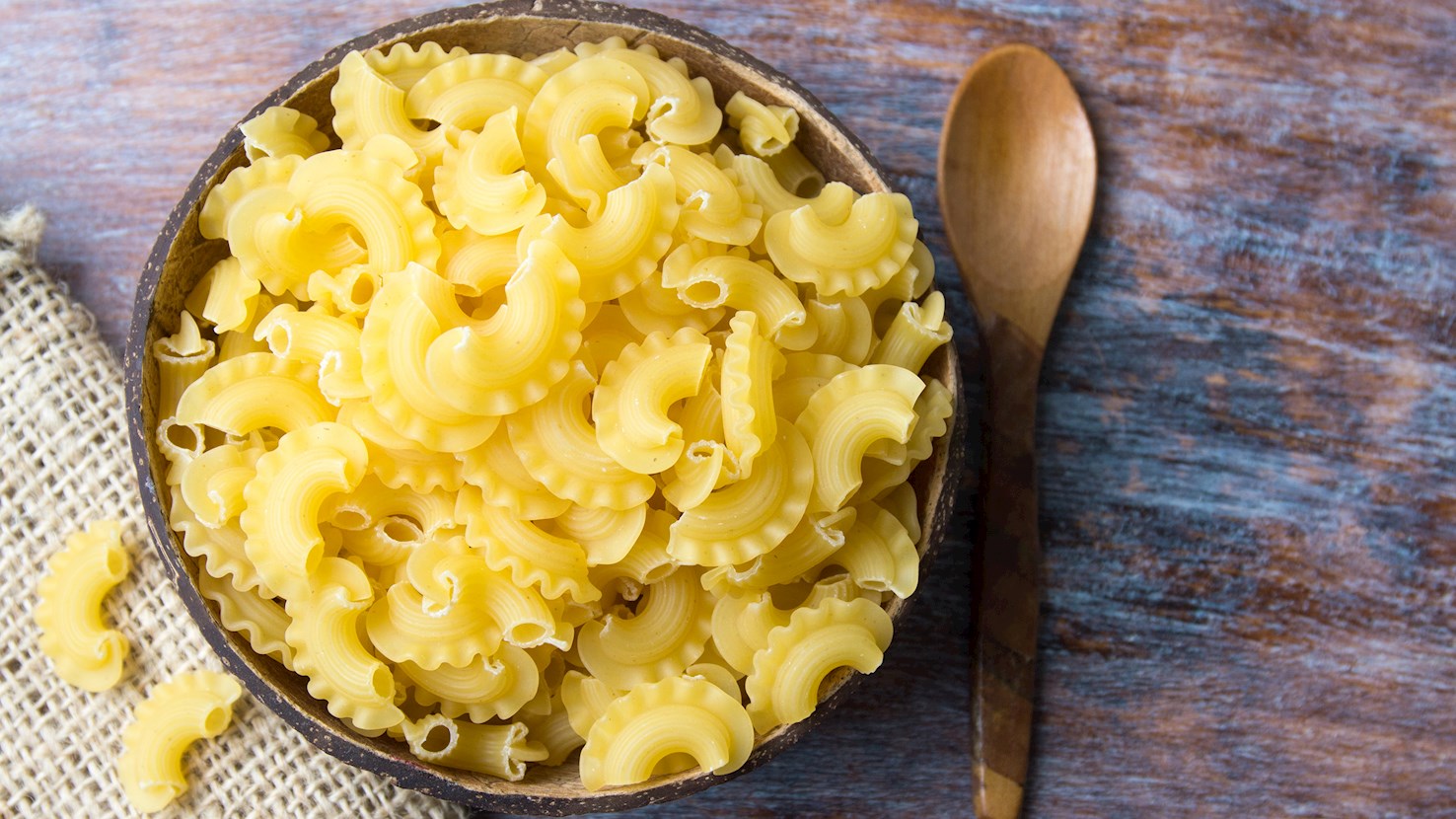
Creste di galli is a traditional pasta variety hailing from Napoli. It's characterized by its short, curved, and tubular shape with ruffled edges that run along the outside curve. The pasta shape is named after the red and wavy crest on a rooster's head. It's recommended to serve creste di galli in soup or with hearty sauces, but the pasta can also be used in casseroles. If this pasta type is unavailable, it can be replaced with farfalle or gigli.

About this ranking

TasteAtlas food rankings are based on the ratings of the TasteAtlas audience, with a series of mechanisms that recognize real users and that ignore bot, nationalist or local patriotic ratings, and give additional value to the ratings of users that the system recognizes as knowledgeable. For the “Top 7 Local Pasta Varieties in Naples” list until June 10, 2026, 1,158 ratings were recorded, of which 977 were recognized by the system as legitimate. TasteAtlas Rankings should not be seen as the final global conclusion about food. Their purpose is to promote excellent local foods, instill pride in traditional dishes, and arouse curiosity about dishes you haven’t tried.

Similar lists