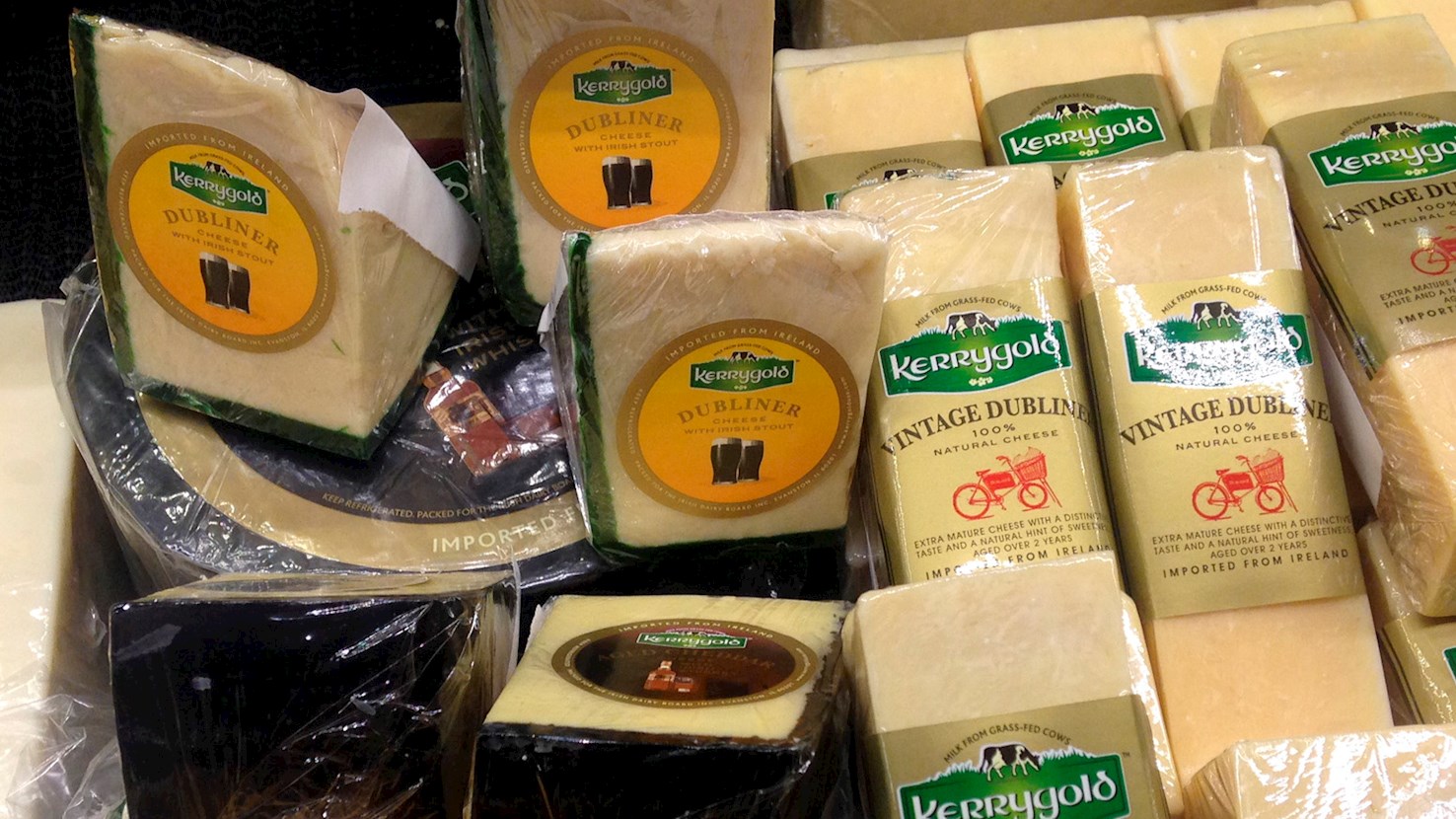
Dubliner is an Irish cheese that comes from County Cork, produced by Carbery, a cooperative of small farmers and dairies. The cheese was originally invented by John Lucey, who still keeps the secret recipe. It was first developed in the 1990s and quickly gained recognition for its distinct character, which sets it apart from both Irish cheddar and continental cheeses. Its name was chosen to highlight its Irish identity while making it appealing to international markets, and though it is not made in Dublin, the brand connection helped introduce it abroad, particularly in the United States where it became a widely exported Irish cheese. The production involves cow’s milk and careful aging, often for more than a year, which gives it a crumbly yet firm texture. The flavor profile is layered, combining nutty sharpness with a subtle sweetness that comes from the aging process. Unlike many cheeses that fit neatly into one style, Dubliner balances qualities found in cheddar, Parmigiano-Reggiano, and Swiss-style cheeses without being identical to any of them. This has made it versatile both in everyday cooking and in more refined dishes. It is commonly served as part of cheese boards, grated over pasta, or melted into sandwiches. In Ireland and abroad, it also finds its way into soups, pies, and gratins where its depth of flavor adds richness. One notable characteristic is its compatibility with drinks, as it pairs well with stout, Irish whiskey, and red wines, which complement its sharp yet slightly sweet notes.
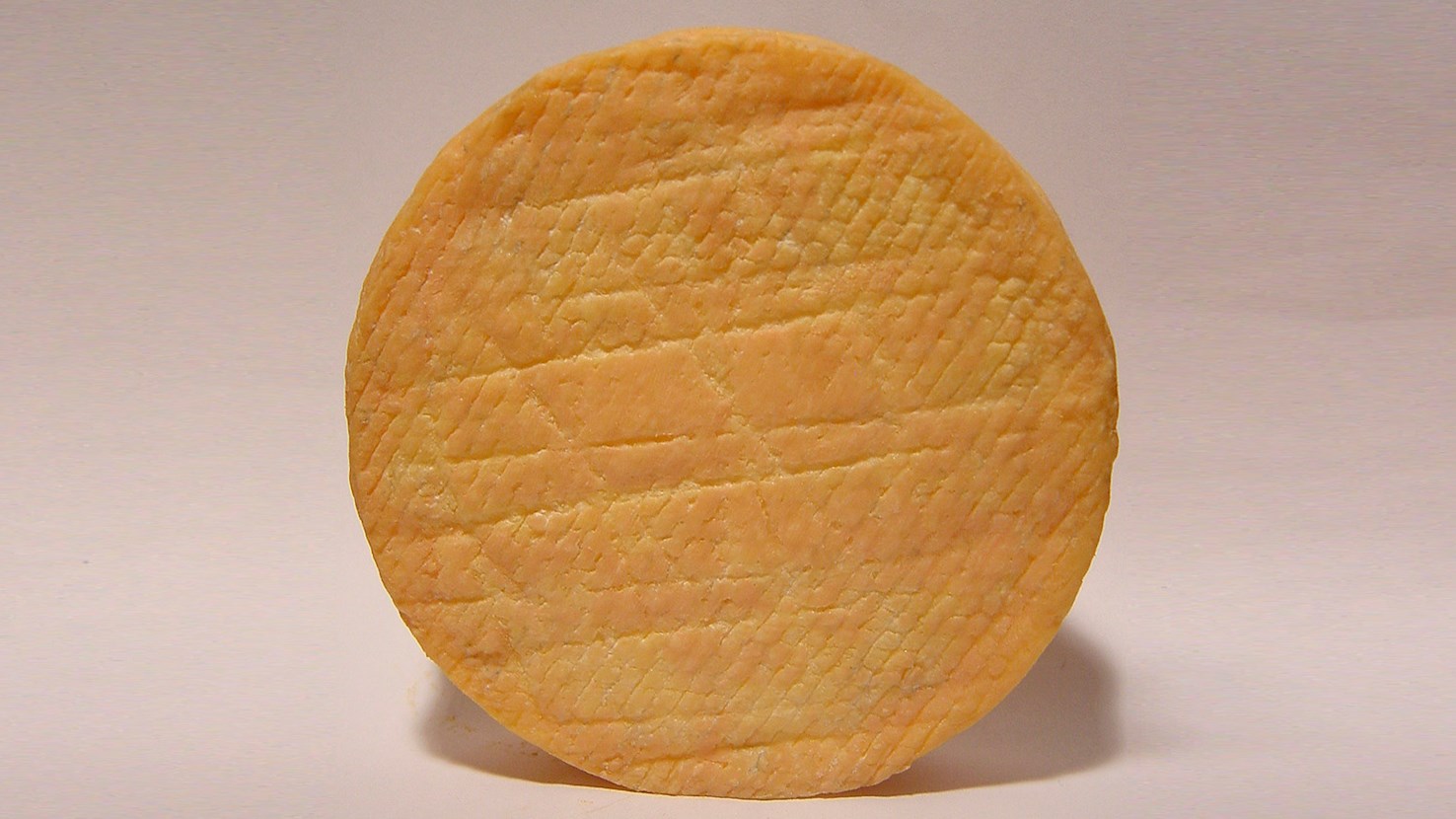
Milleens is a soft washed-rind cheese that comes from the Beara Peninsula in County Cork, Ireland, a rugged coastal area known for its damp climate that lends itself well to cheesemaking. It first emerged in 1976, when Veronica and Norman Steele began producing it on their farm in Eyeries, pioneering the small-scale farmhouse cheese movement in Ireland at a time when industrial production dominated. What set Milleens apart in its early days was the use of milk from Friesian cows grazing on the lush, salty pastures of the region, which gave the cheese a distinctive character and helped demonstrate that Irish farmhouse cheeses could stand alongside European varieties. The cheese is made from cow’s milk and is known for its soft, supple interior with a thin orange-red washed rind that develops during aging. The rind is created by washing the cheese regularly in brine during maturation, encouraging the growth of bacteria that contribute to its earthy aroma and complex flavor. Depending on its age, Milleens can range from mild and creamy with subtle grassy notes to more robust, pungent, and tangy as it ripens. Small wheels are often ready to eat after four to six weeks, while larger formats can develop deeper flavors with longer aging. Milleens is eaten both simply and as part of composed dishes. On its own, it pairs well with Irish brown bread, oatcakes, or fresh apples and pears. It is also enjoyed melted, where its rich texture adds depth to potatoes, vegetables, or grilled dishes. When it comes to pairings, it works well with full-bodied Irish stouts, crisp white wines, or even ciders, each complementing its evolving flavors.
Gubbeen is a farmhouse cheese from County Cork in the southwest of Ireland, where the mild and damp coastal climate has long influenced local farming and food production. It is a semi-soft cow’s milk cheese, recognizable for its washed rind that develops a pinkish hue and contributes to its distinctive aroma and flavor profile. The story of Gubbeen is tied to family cheesemaking practices that emerged in the late twentieth century, part of a broader revival of Irish farmhouse cheeses, when small producers began turning to artisanal methods to bring new life to rural food culture and diversify farm income. The cheese is made from the milk of cows grazing on the lush pastures of the Gubbeen estate, with each batch carefully monitored from milking to maturation. The process involves washing the rind during aging, which encourages the growth of specific bacteria that shape both the color and the complex, savory taste of the finished cheese. When served, Gubbeen offers a pliant texture that softens further at room temperature, making it suitable for slicing on bread, melting into warm dishes, or presenting on a cheese board. Its flavor sits between creamy and earthy, with subtle nutty and meaty undertones that evolve as it matures. One aspect that sets it apart is the strong connection between the cheese and its place of origin, not only through the milk but also in the way the rind flora reflects the local environment, giving each wheel an unmistakable stamp of its terroir. Today Gubbeen is enjoyed both in Ireland and abroad, found in specialty cheese shops and on restaurant menus where Irish artisanal products are celebrated. It can be eaten on its own, paired with rustic bread, or included in cooked dishes where its melting quality shines. Pairings often highlight Irish accompaniments such as oatcakes, apple chutney, or cured meats, while drinks like craft beer, stout, or a medium-bodied red wine balance its richness.
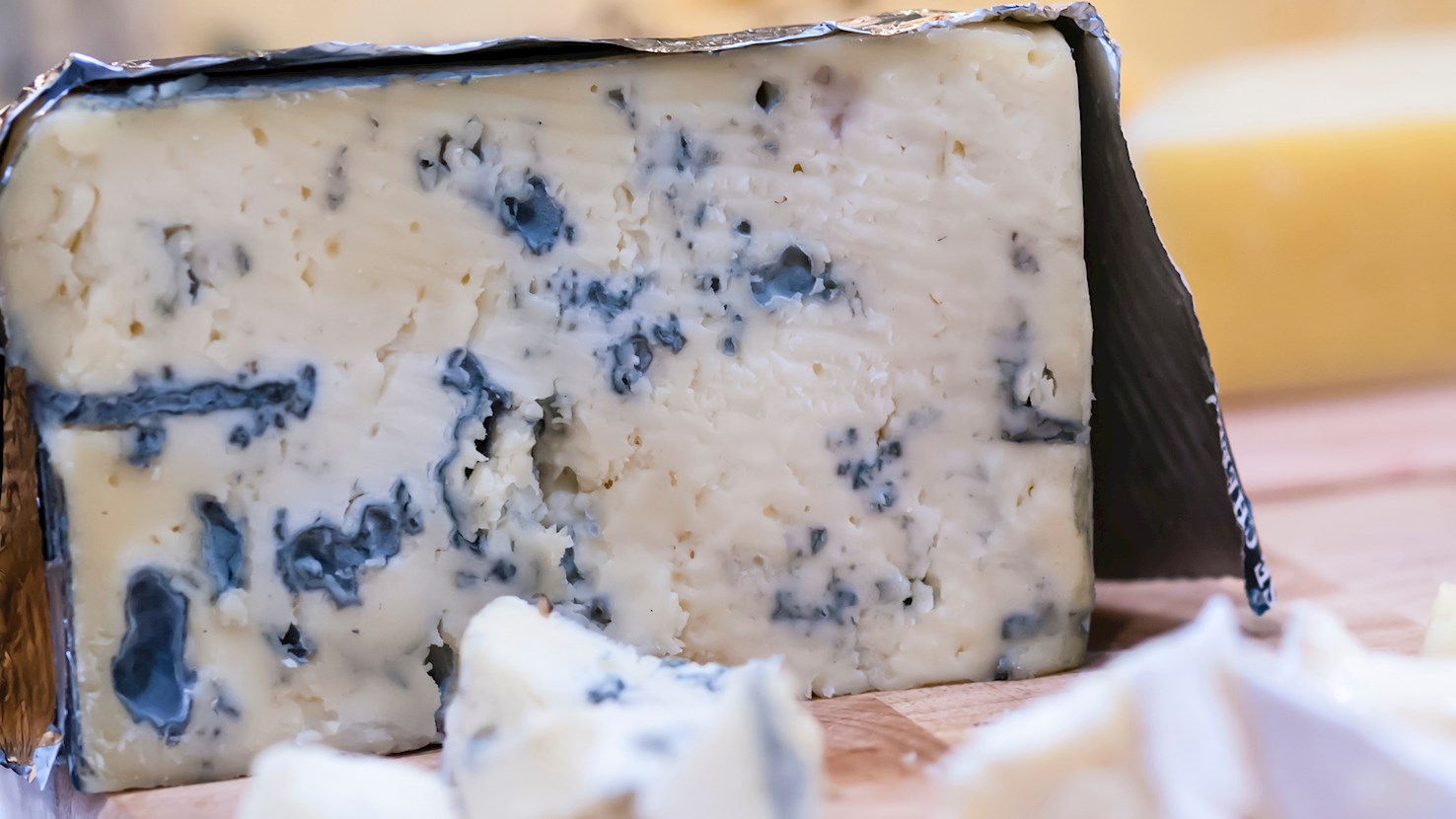
Cashel Blue is a farmhouse blue cheese from County Tipperary in Ireland, created in 1984 and recognized as the first blue cheese to be produced on the island. It was developed by Jane and Louis Grubb on their family farm near the town of Fethard, with the idea of using local cow’s milk to create a distinctive Irish interpretation of blue cheese that could stand alongside the well-established varieties of continental Europe. The timing coincided with a period when Irish cheesemaking was undergoing a revival, and Cashel Blue became one of the most significant names associated with that movement. The cheese is made from pasteurized cow’s milk, usually sourced from Friesian herds grazing on the lush pastures of Tipperary. Production involves adding starter cultures and Penicillium roqueforti to the milk, which gives the cheese its blue veining during maturation. After the curds are cut, drained, and shaped, the wheels are pierced to allow oxygen into the interior, encouraging the growth of the blue mold. Maturation typically lasts from six to ten weeks, during which the cheese develops a creamy texture balanced by a tangy flavor, with younger wheels being milder and firmer, while longer-aged ones grow softer and more pronounced in character. On the table, Cashel Blue is served in a variety of ways. It can be sliced onto a cheeseboard, melted into sauces, or crumbled over salads, and it is often paired with pears, apples, or walnuts, where its creaminess complements the sweetness or crunch of the accompaniments. It also pairs well with Irish brown bread, where the rustic qualities of the bread highlight the depth of the cheese. As for drinks, Cashel Blue works with both sweet and robust pairings, such as dessert wines that offset its saltiness, or stouts and porters that balance its tang.
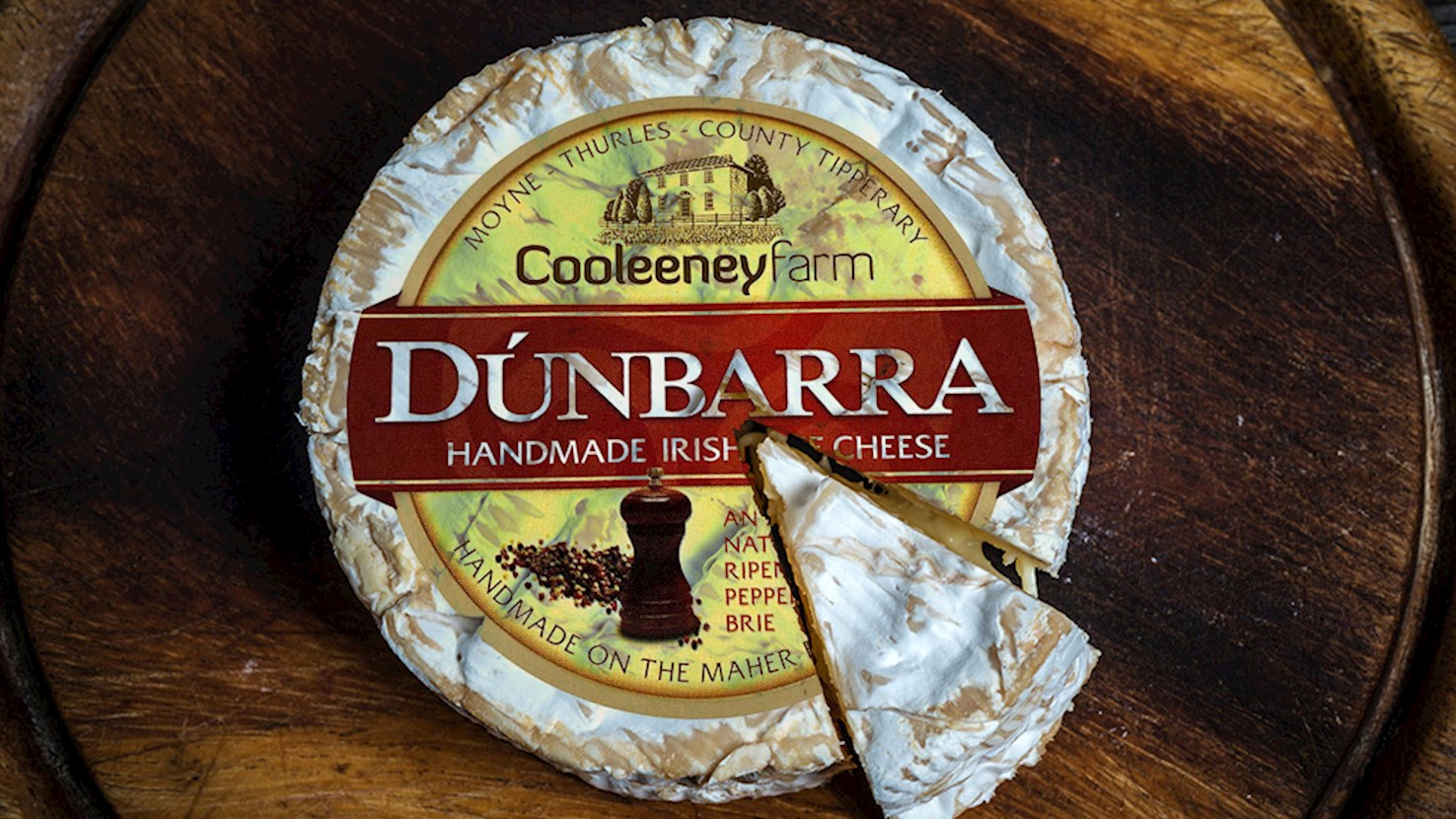
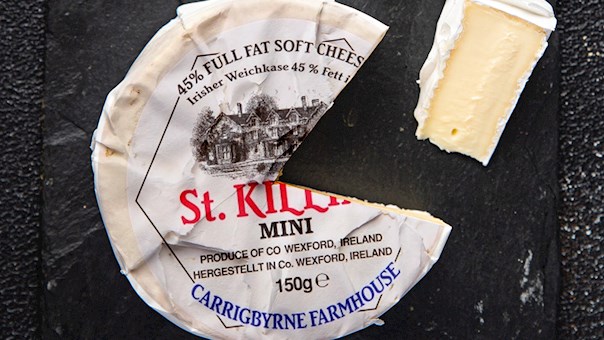
Dunbarra is a traditional cheese hailing from County Tipperary, where it's produced by Cooleney Farm. This brie-style cheese is made from pasteurized cow's milk and it's fully mature at 8 to 10 weeks. Underneath its white moldy rind, the texture is semi-soft, creamy, and buttery. The flavors vary because the cheese comes in 3 versions: plain, garlic and dill, and pepper and poppy seeds. It's recommended to pair Dunbarra with sparkling wines and Beaujolais.
Cooleeney is a traditional cheese hailing from County Tipperary, where it was invented by Breda Maher. The cheese is made from pasteurized and raw Friesian cow's milk. It's aged from 8 to 10 weeks. Underneath its white moldy rind, the texture is smooth, buttery, creamy, and slightly clay-like. The flavors are buttery, mushroomy, and pleasantly bitter. It's recommended to pair Cooleeney with a glass of Beaujolais.
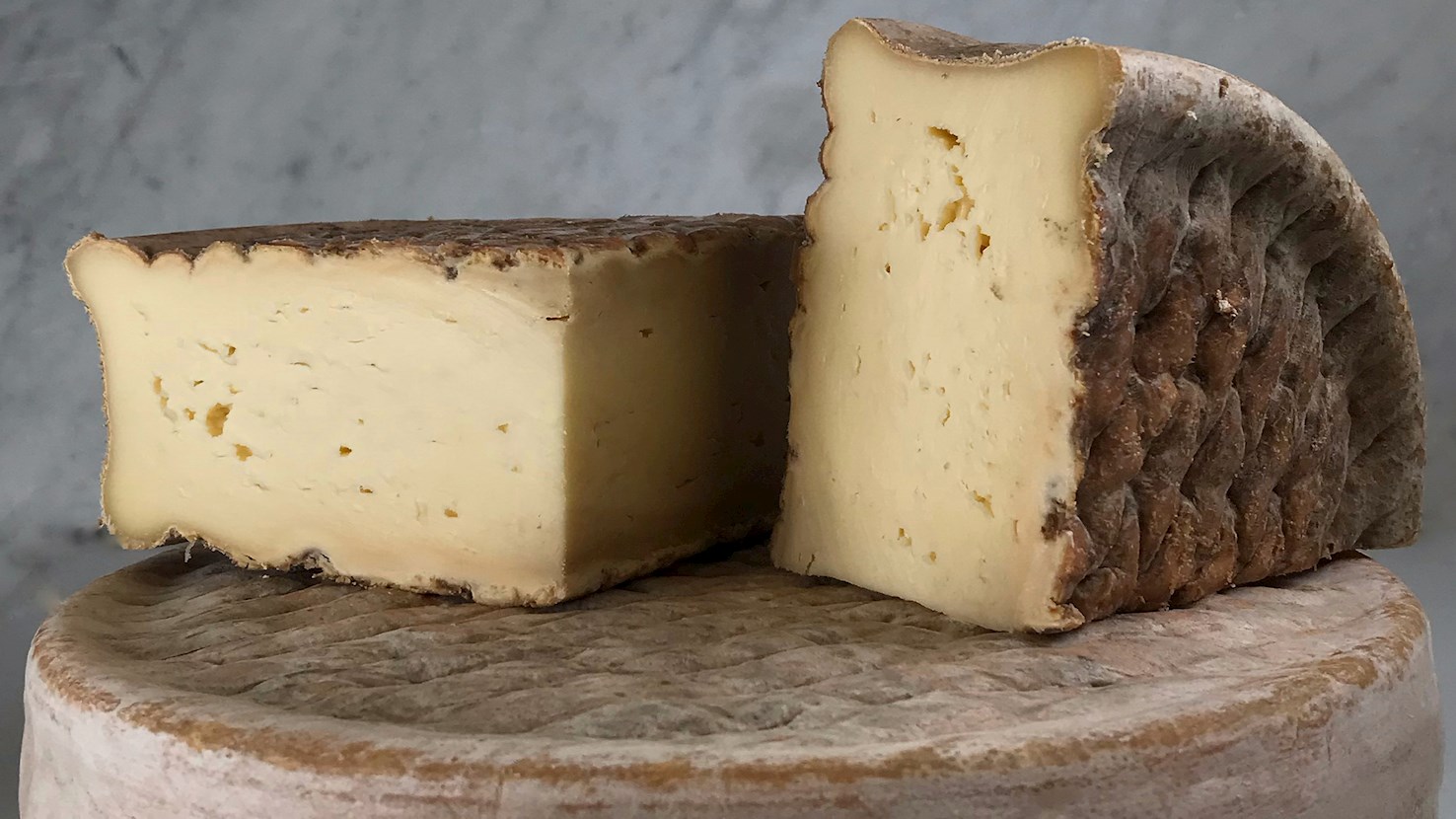
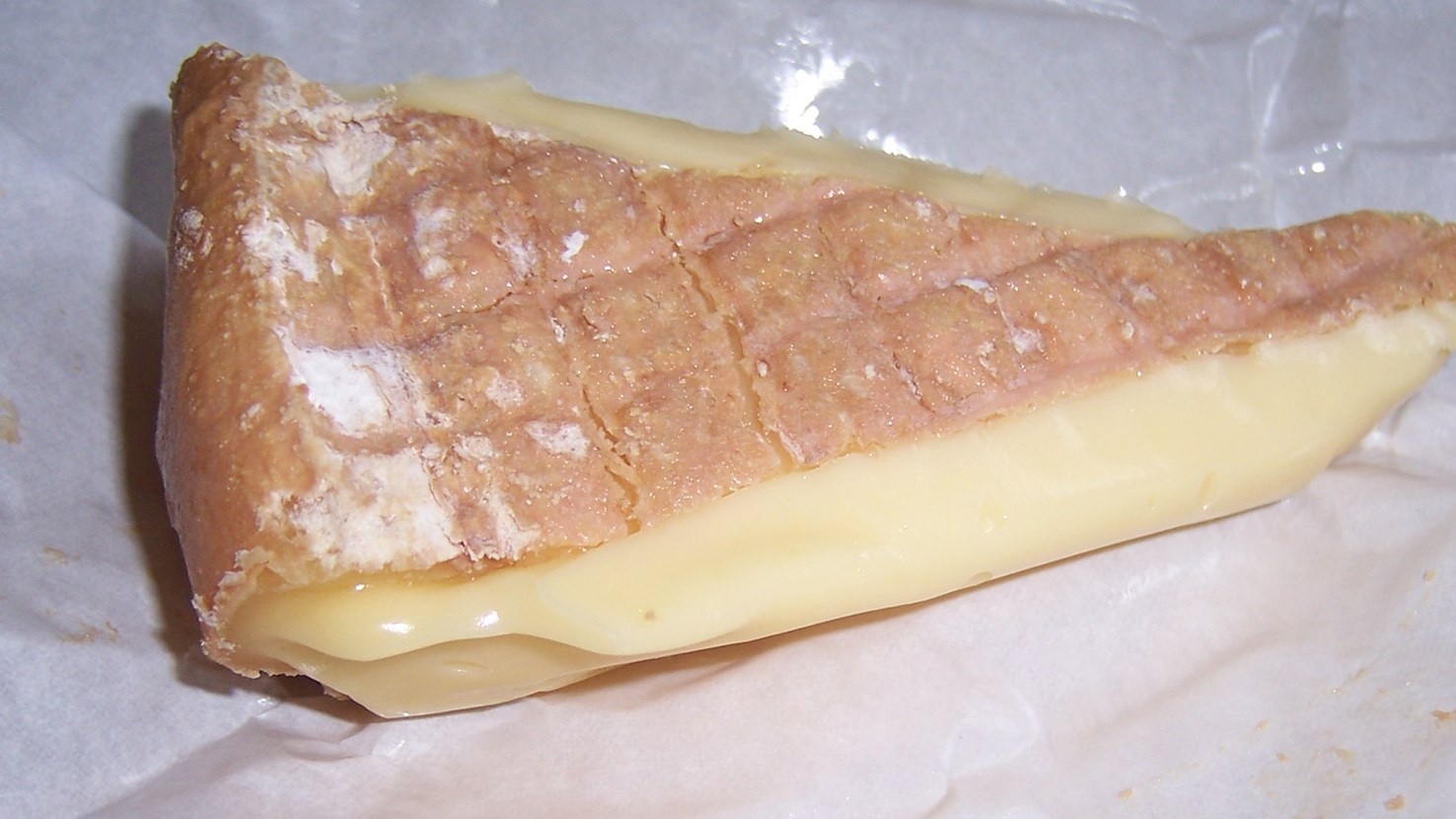
Lavistown is an Irish caerphilly-style cheese hailing from Stoneyford. The cheese is made from pasteurized cow's milk and it's left to mature from 2 to 8 months. Underneath its natural brushed rind, the texture is semi-hard, dry, firm, and crumbly. Produced in the shape of millstones, Lavistown is one of the oldest Irish farmhouse cheeses. The flavors are milky, creamy, acidic, tangy, and herbaceous.
Ardrahan is a washed-rind cow’s milk cheese from Kanturk in Ireland, known for its semi-soft texture, strong aroma, and full-bodied flavor that carries earthy and tangy notes. It was created in the 1980s by Mary Burns on the family farm, reflecting the move among Irish farmhouse producers to revive small-scale, character-driven cheesemaking at a time when the country’s reputation for artisan dairy was still developing. The cheese is crafted from pasteurized cow’s milk, formed into wheels that are washed regularly during maturation to encourage the growth of the sticky, orange-hued rind typical of washed-rind cheeses. This process gives Ardrahan its pungent aroma and distinctive savory taste. The interior is supple and pale, with a creamy consistency that softens as the cheese ripens. Its flavor combines buttery richness with sharp, tangy undertones, making it stand out among Irish farmhouse cheeses. The process of washing the rind and careful ripening creates a cheese that balances intensity with a rounded, lingering finish. Ardrahan is usually eaten sliced with bread or crackers, but it also melts beautifully, lending itself to warm dishes like gratins, baked potatoes, or sandwiches. It pairs especially well with Irish brown bread, crisp apples, and chutneys, and in terms of drink, it complements full-bodied red wines, robust ales, and Irish stout, which balance its intensity. In Ireland and beyond, it is enjoyed as part of cheese boards, pub fare, and home meals, carrying with it both the character of Cork and the broader Irish farmhouse cheese revival.
St Tola Log is an Irish cheese hailing from Inagh in County Clare, where it's produced by Inagh Farmhouse Cheese Ltd. The cheese is made from pasteurized or raw goat's milk and it's named after the local patron saint. The logs come in two versions – mature and fresh. The mature version has a smooth, soft, and creamy texture, while the flavors are sweet and floral with honey undertones, deepening as the cheese ages. The fresh version is younger and less complex than the mature version, with lighter structure and fresher, cleaner flavors. It's recommended to serve the mature version on a cheeseboard.
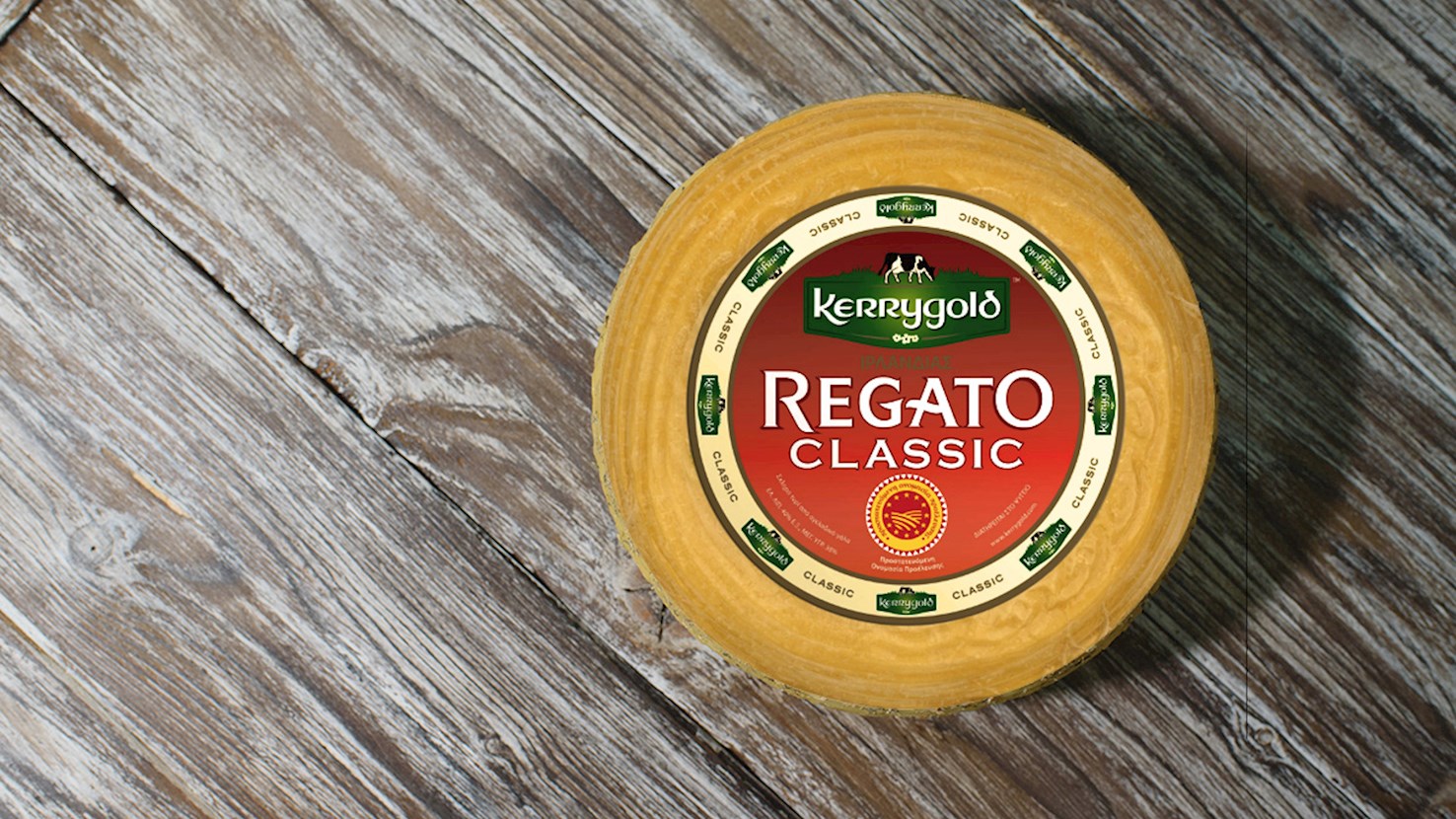
Imokilly Regato is a cows' milk cheese produced by the Dairygold Co-operative. The milk used in the manufacture comes from cows grazing on pasture from March to October in the baronies of Imokilly, Fermoy and Muskerry in south-east Cork, but in times of exceptional shortage, milk from adjacent areas can be used. The milk contains high levels of betacarotene, which gives the cheese its special color and is aged between 12 to 18 hours before production. The rennet and the cultures used in production are unique to Dairygold Mogeely and have been specifically developed for this cheese. The cheese curd is shaped in moulds which incorporate a patented Celtic cord motif on the upper and lower surfaces. Imokilly Regato has a distinctive sweet, piquant aroma which is unique to this cheese. The cheese is salted twice in a brine bath and then traditionally dry-salted by hand. This salting process and maturation of 9 to 12 months slowly develop the characteristic rind of Imokilly. The final product has a creamy yellow color, firm texture and is wheel-shaped. This interesting flavor of the cheese is the direct result of the unique processing and maturing techniques used by Dairygold Mogeely. The producers incorporate traditional cheese-making skills that have been developed since the Gaelic period. Imokilly Regato is well recognized among consumers because of its exquisite taste and is used for preparing pizzas, jacket potatoes, quiches, pasta, and cheese pies.
TasteAtlas food rankings are based on the ratings of the TasteAtlas audience, with a series of mechanisms that recognize real users and that ignore bot,
nationalist or local patriotic ratings, and give additional value to the ratings of users that the system recognizes as knowledgeable.
For the “Top 21 Irish Pasteurized Milk Cheeses” list until July 01, 2026, 155 ratings were recorded, of which 117 were recognized by the system as legitimate.
TasteAtlas Rankings should not be seen as the final global conclusion about food. Their purpose is to promote excellent local foods,
instill pride in traditional dishes, and arouse curiosity about dishes you haven’t tried.