shutterstock

Top 35 Spanish Pasteurized Milk Cheeses

Last updated on July 08, 2026

Best Spanish Pasteurized Milk Cheese Types
01

Queso Manchego

4.3 ·

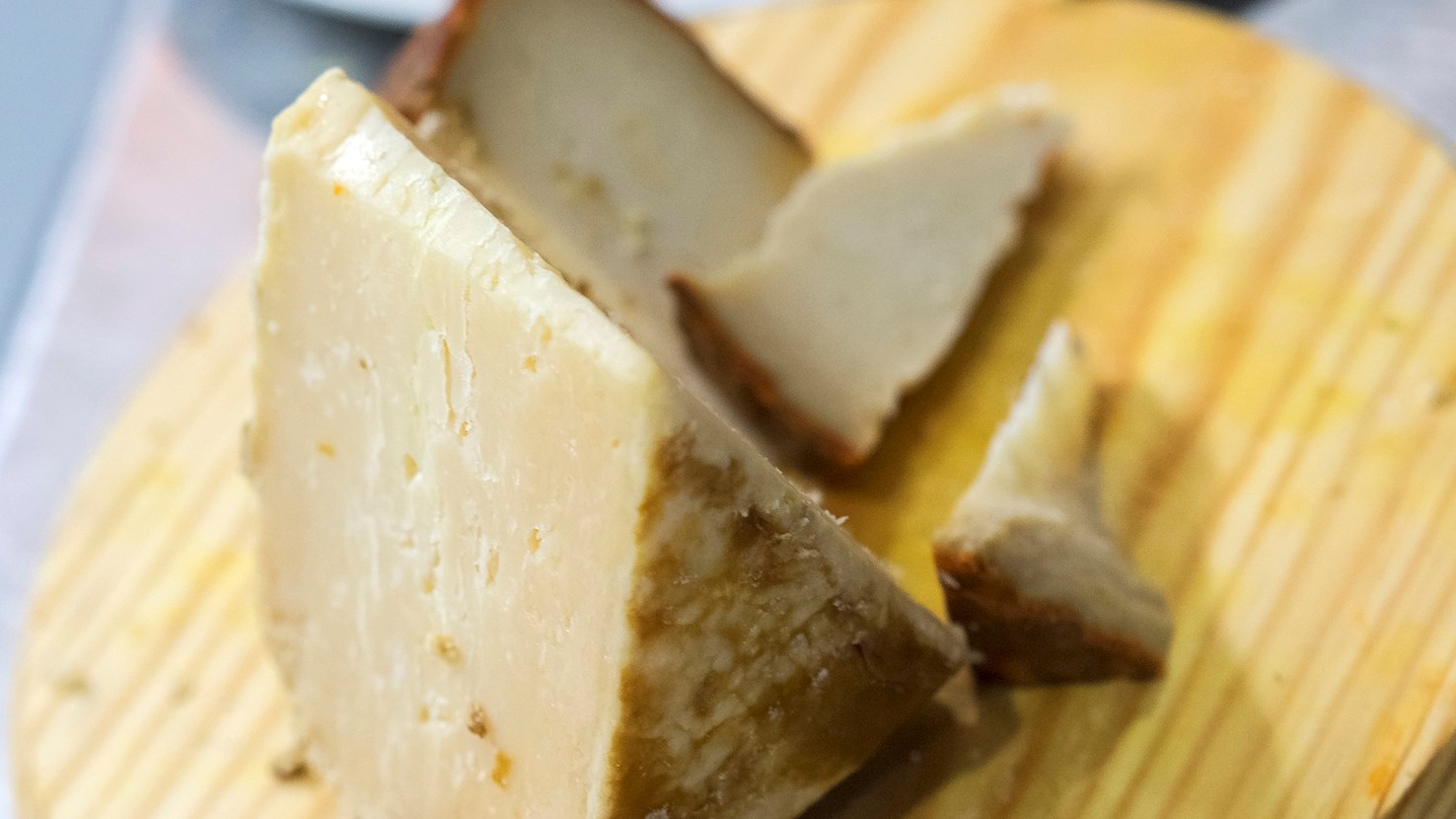
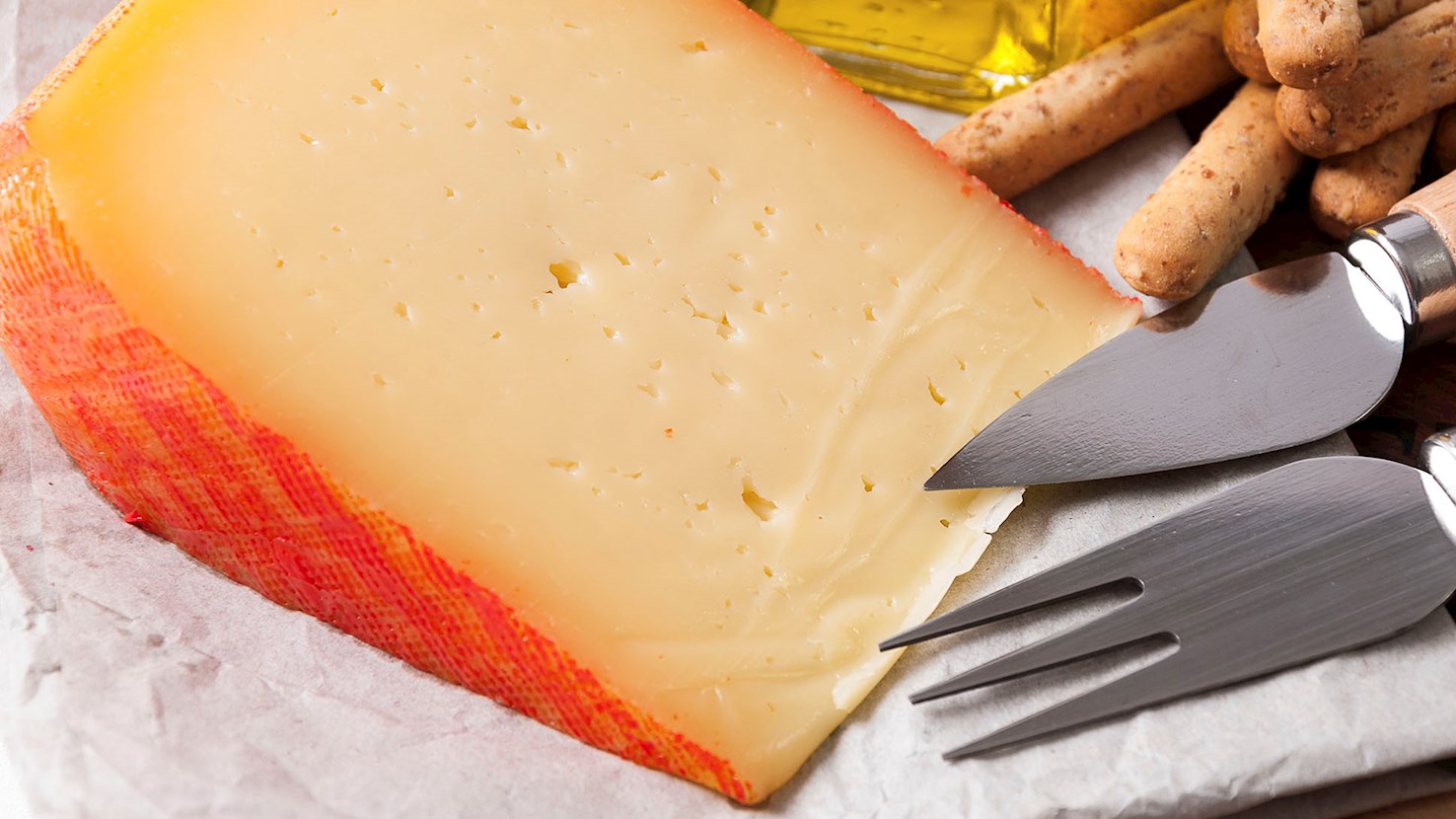
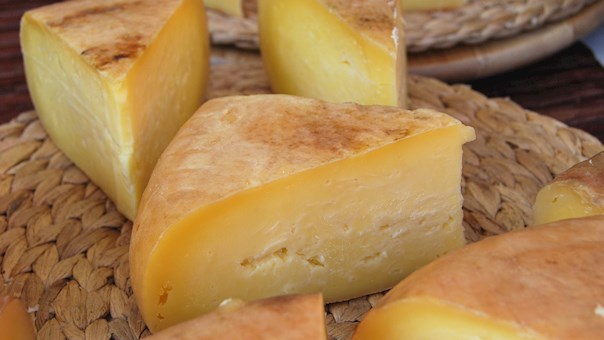
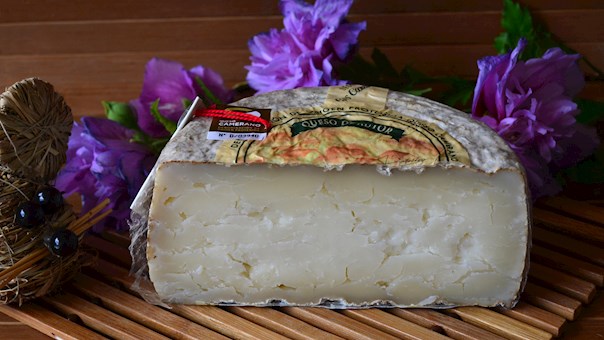
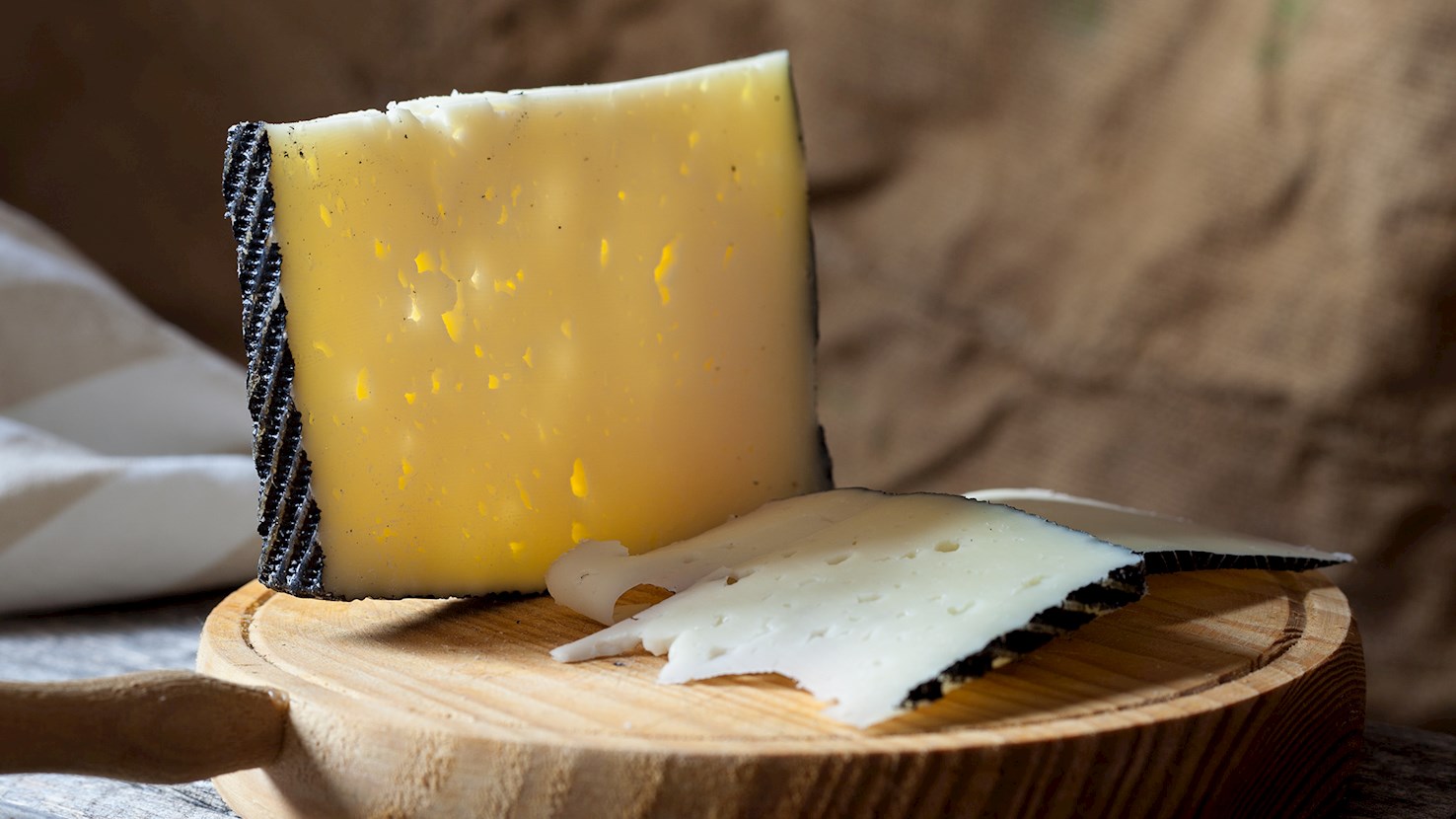
Queso Manchego is a pressed cheese made from raw or pasteurized ewe's milk of the Manchega breed that grazes freely on the pastures in the provinces of Albacete, Ciudad Real, Cuenca, and Toledo. When produced from raw milk, Manchego cheese is labeled as Artesano. Its color ranges from pale yellow to greenish-black, and the flavor is slightly acidic, but depending on the aging period, it can also be spicy and peppery. The texture is firm and compact and it may contain tiny, irregular, unevenly distributed eyes. The rind is usually washed and coated in paraffin or immersed in olive to preserve its natural appearance and protect the chese from the mold. This full-fat cheese is rich in calcium and packed with essential vitamins such as A, D and E. The wheels weighing up to 1,5 kg are aged for at least 30 days, and larger cheeses are aged from 2 months to a maximum of 2 years. Manchego can be sold at different age gradations - Fresco (two weeks), Semi-Curado (from three weeks to four months), Curado (three to six months) and Anejo or Viejo (aged from one to two years).

02

Queso Payoyo

4.2 ·

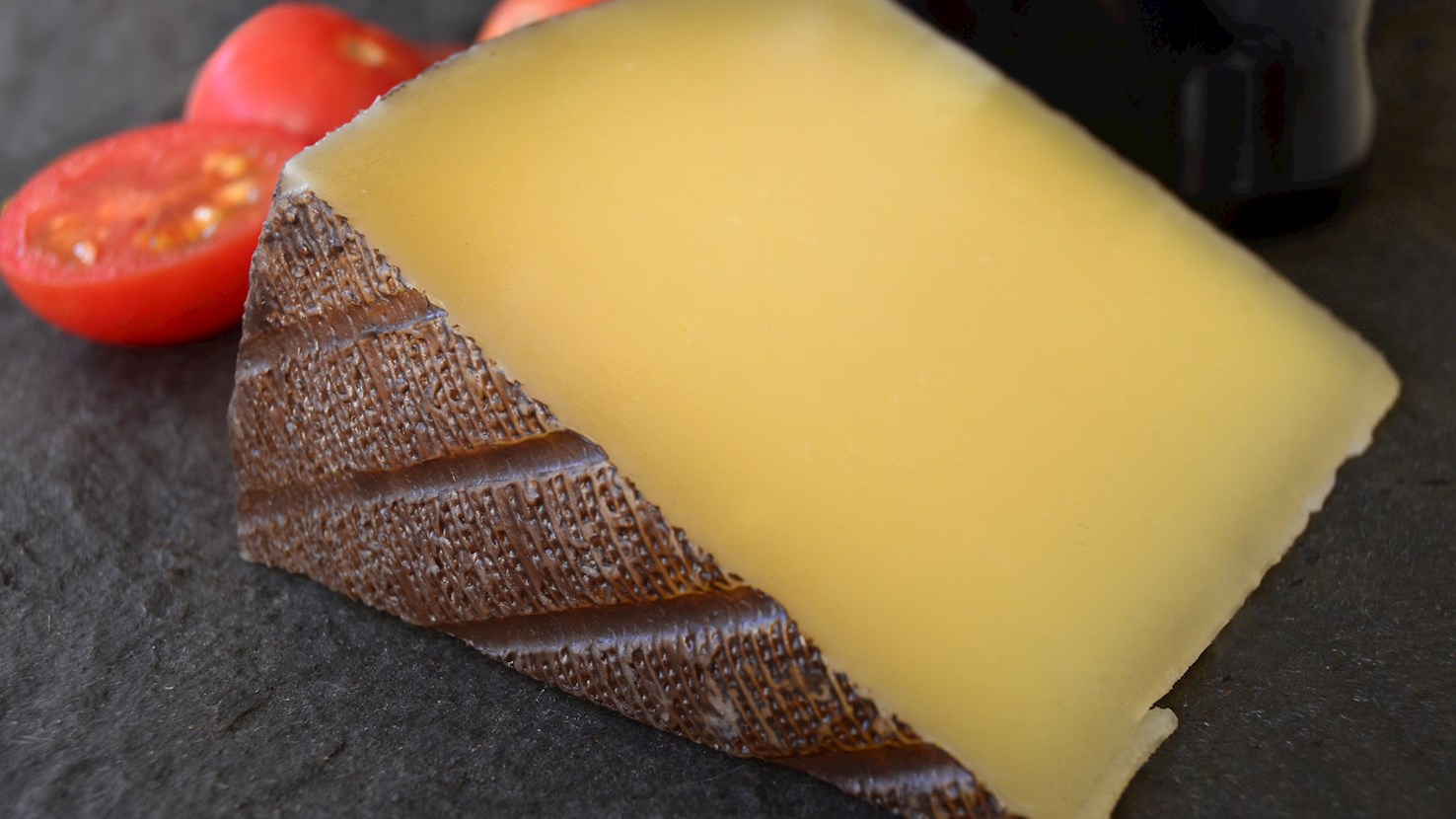
Queso Payoyo is a Spanish cheese made with a mixture of goat's and sheep's milk from local Payoyo goats and Grazalema sheep. Its flavor is rich and tangy, the rind is cross-hatched, while the texture is creamier and softer than Manchego, which it somewhat resembles. Payoyo's aroma has hints of butter and herbs. It is recommended to serve it with crusty bread and a glass of dry sherry or red wine. The Spanish Ministry of Agriculture awarded it with the title of Spain's Best Cheese in 2013, and in 2014, it won a bronze medal at the World's Best Cheese awards.

03

Caña de Cabra

4.1 ·

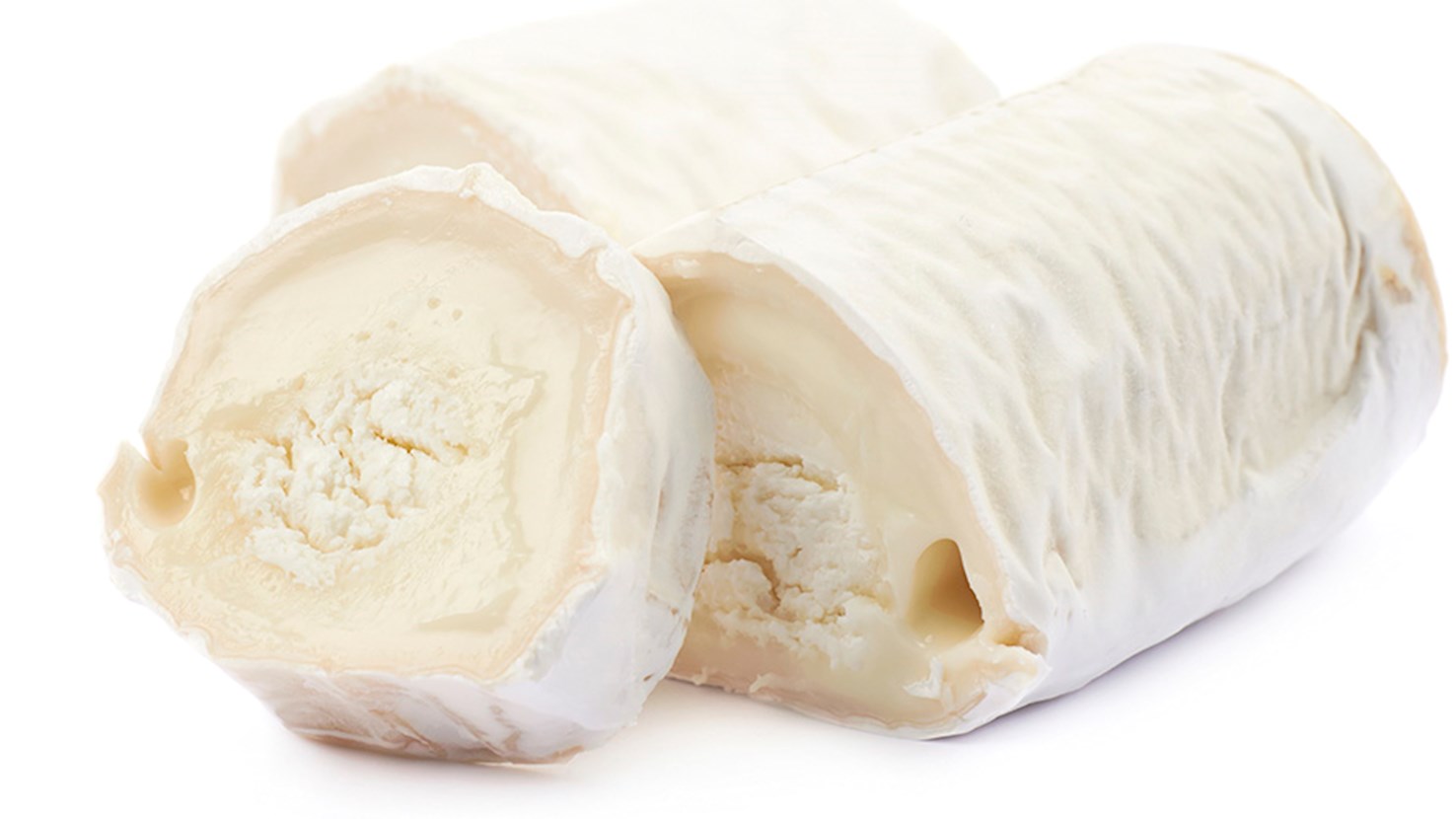
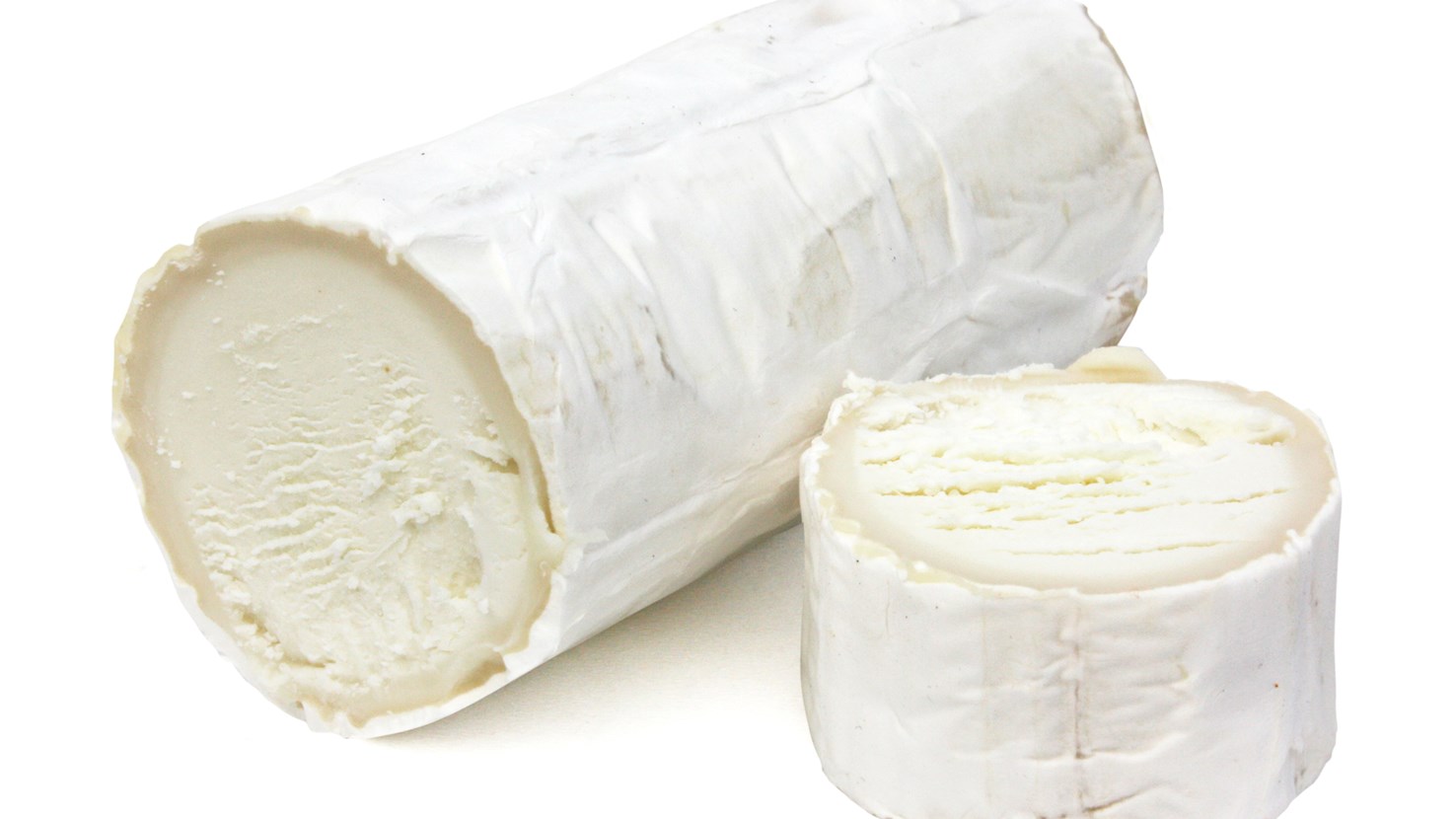
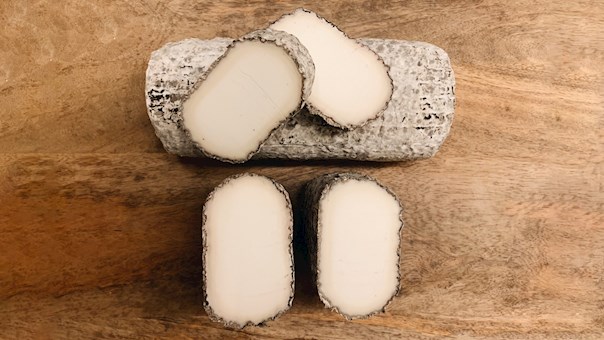
Murcia is a mountainous region known for high-quality goat milk products such as this soft-ripened goat milk cheese log. Young caña is mild and creamy with refreshing lemony notes. As it ages, the cheese gets a sharp and intense flavor with a note of earthiness. Caña de Cabra is typically enjoyed with local honey, figs, and almonds or pine nuts. It is recommended to pair it with crisp white wines.

04

Arzùa-Ulloa

4.1 ·

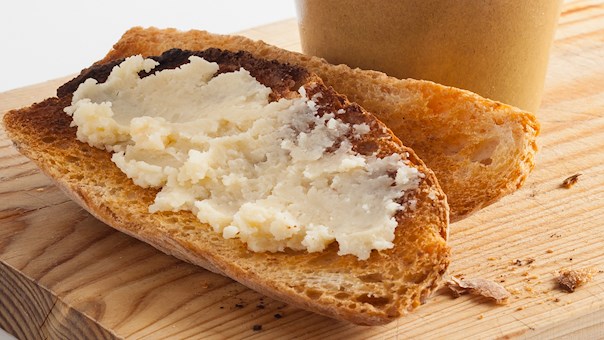
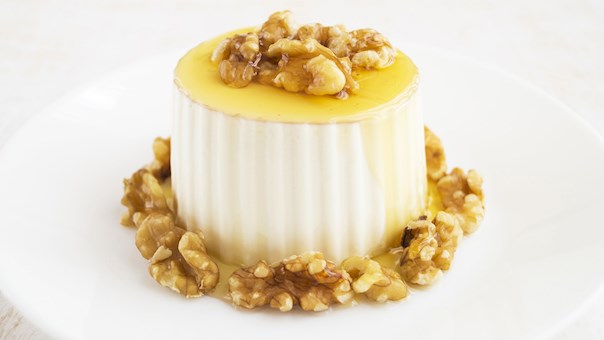
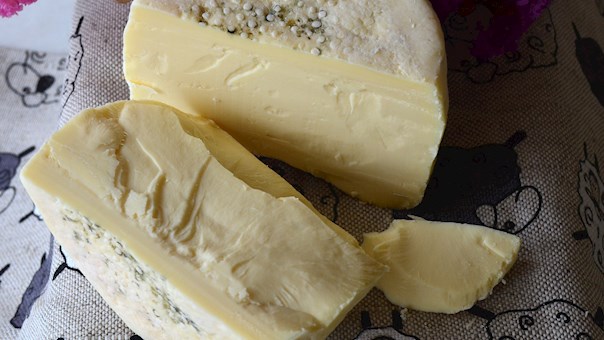
Arzùa-Ulloa is a cheese made from raw or pasteurized cow’s milk. This cheese is produced in Galicia, in Northwestern Spain, where it matures for at least 6 days. It is a mild cheese whose flavor is reminiscent to that of butter and yogurt. The cheese has a smooth and somewhat waxy rind dotted with blue or white mold spots. The interior hides a smooth, velvety texture and is white to pale yellow in color. Arzùa-Ulloa is often served as a component of a dessert, but it can also be melted over toasted bread.

05

Queso Tetilla

4.1 ·

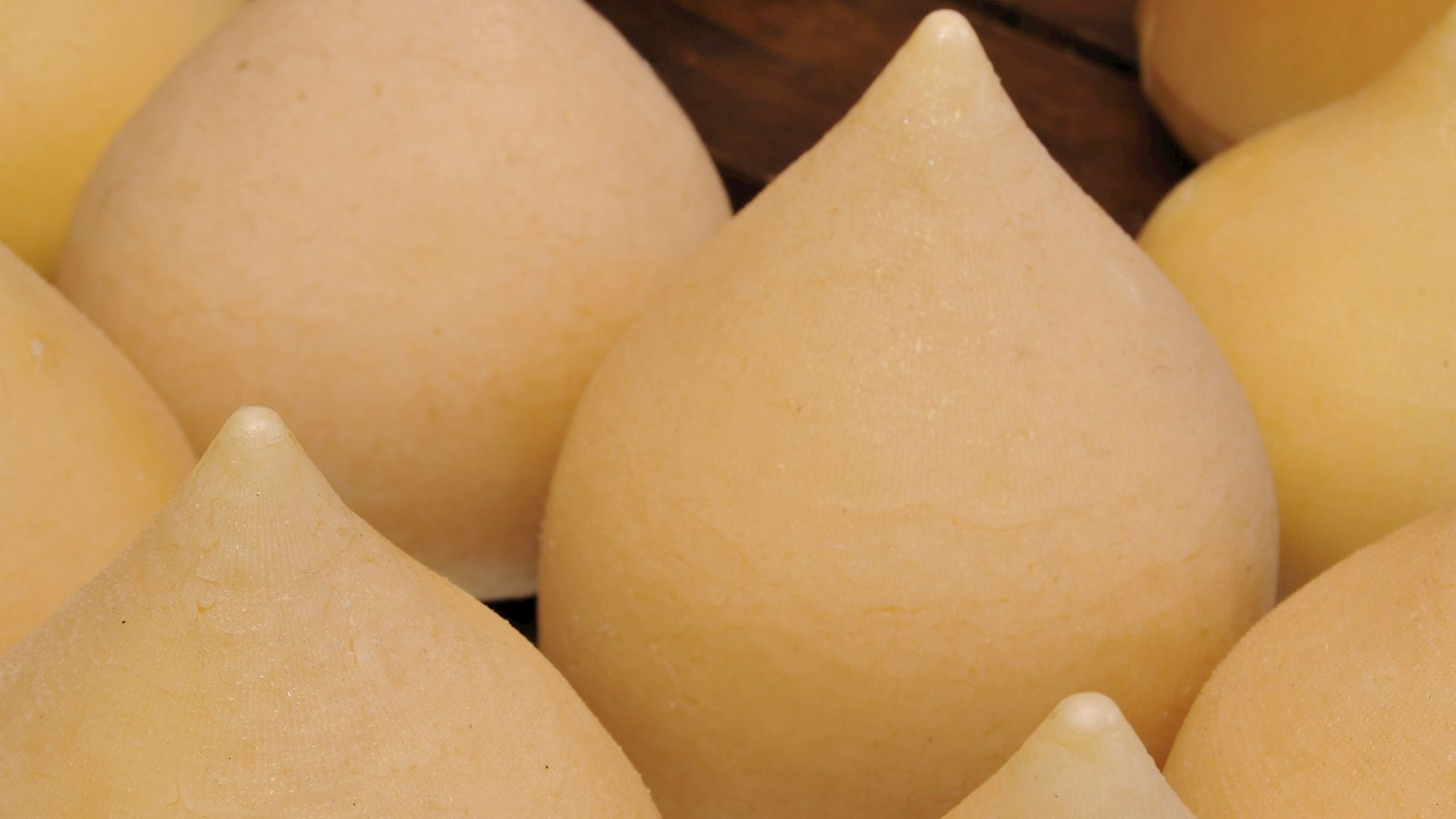
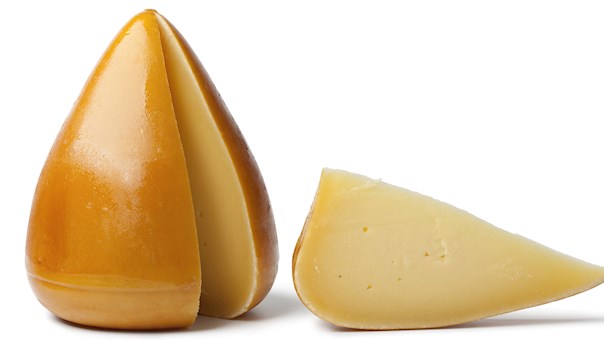
Queso Tetilla is an aged semi-soft cheese made with the milk of Friesian, Swiss Brown and Rubia Galega cows in the region of Galicia. This cheese, ripened for a minimum of 7 days, has a typical pear-like shape with a pointed top, which is the reason why it's called tetilla, meaning nipple in Spanish. Its flavor is distinctively mild and buttery, with aromas similar to those of vanilla and walnuts. Queso Tetilla is usually paired with jamón Serrano, chorizo, membrillo, and a glass of wine.

06

Mahón-Menorca

4.0 ·

Mahón-Menorca is a full-fat pressed paste cheese, made from pasteurized or raw full-fat milk from Brown Swiss, Friesian or Menorcan cows. This cheese is traditionally manufactured on the island of Menorca from local cows' milk. The milk must be fresh and without any preservatives or processed in any way. Molded by hand and wrapped in a cotton cloth, Mahón cheese is then ripened for at least 21 days, and can be cured for up to 150 days. The flavor of this cheese is intense and complex, with a slight tang combined with notes of butter and hazelnuts. Mahón is periodically rubbed with olive oil and pimenton paprika, which gives its characteristic color and aroma.

07

Queso Iberico

4.0 ·

Queso Iberico is a traditional pressed paste cheese with a natural rind. This hard cheese is made from a combination of cow's, sheep's, and goat's milk, and the ratio is often altered according to seasonal availability of the milk. The texture is oily and firm with small irregular eyes, while the aromas are rich. The distinctive flavor ranges from fruity and buttery to nutty and strong. It's recommended to use it as a table cheese with quince paste (membrillo), but it can also be grated over pasta and potatoes or grilled. There are two main types of Iberico – one is semi-cured and aged from 1 to 3 months, while the cured version is aged from 3 to 6 months.

08

Cana de Oveja

3.9 ·

Cana de Oveja is a traditional soft-ripened cheese hailing from Murcia. The cheese is made from pasteurized sheep's milk and it's similar to the French Bucheron because it also comes in the shape of a log. Underneath its bloomy rind, the texture of Cana de Oveja is crumbly, buttery, and flaky. The aromas are buttery, while the flavors are tangy and creamy. The cheese is left to age for 21 days, and as it ages, the aromas and flavors intensify. It's recommended to pair it with a glass of white wine and some almonds on the side.

09

Queso Garrotxa

3.9 ·

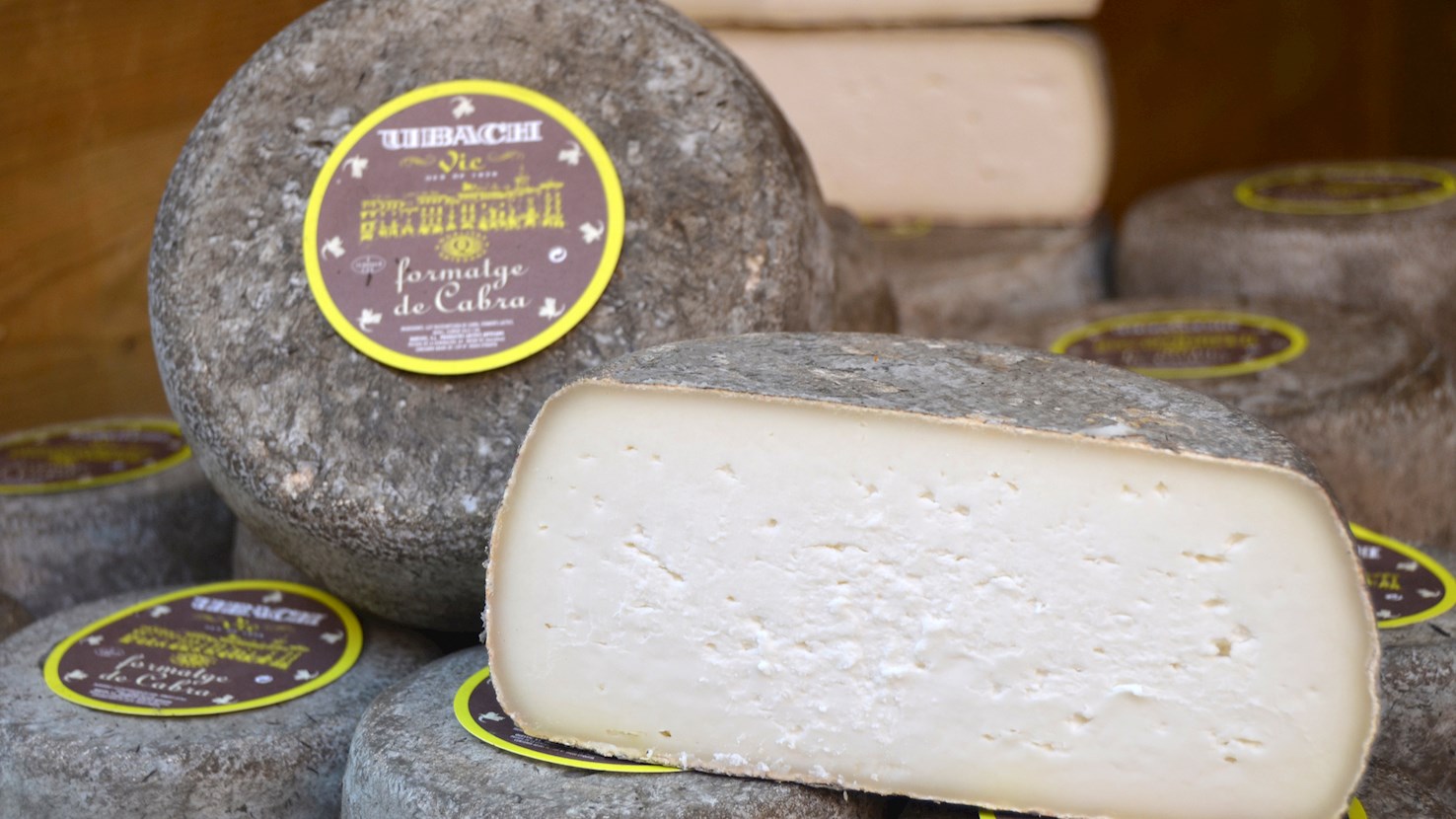
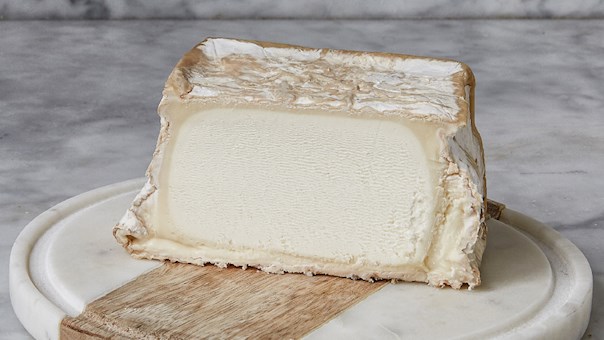
Garrotxa is a traditional Catalan goat cheese originating from the Garrotxa area in Catalonia. The cheese is made from the milk of Murciana goats and is aged in caves for about 1 to 2 months, which helps to develop its mold and enhance the flavor. It is characterized by a powdery gray or grayish-blue rind, an ivory-colored interior, and a semi-soft texture. The flavor profile of Garrotxa is described as earthy with a mild acidity, making it a versatile cheese that pairs well with crusty country bread, pears, nuts like toasted hazelnuts, almonds, or walnuts, and can be served as tapas or at the end of a meal. For wine pairings, white wines such as a Catalan Priorat, Pinot Gris, Verdejo, or Chardonnay are recommended. Its wheels are small, typically around three pounds, and mature relatively quickly​. Garrotxa was nearly extinct by the early 1980s. However, it was revived by a cooperative of young cheesemakers and goat farmers, beginning in 1981. Today, Garrotxa is celebrated for its artisanal production and has become widespread.

10

Queso de Valdeón

3.8 ·

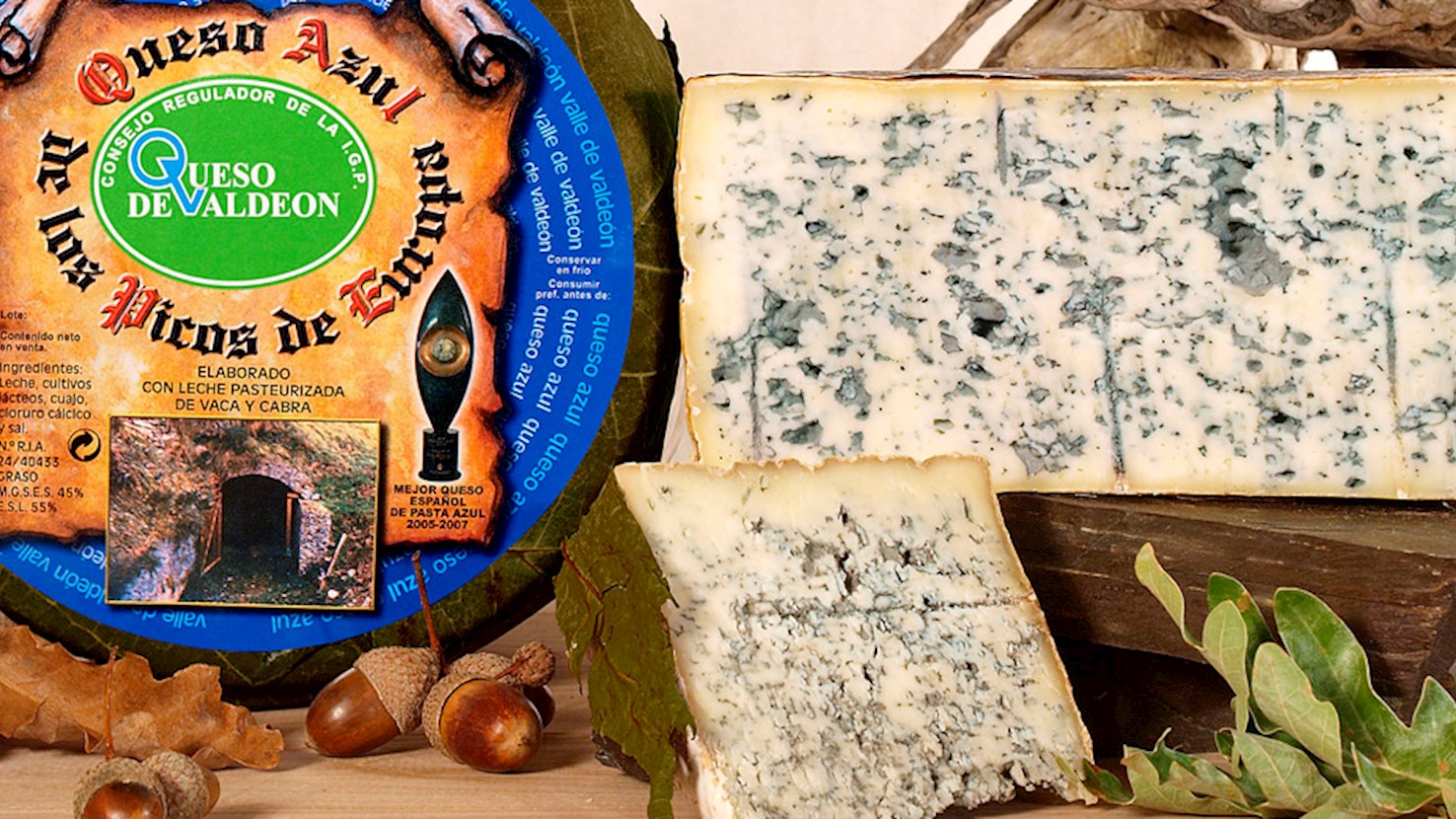
One of the great blues of Europe, this Spanish cheese is produced in the Picos de Europa Mountains, namely the valley of Valdeón. The smooth and creamy Valdeón blue cheese is made from either pure cow's milk or a combination of cow's, sheep's, and goat's milk. It is matured for about 45-60 days and sold wrapped in sycamore maple or chestnut leaves. Although it has all the character of a blue and a very intense, piquant flavor, Valdeón's bite is not as strong as the one in most other blue cheeses. It is best paired with sherry and young, fresh white wines, which offer a good counterpoint to Valdeón's richness and pungency.

Best Spanish Pasteurized Milk Cheeses
01

Formatges Camps

4.9 ·

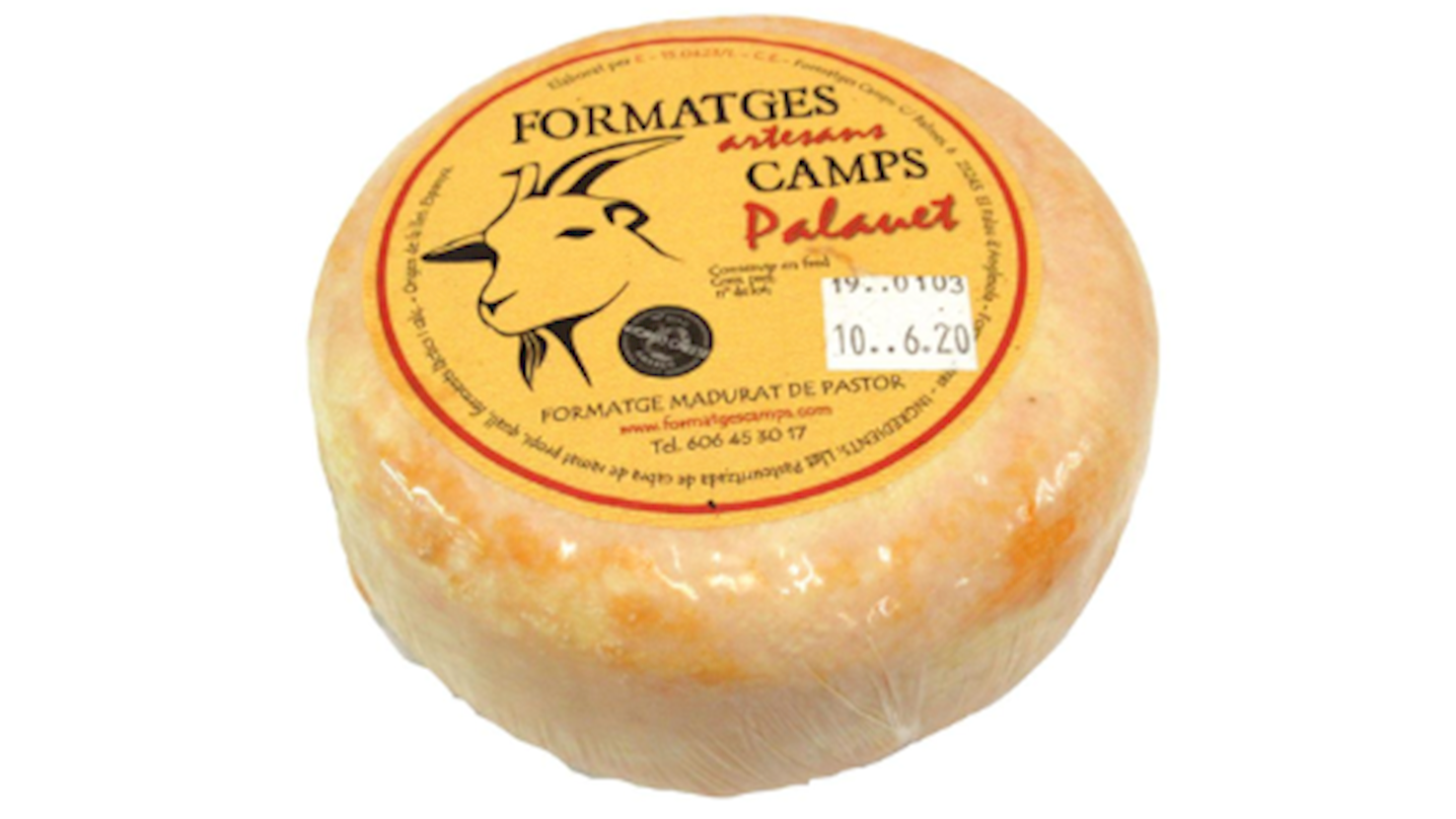
Formatges Camps is an artisanal cheese producer based in El Palau d’Anglesola, in the province of Lleida, Catalonia, Spain. Founded by brothers Robert and Toni Camps, the company combines traditional cheesemaking techniques with a strong commitment to quality and local dairy heritage.

Specializing in cheeses made from goat’s, sheep’s, and cow’s milk, Formatges Camps produces a diverse range of handcrafted varieties, including soft-ripened, blue, semi-cured, and aged cheeses. The dairy has earned a reputation for using carefully selected milk and slow maturation processes that allow each cheese to develop its own distinctive texture and flavor profile.

Several of its products, such as Palauet, Crisembert, Blau del Nét, and Lligat d’Ovella, have received recognition at prestigious international competitions, including the World Cheese Awards. The company is particularly valued for its focus on raw milk cheeses and its ability to combine traditional Catalan cheesemaking knowledge with contemporary craftsmanship.

Through small-batch production and meticulous attention to detail, Formatges Camps has become one of the most respected artisan cheese producers in Catalonia, contributing to the growing international recognition of the region’s cheese-making tradition.

Awards
World Cheese Awards - Gold (2021)
02

Quesería Arquegran Agüimes

4.8 ·

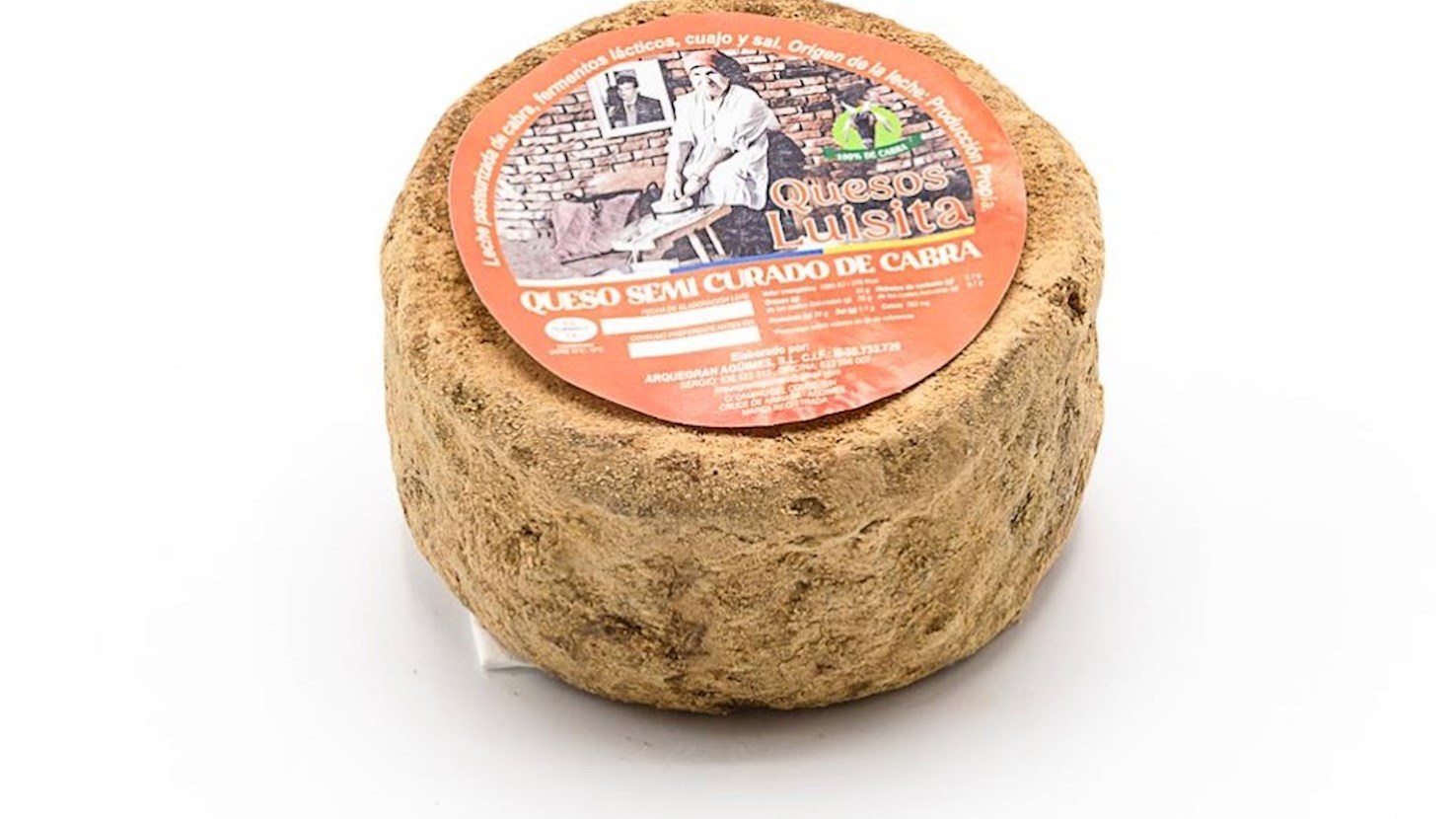
Quesería Arquegran Agüimes is a family-owned cheese-making company based in Agüimes, Gran Canaria. They specialize in producing artisanal cheeses made from their own fresh milk sourced from both cows and goats raised on their farm.

With over 25 years of experience, the company combines traditional cheese-making techniques passed down through generations with modern innovations to ensure high-quality products that are free from preservatives and additives​.

Awards
World Cheese Awards - Super Gold (2023)
03

Quesería Quesos de Pría

4.5 ·

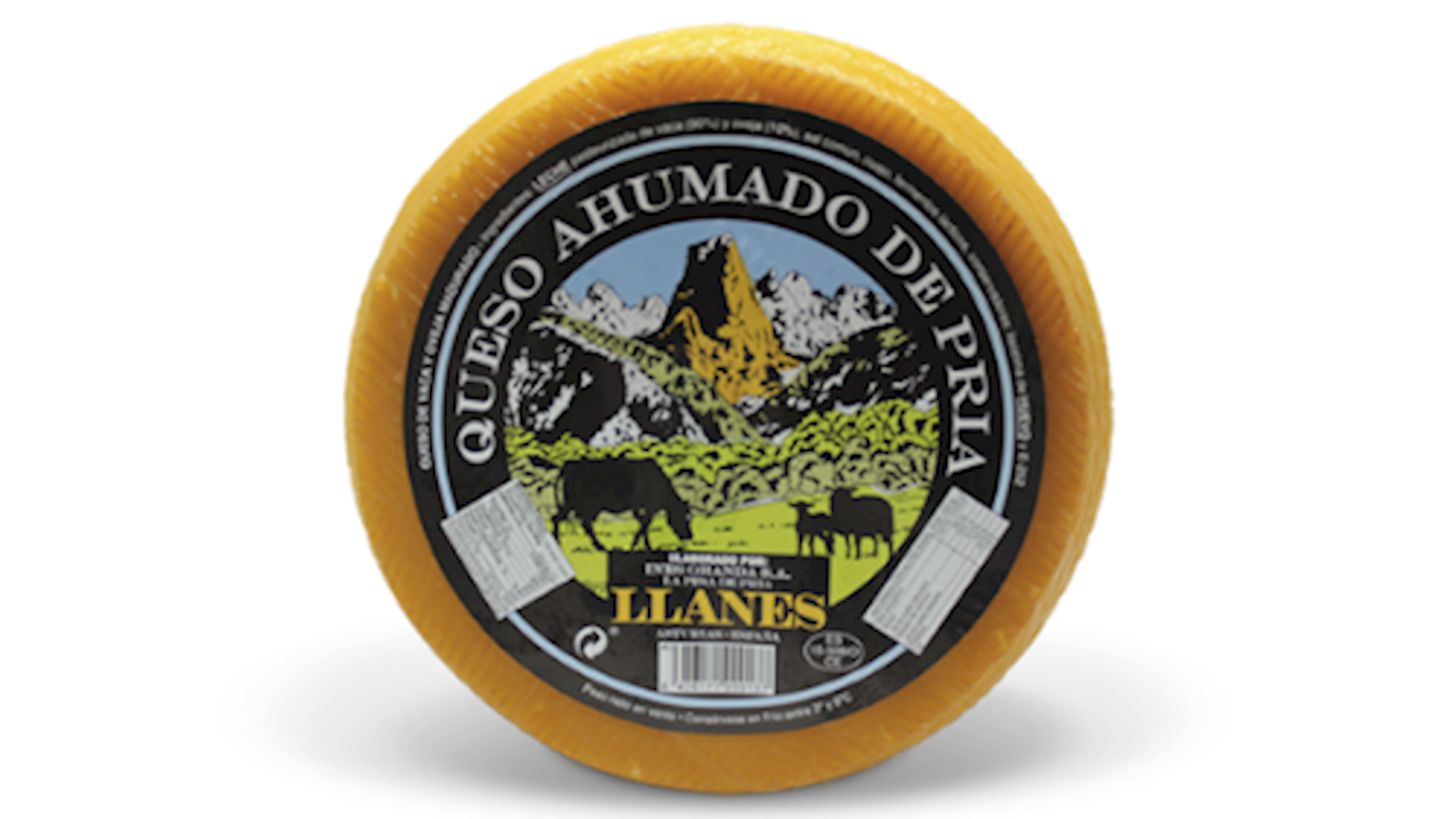
Quesería Quesos de Pría is a traditional dairy located in the Llanes area of Asturias, with origins dating back to 1938, making it one of the long-established producers in the region. Its production is based on artisanal recipes and locally sourced milk, focusing on cheeses that reflect the character of Asturian cheesemaking.

The range includes several styles such as tres leches cheese, Pría smoked cheese, and tierno varieties, all developed from a shared technological base. One of its most distinctive products is the smoked cheese, which is exposed to wood smoke after maturation, developing subtle caramelized and smoky notes while maintaining a mild dairy core.

The cheeses are generally semi-soft to semi-hard, with textures that can be buttery and slightly elastic. Flavor profiles are typically balanced and approachable, with gentle sweetness and moderate intensity rather than strong pungency.

In mixed-milk varieties, the profile becomes more complex, introducing additional nutty and smoky nuances.

Read more
View all
View map
About this ranking

TasteAtlas food rankings are based on the ratings of the TasteAtlas audience, with a series of mechanisms that recognize real users and that ignore bot, nationalist or local patriotic ratings, and give additional value to the ratings of users that the system recognizes as knowledgeable. For the “Top 35 Spanish Pasteurized Milk Cheeses” list until July 08, 2026, 1,564 ratings were recorded, of which 1,206 were recognized by the system as legitimate. TasteAtlas Rankings should not be seen as the final global conclusion about food. Their purpose is to promote excellent local foods, instill pride in traditional dishes, and arouse curiosity about dishes you haven’t tried.

The initial list of top producers was compiled based on available reviews, awards, local recommendations, media and blog coverage, and consumer reviews. The list will be updated with ratings from TasteAtlas local ambassadors and TasteAtlas users.

Similar lists