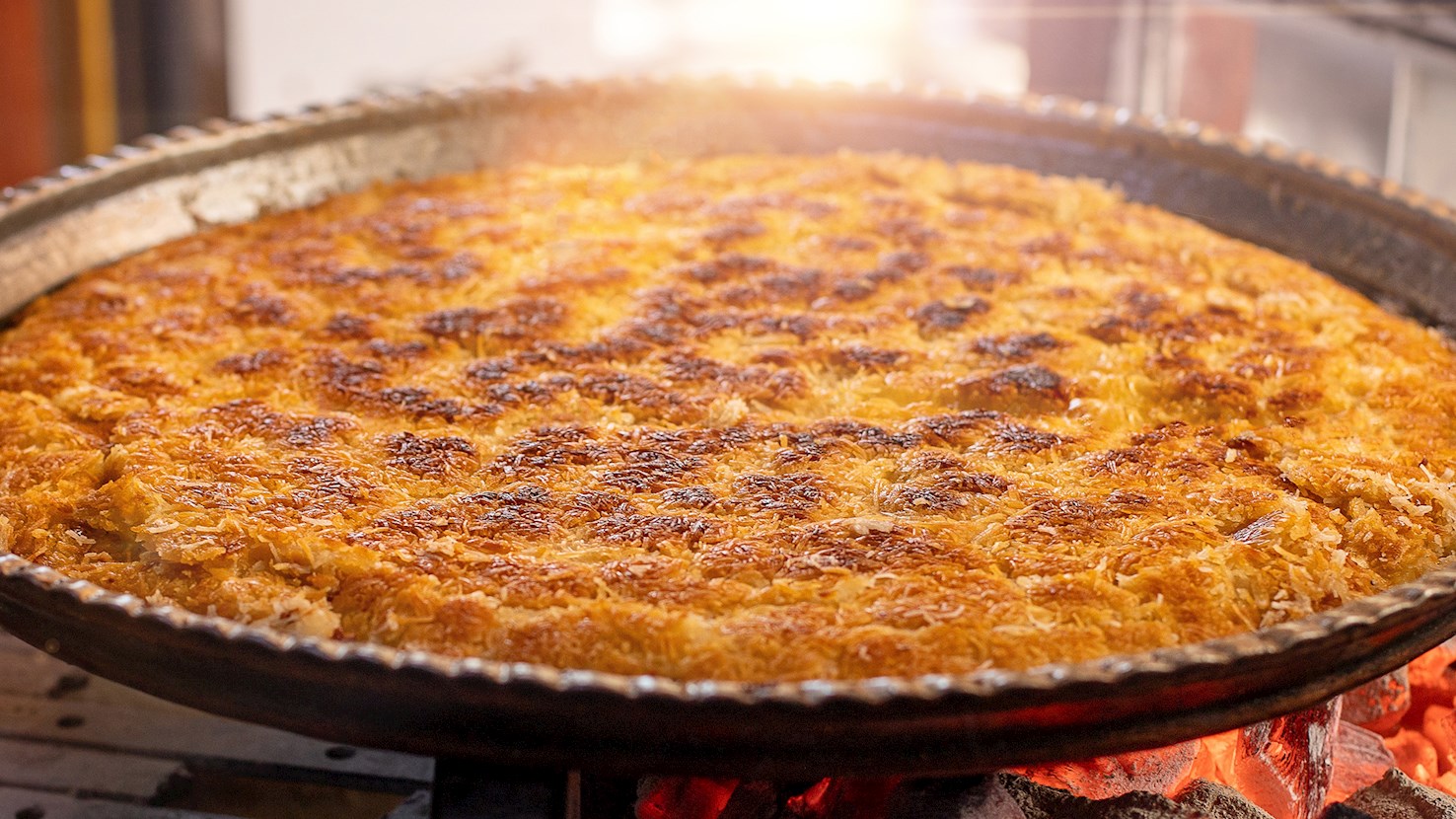
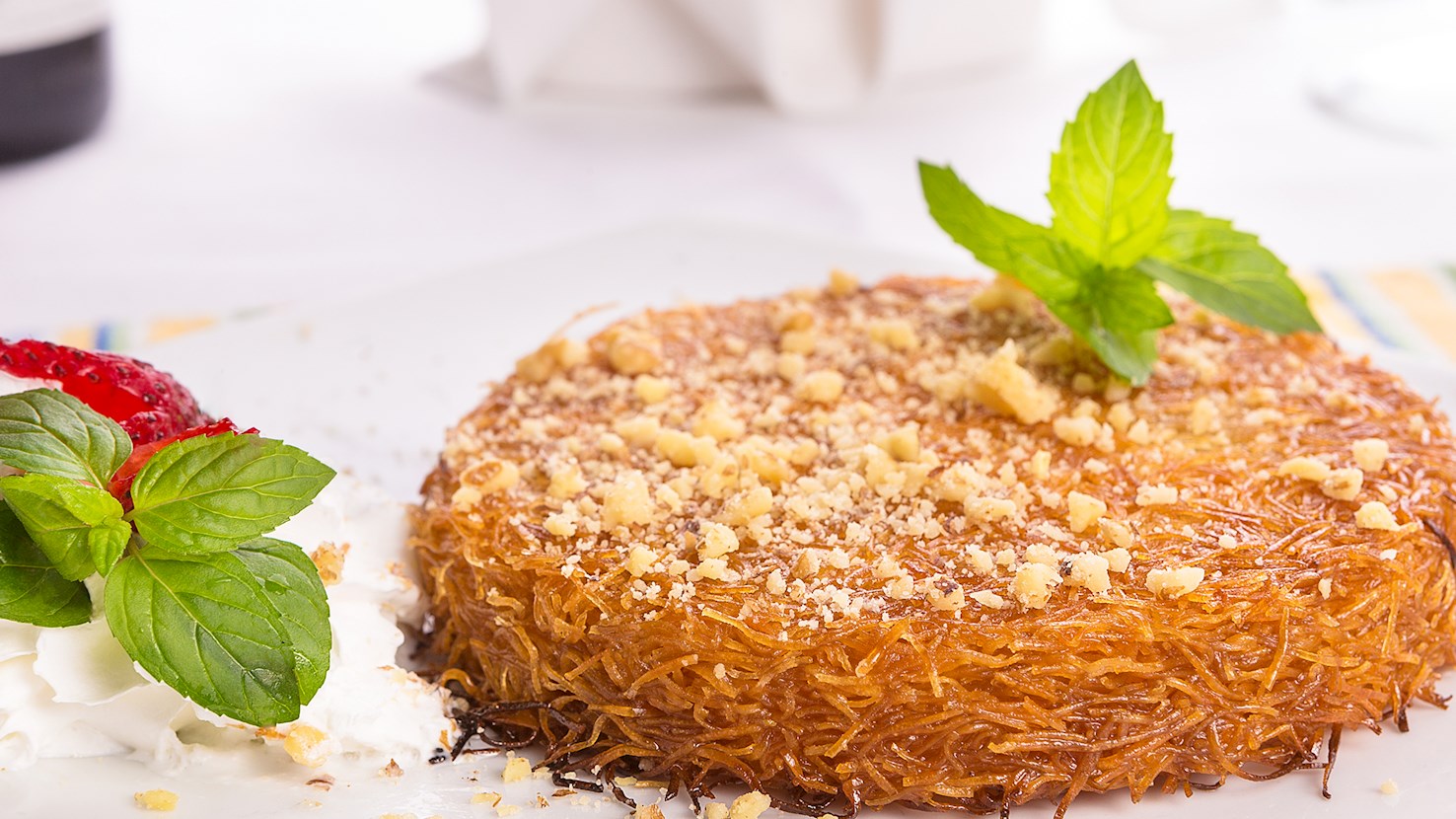
Antakya künefesi is a traditional kunāfah variety hailing from the ancient Turkish city of Antakya, made from shredded phyllo pastry filled with creamy unsalted cheese. The origins of this dish can be traced back to the Ottoman Empire, and to this day, it has remained one of the authentic representatives of Antakyan culinary heritage and traditions. To make Antakya künefesi, the pastry is first prepared by shredding phyllo dough into thin strips and placing it into a flat, round tray. The dough, in this form known as kadayıfın, is then topped with a mixture of unsalted cheese, traditionally Hatay peyniri, and another layer of shredded phyllo dough. After the concoction is baked on both sides (a step that makes this kunāfah variety unique), it is soaked with hot, sweet syrup made with sugar, water, and lemon juice. Antakya künefesi is served warm and garnished with chopped pistachios, walnuts, or hazelnuts. In 2006, this delicious dessert received the Protected Geographical Indication certificate.
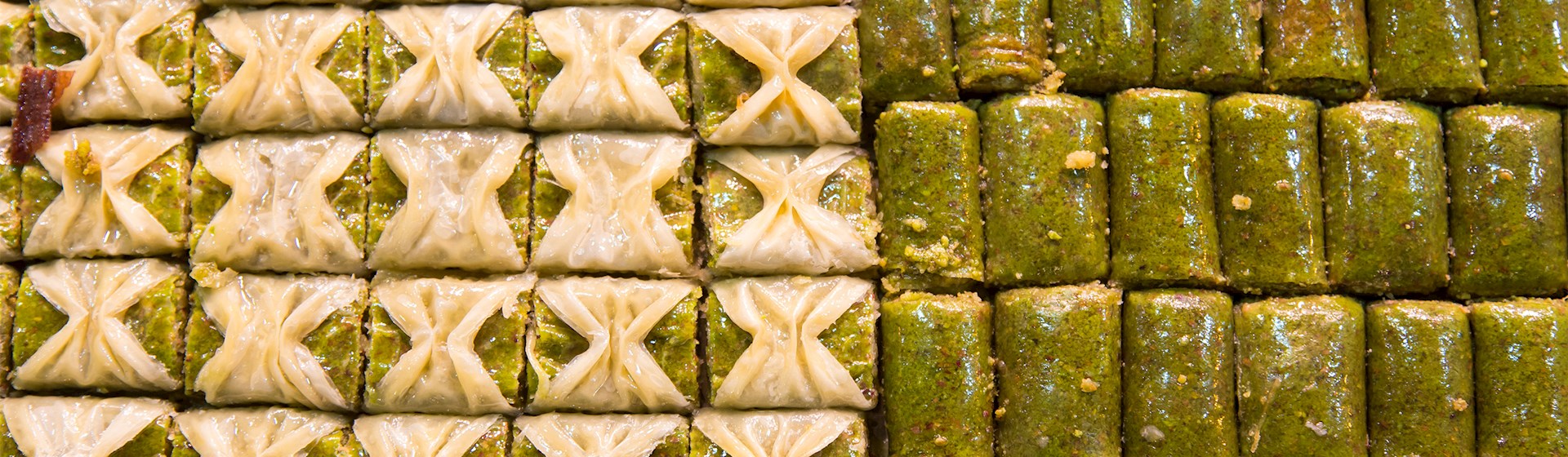
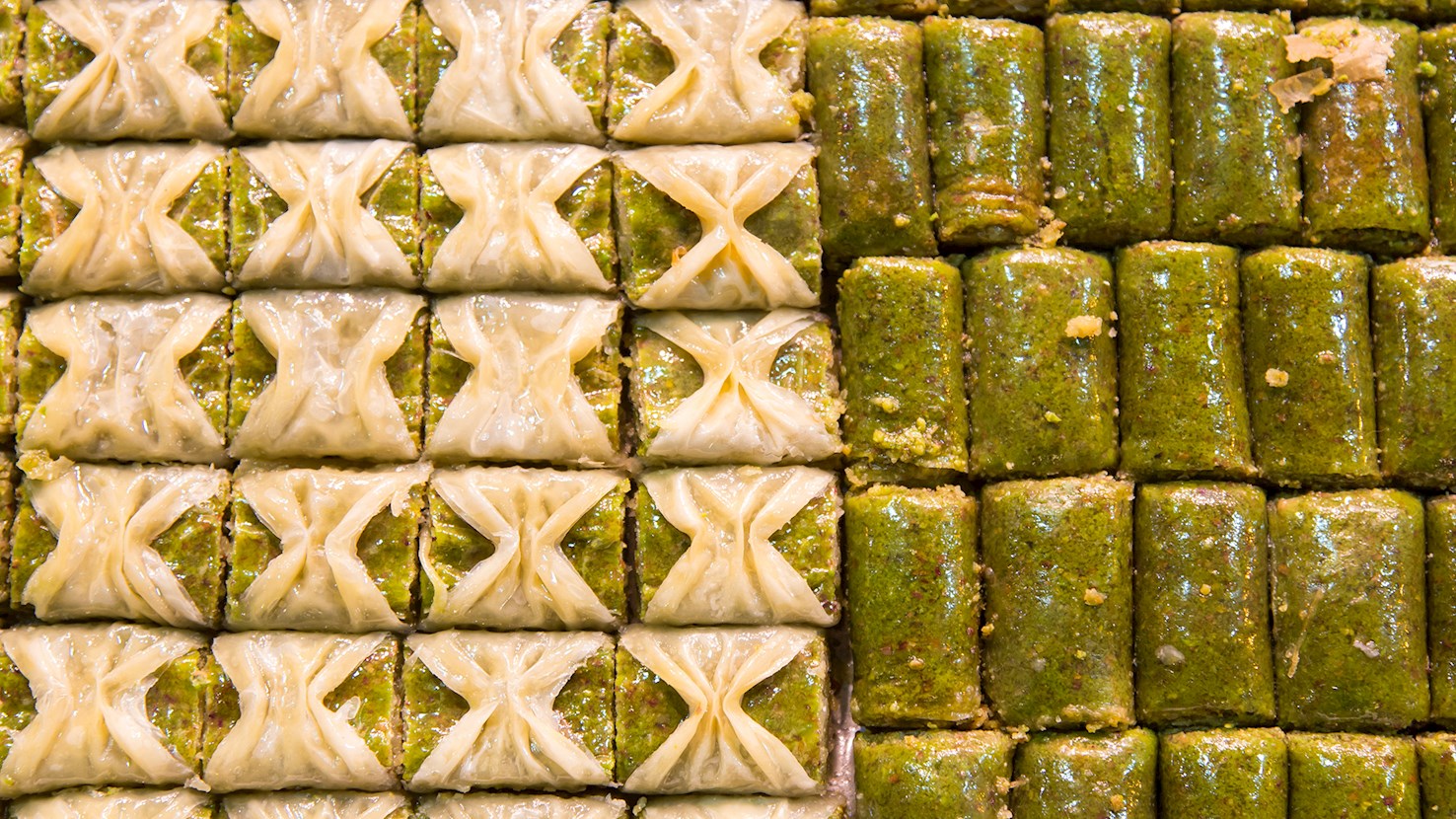
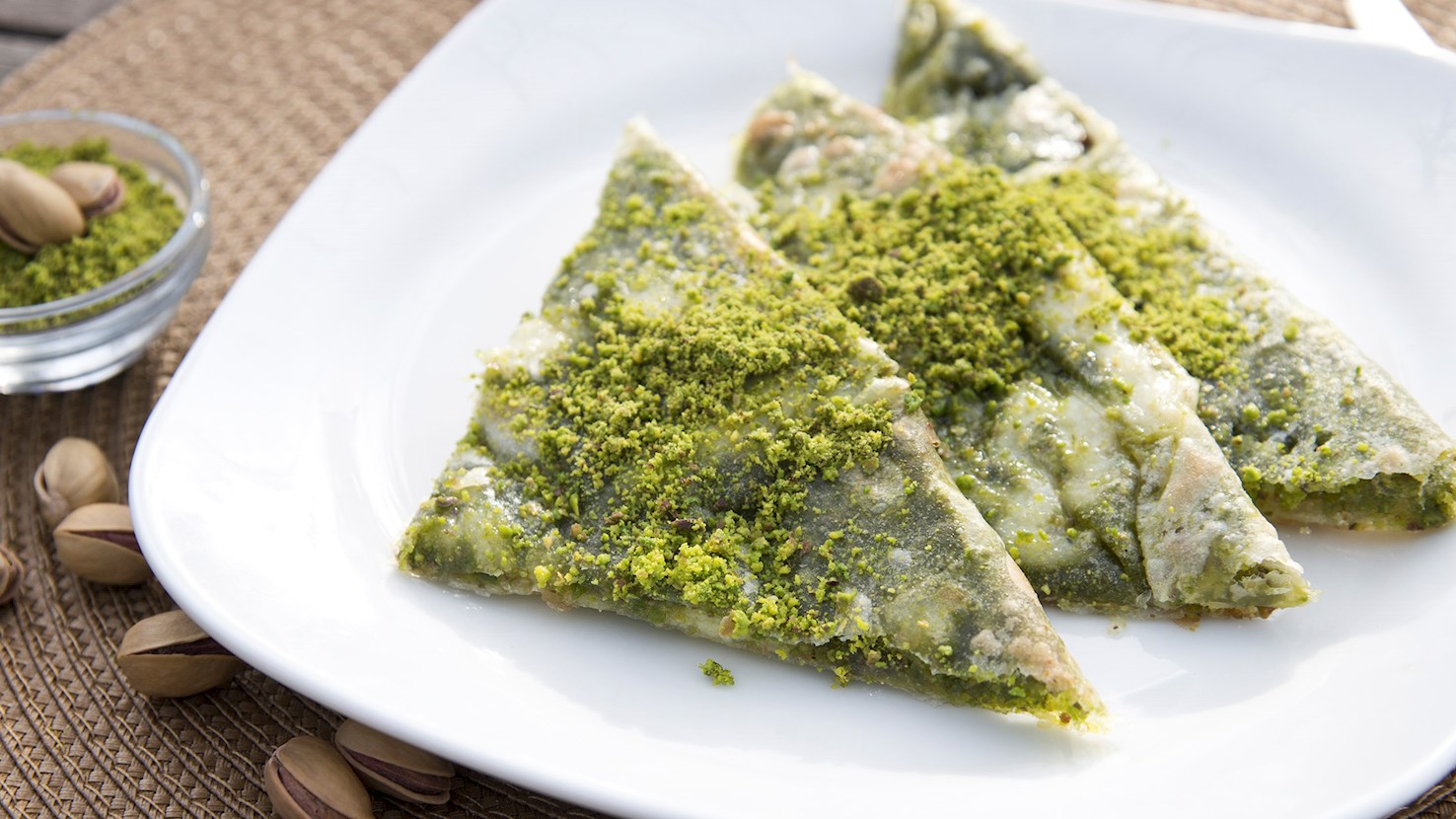
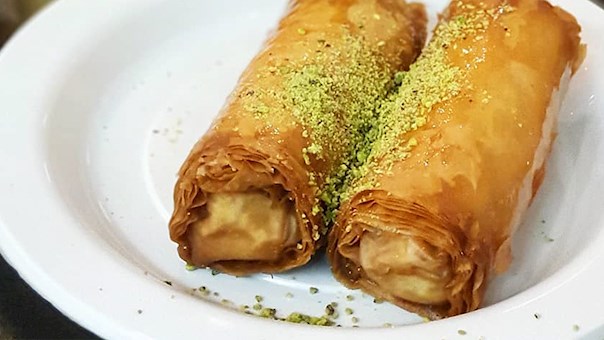
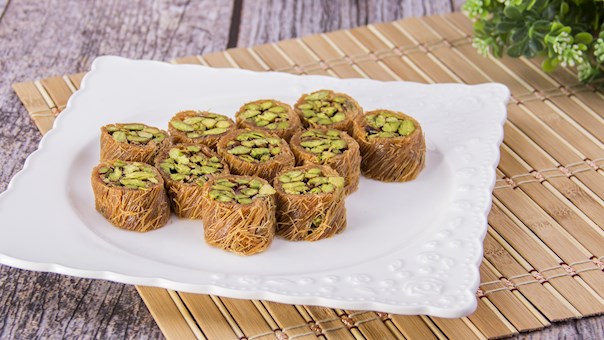
This Turkish sweet is made with a smooth, green, paste-like filling known as fıstık ezmesi (lit. pistachio butter). It is like a pistachio version of marzipan, and its bright green color is all-natural—it comes from the early-harvested Gaziantep pistachios. The delicious pistachio paste is wrapped around a single sheet of phyllo dough, just to hold its green goodness together, which is why this type of baklava is called either fıstıklı sarma or fıstıklı dürüm, meaning pistachio wrap or pistachio roll.
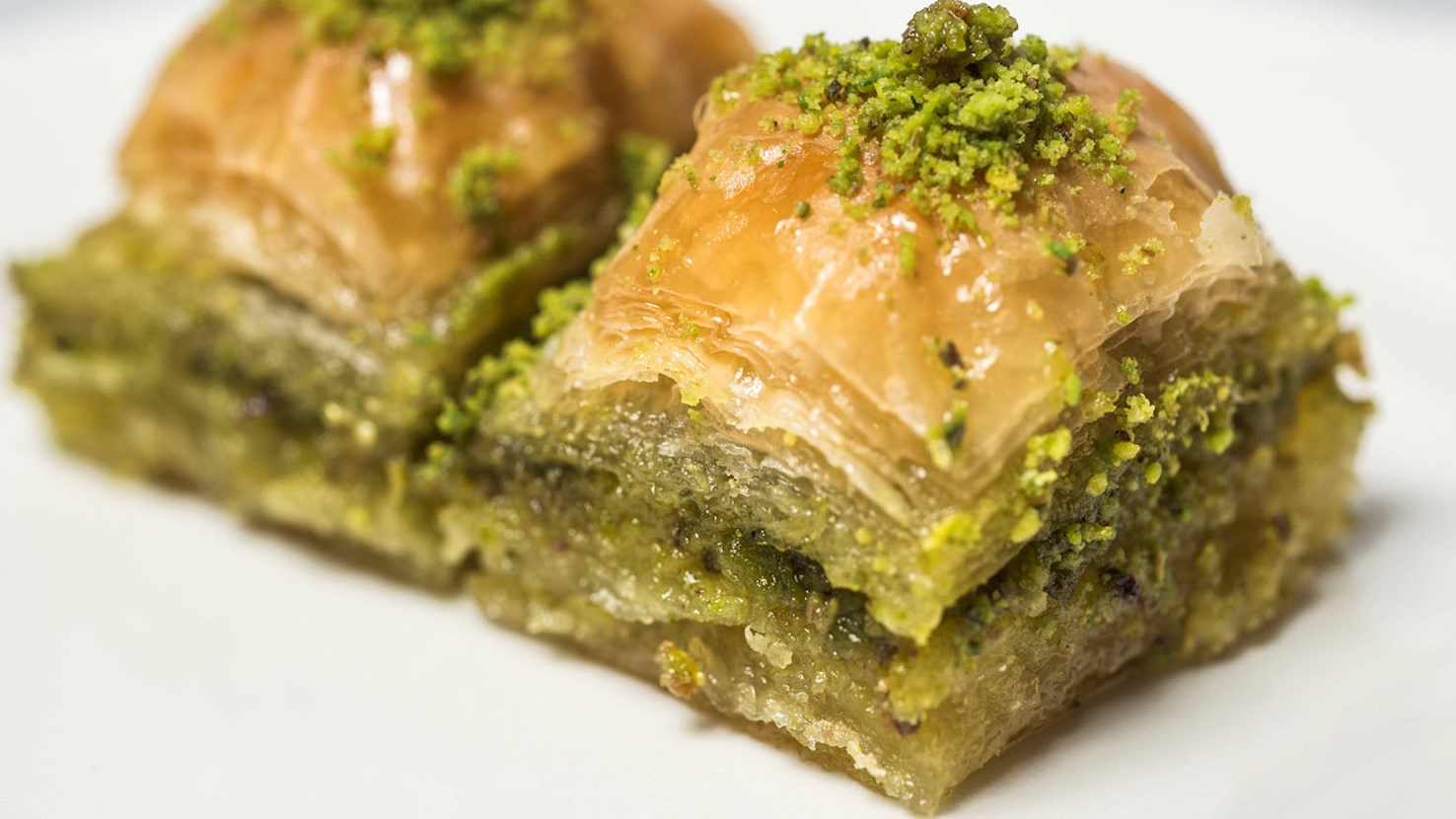
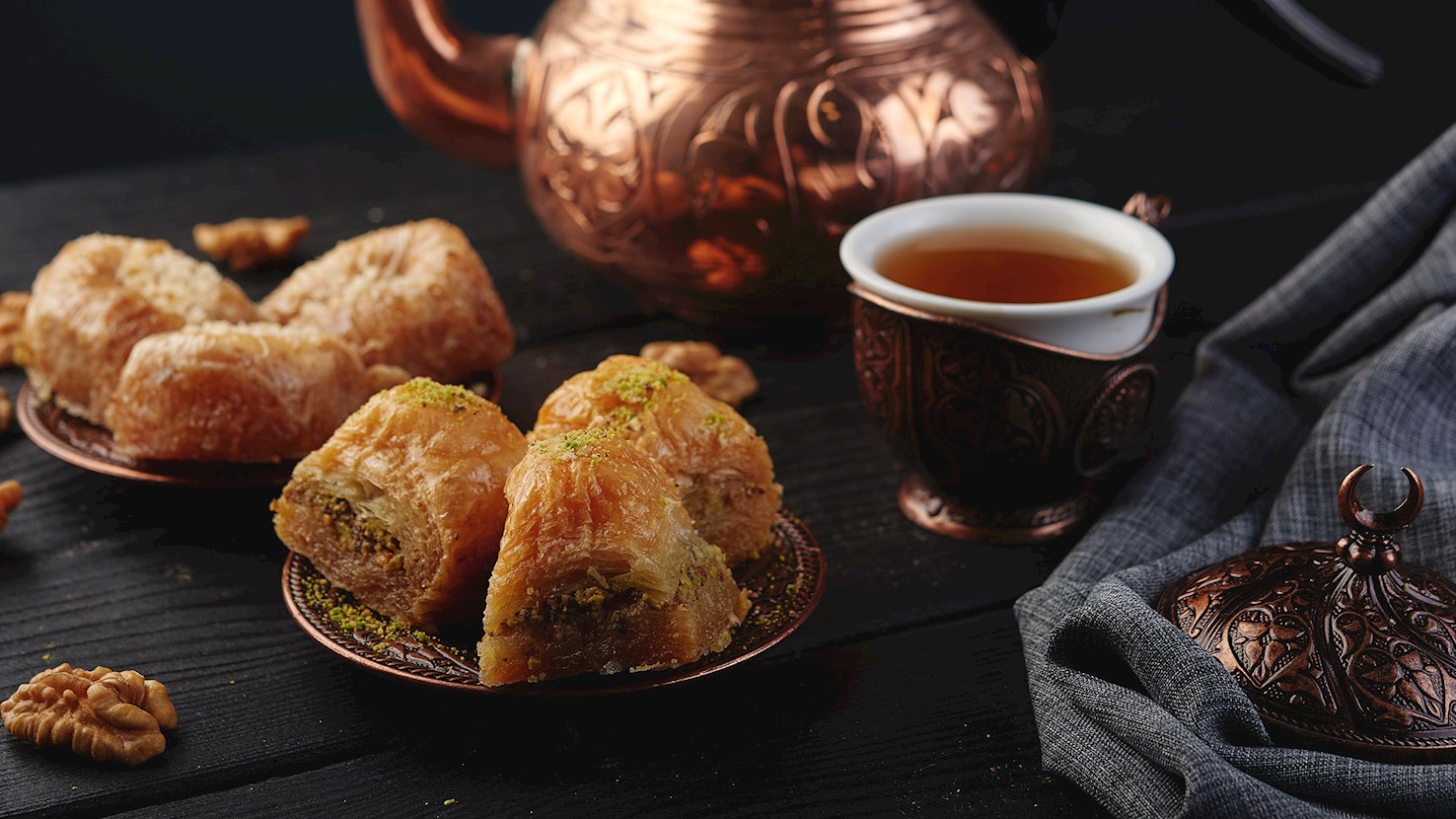
The ancient Anatolian city of Antep, today known as Gaziantep, is Türkiye's gastronomic capital famous for being home to the world’s finest pistachios and the delicious Antep baklavası. Originally an Ottoman legacy, baklava is regarded as one of the greatest creations from the pastry chefs at Topkapı Sarayı, the major royal residence of Ottoman sultans from the 15th to the 19th century. Baklava was traditionally prepared for Eid-al-Fitr, also known in Türkiye as Ramazan or Şeker Bayramı, a religious holiday when Muslims celebrate the ending of Ramadan, the Islamic holy month of fasting. Today, this Turkish treat is available year-round, and with more than 500 baklava bakeries in the city of Gaziantep, it is definitely not to be missed, especially during the pistachio harvest from midsummer to September, when these emerald-colored nuts are just the right size for baklava. To make this popular pastry, the finely crushed, genuine Gaziantep pistachios are generously spread between paper-thin sheets of phyllo dough which are brushed with melted butter and smeared with semolina cream. Antep baklava is then splashed with another dose of melted butter, baked, and finally, poured over with a hot sugar and lemon juice syrup. According to Turkish ustaları or master bakers, a well-baked baklava is tender, but at the same time has a perfect crunch to it. When divided with a fork, it makes a cracking sound which is not only a sign of freshness, but also a sign of the finest baklava, which isn't too sweet or heavy and leaves a heavenly taste in your mouth. Garnished with crushed pistachios, and often topped with kaymak, Turkish clotted cream, or a scoop of milk-flavored ice cream called kaymaklı dondurma, Antep baklava goes a long way: it can be enjoyed either with Turkish coffee in the morning or as a mid-afternoon treat with a cup of tea, but also as an after lunch or dinner dessert.
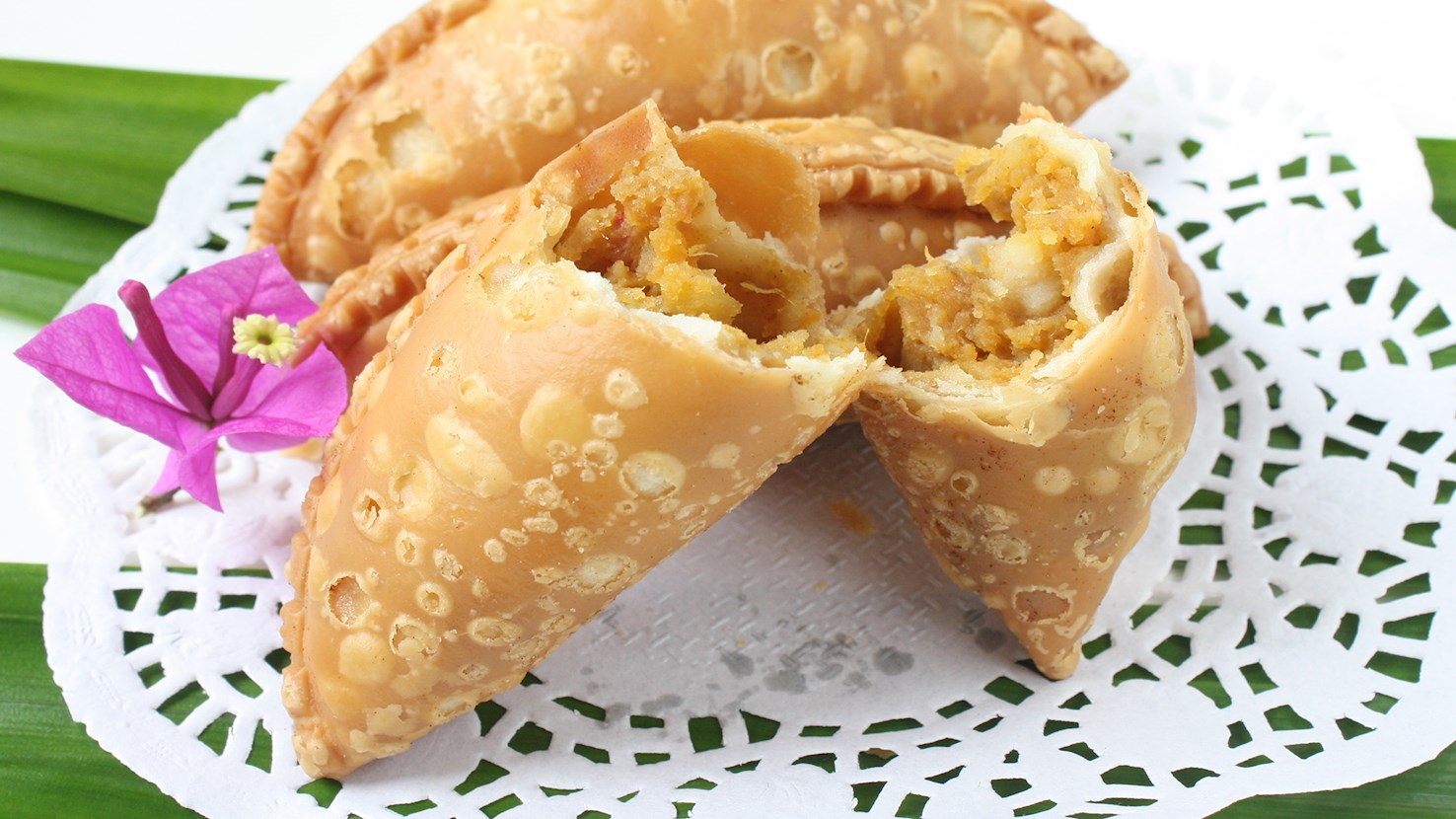
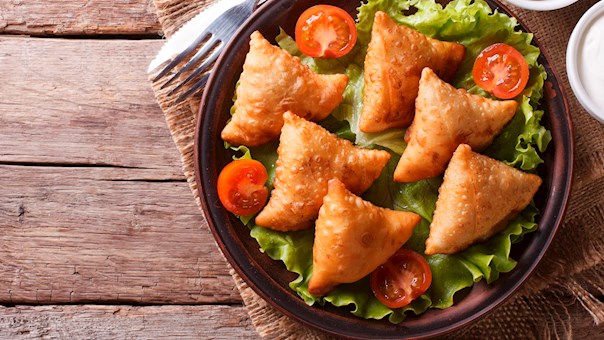
Karipap or curry puff is a small, deep-fried or baked pastry shell filled with thick chicken and potatoes curry. It is believed that the flavorful snack was invented by the Malays from the Malay Peninsula and parts of Sumatra and Borneo. It is a popular breakfast item or an afternoon snack which can be found at numerous stores, bars, and markets. Because of its simplicity and flavor, karipap quickly became popular outside Malaysia, especially in Thailand and Singapore. Today there are numerous versions of karipap, so instead of potato and chicken curry, it can be filled with various other ingredients such as tuna, sardines, and beef rendang. Crispy and flaky on the exterior, hot and soft on the interior, karipap is a snack that remains a staple of Southeast Asian cuisine.
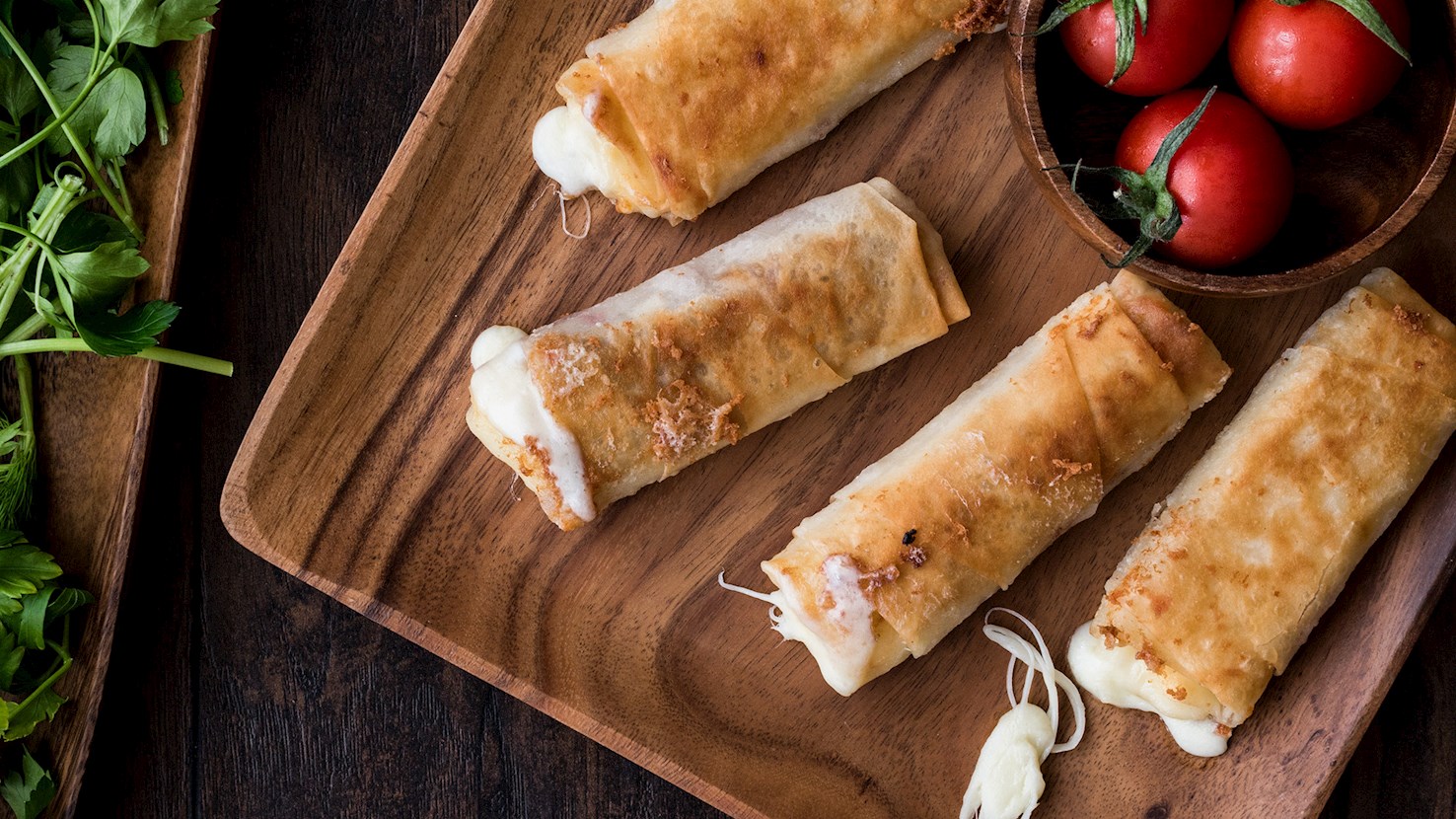
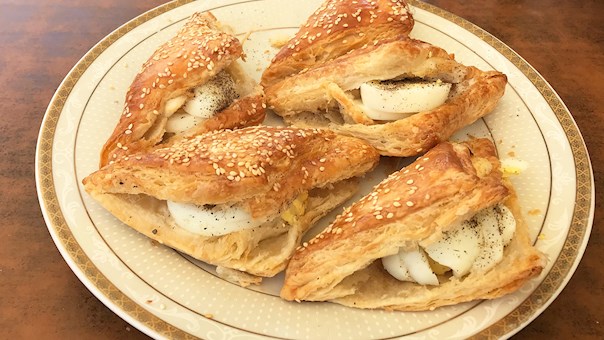
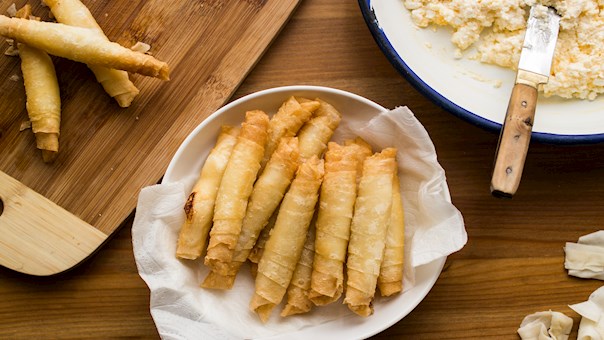
Paçanga böreği is a Turkish börek variety that's especially popular in the region of Anatolia and in Istanbul, where it's regarded as a traditional Sephardic Jewish specialty of the city. It's made by stuffing yufka or phyllo pastry with pastirma (salted, aged, dried beef) and kasar cheese. Apart from the basic ingredients, some people also like to add peppers and tomatoes to the filling. The dough is rolled, cut into rectangles, then fried. This börek can also be baked, but frying is the traditional method. Paçanga böreği is served hot and it's typically eaten as an appetizer.
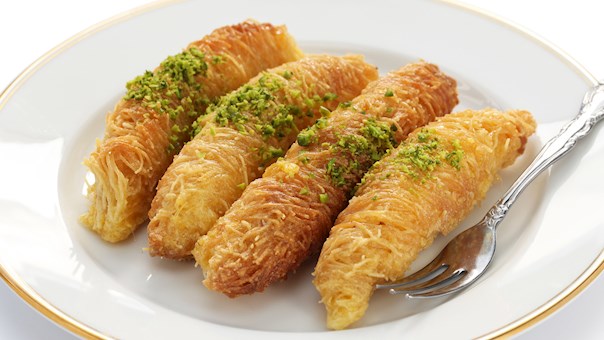
Kunāfah consists of two crunchy layers of shredded and buttered kataifi or knefe dough, filled with a luscious cheese cream that's often flavored with orange zest and cardamom, then drenched in a sugar syrup infused with lemon juice and orange blossom water. Turkish künefe is traditionally made with Hatay, Urfa, or Antep cheese. It is usually topped with pistachios and is best served warm. Elegant and amazingly simple to make, this dessert is nothing short of what cheese-filled pastry dreams are made of. Some authors speculate that it originated from the Fatimid Egypt or pre-Islamic Syria, while others claim that the Palestinian city of Nablus is its birthplace - hence the name kanafeh nabulsieh. Nevertheless, this decadent dessert has been a part of a long culinary tradition in Türkiye and Egypt, and it is listed as one of Egypt's national dishes.
A type of sweet börek, katmer is a specialty of Gaziantep, or simply Antep – Türkiye's gastronomic capital and a rich melting pot of diverse cultures and cuisines nestled in southeastern Anatolia – an ancient city whose claim to fame is being home to world’s finest pistachios and the delicious Antep baklavası. Katmer is what most locals start their day with: in fact, there are bakeries and cafés in Gaziantep open from early morning until noon serving katmer for breakfast. Traditionally, it is also the first meal eaten by newlyweds after their first wedding night, as it represents the sweetness they hope to find in their marriage. Filled with pistachios and kaymak – Turkish clotted cream made with water buffalo milk, which is often referred to as kaymağın kaymağı, meaning crème de la crème – these flaky, crunchy pastries must be served fresh from the oven, while they're still warm. For a perfect Turkish breakfast, have your katmer drizzled with a little honey, sprinkled with crushed pistachios, and paired with a nice cup of tea.
The remarkable baklava is a luscious dessert created with layers of thin phyllo dough intertwined with chopped nuts, all doused in a sweet, viscous syrup. The popularity of baklava has long surpassed borders, regions, and ethnic groups to become a dessert whose origin and invention is claimed by numerous countries. It is probable that it has an Assyrian origin, dating back to the 8th century, from where it spread out throughout the region all the way to Greece. The Greeks altered the recipe and created the thin sheets, known today as phyllo dough, but modern-day baklava is believed to be an original Turkish creation. However, it is almost impossible to pinpoint baklava's exact place of origin, and the debate about its authenticity is still going on between Türkiye and Greece. Traditionally, baklava is made with sheets of paper-thin pastry at the bottom, followed by chopped nuts which are then topped with additional pastry layers. The other traditional way suggests alternating layers of phyllo dough with layers of chopped nuts. The original and authentic baklava should always have a nut-based filling, most commonly walnuts, hazelnuts, or pistachios, but modern versions have introduced unusual fillings such as apricots, chocolate, and even ground cookies. The dessert is typically prepared in large trays, and it is then sliced into squares, triangles, or diamond shapes before being doused in a luscious syrup made with water and sugar or honey. Very often, the syrup is flavored with sliced lemon, rose water, cinnamon, or cardamom. It is supposed to cover the entire tray and keep the delicate pastry succulent, creating a sweet and juicy cover around it. Iranian or Persian baklava differentiates itself because it is drier and lighter than other regional varieties, and it is often flavored with rose water. Even though it was once regarded as a decadent treat that was mostly enjoyed by the aristocracy, the famous baklava is now a traditional pastry and a dessert offered in numerous Oriental, Turkish, or Greek restaurants. It is also often found in pastry shops across the Balkan region all the way to the Middle East.
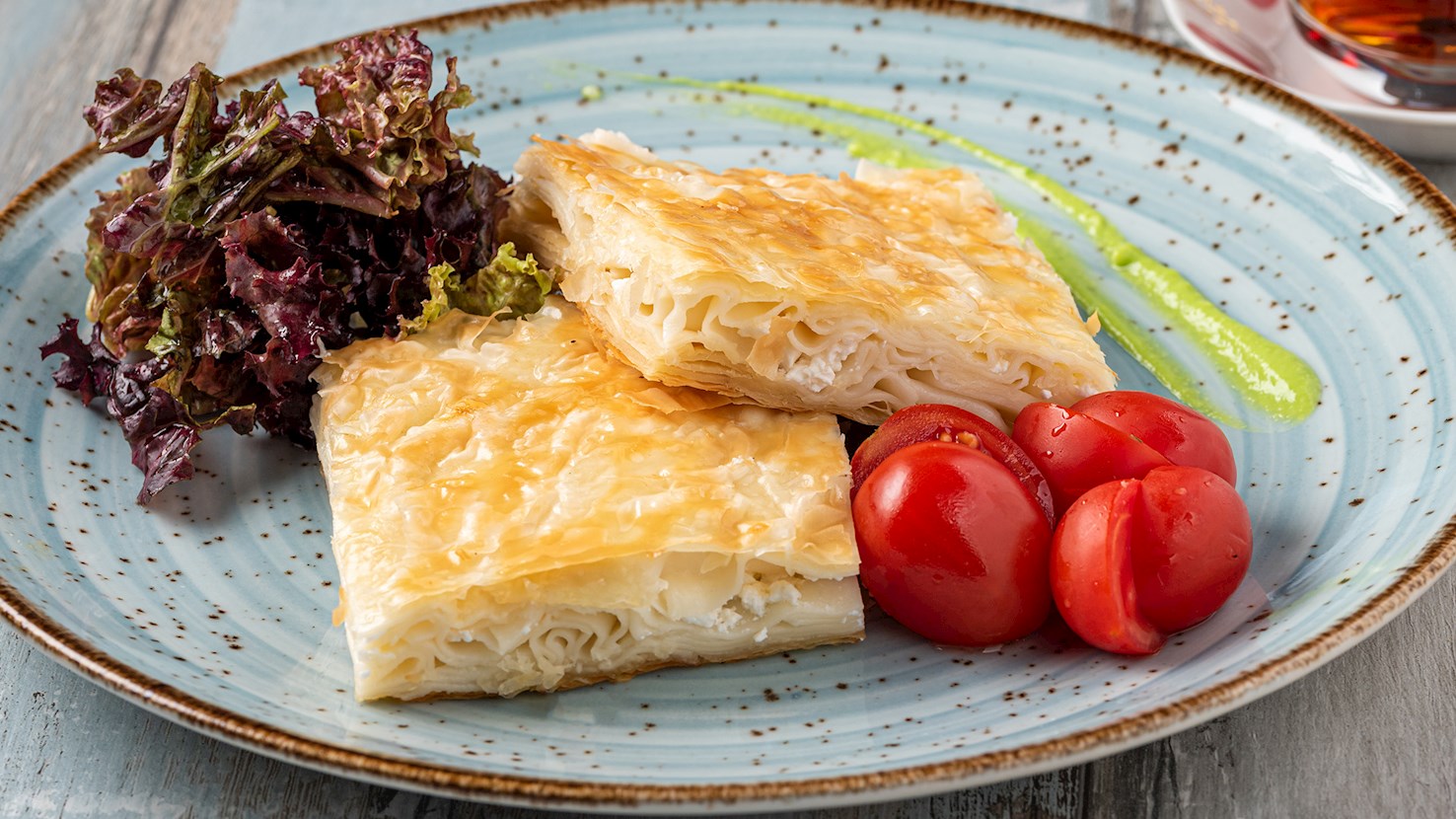
Börek is a baked dish consisting of a savory or sweet filling wrapped in yufka - thinly stretched sheets of dough made with flour, water, and salt. Heartier than phyllo, but thinner than a tortilla, hand-made yufka is typically brushed with butter before baking. Although many countries have their own versions of this satisfying dish, it was probably invented during the Ottoman Empire in the Anatolian Provinces, an area that nowadays belongs to Turkey. Some sources suggest that börek might be even older, a descendant of the Eastern Roman (Byzantine) Anatolian dish known as en tyritas plakountas, consisting of layered dough filled with cheese, its recipe dating back to 160 BC. Nowadays, Turkey is famous for its layered pies and pastries, all united under the name börek (also burek, byurek, byrek, böregi). Regardless of many börek varieties, yufka always remains the same, and almost everything wrapped in it may be called börek, which could also explain the name: some suggest that it comes from the Turkish word bur, meaning to twist. In Turkey, there are many regional variations of börek, and the names usually contain a descriptive word referring to the shape, ingredients, cooking method, or a region where the specific variety of börek comes from. For example, su böreği or water börek is made with boiled sheets of dough which are buttered and filled with a mixture of feta cheese and parsley (an alternative recipe suggests minced meat and onions), then baked. Kalem böregi or pen börek is a thin, cigarette-shaped variety that is often served in restaurants as an appetizer. Due to their shape, they were originally called sigara böreği, but in 2011, Turkish pastry chefs started calling them kalem to avoid the connections with smoking. They are usually filled with feta cheese, potatoes, and parsley, but can also be enriched with minced meat or sausages, and vegetables such as spinach, nettles, leeks, and courgettes. Paçanga böreği is a deep-fried variety from Istanbul, filled with pastırma or kaşar and chopped green peppers. Saray böreği or palace börek is a truly decadent version made with fresh butter rolled between each sheet of dough, while kol böreği or arm börek is the classic variety prepared at home - shaped in long rolls, either rounded or lined, it is usually filled with minced meat, feta cheese, spinach, or potatoes (it's smaller and fattier variety is called sarıyer böreği, named after Sarıyer, a district of Istanbul where it is traditionally prepared). The most beautiful variety might be gül böreği or rose börek, arranged in a spiral that resembles a rose filled with various fillings which are often spicy in flavor. Çiğ börek or raw börek is a half-moon-shaped variety filled with raw minced meat and fried in oil. On the other hand, there is also töbörek - a similar variety which is baked instead of fried. However, börek doesn't have to be savory - a sweet variety called laz böreği is prepared in the Rize region. It is filled with muhallebi (a local spin on custard) and served generously dusted with powdered sugar. Another sweet variety is called kürt böreği, also known as sade, meaning plain börek, referring to the fact that it has no filling at all, just a generous layer of powdered sugar on top. Seeing all these varieties, it is clear that börek may be one of the most significant dishes of the Turkish cuisine – it surely is one of the oldest and most traditional ones.
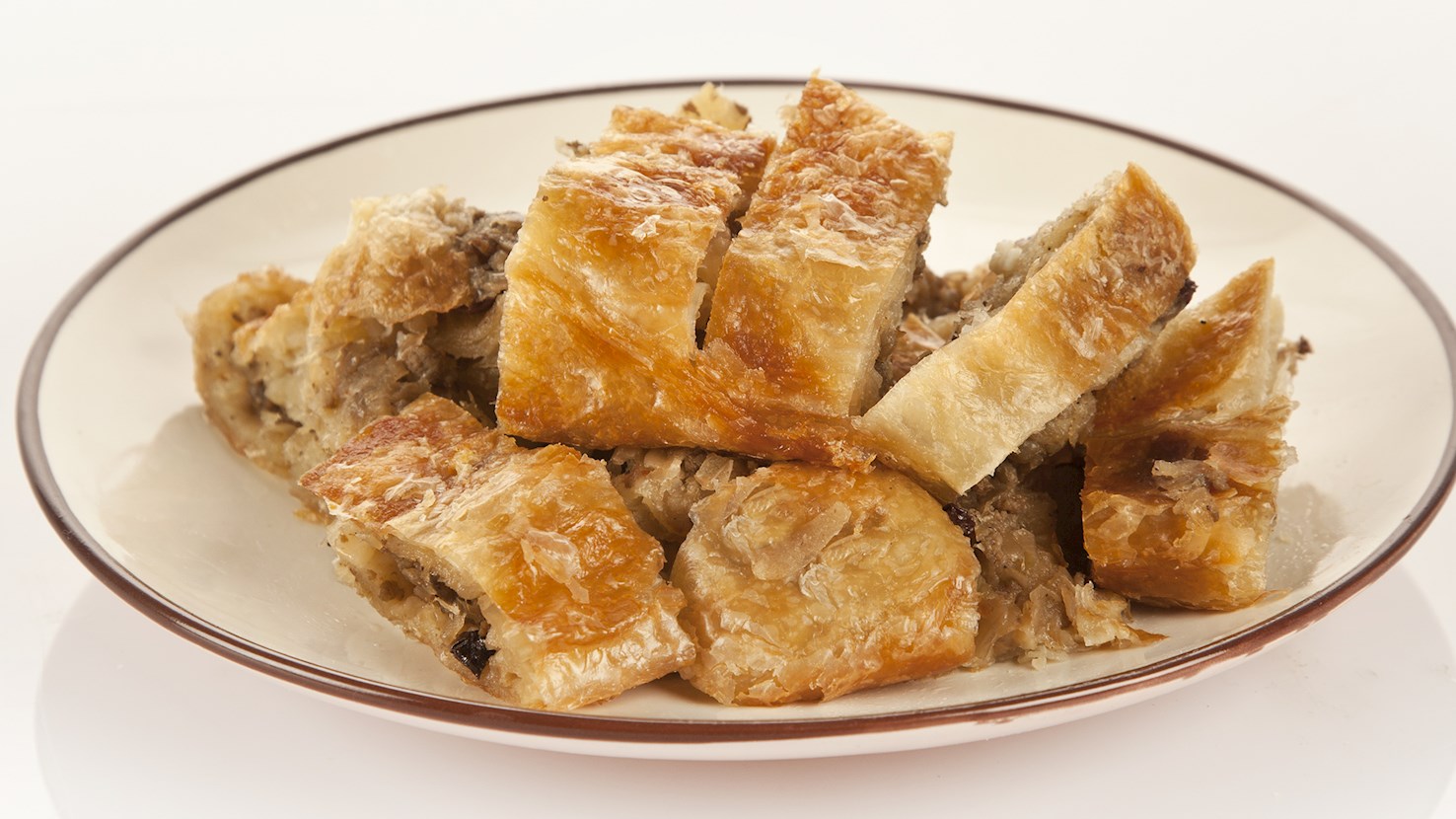
Kol böreği is a Turkish börek variety made with puff pastry that is shaped into a spiral. The pastry is filled with a variety of ingredients such as cheese, spinach, potatoes, or ground meat with pine nuts and currants. The name of the dish means arm börek, referring to the long, arm-like visual appearance of the pastry. After it has been baked at low temperature, kol böreği is typically cut into smaller pieces.
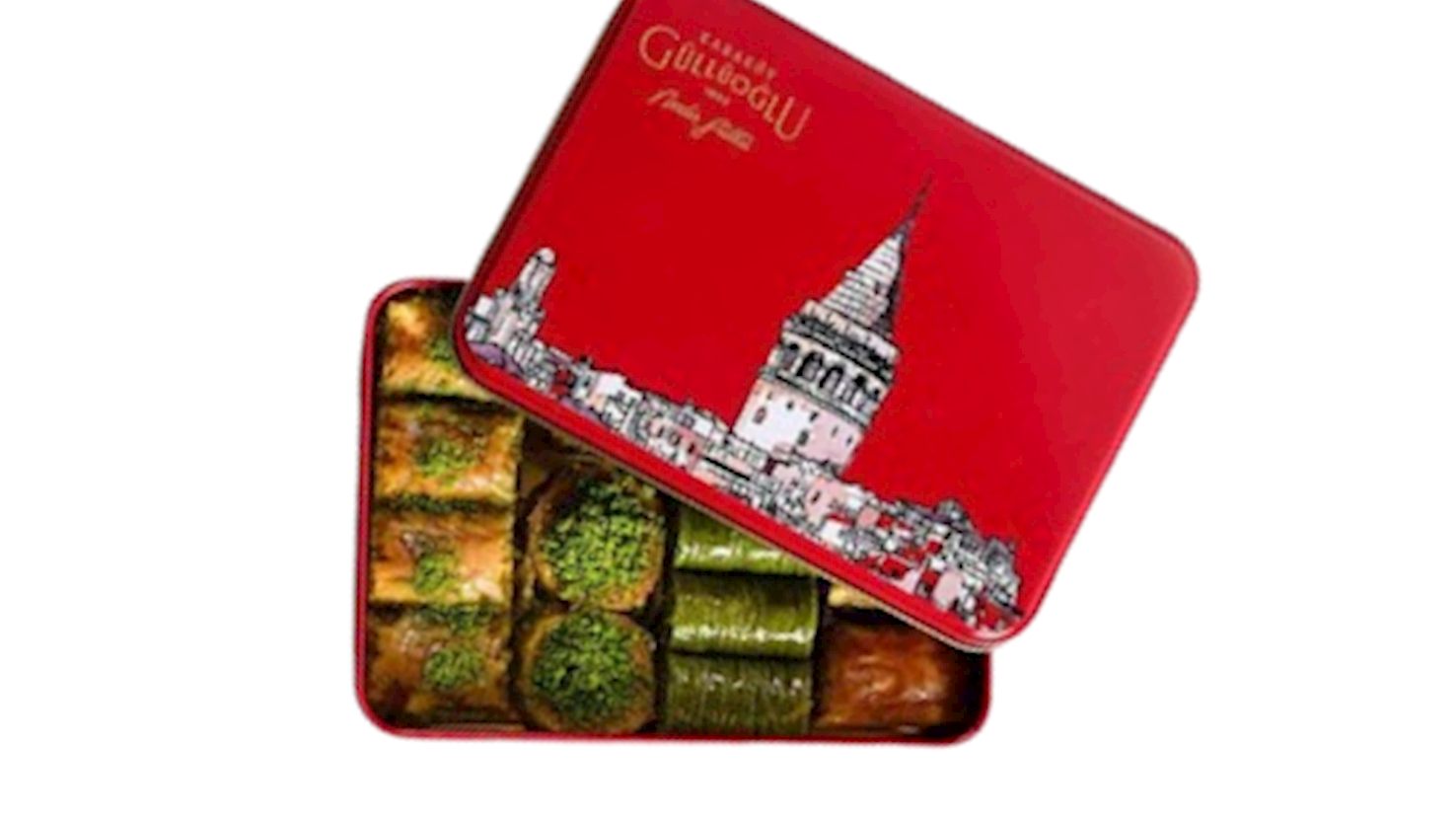
Karaköy Güllüoğlu is one of the most recognized baklava producers in Istanbul, with a family confectionery tradition that spans several generations. Based in the historic Karaköy district, the brand is closely associated with authentic Ottoman and Turkish dessert craftsmanship.
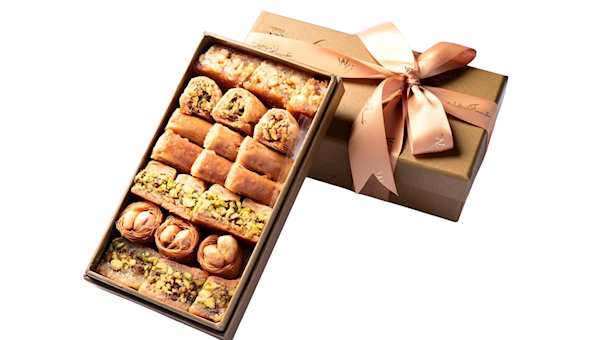
Its baklava is known for exceptionally thin layers of hand-rolled phyllo dough, carefully selected pistachios or walnuts, and a balanced syrup application that preserves both crispness and moisture. The production process emphasizes ingredient quality, including premium nuts and clarified butter, ensuring depth of flavor and structural precision.
Beyond classic pistachio baklava, the assortment includes varieties such as şöbiyet, kadayıf, sütlü nuriye, and other traditional syrup-based pastries. The brand serves both local customers and international visitors, while also exporting its products to various markets abroad.
Karaköy Güllüoğlu is widely regarded as a benchmark for traditional baklava, combining established technique with consistent quality standards.
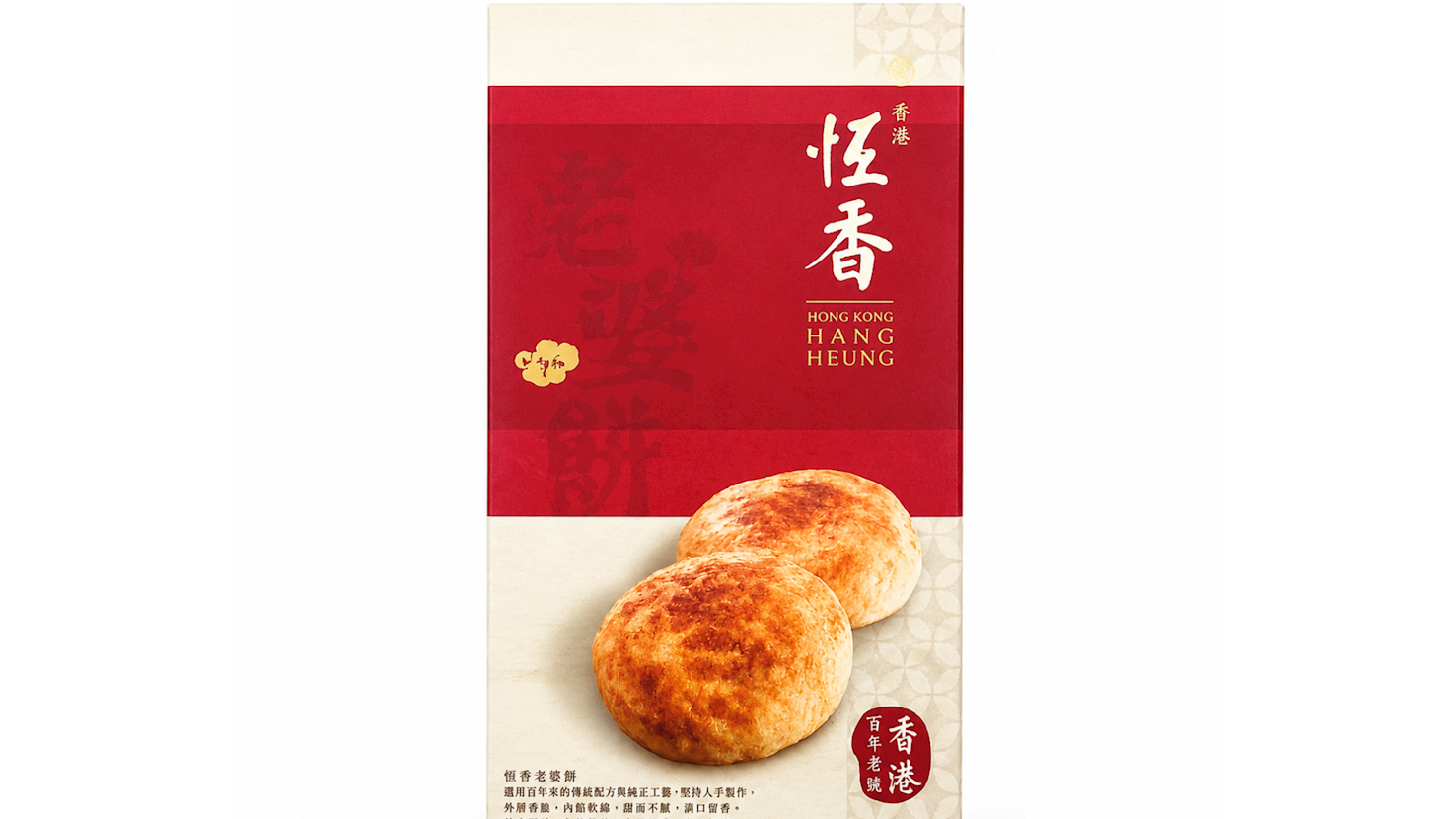
Hang Heung is a Hong Kong manufacturer of traditional Chinese pastries and confectionery, founded in 1920 in the Yuen Long district. The company originally operated as a Cantonese restaurant before shifting its focus entirely to the production of traditional Chinese pastries in the 1970s, for which it is best known today. Over more than a century of operation, it has built a reputation as one of Hong Kong's oldest and most recognizable traditional bakery brands. Its product range includes wife cakes, mooncakes, egg rolls, almond biscuits, wedding cakes, red bean pastries, and many other classic Chinese specialties. Hang Heung is particularly renowned for developing its own signature white lotus seed paste recipe, which is used in its mooncakes and has become one of the brand's defining features. Many of its products are still prepared using traditional methods that preserve the authentic texture and flavors of Hong Kong's bakery heritage. The company operates its own production facility in Yuen Long, where thousands of traditional pastries are produced daily for both local and international markets. Thanks to its long history, commitment to traditional craftsmanship, and important role in preserving Hong Kong's culinary heritage, Hang Heung is widely regarded as one of the city's iconic traditional bakery brands.
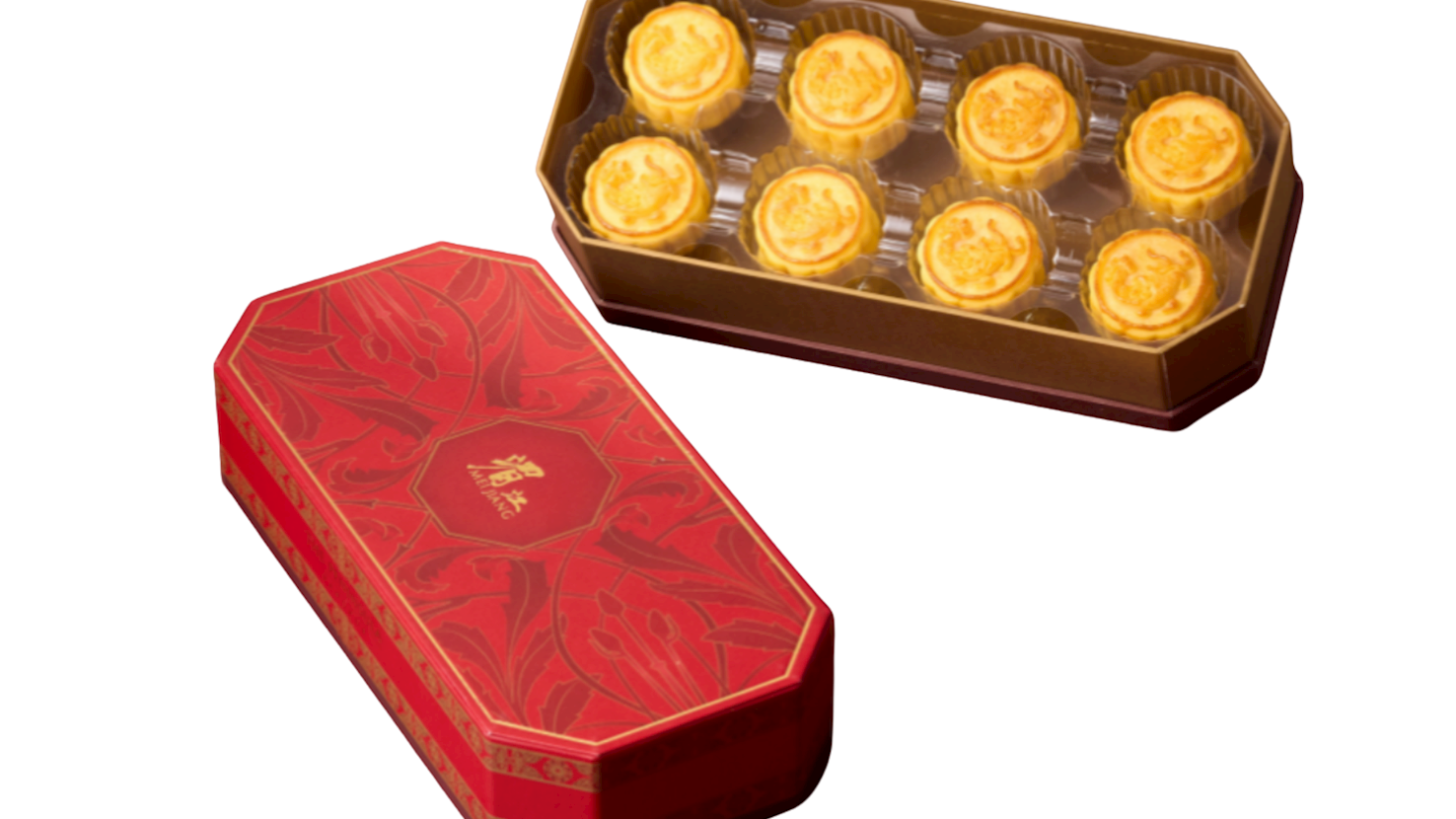
The Peninsula Boutique is the gourmet brand of The Peninsula Hotels luxury hotel group, specializing in the production and retail of artisanal confectionery, chocolates, baked goods, teas, and exclusive gift collections. The concept was developed as an extension of the nearly century-long culinary heritage of The Peninsula Hong Kong, the flagship property of the hotel group, which opened in 1928 in Hong Kong. Unlike conventional food manufacturers, The Peninsula Boutique develops its products through the culinary teams of its hotels, where they are crafted by professional pastry chefs, chocolatiers, and bakers using carefully selected ingredients and refined production techniques. Its portfolio includes handcrafted pralines, chocolates, cakes, pastries, mooncakes, panettone, biscuits, teas, preserves, and other gourmet products intended for both everyday enjoyment and premium gifting. Particular emphasis is placed on craftsmanship, high-quality ingredients, elegant packaging, and products inspired by the culinary traditions of The Peninsula Hotels. Following the success of its first boutique at The Peninsula Hong Kong, the concept was gradually expanded to other Peninsula hotels in cities including London, Bangkok, Tokyo, and Shanghai, with each location offering a selection of signature products alongside items inspired by local culinary traditions.
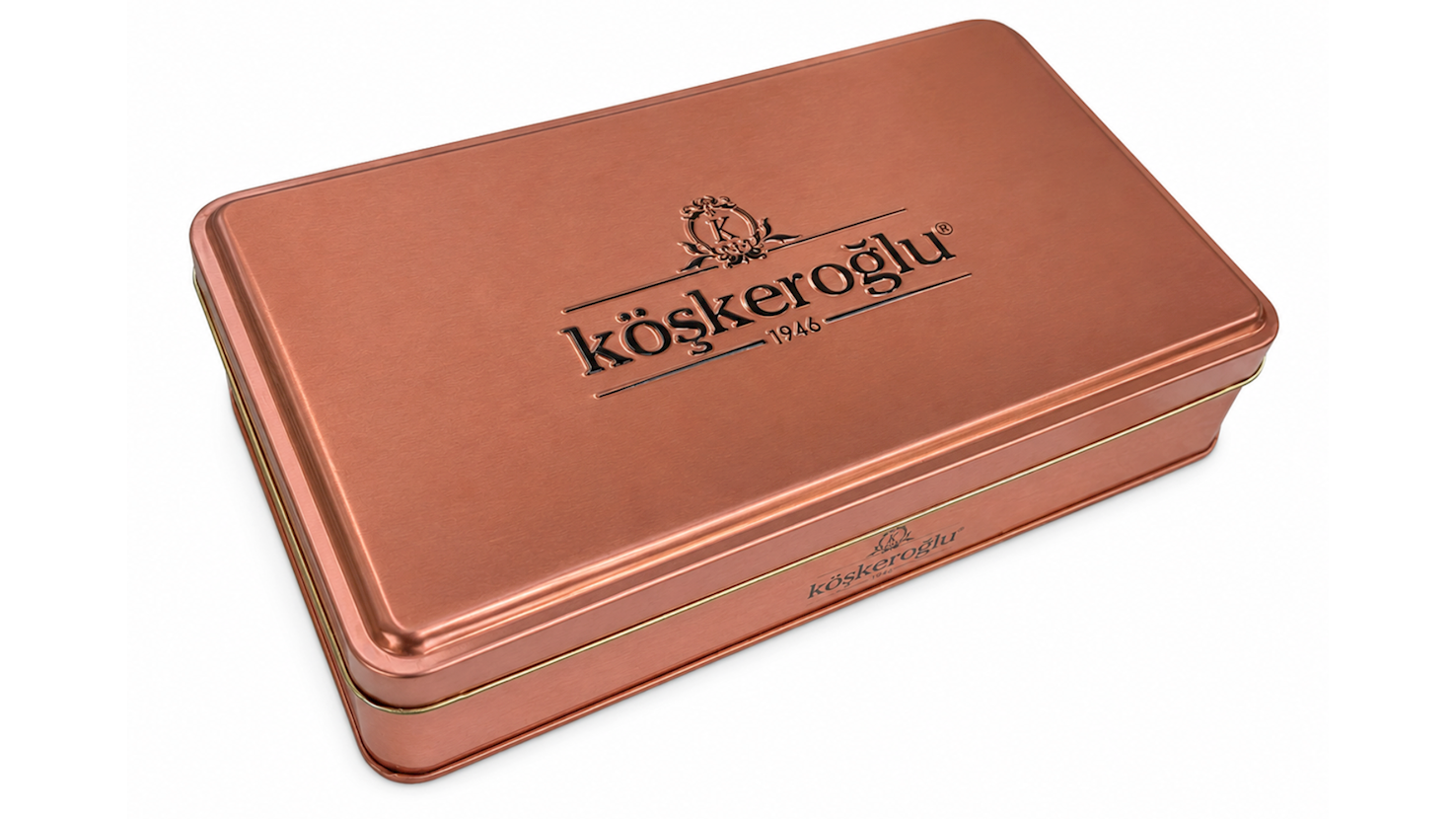
Köşkeroğlu is a Turkish family-owned company specializing in baklava and other traditional confectionery products. It was founded by Hacı Mehmet Ali in Gaziantep in 1946, a city whose culinary tradition is closely associated with baklava and pistachios. The company opened its first store in Istanbul in 1986. Since then, the business has been managed by Süleyman Köşkeroğlu and Cengiz Köşkeroğlu, while other family members are also involved in its Istanbul operations. Its core range consists of pistachio and walnut baklava, sold individually, in assorted boxes, or as whole trays. The selection also includes kadayıf, Turkish delight, traditional desserts, coffee, and various gift packages. Its baklava is prepared from multiple layers of thin pastry, fat, sugar syrup, and a filling of nuts. The company states that its confectionery is produced daily without additives to preserve its characteristic texture and flavor. Köşkeroğlu also operates a restaurant that serves traditional dishes from Gaziantep and southeastern Anatolia alongside its desserts. The brand therefore combines its Gaziantep origins with a long-established presence in Istanbul’s baklava market.
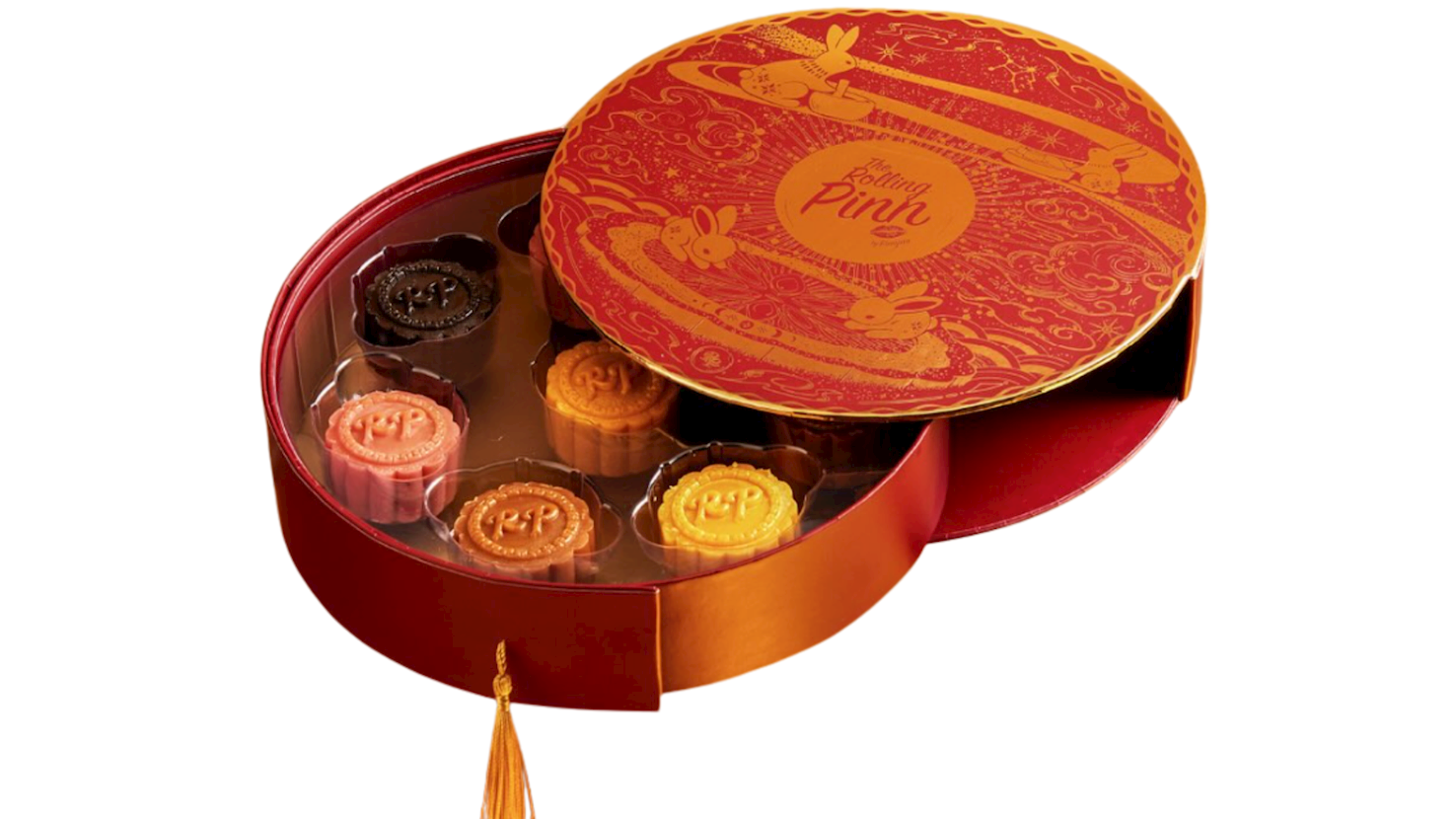
The Rolling Pinn is a Thai artisanal bakery and dessert brand based in Bangkok, founded by Pinn Janvatanavit. Established in 2018, the brand began as a small online bakery inspired by the founder's lifelong passion for baking, which started during her childhood. Initially focusing on homemade cookies and cupcakes, The Rolling Pinn quickly gained popularity through social media thanks to its distinctive desserts, creative presentation, and premium ingredients. The brand combines classic European pastry techniques with contemporary flavors and visually striking designs, offering a wide selection of cakes, cookies, pastries, chocolates, and seasonal dessert collections. Its products are made in small batches using carefully selected ingredients, with an emphasis on both taste and craftsmanship. In addition to custom celebration cakes, The Rolling Pinn is known for introducing limited-edition creations inspired by global dessert trends while adapting them to local preferences. Over the years, the company has expanded from an online business into a well-established bakery with multiple retail locations across Bangkok.
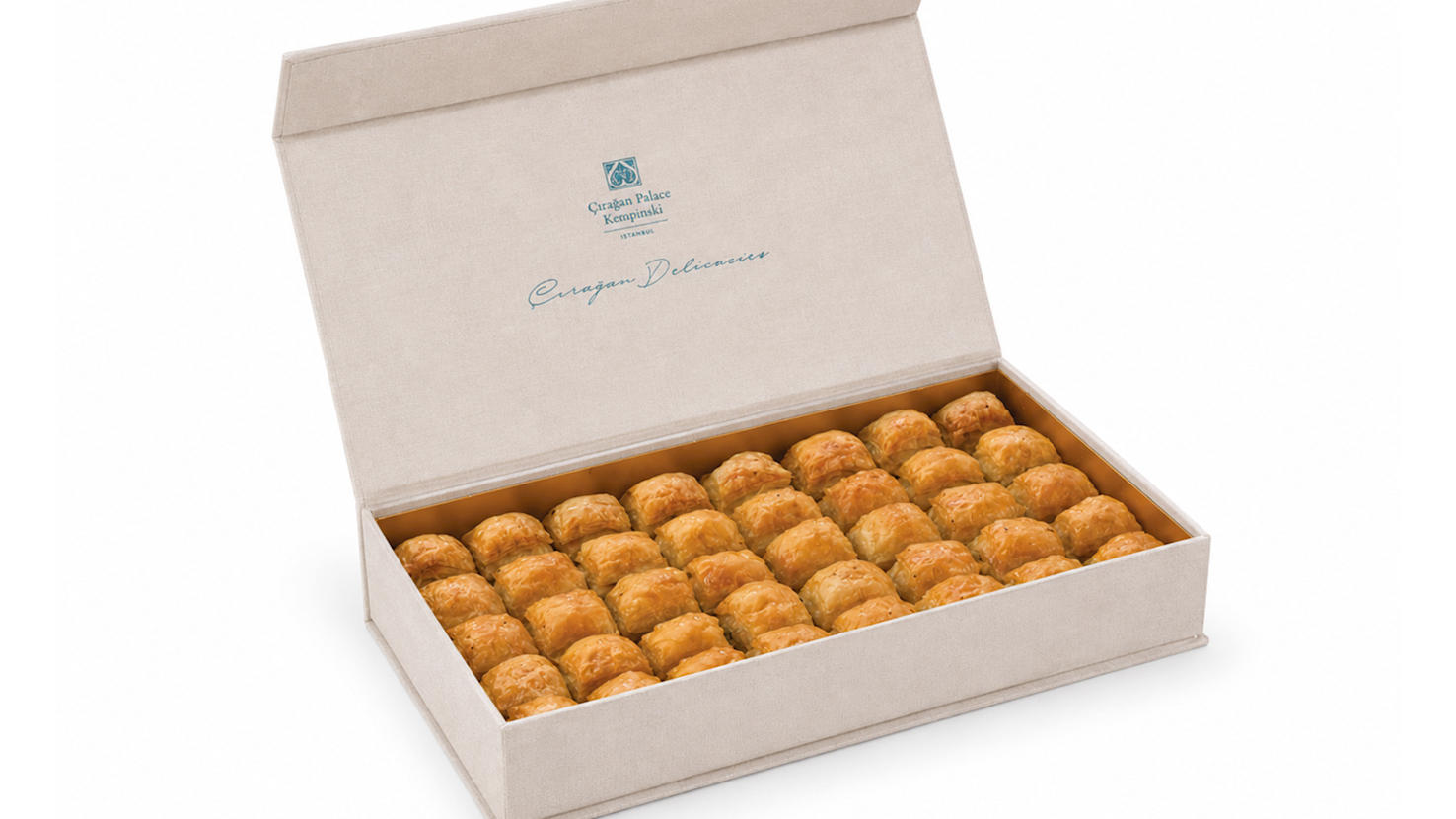
Çırağan Palace Kempinski Istanbul is a luxury hotel housed in a restored Ottoman palace on the European shore of the Bosphorus, between Beşiktaş and Ortaköy. The present palace was built for Sultan Abdülaziz between 1863 and 1867 and reopened as a hotel in 1991 following extensive restoration. The complex comprises the historic palace, a modern hotel wing, restaurants, gardens and event spaces. Gastronomy forms an important part of its identity, combining Turkish and Ottoman culinary traditions with contemporary hotel dining. It is particularly associated with Tuğra Restaurant, which focuses on Turkish and Ottoman cuisine. Çırağan Palace Shop also operates within the complex, offering products prepared by the hotel’s culinary and pastry teams. Its selection includes handmade baklava, chocolates, pralines, Turkish delight, cakes, macarons and tea. The baklava is produced in a dedicated preparation room inside the historic palace, making it one of the most distinctive parts of the hotel’s food offering. Through these products, recipes once associated primarily with palace dining are also presented in packaged formats under the Çırağan Palace name.
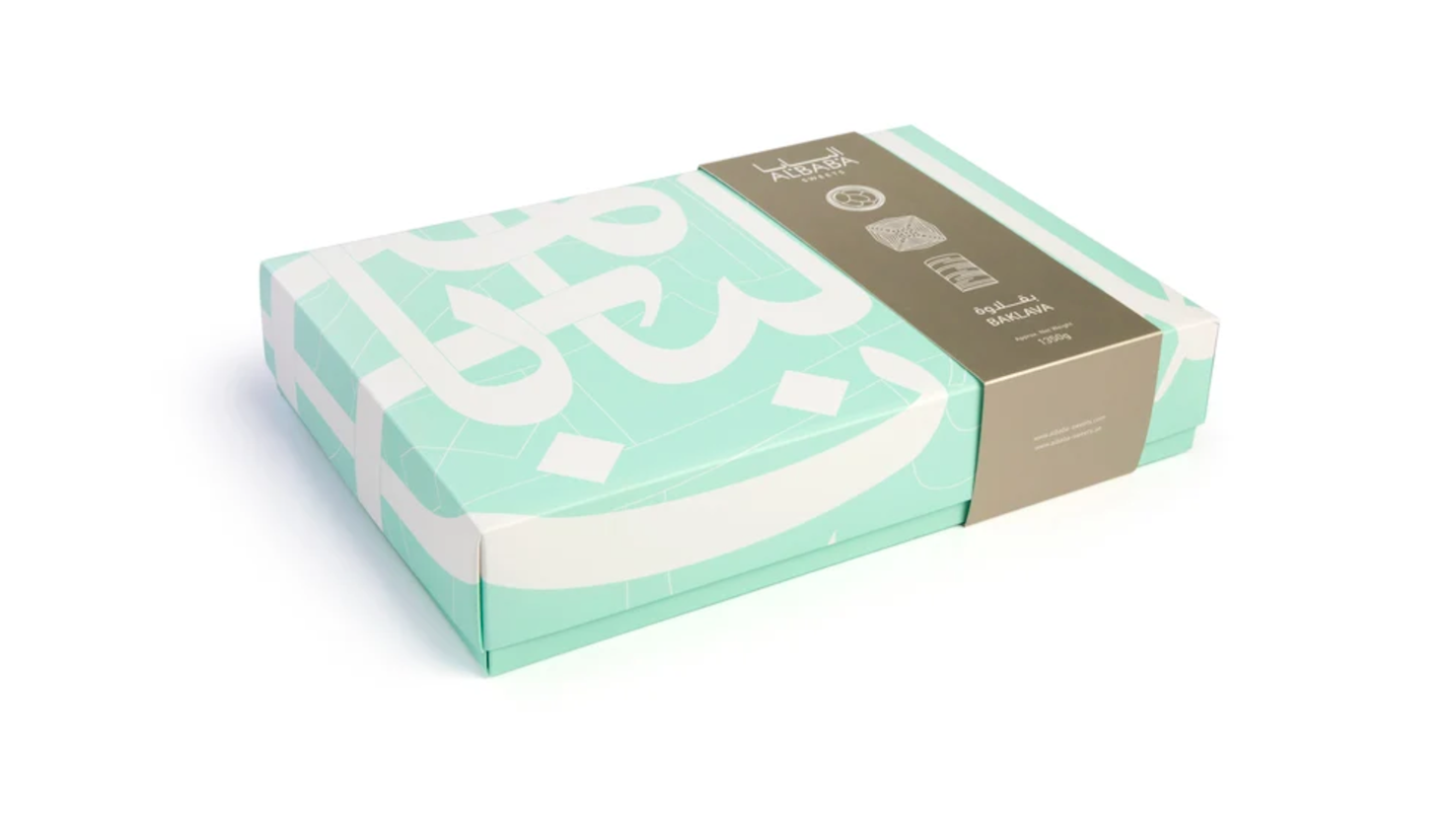
Al Baba Sweets is a Lebanese producer of traditional Arabic sweets founded in Sidon in 1950. Its founder, Mohammed Bachir El Baba, had previously learned the confectionery trade and began making sweets at home in 1943. The first store opened in central Sidon and offered local desserts prepared according to family recipes. Members of the El Baba family later continued the business while gradually expanding its product range. In 2000, the company opened its headquarters and main production complex in Sidon with three floors dedicated to manufacturing. Its assortment includes baklava, maamoul, Arabic cookies, and desserts made with cheese and cream. In addition to traditional products, the company makes French pastries and cakes, chocolate, ice cream, and various gift collections. Its products differ in their types of dough, fillings, and use of pistachios, walnuts, cashews, dates, and dairy creams. Al Baba Sweets opened its first Dubai location and a separate production facility in 2002 to supply the local market. Its operations in the United Arab Emirates were later expanded with locations in Abu Dhabi and other parts of Dubai. The brand retains its Lebanese origins and identity, while some products intended for the Emirati market are made at its own facility in Dubai.
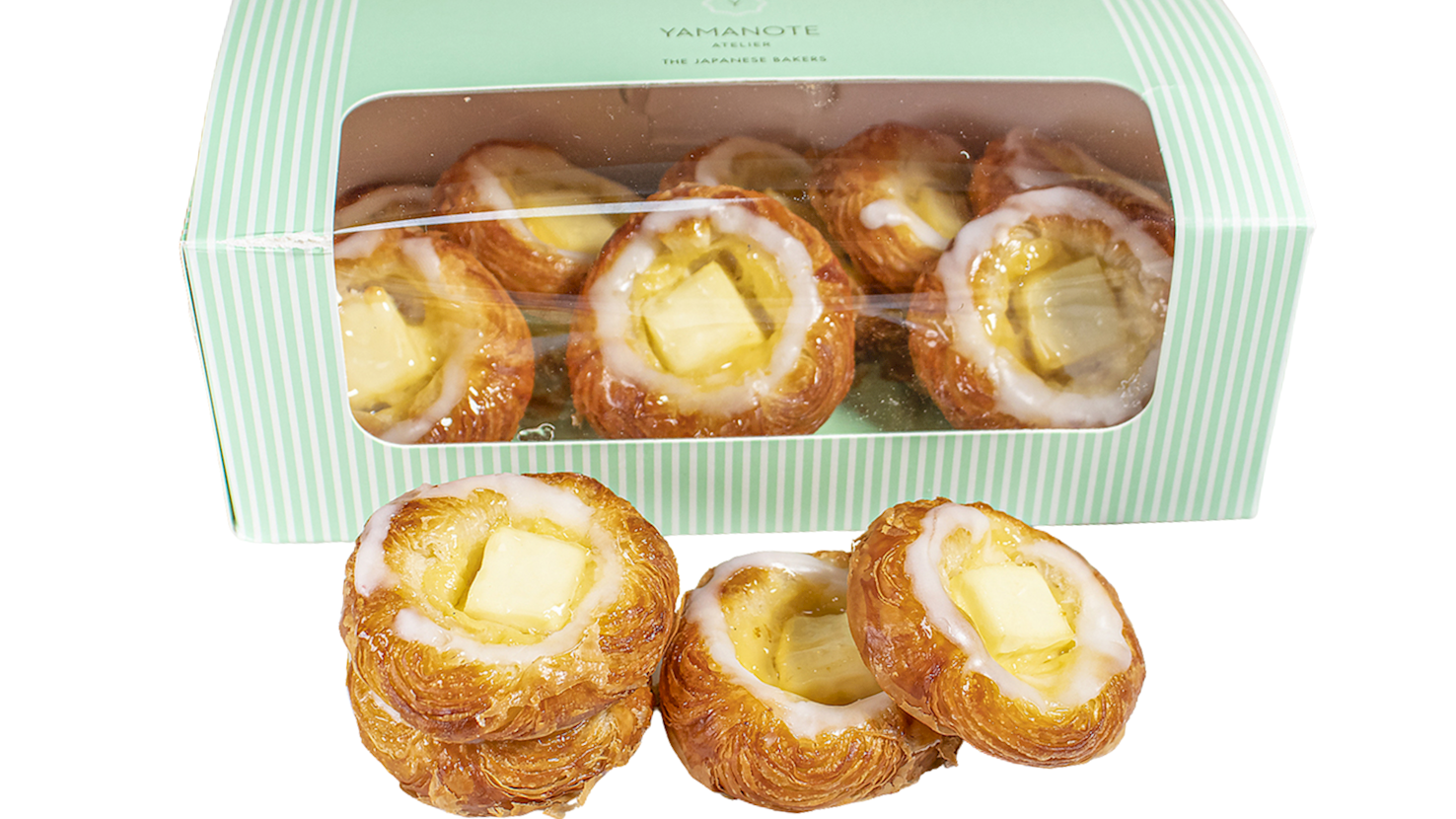
Yamanote Atelier is an Emirati chain of artisanal bakeries and cafés inspired by Japanese pastry and baking traditions. It was founded in Dubai in 2013 by Sheikh Suhail Al Maktoum and his wife Hamda. The idea originated from Hamda’s interest in Japanese cakes which she discovered during her frequent visits to Japan. In 2007 she started a small Japanese dessert business in cooperation with a Japanese pastry chef. This early venture primarily focused on preparing and delivering made-to-order cakes. The concept was later developed into a bakery that combines Japanese flavors and techniques with European bread and pastry-making traditions. Its selection includes freshly baked sweet and savory pastries, croissants, bread, sandwiches, cakes, and other desserts. Yamanote Atelier is now a locally developed brand that adapts Japanese baking aesthetics and flavors to the contemporary market of the Gulf region.
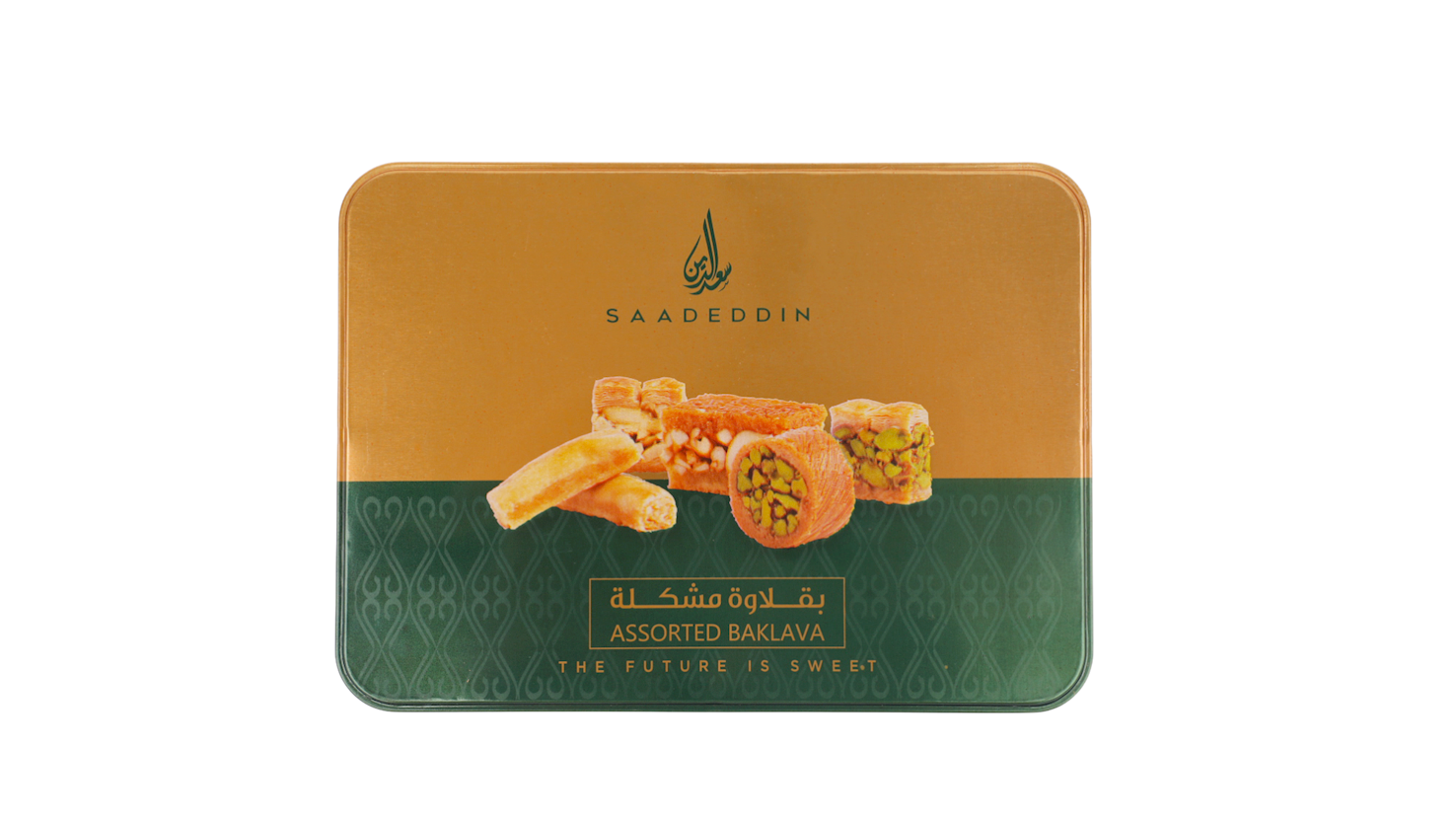
Saadeddin Pastry is a Saudi confectionery chain founded in 1976 in Al Khobar in the Eastern Province. It began as a small shop and workshop specializing in Arabic sweets. Over time, its range expanded to include baklava, kunafa, maamoul, chocolate products, cakes, individual desserts, ice cream, and savory pastries. The brand combines traditional Middle Eastern recipes with contemporary pastry-making techniques and modern packaging. It is particularly known for its extensive selection of cakes and gift boxes containing assorted Arabic sweets. Its recognizable products include Mango Velvet, several varieties of baklava, chocolate-covered maamoul, and pistachio desserts. Production is standardized to maintain consistent quality across its large network of retail outlets. Saadeddin Pastry currently operates more than 150 branches across Saudi Arabia and Bahrain. It has several shops in Mecca where customers can purchase fresh and packaged products directly. Although the brand is widely available and operates on a large scale, it maintains a premium position through its varied selection, presentation, and product quality.
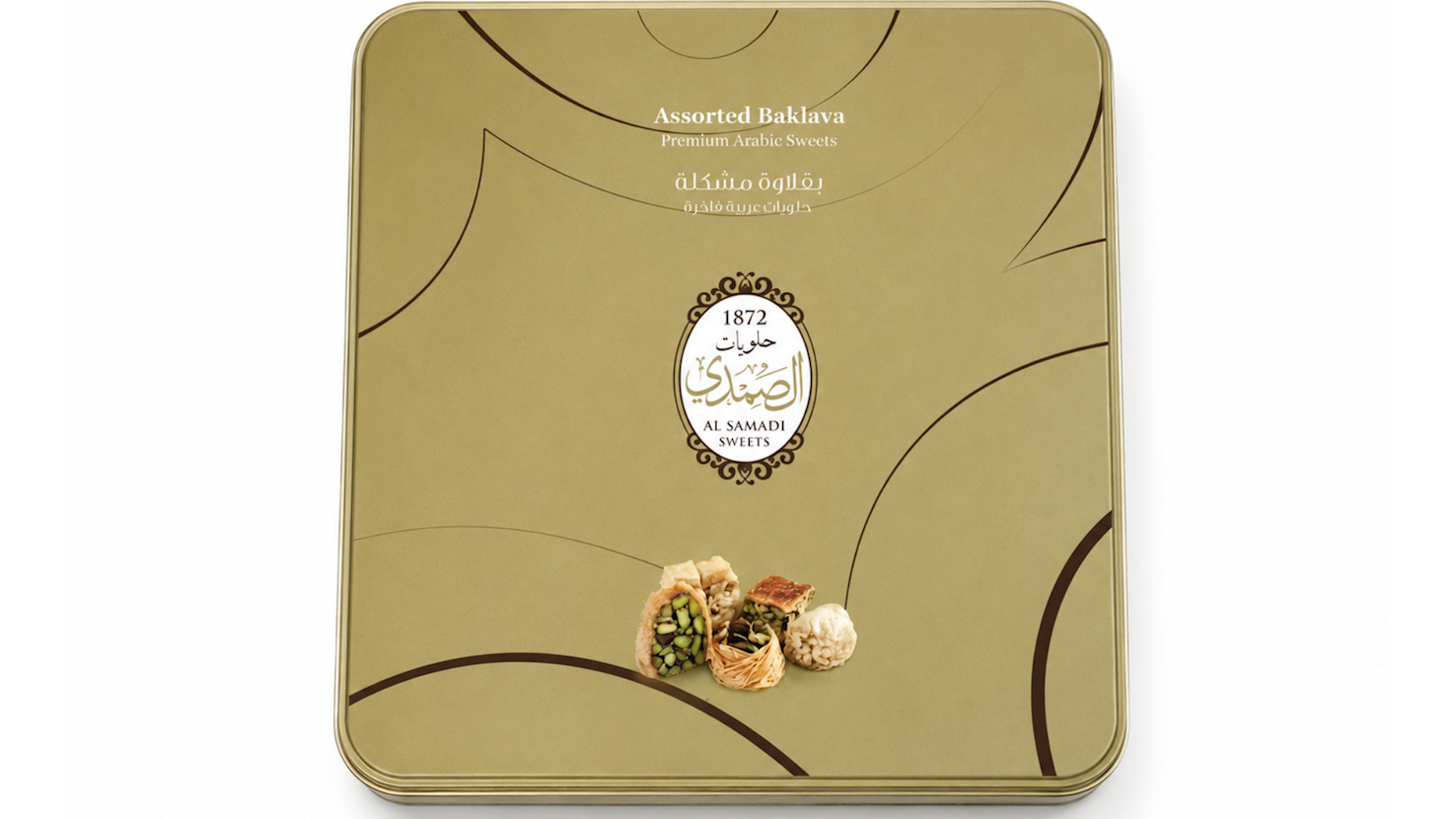
Al Samadi Sweets is a producer of traditional Arabic confectionery headquartered in Dubai. The brand’s history began in Beirut in 1872, when the foundations of its Lebanese confectionery tradition were established. In 1983, the business was acquired by Abduljaleel Abdulrahman Alblooki, after which the brand continued its development in the United Arab Emirates. Production is currently based in the Al Qusais industrial district of Dubai. The range primarily focuses on sweets associated with Lebanon and the wider Levant region. It includes different varieties of baklava, maamoul, kunafa, and other products made with layered or shredded pastry. Common ingredients include pistachios, cashews, dairy-based fillings, clarified butter, and sugar syrup. Baklava is produced in various shapes and with several types of nut filling. The selection also includes sfouf, halawet el jibn, karabij, petits fours, cakes, and croissants.
TasteAtlas food rankings are based on the ratings of the TasteAtlas audience, with a series of mechanisms that recognize real users and that ignore bot,
nationalist or local patriotic ratings, and give additional value to the ratings of users that the system recognizes as knowledgeable.
For the “Top 100 Asian Pastries” list until September 15, 2026, 16,532 ratings were recorded, of which 7,575 were recognized by the system as legitimate.
TasteAtlas Rankings should not be seen as the final global conclusion about food. Their purpose is to promote excellent local foods,
instill pride in traditional dishes, and arouse curiosity about dishes you haven’t tried.
The initial list of top producers was compiled based on available reviews, awards, local recommendations, media and blog coverage, and consumer reviews.
The list will be updated with ratings from TasteAtlas local ambassadors and TasteAtlas users.
















What People Say